Debra Prinzing

Get the Email Newsletter!

2016 Floral Insights & Industry Forecast (Episode 227)

Wednesday, January 6th, 2016

page-0As I was preparing to record this week’s episode I had a flashback to January 2014 and it reminded me of just how young Slow Flowers really was only two years ago.

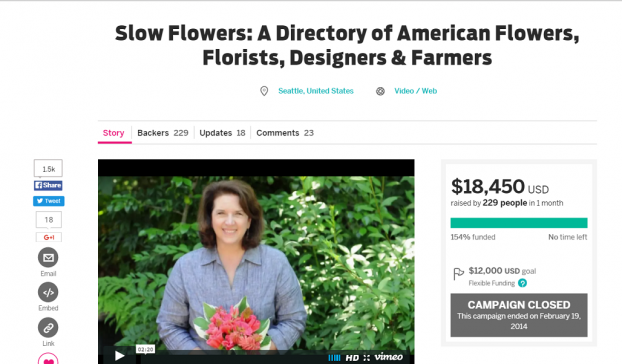
Leading up to the launch of Slowflowers.com, I’d spent six months working with my designers to create the site’s framework. Having invested more than $10,000 of my own money to get the platform off the ground, I decided to turn to crowd-funding to raise another $12,000 in order to pay the web developer’s bill.

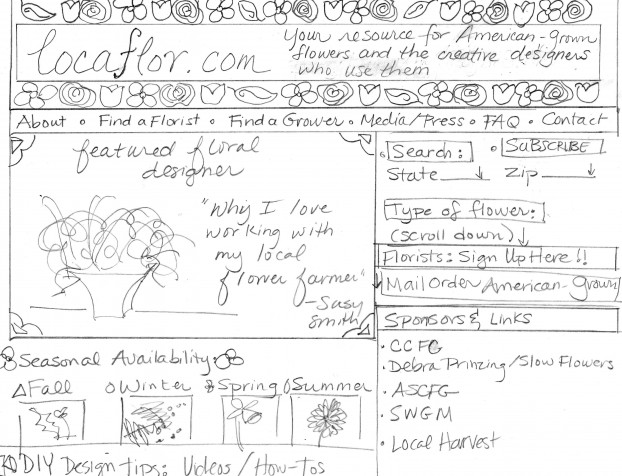
My original sketch for how this website could look! Yes, I wanted to call it "Locaflor"!

My original sketch for how this website could look! Yes, I wanted to call it “Locaflor”!

I spent considerable time and effort to set up my Kickstarter campaign, including hiring my friend Hannah Holtgeerts and her then-teenage brothers to create the Slow Flowers campaign video. For those of you who’ve been involved in these crowd funding sites, you know about all the up-front investment of time and resources that’s required prior to ever submitting your project for review.

Why Slow Flowers? from debra prinzing on Vimeo.

On December 24th 2013, less than 24 hours after I had submitted the Slow Flowers campaign to Kickstarter, I received this generic email response:

Unfortunately, this project does not meet our guidelines — resources of this nature do fall outside our scope. This isn’t a judgment on the quality of this project, just a reflection of our focus.

Not only was I devastated, I felt that Kickstarter was wrong and didn’t understand the creative nature of Slowflowers.com. If I had wanted to publish the directory of American flower farmers and florists as a tangible book rather than an easy-to-update web-based directory, I’m sure they would have accepted my proposal. It’s not like I was launching an e-commerce site either. I think it was just a matter of a lazy reviewer who didn’t take the time to thoughtfully read my proposal, but instead made the wrong conclusion and sent me their rejection.

I brushed myself off and turned to Indiegogo, where I should have started in the first place. I resubmitted the exact same campaign that Kickstarter had rejected and within 24 hours – on January 5, 2014, I received this email:

Congrats, ‘Slow Flowers: A Directory of American Flowers, Florists, Designers & Farmers’ is now live! 

Indiegogo_home_pgMy chunk of coal in the Christmas stocking turned into a beautiful diamond, thanks to Indiegogo’s acceptance of the project. What followed was nothing short of amazing, with a 45-day campaign generating more than $18,000 from 229-plus contributors— we exceeded the original funding goal by 54 percent! Look how far we’ve come in just two years!

Slowflowers.com launched in early May of 2014 with 250 listings.

Today, our membership has climbed to 640 in 48 states!

It’s always good to look in the rear-view mirror and see the distance covered. The road was bumpy, narrow and had limited visibility – but our wheels are still on the flower cart and it is my dream to help Slowflowers.com membership climb to 1,000 in 2016.

That is my New Year’s resolution – and you can help me reach that goal by referring fellow flower farmers, floral designers and wholesalers to join the site!

NEWS ITEM

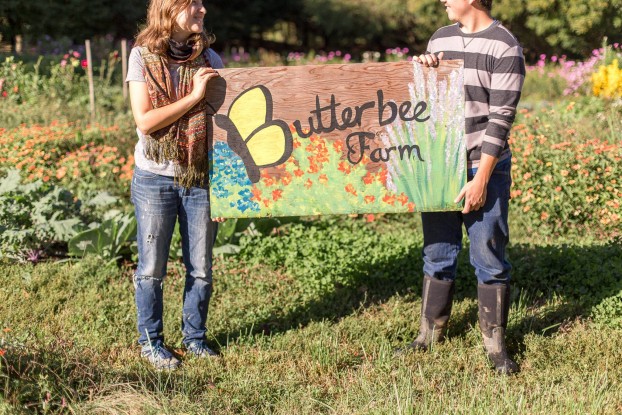
Laura (left) and Jacha (right), of Butterbee Farm outside Baltimore.

Laura (left) and Jascha (right), of Butterbee Farm outside Baltimore.

Laura embodies at least three of this year's Floral Insights: She's female; she is an urban flower farmer; and she builds community through collaboration!

Laura embodies at least three of this year’s Floral Insights: She’s female; she is an urban flower farmer; and she builds community through collaboration!

I recently checked in with Slowflowers.com member Laura Beth Resnick of Baltimore-based Butterbee Farm to learn more about the Maryland Cut Flower Growers Association’s winter meetings. Laura is the current president of the Association, which will hold the second of its three winter meetings on January 12th from 10 am to 1 pm (the third meeting is scheduled for February 9th at the same time).

The Maryland Cut Flower Growers Association is a regional group that has met each winter to share information for almost twenty years. The group convenes in Annapolis and the meeting is open to flower farmers in the Chesapeake Region, which includes Maryland, northern Virginia, southern Pennsylvania, and Delaware.

Before you hear her voice, I’ll share a little bit more about Laura Beth. She is a Baltimore native who launched Butterbee Farm in 2013 after a few years apprenticing on East Coast organic farms. The farm’s first seeds were sown on a 13th of an acre in the Reservoir Hill area outside Baltimore. Midway through the summer, artist and California transplant Jascha Owens volunteered on the farm, and the two have been farming together ever since, now farming on nearly two acres thanks to increasing demand for their beautiful flowers.

The Maryland Cut Flower Growers Association meeting will be held at the Maryland Department of Agriculture Building (50 Harry S. Truman Parkway in Annapolis). For more information, you can contact Laura: butterbeefarm@gmail.com. I hope you are able to attend if you’re in the area.

OUR 2016 FORECAST

page-0

As promised, Let’s kick off 2016 with my Floral Insights and Industry Forecast. I’ve been tracking shifts and concepts that are taking hold in the American floral world.  I know some of you have already experienced these developments. In fact, my conversations with guests on the Slow Flowers Podcast have greatly influenced this list.

READ MORE…

2015 Slow Flowers Highlights (Episode 226)

Wednesday, December 30th, 2015
Heather_Saunders_Slow_Flowers

Slow Flowers at The Flower House (c) Heather Saunders

Welcome to the final Slow Flowers Podcast episode of 2015.

(c) Linda Blue Photography

(c) Linda Blue Photography

Every single week this year; in fact, every single week for 2-1/2 years, I’ve had the immense privilege of hosting dynamic and inspiring dialogues with a leading voice in the American floral industry.

You’ve heard from flower farmers and floral designers who are changing the marketplace and how we view and consume the flowers in our lives.

As 2015 comes to a close, I would like to dedicate today’s episode to the Slow Flowers Highlights we’ve witnessed this year.

Next week, on January 6th, I will share my Floral Insights and Forecast for 2016 with you.

The past twelve months have built on the successes and shifts that began in previous years. Each time we turn the pages of the calendar to a New Year, we can applaud the strides made in the Slow Flowers movement.

I can date my own awareness to the American grown floral landscape to 2006 — that’s nearly a decade ago — when I met a very young mom named Erin Benzakein while I was scouting gardens in Mount Vernon, Washington.  She was growing sweet peas and had big ambitions.

Something about our conversation resonated with me. I was an established features writer with a huge home and garden portfolio. I’d written countless floral design stories for regional and national publications and yet it had never occurred to me that there was a great imbalance in the way flowers are grown and sourced in this country.

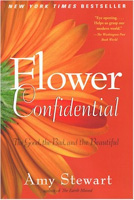
cover_flower_confidentialAt the same time, my writer-pal Amy Stewart was working on a book about the global floral industry’s dark side, which was published the following year called Flower Confidential. She delved deep into the stories behind the status quo, and opened mine and countless others’ eyes to the extraordinary reasons nearly 80 percent of cut flowers sold in the U.S. were being imported.

Curious to learn more, I subscribed to Growing for Market, Lynn Byczynski’s newsletter for market farmers. I joined the Association of Specialty Cut Flower Growers and attended my first regional meeting in 2010, held at Charles Little & Co. in Eugene, Oregon, and later that year I went to the national meeting in Tulsa, Oklahoma.

I began connecting with flower farmers wherever I could, both in California where I was living at the time, and in Oregon and Washington. I met people virtually, as well, thanks to the ASCFG list-serves where I learned much about the issues facing small farms and American growers.

READ MORE…

Slow Flowers wins Silver Award from Garden Writers Association

Tuesday, September 29th, 2015

15-silver-logoI’m thrilled to announce the news that Slow Flowers has earned a 2015 Garden Writers Associaiton SILVER AWARD in the Newsletter/Bulletin/Brochure Category for our Infographic:

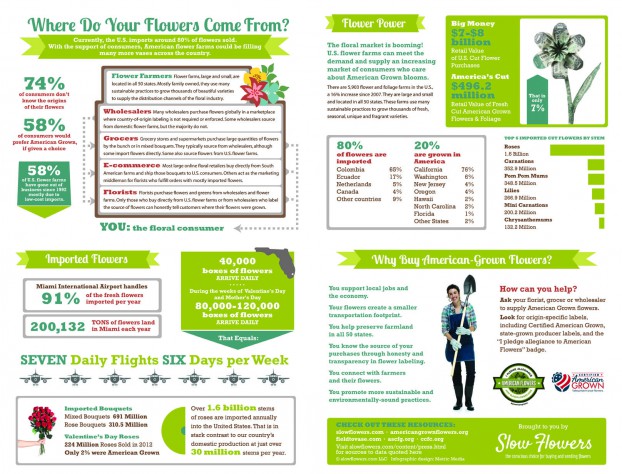
“Where Do Your Flowers Come From?” 

A very special thanks to my design collaborator Willo Bellwood of Metric Media for her amazing talent. Her graphic sensibilities translated this multilayered concept into a powerfully visual piece.

“Where Do Your Flowers Come From?” communicates the facts, fallacies and data about the source of flowers – and inspires consumers to source domestic and local flowers.

Here is our award-winning piece. I encourage you to share it with your own audiences:

Please feel free to use this graphic to promote the Slow Flowers Movement to your own community of flower farmers, florists and customers.

Please feel free to use this graphic to promote the Slow Flowers Movement to your own community of flower farmers, florists and customers.

NYC Event Maestro David Beahm Adds Flower Farming to His Repertoire (Episode 209)

Tuesday, September 1st, 2015
David Beahm (c) Heidi Chowen

David Beahm (c) Heidi Chowen

I was in New York City in late August for the fifth Field to Vase Dinner, held at The Brooklyn Grange.

DV Flora, a major floral wholesaler and an event sponsor, sent one of its top customers as a guest to Field to Vase.

I found out in advance that their guest was none other than David Beahm. I couldn’t resist. I reached out and invited myself to his studio, asking whether we could record an episode of the Slow Flowers Podcast. And, lucky for you, he said YES!

While I don’t really know David, we are somehow friends on Facebook, so I’m well aware of his creative endeavors.

I think we connected after I gave a presentation about the Slow Flowers Movement at the 2014 Chapel Designers Conference in NYC.

Holly Chapple, founder of Chapel Designers, has involved David in her conferences and during the year I was there, the 75-plus participants gathered at David’s giant production and prop warehouse in the Bronx where they created floral samples for The Knot Dream Wedding.

I watched David in action and was thoroughly impressed by the scale on which he works. Plus, he is just a gracious and kind human being. I watched that, too.

web_db_03-Experiences-V Black

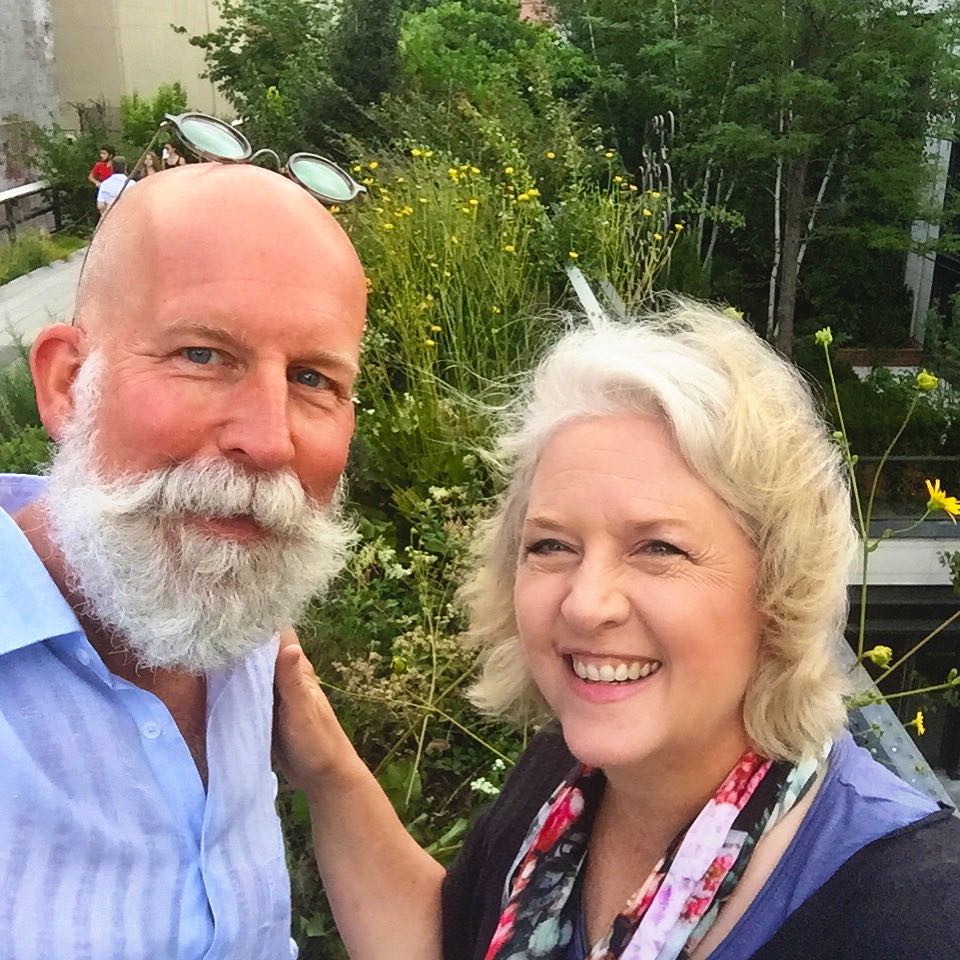
David took our selfie at the Highline after our podcast interview.

David took our selfie at the Highline after our podcast interview.

So two weeks ago, I took a combination of two subways and a bus and ended up at the headquarters for David Beam Experiences, quite close to the now-iconic Highline Public Garden.

What was once Manhattan’s gritty meatpacking district is now populated by high-rent galleries, fine restaurants, designer shops and creatives like Mr. Beam. It was a heady experience just to walk past the Dianne von Furstenburg shop and the Whitney Museum of American Art.

I arrived and rode the elevator to the 11th floor of what probably was once a warehouse but is now a sleek, uber-modern complex, entering David Beam’s atelier where I was warmly welcomed. We were seated in his light-filled office with eclectic furnishings and a comfortable sofa. That’s where we recorded this interview.

READ MORE…

Presenting American Flowers Week & Introducing Minnesota’s Len Busch Roses (Episode 199)

Wednesday, June 24th, 2015

PodcastLogoToday, we’re celebrating the 100th episode of the Slow Flowers Podcast, a weekly program that’s all about American Flowers and the people who grow and design with them.

Reaching ONE HUNDRED EPISODES represents a significant milestone, as we have brought you hours and hours of programming on the vital topics ranging from saving our domestic flower farms to supporting a floral industry that relies on a safe, seasonal and local supply of flowers and foliage.

To me, it’s all about making a conscious choice and I invite you to join the conversation and the creative community. This podcast is brought to you by Slowflowers.com, the free, nationwide online directory to florists, shops, and studios who design with American-grown flowers and to the farms that grow those blooms.  It’s the conscious choice for buying and sending flowers.

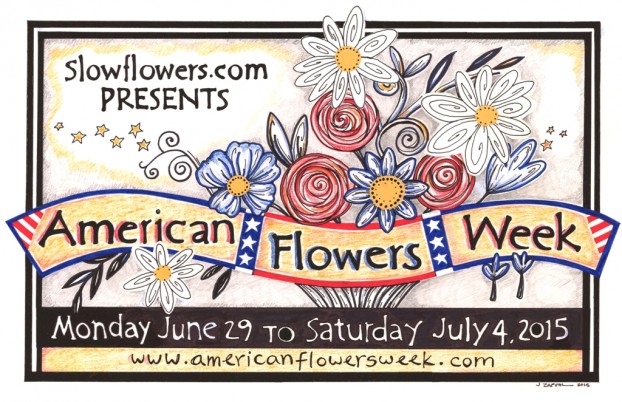
To commemorate the 100th episode of the Slow Flowers Podcast, we’re launching a very cool and I believe significant week-long education and outreach campaign that will kick off next Monday, June 29th and run through Saturday, July 4th.

web_2015AmericanFlowersWeekLogo

Inspired by British Flowers Week, which has been the subject of two recent podcast episodes, the Slow Flowers Podcast and the Slowflowers.com online directory present: AMERICAN FLOWERS WEEK.

We’re kicking off American Flowers Week with a fabulous logo identifying the campaign, designed by Iowa-based illustrator and artist Jean Zaputil of Studio Z Design & Photography.

You are welcome to visit our new American Flowers Week web site where you can download and use the logo and other resources for your own promotional efforts efforts. Click here to find our Press Kit and links to a Flickr gallery featuring local flowers and floral arrangements representing all 50 states.

READ MORE…

Earth Day with Updates from Peterkort Roses and Floral Soil (Episode 190)

Wednesday, April 22nd, 2015

Earth-Day-Logo-2015This week’s episode coincides with Earth Day, fittingly symbolic for the Slow Flowers Movement and flower farmers, floral designers and product innovators who are working to change our industry and push for progress to alter the status quo.

So I’d like to share a few news items as well as two follow-up interviews featuring guests of past Slow Flowers Podcast episodes.

Listen closely to find out how you can win prize packages from each of our guests – you’ll want to get in on the good stuff!

First off, if you enjoyed last week’s interview with Jenny Elliott and Luke Franco of Tiny Hearts Farm in New York’s Hudson Valley and Rachel Gordon of Taproot Flowers of Brooklyn, please check out more photos that I’ve added to the show notes. They’re onto something really special and I encourage you to listen if you missed that episode – and enjoy the beautiful flowers the three of them grow and arrange in their worlds.

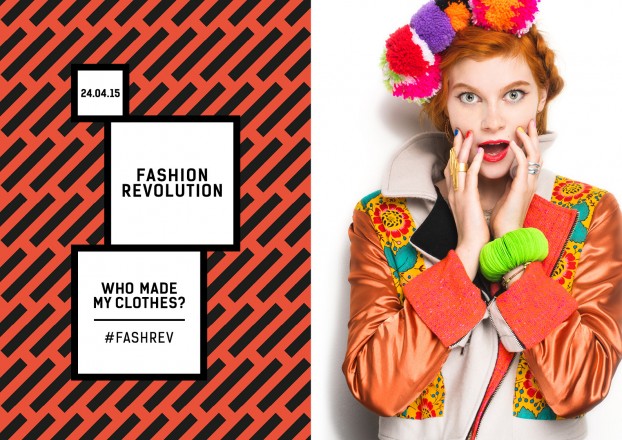
FRD_posters_2015_photography_loweres2Second, I want to share details about this week’s Fashion Revolution Day, which takes place on April 24th.

If you believe in Slow Flowers, you should also embrace and support Slow Fashion, which has so many parallels in terms of labor practices, environmental concern and trade policy.

Slow Fashion asks questions about the origins of the clothing we wear that are virtually identical to the questions Slow Flowers asks about the bouquets we bring into our homes.

Fashrev2015Fashion Revolution Day 2015 marks the second anniversary of the Rana Plaza disaster in Dhaka, Bangladesh, which killed 1,133, and injured over 2,500 people.

According to Fashion Revolution’s data, one in six people work in the global fashion supply chain. It is the most labor-dependent industry on the planet, yet the people who make our clothing are hidden from us, often at their own expense, a symptom of the broken links across the fashion industry.

Wow, doesn’t that sound identical to the floriculture industry? On April 24th, coordinated teams around the world will challenge global fashion brands to demonstrate commitment to transparency across the length of the value chain, from farmers to factory workers, brands to buyers and consumers.

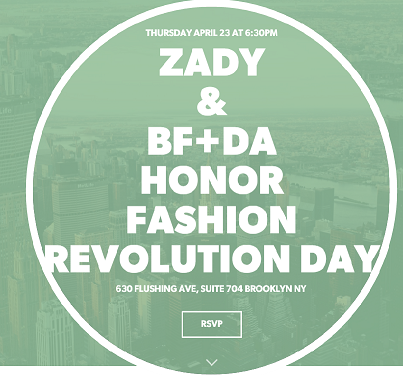
Zady.com, an innovative online fashion brand based in New York City, is serving as U.S. chair of Fashion Revolution Day. Slow Flowers has been invited to help promote the cause. Check out this Slow Fashion/Fashion Revolution event taking place in Brooklyn. Slow Flowers hopes to have ongoing involvement with Slow Fashion in the future.

unnamed-1

I am inspired by what the fashion industry has done in just two years to mobilize conscious consumers to care about the origins of their clothing — and in the future, I hope the floral industry will be just as vocal. I don’t wish for a fatal disaster to occur at an unregulated flower farm in a distant land to make us all wake up and start asking about the origins of our flowers.

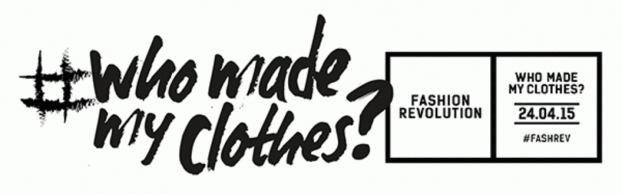
What you can do on April 24th is to use your own social channels to get active. Take a photo of yourself wearing an item of clothing inside out. Tag the brand, share the photo on Facebook, Twitter and Instagram with the hashtags: #whomademyclothes and #fashrev.

Not to take away from this important endeavor, but perhaps you’ll be inspired to ALSO take a photo of yourself holding flowers that came from a US mega-retailer, big box store or supermarket and tag that retailer on your social sites with the hashtags: #whogrewmyflowers and #slowflowers. Just a thought.

Thanks for caring!

READ MORE…

Slow Flowers cited in Center for the Future of Museums’ “TrendsWatch 2015”

Sunday, April 5th, 2015
Please feel free to use this graphic to promote the Slow Flowers Movement to your own community of flower farmers, florists and customers.

Please feel free to use this graphic to promote the Slow Flowers Movement to your own community of flower farmers, florists and customers.

Out of the blue recently, an editor for the American Alliance of Museums’ annual TrendsWatch publication contacted me for permission to reprint the Slow Flowers‘ “Where do your flowers come from?” infographic in the organization’s 2015 annual report.

I really had no idea how this illustrious association of cultural institutions planned on using the infographic, but of course, I said YES.

TrendsWatch2015 features a report on "Slow Consumerism."

TrendsWatch2015 features a report on “Slow Culture.”

The publication just landed in my in-box and I have to say, it’s pretty impressive.

Each year, the TrendsWatch report highlights top trends that the Center for the Future of Museums staff and advisors believe are highly significant to museums and their communities.

The story of “Slow Flowers” appears in an article titled “Slooow: better a tortoise than a hare,” which highlights slower cultural experiences in all consumer categories.

In addition to the Slow Culture section, the TrendsWatch report cited Ethical Consumerism (which has a lot of connections to Slow Flowers, as well), Personalization, Rising Sea Levels, Wearable Technology and Open Data as subjects of importance to the Museum community.

Here’s a PDF of the article: Trendswatch 2015. You can download a PDF of the entire TrendsWatch report here after completing a short registration form.


Re-Wilding with The Floracultural Society (Episode 179)

Wednesday, February 4th, 2015
Stephanie Huges and Anna Campbell of The FloraCultural Society in Oakland, CA.

Stephanie Hughes and Anna Campbell of The FloraCultural Society in Oakland, CA.

rewildToday I am delighted to introduce the women behind an innovative flower farm/floral design business in Oakland, California called The FloraCultural Society.

Anna Campbell, who owns the venture with her mother Linda Davis, has an extensive career in horticulture, agriculture, floral design, editorial and retail.

She freely admits during our conversation how no matter what she pursued professionally, flowers have continued to draw her like a bee to nectar. Many of you will understand this “flower fever,” which makes Anna’s story so compelling.

After previous forays into floral retail, Anna developed and launched the current format for The FloraCultural Society — part micro urban flower farm / part flower shop and studio space. She describes the business as “a cut flower farm and retail shop providing plant-based goods, classes and events.”

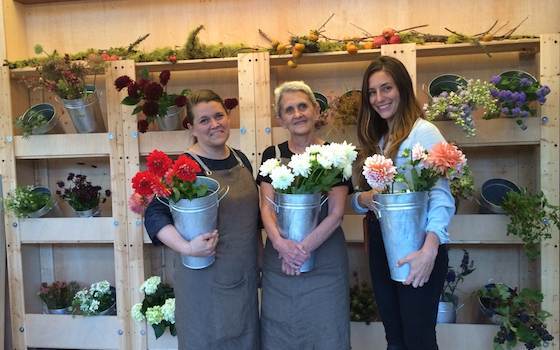
Anna, Linda and Stephanie in the new retail shop on College Ave. in Oakland's Rockridge Neighborhood.

Anna, Linda and Stephanie in the new retail shop on College Ave. in Oakland’s Rockridge Neighborhood.

flora+circle+logoAnna connected with Stephanie Hughes through the local flower farming community in the Bay Area and last year Stephanie joined The FloraCultural Society as Director of Flora and Farm Operations.

I’m so pleased that Stephanie’s voice is included in the interview because she’s the one who introduced Anna and me last October, when I was invited to visit the new FloraCultural Society shop in downtown Oakland’s Rockridge neighborhood on College Ave., a stone’s throw from Berkeley.

Stephanie and I originally met last May when we were both part of a bearded iris design workshop taught by Sarah Ryhanen and Nicolette Owen of The Little Flower School.

At the time, Stephanie was still shadowing and apprenticing with flower farmers and floral designers, hoping to find a new career in the Bay Area after escaping from a corporate retail job. And now, she’s working closely with Anna to bring locally-grown flowers to their community!

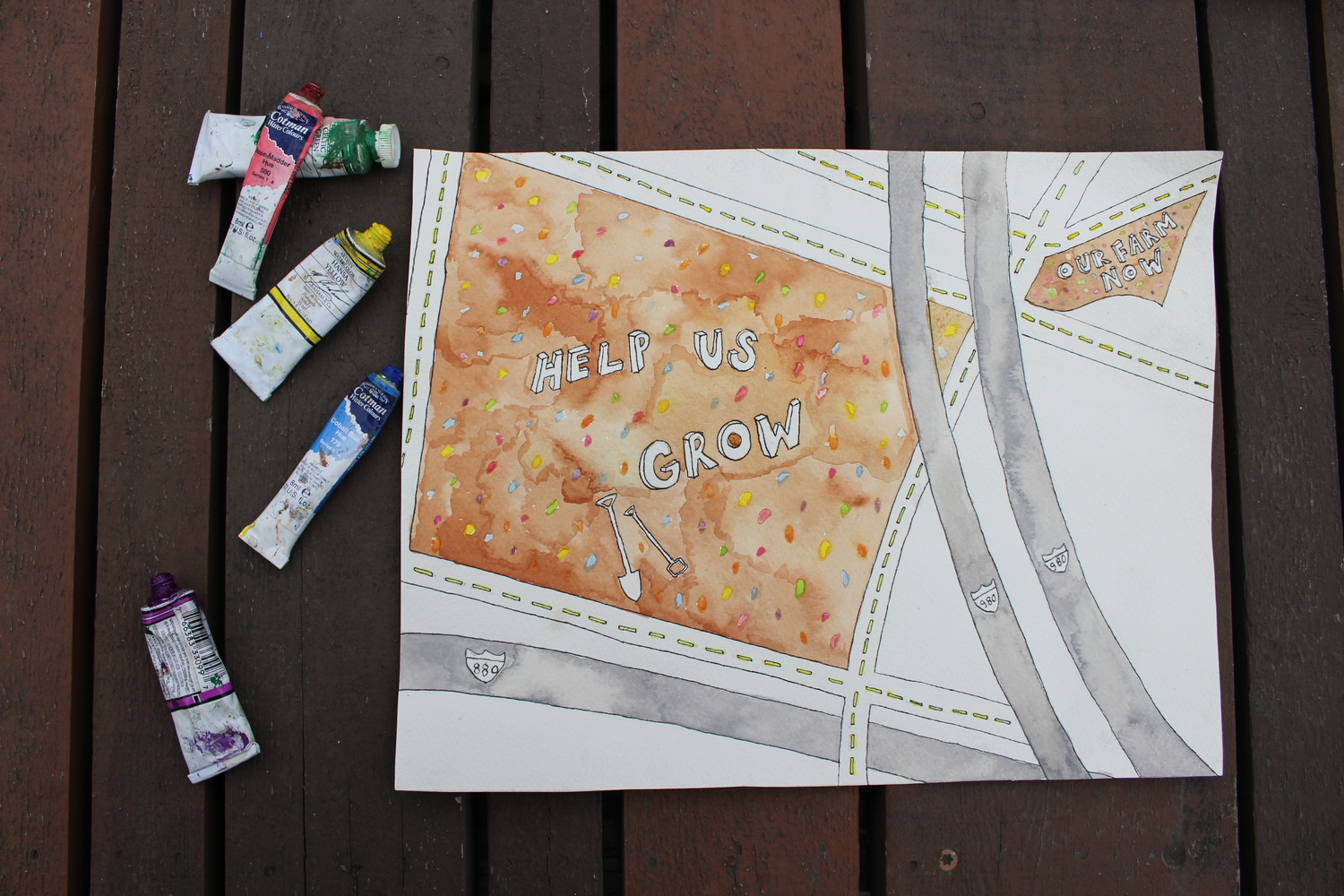
Here's the artwork for The FloraCultural Society's upcoming Kickstarter Campaign.

Here’s the artwork for The FloraCultural Society’s upcoming Kickstarter Campaign, a watercolor that depicts the parcel of land they plan to farm that’s super close to a freeway overpass.

I know you’ll enjoy the conversation, so click on the PLAY BUTTON above to listen or download this episode. And I do want to encourage you to check out the new Kickstarter Campaign that Anna and Stephanie and their team will launch on February 7th.

The campaign seeks to raise funds to so the new 2-acre flower farm is off to a good start. If you’re in the neighborhood, stop by between 11 and 3 for light refreshments, sneak previews of the campaign’s rewards and view a screening of the new “Help us Grow” video.

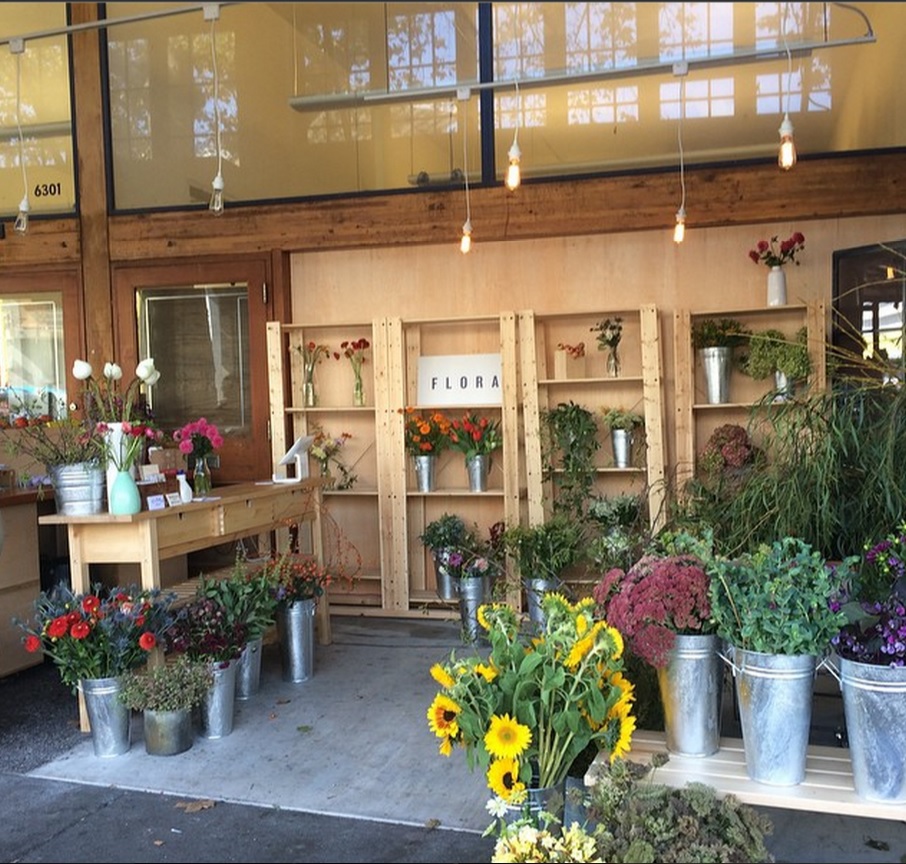
A peek inside the new flower shop in Oakland.

A peek inside the new flower shop in Oakland.

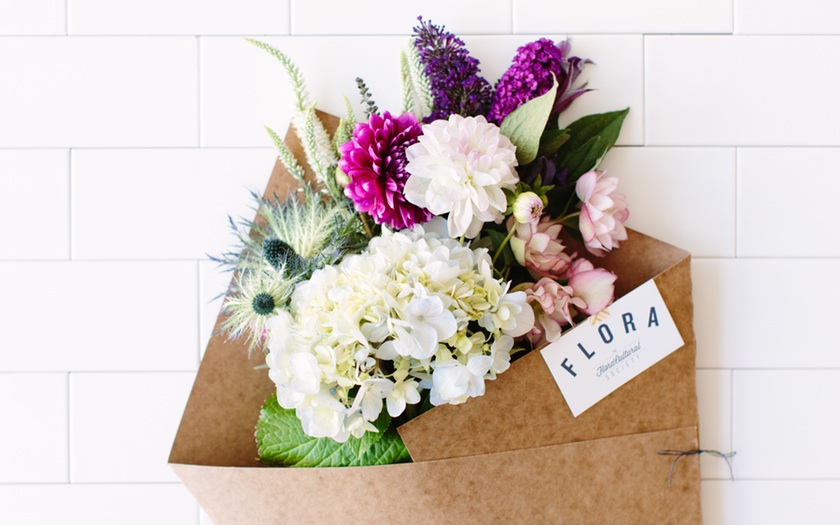
A bouquet called "Flowers to Dye For," which includes flowers and floral dye. After you purchase the $95 bouquet, you are invited to return to The FloraCultural Society to participate in a post-Valentine's Day workshop with Sasha Duerr, author of "The Handbook of Natural Plant Dyes.

A bouquet called “Flowers to Dye For,” which includes flowers and floral dye. After you purchase the $95 bouquet, you are invited to return to The FloraCultural Society to participate in a post-Valentine’s Day workshop with Sasha Duerr, author of “The Handbook of Natural Plant Dyes.

A medium sized bouquet of beautiful floral cuttings in the signature quiver.  Twenty percent of the proceeds of this bouquet purchase go towards seed, soil, and supplies for the petite urban farm.

A medium sized bouquet of beautiful floral cuttings in the signature quiver. Twenty percent of the proceeds of this bouquet purchase go towards seed, soil, and supplies for the petite urban farm.

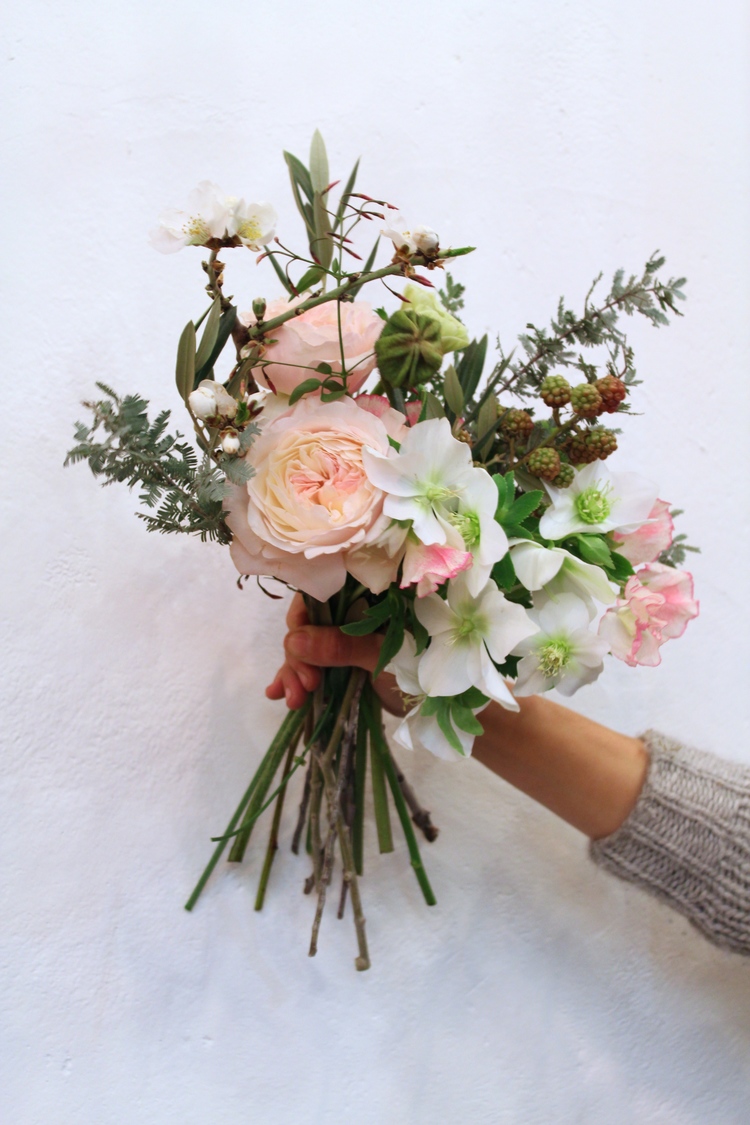
For a brief engagement this Valentine's Day - A medium sized bouquet of blush garden roses and beautiful, fragrant winter blooms in our signature quiver.

For a brief engagement this Valentine’s Day – A medium sized bouquet of blush garden roses and beautiful, fragrant winter blooms in our signature quiver.

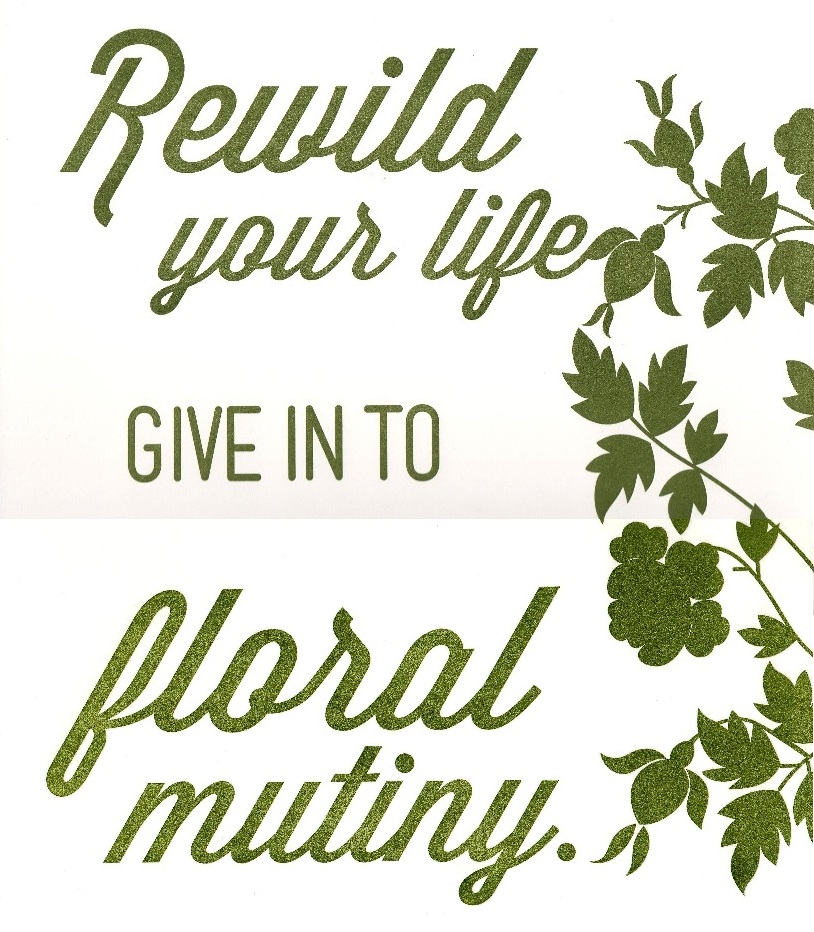
As I mentioned in the talk, Anna wowed me with a gift of a letterpress print that she commissioned for the opening of the new shop on College Avenue. It reads “Rewild Your Life . . . Give in to Floral Mutiny.”

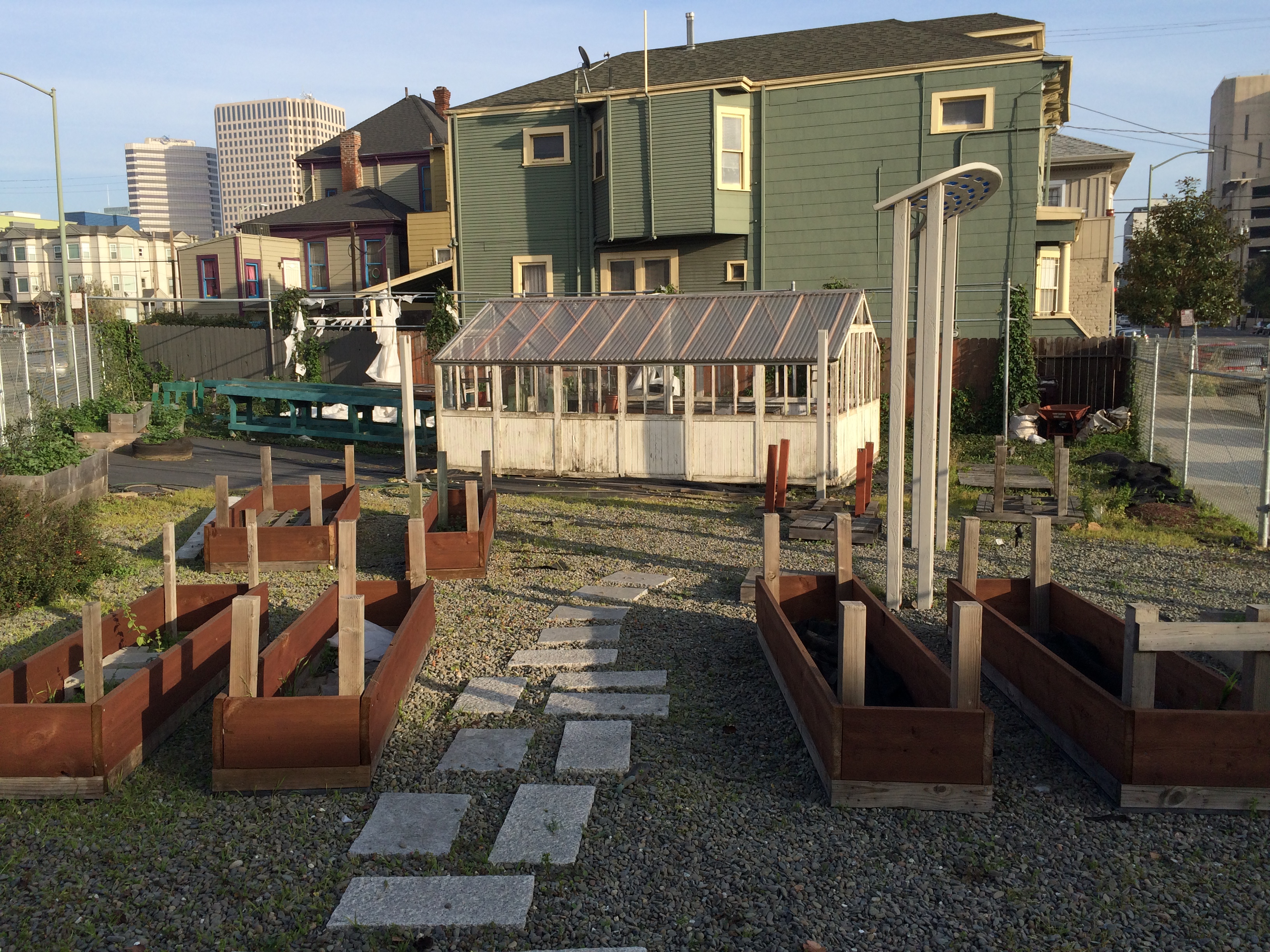
The mini flower farm, located in Oakland on less than 2,500 square feet. It's ready to be joined by a new 2-acre parcel nearby.

The mini flower farm, located in Oakland on less than 2,500 square feet. It’s ready to be joined by a new 2-acre parcel nearby.

Here’s a little more about the company, from The FloraCultural Society’s web site:

The FloraCultural Society was established in hopes of uniting a network of people interested in the beauty of sustainably grown flowers and plant-based goods.  In 2012, we dug into a 2,600 foot plot of land in Old Oakland and began to grow heirloom varieties in the midst of the city.  The contrast between the wild organic flowers and the industrialized structure of the city inspired  the FloraCultural Society’s tagline… ReWild Your Life.

We are now sourcing from local farms in the Bay Area and have plans of expanding our own farm to 2 acres, giving us the ability to provide you with distinct, heirloom varieties.

In joining our society, it is our hope that you may become connected with your wild side, simplifying the way you indulge.  We invite you to take a class with us, Join our CSF (our Community Supported Flowers), try out our plant based skin care lines, and rewild your home with a locally grown arrangement.

The idea of ReWilding is a lovely sentiment that we can all embrace!

ANNOUNCEMENTS:

If you want to get started in or further your knowledge of specialty cut flower farming, or if you’re a designer who wants to strengthen your connections with local flowers, I want to share details of two opportunities coming up. The Association of Specialty Cut Flower Growers is hosting two regional Growers’ Intensives in March.

On March 2nd and 3rd, in Athens, Georgia, attendees will meet and learn from experienced flower farmers including Rita Anders from Cuts of Color in Weimar, Texas whose topic is: From Seed to Market: A Few of My Most Profitable Flowers.”

Arrive early and attend the informal meet-and-greet on Sunday evening March 1st, hosted by Tanis Clifton of Happy Trails Flower Farm in Dennis, Mississippi, and Mimo Davis of Urban Buds in St. Louis, Missouri.

You’ll also get a chance to visit Three Porch Farm, owned by Steve and Mandy O’Shea in Comer, Georgia, and participate in a bouquet-making session co-led by Mandy (known for her beautiful Moonflower design studio) and Jennie Love of Love ‘n’ Fresh Flowers in Philadelphia — both of whom have been featured in the New York Times. And not to miss, also at Three Porch, a demonstration of veggie oil-powered vehicles and other equipment.

On March 23rd and 24th, a west coast Growers’ Intensive will take place in San Jose, California – and I’ll be there to meet you! You’ll hear from expert presenters, including several past guests of this podcast, including Rita Jo Shoultz of Alaska Perfect Peony, Joan Thorndike of Le Mera Gardens in Ashland, Oregon and Diana Roy of Resendiz Brothers Protea Growers in Fallbrook, California, and others. I’ll be there with my recording equipment and I hope to capture some new voices to share on future Slow Flowers episodes.

There are a few upcoming deadlines to take note of, including the Georgia hotel room block and the San Jose bus tour of local flower farms, both of which expires this Friday, February 6th, so register soon.

Thanks for joining me today.  My personal goal is to put more American grown flowers on the table, one vase at a time.

Increasingly, there are passionate people like you who are joining the Slow Flowers movement, the Floral Mutiny as Anna Campbell calls it. You are downloading and listening to the Slow Flowers Podcast more than ever before!

We have exceeded 33,000 downloads to date and every time that figure climbs, I’m encouraged to know more people are learning about the farmers and florists who keeping American-grown flowers flourishing.

I don’t know exactly how to credit our growth, but get this: The Slow Flowers Podcast ended the month of January with more than 4,000 downloads, nearly 1500 individual downloads more than any month prior.

There’s something very good going. More people are entering the flower farming profession in the U.S.; more florists are seeking fresh, seasonal and sustainable sources of American grown flowers with which to create their beautiful designs; and more flower lovers are asking: “where are my flowers grown” and expect transparent labeling of those blooms. Origin does matter when it comes to your flowers.

So I thank you!!! If you like what you hear, please consider logging onto Itunes and posting a listener review.

The Slow Flowers Podcast is engineered and edited by Andrew Wheatley and Hannah Holtgeerts.

Slowflowers.com Florists ‘Take Back’ Valentine’s Day From Tele-florists With Sustainable Choices

Tuesday, January 13th, 2015
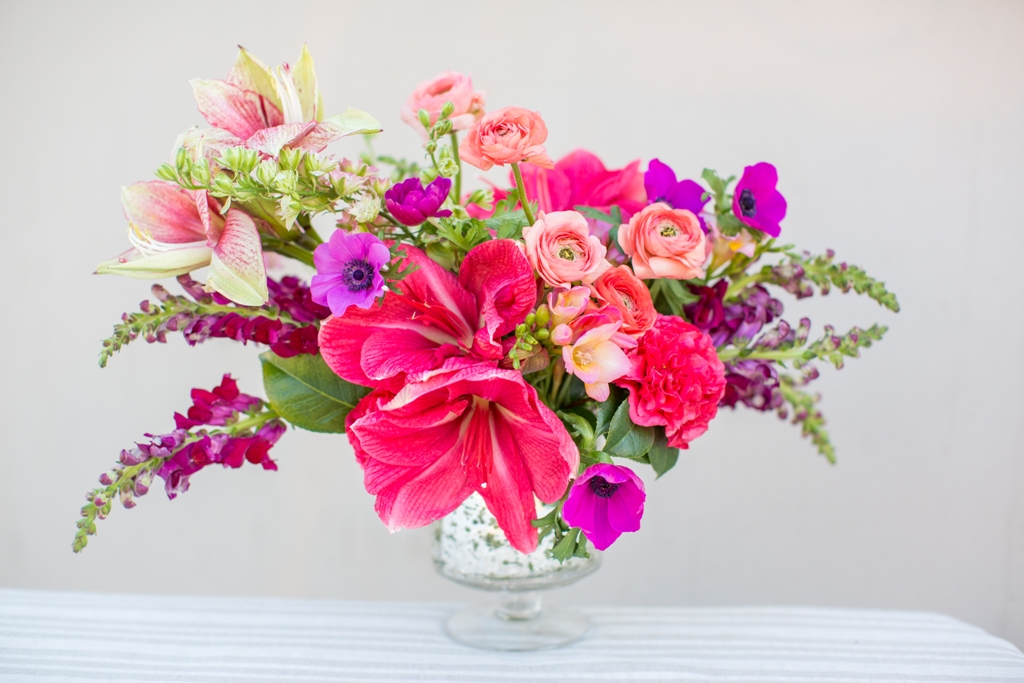
Bess Wyrick of Celadon & Celery (www.celadoncelery.com) says, "I consider each season in terms of which flowers and branches I can get my hands on! For Valentine's Day, I turn toward spring. Women love receiving the unexpected, so look for arrangements that are made with unusual flowers, grown locally on American flower farms. Bright, colorful arrangements adorned with ribbon and silks are a fresh alternative to a dozen imported red roses." The arrangement above was created using only California-grown red amaryllis, burgundy snapdragons, purple anemones, pink ranunculus, pink freesias, camellia flowers and camellia leaves. (Photo: Laura Grier, Beautiful Day Photography)

Bess Wyrick of Celadon & Celery says, “I consider each season in terms of which flowers and branches I can get my hands on! For Valentine’s Day, I turn toward spring. Women love receiving the unexpected, so look for arrangements that are made with unusual flowers, grown locally on American flower farms. Bright, colorful arrangements adorned with ribbon and silks are a fresh alternative to a dozen imported red roses.” The arrangement above was created using only California-grown red amaryllis, burgundy snapdragons, purple anemones, pink ranunculus, pink freesias, camellia flowers and camellia leaves. (Photo: Laura Grier, Beautiful Day Photography)

**Note: this press release was distributed nationally via PR Newswire today – in anticipation of the news media’s Valentine’s Day reporting

SEATTLE (Jan. 13, 2015) – This Valentine’s Day, Slowflowers.com urges consumers to rethink how they celebrate and woo by supporting local farmers and florists with sustainable, American-grown bouquets.

The flower market is booming! Retail value of U.S. cut flower sales totals $7-8 billion annually, but of the 224 million roses sold in 2012, only two percent were American-grown. Nearly 500 Slowflowers.com florists committed to sourcing U.S. grown flowers have sights set on Valentine’s 2015 to take back business that has for decades belonged to 1-800 tele-florists and the imported flowers they distribute.

The battle begins in Miami where its international airport receives 80,000 – 120,000 boxes of flowers per day during Valentine’s week. Ecuador has the largest share with U.S. growers nabbing only two percent of the market, behind Canada. On the heels of the successful farm-to-table movement, Slowflowers.com is racing to galvanize support for its farm-to-vase crusade. Valentine’s 2015 is positioned as an industry coup, where the country’s most progressive Slowflowers.com florists are turning down 1-800 orders that flood their businesses every February – opting instead to meet demand with artistic pieces using only domestic flowers and foliage.

Debra Prinzing, founder of Slowflowers.com and consumer spokesperson for the Congressional Cut Flower Caucus, says sweethearts will select American-grown if given the option. “Fifty-eight percent of consumers would rather purchase domestic flowers if given the choice. Valentine’s sees millions of roses arrive via Jumbo Jet with a shelf life of just days,” she says. “Even if ‘American-grown’ is not a concern, buying fresher flowers should be.”

Christina Stembel, Slowflowers.com florist and owner of San Francisco’s Farmgirl Flowers, has built her business using only California-grown flowers. “The entire process of ordering from the big guys feels like you just got conned,” says Stembel. “We’re pledging flowers that are fresh, local, beautifully designed, and thoughtfully delivered.”

The Origin Matters push from the California Cut Flower Commission is hoping to change flower-giving this season by placing Valentine’s 2015 into the hands of florists committed to domestic flowers. “We are ready to prove Slowflowers.com bouquets and arrangements are far better than imported alternatives,” says Prinzing. “It’s time to show your love with local flowers.”

Slow Flowers is an online directory to help consumers find florists, event planners, supermarket flower departments and flower farmers committed to using American-grown flowers. More information is at www.slowflowers.com.

PR Contact: Lola Honeybone, 615.818.9897, lola@mwnashville.com

2015 Floral Insights and Industry Forecast (Episode 174)

Wednesday, December 31st, 2014
What a joy it has been to live a bloom-filled year of flowers. These images are from a floral design photo shoot for a Seattle design blog this past May.

What a joy it has been to live a bloom-filled year of flowers. These images are from a photo shoot for a Seattle design blog this past May.

Welcome to the final Slow Flowers Podcast of 2014.

Every single week this year; in fact, every single week for the past 18 months, I’ve had the immense privilege of hosting a dynamic and inspiring dialogue with a leading voice in the American floral industry.

The segment I recorded one year ago, for the January 1st episode, asked: Will 2014 be the year we save our flowers?

In reflecting on that and other questions I posed, I have to say that over the past 12 months we’ve witnessed some amazing and encouraging strides in the Slow Flowers Movement.

Here are a few highlights:
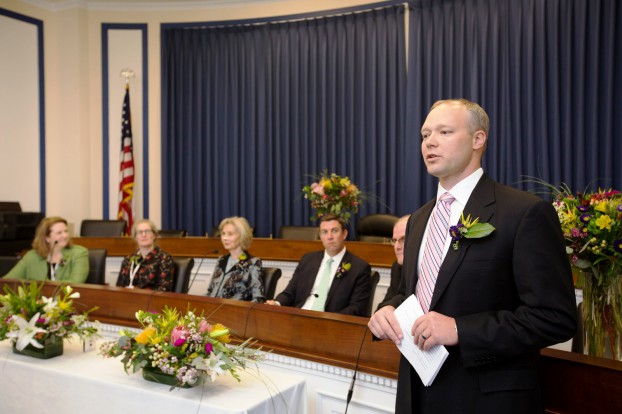
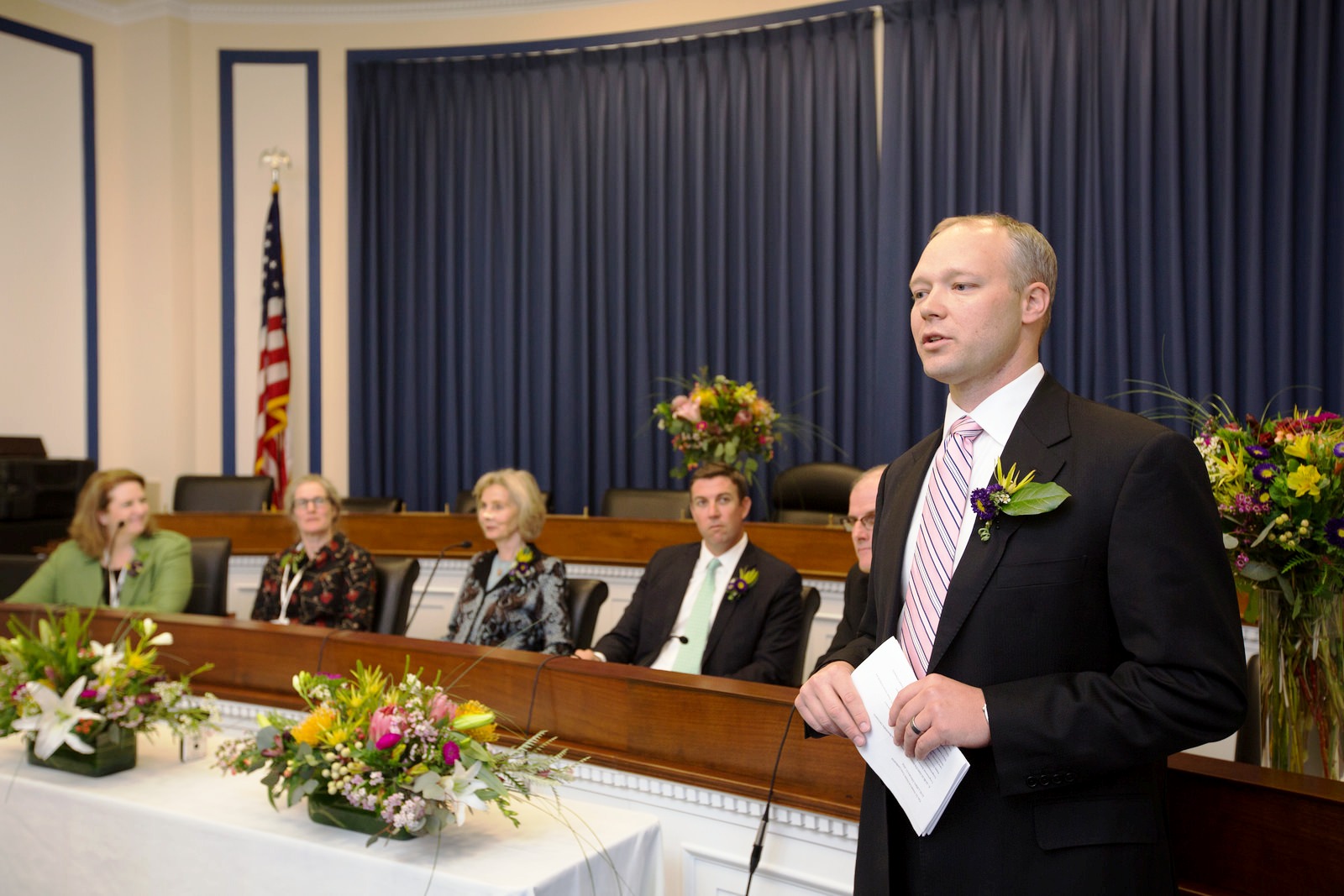
I was one of five persons who participated in the press conference on Capitol Hill to announce the formation of the Congressional Cut Flower Caucus. From left: Debra Prinzing, Diane Szukovathy, Rep. Lois Capps, Rep. Duncan Hunter; Lane DeVries is partially seen behind CCFC's Kasey Cronquist (standing).

I was one of five persons who participated in the press conference on Capitol Hill to announce the formation of the Congressional Cut Flower Caucus. From left: Debra Prinzing, Diane Szukovathy, Rep. Lois Capps, Rep. Duncan Hunter; Lane DeVries is partially seen behind CCFC’s Kasey Cronquist (standing).

  1. The formation of the Congressional Cut Flower Caucus.

    Co-chaired by a bipartisan leadership team of Representatives Lois Capps and Duncan Hunter, this new endeavor is both strategic and symbolic as it engages policymakers in a tangible program to promote cut flower farming in their own districts and states. I was privileged to speak alongside Capps and Hunter, as well as with two American flower farmers Lane DeVries and Diane Szukovathy, at the February 2014 press conference announcing the Congressional Cut Flower Caucus on Capitol Hill. That remarkable experience is a milestone for all of us, one we’ll reflect on as this movement gains further momentum in the hearts of American consumers around the country – as they make conscious choices at the cash register, at the farmers’ market, at the florist and from online e-commerce sellers who identify domestic and local flower sources.
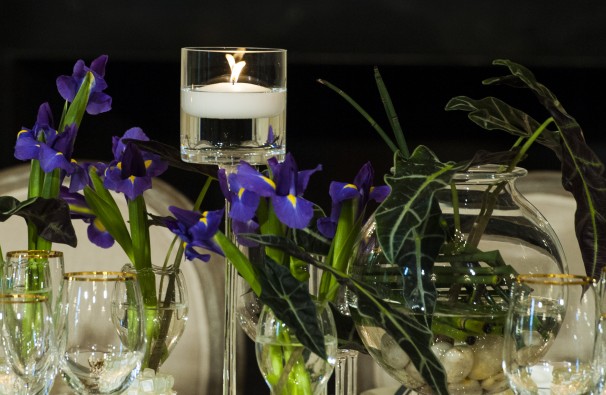
    (c) Washington Post image of California irises and Florida tropical foliage.

    (c) Washington Post image of California irises and Florida tropical foliage.

  1. Also in February, the White House used American flowers and foliage to decorate a State Dinner hosting French president Francois Hollande.

    Beautiful domestic flowers from across the country – grown in California, Florida and other states, adorned the event and even prompted a feature article in the New York Times. As I wrote at the time: I predict this is beginning of a White House commitment to give as much attention to the origins of its flowers as it does the origins of the food and wine it serves to guests. There’s much more ground to gain when it comes to White House flower procurement. Yet, I believe that State Dinner was just the beginning of many more occurrences where American flowers at the White House represents so much more than simple decoration choices. It will represent American jobs, the American farm, the Environment, Economic Development and a Sustainable Floral Industry here at Home.SlowFlowers_Badge_640x480
  1. In May, after nearly a year of planning and development, I launched Slowflowers.com.

    Slowflowers.com is the directory I’d been dreaming of creating for several years. We launched with fewer than 250 listings and now, by year-end, there are 435 businesses — flower farms, floral shops, studios and designers who grow and create American grown floral beauty, coast to coast.
    We’ve had more than 52,000 page views and more than 11.5 thousand unique visits to the site. In 2015, with your help, I hope to expand this online directory to include one thousand members – companies that grow, design with and sell American flowers. I can’t take any credit for the success of Slowflowers.com without thanking the 229 contributors who helped me raise $18,450 on the crowd-funding site Indiegogo. All of those funds have been used to build, develop and promote this site. I’m humbled and awed at the groundswell of support from individuals and small businesses alike. Slowflowers.com has so much potential as THE single resource to connect consumers with American grown flowers. And I look forward to making Slowflowers.com even better in the coming year.

  2. PrintCertified American Grown Flowers

    Motivated to promote domestic flowers and foliage in a new and strategic way, the American Grown Flowers & Foliage Task Force developed and launched a single domestic floral brand in 2014.
    The ad-hoc group included flower farms large and small, established and emerging. A cross-section of support came from many groups, including the Seattle Wholesale Growers Market, where my own energies are directed.
    The seed funds created an initial promotion budget, a brand name, “Certified American Grown Flowers,” a tagline, “take pride in your flowers,” and a contemporary logo that evokes Americana and agriculture, as well as fashion and style.
    Third-party certification ensures origin – that Flowers and foliage are grown in the U.S. by American farmers; as well as assembly — that all ingredients in mixed bouquets are 100% grown and assembled in the U.S. Thirty-three farms are already certified and in the coming year, this brand’s visibility will expand and increase as more flower farms seek certification to signify the domestic origin of their flowers.

    In 2015, we’ll see this branding appear on the sleeves of mixed bouquets and consumer bunches, as well as on point-of-purchase signage at supermarkets around the U.S. The brand answers the inevitable questions: Where were these flowers grown? And it gives supermarket shoppers transparent and truthful labeling about their purchases.
    Best of West

  1. Best in the West

    Slowflowers.com has received great attention in the media, thanks to the compelling story of American grown flowers. Dozens of articles, interviews and broadcasts have shared the web site as a free consumer resource – and one special highlight for me was being named a “Best in the West” resource by Sunset magazine for “best way to buy flowers.”Web
Debra Prinzing’s 2015 Floral Insights and Industry Forecast

10 must-watch ideas that are taking hold in the American floral world.

As we track the momentum and direction of American Grown Flowers, I know some of you have already experienced these developments. In fact, my conversations with guests of this podcast have influenced this list.

I look forward to your reaction and thoughts, as well as input on items I’ve overlooked or missed! I invite you to share yours in the comment below:
Earth- and florist-friendly, the advent of Floral Soil is revolutionizing the conventional floral industry.

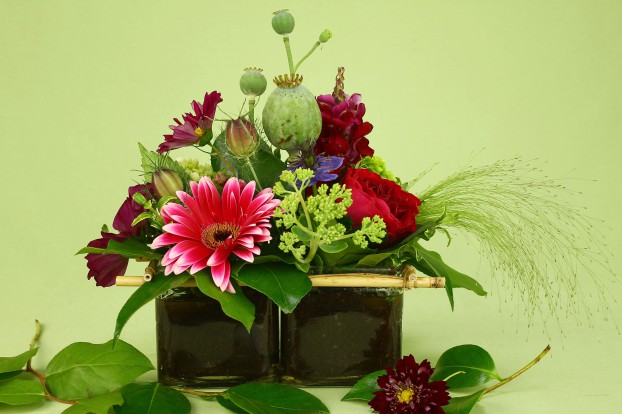
Earth- and florist-friendly, the advent of Floral Soil is revolutionizing the conventional floral industry.

  1. Eco/Non-toxic floral design

For several years, eco-conscious designers have openly rejected floral foam while adopting other techniques and mechanics for arranging flower stems (chicken wire, vintage frogs, twig matrixes, and tape grids are some of those methods).

Nothing had emerged to fulfill the role of formaldehyde-based flower foam. That’s until now. Mickey Blake, a “green chemistry” entrepreneur, has developed a plant-based, 100% compostable alternative to toxic foam called Floral Soil. She has applied for numerous patents for the product and is scaling up for production and national distribution in first quarter 2015.

Floral Soil replaces a chemical-based product that has been on the market since 1954. With so many concerns about our personal health, and the health of our planet, Floral Soil has created a huge buzz among florists and floral retailers. If you want to learn more, follow this link to my September episode featuring a conversation with Mickey Blake, the first media interview she granted.

Giving the floral industry more green choices will continue to move from the fringes to the mainstream. There are other notable introductions you may wish to check out, including Eco-Fresh Bouquet, a new hydration sponge wrap designed by former florist Debbie DeMarse. The product is geared to the retail-online-grocery marketplace and utilizes a plant-based composition as a way to keep stems fresh during transport or shipping.

Wrapped around the cut stems of a bunch or bouquet of flowers and moistened in water, the product hydrates stems for up to 12 days. I’ll be trialing this product in the coming weeks. Visit Eco-Fresh’s website, where there are reviews from florists who have used the product and information on request a product sample to trial yourself.
Elizabeth Bryant and Kailla Platt

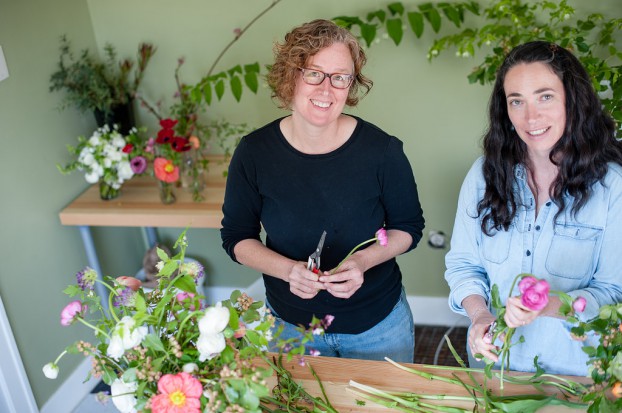
Elizabeth Bryant and Kailla Platt

  1. Couture/Custom Growing

Small-scale flower farmers are offering their floral clients (florists and wedding parties) the opportunity to pre-order seasonal crops that will be harvested and used for their wedding. The service is called “Custom Growing.”

This couture, artisanal approach to floral design involves and engages couples who want to specify the exact flower, fragrance and color palette for their nuptials. It also elevates the flower to a starring role in the ceremony, one that’s as significant as other design choices (clothing, venue or menu). I was introduced to this idea by Elizabeth Bryant of Rose Hill Flower Farm and Kailla Platt, owner of Kailla Platt Flowers, both of Portland, as we discussed their custom grow-design wedding program in a Podcast interview this past August. If you missed it earlier, here’s a link to that interview here.
American Grown Floral Visionary, Ellen Frost.

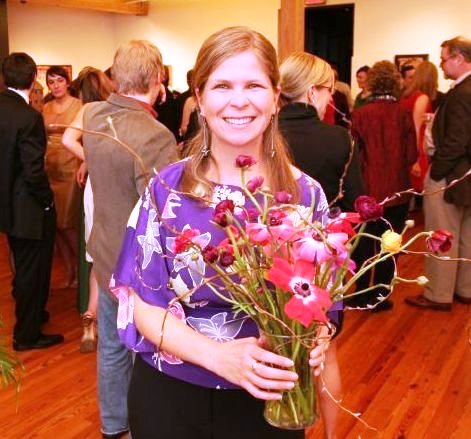
American Grown Floral Visionary, Ellen Frost.

  1. Micro-lending/Flower Futures

Demand for specific flower varieties often outpaces supply, especially when it comes to highly-desired colors and cultivars. Forward-looking floral designers are investing in “floral futures” that is, crops they know their clients want, by pre-buying bulbs, seeds and seedling stock from the source: the farms who supply them. Farmers may not have the financial resources or ability to take the risk to invest in planting acres of flowers ‘on spec’, but they are often eager to expand capacity.

Enter the florist who wants to pre-order (and offer important guarantees), which offers an unique partnership that is paying off for everyone. Ellen Frost of Local Color Flowers in Baltimore is a leader in micro-lending, and I anticipate that other florists will join her efforts to ensure a more beautiful, local, fresh and abundant supply of the flowers they desire. If you missed the conversation, here’s a link to my October interview with Ellen.
Floral CSAs at Boston's Floral Couture in Louisville.

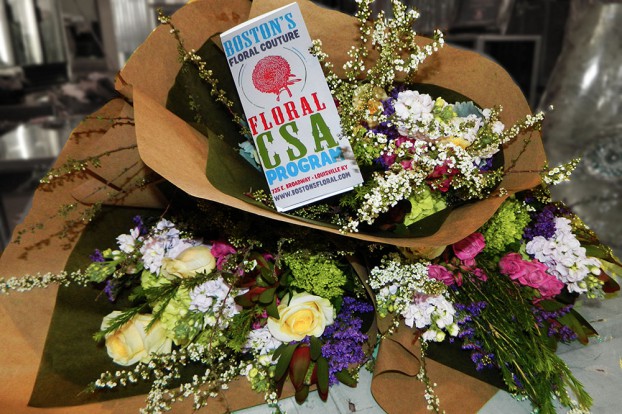
Floral CSAs at Boston’s Floral Couture in Louisville.

  1. Floral CSAs

I know that CSAs in the food world are well established, but when it comes to floral CSAs, I have been overwhelmed by the volume of Slow Flowers members who are now offering such programs — and I expect this marketing method to grow in 2015.

Just like Community Supported Agriculture or CSAs for food, Floral CSAs are based on seasonal and locally-harvested farm-fresh flowers. When you become a member of a flower CSA, you are buying a “share” of the flowers that a local farm produces each season. By paying for that share before the growing season gets underway, we support small flower farms as they plan, invest and plant. With your help, they are able to purchase new seed varieties, restock supplies, and make repairs to equipment and infrastructure. Community and customers are connected to their local flower farms — and reap the bounty of that botanical harvest, by the week, month or season. Instead of flavorful food, these CSAs deliver fragrant, intricate and beautiful flowers – a reflection of place and time on a local farm. The programs ensure a regular stream of local flowers for the home and give customers the satisfaction of supporting local agriculture and family farms.
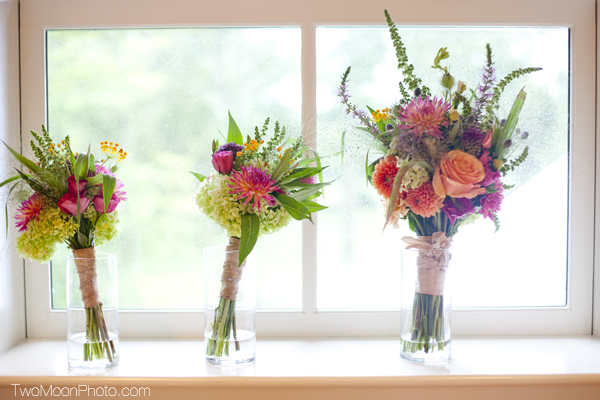
Wildflower-inspired bridesmaid bouquets, grown and designed by Robin Hollow Farm.

Wildflower-inspired bridesmaid bouquets, grown and designed by Robin Hollow Farm.

  1. Cultivated Wildflowers

Wildflowers are a carefree, ephemeral expression of America’s connection to the land – from meadow and stream bank to forest and trail. But thanks to increased understanding of saving wild places and preserving public lands, there’s a newfound awareness that picking wildflowers is not smart (and in many places it’s illegal).
There are many sources for collected wildflower seeds; this allows flower farmers to safely and legally grow enduring favorites like black-eyed Susan and lupines. The look is quintessentially American. The just-gathered style carries over to floral crowns, garlands, bouquets and centerpieces.
This past fall, Slowflowers.com collaborated with Brooke Showell, a writer for Four Seasons Magazine, in a story called “Wedding Wildflowers,” highlighting the choice of Naturalistic flowers that appear freshly picked from a garden, meadow or farm.
The good news is that most domestic field-grown flowers fit this free-spirited, uncontrived aesthetic – and I know we’ll continue to see talented designers express the look in their arrangements.
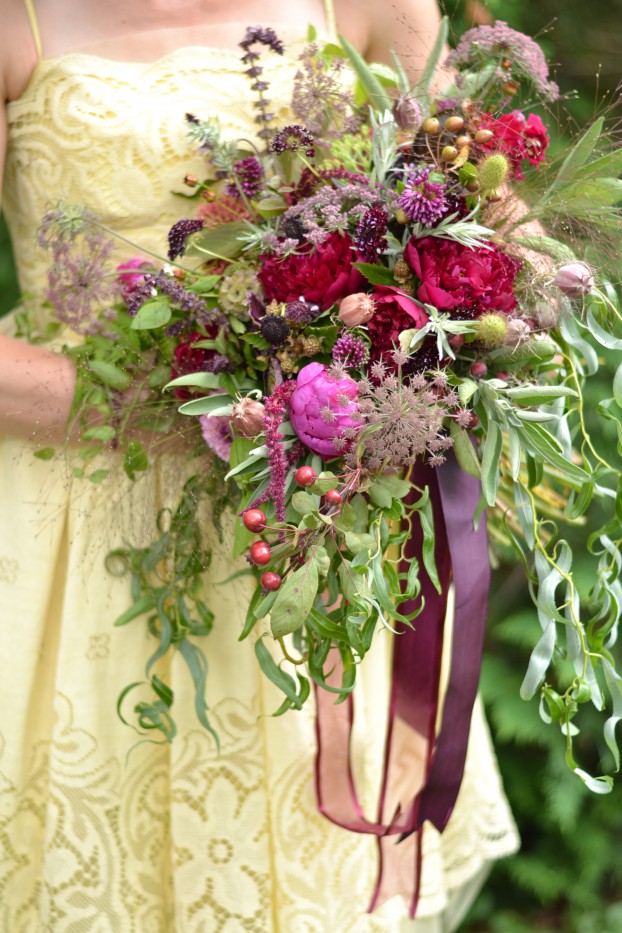
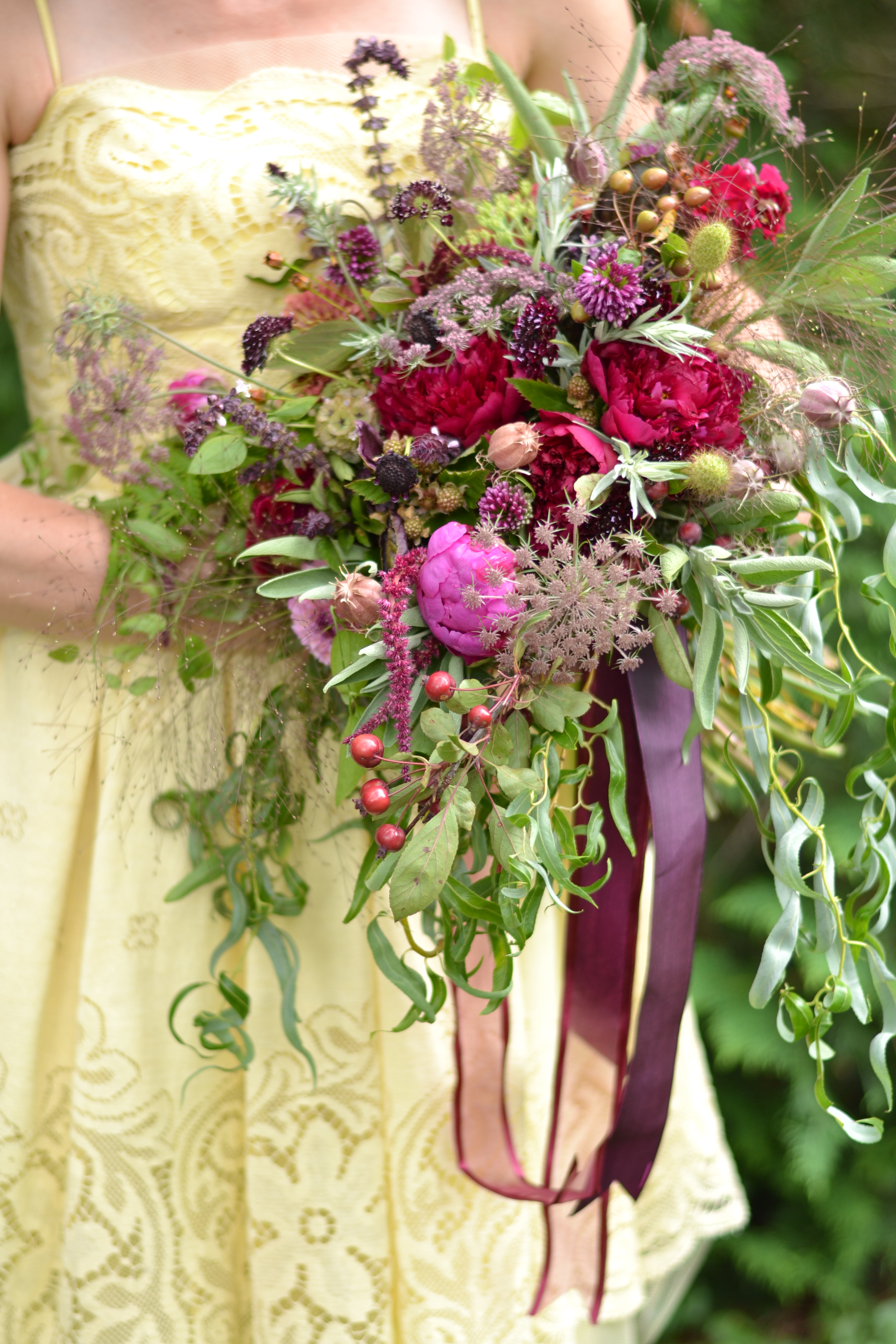
A brighter floral palette is super romantic and feminine. Design: Buckeye Blooms

A brighter floral palette is super romantic and feminine. Design: Buckeye Blooms

  1. Bright pastels, Saturated Jewel Tones

For the past few years, pale palettes have populated wedding bouquets and driven demand for subtly-colored flowers like blush-toned ‘Café au Lait’ dahlias. Next seasons, color palettes promise to be richer and more vivid, reflecting a deeper saturation of petal color. Watermelon pink, orchid purple, cerise red – these sun-drenched hues are wooing brides who want a more vibrant flowers to hold and wear. There’s a gradual departure from an all-neutral bridal bouquet. Blush hasn’t left completely, but she’s sharing the stage with brighter hues.
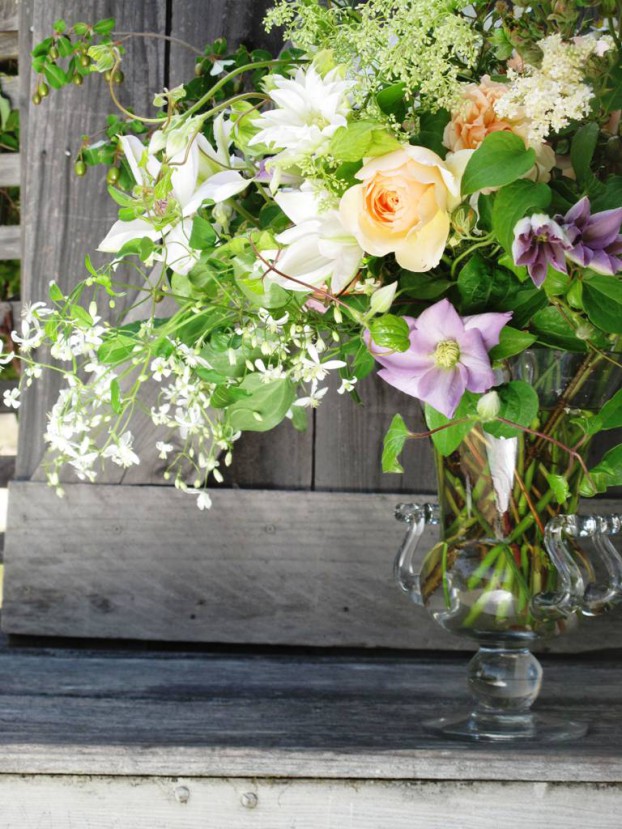
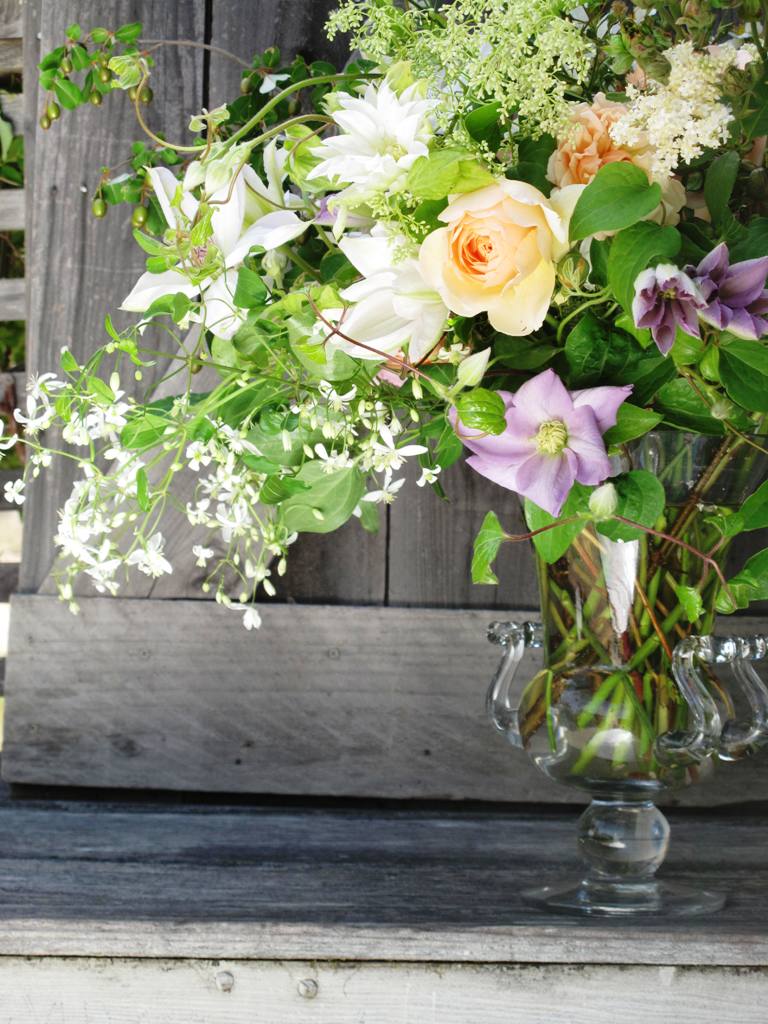
Beautiful, wistful clematis. Flowers and design by Kaye Heafey, Chalk Hill Clematis

Beautiful, wistful clematis. Flowers and design by Kaye Heafey, Chalk Hill Clematis

  1. Vines, vines, vines

Demand for trailing tendrils outpaces the available stock that farmers are able to produce, signaling a market opportunity for innovative growers and designers.  All types of vines are considered “premium” floral ingredients, producing a far better-than-average return on investment for farms that grow vines and florists who integrate vines into their designs.

The unstructured silhouette and whimsical shoots and tendrils portrayed by  vines lend distinctive character to floral arrangements, headpieces and bouquets. Florists who have trouble sourcing clematis, jasmine, passion vine and other varieties are turning to horticulture (or friends’ gardens) to find the vines they want.

I recently asked Slow Flowers members to weigh in on some of these stylistic shifts in bridal preferences. With so much influence from wedding blogs and magazines, from instagram and pinterest, it’s no wonder that brides are curate their own look and feel from many sources.

Susan Studer King of Buckeye Blooms in Elida, Ohio, shared her perspective, which actually addresses the three points I just made, this way:

“We are consistently finding that brides covet the lush, loose look of natural garden flowers with interesting textural elements and slightly cascading finishing accents such as tendrils of clematis or sweet pea vine. We are also seeing a steady shift in interest away from blush tones and more toward more vivid, vibrant shades and jewel tones.”
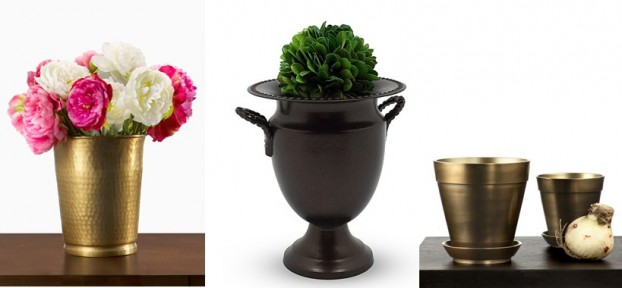
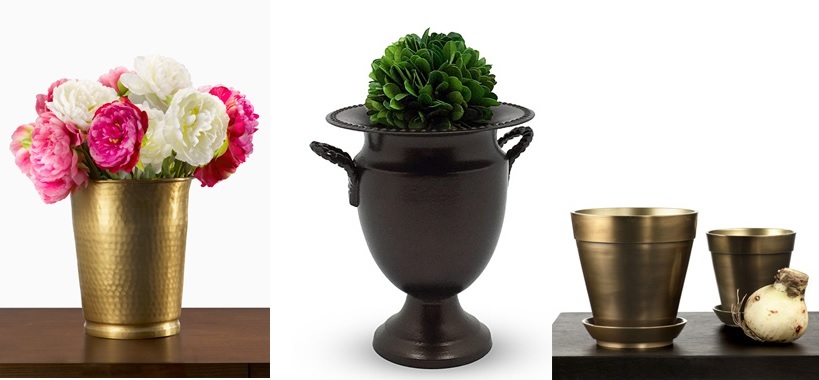
Suppliers like Jamali Garden are introducing a wide array of hammered metal, brass, bronze and copper vessels.

Suppliers like Jamali Garden are introducing a wide array of hammered metal, brass, bronze and copper vessels.

  1. Good-bye, Mason Jar

Like many, I’m pleased with Ball’s recent reissue of its aqua blue and bottle green canning jars for the contemporary marketplace, but this American classic glass jar seems to have hit its saturation point.

Designers are seeking out the next easy and affordable vase for wedding reception centerpieces on a dime.

The solution, it seems, is at the thrift store, where inexpensive brass vessels are readily available. Mellower than tarnished silver, brass is versatile and suits both old-world and contemporary designs. A close relative to brass is old copper, which develops its own alluring patina with time.

Now, floral suppliers have releasing full lines of tarnished and hammered metal vessels, so it’s possible to avoid that trip to the thrift shop, yet those new introductions are all imported.
So the big search is on for American-made glass vases in contemporary rather than dated shapes. I know of a number of designers pushing for an American made option – and we’ve yet to find stylish choices. Will that come in 2015?
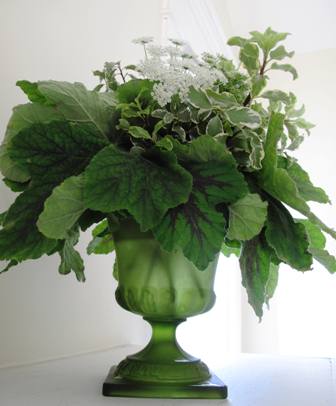
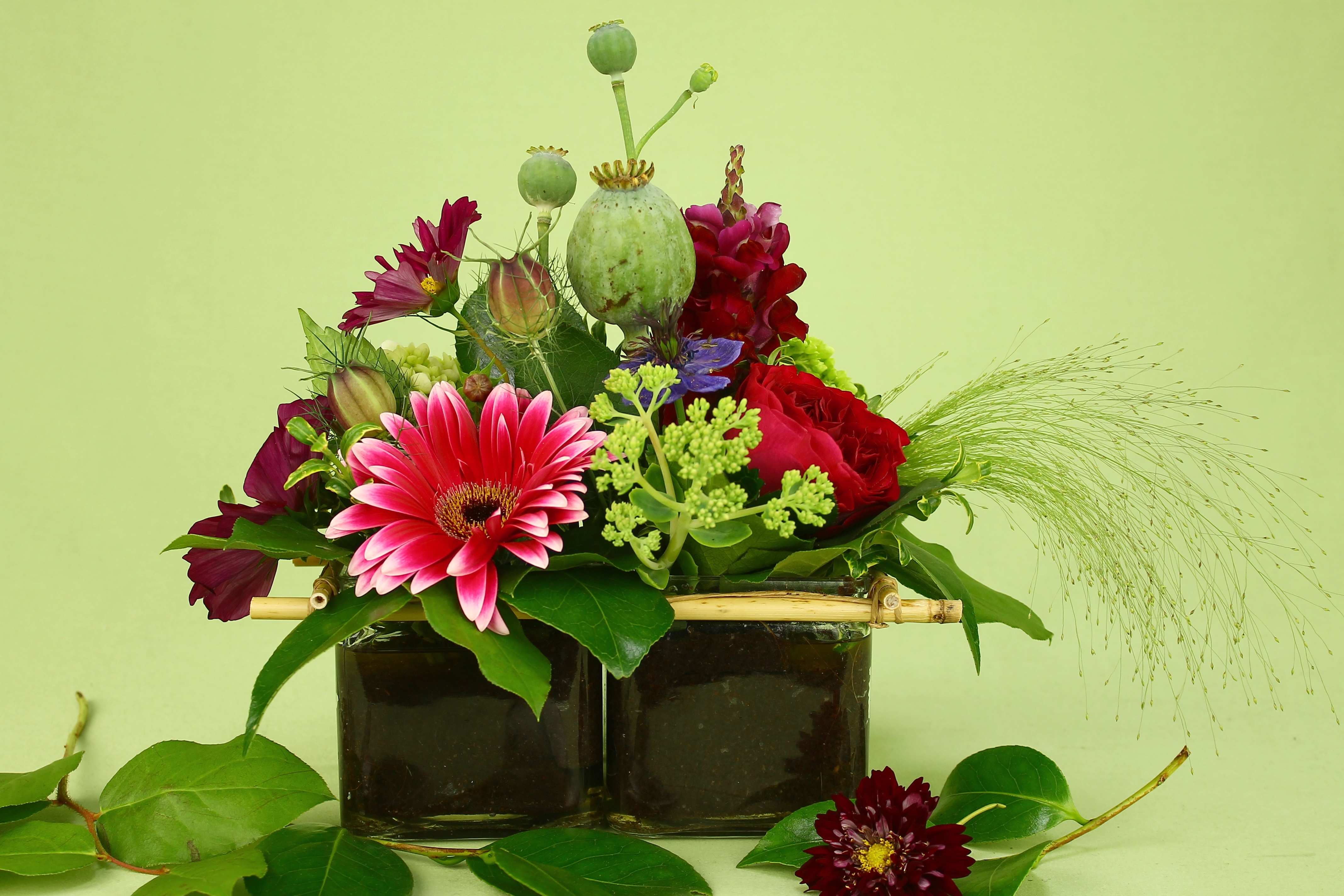
Love the shades, shapes and textures of green foliage in one of my favorite containers.

Love the shades, shapes and textures of green foliage in one of my favorite containers.

  1. Superstar Foliage

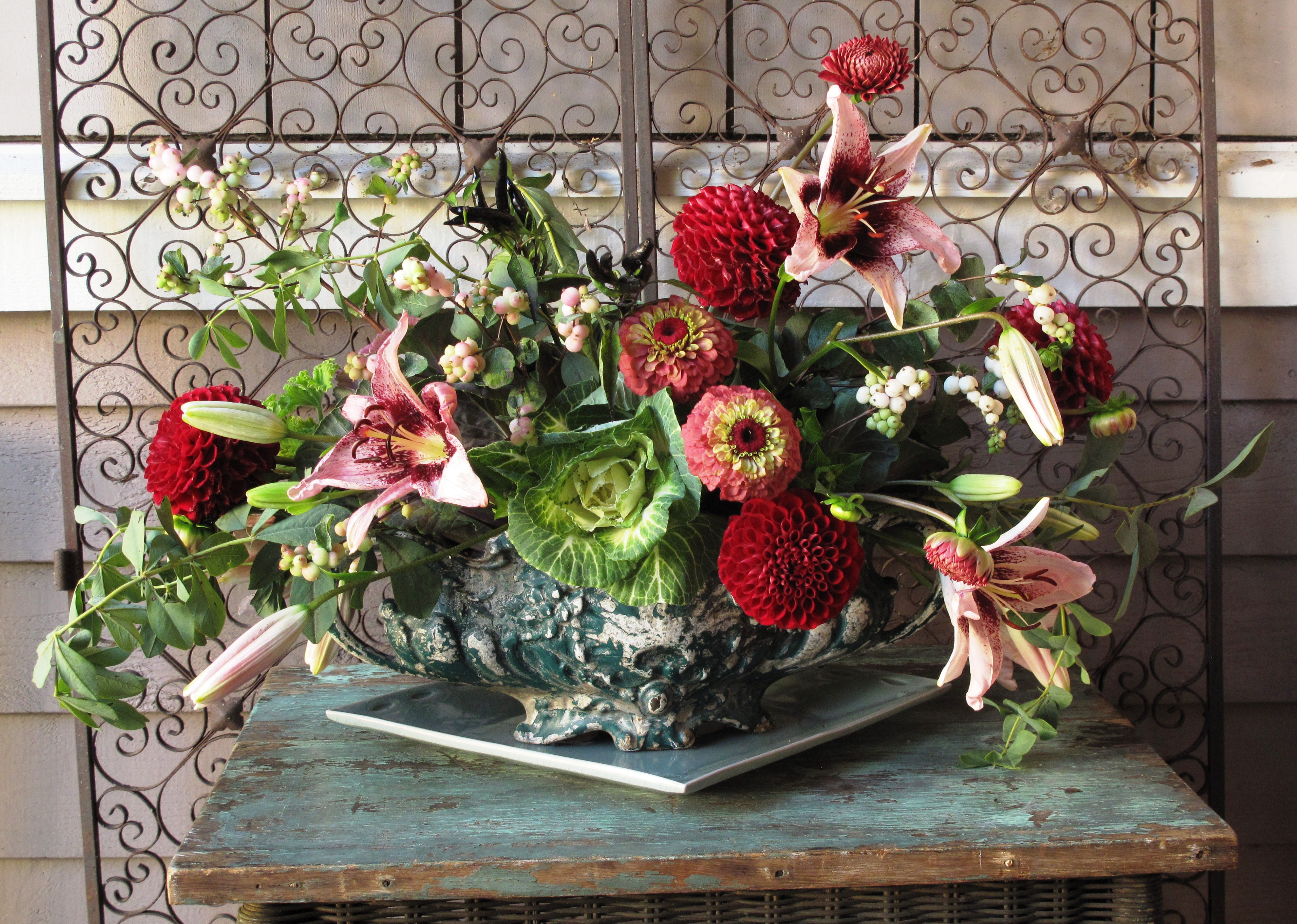
You might call this style “50 Shades of Green” and thanks to flower farmers who are planting interesting new foliage, we’ve all decided that a bouquet with generic greenery is yawner. An uncommon palette of distinctive foliage ups the character of a floral arrangement, bouquet or centerpiece. The options are exploding, moving far beyond salal, ferns and bear’s grass. Look for options like raspberry foliage, baptisia, scented geranium and other herbs, smoke bush, ninebark, pittosporum, box, myrtle, magnolia, camellia, and other uncommon types of greenery to upgrade the ordinary bouquet. Hand in hand with awesome foliage is where we source it – from the landscape, orchard or forest is so much more beautiful than the prosaic selection the industry has typically offered florists. It takes ingenuity, perhaps, to develop sources of unconventional leaves, but increasingly, that ingenuity means success for the designer who wants to differentiate him or herself from the everyday marketplace.
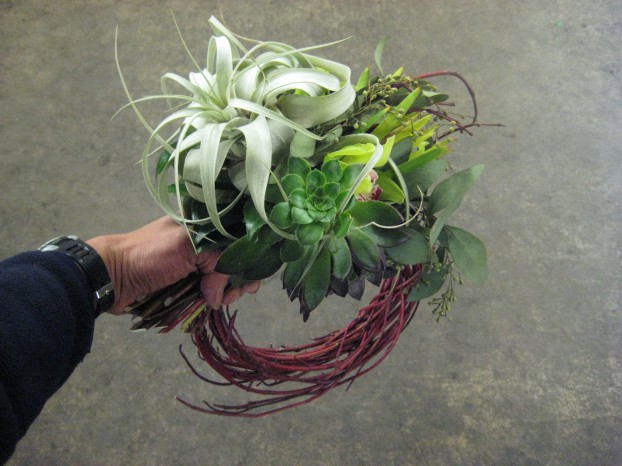
Man bouquet, designed by Riz Reyes of RHR Horticulture.
Man bouquet, designed by Riz Reyes of RHR Horticulture.

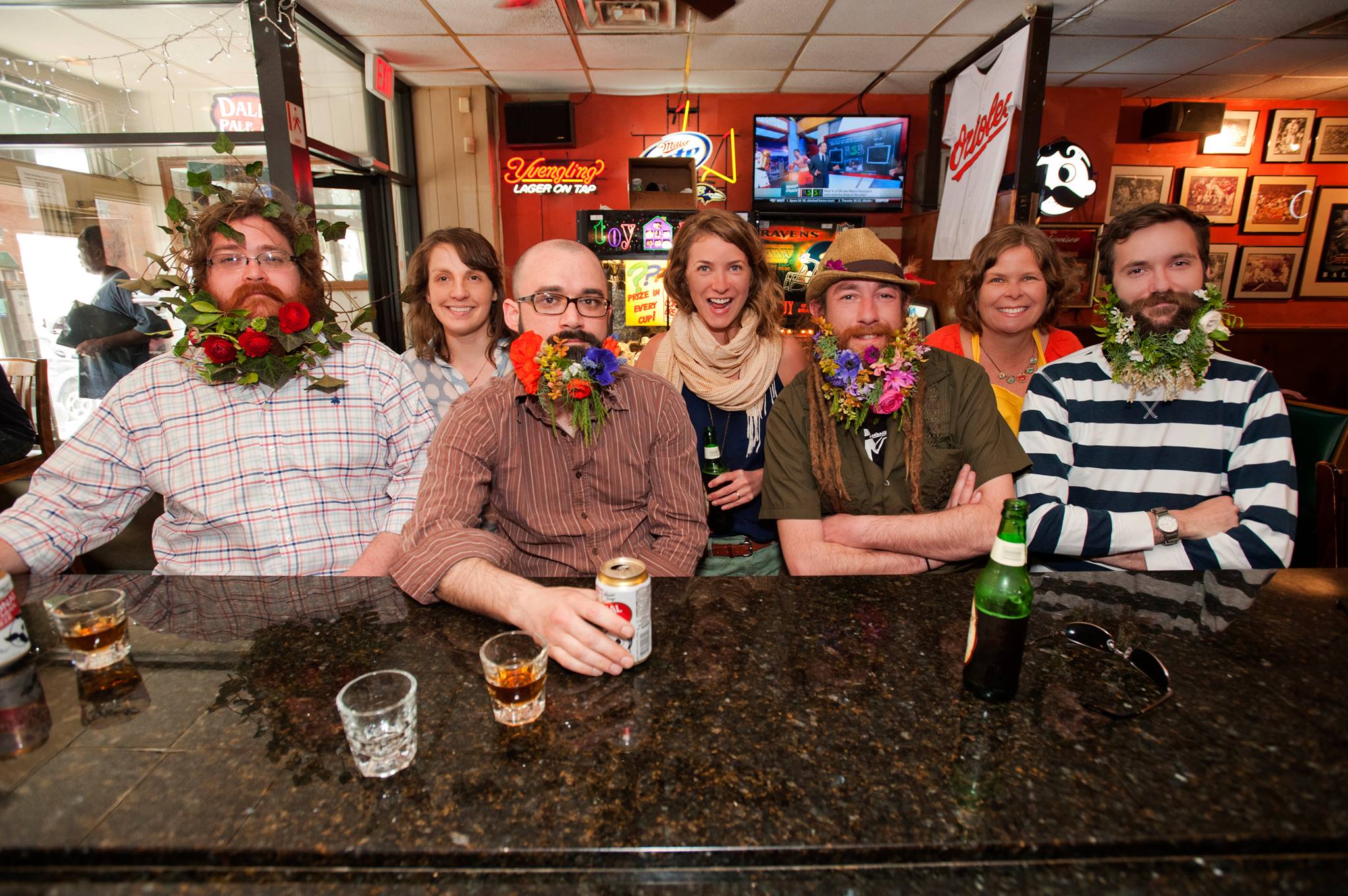
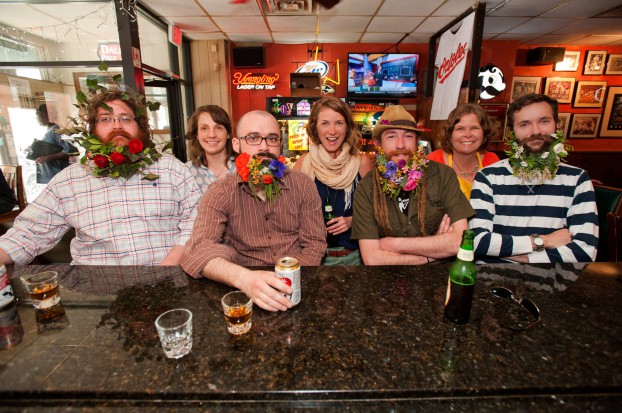
Guys in Baltimore, modeling their floral facial hair for Local Color Flowers' Baltimore Beards Project

Guys in Baltimore, modeling their floral facial hair for Local Color Flowers’ Baltimore Beards Project

10. Man-bouquets and floral beards

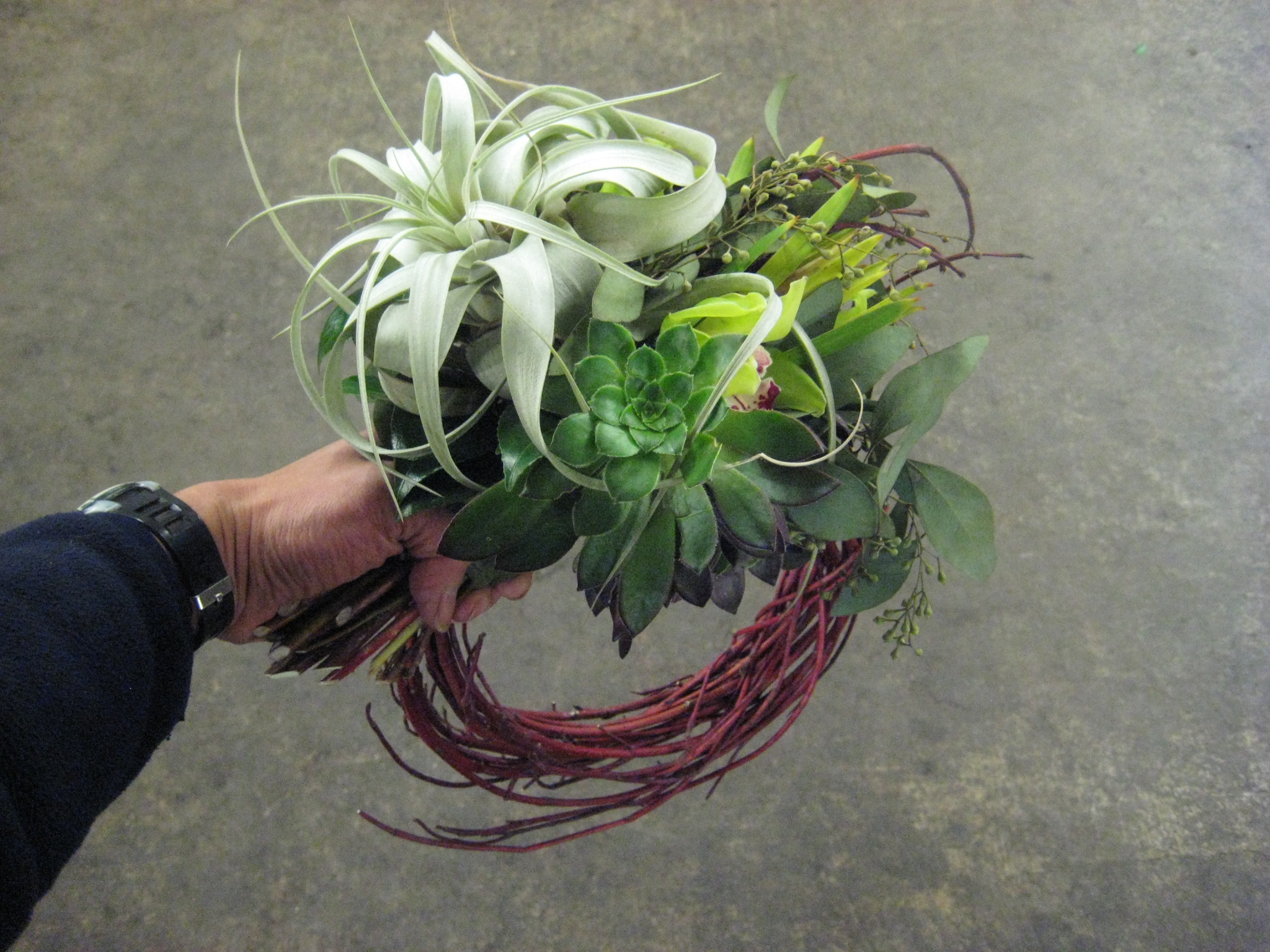
Real Men Love Flowers. Other than donning a boutonniere on their suit lapel, the masculine floral consumer has been ignored for too long. Cutting-edge guys want flowers, too – and innovative designers are responding. Riz Reyes, a Seattle-based horticulturist and floral designer, has created the “man bouquet,” a cluster of woodland blooms attached to a hand-carried grapevine wreath. Certainly, it’s for the more adventuresome groom, but as Riz asks, “why not?”

Irene Donnelly, a staff designer at Local Color Flowers in Baltimore has taken the idea of “personal wedding flowers” to a new level by weaving, pinning or gluing the green stems of tiny botanicals into the facial hair of hipster male customers. Designed floral beards are made from sedums, succulents, poppies, ranunculus, tiny pods. A few guys have even worn floral eyebrows and mustaches.
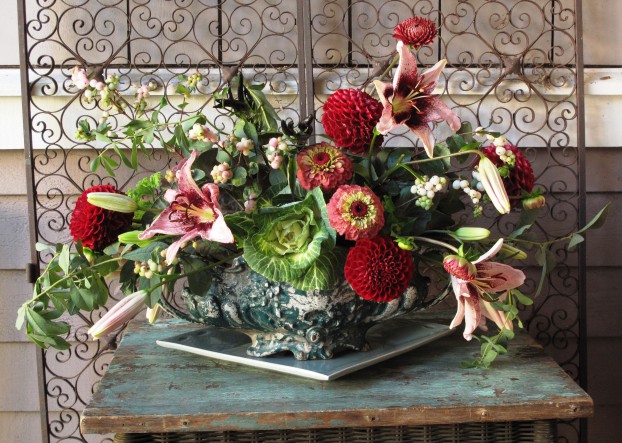
So Happy to Share My Year in Flowers With YOU!

So Happy to Share My Year in Flowers With YOU!

So that’s my take on the pulse of America’s floral industry.

I hate to use the term “trend,” when what we’re really talking about is a cultural shift.

The question for you is this: are you part of the shift? Are you helping to propel the Slow Flowers Movement forward through your own actions, through the way you communicate to your customers and the marketplace?

The goal of the Slow Flowers Podcast is to put more American flowers on every table, one vase at a time. Listeners like you have downloaded the Slow Flowers Podcast more than 28,000 times. If you like what you hear, please consider logging onto Itunes and posting a listener review.

I wish each and every one of you a happy new year, one that’s filled with prosperity and peace as we join together to change the broken U.S. floral industry. I believe that we’ve already changed things for the better – and that momentum will continue in 2015.

The Slow Flowers Podcast is engineered and edited by Andrew Wheatley and Hannah Holtgeerts. Learn more about their work at hhcreates.net.

Music credits:
Tryad – Our Lives Change
Tryad – Lovely
Tryad – Star Guide
http://tryad.bandcamp.com/album/instrumentals
http://creativecommons.org/licenses/by-sa/3.0/
Marcus Eads – Johnson Slough
Marcus Eads – Praire’s Edge

http://marcus-eads.bandcamp.com/album/sherburne-county-instrumentals
http://creativecommons.org/licenses/by/3.0/