Debra Prinzing

Get the Email Newsletter!

SLOW FLOWERS Podcast: Farmer-Florist News – from Gretel Adams, Elizabeth Bryant and Kailla Platt (Episode 153)

Wednesday, August 6th, 2014

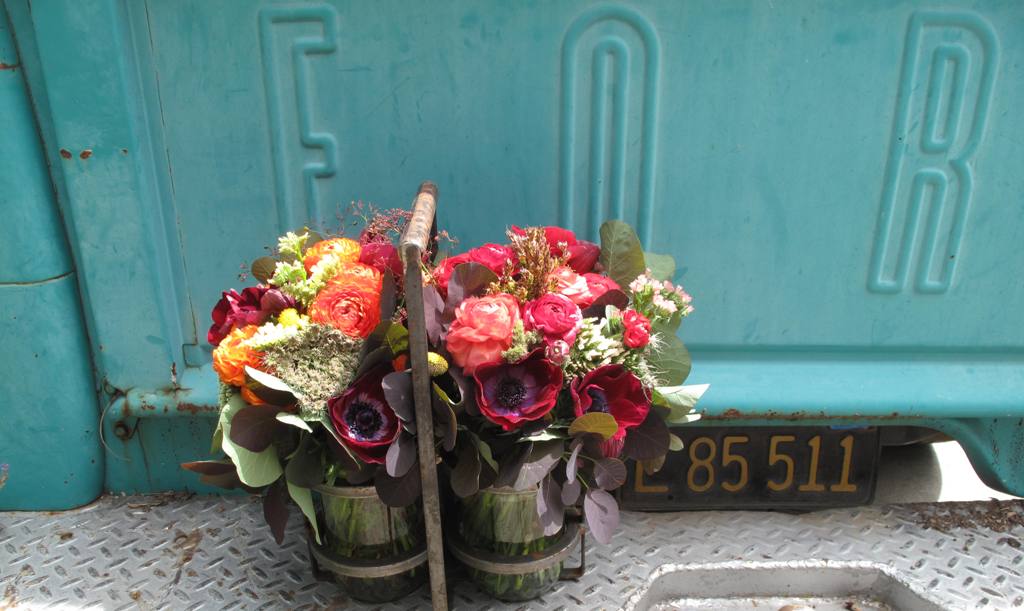
This iconic photo is showing up everywhere and I am so lucky it's mine! So symbolic of American Grown. Design and truck: Tara Kolla, Silver Lake Farms (Los Angeles) (c) Debra Prinzing

This iconic photo is showing up everywhere and I am so lucky it’s mine! So symbolic of American Grown. Design and truck: Tara Kolla, Silver Lake Farms (Los Angeles) (c) Debra Prinzing 

It’s summertime and the Slow Flowers Podcast is on the road. And it’s no surprise to learn there’s at least one awesome American flower farmer everywhere I seem to go.

There are passionate floral designers to be discovered right alongside and that means more beautiful Slow Flowers experiences for the nation’s consumers, coast to coast.

This week I’m sharing a fabulous conversation with a farmer-florist team from Portland, Oregon – Elizabeth Bryant, owner of Rose Hill Flower Farm, and Kailla Platt, owner of Kailla Platt Flowers.

But first, a bonus conversation that I recorded on July 16th at Sunny Meadows Flower Farm in Columbus, Ohio.

Owned by Steve and Gretel Adams, previous guests on this podcast, Sunny Meadows is leading the way in changing how flowers get to market in several Ohio cities. The reason for my return to Sunny Meadows was to work with James Baggett, editor-in-chief of Country Gardens magazine, and Kritsada, an uber-talented photographer, to produce a feature story about Gretel and Steve – and their farm, flowers and floral design.
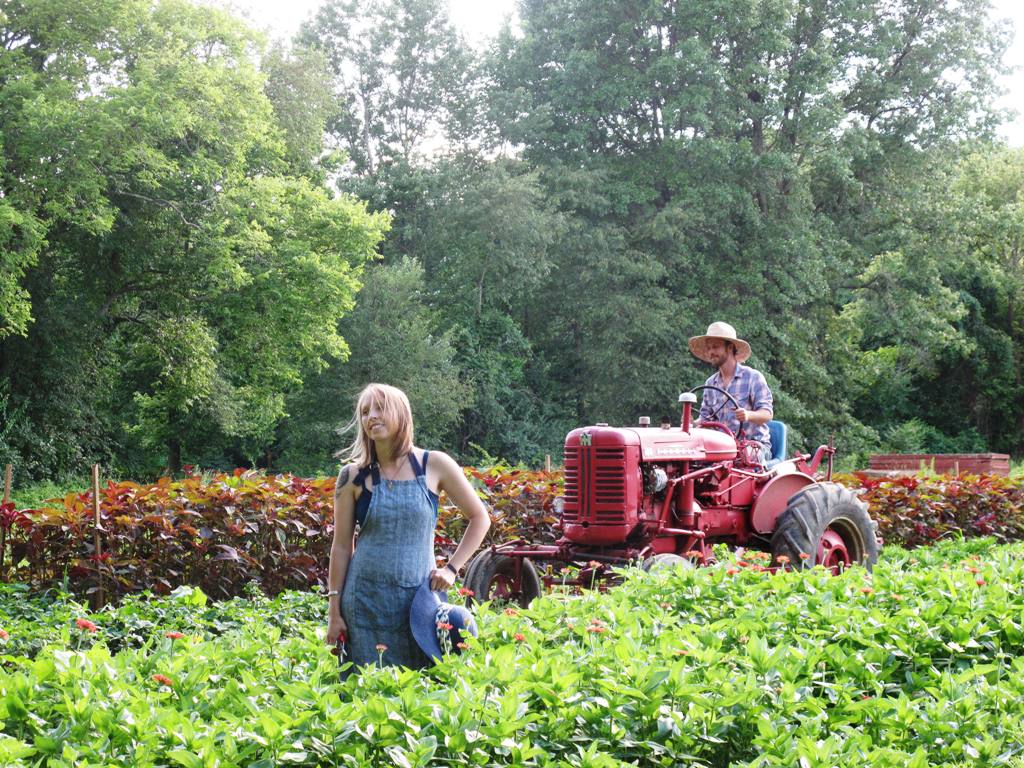
 

Some might call this "flower farm porn," but who cares? Gretel and Steve were really good sports about posing in the flower fields (isn't that vintage tractor a great "prop"?)

Some might call this “flower farm porn,” but who cares? Gretel and Steve were really good sports about posing in the flower fields (isn’t that vintage tractor a great “prop”?) 

You can keep an eye out for that nothing-but-gorgeous story in the summer of 2015 – and of course, I’ll remind you here when the magazine hits the newsstands.

I recorded a short interview with Gretel and two of her summer design interns, Katie Vontz and Danica Jones. They all agreed to chat briefly about what is becoming a popular way for would-be flower farmers and new floral designers to gain training: via internships, apprenticeships or seasonal work-study-style programs. I think you’ll be intrigued and inspired to hear how Gretel filled her need via social media, too.

This is the "ad" that Sunny Meadows used on Instagram to recruit its summer design interns.
This is the “ad” that Sunny Meadows used on Instagram to recruit its summer design interns. 


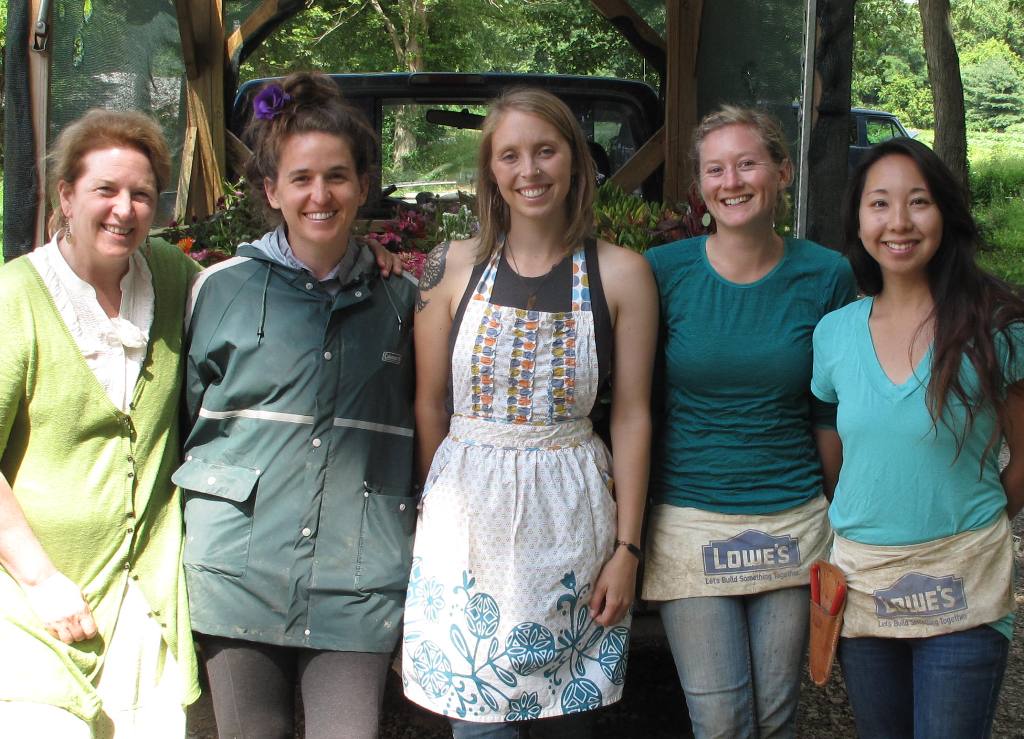
From left: Me, design intern Katie Vontz, Gretel Adams (Sunny Meadows Flower Farm co-owner), design intern Danica Jones and Sunny Meadows floral designer   Kumiko Matsuura.

From left: Me, design intern Katie Vontz, Gretel Adams (Sunny Meadows Flower Farm co-owner), design intern Danica Jones and Sunny Meadows floral designer Kumiko Matsuura.

Next up: A dynamic conversation with collaborators Elizabeth Bryant and Kailla Platt. 
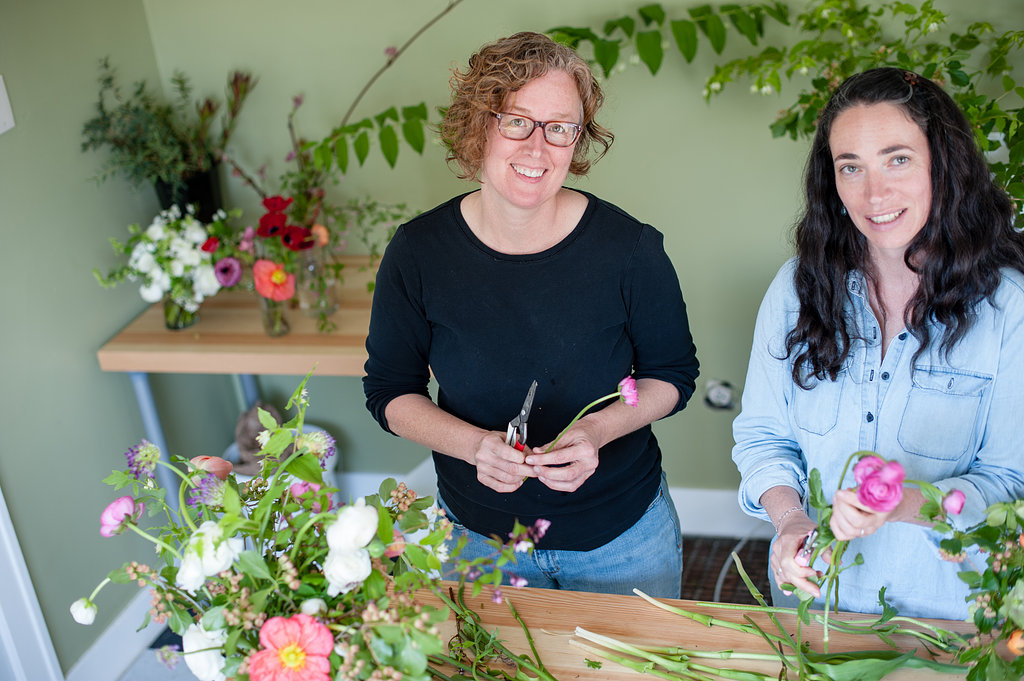
Elizabeth Bryant (left) and Kailla Platt (right), photographed in their Portland studio.

Elizabeth Bryant (left) and Kailla Platt (right), photographed in their Portland studio. 

Kailla was trained in fine art and landscape architecture and logged a decade designing gardens. But she traces her primary training in floral design to time spent in the lush green of Oregon’s Willamette Valley, where she fell under the floral spell cast by her grandmother Jane K. Platt. 
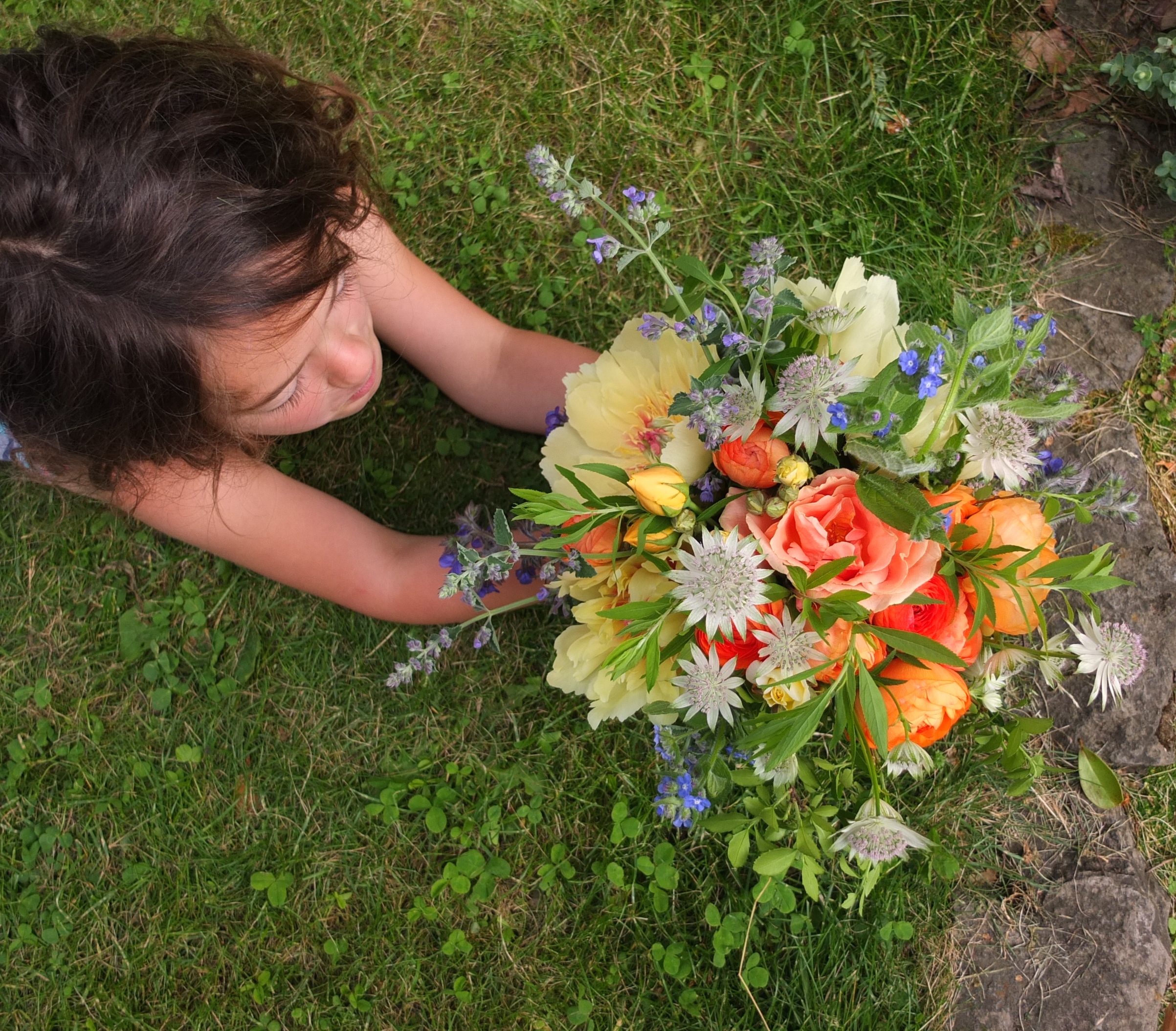
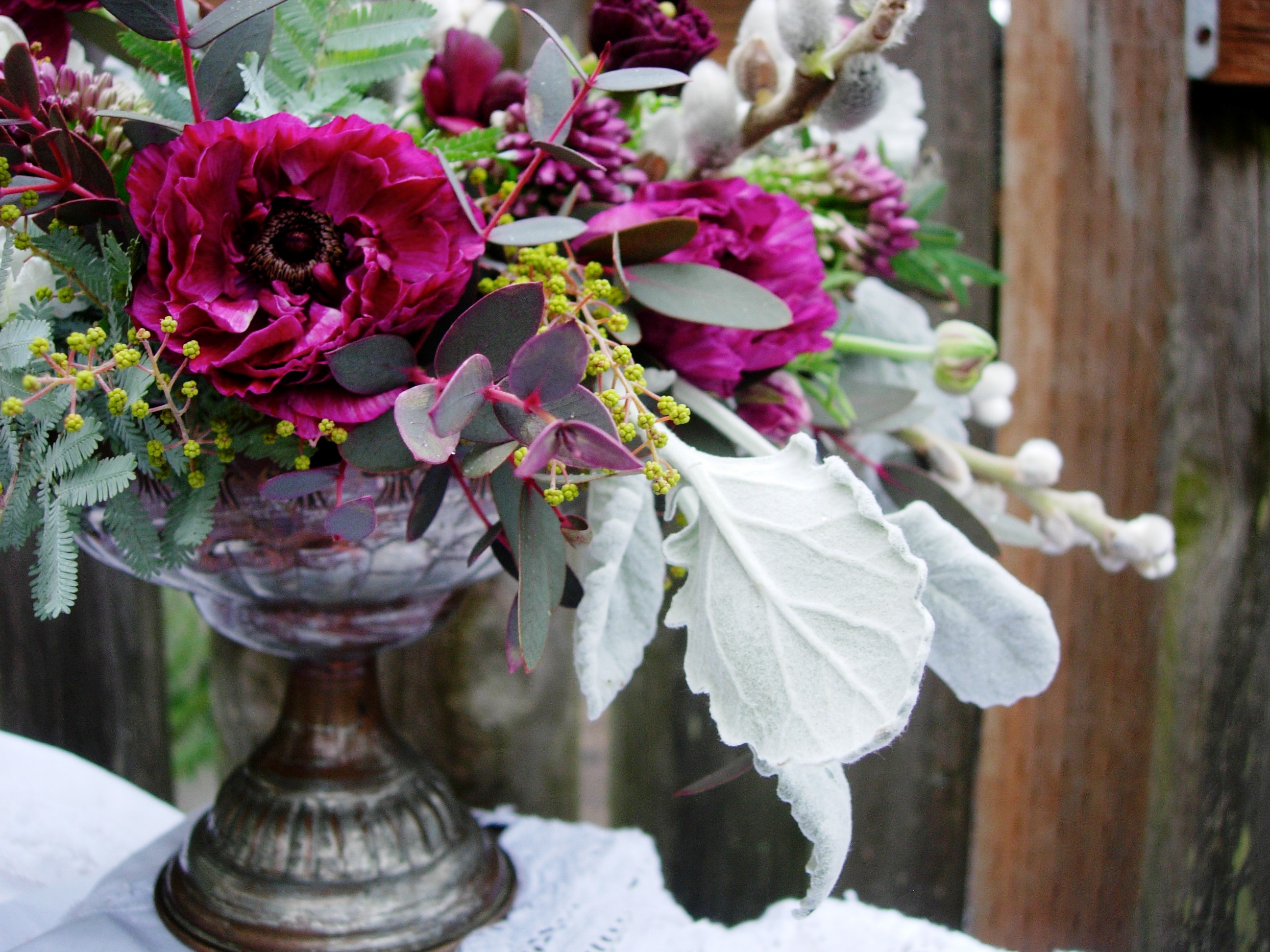
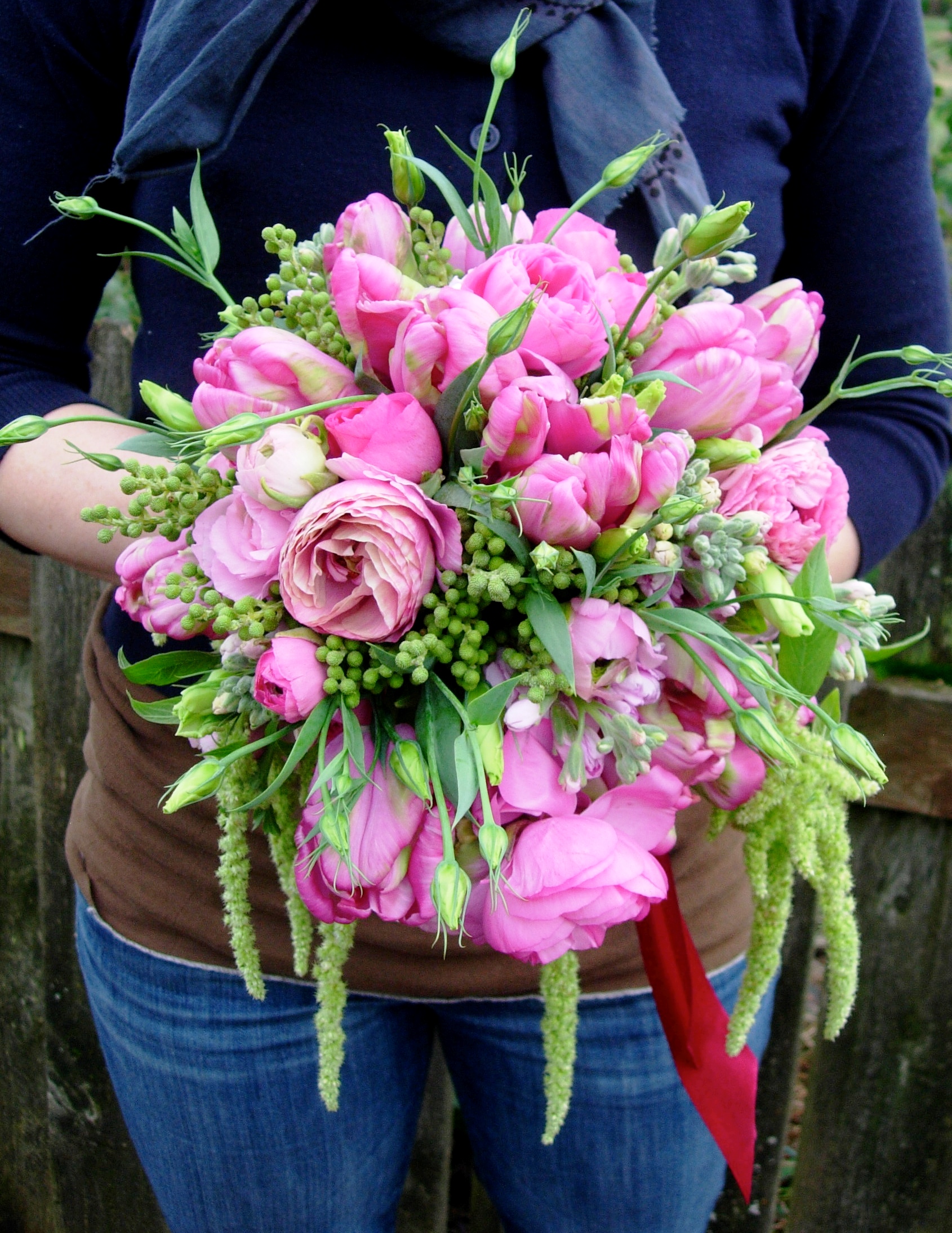
Kailla's work, a seasonal and local floral bouquet.

Kailla’s work, a seasonal and local floral bouquet.

As Kailla puts it: “she filled my young heart with a love of gardens, plants and flowers.  She would generously send me out into her amazing garden with a basket and clippers, telling me I could pick anywhere.  Then, as we selected frogs and filled vases, she would tell me the names and the stories of all these beautiful flowers.  Her garden was a fairy land to me as a child and it continues to inspire me and influence my work today.”
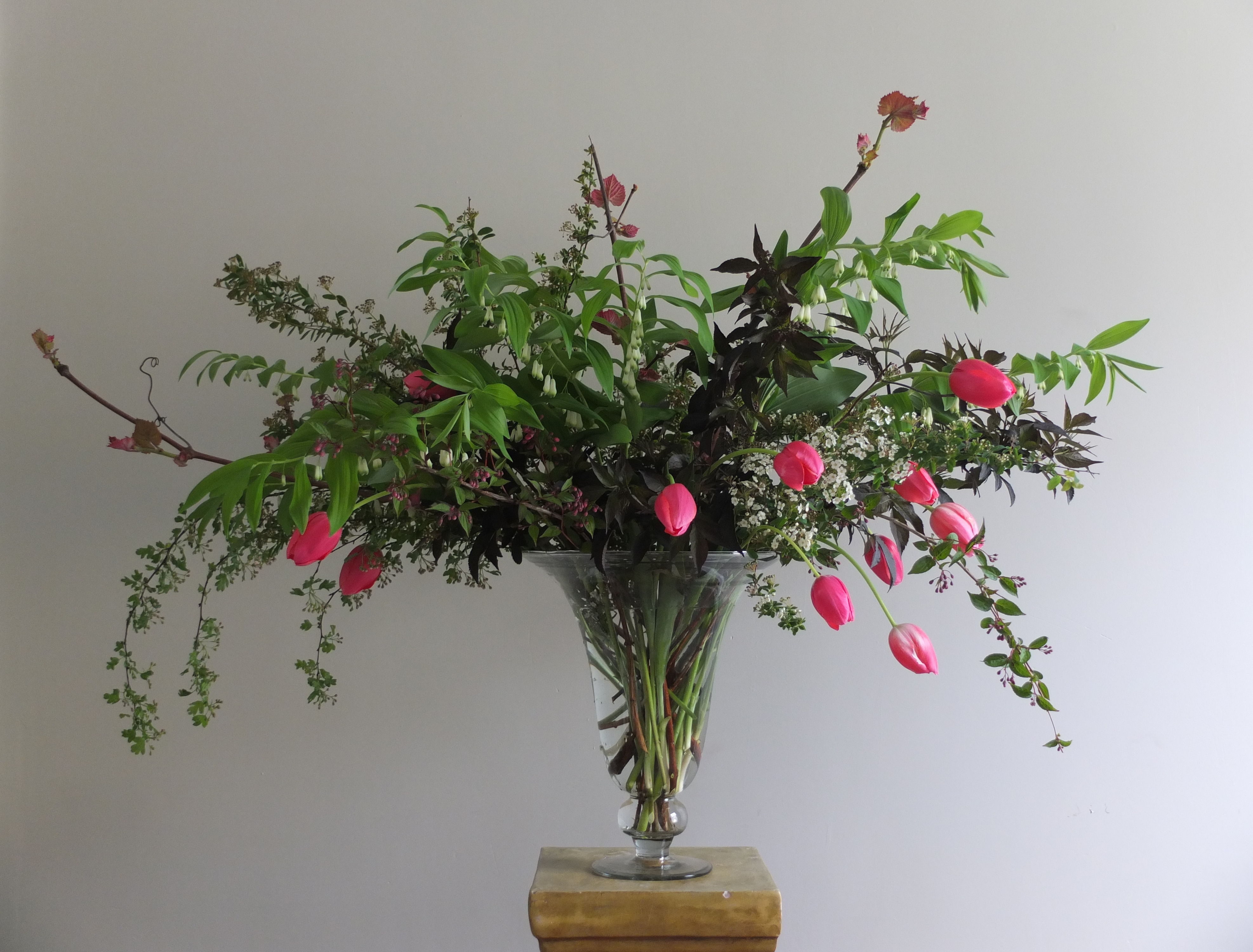
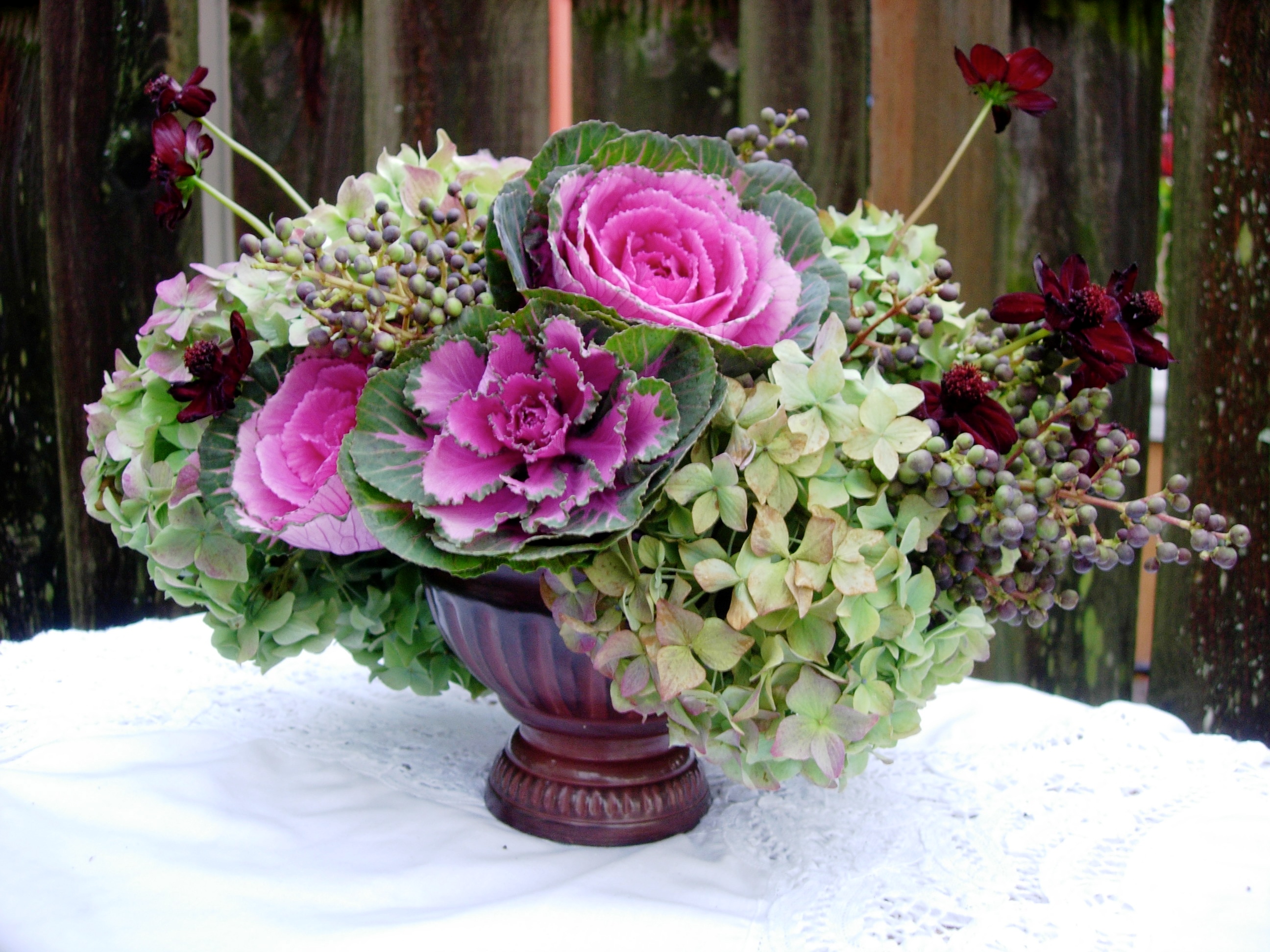
Kailla Platt Flowers, a delightful composition.

Kailla Platt Flowers, a delightful seasonal composition.

Kailla Platt Flowers is a young floral studio inspired by Kailla’s lifelong relationship with flowers. On her website, Kailla writes: “I care about where my flowers come from. I want to know the farmer who grew them.  When possible, I want to gather and forage botanical material myself.  The flowers we give to others, wear in our hair and lift to our faces and smell, should be free of pesticides and harmful chemicals.  Farm to table, garden to vase, me to you.” 

Seasonal design by Kailla Platt Flowers.

Seasonal design by Kailla Platt Flowers. 

Kailla works collaboratively on wedding and event design with another amazing force, Elizabeth Bryant, a flower farmer, floral designer, and founder of Rose Hill Flower Farm, a small, sustainable urban flower farm and design studio in Portland. 
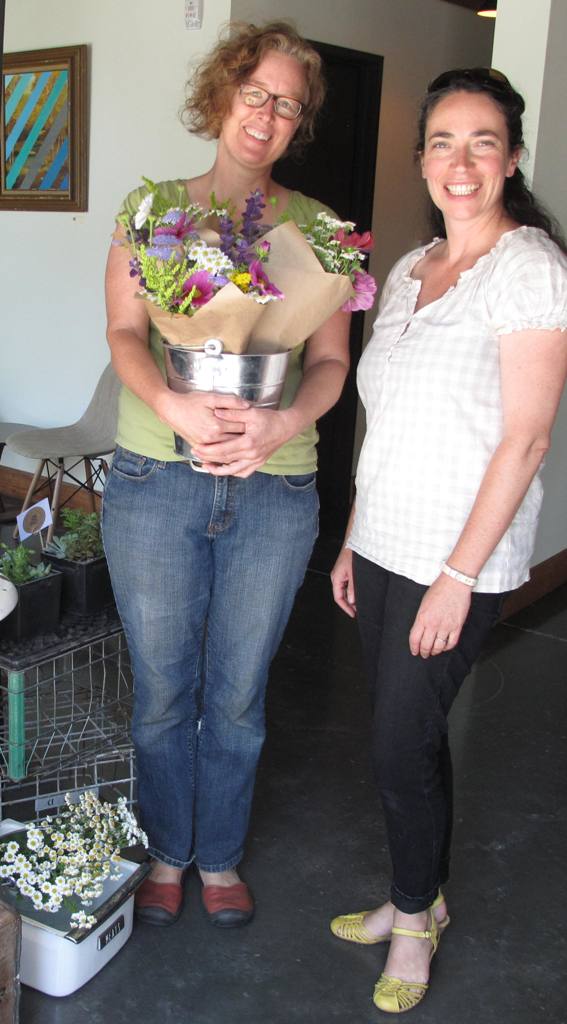
Elizabeth and Kailla at Prettyman's General, a neighborhood mercantile where they  sell their local bouquets.

Elizabeth and Kailla at Prettyman’s General, a neighborhood mercantile where they sell their local bouquets.

Elizabeth and her wife Jill grow flowers on three acres of family land in West Linn, Oregon, about 15 miles southeast of Portland. 

She says: “Our farming and land-care practices are organic and ecologically grounded, with the utmost care given to creating a healthy soil ecology and rich pollinator habitat.  We grow a range of both common and unique specialty cut flowers for use in weddings and events, through our CSA, and direct to florists.”  Rose Hill also provides lush, locally grown arrangements weekly for restaurants, businesses and individuals, or for any special occasion.  
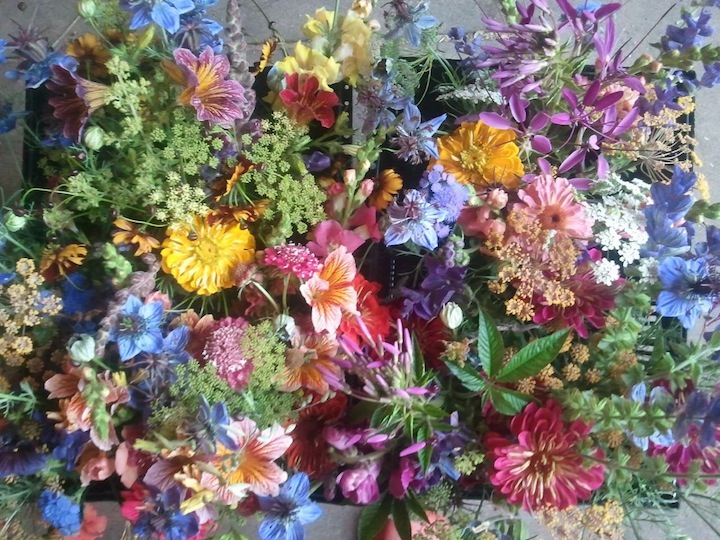
Mixed bouquets by Rose Hill Flower Farm.

Mixed bouquets by Rose Hill Flower Farm.

What you’ll enjoy about this interview is hearing how two creatives – Elizabeth Bryant and Kailla Platt – have distinct points of view and floral businesses that are different from one another, but that they also are collaborative in a way that benefits both of their work – and their clients.
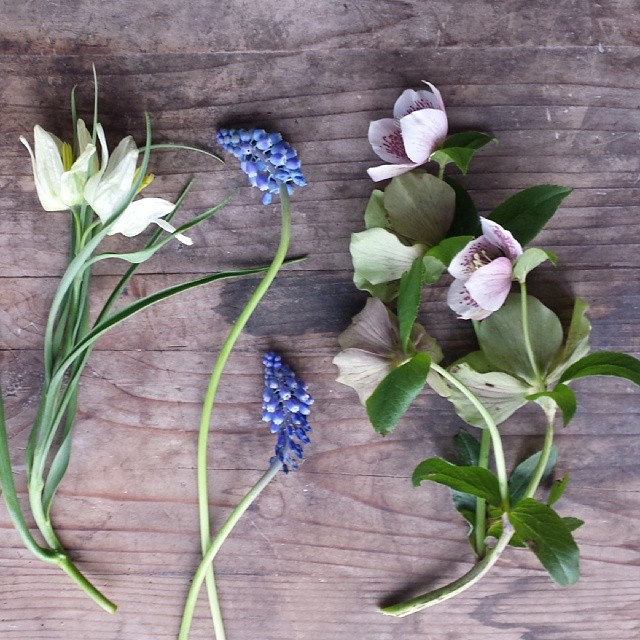
Spring ephemerals, grown by Rose Hill's Elizabeth Bryant.

Spring ephemerals, grown by Rose Hill’s Elizabeth Bryant.
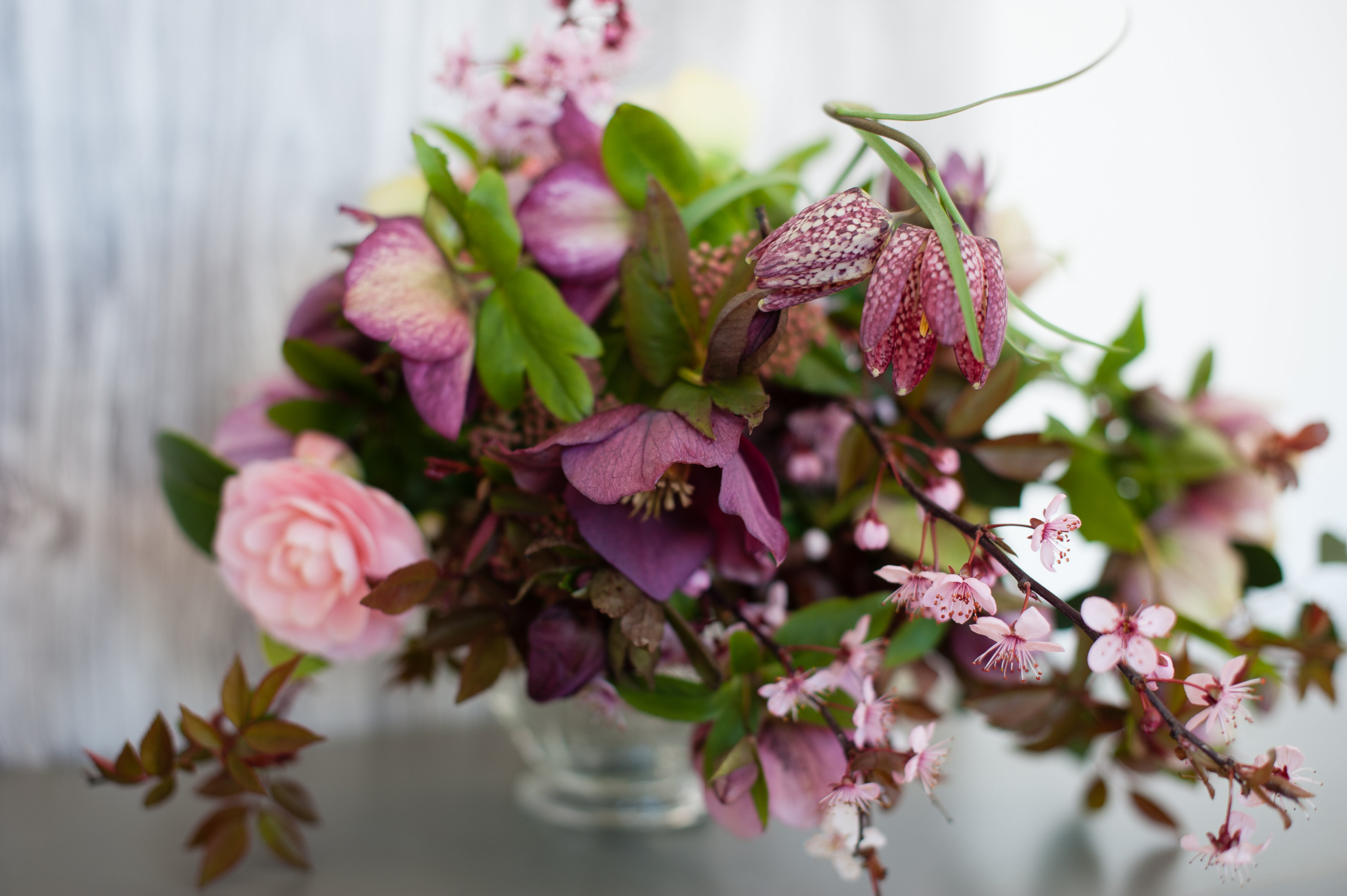
 

Rose Hill's Elizabeth Bryant's flowers and floral design.

Rose Hill’s Elizabeth Bryant’s flowers and floral design.

Kailla and Elizabeth share studio space with Portland photographer Katie Prentiss. In a charming little cottage in Southeast Portland, the three us a combined design and meeting/event space for floral projects.  Together they enjoy great artistic synergy and often partner on projects, including weddings and large events requiring florals.
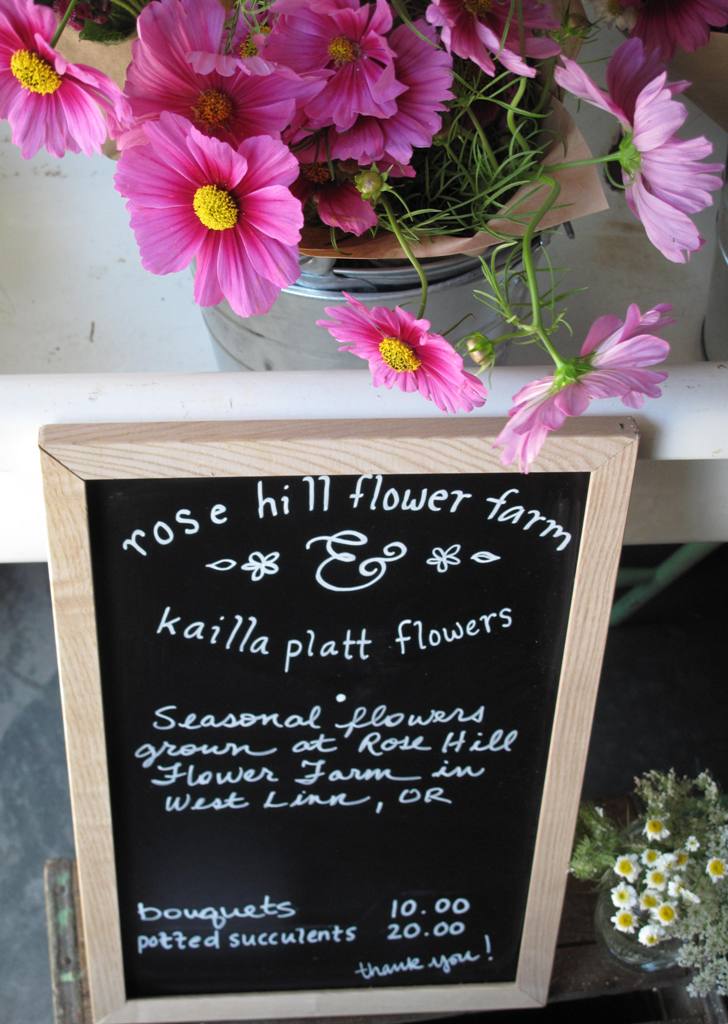
A floral collaboration.

A floral collaboration.

Thank you for joining me today to hear some of the exciting voices in American flower farming and floral design. Even after a year of producing and hosting the Slow Flowers Podcast, I can guarantee that the list of future guests is very long and I don’t imagine running out of names we need to hear from – inspiring people who are changing the way Americans gather and enjoy flowers in all aspects of life.
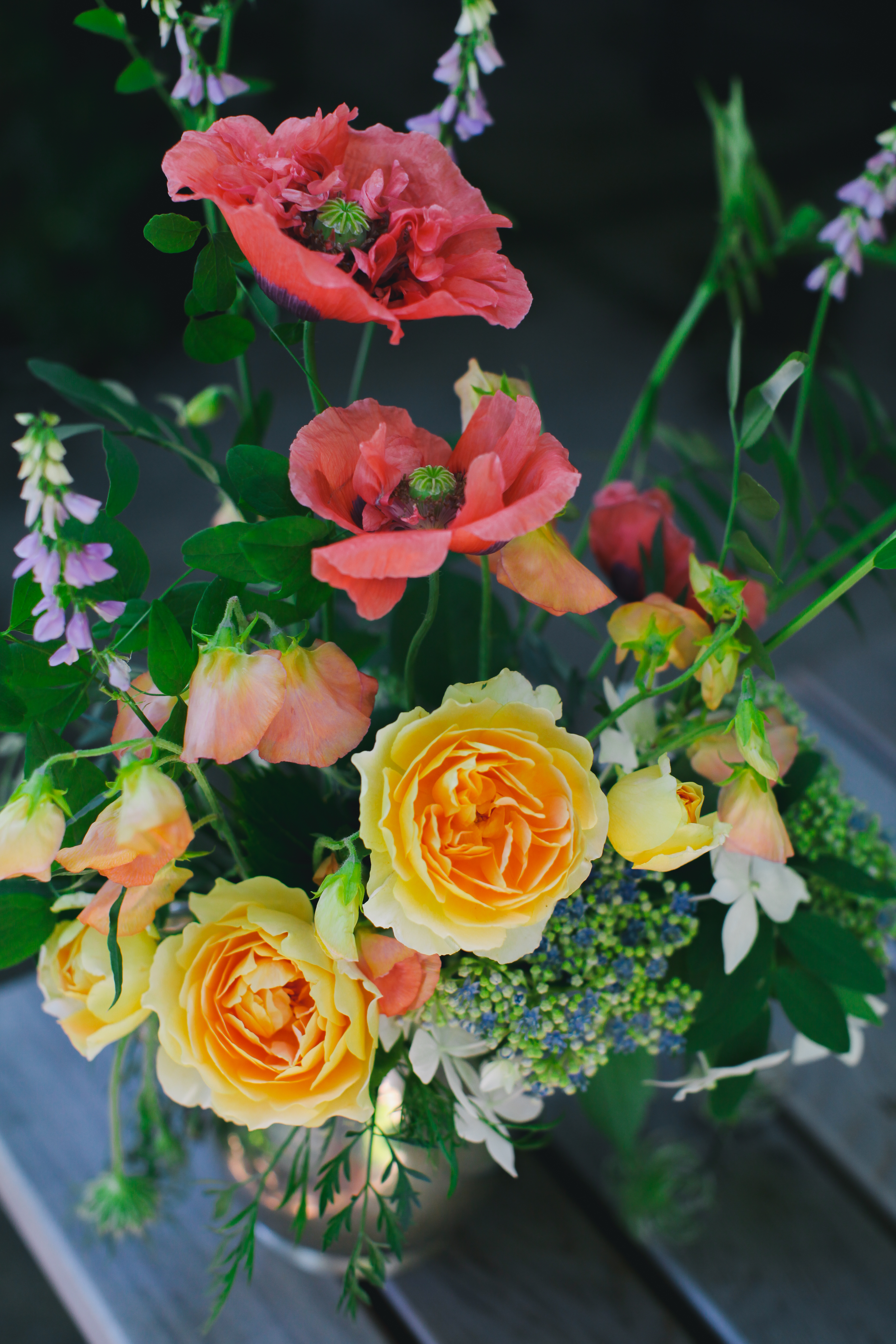
Floral design by Kailla Platt.

Floral design by Kailla Platt.

Next week Slow Flowers comes to you from Homer, Alaska, where I’ve happily returned after my 2012 peony-hunting excursion. After that, the road tripping continues, and you can anticipate Slow Flowers interviews with flower farmers and floral designers in Pittsburgh and Philadelphia. 

Thanks to listeners like you, this podcast has been downloaded more than 17,000 times. In fact, the month of July was our all-time most popular month of interviews with 2500 downloads – and I’m jazzed to know that more listeners are discovering this flower-powered podcast every day.

If you like what you hear, please consider logging onto Itunes and posting a listener review.

Until next week please join me in putting more American grown flowers on the table, one vase at a time. 

The Slow Flowers Podcast is engineered and edited by Hannah Holtgeerts and Andrew Wheatley. Learn more about their work at hhcreates.net
A (American Grown) Flower-filled Road Trip, Part Three

Saturday, May 24th, 2014
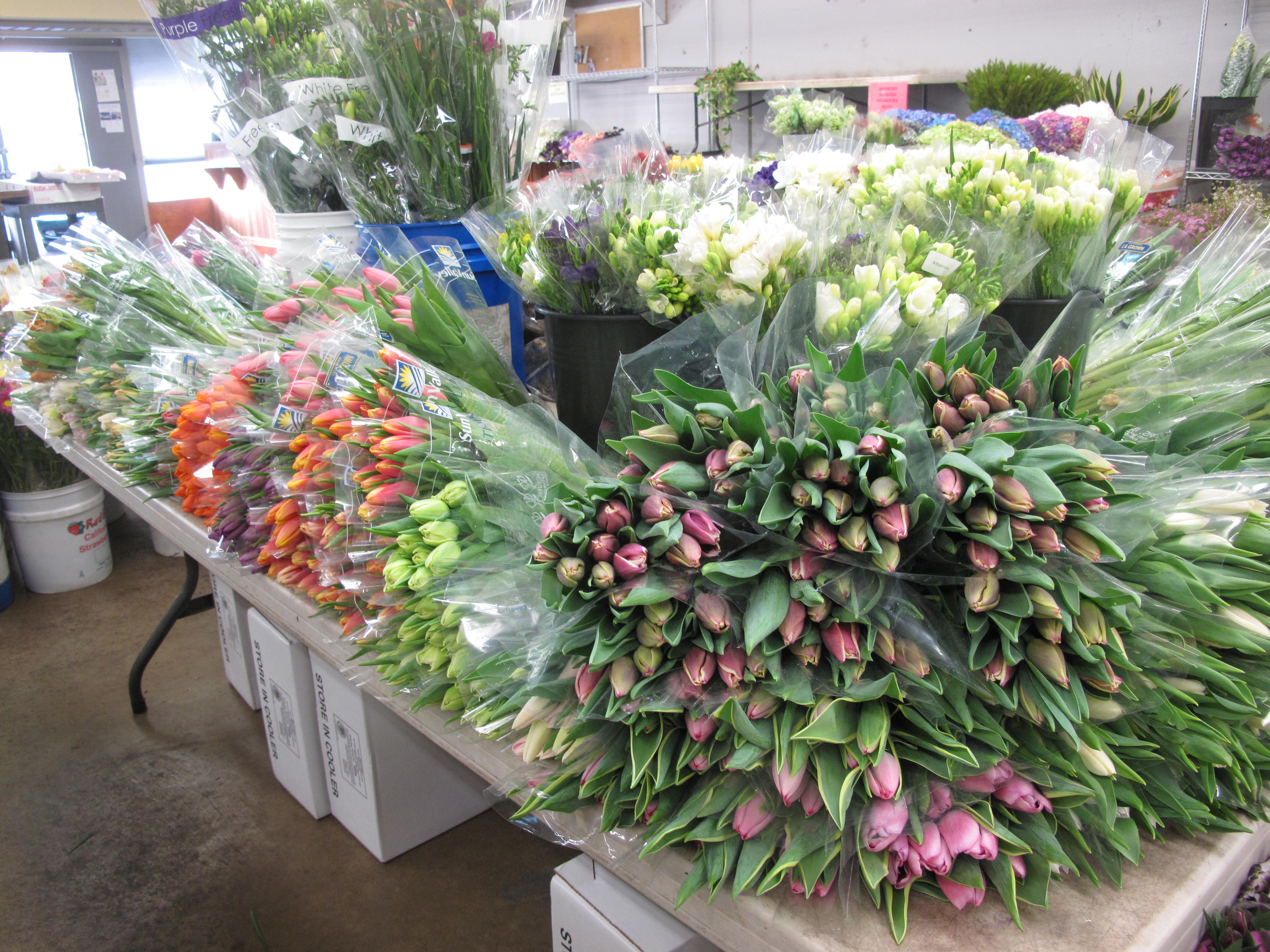
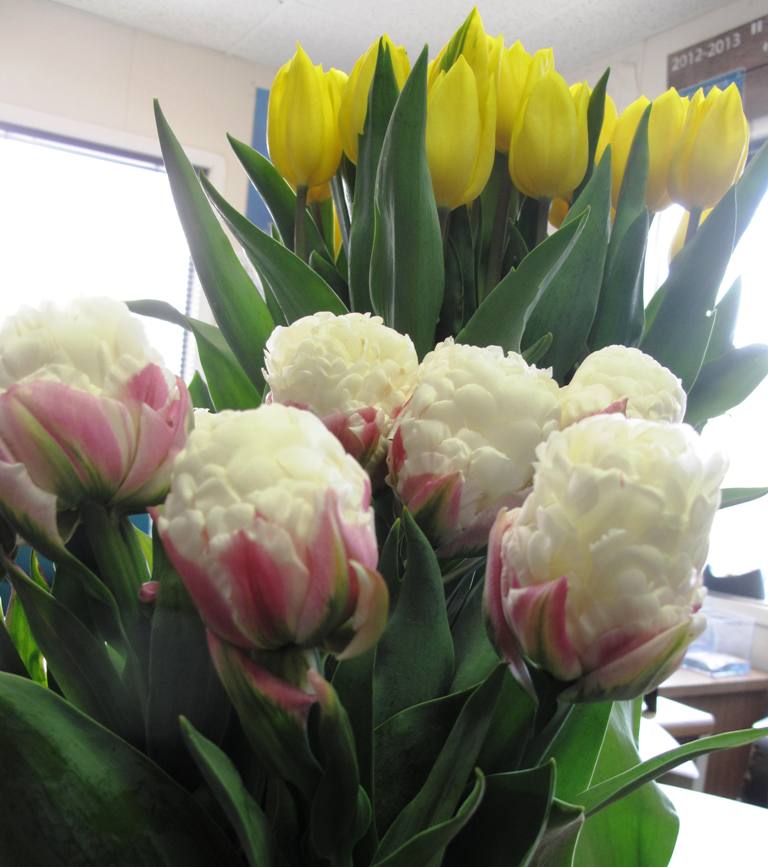
The hot, new "ice cream" tulip - spotted in a vase on Sun Valley CEO Lane Devries's desk!

The hot, new “ice cream” tulip – spotted in a vase on Sun Valley CEO Lane DeVries’s desk!

I’ve been home for an entire month from an 11-day road trip that took me by plane to Southern California and back home again behind the wheel of a rental car. 

I have many fond memories (as well as the photographs that I collected), while stopping along U.S. Hwy. 101 on my way north to Seattle. My first post featured Rose Story Farm and the Carpinteria flower scene; my 2nd post was about visiting author-friend Sharon Lovejoy and her husband Jeff Prostovitch in San Luis Obispo. [I’m going to save the photos and stories of my stop in Healdsburg-wine country for another day.]

So here is my third travelogue installation — all about The Sun Valley Group of Arcata, California.

942409_544572022274199_1731199429_n

Visiting Sun Valley and touring its vast flower-growing universe has been on my bucket list for quite a while. I’ve enjoyed collaborating with CEO Lane DeVries and his staff over the past few years to promote American-grown flowers and flower farms. In fact, Lane was a podcast guest last year – you can listen to that interview here. But I had never been able to see Sun Valley up close and personal!
Still on the road last month, I routed myself through Eureka, Calif., where I first visited another writer-friend, Amy Stewart of Flower Confidential and The Drunken Botanist fame (listen to our Podcast interview here).

The following morning I continued north to the next town on the map, Arcata – home to Sun Valley’s headquarters and one of the company’s farm locations. 

Sun Valley is a leading grower of cut bulb and field flowers in the United States. According to its web site, Sun Valley chose this area as an ideal environment for growing bulb flowers, due to its mild winters, cool summers, generous humidity and coastally moderated sunlight. The fields surrounding the greenhouses also provide excellent growing conditions for spring, summer and fall iris, and summer flowers including crocosmia, hypericum, monkshood and montbretia.

Bill Prescott, the farm’s social media/communications guru, met and escorted me on a whirlwind tour. It’s a good thing that I brought my rubber-soled Merrills, cuz the ground gets muddy and wet at a flower farm – in the shade houses and in the greenhouses. These farms practice water conservation, of course, but the puddles and wet spots still exist.

We started by walking through the tulip operations. By the way, click here to see the farm’s mind-boggling array of tulip varieties – you’ll not believe it!

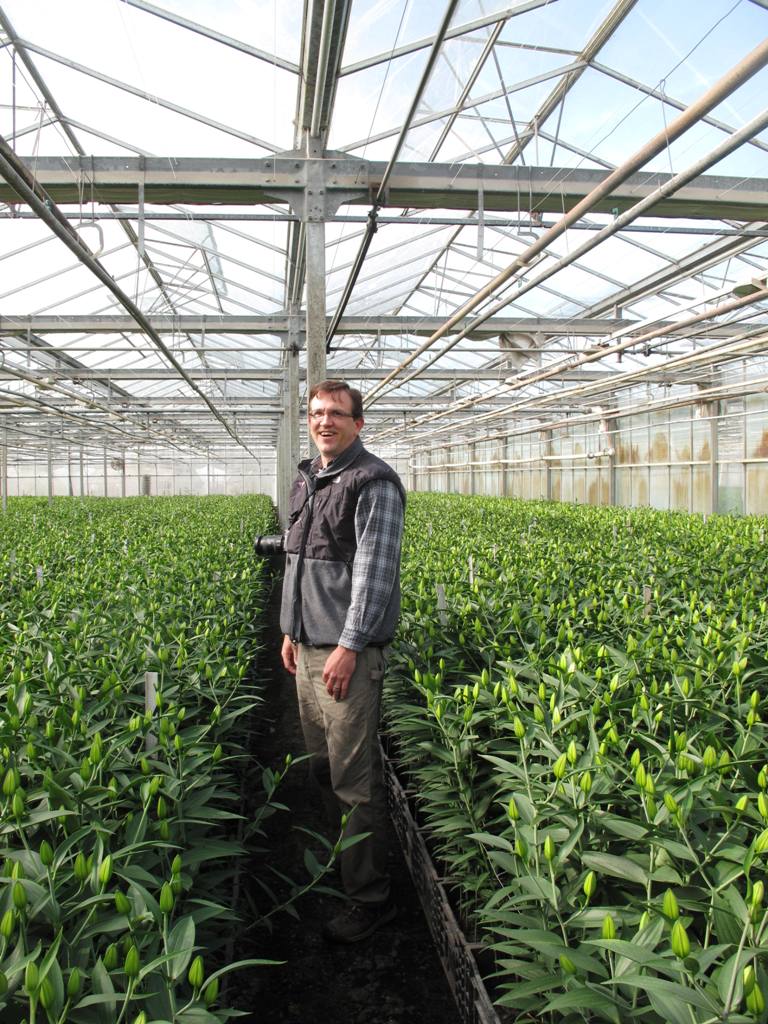
Bill Prescott, my host and tour guide at Sun Valley Flower Farm in Arcata, Calif.

Bill Prescott, my host and tour guide at Sun Valley Flower Farm in Arcata, Calif.


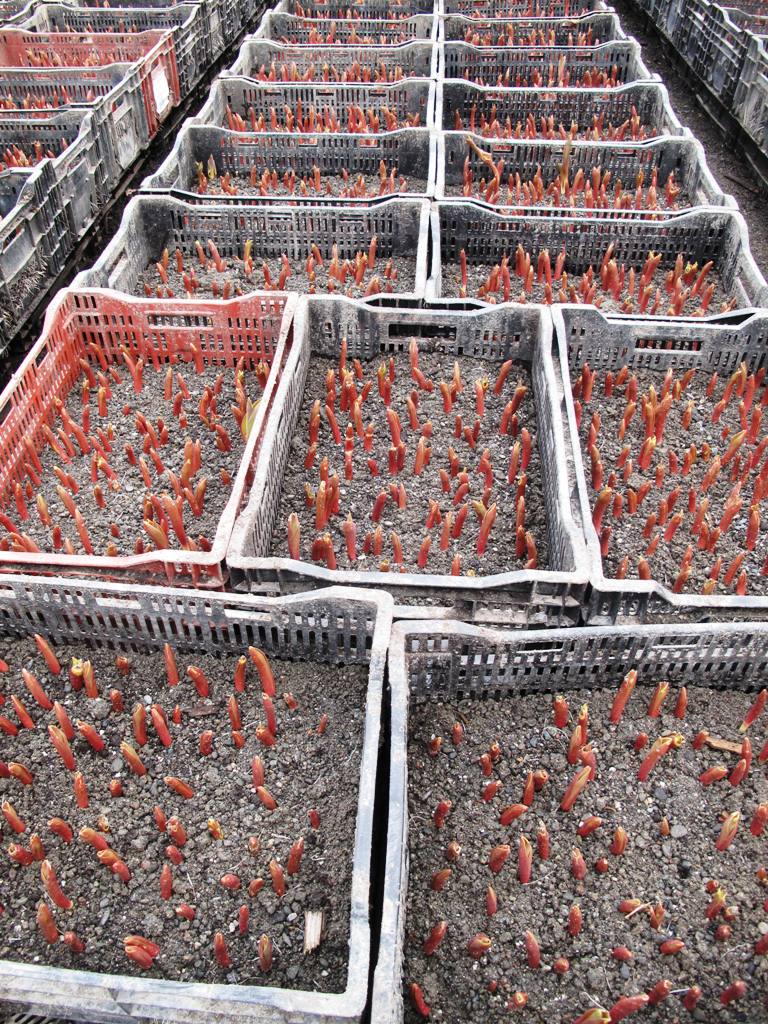
This is how the tulip-growing cycle begins. Bulbs planted in growing medium, shoulder to shoulder. Their tips emerge from the soil and then the crates are transferred to the greenhouse rows.

This is how the tulip-growing cycle begins. Bulbs planted in growing medium, shoulder to shoulder. Their tips emerge from the soil and then the crates are transferred to the greenhouse rows.


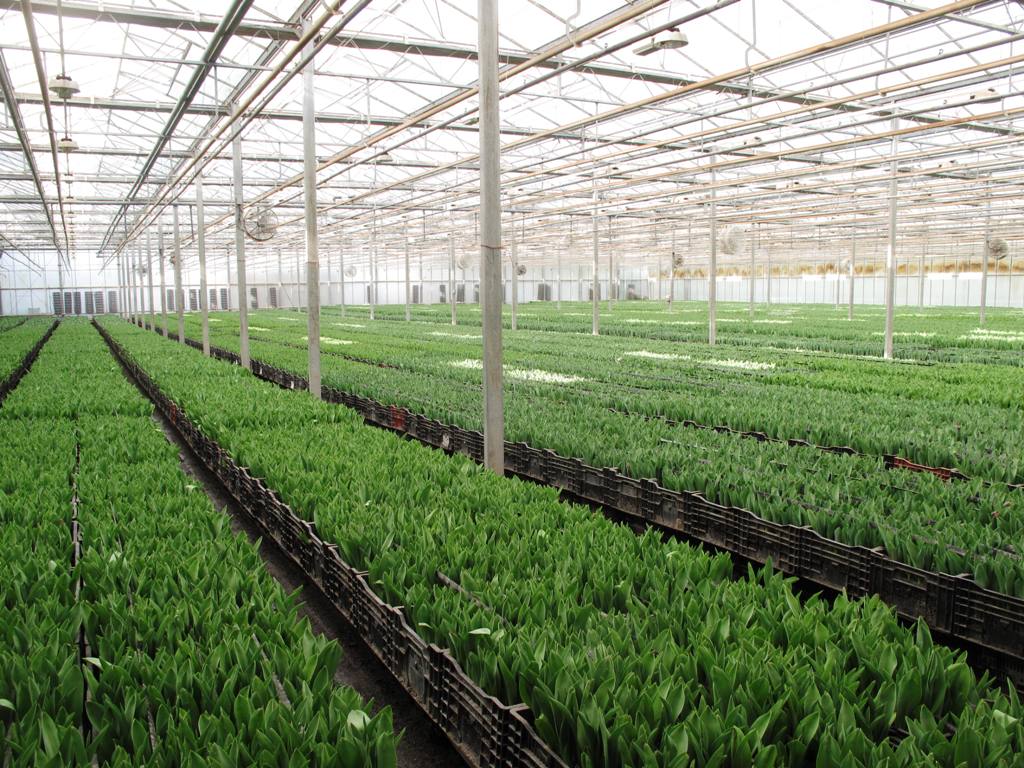
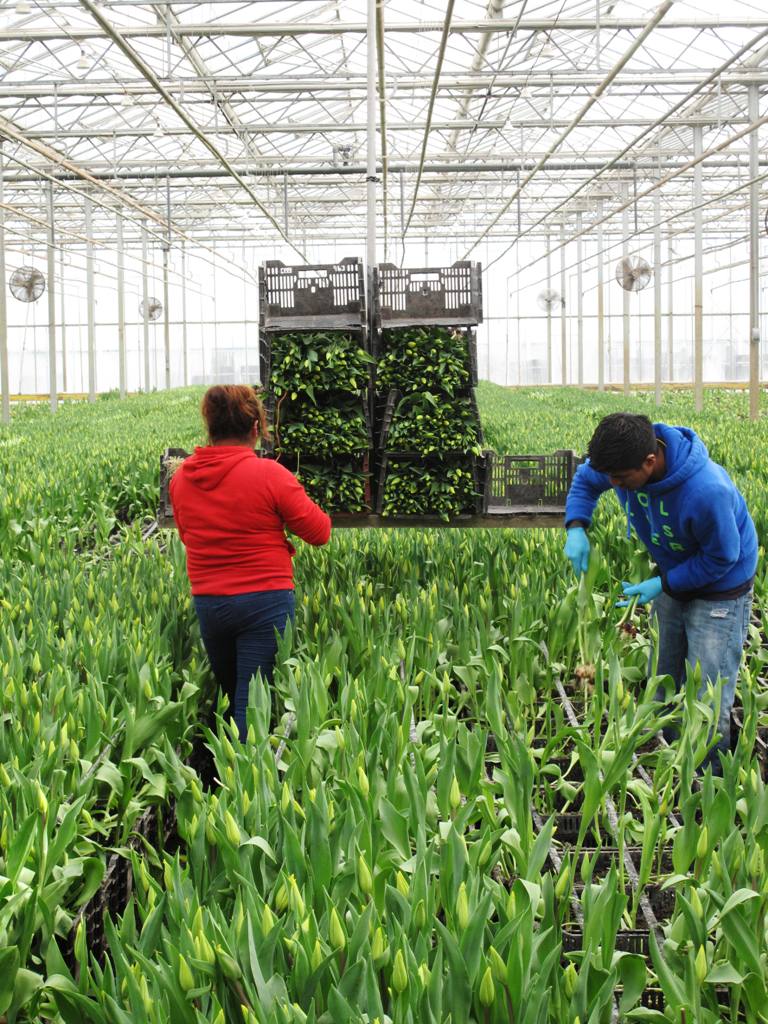
Just one of countless state-of-the-art greenhouses that produce beautiful tulips throughout the year.

Just one of countless state-of-the-art greenhouses that produce beautiful tulips throughout the year.


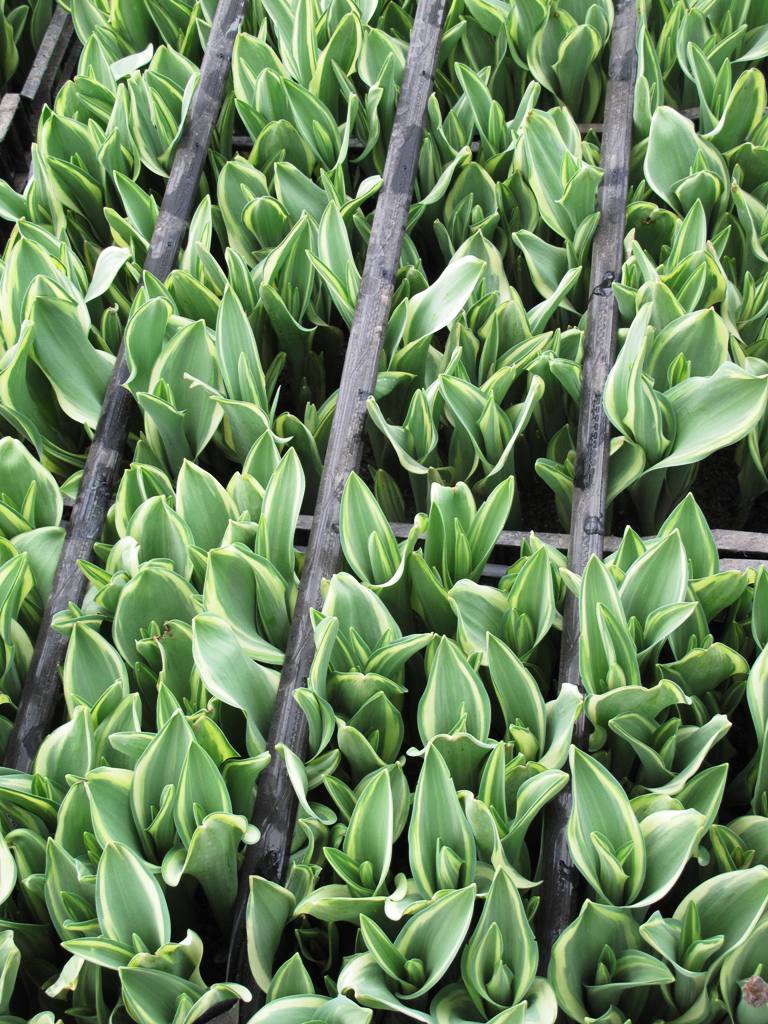
I couldn't take my eyes off of the beautiful variegated foliage on this tulip variety. It's not always about the bloom, especially when you have leaves like this!

I couldn’t take my eyes off of the beautiful variegated foliage on this tulip variety. It’s not always about the bloom, especially when you have leaves like this! 


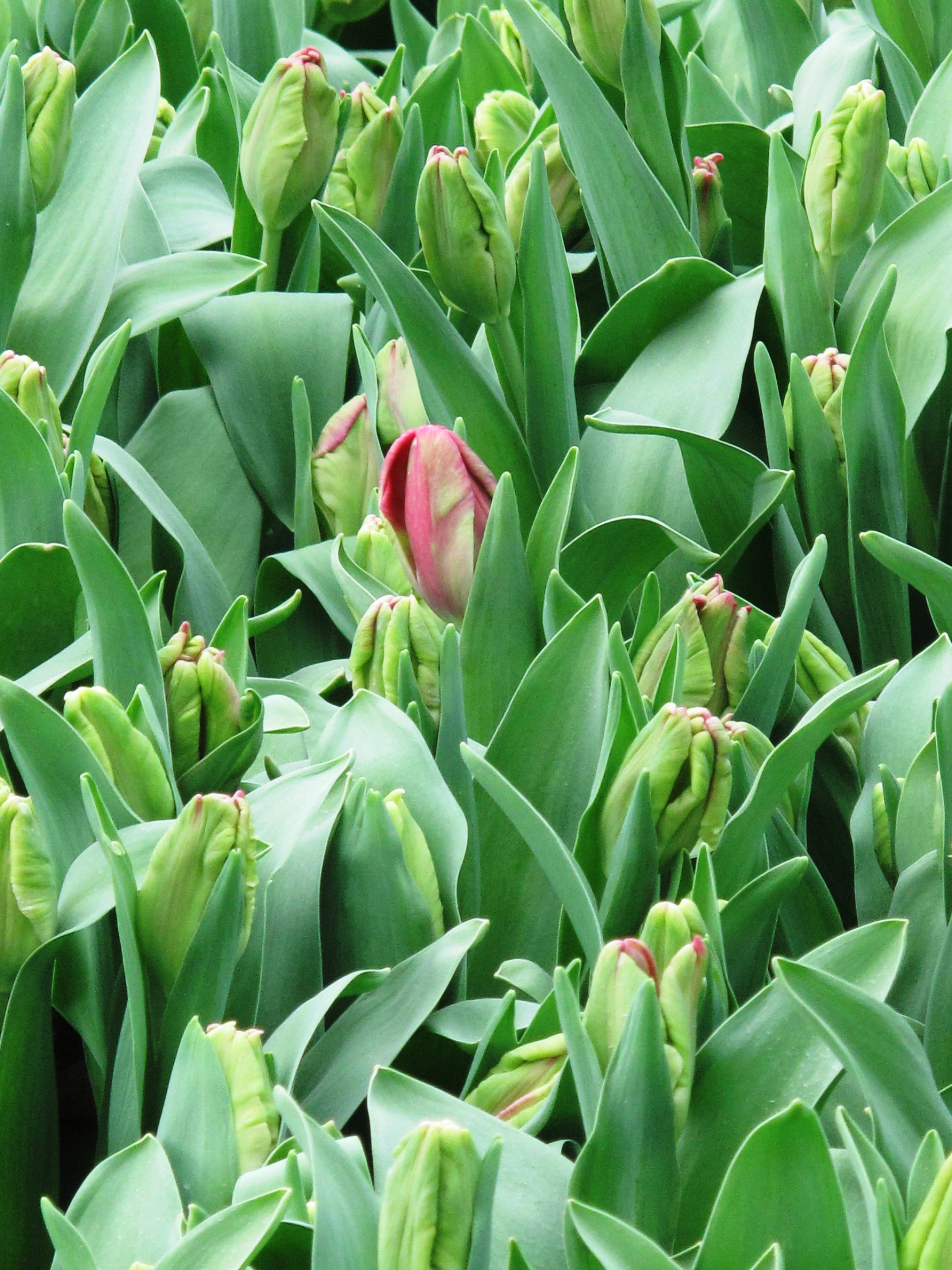
Hello, tulip!

Hello, tulip! 


The tulip harvest - this was the week before Easter, so imagine: nonstop harvesting!

The tulip harvest – this was the week before Easter, so imagine: nonstop harvesting! 


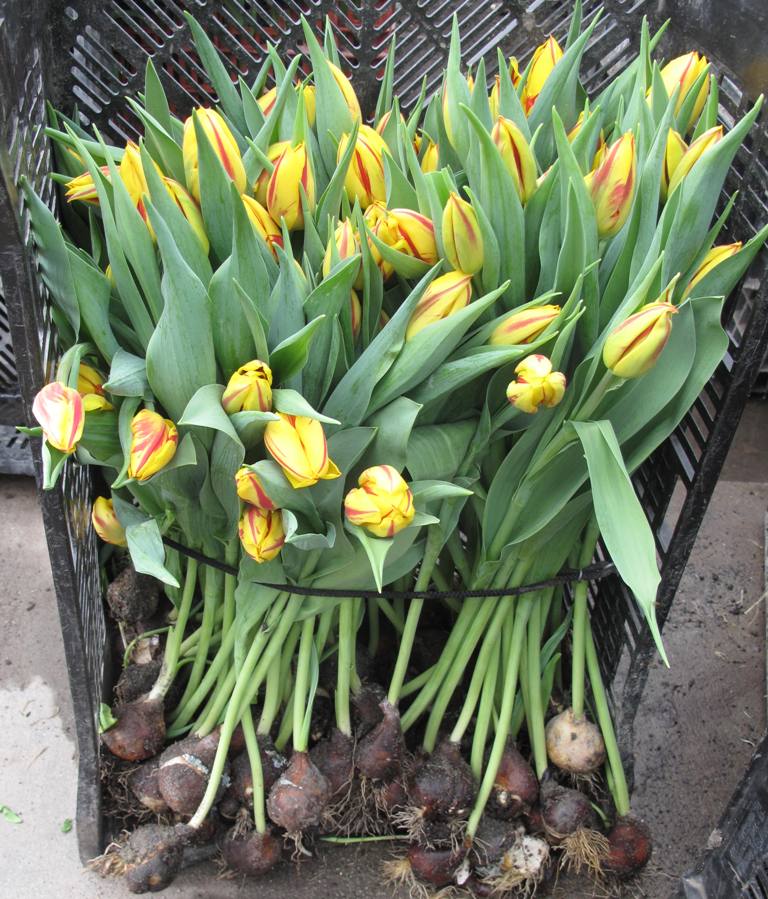
. . . and this is how the flowers come out of the ground - bulbs and all - to ensure the longest stems.

. . . and this is how the flowers come out of the ground – bulbs and all – to ensure the longest stems.

Some other popular crops include irises and lilies:

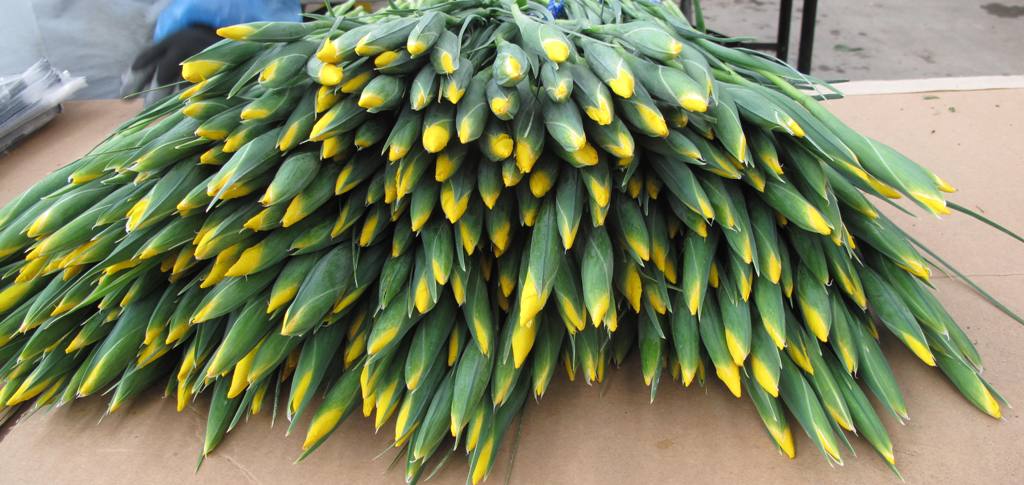
Gotta love these lemony-hued irises!

Gotta love these lemony-hued irises! 


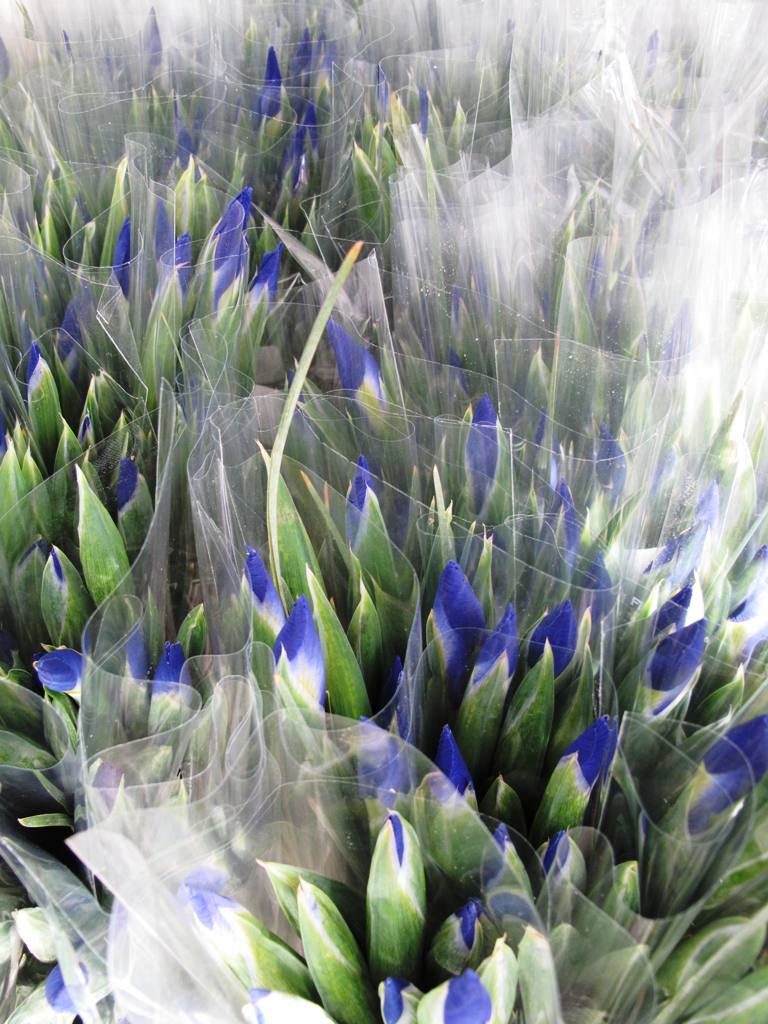
And the classic purple ones, too!

And the classic purple ones, too! 


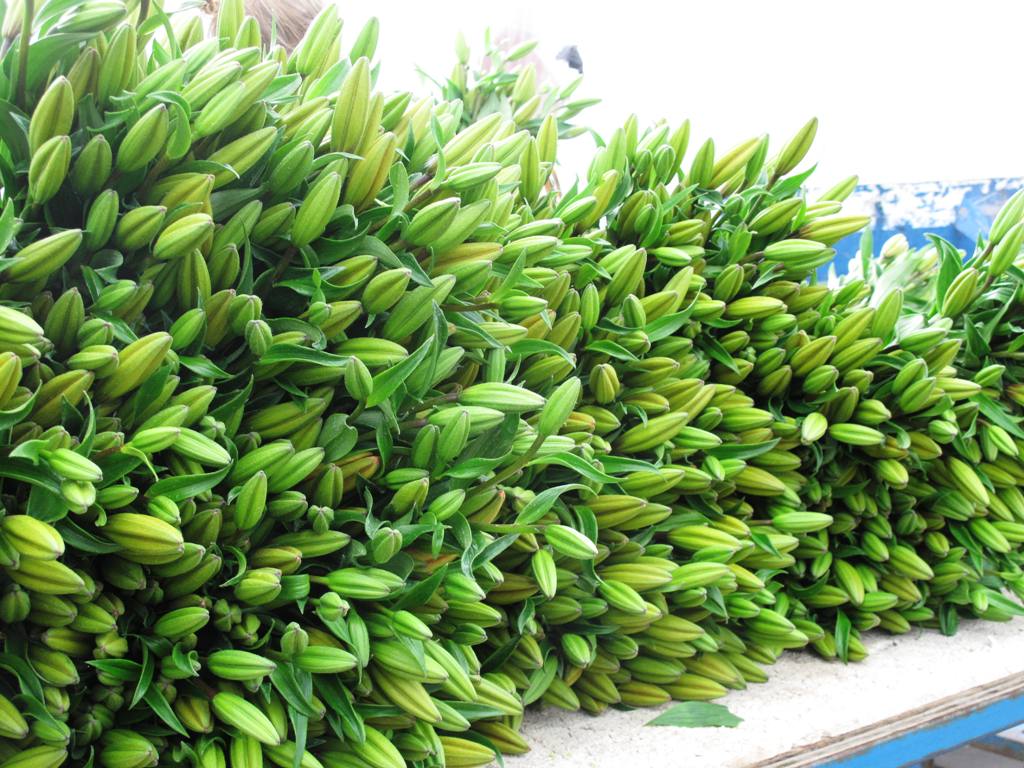
Lilies, just picked and ready for shipment to flower shops, supermarkets and designers.

Lilies, just picked and ready for shipment to flower shops, supermarkets and designers. 


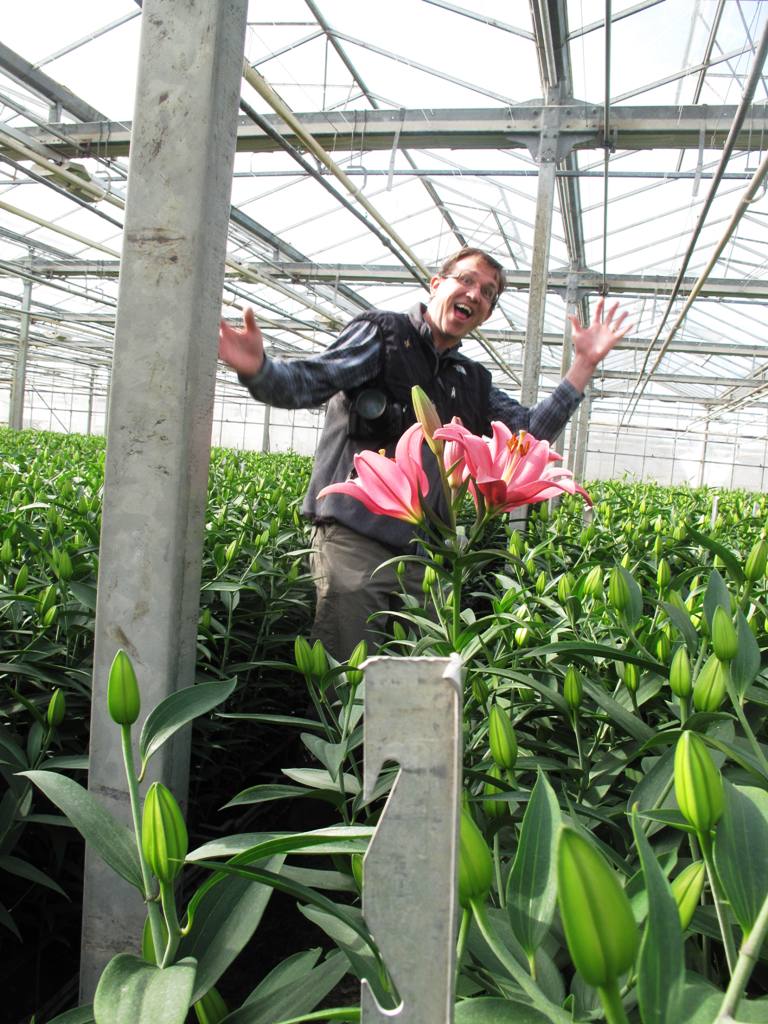
Having fun with the lilies - Bill is a bit of a ham!

Having fun with the lilies – Bill is a bit of a ham!

Bill sent me home with a huge bucket filled with irises and tulips – gorgeous, fresh, just-picked and more than I could ever use in a single Easter arrangement. They survived the 10-hour drive to Seattle that day and still looked awesome when I gave an arrangement of those blooms to my mother on Easter. We both enjoyed those American-grown flowers for nearly two weeks – especially the lilies, with so many plump buds that kept opening up, a few new blooms every day.

And speaking of lilies . . . did you know that “Lily,” the voice of Sun Valley’s blog, is none other than Mr. Bill Prescott? On the blog, he channels his inner florist supremely well! Check out “Flower Talk: Grow with Lily” here – and subscribe to receive notices of the frequent installments. 

SLOW FLOWERS Podcast: Hear from a Floral Wholesaler who Promotes American Grown (Episode 139)

Wednesday, April 30th, 2014
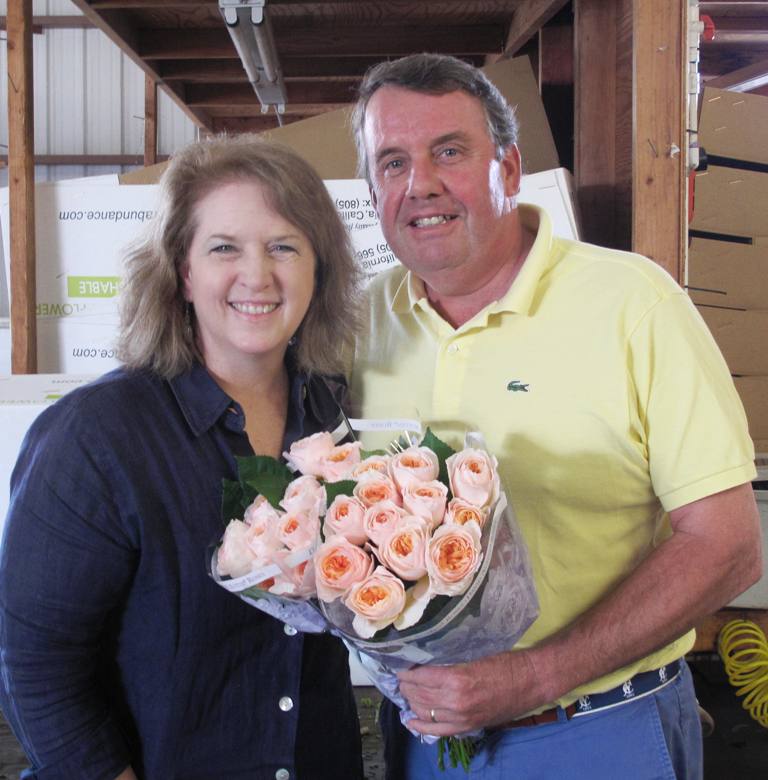
I recently visited Joost Bongaerts, floral wholesaler and owner of Florabundance.

I recently visited Joost Bongaerts, floral wholesaler and owner of Florabundance.

Over the past several weeks you’ve heard my conversations with floral designers who are leading the way when it comes to sourcing their flowers, leaves and branches from local farms. They place high value on seasonal blooms, because they know their bouquets and arrangements will be all the more beautiful and cherished by the customer – a customer who is also asking, Where do my flowers come from?


Yet many of these florists whose operations are not large enough to guarantee sizeable orders or meet minimum purchase requirements face a dead-end when they ask their local wholesaler to provide domestic or locally-grown product.

The wholesaler is basically a broker, an agent between the grower and the designer. The way the wholesale florist makes money is to buy low and sell high. I know this is an essential truth in any modern-day distribution system, but – to me – it can lead to a situation where the wholesaler holds all the power to set price, to determine what is brought to market, to manage the flow of goods from producer to end user. And in floral, over the years, that set up has led to a near-total obscurity of sourcing and certainly NOT truth in labeling.

It has been close to impossible for designers seeking flowers from the wholesaler in their town to ever know WHERE those flowers came from or WHO grew them, let alone what growing practices were used.

This model is only beginning to change. As we heard from Foxglove Brooklyn and The Local Bouquet, two studios featured in recent episodes, their big breakthroughs occurred when a light bulb went off in the mind of their wholesale florist. The energy and enthusiasm these designers express whenever they can source American grown flowers has stimulated a shift in thinking at the wholesaler. It might not even be the owner of that wholesale business who gets it, but perhaps an enterprising salesperson or account manager who says: “Ah ha! I get it – they want more local product and If I can source it – my sales will increase.”

So . . . in the coming months, in an effort to crack the code and inspire more wholesale florists to “see the way to the future,” I’ll be featuring conversations with the ones who are committed to transparency in their sourcing practices.

Florabundance

Today, we’re kicking it off with Joost Bongaerts, owner of Florabundance in Carpinteria, California.

Joost has been involved in the horticulture and floral industry his entire life – and through Florabundance he sells flowers to retail florists and designers all around the country.

Located as they are in the flower-basket of the U.S., Florabundance has the unique ability to source from small and large flower farms in California and in many other states on an almost a year-round basis.

I applaud Joost for labeling all of the CA-grown options on the Florabundance web site. In the future, we should see other wholesalers adopting this practice. And next, we’ll urge them all to identify other states, as well as use the soon-to-launch American Grown Flowers logo.

Here’s a little more about Joost and his background:

Born in 1959 in Den Hague, The Netherlands, Joost grew up in Holland. His father managed agricultural land holdings all over the country. Joost spent summers working on his family’s farm in northern Holland and became interested in agriculture and horticulture as a result. He attended The Land en Tuinbouw School in Dordrecht and continued his education in Gouda, graduating with a degree in plant science.

Joost also spent a semester at Michigan State University as part of an exchange program, which led to his desire to work and live in the United States. Joost began his professional career in 1981, marketing fresh cut flowers from Holland for The Dutch Flower Auctions & Exporters Organizations which was located in Livonia, MI.

From 1983 to 1991 Joost worked for several Dutch companies selling flower bulbs and perennial plants to specialty cut flower growers in the United States and Canada.

In 1991 Joost and his wife Alexandra opened BonFleur, a European-style retail flower shop in New Canaan, CT, which they sold to their manager in 2002. During this time Joost also imported flowers from Holland and started to do business with Florabundance, becoming a partner in 2002 and eventually full owner in 2008.

Joost’s background and experience in selling flower bulbs to growers, importing cut flowers and running a successful retail flower shop provides a unique perspective from which he has developed the Florabundance brand into one of the premier wholesalers in the United States.

Here’s a bonus feature: a UBloom episode about Florabundance, produced by J Schwanke for his California Grown Experience video series.

httpv://vimeo.com/15039946 

I predict that by sharing my conversations with “floral middlemen,” three things will happen in the coming months and year:

1. Other wholesalers will begin to hear the buzz – and they’ll be curious about the successes of their peers like Florabundance’s Joost Bongaerts.

2. More florists will point to these examples and nudge along their own wholesaler, asking them to source domestically, seasonally and locally – for good reason.

and . . .

3. The consumer will benefit – and have more confidence in the purchases he or she makes.

Please send me your suggestions for who you’d like to hear from on future episodes of the Slow Flowers Podcast.

And tune in next week to hear from a special guest. Author Amy Stewart, who wrote Flower Confidential in 2007, will join me for a conversation about that groundbreaking book. Don’t miss it!

Because of the support from you and others, listeners have downloaded episodes of the Slow Flowers Podcast nearly 11,000  times! I thank you for taking the time to join to my conversations with flower farmers, florists and other notable floral experts.

If you like what you hear, please consider logging onto Itunes and posting a listener review.

Until next week please join me in putting more American grown flowers on the table, one vase at a time. 

 The Slow Flowers Podcast is engineered and edited by Andrew Wheatley.

Great News: American Grown Flowers decorated last week’s White House State Dinner

Friday, February 21st, 2014
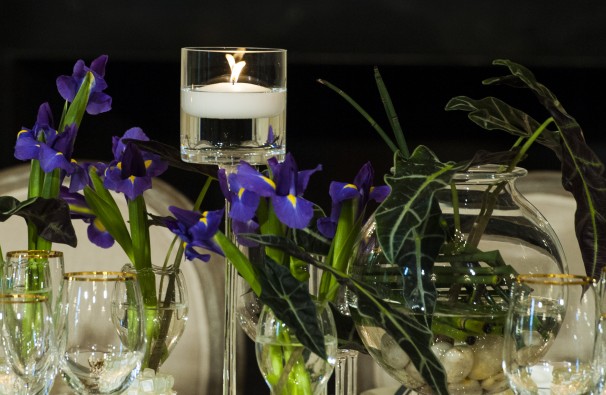
(c) Washington Post image of California irises and Florida tropical foliage.

(c) Washington Post image of California irises and Florida alocasia foliage.

The White House has had a long-standing tradition of featuring and celebrating American grown food and wine during its state dinners.  Menus and wine pairings are carefully selected months in advance to ensure that only the freshest and finest American grown ingredients are used during these important special events. 

And now, acknowledged for the first time ever, the centerpiece flowers are 100% American grown. 

This is a HUGE cause for celebration in all 50 states where flower farmers are working hard to make a decent living from their land; working hard to grow unique, high quality flowers for American consumers; working hard to keep their employees on the payroll; and working hard to stimulate the economy in their own communities. As one of my supporters of the Slowflowers.com campaign on Indiegogo wrote about supporting American Grown Flowers:  “The whole concept makes so much sense –what is there not to get???” 

According to a recent blog post by USDA Deputy Secretary Krysta Harden, the Obama White House made a deliberate effort to not only feature the diversity and bounty of American grown agriculture, but also its beauty.  Deputy Secretary Harden’s post highlighted the extra effort by the Obama Administration to feature American Grown flowers and greens that were proximately displayed during last week’s state dinner with France’s President Francois Hollande. 

“The dinner celebrated the ‘best of American cuisine’ and featured dry aged rib eye beef from Colorado, trout from Maine, cheese from Vermont, chocolate from Hawaii, and potatoes from New York, Idaho, and California.  The wines served at the dinner included excellent selections featuring California, Washington State, and Virginia offerings,” shared USDA Deputy Secretary Harden on the Department’s blog.  “However, beyond the menu itself an equally impressive feature was the visible presence of American cut flowers.”

Extending the White House’s rich tradition of featuring American Grown food and wine to include flowers is a timely sign of support for U.S. flower farmers.   Flowers from California, Mississippi, New Jersey, Virginia, and Florida were all included.   

“We very much appreciate President Obama and his Administration’s decision to showcase American grown flowers at this recent state dinner,” said California Cut Flower Commission’s CEO/Ambassador Kasey Cronquist.  “Having the White House ensure that the flowers at the center of the table are as fresh, sustainable and local as the food during a state dinner shows great support to our family flower farms in California and across the country.  The decision by this Administration to source and feature locally grown blooms is a significant affirmation of the growing momentum among consumers for more American grown flowers.”

What’s next? Let’s get this practice codified and see even MORE American Grown Flowers on the table at White House dinners! I can only assume last week’s BIG AMERICAN FLORAL EVENT is the beginning of a White House commitment to give as much attention to the origins of its flowers as it does the origins of the food and wine it serves to guests. 

Mrs. Obama, you have single-handedly stimulated the American fashion industry by supporting our country’s creative designers. Please bring that same passion to the flower world. There are so many parallels between wearing beautiful, American-designed and American-made clothing AND filling vases with beautiful, American-grown flowers on the White House’s tables. Flowers are just as important and taking the leadership to feature them will touch just as many lives of Americans!

 WHAT CAN YOU DO TO SUPPORT THIS ENDEAVOR? Please log onto the USDA Blog Post and add your comment of support for getting more American grown flowers on the White House tables!

SLOW FLOWERS Podcast: San Francisco Flower Mart – a legacy of locally-grown flowers (Bonus Episode)

Monday, January 27th, 2014


Small_SFFlowerMart-Logo-GreenSomething really exciting happened last week – my friends at the San Francisco Flower Mart, the premiere flower market in the U.S., came onboard as presenting sponsors of the Slowflowers.com directory. This is my other passionate project, and it dovetails nicely with the Slowflowers Podcast.

In the works right now, Slowflowers.com is a free online directory to help you find florists, studio designers, wedding and event planners, supermarket flower departments and flower farmers who are committed to American grown flowers.

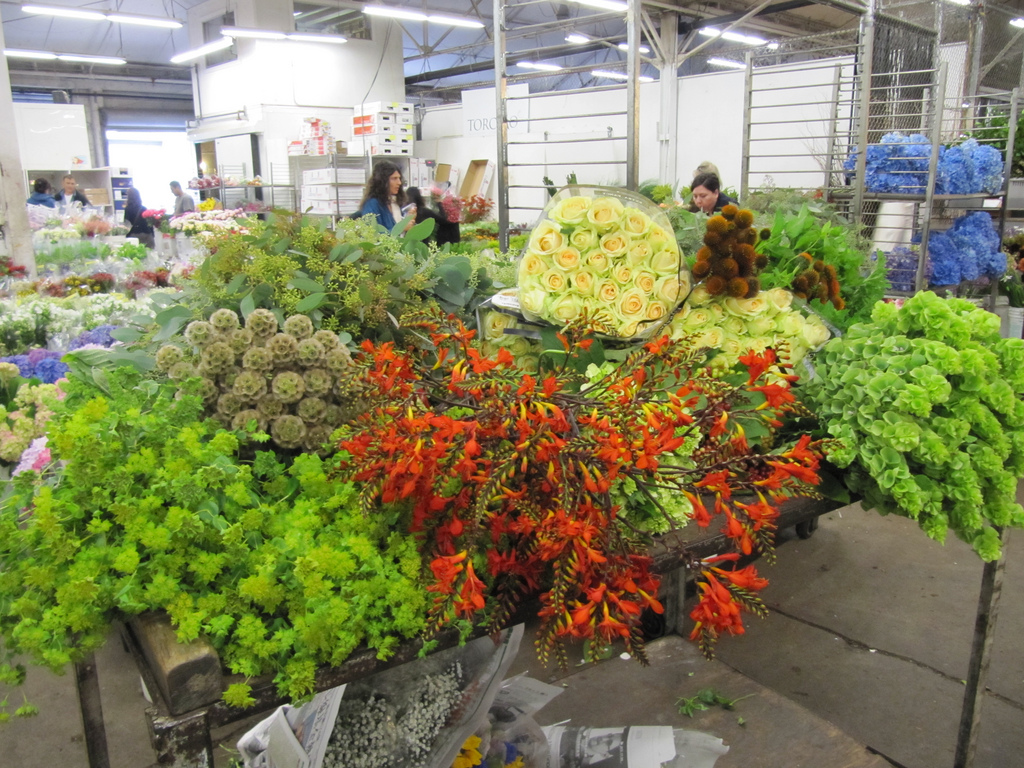
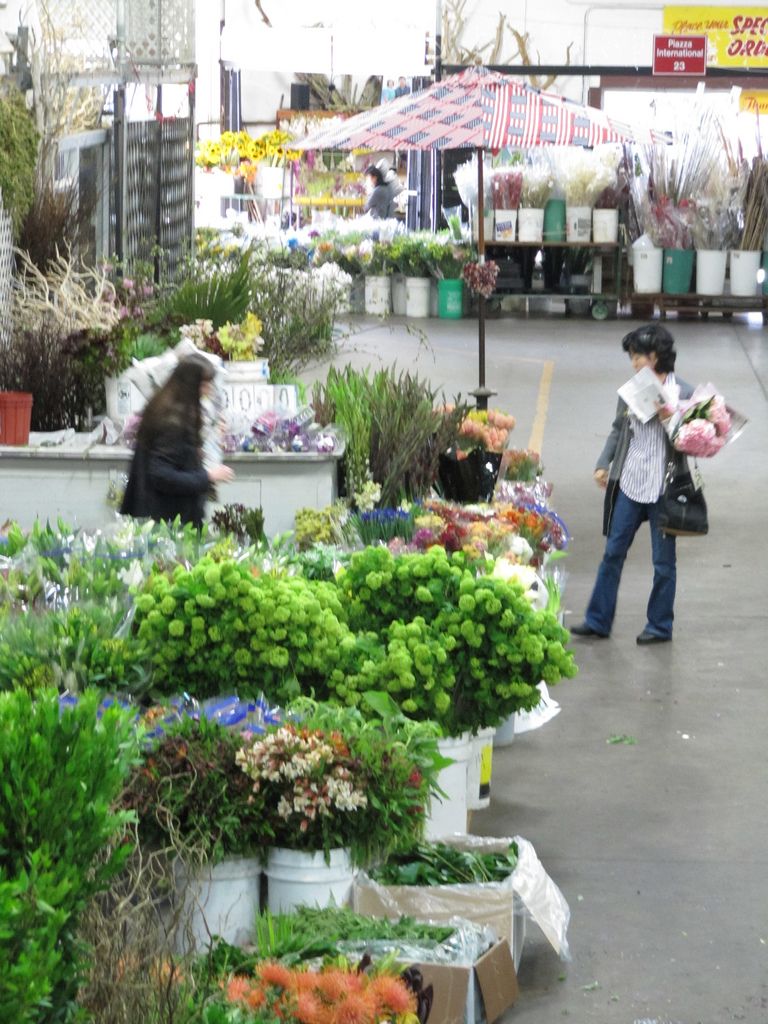
Inside the San Francisco Flower Mart: Connecting Bay  Area florists and flower lovers with fresh, seasonal and local blooms.

Inside the San Francisco Flower Mart: Connecting Bay Area florists and flower lovers with fresh, seasonal and local blooms.

I’m currently raising funds to complete this project via Indiegogo.  To date, supporters of American Grown flowers have contributed $11,045 to the campaign, with SF Flower Mart’s $1,000 contribution giving us a huge boost earlier in the week.

I happened to be working in SF this past Monday, so I stopped by the management office and grabbed General Manager Bob Otsuka and Jeanne Bose, the SFFM’s marketing/promotions director and social media strategist, for a quick conversation, recorded as a Bonus to the Slow Flowers Podcast. Listen to what Bob and Jeanne say about the Market’s decision to bring their support to the Slowflowers.com launch.

It’s fascinating to learn about the history of this amazing center for locally grown flowers – and inspiring to know that we’re on the same path to promote more American Grown Flowers to the floral industry and consumers alike. 

Seasonal blooms, six days a week.

Seasonal blooms, six days a week. 


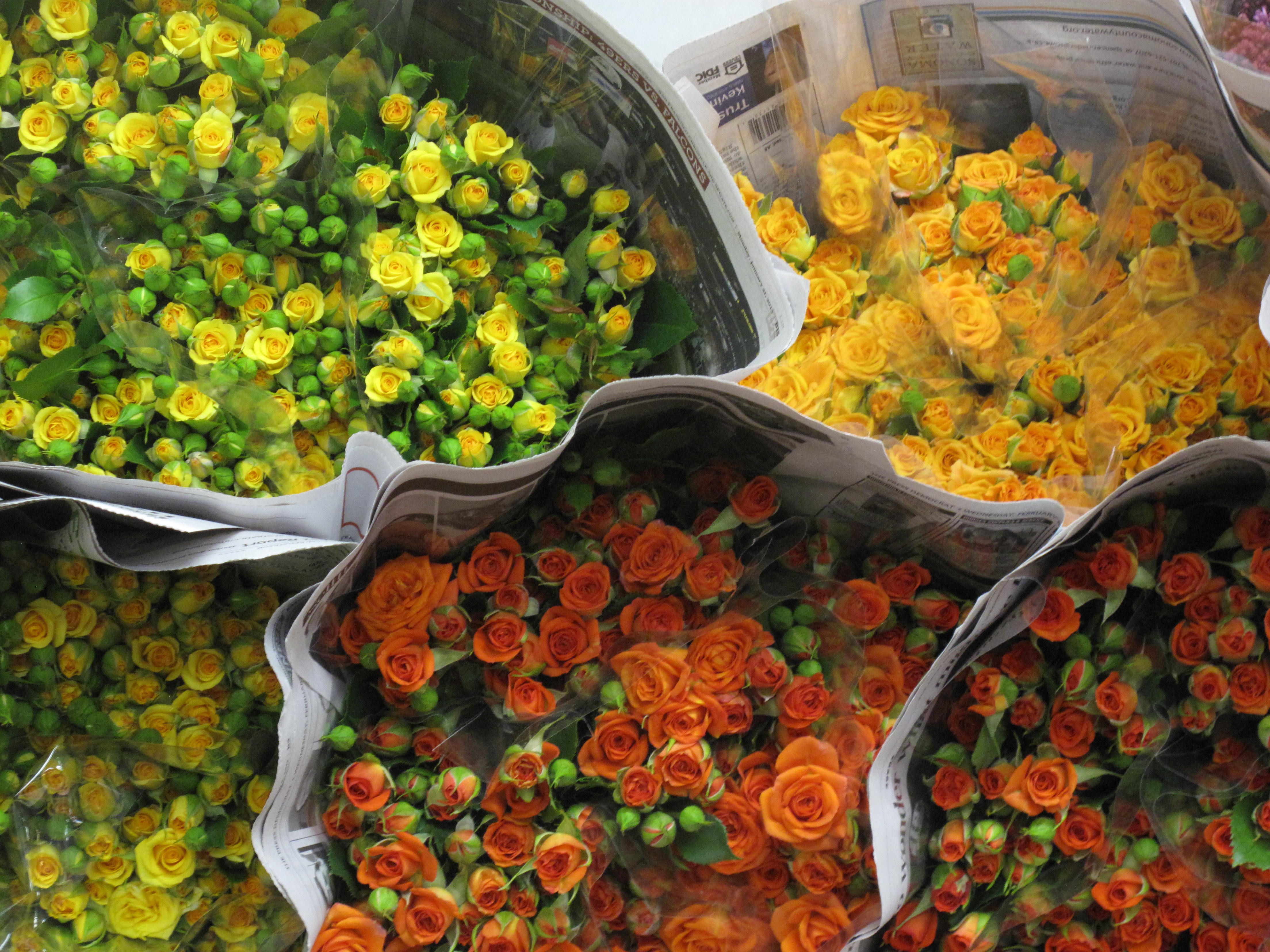
There's a huge selection of local California-grown roses . . . in awesome colors~

There’s a huge selection of local California-grown roses . . . in awesome colors~

Here is a little slice of history, as told on the Market’s web site:

With beginnings paralleling the growth and development of the San Francisco Bay Area, the origins of the San Francisco Flower Mart go back to the late 1800’s when land was plentiful. Local flower growers could bring their product to Lotta’s fountain in downtown San Francisco three days a week, selling their product to local flower shops. [Note: Lotta’s fountain is located at the intersection of Market, Geary and Kearny streets in downtown San Francisco.

A need for a centrally located market bringing together the three ethnically diverse groups of flower growers was fulfilled with the opening of a market located at 5th and Howard Streets in 1924. As flower growers expanded production areas outside of the Bay Area and as product from other parts of United States came in, the need for a larger more modern permanent facility led to the design and construction of our current market at Sixth and Brannan Streets in the South of Market area of San Francisco.

The grand opening of the San Francisco Flower Terminal in September 1956 marked the establishment of an industry icon. Today, officially known as the San Francisco Flower Mart, we now have over 60 vendors, purveyors of cut flowers, potted plants, blooming plants and floral supplies. We have evolved from being a “growers” market to being a marketplace for floral wholesalers. Product, which at one time was only from the immediate Bay Area, now comes from the far reaches of the world.

As you will hear in this podcast interview, more than a century after it was established, the San Francisco Flower Mart continues to reflects the character of locally-grown flowers and the farmers who grow those blooms.

In addition to family flower farms selling direct to the floral industry and consumers, you will also find wholesalers who stock flowers from growers in other parts of California, as well as Oregon and Washington. And while people in “the flower biz” are served here as wholesale customers six days a week, some days as early as 2:00 a.m., the DIY flower lover/designer is also welcome to shop – after 10 a.m. 

A bustling center for flowers - with more than 60 vendors.

A bustling center for flowers – with more than 60 vendors.  


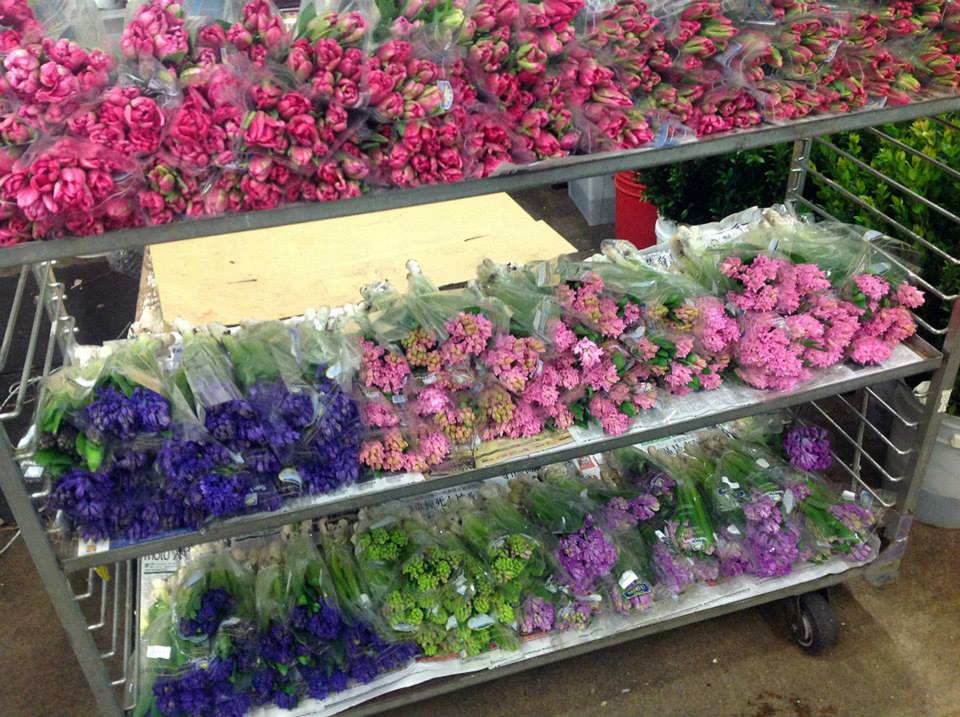
Racks of California-grown hyacinths recently offered by Torchio Nursery, a vendor at the San Francisco Flower Mart.

Racks of California-grown hyacinths recently offered by Torchio Nursery, a vendor at the San Francisco Flower Mart.

This is truly a flower mecca and you must add it to your flower bucket list if you haven’t been to visit. I’m thrilled to feature the San Francisco Flower Mart and doubly thrilled that this important center for local flowers will be a Presenting Sponsor on the Slowflowers.com site for the year to come, connecting More American Flowers with Customers, One Vase at a Time.

 All photographs used here, courtesy (c) Jeanne Boes, SF Flower Mart

SLOW FLOWERS Podcast: Kelly Sullivan of Seattle’s Botanique, an urban floral designer with a backyard cutting garden (Episode 121)

Thursday, December 26th, 2013
Kelly Sullivan, floral designer, flower farmer, and owner of Botanique in Seattle.

Kelly Sullivan, floral designer, flower farmer, and owner of Botanique in Seattle.

Today’s guest is my friend and fellow Local Flowers Advocate Kelly Sullivan.

Based in Seattle, in fact, just a few blocks from where I live, Kelly is an up-and-coming studio floral designer, small-scale flower farmer and owner of Botanique. 

We met a few years ago at the Northwest Flower & Garden Show, just as Kelly was developing her business model for Botanique. I have to tell you, her venture has really taken off — and Kelly has lived up to her tag-line: Overwhelmingly Beautiful Flowers

Kelly brought me this spring arrangement using all spring garden elements with a few juicy anemones from a local farmer. So enchanting!

Kelly brought me this spring arrangement using all spring garden elements with a few juicy anemones from a local farmer. So enchanting!

There are so many things that impress me about this young woman. She brings a garden design and landscaping background to her floral creations; her horticultural knowledge has greatly influenced the plantings in The Botanique Cutting Garden – the backyard “urban flower farm” where Kelly grows many of the flowers she uses in her designs. 

While she’s still young, Kelly is actually already on her second career. She trained and performed as a modern dancer after college. Dance plays a special role in her designs. “When people ask what defines my style, I’ve realized recently that it’s ‘movement,’” she says. “Movement is like choreography. When I compose a bouquet, it always has movement – and you see it in everything from the vines to the stems.”

One of Kelly's beautiful arrangements shows her dancer's sensibility in designing with botanicals.

One of Kelly’s beautiful arrangements shows her dancer’s sensibility in designing with botanicals.

Movement adds energy to her otherwise lush design style. Kelly isn’t interested in producing perfect, symmetrical arrangements. “When I design, that’s when the gardener in me shows up,” she says. “I love foliage, berries, wild elements. I love interlocking stems, unusual edibles and even seed pods.” What you see in her vases looks and feels alive (I guess that’s the dancer showing up, right?).

A peek inside Kelly's new floral design studio in her Seattle garden.

A peek inside Kelly’s new floral design studio in her Seattle garden.

Our conversation took place in Kelly’s brand new studio, a converted one-car garage that will soon be a bustling center of creativity and design. “I’m obsessed with flowers,” she confides. To Kelly, when you grow your own ingredients you can’t help but notice the seasonality of each flower. “If it’s growing right there in your garden, it’s impossible not to want to pick it and arrange it,” she points out.

Of course, I feel the same way. And as more floral designers follow Kelly’s example – either by growing some of their own botanical elements or connecting with local flower farmers – the floral community will only improve. Designs that are seasonal and local have a special character, a vibrancy and authenticity not found in distantly grown or out-of-season choices. Here are some more flowers, gathered together by this gifted and inspired designer. 

 Botanique6 Botanique5 Botanique4 Botanique1 Botanique2 Kelly2_7958

So happy holidays to the flower-obsessed. And thank you  for joining me in this episode of the SLOW FLOWERS Podcast with Debra Prinzing.

Because of your support as a listener, we have had nearly 4,500 downloads in 2013 – and I thank you for taking the time to join to my conversations with flower farmers, florists and other notable floral experts.

If you like what you hear, please consider logging onto Itunes and posting a listener review.

Until next week please join me in putting more American grown flowers on the table, one vase at a time. 

The Slow Flowers Podcast is engineered and edited by Hannah Holtgeerts. Learn more about her work at hhcreates.net. 

SLOW FLOWERS Podcast: Meet Alicia Schwede, floral designer and editor of FlirtyFleurs.com (Episode 118)

Wednesday, December 4th, 2013
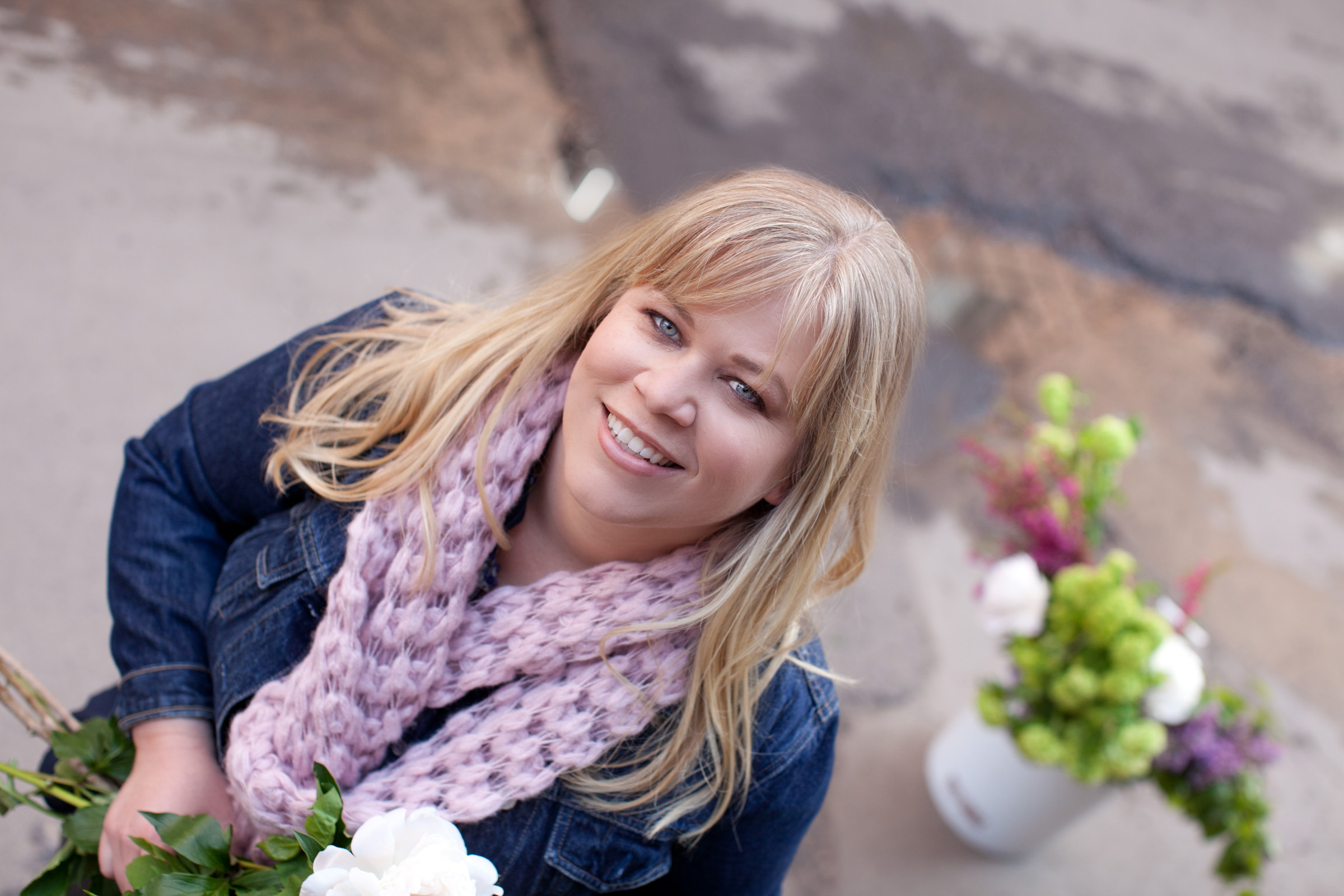
Floral designer, educator, author-blogger and visionary, Alicia Schwede

Floral designer, educator, author-blogger and visionary, Alicia Schwede

FF-Profile-Pic-180x180If you’re at all active in the online universe, and if you’re a florist or simply passionate about good design, you probably already know about today’s talented guest, Alicia Schwede, creator of the popular FLIRTY FLEURS blog.  Alicia has more than a decade of floral design to her credit, beginning with her first wedding clients in the Bay Area, and later, her Denver-based studio Bella Fiori.  

In the past year, Alicia migrated from Colorado back to Northern California’s wine country, where she created the florals for many happy bridal parties this past wedding season. And now, due to life’s unexpected turns, she is here in the Pacific Northwest. 

The life of a studio designer is a lot like the life of a writer. You are pretty mobile, and you can take your talents with you when you relocate. That’s exactly what happened this fall, when Alicia followed her husband Chad for a work-related move. We met in person when she surprised me by showing up in a workshop I taught last month.  

Since then, we’ve had several great discussions about floral design and the state of the business. I’m excited to share our most recent conversation with you in today’s podcast. Learn more about Alicia, about her career as a floral designer, and what inspired her to launch FlirtyFleurs.com, an online community for floral designers to gain ideas and inspiration from each other.  

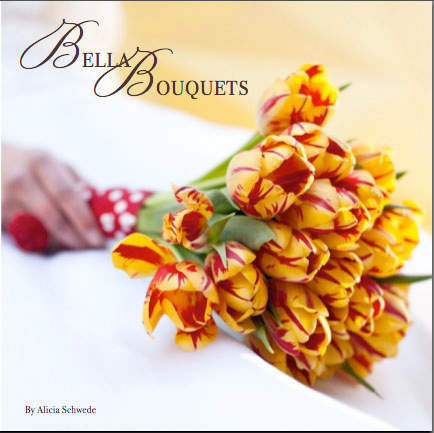
A640In this podcast, we also discuss her beautiful book, Bella Bouquets, which is a compendium of more than 100 wedding bouquets, arranged by color theme, which is quite the perfect way to organize flowers. 

I was struck by this passage from the foreword to Bella Bouquets:

” . . . I still stop dead in my tracks when I spy a perfect peony, a gorgeous garden rose or the sweetest sweet pea at the market,” Alicia writes.  “I find great pleasure in sharing my love and affection toward flowers. This book, and the blog Flirtyfleurs.com are just a few ways for me to share and connect with others while exploring the flower path ahead.”


To me, that flower path is right here, under our noses. It’s not on another continent, especially when locally-grown and seasonal botanicals are available to designers and flower lovers. A big believer in locally-grown blooms — and it’s no wonder, since she has many ties to California floral sources — Alicia shared four of her favorite American-grown arrangements for you to see here. “How funny is that?” she wrote in her email message accompanying these images. “Four bouquets representing three different states!” 

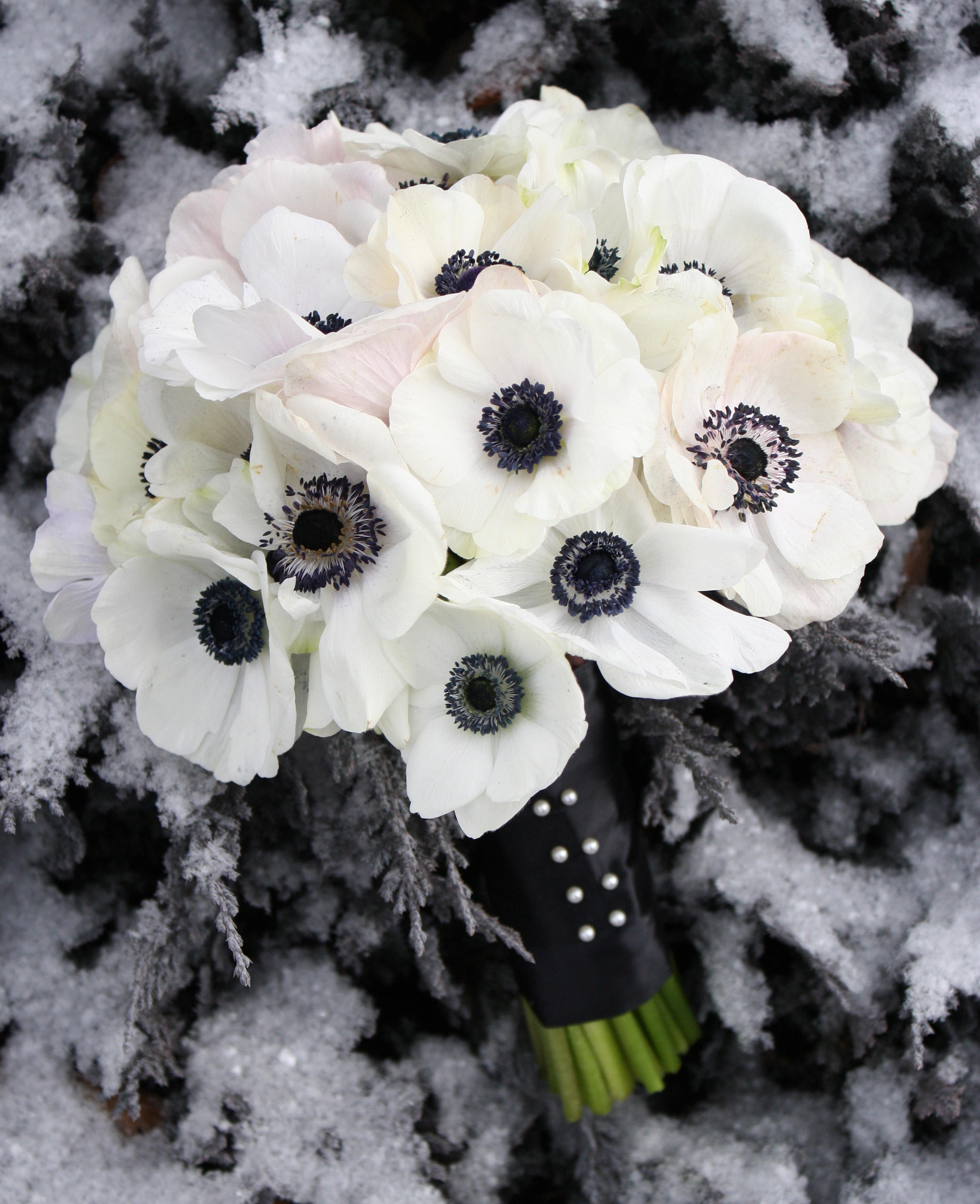
Anemones are grown by Stevens & Son in Arvada, CO (designed in CO)

Anemones are grown by Stevens & Son in Arvada, CO (designed in CO)


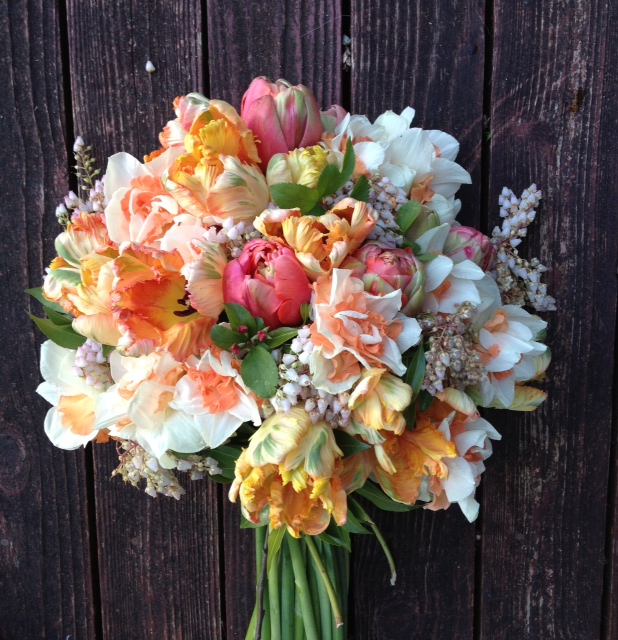
Tulips bouquet - all tulips and daffodils from Pike Place Market;  Washington grown (designed in WA)

Tulips bouquet – all tulips and daffodils from Pike Place Market;
Washington grown (designed in WA)


Bella Fiori Garden - from Alicia's garden, all of it!

Bella Fiori Garden – from Alicia’s garden, all of it!


 Bella Fiori Dahlias - mostly from Alicia's garden, Dahlias are CA grown (designed while in CA)


Bella Fiori Dahlias – mostly from Alicia’s garden, Dahlias are CA grown (designed while in CA)


If you're interested in learning more about Alicia and Flirtyfleurs, be sure to subscribe to her free 
newsletter. You'll also find details and registration information on Alicia's "Bridal Bouquet Workshop,"
which I'm hosting at my event space in Seattle's Pioneer Square on Feb. 1, 2014.
 

Thank you  for joining me in this episode of the SLOW FLOWERS Podcast with Debra Prinzing. Because of your support as a listener, there have been more than 3,500 downloads since July – and I thank you for taking the time to join to my conversations with flower farmers, florists and other notable floral experts.

If you like what you hear, please consider logging onto Itunes and posting a listener review.

Thank you, Alicia, for such inspiration! Until next week please join me in putting more American grown flowers on the table, one vase at a time. 

The Slow Flowers Podcast is engineered and edited by Hannah Holtgeerts. Learn more about her work at hhcreates.net. 

Local Flower Growers Say: “Pick Me” – The Field-to-Vase Dinner Recap

Sunday, October 20th, 2013

Note: This article originally appeared in the online edition of The Oregonian, October 17, 2013. Click here to read the online version where you can comment and Tweet the link. I want to acknowledge up front that the Field-to-Vase Dinner concept and format began in June 2013 at the Monterey Bay Greenhouse Growers Dinner, created by my friend Kathleen Williford of the California Cut Flower Commission. The Portland event earlier this month was based on her model and she was there in spirit! Follow Kathleen at @kathinated.

The Table is Set.

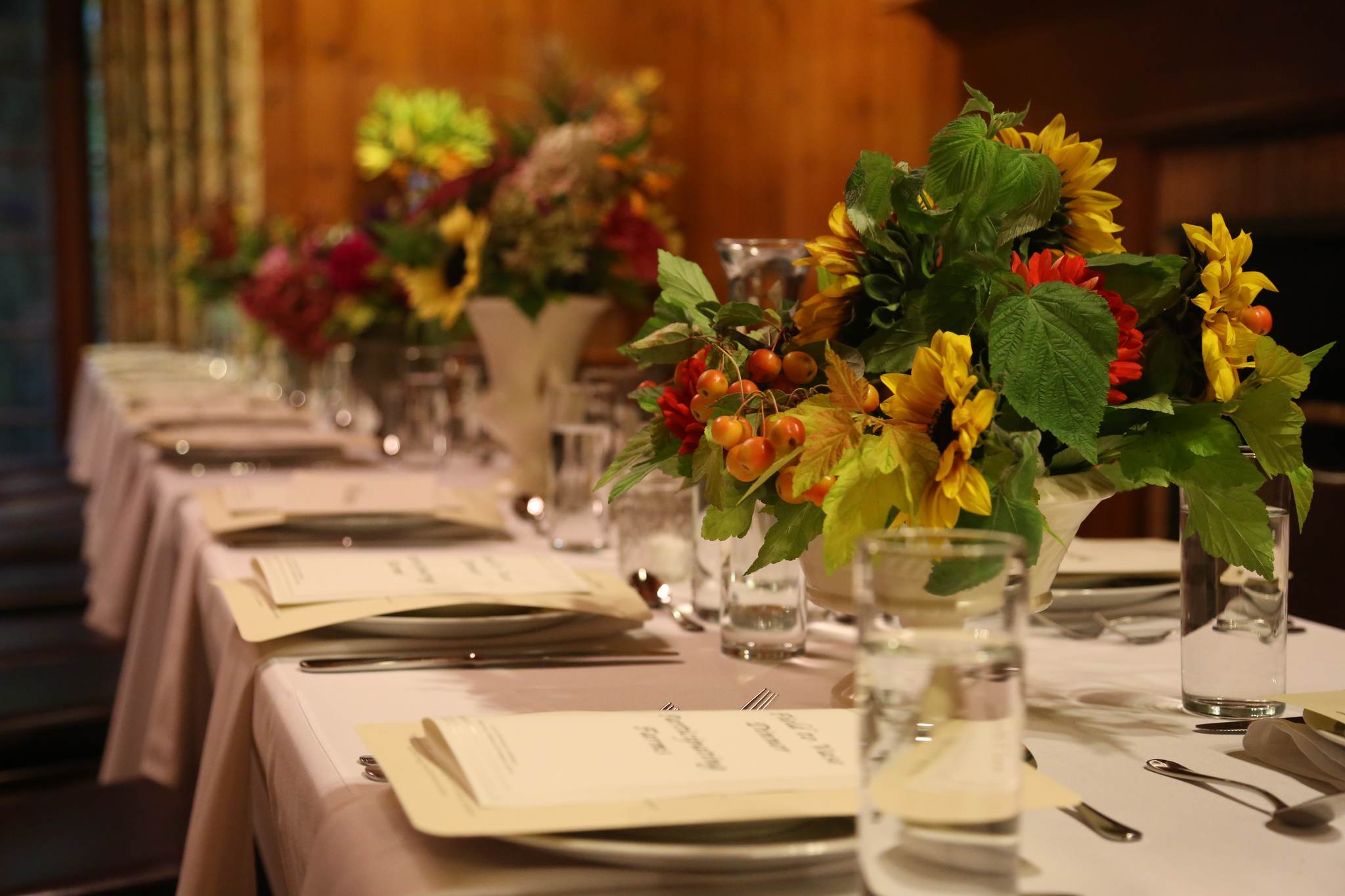
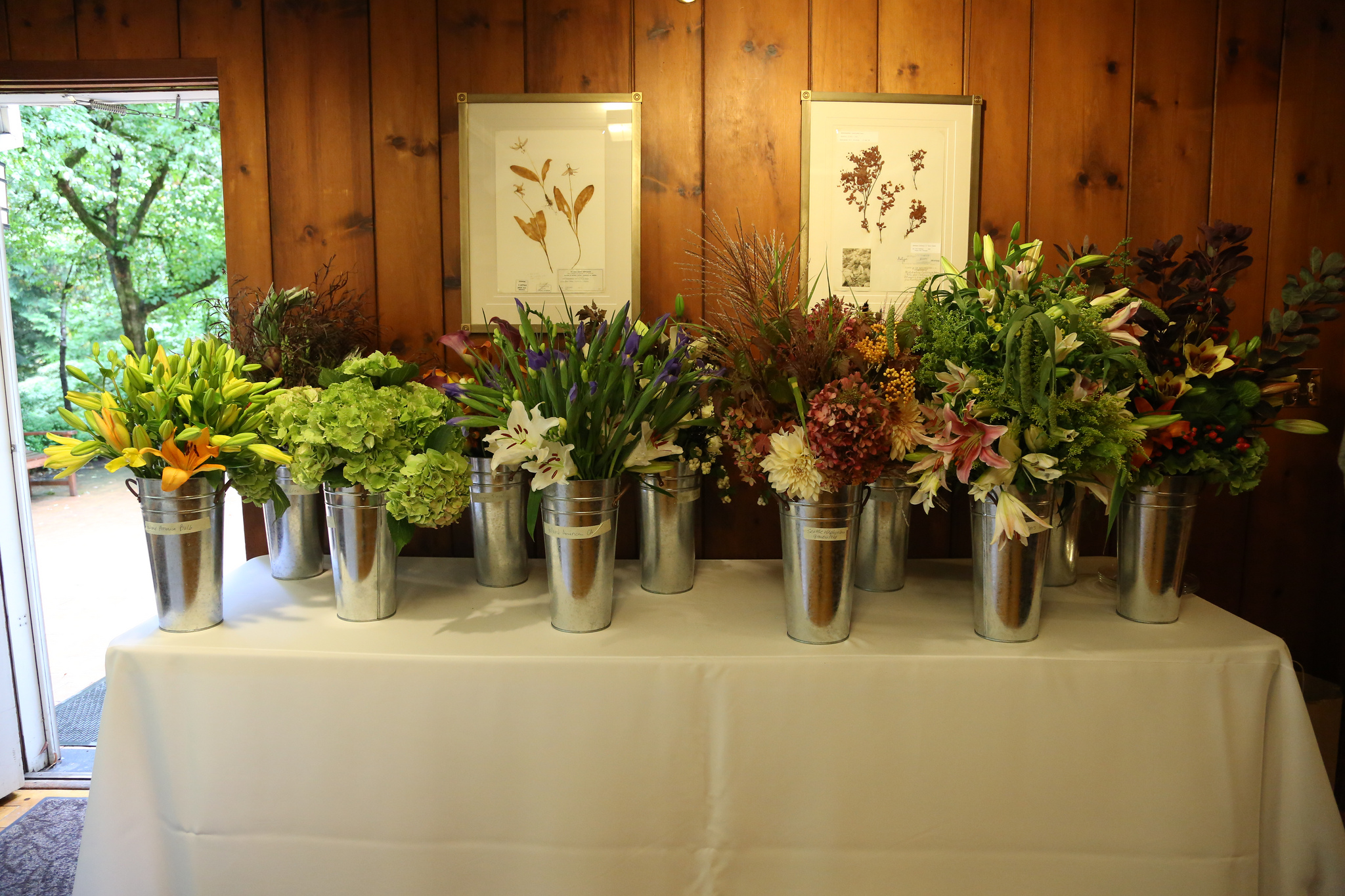
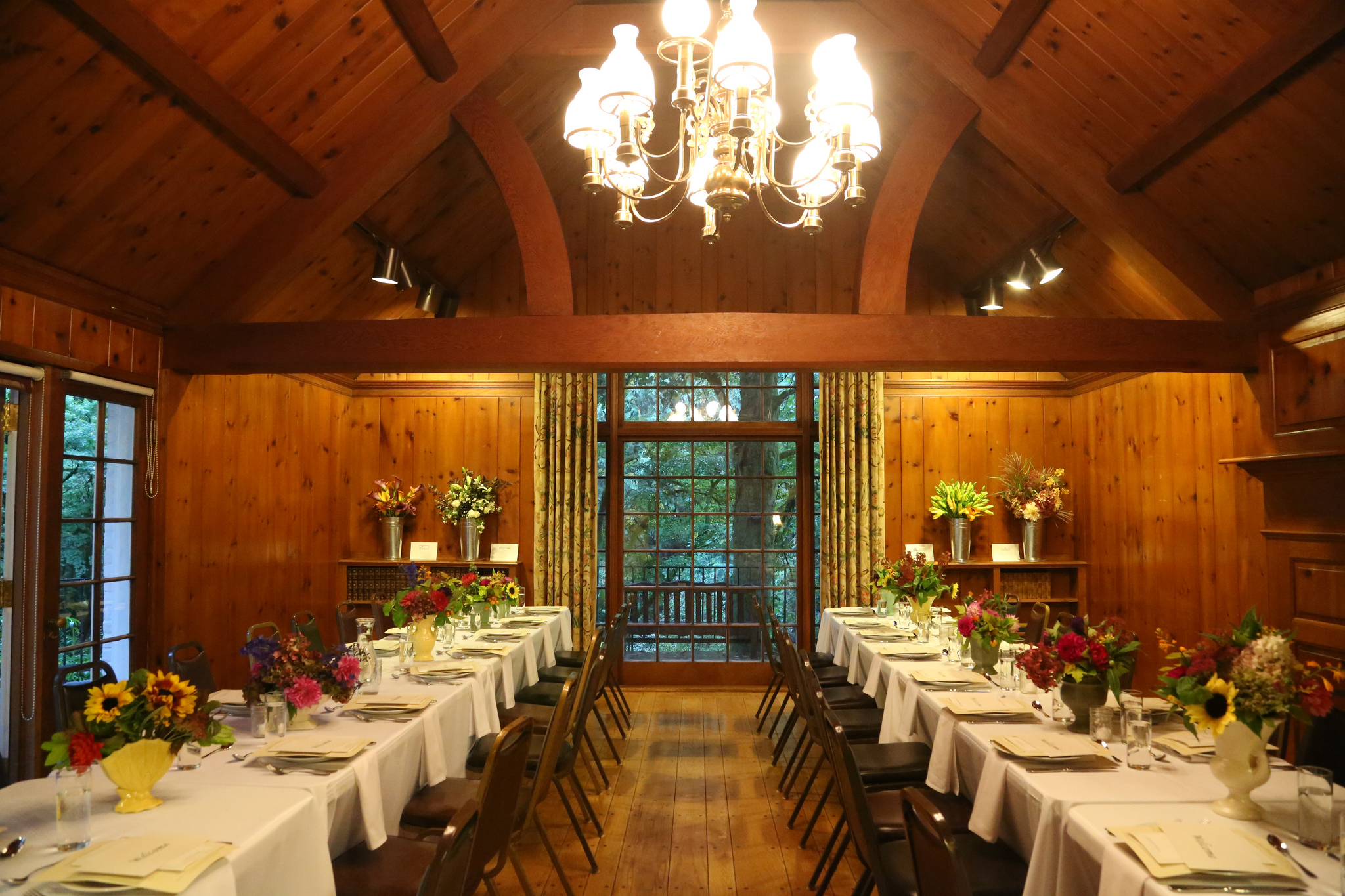
The table was set with American-Grown flowers, the vases containing stems from Oregon, Washington & California cut flower farms.

10194582873_b2cfe7e857_o

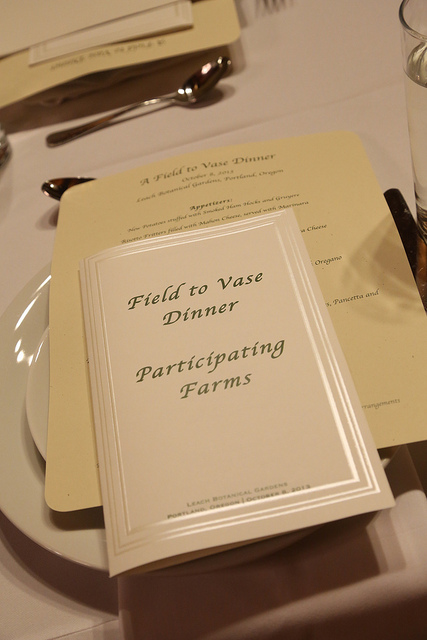
Menu

A shared meal, local food, local flowers and an important dialogue about American Grown Flowers.

A coalition of California cut flower farmers recently arrived in Portland, extending their hands of friendship to the local floral industry. They weren’t exactly holding olive branches, although those botanical elements would likely be found in a vase of California-grown blooms.

No, the reason was self-preservation, not just for the seven California farms in attendance, but for their counterparts in Oregon and Washington.

Their Field-to-Vase gathering took place on Oct. 8 at Leach Botanical Garden in southeast Portland, where a local caterer served a decidedly local menu to about 40 flower farmers, floral retailers and wholesalers, and designers.

Part flower summit, part floral showcase, the event brought together people who might otherwise view themselves as competitors. 
 
Collaboration is the best way to save American cut flower farms, maintained Lane DeVries of The Sun Valley Group based in Arcata, Calif., the largest cut flower farm in the United States.  
Lane DeVries

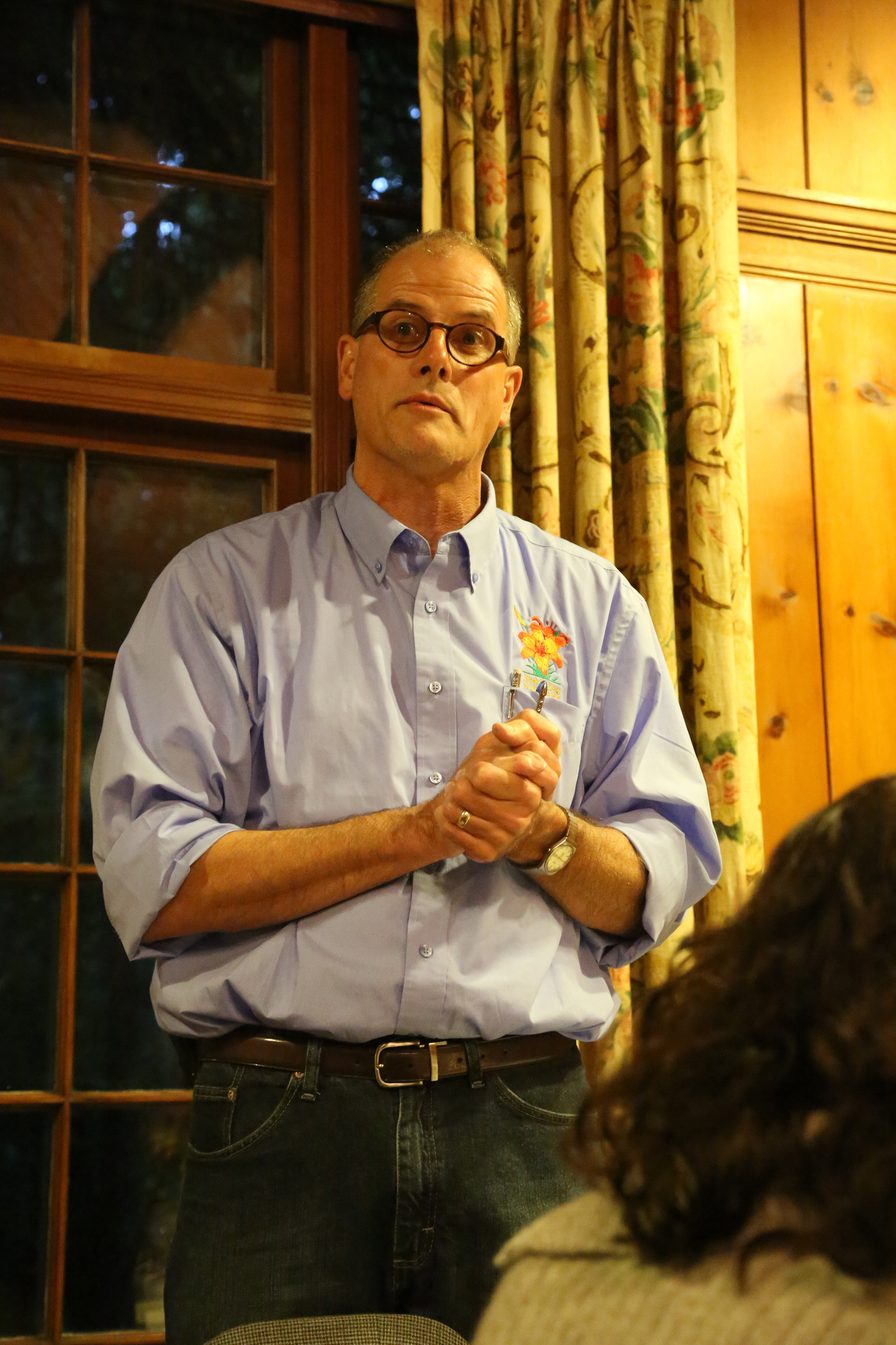
Meet Lane DeVries, CEO of The Sun Valley Group, America’s largest cut flower farm, and Chairman of the California Cut Flower Commission.

DeVries is also the current chairman of the California Cut Flower Commission, the organization that hosted the event.

U.S. flower farms once produced nearly 65 percent of the nation’s cut flowers, but over the past two decades, imports from South America have caused that figure to shrink to around 20 percent, DeVries said.

“We’ve actually seen cut flower operations go out of business in a lot of states,” he said. “The reason we are reaching out to (Northwest) flower farms is to work together as an American-grown domestic flower movement.”

Flower farming cooperatives are well established in the Northwest, dating to 1942 when the Oregon Flower Growers Association was founded. The wholesale farmer-to-florist market operates from a warehouse in Portland’s Swan Island industrial district with about 30 vendors.

In 2011, inspired by Portland’s home-grown floral business model, the Seattle Wholesale Growers Market opened on behalf of 16 Oregon and Washington flower farms.

Diane and Molly

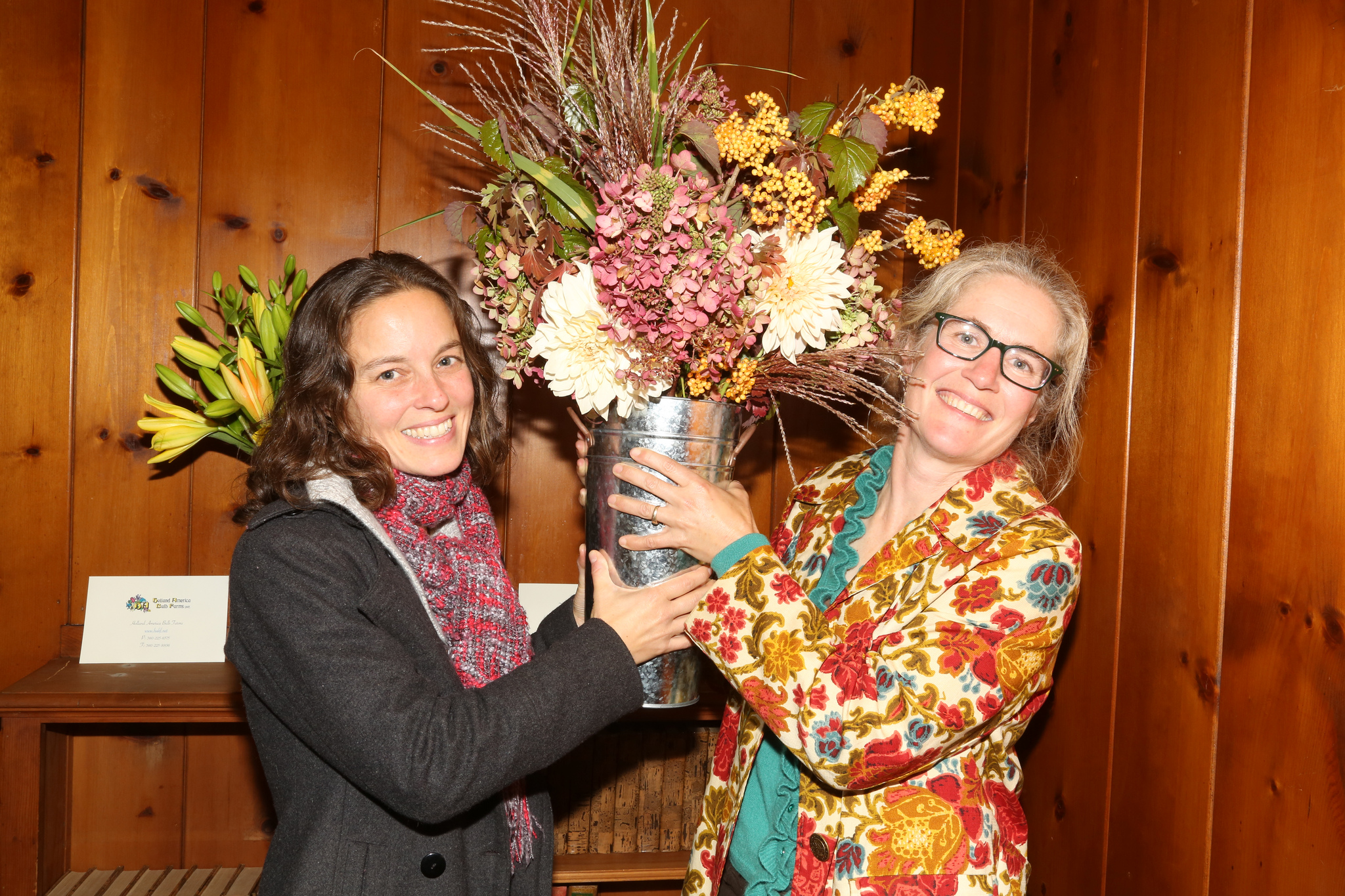
Diane Szukovathy and Molly Sadowsky of the Seattle Wholesale Growers Market

According to Diane Szukovathy, a Mount Vernon, Wash.-based farmer and the Seattle growers’ market president, the emerging market’s locally grown efforts gained momentum last fall when it received $138,000 in USDA Specialty Crop Block Grant funds, administered in partnership with the Washington State Department of Agriculture and the Oregon Department of Agriculture.

“The grant money helps us open more distribution channels for local farms to sell their flowers,” Szukovathy said. “Together, we can all shed light on major shifts in how people buy flowers.”

A wide variety of Northwest-grown flowers and foliage is found in the floral departments of New Seasons Markets.

bouquets

These Farm Bouquets represent the participating flower farms from California, Oregon and Washington – a veritable bounty of botanical excess!

Katie McConahay, the chain store’s floral merchandiser, said she’s starting to expand her definition of what is local and seasonal to include California-grown flowers, especially during the winter months when production on Northwest flower farms is lower.

“When I buy for our stores, my focus is definitely on Oregon- and Washington-grown flowers,” McConahay said. “For many of our customers, California was not considered ‘local,’ but in order to sustain an American-grown floral product consistently throughout the year, California is a good year-round option for us.”

She hopes better product information and education at stores will help consumers see that domestic flowers, even from one state away, offer an alternative to imported ones.

Dinner

The gathering was held in a quintessential Northwest venue: Portland’s Leach Botanic Garden.


fall bouquet

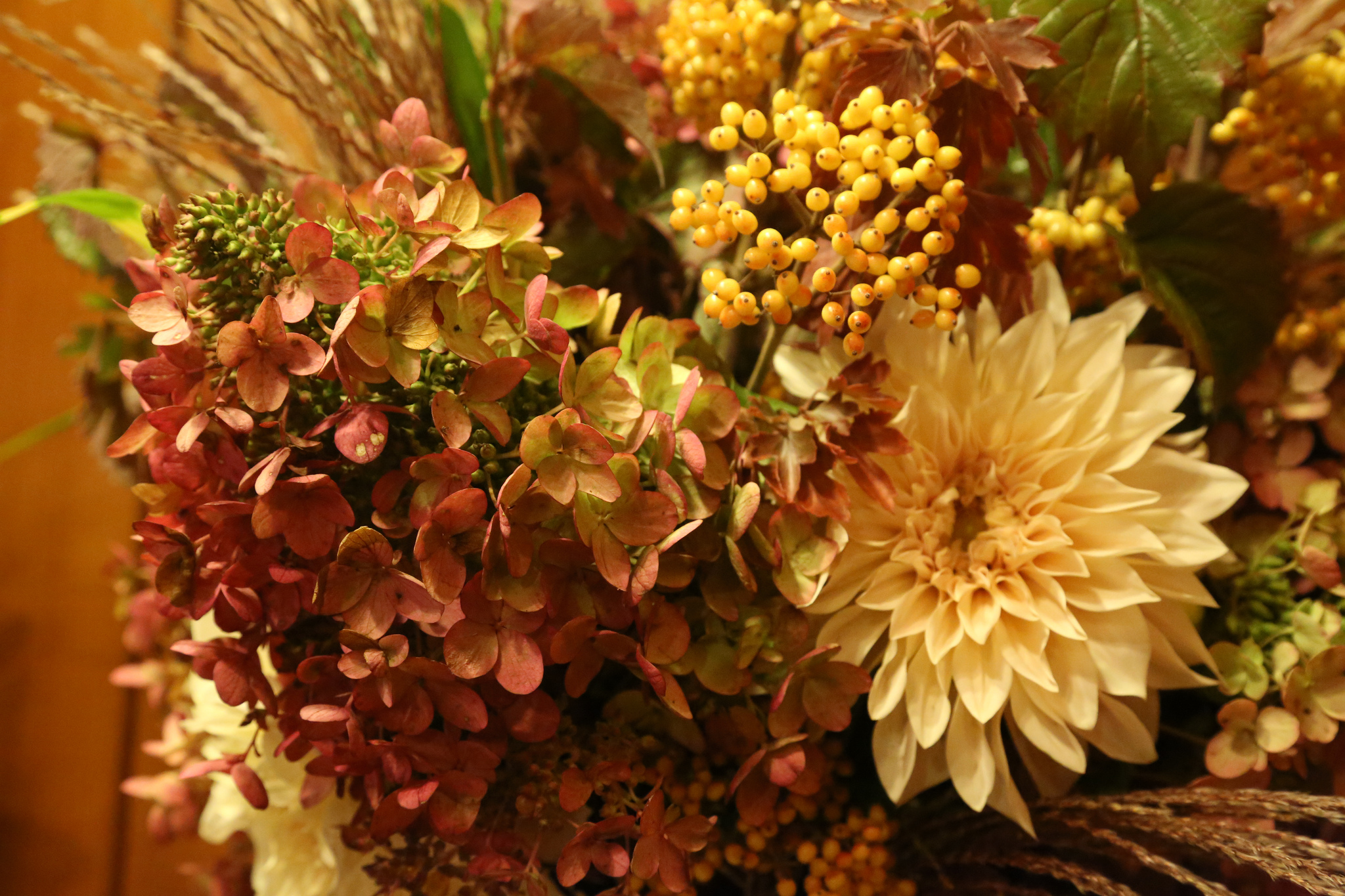
Seasonal, local and sustainable flowers – beautiful and of the moment.

For Christopher Papst, a manager-buyer with Greenleaf Wholesale Florist, based at the Portland Flower Market, bringing California flowers to the Northwest is a logical next step after sourcing locally, especially in the off-season when production is limited on Oregon and Washington flower farms.

“For one thing, the transportation costs are better,” he explained. “Ninety percent of imported flowers come through Miami, followed by three to four days on a truck. Even under ideal conditions, it’s still four days. For the freshness factor alone, I want California flowers.”

Increasingly, florists are coming to Greenleaf with specific requests for local and seasonal flowers, Papst added. “I just had a florist asking where our flowers originated from because she had a customer insisting on local flowers.”

Elizabeth Artis

Elizabeth Artis of Espe Floral + Foliage, a Portland designer with a commitment to local and seasonal flowers.

Elizabeth Artis, owner of Espe Floral + Foliage, a flower shop inside the Food Front Cooperative Grocery in northwest Portland, was encouraged by the connections she made at the gathering. Her studio’s tagline is “local, seasonal, sustainable, lovely,” a sentiment that resonates with her eco-minded customers.

“I’ve always considered California ‘local,’ and now I have a new vocabulary to communicate that idea to my clients,” she said. “As winter is coming, having flowers from California – just across the border – will give me more options.”

Local flower farmers
If you prefer domestic flowers:

Debra Prinzing is a Seattle-based design writer, author of “The 50 Mile Bouquet” and “Slow Flowers: Four Seasons of Locally Grown Bouquets from the Garden, Meadow and Farm” and creator of Slow Flowers, a new, free online directory to help consumers find florists who use American-grown flowers. 

READ MORE…

SLOW FLOWERS Podcast: American Grown flowers from a California Point of View (Episode 107)

Wednesday, September 18th, 2013

SLOW FLOWERS Podcast: American Grown flowers from a California Point of View (Episode 107)

Debra and Kasey

Kasey Cronquist and I toured a Carpinteria, California, greenhouse together in April 2013. 


Kasey Cronquist

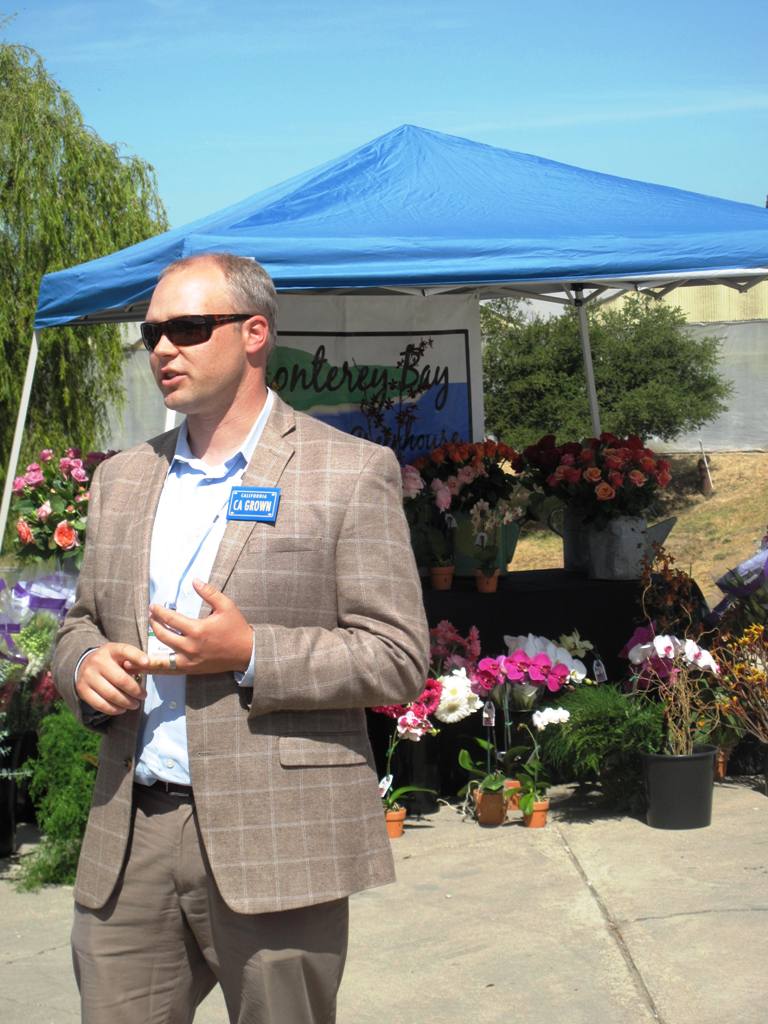
Here’s Kasey discussing the importance of supporting America’s cut flower industry – at the Monterey Bay Greenhouse Growers – Open House this past June.

I’m so pleased to introduce you to Kasey Cronquist. I truly value Kasey’s leadership, counsel and friendship. He is the CEO and Ambassador of the California Cut Flower Commission, the largest organization of its kind promoting American Flowers.

And he is a kindred spirit who is supremely passionate about saving our homegrown flower farms and preserving the agricultural way of life as a part of our country’s vibrant landscape.

Kasey and I first met by phone in 2010 when I called him for a quote to include in an article for the Los Angeles Times. I was writing about organic flowers for Valentine’s Day and Kasey sure set me straight, changing the focus from organic (and possibly imported flowers) to a locally grown priority.  He pointed out: “We believe California flowers are the green alternative, whether we stick a label on them or not.”

It was the beginning of my own evolution as an American flower advocate.

Since joining the CCFC in 2007, Kasey has spearheaded an aggressive public affairs program targeting lawmakers at the state and federal level. He is a dynamic spokesman for flower farming both among his home state constituents and nationally and is a master at social media communications. Kasey understands the power of blogging, tweeting, posting and using visual social media platforms and he has brought flower farming into the modern era in that regard. More than all his talents, though, I’ve mostly been impressed with Kasey’s community-building gestures to bring together small and large flower growers across America with a united voice. 

In March 2012, I wrote a post called “Meet the Ambassador of Local Flowers,” profiling Kasey for The 50 Mile Bouquet blog. You can read this extensive interview here in which Kasey shares many inspiring ideas about the American cut flower industry.

One quote of his particularly impressed me:

“We can’t move that ball, but we can create market demand for local flowers. We leaned into the CA Grown campaign and now California’s flower farmers are the single largest licensee of that agricultural program — out of all the other commodity crops in the state. The future is in educating people to buy local, to buy U.S.-grown flowers.”

Read Kasey Cronquist’s Field Position blog at Americasflowers.org

FB page: https://www.facebook.com/CaliforniaGrownFlowers

Twitter: @kaseycronquist and @cagrown


SLOW FLOWERS Podcast: Wildflowers and Field-Grown Bouquets (Episode 104)

Wednesday, August 28th, 2013

This week’s podcast features two interviews that I recorded during an 11-day trip to many beautiful venues.It’s my summer vacation gift to you!

Miriam Goldberger

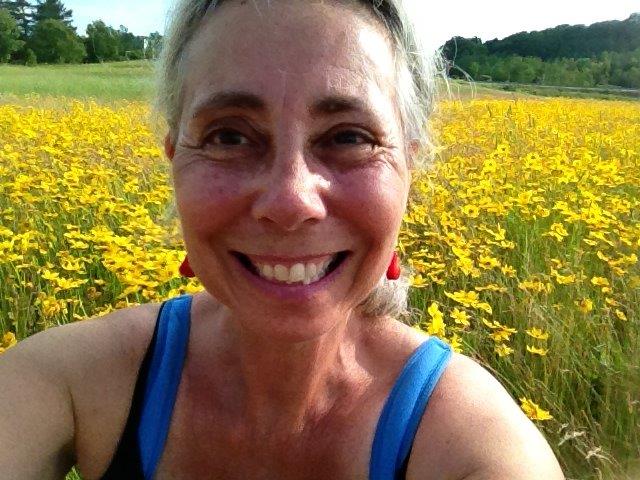
Here’s the smiling Miriam Goldberger, surrounded by a sea of golden coreopsis flowers.

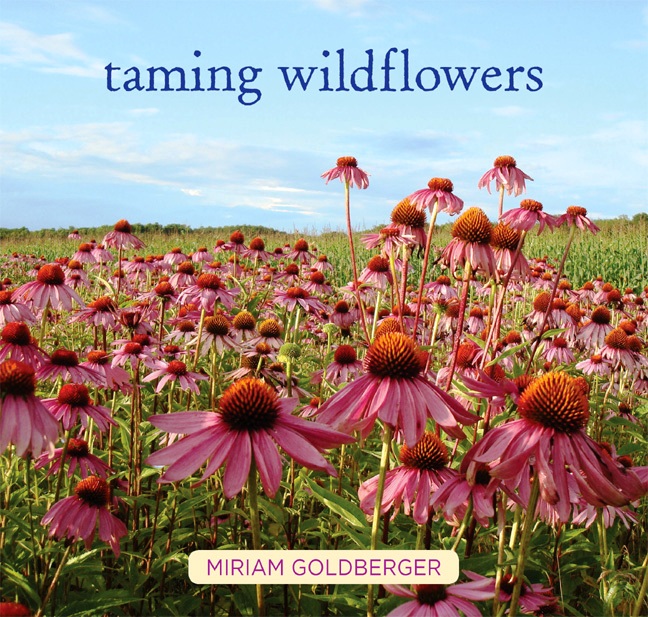
I met up with Miriam Goldberger of Wildflower Farm, a fellow author whose forthcoming book Taming Wildflowers promises to educate and inspire those of us in the floral industry.

Confusion about the terms “wildflowers,” “native plants” and “indigineous plants” always raises a red flag for me. I’m never sure what’s okay to grow or harvest and I certainly do not want to pick endangered plant species. Miriam’s mission is to demystify those terms as she singles out 60 flowers and grasses that fall into these categories. These are plants that are adapted to North America and have been since the first Euopean settlers arrived. They can be easily grown from seed and find a home in your garden, flower farm and floral arrangements.


Taming Wildflowers cover

Taming Wildflowers will be published by St. Lynn’s Press in February 2014.

Here’s a little background about how Miriam and her husband Paul Jenkins started Wildflower Farm in 1988:

Founded in 1988, Wildflower Farm began as wholesale dried flower growers. In 1991, Wildflower Farm expanded to become a pick your own flower farm. This quickly attracted the attention of people in Southern Ontario, drawing thousands of people to the farm during the summer months.

Over the years, Miriam and Paul became increasingly interested in the low maintenance advantages of growing native wildflowers. Working with plants that required no watering, no fertilizing and minimal annual maintenance was very attractive. At that time there were very few sources for truly native wildflower seeds and the seeds that were available were very expensive and of dubious quality and origin. Seeing an opportunity, in 1997, Wildflower Farm expanded its focus and has since blossomed into becoming a leading native seed grower supplying hardy, native perennial seeds and site specific wildflower seed mixes to homeowners, landscape contractors, municipalities and corporations.

During this same time, what began as a simple walk in the forest planted a seed in the minds of Miriam and Paul, when they spotted clumps of a rich green grass growing in the deep shade of the northern woods. Perhaps, they thought, these emerald patches could be used as natural grass pathways for their wildflower meadows. Trial and error led to the development of the drought-tolerant, low maintenance turf grass Eco-Lawn™ from a blend of fine fescue grasses, a move which has changed the face of “lawnscaping” for homeowners and businesses across North America.

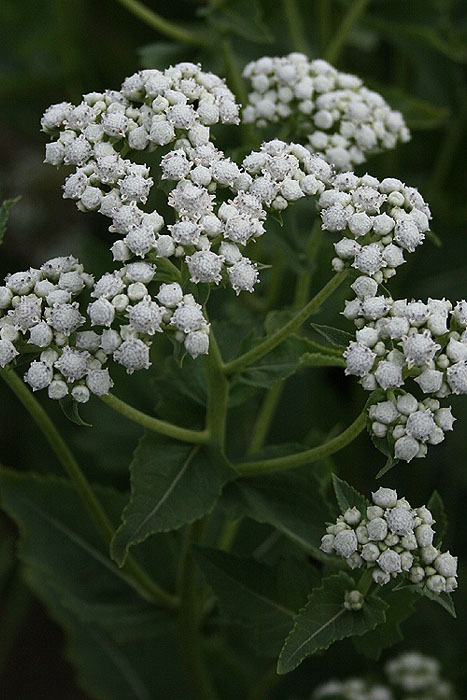
Wildflower varieties range from Yarrows (Achillea millefolium) and Alliums to Culver’s Root (Veronicastrum virginicum) and Golden Alexanders (Zizia aurea). By the way, she mentioned Parthenium integrifolium, wild quinine — one of her favorite floral ingredients and I thought you’d like to see what it looks like.

Wild Quinine

Wildflower Farms’ super-cool annual “Wild Quinine” — an uncommon variety favored by Miriam Goldberger.

Miriam’s book, Taming Wilflowers: The Complete Wildflower Cutting Garden Guide, will be published by St. Lynn’s Press in February 2014. Its subtitle is: “From Seed to Vase – Growing, Gardening & Designing with Wildflowers.” You can pre-order her book at the Taming Wildflowers web site here. 

A few days after my conversation with Miriam, I traveled to Saunderstown, Rhode Island, to visit Polly and Mike Hutchison of Robin Hollow Farm. Polly and Mike specialize in flower growing and full-service wedding and event flowers through their floral studio. They fall into that unique category of “farmer-florist,” doing it all beautifully, with passion, artistry and professionalism.

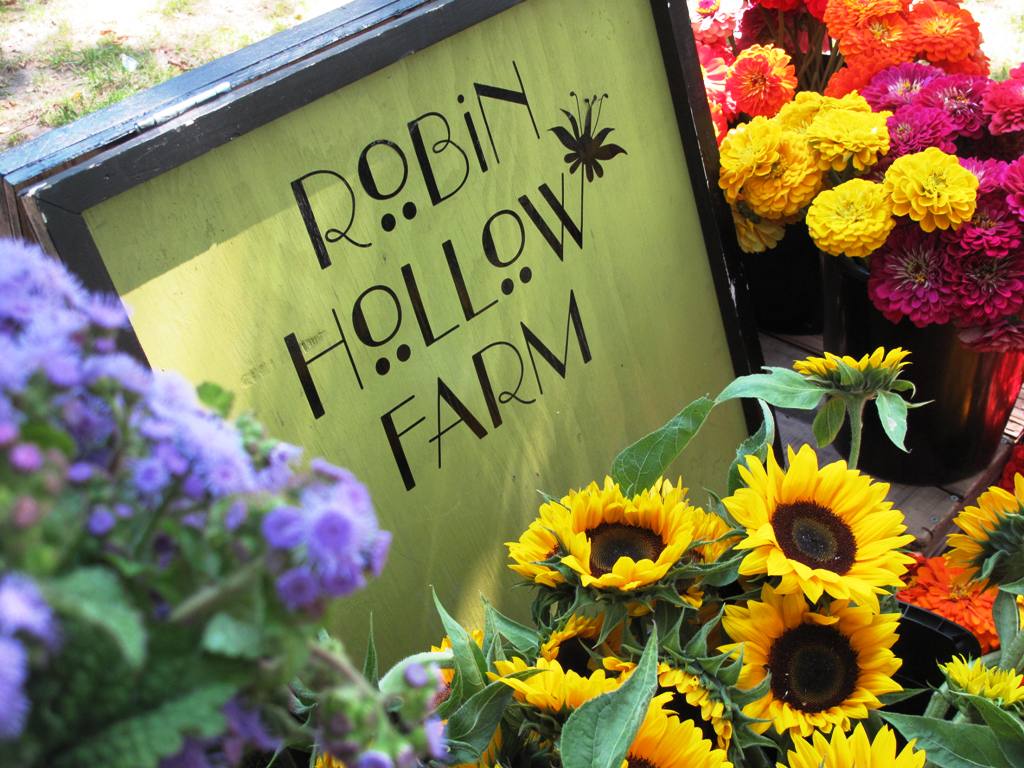
RHF Sign

Robin Hollow Farm’s sign at the local farmers’ market stall, surrounded by fresh-picked flowers.

I spent a wonderful 24 hours with these talented flower farmers who welcomed me into their home, shared amazing local seafood with me (thanks Matunuck Oyster Bar!), toured me through their growing fields, let me tag along on flower deliveries and observe the design process. Before I left, we grabbed a few minutes to sit down and talk about their lives and work as organic growers for today’s podcast.  Here’s some background on Polly and Mike: 

At Robin Hollow Farm, a wide range of gorgeous flowers and plants are grown in the fields and greenhouses. Mike and Polly farm using sustainable and/or organic methods on about five acres in Saunderstown, RI, just minutes from Newport and Providence.

Our flowers are grown without chemical pesticides, for our health and yours. Our fields are maintained with our cultivating tractor, our hoes, and mulches for maximum organic effect. We use these flowers at farmers markets, in our events, and for arrangements. Robin Hollow Farm is a proud member of ASCFG , the Association of Specialty Cut Flower Growers. Polly is currently President of ASCFG.

Discover and enjoy some of my favorite images from my 24-hour visit with this creative and dynamic couple:

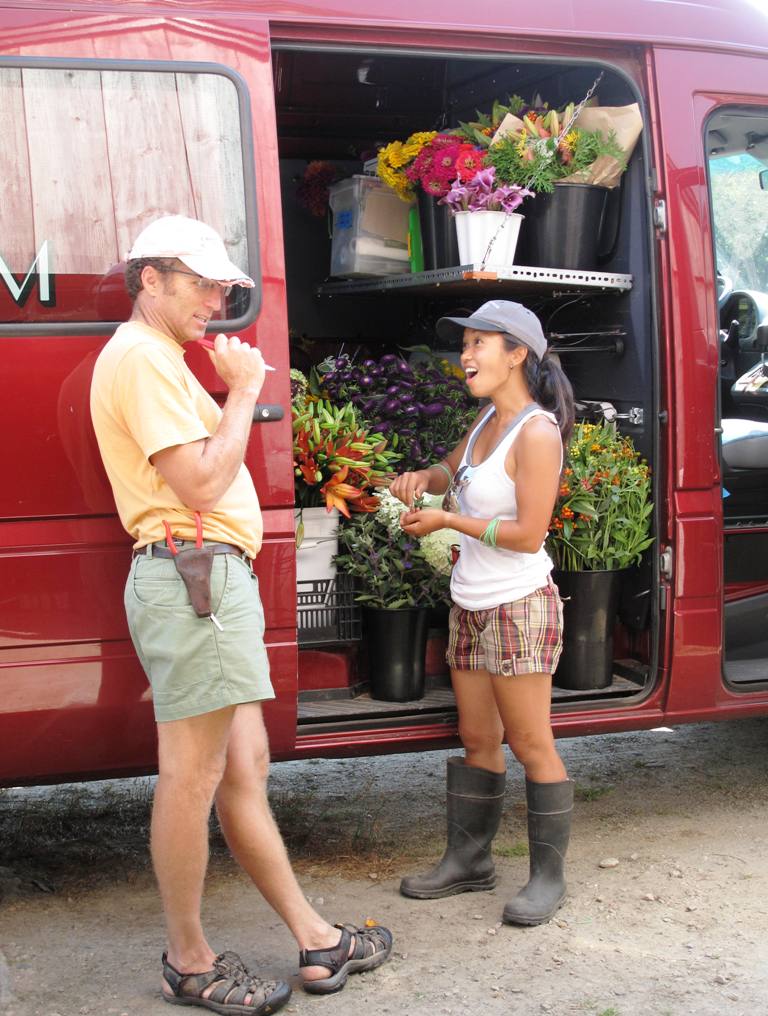
Mike with Tran

Mike Hutchison (left) chats with Tran. She’s a lettuce and greens grower who has been volunteering at Robin Hollow Farm to learn more about growing flowers.   


READ MORE…