Debra Prinzing

Get the Email Newsletter!

Archive for the ‘Slowflowers.com the Directory of American Flowers’ Category

Melissa Feveyear of Seattle’s Terra Bella Flowers – Pioneering Local and Sustainable Floral Design for 10 Years (Episode 210)

Wednesday, September 9th, 2015
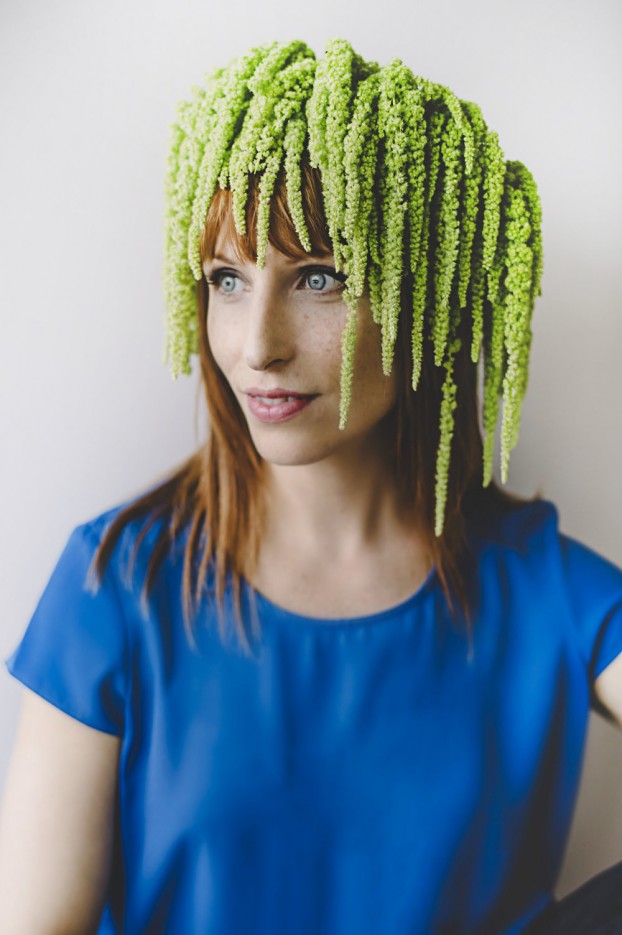
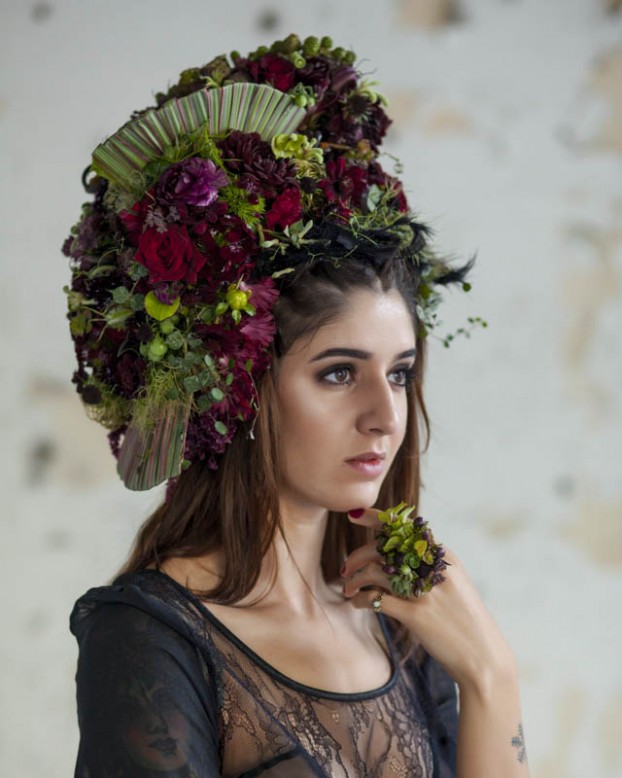
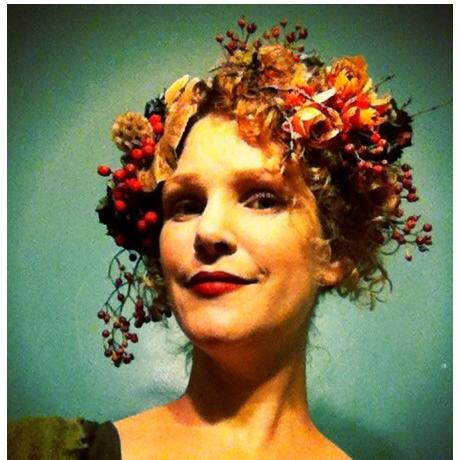
Love this portrait of Melissa, the crown of her head encircled with flowers.

Love this portrait of Melissa, the crown of her head encircled with flowers.

This week’s guest is my very good friend and “flower-sister” Melissa Feveyear, owner and creative director of Terra Bella Flowers.

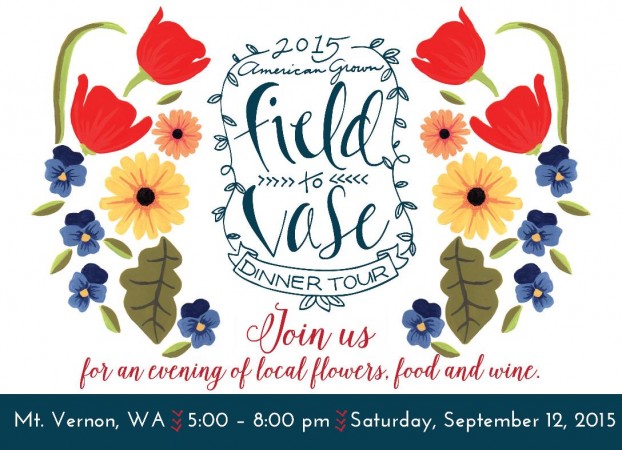
Melissa’s appearance on the Slow Flowers Podcast  is especially exciting this week because she and her work will be showcased at the next Field to Vase Dinner, set for Saturday, September 12th at Jello Mold Farm in Mt. Vernon, just north of Seattle.

Only 10 designers in the country have been invited to create the floral installation for the Field to Vase Dinner series, a very special pop-up, floral-centric dining experience pairing local flowers and local food.

Terra_Bella_Logo_plain_hires


It is fitting that Melissa is the featured designer this week because she is a longtime customer of Jello Mold Farm and the entire floral community of the Seattle Wholesale Growers Market.

You’ll hear us discuss her role in the Market’s origins as the first cooperative marketplace connecting local flower farmers with local florists.

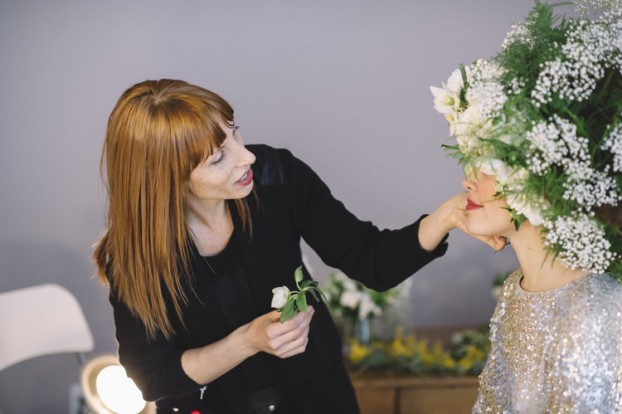
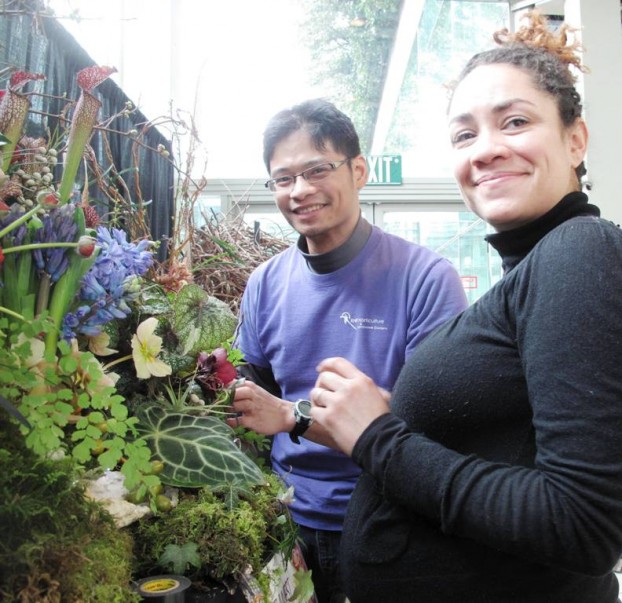
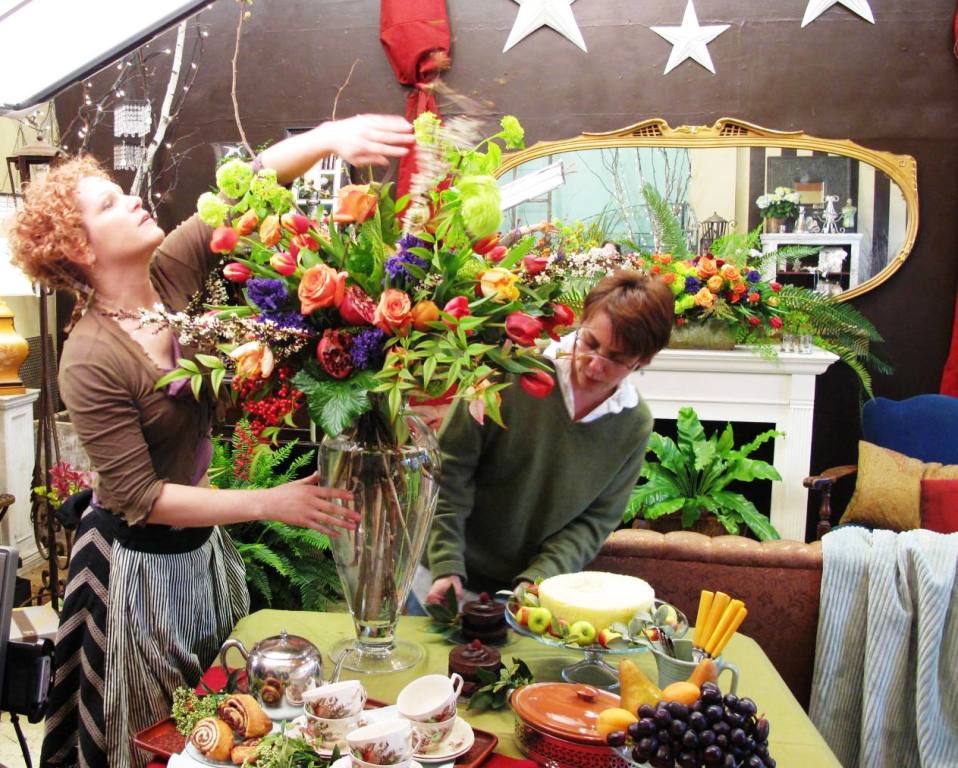
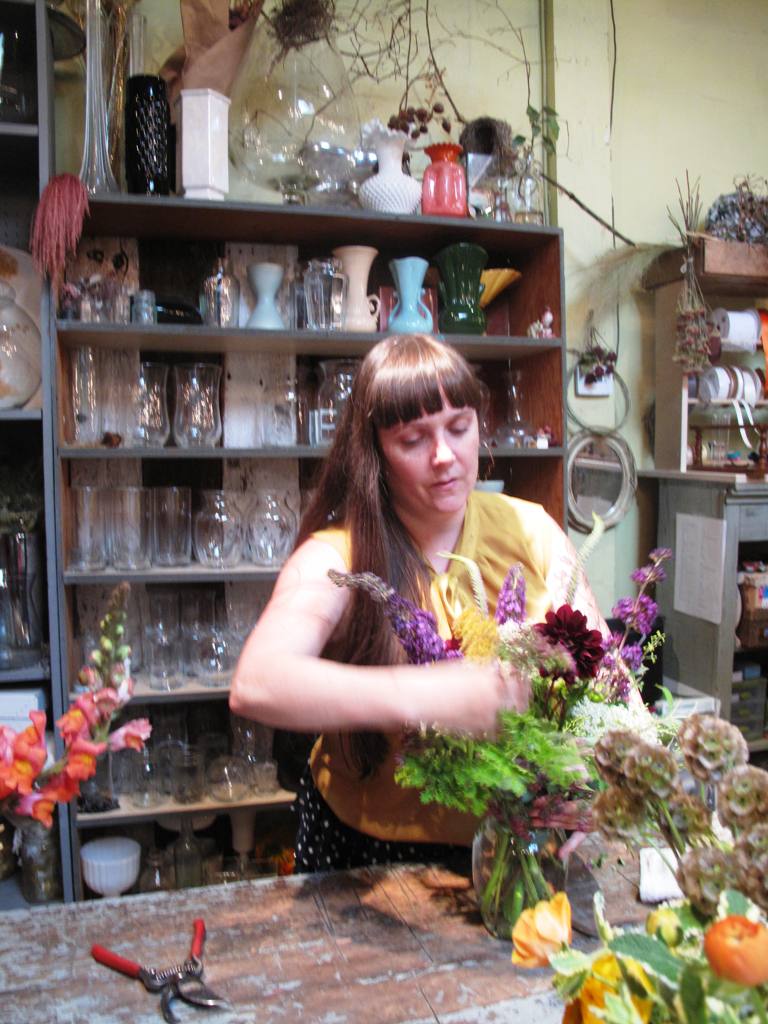
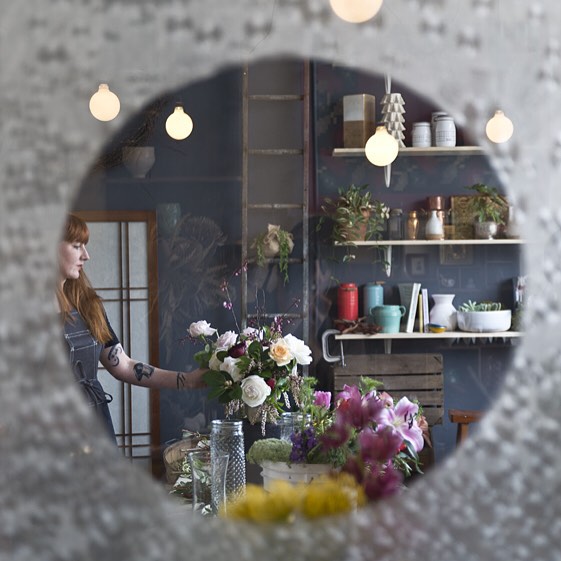
Melissa, left, on location in her Seattle shop during our stylized photo shoot for The 50 Mile Bouquet. My talented friend Jean Zaputil, right, was our stylist.

Melissa, left, on location in her Seattle shop during our stylized photo shoot for The 50 Mile Bouquet. My talented friend Jean Zaputil, right, was our stylist.

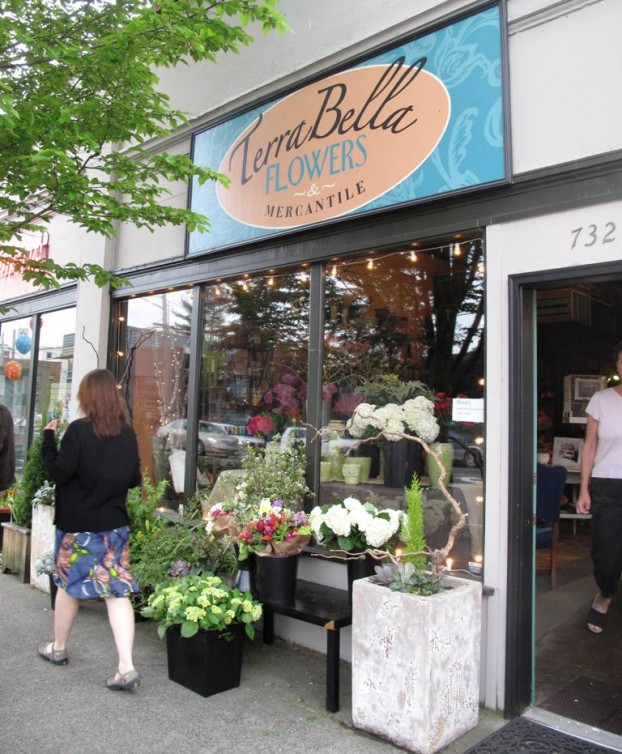
Terra Bella is located in Seattle's Phinney Neighborhood on a busy pedestrian corner.

Terra Bella is located in Seattle’s Phinney Neighborhood on a busy pedestrian corner.

The visionary of Terra Bella Flowers, Melissa combines her obsession with all things rooting and a background in Environmental Studies/Hazardous Waste Management.

After working in the field and becoming aware of the amount of pesticides used in the production of cut flowers, she realized she couldn’t consciously support the conventional side of the floral industry. Melissa created Terra Bella Flowers nearly 10 years ago to prove that the business of flowers can be a beautiful thing, from the time the seed is planted, until her bouquet arrive at your door.

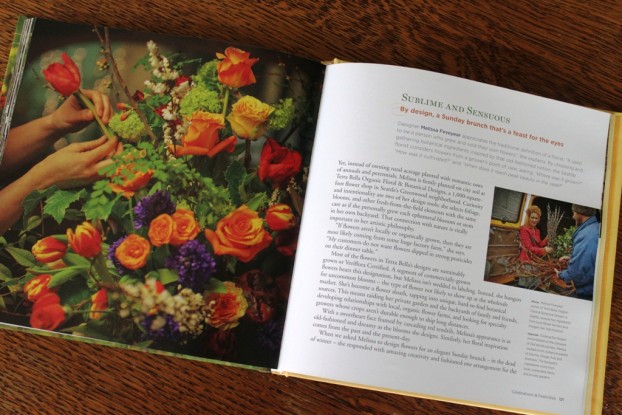
As we discuss in this episode, Melissa and her business are featured in The 50 Mile Bouquet, the book I wrote in 2012 featuring the photography of David Perry. As a special gift to you, I’ve included the free chapter called “Sublime and Sensuous,” which you can download her and read more of her story: MelissaFeveyear_The 50 Mile Bouquet Chapter

Melissa and Tutta Bella appeared in The 50 Mile Bouquet

Melissa and Tutta Bella appeared in The 50 Mile Bouquet

I began that chapter with this description of Melissa:

Curiosity and intentionality are two of her design tools; she selects foliage, blooms, and other fresh-from-the-field elements with the same care as if she personally grew each ephemeral blossom or stem in her own backyard. That connection with nature is vitally important to her artistic philosophy.

“If flowers aren’t locally or organically grown, then they are most likely coming from some huge factory farm,” she said. “My customers do not want flowers dipped in strong pesticides on their dinner table.”

Melissa has been a fabulous supporter of Slowflowers.com from the moment it was just an idea of mine. She has contributed her time and talents, appearing on the 2014 Indiegogo campaign video that helped raise more than $18,000 to launch the online directory (see above).

We’ve also teamed up to promote Slow Flowers on local television and at special events — and I know you’ll find Melissa and her story inspiring.

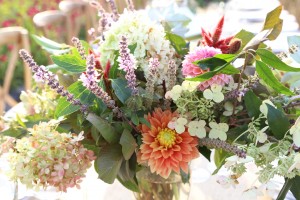
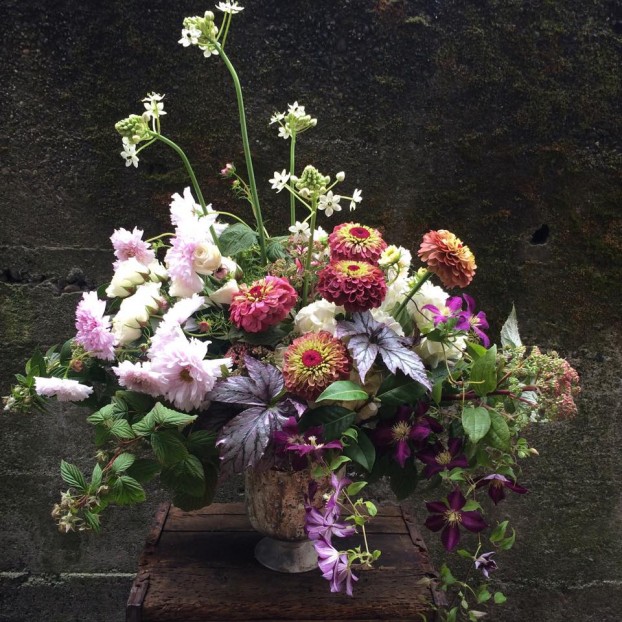
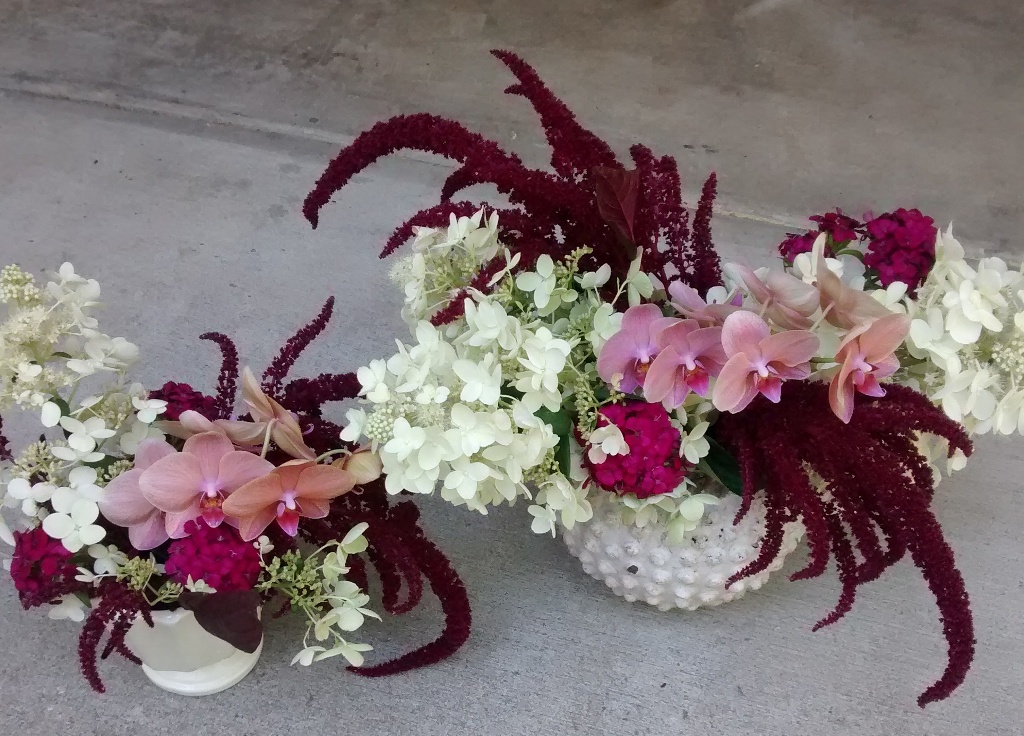
Another lovely seasonal floral arrangement from Terra Bella Flowers.

Another lovely seasonal floral arrangement from Terra Bella Flowers.

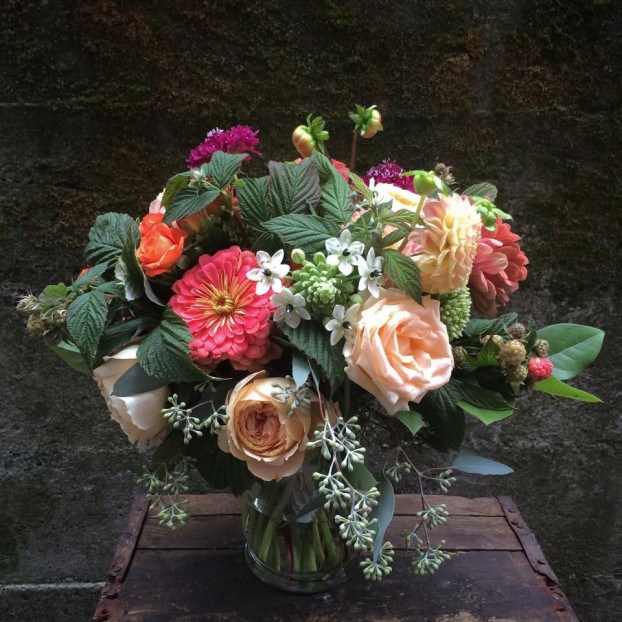
A lush, seasonal summer bouquet from Terra Bella Flowers.

A lush, seasonal summer bouquet from Terra Bella Flowers.

Here’s how you can connect with Melissa and Terra Bella Flowers:

Terra Bella Flowers on Facebook

Terra Bella Flowers on Instagram

Greater Seattle Floral Association

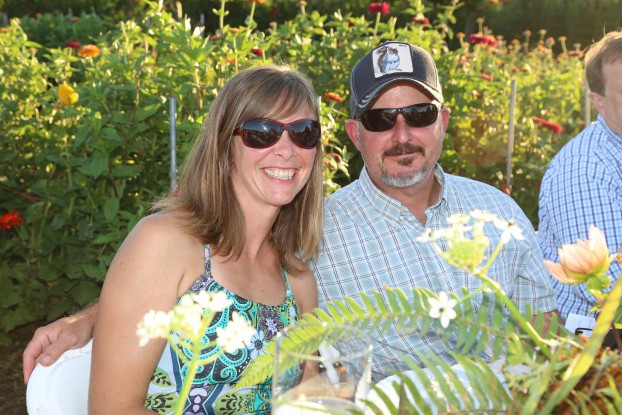
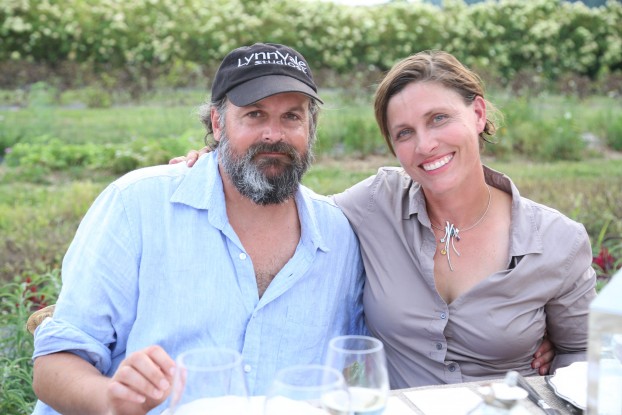
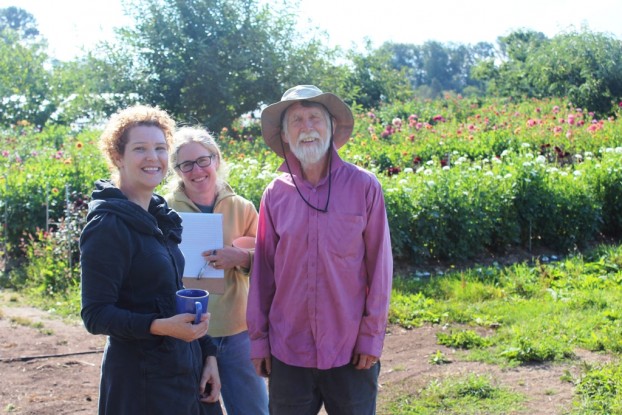
In August, Melissa and I did a pre-F2V Dinner walk-through of Jello Mold Farm with flower farmers Diane Szukovathy and Dennis Westphall - don't they all look happy in the flower fields?

In August, Melissa and I did a pre-F2V Dinner walk-through of Jello Mold Farm with flower farmers Diane Szukovathy and Dennis Westphall – don’t they all look happy in the flower fields?

Seattle-page-001Thanks for joining me today. If you’re in the Northwest and you want to experience the magic of Melissa’s Northwest Gothic floral installation at the September 12th Field to Vase Dinner, there’s still time. A few tickets are still available and I can’t wait for you to be part of the evening on a flower farm. Follow the link to reserve your seat at the table and use the special discount code SLOWFLOWERS to enjoy a $35 discount when purchasing your ticket.

Episodes of the Slow Flowers Podcast have been downloaded more than 63,000 times and I thank the progressive floral community for supporting this endeavor. It is nothing short of inspiring to see the listenership increase each week – and we have received only 5-star reviews on iTunes, 22 in all.

Until next week, you’re invited to join me in putting more American grown flowers on the table, one vase at a time. And If you like what you hear, please consider logging onto Itunes and posting a listener review. THANK YOU to each and every one of you for downloading, listening, commenting and sharing. It means so much.

The content and opinions expressed here are either mine alone or those of my guests alone, independent of any podcast sponsor or other person, company or organization.

The Slow Flowers Podcast is engineered and edited by Andrew Wheatley and Hannah Holtgeerts. Learn more about their work at shellandtree.com.
Emerald Petals and its Creator Hilary Holmes, Portland’s Eco Florist (Episode 208)

Wednesday, August 26th, 2015
Hilary Holmes, in action as she designs a summer bouquet in her North Portland shop.

Hilary Holmes, in action as she designs a summer bouquet in her North Portland shop.

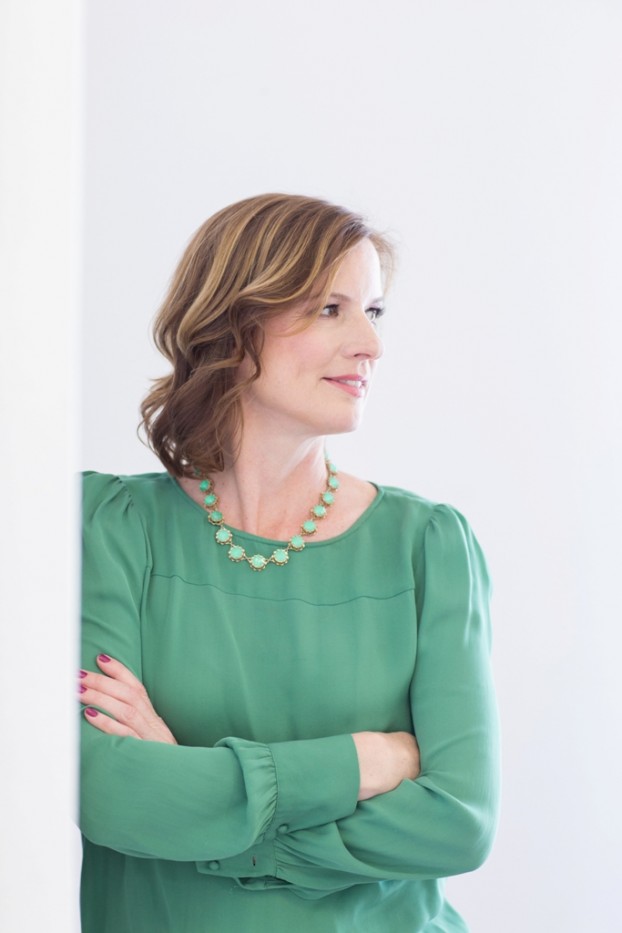
I’m delighted to introduce you to Hilary Holmes whose Portland-based flower shop is called Emerald Petals.

Her tagline: Portland’s Eco Florist. And that’s not just a marketing slogan.

Hilary has a longtime career in the floral industry – in both New England and the Pacific Northwest, and she has operated as Emerald Petals since 2010. Through her 15 years of floral design, Hilary has nurtured a deep-rooted love for flowers.

Emerald Petals is Hilary’s playhouse, a place she created so that customers can shop for flowers from another real person. A place where she can put creative arrangements in beautiful found objects.

She appreciates the simple joys of all growing things.

It’s no surprise that she likens her floral business as a plant that she lovingly tends.

Hilary planted the seed for this little shop on Mississippi Avenue in Portland, Oregon, and is helping it grow with love and whole lot of dirt under her fingernails. Now she gets to watch it bloom.

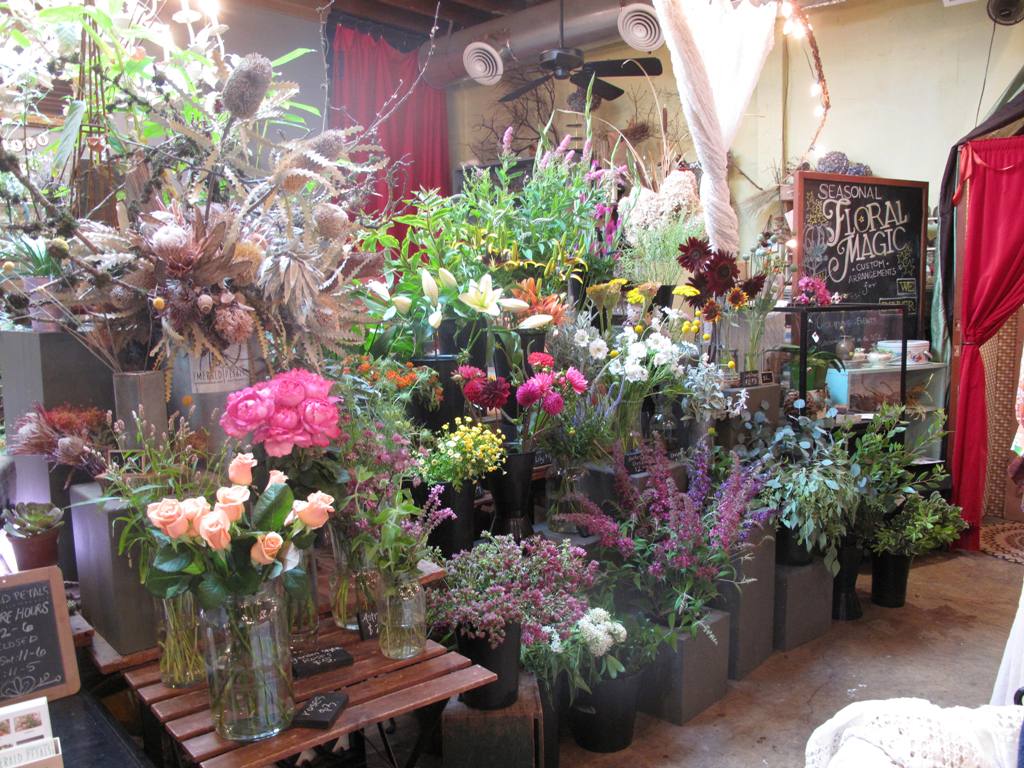
A snapshot of summer, on display at Emerald Petals

A snapshot of summer, on display at Emerald Petals

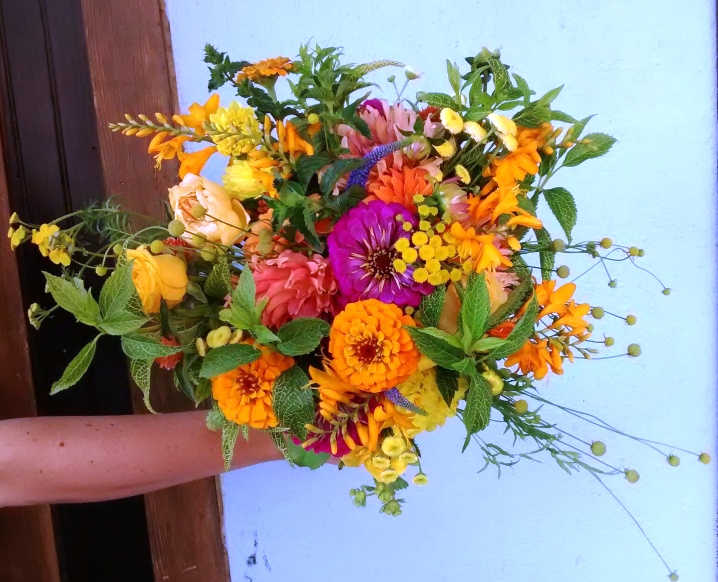
Vintage hobnail milk glass with a fabulous combo of local flowers.

Vintage hobnail milk glass with a fabulous combo of local flowers.

Floral Magic: YES!

Floral Magic: YES!

A full service flower boutique committed to sustainable practices, with a focus on local, sustainable, and domestic flowers and botanicals, Emerald Petals offers fresh custom arrangements for everyday life, as well as flowers for special deliveries, weddings and events.

As Hilary writes on the web site:

“We truly care about the environment and what effect our footprint will have on it. We source our flowers daily from local farmers, whether they come to us or we go to the farms ourselves.  We love to create textural depth using Oregon’s abundance of moss, lichen, branches, pinecones, mushrooms, berries, fruits and vegetables and whatever else we happen upon. During the off season, we also use domestic, sustainably grown product, and fair trade certified when we import from elsewhere.”

Fiesta flowers! Designed by Hilary Holmes

Fiesta flowers! Designed by Hilary Holmes

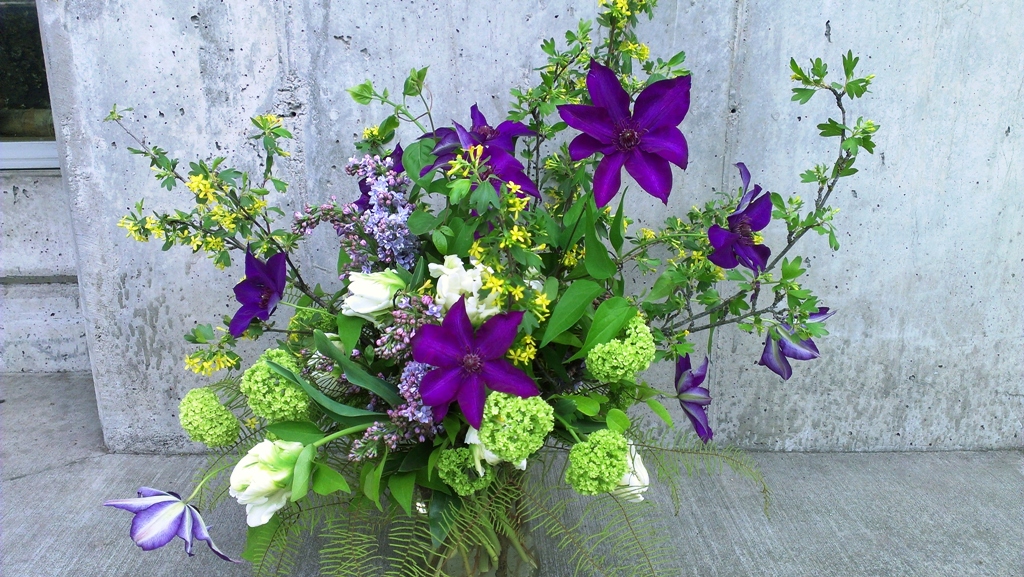
Love this palette and the clematis!

Love this palette and the clematis!

Emerald_Petals_IMG_4229Hilary was an early supporter of the Slow Flowers Movement and Emerald Petals is a member of Slowflowers.com.

She walks the talk, down to maintaining an ever-changing collection of vintage containers and vases, as well as new containers and glass made either from recycled products and/or made in the USA. Reuse is encouraged, which appeals to a core group of customers who regularly order and rotate through Hilary’s vintage collection.

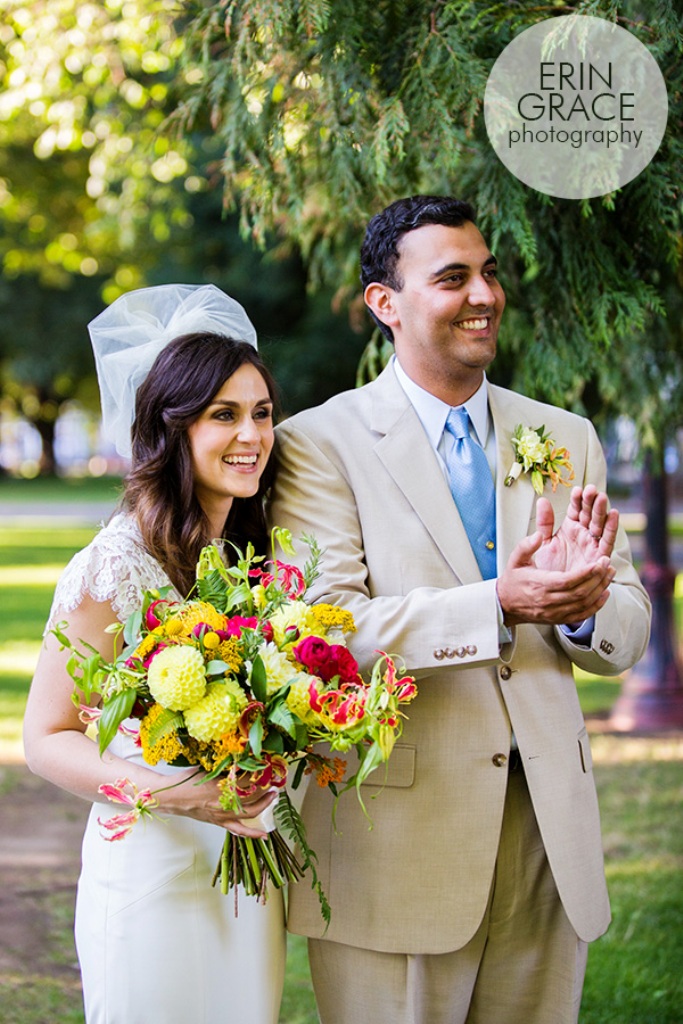
A wedding couple with an Emerald Petals bouquet and boutonniere. (c) Erin Grace Photography

A wedding couple with an Emerald Petals bouquet and boutonniere. (c) Erin Grace Photography

Follow Emerald Petals and Hilary Holmes at these social places:

Emerald Petals on Facebook

Emerald Petals on Instagram

Emerald Petals on Twitter

Emerald Petals on Pinterest

MORE FLORAL NEWS:

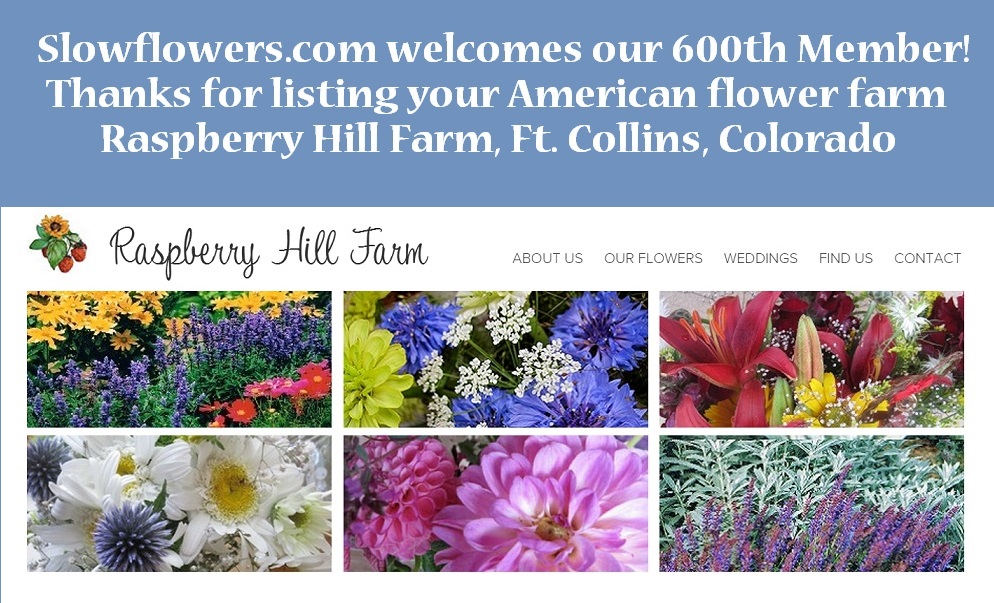
RaspberryHillLast week I announced that our podcast exceeded 60,000 downloads. If that wasn’t news enough, this week we’re celebrating the 600th Slow Flowers Member to join the Slowflowers.com site.

Please welcome Raspberry Hill Farm, a small family farm located on 14 acres in northern Colorado, just south of the Wyoming border, about 15 miles from downtown Fort Collins. Farmer-florist Kathy Hatfield specializes in growing high quality long-lasting specialty cut flowers, seasonally and sustainably grown — more than 150 different varieties, from old fashioned favorites to unique and unusual new varieties. During the growing season, the gardens at Raspberry Hill overflow with the gorgeous colors, delightful fragrances, and striking textures of our beautiful flowers. Please check them out!

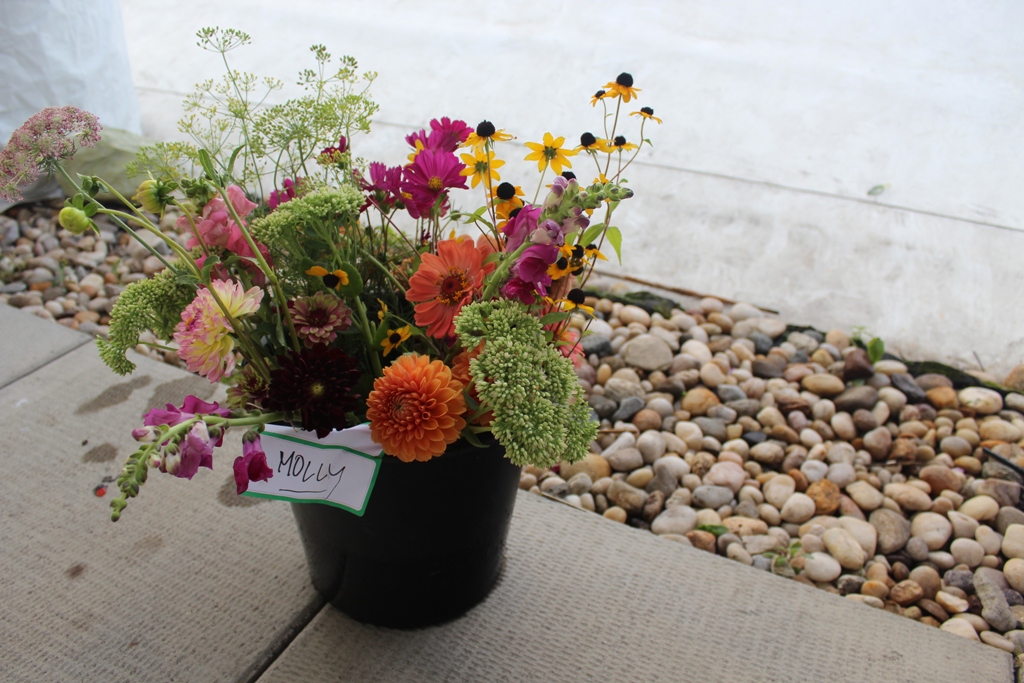
Molly sourced flowers from nine NY-NJ-Connecticut flower farms for her centerpieces at the Field to Vase Dinner.

Molly sourced flowers from nine NY-NJ-Connecticut flower farms for her centerpieces at the Field to Vase Dinner.

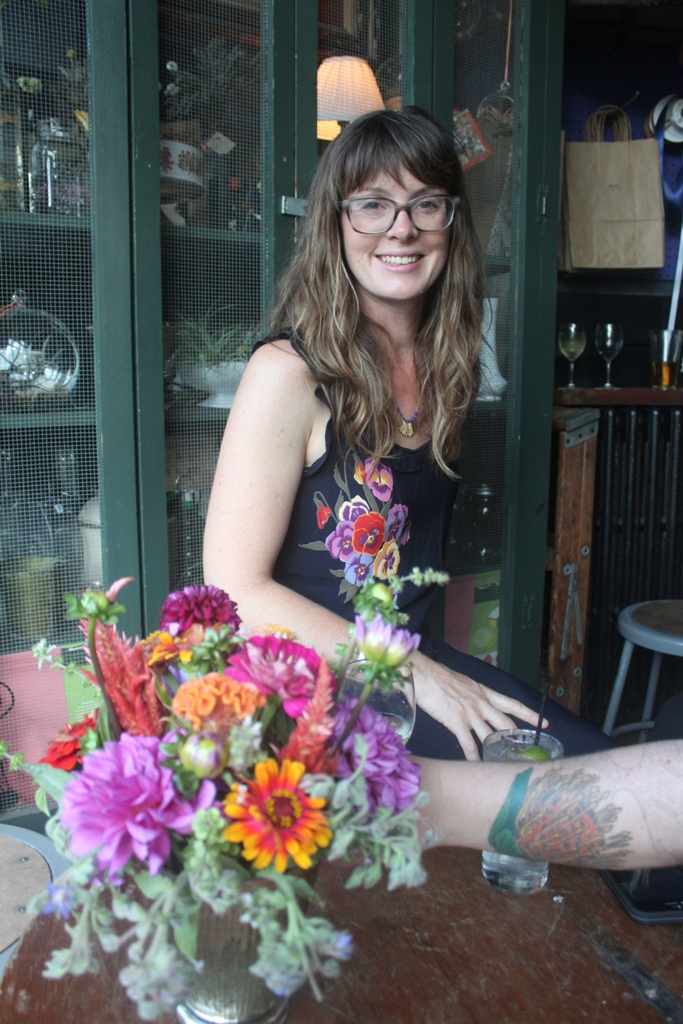
Molly, a Slow Flowers Member and leader in the world of sustainable flower farming, education and design.

Molly, a Slow Flowers Member and leader in the world of sustainable flower farming, education and design.

This past week was filled with so many wonderful highlights, each of which represents a memory and another beautiful piece in the Slow Flowers quilt.

I spent time in Brooklyn attending and co-hosting the 5th Field to Vase Dinner at the famed Brooklyn Grange, where Slow Flowers member Molly Culver of Molly Oliver Flowers designed a dazzling tablescape using seasonal flowers and foliage harvested from nine area farms in New York, New Jersey and Connecticut.

Those arrangements symbolized so much about this conversation we’ve been having – about how essential it is to support America’s flower farmers when we also choose to support America’s food farmers.

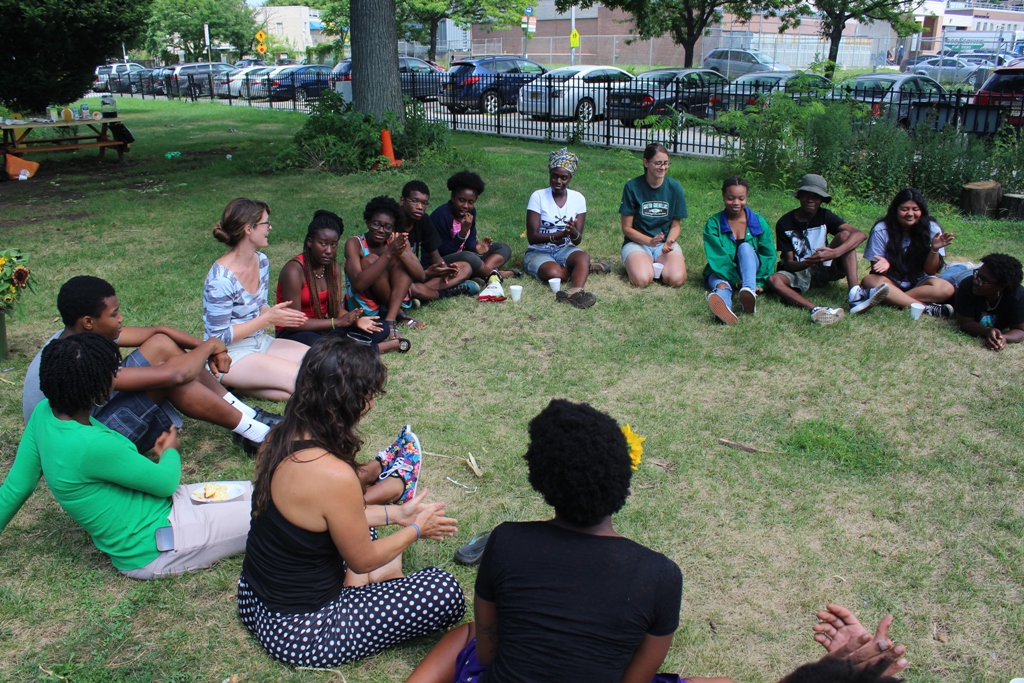
Molly also hosted me for a personal visit to The Youth Farm in Crown Heights, Brooklyn, where she is the farm manager and director of urban farm training.

What an inspiring visit! These young people are ready to take on the world! And they care about food justice, farming, entrepreneurism and the environment.

What an inspiring visit! These young people are ready to take on the world! And they care about food justice, farming, entrepreneurism and the environment.

My arrival coincided with the final gathering of the student interns, all high school juniors and seniors of the High School for Public Service. These amazing young people are the next generation of farmers — food and flower farmers — and I was so impressed with their interest in and passion for urban farming, the environment, food justice and flowers. Please visit Debraprinzing.com to check out photos of the summer students.

Suzanna Cameron (right), owner of Stems Brooklyn, with Jamie Agnello (left)

Suzanna Cameron (right), owner of Stems Brooklyn, with Jamie Agnello (left)

And finally, a shout-out to Suzanna Cameron, a new Slow Flowers member who owns Stems Brooklyn. Suzanna hosted an after-hours Slow Flowers gathering in her flower shop last Friday, which, by the way, is housed inside Sycamore Bar in Brooklyn’s Ditmas Park neighborhood. We had 15 flower farmers, florists and writers in attendance and I’m still on a high from the ideas and creative energy in that room.

More news next week, when you will hear from an illustrious guest, David Beahm. David is a rock star special events producer and florist whose work takes him from NYC to destinations around the globe. He has some big news to share and I can’t believe our good fortune to feature it on the Slow Flowers Podcast on September 2nd. Please tune in!

Until next week, you’re invited to join me in putting more American grown flowers on the table, one vase at a time. And If you like what you hear, please consider logging onto Itunes and posting a listener review. THANK YOU to each and every one of you for downloading, listening, commenting and sharing. It means so much.

The content and opinions expressed here are either mine alone or those of my guests alone, independent of any podcast sponsor or other person, company or organization.

The Slow Flowers Podcast is engineered and edited by Andrew Wheatley and Hannah Holtgeerts. Learn more about their work at shellandtree.com.
Music credits:

Chris Zabriskie – “Air Hockey Saloon”
https://chriszabriskie.bandcamp.com/album/vendaface
http://creativecommons.org/licenses/by/3.0/
Additional music from:

audionautix.com

Portland’s Elizabeth Artis of Espe Floral + Foliage (Episode 206)

Wednesday, August 12th, 2015
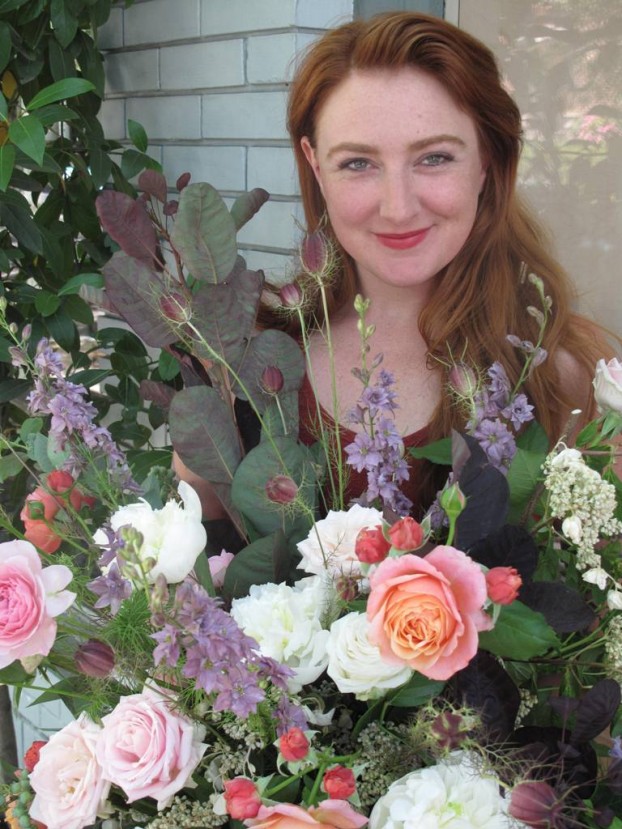
Elizabeth Artis with some of her favorite summer flowers, photographed in Portland, Oregon, in late June 2015.

Elizabeth Artis with some of her favorite summer flowers, photographed in Portland, Oregon, in late June 2015.

Before I introduce you to Elizabeth Artis of Espe Floral + Foliage of Portland, I want to share a few words of gratitude that came my way this week.

Christine Hoffman of Foxglove Market + Studio in St. Paul, Minnesota's design for a restaurant in her community.

Christine Hoffman of Foxglove Market + Studio in St. Paul, Minnesota’s design for a restaurant in her community.

One of the special benefits enjoyed when you or your businesss is part of the Slow Flowers community is the sense of sharing and support among like-minded folks all over the country.

Case in point, a florist in the Midwest recently emailed to ask me for help with a bid she was developing for a restaurant in her town that wanted locally-inspired floral arrangements. She felt she couldn’t ask another florist in her market, but she suspected that a Slow Flowers designer outside her market might have the answer.

As it turns out, when she reached out to me, I had just talked about restaurant “weeklies” with a local Seattle florist. Both of these women have their businesses listed on Slowflowers.com.

It was a cinch to connect them by email and they later chatted by phone. Florist two shared her strategies with Florist one. And I love that they both experienced instant camaraderie!


The email came recently from the Midwest florist. Subject line: “It worked! Thank You!”

Thank you, Debra, for connecting me with Tess to chat about restaurant floral work…and Tess, thank you for generously offering your time and insight. After a bit of back and forth (this was new on my end and theirs!), we have come to an agreement, and I’ll be starting next week!​ I love having the support and expertise of the whole slow flowers “family.”

That’s so cool to hear, right?! And you do not have to go through me to get this information. You should feel free to connect any fellow Slow Flowers member for help. It’s part of that “paying it forward” philosophy, conducted with mutual respect for people’s time, talents and ideas.

I don’t always know who’s listening to these weekly podcasts but every now and then I get a glimpse of how these interviews may connect with a listener. then this past weekend, a small note appeared in my Instagram feed, from a gifted flower farmer. She wrote: “Your podcast pulled me through a tough week. Thank you for all your efforts and hard work!” I can’t tell you how much it meant to me to hear these words from an American flower farmer.

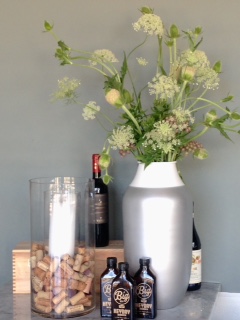
The design work of Elizabeth Artis, Espe Flowers + Foliage

The design work of Elizabeth Artis, Espe Floral + Foliage

EspeLogoFullColorCROP_smallAs I mentioned, today’s episode features Portland-based floral designer Elizabeth Artis.

I met Elizabeth in a totally spontaneous way back in 2010 while working on The 5o Mile Bouquet. It was in December and with photographer David Perry I was scouting in Portland for possible subjects for the book. We knew we wanted to stop at the Oregon Flower Growers market but the rest of the trip was relatively unscheduled.

A fun, truly Portland-inspired image from Elizabeth's blog.

A fun, truly Portland-inspired image from Elizabeth’s blog.

And then we ran into Elizabeth, who was there with another florist for whom she was freelancing.

The invitation was extended and soon David and I found ourselves at Jennie Greene’s flower shop to document the winter-themed arrangements she and Elizabeth were designing, of course with a decidedly local provenance.

Our friendship began there after Elizabeth and I realized we had a few mutual San Francisco florist frienesand it has been a joy to watch Elizabeth’s design journey move on from there.

Elizabeth branched out on her own a few years ago and she runs Espe Floral + Foliage from Northwest Portland with two different channels:

Elizabeth, photographed by (c) Christine Taylor

Elizabeth in her studio, recently photographed by (c) Christine Taylor

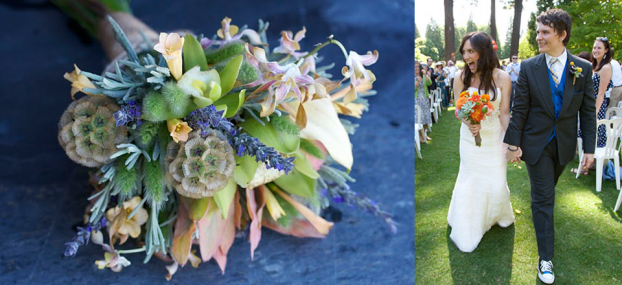
More bouquets by Elizabeth!

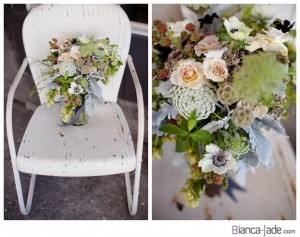
More bouquets by Elizabeth! (c) Bianca-Jade.com

First, she manages the floral department at Food Front Co-Op Grocery on NW Thurman St. in Portland, a shop-within-a-shop with everything from single stems and bunches to voluptuous bouquets, available seven days-a-week during store hours (8 a.m. to 10 p.m.).

Second, she operates a design studio just around the corner, an approximately 500-square-foot space ideal for meeting with wedding clients and for producing lush, wild and amazing creations.

We recorded our interview there when I visited in late June.

Gorgeous!!!

Seasonal. Local. Gorgeous!!!

Espe is committed to using local and sustainably grown flowers from small farms in the Pacific Northwest and down the coast into California.

As Elizabeth writes on her web site: “Our many friendships with these small operations guarantee quality from season to season. The selection, like the weather, changes from week to week so watch closely and see the next season on its way.”

Elizabeth is one to watch – and I love how articulate she shares her philosophy and her love of flowers.

You can connect with and follow Elizabeth at these social places:

Espe Floral + Foliage on Facebook

Espe Floral + Foliage on Instagram

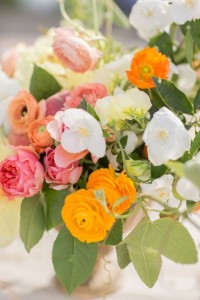
Love this bodacious Espe bouquet of local roses.

Love this billowing Espe bouquet of local Northwest roses.

Thanks for joining me today. Everything we care about in the Slow Flowers community begins when a seed is planted into the soil. When the elements of water and sunshine enrich it and stimulate roots and stem. When the flower farmer nurtures a tiny plant into a stunning, fragrant bloom. If we remember the amazing origins of the flowers we love, we can’t go wrong.

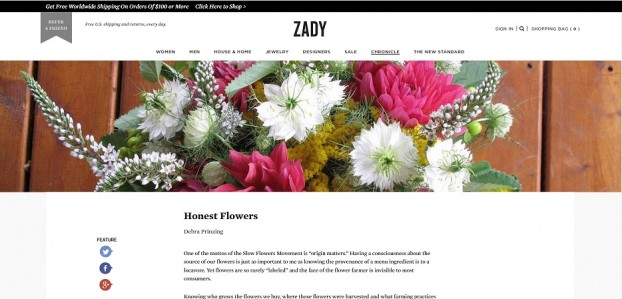
zady_screenI tried to convey this sentiment in an essay that I was asked to write for the “slow fashion” company called Zady.com. Published earlier this week, I entitled the piece “Honest Flowers.”

Here are a few of the sentences that I wrote. I’m so pleased that the team at Zady understands how essential it is to think about the ethical choices we make as both consumers of fashion and flowers:

What I wrote may sound familiar to those in our community, but I will share one excerpt nonetheless:

One of the mottos of the Slow Flowers Movement is “origin matters.” Having a consciousness about the source of our flowers is just as important to me as knowing the provenance of a menu ingredient is to a locavore. Yet flowers are so rarely “labeled” and the face of the flower farmer is invisible to most consumers.

Knowing who grows the flowers we buy, where those flowers were harvested and what farming practices were employed to transform a handful of seeds into a flourishing bouquet is increasingly important, especially at this time when 80 percent of the cut flowers sold in the U.S. are imported. The result of having low-cost flower imports has lead to a 58% decline in U.S. flower farms since 1992.

Getting to share the cause for American grown flowers offered me a chance to reach 100,000 Zady customers, people who may never have considered the way a flower travels from its origins to their vase. So I’m grateful for the opportunity.

Listeners like you have downloaded this podcast nearly 60,000 times. THANK YOU to each and every one of you for downloading, listening, commenting and sharing. It means so much.

Until next week, you’re invited to join me in putting more American grown flowers on the table, one vase at a time. And If you like what you hear, please consider logging onto Itunes and posting a listener review.

The content and opinions expressed here are either mine alone or those of my guests alone, independent of any podcast sponsor or other person, company or organization.

The Slow Flowers Podcast is engineered and edited by Andrew Wheatley and Hannah Holtgeerts. Learn more about their work at shellandtree.com.
First & Bloom’s Tammy Myers, an All-American Studio Florist (Episode 201)

Wednesday, July 8th, 2015
Meet Tammy Myers of First & Bloom, today's Slow Flowers Podcast guest.

Meet Tammy Myers of First & Bloom, today’s Slow Flowers Podcast guest.

A moss-covered swing on Tammy's farm is a lush spot to photograph one of her hand-tied bouquets.

A moss-covered swing on Tammy’s farm is a lush spot to photograph one of her hand-tied bouquets.

This week’s Slow Flowers Podcast guest is Tammy Myers, a Seattle studio florist with a focus on 100% American-grown flowers. Scroll down to read more, find links and to see photos of her design work.

It was completely fitting to interview Tammy during American Flowers Week, which just wrapped up July 4th with a fantastic level of involvement from flower farmers and floral designers all over the country.

From boutique growers to the largest flower farms in the country; from studio florists to grocery stores and wholesalers, too, we celebrated American Flowers Week as a grass roots education, promotion and advocacy campaign to highlight our nation’s flowers and foliage — and to raise awareness among consumers, the media and policymakers about supporting domestic flowers!

Source: Keyhole.co Real-time Hashtag Tracking

Source: Keyhole.co Real-time Hashtag Tracking

On Twitter and Instagram alone, mentions of #americanflowersweek generated more than 400k impressions in one month.

That’s pretty exciting for what was a mere idea six weeks ago!

Huge thanks to our top participants – without their intentional involvement and embrace of American Flowers Week, we would never have created so much beautiful buzz about this grassroots campaign.

FGF_American_Flowers_Week_InstagramTop post honors go to Farmgirl Flowers of San Francisco and Los Angeles for generating more than 3,500 likes on Instagram with a special “firecracker” bouquet promotion designed just for American Flowers Week. You rocked it, Farmgirl Team.

READ MORE…

Destination Weddings in North Michigan, with BLOOM Floral Design (Episode 200)

Wednesday, July 1st, 2015
Bloom_Floral_Design

Jennifer Haf (left) and Larissa Flynn (right) of BLOOM Floral Design, collaborating on a floral headpiece at a recent Francoise Weeks workshop in Michigan

web_2015AmericanFlowersWeekLogoWe are in the middle of celebrating the inaugural American Flowers Week, June 29th through July 4th. We created American Flowers Week as a grass roots education, promotion and advocacy campaign to highlight our nation’s farms, florists, flowers and foliage — and to raise awareness among consumers, the media and policymakers about supporting domestic flowers!

If you haven’t joined in, there is plenty of time to get involved.

The easiest thing you can do is to make a red-white-and-blue bouquet using all American-grown, local and seasonal blooms. Please post that photo on your social sites and tag #americanflowersweek. I believe this effort will grow from a small idea into a significant annual event – and by adding your voice (and creativity) to American Flowers Week, you’re helping sing the praises of our homegrown blooms.

bloomlogoI’m so pleased today to introduce you to Jennifer Haf and Larissa Flynn of BLOOM Floral Design based on the beautiful North Michigan shore, in the communities of Petoskey/Charlevoix.

Jennifer founded BLOOM floral design in 2008 in response to her love for sharing cut garden flowers from her Northern Michigan backyard.

Having since studied under some of the most celebrated designers and with her team executed hundreds of regional and destination events, Jennifer radiates her love for all things natural into the designs BLOOM creates.

With a talented design team, BLOOM offers exclusive services to Northern Michigan and destination wedding clients — in fact, for 65 ceremonies this year alone.

Jennifer Haf, founder of BLOOM Floral Design.

Jennifer Haf, founder of BLOOM Floral Design.

Along with Jennifer, you’ll also meet Larissa Flynn, the creative director for BLOOM.

Trained as a graphic designer and fine artist, with extensive gallery and arts management experience, Larissa joined the floral business several years ago after meeting Jennifer and realizing they were creative kindred spirits.

I love the philosophy of BLOOM, as described on the studio’s web site:

We believe that flowers are most beautiful in their natural state.  When combined with other blooms in a customized palette, color and texture create a distinctive design that exudes the feeling you wish to create.  BLOOM sources flowers from only the finest growers, sourcing as much as we can locally and domestically.  Hand selected from tried and true varieties of the highest standards, our blooms will be sure to please.

Behind the scenes our creative team works meticulously at our production design studio where all of the magic happens the week leading up to your event.  Hand processing all of our flowers and prepping and designing each arrangement per event, our designs will charm and delight you and your guests.

Larissa Flynn, BLOOM's creative director.

Larissa Flynn, BLOOM’s creative director.

As you will hear in our conversation, I recorded the interview with Jennifer and Larissa rather spontaneously – at a gathering hosted by Lisa Waud of pot and box and Detroit’s The Flower House, a prior guest of this podcast.

I had flown to Detroit for a 24-hour visit to attend the preview for this amazing art installation, which will be held over the weekend of October 16-18.

Jennifer and Larissa will create the florals for one of the rooms at The Flower House and I can’t wait to see what kind of botanical magic they conjure up.

Please follow links to all of BLOOM’s social sites, shared below. These are talented Slow Flowers floristas you will want to follow:

BLOOM on Facebook

BLOOM on Twitter

BLOOM on Pinterest

BLOOM on Instagram

Here’s a gallery of the beautiful design work from BLOOM Floral Design, used with their permission. These gorgeous images give me a keen sense of place and an appreciation for the character of their region’s landscape, climate and flora. A large percentage of their floral elements are local, Michigan-grown flowers. You’ll want to visit Northern Michigan at the peak of the season to see these lovelies yourself!

Bloom4

Bloom5

Bloom9

Bloom7

Bloom10

Bloom11

Bloom14

Bloom15

Bloom17

Bloom13

Listeners like you have downloaded this podcast more than 54,000 times. THANK YOU to each and every one of you for downloading, listening, commenting and sharing. It means so much.

Please join the American Flowers Week excitement and check out these resources to help your efforts. With your involvement, I believe this public awareness campaign will gain momentum and become an established annual event in the floral industry.

Until next week, you’re invited to join me in putting more American grown flowers on the table, one vase at a time. And If you like what you hear, please consider logging onto Itunes and posting a listener review.

The content and opinions expressed here are either mine alone or those of my guests alone, independent of any podcast sponsor or other person, company or organization.

The Slow Flowers Podcast is engineered and edited by Andrew Wheatley and Hannah Holtgeerts. Learn more about their work at shellandtree.com.
Presenting American Flowers Week & Introducing Minnesota’s Len Busch Roses (Episode 199)

Wednesday, June 24th, 2015

PodcastLogoToday, we’re celebrating the 100th episode of the Slow Flowers Podcast, a weekly program that’s all about American Flowers and the people who grow and design with them.

Reaching ONE HUNDRED EPISODES represents a significant milestone, as we have brought you hours and hours of programming on the vital topics ranging from saving our domestic flower farms to supporting a floral industry that relies on a safe, seasonal and local supply of flowers and foliage.

To me, it’s all about making a conscious choice and I invite you to join the conversation and the creative community. This podcast is brought to you by Slowflowers.com, the free, nationwide online directory to florists, shops, and studios who design with American-grown flowers and to the farms that grow those blooms.  It’s the conscious choice for buying and sending flowers.

To commemorate the 100th episode of the Slow Flowers Podcast, we’re launching a very cool and I believe significant week-long education and outreach campaign that will kick off next Monday, June 29th and run through Saturday, July 4th.

web_2015AmericanFlowersWeekLogo

Inspired by British Flowers Week, which has been the subject of two recent podcast episodes, the Slow Flowers Podcast and the Slowflowers.com online directory present: AMERICAN FLOWERS WEEK.

We’re kicking off American Flowers Week with a fabulous logo identifying the campaign, designed by Iowa-based illustrator and artist Jean Zaputil of Studio Z Design & Photography.

You are welcome to visit our new American Flowers Week web site where you can download and use the logo and other resources for your own promotional efforts efforts. Click here to find our Press Kit and links to a Flickr gallery featuring local flowers and floral arrangements representing all 50 states.

READ MORE…

Green and Local as a Flourishing Business Model with Bash & Bloom of Seattle (Episode 195)

Wednesday, May 27th, 2015
Meet Eleanor Blackford, owner and creative director of Bash & Bloom (c) Barbie Hull Photography

Meet Eleanor Blackford, owner and creative director of Bash & Bloom (c) Barbie Hull Photography

bashandbloomlogoThis week’s guest is Eleanor Blackford Davis, owner of Seattle-based Bash & Bloom.

Eleanor and I frequent the Seattle Wholesale Growers Market where she is a regular customer and I’m on the board.

A Bash & Bloom emerald green and white bouquet displayed in an ornate chair with photography (c) Courtney Bowlden Photography

A Bash & Bloom emerald green and white bouquet displayed in an ornate chair with photography (c) Courtney Bowlden Photography

It’s always fun and tempting to see what she has loaded in her arms on those early-morning excursions – and there’s often a fabulous related story she shares about a wedding or event in the works.

Eleanor and I got to talking last year about her decision – and her public announcement – to go foam free as a designer.

A Bash & Bloom Table Garland adorns a wedding reception (c) photography by Mark Malijan Photography

A Bash & Bloom Table Garland adorns a wedding reception (c) photography by Mark Malijan Photography

She also believes in sourcing from local farms and through the Seattle Wholesale Growers Market, whose staff members procure only local, seasonal and sustainably-grown flowers from Washington, Oregon, Alaska and California.

My photograph of Eleanor Blackford, with her sample arrangement using local spring flowers and Floral Soil.

My photograph of Eleanor Blackford, with her sample arrangement using local spring flowers and Floral Soil.

Eleanor's finished design, a prototype for her wedding reception.

Eleanor’s finished design, a prototype for her wedding reception.

We continued the dialogue recently while both participating in a workshop to use Floral Soil, a 100-percent plant-based alternative to the conventional foam, invented by Mickey Blake, a past guest of this podcast.

Alicia Schwede of Flirty Fleurs, another past podcast guest, led the workshop on designing elevated centerpieces, and I have to tell you that Eleanor’s piece was stunning! It was also the prototype for her own wedding florals, which took place on May 8th. 

Check out the no-foam elevated centerpiece she created at the workshop with Alicia and Mickey.

But about five weeks ago, Eleanor and I agreed to meet over tea to record our conversation, and I know you’ll enjoy it.

Eleanor's art deco bouquet in white and dark reddish purples was photographed by (c) My Beloved Photography

Eleanor’s art deco bouquet in white and dark reddish purples was photographed by (c) My Beloved Photography

I’m happy that Eleanor has shared so many photos of her floral design work and a few bonus photos from her recent wedding to Matthew Davis (see below).

Eleanor on her wedding day with flowers by Kelly Sullivan of Botanique (Instagram photo from wedding photographer Shane Macomber)

Eleanor on her wedding day with flowers by Kelly Sullivan of Botanique (Instagram photo from wedding photographer Shane Macomber)

Those fantastic elevated centerpieces designed with Floral Soil - adorning Eleanor and Matt's wedding reception. (c) Shane Macomber Photography

Those fantastic elevated centerpieces designed with Floral Soil – adorning Eleanor and Matt’s wedding reception. (c) Shane Macomber Photography

You can find Eleanor at these Social Sites:

Bash & Bloom on Facebook

Bash & Bloom on Instagram

Bash & Bloom on Pinterest

The Greater Seattle Floral Association, the local organization for wedding, event, studio and retail designers in which she is actively involved.

Bouquets for a pink-and-mauve floral palette (c) Alante Photography

Bouquets for a pink-and-mauve floral palette (c) Alante Photography

Here’s how my guest introduces herself on the Bash & Bloom web site:

I’m Eleanor Blackford – a craftster, dog lover, fun haver, and Owner of bash & bloom. My style has been described as having a lush, organic, and creative look and feel. I love to make an event unique, personal, and fun and can’t wait to sit down with you to talk about your vision. I work closely with my couples or party hosts to bring their unique personality and style to their event, primarily using seasonal and local products.

Vivid palette (c) Dana Pleasant Photography

Vivid palette (c) Dana Pleasant Photography

Thanks again for joining me today for another wonderful conversation about American flowers and the designers and farmers who are changing this entire industry for the better.

More flowers from the brighter end of the spectrum, (c) Barrie Anne Photography

More flowers from the brighter end of the spectrum, (c) Barrie Anne Photography

PodcastLogoListeners like you have downloaded the podcast 50,000 times.

I want to stop for just one moment and savor that news. Yes, we just produced our 96th episode and we are very, very close to airing the big one-hundredth episode, just one month from now.

THANK YOU to each and every one of you for downloading, listening, commenting and sharing. It means so much.

Until next week please join me in putting more American grown flowers on the table, one vase at a time. And If you like what you hear, please consider logging onto Itunes and posting a listener review.

The content and opinions expressed here are either mine alone or those of my guests alone, independent of any podcast sponsor or other person, company or organization.

The Slow Flowers Podcast is engineered and edited by Andrew Wheatley and Hannah Holtgeerts. Learn more about their work at shellandtree.com.
Florida-Grown Ferns, Foliage and Greenery with Erik Hagstrom of Albin Hagstrom & Sons (Episode 194)

Wednesday, May 20th, 2015

RHS_CHELSEAThe Slow Flowers Podcast is coming to you this week from Britain, where I’ve been touring the Chelsea Flower Show, reporting on gardening and floral trends for Houzz.com, and speaking to a passionate group of British Flower Farmers. I promise to bring home inspiring podcast interviews to share in the coming weeks.

And if you want to listen to what’s happening in the British-Grown flower movement, including the perspective of both florists and flower farmers, I’ve added links to past interviews here:

Episode 129: Reclaiming our Floral Heritage . . . Lessons from #Britishflowers

Episode 186: The Flower Farmer’s Year with Georgie Newbery of Common Farm Flowers UK

Flowers from the Farm, the UK's nationwide network of cut flower growers

Flowers from the Farm, the UK’s nationwide network of cut flower growers

A special thanks to Gillian Hodgson of Fieldhouse Flowers and the force behind Flowers from the Farm – an organization of British flower farmers, as well as to Sarah Statham of Simply by Arrangement, both of Yorkshire, who created a magnificent itinerary for my visit. You’ll hear from them both in future reports.

And here are a few more pieces of good news, shared by Slowflowers.com members on both American coasts:

First from Mary Coombs, who with her sister Dawn Clark operate A Garden Party based in Elmer, New Jersey:

Subject line: It is Working

“I was meeting with a client last night and I asked her how she found us. Much to my delight, she found us via Slowflowers.com! She is a perfect fit for my company and I am proud to be listed on this site. Thank you for working so hard on this!
I will also be talking about the Slow Flowers movement on Fox 29 Philadelphia on Monday morning. They are coming to film us in the garden for three live segments to air during their news show. I am nervous but excited!”

Mary’s note is so encouraging that I wanted you to hear it – and check out this news clip featuring Mary and Dawn.

“Anything you can get locally grown will be fresher; it will last longer; it’s going to do better in the vase.” — Dawn Clark, A Garden Party.

And next, a note from one of my favorite flower farmers, Joan Thorndike of Le Mera Gardens, based in Talent, Oregon, just outside Ashland. Joan is featured in The 50 Mile Bouquet, and she was an early supporter of Slowflowers.com. She is a farmer and a florist, famous for her summertime Oregon wine-country weddings.

Here’s Joan’s note, a text that arrived on my phone screen:

“Twice last week a potential customer called me because they knew all about your Slow Flowers as a concept – and so wanted to find a source close rather than far. Thank you for what you do!”

Please keep these updates coming – it is your anecdotal stories of customers finding their American grown flowers from Slowflowers.com farms and floral designers that allow me to share the news with others interested in joining this movement.

4th generatoin Fern Farmer Eric Hagstrom.

4th generatoin Fern Farmer Erik Hagstrom.

signI met today’s guest in person – finally – after a long-distance social media acquaintance. Please meet Erik Hagstrom of Albin Hagstrom & Son.

Based in Pierson, Florida, Albin Hagstrom & Son is one of, if not THE, largest American farms growing ferns, greenery and all types of cut foliage for the floral marketplace.

The family-owned business was started in 1928.

Glossy and durable -- Leatherleaf fern.

Glossy and durable — Leatherleaf fern.

ft_ah_14611-e1370480079963Not only did Albin Hagstrom & Son join the Slowflowers.com site very early after we launched, Erik has been a super supportive member. On two occasions, when I was booked to do interviews with Florida radio personalities, I asked him to send a sample box of Florida ferns and foliage to the host. He more than exceeded my expectations.

Such a generous gesture that proved to be a tangible example of the Slow Flowers movement – and in both cases, those radio hosts mentioned receiving those beautiful Florida ferns while we were on the air. That’s the kind of partnership that helps all of us in the movement.

Under the live oak, as I attempted to reach the naturally draped Spanish moss.

Under the live oak, as I attempted to reach the naturally draped Spanish moss.

Last week I spent five days in Orlando, Florida. I was thrilled to have an extra day before I started speaking and designing on the Festival Stage at Disney Epcot’s Flower & Garden Show, and while my two sons went off to Magic Kingdom, I headed north on Interstate, about 75 miles south of where Albin Hagstrom & Sons is located, to find the hamlet of Pierson, population 1,730.

Variegated pittosporum shrubs, growing prolifically under a shade structure.

Variegated pittosporum shrubs, growing prolifically under a shade structure.

I had a fun visit with Erik’s dad, Richard, grandson of founder Albin, who has just turned 80 and is a walking encyclopedia of fern-farming.

Tree ferns, naturalized under the canopy of live oak trees.

Tree ferns, naturalized under the canopy of live oak trees.

Then Erik and I jumped in his pickup  truck to drive through some of the production area, passing through shade structures and then following a narrow road through the “hammock” where ferns grow naturally under the canopy of ancient live oak trees.

Mostera. Beautiful, but I wasn't going to venture too close!

Mostera. Beautiful, but I wasn’t going to venture too close!

Anytime I wanted to take a photo, Erik indulged me by stopping and letting me hop out. However, when we slowed down to view the shade house where Monstera foliage grows, he warned me that rattlesnakes like to hang out in the protective tangle at the base of these tropical-looking plants with such dramatic leaves. Um, no thank you. I stayed in the car! But I did find it interesting that most of Albin Hagstrom & Son’s Monstera goes to the cruise ships that dock in Florida.

The Hagstrom family homestead, built in the 1920s by great grandfather Albin. You can see the Swedish farmhouse influence in its simple lines and appealing symmetry.

The Hagstrom family homestead, built in the 1920s by great grandfather Albin. You can see the Swedish farmhouse influence in its simple lines and appealing symmetry.

And by the way, Erik is a man of many interests. He started his career working for the famous Daytona International Speedway and has an extensive background in promotions and marketing. While he eventually left the world of racing to grow ferns, Erik is still a huge fan of NASCAR events. He is the owner of an American-made pickup truck, a fact that did not escape my notice!

Tree ferns, just picked and ready for shipping to all 50 states.

Tree ferns, just picked and ready for shipping to all 50 states.

I hope you enjoy our podcast interview and gain a newfound appreciation for FOLIAGE — an important source of botanical beauty for floral design. I left with a huge box of samples and was delighted to use the ferns, foliage, grasses and greenery in my demonstrations on the Epcot stage during the following three days. I was proud to tell my audiences that about those American grown, FLORIDA grown stems beautifying my vases. And in a state where nearly all of the imported flowers and foliage flow through nearby Miami International Airport, it was doubly important to have this gorgeous and tangible example of the Slow Flowers movement in my hands.

Thanks again for joining me today and please visit debraprinzing.com to see my photos and to follow links to all Erik’s social sites.

Albin Hagstrom & Son on Facebook

Erik Hagstrom on Twitter: @erikhagstrom

Listeners like you have downloaded the podcast nearly 49,000 times. Until next week please join me in putting more American grown flowers on the table, one vase at a time. And If you like what you hear, please consider logging onto Itunes and posting a listener review.

The content and opinions expressed here are either mine alone or those of my guests alone, independent of any podcast sponsor or other person, company or organization.

The Slow Flowers Podcast is engineered and edited by Andrew Wheatley and Hannah Holtgeerts. Learn more about their work at shellandtree.com.
Minnesota Blooms with Christine Hoffman of St. Paul’s Foxglove Market & Studio (Episode 193)

Wednesday, May 13th, 2015

SlowFlowers_Badge_640x480The Slow Flowers Movement has a lot to celebrate lately – and I want to share with you the very good news that occurred just before Mother’s Day.

While some may view this as a merely symbolic event, I applaud the news that both the Senate and the U.S. House of Representatives passed Resolutions about flowers last week. Seriously!

The opening lines of the Senate Resolution urging support of American Grown Flowers.

The opening lines of the Senate Resolution urging support of American Grown Flowers.

Follow this link to read the entire Senate resolution #166, passed unanimously and introduced by Sen. Dianne Feinstein, with Sen. Barbara Boxer and Sen. Lisa Murkowski.

The document’s first paragraph gets right to the point:

Expressing the sense of the Senate that domestically grown flowers support the farmers, small businesses, jobs, and economy of the United States, enhance the ability of the people of the United States to honor their mothers on Mother’s Day, and that the White House should strive to showcase domestically grown flowers.

It continues:

Whereas people in every State have access to domestically grown flowers, yet only 1 of 5 flowers sold in the United States is domestically grown;

Whereas more people in the United States are expressing interest in growing flowers locally, which has resulted in an approximately 20 percent increase in the number of domestic cut flower farms since 2007;

(c) Washington Post image of California irises and Florida tropical foliage.

(c) Washington Post image of California irises and Florida tropical foliage.

Whereas in 2014, President Barack Obama and First Lady Michelle Obama highlighted their support for domestically grown flowers at the White House State Dinner with French President Francois Hollande, the only White House State Dinner that year; Whereas the 2014 White House State Dinner featured quince branch from Mississippi, weeping willow from New Jersey, Scotch broom from Virginia, iris from California, and alocasia, equisetum, nandina, and green liriope from Florida;

There are many more “whereas” paragraphs that discuss the economic impact of America’s flower farming industry. And then the actual resolution concludes with these four assertions:

Resolved, That it is the sense of the Senate that—

(1) purchasing flowers grown in the United States supports the farmers, small businesses, jobs, and economy of the United States;  

(2) flowers and greens grown in the United States are a vital and integral part of the agricultural industry of the United States;

(3) flowers grown in the United States enhance the ability of Americans to honor their mothers on  Mother’s Day; and  

(4) the White House should strive to showcase flowers and greens grown in the United States to show support for the flower breeders, farmers, processors, and distributors of the United States.

You may be wondering, “What prompted our nation’s leaders to introduce such a Resolution? (And by the way, a very similar Resolution was passed at about the same time by Congress, with language introduced by the four co-chairs of the Congressional Cut Flower Caucus.)

PrintIn addition to congratulating these policymakers and their staff members for doing the right thing for American Flowers, this good news would never have happened if it wasn’t for the determination of Kasey Cronquist, CEO and Ambassador for the California Cut Flower Commission and the flower farmers of his state who have invested time and financial resources to visit Washington, D.C., year after year for the past five years, to engage in conversation with those elected officials.

That is huge and I am pleased to have joined this effort in a small way by joining those delegations in 2014 and 2015. At the helm of this strategy is Bill Frymoyer, of Stewart & Stewart, the man who represents the American Grown effort in our nation’s capital. Bill and Kasey have authored this strategy that of course was crafted to benefit the agenda of California’s cut flower growers, but also creates a ripple effect to benefit everyone in the Slow Flowers community.

JOINING HANDS ACROSS THE FLOWER FIELDS OF AMERICA

When a spotlight in Washington, D.C., shines on domestic flowers it brings attention to you, to your flower farm (no matter what its size). It gives credibility to our cause, the cause of people who care about keeping flowers local, seasonal and sustainable. I encourage you to reach out to your own representative or Senator and let them know that you are a cut flower farmer in their district or state. Take the time. Send a letter. Deliver a bouquet. Thank them for signing onto these resolutions and tell them the support means something to you. And by the way, here is a great resource to help you send that message efficiently and directly.

I am always shocked when someone tries to drive a wedge between the big-idea American grown movement and the grassroots local-flowers movement.  There should be no wedge. We need everyone’s efforts to fight imports. Every single flower farm and farmer; every single florist and designer who makes a mindful choice about sourcing flowers grown and harvested from American soil; every single customer who orders flowers and asks for local or American blooms. That is the rising tide that floats all of our boats. In your own backyard and in all 50 states.

KEEPING IT LOCAL IN THE TWIN CITIES

FOXGLOVE_logo

This blackboard/sandwich board is a message I can get behind. Spotted outside Foxglove Market & Studio, owned by today's guest Christine Hoffman.

This blackboard/sandwich board is a message I can get behind. Spotted outside Foxglove Market & Studio, owned by today’s guest Christine Hoffman.

Now to today’s guest. Chrisine Hoffman is the owner of Foxglove Market & Studio based in St. Paul, Minnesota.

I am thrilled that I was able to visit Foxglove personally when I was in the Twin Cities to speak and teach at the Minneapolis Institute of Art two weeks ago for “Art in Bloom.”

I broke away one afternoon and caught a ride to St. Paul, asking my driver to take me to Grand Avenue, the charming, pedestrian-focused street where Christine’s store is located.

The vintage building has all the character you could want, with high ceilings finished in decorative pressed tin, a bay window in the front where an inviting vignette lures you in, and a lovely mix of old and new, crafted and curated goods.

On her web site, Christine describes the shop and studio as: “Putting a fresh modern spin on an honest folk vibe. Foxglove’s thoughtful aesthetic emphasizes sustainability, utility, community and comfort.”

Local Midwest-grown flowers are at the heart of Foxglove Market & Studio.

Local Midwest-grown flowers are at the heart of Foxglove Market & Studio.

Proprietress and creative director Christine Hoffman.

Proprietress and creative director Christine Hoffman.

Get it, got it, GOOD!

Get it, got it, GOOD!

Welcome to Foxglove, where you can find an artisan gift, take a workshop or gather an armload of seasonal blooms.

Welcome to Foxglove, where you can find an artisan gift, take a workshop or gather an armload of seasonal blooms.

There are three aspects to this business that I find so wonderful interrelated:

First the Marketplace, where an assortment of home goods, books, high quality paper products and findings, as well as Midwest salvage reflect Christine’s aesthetic as a former interior designer, photo stylist and event planner. Then there’s the Studio, where any number of gatherings take place – from floral design workshops and other creative hands-on classes to private pop-up chef dinners. And finally, the Flowers, a complement to every other activity held here. Of the Flowers, Christine focuses her offerings on seasonal flowers grown by local farms.

As she writes on her web site:

Knowing where our food comes from and how it is grown and processed is once again becoming a natural part of our everyday lives. These same issues apply to our cut flowers. The majority of commercial flowers are grown overseas using a mixture of fertilizers, chemicals and preservatives that are anything but natural. Add in worker exposure and ship time and resources, and you’ve got one loaded bunch of tulips. It’s easy to grab a cellophane wrapped bouquet, pop it in a vase, and not give it another thought. Those flowers, however, have a big impact on our environment-both in a broad sense and in your home.

I have a commitment to unique and expressive floral design, happy plants, and a healthy environment. By staying domestic and keeping it simple, Foxglove strives to minimize environmental and social impact. My farmers use sustainable and organic growing methods, and deliver blooms personally to my shop.

  • Support Local Growers
  • Embrace Healthy Homes
  • Celebrate Seasonal Abundance

My mission is a simple one, based on my personal aesthetic and belief that flowers are most beautiful in their natural state. To me it seems counterintuitive to treat soil and plants with artificial fertilizers, chemicals and sprays, and I really don’t want to trail those things into my home and onto my table. It poses a challenge in our cold climate to source everything locally, but it is a better choice for so many reasons.

Foxglove_Christine_DebraI am so pleased to welcome Christine Hoffman to the Slow Flowers Podcast.  Since her days growing up in a river valley, gathering endless bouquets of wildflowers from the woods surrounding her childhood home, Christine has been in love with flowers. Her parents are both gardeners, and their knowledge of plants and flowers settled into Christine with each bed she helped prep (grumbling all the way), and each garden picked bouquet brought into their house.

Follow Foxglove at these social places:

Foxglove Market & Studio on Facebook

Foxglove Market & Studio on Instagram

Foxglove Market & Studio on Pinterest

Foxglove Market & Studion on Twitter

Listeners like you have downloaded the podcast nearly 48,000 times. In fact, in April, we logged the all-time high number of 5,101 episode downloads which only means that the message of Slow Flowers and the farmers and florists who exemplify this movement is reaching more and more listeners.

Until next week please join me in putting more American grown flowers on the table, one vase at a time. And If you like what you hear, please consider logging onto Itunes and posting a listener review.

The content and opinions expressed here are either mine alone or those of my guests alone, independent of any podcast sponsor or other person, company or organization.

The Slow Flowers Podcast is engineered and edited by Andrew Wheatley and Hannah Holtgeerts. Learn more about their work at shellandtree.com.
Slow Flower Report: U.S. Senate & House Resolutions Support American Grown Flowers for Mother’s Day

Friday, May 8th, 2015

EXCITING FLOWER NEWS!!!

I wanted to share the press release that Slow Flowers co-issued today with the Certified American Grown program to acknowledge and celebrate the significance of join U.S. Senate and House resolutions encouraging the giving of American Flowers for Mother’s Day and urging the White House to “strive to showcase flowers and greens grown in the United States to show support for the flower breeders, farmers, processors, and distributors of the United States.”

The opening lines of the Senate Resolution urging support of American Grown Flowers.

The opening lines of the Senate Resolution urging support of American Grown Flowers.

“As Sunday’s holiday approaches, we remember that Mother’s Day is the most important day of the year for America’s flower farmers, with two-thirds of Americans purchasing flowers to honor their moms,” said Kasey Cronquist, administrator of the Certified American Grown program.“We are very pleased that on May 5, 2015, Sen. Dianne Feinstein (D-CA), with the help of Sen. Lisa Murkowski (R-AK) and Sen. Barbara Boxer (D-CA), sponsored and unanimously passed in the Senate a resolution to honor America Grown flowers and the people who cultivate them on the occasion of Mother’s Day.”We are very appreciative to Sen. Feinstein for drafting the resolution and for her long-term leadership on flower farming and overall agricultural issues. Her S. Res. 166 notes that ‘purchasing flowers grown in the United States supports the farmers, small businesses, jobs and economy of the United States….(and) flowers grown in the U.S. enhance the ability of Americans to honor their mothers on Mother’s Day,’” said Cronquist.

“Today, as the Senators noted, millions of stems of domestically grown flowers are now Certified American Grown and the Slow Flowers movement continues to expand across all 50 states,” said Prinzing, author of Slow Flowers. The support in both the House and Senate is welcome news for flower farmers across the country.

“Last Friday, the four leaders of the House Cut Flower Caucus introduced an identical bill, H. Res. 245, in the House of Representatives. We very much appreciate that Rep. Lois Capps (D-CA), Rep. Jaime Herrera Beutler (R-WA), Rep. Duncan Hunter (R-CA) and Rep. Chellie Pingree (D-ME) have started this cut flower caucus to educate their colleagues in Congress about the economic and cultural impact of cut flower farming. We look forward to building co-sponsors on their resolution, which is a wonderful first step for the organization.

“We appreciate our champions in the Senate and the U.S. House for their support for America’s flower-farming families. It’s a milestone moment in our efforts to encourage consumers to seek out locally and sustainably grown flowers,” Prinzing said.

Commenting on the resolution, Sen. Feinstein said: “We know that Americans want to support local businesses and increasing consumers’ awareness about the flower industry will encourage them to look for that ‘Certified American Grown’ label.”

Americans will spend more than $2 billion on flowers this Mother’s Day, and nearly $25 billion per year on floral products. Research shows that 58 percent of consumers would prefer to buy domestically grown flowers, an option made more clear-cut by the American Grown movement.

# # #

americanGrownLogo

About Certified American Grown

The American Grown Flowers brand symbolizes a unified and diverse coalition of U.S. flower farms representing small and large entities across the country. The Certified American Grown Flowers initiative has partnered with Certified Inc., an independent, third-party agency that verifies the source of products made and grown in the USA. Participating flower farms are certified by this agency through a supply chain audit that qualifies them to add the Certified American Grown logo to their floral packaging, websites and other marketing materials. To learn more, visit AmericanGrownFlowers.org.

Web

About Slowflowers.com

The web site is a free, nationwide online directory to American flowers and the people who grow and design with them. Created by American flower advocate Debra Prinzing in 2014, the resource has grown to more than 550 members in 50 states. The site connects consumers with the farms, shops, studios and designers who provide American grown (local and domestic) flowers, ensuring transparency about the origin of each stem.
To learn more, visit Slowflowers.com.