Debra Prinzing

Get the Email Newsletter!

Archive for the ‘SLOW FLOWERS Podcast’ Category

ASCFG #4: Wild World of Weddings (Episode 171)

Tuesday, December 9th, 2014
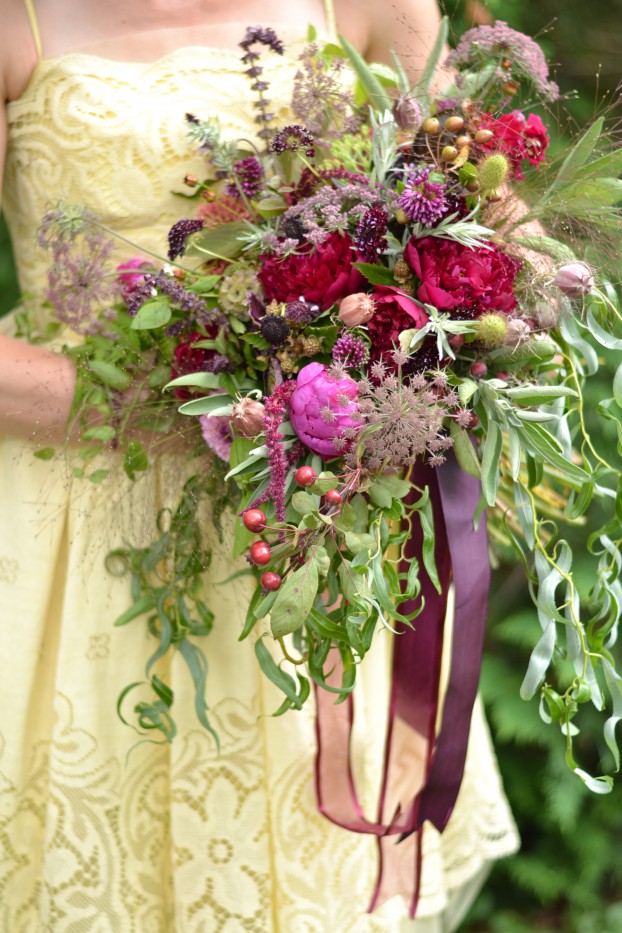
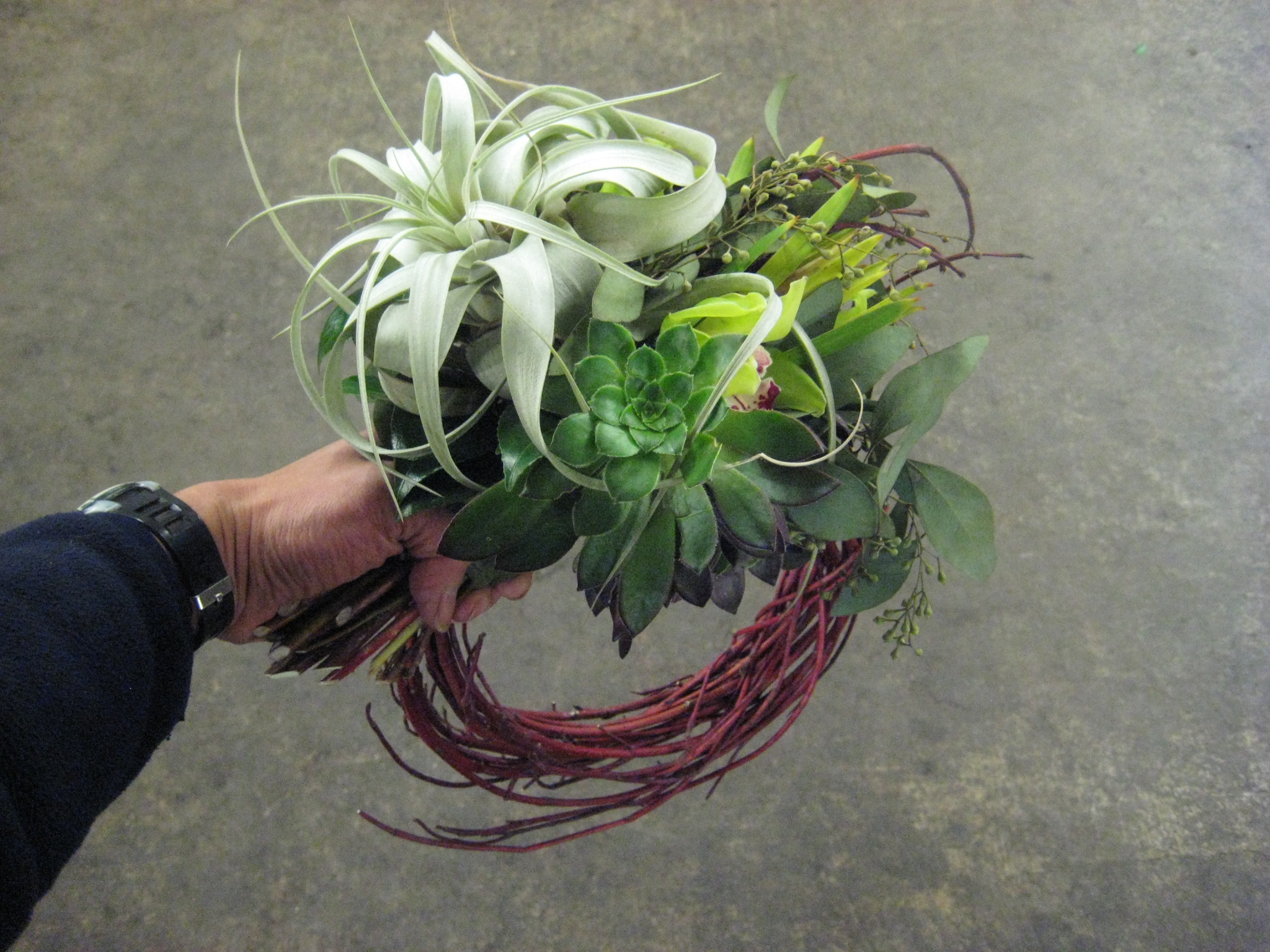
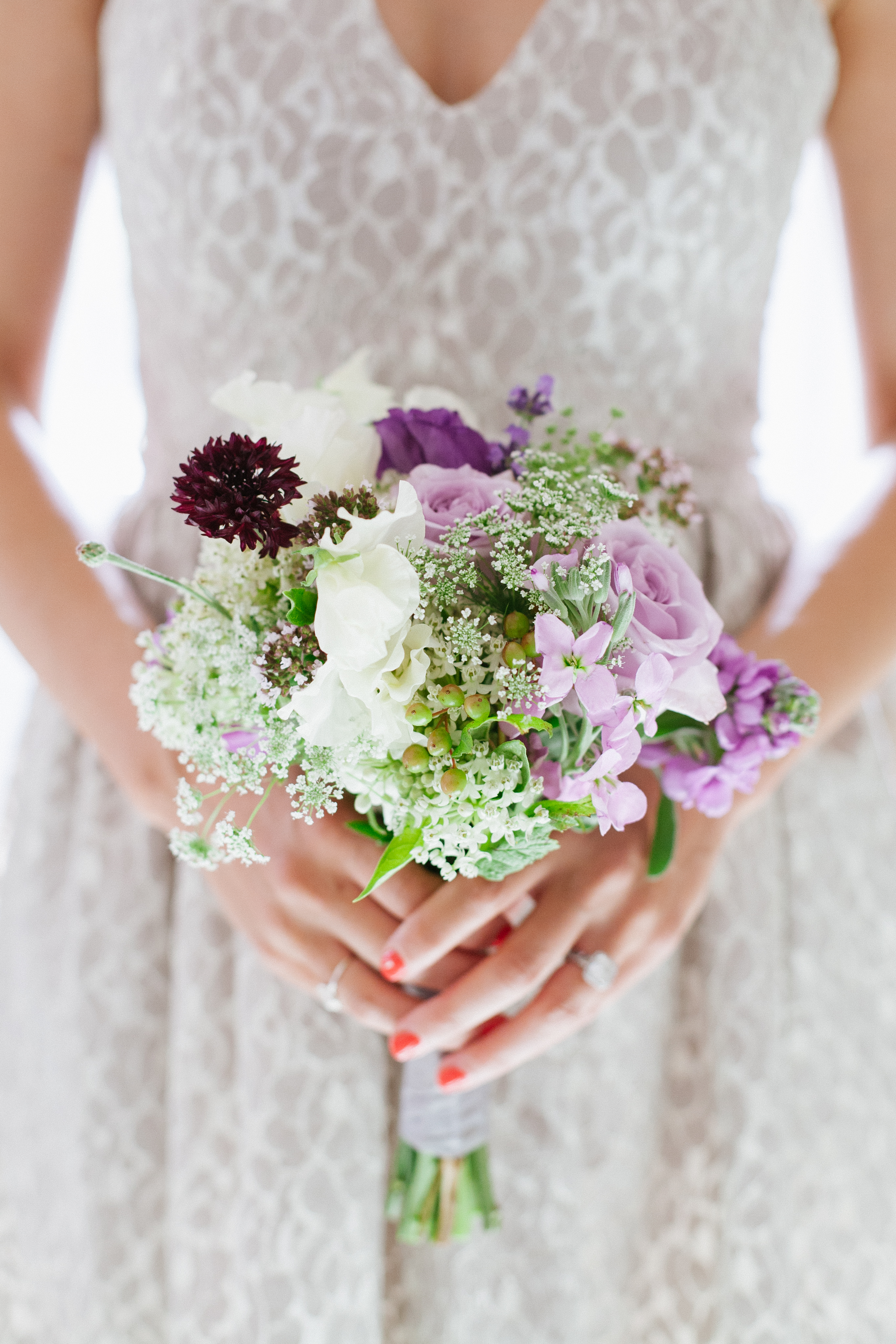
JeansBouquet_6969

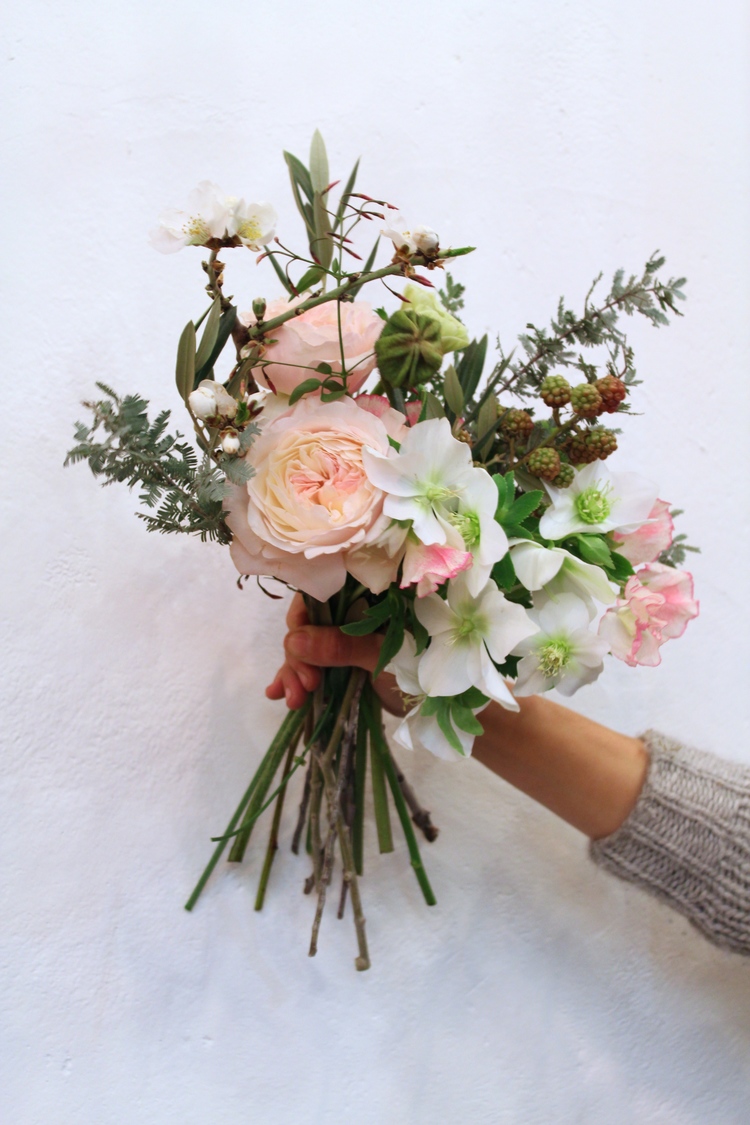
Wedding bouquets: the ultimate design challenge

Today’s episode was recorded on October 20th at the Association of Specialty Cut Flower Growers conference held in Wilmington, Delaware – and it is our fourth featured segment from that event.

“Wild World of Weddings” is a panel showcasing four voices that may be quite familiar to listeners of this podcast.

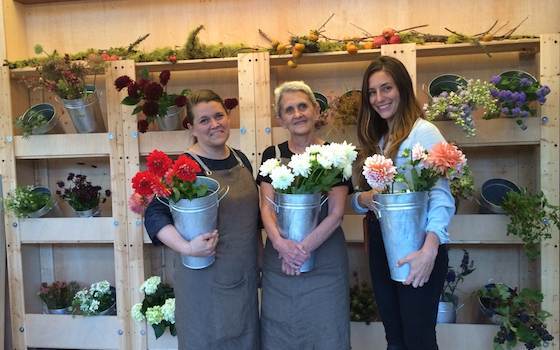
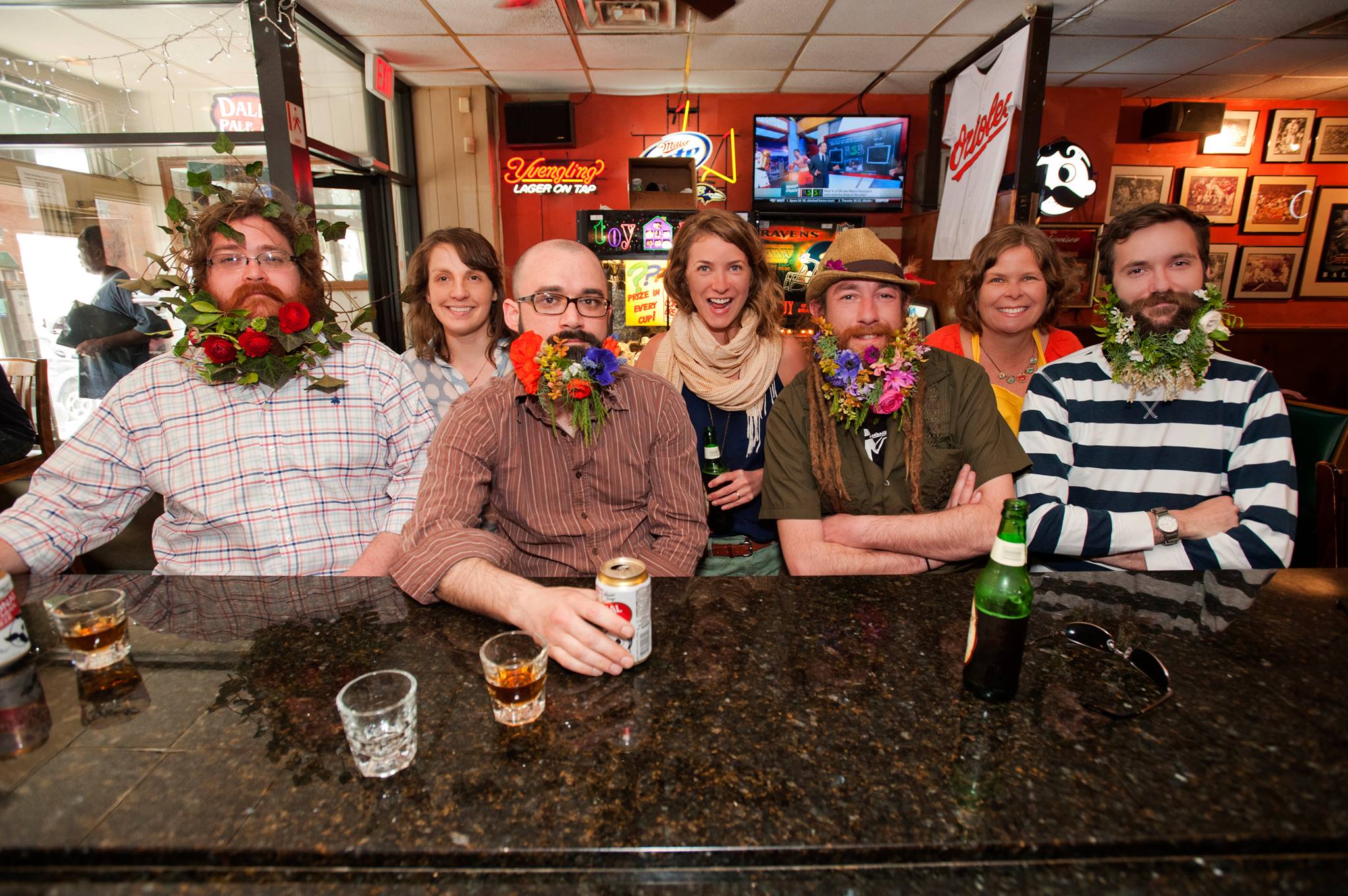
You’ll hear Jennie Love, of Love ‘n Fresh Flowers, based in Philadelphia; Sarah Ryhanen of Brooklyn-based Saipua; Ellen Frost of Local Color Flowers in Baltimore and Sullivan Owen, owner of Sullivan Owen Floral & Event Design, also based in Philadelphia.

This free-ranging panel was left unstructured so that audience members could ask ANYTHING they wanted to know about growing, designing and selling local flowers to the bridal and wedding marketplace.

The panel wasn’t moderated per se, but you will first hear Jennie Love, who co-chaired the entire conference with Becky Devlin.

Remember, like all of our episodes from ASCFG, this one exceeds one hour in length. So I’ll keep my intro short and get right to the juicy material.

There’s amazing intel to learn from these four women — and you’ll hear a range of topics — from marketing your design business to navigating consultations to pricing and contracts.

Flower farmers and floral designers – and farmer-florists – will learn volumes from this panel.

Let’s get started with Jennie Love. After Jennie’s first remarks, I’ll interject to introduce each new voice who joins the conversation. You’ll begin to get used to the unique voices and points of view of each panel member as the segment continues.

Thanks for joining me and if you’re interested in learning more about any of these four talented designers, check out debraprinzing.com to find links to their social sites.

For the rest of December, my Slow Flowers Podcast episodes are very special and I’m thrilled to share two new voices with you.

On Dec. 17th, you’ll meet Molly Oliver Culver of Molly Oliver Flowers, a farmer-florist who’s growing her botanical ingredients right in the heart of Brooklyn!

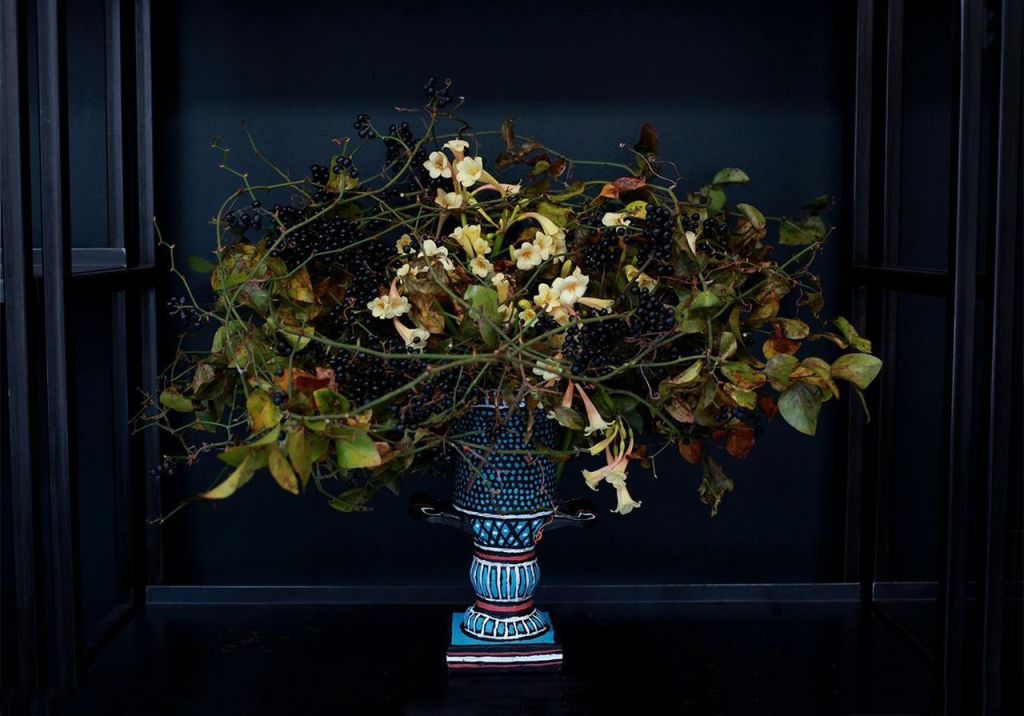
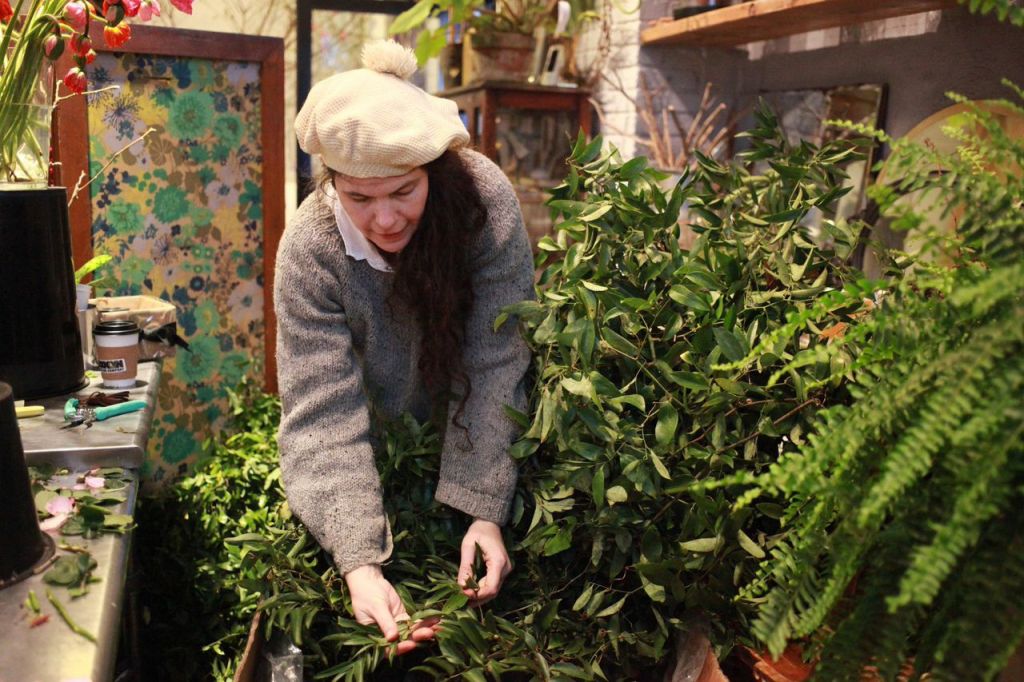
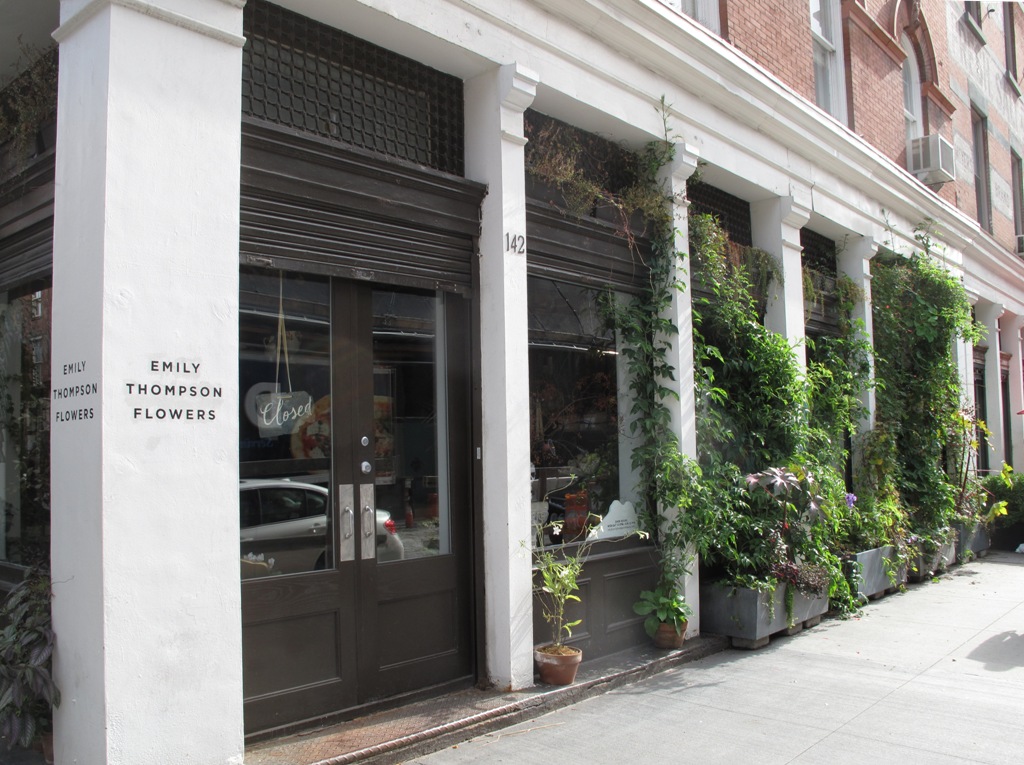
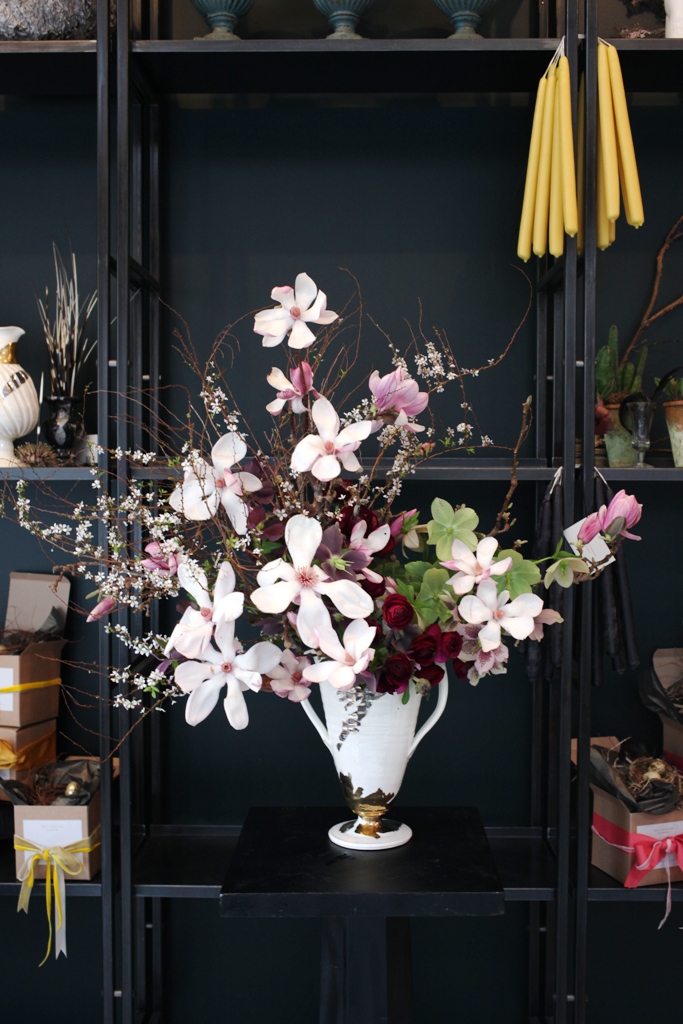
And then on Dec. 24th, I’m very pleased to welcome Emily Thompson, owner of Emily Thompson Flowers, another New York star, a floral designer whose wild, rustic style is at the same time thoroughly elegant and timeless.

I recorded both interviews in person while spending a few days in NYC after attending the Cut Flower Growers Association conference and I’ve been eagerly waiting to broadcast them.

To wrap up the year, on December 31st, we’ll be looking to the future. I’ll host an episode that includes my 2015 forecast for the floral industry. Yes, I have a crystal ball and I’m going to gaze into it and share my insights with you.

peony_party_insert_print-page-002

If you’re hoping for something special to show up in your stocking or under the tree this year, be sure to send the gifters in your life to Peonyparty.com to buy you a space at the design table next July when Slow Flowers and the Field to Vase blog produce Peony Party.

You’ll join Christina Stembel and me over four fabulous peony-filled days focusing on the cultivation and design of Alaska Peonies.

Find all the details at Peonyparty.com. There are only 20 spaces so grab your spot soon!

My personal goal is to put more American grown flowers on the table, one vase at a time. I promise that when you tune in next week, you’ll hear another insightful and educational episode of the Slow Flowers Podcast.

Listeners like you have downloaded the Slow Flowers Podcast more than 27,000 times. If you like what you hear, please consider logging onto Itunes and posting a listener review.

The Slow Flowers Podcast is engineered and edited by Andrew Wheatley and Hannah Holtgeerts. Learn more about their work at hhcreates.net.


Lavender News from the Northwest Regional Lavender Conference (Episode 170)

Wednesday, December 3rd, 2014

Lavender-web-small-150x150Today’s episode was recorded in late October at the Northwest Regional Lavender Conference outside Portland, Oregon.

Susan and Jack Harrington of Labyrinth Hill Lavender, the conference producers, invited me as the luncheon speaker to talk about – what else – the American grown cut flower industry!

My talk was titled “From ‘Buy Local’ to ‘American Grown’ – How you can Join the Slow Flowers Movement.” I thoroughly enjoyed spending time with more than 200 lavender growers from around the country; in fact, the sold-out conference attracted participants from at least 22 states and several Canadian provinces, according to Susan’s tally.

One might ask: What does Lavender have to do with the Cut Flower Industry?

A gorgeous scene from Sarah Richards's Lavender Wind Farm on Whidbey Island in Washington State.

A gorgeous scene from Sarah Richards’s Lavender Wind Farm on Whidbey Island in Washington State.

Well, that’s what I was there to explore, along with my two guests today. By the end of today’s episode — All about Lavender – I believe you’ll conclude, as I have, that there is huge potential for integrating American Grown Lavender into the American Grown Cut Flower Community.

The flower- and lavender-growing communities are closely aligned in so many ways: In both worlds, you’ll meet family-owned farms, people who desire to make a living from their land, people who use sustainable practices, people who want to preserve farmland, people who create livelihoods for others in their community and people who believe in creativity and hard work.

NE_field_notecard

Mike Neustrom of Prarie Lavender Farm in Kansas.

Mike Neustrom of Prarie Lavender Farm in Kansas.

Mike Neustrom owns Prairie Lavender in Bennington, Kansas, and is a founding board member of the U.S. Lavender Growers Association.

Mike has been growing lavender since 2002.

His 4,000+ plants reside on two acres at the cusp of the tallgrass and shortgrass prairies of North-central Kansas.

Not only will Mike  share his experience with the challenges of growing lavender under harsh conditions, he will enlighten us with tales of manufacturing and marketing 90 lavender products on his farm.

Sarah Richards of Lavender Wind Farm.

Sarah Richards of Lavender Wind Farm.

Sarah Richards owns Lavender Wind Farm in Coupeville, Washington on Whidbey Island, a little closer to me. She is a founding and current board member of the U.S. Lavender Growers Association board. At Lavender Wind Farm, Sarah grows 14,000 plants on six acres. After 12 years of growing lavender and welcoming visitors to her farm, she started planning for an expansion beyond her farm’s borders. In 2012, she opened a manufacturing and retail facility in a charming 1916 bungalow, attracting both locals and tourists.

“I knew that one of my crops was tourists,”

— Sarah Richards, Lavender Wind Farm

Lavender Wind Farm's glorious fields.

Lavender Wind Farm’s glorious fields.

I know you’ll enjoy our conversation and perhaps it will inspire you to explore lavender as a new crop – or to think about ways to use your farm as an “agro-tourism destination” or for new product development.

My personal goal is to put more American grown flowers on the table, one vase at a time. I promise that when you tune in next week, you’ll hear another insightful and educational episode of the Slow Flowers Podcast.

Listeners like you have downloaded the Slow Flowers Podcast more than 26,000 times. If you like what you hear, please consider logging onto Itunes and posting a listener review.

The Slow Flowers Podcast is engineered and edited by Andrew Wheatley and Hannah Holtgeerts. Learn more about their work at hhcreates.net.

ASCFG #3: Pamela Arnosky on Selling Your Flowers to Groceries (Episode 169)

Wednesday, November 26th, 2014
Veteran flower farmer and industry leader Pamela Arnosky, of Texas Specialty Cut Flowers.

Veteran flower farmer and industry leader Pamela Arnosky, of Texas Specialty Cut Flowers.

Today’s episode was recorded on October 20th at the Association of Specialty Cut Flower Growers and features veteran flower farmer Pamela Arnosky of Texas Specialty Cut Flowers in Blanco, Texas, west of Austin.

Pamela’s presentation — about selling to supermarkets — was paired with Lisa Mason Ziegler’s session on selling to florists, which you heard several weeks ago. Head’s up – like all the ASCFG sessions and panels, this is a one-hour presentation, so don’t feel badly if you have to take it in over several days.

Before we get started, here’s some great news I have been waiting weeks to share.

peony_party_insert_print-page-002

Flower child and co-producer of the Peony Party, Christina Stembel of Farmgirl Flowers. Photo (c) Victor Obeck

Flower child and co-producer of the Peony Party, Christina Stembel of Farmgirl Flowers. Photo (c) Victor Obeck

Earlier this year, my friend Christina Stembel of SF-based Farmgirl Flowers, joined me on a fabulous 4-day trip to Homer, Alaska, where I spoke and taught for the Homer Gardeners’ Weekend. You can listen to our podcast episode recorded in Homer, here.

It was my second visit to Homer during Alaska’s glorious peony season and I was thrilled to both watch Christina’s discovery of these gorgeous, incomparable American-grown flowers and to introduce her to my peony farmer friends in that community.

Like they say, “all good things happen for a reason!” Not only was Christina instantly floored by the beauty of the Kenai Peninsula, she went crazy about fields and fields of Alaskan peonies available in July (the Peony season is CA is only the month of May.)

What could be more amazing that to stand in a field of peonies with the amazing Alaska glaciers in the distance?

What could be more amazing that to stand in a field of peonies with the amazing Alaska glaciers in the distance?

To this, I just smiled, knowing only more good things would come from her discovery in Alaska.

Pretty soon, literally within minutes of visiting the farm, our creative juices started flowing. We asked ourselves: “What if we bring other peony lovers here, all the way to Alaska — to discover and participate in the magic of what we just experienced?” 

Since the sun doesn’t really set until close to midnight, we brewed and brainstormed some unforgettable late-night conversations. Together with our delightful host, Beth Van Sandt, co-owner of Scenic Place Peonies, we started envisioning a “Peony Party,” a private, custom event, limited to an intimate group of flower lovers, florists, farmers and friends to come experience the magic of Alaska grown peonies.

The Peony Party was finally made real when the members and farmers of the Alaska Peony Marketing Group extended their enthusiasm and support in August of 2014.

Today, we’re launching the new web site and invite you to check it out at PeonyParty.com.

Our fabulous event is scheduled for July 10 to 13th, 2015 and there are only 20 spaces open to students.

Unlike most of the floral design and farmer-florist intensives you’ve seen in the past year or so, we’ve packed ours with serious value-added bonuses.

Most workshops like this do not include lodging or meals. Guess what? Ours includes 3 nights’ of lodging all but one or two meals. The early-bird price is $2995, a $500 discount if you sign up before end of January.

BlackAnd here’s my wonderful little secret. If you sign up for an Alaska Airlines Visa Card ASAP, you will receive 25,000 bonus miles in your first year – that’s exactly what you need to fly round-trip from many US cities on the west coast or to cover at least a one-way ticket from many US cities on the east coast.


The unforgettable Blue Barn of Texas Specialty Cut Flowers.

The unforgettable Blue Barn of Texas Specialty Cut Flowers.

And now, on to Pamela Arnosky. With her husband Frank, Pamela farms 20 acres of cut flowers in Central Texas. The Arnoskys grow more than 70 varieties of flowers – year ’round – and sell through many grocery store accounts, as well as to florists and at their own on-farm market.

They are popular speakers at regional and national ASCFG events, thanks in large part to their expertise and humorous presentation style. They say they’ve weathered just about anything from hurricanes and tornadoes to Mothers of Brides. Previous guests of this podcast, you can hear their last interview in Episode 130.

Ready for delivery - Texas  Specialty Cut Flowers.

Ready for delivery – Texas Specialty Cut Flowers.

This is a priceless and highly practical presentation – and if you’ve ever contemplated getting into the grocery store bouquet business, there is one person you need to learn from – and that’s Pamela Arnosky. Sit at her feet and listen, learn and be inspired.

My personal goal is to put more American grown flowers on the table, one vase at a time. I promise that when you tune in next week, you’ll hear another insightful and educational episode of the Slow Flowers Podcast. Listeners like you have downloaded the Slow Flowers Podcast more than 25,000 times. If you like what you hear, please consider logging onto Itunes and posting a listener review.

The Slow Flowers Podcast is engineered and edited by Andrew Wheatley and Hannah Holtgeerts. Learn more about their work at hhcreates.net.

Lola Creative, A Floral Design Studio’s Innovative Business Model (Episode 168)

Wednesday, November 19th, 2014
Emily Ellen Anderson of Seattle's Lola Creative.

Emily Ellen Anderson of Seattle’s Lola Creative.

Today’s awesome podcast guest is Emily Ellen Anderson, a landscape architect and sculptor-turned floral and event designer.

Emily brings a fresh, remarkable, and out-of-the ordinary point of view to the work of her Seattle area-based studio, Lola Creative.

WIW_ShaneMacomber_0238

Sculptural (and eco-friendly) taxidermy by Lola Creative.

WIW_ShaneMacomber_0035

A Lola Creative Event Venue.

TheVintageBlueDesk__Alante_Photography_AP2811

Emily Ellen Anderson LOVES Sticks!

Wowzer - a beautiful, edible centerpiece by Lola Creative.

Wowzer – a beautiful, edible centerpiece by Lola Creative.

DSC_0165

A Kokedama Hanging Moss Chandelier by Lola Creative

Lola Creative
I’ve been on the road for the past two weeks. Speaking about and promoting the Slow Flowers Movement has taken me to Rhode Island, Colorado and New Mexico. In addition to racking up a lot of valuable airline points, I’m so thrilled that in each destination, I’ve connected with America’s flower farmers and the floral designers who value their unique, homegrown blooms, botanicals and foliage.

The Slow Flowers design workshop at Blithewold Mansion, Gardens & Arboretum in Bristol, Rhode Island - a fantastic burst of creativity.

The Slow Flowers design workshop at Blithewold Mansion, Gardens & Arboretum in Bristol, Rhode Island – a fantastic burst of creativity.

A huge bouquet of gratitude goes to Julie Christina, Kris Greene and Gail Read of Blithewold Mansion in Bristol, Rhode Island, for inviting me to speak at their fundraising luncheon – and to teach a hands-on floral workshop on the grounds of this illustrious American architectural treasure.

READ MORE…

ASCFG #2 Design Basics and Beyond with Jennie Love and Sullivan Owen (Episode 167)

Wednesday, November 12th, 2014
Gorgeous, local, seasonal and simply sublime: Sullivan Owen's lovely urn arrangement.

Gorgeous, local, seasonal and simply sublime: Sullivan Owen’s lovely urn arrangement.

I’ve lots to share with you, so before introducing today’s episode, let me jump right into the Flower News of the Week:

COVER.The_Wreath_Recipe_Book._HIGH_RESFirst off, the winner of our drawing for a free copy of Alethea Harampolis and Jill Rizzo’s beautiful new project, The Wreath Recipe Book, is Jen Beck, a professor, nonprofit consultant, and artist based in Austin, Texas.

Thanks to the people at Artisan Books for sending this info-packed prize her way- and thanks to everyone who took the time to comment about their favorite seasonal and local wreath ingredients.

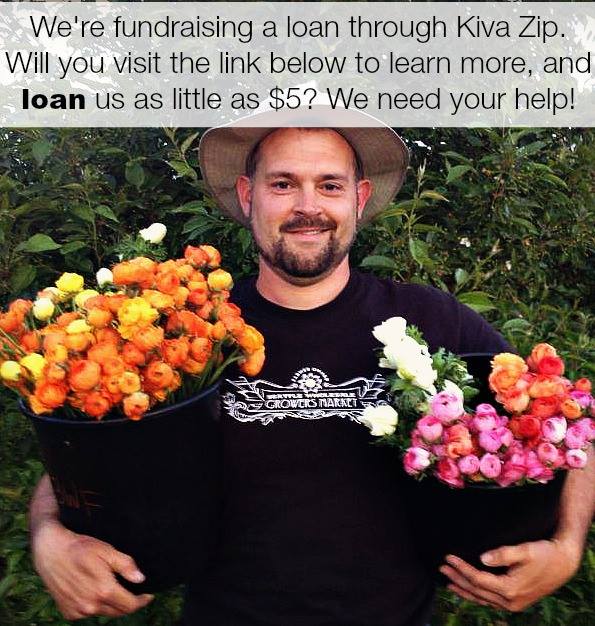
Next, I am so pleased to announce that flower farmer Sid Anna Sherwood of Annie’s Flower Farm in Sequim, Washington, reached her funding goal for an interest-free loan via an innovative nonprofit program called Kiva. When I posted a bonus interview with her on October 29th, Sid Anna she still needed to raise close to three-quarters of her goal.

Thanks to listeners of the Slow Flowers Podcast and to the amazing way that news spreads on Facebook, that huge amount of money – more than $7,000 of crowd-lending, was raised in 9 days! Every penny will be paid back over the course of three years and Sid Anna’s customers will continue to benefit from her lovely local flowers, grown on a new piece of leased farmland on Washington’s Olympic Peninsula.

I also want to give my personal congrats to two previous guests of the Slow Flowers Podcast. First, to Erin Benzakein, owner of floret flowers, for being one of the winners of Martha Stewart’s American Made Awards, given to her in person by Martha this week in NYC. Bringing local and domestic flowers to the consciousness of Martha’s followers is super important. I hope this award inspires everyone to think about the origins of their flowers and the people who grow and design with them.

Next, a huge shout-out to Farmgirl Flowers and creator Christina Stembel for reaching their 4th anniversary this week. Stay strong and flourish, my friend!

S-L-O-W   F-L-O-W-E-R-S in pink and white dahlias

S-L-O-W F-L-O-W-E-R-S in pink and white dahlias

Earlier this week, I received a wonderful email from Slowflowers.com members Kay Studer and Susan Studer King of Buckeye Blooms in Elida, Ohio. We recently met in person at the ASCFG Conference and they thoughtfully followed up to tell me about a recent effort to reach out to potential bridal customers. After their consultation, Susan and Kay sent her a note like this one:

We hope you have had a great fall so far and that plans for your wedding are proceeding smoothly!

We just wanted to follow up with you to confirm if you would like to contract our flowers and design services for your wedding. We are planning our spring flower crop now and are actually able to custom-grow flowers exclusively for you! As both a flower farm and a floral design studio, Buckeye Blooms is able to provide the very freshest, sustainably-grown flowers possible for your special day. We offer numerous varieties of flowers not available to traditional florists, which means your bouquet will be unlike any other!

Whether you decide to go with Buckeye Blooms or not, we do hope you will consider requesting seasonal, locally-grown or at least domestically-grown flowers for your bouquets. Incredibly, over 80% of flowers used by traditional florists are imported–primarily from Ecuador and Colombia where environmental and human health regulations are lax (I–Susan– used to live in Ecuador and can tell you stories of what I saw….).

Seasonal, locally-grown flowers arrive to you fresher and more fragrant, plus you help to support local farmers and the local economy. You can learn more about the local flower movement at fieldtovase.com and slowflowers.com.

We have found that brides love telling their guests that their flowers were grown in Ohio and came a field not far away– and that they know the farmer that grew them. This can really add a special, personal touch to your wedding day.

Educating consumers about their choices in flowers is something we are passionate about, so whatever you decide we do hope you will consider locally-grown flowers!

This is worth a hip, hip, hooray – Buckeye Blooms, I love your efforts at outreach and education. I know that it will inspire other flower farmers to convey similar messages to their existing and potential clients. Many thanks for your leadership in the Slow Flowers Movement!

Jennie Love of Love 'N Fresh Flowers

Jennie Love of Love ‘N Fresh Flowers

Today’s guests are none other than Jennie Love of Love ‘n Fresh Flowers in Philadelphia, and her friend, fellow designer and frequent flower customer Sullivan Owen of Sullivan Owen Floral & Event Design, also of Philadelphia.

The two shared the stage at ASCFG last month in a packed ballroom where they designed with gorgeous local flowers and discussed their craft in a talk called “Design Basics.”

Even though this interview is audio-only, I believe what you’ll hear will stimulate you to think about floral design and seasonal and locally-grown flowers in a new way.

Sullivan and Jennie have a lot to share and even their casual asides are packed with juicy information that will help you in your own floral business, be it growing, designing – or both!

Here’s a little more about them both:

Huge audience! ASCFG's "Floral Basics" with Jennie and Sullivan drew a crowd.

Huge audience! ASCFG’s “Floral Basics” with Jennie and Sullivan drew a crowd.

Owner and creative director at Love ‘N Fresh Flowers, Jennie Love is a trained professional horticulturist and an experienced, life-long farmer.

Jennie has led numerous workshops over the past five years, including the sold-out Seasonal Bouquet Project LIVE series and classes for Longwood Gardens’ Floral Design Certificate program.

Sullivan Owen at the ASCFG floral basics workshop.

Sullivan Owen at the ASCFG floral basics workshop.

She has also presented to many garden clubs and other groups throughout the Mid-Atlantic area.

A charismatic and passionate flower farmer, Jennie found her natural niche as a ‘farmer florist’ for wedding and event design, becoming a recognized leader of the local flower movement.

She was recently featured in the New York Times for her farm-to-centerpiece efforts. Her distinctively lush and textural floral designs have been used in hundreds of weddings as well as for numerous photo shoots, magazines, style blogs and books. Jennie is a board member for ASCFG and write a regular column for The Cut Flower Quarterly.

Sullivan Owen is the owner and creative director of Sullivan Owen Floral & Event, her eponymous floral design studio, located in Philadelphia, Pennsylvania.

She is sought after for her lush and fashion-forward style, and is a trendsetter whose work is regularly featured in wedding publications, and most recently in Martha Stewart Weddings. Her business acumen and background in marketing and branding have made her just as passionate about running an excellent business as she is about creating gorgeous designs. She loves working with the best flowers available and loves to get to know the growers behind the amazing products they cultivate.

Jennie's hand-tied bouquet features All American flowers from her farm and others'.

Jennie’s hand-tied bouquet features All American flowers from her farm and others’.

If you haven’t started following Jennie or Sullivan on their various social platforms, you can follow them at these links:

Jennie on Pinterest

Jennie on Facebook

Jennie on Instagram

Sullivan on Facebook

Sullivan on Twitter

Sullivan on Instagram


Next week’s guest is event designer Emily Ellen Anderson of Lola Creative in Seattle. Then, you’ll hear another presentation recorded at the ASCFG Conference. . . so I promise lots of good stuff in the coming weeks.

On another note, a few weeks ago I dedicated an episode to a little girl named Shylah who faced many challenging health issues. Blessedly, your prayers, thoughts, meditations and good wishes have been felt. She’s out of the hospital and back at home. And while there are months and months of treatment ahead, everyone around Shylah feels optimistic about her recovery. Among others, this floral tribe has gathered around her and I thank you for sharing in my best wishes for this little one’s swift road to good health.

Listeners like you have downloaded the Slow Flowers Podcast more than 25,000 times. If you like what you hear, please consider logging onto Itunes and posting a listener review.

My personal goal is to put more American grown flowers on the table, one vase at a time. I promise that when you tune in next week, you’ll hear another insightful and educational episode of the Slow Flowers Podcast.

The Slow Flowers Podcast is engineered and edited by Andrew Wheatley and Hannah Holtgeerts. Learn more about their work at hhcreates.net.


SLOW FLOWERS Podcast: Studio Choo’s Jill Rizzo and Alethea Harampolis on The Wreath Recipe Book (Episode 166)

Wednesday, November 5th, 2014
Jill Rizzo (left) and Alethea Harampolis (right).

Jill Rizzo (left) and Alethea Harampolis (right).

I’m so pleased to welcome Slow Flowers Members Jill Rizzo and Alethea Harampolis. Floral designers and founders of SF-based Studio Choo, they have a carefree, nature-inspired design philosophy that touches everything they create.

As a floral design shop, studio and boutique, Studio Choo focuses as much as possible on locally-sourced flowers and plants, styled with a nod to the wild and untamed.

You have a chance to win a free copy of their newest project, The Wreath Recipe Book, courtesy of publisher Artisan. To enter, please post a comment below about YOUR FAVORITE wreath ingredient from nature, the woodland, the garden or flower fields.

You must post a comment in order to enter a drawing to win a free copy of this lovely new book. The drawing will take place at 5 p.m. Pacific Time on Saturday, November 8th and I’ll announce the winner on the Nov. 12th episode of The Slow Flowers Podcast.

COVER.The_Wreath_Recipe_Book._HIGH_RES

Alethea and Jill originally met and worked together at an esteemed flower shop in San Francisco. Their shared passion led them to found Studio Choo in 2009.

After many weddings, deliveries and penning their first book, The Flower Recipe Book, Studio Choo expanded into a new studio space in South San Francisco last year. The Flower Recipe Book took them across the nation, teaching design classes in massive markets, quaint shops and beautiful farms. When they returned home, they worked tirelessly to turn their studio into a unique expanse devoted to design classes, an apothecary, a workspace for weddings and events, a well-curated shop and a place to honor the love of flowers that started it all.

Late winter-early spring: A camellia branch with a swag made of 65 little hyacinth blooms.

Late winter-early spring: A camellia branch with a swag made of 65 little hyacinth blooms.

I’ve gotten to know Jill and Alethea over the past few years, reviewing The Flower Recipe Book for Sunset magazine, hosting their book-signing presentation for florists at the Seattle Wholesale Growers Market, and inviting them to the stage when I produced the floral design workshops at the SF Flower & Garden Show last March. But due to the fact that we live and work in different cities, I simply had not been able to record a Studio Choo interview.

Welcome to the Studio Choo shop.

Welcome to the Studio Choo shop.

Last month, I took a last minute trip to SF and while there, I invited myself to visit the new Studio Choo space. *Thanks Christina Stembel of Farmgirl Flowers for the lift – I’m so glad you got to stop by, too.

Even though it was a Friday and flowers for a few weddings were in production, Jill and Alethea were so sweet to take a half an hour and talk about their latest project — JUST OUT — “The Wreath Recipe Book: Year-Round Wreaths, Swags, and Other Decorations to Make with Seasonal Branches”

A wistful spring wreath uses flowering dogwood branches, sheet moss and earthy mushrooms.

A wistful spring wreath uses flowering dogwood branches, sheet moss and earthy mushrooms.

Using the same recipe-like approach to seasonal branches that they presented with cut flower arrangements in the Flower Recipe Book, this time Jill and Alethea employ the same clear format in explaining how to make wreaths, table settings, napkin rings, package toppers, wall hangings, and other branch-based decorations.

A gorgeous garland with cotoneaster branches, pomegranates, purple sage and strawflowers.

A gorgeous garland with cotoneaster branches, pomegranates, purple sage and strawflowers.

Divided into Spring, Summer, Autumn, and Winter, and based on when the main plant “ingredients” are available. Ingredient lists and step-by-step photographs give readers a starting point for trying these recipes and adapting each to one’s own aesthetic and style.

Here's that amazing Tahoe wreath Alethea just made, using foraged material from her recent vacation.

Here’s that amazing Tahoe wreath Alethea just made, using foraged material from her recent vacation.

I know you’ll enjoy our conversation about Studio Choo, and how Jill and Alethea blend their unique point of view as designers with a dynamic business model that takes them in some very unexpected places. Alethea has just launched her own scent collection called Snake Face and together the two are cooking up workshops and other creative endeavors for the year to come.

Bittersweet wreath with fall chrysanthemums, marigolds and safflowers.

Bittersweet wreath with fall chrysanthemums, marigolds and safflowers.

And here’s some background on this dynamic duo:

Studio Choo BFFs.

Studio Choo BFFs.

Alethea spent her time before Studio Choo as an estate gardener in Seattle where she managed the wet and wild rolling hills of the city’s rich and famous. After working in other boutique flower shops perfecting her art, she returned to her native Bay Area to settle back in.

Jill grew up with her mother, aunt, and uncle all running their own flower shops, so it now seems only natural that she would do the same. After spending her childhood in Rhode Island learning the difference between roses and ranunculus, she graduated with a degree in illustration from Parsons School of Design and moved to San Francisco to try life out west.

Studio Choo started with a sneeze. Jill’s tiny sneeze, to be exact. It was so small Alethea remarked upon this tiny sneeze and thus “Choo” became a shared nickname between the two. They remained friends when Alethea left the Bay Area, and they dreamed of starting a business together one day. Upon Alethea’s return a few years later (early 2009), they finally took the plunge to open their floral studio and the eponymous Studio Choo was born.

Studio Choo's Friday deliveries, ready to go.

Studio Choo’s Friday deliveries, ready to go.

Jill and Alethea encourage their readers and customers alike to bring the outdoors into our homes and celebrate the special qualities of each season.To find inspiration in plants that are in season wherever you to live — I wholeheartedly endorse this philosophy because it’s at the heart of what the Slow Flowers Movement is all about.

Listeners like you have downloaded the Slow Flowers Podcast nearly 25,000 times. If you like what you hear, please consider logging onto Itunes and posting a listener review.

My personal goal is to put more American grown flowers on the table, one vase at a time. I promise that when you tune in next week, you’ll hear another insightful and educational episode of the Slow Flowers Podcast.

The Slow Flowers Podcast is engineered and edited by Andrew Wheatley and Hannah Holtgeerts. Learn more about their work at hhcreates.net.

SLOW FLOWERS Podcast: Bonus Interview with Sid Anna Sherwood of Annie’s Flower Farm

Wednesday, October 29th, 2014
Sid Anna Sherwood of Annie's Flower Farm in Sequim, Washington

Sid Anna Sherwood of Annie’s Flower Farm in Sequim, Washington

I wanted to quickly post this audio interview with Sid Anna Sherwood, of Annie’s Flower Farm in Sequim, Washington.

Why?

Because she’s in the middle of an innovative crowd-sourcing campaign to save thousands of perennial plants and purchase the equipment and infrastructure that she’s been leasing from a now-closed flower farm in her area.

This isn’t a “crowd-funding” campaign, but a “crowd-lending” campaign. Money that you “lend” will be paid back!

I can’t think of a better way to invest in domestic, local, organic and seasonal cut flowers! Here’s her post about “Moving Annie’s Flower Farm.”

Sid Anna sent me this email earlier in the week to share more about her efforts:

“I have followed your work and books since I took over an established flower farm her in Sequim, Washington, two years ago. They have all been very helpful to me.

I took over the established one acre flower farm (at The Cutting Garden in Sequim) when the Mixes wanted to close it. I leased it from them.

Now they are turning it back to pasture but they are selling the hoop house, greenhouse, irrigation and perennials to me. I am moving everything four miles further west to more leased farmland.

A beautiful, local and seasonal bridal bouquet grown and designed by Sid Anna Sherwood of Annie's Flower Farm.

A beautiful, local and seasonal bridal bouquet grown and designed by Sid Anna Sherwood of Annie’s Flower Farm.

To raise the money to do this I am micro financing a crowd-lended loan through Kiva.Net.org. Kiva is a nonprofit that supports entrepreneurs with zero interest loans.

I was endorsed for the loan by The Greenhorns, an outfit in upstate NY that supports new farmers.

I currently have 110 “lenders” and I have raised about $3000 with $7000 to go.

I need a lot more lenders and only have fifteen days to finish funding the loan. (Like Kickstarter, it has to be completely funded–unlike Kickstarter, it is a loan so it gets paid back).

I found out about this loan opportunity through the Washington Agricultural Extension local newsletter.

My invitation link is here.

It has all of the information about the loan and what it is for.

I sell to florists, have a CSA, do floral design for weddings, DIY weddings, sell bouquets at grocery stores, dothe floral arrangements for a local restaurant that promotes locally grown food, sell seeds, participate in the Clallam County Farm Tour and have a u-pick/u-cut which is on the honor system. My wedding business is growing and this summer I had twenty-two weddings.

I am an organic gardener. Last September my flower farm was mentioned in Sunset Magazine.

Can you think of any ways I could get more people involved in my Kiva Loan?

I was hoping you might post something to let more people who are interested in the local flower movement know about the support I need.”

Thanks so much,

All the best,

Sid Anna Sherwood
Annie’s Flower Farm
Sequim, WA 98382
360 809 3959

PLEASE help if you are able! A $5 loan up to a $500 loan will help Sid Anna as she continues to grow flowers for her community!

As of today, she’s 33 percent to her goal, but there are only 8 days left to raise about $6,500. Check it out and join the effort if you can help a flower farmer!

SLOW FLOWERS Podcast: ASCFG #1 Getting Florists Onboard with Lisa Mason Ziegler (Episode 165)

Wednesday, October 29th, 2014
The Association of Specialty Cut Flower Growers 2015 conference theme: "Growing GROWERS"

The Association of Specialty Cut Flower Growers 2015 conference theme: “Growing GROWERS”

Last week, more than 300 American and Canadian flower farmers and floral designers gathered at the Association of Specialty Cut Flower Growers national conference in Wilmington, Delaware. “Growing GROWERS” was a fabulous event and a privilege to attend.

Slow Flowers (that would be me) attended as a media sponsor. In the coming weeks, you will hear several episodes from expert panels and presentations recorded during the conference. I know you’ll be inspired and informed to hear them — it will be almost as good as having been there!

I want to congratulate the ASCFG conference committee and program co-chairs, Jennie Love of Love ‘N Fresh Flowers and Becky Devlin of Roots Flowers and Designs, who developed an extensive lineup of workshops and speakers – making this the best ASCFG Conference ever! 

Kudos also goes to ASCFG staff Judy Lauschman and Linda Twining, as well as committee members Lynn Rapp of Cultivating Joy and Marsha Swezey of Suburban Blooms for all your efforts to make the event a huge success.

The Gardener's Workshop Cut Flower Farm: Lisa Ziegler and her family and crew.

The Gardener’s Workshop Cut Flower Farm: Lisa Ziegler (front left) and her family and crew.

Gardeners_Workshop_LogoIt was only a few weeks ago that I hosted flower farmer Lisa Mason Ziegler of The Gardener’s Workshop Cut Flower Farm to talk about her new book Cool Flowers.

But today you’ll have a chance to hear her excellent presentation: “Getting Florists Onboard and Keeping Their Business.” Lisa is nothing but 100 percent forthcoming about how she developed close ties with florists in the Newport News, Virginia, marketplace. Perhaps her story and business insights will prompt you to adopt some of her savvy marketing and sales practices.

Here is the outline for her presentation:

Getting Florist Onboard and Keeping their Business! 

The beautiful bounty, just picked, local and fresh - from The Gardener's Workshop Cut Flower Farm.

The beautiful bounty, just picked, local and fresh – from The Gardener’s Workshop Cut Flower Farm.

  1. Break the image of farmers gone by! Be professional from the get go.
    1. Consistence pays.
    2. Drop-off generous samples and a business information packet.
    3. Packet contents: your contact information, website, what you plan to grow, how they order, delivery schedule, how they will pay you.
    4. Follow-up, again and again.
    5. Words about social media—keep it all professional.

      Babs, the farm dog, is Lisa's secret weapon on social media.

      Babs, the farm dog, is Lisa’s secret weapon on her farm’s social media pages.

  2. Grow for standing orders.
    1. What is a standing order?
    2. Build trust with consistence high quality supplies of staple flowers.
    3. Make your flowers their staple flowers, example: zinnias in place of gerberas for summer.
    4. Sunflowers each week will not only float a bouquet business but your florist will love them.
    5. Then one day it will happen—you realize that your flowers are filling their daily orders.

      When florists see and smell these tuberoses -- they want a standing order during harvest time.

      When florists see and smell these tuberoses — they want a standing order during harvest time.

  3. Sell on the phone once customers established.
    1. Email / fax list and follow-up with a call
    2. This allows the customer to see exactly what you have, how many bunches and the price.
    3. Early morning contact works well for busy shops.
    4. I send lists one at a time: first customer sees all, then after their order, I update list, and send to next customer until all sold—about 2 hours of phone work.
    5. This allows us to pack the truck in the order of deliveries for speedier deliveries.
    6. Swap plastic flower boxes for the easiest deliveries. Pick up empty boxes on each deliver for the next week. This also allows us to wash their grimy boxes and fill with conditioned water (#2 holding tea bags.)
      Gorgeous rudbeckia = sales at the flower shop.

      Gorgeous rudbeckia = sales at the flower shop.

      Quantity and Quality is expressed in these snapdragons!

      Quantity and Quality is expressed in these snapdragons!

  4. Getting paid
    1. In your initial drop-off business information you should make it clear about payment.
    2. C.O.D. always for the first year.
    3. Then consider 30 day terms if they ask for those customers buying weekly with increasing orders.
    4. Attend to late payments immediately—its business not personal—don’t avoid it.
    5. If you take credit cards remember you are paying a fee—some folks have a cc handling fee which is complete fair.
      Stocked for deliveries.

      Stocked for weekly deliveries.

      The Gardener's Workshop Supermarket Bunches.

      The Gardener’s Workshop Supermarket Bunches.

      Premium flowers: Hellebores that florists gobble up!

      Premium flowers: Hellebores that florists gobble up!

  5. Grow your business
    1. Invite your commercial customers over once a year in season. Have a little food and listen. I normally learn about some flower or shrub or a stage of growth of something here on the farm that I have undervalued. You will learn something and they will appreciate you!
    2. Other customers: cruise lines, resorts, government agencies, event planners, garden share program, subscription drop-offs. Think outside the box.

HERE’S THE AWESOME VIDEO LISA REFERS TO: The Bed Layer attachment 

I hope you gained as much value from Lisa’s incredibly detailed presentation as I did. And be sure to follow her adventures by liking  the Cool Flowers Facebook page.

Listeners like you have downloaded the Slow Flowers Podcast nearly 25,000 times. If you like what you hear, please consider logging onto Itunes and posting a listener review.

My personal goal is to put more American grown flowers on the table, one vase at a time. I promise that when you tune in next week, you’ll hear another insightful and educational episode of the Slow Flowers Podcast.

The Slow Flowers Podcast is engineered and edited by Andrew Wheatley and Hannah Holtgeerts. Learn more about their work at hhcreates.net.

All photos provided, courtesy (c) The Gardener’s Workshop/Lisa Mason Ziegler

SLOW FLOWERS Podcast: Nature as inspiration for your floral designs with Nancy Ross Hugo (Episode 164)

Saturday, October 18th, 2014
Paperwhite foliage (left) and a fatsia leaf (right) provide a study in contrasts. Design and photo by Nancy Ross Hugo.

Paperwhite foliage (left) and a fatsia leaf (right) provide a study in contrasts. Design and photo by Nancy Ross Hugo.

Before I introduce you to today’s guest, I wanted to reach into the letter bag and share some of the notes that arrived this week.

Emily Watson, a farmer-florist who owns Stems Cut Flowers in Milwaukee, Wisconsin, and a member of Slowflowers.com, writes:

“I have been listening to your podcasts and after every single one I think I should write you a thank you but neither of us has time for that! So here it is one big thank you for all of them. Some weeks I hear pieces of my own story, some weeks inspiration for where I want to go, some weeks I just feel grateful that there are people like you and Kasey Cronquist and the Field to Vase  project making good things happen. At the ASCFG conference that I went to in DC a a few years ago I remember an ice breaker session where you were supposed to tell the people at your table where you though your business would be next year. And at that time I was not even sure that my business was going to be around the following year. I was tired, emotionally, financially, and physically exhausted. After four long growing seasons I started to feel like maybe I should just cut my losses and return to the “normal” workforce. But then I saw things starting to happen on the bigger scale, people bringing awareness to the issues that mattered to me and my business, people connecting the dots for all the small businesses like mine.”

Since then my business has evolved a bit and I am on the verge of another transformation. One that I feel like I will have support for and a community which I can draw on for ideas and information. And you have been a big part of making this happen so thank you very much.”

And here’s one from Tobey Nelson, a floral, wedding & event designer who owns Vases Wild in Langley, Washington, on beautiful Whidbey Island – a wedding destination:

“I have been listening to your podcasts in an OCD fashion lately – love them!  And I really appreciate all the work you are doing for Slow Flowers and (the) American grown (movement). So great. Do you know that just this year we have had three professional flower growers sprout up on Whidbey Island? It makes me happy!”

Thank YOU, Tobey and Emily ~ your encouragement for this endeavor means a lot. It’s easier to promote American grown flowers when I have such talented farmers and florists as my partners!

ST LYNN'S WINDOWSILL ART CVRAnyone listening today knows that flowers can be a huge source of comfort, encouragement, celebration and serenity – depending on the time and place and occasion.

Today’s guest, Nancy Ross Hugo, brings the macro world of nature, landscape, the garden or the flower farm down to the micro world of the windowsill. And in doing so, she offers us a simple ritual, a moment, a meditation on the botanical beauty around us

The author of a new book called “Windowsill Art: Create One-of-a-kind Natural Arrangements to Celebrate the Season,” Nancy writes about gardening, trees, and floral design from her home in Ashland, Virginia and her family’s small farm in Howardsville, Virginia.

Her love of trees has led her to tree habitats all over the world, but her real passion is celebrating the common wildflowers, weeds, trees, and everyday plants that are often overlooked in ordinary backyards.

Naturalist, designer, artist, educator and author Nancy Hugo Ross. Photo (c) Robert Llewellyn

Naturalist, designer, artist, educator and author Nancy Hugo Ross. Photo (c) Robert Llewellyn

Nancy loves reading old natural history books, writing new ones, and exploring the creative process through flower arranging and nature journaling.

Through nature journaling and blogging about the “windowsill arrangements” she creates every day, she says she keeps her creative muscles exercised, her thoughts straight, and her eyes open to all things wild and wonderful.

Nancy has authored five books and hundreds of articles about nature and the outdoors, She is the former garden columnist for the Richmond Times-Dispatch and education manager at the Lewis Ginter Botanical Garden. She travels the country speaking on the two topics closest to her heart: observing trees carefully and celebrating the seasons through daily, simple flower arranging.

Rustic boxes filled with an immature sunflower head (left) and stacked marigold blossoms (right). Nancy writes: "Marigolds will last longer than you think out of water."

Rustic boxes filled with an immature sunflower head (left) and stacked marigold blossoms (right). Nancy writes: “Marigolds will last longer than you think out of water.”

I met Nancy through St. Lynn’s Press, our shared publisher. It seems that at the same time I was working on Slow Flowers – a book about creating a local and seasonal floral arrangement every week of the year with only what I cut from my own garden or sourced from local flower farmers, Nancy was working on Windowsill Art, engaging in a similar method of marking the seasons in nature with floral arranging.

Violas in stone cube with "gumball."

Violas in stone cube with “gumball.”

The difference is that of simplicity and spontaneity. Nancy’s practice is so “of the moment” and I greatly admire her artistry and approach. You might think a windowsill would constrain the creativity – but that’s anything but the case.

A beet displayed beside a jug of coleus. "I realized I could turn (the beet) upside down and support it on its leaf stems . . . showcasing the part of the beet I like best - its tapering root."

A beet displayed beside a jug of coleus. “I realized I could turn (the beet) upside down and support it on its leaf stems . . . showcasing the part of the beet I like best – its tapering root.”

In May 2011, Nancy began a blog on which she posted a photo of a small flower arrangement (or just a conglomeration of natural materials) every day. Assembled on the windowsill, these simple displays celebrate the seasons and chronicle Nancy’s love affair with local wildflowers, weeds, and garden flowers as well as her discovery of new and exciting ways to display them. They also demonstrate why practicing this easy art form is so valuable as a form of nature journaling and rewarding as a personal creative practice. You can see more than 800 arrangements at windowsillarranging.blogspot.com.

Sweet William, wild mustard, and Chinese temple bell (Moricandia avensis) flowers.

Sweet William, wild mustard, and Chinese temple bell (Moricandia avensis) flowers — in Nancy’s favorite bud vases.

As Nancy points out, almost everyone does it – puts a little something on the windowsill to watch it ripen, root, or just sit there looking pretty. To this gifted woman, the windowsill can serve as a stage for more intentional arranging – a personal, freewheeling kind of art. A catalyst for creativity.

The compound leaves of nandina emerge copper-colored in spring and are arranged here in a row of test tubes.

The compound leaves of nandina emerge copper-colored in spring and are arranged here in a row of test tubes.

She writes, “for me, windowsill arranging is almost a spiritual practice. Where I am looking for materials to display and placing them . . . I feel more like a poet placing words in a haiku than a floral designer placing stems in a vase. I love the limited space, the double connection to the outdoors (through the window and my materials), and the structure that repeating the same activity over and over provides.”

Gifts from the kitchen and herb garden compose a lovely still-life on Nancy's windowsill.

Gifts from the kitchen and herb garden compose a lovely still-life on Nancy’s windowsill.

As we enter the more dormant period of the year in our gardens and on our farms, I challenge you to pick up Nancy’s approach to observing nature’s gifts and seeing each pod, branch, stem or vine (or fruits and vegetables) as an artistic element. It may be a gift to give yourself this season.

Thanks for joining today’s conversation. Listeners like you have downloaded the Slow Flowers Podcast more than 23,000 times. If you like what you hear, please consider logging onto Itunes and posting a listener review.

My personal goal is to put more American grown flowers on the table, one vase at a time. I promise that when you tune in next week, you’ll hear another insightful and educational episode of the Slow Flowers Podcast.

The Slow Flowers Podcast is engineered and edited by Andrew Wheatley and Hannah Holtgeerts. Learn more about their work at hhcreates.net.

Note: Many of the supplies Nancy uses can be ordered from The Arranger’s Market: vases, clippers, bottle brushes, and other floral design equipment.

All photos in this post copyrighted to Nancy Ross Hugo, used by permission of St. Lynn’s Press.

SLOW FLOWERS Podcast: Floral Microlending with Ellen Frost of Local Color Flowers (Episode 163)

Wednesday, October 15th, 2014

This episode is dedicated to a sweet little girl named Shylah who’s dealing with some scary medical challenges. Please say a quiet prayer or send your sentiments into the universe for her healing, for her parents and brothers, and for the physicians who are caring for her.

I also want to share a special announcement:

We’ve reached our 400th member to join the Slowflowers.com online directory.

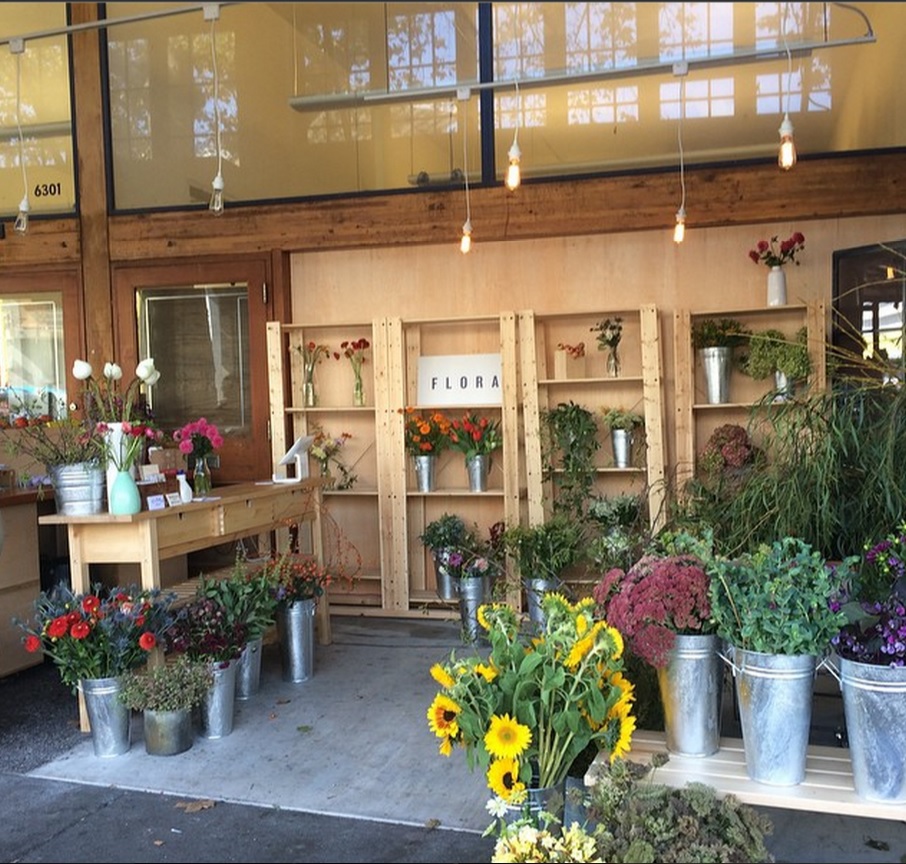
Here's a peek at The FloraCultural Society's storefront on College Ave. in Oakland - our 400th Member of Slowflowers.com.

Here’s a peek at The FloraCultural Society’s storefront on College Ave. in Oakland – our 400th Member of Slowflowers.com.

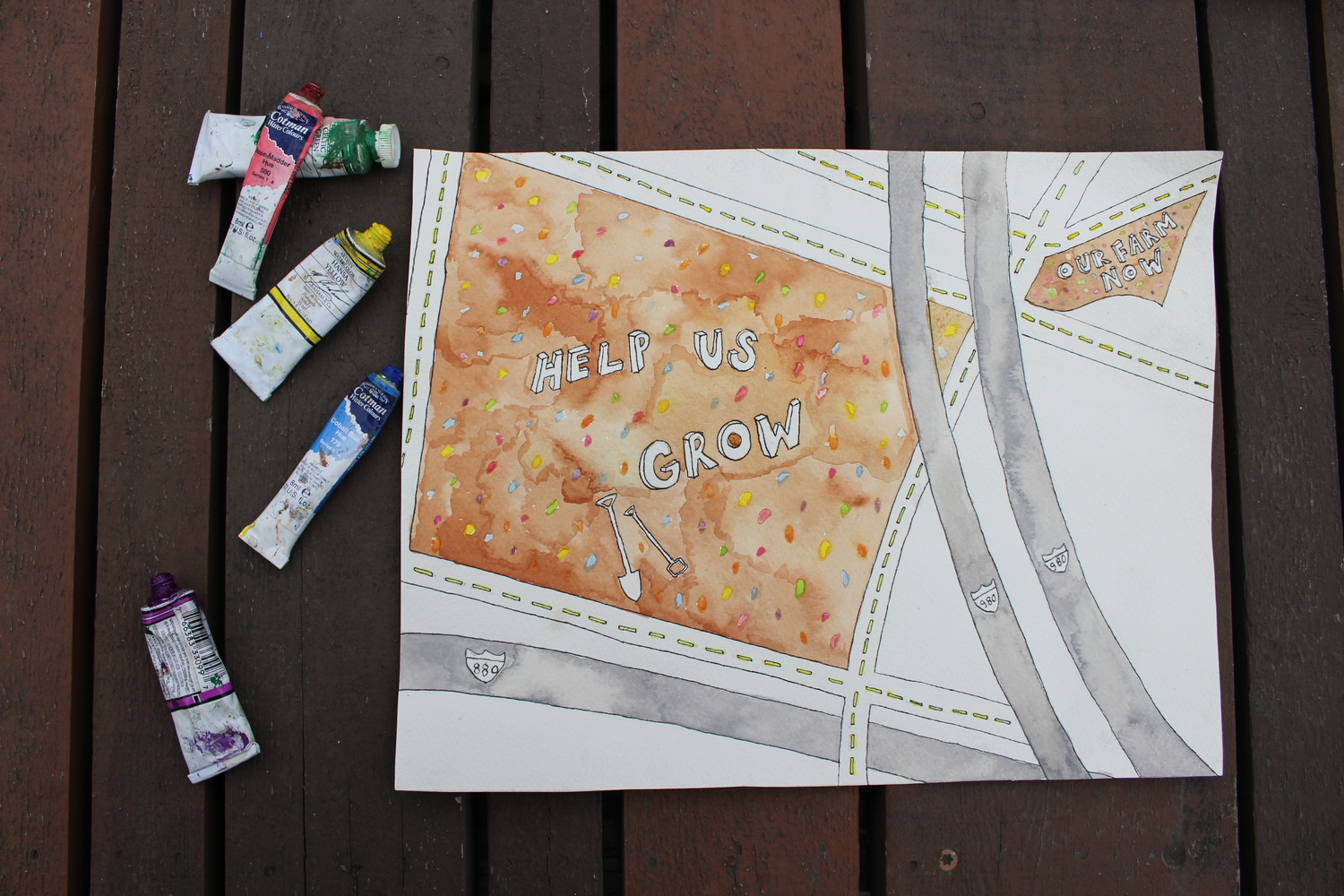
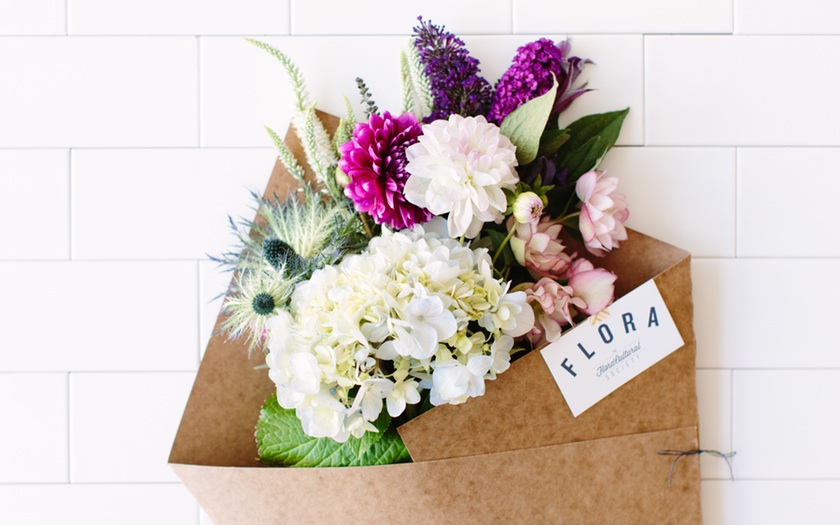
Thanks to Anna Campbell of  The FloraCultural Society in Oakland, for listing her urban flower farm, design studio and charming retail shop with our site. I was introduced to Anna by Stephanie Hughes, who I met at a Little Flower School workshop last spring – she’s now a director with The FloraCultural Society.

Expect to hear more from this creative team. I recently visited them in Oakland and have already scheduled a future Slow Flowers podcast episode about Anna’s creative business model, which will run later in the fall.

More than a year ago I hosted Baltimore-based floral designer Ellen Frost of Local Color Flowers, aka Lo-Co-Flo, as a guest of this podcast. I’ve been wanting to have Ellen back on the show due in large part to the innovative work she and her team are doing to support American flower farmers, while also promoting their mission to Local Color Flowers’ customers and the media.

Ellen and her husband Eric Moller, along with a savvy design and production team, specialize in weddings & events. They also lead hands-on workshops and classes and are vocal advocates for American grown flowers. I can’t tell you how impressed I am – continually – with all they are doing. And how often I hear from others in the Slow Flowers movement who wish to model their floral businesses on what Ellen and Eric are doing.

The Local Color Flowers design team - Ellen Frost is in the center.

The Local Color Flowers design team – Ellen Frost is in the center.

A few months back I heard from another florist friend that the duo had begun to invest in “flower futures” with some of their small grower-suppliers. The more I learned about LoCoFlo’s  micro-lending program, the more intrigued I was to hear from Ellen myself.

American Grown Floral Visionary, Ellen Frost.

American Grown Floral Visionary, Ellen Frost.

So when I had a chance to meet up with Ellen in August, at a very special field-to-vase dinner that Jennie Love hosted at Love ‘N Fresh Flower Farm in Philadelphia, I grabbed the recorder and asked Ellen for an update.

You will be inspired and her innovative thinking. If you are a florist who is in search of very special and/or hard-to-locate botanicals for your design work, this interview may prompt you to similarly invest in a flower farmer near you.

And if you’re a flower farmer, why not approach your florist-customers and invite them to brainstorm with you about what to grow for next season? Who knows? Maybe that will lead to a collaborative partnership of your own — one in which florists pre-purchase next year’s crops, giving the farmer up-front capital to buy bulbs, seeds and starts — all with the knowledge that those flowers will go for a fair price in the marketplace?
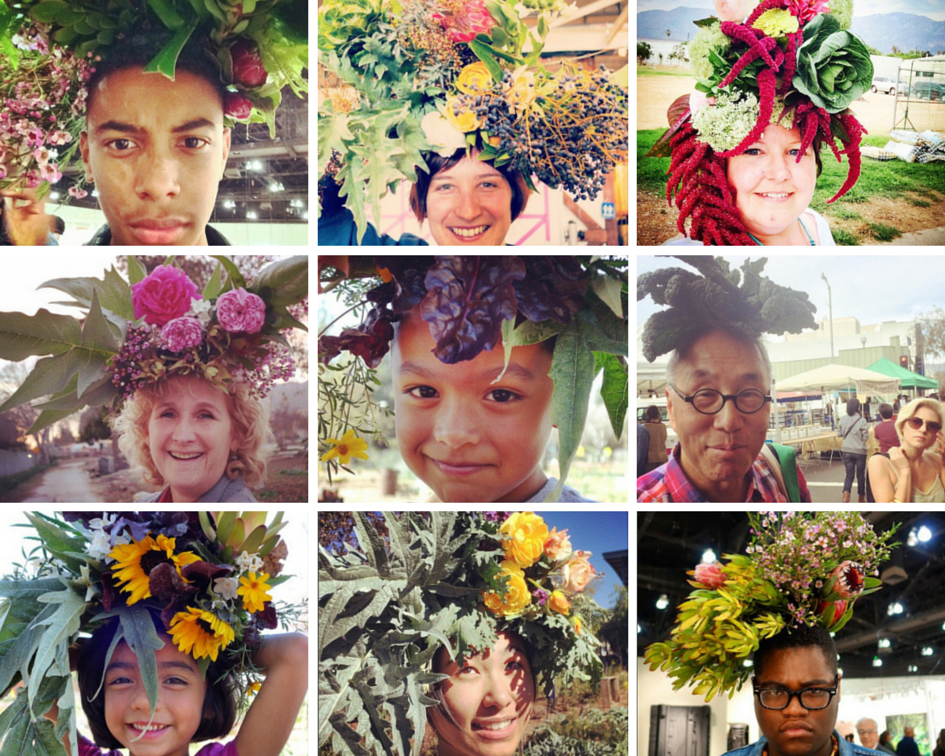
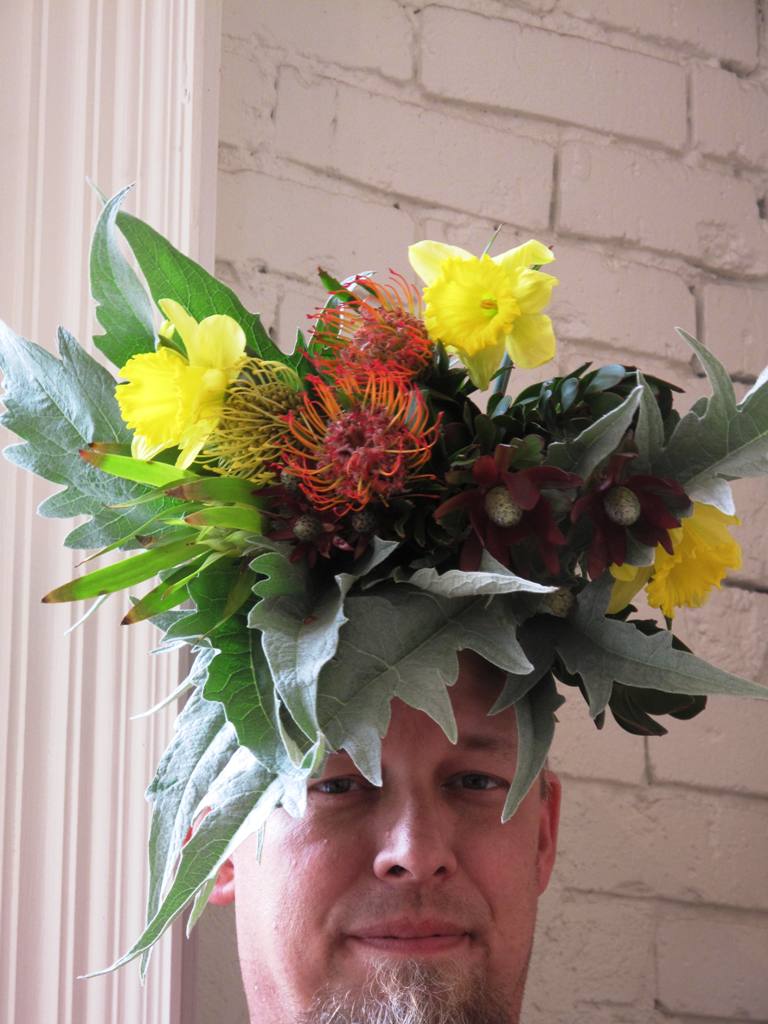
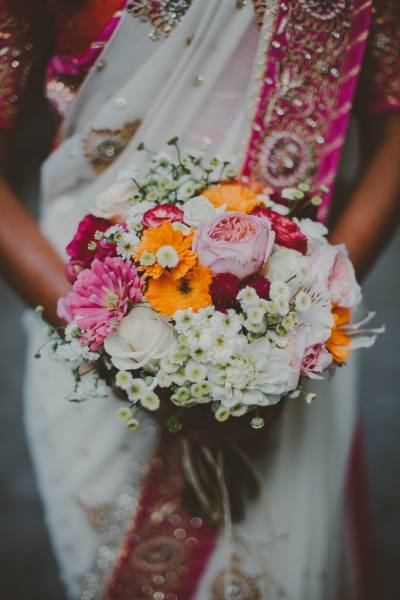
Emerging flower farmers recently attended the "Flower Power Hour," hosted by Local Color Flowers.

Emerging flower farmers recently attended the “Flower Power Hour,” hosted by Local Color Flowers.

My personal goal is to put more American grown flowers on the table, one vase at a time. I promise that when you tune in next week, you’ll hear another insightful and educational episode of the Slow Flowers Podcast.

The Slow Flowers Podcast is engineered and edited by Andrew Wheatley and Hannah Holtgeerts. Learn more about their work at hhcreates.net.