Debra Prinzing

Get the Email Newsletter!

Archive for the ‘General’ Category

Lessons from a Historic “Picking Garden” with Quill Teal-Sullivan of Meadowburn Farm (Episode 228)

Wednesday, January 13th, 2016
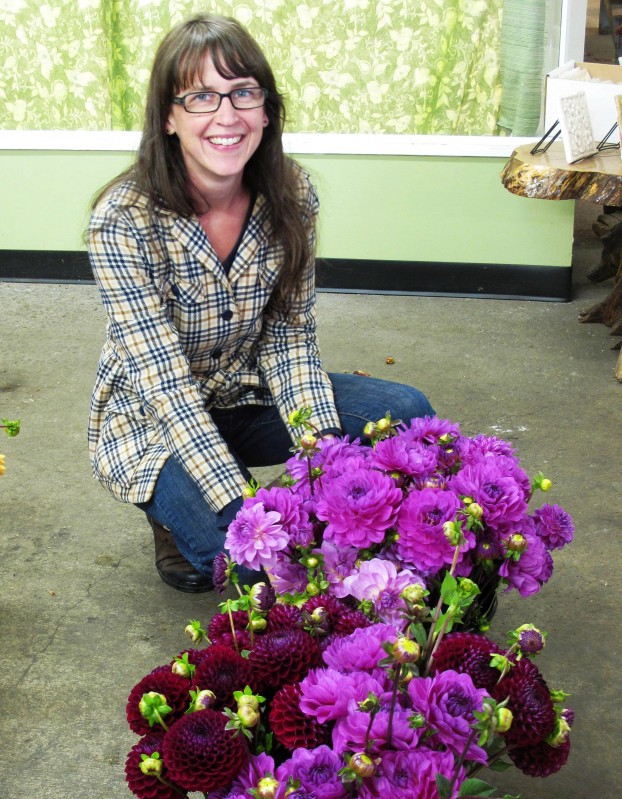
Meet Quill Teal-Sullivan of Meadowburn Farm, this week's Podcast Guest.

Meet Quill Teal-Sullivan of Meadowburn Farm, this week’s Podcast Guest. Photo: (c) Eric Hsu

Well, we’ve made it through the first week of 2016 and I wonder if you’ve been seeing those social media promises like one that read: “78 days ’til spring,” or whatever the number happens to be at that countdown point.

The New Year causes us to take a deep breath and consider what is essential for our life, our purpose, our creative endeavors. At least that’s how it’s always been for me!

Whether that means taking a baby step or making a radical change, we tend to measure our future choices on or around the first of the New Year. It’s universal. Setting goals and striving to achieve them is what makes us human. I’m excited for 2016 and what it promises in our community, with so many exciting Slow Flowers-inspired gatherings, events, stories and connections on the horizon.

Before I introduce you to this week’s featured guest, I have some newsy items to share.


Yay! Check it out!!!

Yay! Check it out!!!

First off: the HUGE news that Martha Stewart Living is featuring Slow Flowers and the slowflowers.com directory in the February 2016 issue – aka the Valentine’s Day issue!

Here’s the text:

“The benefits of choosing locally grown foods over those from all over the world extends to flowers as well. That’s why garden and features editor Melissa Ozawa likes Slowflowers.com, an online directory of more than 600 florists and flower farms across the United States. The site offers local blooms in season (for instance, winter tulips or anemones, if you’re in the Northwest). Have your heart set on classic roses? It also helps users find growers in California and Oregon that ship nationally.” 

There you have it! Short and VERY sweet!

Individually, none of us could have earned this type of media attention from a magazine with paid circulation of more than 2 million subscribers, monthly newsstand sales of 115,000 issues and total audience reach of more than 9 million. The demographics of the Martha Stewart reader are in close alignment with your own floral business. You can find the reader statistics on my show notes at Debraprinzing.com, so check them out and feel proud of what we’ve accomplished!

MSL_Media_Kit

And here’s another mindboggling fact: If we tried to purchase a 1/6-th page advertisement for Slowflowers.com in this issue, it would cost approximately $45,000.

Simply put: those 82 words mean so much to our Slow Flowers community and also represent the incredible value to you as a member of Slowflowers.com.

We can only pursue this type of media coverage if you join the site and support it financially – so keep that in mind as you plan your own business marketing budget in the coming year. For just $200 a year, you can have a significant impact in the success of the Slow Flowers Movement.

When I hear from editors who ask for flower farming and floral design images I often send a call for submissions to members of Slowflowers.com. Recently that paid off in an article by an Associated Press features writer Sarah Wolfe, who wrote about succulents in bridal bouquets.

The work of several Slow Flowers members was featured in her AP wire story that ran in countless daily newspapers across the U.S., including Holly Chapple of Holly Heider Chapple Floral Design, Kelly Sullivan of Botanique and Erika Knowles of Botany 101.

When it came to illustrating the Slowflowers.com piece, Martha Stewart Living‘s art directors reviewed our gallery of choices, including floral images submitted by several Slow Flowers members who responded to my call for artwork.

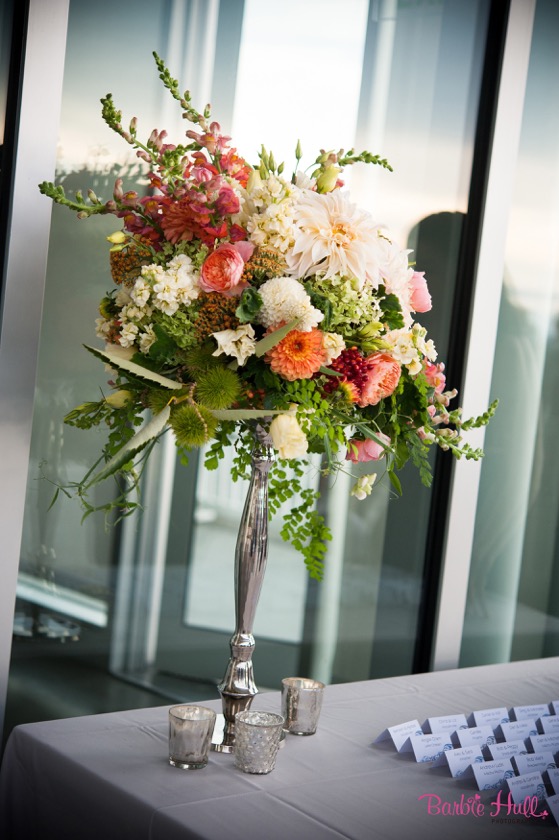
Kathleen Barber of Erika's Fresh Flowers grew, arranged and photographed these lovely Oregon-grown flowers.

Kathleen Barber of Erika’s Fresh Flowers grew, arranged and photographed these lovely Oregon-grown flowers.

Flower farmer, floral designer, floral photographer, Kathleen Barber

Flower farmer, floral designer, floral photographer, Kathleen Barber

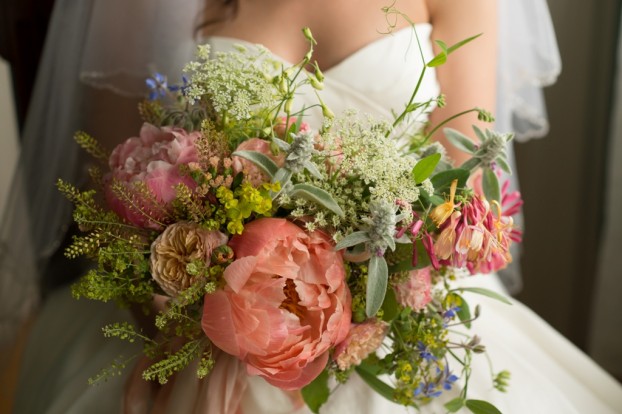
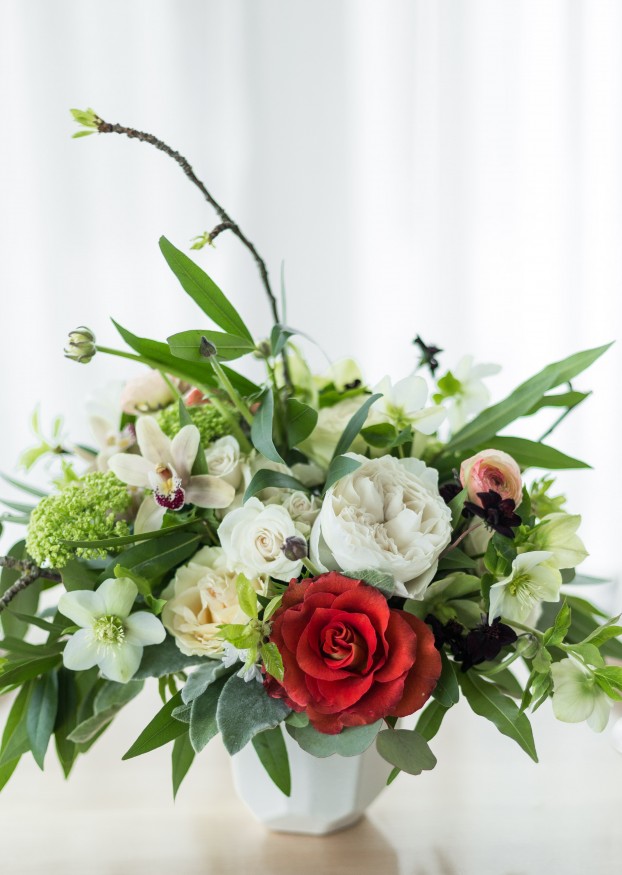
The art directors were drawn to a beautiful, early spring bouquet from Erika’s Fresh Flowers in Warrenton, Oregon.

Erika’s is owned by Kathleen Barber, a gifted flower farmer, floral designer and photographer – all her talents came together for the image you see here.

Our podcast today features a mini-interview I recorded with Kathleen last weekend when I called to congratulate her.

Check out Kathleen’s work at these social places:

Erika’s Fresh Flowers on Facebook

Erika’s Fresh Flowers on Instagram

Kathleen Barber Fine Photography

Enjoy this lovely profile of Kathleen Barber that ran in a local publication last summer. I so appreciate her including the Slow Flowers movement in the story!

And if the image you submitted for consideration for the Martha story wasn’t chosen don’t feel disappointed. I have been asked to share images with another prominent publication for a pre-Valentine’s Day web gallery coming up soon — and you can be sure your floral submissions will be included — I’ll share details once they’re published.

10628400_887376461342199_5702140127668746605_nNext, Amy McGee of the blog Botanical Brouhaha hosted a guest post from me last week in which I shared the Slow Flowers story.

I am so appreciative that Amy dedicated her time (and valuable online space on her popular floral blog) to share the Slowflowers.com story with her readers.

One lucky reader won our giveaway of a one-year Premium Listing to promote her floral business.

Congratulations to Eden Frei of The Garden of Eden Floral Design. I’m so pleased that visitors to Slowflowers.com will soon discover This Idaho-based floral design business that also serves the Spokane, Washington area.

Okay, it’s time to introduce you to Quill Teal-Sullivan, horticulturist, flower farmer and floral designer.

MB_mast3Quill is the garden manager of Meadowburn Farm, a historic garden and working farm located in the Warwick and Vernon Valley, just 90 minutes from NYC.

There, she is leading preservation efforts and saving the century-old “picking garden” and heirloom floral varieties once grown by the original owner, Helena Rutherfurd Ely (1858-1920), a pioneering figure in American horticulture at the turn of the 20th century and founding member of the Garden Club of America.

Meet Quill Teal-Sullivan, today's inspiring guest.

Meet Quill Teal-Sullivan, today’s inspiring guest.

Quill has worked with the owners of Meadowburn Farm for the past six years to preserve their significant historic gardens, which are listed on the National Register of Historic Places and sit at the center of Meadowburn’s 590 acre preserved farm.

As a graduate student in the Longwood Graduate Program, she spent two years researching the garden’s history and possibilities for their preservation, which served as the topic of her master’s thesis.

Today she acts as Meadowburn’s Garden Manager, working day in and day out to bring the 130 year old gardens back to life.

An aerial view of Meadowburn Farm today.

An aerial view of Meadowburn Farm today.

Helena Rutherford Ely

Helena Rutherford Ely

Here’s a bit more about Meadowburn from the beautiful web site:

Helena Rutherfurd Ely built her gardens surrounding her country home Meadowburn over the course of a forty-year period with the help of her loyal gardener, Albert Furman.

Through trial and error she developed the practical hands-on horticultural knowledge that informed and inspired  her three widely influential books on hardy gardening.

In her day, Helena was considered one of the premier garden experts in America and her gardens at Meadowburn were recognized as among the finest in the country.

The process of rehabilitating Helena Ely’s gardens—interpreting her vision and philosophy and tending the landscape day-to-day—is a deeply rewarding and very personal journey for Quill, who has been gardening since she was a girl helping in her mother’s garden in the Pacific Northwest.

The three influential books written by Helena Rutherfurd Ely in the early 1900s.

The three influential books written by Helena Rutherfurd Ely in the early 1900s.

In bringing Helena’s story and the important historic gardens at Meadowburn back to life, Quill has begun to find her own voice as a horticulturalist.

The feature on Meadowburn Farm appeared in Martha Stewart Living September 2015

The feature on Meadowburn Farm appeared in Martha Stewart Living September 2015

Her work has been featured in Martha Stewart Living, on my friend Ken Druse’s podcast Real Dirt, and on Green Wedding Shoes.

Then and Now, the "Picking Garden" at Meadowburn Farm.

Then and Now, the “Picking Garden” at Meadowburn Farm.

I first met Quill two years ago. We started an email correspondence after Quill made a contribution to the Slowflowers.com Indiegogo campaign and she replied to my thank-you email with this note:

I just saw that you are based in Seattle, which is where I will be for another week and a half before making the trek back East to wake up the gardens at Meadowburn Farm.  If you have any free time in the next week, I would love to take you out to coffee and talk about my project at Meadowburn and perhaps get your advice.  

In a nut shell, I am managing the restoration of a 6 acre historic garden outside of NYC, and working with the family to set up a business which hopefully will incorporate cut flowers. For 100 years the garden had a 1 acre ‘picking garden’ which filled the house with fresh cut flowers from may until frost. We still have over 500 linear feet of heirloom peonies, and hundreds of heirloom dahlias.  I have done quite a bit of research on the possibility of selling our cuts, and have spoken with several other growers such as the folks at Jello Mold. Would you be willing to meet with me?  I would be so grateful.

That turned out to be a lovely moment in the midst of my busy Indiegogo campaign when Quill and I met at my neighborhood bakery.

The beautiful and timeless bearded irises at Meadowburn Farm.

The beautiful and timeless bearded irises at Meadowburn Farm.

She shared the fascinating story of her own journey into horticulture and tempted me with tales of a once famed but nearly forgotten American garden writer whose historic gardens were coming back to life in Quill’s hands. In retrospect, I realize what an opportunity I missed to share her story with the larger community, mainly because that was months before we launched this Podcast.

Meadowburn's famous dahlia garden.

Meadowburn’s famous dahlia garden.

So now I’m making up for that oversight and while Quill was back in the Seattle area over the holidays we sat down to record this interview. Consider this our delayed-by-2-years “do-over” and I hope you enjoy it as much as I did.

peonies-960

Thank you for joining me today. I hope you’re inspired to check out the Meadowburn Farm web site to learn more about this important living artifact in America’s gardening narrative.

Dahlia 'Jane Cowl'

Dahlia ‘Jane Cowl’

Home gardeners and florists alike are now able to order heirloom dahlia tubers that are the offspring of ones grown by Helena Rutherfurd Ely at Meadowburn Farm in the late 1800s and early 1900s.

Meadowburn Farm’s Sustainably grown, fresh cut flowers from the 130-year-old picking garden are available wholesale to florists and markets.

Peonies are available starting in May until July; Dahlias are available July until mid October.

Other flowers often available include: foxglove, lily of the valley, iris, cornflower, ammi, phlox, nicotiana, nigella, and an assortment of other unusual, rare, and unlikely cut flowers and foliage from the gardens, meadows, and woodlands.

Please contact Quill directly for bulk and wholesale orders and to join her weekly wholesale availability list. You can incorporate a bit of American gardening history into your arrangements and support the restoration of an amazing garden while you are at it!.  Send your name and e-mail address confirming your interest in cut flower availability to quill@meadowburnfarm.com.

NYC florists can often find our flowers at 28th St Wholesale Flowers in Manhattan.

Follow Meadowburn Farm on Facebook

Follow Meadowburn Farm on Instagram

If you are in the NYC area, you are invited to hear from Quill next Wednesday evening in a lecture she’s giving entitled “Finding my Way.” It takes place from 6 to 7:30 pm on Wednesday, January 20th.

This is the first in Wave Hill’s 2016 Horticultural Lectures, a winter series hosted by the Friends of Horticulture Committee and devoted to the subject of garden making and garden design and the meaning of our interactions with plants and the natural world.

The series of three lectures continues February 17 with  garden writer Marta McDowell; and on March 16th with Katherine Tracey, co-owner of Avant Gardens, a nationally known mail-order nursery and garden design/build firm in Massachusetts (and as you all may remember, the instigator of the Slow Flowers Challenge).

All three talks are  held at the New York School of Interior Design in Manhattan. and you can purchase the series ticket for $60/$50 Wave Hill Member or student. Individual lecture tickets are: $25/$20 Wave Hill Member or student. Seating is limited, and advanced reservations are recommended, online or by calling 718.549.3200 x216.

download (1)And one more piece of last-minute news: If you haven’t yet heard, next week on January 18th, Ohio flower farmers are gathering in Cinncinati for their second annual “Meet Up.”

You can find all the details on Buckeye Blooms’ event page, where Susan Studer King and others have created a info-packed and inspiring program.

The meeting will take place at Sunny Meadows Flower Farm outside Columbus, thanks to hosts Steve and Gretel Adams. I’ll be there in spirit, via a Slow Flowers surprise package we’re donating for a door prize. When I checked in with Susan earlier this week, she said that the registration is nearing capacity – but if you’re interested in attending, they may be able to squeeze in a couple late entrants.

The Slow Flowers Podcast has been downloaded more than 78,000 times by listeners like you. THANK YOU to each and every one of you for downloading, listening, commenting and sharing. It means so much.

Until next week, you’re invited to join me in putting more American grown flowers on the table, one vase at a time. And If you like what you hear, please consider logging onto Itunes and posting a listener review.

The content and opinions expressed here are either mine alone or those of my guests alone, independent of any podcast sponsor or other person, company or organization.

The Slow Flowers Podcast is engineered and edited by Andrew Wheatley and Hannah Holtgeerts. Learn more about their work at shellandtree.com.
2016 Floral Insights & Industry Forecast (Episode 227)

Wednesday, January 6th, 2016

page-0As I was preparing to record this week’s episode I had a flashback to January 2014 and it reminded me of just how young Slow Flowers really was only two years ago.

Leading up to the launch of Slowflowers.com, I’d spent six months working with my designers to create the site’s framework. Having invested more than $10,000 of my own money to get the platform off the ground, I decided to turn to crowd-funding to raise another $12,000 in order to pay the web developer’s bill.

My original sketch for how this website could look! Yes, I wanted to call it "Locaflor"!

My original sketch for how this website could look! Yes, I wanted to call it “Locaflor”!

I spent considerable time and effort to set up my Kickstarter campaign, including hiring my friend Hannah Holtgeerts and her then-teenage brothers to create the Slow Flowers campaign video. For those of you who’ve been involved in these crowd funding sites, you know about all the up-front investment of time and resources that’s required prior to ever submitting your project for review.

Why Slow Flowers? from debra prinzing on Vimeo.

On December 24th 2013, less than 24 hours after I had submitted the Slow Flowers campaign to Kickstarter, I received this generic email response:

Unfortunately, this project does not meet our guidelines — resources of this nature do fall outside our scope. This isn’t a judgment on the quality of this project, just a reflection of our focus.

Not only was I devastated, I felt that Kickstarter was wrong and didn’t understand the creative nature of Slowflowers.com. If I had wanted to publish the directory of American flower farmers and florists as a tangible book rather than an easy-to-update web-based directory, I’m sure they would have accepted my proposal. It’s not like I was launching an e-commerce site either. I think it was just a matter of a lazy reviewer who didn’t take the time to thoughtfully read my proposal, but instead made the wrong conclusion and sent me their rejection.

I brushed myself off and turned to Indiegogo, where I should have started in the first place. I resubmitted the exact same campaign that Kickstarter had rejected and within 24 hours – on January 5, 2014, I received this email:

Congrats, ‘Slow Flowers: A Directory of American Flowers, Florists, Designers & Farmers’ is now live! 

Indiegogo_home_pgMy chunk of coal in the Christmas stocking turned into a beautiful diamond, thanks to Indiegogo’s acceptance of the project. What followed was nothing short of amazing, with a 45-day campaign generating more than $18,000 from 229-plus contributors— we exceeded the original funding goal by 54 percent! Look how far we’ve come in just two years!

Slowflowers.com launched in early May of 2014 with 250 listings.

Today, our membership has climbed to 640 in 48 states!

It’s always good to look in the rear-view mirror and see the distance covered. The road was bumpy, narrow and had limited visibility – but our wheels are still on the flower cart and it is my dream to help Slowflowers.com membership climb to 1,000 in 2016.

That is my New Year’s resolution – and you can help me reach that goal by referring fellow flower farmers, floral designers and wholesalers to join the site!

NEWS ITEM

Laura (left) and Jacha (right), of Butterbee Farm outside Baltimore.

Laura (left) and Jascha (right), of Butterbee Farm outside Baltimore.

Laura embodies at least three of this year's Floral Insights: She's female; she is an urban flower farmer; and she builds community through collaboration!

Laura embodies at least three of this year’s Floral Insights: She’s female; she is an urban flower farmer; and she builds community through collaboration!

I recently checked in with Slowflowers.com member Laura Beth Resnick of Baltimore-based Butterbee Farm to learn more about the Maryland Cut Flower Growers Association’s winter meetings. Laura is the current president of the Association, which will hold the second of its three winter meetings on January 12th from 10 am to 1 pm (the third meeting is scheduled for February 9th at the same time).

The Maryland Cut Flower Growers Association is a regional group that has met each winter to share information for almost twenty years. The group convenes in Annapolis and the meeting is open to flower farmers in the Chesapeake Region, which includes Maryland, northern Virginia, southern Pennsylvania, and Delaware.

Before you hear her voice, I’ll share a little bit more about Laura Beth. She is a Baltimore native who launched Butterbee Farm in 2013 after a few years apprenticing on East Coast organic farms. The farm’s first seeds were sown on a 13th of an acre in the Reservoir Hill area outside Baltimore. Midway through the summer, artist and California transplant Jascha Owens volunteered on the farm, and the two have been farming together ever since, now farming on nearly two acres thanks to increasing demand for their beautiful flowers.

The Maryland Cut Flower Growers Association meeting will be held at the Maryland Department of Agriculture Building (50 Harry S. Truman Parkway in Annapolis). For more information, you can contact Laura: butterbeefarm@gmail.com. I hope you are able to attend if you’re in the area.

OUR 2016 FORECAST

page-0

As promised, Let’s kick off 2016 with my Floral Insights and Industry Forecast. I’ve been tracking shifts and concepts that are taking hold in the American floral world.  I know some of you have already experienced these developments. In fact, my conversations with guests on the Slow Flowers Podcast have greatly influenced this list.

READ MORE…

2015 Slow Flowers Highlights (Episode 226)

Wednesday, December 30th, 2015
Heather_Saunders_Slow_Flowers

Slow Flowers at The Flower House (c) Heather Saunders

Welcome to the final Slow Flowers Podcast episode of 2015.

(c) Linda Blue Photography

(c) Linda Blue Photography

Every single week this year; in fact, every single week for 2-1/2 years, I’ve had the immense privilege of hosting dynamic and inspiring dialogues with a leading voice in the American floral industry.

You’ve heard from flower farmers and floral designers who are changing the marketplace and how we view and consume the flowers in our lives.

As 2015 comes to a close, I would like to dedicate today’s episode to the Slow Flowers Highlights we’ve witnessed this year.

Next week, on January 6th, I will share my Floral Insights and Forecast for 2016 with you.

The past twelve months have built on the successes and shifts that began in previous years. Each time we turn the pages of the calendar to a New Year, we can applaud the strides made in the Slow Flowers movement.

I can date my own awareness to the American grown floral landscape to 2006 — that’s nearly a decade ago — when I met a very young mom named Erin Benzakein while I was scouting gardens in Mount Vernon, Washington.  She was growing sweet peas and had big ambitions.

Something about our conversation resonated with me. I was an established features writer with a huge home and garden portfolio. I’d written countless floral design stories for regional and national publications and yet it had never occurred to me that there was a great imbalance in the way flowers are grown and sourced in this country.

cover_flower_confidentialAt the same time, my writer-pal Amy Stewart was working on a book about the global floral industry’s dark side, which was published the following year called Flower Confidential. She delved deep into the stories behind the status quo, and opened mine and countless others’ eyes to the extraordinary reasons nearly 80 percent of cut flowers sold in the U.S. were being imported.

Curious to learn more, I subscribed to Growing for Market, Lynn Byczynski’s newsletter for market farmers. I joined the Association of Specialty Cut Flower Growers and attended my first regional meeting in 2010, held at Charles Little & Co. in Eugene, Oregon, and later that year I went to the national meeting in Tulsa, Oklahoma.

I began connecting with flower farmers wherever I could, both in California where I was living at the time, and in Oregon and Washington. I met people virtually, as well, thanks to the ASCFG list-serves where I learned much about the issues facing small farms and American growers.

READ MORE…

Slow Flowers’ Holiday Special with Musician-Flower Farmer Dennis Westphall (Episode 225)

Wednesday, December 23rd, 2015
Dennis Westphall, musician, songwriter, artist -- and American flower farmer

Dennis Westphall, musician, songwriter, artist — and American flower farmer. Photo (c) Linda Blue

Welcome to our Special Holiday Edition of the Slow Flowers Podcast!

Dennis in his element: guitar in hand; seated in the midst of his flower farm (c) Linda Blue

Dennis in his element: guitar in hand; seated in the midst of his flower farm (c) Linda Blue

Today’s amazing guest, Dennis Westphall, is co-founder of Jello Mold Farm in Mt. Vernon, Washington, which he operates with his wife and partner Diane Szukovathy. Diane may be familiar to you because she’s appeared on two prior episodes of the Slow Flowers Podcast – and she is the “cover girl” of the 50 Mile Bouquet (along with floral designer Stacie Sutliff).

Dennis is an accomplished mixed media artist and an award-winning singer-songwriter who has nearly 200 original songs to his credit.

I will let you hear the story directly from Dennis, as he shares his inspiring career path, one that takes us from the era when he was a street musician at Seattle’s Pike Place Market to his success as a founding member of the band Tickle Tune Typhoon, to the past decade when he transitioning into a flower farmer, and much much more.

Interspersed between our fascinating conversation, Dennis will perform several songs for your holiday enjoyment.

The first of many Tickle Tune Typhoon albums features Dennis Westphall on the cover with his fellow band members. The album is a winner of the Parents' Choice Gold Award and the American Library Association's Notable Children's Recording Award.

The first of many Tickle Tune Typhoon albums features Dennis Westphall on the cover with his fellow band members. The album is a winner of the Parents’ Choice Gold Award and the American Library Association’s Notable Children’s Recording Award.

Two are original compositions, both lyrics and music, and two are classic songs that have been given the whimsical Dennis Westphall “new lyric” treatment.

I know you’ll love this episode as much as I do — a gift from Dennis to the flower farming and floral design community to enjoy this holiday week.

Check out more details about Tickle Tune Typhoon’s retro vinyl albums and CDs of the foot-stamping, finger-snapping music that has delighted school children and their families for generations.

Thank you so much for joining me today for this very special episode.

I love how Dennis describes flower farming as a botanical art-supply source for the florists who purchase flowers from Jello Mold.

It’s such an appropriate metaphor for the important, interdependent relationship between flower farmers and floral designers — one that brings success to the entire Slow Flowers community.

Watch a recent segment on Seattle’s KING 5 TV (NBC affiliate) with excerpts of Dennis singing

Dennis has generously shared the lyrics to his original song called “Flowers”:

Recorded by Tickle Tune Typhoon on the CD, All Of Us Will Shine
Music and Lyrics by Dennis Westphall

[Chorus]

Flowers aha
Flowers aha
Beautiful colors bloom
Flowers aha
Flowers aha
Blossoms will dance for you

Ah the smell of summer roses
And it’s a dandy day to watch a pansy play
Gracefully they grow
Bouquet on tiptoe
Rising in the sky so blue
Sunflower shines on you

[Chorus]

Flowers grow make the world a grand bouquet
Row on row bringing color to our day
Flowers grow a pleasure to the eye
That fragrance oh it fills the air and makes you sigh
Everybody sigh
I’m so gladiola, you’re gladiola too

Flowers aha Flowers aha
Beautiful colors bloom
Flowers aha Flowers aha
Blossoms will dance
Blossoms will dance for you

Check out that vintage Gibson guitar!

Check out that vintage Gibson guitar!

Linda Blue captured Dennis performing at his own farm, Jello Mold, as a special feature of the Field to Vase Dinner Tour in September.

Linda Blue captured Dennis performing at his own farm, Jello Mold, as a special feature of the Field to Vase Dinner Tour in September.

Find Jello Mold Farm on Facebook

Find Jello Mold Farm on Instagram

Hear Diane Szukovathy on Slow Flowers Podcast #103 “Marketing Local Flowers the Co-op Way” and on  #215 “Cooperative Wholesaling Among Farmers”

Diane Szukovathy and Dennis Westphall, photographed by Mary Grace Long (c) September 2012 at Jello Mold Farm in Mt. Vernon, Washington.

Diane Szukovathy and Dennis Westphall, photographed by Mary Grace Long (c) September 2012 at Jello Mold Farm in Mt. Vernon, Washington.

Jello Mold Farm, fields, and barn

Jello Mold Farm, fields, and barn

Next week is our final episode of 2015 and as one year ends and another begins, I will be sharing with you the “2016 Slow Flowers Forecast and Insights.”

In the meantime, I  wish you a wonderful holiday season!

I thank you and others in the progressive American-grown floral community for supporting this endeavor.

Until next week, you’re invited to join me in putting more American grown flowers on the table, one vase at a time. And If you like what you hear, please consider logging onto Itunes and posting a listener review. THANK YOU to each and every one of you for downloading, listening, commenting and sharing. It means so much.

The content and opinions expressed here are either mine alone or those of my guests alone, independent of any podcast sponsor or other person, company or organization.

The Slow Flowers Podcast is engineered and edited by Andrew Wheatley and Hannah Holtgeerts. Learn more about their work at shellandtree.com.
Week 50 // Slow Flowers Challenge

Thursday, December 17th, 2015
Poinsettias as a holiday "cut" -- don't they look dramatic?

Poinsettias as a holiday “cut” — don’t they look dramatic?

The prosaic poinsettia has a new, sexy reputation, especially at a time when floral designers are desperate for beautiful focal flowers to go with all the greenery in our lives.

Begonia + Poinsettia!

Begonia + Poinsettia!

For the past decade the gardening world has watched an explosion of breeding in the poinsettia world. I remember attending a press event in the early 2000s when Molbak’s Nursery in the Seattle area hosted all of us at a breakfast to unveil the new poinsettia colors and varieties (streaked and flecked; and a palette ranging from cream to wine). I wrote that story for The Daily Herald about 15 years ago, so no doubt the news hit the gardening world quite a while ago!

Slowly, floral designers are discovering — and embracing — poinsettias. The flowers are tricky to source as cut options, although I’ve heard from some designers who are able to find poinsettia cuts. We just don’t see them here in Seattle.

A low silver bowl, tarnished, of course, is the ideal vessel for this holiday centerpiece of poinsettias, spray roses, agonis foliage, rex begonia foliage and Korean fir

A low silver bowl, tarnished, of course, is the ideal vessel for this holiday centerpiece of poinsettias, spray roses, agonis foliage, rex begonia foliage and Korean fir

What’s my other option? I went to Lowe’s this week to find locally-grown poinsettias from Smith Gardens in Bellingham, Washington. I was in search of a soft peachy tone and wasn’t disappointed. The flower I found wasn’t labeled (although I did learn that Noche Buena is the Mexican name for poinsettia).

I found three pots with this beautiful type of poinsettia, $6.98 each. Two of the three had broken stems, with unusable blooms, so Lowe’s sold them to me for $2 each. In all, that netted me 7 huge flowers for $11, which seems like a great price.

So nice to see these poinsettias as lush cut focal flowers

So nice to see these poinsettias as lush cut focal flowers

Since coming home from the home center, I looked up peach poinsettias online and have decided it’s possible this one is called ‘Visions of Grandeur’, described as a luxuriously rich, yet soft peach/pink/cream plant. But I could be way off because the colors seem to vary as widely as the petals of ‘Cafe au Lait’ dahlias. Either way, it’s lovely, feminine and romantic.

I began my arrangement with a Goodwill purchase from last in August, a silver-plated Gorham fruit bowl. I think I paid $6.99 for it; just found the same bowl on eBay for $35. I’m in bargain heaven with this great-priced bowl and discount poinsettias!

I placed a dome-shaped vintage metal flower frog in the base and added a second “level” of structure with chicken wire, domed at the top of the 9-inch container.

Foliage and branches:

  • Dark purple Agonis flexuosa, California grown, valued for its sultry color and feathery texture
  • A silvery-green fir known in the landscape trade as Korean fir (Abies koreana ‘Horstmann’s Silberlocke’), from Leo’s Trees, a Southwest Washington vendor who sells at the Seattle Wholesale Growers Market. Danielle Bennett, assistant manager at the Market, told me that Leo only brought in two bunches. I understand why because Korean fir is very slow growing so he probably didn’t want to trim so many boughs from the tree! I planted one of these ornamental conifers in a prior garden and I loved its wonderful winter sheen when hit with the afternoon light!
  • Rex begonia foliage, clipped from my houseplant. I love how the raspberry-wine foliage plays off of the Agonis foliage and the scale of each leaf holds its own against the poinsettia blooms.

Flowers:

  • Poinsettias. Following instructions mentioned in my recent blog post about International Poinsettia Day (Dec. 12th), the best way to prepare stems for floral design is as follows: Cut, then dip into hot water 140˚ F for 20 seconds; then plunge into cold water for 10 seconds.
  • ‘Snowflake’ white spray roses, grown by Green Valley Floral in Salinas, California
A small bouquet made with "leftovers," including a gorgeous amaryllis!

A small bouquet made with “leftovers,” including a gorgeous amaryllis!

A bonus: I used my leftover pieces to create a couple of small arrangements, which also included the final blooms from two raspberry-hued amaryllis grown by Vivian Larson of Everyday Flowers. I enjoyed these in a larger arrangement last week and the final buds just opened this week.

The Flower House Virtual Tour Part 3 with Liz Andre-Stotz and Holly Rutt (Episode 224)

Wednesday, December 16th, 2015
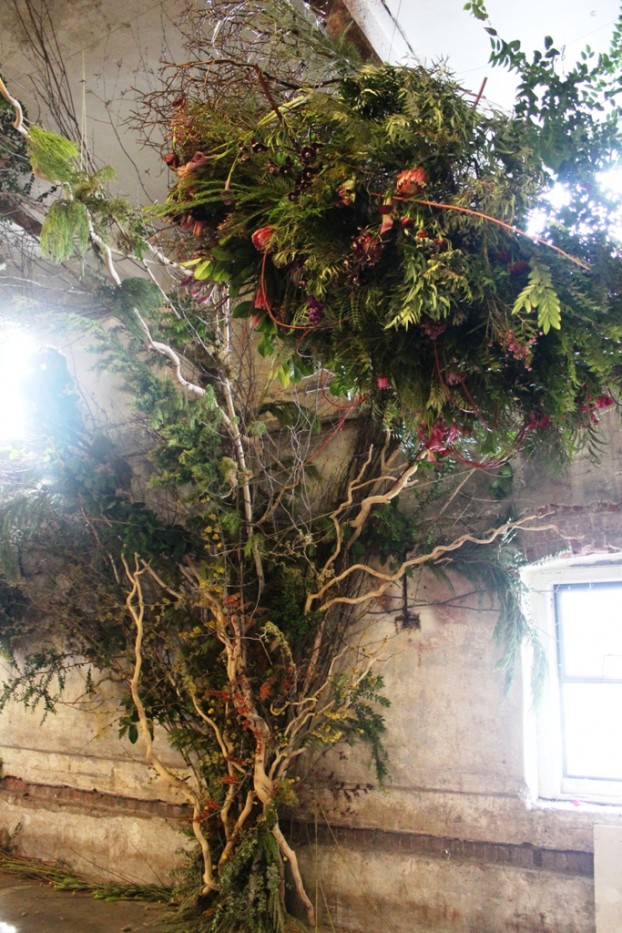
The Flower House's "A Little Michigan Magic," a gorgeous, fantasty-like expression of all four seasons in Michigan state.

The Flower House’s “A Little Michigan Magic,” a gorgeous, fantasty-like expression of all four seasons in Michigan state.

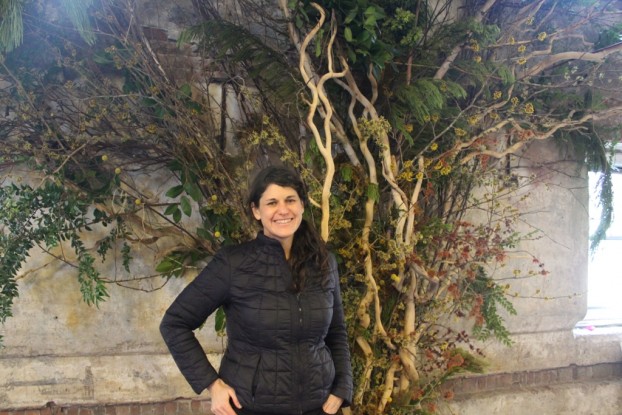
I snapped this photo of Liz Andre-Stotz, inside the room she designed and fabricated with two other Michigan designers. Love the natural light spilling through the windows.

I snapped this photo of Liz Andre-Stotz, inside the room she designed and fabricated with two other Michigan designers. Love the natural light spilling through the windows.

Holly Rutt, of Sweet Pea Floral Design, posing with the marigold "shower curtain" in "In Loo of Flowers"

Holly Rutt, of Sweet Pea Floral Design, posing with the marigold “shower curtain” in “In Loo of Flowers”

Today’s podcast brings you Part 3 of our coverage of the Flower House, a fabulous, groundbreaking floral art project that designer Lisa Waud instigated in the city of Detroit.

Today, we continue the miniseries with more conversations recorded with designers who came together for this visionary project that opened to the public for a 3-day run beginning on October 16th.

Here are links to Part 1 and Part 2, my prior episodes gathering the voices of some of the lead designers who executed individual rooms in the Flower House.

First, I’ll introduce you to Liz Andre-Stotz of Parsonage Events, who teamed up with two other Michigan designers to turn the first floor bedroom of the Flower House into “A Little Michigan Magic.”

The room was a true Michigan collaboration with Jamie Platt from A.R. Pontius Flower Shop in Harbor Springs, Michigan, and Jennifer Ederer, owner of Modern Day Floral in Grand Rapids, Michigan.

Then we’ll pivot to Holly Rutt of Sweet Pea Floral Design, another Michigan designer, who chose the first-floor bathroom and called her installation “In Loo of Flowers.”

MEET LIZ ANDRE-STOTZ

Seasons in Michigan, expressed by Liz, Jamie and Jenn, three friends who teamed up to create a room at The Flower House

Seasons in Michigan, expressed by Liz, Jamie and Jenn, three friends who teamed up to create a room at The Flower House

Winter is expressed against the fading robin's egg blue walls in "A Little Michigan Magic"

Winter is expressed against the fading robin’s egg blue walls in “A Little Michigan Magic”

Based in Clarkston, Michigan, Parsonage Events is a family affair. Liz runs the full-service floral design studio with mom Susan and her husband Bill Stotz.

READ MORE…

Celebrate Poinsettia Day with an Incredible “Living” Poinsettia Dress

Friday, December 11th, 2015
Even if you can't fashion your own poinsettia dress for a holiday gala, the good news is that you can cut poinsettias and use them in floral arrangements. 

Even if you can’t fashion your own poinsettia dress for a holiday gala, the good news is that you can cut poinsettias and use them in floral arrangements.

If you’re ambivalent about the traditional Christmas poinsettia, then I’m excited to help change your mind. Check out this gorgous “living” poinsettia gown. Yes, the prosaic holiday potted hostess gift has received haute couture treatment by London-based floral stylists, Okishima & Simmonds, in celebration of International Poinsettia Day, which is tomorrow, December 12th.

Here's a great out-take from the photo shoot as the floral stylist "dresses" her model

Here’s a great out-take from the photo shoot as the floral stylist “dresses” her model

I learned of this holiday from horticulture publicist Liz Anderson and it’s no surprise to learn that she’s also deeply involved in British Flowers Week (the inspiration for our own American Flowers Week).

Hat’s off to Liz and to Chikae Okishima-Howland and Jessica Simmonds, the duo behind Okishima & Simmonds, for bringing a luxe look to the potted Christmas plant. The designers have posted a fabulous behind-the-scenes story of how they created the poinsettia dress, which you can read on their blog here.

I met all three of these talented women when I attended the RHS Chelsea Flower Show earlier this year. They are doing some amazing things to promote British horticulture and floriculture — you can see another of their brilliant executions right here! And aren’t these images by the very talented Julian Winslow quite beautiful?

Okishima & Simmonds re-imagined the Christmas classic by fashioning a dramatic ombré gown from over 300 freshly cut stems of red, variegated and cream poinsettia and styling it amongst sea of poinsettia plants.

The sexiest poinsettias I've ever seen!

The sexiest poinsettias I’ve ever seen!

“We love to create unique designs that merge the floral world with the fashion world and International Poinsettia Day has given us an exciting opportunity to do that,” says Simmonds of Okishima & Simmonds, commissioned on the project by Stars for Europe, the EU-wide poinsettia campaign.

“We wanted the dress to flow so that it looked as though it was growing out of the poinsettia beds beneath, so used the traditional red poinsettia for the skirt and showcased other colors through the bodice.”

Poinsettias are as much a Christmas classic as the Christmas tree itself, and are known as ‘Christmas Stars’ in much of the world.

In 2014, over eight million poinsettia plants were sold in the UK in just two months, an increase of 15% on the previous year, making the poinsettia the best-selling houseplant after the year-round orchid. The poinsettia fashion shoot was set in the vast poinsettia glasshouse of Hill Brothers Nurseries in Chichester.

Bodice detail showing that beautiful ombre styling

Bodice detail showing that beautiful ombre styling

And the back detail is just as lovely

And the back detail is just as lovely

HOW THEY DID IT

After I received the gorgeous photos and Liz’s press material for International Poinsettia Day, I had more questions for her.

She explained: “Our aim was to link the poinsettia with the world of fashion and get people to look at the traditional Christmas plant in a fresh way. The dress looks like being a world first!” (yes, indeed!)

And by the way, just in case you wondered: All the plants used are British grown – the red poinsettias were grown in Chichester and the smaller varieties were grown by Woodlark Nurseries near London.

Fantasy + Fashion + Flowers

Fantasy + Fashion + Flowers

Liz also told me that the poinsettia were cut, then dipped into hot water 60˚C (140˚ F) for 20 seconds then into cold water for 10 seconds. This seals in the sap and makes the poinsettia last longer. Even if you can’t fashion your own poinsettia dress for a holiday gala, the good news is that you can cut poinsettias and use them in floral arrangements.

“Cut poinsettia will last for up to 2 weeks in water if prepared this way. Out of water, such as for this fashion shoot, the cut poinsettia lasted well for 5 hours or so before the leaf bracts started to soften.”

If you’re up for trying a poinsettia floral arrangement, take on the Poinsettia Challenge, just launched by friend Loree Bohl of the fabulous blog “Danger Garden.”

She’s just announced the design-with-poinsettia contest and the deadline is 12/24 to submit photos of your entry! Loree writes:  Send your image to spiky plants at gmail dot com. The contest will close on Christmas Eve, I’ll post the entries during the week between Christmas and New Year’s Day.

wow. just. wow.

wow. just. wow.

About International Poinsettia Day #PoinsettiaDay

International Poinsettia Day is celebrated on December 12th and marks the death of Joel Robert Poinsett, the U.S. diplomat and botanist, who introduced the poinsettia to the United States from Mexico in 1828.

About Okishima & Simmonds                 www.okishimasimmonds.com

Okishima & Simmonds is the partnership of fine art graduates and trained florists, Jessica Simmonds and Chikae Okishima. They use flowers to style weddings, events and fashion shoots from their London studio.

About Hill Brothers, Chichester          
                  
www.hillbrothers.co.uk

The family-owned and managed Hill Brothers Nursery was founded in 1920 and, now based in Chichester, covers over 8 acres of ornamental pot plant production. Hills currently produce approximately 3 million plants a year  – including half a million poinsettias – for the UK consumer and also directly supply UK supermarkets.


Floral stylists: Okishima & Simmonds
Photo credit: Stars for Europe. Photographer – Julian Winslow
Make-up: Harriet Simmonds
Model: Tara Francis-Smith
Grower: Hill Brothers Nursery, Chichester 

Slow Flowers Field Trip to Whidbey Island (Episode 223)

Wednesday, December 9th, 2015
The wonderful Slow Flowers people of Whidbey Island. Front row, from left: Pam Uhlig, Kelly Uhlig, Melissa Brown, Tobey Nelson. Back row: Benjamin Corteau, David Brown and Molly Brown.

The wonderful Slow Flowers people of Whidbey Island. Front row, from left: Pam Uhlig, Kelly Uhlig, Melissa Brown, Tobey Nelson. Back row: Benjamin Courteau, David Brown and Molly Brown.

Here's a map of Whidbey Island to orient you! Notice the town of Langley on the southeast portion of the map and you can picture where today's guests live, farm and flower!

Here’s a map of Whidbey Island to orient you! Notice the town of Langley on the southeast portion of the map and you can picture where today’s guests live, farm and flower!

This week we’re introducing a new ongoing feature that I hope to bring to you once a month: the “Slow Flowers Field Trip.”

As you know, I love interviewing flower farmers and florists for this Podcast, but what I love even more is visiting them in person to see them in their element — whether that’s out in the shed starting seeds, in the fields harvesting, or in the studio creating something breathtaking.

As often as possible, I’ll hit the road and visit Slow Flowers members to share a snapshot of a community, highlighting what’s grown in that region, and introducing you to the people who grow and design with those flowers.

For 2016, we’ve already booked a field trip to feature the North Bay Flower Collectivenorth of San Francisco, and several other destinations are in the works.

If you’re interested in bringing the podcast to your corner of the U.S., get in touch and we’ll see what might come together.

While it’s located only 30 miles north of Seattle, visiting Whidbey Island takes a little planning because it is reached via ferry from the mainland. The island is notable as one of the longest islands in the country, at 55-miles long, and it lies between the Olympic Peninsula and the I-5 corridor of western Washington. Whidbey Island forms the northern boundary of Puget Sound.

Picked on November 12th - pre-frost! Melissa Brown of Flying Bear Farm grew and designed this lovely arrangement for my visit.

Picked on November 12th – pre-frost! Melissa Brown of Flying Bear Farm grew and designed this lovely arrangement for my visit.

In my earlier years as a garden writer, Whidbey was a magnet for fantastic specialty plant nurseries and private garden tours, so I have spent quite a bit of time there. Now, thanks to the efforts of today’s guests, there is a nascent cut flower farming community, which is essential to Whidbey’s destination wedding scene.

A few weeks ago, I took a day trip to Whidbey, driving north to the waterfront community of Mukilteo, where I caught the 20-minute ferry ride across Puget Sound to Clinton, on the southern tip of the island. My three stops were concentrated on the southern half of the island, in and around the town of Langley, where there’s a mix of tourism, businesses serving vacationers and owners of second homes, as well as small agriculture.

Let me introduce you to the guests you’ll hear in this extended one-hour episode:

A bird's eye view of Sonshine Farm

A bird’s eye view of Sonshine Farm, photographed by a tree-trimmer who was working there

Kelly Uhlig (left) and mom Pam Uhlig (right)

Kelly Uhlig (left) and mom Pam Uhlig (right)

On my first stop, I visited Pam Uhlig and her daughter Kelly Uhlig, flower farmers who own Sonshine Farm, a specialty cut flower farm that packs more stems into a small homestead than you can imagine.

While pursuing a horticulture degree at a local community college Pam apprenticed with Vivian Larson of Everyday Flowers (a past guest of this podcast) – and that’s where I saw her in action. Kelly, a 4-H superstar who’s herself now a college student, is just as committed to flower farming as her mom. Together the two make a dynamic team; they are now members of the Seattle Wholesale Growers Market, where the local floral community snaps up their gorgeous flowers.

Kelly, with one of her bouquet creations, grown & designed

Kelly, with one of her summer bouquet creations, which she grew & designed

Pam poses with 'Vincent Fresh' ~ a favorite sunflower she grew last summer.

Pam poses with ‘Vincent Fresh’ ~ a favorite sunflower she grew last summer.

Melissa Brown (c) Jenna Bechtholt Photography

Melissa Brown (c) Jenna Bechtholt Photography

After interviewing Pam and Kelly and taking a tour of their farm, I went to meet Melissa Brown of Flying Bear Farm. Melissa is a farmer-florist interested in growing flowers for her own floral design business.

We met up first on a parcel that a friend has invited Melissa to plant with flowers, which is where we recorded our podcast interview.

And then . . . Melissa took me to the Flying Bear Farm headquarters, just outside Langley. That’s where she and her husband Benjamin Courteau have just moved, along with Melissa’s parents Molly & David Brown, into a fabulous compound complete with a barn, two residences, an art studio, and lots of terra firma for growing flowers.

Melissa’s folks treated all of us to a delicious luncheon where the conversation only got better with more creative voices around the table.

Benjamin Courteau, field harvesting for Flying Bear Farm.

Benjamin Courteau, field harvesting Flying Bear Farm’s snapdragons

Here's the land that a friend has lent Melissa and Benjamin to grow flowers on Whidbey Island.

Here’s the land that a friend has lent Melissa and Benjamin to grow flowers on Whidbey Island.

A floral creation from Flying Bear Farm

A floral creation from Flying Bear Farm

A Flying Bear Farm tabletop design ~ lovely!

A Flying Bear Farm tabletop design ~ lovely!

Tobey Nelson of Vases Wild

Tobey Nelson of Vases Wild

After lunch, I grabbed some time with our final guest, Tobey Nelson of Vases Wild.

Tobey and I have been talking about this emerging Whidbey Island flower farming-floral design community for a couple of years so I credit her with pulling together my field trip.

She has an extensive background in landscape design, fine gardening and wedding & event florals, which makes Tobey particularly passionate about sourcing from local flower farms on Whidbey Island.

That said, it’s not unusual for her to jump on an early-morning ferry to come into Seattle where she shops for flowers grown by the farms of the Seattle Wholesale Growers Market.

Floral necklace by Vases Wild's Tobey Nelson (c) Suzanne Rothmeyer Photography

Floral necklace by Vases Wild’s Tobey Nelson (c) Suzanne Rothmeyer Photography

Wedding arbor by Vases Wild's (c) image by Scott O'Malley

Wedding arbor by Vases Wild’s (c) image by Scott O’Malley

Bridal bouquet by Vases Wild's Tobey Nelson (c) Mazagran Photography

Bridal bouquet by Vases Wild’s Tobey Nelson (c) Mazagran Photography

Please enjoy each guests’ unique perspective on growing flowers, island style. They are building a creative interdependence that is a small-scale model of what can and should happen in every community where flower farmers and florists come together.

Here’s how you can find & follow the Whidbey Island creatives:

Sonshine Farm, Pam Uhlig and Kelly Uhlig on Instagram

Flying Bear Farm, Melissa Brown and Benjamin Courteau on Facebook

Flying Bear Farm on Twitter

Flying Bear Farm on Pinterest

Flying Bear Farm on Instagram

Vases Wild, Tobey Nelson on Facebook

Vases Wild on Pinterest

Vases Wild on Instagram

Thank you so much for joining me today. Episodes of the Slow Flowers Podcast have been downloaded more than 74,000 times and I thank you and others in the progressive American-grown floral community for supporting this endeavor.

Until next week, you’re invited to join me in putting more American grown flowers on the table, one vase at a time. And If you like what you hear, please consider logging onto Itunes and posting a listener review. THANK YOU to each and every one of you for downloading, listening, commenting and sharing. It means so much.

The content and opinions expressed here are either mine alone or those of my guests alone, independent of any podcast sponsor or other person, company or organization.

The Slow Flowers Podcast is engineered and edited by Andrew Wheatley and Hannah Holtgeerts. Learn more about their work at shellandtree.com.
Orchids for floral design with Joan Bateman of Orchidaceae (Episode 222)

Wednesday, December 2nd, 2015
White phalaenopsis from Orchidaceae paired with red ilex from Charles Little & Co., designed by Chad Burnworth of Seattle-based Blue Hummingbird Botanical Studio.

White phalaenopsis from Orchidaceae paired with red ilex from Charles Little & Co., designed by Chad Burnworth of Seattle-based Blue Hummingbird Botanical Studio.

Joan Bateman of Orchidaceae

Joan Bateman of Orchidaceae

It’s not yet officially winter, but orchid season is upon us. And today’s guest will tell us all about growing orchids for floral design.

Please meet Joan Bateman, who with her husband Mark Srull own Orchidaceae.

Joan and I have served together on the board of the Seattle Wholesale Growers Market for two years, and we work closely together on the market’s marketing committee.

I’ve wanted to feature an orchid episode for quite some time!

Joan and I finally sat down a few weeks ago, surrounded by the beautiful plants she and Mark grow, to record this conversation and share it with you.

Here’s a little more about Orchidacead:

Inside the greenhouses at Orchidaceae in Walla Walla, (eastern) Washington

Inside the greenhouses at Orchidaceae in Walla Walla, (eastern) Washington

A gorgeous Cattleya

A gorgeous Cattleya

Based in Walla Walla, Washington, Orchidaceae is an award-winning Northwest grower exclusively dedicated to quality orchids.

With over 30 years of experience, Mark and Joan grow and supply orchids for weddings, special events, interior plantscaping, floral arrangements and to collectors around the country in search of esoteric orchid varieties.

In 2002, the couple moved their nursery from Seattle to Walla Walla and embarked on a rural, flower farming lifestyle.

They brought with them extensive experience in graphic design and marketing, and Mark’s enthusiasm for growing orchids, originally as a hobby that’s earned him numerous awards from the American Orchid Society.

Orchidaceae has a reputation for having the most interesting new orchid hybrids. Its breeding program that includes Paphiopedilums, Zygopetalums, Angraecums, Cattleyas and a variety of unique species. The Phalaenopsis are selected to give floral stylists a distinct design edge with stunning color, interesting patterns and unique styles.

Why Walla Walla? “Even though our major markets are in Seattle and Portland, the growing conditions are very positive here, because of the light,” Joan says.  “We’re excited to be a part of the market and have such a broad variety of our orchids available to Seattle buyers.”

Here is the rare, 1940s-era lady slipper 'Clare de Lune', that Joan and I discussed.

Here is the rare 1940s-era lady slipper ‘Clare de Lune’, that Joan and I discussed.

If you want to learn more about orchid growing and how to have success with orchids, check out the link to Orchidaceae’s answers to the most common questions for orchid care. In the Pacific Northwest you can find Joan and Mark’s beautiful plants at the Seattle Wholesale Growers Market and at the Portland Flower Market.


Listeners of the Slow Flowers Podcast have downloaded episodes more than 73,000 times. I thank you and others in the progressive American-grown floral community for supporting this endeavor.

Until next week, you’re invited to join me in putting more American grown flowers on the table, one vase at a time. And If you like what you hear, please consider logging onto Itunes and posting a listener review. THANK YOU to each and every one of you for downloading, listening, commenting and sharing. It means so much.

The content and opinions expressed here are either mine alone or those of my guests alone, independent of any podcast sponsor or other person, company or organization.

The Slow Flowers Podcast is engineered and edited by Andrew Wheatley and Hannah Holtgeerts. Learn more about their work at shellandtree.com.
Objects of Desire: Best Gifts for Florists and Flower Lovers (Episode 221)

Wednesday, November 25th, 2015

Gifts for flower loversWelcome to the first edition of the Slow Flowers’ “Best Gifts for Florists and Flower Lovers.”

The holiday season is upon us and today’s episode will accomplish several things. I created this special gift-themed segment to highlight some of my favorite artisan-made products that I’ve become familiar with in the past year or longer.

Second, I wanted to share the voices of “makers” with you. All are women this year, but that is just a happy coincidence (I’m sure we’ll find many male makers to highlight in the future). I recorded short conversations with each of these select artisans. Each is driven to create beautiful and high-quality products inspired by flowers, botany and nature.

Please enjoy these conversations and check out these artist-makers, their work, and – most importantly, links to their online stores so you can see their collections of American-made goods for gift-giving. Have an unforgettable Floral Holiday and moreover, be inspired by the creative entrepreneurs you’ll hear from today.

PHOTOGRAPHIC TAPESTRIES

American artist-maker Ellen Hoverkamp

American artist-maker Ellen Hoverkamp

First up, meet botanical photographer Ellen Hoverkamp of My Neighbor’s Garden.

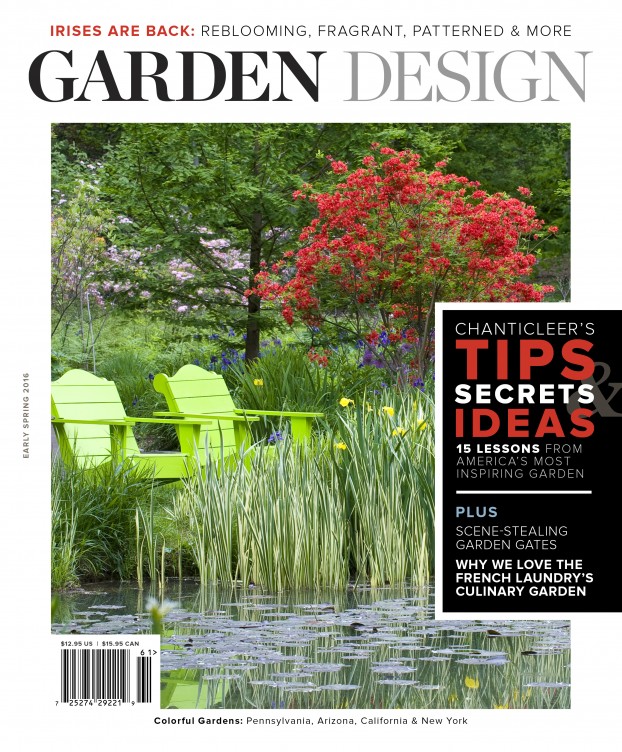
I’ve written about Ellen’s work for the Los Angeles Times and for Garden Design Magazine, so over the past few years, we’ve become friends.

It was especially rewarding to have Ellen attend an all-day workshop I taught at Blithewold Mansion in Rhode Island last fall – and to see how readily this gifted artist moves from one medium to another.

A Connecticut-based artist and former art teacher, Ellen Hoverkamp first started composing images from nature using an early model flatbed photo scanner in 1997, she didn’t even own a camera. Nor did she know the names of most of the plants she used. “It was all about form and color for me.”

jennifers_peonies

Peonies, a fine art image by Ellen Hoverkamp

tlf_farmstand

From the farmstand, a fine art image by Ellen Hoverkamp

Fast-forward to 2005 and Hoverkamp’s evocative and artful assemblages of botanicals and edibles were profiled in The New York Times; they’ve since been exhibited in museums and graced covers of books and periodicals.


An herb garden, printed on silk as a lovely scarf.

An herb garden, printed on silk as a lovely scarf.

Here's that gorgeous Queen Red Lime Zinnia + Celosia image, printed on silk

Here’s that gorgeous Queen Red Lime Zinnia + Celosia image, printed on silk

A summer kitchen garden on silk

A summer kitchen garden on silk


Ellen arranges flowers, pods, branches, vines, gourds and roots as vivid still-lifes against striking black backdrops.

Dahlias printed on black canvas tote bags.

Cafe au lait dahlias, with gourds, printed on black canvas tote bags.

I like to imagine that if Ellen had been born three or four centuries ago, she would have been a Dutch master painter. “I love the hyper-real details of my images,” she says.

Ellen relies on cuttings from public gardens, nurseries and private landscapes to create her pieces. She says that the mission of her work is to bring attention to the efforts of gardeners and to the beauty of nature.

At Ellen’s web site you can find a beautiful online store with her photographic products, including signed prints, note cards and my favorite– photographically printed scarves.

Ellen is a renaissance woman. Her 12-by-58-inch scarves feature seasonal floral and botanical compositions printed on silk charmeuse. The reverse side is hand-died contrasting fabric and Ellen custom sews each one.

In addition to drooling over Ellen’s botanical scarves, I know you’ll want to peruse the fine art work on her web site. You can order prints of most of the floral and veggie compositions there – and there are hundreds to choose from. Ellen posts new work each week on her Facebook page, so check out my link to find and follower her there.

Finally, you can now order her beautiful black canvas tote bags featuring a cornucopia of edibles or a just-picked-from-the-garden floral array. Click here to order.

SEATTLE MADE TO CONTAIN YOUR STEMS

Kristin Nelson, American maker and ceramicist, poses with some of her beautiful vases.

Kristin Nelson, American maker and ceramicist, poses with some of her beautiful vases.

Next up, please meet Kristin Nelson of Kri Kri Studio, a Seattle-based ceramic artist whose vases are popular favorites of the local floral design community here and far beyond, including Barney’s stores in Japan.

I’ve selected Kristin’s vessels to present my All-American floral entries at the Northwest Flower & Garden Show for the past two years. Learn more about her story here.

It seems so fitting to combine locally-grown flowers gathered in vases of equal quality and beauty, made by a talented artisan who touches every single product that leaves her studio.

Eve, the lovely, sensual vase by Kristin Nelson, shown in coral glaze

Eve, the lovely, sensual vase by Kristin Nelson, shown in coral glaze

The VIT bubble vase, one of my favorites!

The VIT bubble vase, one of my favorites!

Kristin’s new VIT Collection is modern and clean, inspired by Scandinavian design and a perfect complement to any flower in any season.

I love Kristin’s color sensibility in the glazes she selects — everything from calming neutrals to joy-inducing brights.

If you’re in Seattle, you may want to check out Kristin’s upcoming studio sale in early December where you’ll meet the artist and get to choose the perfectly-imperfect hand-made vase just for yourself or perhaps as a gift for a special recipient. Kri Kri Studio’s Facebook Page will have more details – so check it out here.

Kristin also shared details and links to these upcoming Seattle events, where you can meet the artist and purchase her lovely pieces:

Clementine PoP uP, Nov- Jan

Praxis Arts, Sat. Nov 28th  

Multi Studio Event, Dec 12th & 13th

To be on Kristin’s mailing list for her annual sale, email her at krikristudio@aol.com

Bud vases look great grouped together!

Bud vases look great grouped together!

VIT Torso Vases

VIT Torso Vases

HAND-LETTERED AND HAND-MADE

Karen Plarisan (left) and Karly Sahr (right) of Vebena Flowers + Trimmings

Karen Plarisan (left) and Karly Sahr (right) of Vebena Flowers + Trimmings

Next up, please meet Karen Plarisan and Karly Sahr of Verbena Flowers & Trimmings based in Roseville, California.

The mother-daughter team lives and breathes flowers. Karly Sahr has a graphic design and art degree from U.C. Davis, while mom Karen Plarisan has a landscape design and horticulture background.

They gather inspiration from being surrounded by nature, so it is only fitting that Verbena has developed into a pesticide-free farm and flower design studio.

In addition to floral design work, the two have added an online store that features Karly’s creative product designs.

I want to highlight the “Earth Laughs With Flowers” t-shirt featuring Karly’s exquisite hand-lettering.  She and Karen gifted me a very special tote bag with that same screen print last year and I can’t tell you how many people stop and ask me how they can purchase that tote. The totes aren’t available right now, but the t-shirts are. I know the design will resonate with flower farmers and florists alike.

"Earth Laughs in Flowers," a soft, flattering, American-made T-shirt with a charming hand-lettered message.

“Earth Laughs in Flowers,” a soft, flattering, American-made T-shirt with a charming hand-lettered message.

Downloadable 2016 calendar featuring florals by Verbena's mom-daughter farmer-florists

Downloadable 2016 calendar featuring florals by Verbena’s mom-daughter farmer-florists

Karly's walnut cutting board designs are modern and make a special gift.

Karly’s walnut cutting board designs are modern and make a special gift.

This week you’ll find a sale going on 30 percent off t-shirts, stickers and all graphic downloadsthrough November 29th. And Karen and Karly are offering a free “Life in Color” download with every purchase. It’s just the thing to add to your own inspiration board or to print and give a friend who needs a creative lift.

LUXURIATE WITH HANDMADE SOAPS & BODY PRODUCTS

Holly and Justin Rutt of the Little Flower Soap Co.

Holly and Justin Rutt of the Little Flower Soap Co.

downloadNext up, please meet Holly Rutt of the Little Flower Soap Co., based in Michigan. Holly spends most of her time during the warmer months running Sweet Pea Floral Design, serving wedding clients, but when the temperatures drop, she turns her focus to a joint maker-project with her husband Justin Rutt.

The Little Flower Soap Co. is a small batch, body care company established in 2010.

Holly and Justin’s mission is to design products that become must-have, can’t live without favorites. They have developed completely natural, healing recipes that smell amazing, really work and are cutely packaged.

All Natural Chapstick made in small batches with lots of care loaded up with generous portions of the greatest ingredients especially shea butter, jojoba, vitamin E oil & hemp oil

All Natural Chapstick made in small batches with lots of care loaded up with generous portions of the greatest ingredients especially shea butter, jojoba, vitamin E oil & hemp oil

The complete spa gift package - a great gift to give and receive

The complete spa gift package – a great gift to give and receive

Please enjoy this short interview with Holly.

It’s too bad you can’t smell all these wonderful fragrances we’re talking about, but her prices are so affordable that you can easily order a few products to give as gifts, but save one yourself.

Holly’s enthusiasm for her products are contagious. There’s something for everyone cooking up in the kitchen at Little Flower Soap Co.

Check out all of the products here.

And a quick note – you’ll meet Holly wearing her floral designer hat in an upcoming segment of The Slow Flowers Podcast when I interview her about the flower-filled bathroom she designed for The Flower House in Detroit. so stay tuned.

SUSTAINABLE FLORA FASHION

Floral wraps by American Flora ~ made from recycled water bottles!

Floral wraps by American Flora ~ made from recycled water bottles!

Mary Brewster, president and founder of American Flora, a sustainable fashion company and all-American maker.

Mary Brewster, president and founder of American Flora, a sustainable fashion company and all-American maker.

My final gift selection introduces you to Mary Brewster of American Flora, a sustainable fashion company based in Connecticut. I hope you’ll enjoy the story of how we met and about Mary’s goal of sourcing textiles and manufacturing women’s fashion here in the U.S.

I’m so pleased to feature this All-American maker who’s charting new territory in women’s fitness and lifestyle apparel.

Mary’s inspiration for starting American Flora came largely from being a ballet dancer and teacher. She wanted to create pieces that would provide a comfortable feel and feminine look in the studio, and would also pair well with lifestyle wear. She was particularly focused on finding a sustainable fabric.

Mary happened upon a book with a painting she had studied while spending a semester of college in Florence. She says that “Botticelli’s Allegory of Spring had always moved me, but I realized that it also depicted so much of what I wanted for my company. Beautiful Flora, the goddess of flowers is shown scattering her seeds over the world. A symbol of renewal.”

Here's one of the many beautiful Amerian Flora wraps, "Lucky Man"

Here’s one of the many beautiful Amerian Flora wraps, “Lucky Man”

"Cherry Blossom" wrap

“Cherry Blossom” wrap

Her collection uses a fabric called Repreve. It’s made from recycled plastic bottles. Another kind of renewal and positive look to the future.

Flora seemed to roll off my tongue, and was so fitting for the other passion in my life, gardening. After many hours of working on a name for my company, it came to me. American manufacturing was a must in the equation. There it was. American Flora,” she says.

I’m so pleased to feature American Flora and Mary Brewster’s innovative designs. You can shop for American Flora products here.

HAPPY THANKSGIVING

Thank You for Listening!

Thank You for Listening!

Happy Thanksgiving from me to you!

Happy Thanksgiving from me to you!

And thanks for joining me today, the day before Thanksgiving. As you enter this holiday season, I wish you moments of rest and creative contemplation.

We all have been racing through a year of flower farming, floral design, events and professional commitments that are equally wonderful and exhausting. Now it’s time to pause and hopefully reflect and recharge to prepare for a new year.

It is with a spirit of gratitude that I thank each of you in the Slow Flowers community for your support. To me, it’s a confirmation that we are on this creative journey together, changing the way Americans view and value the flowers grown on our domestic farms.

Episodes of the Slow Flowers Podcast have been downloaded more than 72,000 times. I thank you and others in the progressive American-grown floral community for supporting this endeavor.

Until next week, you’re invited to join me in putting more American grown flowers on the table, one vase at a time. And If you like what you hear, please consider logging onto Itunes and posting a listener review. THANK YOU to each and every one of you for downloading, listening, commenting and sharing. It means so much.

The content and opinions expressed here are either mine alone or those of my guests alone, independent of any podcast sponsor or other person, company or organization.

The Slow Flowers Podcast is engineered and edited by Andrew Wheatley and Hannah Holtgeerts. Learn more about their work at shellandtree.com.

Music credits: audionautix.com