Debra Prinzing

Get the Email Newsletter!

Archive for the ‘Creativity’ Category

Episode 394: The Wholesale Florists’ Outlook with Tom Jennings of Green Mountain Florist Supply in Burlington, Vermont

Wednesday, March 27th, 2019
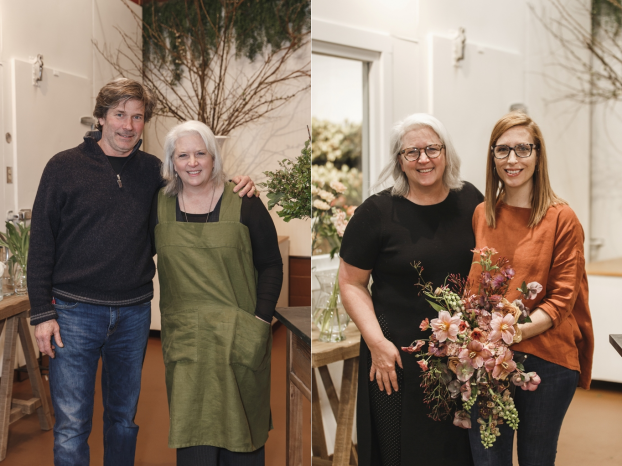
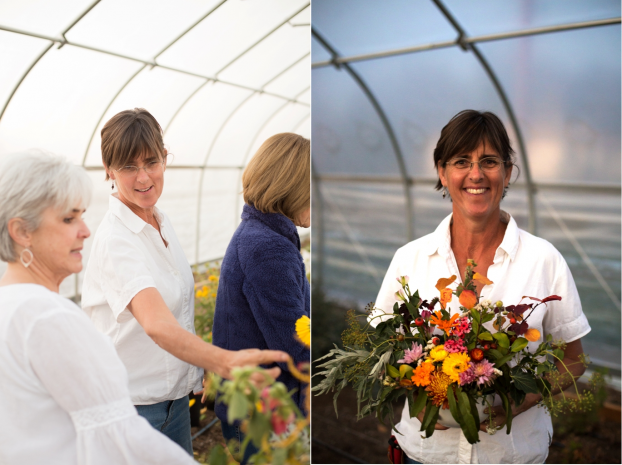
Tom Jennings and Debra Prinzing (left); Debra and Susan McLeary (right) (c) Amy Bennett Photography

A few weeks ago, I traveled to the charming town of Burlington, Vermont, located on Lake Champlain, with beautiful views of the Adirondack Mountains in the distance.

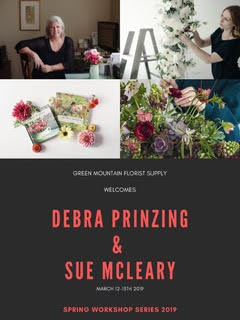
Green Mountain Florists Supply hosted me, along with Susan McLeary of Passionflower, to teach for its spring education series. Owners Tom and Kim Jennings and their amazing staff made sure we had not only a wonderful time but a perfect environment for lecturing and teaching. The images shared here are generously provided by Green Mountain Florist Supply and Vermont-based photographer Amy Bennett. Learn more about Amy’s work here.

But let me back up and first tell you how I got there.

I believe in serendipity and connections, and this story is a perfect example of that. My trip to Burlington began in 2017 when Holly Chapple invited me to teach creative writing for florists at her 2nd Flowerstock festival.

There I met Vermont-based florist Jayson Munn, one of those quietly talented guys who gets things done, and anticipates everyone’s needs before they know them. Jayson’s presence definitely supported Holly and all the thousands of tiny moving parts of the Flowerstock machine, and yet he had time to chat and we got to know one another.

Last October, when I returned to teach at Flowerstock again, Jayson and I reconnected in person and he mentioned wanting to invite me to Vermont for the workshop series he coordinates for Green Mountain.

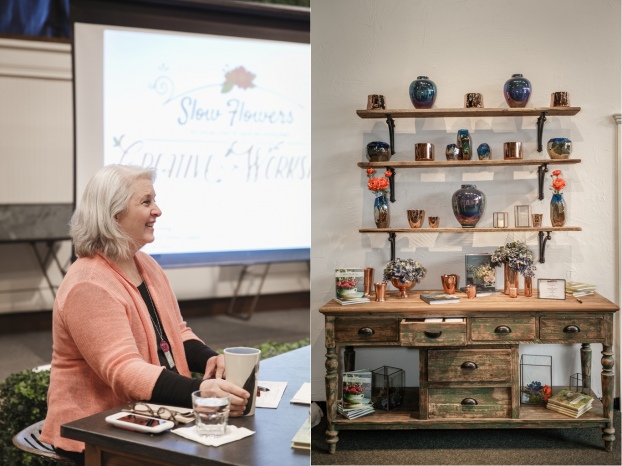
So it happened and the visit was a delightful experience! When I arrived at Green Mountain Florists Supply, I was warmly welcomed by Tom Jennings and the team of professionals. They set up a beautiful teaching space, where I gave a morning presentation — basically the story of Slow Flowers.

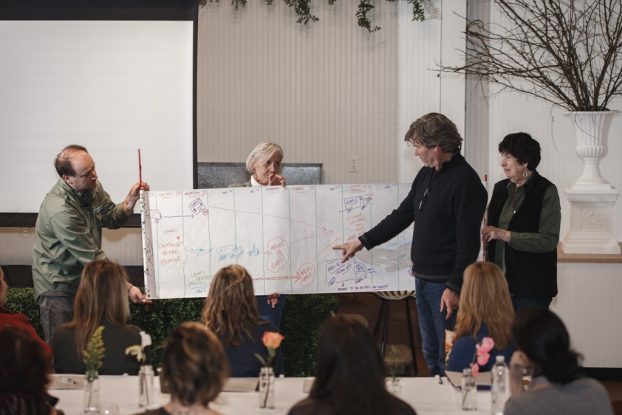
Tom and his team unroll the pre-order floral timeline for weddings, with artist Peter Baldor standing at left.

Once the other instructors, staff and students had devoured a delicious catered lunch seated among the showroom displays, Tom kicked off our afternoon with a presentation on flower sourcing behind-the-scenes. He and his team unveiled an illustrated timeline of special events and wedding flower ordering, using a 15-foot-long scroll of paper with drawings by Peter Baldor, the company’s Road Supply Sales Manager. As it turns out, Peter is also a humorist and cartoonist known as “Baldy” and I’ve added a link to his “In the Hothouse” web site in our show notes — check out his quirky, plant-focused world view through hand-drawn scenes.

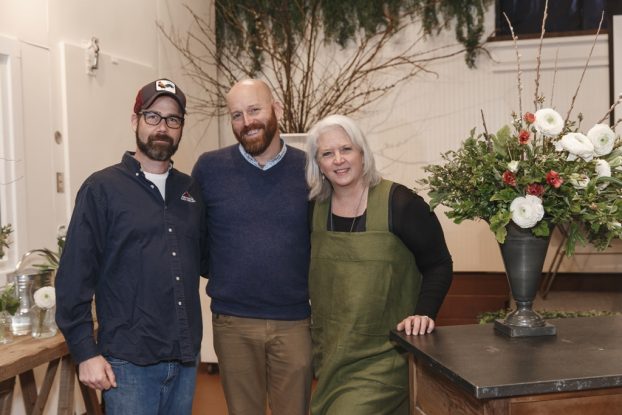
Jayson Munn, Bailey Hale and Debra Prinzing

Bailey Hale of nearby Ardelia Farm & Co., followed with a presentation including his story and insights about flower farming in Vermont.

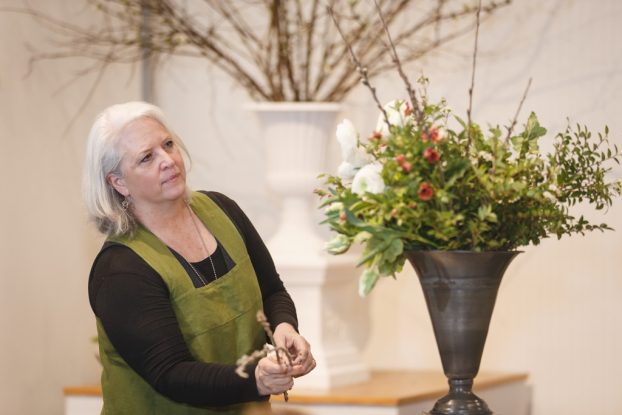
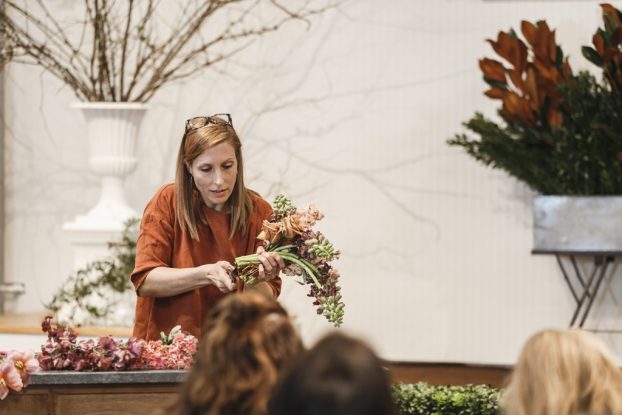
I love how Amy Bennett captured my demonstration with local and domestic flowers. It was a joy to design with these botanicals in a cool vessel from Green Mountain Florist Supply.

As a bonus, I was invited to design with a vase-full of perfectly formed white ranunculus stems that Bailey harvested from his winter greenhouse, demonstrating a large arrangement of all-American grown floral elements.

A wonderful environment for teaching creative writing and sharing the Slow Flowers story!
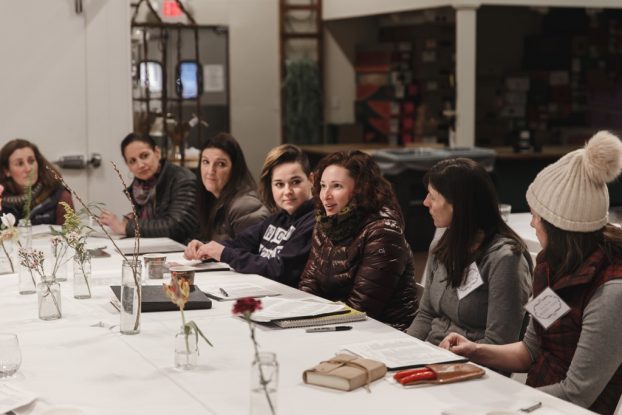
Getting started with our writing prompts!

That interlude led to our 3-1/2 hour afternoon devoted to creative writing for florists, flower farmers and farmer-florists. What a fabulous group of willing participants. I loved meeting such wonderful women, each of whom brought her unique point of view to writing about flowers, color palettes, personal stories and design. I hope to share some of their pieces in a future post, so keep an eye out for that. Suffice it to say, we had a rewarding day together.

Susan McLeary — such an artist and inspiration!

The following day, Susan McLeary taught her distinct bouquet design techniques and floral wearables — and I was able to watch a good portion of the morning session before heading for the airport.

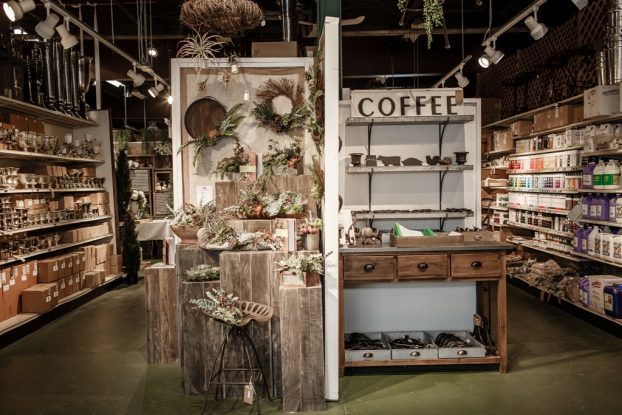
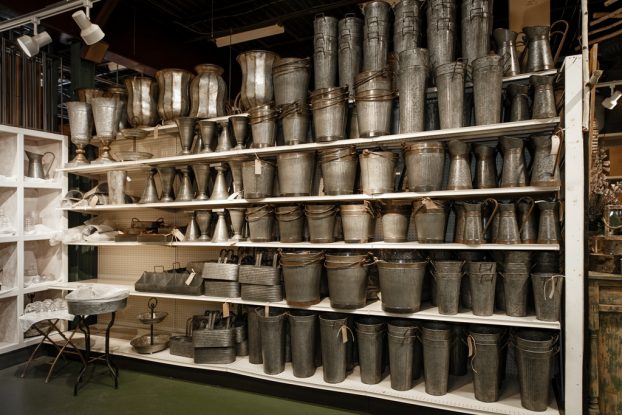
A peek inside the beautiful and very tidy, well-organized Green Mountain Florists Supply showroom.

The visit to Vermont was not complete without me asking Tom Jennings to sit down and record an interview for this podcast. Established wholesale florists are in a unique position these days. They are juggling customer demands to bring the world of flowers to their doorstep, while also responding to increasing requests for seasonal, locally grown options. I value Tom’s perspective and I know you’ll learn from this conversation.

Um, wow! Amazing inventory and aesthetic at GMFSI in South Burlington, VT.

Here’s a little more about Green Mountain Florists Supply:

Serving floral professionals in Vermont, New York, New Hampshire and beyond, Green Mountain is Vermont’s premier provider of wholesale cut flowers and floral supplies.

The company opened its doors in 1982 in Middlesex, Vermont, under the astute leadership of Tom’s parents, Charles and Sue Jennings, who saw the need for a first-rate flower supplier in the region.  After graduating from Middlebury College, Tom joined the budding new business in 1983 and assumed ownership in 1997. Since then, Tom has continued his parents’ commitment to superior service and long-term relationships — values that still guide us today.

As a floral industry expert, Tom and his  outstanding team of floral professionals create a unique wholesale experience like no other. With locations in Middlesex and South Burlington, and scheduled delivery routes that extend throughout the three-state region, Green Mountain brings the freshest products right to customers’ doors. At the South Burlington showroom, where I taught, wholesale shoppers can choose from the latest floral supplies and home décor. Artfully arranged each season, the environment serves as an ideal setting for educational opportunities and hands-on workshops. Green Mountain’s Mobile Showroom brings hardgoods, tools and floral supplies to those customers who can’t make it to either wholesale branch for their floral needs.

Find and follow Green Mountain Florist Supply:

Weely Cooler Tours give long-distant florists a first-person view of product availability

Follow Green Mountain Florists Supply on Facebook

Find Green Mountain Florists Supply on Instagram

See Green Mountain Florists Supply images on Flickr

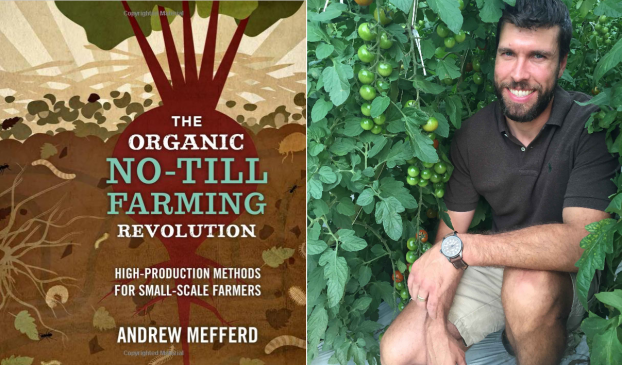
Andrew Mefferd, author of The Organic No-Till Farming Revolution book

Thanks so much for joining me today. Last week, we announced a giveaway of Andrew Mefferd’s new book The Organic No-Till Farming Revolution — and we’ve drawn one winner from all who posted comments in the show notes by Saturday, March 23rd. I loved reading listeners’ comments about the best tips learned from my interview with Andrew.

Our winner is: Melissa Garcia Perry of Howland Whistle Flower Farm who commented, “So timely! Listened to this podcast while tackling our new acres. Bumping up from super-small urban flower growing to acreage is full of challenges and has me questioning my methodologies. I want this new land to be No-Till but there are so many other growers around me telling me this is a fantasy. Andrew’s best tip for me was witnessing for himself how the absolute pro growers at Bare Mountain Farm simply covered sunflowers beds, stalks and all, with tarps and let their ground peeps do the work. Yes! I can do that.”

Congratulations, Melissa: We’ll get your address over to New Society Publishers so they can send you a copy. And thanks to all who commented and entered!

Don’t forget that Andrew has generously created a coupon code “slow” to give you 20% off your purchases or subscriptions – through the end of April – at his site, Growing for Market. Follow our link in today’s show notes to take advantage.

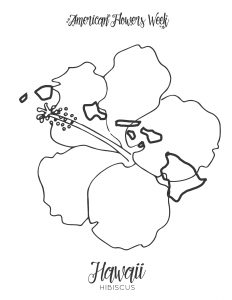
I was hoping to continue our #fiftystatesofslowflowers series today, with Hawaii, but was unable to entice anyone to join me.

I’ve had our most active Hawaii members on the podcast in the past, so follow a link to my interview with Alison Higgins of Grace Flowers Hawaii in Hanokaa on the Big Island — she has a lot of great stories about local flowers and the floral business of destination weddings you’ll want to hear if you missed the original air date. We need more active members — growers and floral designers — in Hawaii, so spread the word!

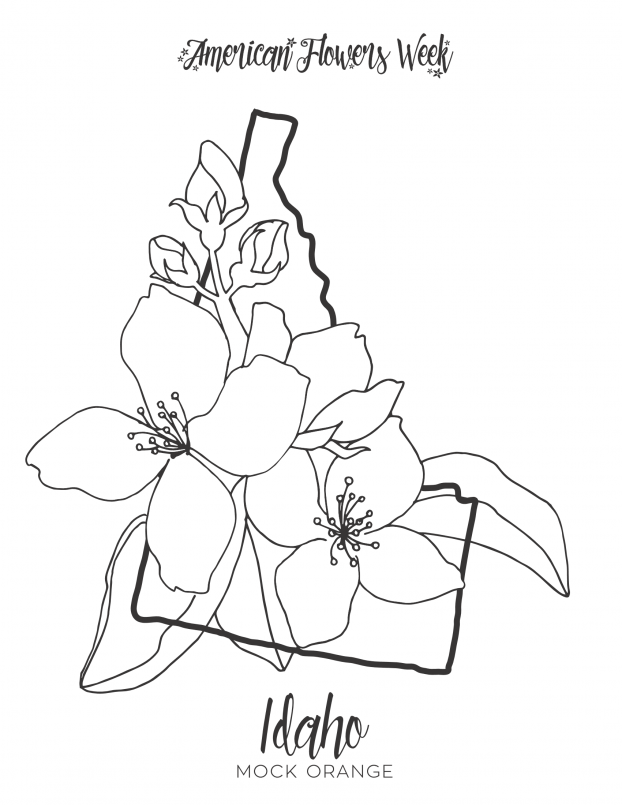
Next week, I promise you, we will hear from another State Voice — we have four I states coming up — Idaho, IllinoisIndiana & Iowa, so that will bring us through the month of April.

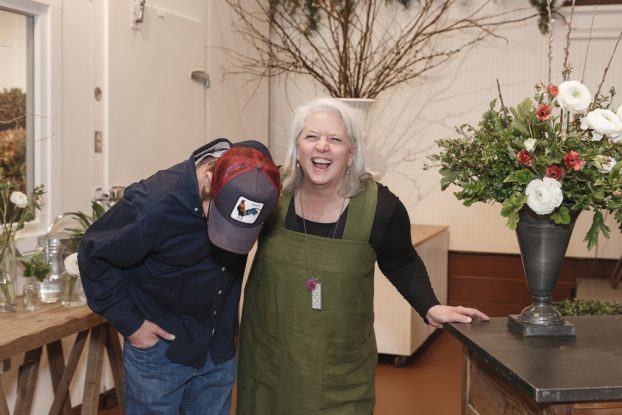
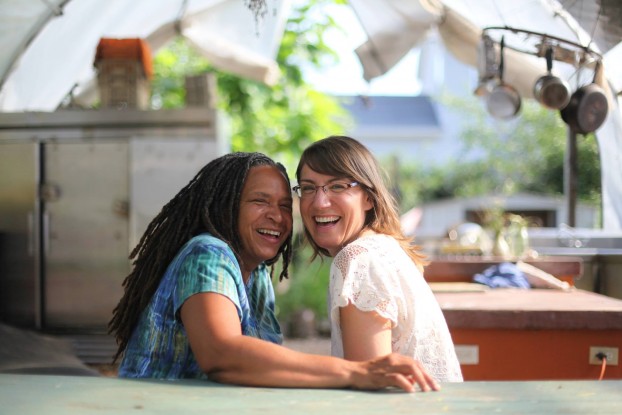
Outake! I’m not sure what Jayson Munn and I were laughing about as Amy Bennett captured the hilarity, but it captures our wonderful time together in Vermont.

I also have an reminder for ASCFG members or prospective members. The organization’s popular Mentor Program continues for the 2020-2021 seasons and if you’ve been thinking about apply to serve as a flower farming mentor or to be considered as a mentee, take note of the March 31st deadline.

And to learn more, listen to our past interview with ASCFG mentors and mentees in episode 295 from 2017. This is an incredible opportunity and the deadline is quickly approaching.

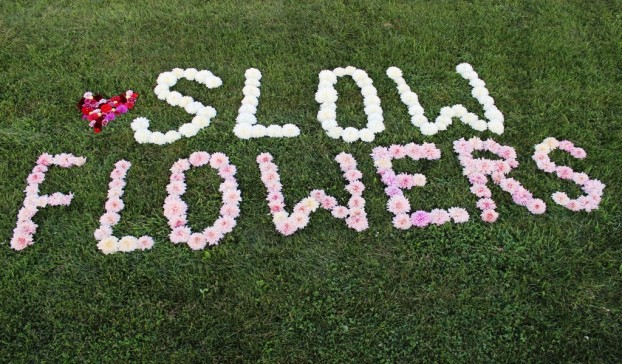
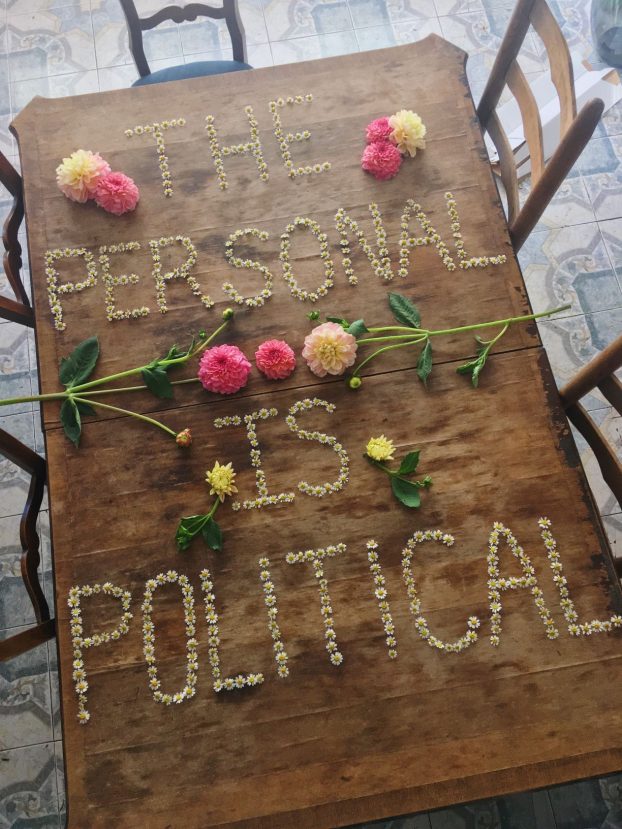
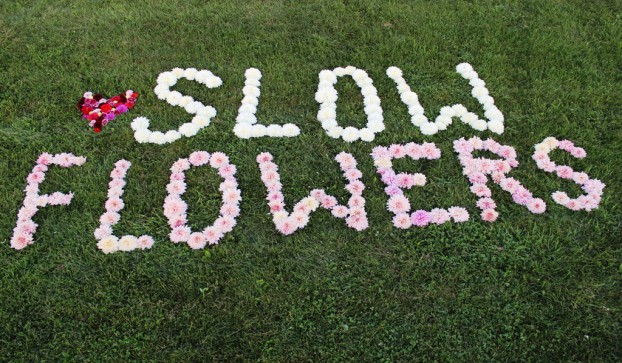
S-L-O-W F-L-O-W-E-R-S in pink and white dahlias

Thank you so much for joining me on this Slow Flowers journey as I seek new and inspiring voices, people with passion, heart, commitment and expertise to share with you. I hope today’s episode gave you at least one inspiring insight or tip to apply to your floral enterprise. What you gain will be multiplied as you pay it forward  and help someone else.

Truly, we have a vital and vibrant community of flower farmers and floral designers who together define the Slow Flowers Movement. As our cause gains more supporters and more passionate participants who believe in the importance of the American cut flower industry, the momentum is contagious.

I know you feel it, too. I value your support and invite you to show your thanks and with a donation to support my ongoing advocacy, education and outreach activities. You can find the donate button in the column to the right.

I love hearing from listeners and here’s an encouraging note that I received from Michelle Haynes of Rusty Dog Ranch, who contributed a donation in support of the Podcast. She wrote:

“Debra ~Thank you for your wonderful podcasts! I am at the very beginning stages of setting up a cut flower farm and native plants habitat here in rural north Texas. I’ve created beds and planted seeds inbetween my day job, and I have no idea what I’m doing but I’m trying not to overthink it. Your interviews and stories keep me company and encourage me during this solitary work. Every time I hear the name of a flower, one that’s contained in one of my seed packets, I think, “Well, THEY did it, so why can’t I?!”

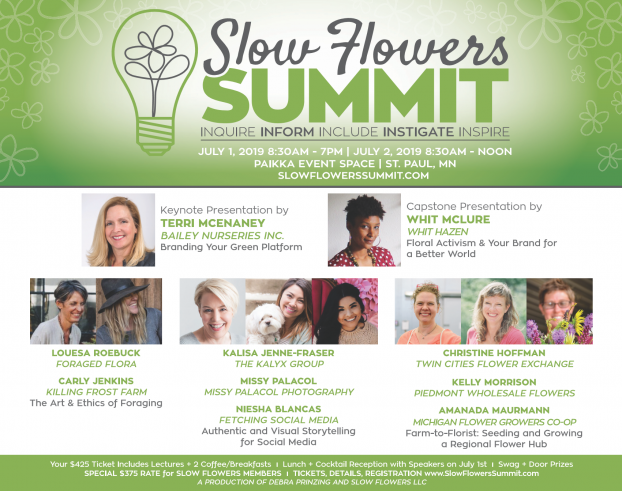
The Slow Flowers Summit is coming up soon — on July 1 & 2nd in St. Paul, Minnesota. More than half of the registration slots have been grabbed, so don’t miss out on this opportunity to join with Slow Flowers thinkers and doers in person.

One of our past year’s speakers dubbed the Summit a “floral mind meld,” and I love that concept. Come and be a part of the incredible and uplifting experience! You can make your way to slowflowerssummit.com to learn all about the many opportunities to join us — from flower farm tours and dinner on a flower farm to business and branding presentations to interactive and inspiring design sessions . . . all designed to serve you! Subscribe to Summit news and updates at slowflowerssummit.com.

Florists’ Review magazine. I’m delighted to serve as Contributing Editor for Slow Flowers Journal, found in the pages of Florists’ Review. It’s the leading trade magazine in the floral industry and the only independent periodical for the retail, wholesale and supplier market. Take advantage of the special subscription offer for members of the Slow Flowers Community.

NW Green Panels. Based in Madras, Oregon, NW Green Panels designs and constructs a wide array of wood-framed greenhouses offering versatility, style and durability. Their greenhouses are 100% Oregon-made using twin-wall polycarbonate manufactured in Wisconsin, making NW Green Panel structures a great value for your backyard. The 8×8 foot Modern Slant greenhouse has become the essential hub of my cutting garden — check out photos of my greenhouse in today’s show notes or visit nwgreenpanels.com to see more.

Seattle Wholesale Growers Market, a farmer-owned cooperative committed to providing the very best the Pacific Northwest has to offer in cut flowers, foliage and plants. The Growers Market’s mission is to foster a vibrant marketplace that sustains local flower farms and provides top-quality products and service to the local floral industry. Visit them at seattlewholesalegrowersmarket.com.

Syndicate Sales, an American manufacturer of vases and accessories for the professional florist. Look for the American Flag Icon to find Syndicate’s USA-made products and join the Syndicate Stars loyalty program at syndicatesales.com.

The Slow Flowers Podcast has been downloaded more than 428,000 times by listeners like you. Thank you for listening, commenting and sharing – it means so much. Thank you all!

I’m Debra Prinzing, host and producer of the Slow Flowers Podcast.
Next week, you’re invited to join me in putting more American grown flowers on the table, one vase at a time. And If you like what you hear, please consider logging onto iTunes and posting a listener review.

The content and opinions expressed here are either mine alone or those of my guests alone, independent of any podcast sponsor or other person, company or organization.

The Slow Flowers Podcast is engineered and edited by Andrew Brenlan. Learn more about his work at soundbodymovement.com

MUSIC CREDITS:

Not Drunk by The Joy Dropshttp://freemusicarchive.org/music/The_Joy_Drops/Not_Drunk_EPhttps://creativecommons.org/licenses/by/4.0/
Color Country; Betty Dear; Gaena; Perspirationby Blue Dot Sessionshttp://www.sessions.bluehttps://creativecommons.org/licenses/by-nc/4.0/
Lovely by Tryad http://tryad.bandcamp.com/album/instrumentals
http://creativecommons.org/licenses/by-sa/3.0/

In The Field
Music from:
audionautix.com
Episode 392: News from St. Louis-based Urban Buds and the ASCFG Urban Farming Conference; Plus Our State Focus: Florida

Wednesday, March 13th, 2019
Mimo Davis and Miranda Duschack of Urban Buds.

Today, we return to St. Louis, Missouri, to check in with the dynamic duo, Mimo Davis and Miranda Duschack of Urban Buds.

Not only will you hear more about their farm’s expansion news, I especially wanted them to share highlights of the upcoming Urban Farming Conference that they and others have organized as a program of the Association of Specialty Cut Flower Growers.

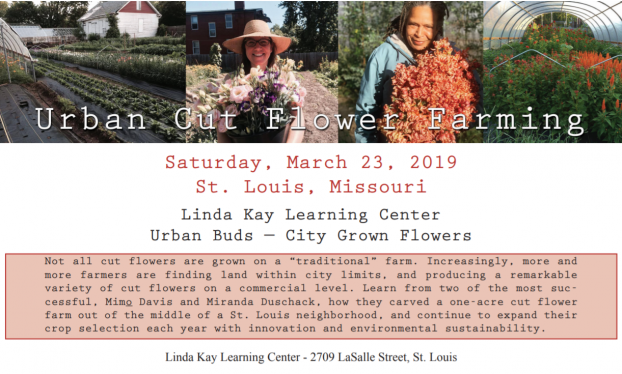
Every other year, ASCFG has a large annual symposium, such as the Raleigh conference last year. Then, during the alternating years, such as what’s happening during 2019, ASCFG produces several topic-focused sessions in regions around North America. Later this month, on Saturday, March 23rd, the second such event of the year heads to St. Louis.

You’ll hear a preview of some of the presenters and their topics covered at this one-day event, which includes a panel presentation from Mimo and Miranda and owners of two other Missouri flower farms — all about the results of their research and trials on Winter production. There will also be a tour of the local floral wholesaler, Baisch & Skinner, and a farm tour at Urban Buds.

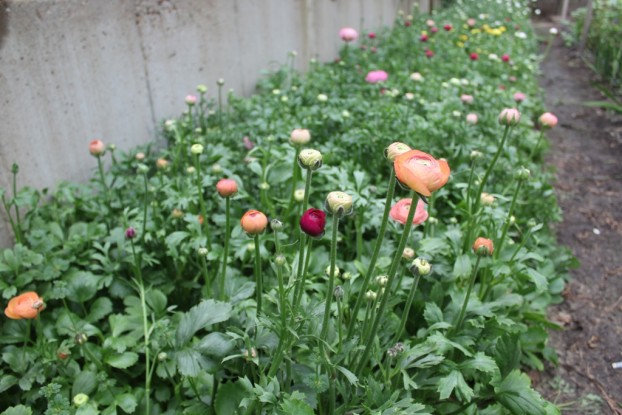
Fresh, local, sustainable and beautiful ranunculus, grown in the heart of St. Louis at Urban Buds.

Spring will have barely arrived outdoors, but inside the greenhouses and high tunnels at Urban Buds, beautiful seasonal flowers will be on full display. I’m excited for the attendees — the city farm is a sight to behold and proof that a flower farm can be just as successful on small plots as well as on larger acreage.

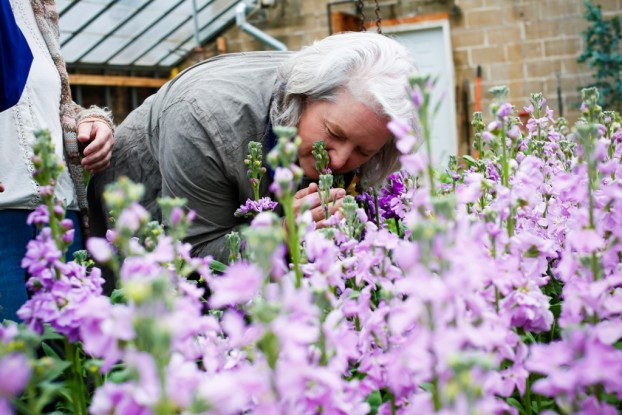
2016: Photographer Tiffany Marie Buckley caught this image of me as I sampled (sniffed) the first crop of beautiful stock at Urban Buds

I love how the Urban Farming conference is described by ASCFG on its web site: “Not all cut flowers are grown on a traditional farm. Increasingly, more and more farmers are finding land within city limits, and producing a remarkable variety of cut flowers on a commercial level. Learn from two of the most successful, Mimo Davis and Miranda Duschack, how they carved a one-acre cut flower farm out of the middle of a St. Louis neighborhood, and continue to expand their crop selection each year with innovation and environmental sustainability.”

Here is a link to the ASCFG Urban Farming Conference details, including registration and lodging.

Here is a link to my 2016 Slow Flowers Podcast interview with Mimo and Miranda, Episode 238.

Follow Urban Buds on Facebook

See more about Urban Buds on Instagram

Kate Read of Grey Tabby Gardens in Lake Mary, Florida

Our theme for 2019 – Fifty States of Slow Flowers – continues today, with Kate Read of Grey Tabby Gardens in Lake Mary, Florida.

Grey Tabby Gardens is located in the central part of the state; she describes her floral enterprise as “a boutique cut flower garden and design studio.”

Grey Tabby Gardens, where Kate Read lives and grows her beautiful, English-inspired cut flowers.

Kate grew up in England and brings a love of English gardens with her wherever she lives, including Florida, which she has called home for 18 years.

She writes this on her web site: “When I first moved to Florida there seemed to be very little interest in growing the type of flowers I was familiar with. My research led me to the “Slow Flower” movement and the desire amongst many flower lovers to source locally grown cut flowers, rather than imported flowers. I began to plan and plant a sizeable cutting garden where I could grow many of the lovely seasonal flowers that reminded me so much of those idyllic English gardens. The result is an ever evolving collation of unique and difficult to source garden fresh flowers styled into lush bouquets and arrangements and available to buy!”

The flowers that are grown at Grey Tabby Gardens are nurtured from seed to bloom and are tended using responsible practices. They have been naturally grown without the use of toxic chemicals or synthetic fertilizers and have been happily visited by bees, butterflies and hummingbirds.

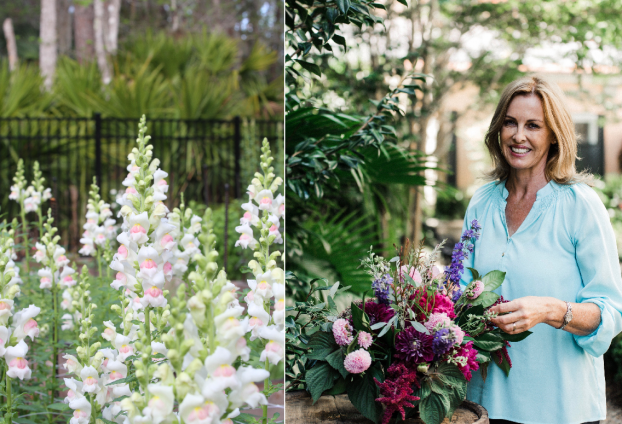
A lovely floral arrangement from Kate Read

Thanks so much for joining me today. I’m just back from the Philadelphia Flower Show where my mind was fully blown, not only by the warm welcome shown to me on the Designer’s Studio stage, where I presented the Slow Flowers story through flowers, but also by the once-in-a-lifetime opportunity to see and cover the FTD World Cup floral competition.

Twenty Three countries sent a designer to compete on the world stage and over the course of three days, tens of thousands of flower show attendees witnessed the highest level of talent in real time. I’ll be writing about the competition for Florists’ Review and Canadian Florist, so you can read more about it in the near future. Suffice it to say, there is some kind of new dynamic, new energy being infused in the profession of floral design, especially here in the U.S., where florists of all stages of experience and style are inspired to elevate their craft and art to new levels.

Congratulations to all the remarkable FTD World Cup competitors — you are the cream of the crop — and special congratulations to Australian floral designer Bart Hassam for winning this international floral competition. I’ll have a link to beautiful images and videos from the World Cup in today’s show notes — you must take a look and drink it in.

Thanks so much for joining me on this journey, seeking new and inspiring voices, people with passion, heart, commitment and expertise to share with you. I hope today’s episode gave you at least one inspiring insight or tip to apply to your floral enterprise. What you gain will be multiplied as you pay it forward  and help someone else.

Truly, we have a vital and vibrant community of flower farmers and floral designers who together define the Slow Flowers Movement. As our cause gains more supporters and more passionate participants who believe in the importance of the American cut flower industry, the momentum is contagious.

I know you feel it, too. I value your support and invite you to show your thanks and with a donation to support my ongoing advocacy, education and outreach activities. You can find the donate button in the column to the right.

The Slow Flowers Summit is coming up soon — on July 1 & 2nd in St. Paul, Minnesota. More than half of the registration slots have been grabbed, so don’t miss out on this opportunity to join with Slow Flowers thinkers and doers in person.

One of our past year’s speakers dubbed the Summit a “floral mind meld,” and I love that concept. Come and be a part of the incredible and uplifting experience! You can make your way to slowflowerssummit.com to learn all about the many opportunities to join us — from flower farm tours and dinner on a flower farm to business and branding presentations to interactive and inspiring design sessions . . . all designed to serve you! Subscribe to Summit news and updates at slowflowerssummit.com.

Thank you to our Sponsors who we’ve spotlighted today:

And thank you to our lead sponsor, Florists’ Review magazine. I’m delighted to serve as Contributing Editor for Slow Flowers Journal, found in the pages of Florists’ Review. It’s the leading trade magazine in the floral industry and the only independent periodical for the retail, wholesale and supplier market. Take advantage of the special subscription offer for members of the Slow Flowers Community.

Association of Specialty Cut Flower Growers. Formed in 1988, ASCFG was created to educate, unite, and support commercial cut flower growers. It mission is to help growers produce high-quality floral material, and to foster and promote the local availability of that product. Learn more at ascfg.org.

Seattle Wholesale Growers Market, a farmer-owned cooperative committed to providing the very best the Pacific Northwest has to offer in cut flowers, foliage and plants. The Growers Market’s mission is to foster a vibrant marketplace that sustains local flower farms and provides top-quality products and service to the local floral industry. Visit them at seattlewholesalegrowersmarket.com

Syndicate Sales, an American manufacturer of vases and accessories for the professional florist. Look for the American Flag Icon to find Syndicate’s USA-made products and join the Syndicate Stars loyalty program at syndicatesales.com.

The Slow Flowers Podcast has been downloaded more than 422,000 times by listeners like you. Thank you for listening, commenting and sharing – it means so much. Thank you all!

I’m Debra Prinzing, host and producer of the Slow Flowers Podcast.
Next week, you’re invited to join me in putting more American grown flowers on the table, one vase at a time. And If you like what you hear, please consider logging onto iTunes and posting a listener review.

The content and opinions expressed here are either mine alone or those of my guests alone, independent of any podcast sponsor or other person, company or organization.

The Slow Flowers Podcast is engineered and edited by Andrew Brenlan. Learn more about his work at soundbodymovement.com

Music Credits:
Dirtbike Lovers; Symphony 40 in G Minor; Rabbit Hole; Gaena; Perspirationby Blue Dot Sessionshttp://www.sessions.bluehttps://creativecommons.org/licenses/by-nc/4.0/
Lovely by Tryad http://tryad.bandcamp.com/album/instrumentals
http://creativecommons.org/licenses/by-sa/3.0/

In The Field
Music from:
audionautix.com

Episode 389: All About Herbs with Designer Sue Goetz, author of A Taste for Herbs, Plus State Spotlight: Colorado

Wednesday, February 20th, 2019
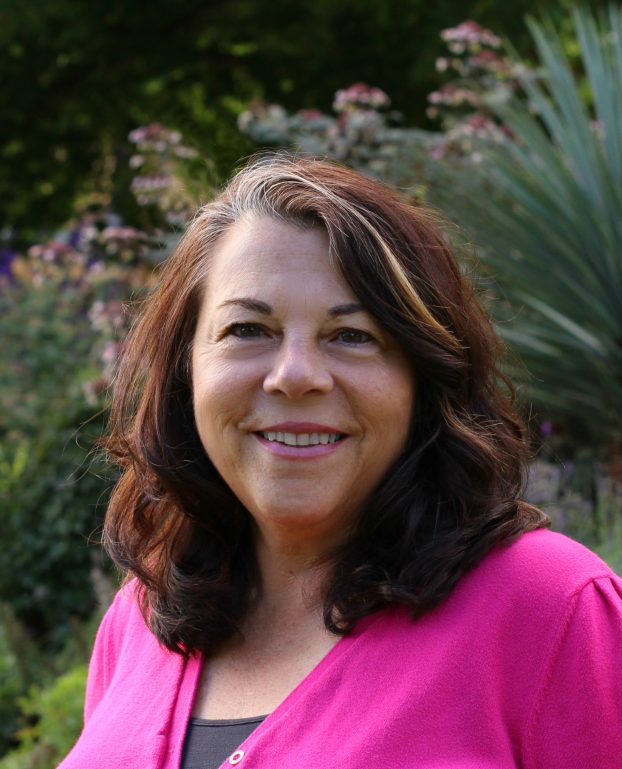
Today’s guest, herb expert Sue Goetz

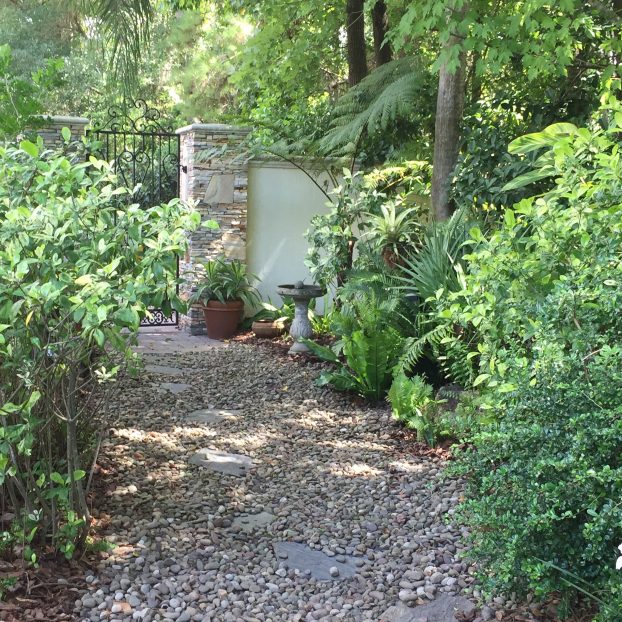
Whenever possible, I enjoy sharing those connections with the Slow Flowers Community. Because many of you come from these closely-related disciplines, I know you’ll enjoy today’s interview with my friend Sue Goetz. Sue is the owner of The Creative Gardener, based in Tacoma, Wash. She is a certified professional horticulturist, an author, speaker and award-winning designer.

I consider Sue a “sister” because we share the same book publisher, St. Lynn’s Press. While I’ve been writing and documenting the Slow Flowers movement, Sue has been writing, designing and photographing inspiring books about herbs.

Her first book, The Herb Lover’s Spa Book, is filled with ideas and recipes about growing fragrant herbs in your garden and how to use them to create a luxury spa experience. Her newest book, A Taste for Herbs, moves from the aromatherapy into the culinary  realm. I asked Sue to join me on the Slow Flowers Podcast to talk all about her favorite subject. I’m sure you’re growing herbs and I know this conversation will spark new ideas for what, how and why to add more herbs to your garden, farm, containers or greenhouse.

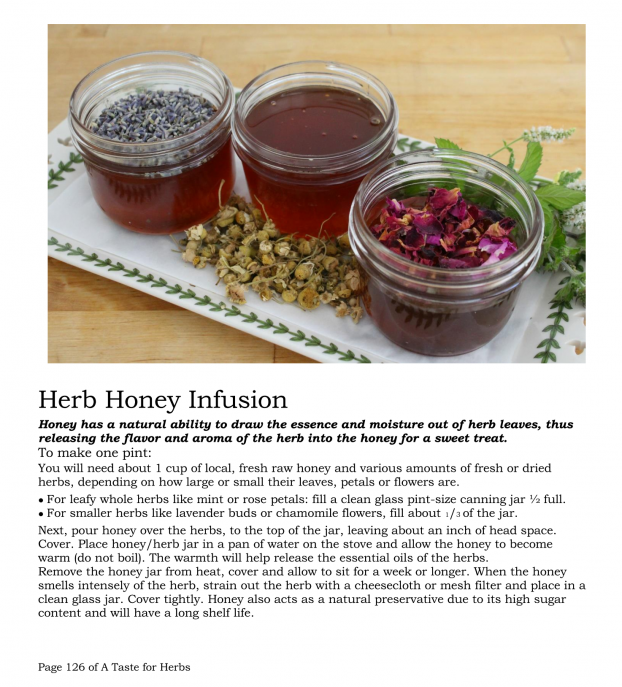
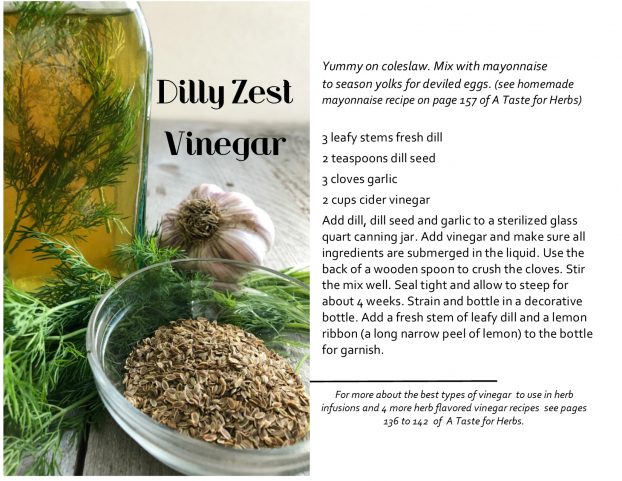
Recipe courtesy of Sue Goetz, A Taste for Herbs

Here’s more about Sue Goetz:

Writing and speaking are Sue’s favorite ways to share her love of gardening.  Her motto “…inspiring gardeners to create” defines all of her talks with hands-on workshops, how to’s and other projects that inspire creativity in and out of the garden. In 2012, she was named educator of the year by the Washington State Nursery and Landscape Association.  Sue is a member of GardenComm, formerly the Garden Writers Association, and her work has appeared in numerous newspapers and magazines.

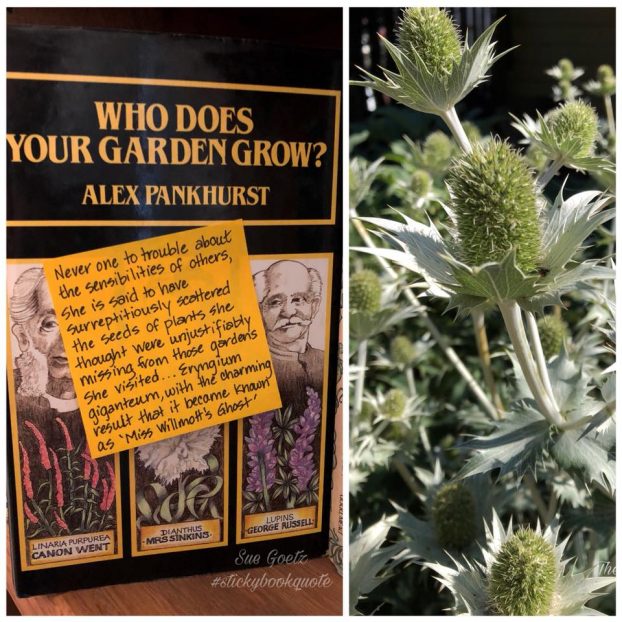
Search for Sue’s fun garden wisdom series on Instagram #stickybookquote

Sue Goetz is a garden designer, writer and speaker. Through her garden design business, the Creative Gardener, she works with clients, personalizing garden spaces from the seasonal tasks to the design of large projects. Sue’s garden design work has earned gold medals at the Northwest Flower & Garden Festival, including the Sunset Magazine Western Living award, the Fine Gardening best design award and The AHS environmental award. Her home garden was featured in Northwest Home and Garden magazine, as well as Country Gardens Magazine.

Sue is a member of APLD (Association of Professional Landscape Designers) and the Northwest Horticultural Society. Sue lives and gardens in Washington state. She has three daughters, who no matter how far they roam, they still call home for some of mom’s fragrant, herbal concoctions.

Recipe courtesy of Sue Goetz, A Taste for Herbs

You can find all of Sue’s herb-related content and details about her two books, her lectures, and lots of recipes at herbloversgarden.com.

Find and follow Sue Goetz at these social places:

The Creative Gardener on Facebook

The Creative Gardener on Instagram

Robin Taber, Blue Door Farm
Colorado’s Robin Taber of Blue Door Farm
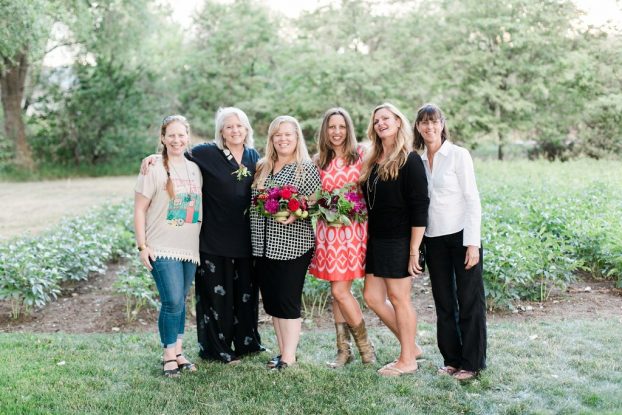
Our fabulous group of flower friends gathered at the Rocky Mountain Field to Vase Dinner. From left: Andrea K. Grist, me, Alicia Schwede, Robyn Rissman, Meg McGuire, and Robin Taber

Our theme for 2019 – #FiftyStatesofSlowFlowers – continues today, with Robin Taber of Blue Door Farm in Grand Junction, Colorado.

I first met Robin through her friend and fellow Colorado flower farmer, Megan McGuire of Red Daisy Farm, a Slow Flowers member and past guest of this podcast.

We both traveled to the Denver area in 2016 to stay at Meg’s wonderful farm and participate in a Slow Flowers Potluck as well as attend the Field to Vase Dinner at The Fresh Herb Co. It impressed me that Robin traveled 250 miles all the way across the state to be part of this gathering. It’s not unusual for flower people to do that sort of thing and we had a wonderful time together with Meg and also Andrea K. Grist, who joined us from Kansas City. See the cute photo of our time together above, along with Alicia Schwede and Robyn Rissman.

Bodacious Blooms: Robin taught floral design at a 2-day Blue Door Farm workshop last year in a collaboration with professional artist Dianna Fritzler.

Robin is deaf and communicates by lip-reading. In our conversation you’ll hear her speak with a mild accent. Her husband Mark Taber assisted us during the Skype interview.

Download the full transcript of our conversation here.

Find and follow Blue Door Farm at these social places:

Blue Door Farm on Facebook

Blue Door Farm on Instagram

The Vacation Rental/Guest House at Blue Door Farm

Thanks so much for joining me on this journey, seeking new and inspiring voices, people with passion, heart, commitment and expertise to share with you. I hope today’s episode gave you at least one inspiring insight or tip to apply to your floral enterprise. What you gain will be multiplied as you pay it forward  and help someone else.

This was a week of highlights, including lots of great press attention for Slow Flowers during the lead up to Valentine’s Day. I’ll share all of those links in our March newsletter, so if you’re not a subscriber, you may wish to sign up at debraprinzing.com.

Truly, we have a vital and vibrant community of flower farmers and floral designers who together define the Slow Flowers Movement. As our cause gains more supporters and more passionate participants who believe in the importance of the American cut flower industry, the momentum is contagious.

And thank you to our lead sponsor, Florists’ Review magazine. I’m delighted to serve as Contributing Editor for Slow Flowers Journal, found in the pages of Florists’ Review. It’s the leading trade magazine in the floral industry and the only independent periodical for the retail, wholesale and supplier market. Take advantage of the special subscription offer for members of the Slow Flowers Community.

Our first Sponsor Spotlight and thanks goes to Mayesh Wholesale Florist. Family-owned since 1978, Mayesh is the premier wedding and event supplier in the U.S. and we’re thrilled to partner with Mayesh to promote local and domestic flowers, which they source from farms large and small around the U.S. Learn more at mayesh.com.  

Our Second Sponsor Spotlight today includes a thanks to NW Green Panels. Based in Madras, Oregon, NW Green Panels designs and constructs a wide array of wood-framed greenhouses offering versatility, style and durability. Their greenhouses are 100% Oregon-made using twin-wall polycarbonate manufactured in Wisconsin, making NW Green Panel structures a great value for your backyard. The 8×8 foot Modern Slant greenhouse has become the essential hub of my cutting garden — check out photos of my greenhouse or visit nwgreenpanels.com to see more.

Our final sponsor thank you this week goes to the Seattle Wholesale Growers Market, a farmer-owned cooperative committed to providing the very best the Pacific Northwest has to offer in cut flowers, foliage and plants. The Growers Market’s mission is to foster a vibrant marketplace that sustains local flower farms and provides top-quality products and service to the local floral industry.

I know you feel it, too. I value your support and invite you to show your thanks and with a donation to support my ongoing advocacy, education and outreach activities. You can find the donate button in the column to the right.

The Slow Flowers Summit is five months away on July 1 & 2nd in St. Paul, Minnesota. We just wrapped up a very successful Galentine’s Day-Valentine’s Day promotion for the Slow Flowers Summit, generating new registrants to bump us well over the 50% sold-out mark for the 3rd annual Summit

I owe a big bouquet of thanks to event manager Karen Thornton and social media manager Niesha Blancas for all their extra effort to make that happen!

Make your way to slowflowerssummit.com to learn all about the many opportunities to join us — from flower farm tours and dinner on a flower farm to business and branding presentations to interactive and inspiring design sessions . . . all designed to serve you! Subscribe to Summit news and updates at slowflowerssummit.com.

The Slow Flowers Podcast has been downloaded more than 411,000 times by listeners like you. Thank you for listening, commenting and sharing – it means so much. Thank you all!

I’m Debra Prinzing, host and producer of the Slow Flowers Podcast.
Next week, you’re invited to join me in putting more American grown flowers on the table, one vase at a time. And If you like what you hear, please consider logging onto iTunes and posting a listener review.

The content and opinions expressed here are either mine alone or those of my guests alone, independent of any podcast sponsor or other person, company or organization.

The Slow Flowers Podcast is engineered and edited by Andrew Brenlan. Learn more about his work at soundbodymovement.com

Music Credits:
Loopy; Rabbit Hole; Gaena; Perspirationby Blue Dot Sessionshttp://www.sessions.bluehttps://creativecommons.org/licenses/by-nc/4.0/
Lovely by Tryad http://tryad.bandcamp.com/album/instrumentals
http://creativecommons.org/licenses/by-sa/3.0/

In The Field
Music from:
audionautix.com
Episode 388: Stacey Brenner of Maine’s Broadturn Farm on social entrepreneurship, leadership and sustainable business practices, Plus State Spotlight: California

Wednesday, February 13th, 2019
Stacy Brenner of Broadturn Farm

I’m delighted to share today’s conversation with Stacy Brenner of Broadturn Farm in Scarborough, Maine.

Back in May 2012, after the publication of The 50 Mile Bouquet, I received an email from my dear childhood friend, Shari Shambaugh.

We went to high school youth group together in Portland, Oregon, but she had since moved with her family to Portland Maine.
As part of her newsy email, Shari wrote:

Our CSA farm starts up soon, so we’ll be having our source of wonderful produce back from Broadturn Farm. We tried a meat share with another farm this winter, both stepping back from the amount of meat we eat and choosing better/local sources. I am also thinking of getting the flower share this year, a weekly bouquet of flowers from our food CSA.

You would love the blog site of our farmers (lovely people – we had dinner with them a few months ago at the home of mutual friends). Their daughter is a gifted photographer and Stacy (the mom) is a gifted arranger/grower. I knew they grew local blooms, but didn’t know there was a Slow Flower movement. Makes so much sense.  I may go out and paint a few times this summer. I would be nice to get out into the open, and their farm has wonderful vistas.

John Bliss, Stacy Brenner and family
Broadturn Farm flowers, grown and designed

Just months later, I met Stacy Brenner and John Bliss of Broadturn Farm when they traveled to Tacoma for the ASCFG Conference — and we connected the dots that my friend Shari was one of their CSA customers. Love the small-world personal connections that happen when you talk about local and seasonal flowers!

I don’t know why it has taken me so long to invite Stacy (and John, who was otherwise detained when we recorded today’s episode, reportedly working in their greenhouses) to be a guest on the Slow Flowers Podcast. So pleased we were able to record today’s episode via Skype this past week.

Broadturn Farm's vivid branding embellishes the delivery van
Broadturn Farm’s vivid branding embellishes the delivery van

There has been a lot of excitement coming out of Maine in the Slow Flowers world lately, including two back-to-back successful years with the Flowering in the North conferences, not to mention Slow Flowers’ relationship with our sponsor Johnny’s Selected Seeds, and our support of Rayne Grace Hoke’s Slow Flowers-inspired design workshops.

Broadturn Farm, Scarborough, Maine

So, the focus on Maine is growing. Let me tell you more about Broadturn Farm and its owners, Stacy Brenner and John Bliss:

John Bliss and Stacy Brenner share the work of running the farm and raising two daughters, Emma (22) and Flora (12). They both grew up in the suburbs of large cities, with no direct relationship to agriculture, but they started farming together in 2002.

In their bio on Broadturn Farm’s web site, John & Stacy describe themselves as middle aged, at times cynical, hardworking and always delighted to have a good laugh with friends and co-workers. Good food is a high priority, as is travel and plenty of time to binge on TV in the winter during a snow-storm. Access to real food, a strong need for connection to sustenance, and the potential to connect the verdant world with social justice is what urged this couple to put their hands to the earth.

Summer Camp at Broadturn Farm

While the desire to raise food was easy to intellectualize, flower farming is a hobby gone wild. Stacy and John both have a love for making and growing, thus flower farming and flower design work is like an extension of the challenges of food production melded with the art of design. Every bucket of blooms still makes them giddy. The first bunch of tulips, the perfect peony and the dahlia with just the right shade brings such joy. And, much like the first meal their family enjoyed with all farm-produced food, the first big wedding they produced with all farm grown and foraged goods made their hearts sing. John and Stacy are truly honored to put food on people’s tables and flowers in their arms.

They value Broadturn Farm as a gift, a real blessing, and they are open to sharing that with their community. There are trails to explore and fields to examine and there is always something going on with the livestock, from cud chewing to a mama hen trailed by her 6 chicks. And, if all that proves unexciting, the barn cats are sure to bring smile. If you come by, and you see John or Stacy puttering around, please say hello. They’re almost always busy in the season but never too busy to share a moment with a visitor. There are no regularly scheduled tours but don’t let that keep you from stopping by.

Dahlias at Broadturn Farm

I’m so pleased to share this conversation with you. Stacy has a lot of exciting news to share as well as insights that may inspire you to take a step back and reconsider your farm or studio’s mission and practices.

Beautiful Bird’s Eye view of Broadturn Farm

So much going on and you’ll want to follow and connect with Broadturn Farm. Find and follow the farm here:

Broadturn Farm on Facebook

Broadturn Farm on Instagram

Broadturn Farm Flower Shop at FORAGE (Portland)

READ MORE…

Episode 387: When Flowers are Your Side Hustle, with Nan Matteson of Queen City Flower Farm, Plus State Spotlight: Arkansas

Wednesday, February 6th, 2019

Queen City Flower Farm’s flowers, grown by today’s guest, Nan Matteson

Nan Matteson of Queen City Flower Farm, based in Cincinnati, Ohio

I’m delighted to share today’s conversation with Nan Matteson of Queen City Flower Farm in Cincinnati, Ohio.

I met Nan virtually in 2015 when she emailed me to introduce herself. It was a lovely note from a woman who would become a kindred spirit and friend. Nan wrote this:

“Once vase at a time.” That was the line that hooked me. I could make one vase.

I’m a podcast junkie and a gardener.  Slow Flowers hit my radar either via Ken Druse or Riz Reyes early in the game. I listened all summer. I wanted to hang out with these people. I showed up at the ASCFG meeting in Delaware to explore more. Met you ever so briefly.   

Came home wondering, how can I be a part of this movement?  I could read between the lines. People already owned the land. There was a husband/family in the background. But let’s be honest. I’m single, in my late 50’s, and wasn’t about to leave my good job w/ benefits.

More beautiful bouquets and field-grown zinnias from Queen City Flower Farm.

However, one afternoon in late November I had coffee w/ a local CSA farmer who had no interest in flowers. She said, “Nan, come grow for us on our land.” An offer I couldn’t refuse. 

I spent the winter reading, ordering seeds and tubers. Listening to more podcasts. By spring I knew I still knew nothing about growing cut flowers, but took the advice offered in multiple podcasts, “Just start.” 

So I have spent this summer providing mixed bouquets for Finn Meadows CSA. A barnacle business as Elizabeth Artis would say. A mini-micro biz I say. I average 7 bouquets a week. Not much, but seven more vases of fresh, local, seasonal flowers sitting on someone’s table each week. 

And I continue to listen to your podcast. 

Lucky for me I’m heading to NYC this week-end. And although not planned it turned out that I had scheduled myself the same week as the Field to Vase dinner in Brooklyn. Oh my gosh! So what’s another day in NYC if I can catch that event? I hope to see you there.

Final thought: trend is not a bad word  – embrace it. You’ve created a wonderful trend! (Who am I to tell you what to say?!) 

Love your podcast. Its growth proves its worth. Sincerely, Nan Matteson

Event bouquets (left) and a gift bouquet (right), grown by Nan Matteson of Queen City Flower Farm.

Isn’t that just the kind of email to savor again and again?!

Nan (right) with her sister, at Flower House Detroit in 2015. The women are wearing botanical brooches, which Nan made.

As it turns out, I met Nan that summer of 2015 in Brooklyn, and subsequently, at Lisa Waud’s Flower House Detroit, just a few months later.

She joined Slow Flowers as a member, came to the Slow Flowers Summit #1 and #2 (and she’s already scheduled to join us in St. Paul at Slow Flowers Summit #3).

We’ve met up at other flower events and when Nan came to Seattle last month for a short visit, I told her we needed to record an episode for the Podcast!

Lucky for me, she said YES! I know you will enjoy our conversation and laughter.

And you’ll be inspired as I am, by Nan’s joie de vivre and her determination to keep on growing flowers, even if just for a single vase of beauty.

Find and follow Nan Matteson at these social places — she’s one you’ll want to follow and connect with.

Queen City Flower Farm on Instagram

The Marmalade Lily, where Nan will be growing dahlias this coming season.

All Arkansas-grown wedding by Rose of Sharon Floral Design Studio

Althea Wiles, Rose of Sharon Floral Design Studio

Our theme for 2019 – Fifty States of Slow Flowers – continues today, with Arkansas-based Althea Wiles of Rose of Sharon Floral Design Studio.

Follow Rose of Sharon at these social places:

Rose of Sharon on Facebook

Rose of Sharon on Instagram

Rose of Sharon on Pinterest

Thanks so much for joining me on this journey, seeking new and inspiring voices, people with passion, heart, commitment and expertise to share with you.

I hope today’s episode gave you at least one inspiring insight or tip to apply to your floral enterprise. What you gain will be multiplied as you pay it forward  and help someone else.

We have a vital and vibrant community of flower farmers and floral designers who together define the Slow Flowers Movement. As our cause gains more supporters and more passionate participants who believe in the importance of the American cut flower industry, the momentum is contagious.

I know you feel it, too. I value your support and invite you to show your thanks and with a donation to support my ongoing advocacy, education and outreach activities. You can find the donate button in the column to the right.

Slow Flowers Summit logoThe Slow Flowers Summit is six months away so please save three dates on your calendar as you plan your travel to St. Paul, Minnesota.

First, our bonus flower farm tours and Slow Flowers Dinner on the Farm, taking place on Sunday, June 30th.

On Monday, July 1st, we will all gather at Paikka Event Space for day one of the Summit.

On Tuesday, July 2nd we will tour the Twin Cities Flower Exchange as it’s swimming in locally grown flowers.

I can’t wait to see you there! Ticket sales continue with a special Slow Flowers member discount at $375.

You’ll learn all about the many opportunities to join us — from flower farm tours and dinner on a flower farm to business and branding presentations to interactive and inspiring design sessions . . . all designed to serve you! Sign up to receive updates at slowflowerssummit.com.

Thank you to our Sponsors, including those highlighted today!

Florists’ Review magazine: I’m delighted to serve as Contributing Editor for Slow Flowers Journal, found in the pages of Florists’ Review. It’s the leading trade magazine in the floral industry and the only independent periodical for the retail, wholesale and supplier market. Take advantage of the special subscription offer for members of the Slow Flowers Community.

Madras, Oregon-based NW Green Panels, designer and builder of a wide array of wood-framed greenhouses. Their greenhouses are 100% Oregon-made using twin-wall polycarbonate manufactured in Wisconsin, making NW Green Panel structures a great value for your backyard. The 8×8 foot Modern Slant greenhouse has become the essential hub of my cutting garden — check out photos of my greenhouse here!

Seattle Wholesale Growers Market, a farmer-owned cooperative committed to providing the very best the Pacific Northwest has to offer in cut flowers, foliage and plants. The Growers Market’s mission is to foster a vibrant marketplace that sustains local flower farms and provides top-quality products and service to the local floral industry. Visit them here.

Syndicate Sales, an American manufacturer of vases and accessories for the professional florist. Look for the American Flag Icon to find Syndicate’s USA-made products and join the Syndicate Stars loyalty program at syndicatesales.com.

The Slow Flowers Podcast has been downloaded more than 405,000 times by listeners like you. Thank you for listening, commenting and sharing – it means so much. Thank you all!

I’m Debra Prinzing, host and producer of the Slow Flowers Podcast. Next week, you’re invited to join me in putting more American grown flowers on the table, one vase at a time. And If you like what you hear, please consider logging onto iTunes and posting a listener review.

The content and opinions expressed here are either mine alone or those of my guests alone, independent of any podcast sponsor or other person, company or organization.

The Slow Flowers Podcast is engineered and edited by Andrew Brenlan. Learn more about his work at soundbodymovement.com

Music Credits:
Loopy; Rabbit Hole; Gaena; Perspiration
by Blue Dot Sessions
Music from:

audionautix.com

Episode 386: Hudson Valley’s Tiny Hearts Farm Adds Retail to the Mix, Plus State Spotlight: Arizona

Wednesday, January 30th, 2019

Opening Day at the new Tiny Hearts flower shop, with owners Jenny Elliott and Luke Franco

Jenny Elliott, one half of Tiny Hearts Farms.

Our featured guests today are back for a second time — and I always love inviting past guests to the Slow Flowers Podcast so you can hear their “next chapter.”

In April, 2015, I invited Jenny Elliott and Luke Franco of Tiny Hearts Farm, based in Copake, NY, to share their story here. In fact, here’s a link to that conversation, Episode 189.

A lot has happened in the subsequent three years, which makes me want to ask: Is a flower farmers’ three years more like 30 years for the rest of us? Seriously, what Jenny and Luke have accomplished is inspiring and I know it will be instructive to wherever you are today.

Luke Franco, one half of Tiny Hearts Farms

I first learned of Tiny Hearts from famed garden writer and podcaster Margaret Roach (you may recall that she was gardening editor and eventually editorial director for MSL back in its true heyday).

Margaret had recently invited me to be a guest on her popular gardening podcast, A Way to Garden,”  to talk about Slow Flowers.

She immediately and proudly shared that her own small Hudson Valley community a few hours north of NYC was home to a new specialty cut flower farm, Tiny Hearts.

It was so nice to have the “a ha” connection already made for Margaret, thanks to Jenny and Luke’s involvement in the local agriculture community of Copake.

I later got to meet Jenny in person at a Slow Flowers Hudson Valley Meet-Up. What a wonderful experience to continue the conversation — and having Tiny Hearts join the Slow Flowers community was a bonus for me, even though we mostly kept in touch via social media.

Tiny Hearts Farm’s charming retail shop and studio in Hillsdale, NY.

It was through Social Media that I learned of Luke and Jenny’s more recent news for 2018 — the birth of their second child and the birth of a new floral venture. You’ll hear all about it in today’s episode. Here’s a little more about Jenny and Luke, in a bio excerpted from their web site’s “About” page:

His-and-Her Planting at Tiny Hearts Farm

Jenny Elliott and Luke Franco started what would become Tiny Hearts Farm in the late winter of 2011, when they were offered an acre of land in Westchester County, New York, to grow on. Jenny had been farming vegetables for four or five years at this point, after getting a Masters in musicology and wondering what to do with it. Luke was (and still is) working as a jazz guitarist.

The land belonged to Dick Button, the Olympic figure-skating gold medalist, and Jenny is a winter Olympics fanatic, so it was clearly a good idea to start a farm there, even though they didn’t own so much as a shovel.

The first few years had its challenges—lack of water, fencing, equipment, and housing, being among them—but they were able to start a small, organically managed, hand-scale vegetable and flower farm and saw a measure of success. Jenny and Luke quickly found a niche and love for the flowers and they switched to growing flowers exclusively by their third year, the same year it became clear that they were quickly outgrowing their little farm. To grow the variety and quality of flowers sustainably that they envisioned, more space and better farm infrastructure was needed.

In the spring of 2014 Tiny Hearts moved an hour and a half north to become part of the new Copake Agricultural Center. The move offered a lifetime lease on 15 acres (a big deal for flower farms—many perennials are expensive to install and take years to establish), a house on the edge of the field, a barn for packing out orders, and four neighboring farms who quickly became the best support system. During their first two years here, Jenny and Luke invested in much-needed infrastructure—a greenhouse, walk-in cooler, two tractors, and delivery vans. They now work with a team of four to six employees, all passionate about flowers and invested in becoming great farmers and designers.

Rows and rows of flowers at Tiny Hearts Farm.

Tens of thousands of tulips kick off the season at Tiny Hearts Farm.

They say this: “We’re committed to our organic practices, to our staff and neighbors, to our community of customers, and to finding flowers that make us all happy and excited about the botanical world. As our farm grows, our goal is to become better and better growers of high-quality, healthy-for-the-land, healthy-for-people flowers.”

Inside the beautiful Tiny Hearts Farm Shop in Hillsdale, NY

Here’s how to find and follow Tiny Hearts Farm at its social places:

Tiny Hearts Farm on Facebook

Tiny Hearts Farm on Instagram

Debby Mittelman of MiViva Designs, photographed by Sullivan & Sullivan at the 2017 Whidbey Flower Workshop

Fifty States of Slow Flowers in Arizona

Our theme for 2019 – Fifty States of Slow Flowers – continues today, with Debby Mittelman of MiViva Designs, a custom floral design and photography studio in the Phoenix area — who shares an Arizona floral spotlight.

Arizona-grown bouquet by MiViva Designs.

Here’s how to find and follow Debbie at her social places.

MiViva Designs on Facebook

MiViva Designs on Instagram

Locally-grown Arizona flowers — designed and photographed by Debbie Mittelman of MiViva Designs

Thanks so much for joining me on this Slow Flowers journey, seeking new and inspiring voices, people with passion, heart, commitment and expertise to share with you. I hope today’s episode gave you at least one inspiring insight or tip to apply to your floral enterprise. What you gain will be multiplied as you pay it forward  and help someone else.

The Slow Flowers Summit is six months away so please save three dates on your calendar as you plan your travel to St. Paul Minnesota:

Sunday, June 30th: Bonus flower farm tours and the Slow Flowers Dinner on the Farm

Monday, July 1st: The main converence at Paikka Event Space

Tuesday, July 2nd: Twin Cities Flower Exchange tour and presentation.

I can’t wait to see you there! Ticket sales continue with a special Slow Flowers member discount at $375, so please make your way to slowflowerssummit.com to learn all about the many opportunities to join us — from flower farm tours and dinner on a flower farm to business and branding presentations to interactive and inspiring design sessions . . . all designed to serve you!

Sign up to receive updates at slowflowerssummit.com.

The Slow Flowers Podcast has been downloaded more than 402,000 times by listeners like you. Yes, this past week we surpassed an epic milestone of more than 400,000 listener downloads!

Thank you for listening, commenting and sharing – it means so much. We have a vital and vibrant community of flower farmers and floral designers who together define the Slow Flowers Movement.

As our cause gains more supporters and more passionate participants who believe in the importance of the American cut flower industry, the momentum is contagious. I know you feel it, too. I value your support and invite you to show your thanks and with a donation to support my ongoing advocacy, education and outreach activities. You can find the donate button in the column to the right.

Thank you to our Sponsors!

Thank you to: Florists’ Review magazine. I’m delighted to serve as Contributing Editor for Slow Flowers Journal, found in the pages of Florists’ Review. It’s the leading trade magazine in the floral industry and the only independent periodical for the retail, wholesale and supplier market. Take advantage of the special subscription offer for members of the Slow Flowers Community

The Seattle Wholesale Growers Market, a farmer-owned cooperative committed to providing the very best the Pacific Northwest has to offer in cut flowers, foliage and plants. The Growers Market’s mission is to foster a vibrant marketplace that sustains local flower farms and provides top-quality products and service to the local floral industry. Visit them at seattlewholesalegrowersmarket.com.

NW Green Panels.  Based in Madras, Oregon, NW Green Panels designs and constructs a wide array of wood-framed greenhouses offering versatility, style and durability. Their greenhouses are 100% Oregon-made using twin-wall polycarbonate manufactured in Wisconsin, making NW Green Panel structures a great value for your backyard. The 8×8 foot Modern Slant greenhouse has become the essential hub of my cutting garden. Visit them at NW Green Panels.

Syndicate Sales, an American manufacturer of vases and accessories for the professional florist. Look for the American Flag Icon to find Syndicate’s USA-made products and join the Syndicate Stars loyalty program at syndicatesales.com.

I’m Debra Prinzing, host and producer of the Slow Flowers Podcast. Next week, you’re invited to join me in putting more American grown flowers on the table, one vase at a time. And If you like what you hear, please consider logging onto iTunes and posting a listener review.

The content and opinions expressed here are either mine alone or those of my guests alone, independent of any podcast sponsor or other person, company or organization.

The Slow Flowers Podcast is engineered and edited by Andrew Brenlan. Learn more about his work at soundbodymovement.com

Music Credits:
Red City Theme; Vittoro; Rabbit Hole; Gaena; Perspiration
by Blue Dot Sessions

Episode 385: A Conversation with Soul Fire Farm’s Leah Penniman, author of Farming While Black, Plus State Spotlight: Alaska

Wednesday, January 23rd, 2019

Leah Penniman of Soul Fire Farm and author of “Farming While Black.”

Please meet this week’s podcast guest: Leah Penniman of Soul Fire Farm. I am so incredibly excited to share our conversation with you as we discuss Leah’s brand new book, “Farming While Black, Soul Fire Farm’s Practical Guide to Liberation on the Land,” published last October by Chelsea Green Publishing.

Soul Fire Farm – a life-giving hub for education, advocacy and activism

Leah Penniman is a Black Kreyol educator, farmer, author, and food justice activist from Soul Fire Farm in Grafton, NY.

She co-founded Soul Fire Farm in 2011 with the mission to end racism in the food system and reclaim an ancestral connection to land. As co-Executive Director, Leah is part of a team that facilitates powerful food sovereignty programs – including farmer trainings for Black & Brown people, a subsidized farm food distribution program for people living under food apartheid, and domestic and international organizing toward equity in the food system.

Soul Fire Farm’s Leah Penniman and her family

Leah holds an MA in Science Education and BA in Environmental Science and International Development from Clark University. She has been farming since 1996 and teaching since 2002.

The work of Leah and Soul Fire Farm has been recognized by the Soros Racial Justice Fellowship, Fulbright Program, Omega Sustainability Leadership Award, Presidential Award for Science Teaching, NYS Health Emerging Innovator Awards, and Andrew Goodman Foundation, among others. All proceeds from the sale of Farming While Black will be used to support Black Farmers.

Pollinator flowers at Soul Fire Farm

Soul Fire Farm is a Black, indigenous, and people of colorcentered community farm committed to ending racism and injustice in the food system.

Soul Fire Farm raises and distributes life-giving food as a means to end food apartheid. With deep reverence for the land and wisdom of ancestors, the farm works to reclaim its collective right to belong to the earth and to have agency in the food system.

Soul Fire brings diverse communities together on its healing land to share skills on sustainable agriculture, natural building, spiritual activism, health, and environmental justice. Leah and her colleagues are training the next generation of activist-farmers and strengthening the movements for food sovereignty and community self-determination.

I believe that Farming While Black is required reading for all farmers, and for anyone who wants to have a deeper insight into the often-ignored agricultural history of our country.

I highly recommend it — Leah’s passion and spirit jumps off the page as she inspires, informs, instigates and shares her important life’s work as well as her incredibly smart farming advice.

Here’s how you can find and follow Leah Penniman, of Soul Fire Farm:

Soul Fire Farm on Facebook

Soul Fire Farm on Instagram

Here’s more about Farming While Black. And Leah’s Book Tour Schedule — I hope you can hear Leah speak and meet her in a city near you!

Kim Herning of Northern Lights Peonies


Kim Herning (left) at Northern Lights Peony Farm

Our theme for 2019 – Fifty States of Slow Flowers – continues today, with Alaska!!

And now, let’s meet Kim Herning of Northern Lights Peonies — who shares an Alaska floral spotlight.

You’ll want to hear from Kim about her journey toward peonies in her life. She is also on the board of Arctic Alaska Peonies, a past sponsor of the Slow Flowers Podcast.

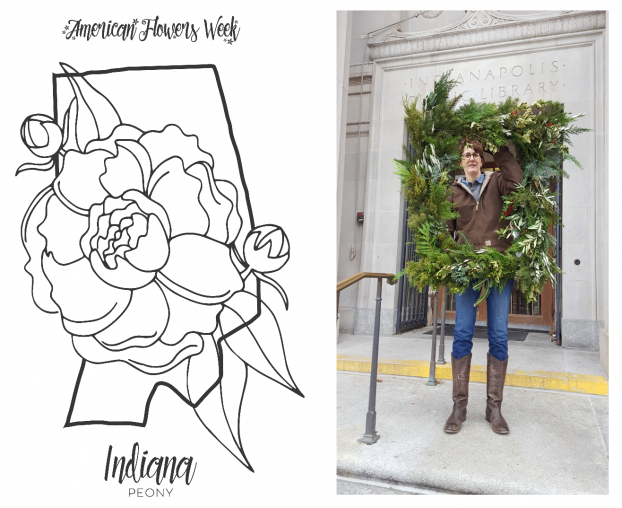
Left: Our Alaska Forget-me-Not coloring sheet from American Flowers Week; Right: Kim Herning of Northern Lights Peonies.

Thanks so much for joining me on this journey, seeking new and inspiring voices, people with passion, heart, commitment and expertise to share with you. I hope today’s episode gave you at least one inspiring insight or tip to apply to your floral enterprise. What you gain will be multiplied as you pay it forward  and help someone else.

We have a vital and vibrant community of flower farmers and floral designers who together define the Slow Flowers Movement. As our cause gains more supporters and more passionate participants who believe in the importance of the American cut flower industry, the momentum is contagious.

I know you feel it, too. I value your support and invite you to show your thanks and with a donation to support my ongoing advocacy, education and outreach activities. You can find the donate button in the column to the right.

The Slow Flowers Summit is six months away so please save three dates on your calendar as you plan your travel to St. Paul Minnesota: First, our bonus flower farm tours and Slow Flowers Dinner on the Farm, taking place on Sunday, June 30th; then, Monday, July 1st, where we will all gather at Paikka Event Space for day one of the Summit, followed by Tuesday, July 2nd where we will tour the Twin Cities Flower Exchange as it’s swimming in locally grown flowers.

I can’t wait to see you there! Ticket sales continue with a special Slow Flowers member discount at $375, so please make your way to slowflowerssummit.com to learn all about the many opportunities to join us — from flower farm tours and dinner on a flower farm to business and branding presentations to interactive and inspiring design sessions . . . all designed to serve you! Sign up to receive updates at slowflowerssummit.com.

The Slow Flowers Podcast has been downloaded more than 399,000 times by listeners like you. Thank you for listening, commenting and sharing – it means so much. Thank you all!

And thank you to our lead sponsor, Florists’ Review magazine. I’m delighted to serve as Contributing Editor for Slow Flowers Journal, found in the pages of Florists’ Review. It’s the leading trade magazine in the floral industry and the only independent periodical for the retail, wholesale and supplier market. Take advantage of the special subscription offer for members of the Slow Flowers Community.

Our first Sponsor Spotlight focuses on Johnny’s Selected Seeds, an employee-owned company that provides our industry the best flower, herb and vegetable seeds — supplied to farms large and small and even backyard cutting gardens like mine. Check them out at johnnysseeds.com and if you missed our recent interview with Johnny’s flower category expert, Hillary Alger, I’ll add a link in today’s show notes so you can find it easily.

Our Second Sponsor Spotlight today goes to Longfield Gardens, which provides home gardeners with high quality flower bulbs and perennials. Their online store offers plants for every region and every season, from tulips and daffodils to dahlias, caladiums and amaryllis. Spring bulb season is almost here – my tulips are poking out of the ground already! Visit Longfield Gardens at longfield-gardens.com.

Our final Sponsor thanks today Mayesh Wholesale Florist. Family-owned since 1978, Mayesh is the premier wedding and event supplier in the U.S. and we’re thrilled to partner with Mayesh to promote local and domestic flowers, which they source from farms large and small around the U.S. Learn more at mayesh.com.

I’m Debra Prinzing, host and producer of the Slow Flowers Podcast. Next week, you’re invited to join me in putting more American grown flowers on the table, one vase at a time. And If you like what you hear, please consider logging onto iTunes and posting a listener review.

The content and opinions expressed here are either mine alone or those of my guests alone, independent of any podcast sponsor or other person, company or organization.

The Slow Flowers Podcast is engineered and edited by Andrew Brenlan. Learn more about his work at soundbodymovement.com

Music Credits:

A Palace of Cedar; Rabbit Hole; Gaena; Perspiration
by Blue Dot Sessions

Lovely
by Tryad
http://tryad.bandcamp.com/album/instrumentals
http://creativecommons.org/licenses/by-sa/3.0/

In The Field
Music from:
audionautix.com
Episode 384: Blending Cut Flower Production with a Nursery Business at Minnesota’s Green Earth Growers, Plus our new State Spotlight: Alabama

Wednesday, January 16th, 2019

Jolea Gress and Jenny Hotz of Green Earth Growers

Please meet this week’s podcast guests, Jolea Gress and Jenny Hotz of Green Earth Growers. In today’s conversation, you’ll learn about their thriving business, their flowers, their wholesale and retail operations — plus, you’ll learn how you can join all three of us at the special Slow Flowers Dinner on the Farm, taking place June 30th prior to the third annual Slow Flowers Summit in St. Paul Minnesota.

The beautiful farm that is home to Green Earth Growers in Prior Lake, Minnesota

Our delicious and beautiful Flower Farm-to-Table meal will take place at Green Earth Growers, in Prior Lake, Minnesota. This established, women-owned plant nursery, vegetable and cut flower farm will wow you and I’m so pleased that Jolea and Jenny are sharing their story here today. Green Earth Growers is one of the Minnesota flower farms selling to the floral marketplace through the Twin Cities Flower Exchange wholesale hub. TCFE is our co-host of the 2019 Slow Flowers Summit.

The flower harvest at Green Earth Growers.

Here’s a bit about their story:

Green Earth Growers was established in 2004, located just south of the Twin Cities. Jenny and Jolea began by growing quality plants, produce & cut flowers for local farmers, fundraisers, garden centers, landscapers, farmers markets and restaurants. Slowly, throughout the years, they have expanded their greenhouse growing space and farmland.

A vivid and freshly picked CSA bouquet from Green Earth Growers.

The women continue to be committed to growing and producing quality products with an emphasis on sustainability. All their production (plants, produce and cut flowers) are grown in accordance with the National Organic Standards. Green Earth Growers is a Certified Naturally Grown business.

Beautiful field-grown sunflowers from Green Earth Growers.

In 2008, Jenny and Jolea introduced Green Earth Growers CSA, growing the program from supplying an initial 20 families with fresh weekly produce, to more than 70 CSA members today. They added a flower shares option in 2014, and say they love the personal connection with those CSA customers.​

CSA Bouquets (left) and bedding plants and hanging baskets inside the Green Earth Growers’ greenhouse.

The retail center, Green Earth Gardens, opened in 2013, operating seasonally, late April to July. The center offers sustainable grown plants that are Minnesota hardy and an alternative to the plants you find at big box stores. Always experimenting with new plant varieties and growing methods, you can tell that Jenny and Jolea are passionate about flowers plants. Their passion is contagious and I can’t wait to visit them in June!

Find and follow Green Earth Growers at these social places:

Green Earth Growers on Facebook

Green Earth Growers on Instagram

Lisa Thorne of Thorne & Thistle with one of her bridal bouquets

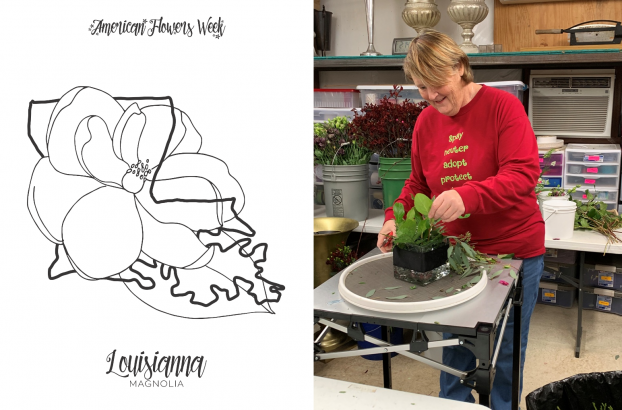
I love our Alabama state flower coloring page with a Camellia, designed by Jenny Diaz for American Flowers Week!

I want to share about our special theme of 2019 – Fifty States of Slow Flowers – which begins today, and continues through the end of 2019, for fifty consecutive weeks, I will devote a bonus mini-interview at the end of each episode to speak with a member about what’s happening in his or her state.

Averaging 10 minutes or so, we’ll give you a snapshot of floristry, flower sourcing and the unique character of the Slow Flowers scene — from Alabama to Wyoming and everywhere between. We’ll also make some important stops along the way to speak with members in the Canadian Provinces — yay!

Today’s state spotlight begins with Alabama’s Lisa Thorne of Thorne & Thistle.

Thorne and Thistle is a destination wedding and floral design studio with a passion for travel and creating meaningful, memorable moments for our couples across the southeastern states and beyond.

You can read more about Lisa in a feature I wrote for the November 2017 issue of Florists’ Review, called “A Southern Sense of Style.” Click here to read.

Find and follow Lisa Thorne at these social places:

Thorne & Thistle on Facebook

Thorne & Thistle on Instagram

Thorne & Thistle on Pinterest

Thorne & Thistle on Twitter

A beautiful Alabama tablescape, designed by Lisa Thorne of Thorne & Thistle.

Thanks so much for joining me on this journey, seeking new and inspiring voices, people with passion, heart, commitment and expertise to share with you. I hope today’s episode gave you at least one inspiring insight or tip to apply to your floral enterprise. What you gain will be multiplied as you pay it forward  and help someone else.


We have a vital and vibrant community of flower farmers and floral designers who together define the Slow Flowers Movement. As our cause gains more supporters and more passionate participants who believe in the importance of the American cut flower industry, the momentum is contagious.

I know you feel it, too. I value your support and invite you to show your thanks and with a donation to support my ongoing advocacy, education and outreach activities. You can find the donate button in the column to the right.

The Slow Flowers Summit is six months away so please save three dates on your calendar as you plan your travel to St. Paul Minnesota: First, our bonus flower farm tours and Slow Flowers Dinner on the Farm, taking place on Sunday, June 30th; then, Monday, July 1st, where we will all gather at Paikka Event Space for day one of the Summit, followed by Tuesday, July 2nd where we will tour the Twin Cities Flower Exchange as it’s swimming in locally grown flowers.

I can’t wait to see you there! Ticket sales continue with a special Slow Flowers member discount at $375, so please make your way to slowflowerssummit.com to learn all about the many opportunities to join us — from flower farm tours and dinner on a flower farm to business and branding presentations to interactive and inspiring design sessions . . . all designed to serve you! Sign up to receive updates at slowflowerssummit.com.
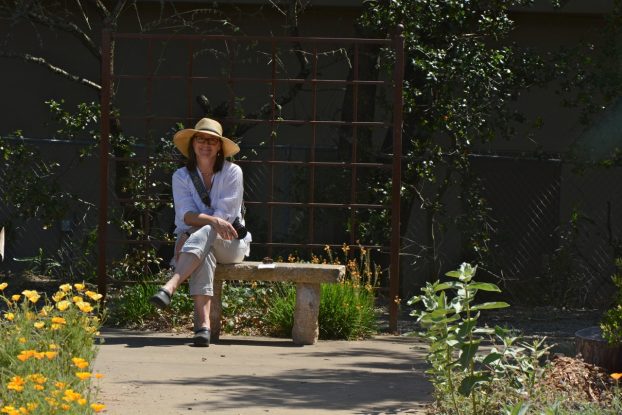
Photographed at Everyday Flowers in Stanwood, Wash. (c) Missy Palacol Photography

The Slow Flowers Podcast has been downloaded more than 397,000 times by listeners like you. Thank you for listening, commenting and sharing – it means so much. Thank you all!

I’m Debra Prinzing, host and producer of the Slow Flowers Podcast.

Next week, you’re invited to join me in putting more American grown flowers on the table, one vase at a time. And If you like what you hear, please consider logging onto iTunes and posting a listener review.

The content and opinions expressed here are either mine alone or those of my guests alone, independent of any podcast sponsor or other person, company or organization.

The Slow Flowers Podcast is engineered and edited by Andrew Brenlan. Learn more about his work at soundbodymovement.com
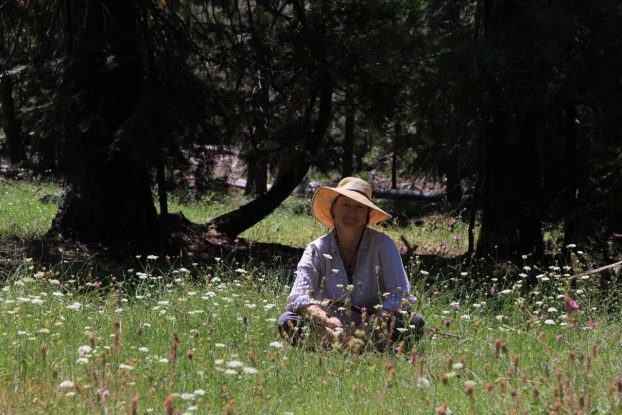
SPONSOR THANKS:

Florists’ Review magazine. I’m delighted to serve as Contributing Editor for Slow Flowers Journal, found in the pages of Florists’ Review. It’s the leading trade magazine in the floral industry and the only independent periodical for the retail, wholesale and supplier market. Take advantage of the special subscription offer for members of the Slow Flowers Community.

Today’s first thank you goes out Syndicate Sales, an American manufacturer of vases and accessories for the professional florist. Look for the American Flag Icon to find Syndicate’s USA-made products and join the Syndicate Stars loyalty program at syndicatesales.com.

Team Flower Conference – a professional floral event where flower lovers from all over the world gather for networking, learning, and celebration. It’s a special time for the floral industry to come together and whether you’re a farmer, designer, wholesaler, or just love flowers, you’re invited to attend as Team Flowers dreams big for the industry’s future. Head to teamflower.org/slowflowers to learn more about the 2019 conference in Waco, Texas!
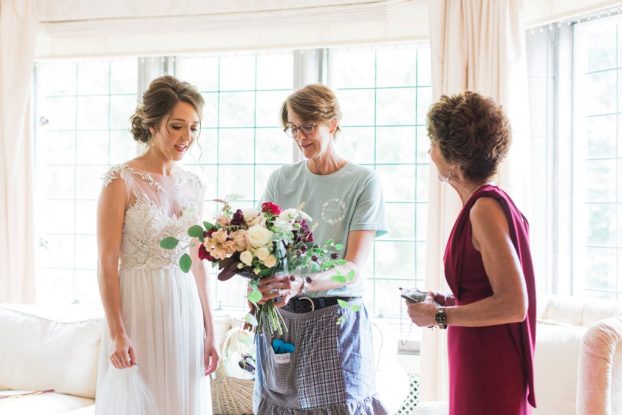
Association of Specialty Cut Flower Growers. Formed in 1988, ASCFG was created to educate, unite, and support commercial cut flower growers. It mission is to help growers produce high-quality floral material, and to foster and promote the local availability of that product. Learn more at ascfg.org. And check out the web site for details about the upcoming Focus on the Business of Cut Flowers conference, set for Feb 18-19 in Denver. Seven of the experts presenting at the conference are past guests of the Slow Flowers Podcast, so you’ll recognize some familiar names and topics in the lineup!

Music Credits:
On Our Own Again; Rabbit Hole; Gaena; Perspiration
by Blue Dot Sessions

Episode 383: The Joy of Seeds with Hillary Alger, Flowers Product Manager of Johnny’s Selected Seeds

Wednesday, January 9th, 2019

Johnny’s Seeds flower trial gardens in Maine.

Johnny’s Seeds’ flowers product manager, Hillary Alger

If you’re a regular listener to the Slow Flowers Podcast, you know that Johnny’s Selected Seeds is one of our most supportive sponsors and partners.

I have been pestering today’s guest, Hillary Alger, Johnny’s Flowers Product Manager, to let me record an interview with her for quite a while.

We finally took time over the holiday break to jump on Skype and do it. I’m so pleased because the timing for discussing flower seeds and growing flowers is perfect.

Winter is when we all think about next season’s crops and new varieties to trial.

Whether you have a backyard cutting garden like me or a legitimate flower farm, you probably have visions of beautiful blooms dancing in your head.

And each image we see, whether it’s in a catalog or online, is enough to send our hearts racing as we add just one more variety to the wish list.

Behind-the-scenes at a Johnny’s Seeds’ studio photo shoot

Hillary is here today to discuss that process – how does an established seed company like Johnny’s, which was founded in 1973, select, trial, evaluate and bring to market thousands of varieties of vegetable, herb and flower seeds each year?

Even if you’re just a bit of a flower geek, this conversation will engage and inspire you. Hillary also discusses some of the more than 25 new annual seed varieties coming online in Johnny’s 2019 catalog, as well as the decision to reintroduce bulbs for cut flower growers. After more than a decade hiatus, the pages of Johnny’s catalog include more than 35 narcissus and tulip varieties. Click here to download a 4-pg PDF of all new new 2019 flowers.

Hillary often styles photo shoots for online and print, including fun floral flat-lays.

With a fine arts background, Hillary has fused her love of painting with her career in vegetable and flower seed promotion. Here is one of her paintings of an heirloom squash.

The Slow Flowers-Johnny’s Seeds partnership is a mutually rewarding one — and I’m so grateful to bring this episode to you today. Click here to read a recent post about Growing a Cutting Garden, with more resources from Johnny’s.

Here’s a bonus gift for listeners of this podcast — Thanks, Johnny’s!

Thank you from Johnny’s

An update about the Slow Flowers Summit:

First of all, we’ve been running an Early Bird ticket promotion for the Slow Flowers Summit 2019 and that opportunity has closed. Nearly 50 of you took advantage of the early bird pricing — and we will sell out the conference at 150 registrations.

So don’t have FOMO — you’ll want to make your way to slowflowerssummit.com to learn all about the many opportunities to join us — from flower farm tours and dinner on a flower farm to business and branding presentations to interactive and inspiring design sessions . . . all designed to serve you! Slow Flowers members will still enjoy discount pricing up until the day of the Summit. Sign up to receive updates at slowflowerssummit.com.
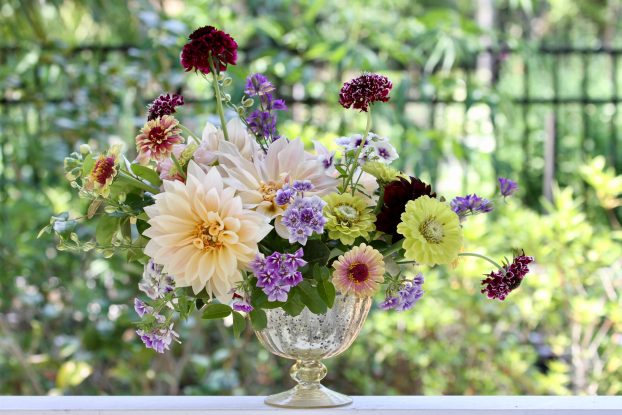
Left: A spring bouquet designed by Hillary for a Johnny’s Seeds photo shoot; right: Hillary’s home cutting garden.

We have a vital and vibrant community of flower farmers and floral designers who together define the Slow Flowers Movement. As our cause gains more supporters and more passionate participants who believe in the importance of the American cut flower industry, the momentum is contagious.

I know you feel it, too. I value your support and invite you to show your thanks and with a donation to support my ongoing advocacy, education and outreach activities. You can find the donate button in the column to the right.

The Slow Flowers Podcast has been downloaded more than 395,000 times by listeners like you. Thank you for listening, commenting and sharing – it means so much. Thank you all!

I am in love with my greenhouse, designed and built sustainably by Oregon-based NW Green Panels (c) Missy Palacol Photography

I’m Debra Prinzing, host and producer of the Slow Flowers Podcast.
Next week, you’re invited to join me in putting more American grown flowers on the table, one vase at a time. And If you like what you hear, please consider logging onto iTunes and posting a listener review.

The content and opinions expressed here are either mine alone or those of my guests alone, independent of any podcast sponsor or other person, company or organization.

The Slow Flowers Podcast is engineered and edited by Andrew Brenlan. Learn more about his work at soundbodymovement.com
This week’s sponsor thank-you’s:

Mayesh Wholesale Florist. Family-owned since 1978, Mayesh is the premier wedding and event supplier in the U.S. and we’re thrilled to partner with Mayesh to promote local and domestic flowers, which they source from farms large and small around the U.S. Learn more at mayesh.com.
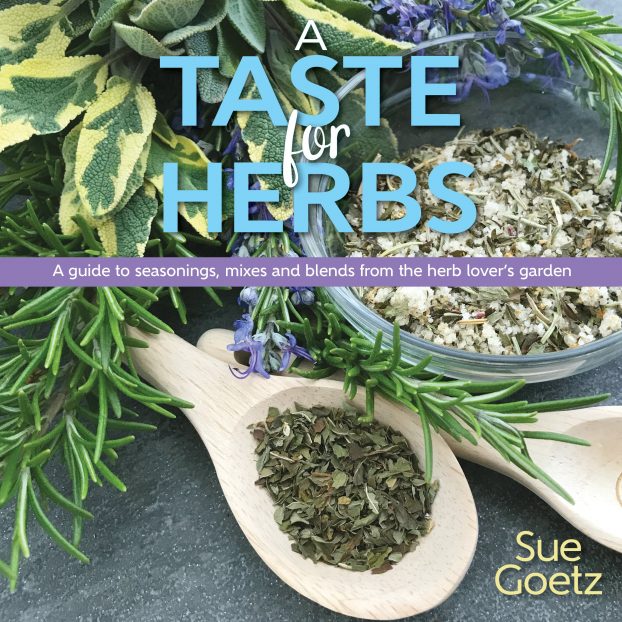
NW Green Panels.  Based in Madras, Oregon, NW Green Panels designs and constructs a wide array of wood-framed greenhouses offering versatility, style and durabilty. They are 100% Oregon-made using twin-wall polycarbonate manufactured in Wisconsin, making NW Green Panel structures a great value for your backyard. The 8×8 foot Modern Slant greenhouse has become the essential hub of my cutting garden — check out the link in today’s show notes to see photos or visit nwgreenpanels.com.

Seattle Wholesale Growers Market, a farmer-owned cooperative committed to providing the very best the Pacific Northwest has to offer in cut flowers, foliage and plants. The Growers Market’s mission is to foster a vibrant marketplace that sustains local flower farms and provides top-quality products and service to the local floral industry. Find them at seattlewholesalegrowersmarket.com
Music Credits:

Episode 382: Slow Flowers’ 2019 Floral Insights & Industry Forecast

Wednesday, January 2nd, 2019

Welcome to the 2019 Forecast!

Happy New Year 2019!

I’ve finally put away the holiday decorations and with my thoughts already turning to the spring garden, it’s time to look to the future. Our BIG NEWS for 2019 is the launch of a one-stop web site for all-things Slow Flowers. Please visit our newly-branded site on the web — SlowFlowersSociety.com.

Check out the NEW Slowflowerssociety.com site!

It is fresh, user-friendly and gives you access to all of the Slow Flowers programs, events and channels in one place.

Why the Society? Our focus hasn’t changed. In fact our mission continues. Which is:  to change the flower sourcing practices of consumers and professionals through outreach and education that highlights the benefits of local, seasonal and domestic floriculture — and to build a movement that promotes cultivation and sales of those flowers while nurturing authentic connections between consumers, farmers, and florists.

Slowflowers.com is now part of the Slow Flowers Society underscores our inclusive community dedicated to preserving domestic floral farms and supporting safe, seasonal and local supplies of sustainablyfarmed flowers and foliage. Our members are engaged in all facets of the U.S. floral industry.

I’m excited to share highlights from the annual Slow Flowers’ Floral Insights and Industry Forecast.

This report originated in the fall of 2014, when I traveled to NYC to meet with garden and lifestyle media as part of the launch of Slowflowers.com. The publicists helping me, Lola Honeybone and Marla Kramer, suggested I produce a powerpoint presentation to help illustrate the central themes of the Slow Flowers movement. It was a great tool to walk editors and writers through our platform, and to discuss shifts taking place in the floral marketplace that directly reflected significant changes in how flowers could be grown, designed and marketed.

When 2015 rolled around just months later, I shared those insights on this Podcast — and it became the first of our annual ritual.

For each of the past five years, I have drawn from a number of sources to develop this annual forecast. Sources include hundreds of my first-person interviews for print and digital stories, input gathered from the Slow Flowers Community, conversations with past guests of the Slow Flowers Podcast and idea-exchanges with other progressive leaders in the floral marketplace — farmers, florists and design creatives — who together inspire this “floral futures” report.

I hope you find these forward-thinking resources important and valuable. I’d love to hear your feedback and suggestions. Find an expanded version of this report, including a free PDF [Download here: Slow Flowers Forecast 2019].

You can also find an executive summary of the report in the pages of the brand new January 2019 edition of Florists’ Review.

A note about our programming change for 2019. Because of so much demand — all good — from podcast sponsors, we are trying something a little different for 2018. Rather than giving you a lengthy sponsor list at the end of the show, I’ll highlight just three sponsors during the episode — at the beginning, our mid-show break – and at the end.

First up: the Association of Specialty Cut Flower Growers.

Formed in 1988, ASCFG was created to educate, unite, and support commercial cut flower growers.

Its mission is to help growers produce high-quality floral material, and to foster and promote the local availability of that product.

Learn more at ascfg.org. And check out the web site for details about the upcoming Focus on the Business of Cut Flowers Conference, set for Feb 18-19 in Denver.

Seven of the experts presenting at the conference are past guests of the Slow Flowers Podcast, so you’ll recognize some familiar names and topics in the lineup!

The title of this year’s 2019 Slow Flowers’ Floral Insights and Industry Forecast is TRACKING FLORAL FUTURES

I know you’ll agree with me that the floral professional’s role is to connect consumers with the natural world through artistry and design. So it’s no surprise that this year’s emerging themes include ideas and concepts that strengthen community ties with values-driven consumers, as well as nurture entrepreneurial innovation in horticulture and floriculture. If you’re an “early adopter,” these concepts may resonate or reinforce your current approach to sustainable design.

In recent months, I’ve shared many of these ideas at top industry venues, including Hitomi Gilliam’s Trend Summit 2018, the Association of Specialty Cut Flower Growers annual conference and the Southern Flower Symposium. I’ll also share this report at an upcoming member-only event for the Seattle Wholesale Growers Market on Jan 23rd. Find more details here.

Number #1 Experiences, Not Conveniences

In a retail climate where Amazon is king, those who engage floral consumers in authentic, tactile, visceral experiences will break through the click-and-buy or cash-and-carry mindset. Customers who connect with you, your story, your flowers and the origin of those flowers are the foundation of your loyal tribe.

And while efforts and actions that strengthen our ties with customers isn’t an entirely new concept, it is one you must habitually practice, especially in today’s cluttered and distracting marketplace. Events, tours, workshops and other experiential programming are critical — and much more powerful than touching customers through social media channels alone.

Many of you have a deep understanding of the power of experiences, and my advice to you is to continue investing time, resources and creativity to offer the floral marketplace a chance to forge a relationship with you and your flowers.

A Flower-Filled Community Festival at My Garden Over Floweth — all about EXPERIENCES! (c) Courtney Coriell Photography

For example, Slow Flowers members Teresa Engbretson and Katie Elliott of My Garden Over Floweth, open their Paterson, Wash., farm for two seasonal “Flower Fling” festivals each year. These farmer-florists have created events that provide a sense of community for their customers, while also offering a new venue for other vendors. In their recap post after the Fall Fling, they wrote:

We place so much thought, time and care into planning the best experience we possibly can and we hope that shows!  This is a space and a time where memories are made and we hope each and every person felt a warm welcome. We felt so much love yet again by all who attended, including amazing local vendor family.  Each vendor and their products speak to hard work, quality and friendship, we are so honored to have so many great people surrounding us at our farm!

You don’t have to be a professional event planner to pull off an experience-rich program. Not at all. Start small and open your studio or farm gate to flower lovers — you’ll be positively rewarded.

READ MORE…