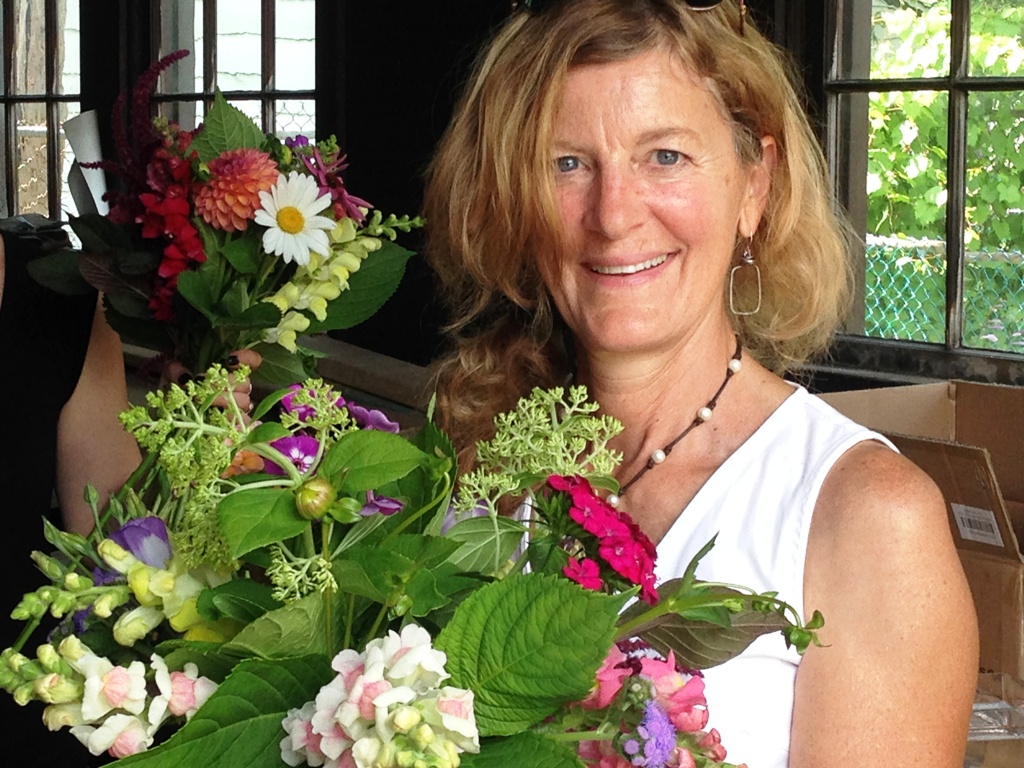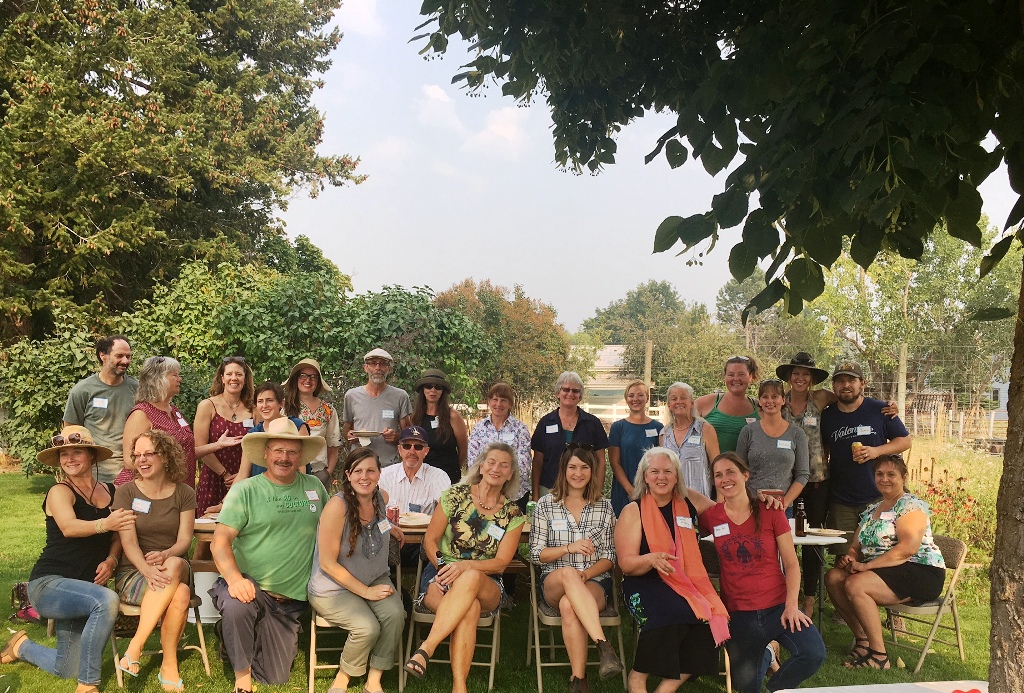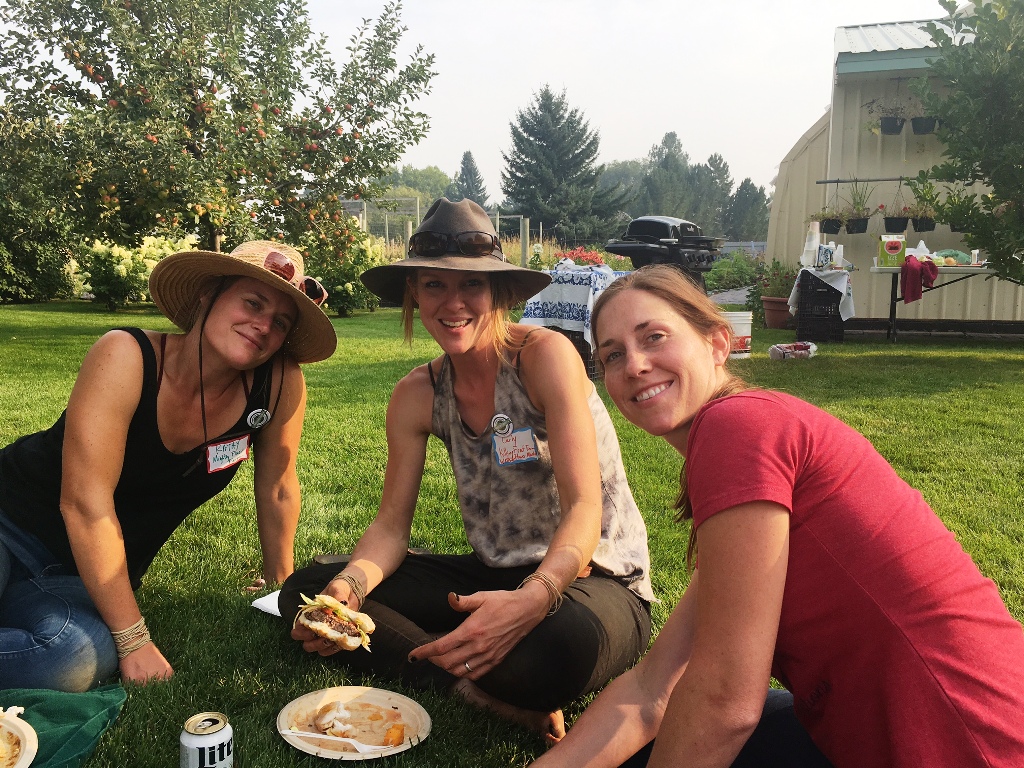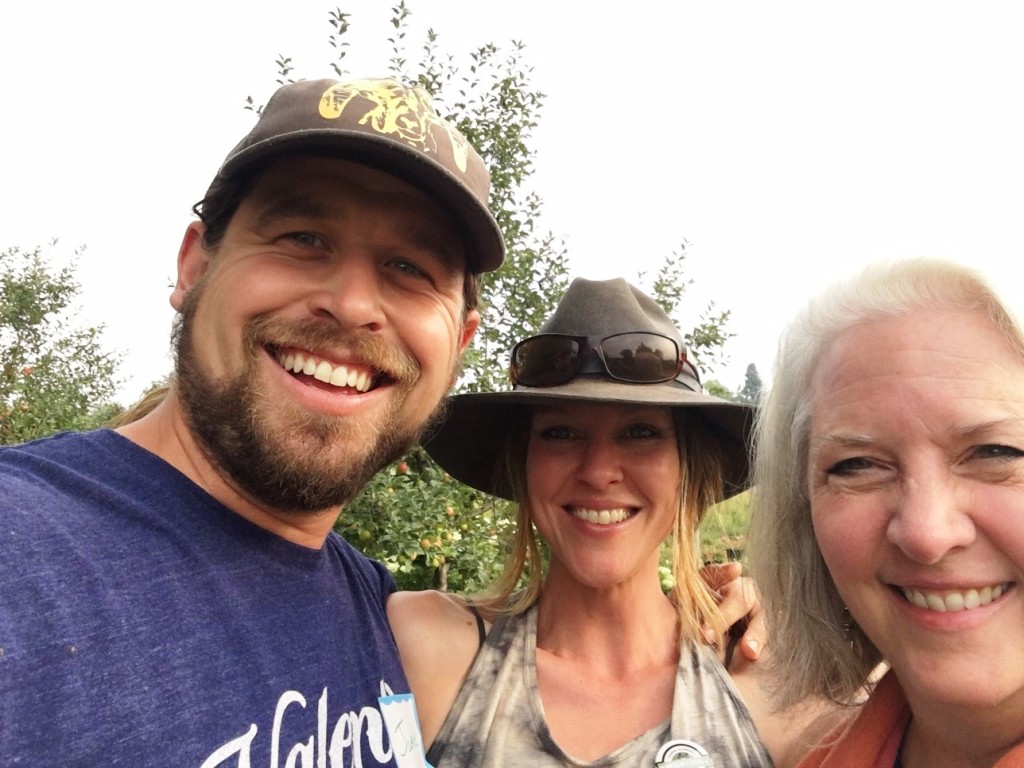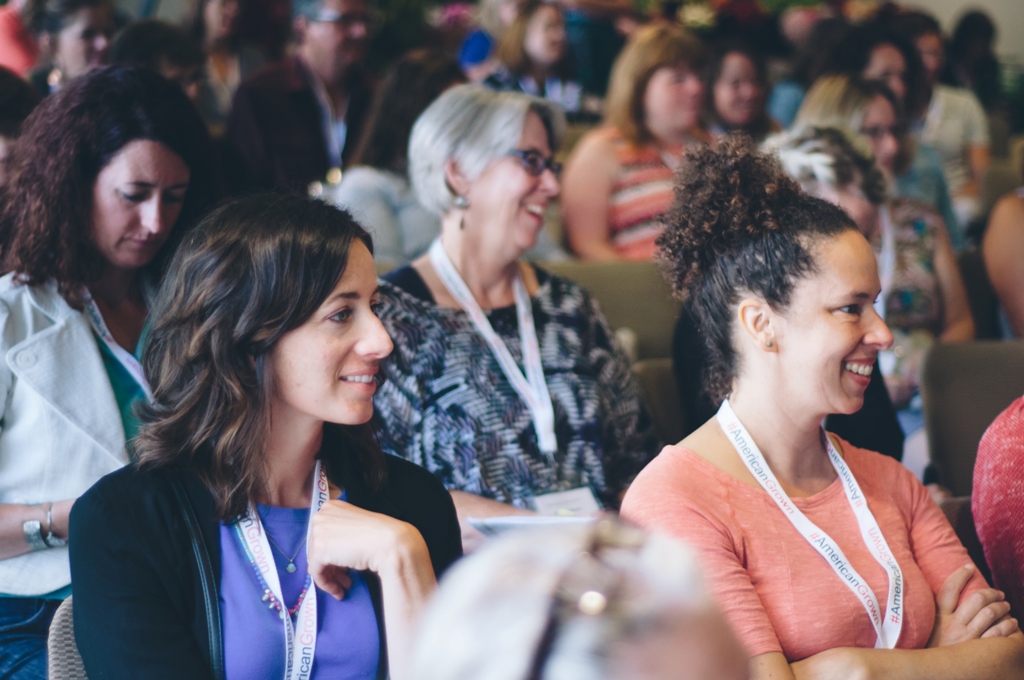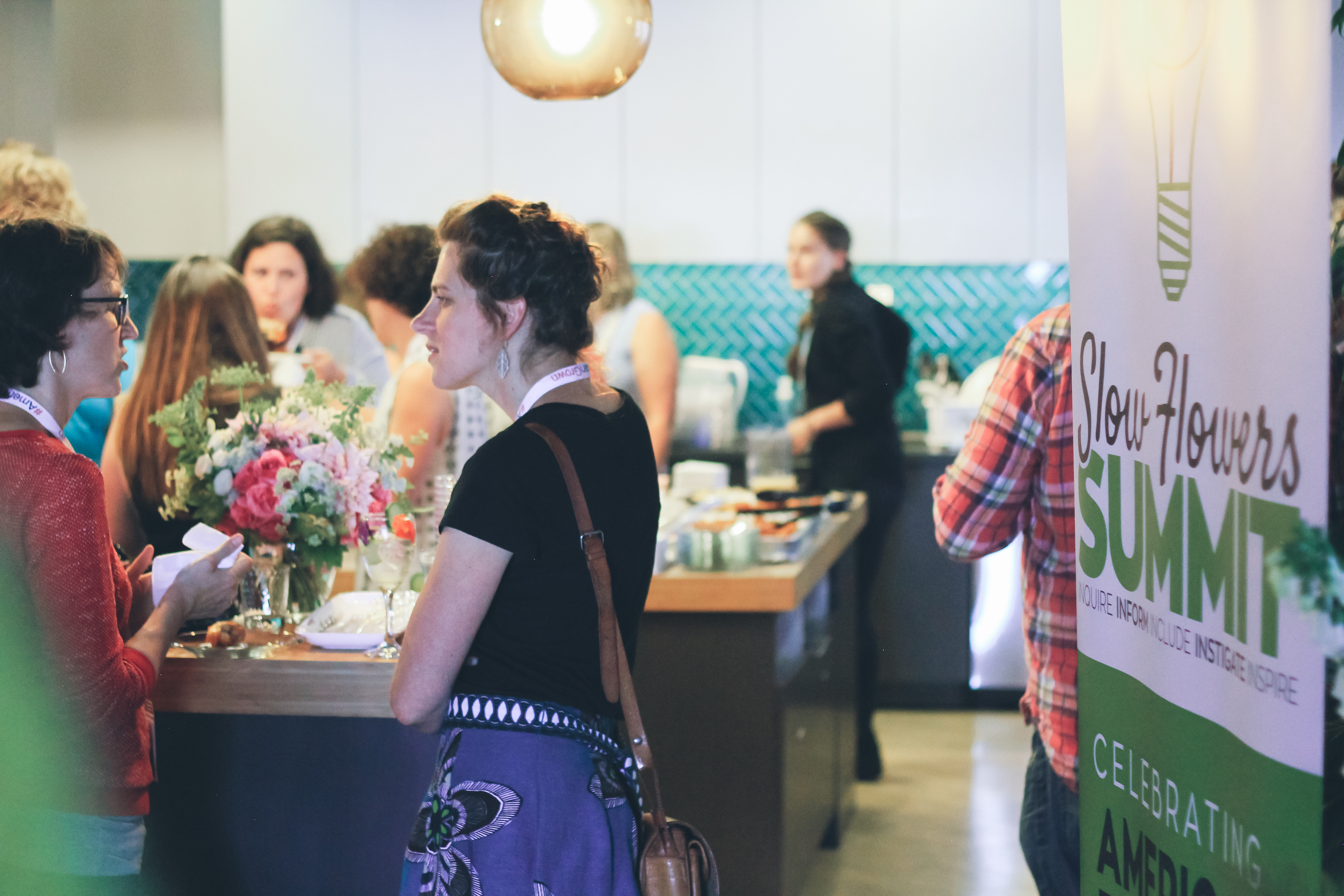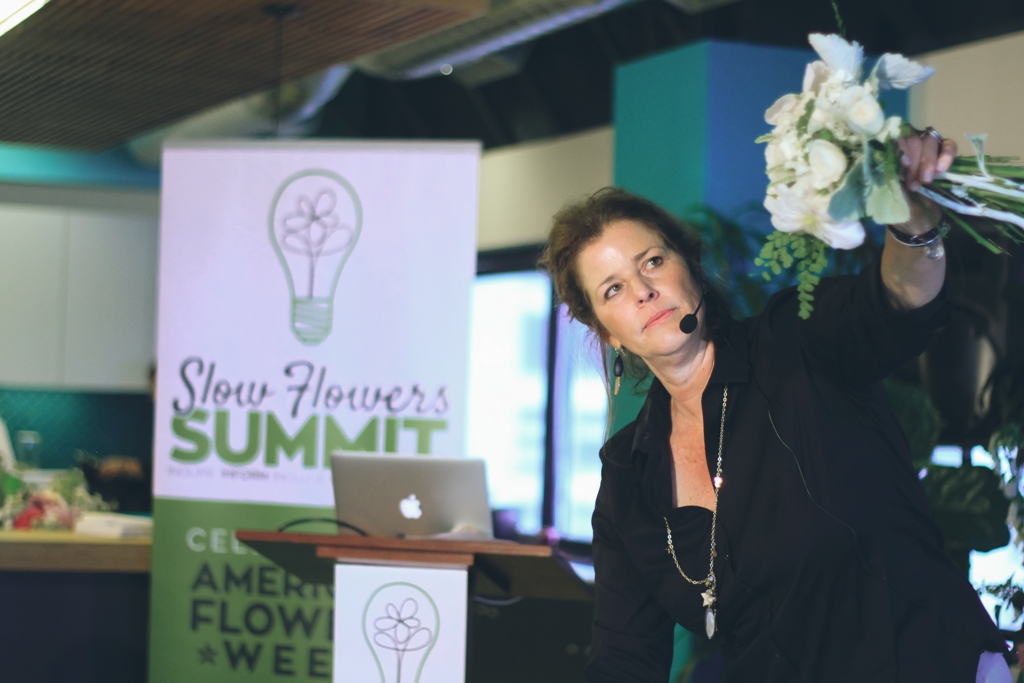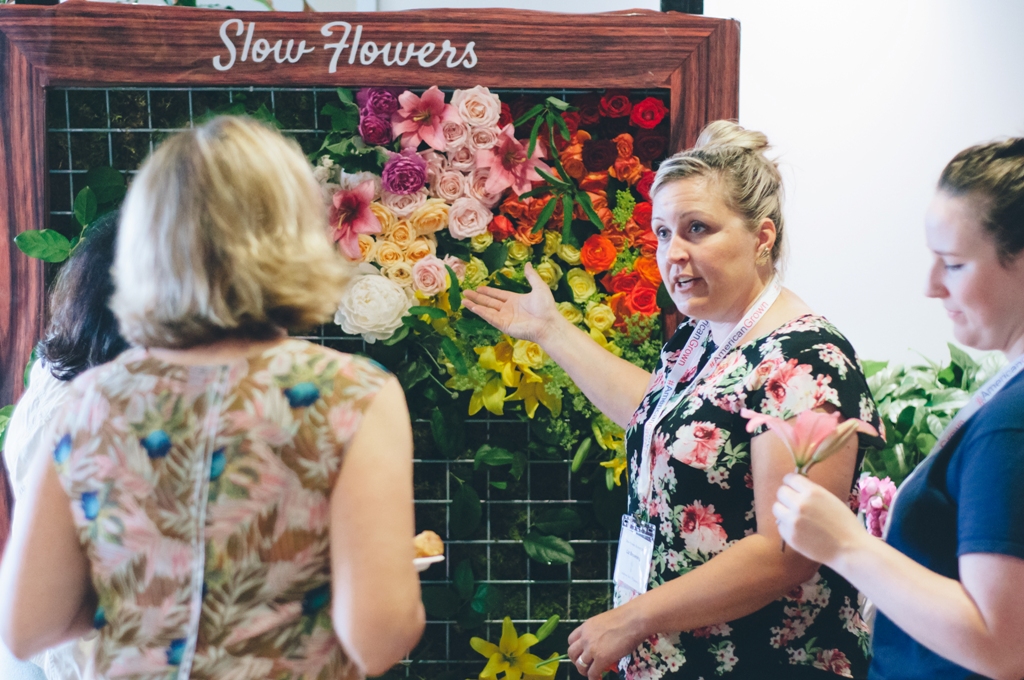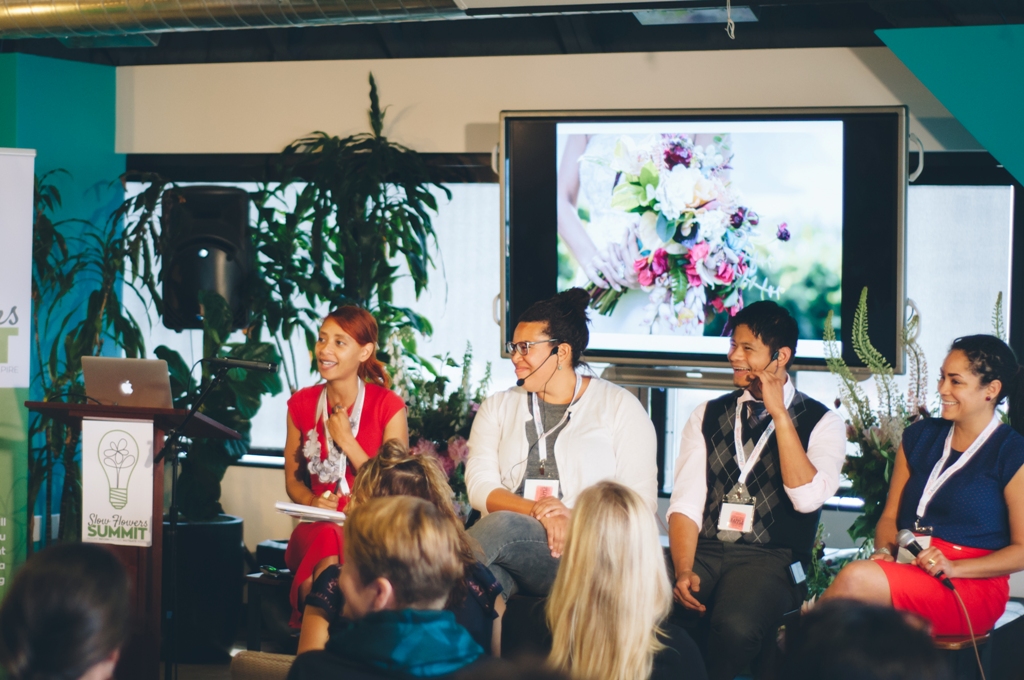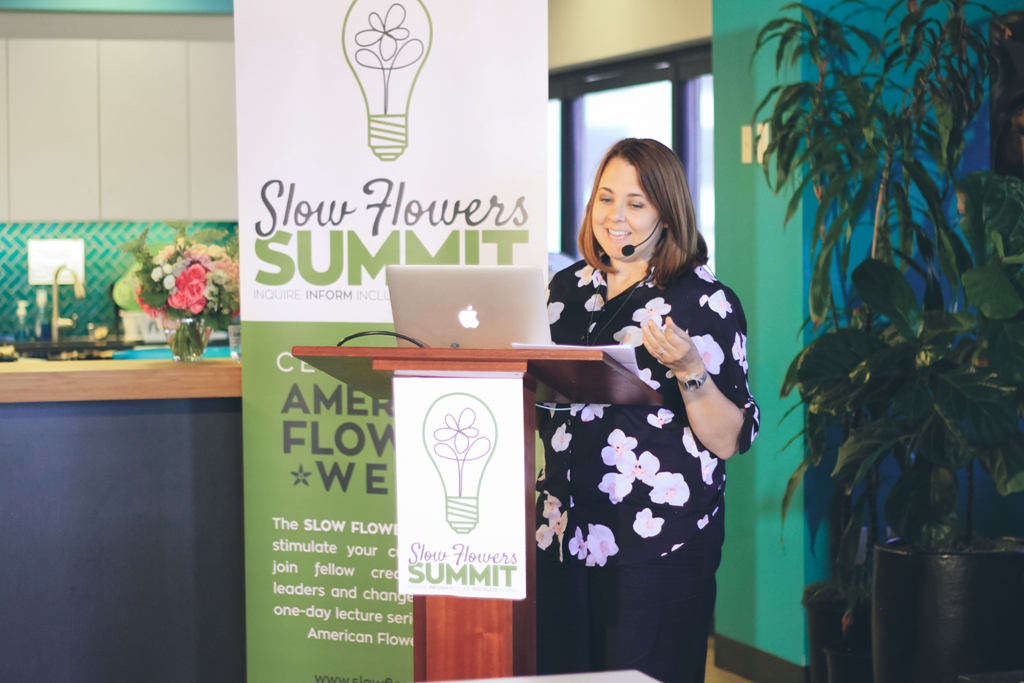
It’s hard to believe that one month ago, nearly 100 of us gathered together in Seattle for the first Slow Flowers Summit. Before too much time passes, I want to personally thank you everyone who attended and invested their time and presence in sharing this incredible experience with me and others in the Slow Flowers Movement!
Here are a few of the Raves we’ve received to date:
The Slow Flowers Summit was a great platform for discussing important issues, the most important for me being diversity and inclusivity in the business. . . a fantastic event with something for everyone that didn’t shrink from the more challenging issues facing us.
The Slow Flowers Summit was hugely inspiring to me as a grower and an entrepreneur. It was a wonderful opportunity to meet other like-minded people who are successfully uniting their passion for flowers with a vision for a better world.
The Summit offered a day of inspiration and conversations. Being in the presence of other men and women who are passionate about their craft and the world behind the flowers was inspiring and uplifting. The value of the people that I met, the conversations that we united around, and the ideas that I left with made the day invaluable. I hope to be back year after year.
My participation in the Summit has sparked new ideas regarding how I grow my business. I’m inspired to think bigger and connect with a larger audience of like-minded flower people.
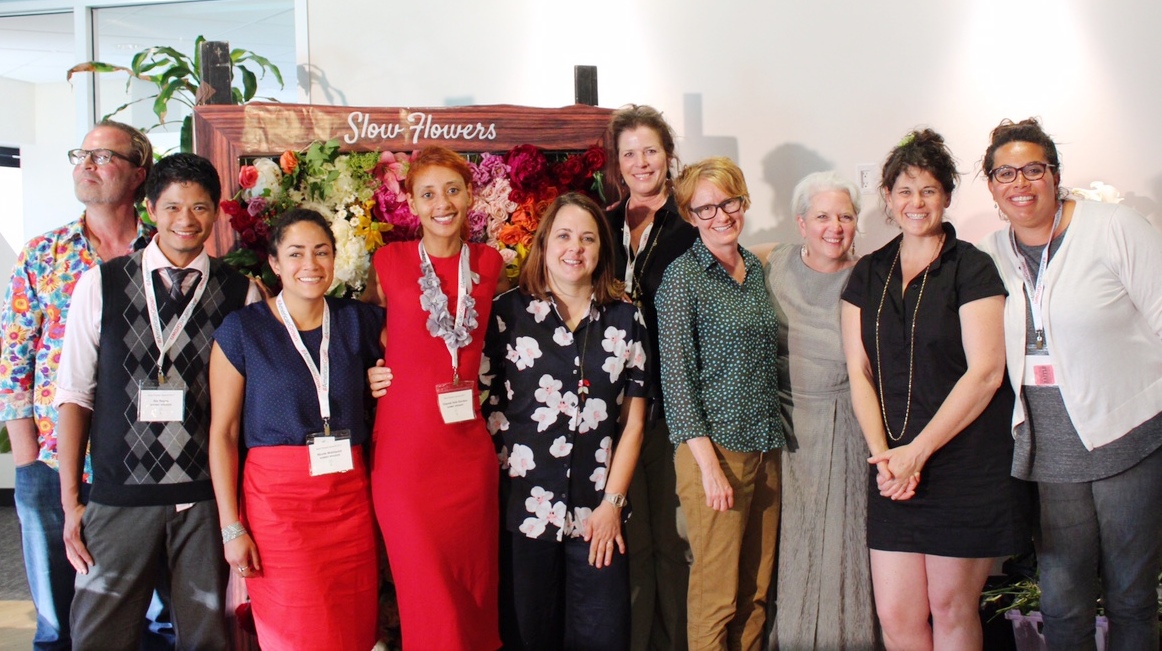
Thank you to our presenters for their intelligence, ideas and wisdom:
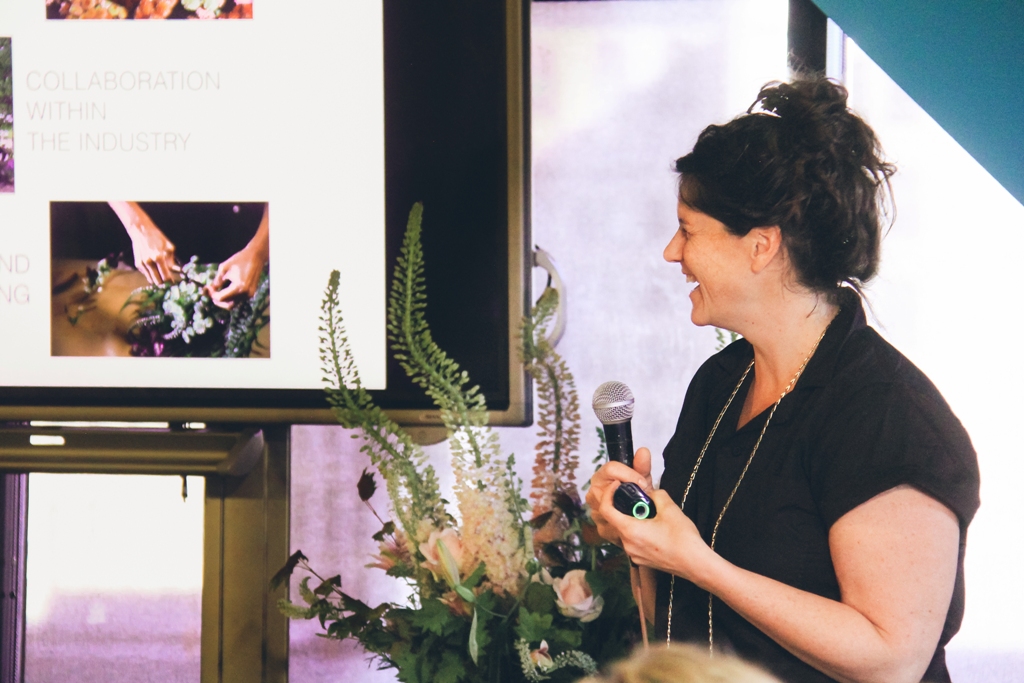
Above, from left: James Baggett, Riz Reyes, Nicole Cordier Wahlquist, Chantal Aida Gordon, Emily Ellen Anderson, Teresa Sabankaya, Amy Stewart, Debra Prinzing, Lisa Waud and Leslie Bennett
Who attended? Here’s a breakdown of how attendees identified themselves* in our post-Summit survey: Florist/Floral Designer: 50 percent Flower Farmer/Farmer-Florist: 27 percent Educator: 14 percent Media: 10 percent Flower Gardener/Floral Enthusiast: 10 percent Other categories: Wholesale floral managers, horticulturists, online floral retailer *respondents were allowed to choose more than one category
We asked: “Was the Summit content relevant to you and your business?” Attendees ranked this answer 4.22 out of 5.0 We asked: “What elements of the Summit were valuable to you? Attendees ranked these choices as follows:
1. Connecting with other Attendees
2. Connecting with Speakers
3. Learning about new Resources & Skills
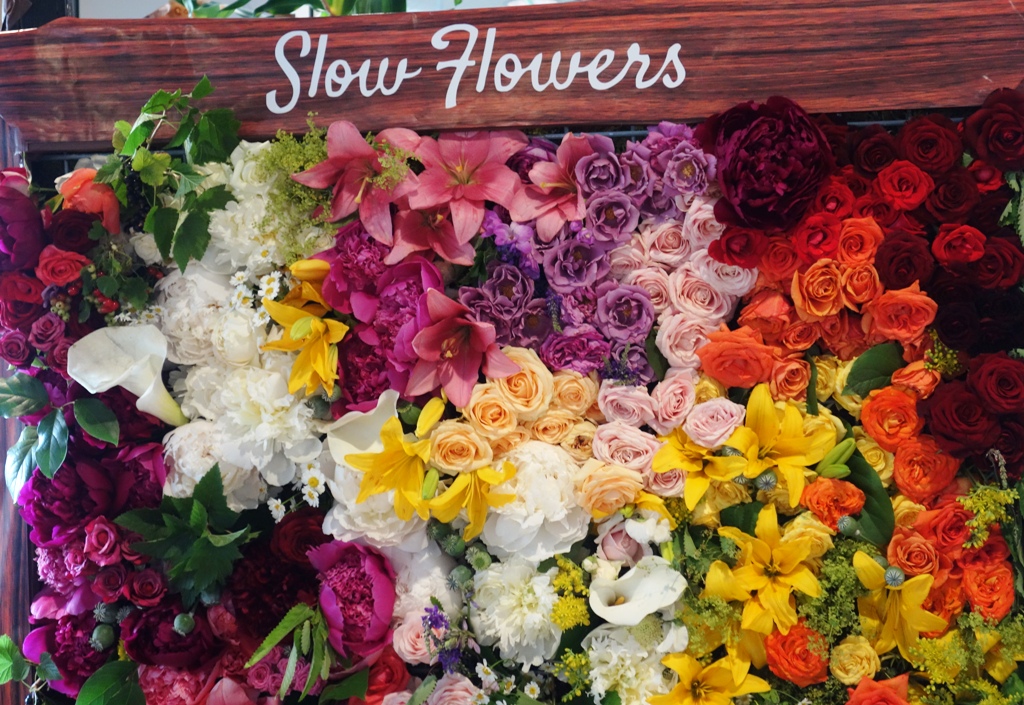
4. Playing with Flowers (Flower Wall and Flowers on Your Head)
Panelists, from left: Chantal Aida Gordon of thehorticult.com blog; Leslie Bennett of Pine House Edible Gardens; Riz Reyes of RHR Horticulture; and Nicole Cordier Wahlquist of Grace Flowers Hawaii
Our Master of Ceremonies, James Baggett of Better Homes & Gardens magazine.
Emily Ellen Anderson of Lola Creative
Keynote speaker Amy Stewart, author of Flower Confidential and many other bestselling titles.
Lisa Waud of pot & box, Flower House Detroit and Detroit Flower Week
Enjoy our PICTURES!! Summit photos are here for your enjoyment and use. Follow this link to see/download.
Please credit (c) Hannah Brenlan and Luke Holtgeerts and use these hashtags: #slowflowersummit#americanflowersweek when you use any of these images. Thank you!
Our Audio/Visual Team was the best! Thank you to Hannah and Andrew Brenlan and the Brothers Holtgeerts (Henry and Luke).
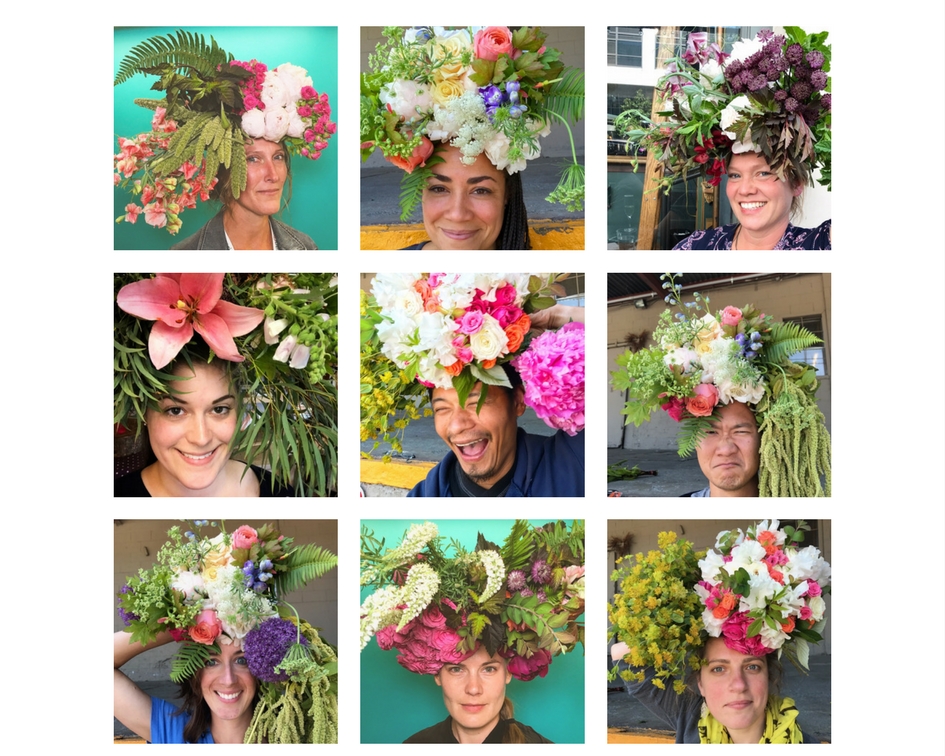
A few of the many flowered and beautiful heads, thanks to Mud Baron for Flowers on Your Head
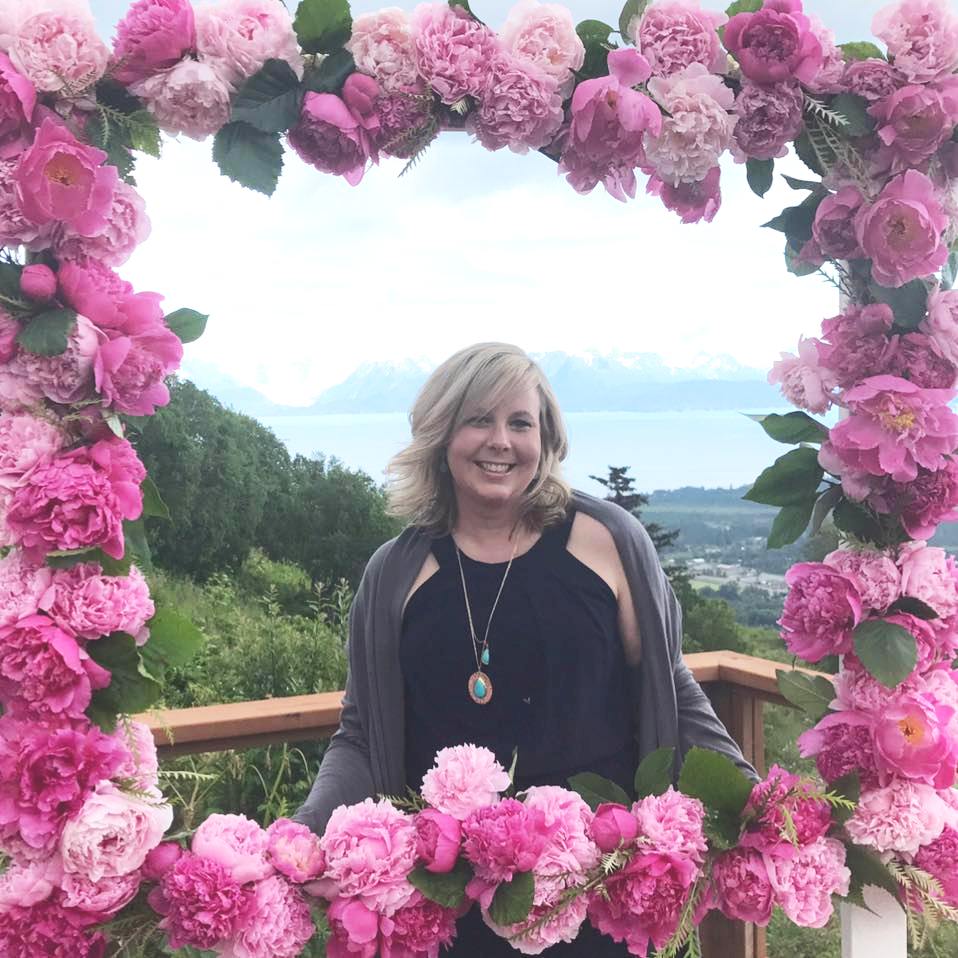
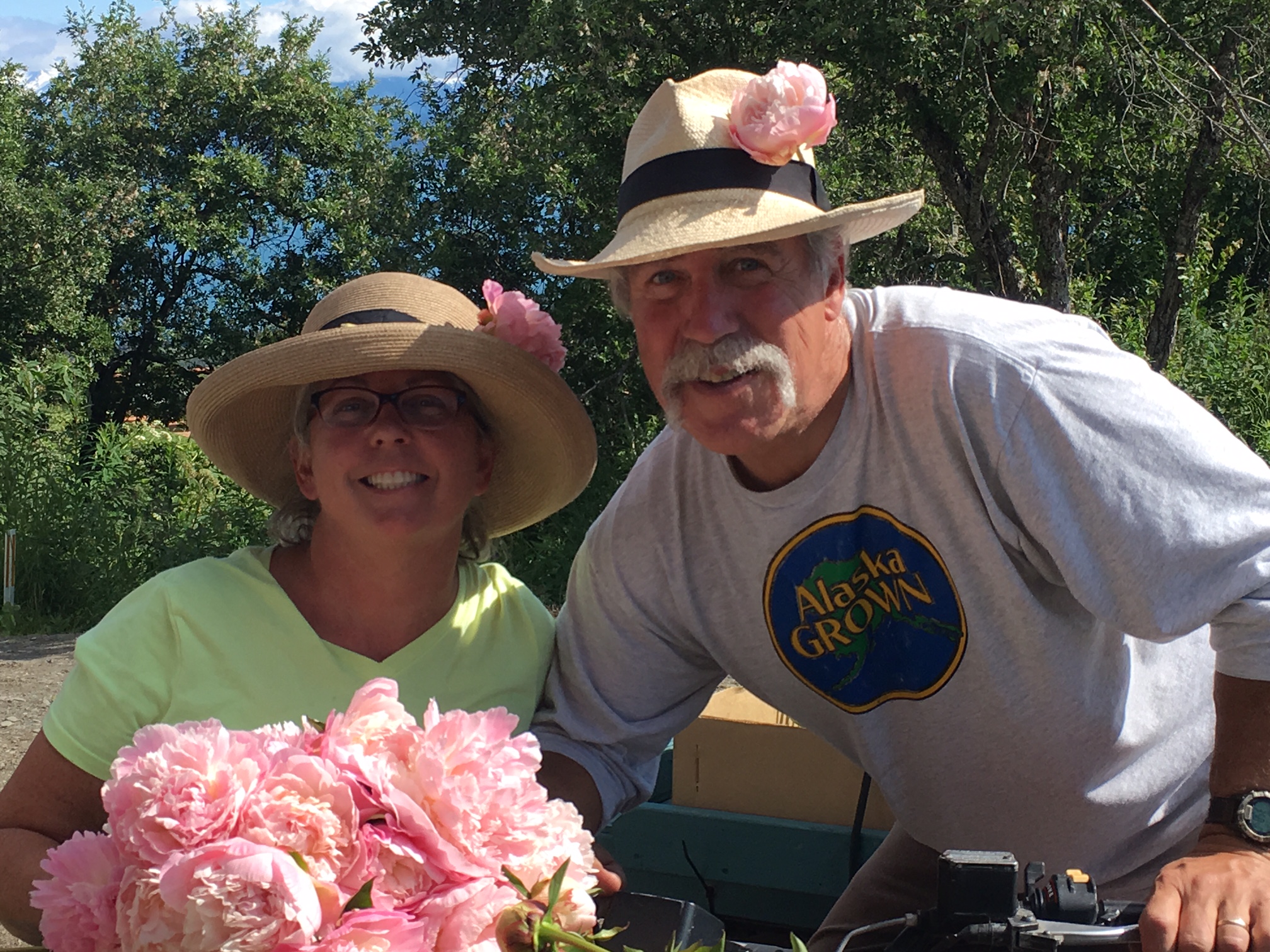
Thanks to Mud Baron of Muir Ranch for adding a festive, Instagram-worthy “flowers on your head” element to the day!
I’ve received personal notes from so many of you — and I promise to write back as time allows. I hope to announce a save-the-date for our 2018 Summit — on the East Coast — very soon.
Until then, continue to Inquire, Inform, Include, Instigate and Inspire!
I learned so much from Rebecca about these beloved and increasingly popular roses for both the landscape and floral arranging and if you haven’t listened yet, head on over to Episode 305. It’s the perfect lead-in for today’s equally fabulous topic: Clematis.
Because so many of my friends are involved in the Pacific Northwest horticulture community and because I once was deeply embedded in it, serving as the Northwest Horticultural Society’s “Garden Notes” newsletter editor for several years, I have been vaguely aware of the existence of a rare clematis collection taking root outside Portland, Oregon. But I’d never visited the garden where it was housed.
Then last year, I met Phyllis McCanna while speaking to the Portland Garden Club, and she asked me to visit — more than once. Phyllis was gently persuasive with her warm invitations and about a month ago when I found myself driving to Portland for a series of scouting appointments, I arranged to meet Phyllis and see the clematis I’d been hearing about. As it turns out, Phyllis is the board president of the Friends of the Rogerson Clematis Collection, which is located at the historic Luscher Farm, part of Lake Oswego’s Park and Recreation system, outside Portland.
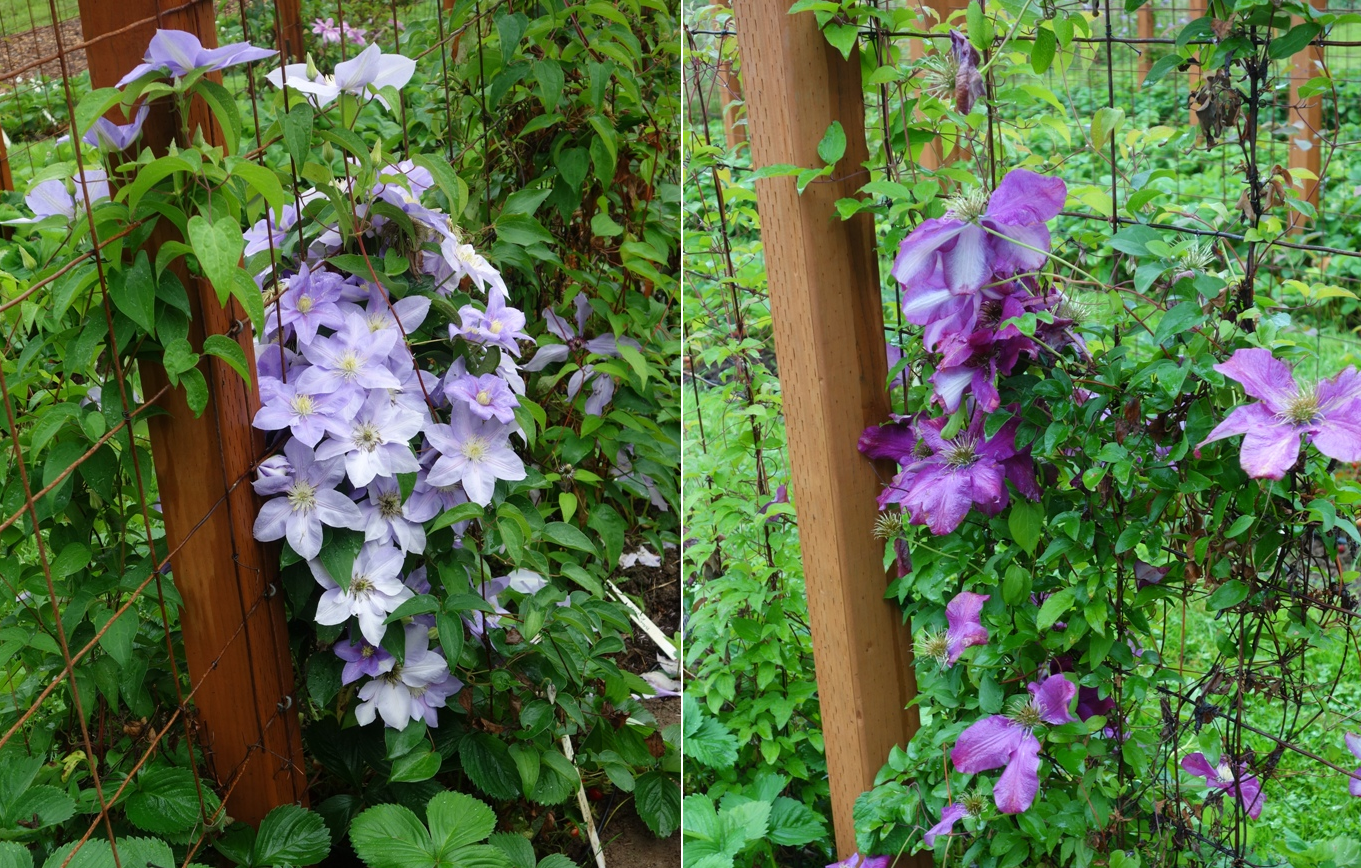
The modern clematis collection at the Rogerson Clematis Collection. I love the way it’s organized like a vineyard!
The display gardens are arranged around the historic Lescher Farmhouse and feature clematis paired with ornamental landscape plants.
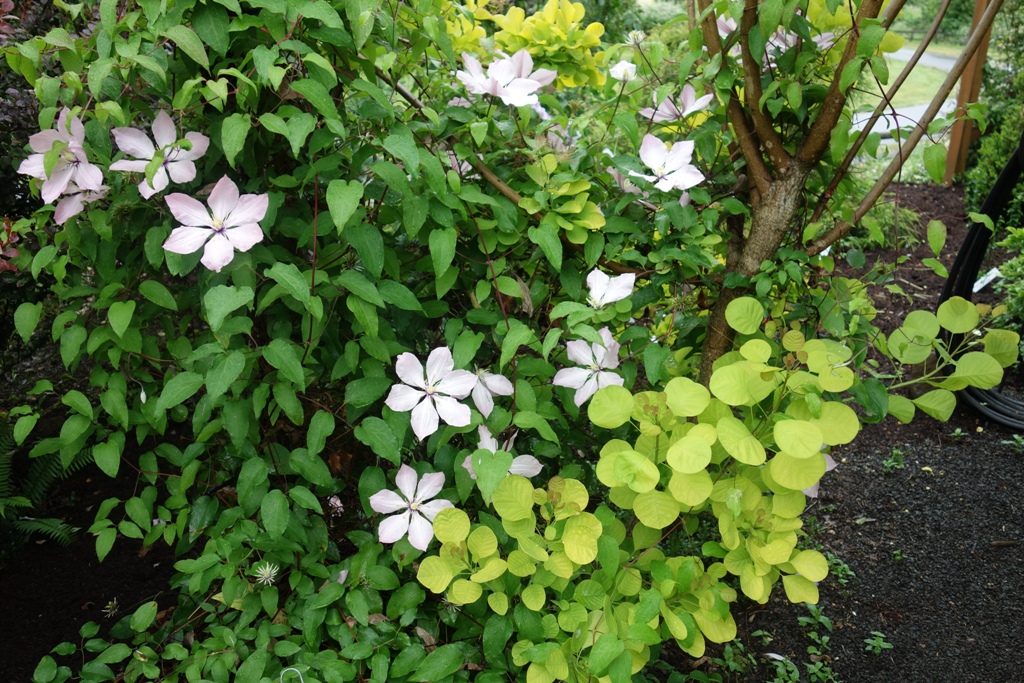
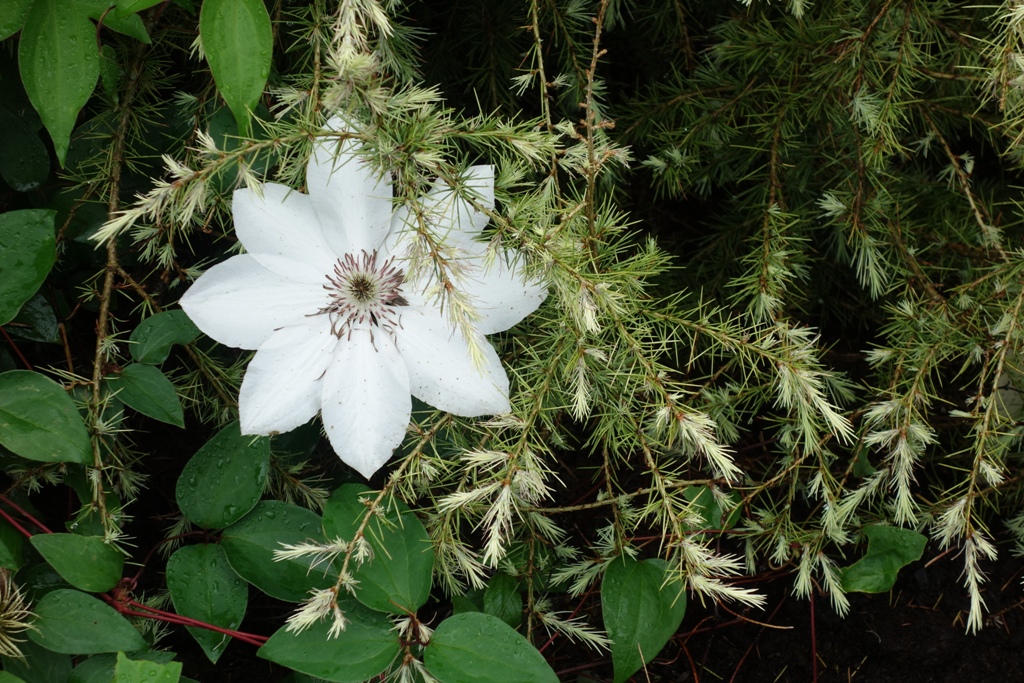
Clematis with conifers and ornamental shrubs.
The Friends group was formed in 2005 to ensure that Brewster Rogerson’s amazing collection of clematis would be maintained and nurtured over time. Since then, the collection has grown from a group of beautiful plants in pots to an assemblage of beautiful plants in a delightful garden, now North America’s foremost collection of the genus Clematis.
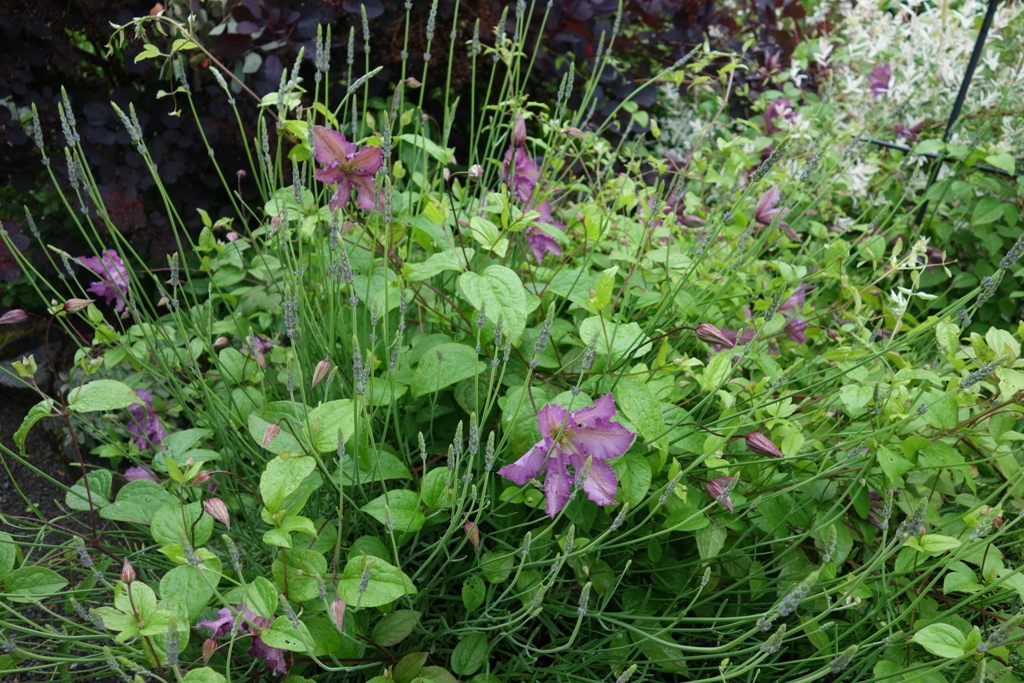
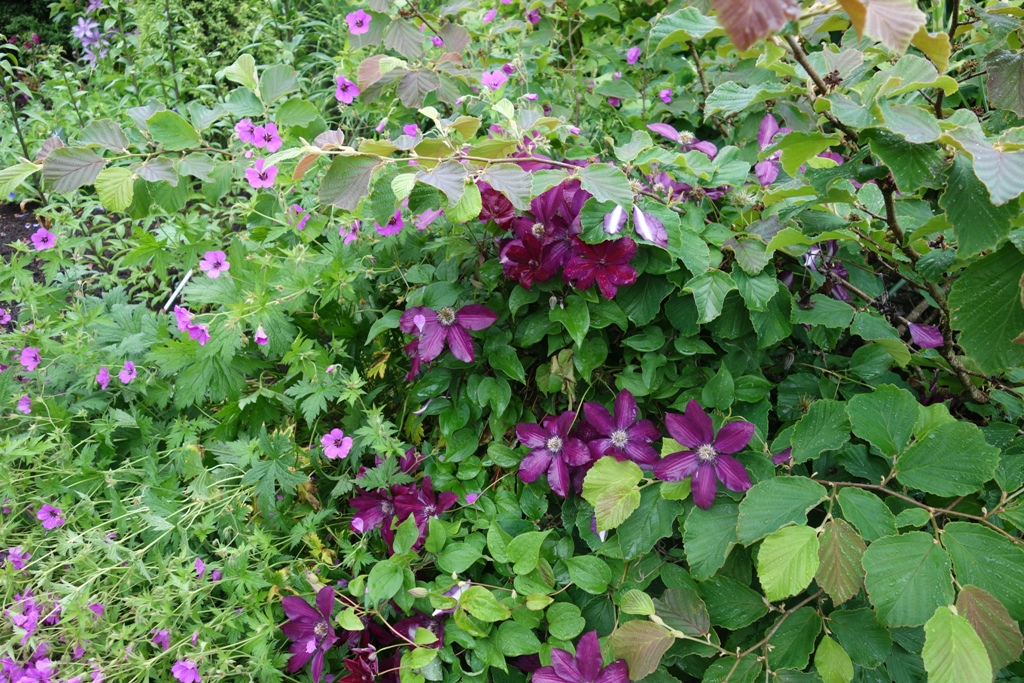
Clematis, with lavender!
Linda led me on a tour of the modern clematis display.
Its mission is to preserve and foster the Rogerson Clematis Collection in a permanent home, observing its longtime objectives of assembling and maintaining as comprehensive a collection of the genus Clematis as possible, for the advancement of botanical and horticultural research and education and pleasure of all who visit.
I was delighted to reconnect with Phyllis and with my guest today Linda Beutler. Linda is a fifth generation Oregonian and lifelong gardener, who left floral design in 2007 when she signed on as the curator of the Rogerson Clematis Garden.
Linda’s love of gardening began with harvesting strawberries with her grandfather at the age of three, and being given her own plot for radishes and string beans at age five. Her home garden in the Sellwood neighborhood of Portland, Oregon reflects her garden passions, including old garden roses, herbaceous perennials and shrubs for cutting, and her 200 favorite clematis. Linda has been an adjunct instructor of horticulture at Clackamas Community College in Oregon City, OR since 1996. She is the current President of the International Clematis Society and has also been known to dabble in Jane Austen fan-fiction!
Please enjoy this conversation — and stay tuned for a bonus tip from Linda at the end of the interview. Does she or doesn’t she use rubbing alcohol to extend the vase life of her cut clematis?
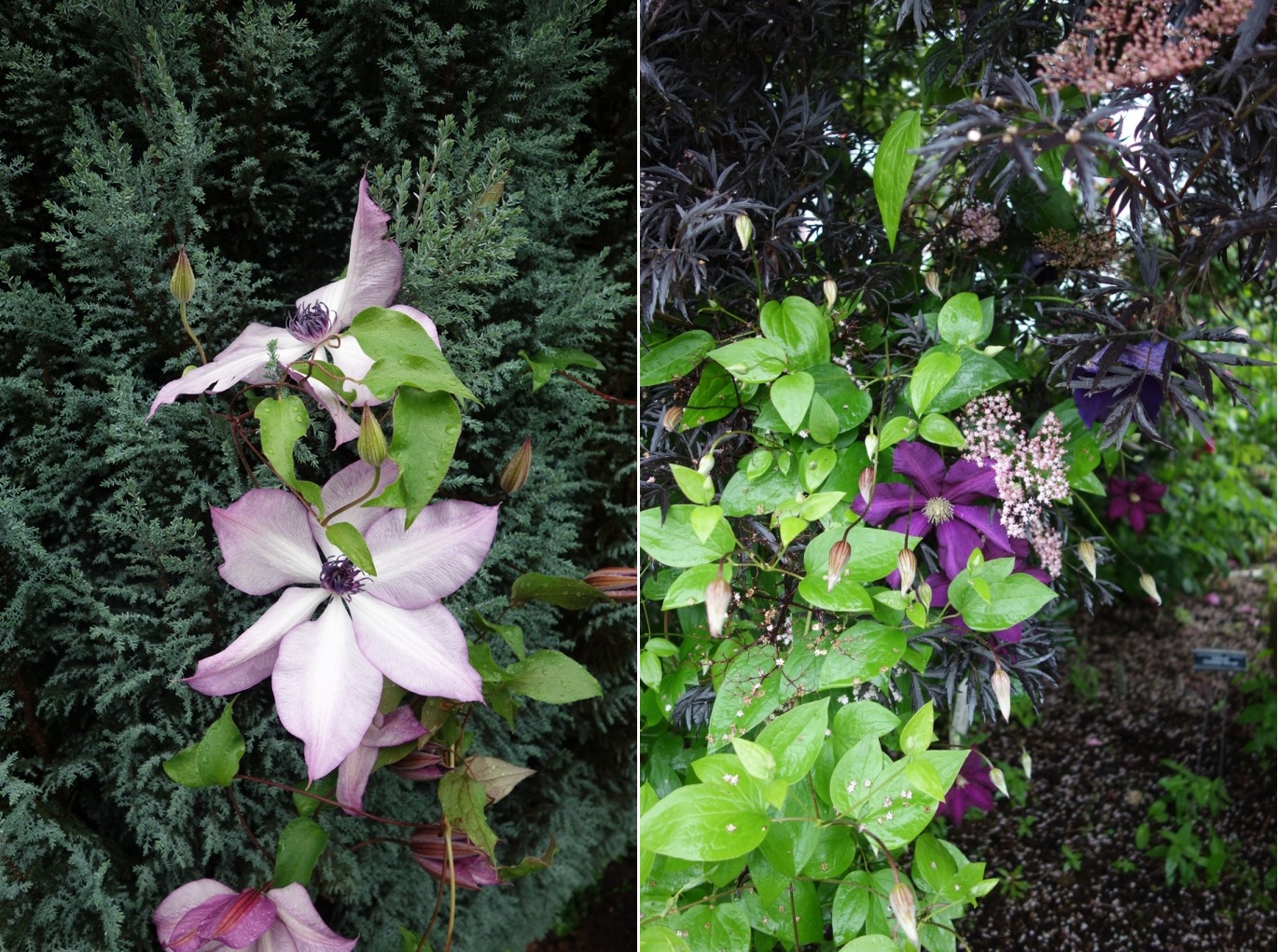
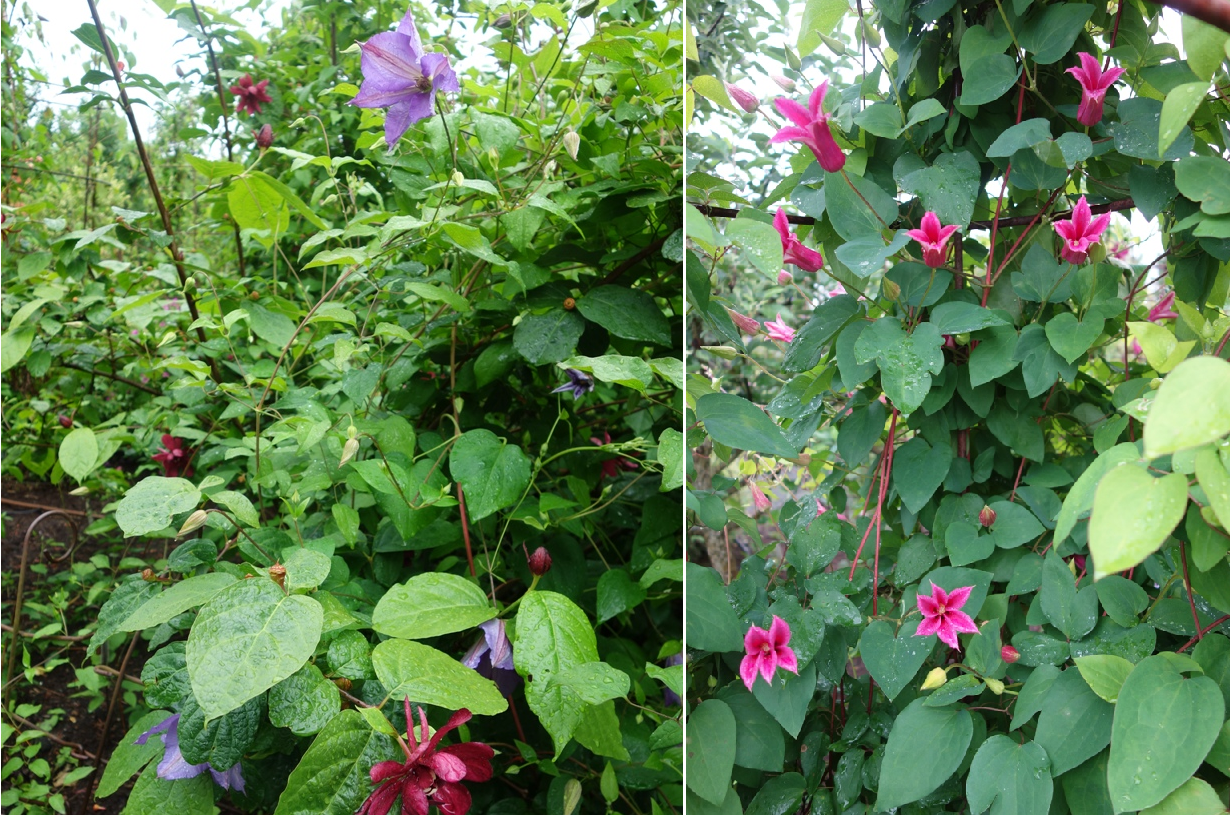
Enjoy my gallery of photos from my recent visit to the Rogerson Clematis Garden. Find more clematis at these social places:
The Slow Flowers Podcast has been downloaded more than 212,000 times by listeners like you.
If you value the content you receive each week, I invite you to show your thanks and support the Slow Flowers Podcast with a donation — the button can be found on our home page in the right column. Your contributions will help make it possible to transcribe future episodes of the Podcast.
Thank you to family of sponsors
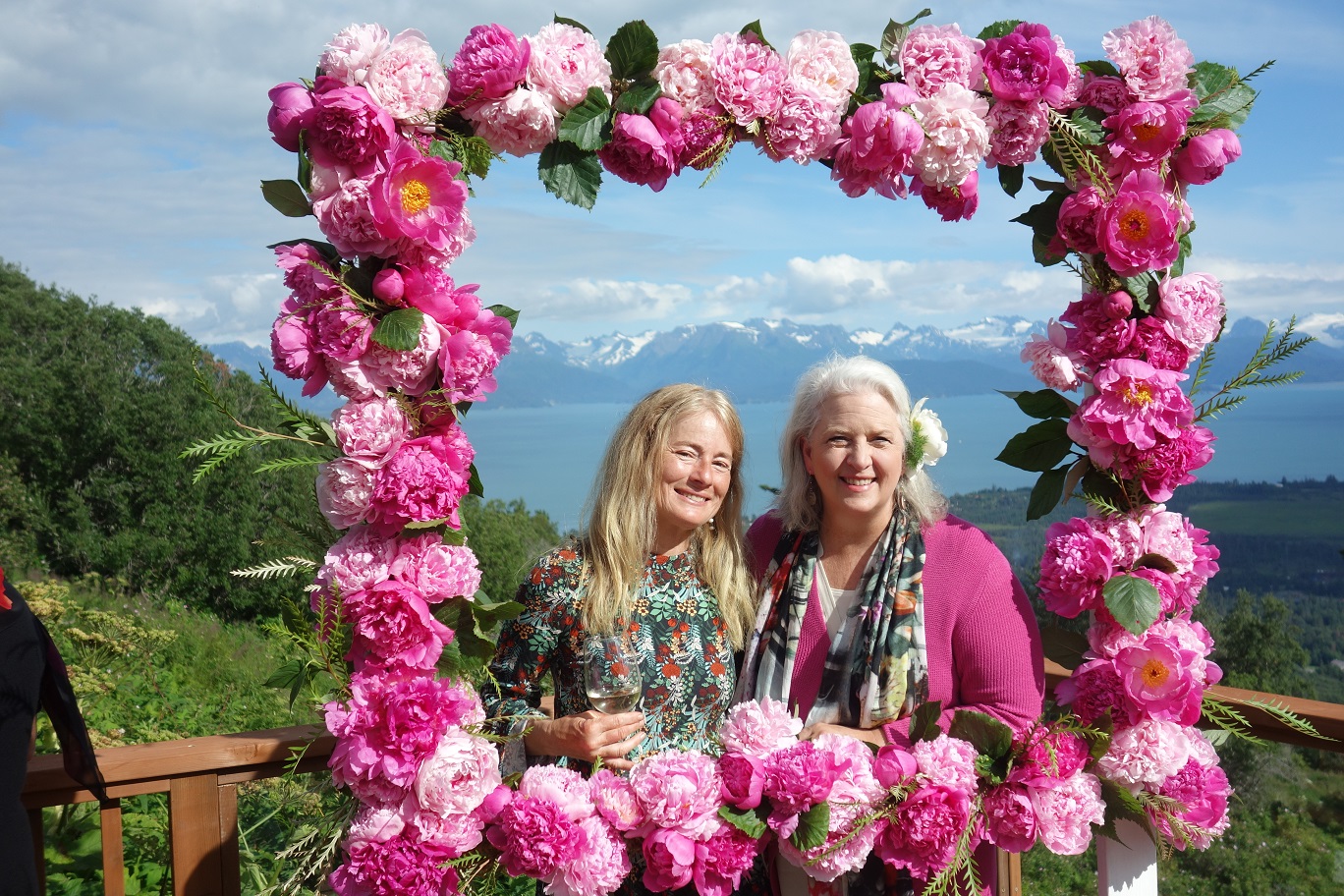
Arctic Alaska Peonies, a cooperative of 50 family farms in the heart of Alaska providing high quality, American Grown peony flowers during the months of July and August. Visit them today at arcticalaskapeonies.com
Seattle Wholesale Growers Market, a farmer-owned cooperative committed to providing the very best the Pacific Northwest has to offer in cut flowers, foliage and plants. The Growers Market’s mission is to foster a vibrant marketplace that sustains local flower farms and provides top-quality products and service to the local floral industry. Find them at seattlewholesalegrowersmarket.com
Longfield Gardens provides home gardeners with high quality flower bulbs and perennials. Their online store offers plants for every region and every season, from tulips and daffodils to dahlias, caladiums and amaryllis. Visit them at lfgardens.com.
Syndicate Sales, an American manufacturer of vases and accessories for the professional florist. Look for the American Flag Icon to find Syndicate’s USA-made products and join the Syndicate Stars loyalty program at syndicatesales.com.
Johnny’s Selected Seeds, an employee-owned company that provides our industry the best flower, herb and vegetable seeds — supplied to farms large and small and even backyard cutting gardens like mine. Check them out at johnnysseeds.com.
Association of Specialty Cut Flower Growers. Formed in 1988, ASCFG was created to educate, unite, and support commercial cut flower growers. It mission is to help growers produce high-quality floral material, and to foster and promote the local availability of that product. Learn more at ascfg.org.
The content and opinions expressed here are either mine alone or those of my guests alone, independent of any podcast sponsor or other person, company or organization.
The Slow Flowers Podcast is engineered and edited by Andrew Brenlan. Learn more about his work at KineticTreeFitness.com.
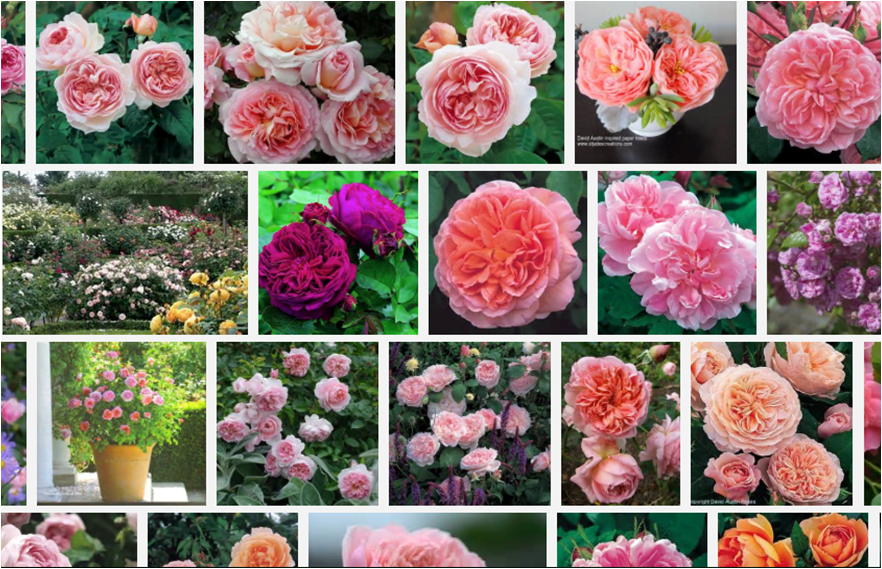
David Austin English Garden Roses are becoming more important than ever as cut flowers for floral design.
This week we’re continuing to celebrate the success of the third annual American Flowers Week, while also hearing from Rebecca Bull Reed, U.S. Sales Executive for David Austin Roses, this week’s guest.
I’m so pleased that Rebecca agreed to lecture on David Austin Garden Roses to the florists and farmers of the Seattle Wholesale Growers Market this past spring. I was able to record Rebecca’s presentation in late April and I’ve been waiting for the perfect time to share it with you.
But first, let’s wrap up the news of American Flowers Week! I have new campaign numbers to share — 5 million and counting! That’s the social media impressions generated by YOU and YOUR Instagram & Twitter Posts in the past 30 days!! #AmericanFlowersWeek has exploded — just like fireworks!
Rita Anders of Cuts of Color in Weimar, Texas, delivered American Flowers Week bouquets and bunches to Central Market stores in Houston.
In our third year, participation in AFW more than tripled the impressions generated last year, putting #americanflowersweek on the map in all 50 states!
[Imagine the true metrics if Facebook let us track hashtags? Just sayin’!]
Thank you to each one who joined in! The Slow Flowers Communityhas the momentum to effect change in the marketplace, so continue posting and sharing the #slowflowers message every week of the year!
Tammy Meyers of First & Bloom outside Seattle created a beautiful styled photo shoot for American Flowers Week.
The 3rd Annual American Flowers Week has come to a close and it was our best ever! With participation across the U.S. in all sectors of the floral industry, this New Floral Holiday is waving the flag and making a splash from coast to coast.
This year, Slow Flowers, which presents American Flowers Week, commissioned five floral-inspired fashion shoots depicting iconic American grown blooms. The designers who contributed their creativity and artistic talents teamed up with generous flower farms that donated stems straight from their fields and greenhouses.
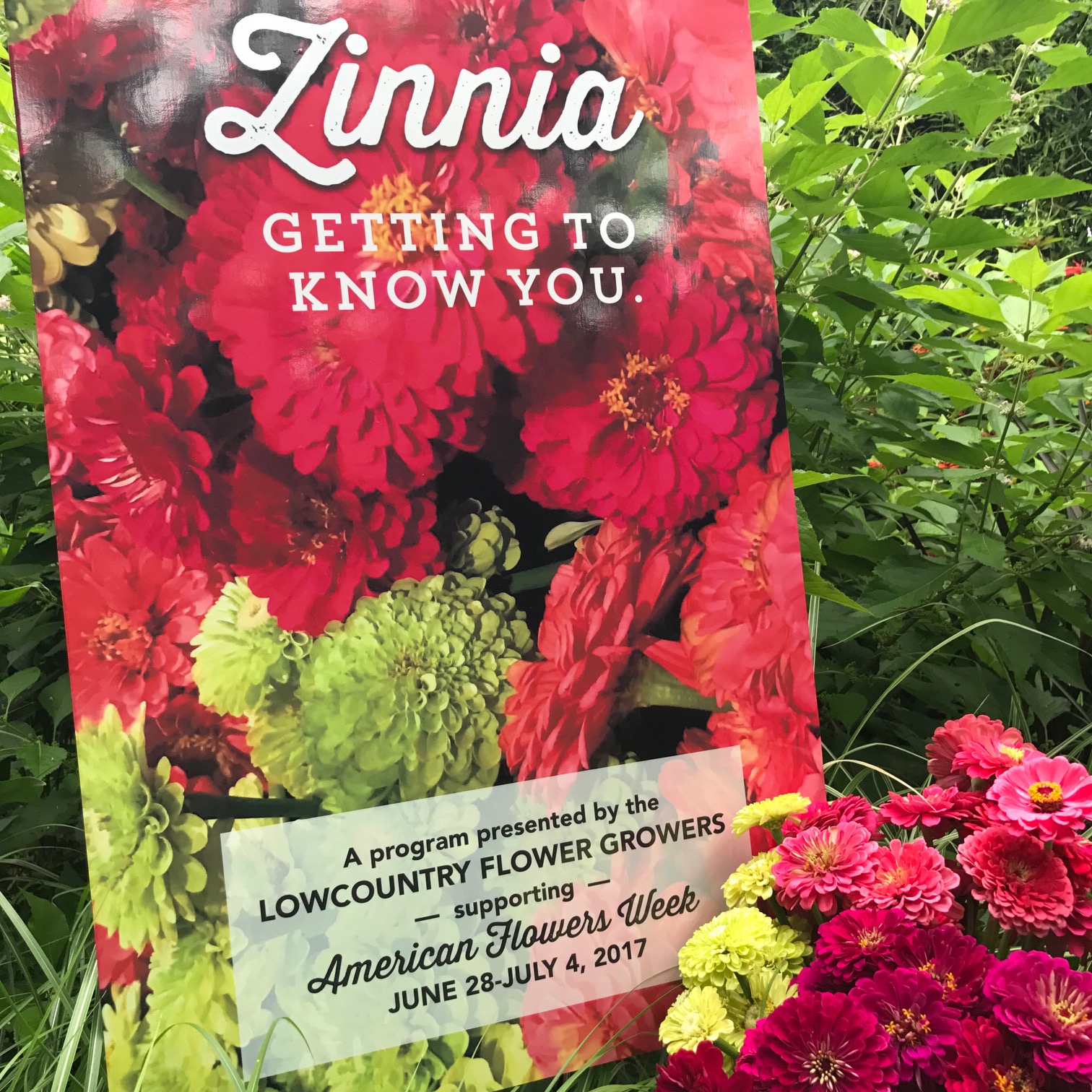
Flower farmers and floral designers threw design, education and arranging parties around the country during American Flowers Week. This signage announced the Zinnia-themed design event staged by the new Lowcountry Flower Growers at a Charleston, S.C.-area farmers market.
American Flowers Week inspired grocery stores like Town & Country Markets and New Seasons in the Pacific Northwest, Central Market in the Houston area and Whole Foods Markets in the Mid-Atlantic region. Farmer groups in the Southeast, in Maryland, in New York’s Hudson Valley staged flower arranging parties and partnered with creative florists, continuing to build community and educate floral designers and consumers in their marketplaces.
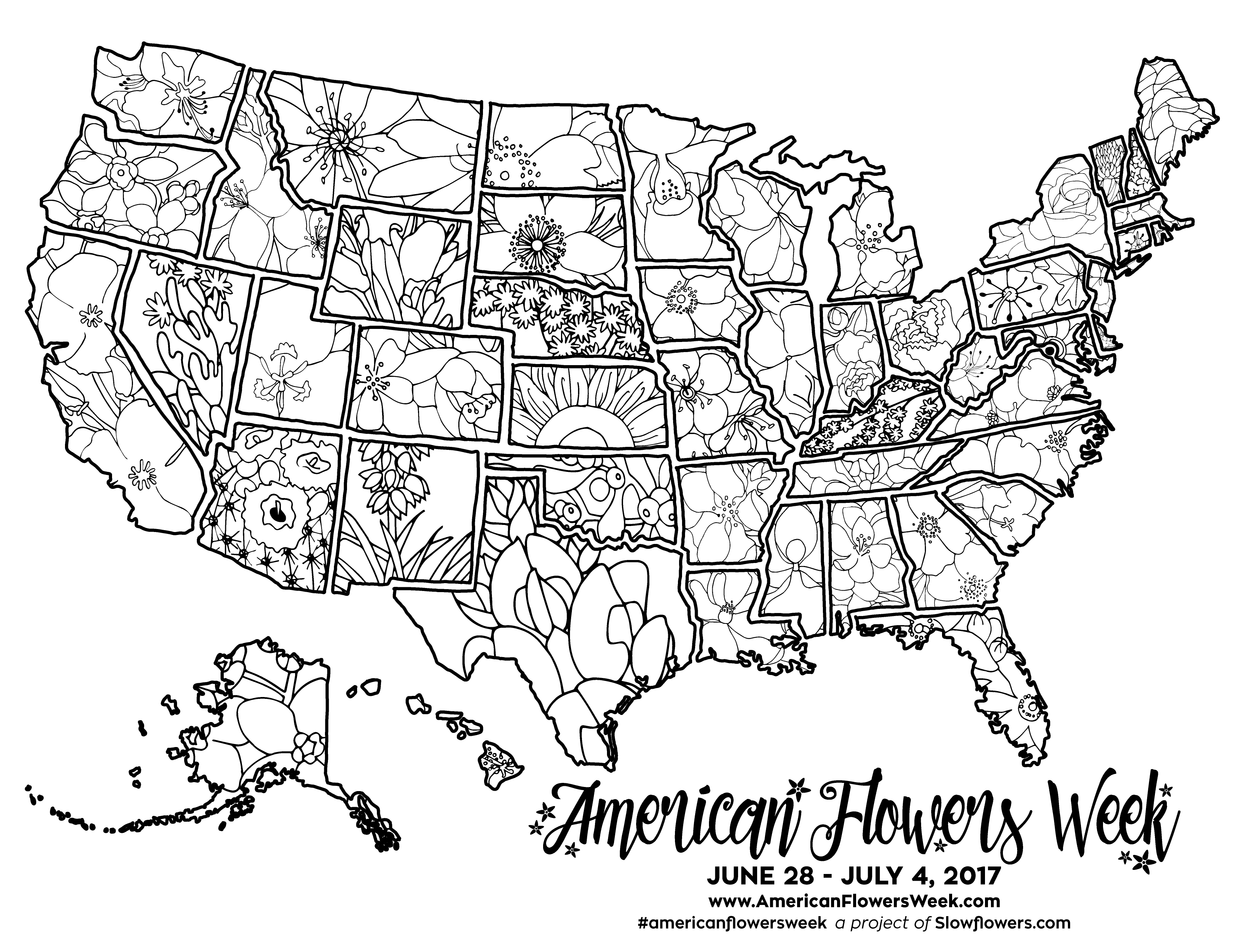
Get out your crayons: Our American Flowers Week Map of State Flowers!
In other places, florists created beautiful styled shoots and designed promotions to benefit charities, like Kathleen Barber of Erika’s Fresh Flowers, whose flowers raised funds for Northwest Battle Buddies, a nonprofit partnering combat veterans with professionally trained dogs.
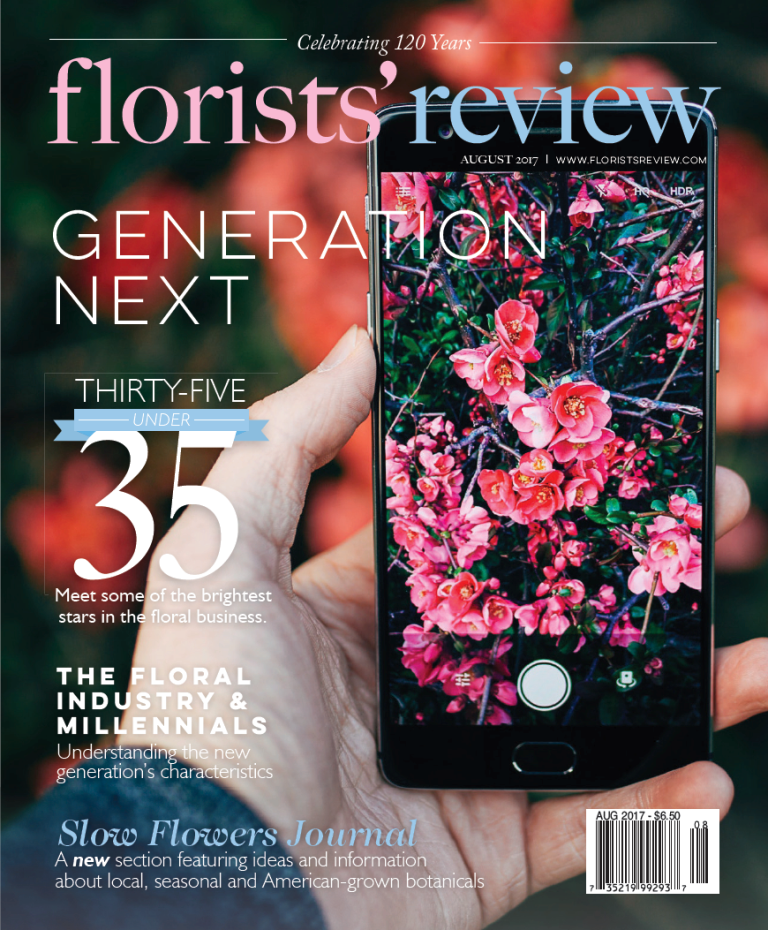
The media paid attention, too, with feature articles appearing in leading trade magazine Florists’ Review and a beautiful spread by Janet Eastman in The Oregonian.
Be sure to check out our show notes and links to posts at AmericanFlowersWeek.com to see beautiful photographs of campaigns, photo shoots, inspired posts and other resources. And stay tuned for next month when we announced plans for 2018 and how you can get involved in the planning for even more exciting ways to promote you, your flower farm and your floral designs!
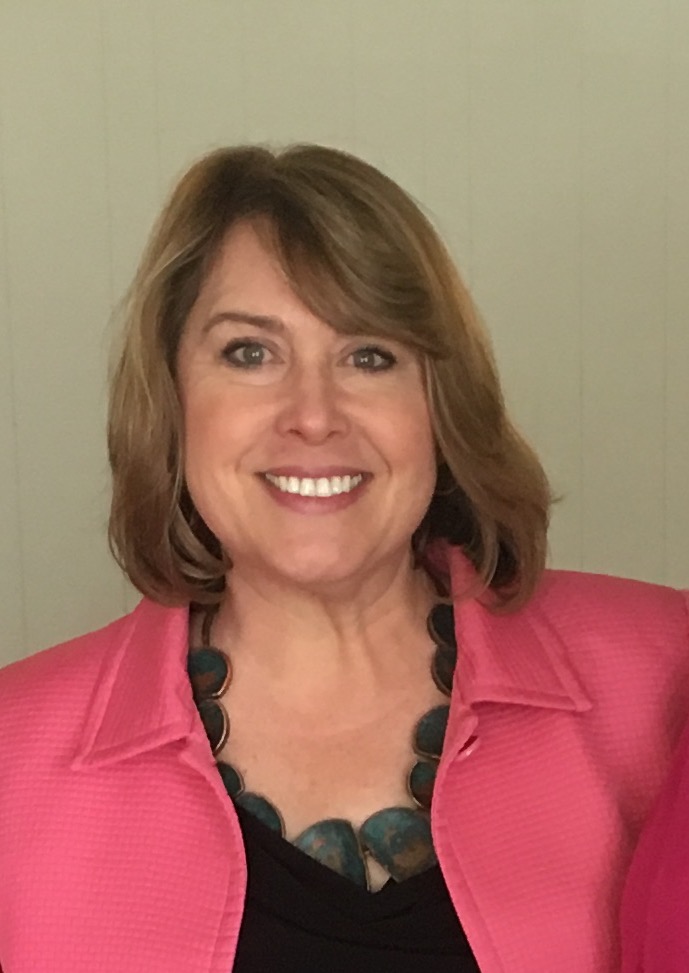
Rebecca Reed, US Sales Executive for David Austin Garden Roses
Next up, Rebecca Bull Reed of David Austin Roses. I’ve known Rebecca as a professional friend for years — dating back to 2002, 3 and 4 when I was just getting started with my garden writing career and Rebecca was a garden designer who worked in sales at one of my favorite shops in town called Herban Pottery.
We continued our friendship through the Garden Writers Association after Rebecca moved to the Southeast to join Southern Living Magazine as a garden editor there for nearly a decade. We would see one another at annual GWA symposia and I always wished there was a way to reconnect with her more than once in a while. I was so excited when Rebecca returned to the Pacific Northwest in 2014, where she is now based as the US Sales Executive for David Austin Roses.
She is an accomplished horticulturist and garden communicator specializing in David Austin English Roses, bare root roses, own root roses, sales, marketing, project management, lifestyle publishing, photo shoot story production, instructional writing, garden design, product promotion, education, and public speaking.
I’ve seen so many of the David Austin’s garden roses at the Seattle Wholesale Growers Market, most of which are supplied as cut flowers by Dawn Severin of All My Thyme, a past guest of this podcast. Hearing from Rebecca may make you want to go back and listen to last year’s interview with Dawn — you’ll be inspired to add more David Austin garden roses to your cutting garden or flower farm — and to incorporate these beauties into your floral designs.
Find/follow David Austin Roses at these social places:
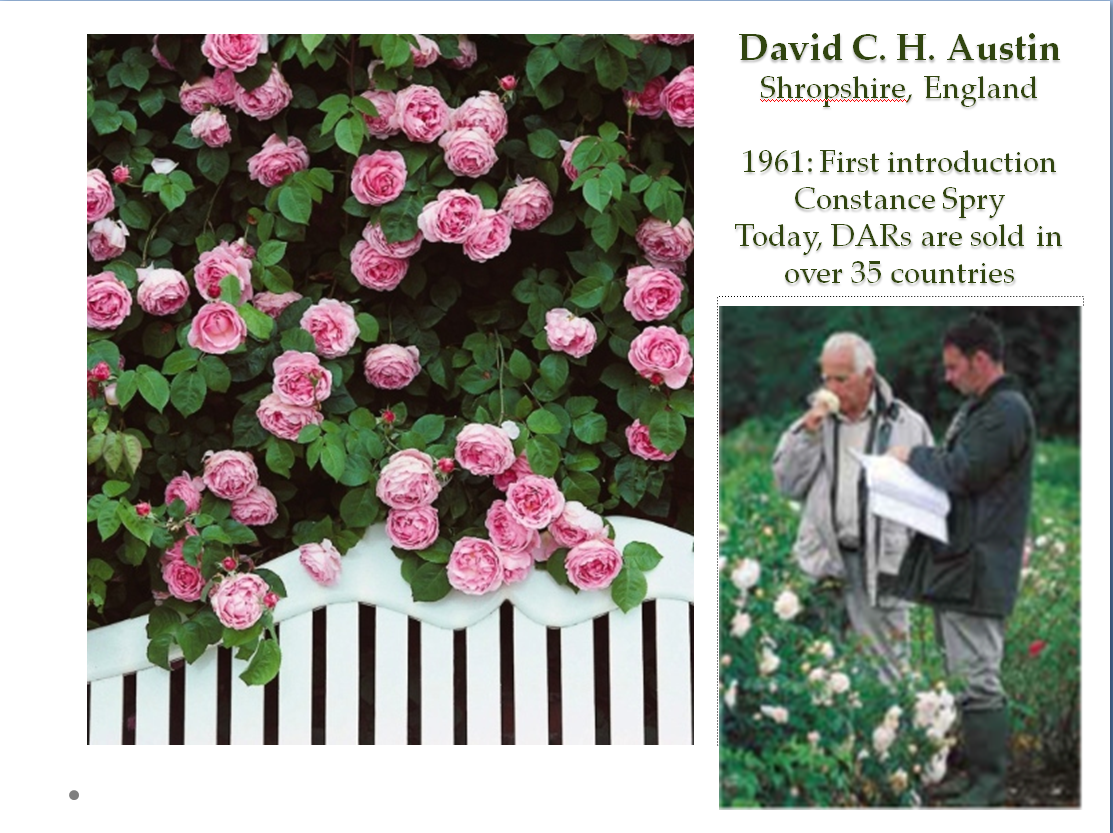
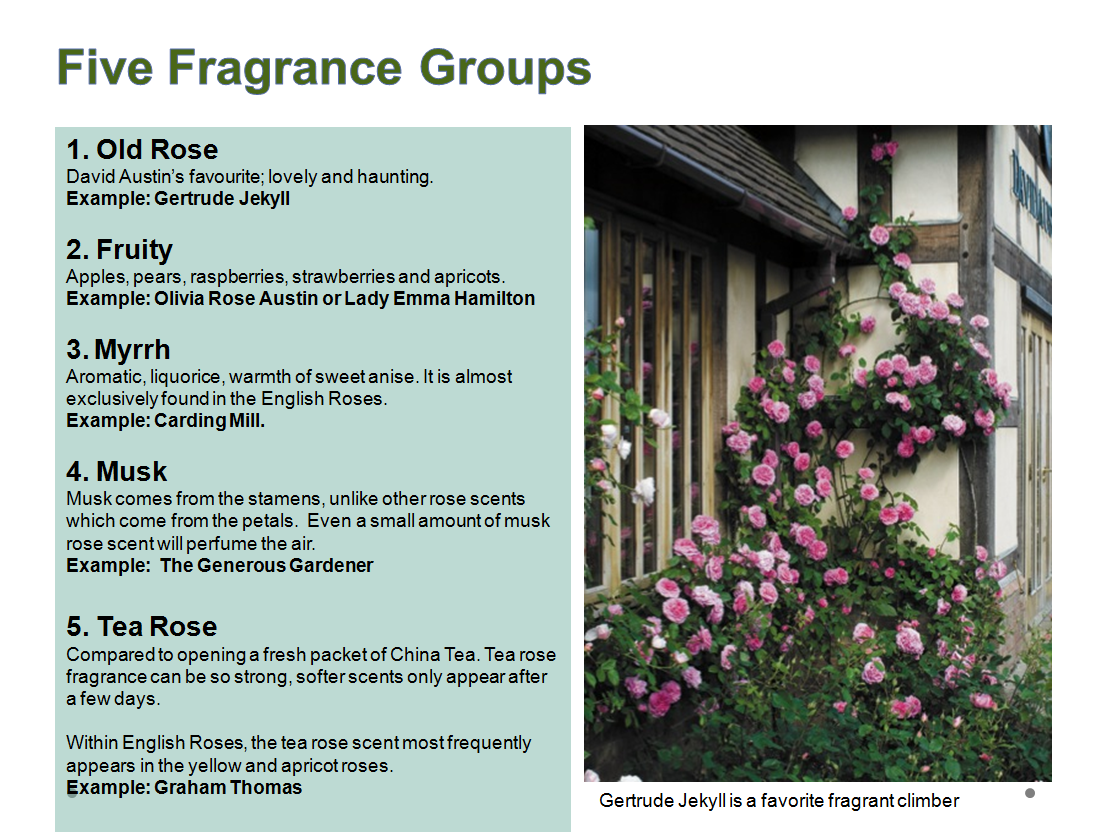
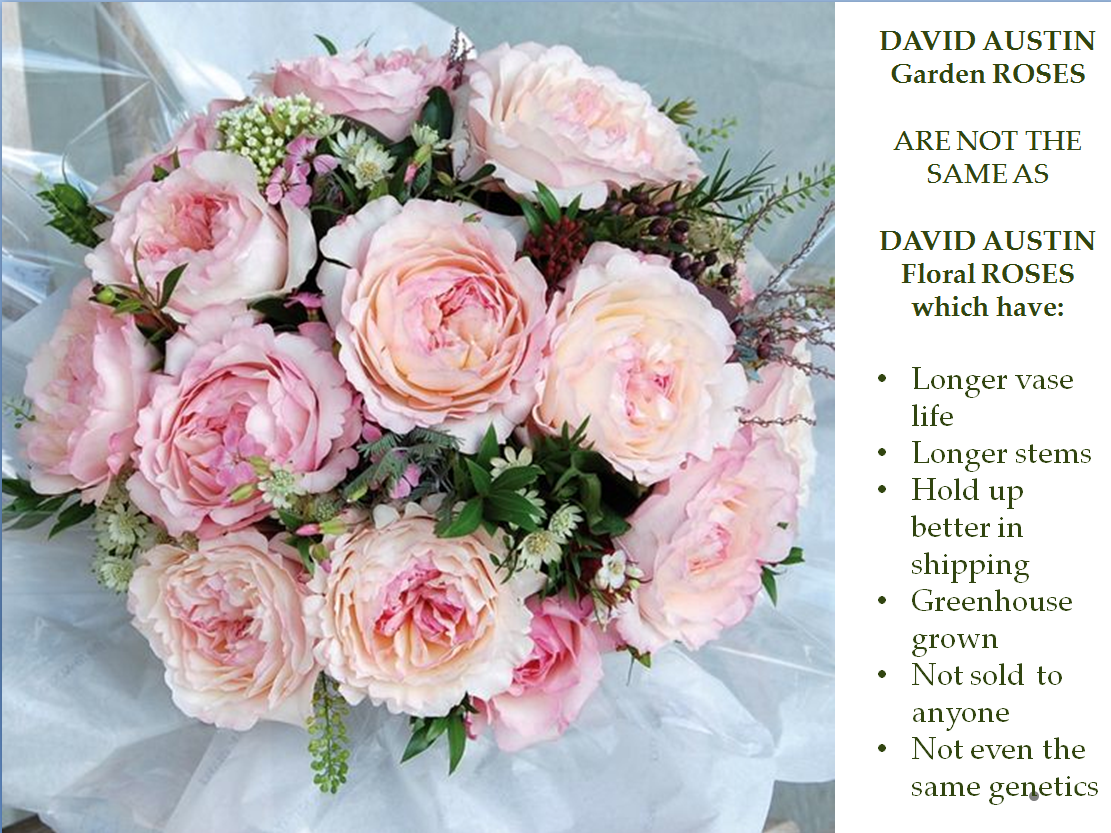
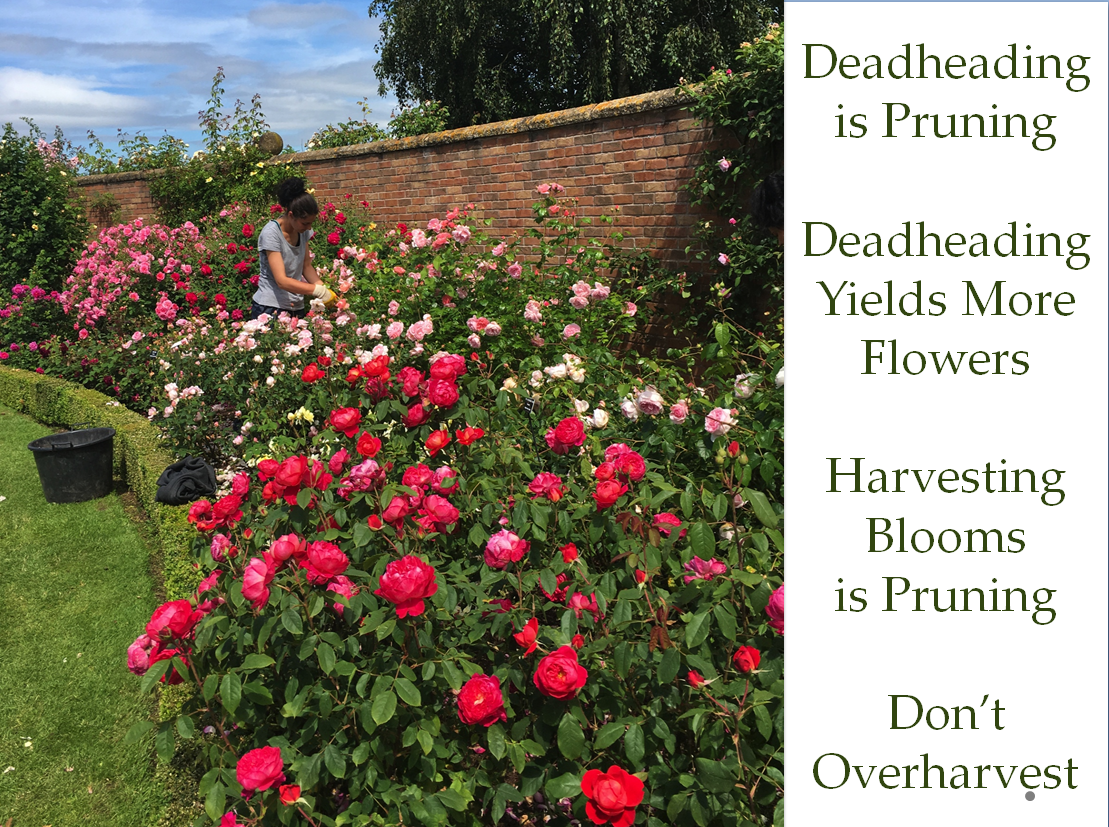
Rebecca generously shared some of her lecture slides for me to post here.
Thanks so much for joining me today. It has been a crazy month and I’m so pleased that you have joined the conversation to hear from leading voices in the Slow Flowers Movement.
The Slow Flowers Podcast has been downloaded nearly 210,000 times by listeners like you. Thank you to each one of you for downloading, listening, commenting and sharing. It means so much.
If you value the content you receive each week, I invite you to show your thanks and support the Slow Flowers Podcast with a donation — the button can be found on our home page in the right column. Your contributions will help make it possible to transcribe future episodes of the Podcast.
Thank you to family of sponsors:
Arctic Alaska Peonies, a cooperative of 50 family farms in the heart of Alaska providing high quality, American Grown peony flowers during the months of July and August. Visit them today at arcticalaskapeonies.com
Seattle Wholesale Growers Market, a farmer-owned cooperative committed to providing the very best the Pacific Northwest has to offer in cut flowers, foliage and plants. The Growers Market’s mission is to foster a vibrant marketplace that sustains local flower farms and provides top-quality products and service to the local floral industry. Find them at seattlewholesalegrowersmarket.com
Longfield Gardens provides home gardeners with high quality flower bulbs and perennials. Their online store offers plants for every region and every season, from tulips and daffodils to dahlias, caladiums and amaryllis. Visit them at lfgardens.com. Syndicate Sales, an American manufacturer of vases and accessories for the professional florist. Look for the American Flag Icon to find Syndicate’s USA-made products and join the Syndicate Stars loyalty program at syndicatesales.com.
Johnny’s Selected Seeds, an employee-owned company that provides our industry the best flower, herb and vegetable seeds — supplied to farms large and small and even backyard cutting gardens like mine. Check them out at johnnysseeds.com. Association of Specialty Cut Flower Growers. Formed in 1988, ASCFG was created to educate, unite, and support commercial cut flower growers. It mission is to help growers produce high-quality floral material, and to foster and promote the local availability of that product. Learn more at ascfg.org
The content and opinions expressed here are either mine alone or those of my guests alone, independent of any podcast sponsor or other person, company or organization.
The Slow Flowers Podcast is engineered and edited by Andrew Brenlan. Learn more about his work at KineticTreeFitness.com.
Welcome to DAY ONE of American Flowers Week, which continues through next Tuesday, July 4th, Independence Day!
The Slow Flowers Community is boldly sharing this message: Beautiful, fresh and seasonal flowers are worth celebrating! They are grown here, by real people on real U.S. flower farms!
This is our third year celebrating American grown flowers in all 50 states – coast to coast from north to south.
I’m thrilled with the incredible enthusiasm and participation from flower farmers, floral designers, retailers, grocery chains and avid gardeners who are joining in to help raise awareness about the origin of our flowers.
Your use of hashtag #americanflowersweek along with #slowflowersand your personal branding terms is an awesome way to engage with consumers and peers across the U.S.!
I’ve loved seeing the early posts as designers and florists have shared sneak-peeks of their projects on Facebook, Twitter & Instagram – flowers, signage, displays, events and special red-white-and-blue bouquets to celebrate American Flowers Week.
We’ll keep on re-tweeting and re-posting to spread the awareness and attention on social platforms – with the overall goal of getting more folks asking for and buying American grown flowers.
Get out your crayons: Our American Flowers Week Map of State Flowers!
Follow these links to the free resources available to you – as well as details about cool American Flowers Week projects our members are producing around the country (including a few that took place last week in the days leading up to American Flowers Week).
And don’t forget to download our awesome USA Map of state flowers, including individual state coloring sheets. Add your logo and print copies to share and hand out to your community and customers.
I have one more important event to remind you about – the Slow Flowers Summit, which is happening this coming Sunday, July 2nd in Seattle at the Surf Incubator event space.
You’ve heard from some of our awesome speakers, and this Podcast has shared previews what’s on the agenda for an inspiring day of design innovation, personal inspiration and a bit of radical thinking to send you off with new ideas.
It’s not too late to sign up – we’re expecting and planning for a few last-minute registrants. If your schedule allows, I encourage you to join us!
Marialuisa Kaprielian of Urban Succulents puts her own brilliant twist on floral design with sedums, echeverias, kalanchoes and more!
Succulents + fresh flowers in a bouquet designed by MariaLuisa Kaprielian.
I’m so happy to bring you some succulent joy today, with a conversation I recorded in late May when I traveled to San Diego to teach.
I have loved seeing the designs, creativity and color sense in the succulent florals of Marialuisa Kaprielian. Marialuisa is the owner of Urban Succulents, based in San Diego. She’s a Slowflowers.com member whose company is uniquely suited for a thriving mail order floral business.
Because San Diego has ideal weather for growing and producing succulent plants, it’s the perfect headquarters for Urban Succulents.
Marialuisa’s mission is to create living arrangements using only the finest locally sourced succulent plants.
All her succulent arrangements, wreaths, gift boxes, bouquets and other items are made to order so they are fresh when the recipient receives them. Urban Succulents’ living arrangements and bouquets can be replanted, bringing more enjoyment — a gift that keeps giving, or growing in this case.
Succulent bridal bouquets aren’t always only green!
Thoroughly feminine!
Urban Succulents creates living florals for corporate events and galas, weddings and other festive occasions. For holidays and other gifting, the studio offers wreaths and succulent plant assortments.
Individual succulents, wired and ready to be used for floral design.
I know you’ll find our conversation inspiring – and I hope it gives you some new ideas for using succulents in your design work. Or, contact Urban Succulents to special order wired succulents to add to your designs (as shown, left).
I had serious succulent envy spending time with Marialuisa in her home, studio and vast garden filled with plants we never see up in the chilly corner of the Pacific Northwest.
You can find and follow MariaLuisa at these social places:
The Slow Flowers Podcast has been downloaded more than 204,000 times by listeners like you.
THANK YOU to each one of you for downloading, listening, commenting and sharing. It means so much. If you value the content you receive each week, I invite you to show your thanks and support the Slow Flowers Podcast with a donation — the button can be found on our home page in the right column. Your contributions will help make it possible to transcribe future episodes of the Podcast.
Thank you to our family of sponsors:
Arctic Alaska Peonies, a cooperative of 50 family farms in the heart of Alaska providing high quality, American Grown peony flowers during the months of July and August. Visit them today at arcticalaskapeonies.com
Seattle Wholesale Growers Market, a farmer-owned cooperative committed to providing the very best the Pacific Northwest has to offer in cut flowers, foliage and plants. The Growers Market’s mission is to foster a vibrant marketplace that sustains local flower farms and provides top-quality products and service to the local floral industry. Find them at seattlewholesalegrowersmarket.com
Longfield Gardens provides home gardeners with high quality flower bulbs and perennials. Their online store offers plants for every region and every season, from tulips and daffodils to dahlias, caladiums and amaryllis. Visit them at lfgardens.com.
Syndicate Sales, an American manufacturer of vases and accessories for the professional florist. Look for the American Flag Icon to find Syndicate’s USA-made products and join the Syndicate Stars loyalty program at syndicatesales.com.
Johnny’s Selected Seeds, an employee-owned company that provides our industry the best flower, herb and vegetable seeds — supplied to farms large and small and even backyard cutting gardens like mine. Check them out at johnnysseeds.com.
Association of Specialty Cut Flower Growers. Formed in 1988, ASCFG was created to educate, unite, and support commercial cut flower growers. It mission is to help growers produce high-quality floral material, and to foster and promote the local availability of that product. Learn more at ascfg.org
The content and opinions expressed here are either mine alone or those of my guests alone, independent of any podcast sponsor or other person, company or organization.
The Slow Flowers Podcast is engineered and edited by Andrew Brenlan. Learn more about his work at KineticTreeFitness.com.
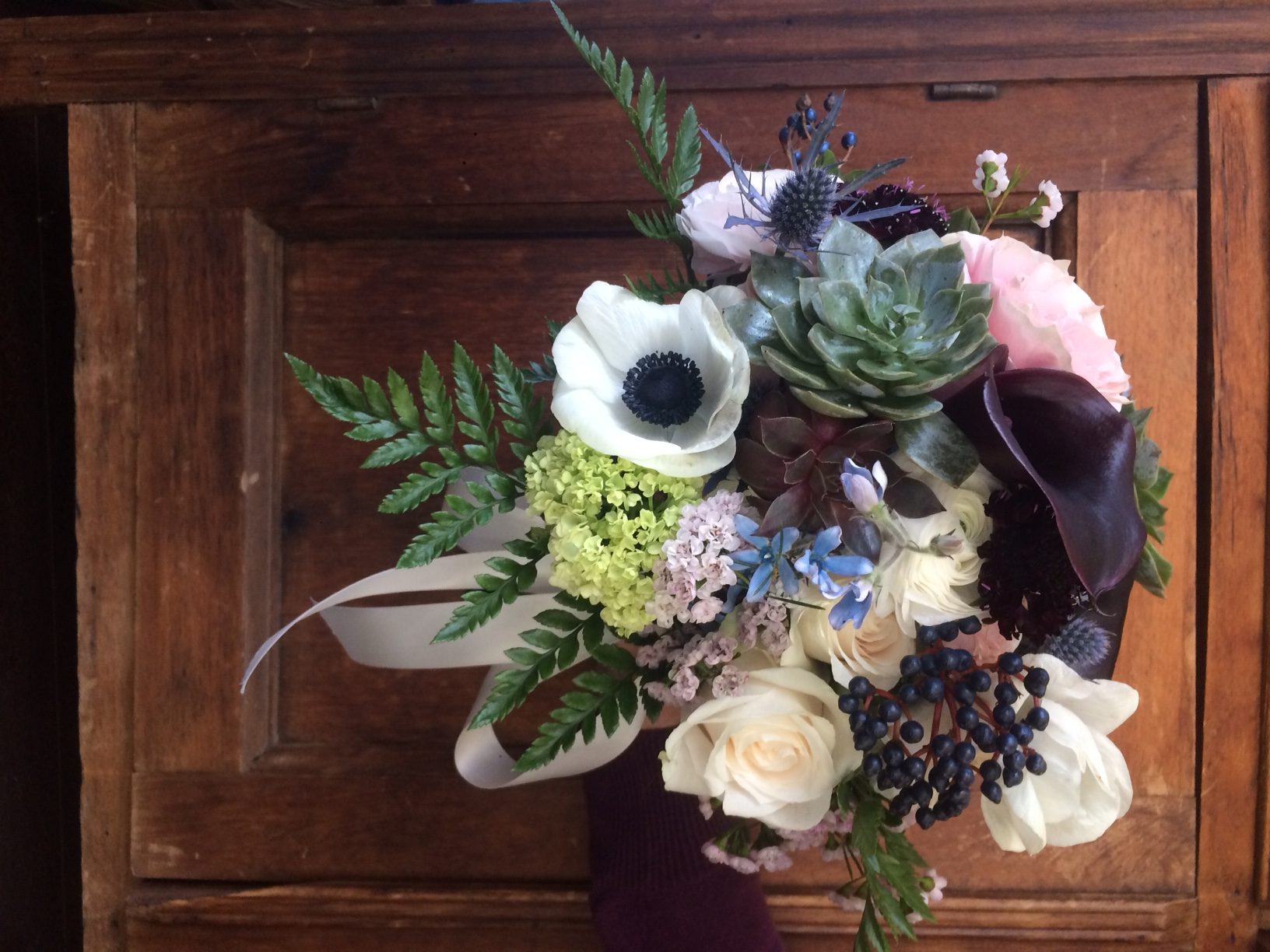
The content and opinions expressed here are either mine alone or those of my guests alone, independent of any podcast sponsor or other person, company or organization.
The Slow Flowers Podcast is engineered and edited by Andrew and Hannah Brenlan. Learn more about their work at shellandtree.com.
Today I’m excited to introduce you to Leslie Bennett, an Oakland-based landscape designer specializing in aesthetically pleasing food-centric gardens. Leslie is the owner of Pine House Edible Gardens, which designs, installs and maintains delicious gardens for private & community clients in the Bay Area.
We’ve been friends for a number of years and it is my pleasure to share a recent conversation we recorded for today’s podcast. Consider this a preview of Leslie’s participation as a Slow Flowers Summit speaker.
She will be one of four panelists who will share insights and perspective during the Inclusion/Diversity dialogue led by Chantal Aida Gordon of TheHorticult Blog, last week’s guest. These two women will be joined by Nicole Cordier Wahlquist of Grace Flowers Hawaii and Riz Reyes of RHR Horticulture. Together, these innovators and creatives are telling a narrative that we can all benefit from, especially as we desire more meaningful, authentic and ethical lives.
I’ve had the privilege of interviewing Leslie about her design work for a number or articles, including a Los Angeles Timespiece.
The Summer issue of Garden Design magazine features an extensive spread about Leslie’s edible-ornamental design for a Bay Area family.
This summer, you can find two beautiful and informative stories about Leslie’s projects that I was honored to write — one appears in the SUMMER Issue of Garden Design, called “Bearing Fruit,” about a landscape in Atherton, California, part of the magazine’s Great Gardens Across America series, and the other appears in the July issue of Better Homes & Gardens, on newsstands this week, called “Dyed & True,” about an urban backyard filled with plants that produce textile pigments, which Leslie designed for her Berkeley clients.
Leslie Bennett forged a holistic life for herself as a garden designer, speaker, author and advocate for edible landscapes.
There was a portion of one of my interviews with Leslie that landed on the cutting room floor, thanks to an editor’s space crunching tendencies, but it is too fabulous not to share it here. I think this will help introduce Leslie to you and give you insights into what makes her tick as a creative individual:
Leslie Bennett trained as a lawyer and turned her professional life upside down to learn organic food farming, emerging a landscape designer who specializes in stylish edible gardens.
With several years of experience in other horticulture and design ventures, she launched Pine House Edible Gardens in 2015. Growing food originally influenced Leslie’s search for a connection with the land, one that led her away from corporate law to study permaculture in the U.K. and work on a series of organic food and biodynamic farms in Jamaica and Northern California.
“I loved growing food, but I rejected the idea that it had to be strictly utilitarian,” Leslie recalls. “I remember wondering where the beauty was. It seemed like the organic movement sometimes rejected frivolous things like incorporating beauty alongside food production. One afternoon in the bean fields, I realized, ‘I’m not into this. This reminds me of my law firm,’ so I put a stop to that and started doing what I wanted to do.”
Since leaving row crops behind, Leslie has pursued edible and ornamental harmony in her design work. Her enthusiasm is contagious, attracting clients who yearn for the bountiful environments she helps them attain.
“I’m motivated by making a space meaningful for those who live there,” she says.
Here are some of Pine House Edible Gardens’ recent flowery Instagram posts!
You’ll love hearing from Leslie in today’s episode and if you’re heading to Seattle for the Slow Flowers Summit on July 2nd, you’ll love meeting her in person. Our event bookseller will have copies of The Beautiful, Edible Garden (Ten Speed Press, 2013), a guide to incorporating edibles into the ornamental landscape, of which Leslie is a co-author, and she’ll be signing copies after her presentation.
And if you follow Leslie’s Instagram feed @pinehouseediblegardens, you will soon realize she is as much a floral designer as a foodie. Her landscapes are filled with useful and beautiful plants to harvest, not just for the body but for the eyes and soul. Leslie makes it a practice to give her clients cutting garden options in all four seasons; I wish more landscape designers took this approach and I love that her firm is showing the way.
Here’s how you can find Leslie at her social places.
Get out your crayons: Our American Flowers Week Map of State Flowers!
American Flowers Week launches one week from today on June 28th — and it’s not too late to jump onboard and use this social media and promotional campaign to put you and your local flowers on the map! You can check out americanflowersweek.com for all the cool details, including our just-released Coloring Map of the USA with every state flower designed by Jenny Diaz.
This is free for you to download, print and share with clients and customers this month. Feel free to add your own logo to the PDFs and get promoting! And I’d love to see your finished pages — when you post use #americanflowersweek. Please join in and help spread the word — let’s get trending on Twitter, Instagram and other social platforms!
The Slow Flowers Summit is one of our major events that will take place during American Flowers Week and you’ve heard me talking about it for quite a while. I really can’t believe the day is almost here. We have registrants coming from Georgia, Michigan, Ohio, Arizona, California, Oregon, Iowa, Alaska and, of course, Washington State. I’m blown away by the response from the Slow Flowers Community. We have a limited number of tickets left, so it’s not too late to come to Seattle for a jolt of ideas, inspiration, innovation, instigation and more! Grab your registration tickets here.
The Slow Flowers Podcast has been downloaded more than 202,000 times by listeners like you. We hit this big milestone earlier in the week — thanks for helping us reach it!
THANK YOU to each one of you for downloading, listening, commenting and sharing. It means so much. If you value the content you receive each week, I invite you to show your thanks and support the Slow Flowers Podcast with a donation — the button can be found on our home page in the right column. Your contributions will help make it possible to transcribe future episodes of the Podcast.
Thank you to family of sponsors:
Certified American Grown Flowers. The Certified American-Grown program and label provide a guarantee for designers and consumers on the source of their flowers. Take pride in your flowers and buy with confidence, ask for Certified American Grown Flowers. To learn more visit americangrownflowers.org.
Arctic Alaska Peonies, a cooperative of 50 family farms in the heart of Alaska providing high quality, American Grown peony flowers during the months of July and August. Visit them today at arcticalaskapeonies.com
Seattle Wholesale Growers Market, a farmer-owned cooperative committed to providing the very best the Pacific Northwest has to offer in cut flowers, foliage and plants. The Growers Market’s mission is to foster a vibrant marketplace that sustains local flower farms and provides top-quality products and service to the local floral industry. Find them at seattlewholesalegrowersmarket.com
Longfield Gardens provides home gardeners with high quality flower bulbs and perennials. Their online store offers plants for every region and every season, from tulips and daffodils to dahlias, caladiums and amaryllis. Visit them at lfgardens.com.
Syndicate Sales, an American manufacturer of vases and accessories for the professional florist. Look for the American Flag Icon to find Syndicate’s USA-made products and join the Syndicate Stars loyalty program at syndicatesales.com.
Johnny’s Selected Seeds, an employee-owned company that provides our industry the best flower, herb and vegetable seeds — supplied to farms large and small and even backyard cutting gardens like mine. Check them out at johnnysseeds.com.
Association of Specialty Cut Flower Growers. Formed in 1988, ASCFG was created to educate, unite, and support commercial cut flower growers. It mission is to help growers produce high-quality floral material, and to foster and promote the local availability of that product. Learn more at ascfg.org
The content and opinions expressed here are either mine alone or those of my guests alone, independent of any podcast sponsor or other person, company or organization.
The Slow Flowers Podcast is engineered and edited by Andrew Brenlan. Learn more about his work at KineticTreeFitness.com.
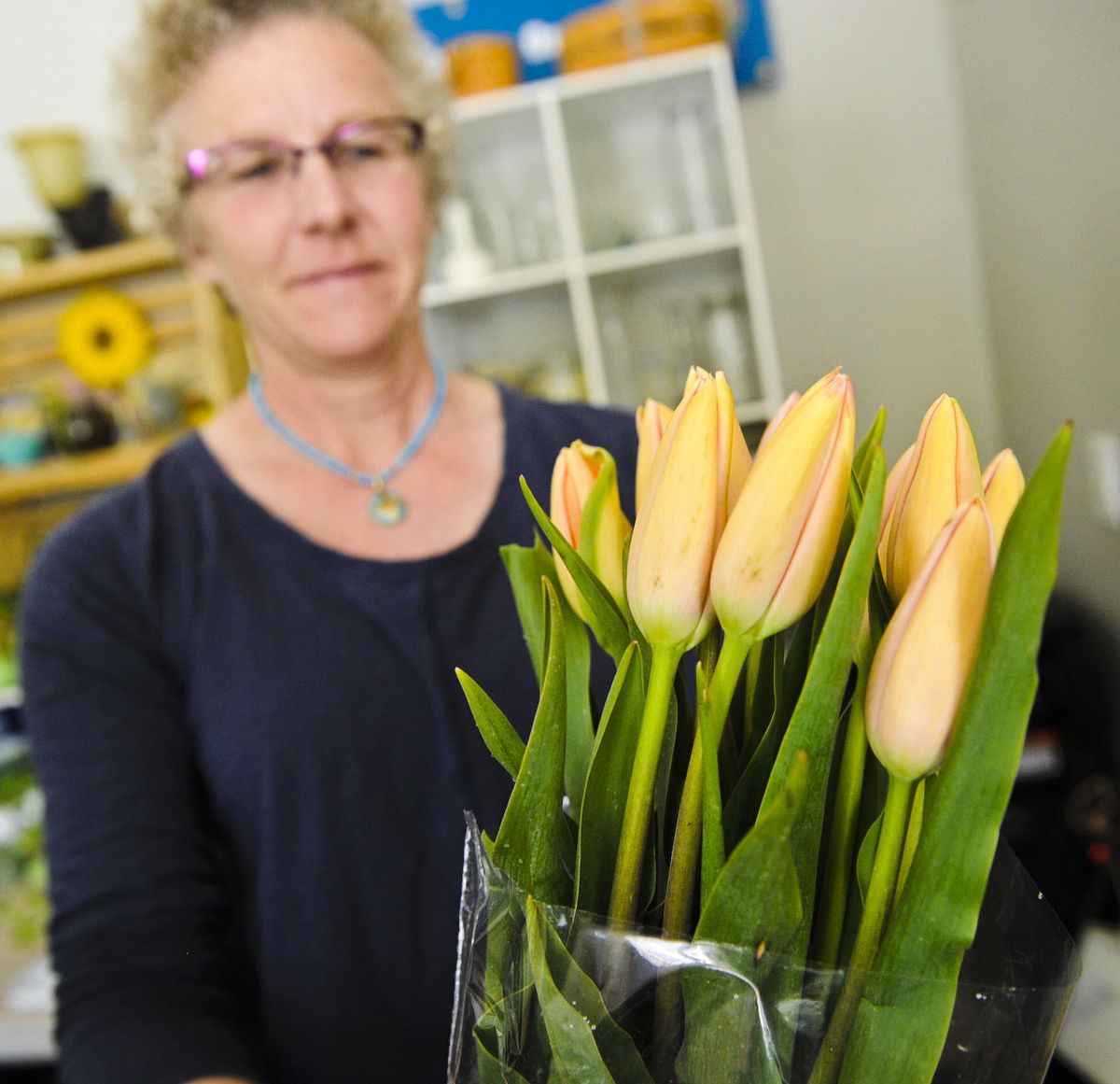
Get out your crayons: Our American Flowers Week Map of State Flowers!
American Flowers Week and the Slow Flowers Summit are just around the corner — our week-long celebration of American-grown flowers and design begins on June 28th and continues through July 4th — check out americanflowersweek.com for all the cool details, including our just-released Coloring Map of the USA with every state flower designed by Jenny Diaz.
We’re especially excited around here for the Slow Flowers Summit, which takes place on Sunday, July 2nd in Seattle during the heart of American Flowers Week. You’re invited to participate — and you can find all the details here. Tickets are selling at a brisk pace and it’s time to grab yours!
Learn how to make and dye beautiful ribbons using safe and natural plant dyes.
Susanna Luck, textile artist and floral designer
I’ve heard from many of you heading to Seattle to attend the Summit interested in knowing what else is going on when you’re here.
We’re sponsoring a fabulous one-day workshop held 11 am to 3 pm on Saturday, July 1st the day before the Summit at the Seattle Wholesale Growers Market.
A Portland textile artist and floral designer Susanna has been making and incorporating hand-dyed ribbons and linens into her design repertoire.
If you’re interested in learning more about naturally-dyed silks, cottons and linens to use in your work, you’ll want to sign up! Find the details here.
As you may know, I’ve invited many of my flower friends and floral crushes who I greatly admire to speak at the Slow Flowers Summit, including today’s guest, Chantal Aida Gordon.
We met virtually several years ago through our mutual friend Jennifer Asher of Terra Sculpture, when Jennifer asked me to share my insights with Chantal about the ins and outs of speaking gigs.
Country Gardens feature on Chantal & Ryan’s TheHorticult.com
When we finally met in person a few years later, I felt like a kindred spirit came into my life. Chantal and Ryan Benoit, her collaborator in the popular blog thehorticult.com, attended one of the Field to Vase Dinners that that I co-hosted in the San Diego area — at the Flower Fields. They endeared themselves further by posting a lovely review of the evening, which included Chantal’s engaging storytelling and Ryan’s beautiful photography.
Stylemakers in Better Homes & Gardens
I very much wanted to bring Chantal for Seattle to moderate a panel on inclusion and diversity in our green worlds of horticulture and floriculture. And she is coming – I’m so jazzed for our attendees to meet her. I was in Southern Cali last month to teach and I met up with Chantal in Los Angeles to record today’s interview.
A self-described plant nerd, Chantal puts a fresh twist on horticulture in her posts and writing.
Chantal Aida Gordon is coming to Seattle to speak at the Slow Flowers SUMMIT
Here’s a little more about her:
Born in Brooklyn and now a resident of LA, Chantal Aida Gordon is the cofounder of The Horticult, a site that covers where gardening intersects with culture—from horticulture and design to cocktails and art. (Bona fides include a spread in The New York Times and “Gardening Blog of the Year” from Better Homes & Gardens.)
Together with Ryan Benoit, they’ve written about community gardens, floral care, and DIY plant habitats.
Outside The Horticult, Chantal’s writing has appeared in The New York Times, Zagat Guide, and American Short Fiction.
Her favorite flowers to grow are epipyllums and her favorite cut flower is the dahlia.
Chantal is wrapping up work with Ryan on their first book How to Window Box, forthcoming from Clarkson Potter in Spring of 2018.
This book will show you how to build and plant window boxes in colorful, fun and inventive ways.
They’re putting a fresh spin on windowsill gardening with plant combinations both classic and unexpected. You can even pre-order How to Window Box on Amazon now!
It’s time to sign up for the Summit and you can find the registration link and more details at debraprinzing.com. The Summit’s mission is summed up in 5 simple but impactful words: We want to Inquire, Inform, Include, Instigate and Inspire!
The information you will gain in a single day at the Summit is an incredible value for just $175 — and members of slow flowers receive a great thank-you rate of $135.
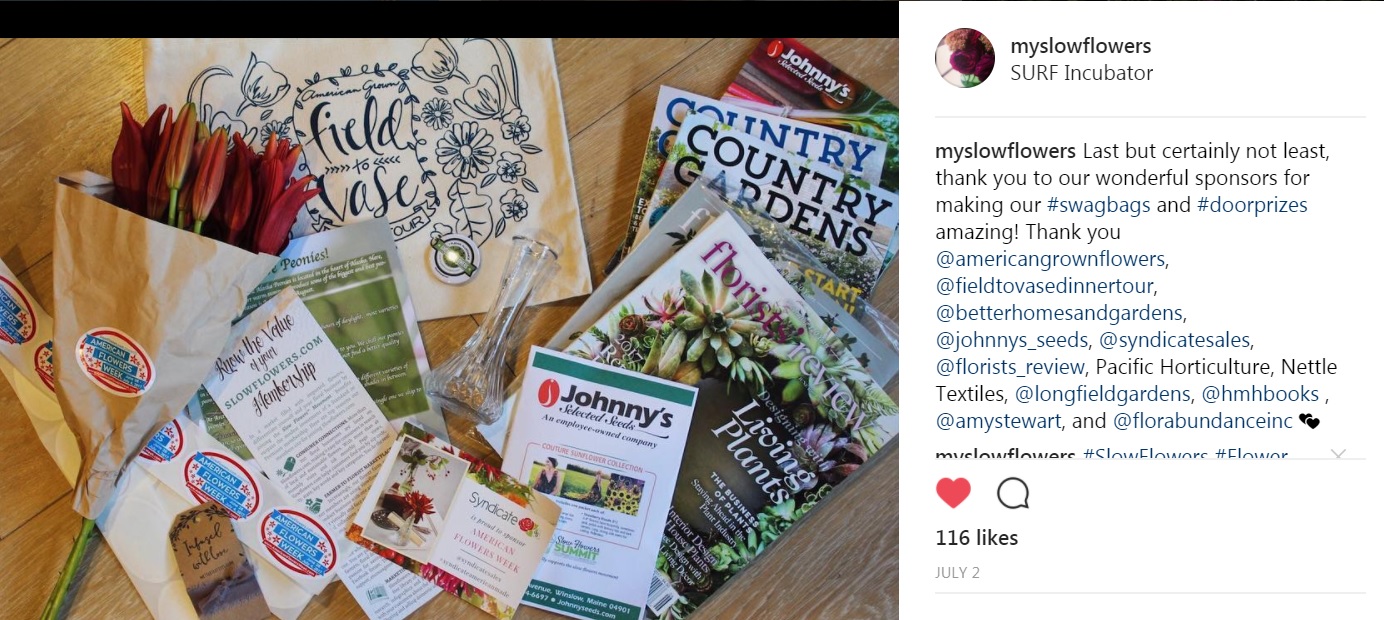
Your registration includes all lectures and coffee & alight breakfast, lunch and a cocktail reception with speakers — plus a flower lovers’ swag bag and chance to network with the doers and thinkers in our botanical universe.
Oh, and did I mention our signature cocktail? It’s The Herbarium, a concoction featured in our keynote speaker Amy Stewart’sNYT bestselling book The Drunken Botanist!
The mission of this organization is to advance the art of professional floral design through education, service and leadership, and to recognize the achievement of excellence in this art form.
AIFD was established in 1965 and today is one of the leading nonprofit organizations in the floral industry, with a focus on professional development, accreditation and education.
I’ve known floral designers over the years who have achieved that coveted AIFD credentialing after their names and to be honest, I was a little intimidated. However, after getting to know these amazing talents and understanding how driven they are to elevate the profession, well, I have a different attitude now.
Stacey Carleton, AIFD, of The Floraculturist
One of those people who’s helped me get to know AIFD is today’s guest, Stacey Carleton, owner of The Floraculturist .
I first met Stacey virtually when I was writing an article about Jeanie McKewan, a wonderful flower farmer who owns Brightflower Farm in Stockton, Illinois. I asked Jeanie to connect me with some of her customers and one was Stacey, then a floral manager at a Chicago Whole Foods.
I was so delighted with Stacey’s response when I interviewed her — she was so committed to sourcing locally-grown flowers from farms like Brightflower and her comments enhanced the article by giving industry validation Jeanie’s practices, product and relationships.
And as these things go, Stacey and I became Facebook friends, but we’d never met in person. Now, she is the Marketing Chair for AIFD and I recently sat down with her for an interview about the organization.
AIFD’s National Symposium is coming to Seattle, July 1 through 5 and since it’s in my own backyard, I plan on attending for a few days. You’ll hear us discussing the program and the various ways you can also attend — one need not be a member to take advantage of this incredible opportunity to hear from world class speakers like my friend Arthur Williams of Denver’s Babylon Floral Design, featured in a chapter of The 50 Mile Bouquet.
Here’s a bit more about Stacey:
Three of Stacey’s arrangements, created with all-local California-grown botanicals.
Stacey Carlton AIFD is a second generation floral designer and educator residing in Chicago. Her extensive educational journey is supported by her life-long training in floristry, horticulture, and visual arts. Inducted into The American Institute of Floral Designers in 2010, she is an internationally published artist most recently in the highly coveted 2016/2017 International Floral Art Book by Stitching Kunstboek.
Stacey is celebrating a three year consecutive win from Fusion Flower Magazine’s International Designer of the Year competition with four medals in 2016. Her freelance work has taken her across the country to different markets of the industry most notably in California designing for elite clientele in Los Angeles, Beverly Hills, Malibu, Santa Barbara, and Montecito.
Stacey created this arrangement while living in Southern California with locally-sourced ingredients.
She prefers to demonstrate her natural modern design aesthetic in large scale installations, wedding and event decor, visual editorials, floral fashion, and street art. Stacey has also developed a fabulous Aromatherapy “Bar” program to incorporate in her clients’ special events, and I’ll share the link to that innovative project, as well.
We actually met in person to record this interview. Stacey was in Los Angeles to freelance for Brad Austin Imaginative Florals and I had traveled to SoCal to ultimately teach at In Bloom, for Flower Hill Promenade in Del Mar. I found her working in the most glorious setting, Brad’s home studio that’s imbedded in his beautiful courtyard and garden.
We took a moment to turn on the recorder and it was fun to add a bonus guest, Anthony Vigliotta, the current AIFD president who is based in Los Angeles and frequently freelances for Brad Austin, as well.
Both are clearly passionate about advancing the artistry of the floral and horticulture industry by supporting design education and encouraging individual style and techniques.
Enjoy our conversation and follow this link to connect with AIFD when you’re in Seattle. I’m hoping that people coming to attend the Slow Flowers SUMMITon Sunday, July 2nd, will consider hanging around for a few days to take in AIFD’s offerings.
Thanks so much for joining us today. You’ll find me at the AIFD Symposium on Monday, July 3rd at the downtown Seattle Sheraton, where Slow Flowers will have an exhibit during the morning Partners Expo — gotta get the word out about Slowflowers.com and the new model of floral design, right?!
The Slow Flowers Podcast has been downloaded more than 196,000 times by listeners like you. THANK YOU to each one of you for downloading, listening, commenting and sharing. It means so much. If you value the content you receive each week, I invite you to show your thanks and support the Slow Flowers Podcast with a donation — the button can be found on our home page in the right column. Your contributions will help make it possible to transcribe future episodes of the Podcast.
Don’t forget to register for the Slow Flowers Summit — it’s less than 4 weeks away and tickets are selling at a brisk pace. The information you will gain in a single day at the Summit is an incredible value for just $175 — and members of slow flowers receive a great thank-you rate of $135/ Your registration includes all lectures and coffee/light breakfast, lunch and a cocktail reception with speakers — plus a flower lovers’ swag bag and chance to network with the doers and thinkers in our botanical universe.
I can’t wait for you to join us in Seattle on July 2 during the heart of American Flowers Week!
Thank you to family of sponsors:
And thank you to our lead sponsor for 2017: Certified American Grown Flowers. The Certified American-Grown program and label provide a guarantee for designers and consumers on the source of their flowers. Take pride in your flowers and buy with confidence, ask for Certified American Grown Flowers. To learn more visit americangrownflowers.org.
Arctic Alaska Peonies, a cooperative of 50 family farms in the heart of Alaska providing high quality, American Grown peony flowers during the months of July and August. Visit them today at arcticalaskapeonies.com
Seattle Wholesale Growers Market, a farmer-owned cooperative committed to providing the very best the Pacific Northwest has to offer in cut flowers, foliage and plants. The Growers Market’s mission is to foster a vibrant marketplace that sustains local flower farms and provides top-quality products and service to the local floral industry. Find them at seattlewholesalegrowersmarket.com
Longfield Gardens provides home gardeners with high quality flower bulbs and perennials. Their online store offers plants for every region and every season, from tulips and daffodils to dahlias, caladiums and amaryllis. Visit them at lfgardens.com.
Syndicate Sales, an American manufacturer of vases and accessories for the professional florist. Look for the American Flag Icon to find Syndicate’s USA-made products and join the Syndicate Stars loyalty program at syndicatesales.com.
Johnny’s Selected Seeds, an employee-owned company that provides our industry the best flower, herb and vegetable seeds — supplied to farms large and small and even backyard cutting gardens like mine. Check them out at johnnysseeds.com.
Association of Specialty Cut Flower Growers. Formed in 1988, ASCFG was created to educate, unite, and support commercial cut flower growers. It mission is to help growers produce high-quality floral material, and to foster and promote the local availability of that product. Learn more at ascfg.org
The content and opinions expressed here are either mine alone or those of my guests alone, independent of any podcast sponsor or other person, company or organization.
The Slow Flowers Podcast is engineered and edited by Andrew Brenlan. Learn more about his work at KineticTreeFitness.com.
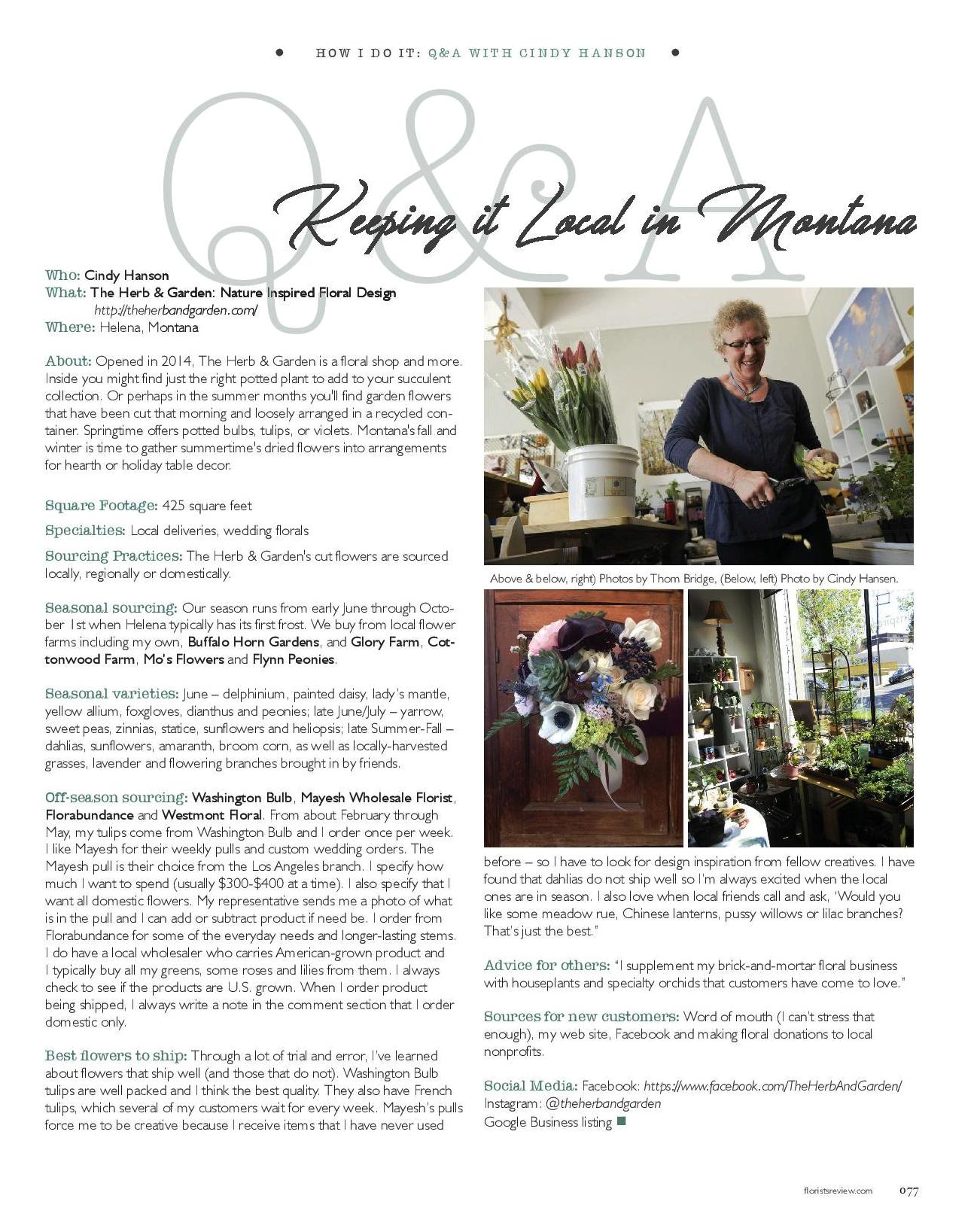
Today, we’re commemorating the 200th episode of the Slow Flowers Podcast. It’s an amazing milestone worth celebrating!
For 200 consecutive weeks, ever since our first episode on July 23, 2013, we’ve brought you original programming about local, seasonal and sustainable flowers and the people who grow and design with them.
That means you’ve received nearly four years of meaningful and informative content — delivered through your ear-buds — my engaging conversations with flower farmers, floral designers, cut floral and plant experts, authors, entrepreneurs and innovators in the Slow Flowers Community.
And I thank YOU for joining me!
Max Gill, captured by Alicia Schwede’s camera, while teaching at the design Master Class held recently at the Seattle Wholesale Growers Market
I’ve scheduled a very special guest to share with you for this 200th episode: Berkeley, California-based designer Max Gill.
I first met Max during the summer of 2011 while working on The 50 Mile Bouquet. Photographer David Perryand I were in SF shooting a chapter of the book with Susie Nadler and Flora Grubb at Flora Grubb Gardens . . . and Flora asked if I knew Max. I told her no, and she immediately made a connection, introducing us by phone. It was one of those serendipitous threads I am so often given and frequently follow . . . not sure where it will lead but eager to discover that answer.
This is a dark photo, but I love it! I snapped it in July 2011 while on location with Max Gill at Chez Panisse, enjoying a pot of just-brewed tea while observing his design process.
Max invited David and me to meet him a few days later and what resulted was nothing short of beautiful. We were able to tour and ultimately photograph Max in his Berkeley studio and personal cutting garden . . . and then he invited us to follow him to Alice Waters’ famed bistro Chez Panisse Cafe & Restaurant, just blocks from Max’s home, to capture him on camera while he created the first of that week’s major floral displays for the restaurant’s interior.
After we wrapped up, David Perry (far right) and I posed for a photo with Max and his friend Wynonah (center)
It was an unforgettable experience for all of us. Later, Alice shared this quote for the story:
“Max is an amazing forager – he brings a sense of aliveness and seasonality, reinforcing the principles of the restaurant.”
And his friend, design mentor and occasional collaborator Ariella Chezar told me this:
“Max, with his heart of gold, is a genius at creating small, magical worlds that you cannot help but be drawn into. With tenderness and skill, he assembles his elements, resulting in the most perfect balance of haphazard wildness and clear purpose. His arrangements always look just right.”
Max spent a few days in Seattle, touring local flower farms and meeting the folks behind SWGM, including Dennis Westphall of Jello Mold Farm (right) (c) Alicia Schwede
Lush and Seasonal: One of Max’s compote arrangements from his workshop at SWGMC. (c) Alicia Schwede. Check out the palette and diversity of just-picked botanicals!
Max recently visited Seattle to teach a very popular Master Class, followed by an unforgettable design lecture at Seattle Wholesale Growers Market – and while he was in town, I recorded this short conversation with him.
Here’s a bit more about Max, from his web site’s “about” page:
After receiving his degree in Environmental Science from UC Berkeley, Max was compelled by more creative pursuits, eventually finding floral design the perfect medium as it seemed to him to draw from all of his greatest passions: gardening, sculpture, painting and art and theater history.
Originally from upstate New York, Max has called the Bay Area home for almost 35 years. Perhaps best known for his work at Chez Panisse where he has done the flowers for over a decade, Max started Max Gill Design in 2005 and now offers full floral services for weddings, special events and private clients including Alice Waters, Michael Pollan, and Lauren McIntosh.
Informed by natural process, Max’s work is distinguished by his reliance on specialty blooms and botanical rarities gleaned from local growers, his own formidable cut flower garden in North Berkeley, and a long list of Bay Area nurseries.
He writes this:
My work is always botanically inspired. What I find most compelling in nature is when plants are struggling to find their place in the environment. As they fight to overcome the challenges of space and light, often surprising us with their juxtaposition, they create beauty through adaptation.
Two of Max’s floral creations, from the pages of In Full Flower (c) Gemma and Andrew Ingalls
Here’s a peek at two of Max’s alluring botanical designs that appear in the just-released new book, “In Full Flower,” by photographers Gemma and Andrew Ingalls for Rizzoli Books. It’s stunning work that will leave you wanting more.
And you can find more by following along with Max on his Instagram feed.
Thanks so much for joining us today.
Back when the 100th episode of the Slow Flowers Podcast aired in June 2015, I noted that listeners had downloaded episodes 53,000 times since the start of the show.
Having reached the second-hundred-episode mark, even more fans are engaging with the show, with a total of 193,000 downloads to date — meaning today we have nearly triple the number of Slow Flowers Podcast listeners than for the first 100 episodes.
THANK YOU to each one of you for downloading, listening, commenting and sharing. It means so much. If you value the content you receive each week, I invite you to show your thanks and support the Slow Flowers Podcast with a donation — the button can be found on our home page in the right column. Your contributions will help make it possible to transcribe future episodes of the Podcast.
The information you will gain in a single day at the Summit is an incredible value for just $175 — and members of Slow Flowers receive a great thank-you rate of $135.
Your registration includes all lectures and coffee/light breakfast, lunch and a cocktail reception with speakers — plus a flower lovers’ swag bag and chance to network with the doers and thinkers in our botanical universe.
I can’t wait for you to join us in Seattle on July 2 in the heart of American Flowers Week!
Thank you to family of sponsors:
Arctic Alaska Peonies, a cooperative of 50 family farms in the heart of Alaska providing high quality, American Grown peony flowers during the months of July and August. Visit them today at arcticalaskapeonies.com
Seattle Wholesale Growers Market, a farmer-owned cooperative committed to providing the very best the Pacific Northwest has to offer in cut flowers, foliage and plants. The Growers Market’s mission is to foster a vibrant marketplace that sustains local flower farms and provides top-quality products and service to the local floral industry. Find them at seattlewholesalegrowersmarket.com
Longfield Gardens provides home gardeners with high quality flower bulbs and perennials. Their online store offers plants for every region and every season, from tulips and daffodils to dahlias, caladiums and amaryllis. Visit them at lfgardens.com.
Syndicate Sales, an American manufacturer of vases and accessories for the professional florist. Look for the American Flag Icon to find Syndicate’s USA-made products and join the Syndicate Stars loyalty program at syndicatesales.com.
Johnny’s Selected Seeds, an employee-owned company that provides our industry the best flower, herb and vegetable seeds — supplied to farms large and small and even backyard cutting gardens like mine. Check them out at johnnysseeds.com.
Association of Specialty Cut Flower Growers. Formed in 1988, ASCFG was created to educate, unite, and support commercial cut flower growers. It mission is to help growers produce high-quality floral material, and to foster and promote the local availability of that product. Learn more at ascfg.org.
The content and opinions expressed here are either mine alone or those of my guests alone, independent of any podcast sponsor or other person, company or organization.
The Slow Flowers Podcast is engineered and edited by Andrew Brenlan. Learn more about his work at KineticTreeFitness.com.
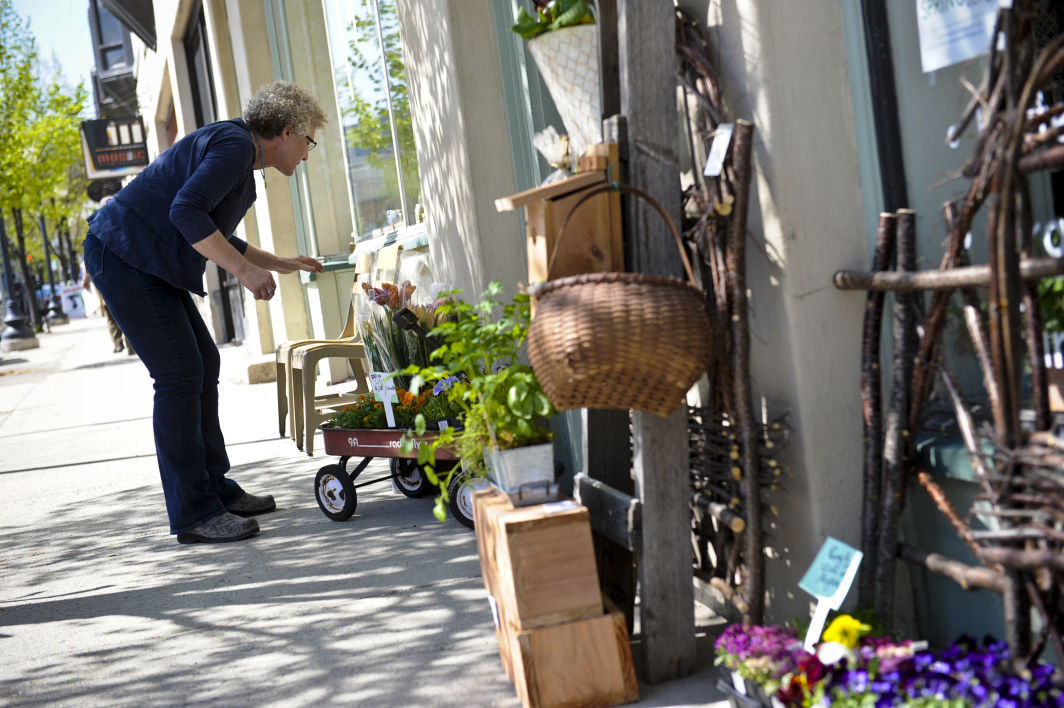
The countdown for American Flowers Week and the Slow Flowers Summit has begun — we’re only five weeks away from the June 28th kickoff of American Flowers Week 2017 and just shy of six weeks from the Slow Flowers Summit, which will take place on Sunday, July 2nd in Seattle.
You’re invited to participate in both — and you can find all the details and links here in this post.
I’ll be previewing as many of our Slow Flowers Summit speakers as possible over the coming weeks. First of all, please meet James Baggett, science and horticulture writer, garden editor at Better Homes & Gardens and a true pioneer in garden media.
I captured this photo of James Baggett in his “happy place” — in a garden. It was the White House Kitchen Garden, which made the moment all the more special! Our colleague, photographer Bob Stefko, can be seen working in the background.
James Baggett, showing off the many titles he creates with coworker Nick Crow, his art director. It simply mind-boggling to grasp their huge productivity – and it’s an honor to be one of their writer-producers.
I’ve written and produced stories for this incredibly generous and talented man for years and I count him as a friend. In fact, as I mention often, if given a choice, I’d rather be his friend for life than ever write a single story for him in the future.
James is definitely demonstrating his friendship and support for my passion by agreeing to be our master of ceremonies during the Slow Flowers Summit.
He’s flying to Seattle from his home town, Des Moines, Iowa, where BH&G and its parent company Meredith Corp. are based. As luck would have it, my travels took me to Des Moines last month when Meredith sponsored my lecture at the Wonder of Words festival on Earth Day. While there, I grabbed a short interview with James to share with you.
James A. Baggett has been a garden editor and writer for more than 20 years. In addition to his new role as BH&G’s garden editor, he shaped content at Country Gardens® magazine as its editor in chief for nine years after serving previously as editor of PerennialsTM and as the founding editor of Nature’s GardenTM magazines, both Better Homes and Gardens Special Interest Publications.
Early in his writing career, James wrote Martha Stewart’s “Arranging Flowers” book, which was released in 1999.
James also is the former executive editor of Country Living Gardener and Rebecca’s Garden magazines. He is the author of Flower Arranging, a Best of Martha Stewart Living Book (Oxmoor House) and the former garden editor of American Homestyle & Gardening.
James formerly gardened in New York City — where he tended a 10-x-20-foot garden behind an 1850 brownstone — and he now gardens in Des Moines, where all the available land surrounding his Arts & Crafts bungalow has been given over to flowerbeds, specimen trees and shrubs, and containers.
James has a Bachelor of Journalism degree, from the University of Missouri-Columbia’s famed School of Journalism. In 2015, the American Horticultural Society honored James with the B. Y. Morrison Communication Award, which recognizes effective and inspirational communication – through print, radio, television, and/or online media — advancing public interest and participation in horticulture.
“Garden writing is science writing with Jazz Hands” — James Baggett
Click here to download the James Baggett Profile, “Charming, Disarming and Engaging,” written by Maryann Newcomer for to the GWA Association of Garden Communicators newsletter. His curiosity and passion about everything in the natural world comes through in all aspects of his work and his life, and I’m thrilled that he’ll be joining us as the emcee for the Summit.
Emily Ellen Anderson of Seattle’s Lola Creative.
Next up, past guest of this podcast, Emily Ellen Anderson of Seattle-based Lola Creative. If you missed my interview with Emily (episode 168) you’ll want to go back and hear her entire journey of arriving at a floral career drawing from a background in landscape architecture.
It’s inspiring and it’s one of the reasons I asked Emily to speak at the Slow Flowers Summit on the topic of “Reinvention: Professionally, Artistically + Sustainably.” She will share her story and talk about how creatives are morphing with the changing cultural scene, changing aesthetic tastes and changing values.
And a huge bonus of having Emily involved in the Summit will be her “live” demonstration of building a foam-free floral wall.
It was during our recent walk-through of the Surf Incubator Event Spacewhere our Summit will be held, that I recorded our short audio conversation. Our mutual friend Liz Browning of Laughing Girl Flowers was with us and we were all so excited to see the environment that will house the Summit gathering. We also discussed logistics of building a mini version of the massive floral wall that Emily and her team created for the2016 Seattle Art Fair.
Her business, Lola Creative, is comprised of a team of art-minded, world-wandering, endlessly curious event and visual art professionals and ready to get obsessed with their clients’ projects. They specialize in design and production of bold events with a focus on brand enhancement and generating a meaningful connection between guests and a host organization, styled photoshoots and creative direction for online content and marketing campaigns, exceptional weddings for excellent couples. Lola Creative includes craftspeople, architects, project managers, marketers, writers, painters, organizational master-minds, and bold thinkers. Lola operates out of a light- filled studio in Edmonds, Washington, serving the entire state and Northwest region.
Lola promotes sustainable flower growing, low waste events, and low-impact practices of all kinds, including composting plant waste, reusing materials, and sourcing locally and responsibly. Lola Creative has ceased the use of floral foam for its toxicity and non-biodegradability. A portion of profits benefit scientific research, creatures, and kids’ education in entrepreneurship, art, and technology.
Check out Curious Lola, Emily’s blog where she shares tips, stories and videos about building, running and designing an event design and floral business.
Thanks for joining us today. The Slow Flowers Podcast has been downloaded more than 191,000 times by listeners like you. THANK YOU to each one of you for downloading, listening, commenting and sharing. It means so much.
The information you will gain in a single day at the Summit is an incredible value for just $175 — and members of Slow Flowers receive a great thank-you rate of $135/ Your registration includes all lectures and coffee/light breakfast, lunch and a cocktail reception with speakers — plus a flower lovers’ swag bag and chance to network with the doers and thinkers in our botanical universe.
I can’t wait for you to join us in Seattle on July 2 in the heart of American Flowers Week!
If you value the content you receive each week, I invite you to show your thanks and support the Slow Flowers Podcast with a donation — the button can be found on our home page in the right column. Your contributions will help make it possible to transcribe future episodes of the Podcast.
Thank you to family of sponsors:
Arctic Alaska Peonies, a cooperative of 50 family farms in the heart of Alaska providing high quality, American Grown peony flowers during the months of July and August. Visit them today at arcticalaskapeonies.com
Seattle Wholesale Growers Market, a farmer-owned cooperative committed to providing the very best the Pacific Northwest has to offer in cut flowers, foliage and plants. The Growers Market’s mission is to foster a vibrant marketplace that sustains local flower farms and provides top-quality products and service to the local floral industry. Find them at seattlewholesalegrowersmarket.com
Longfield Gardens provides home gardeners with high quality flower bulbs and perennials. Their online store offers plants for every region and every season, from tulips and daffodils to dahlias, caladiums and amaryllis. Visit them at lfgardens.com.
Syndicate Sales, an American manufacturer of vases and accessories for the professional florist. Look for the American Flag Icon to find Syndicate’s USA-made products and join the Syndicate Stars loyalty program at syndicatesales.com.
Johnny’s Selected Seeds, an employee-owned company that provides our industry the best flower, herb and vegetable seeds — supplied to farms large and small and even backyard cutting gardens like mine. Check them out at johnnysseeds.com.
Association of Specialty Cut Flower Growers. Formed in 1988, ASCFG was created to educate, unite, and support commercial cut flower growers. It mission is to help growers produce high-quality floral material, and to foster and promote the local availability of that product. Learn more at ascfg.org.
The content and opinions expressed here are either mine alone or those of my guests alone, independent of any podcast sponsor or other person, company or organization.
The Slow Flowers Podcast is engineered and edited by Andrew Brenlan. Learn more about his work at KineticTreeFitness.com.
Above, I’m seated on the sofa with fellow Flower Power speaker, Aimee Newlander of the Slow Weddings Network. Flower Power’s members often meet in one another’s homes, gardens and studios. These photos were taken by Sarah Gonia, an Olympia-based photographer (c) Sarah Gonia.
Sarah captured this hellebore (from Maura’s garden) in a centerpiece that welcomed us to Maura’s home. (c) Sarah Gonia
Another lovely moment from Maura’s floral arrangement (c) Sarah Gonia
We’ve been talking about networking, collaboration and community quite a bit lately and this week’s topic continues that thread with Seattle’s Flower Power.
This intentional cohort of floral designers and farmer-florists formed in early 2016 with a core group of new friends, many of whom met while taking a large-scale installation workshop with Lisa Waud of Pot & Box when she came to town.
Flower Powers’ monthly gatherings rotate among different member’s homes or studios and focus on business topics and face-to-face social networking . . . today, only 18 months after forming, the list of Flower Power members has grown organically to more than 35 participants.
Maura Whalen of Seattle’s Casablanca Floral shared this portait from her collection. She’s seen in front of her beautiful design studio.
Tammy Myers of First & Bloom, based on Seattle’s Eastside, at work in her home-based design studio (c) Missy Palacol Photography
Many Flower Power members are also involved in Slow Flowers and so somehow I was added to the mailing list . . . every time their monthly meeting notice lands in my in-box, I open it curious to discover the topic and host. I have felt very included but never had a chance to attend until May 1st. Maura Whalen invited me to speak about Slow Flowers when she hosted the group in her beautiful home and garden in Seattle.
Before our evening’s program began, I sat down with Maura and another early Flower Power member Tammy Myers to talk about the reasons why they started the group and how it has served their evolving floral careers.
Maura’s Casablanca Floral began in 2014 when she hauled a wreath-making machine into her children’s tree fort and filed for a license to pursue her lifelong dream of a floral business.
In truth, a passion for flowers and the natural world has been with Maura her entire life, beginning with time spent with her Italian grandmother Flora who had a glorious garden in which Maura loved to play. At home as a child, her mother made her a deal: if she weeded the garden, she could create an arrangement for the family table. Later, Maura worked in a floral shop to pay her way through grad school. Casablanca Floral is the culmination of one woman’s lifelong love for expressing creativity through flowers.
The word Casablanca denotes Maura’s favorite flower and her favorite classic film and to her, Casablanca has always signified ultimate elegance.
Casablanca Floral has bloomed into a thriving business serving the Seattle metropolitan area. Operating out of a beautiful backyard studio rather than a storefront allows Maura to keep her work personal, close to home, and close to the heart. It’s no surprise that being a mother to two fabulous teenagers entwines and overlaps with Maura’s life as a florist.
Tammy Myers of First & Bloom
And here’s more about Tammy Myers. She writes this on First & Bloom’s web site:
If you had asked me 10+ years ago about owning a florist business, I might have laughed! Who knew I would be here today. Like most young twenty-something’s, I was headed to the big city and wasn’t ever going back to the country! Growing up in a small town outside the Tri-Cities in Eastern Washington, I was drawn to the city like most- the fast pace, the glitz, the glam, and the opportunity. And it’s all true. Those years were fun and still are when I get a chance to sneak away. But there’s nothing better than the sheer glimmer in my son’s eyes when he discovers something new out in the country. As parents, we’ve all been there. We start to live again- better, through our children.
What I’ve learned over the years is to love what you do. Surround yourself with passion, integrity, perseverance, and ignore anyone who says otherwise.
What I’ve learned in the past couple years is that I’m not really selling flowers. I’m selling feelings. The emotion of one person passed to the other as a feeling through the tangible package of flowers. That’s why it’s so important I get it right. Getting it right means everything to me and most importantly it means everything to my customers. It means I played a tiny little part in someone feeling comfort about the life jolting news they received from the doctor or the feeling of celebration for the ass-kicking mountain they conquered called cancer. It also means I get to see a glimpse into some of the most important days a couple experiences like walking down the aisle or welcoming another amazing person into this world. And the best part is, someone chose me to help convey those priceless thoughts and feelings. What a gift that touches me right to the core!
Flower Power member Katie Clary Githens of Clary Sage Studio (c) Sarah Gonia
Guest book (c) Sarah Gonia
Slow honey, shared by some guests (c) Sarah Gonia
Maura Whalen’s “of the moment” bouquet featuring elements clipped from her garden and foraged in her Seattle neighborhood. (c) Sarah Gonia
As we mentioned during the episode, I have two past episodes to share with you that relate to today’s guests:
I hosted Tammy as my guest on Episode 201 as she discussed her all-American/all-local sourcing philosophy; and I featured Tammy, Maura and several other designers who are now involved in Flower Power on Episode 230 during the workshop with Lisa Waud when the seed of an idea seemed to be forming for this group.
Flower Power doesn’t officially have a web site or Facebook group but you can get to know Maura and Tammy at their social places:
As special thank you to Sarah Gonia of Olympia-based Sarah Gonia Photography. She attended Flower Power as a guest and generously shared these photos with permission.
Thanks for joining us today. The Slow Flowers Podcast has been downloaded more than 189,000 times by listeners like you. THANK YOU to each one of you for downloading, listening, commenting and sharing. It means so much.
If you value the content you receive each week, I invite you to show your thanks and support the Slow Flowers Podcast with a donation — the button can be found on our home page in the right column. Your contributions will help make it possible to transcribe future episodes of the Podcast.
Thank you to family of sponsors:
Arctic Alaska Peonies, a cooperative of 50 family farms in the heart of Alaska providing high quality, American Grown peony flowers during the months of July and August. Visit them today at arcticalaskapeonies.com
Seattle Wholesale Growers Market, a farmer-owned cooperative committed to providing the very best the Pacific Northwest has to offer in cut flowers, foliage and plants. The Growers Market’s mission is to foster a vibrant marketplace that sustains local flower farms and provides top-quality products and service to the local floral industry. Find them at seattlewholesalegrowersmarket.com
Longfield Gardens provides home gardeners with high quality flower bulbs and perennials. Their online store offers plants for every region and every season, from tulips and daffodils to dahlias, caladiums and amaryllis. Visit them at lfgardens.com.
Syndicate Sales, an American manufacturer of vases and accessories for the professional florist. Look for the American Flag Icon to find Syndicate’s USA-made products and join the Syndicate Stars loyalty program at syndicatesales.com.
Johnny’s Selected Seeds, an employee-owned company that provides our industry the best flower, herb and vegetable seeds — supplied to farms large and small and even backyard cutting gardens like mine. Check them out at johnnysseeds.com.
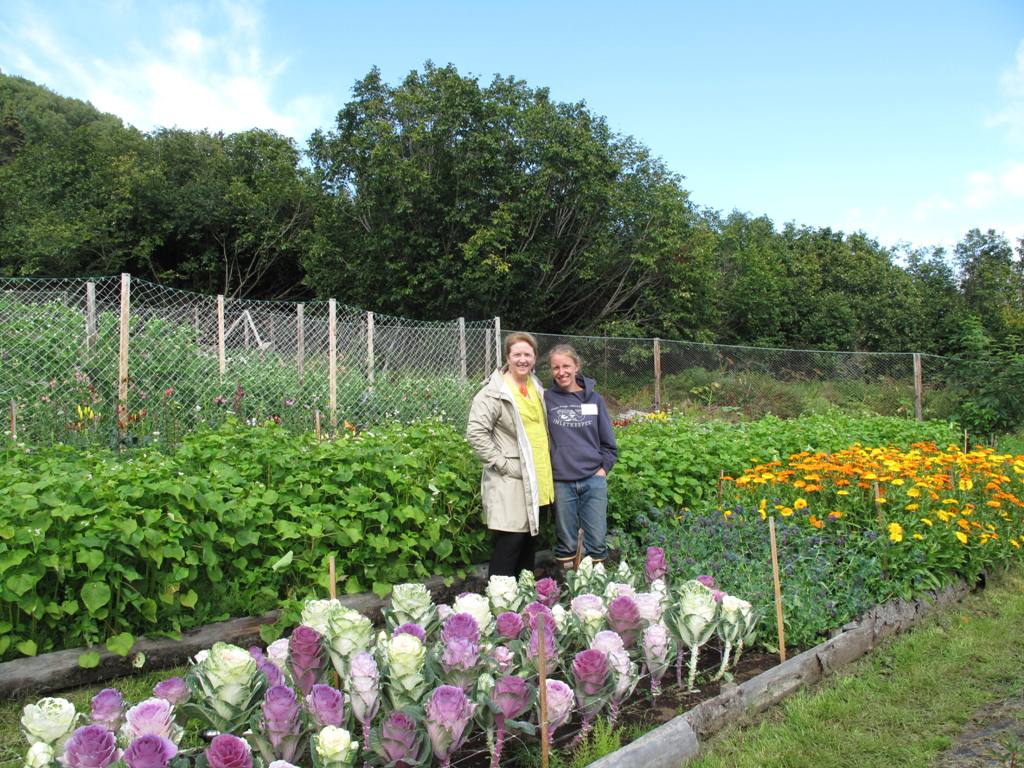
Association of Specialty Cut Flower Growers. Formed in 1988, ASCFG was created to educate, unite, and support commercial cut flower growers. It mission is to help growers produce high-quality floral material, and to foster and promote the local availability of that product. Learn more at ascfg.org.
The content and opinions expressed here are either mine alone or those of my guests alone, independent of any podcast sponsor or other person, company or organization.
The Slow Flowers Podcast is engineered and edited by Andrew Brenlan. Learn more about his work at KineticTreeFitness.com.