Debra Prinzing

Get the Email Newsletter!

Garden Tribe Video: Debra’s Eco-Floral Design Tips

Sunday, September 7th, 2014

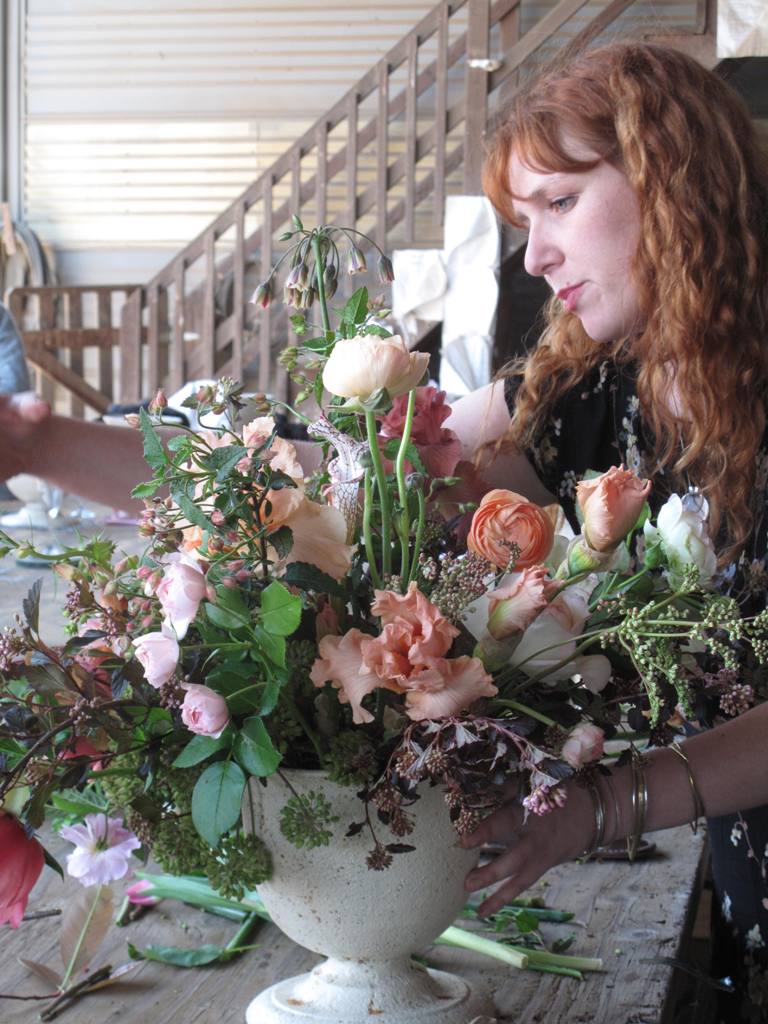
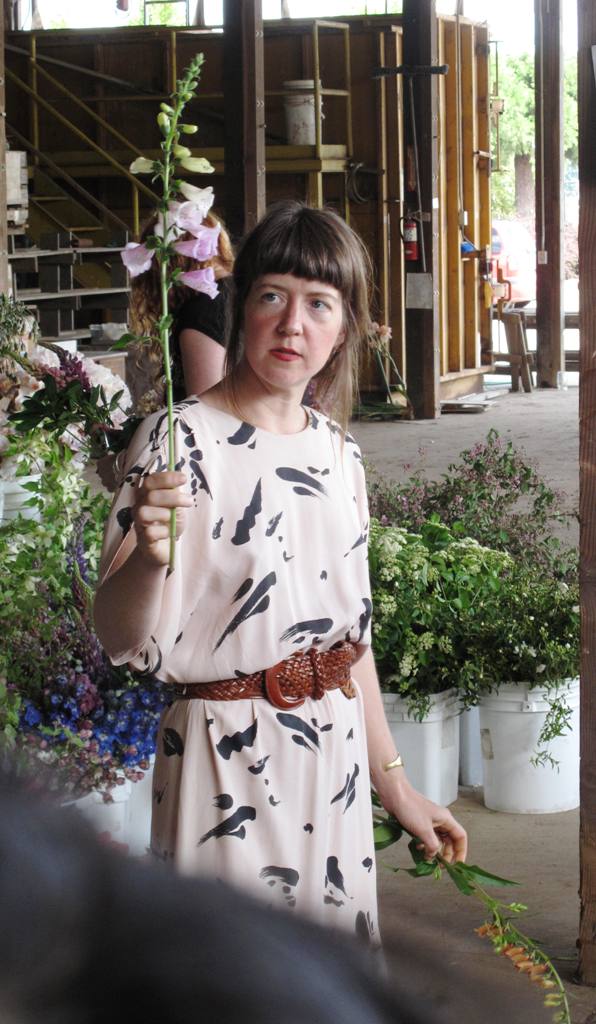
Earlier this year I met the creative team of Garden Tribe, Beth LaDove and Jen Long, two Bay Area creatives who have combined their love of gardening, documentary video and education to bring hands-on horticulture to life on the small screen.

Garden Tribe has been lauded in the San Francisco Chronicle as “an online classroom that connects the world of gardeners with world-class horticultural experts and garden/floral designers.”

Sunset magazine singled out Garden Tribe as a “Best in the West” online find.

GardenTribeLogo

I first learned of Garden Tribe when they debuted a workshop about designing and building “living arrangements,” taught by Baylor Chapman of Lila B. Design (and The 50 Mile Bouquet fame) at the San Francisco Flower & Garden Show.

After some discussion, Jen and Beth asked me to develop some online floral content for their new site. We filmed on day in early June at the beautiful Oak Hill Farm in Sonoma, California.

Today, thanks to Garden Tribe’s generosity, I am thrilled to share a “sneak peek” video clip to whet your appetite for the full workshop.

Please enjoy “Eco-Friendly Floral Design – Quick Tips” (see above) and “Cutting Flowers” (below).

You can find details about the full curriculum of workshops at GardenTribe.com.
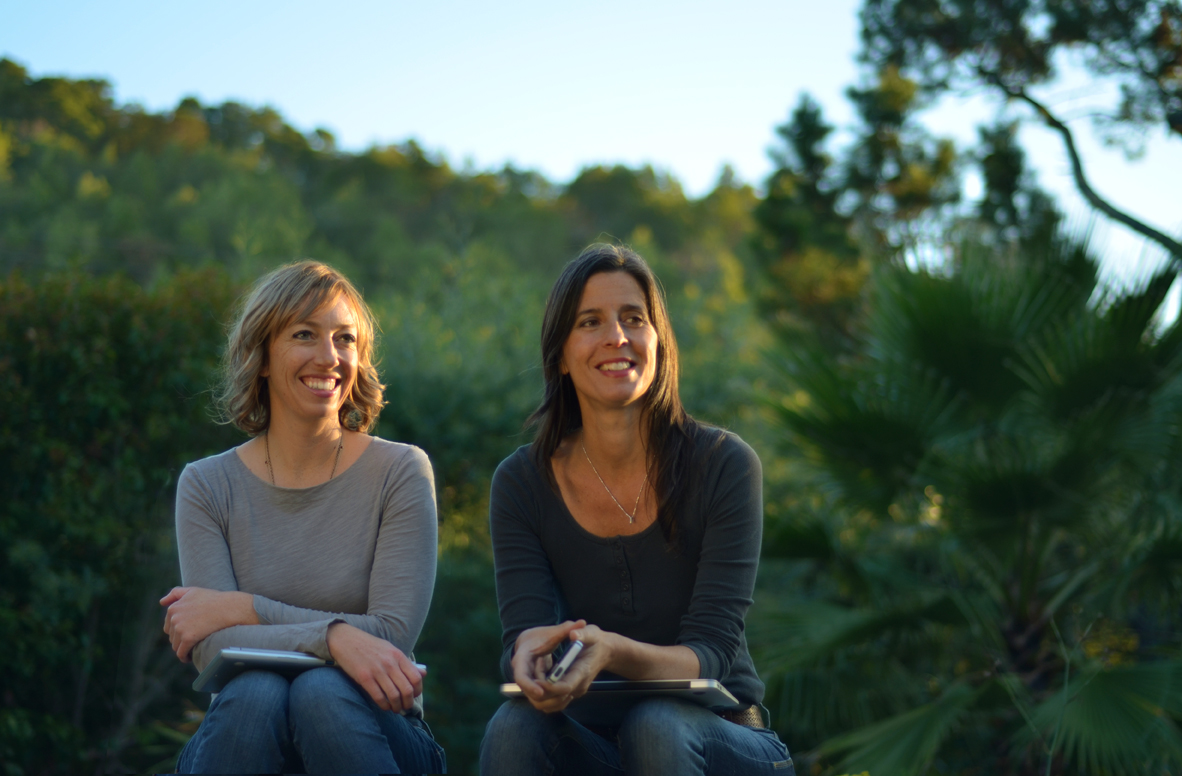
Beth LaDove (left) and Jen Long (right), creators of Garden Tribe.

Jen Long (left) and Beth LaDove (right), creators of Garden Tribe.

I was so impressed with their vision that I asked Beth and Jen to take part in a Q&A about their mission.

Debra: Please introduce yourselves and explain your interest/passion for gardening?

Beth & Jen: We are both lifelong gardeners and entrepreneurs. Beth comes from a long lineage of Italian food growers. Jen has never met a flower she didn’t want to grow. Between the two of us, we’ve probably been obsessed with just about every kind of garden and plant out there, at one time or another. Together, we have a shared passion for growing things. And these days, we are thrilled to be growing a business designed to give people a more joyful, meaningful experience of gardening.

Debra: How did you come up with the idea to launch online video educational programming?

Beth & Jen: We get questions all the time about how and when people should do things in their garden. The best way to answer those questions is by literally showing people what to do. We decided to create beautiful video classes that demonstrate real gardening, step-by-step. We also designed our classes to stream online, so that learning can happen anytime, anywhere.

Debra: Why GARDEN TRIBE? It’s such a cute name!

Beth & Jen: Gardening knowledge has always passed along in a tribal way–from person-to-person, out in the field. We named our company Garden Tribe because it honors how important it is to learn from each other, and cultivate our community.

Debra: Who is your target audience?

Beth & Jen: We know that all gardeners, from beginning to experienced, are looking for trustworthy information. That search often begins online, and the quality of that information greatly impacts the real world DIY experience.

We’re providing curated, high-quality content for people who want to learn from top experts, so that their projects can get started right, the first time. Because our real goal is to get people where they most want to be: out in the garden and having fun.

Debra: How many classes have you produced and what do you have cooked up in the future?

Beth & Jen: We have seven classes streaming now, with more launching in the near future. We’re also always adding new seasonal content. (The best way to stay in-the-know is to join our mailing list.)

As for future projects, we’re busy creating a new way for everyone on gardentribe.com to connect and share!

Debra: Anything else you want people to know?

Beth & Jen: We’re excited to be part of a growing movement that’s bringing the next generation into gardening. It’s so amazing to work with world-renowned experts (like you, Debra!) and share all that gardening knowledge online, around the globe. We’d love everyone to join our tribe, and share their questions, ideas and inspiration!

Thanks to you both~ and thanks for sharing your passion with my tribe!
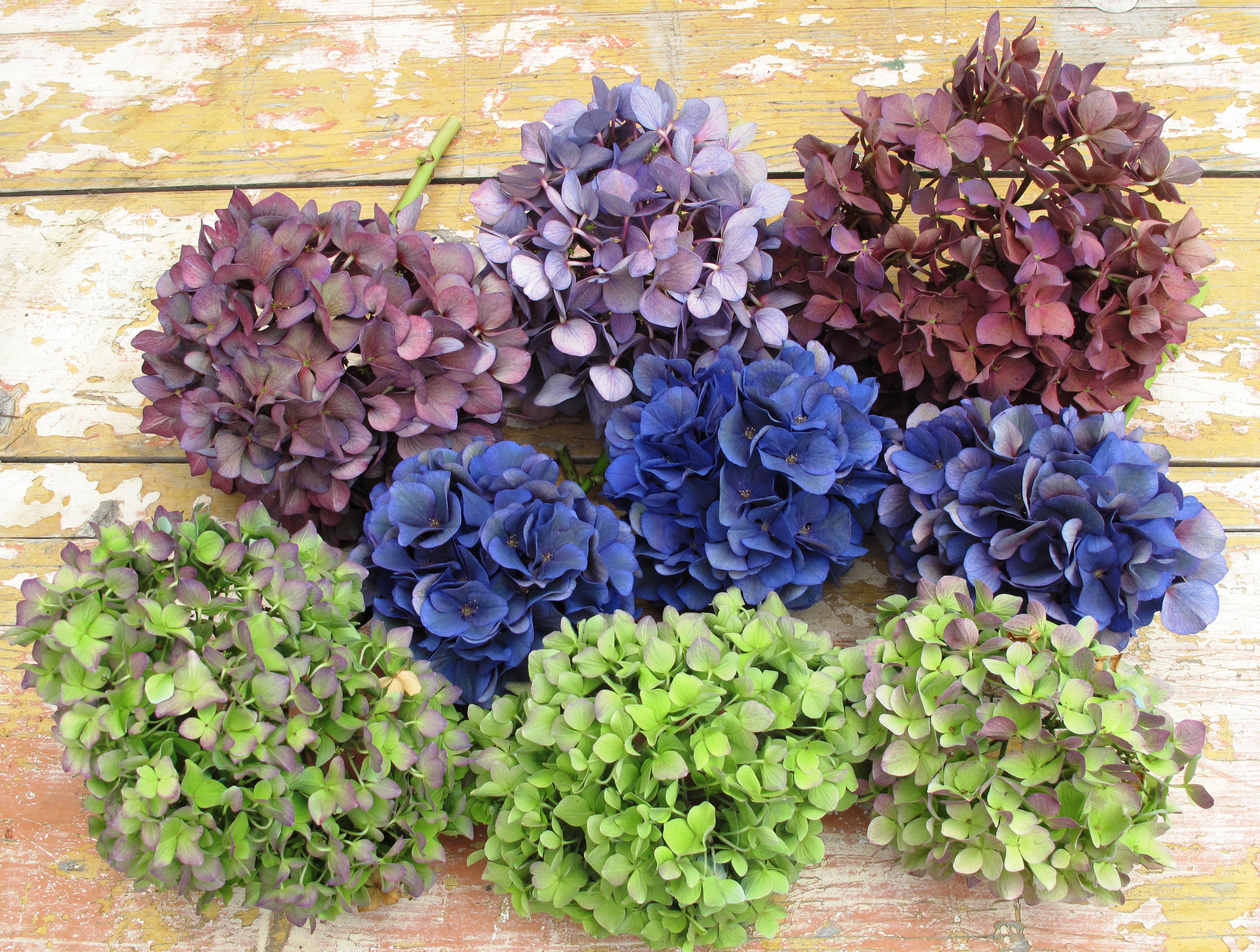
Floral Therapy, or what to do with six hydrangea shrubs!

Thursday, August 28th, 2014
Start with some gorgeous garden hydrangeas, at the perfect moment in late summer when you can pick them for drying.

Start with some gorgeous garden hydrangeas, at the perfect moment in late summer when you can pick them for drying.

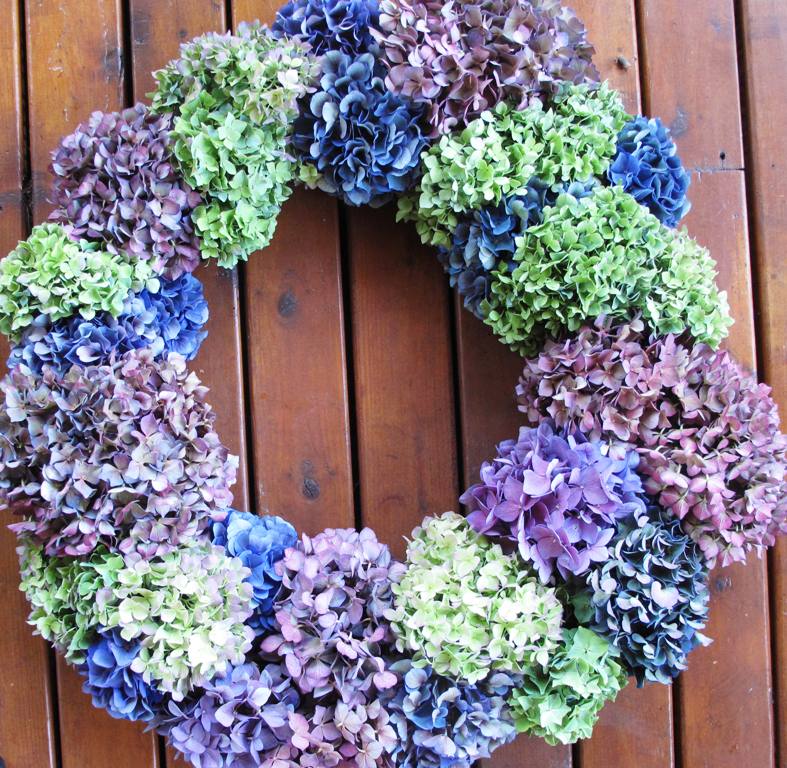
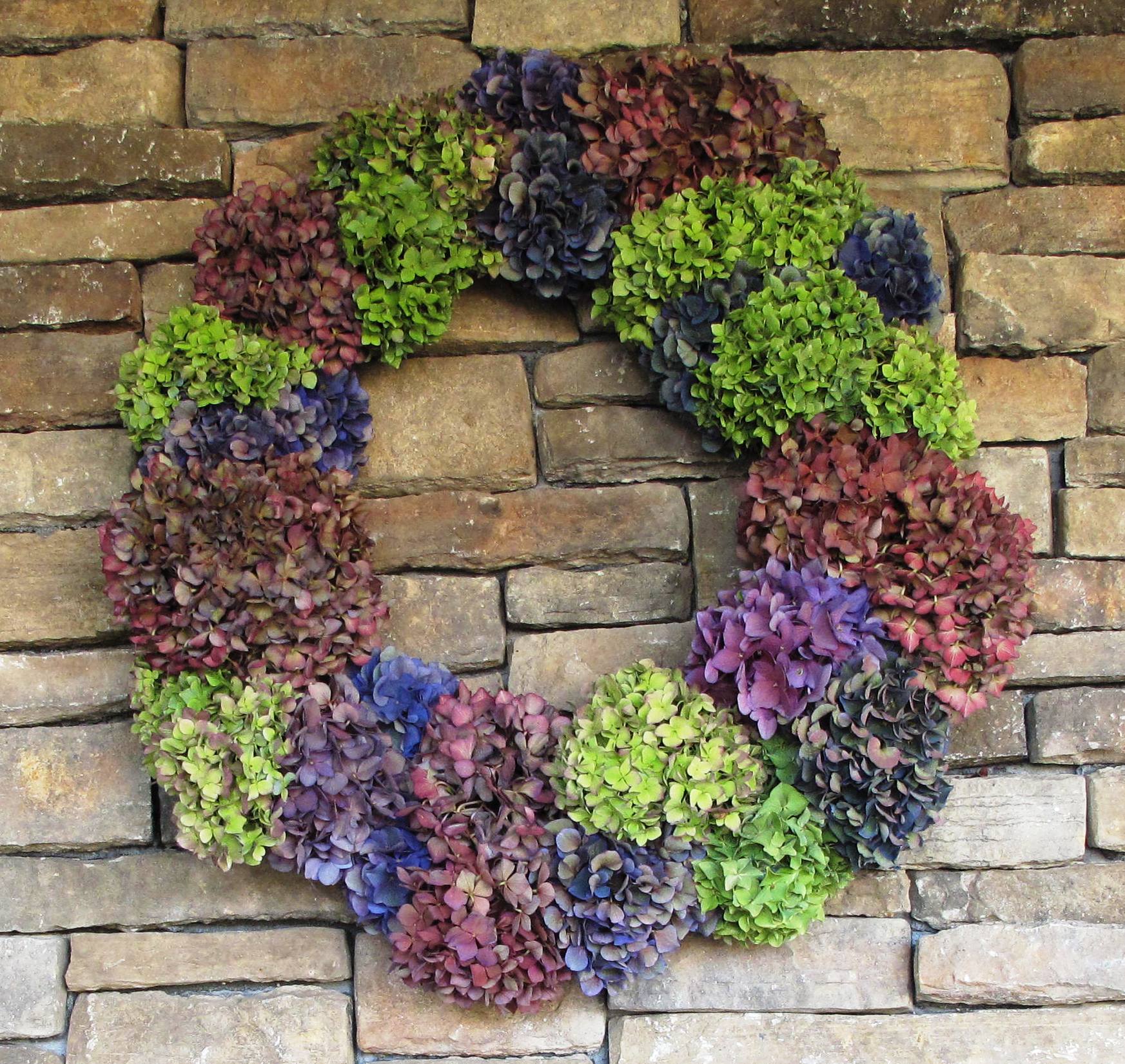
Sixty hydrangea heads later . . . you end up with a romantic floral wreath.

Sixty hydrangea heads later . . . you end up with a romantic floral wreath.

It has been a long few months.

All good, or mostly good. But I’ve been on too many airplanes since July1st and I’m so happy to be home for a while.

Yet even though I’ve been home, way too much of my time has been commanded by the desk chair, computer screen and keyboard (oh, and the telephone). I’m definitely NOT unplugged.

Needless to say, I’ve been itching to do something to fill the creative void in my soul.

Since last week, I’ve been dreaming about making a Hydrangea wreath with the prolific mop-head flowers that line our driveway and front walk. I can’t take any credit for their beauty or the successful way they thrive here in our garden. The previous owners must have loved Hydrangea shrubs. There are no fewer than six of them. And I’ve planted one more to make it seven.

At the same time, Lola Honeybone and Marla Kramer, my publicists on Slowflowers.com, have been planning a holiday wreath PR pitch to promote the site’s flower farmers who make and sell wreaths from the crops they grow. So as I have sought wreaths made from protea, willow, lavender, greenery and other everlasting ingredients, my imagination has been fueled.

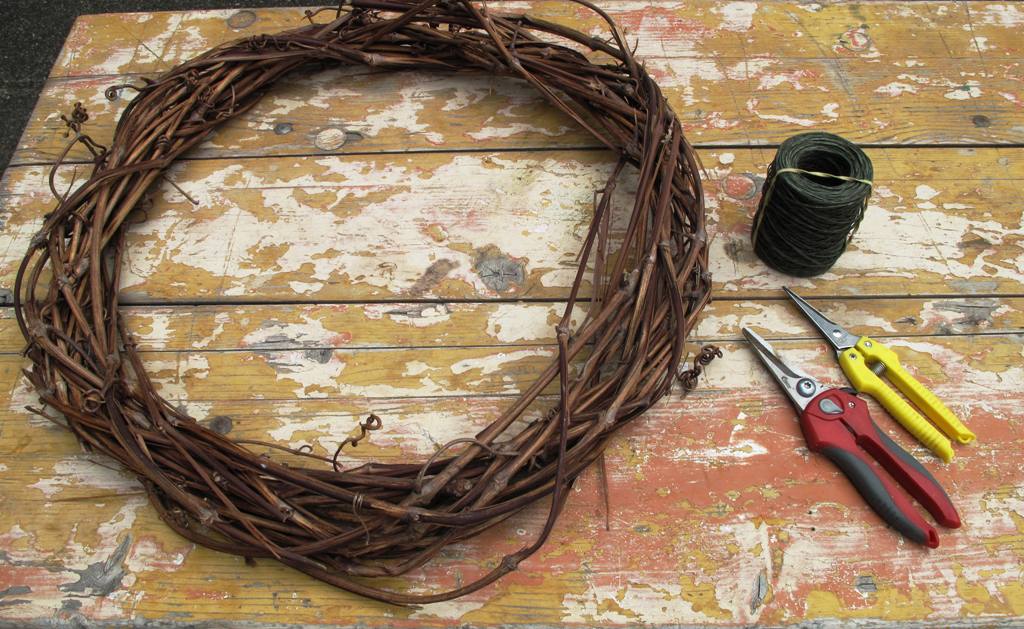
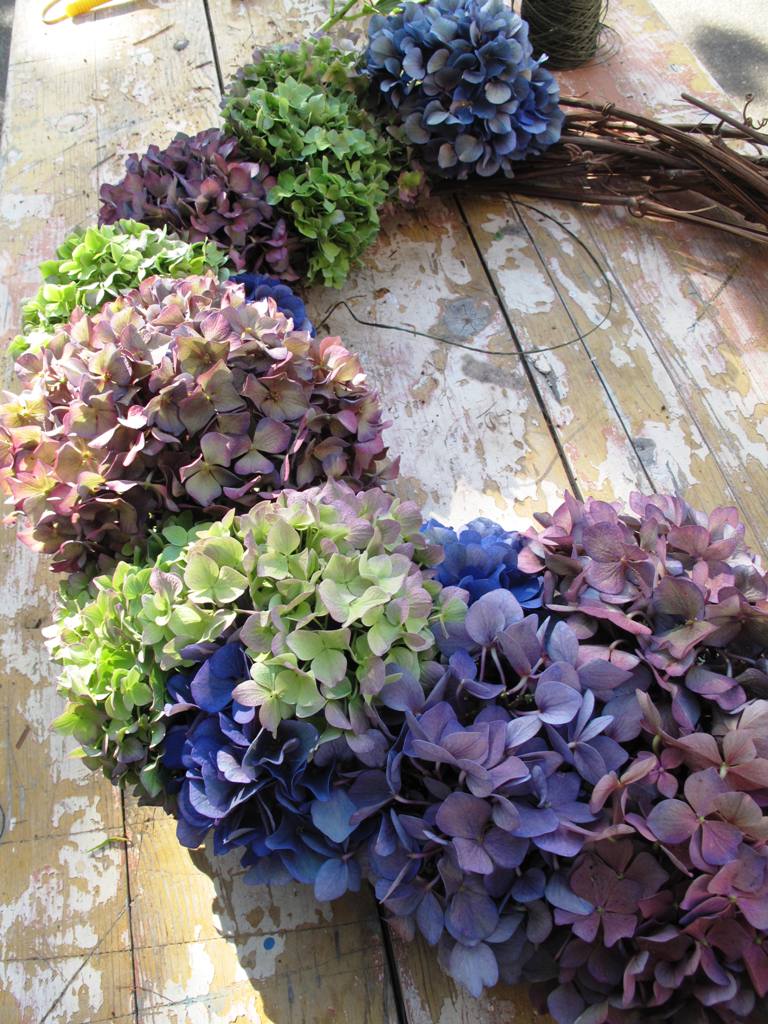
Getting started with a repurposed grapevine wreath, bind wire and snips.

Getting started with a repurposed grapevine wreath, bind wire and snips.

I kept looking at those tawny-hued, fluffy blooms on my own hydrangea shrubs. It’s still summer, but this is the time – end of August – when the pale green, vivid blue and hot pink blooms take on a lovely faded patina. And that means you can cut the flowers and they’ll air-dry beautifully.

My plan was to stop by the floral supply outlet to pick up a blank wire wreath form. . . but I hadn’t found time to make the trip.

Then, on Monday, when I was down in our crawl space grabbing props for another photo shoot, I was delighted to spy an old grapevine wreath (see above). Measuring about 20 inches in diameter and wrapped in a dusty ribbon, it was leaning against a wicker chair, forgotten for several seasons. My answer to the wreath project! No more procrastinating!

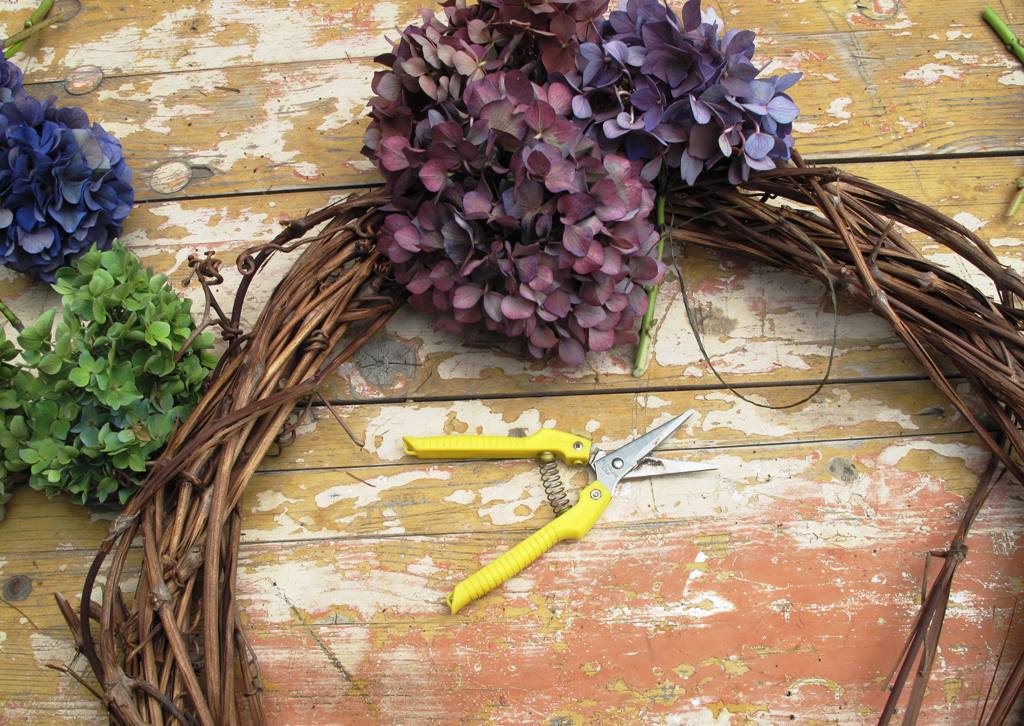
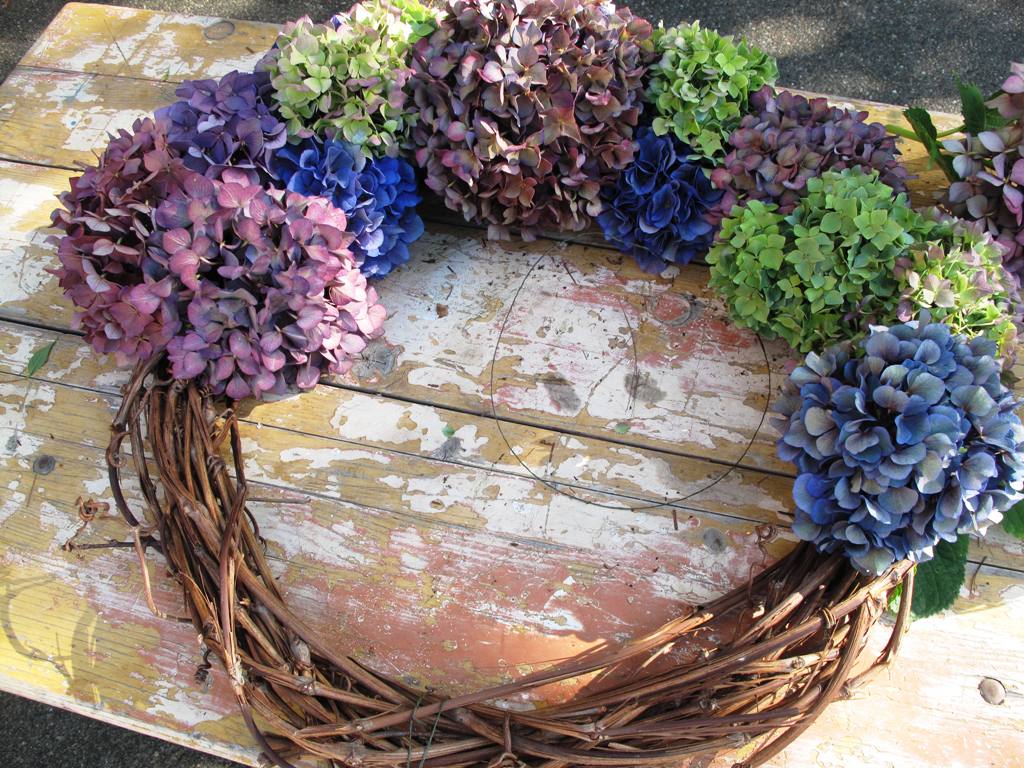
Start by wiring individual flowers to the grapevine wreath base.

Start by wiring individual flowers to the grapevine wreath base.

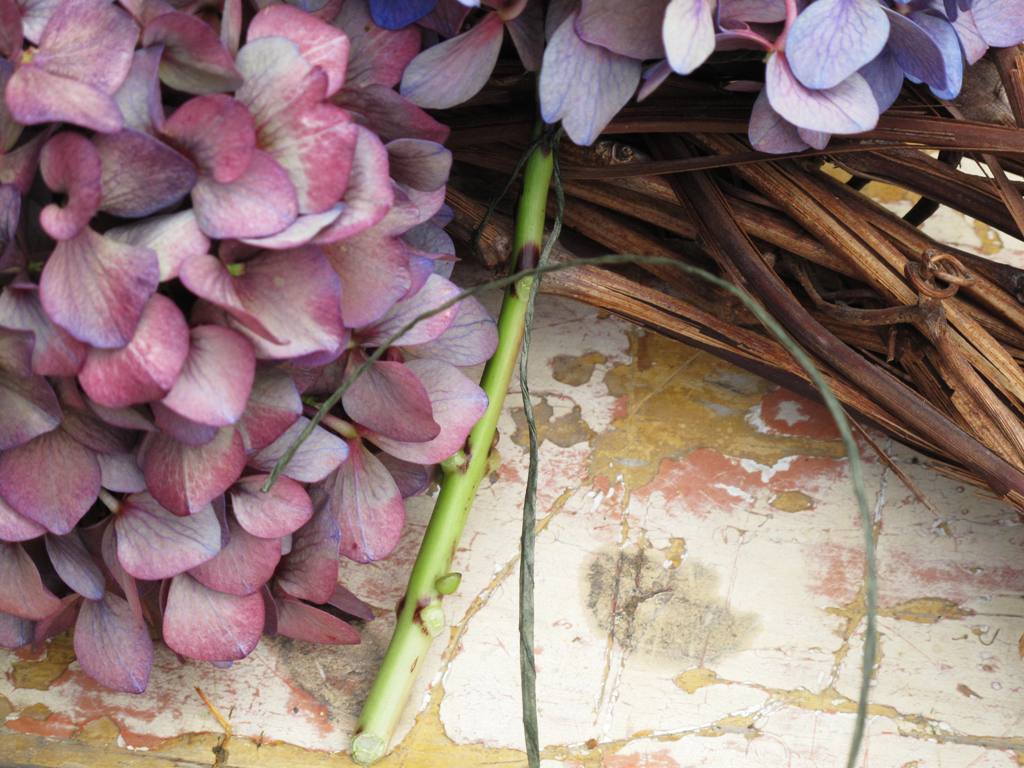
Hope this detail gives you a better sense of how to wire on the flowers.

Hope this detail gives you a better sense of how to wire on the flowers.

Brilliant! I spent about 2 hours today, stealing time between phone interviews (for stories with imminent deadlines, of course).

Making the wreath was the perfect distraction for writer’s block. In and out I went, from the office to the driveway. Every time I hit the wall (and let’s just say I don’t typically suffer from writer’s block, but I do sometimes suffer from boredom or fatigue, depending on the topic about which I’m writing), I would race out to the driveway and lash on a few more flowers.

Making progress . . .

Making progress . . .

It was so fun to create all the details and interest by varying the pink, blue and green flower heads. Some were large and some were small, but by alternating the colors and sizes, I basically achieved a balanced look.

More progress . . .

More progress . . .

Finally, I was done. I think I used 60 flower heads. The good news is that you can’t really even tell that I clipped from the shrubs – that’s how abundant they are.

And by hanging the wreath outside, on our covered porch, the flowers will stay cool and will “dry” slowly. This is much better than letting them dehydrate too quickly indoors where the house is still late-August stuffy.

All finished and hung!

All finished and hung!

If you want to try this project, here are some steps:

1. Begin with a wreath base in the size you prefer. Use a wire frame, a moss frame or a grapevine form. Do NOT use one of those pre-made florist foam wreaths.

2. Gather good clippers and a spool of bindwire. That’s the paper-wrapped wire that looks like twine but behaves like a twisty-tie. It’s perfect for lashing short hydrangea stems to the wreath base. I used dark green wire, but the product also comes in natural. Both colors will nicely disappear from view.

3. Clip as you go. I set up my work table in the driveway, just a few feet from the hydrangea shrubs. That proximity allowed me to play around with shape and color as I determined how to repeat large/small flower forms and to vary the colors.

4. Attach stems to wreath base in any-which-way you can manage. The good news about clipping Hydrangeas at this time of the summer is that the stems are still fleshy and pliable. They won’t snap if you have to bend them a bit and then tie them onto the wreath base with the bind wire. I found that I could actually “weave” the flower stems through the braided grapevines, letting the openings in the vine grab the hydrangea stems. Then I tied each stem into place using the “twistie-tie” method. Tight as possible without turning the bind wire into a tourniquet. Clip away excess stems and wire.

5. Continue this process around the wreath until you’re finished. As I said above, I think I used a total of 60 flowers.

6. Hang and admire. You can actually “trim” Hydrangeas like you’d clip a hedge. Some of the larger flower heads bulged awkwardly to make my wreath appear lopsided. All I had to do is snip away the excess florets to even things out. Voila!

Lovely above our outdoor fireplace. The cool evening temperatures will keep these blooms from drying out - and since the porch is covered, they won't fade.

Lovely above our outdoor fireplace. The cool evening temperatures will keep these blooms from drying out – and since the porch is covered, they won’t fade.

I’ll keep you posted on how long it takes for this wreath to dry and how long into the fall and winter months it looks nice. I suspect it will live on the stone facade of our backyard fireplace until next spring!

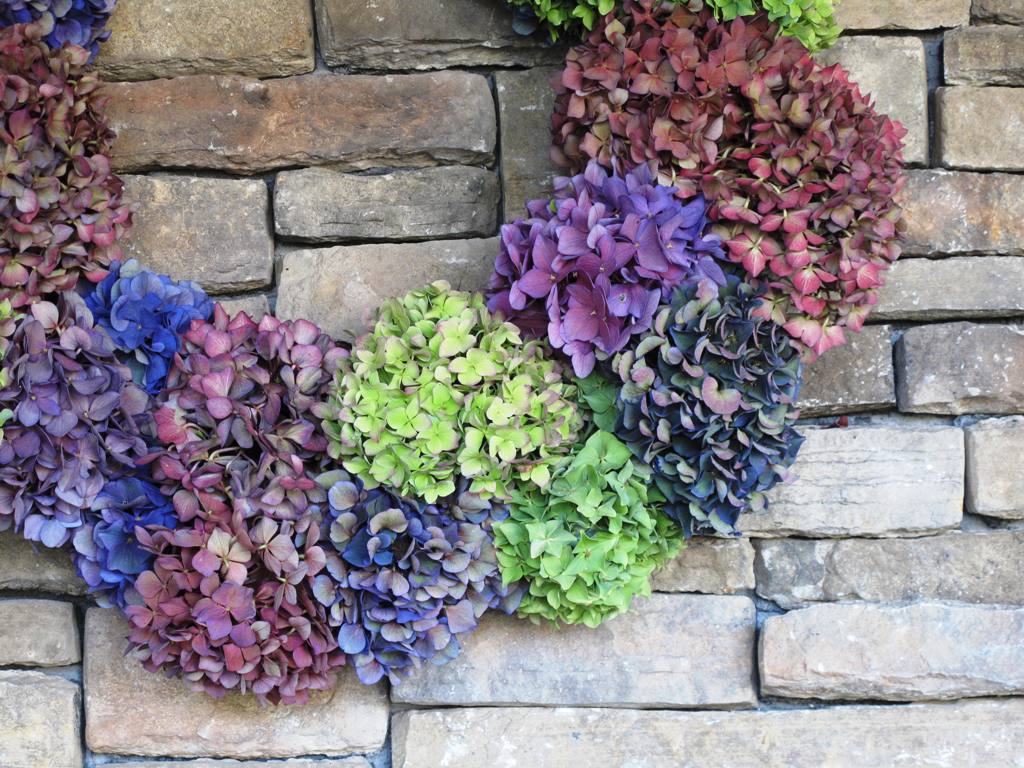
Lovely detail showing the diversity of bloom size and hue.

Lovely detail showing the diversity of bloom size and hue.

Now, back to those deadlines. Have a great holiday weekend!

SLOW FLOWERS Podcast: Grocery Floral with New Seasons Markets’ Katie McConahay and Seattle Wholesale Growers Market’s Molly Sadowsky (Episode 156)

Wednesday, August 27th, 2014
New Seasons Market in Portland Oregon - a rainbow of local flowers in the beautiful floral department.

New Seasons Market in Portland Oregon – a rainbow of local flowers in the beautiful floral department.

A New Seasons floral department creation.

A New Seasons floral department creation.

Did you know that more than 50 percent of all floral transactions in the U.S. take place at the supermarket cash register?

While that statistic may not bode well for the corner flower shop, it does represent opportunity for flower farmers who find a way to work with this ever-changing dynamic.

There are so many reasons for the shift from the corner flower shop to the grocery store, but according to my guests in today’s podcast one of its primary causes is time and convenience.

In other words, consumers are so pressed for time in all facets of their lives that the grocery store has become the one-stop place to purchase not just food, but so many other things.

Think about it: The grocery store, when done well, is now our coffee shop, our bank, our drug store, our greeting card store, our liquor/wine store, our bakery, our deli, and oh, yes, our flower shop.

Please enjoy today’s conversation about the fast-paced world of grocery floral – as I seek to understand where the opportunities are from two perspectives: the floral buyer (the supermarket) and the floral seller (the flower farmer).

"Slow Flowers" supermarket pioneer: Katie McConahay of New Seasons Markets.

“Slow Flowers” supermarket pioneer: Katie McConahay of New Seasons Markets.

Katie McConahay is the floral merchandiser for New Seasons Markets, a Portland-based chain of 13 neighborhood grocery stores. With the motto, “the friendliest store in town,” New Seasons nurtures its local suppliers.

On its web site you will find this message: “As a locally owned business, we take pride in supporting local farms, ranches and other small businesses through our Home Grown program.

“The Home Grown symbol points out products from produce and meat to hand lotions and scented candles that come from local companies. So, you can support the local and regional economy with your dollars. And we can further our strong commitment to sustainable agriculture.”

Unfortunately, there is a lot of lip-service paid to LOCAL and I’ve witnessed first-hand the amount of green-washing that can take place at grocery stores that tell their shoppers one thing and then do something completely opposite that . . . such as trying to pass off imported flowers as local or simply not caring enough to properly label the sources.

More flowers at New Seasons Market.

More flowers at New Seasons Market.

After getting to know Katie over the past year, I have to say how impressed I am with her philosophy of transparency about the origins of the flowers she and her employer sell. “Not many people think of buying local when it comes to flowers. Making beautiful selections available from local growers is how we’re making a difference, one stem at a time.”

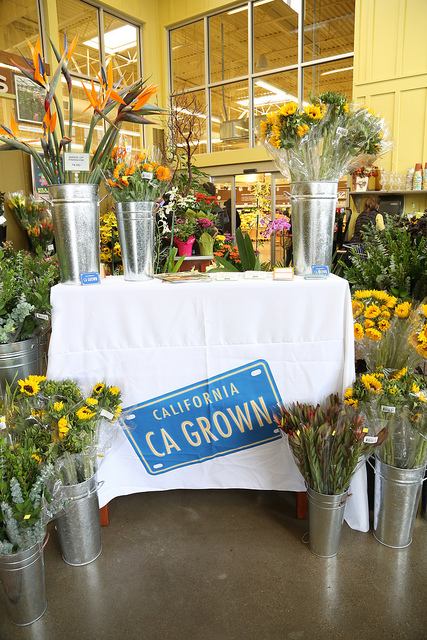
A CA-Grown floral display at one ohe Portland area New Seasons.

A CA-Grown floral display at one Portland area New Seasons.

Katie began her career in floral at the age of 15 when she took a position as a floral clerk at a local grocery store in Milwaukee, Wisconsin.

Early on she decided that she wanted to make unique and beautiful flowers available to everyone, even daily grocery shoppers.  She went on to become the youngest ever floral manager for Wisconsin’s largest grocery chain by the age of 18, taking her department to number one in sales in a region with over 60 stores.

Katie has been involved in all facets of the floral industry, from large scale grocers to small, elegant design studios in Portland.

She found her “happy medium” in the New Seasons Market floral program where she began as a floral manager in 2010, eventually assuming the head merchandising position in 2012.  Since that time she has nurtured the floral program to unprecedented growth levels adding dozens of local and California vendors in 2014.

Katie remains committed to cultivating relationships with local growers and promoting a sustainable, local floral program that supports small growers while continuing to supply the 13 New Seasons Markets with the very best that the floral industry has to offer.

Molly Sadowsky of Seattle Wholesale Growers Market.

Molly Sadowsky of Seattle Wholesale Growers Market.

When I visited Portland last month I scheduled an interview with Katie and I asked her predecessor at New Seasons, Molly Sadowsky, to join us.

Molly (left) and Katie (right), joined other American-grown advocates to discuss the future of domestic flower farming and floral  selling at the CCFC gathering last fall in Portland.

Molly (left) and Katie (right), joined other American-grown advocates to discuss the future of domestic flower farming and floral selling at the CCFC gathering last fall in Portland.

Goodies at the Seattle Wholesale Growers Market.

Goodies at the Seattle Wholesale Growers Market.

Molly, the program manager at the Seattle Wholesale Growers Market, was the link who first introduced me to Katie. That’s when we all attended the California Cut Flower Commission’s field-to-vase dinner held in Portland last October where I was invited to speak.

At the Seattle Wholesale Growers Market, a cooperative of Northwest flower growers in Seattle’s Georgetown neighborhood, Molly oversees the selling of flowers to grocery customers and maintaining a year-round floral inventory.

Oregon-grown roses from farmer to florist.

Oregon-grown roses from farmer to florist.

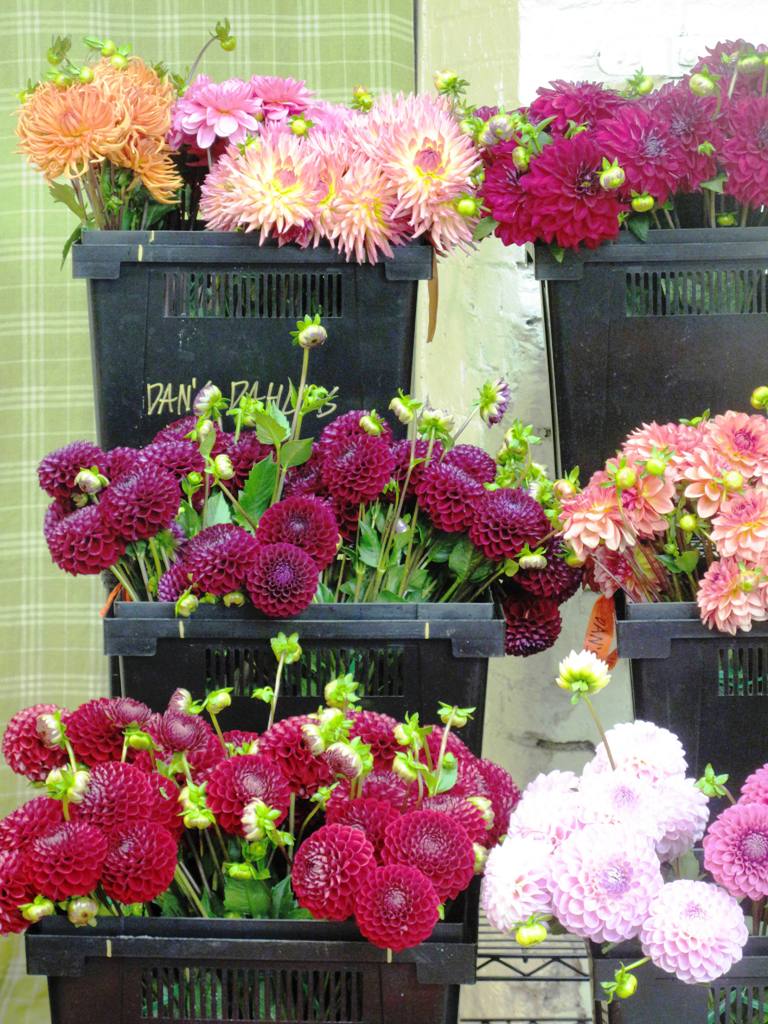
Washington-grown dahlias, from farmer to florist.

Washington-grown dahlias, from farmer to florist.

Molly is such a valuable asset at the Seattle Wholesale Growers Market. One reason is her background, having previously built and ran the floral program at New Seasons Market in Portland where she initiated a seasonal buying program that relied on product from 80 growers, including more than 50 in Oregon.

Molly embraced the buy-local philosophy as a restaurant owner in the early 2000s, when she forged relationships with local farmers to supply her vegetarian breakfast-and-lunch café. Molly lives in Portland with her husband, Dan, and their six-year-old Belgian Malinois, Leyna.

Thanks to listeners like you, this flower-powered podcast has been downloaded more than 18,000 times. If you like what you hear, please consider logging onto Itunes and posting a listener review.

Please join me in putting more American grown flowers on the table, one vase at a time. I promise that when you tune in next week, you’ll hear another insightful and educational episode of the Slow Flowers Podcast.

This podcast was engineered and edited by Hannah Holtgeerts and Andrew Wheatley. Learn more about their work at hhcreates.net


SLOW FLOWERS Podcast: A Day in the Life of Vivian Larson of Everyday Flowers (Episode 152)

Wednesday, July 30th, 2014
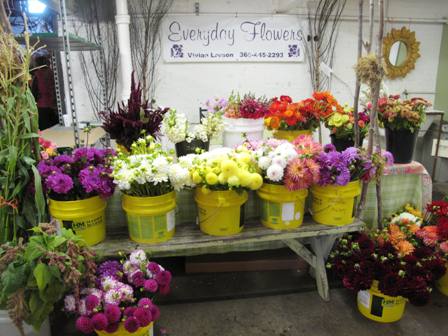
Vivan Larson, of Everyday Flowers

Vivan Larson, of Everyday Flowers    


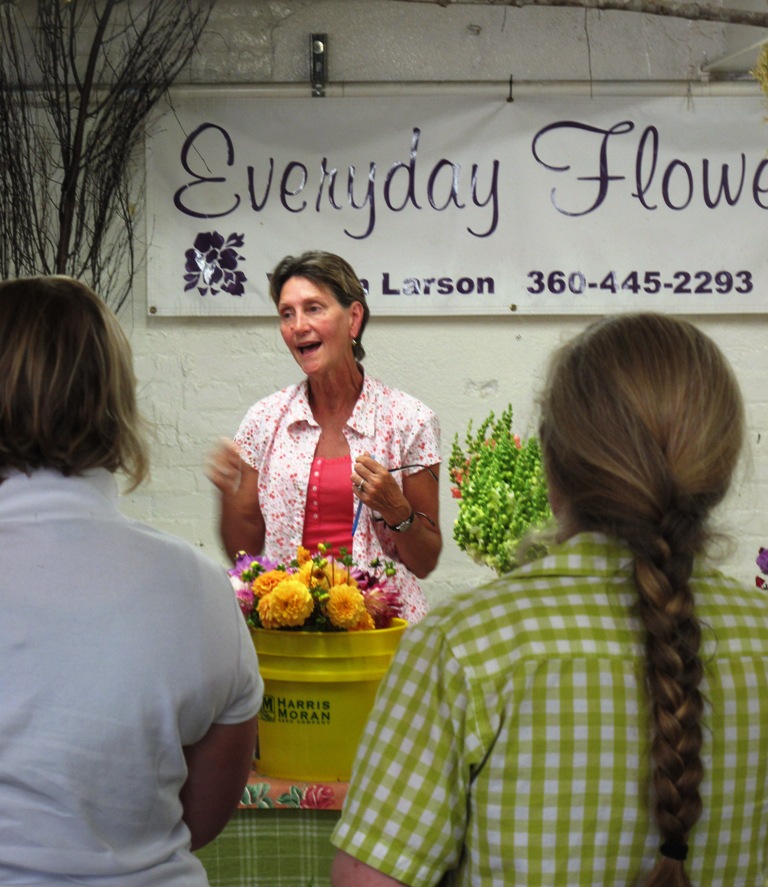
Vivan often takes times to educate her customers and visitors to the Seattle Wholesale Growers Market.

Vivan often takes times to educate her customers and visitors to the Seattle Wholesale Growers Market.

As we launch this podcast’s second year, I’m honored to continue bringing great conversations to you each week.

Some of the most rewarding side benefits of interviewing flower farmers, floral designers and other influential voices in the field-to-vase floral industry are the “field trips” that bring me close-up and in-person to see the sources of our American flowers – the farms, the studios, and the retail spaces where such amazing beauty connects us with nature and the seasons. 

This happened again last week when I invited myself to Everyday Flowers in Stanwood, Washington, for a visit.

Owned by veteran grower Vivian Larson, this established cut flower farm is a sight to behold. Viv is a precision grower, who cares deeply about her flowers – from the first seedlings emerging from trays of and trays of soil to the voluptuous bunches of blooms that are picked with great attention to detail, processed, bunched and delivered to her design customers.  

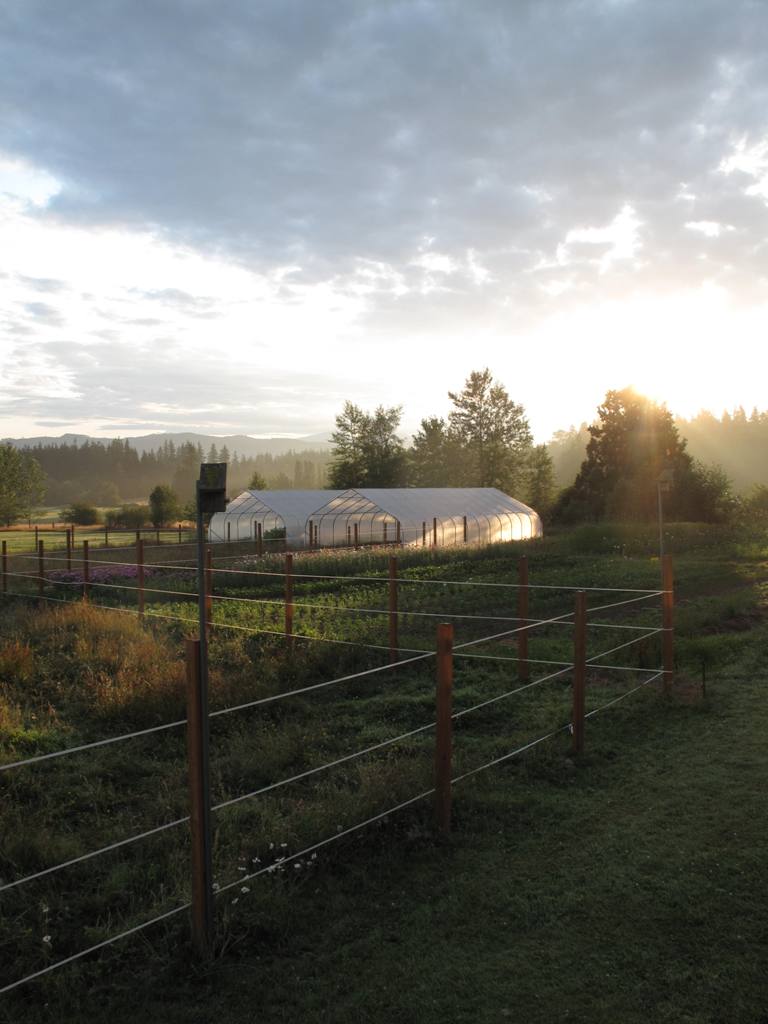
What a lovely way to wake up and view the flower fields from the guest bedroom at Viv's house.

What a lovely way to wake up and view the flower fields from the guest bedroom at Viv’s house.

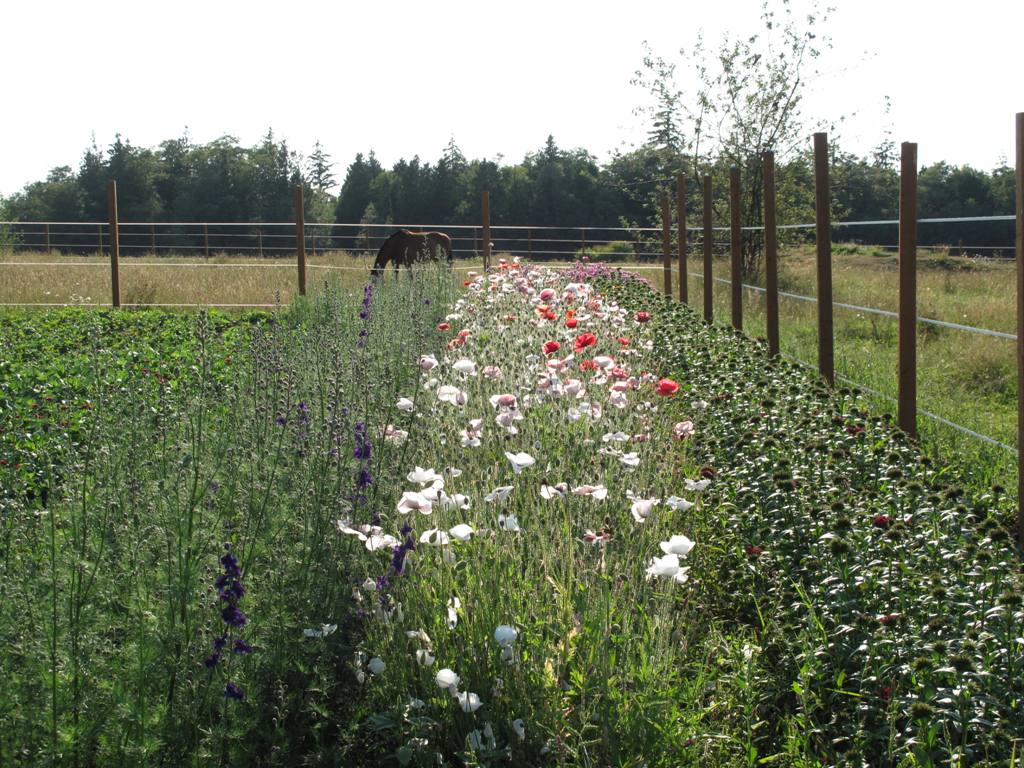
Located about an hour north of Seattle, Everyday Flowers is situated on a gorgeous piece of land with a more than 180-degree view to the Puget Sound’s many islands – Camano, Whidbey, the San Juans – all the way up to Canada – and north toward Mount Vernon. Vivian and her husband Jim, a commercial fisherman, raised two children here and are now helping raise three grand-children. It is a bucolic place with a beloved horse who adds agricultural character to the scene, as well as rows and rows of field-grown annuals and perennials located next to several large and very tidy hoop-houses containing even more flowers. 

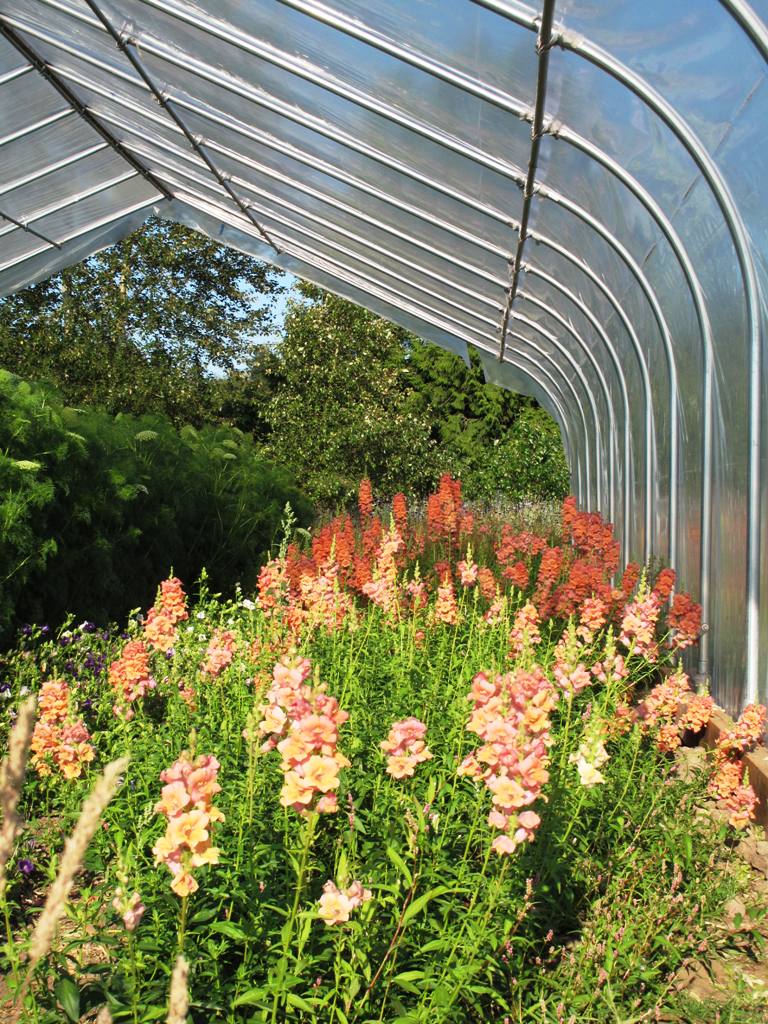
Here are the apricot-hued snapdragons we discussed - one of Viv's specialty crops.

Here are the apricot-hued snapdragons we discussed – one of Viv’s specialty crops.

Vivian is a founding member and board vice president of the Seattle Wholesale Growers Market, and I’ve known her for several years through that relationship. Some would say she is the glue that holds that place together, a true diplomat when it comes to synthesizing points of view and navigating the true meaning of a cooperative – one that benefits all members for the greater good. 

Poppies and other field-grown varieties thrive in neat rows at Everyday Flowers.

Poppies and other field-grown varieties thrive in neat rows at Everyday Flowers. That’s “Sassy” grazing in the background.

Vivian is the daughter of farmers who taught her those intangible skills of building good soil and caring for the land. “I always had a patch of earth where I grew flowers as a child,” she recalls. When Vivian’s own children were small, in 1990, she asked her husband to prepare a large area of ground. She began growing flowers and selling her bouquets at a nearby farm stand. “People would wait there to get my flowers or I’d have standing orders,” Vivian recalls. “Good flowers sell themselves – I’ve never had to advertise.” 

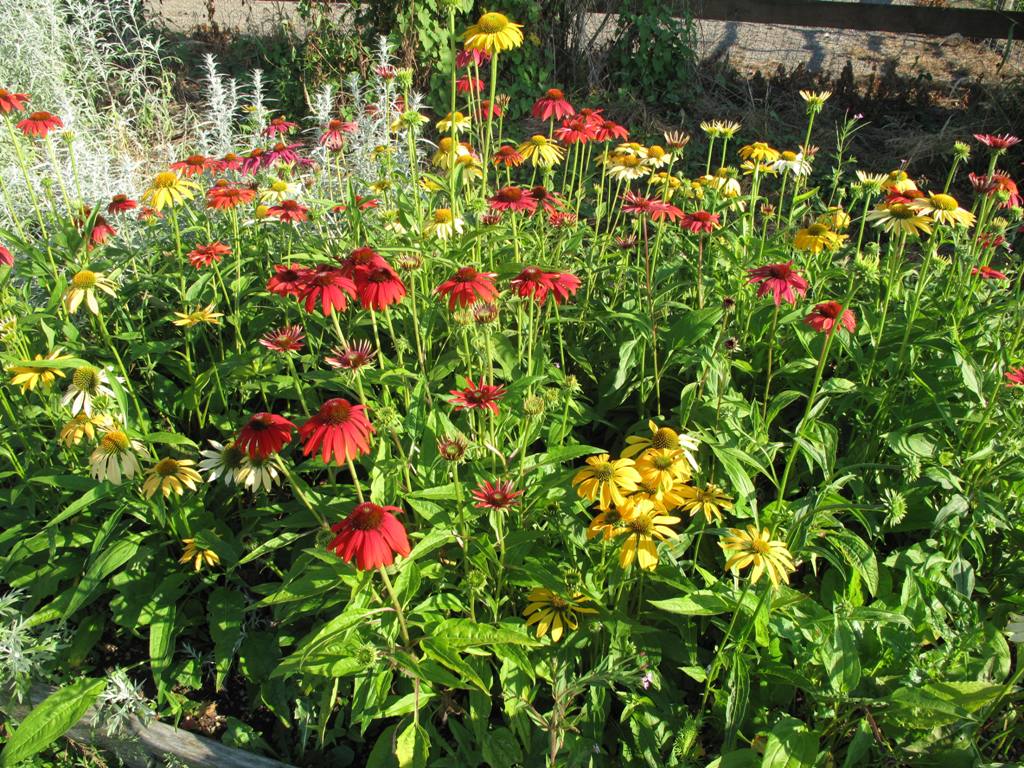
A current obsession: specialty echinaceae varieties.

A current obsession: specialty echinaceae varieties.

Experience has taught Vivian to know which varieties are successful as cut ingredients, which colors are reliable over time and which flowers produce the longest stems. “I’ve always known there were certain types of flowers that lasted better than others, especially if cut at the right time, and treated properly post-harvest,” she explains. “The fact is, I have a choice of what to grow and I choose to grow plants that are going to be happy at my farm and hold well in the vase.” 

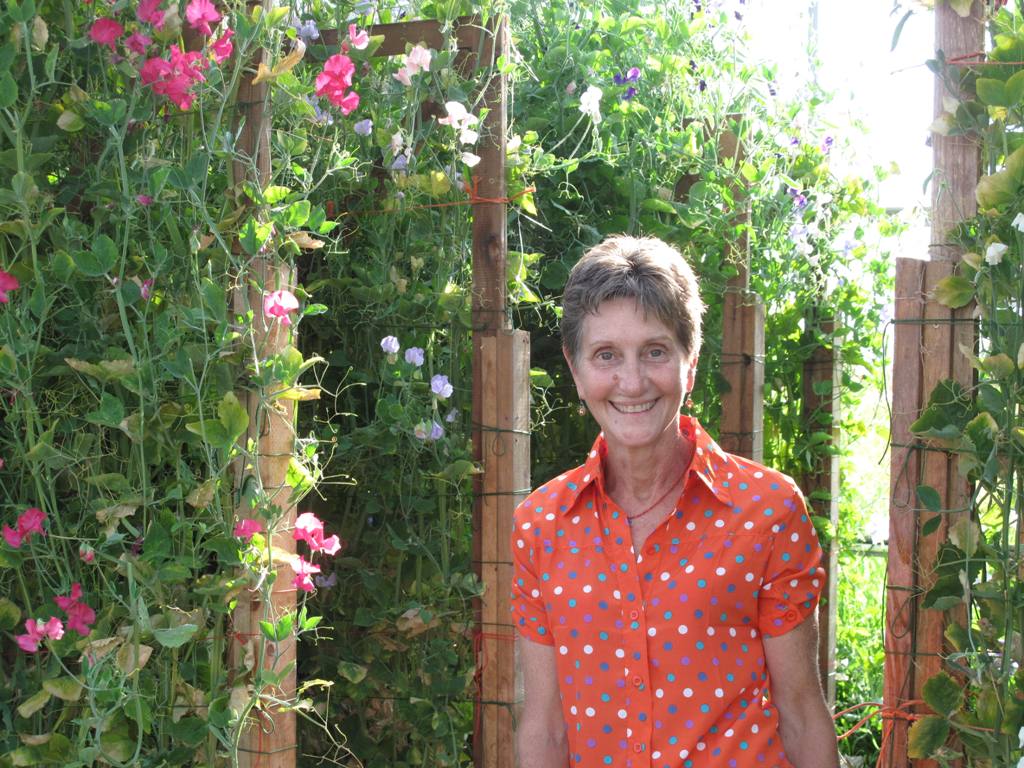
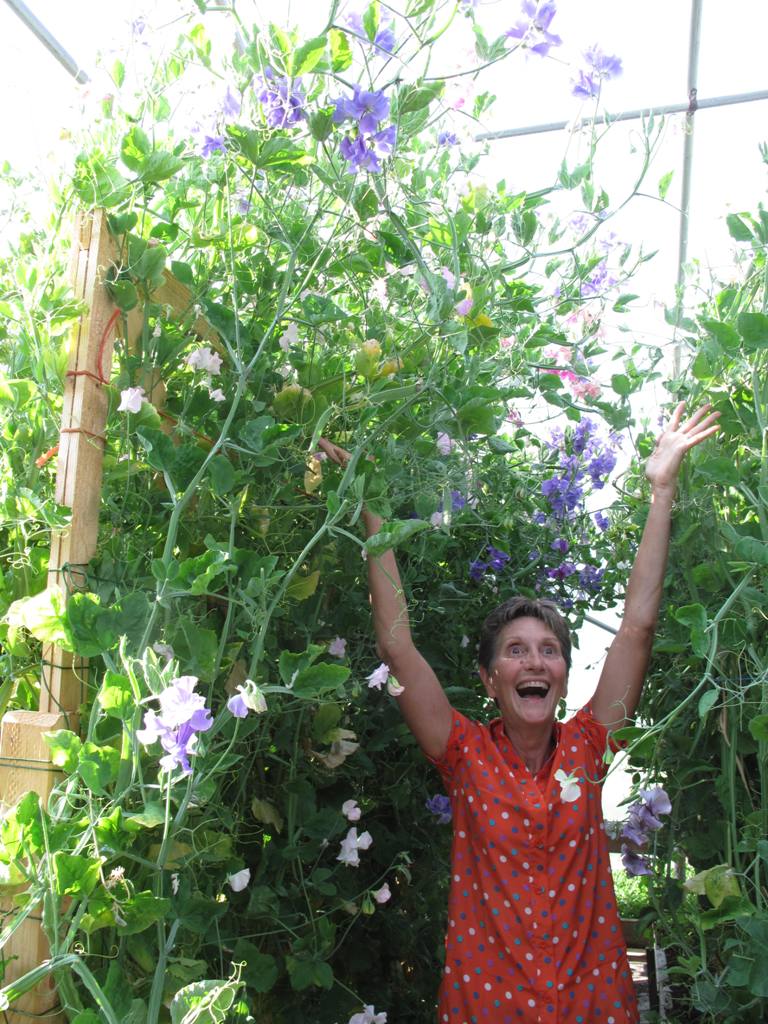
This shot is a little silly, but viv humored me when  I asked her to reach for the top of the sweet pea trellises!

This shot is a little silly, but Viv humored me when I asked her to reach for the top of the sweet pea trellises!

For example, Vivian grows larger quantities of white, pink and yellow lilies because they are more popular with buyers. Similarly, the Karma dahlias have been bred for 18-20 inch-long stems and longer vase life, so she focuses on those. 

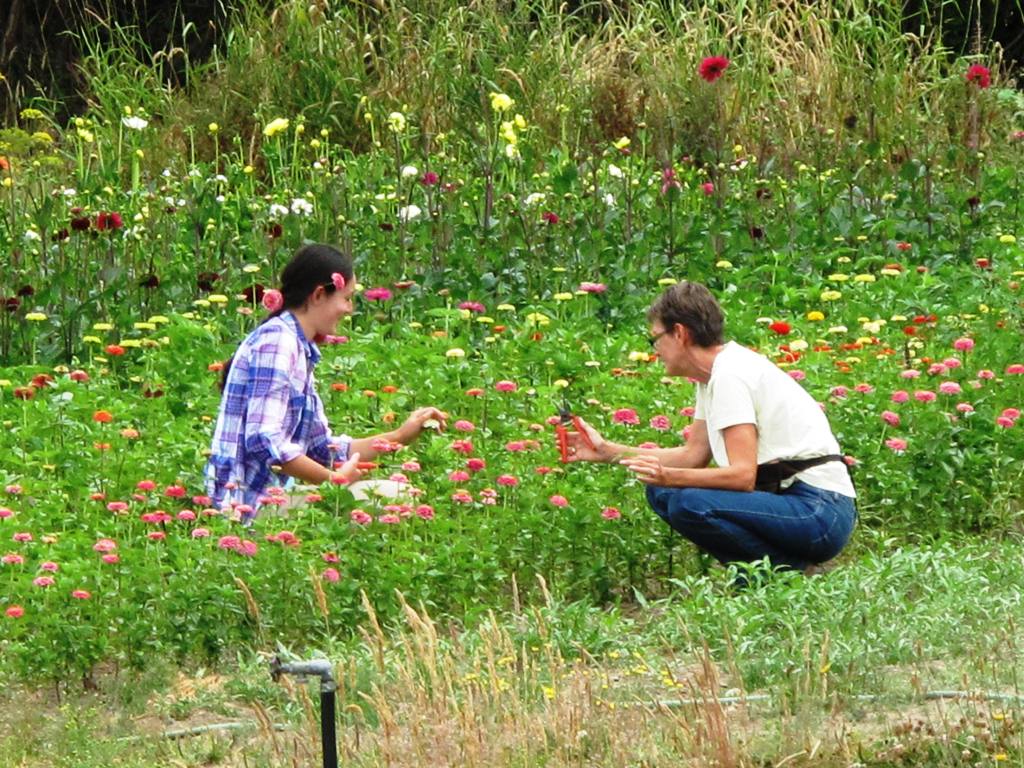
Vivian working with and teaching one of her seasonal workers, Kelly Uhlig. Kelly's mom Pam Uhlig was a horticulture intern at Everyday Flowers this past spring.

Vivian working with and teaching one of her seasonal workers, Kelly Uhlig. Kelly’s mom Pam Uhlig was a horticulture intern at Everyday Flowers this past spring.

Vivian has a good idea of what wedding designers and their clients are looking for and how they use each flower. While she has in the past done some of her own design work, the bottom line is that Vivian is first of all a flower farmer. “Honestly, I just enjoy growing more than anything else!”  

Alicia Schwede of Flirty Fleurs, going a little bloom-crazy during our early morning harvest.

Alicia Schwede of Flirty Fleurs, going a little bloom-crazy during our early morning harvest.


Alicia's gorgeous bouquet using all local and seasonal ingredients from Everyday Flowers.

Alicia’s gorgeous bouquet using all local and seasonal ingredients from Everyday Flowers.

We were lucky to have another guest along for my flower adventure – Alicia Schwede, a floral designer and owner of the Flirty Fleurs blog, joined Vivian and me for dinner and then returned early the following morning, clippers and urn in hand – for a floral designers’ whirlwind session. We loved creating arrangements and bouquets with Vivian’s flowers.

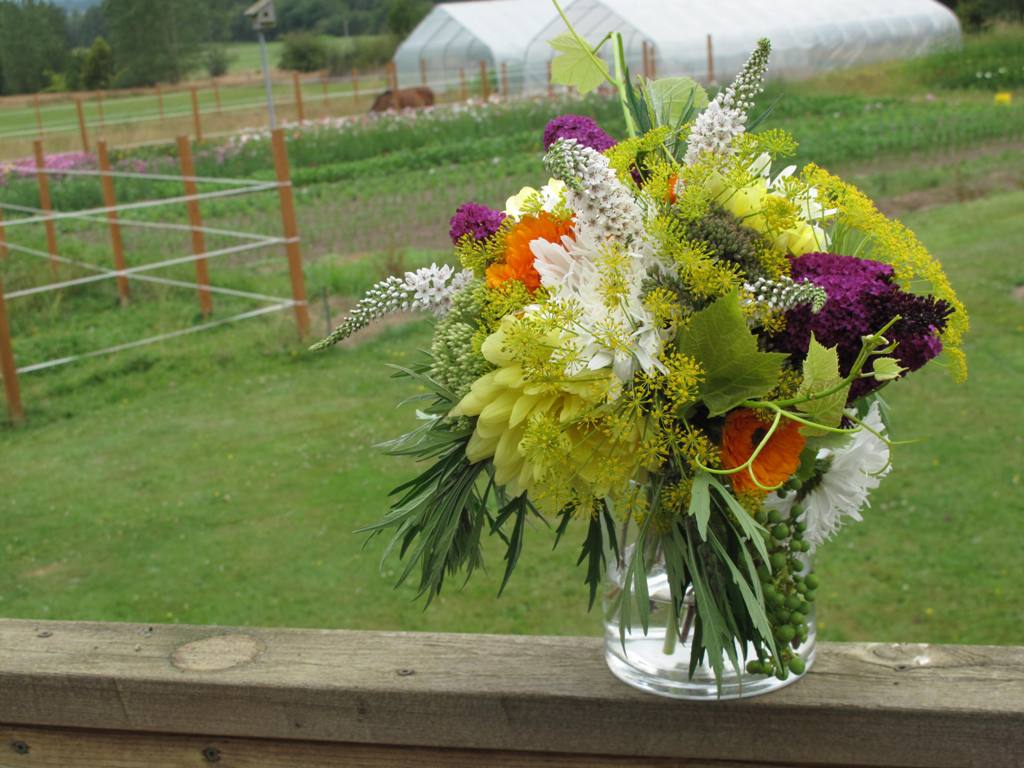
I made this hand-tied bouquet from yummy elements, including a cluster of unripe grapes.

I made this hand-tied bouquet from yummy elements, including dahlias, budleia, golden dill, calendula, Shasta daisies, leonitis, gooseneck loosestrife, and a cluster of unripe grapes and grape tendrils.


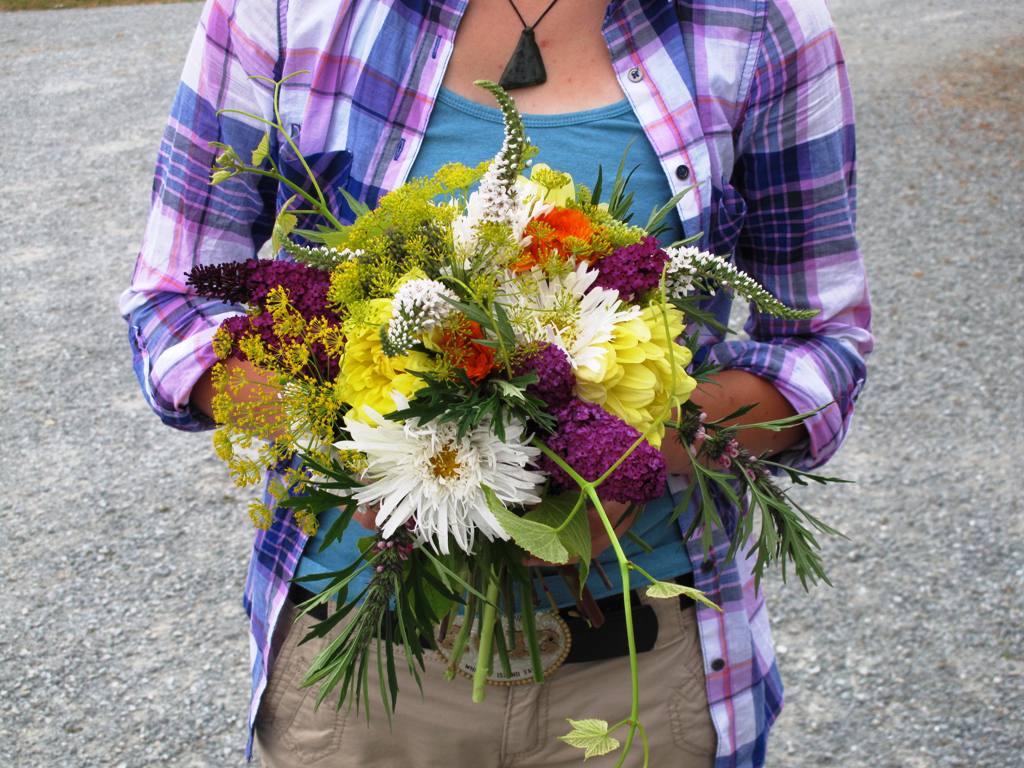
Kelly indulged to hold my bouquet for a different perspective.

Kelly indulged to hold my bouquet for a different perspective.

Everyday Flowers uses sustainable growing practices and the farm is Salmon Safe certified. No herbicides are used on the farm and on the rare instance when insecticides are used, they are OMRI-approved (Organic Materials Review Institute) products, Vivian explains. 

“I have a good beneficial insect population, including bees and ladybugs and I grow cover crops to suppress weeds and add more organic matter back in the soil,” Vivian explains. “I also have ‘Sassy’ my horse who does her share by producing great compost.” 

Thanks to listeners like you, this podcast has been downloaded more than 16,000 times. I truly appreciate the guests, listeners and sponsors who have supported the Slow Flowers Podcast with Debra Prinzing! Together, we’re changing the broken floral industry for the better!!

If you like what you hear, please consider logging onto Itunes and posting a listener review.

Until next week please join me in putting more American grown flowers on the table, one vase at a time. 

The Slow Flowers Podcast is engineered and edited by Hannah Holtgeerts and Andrew Wheatley. Learn more about their work at hhcreates.net.

SLOW FLOWERS Podcast: The Emerging Family Flower Farm, with Sarah & Steve Pabody of Triple Wren Farms (Episode 145)

Wednesday, June 11th, 2014
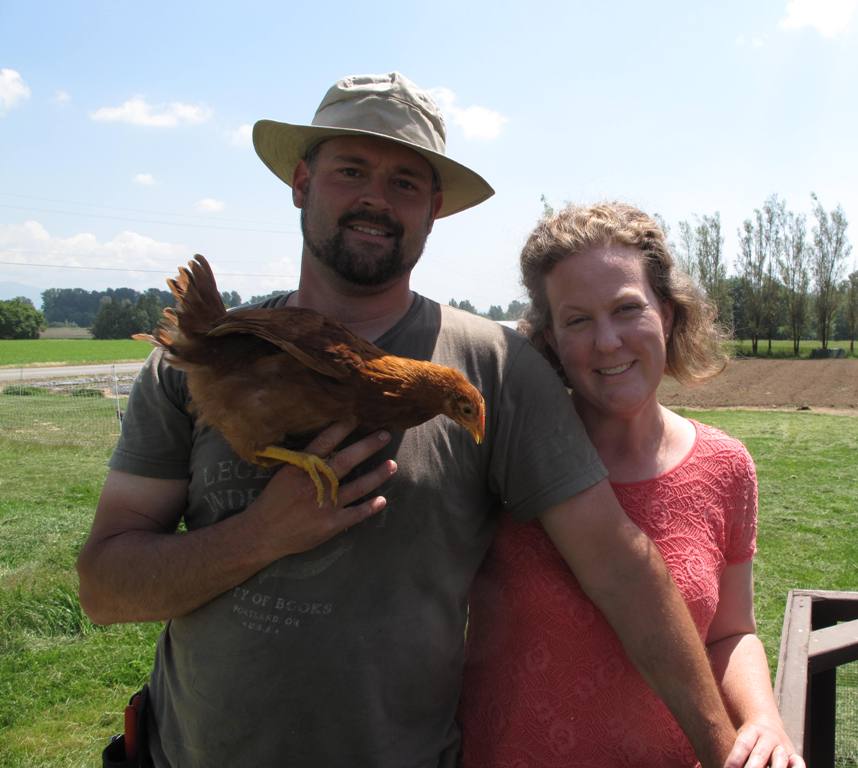
Steve and Sarah Pabody of Triple Wren Farms, Ferndale,Washington

Steve and Sarah Pabody of Triple Wren Farms, Ferndale,Washington

Earlier this week I headed north from the city and drove to Bellingham, Washington, close to the US-Canadian Border.

There, in lovely Whatcom County, I met Sarah Pabody for lunch at a charming cafe serving organic and locally-grown food. That seemed apropos because we were ready to talk about putting more flowers – edible and non-edible alike – into the agricultural conversation. 

I’ve known Sarah and her husband Steve Pabody since their flower-growing operation Triple Wren Farms joined the Seattle Wholesale Growers Market two years ago. Sarah and I served together on the co-op’s board for a while and she has impressed me with her level-headed approach to our discussions and the thoughtful and inclusive way she makes decisions as a leader at the market. 

Harvesting with Sarah.

Harvesting with Sarah.

We’ve been talking about me visiting Triple Wren, and now that it’s flower-growing season, the time was right to make the trip. I warned Steve and Sarah in advance that I wanted to record our conversation for the Slow Flowers Podcast – and fortunately for you, they were game! 
After lunch and a whirlwind chat, I followed Sarah even further north up the highway to the town of Ferndale. What beautiful countryside, where only a few miles off the interstate you can find apple orchards and flower fields surrounding a charming farmhouse with a deep, covered, wraparound porch, perfect for sitting down with Sarah and Steve, and a jug of their cold, refreshing, home-pressed apple cider. Steve poured and we forgot about the recorder and you can join in vicariously.  

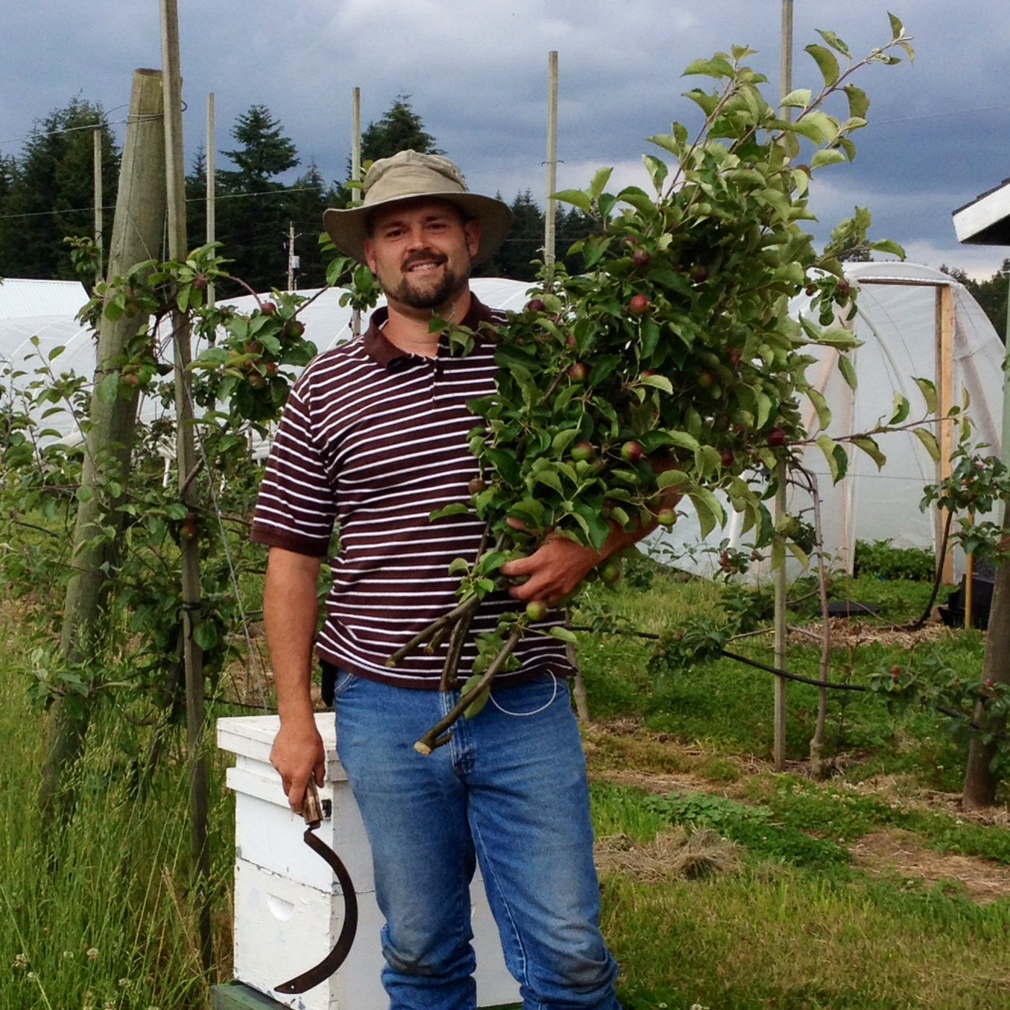
Gentleman orchardist, Steve Pabody.

Gentleman orchardist, Steve Pabody.

I wanted you to meet Sarah and Steve because they are a young flower farming couple who are nearly 100-percent self-taught. Trial and error doesn’t seem daunting to them, though. Steve, a former Baptist pastor, has an incredibly gregarious personality, a can-do attitude and the willingness to poke fun at himself while tackling challenges like raising chickens, pruning thousands of apple trees and installing irrigation lines. He’s sort of a city boy who has taken to farming with a passion. [And PS, as the daughter of a Baptist pastor and pastor’s wife, I have a soft spot for Steve and Sarah – and their personal journey,]

Trey Pabody, inspiration for "Triple," as he is named Steve Pabody, the third.

Trey Pabody, inspiration for “Triple,” as he is named Steve Pabody, the third.

 Like Steve, Sarah has an infectious smile and the type of optimism you hope rubs off on you. This is not an easy path, but it’s one they are committed to walking together. And without owning the land on which they farm, Sarah and Steve are mindful of the steps they need to take to sustain Triple Wren for their future.

I know you’ll be inspired by their story, whether you’re a young farmer, too, or if you’re more established.

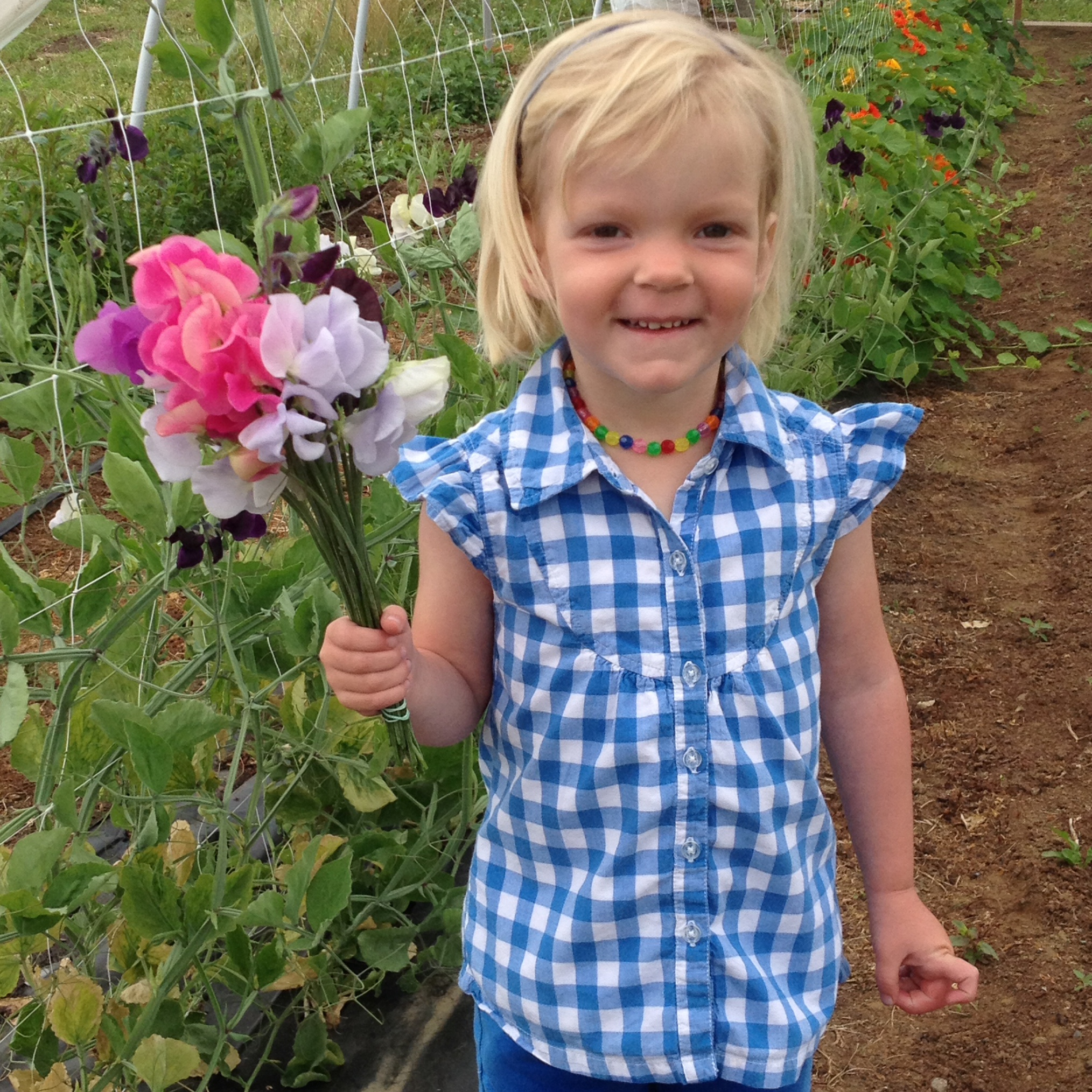
And by the way, their farm name celebrates the two reasons Sarah and Steve are so devoted to creating a family enterprise. First, their son Trey (Triple) and their daughter Chloe Wren (Wren). The children are a huge part of the farm’s energy and joy – as you can see in the family photos Sarah shared here.  

Chloe Wren, little sister and inspiration for "Wren" in the farm's name.

Chloe Wren, little sister and inspiration for “Wren” in the farm’s name.

Triple Wren Farms is located in the heart of Sm’Apple’s U-Pick Apple Orchard, which Steve manages for the Smith family, owners of the farm. During the fall U-Pick visitors are also able to harvest dahlias, zinnias, sunflowers and pumpkins to purchase.

Sarah, with Steve’s help, has developed two acres surrounding the orchard where she grows cut flowers and seasonal produce.

As you’ll hear in our interview, they got started with sunflowers just three seasons ago — and the mix of annuals, perennials, edibles, bulbs and woody floral ingredients they now grow for the floral marketplace has exploded. Since joining Seattle Wholesale Growers Market, Triple Wren has achieved Salmon Safe designation. The farm uses sustainable and non-certified organic practices.

In addition to being part of the Seattle Wholesale Growers Coop, Triple Wren sells to local florists and groceries in Bellingham, Ferndale and Lynden – and this year launched a very successful DIY Wedding Flowers program.

More farm photos, shared by Sarah and Steve:


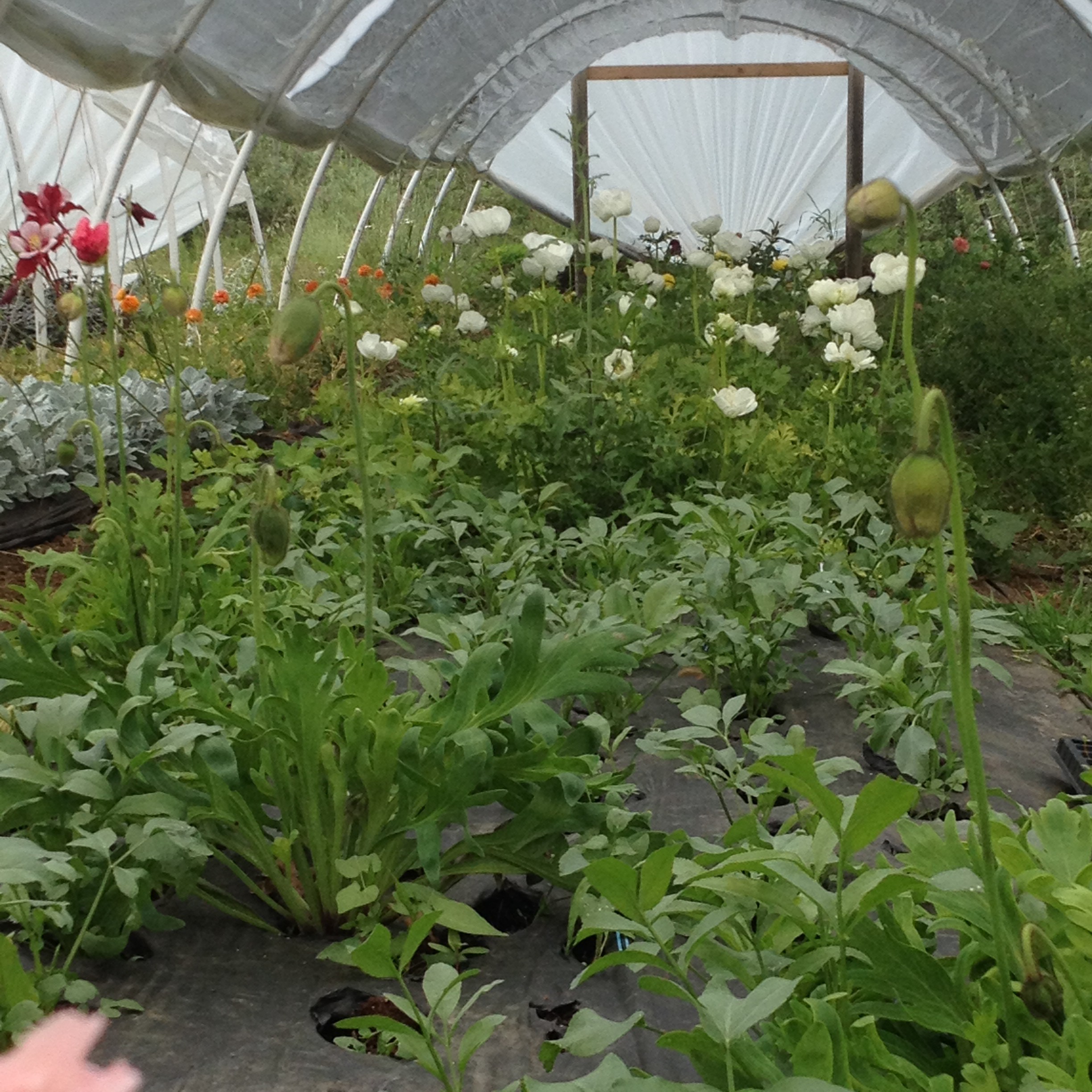
Columbine and poppies, inside the hoophouse.

Columbine and poppies, inside the hoophouse.


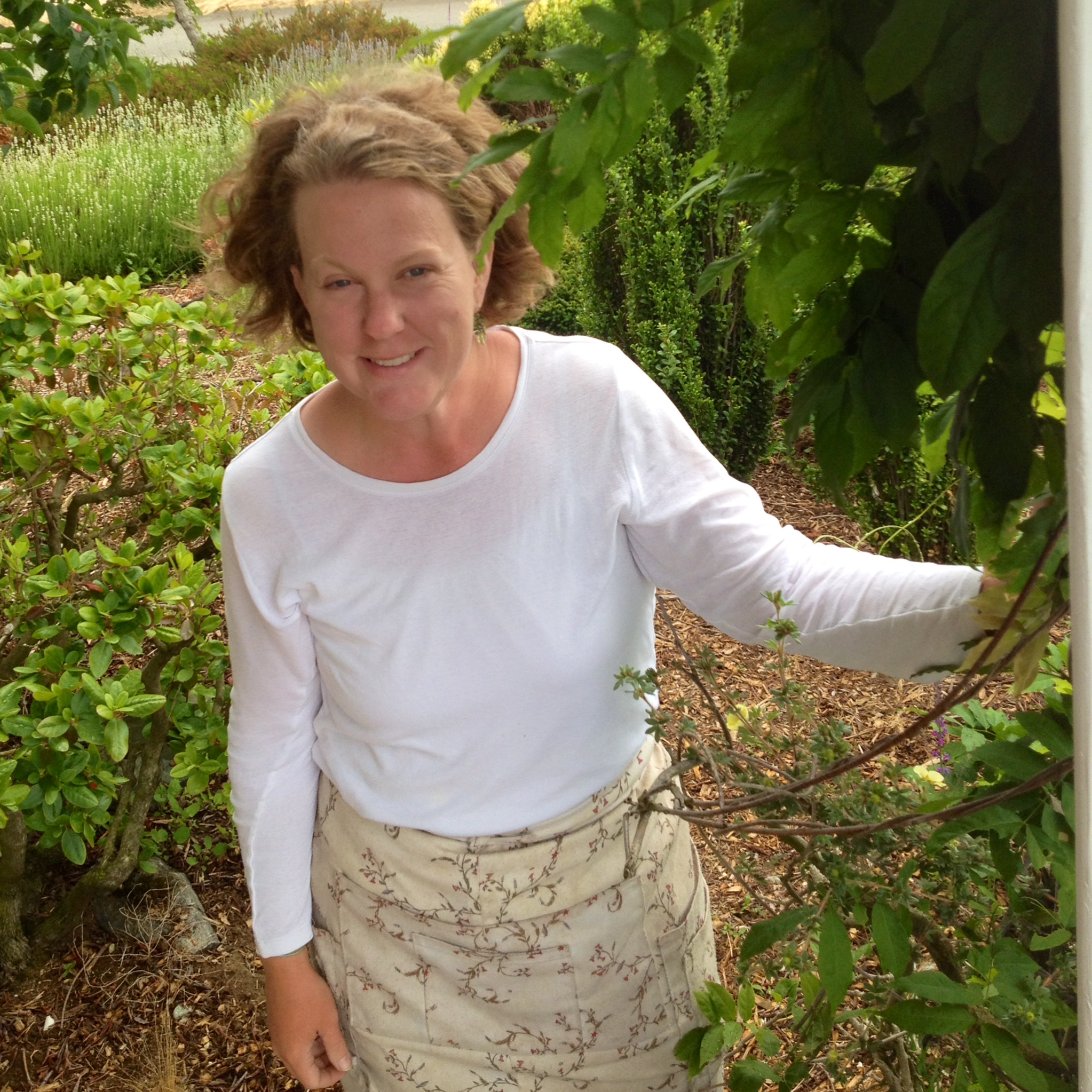
Sarah, flower mama extraordinare (and a cool farmer, too!)

Sarah, flower mama extraordinare (and a cool farmer, too!)


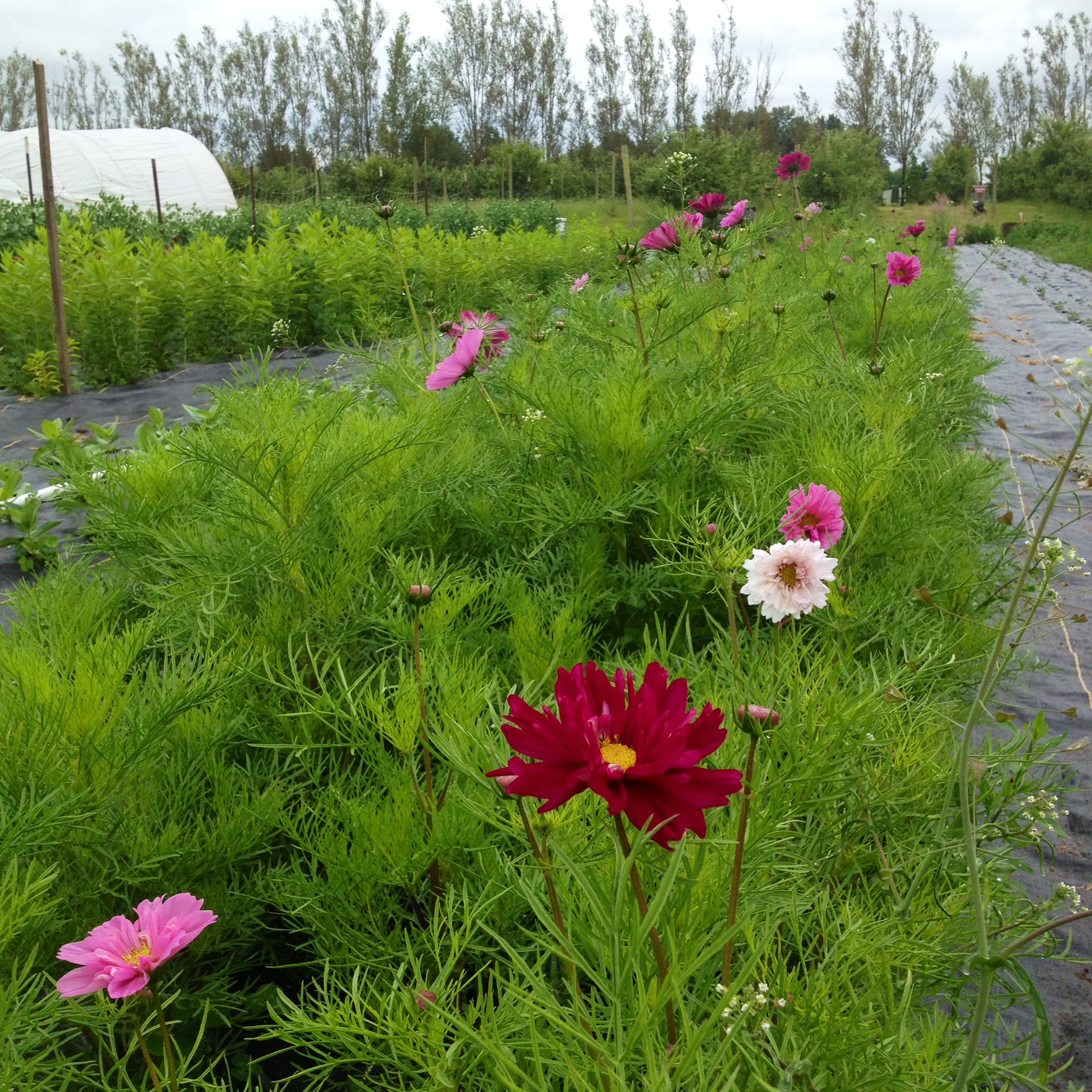
Cosmosssssss!!!! Simple and so perfect!
Cosmosssssss!!!! Simple and so perfect!


Sarah snapped this lovely rose portrait at dawn. Sigh.

Sarah snapped this lovely rose portrait at dawn. Sigh.


Perfect foliage: Pea vines.

Perfect foliage: Pea vines.


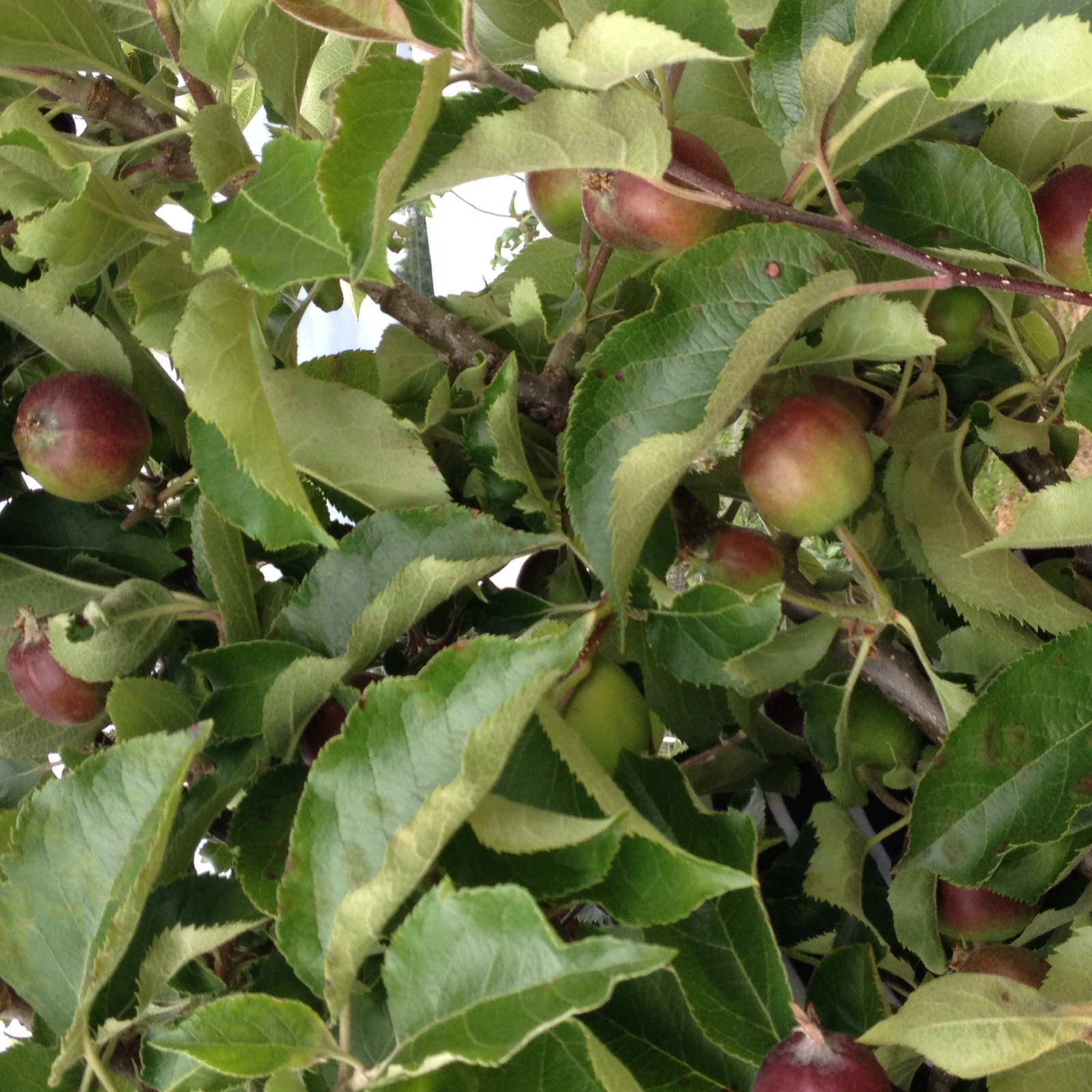
Apples . . . everywhere! To eat, to press into cider . . . and to show up in bouquets (especially the flowering branches of spring and the tiny fruited branches of crabapples).

Apples . . . everywhere! To eat, to press into cider . . . and to show up in bouquets (especially the flowering branches of spring and the tiny fruited branches of crabapples).

The message to take from today’s episode is one that both Sarah and Steve emphasized: Mentorship is important. Perhaps it’s essential.

I encourage all you veteran flower farmers to reach out and share your expertise, experience, years of knowledge with someone just getting started. Pay it forward. . . and soon, those young flower farmers will, in turn, follow your example and share with the next generation that comes after them. It’s key to saving our American-grown floral industry!

Thank you for joining today’s conversation with Triple Wren’s Sarah and Steve Pabody. Please enjoy this fabulous Q&A that Alicia Schwede of Flirty Fleurs conducted with Sarah last fall.

Here’s how to follow Triple Wren’s activities, day by day:

Triple Wren on Facebook.

Triple Wren on Instagram

Triple Wren on Pinterest

Please join me next week for another insightful and educational episode of the Slow Flowers Podcast. Thanks to listeners like you, this podcast has been downloaded more than 13,000 times.

If you like what you hear, please consider logging onto Itunes and posting a listener review.

Until next week please join me in putting more American grown flowers on the table, one vase at a time. 

The slow flowers podcast is engineered and edited by Hannah Holtgeerts and Andrew Wheatley. Learn more about their work at hhcreates.net.

SLOW FLOWERS Podcast: The Little Flower School of Brooklyn comes to Oregon (Episode 143)

Wednesday, May 28th, 2014

flowerschoolheader_2012

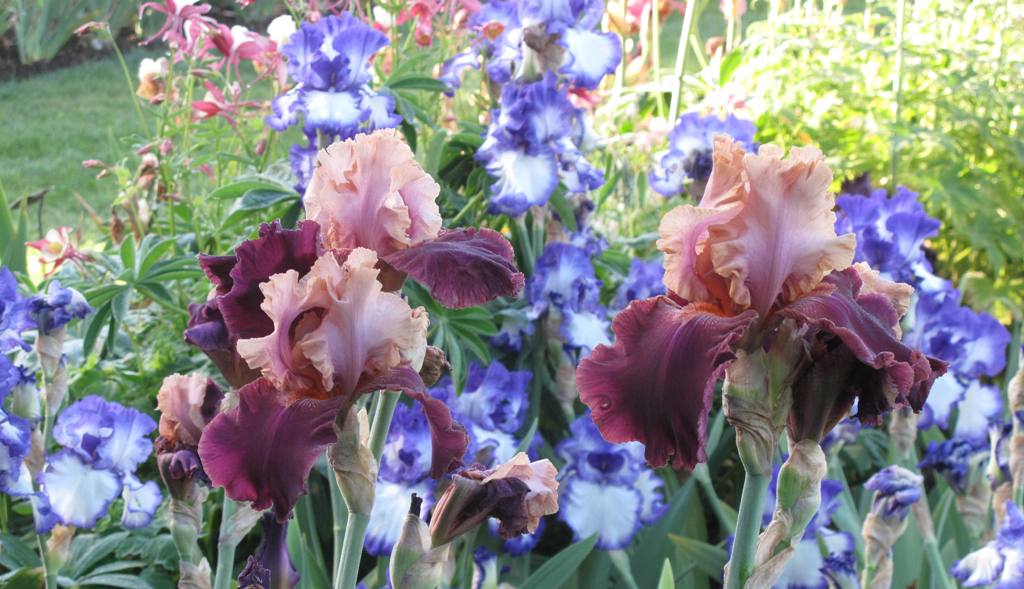
'Who needs a prince' - seriously great iris name!

‘Who needs a prince’ – seriously great iris name!

Last week was quite amazing in so many ways. First of all, I was on assignment for Country Gardens magazine, working with the uber-talented photographer Laurie Black, my collaborator in so many great articles that we’ve created over the years for editor James Baggett and art director Nick Crow.

With her partner-husband Mark King (ever the calm one and a genius when it comes to all the technical aspects of location photography), Laurie and I were tasked with capturing the story of Schreiner’s Iris Farm, the lovely and alluring bearded iris, and the two women who are nearly single-handedly reviving interest in these old-fashioned spring flowers. 

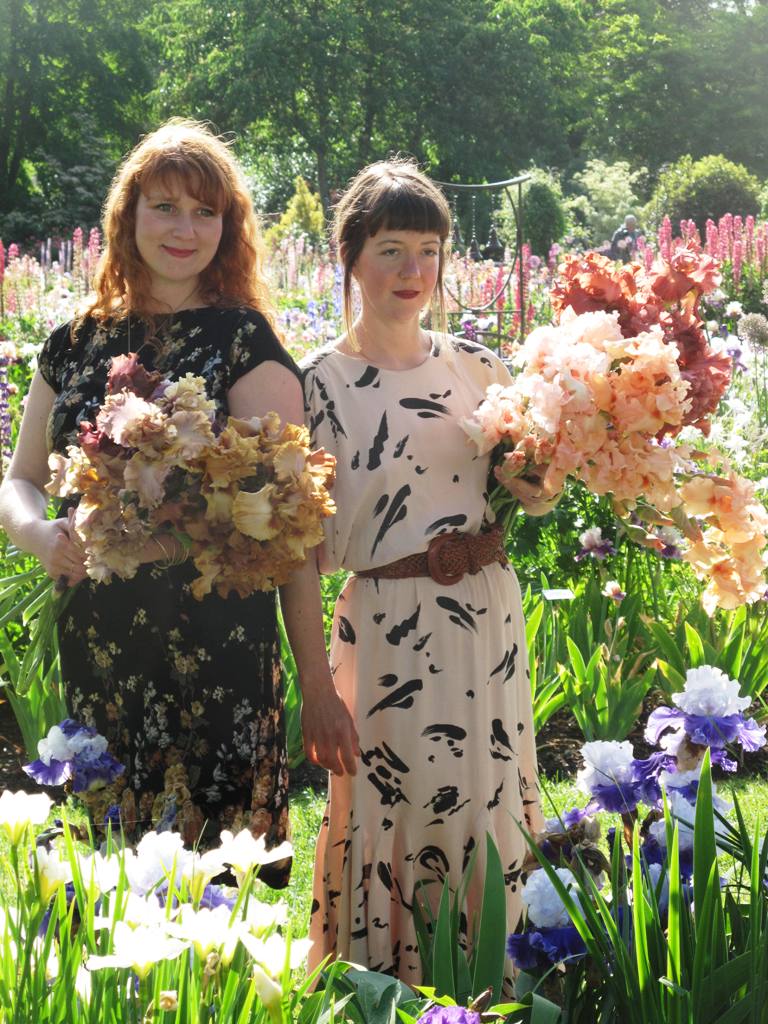
Nicolette (left) and Sarah (right), at their happy place in the iris garden.

Nicolette (left) and Sarah (right), at their happy place in the iris garden.

Those women are my guests today – Sarah Ryhanen of Saipua and Nicolette Owen of Nicolette Camille. While they independently own their own Brooklyn-based floral studios, together the friends collaborate as teachers through The Little Flower School of Brooklyn. 

'Oh Jamaica'

‘Oh Jamaica’

Smitten by the bearded iris, especially watercolor-washed varieties in apricot-peach-pink; smoky browns; mustardy-yellow; mahogany and silvery-lavender spectrums, Nicolette and Sarah have been fans of Schreiner’s Irises for years.

They worked with the Salem, Oregon-based, third-generation family farm to create a one-day Iris-intensive and invited students to join the fun.

Here’s how the workshop was described:

In this class, students will bask in the glory of the fields at peak bloom, and in a tour of the display gardens witness first hand the incredible diversity of color and form this unique perennial offers. We’ll discuss and demonstrate the tenets of composing an arrangement in our elegantly layered Little Flower School style. Special emphasis will be placed on flower selection, color blending and the mechanics of building a low lush sprawling arrangement without the use of floral foam. Working with the very best of the Schreiner’s specimens, along with a menagerie of other locally grown Oregon flowers, students will receive in-depth. one-on-one instruction as they build their own rambling garden style arrangement.

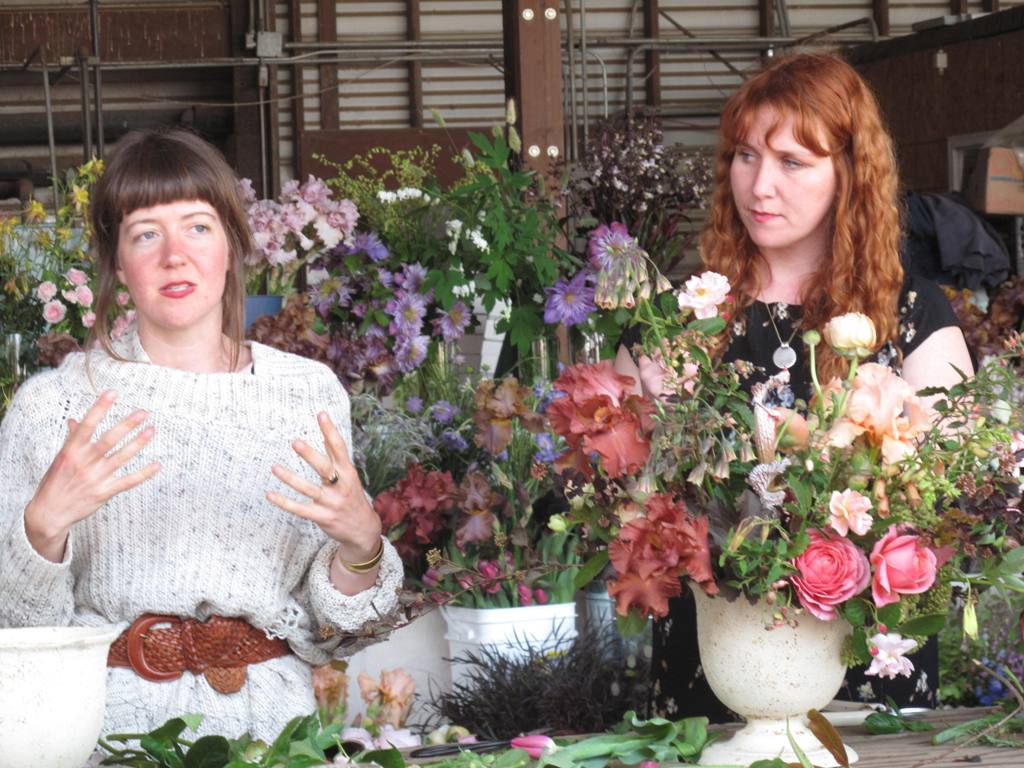
Generous in sharing their knowledge, Sarah and Nicolette demonstrated with their favorite irises and perennials.

Generous in sharing their knowledge, Sarah and Nicolette demonstrated with their favorite irises, annuals, foliage and perennials.

The day was packed with beauty and creativity. It was an inspired, sublime experience — from the first moment when we met, toured the gallery of irises and the gorgeous display beds showcasing irises and their favorite companion perennials — to an afternoon of floral design instruction. Meeting many members of the Schreiner family was a bonus! Thanks to Steve Schreiner, Ray Schreiner and sister Liz Schmidt (plus we met sister Paula, who stopped by while leading an iris tour for Portland’s Japanese Garden).

About 18 students gathered for the workshop, from established floral designers to apprentices and those considering a career switch, and me – a floral dilettante! Together, we fixated on Sarah and Nicolette’s language of flowers. 

These two communicate with such beautiful interlocking poetry and prose. And you’ll just have to wait for the summer 2015 issue of Country Gardens to learn more, read my story and see Laurie’s awesome photography!


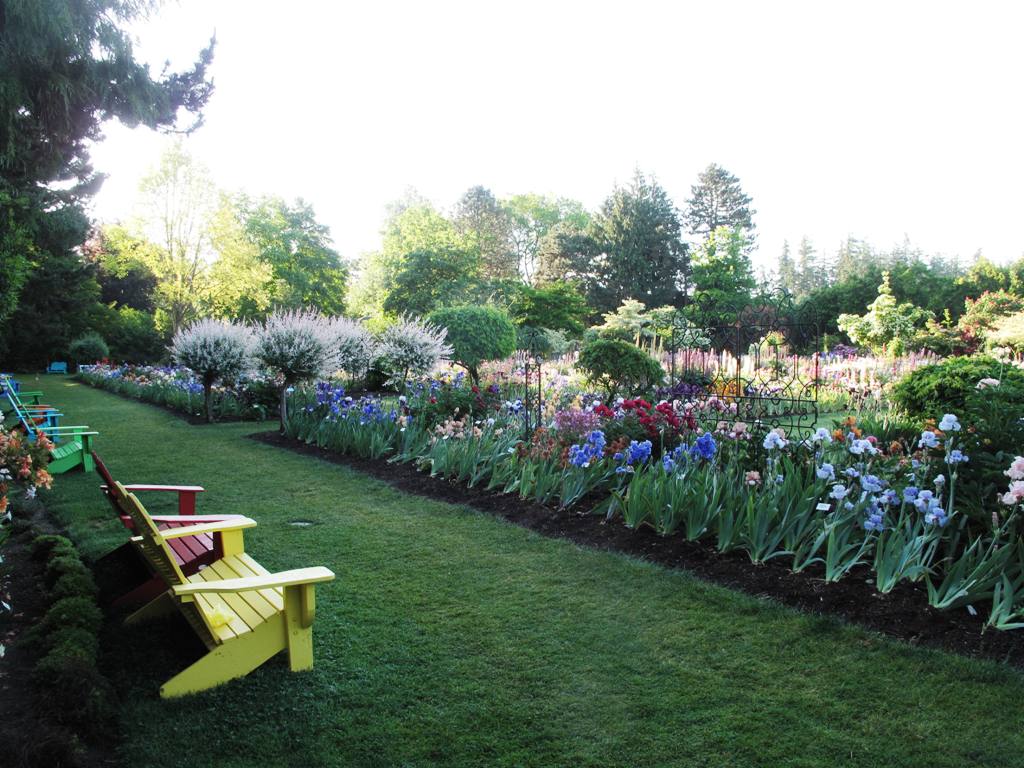
Love these colorful benches at Schreiner's Iris Farm.

Love these colorful benches at Schreiner’s Iris Farm.

After our workshop, however, the three of us sat down in the double-Adirondack benches so generously provided by the Schreiner family. We talked a lot about the farmer-florist concept, the Slow Flowers movement, and the importance of staying close to the source of your flowers.


Nicolette at work.

Nicolette at work.

Here’s a little more about The Little Flower School of Brooklyn:

The Little Flower School is the teaching project of Nicolette Owen (Nicolette Camille) and Sarah Ryhanen (Saipua); each known for their loose, natural, garden-focused floral designs. Fueled by their reverence for flowers and penchant for travel, the two traverse the globe teaching, learning, and hunting down the most beautiful floral specimens.

Sarah and Nicolette first met over dinner in July of 2008 – a time when each of their separate floral businesses were first establishing. As distinct competitors, their friendship championed a spirit of collaboration and – they hope – has helped to foster an atmosphere of sharing and collaboration amidst a new wave of New York floral designers.

Students of The Little Flower School are men and women; novices, floral enthusiasts, designers in other medium, those looking to start their own floral business, and those with established floral businesses looking to broaden their design knowledge. Classes are seasonally oriented and often exalt a particular flower or design concept. 

Here’s more about Nicolette: 

Nicolette Owen runs her custom floral design studio, Nicolette Camille Floral, in Brooklyn NY. Her work is known for its romantic effusions, nuanced color and texture. Each arrangement is evocative of both the wild and formal garden. Nicolette’s first book collaboration, Bringing Nature Home, was released by Rizzoli in April 2012.


Sarah extolling the virtues of foxgloves - biannual and perennial forms.

Sarah extolling the virtues of foxgloves – biannual and perennial forms.

And more about Sarah: 

Sarah Ryhanen is a self taught flower designer, grower and  co-founder of Saipua. Her compositions have a haunting, sensual quality. Her work has appeared in publications such as The New York Times, Vogue and Martha Stewart. She splits her time between the Saipua studio in Red Hook Brooklyn and Worlds End, her new flower farm in upstate NY.  And listen to my earlier podcast interview with Sarah here, in which we speak of her decision to begin growing her own flowers with her partner Eric Famisan.

Please enjoy this conversation and join in by sharing your comments below. 

Thank you for joining me this week. Because of the support from you and others, listeners have downloaded episodes of the Slow Flowers Podcast more than 12,200  times! I thank you for taking the time to join to my conversations with flower farmers, florists and other notable floral experts. 

If you like what you hear, please consider logging onto Itunes and posting a listener review.

Until next week please join me in putting more American grown flowers on the table, one vase at a time. 

 The Slow Flowers Podcast is engineered and edited by Hannah Holtgeerts and  Andrew Wheatley. You can learn more about their work at hhcreates.net.

A Personal Cutting Garden That You Can Eat, Too!

Monday, May 26th, 2014
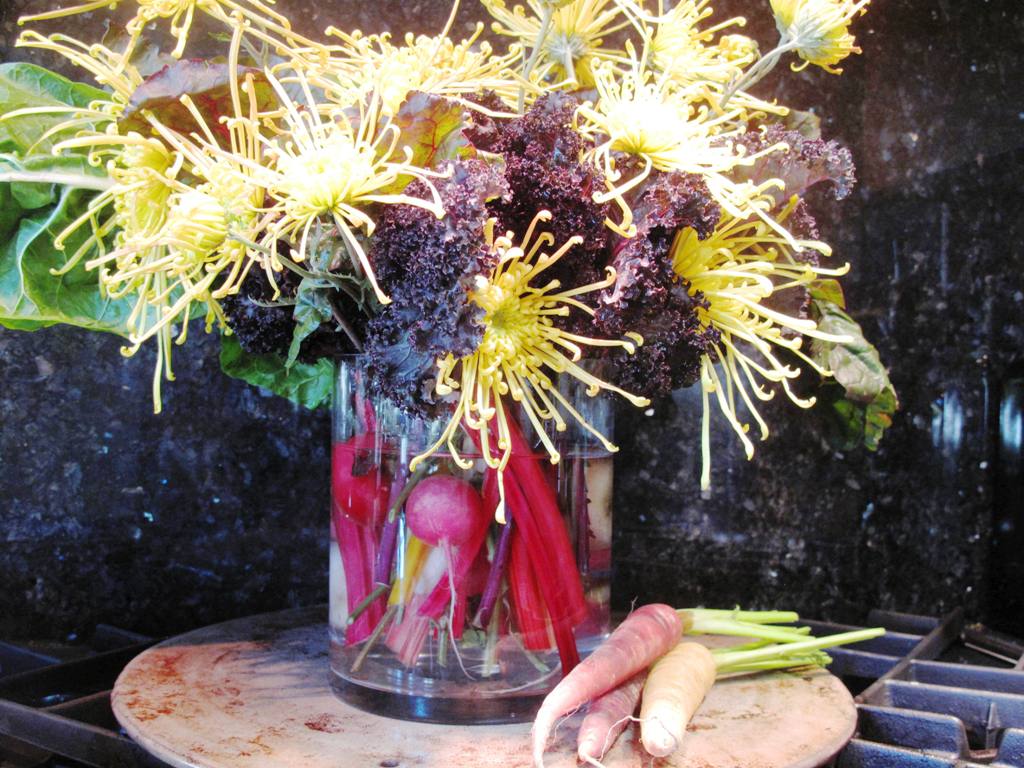
Root veggies, purple kale and spider mums.

Radishes, rainbow chard, purple kale and spider mums.

GroundbreakingFoodGardensThis just in: A New Kind  of Hors d’Oeuvre

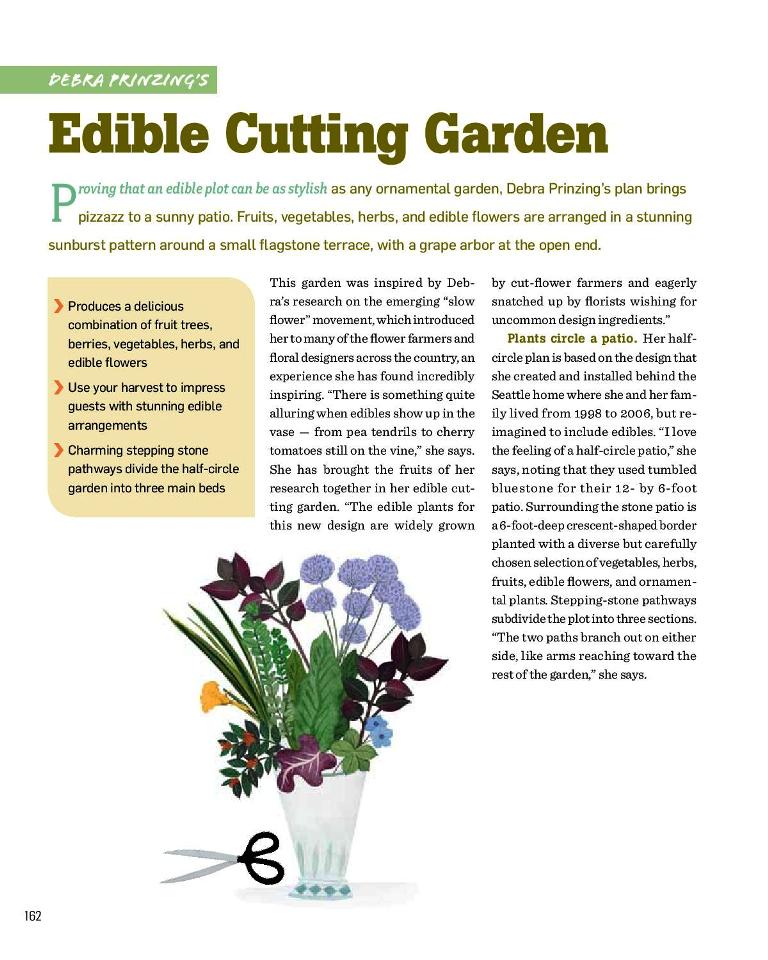
When entertaining, Debra recommends impressing your guests by gathering edible flowers and food from her garden plan to craft a simple, but unique amuse-bouche. The guests can snack on the centerpiece before the main meal is served – but only if your garden is organic!

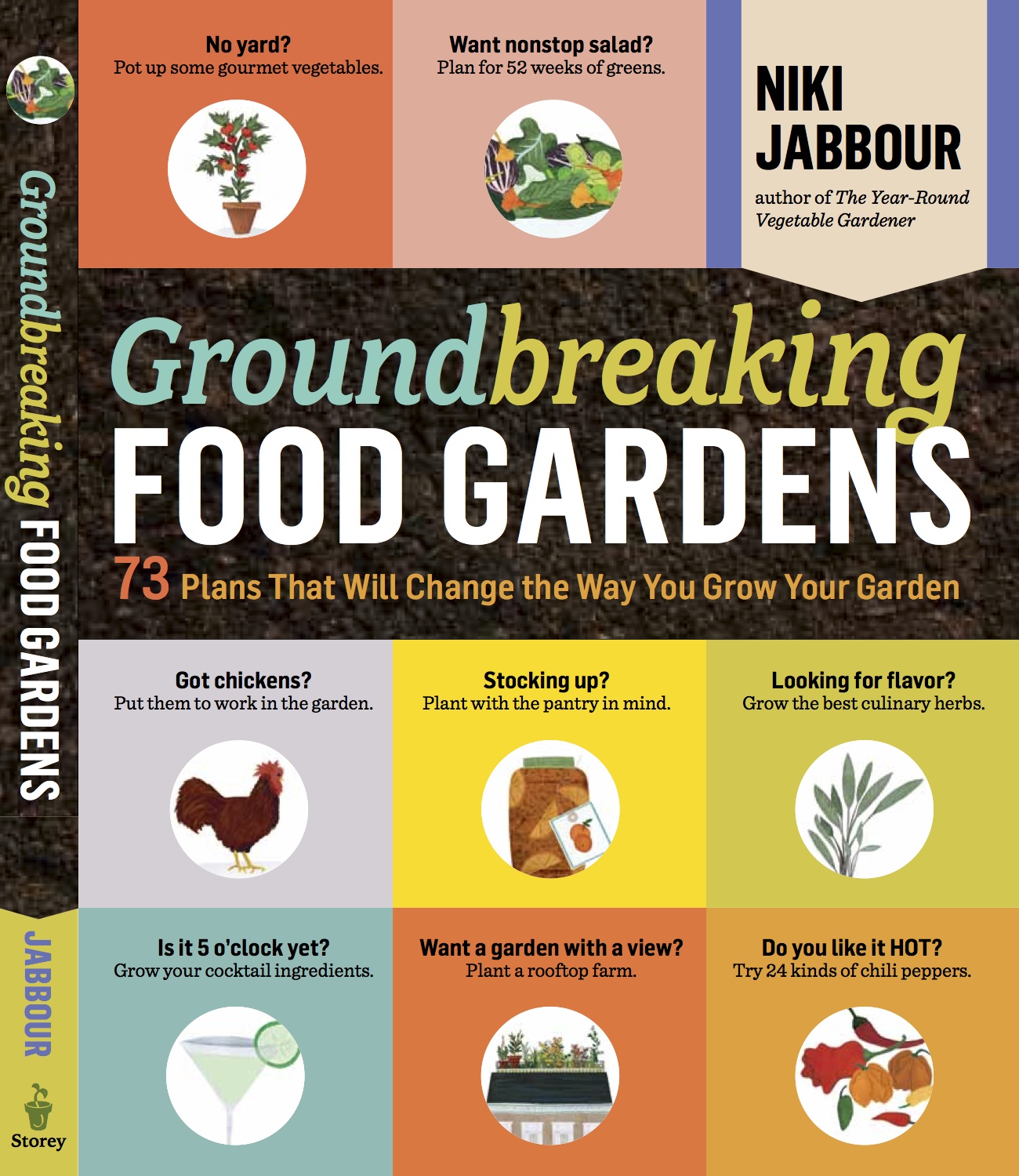
I owe an (edible) bouquet of thanks to fellow garden writer Niki Jabbour for including my “Edible Cutting Garden” plan in her new book Groundbreaking Food Gardens (Storey Publishing, 2014). Along with planting plans and designs contributed by 72 others, this is an inspiring reference book that will change the way home gardeners thank about growing food. 

Here’s a sneak peek of the pages featuring my project, and some ideas for how to incorporate edibles into your floral designs.

Prinzing_FINAL (1)-page-001

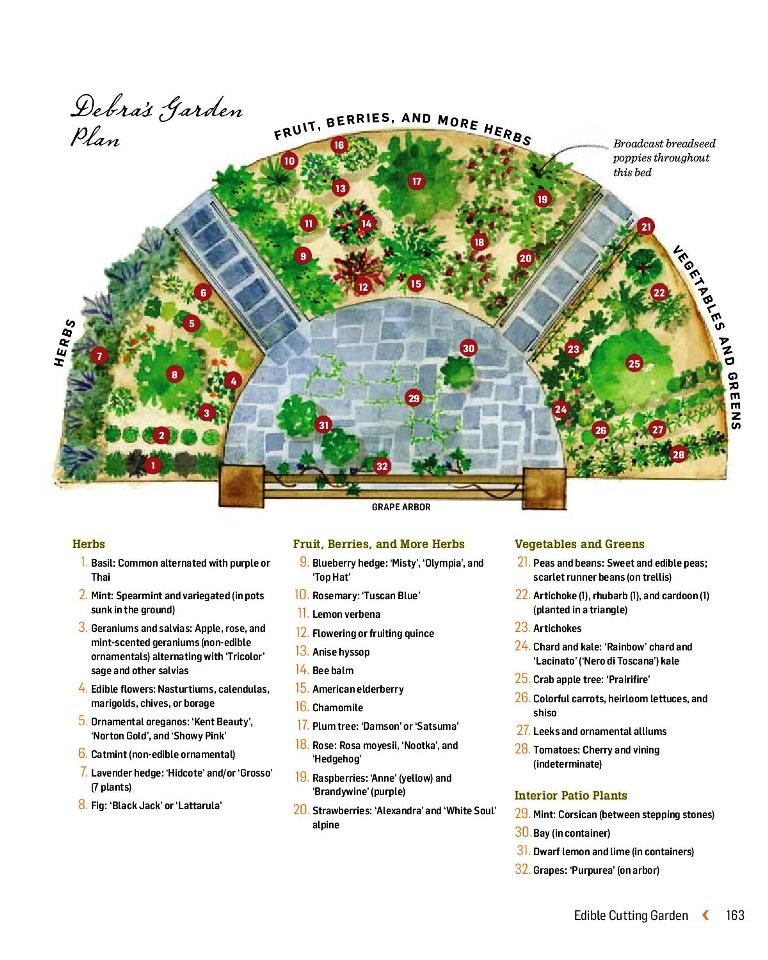
Debra Prinzing’s Edible Cutting Garden — a half-circle design based on an ornamental garden I created in Seattle, circa 1998-2006. 


Prinzing_FINAL (1)-page-002

Each section features different edible categories — from herbs to fruits/berries to veggies and more.

This garden shown above was based on a design I made and installed behind the Seattle home where we lived from 1998 to 2006. I love the feeling of a half-circle patio. This one is paved in tumbled bluestone and measures about 12 feet wide by 6 feet deep. Two paths branch out on either side, like arms reaching toward the rest of the garden. The paths divide the 6-foot-deep crescent border into three sections.

READ MORE…

A (American Grown) Flower-filled Road Trip, Part Three

Saturday, May 24th, 2014
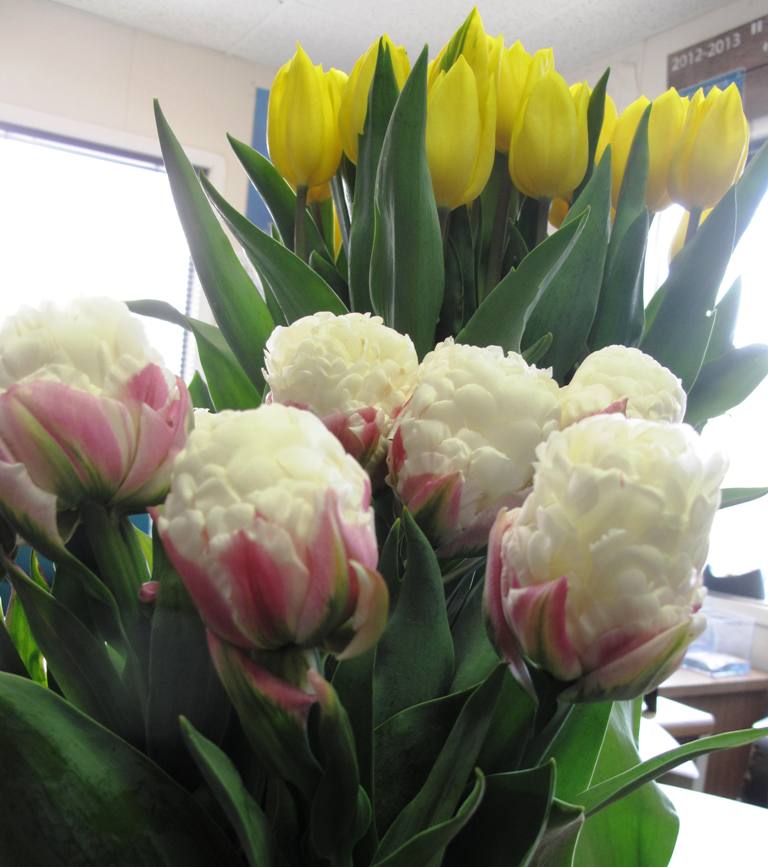
The hot, new "ice cream" tulip - spotted in a vase on Sun Valley CEO Lane Devries's desk!

The hot, new “ice cream” tulip – spotted in a vase on Sun Valley CEO Lane DeVries’s desk!

I’ve been home for an entire month from an 11-day road trip that took me by plane to Southern California and back home again behind the wheel of a rental car. 

I have many fond memories (as well as the photographs that I collected), while stopping along U.S. Hwy. 101 on my way north to Seattle. My first post featured Rose Story Farm and the Carpinteria flower scene; my 2nd post was about visiting author-friend Sharon Lovejoy and her husband Jeff Prostovitch in San Luis Obispo. [I’m going to save the photos and stories of my stop in Healdsburg-wine country for another day.]

So here is my third travelogue installation — all about The Sun Valley Group of Arcata, California.

942409_544572022274199_1731199429_n

Visiting Sun Valley and touring its vast flower-growing universe has been on my bucket list for quite a while. I’ve enjoyed collaborating with CEO Lane DeVries and his staff over the past few years to promote American-grown flowers and flower farms. In fact, Lane was a podcast guest last year – you can listen to that interview here. But I had never been able to see Sun Valley up close and personal!

Still on the road last month, I routed myself through Eureka, Calif., where I first visited another writer-friend, Amy Stewart of Flower Confidential and The Drunken Botanist fame (listen to our Podcast interview here).

The following morning I continued north to the next town on the map, Arcata – home to Sun Valley’s headquarters and one of the company’s farm locations. 

Sun Valley is a leading grower of cut bulb and field flowers in the United States. According to its web site, Sun Valley chose this area as an ideal environment for growing bulb flowers, due to its mild winters, cool summers, generous humidity and coastally moderated sunlight. The fields surrounding the greenhouses also provide excellent growing conditions for spring, summer and fall iris, and summer flowers including crocosmia, hypericum, monkshood and montbretia.

Bill Prescott, the farm’s social media/communications guru, met and escorted me on a whirlwind tour. It’s a good thing that I brought my rubber-soled Merrills, cuz the ground gets muddy and wet at a flower farm – in the shade houses and in the greenhouses. These farms practice water conservation, of course, but the puddles and wet spots still exist.

We started by walking through the tulip operations. By the way, click here to see the farm’s mind-boggling array of tulip varieties – you’ll not believe it!

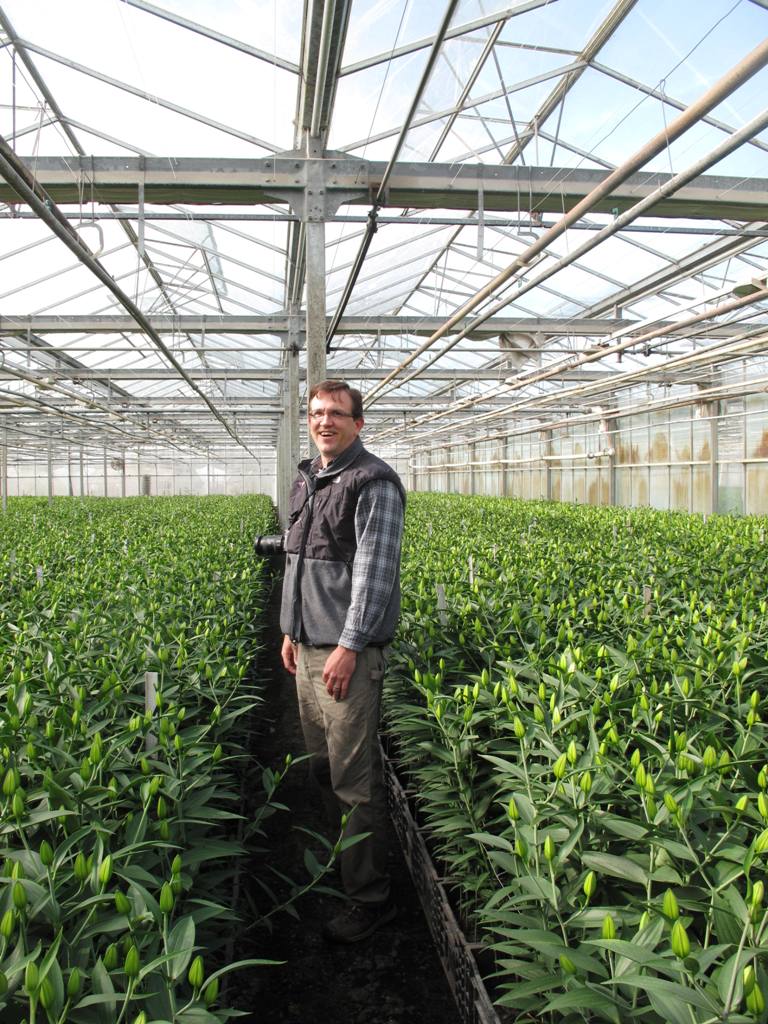
Bill Prescott, my host and tour guide at Sun Valley Flower Farm in Arcata, Calif.

Bill Prescott, my host and tour guide at Sun Valley Flower Farm in Arcata, Calif.


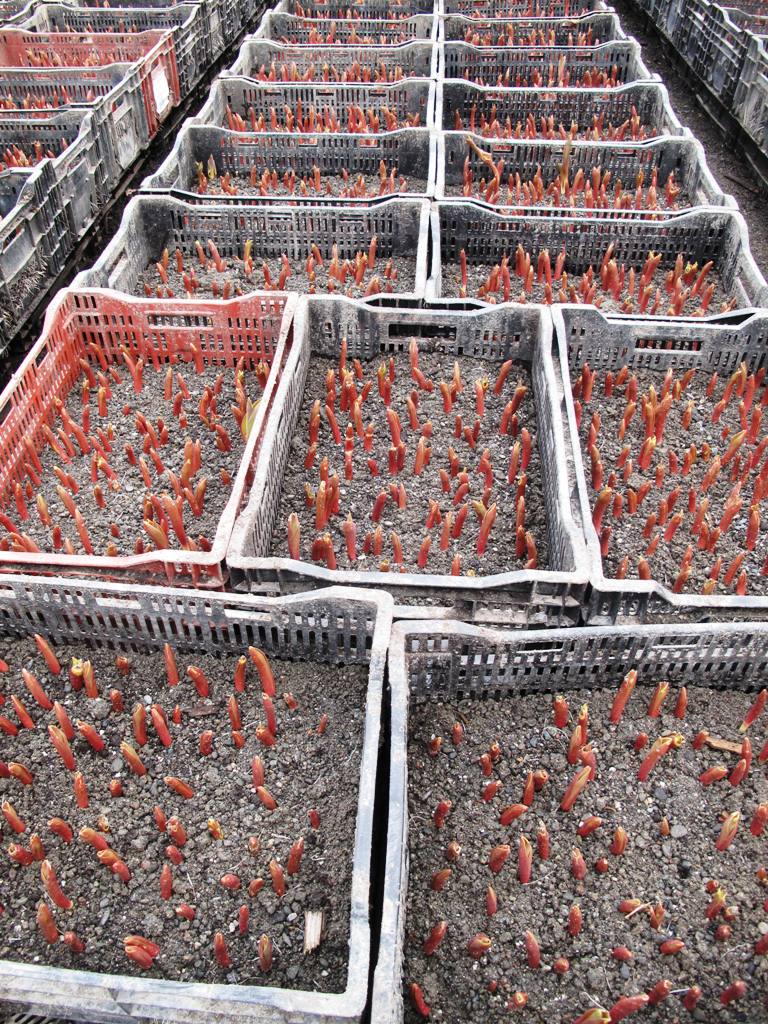
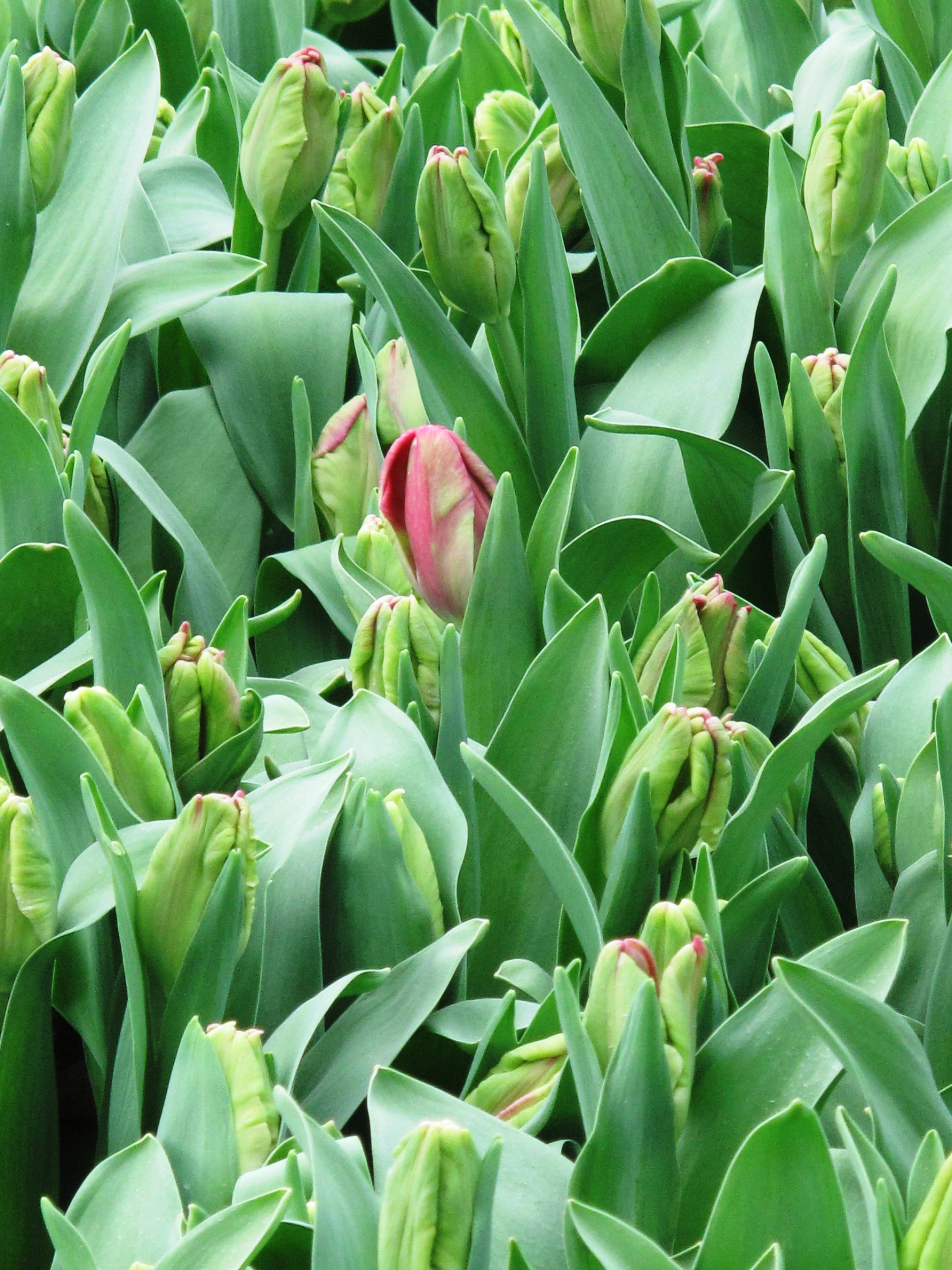
This is how the tulip-growing cycle begins. Bulbs planted in growing medium, shoulder to shoulder. Their tips emerge from the soil and then the crates are transferred to the greenhouse rows.

This is how the tulip-growing cycle begins. Bulbs planted in growing medium, shoulder to shoulder. Their tips emerge from the soil and then the crates are transferred to the greenhouse rows.


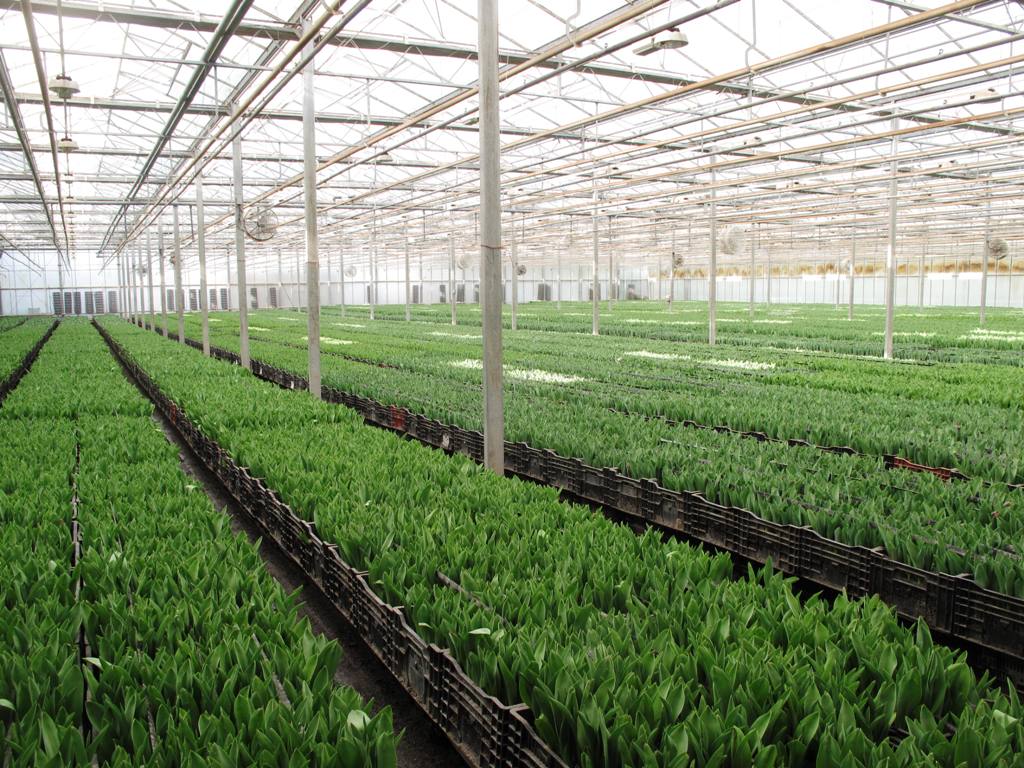
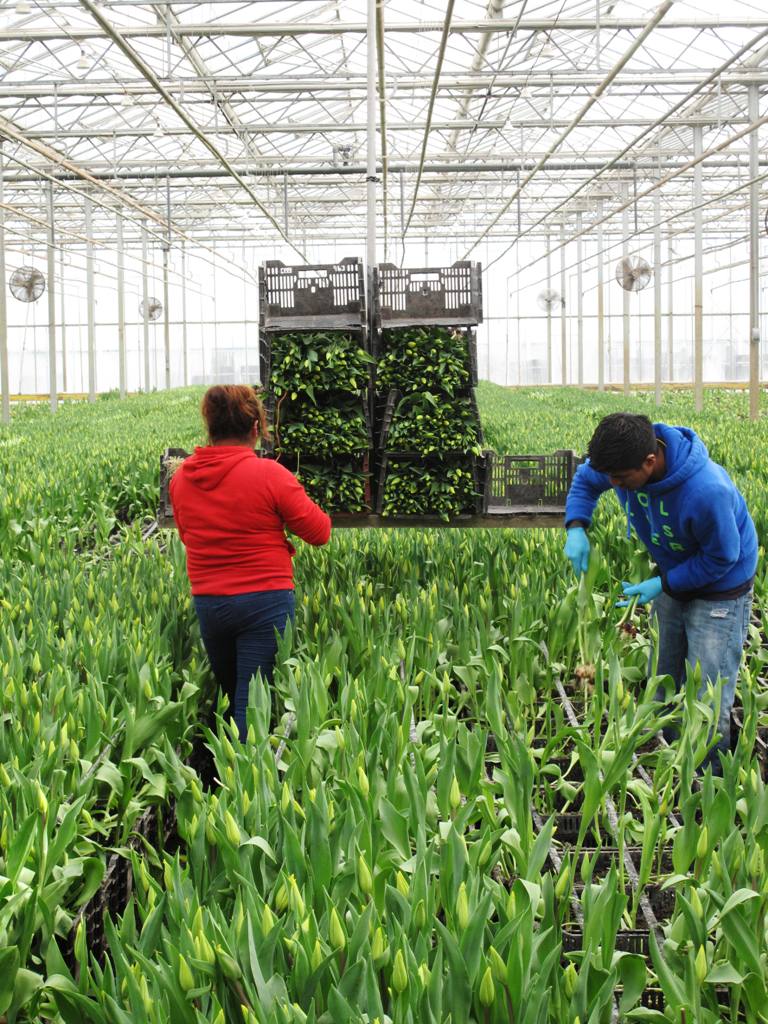
Just one of countless state-of-the-art greenhouses that produce beautiful tulips throughout the year.

Just one of countless state-of-the-art greenhouses that produce beautiful tulips throughout the year.


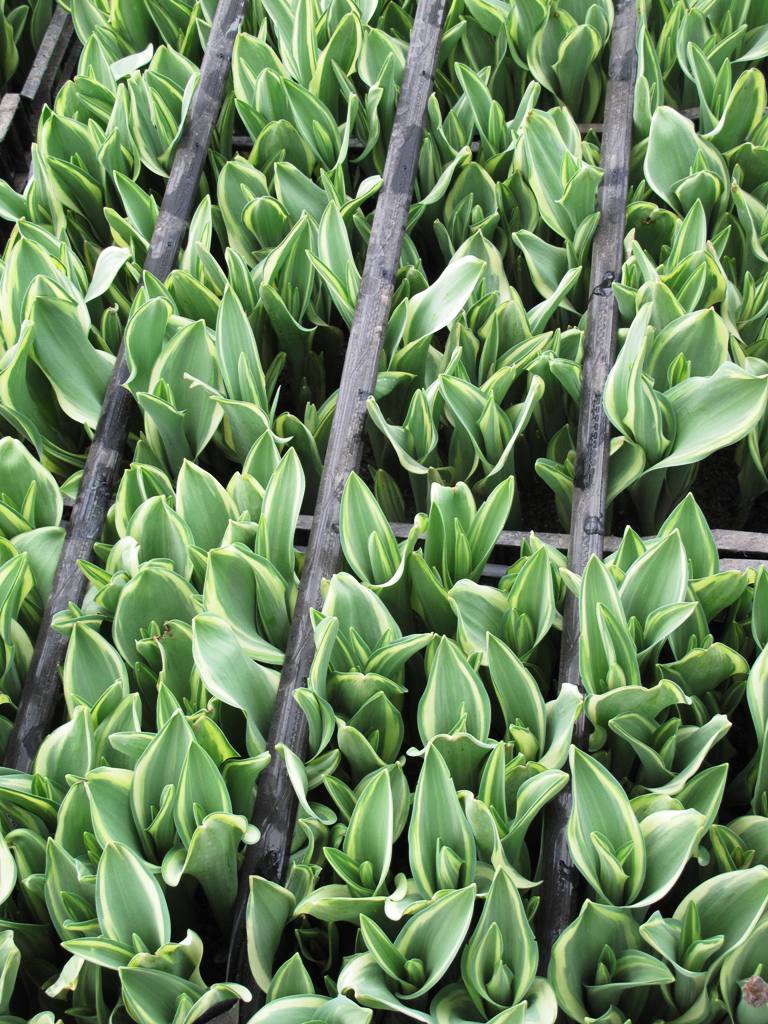
I couldn't take my eyes off of the beautiful variegated foliage on this tulip variety. It's not always about the bloom, especially when you have leaves like this!

I couldn’t take my eyes off of the beautiful variegated foliage on this tulip variety. It’s not always about the bloom, especially when you have leaves like this! 


Hello, tulip!

Hello, tulip! 


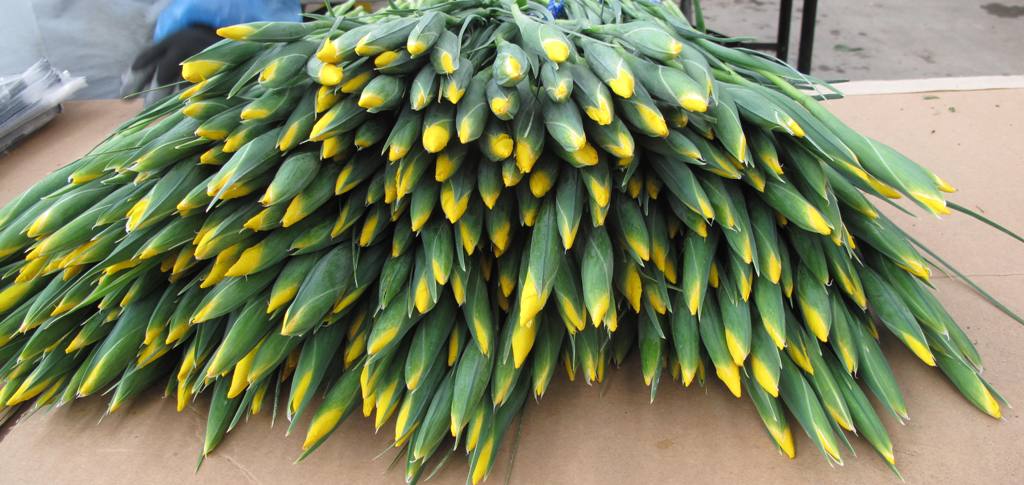
The tulip harvest - this was the week before Easter, so imagine: nonstop harvesting!

The tulip harvest – this was the week before Easter, so imagine: nonstop harvesting! 


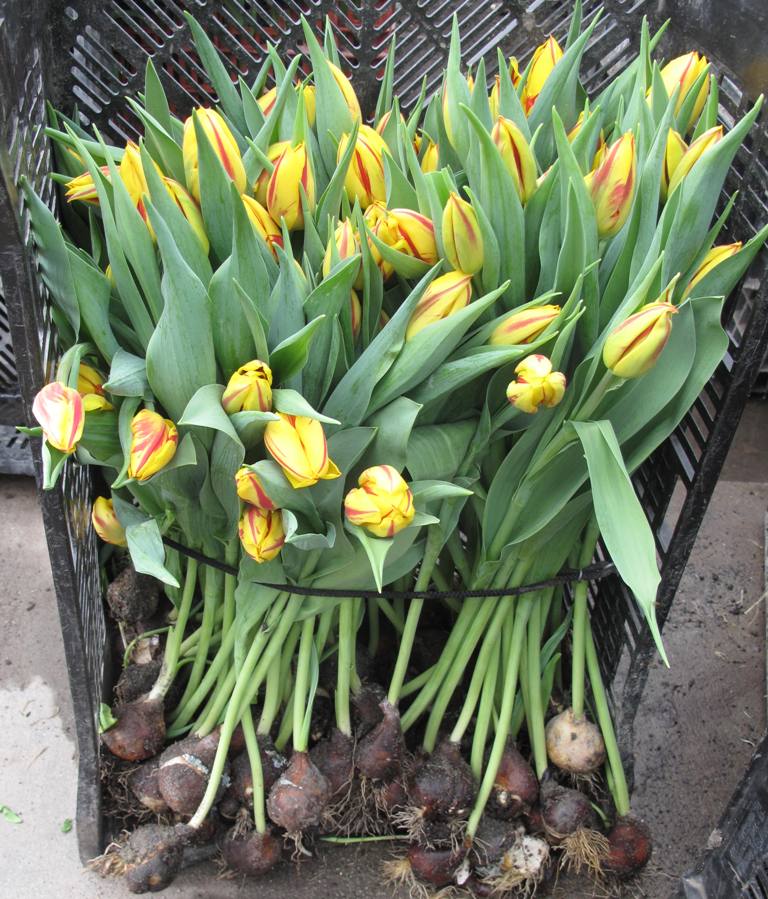
. . . and this is how the flowers come out of the ground - bulbs and all - to ensure the longest stems.

. . . and this is how the flowers come out of the ground – bulbs and all – to ensure the longest stems.

Some other popular crops include irises and lilies:

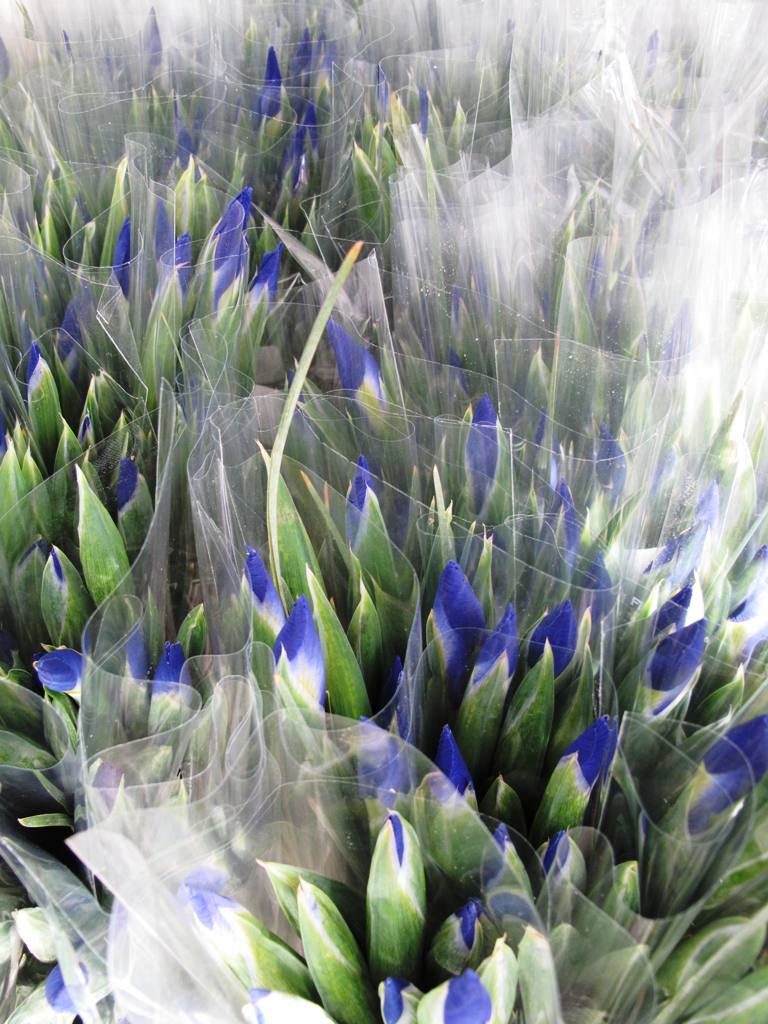
Gotta love these lemony-hued irises!

Gotta love these lemony-hued irises! 


And the classic purple ones, too!

And the classic purple ones, too! 


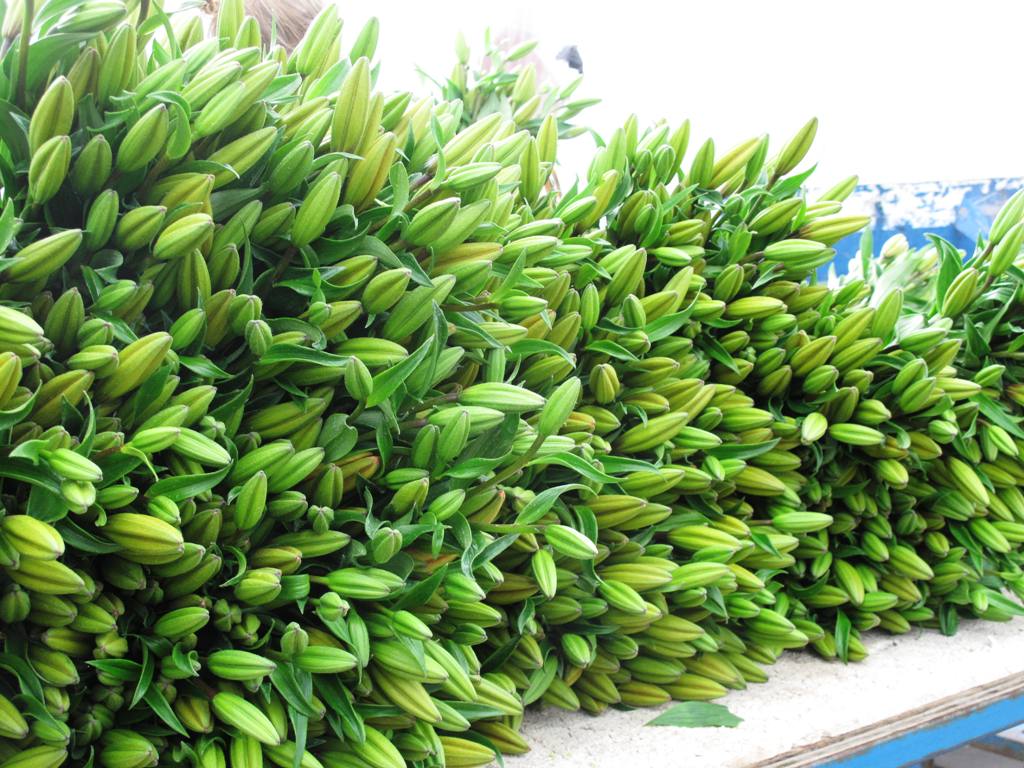
Lilies, just picked and ready for shipment to flower shops, supermarkets and designers.

Lilies, just picked and ready for shipment to flower shops, supermarkets and designers. 


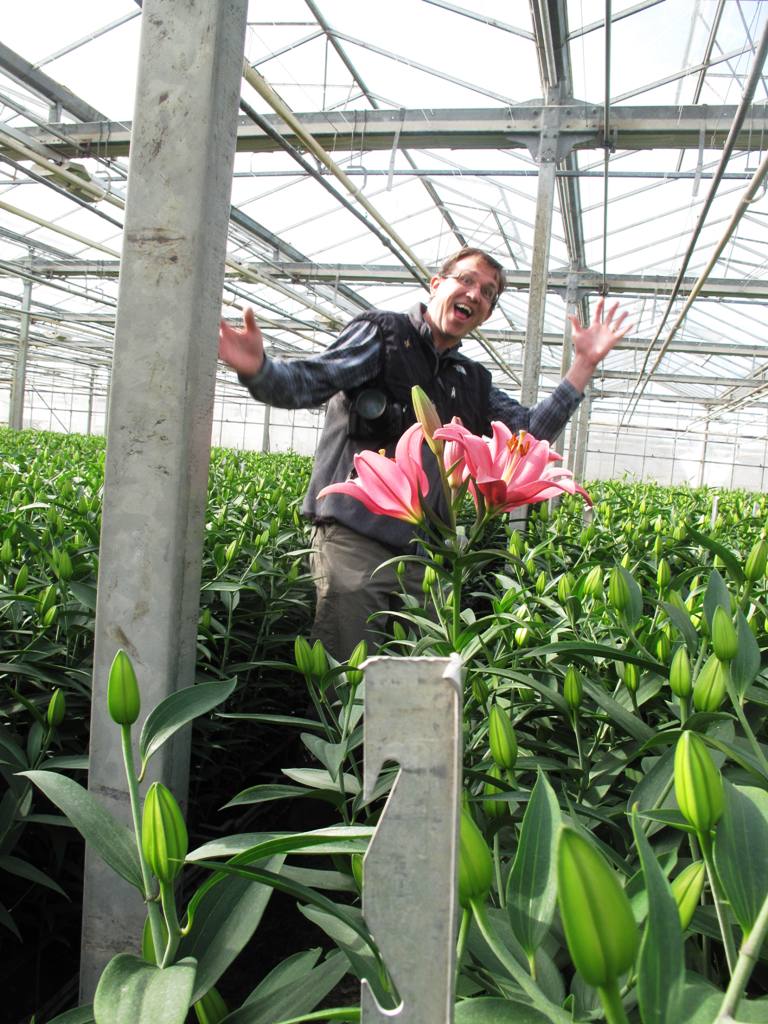
Having fun with the lilies - Bill is a bit of a ham!

Having fun with the lilies – Bill is a bit of a ham!

Bill sent me home with a huge bucket filled with irises and tulips – gorgeous, fresh, just-picked and more than I could ever use in a single Easter arrangement. They survived the 10-hour drive to Seattle that day and still looked awesome when I gave an arrangement of those blooms to my mother on Easter. We both enjoyed those American-grown flowers for nearly two weeks – especially the lilies, with so many plump buds that kept opening up, a few new blooms every day.

And speaking of lilies . . . did you know that “Lily,” the voice of Sun Valley’s blog, is none other than Mr. Bill Prescott? On the blog, he channels his inner florist supremely well! Check out “Flower Talk: Grow with Lily” here – and subscribe to receive notices of the frequent installments. 

A (American Grown) Flower-filled April, Part Two. OR: Adventures with Sharon Lovejoy

Sunday, May 11th, 2014

I’ve been home for a few weeks from my 11-day road trip that took me by plane to Southern California and back home again behind the wheel of a rental car. I have many fond memories (as well as the photographs that I collected), while stopping along U.S. Hwy. 101 on my way north to Seattle.

So here is a second travelogue, which I think many will enjoy.

I stopped at the home and garden of fellow writer and sweet friend Sharon Lovejoy and her partner in all, Jeff Prostivitch. They live in San Luis Obispo, a stunning area of coastal California, in a cozy bungalow surrounded by an oft-photographed and published garden.

There are several highlights from this short visit that I want to share.

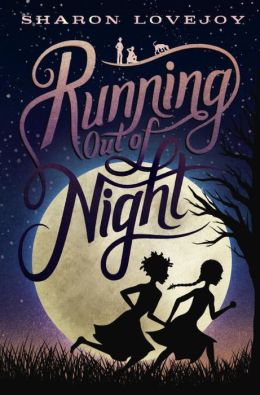
running-out-of-nightFirst of all, I got to hold in my hands the advanced readers’ copy of Sharon’s debut novel, Running Out of Night, which will be published in November.

On an earlier visit to Sharon and Jeff’s (I think it was in the fall of 2009), I tagged along with Sharon to a regular session with her writer’s group. This is the small gathering of writers in her area who have faithfully met with one another for years as they’ve read given both encouragement and critiques of each other’s writing projects. It was on that visit that I heard Sharon read aloud one of the chapters of her novel-in-progress. 

So you can only imagine how thrilling it was to sit for a while on the sofa in their living room and read the first few chapters in the REAL book! If you have a young person in your life (ages 7-12), I urge you to order this book or ask your librarian to order it. It is an adventure that involves two young girls who are equally enslaved, despite the difference in their skin color. I thoroughly love the characters, the plot – and the dialogue! Sharon is a masterful storyteller and I can’t wait to get this book into the hands of my niece (a 4th grade teacher) and her students.

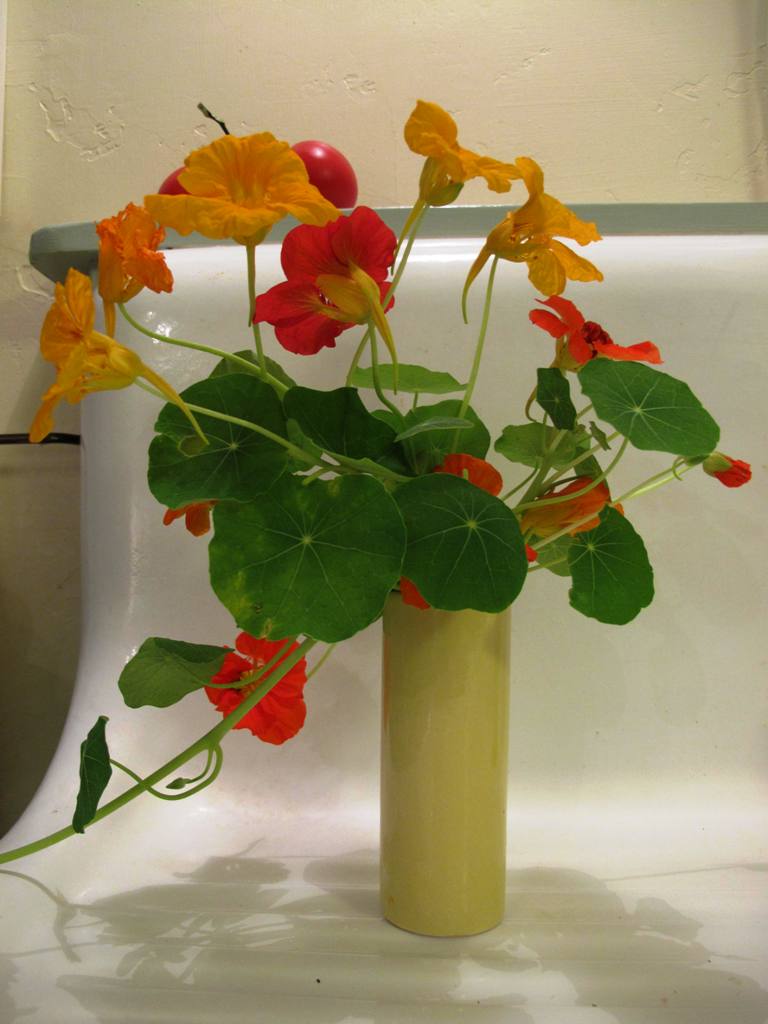
A bud vase displays charming nasturtium flowers and foliage, on the edge of the kitchen's vintage farm sink.

A bud vase displays charming nasturtium flowers and foliage, on the edge of the kitchen’s vintage farm sink.

I also experienced a treat that anyone who visits this abode is bound to see. This is the home of gardeners, naturalists and amateur botanists. Every single thing that grows in the Lovejoy-Prostovitch garden is a gift from the earth. And they cherish those gifts with fervor.

The simplest tendril, sprig or pod is elevated with love and affection by Sharon and Jeff. Their home is filled with tiny bouquets and posies. The whole idea of “bringing the garden indoors” takes on new meaning when jam jars, bottles and shot glasses are filled with minature floral arrangements. A delight for the eyes. Here is a peek at some of the ones I noticed (I’m sure there were more!):

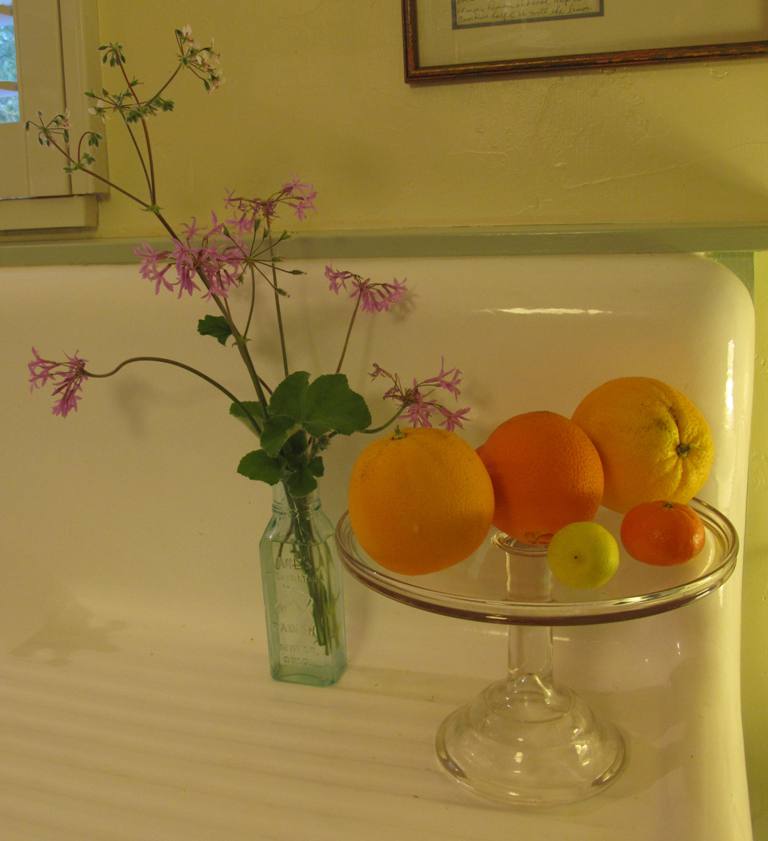
Geraniums (pelargoniums) in a bottle; citrus on a cake plate.

Geraniums (pelargoniums) in a bottle; citrus on a cake plate.


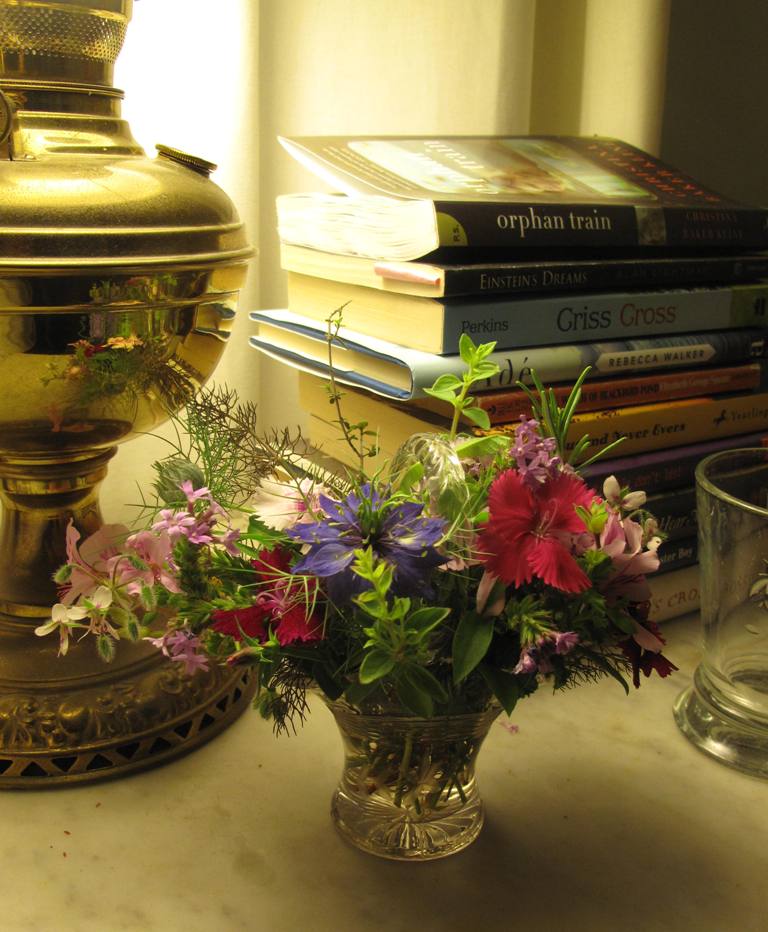
The posy by my bedside table. With the sweet William tucked inside, you can only imagine how it scented my dreams that night!

The posy by my bedside table. With the sweet William and sprigs of herbs tucked inside, you can only imagine how it scented my dreams that night!


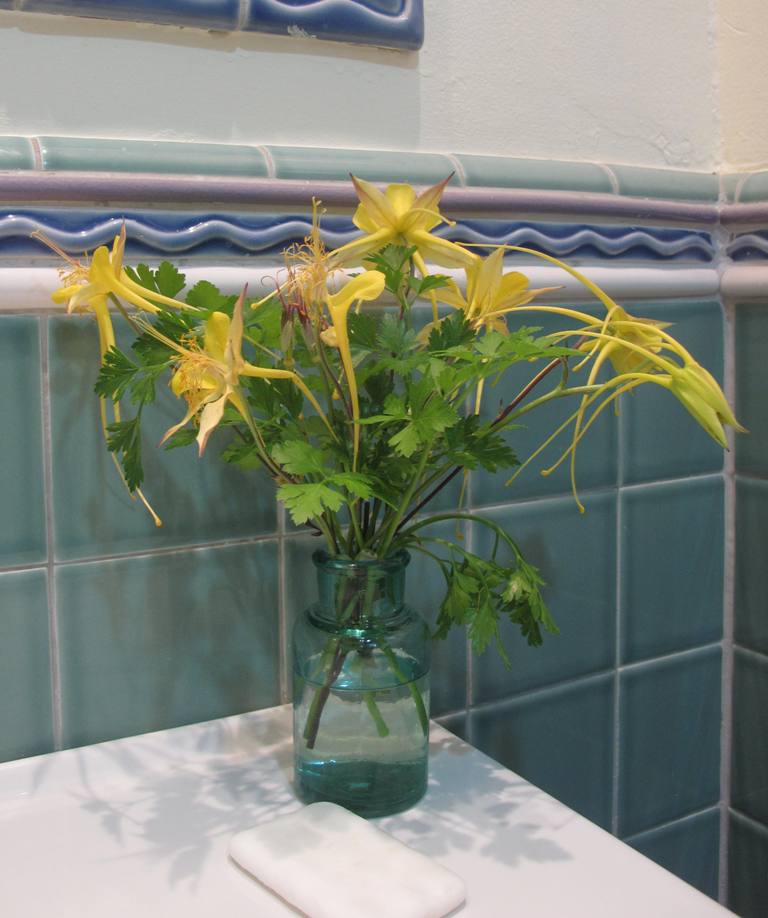
Cheery golden-yellow columbine in the bathroom.

Cheery golden-yellow columbine in the bathroom. Is that parsley as the greenery?


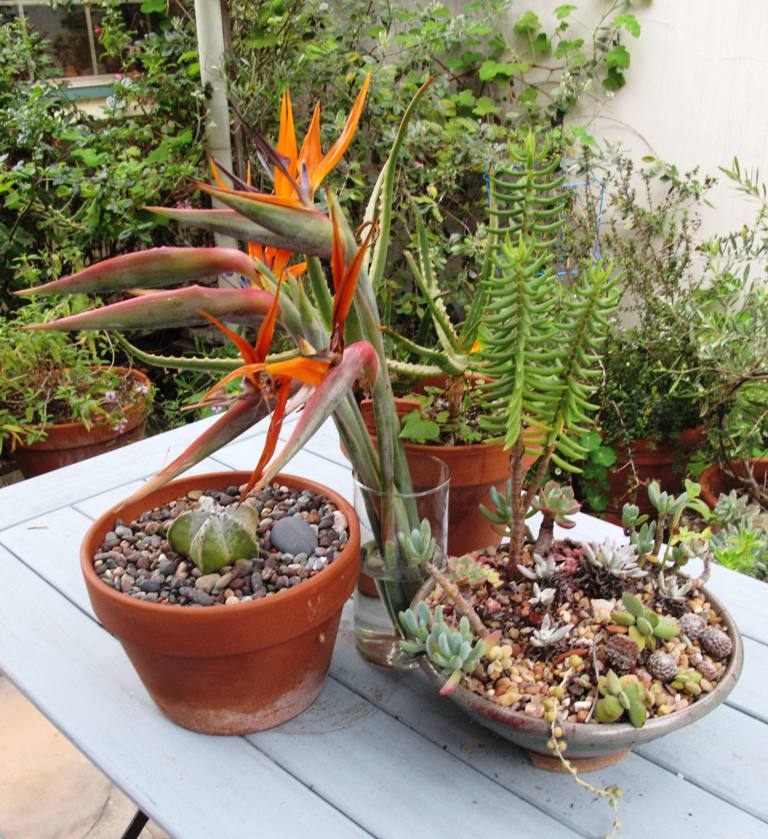
Vases of flowers even appear in the garden, like this display of bird-of-paradise, collected with the potted succulents.

Vases of flowers even appear in the garden, like this display of bird-of-paradise, collected with the potted succulents.


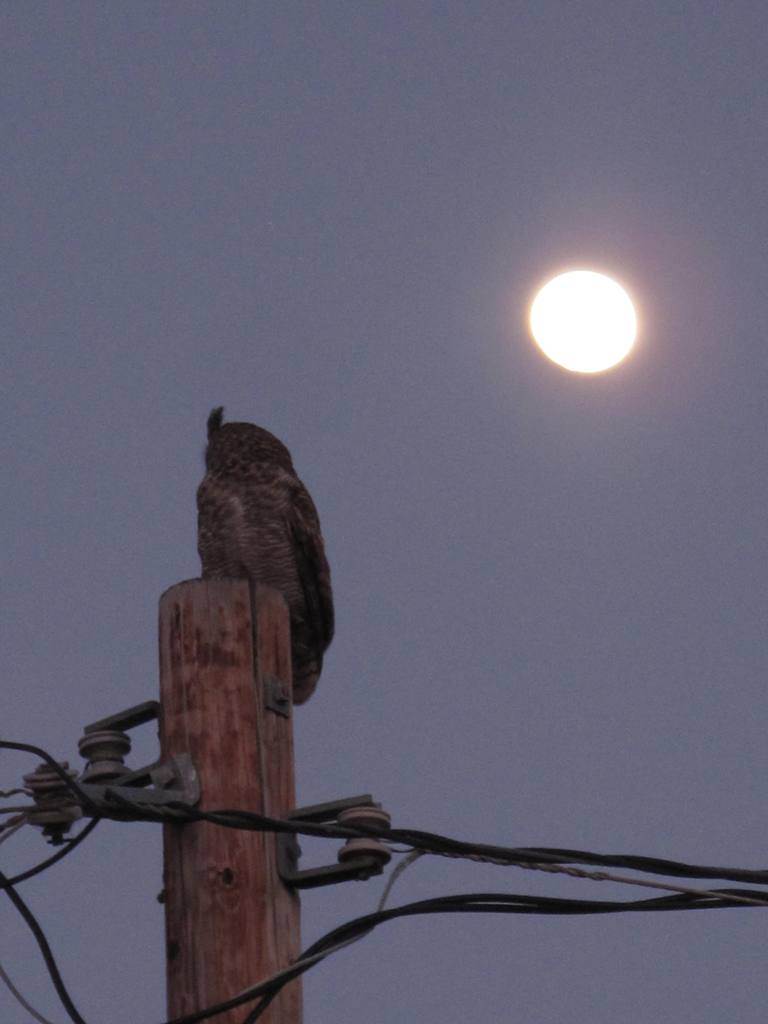
Mr. Owl, with the moon, spotted on that magical night at Old Edna.

Mr. Owl, with the moon, spotted on that magical night at Old Edna.

That evening, Sharon and Jeff brought me along as their guest to a party given by their friends Aline and Frank.

This lovely couple lives in New England but spends part of the winter months staying in the San Luis Obispo area to be closer to some of their grandchildren.

While they have rented many types of houses for their winter interludes, this year found them settled in at a place outside SLO called Old Edna

Sharon promised: “Oh, Deb, you’re going to love it!”

And she was right.

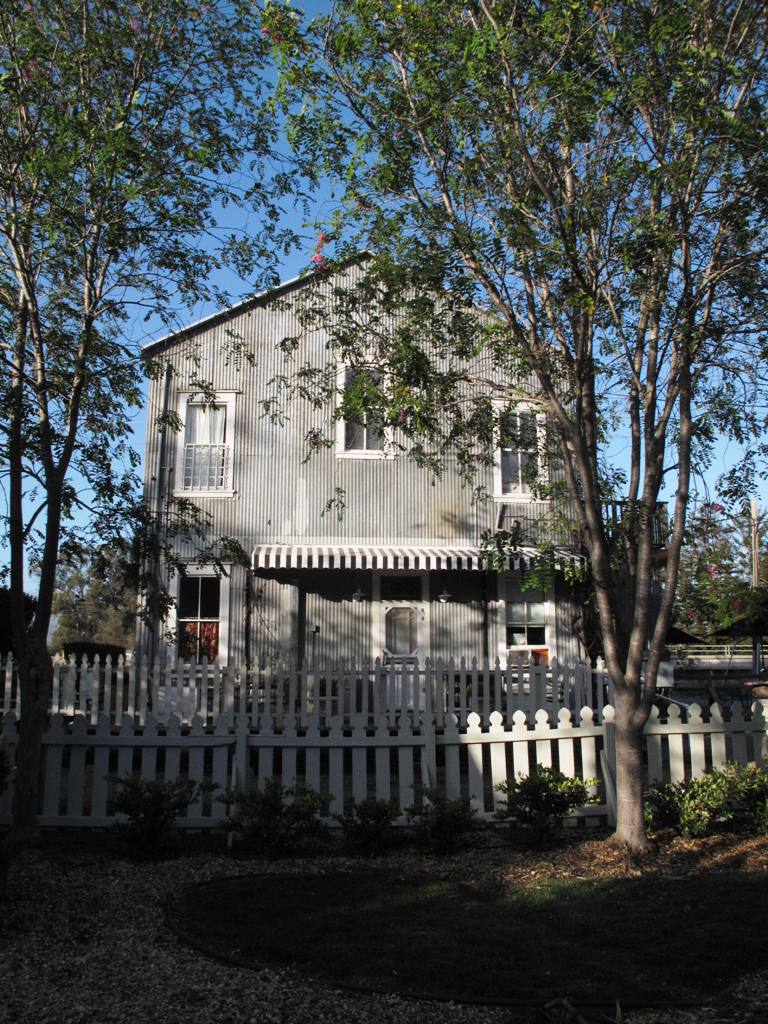
Seen from the back, through the trees, the two-story tin mercantile building, circa 1908.

Seen from the back, through the trees, the two-story tin mercantile building, circa 1908.

Old Edna has an amazing history, and I hope to do it justice with this brief summary (please follow all the links to read more). Today, Old Edna is the creation of a dreamy artist named Pattea Torrence.

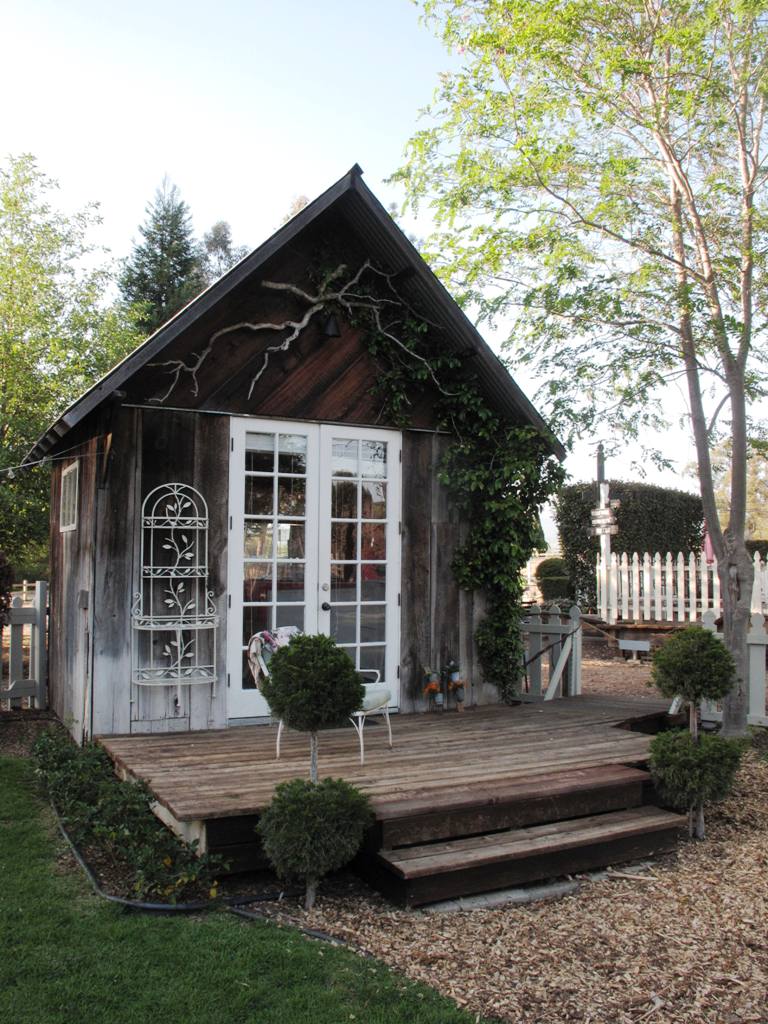
Pattea's office, in a charming garden shed on the Old Edna grounds.

Pattea’s office, in a charming garden shed on the Old Edna grounds.


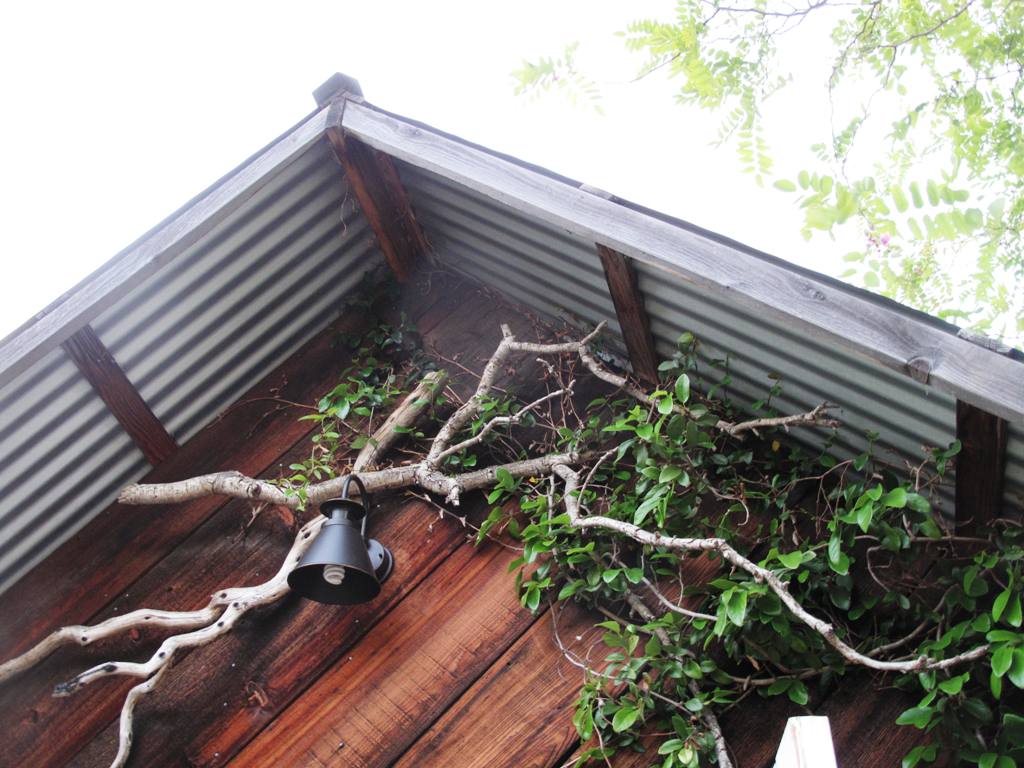
Love how an old branch becomes a "trellis" under the eaves.

Love how an old branch becomes a “trellis” under the eaves.


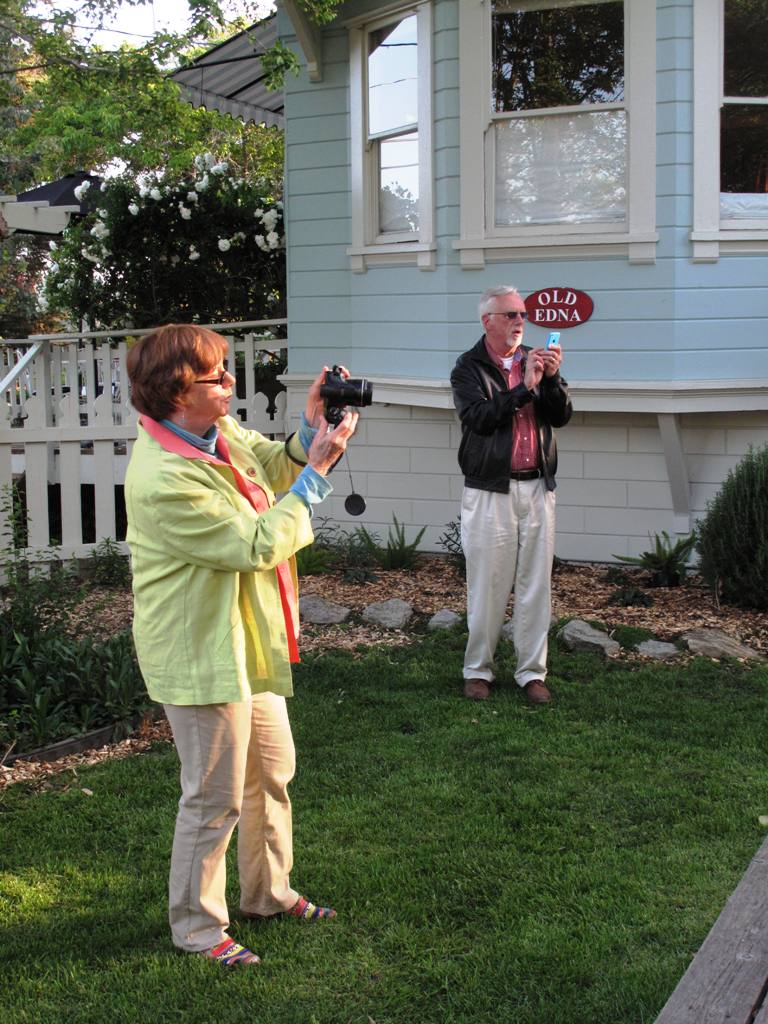
Sharon and Jeff, both taking photos, at Old Edna. They are standing in front of the original Old Edna cottage.

Sharon and Jeff, both taking photos, at Old Edna. They are standing in front of the original Old Edna cottage.

Pattea has saved this elderly hamlet that time almost forgot, turning it into a destination that includes guest cottage farm stays, wine tasting, special events and more.

In 2000, Pattea and her husband Jeff Kocan purchased the two-acre, 100-year-old townsite with its running creek in Edna Valley (a world-class, wine-producing region) and two-story tin building (once a general store, dance hall and post office, dating back to the turn of the century, 1900).

They have salvaged and restored many of the structures and created a magical place for guests who stay for short or extended periods. There are two guest cottage on site, a three-bedroom Suite Edna and a one-bedroom honeymoon cottage called DeSolina. 

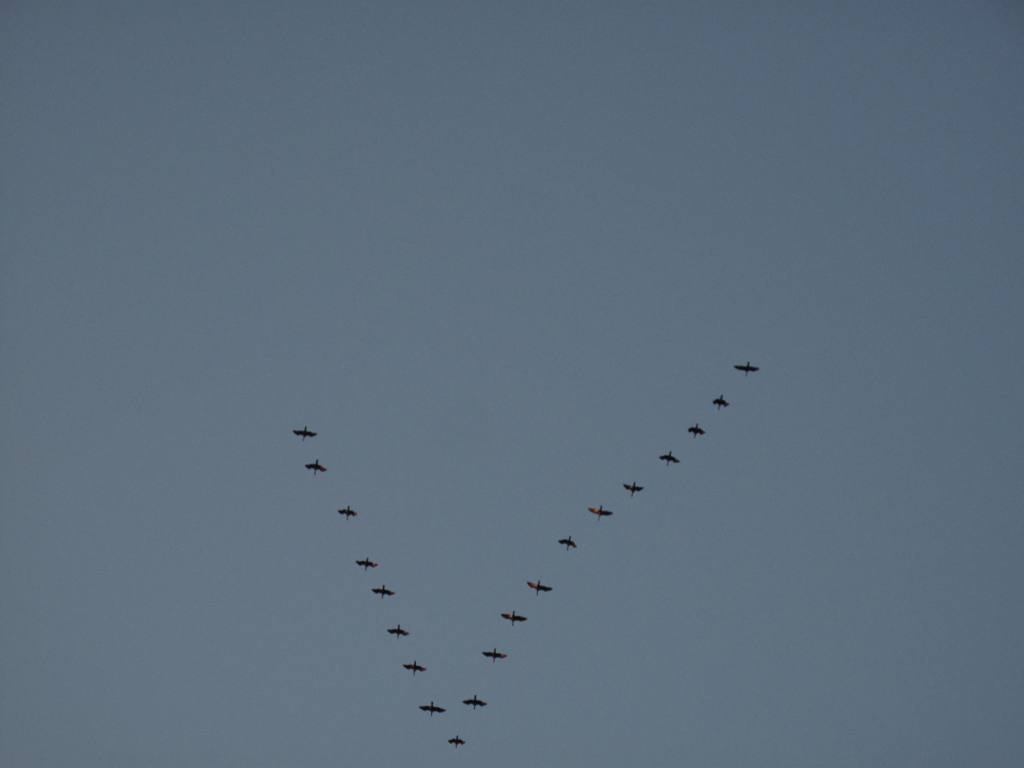
Another stunning sight: Birds in flight, in the sky overhead - a perfect V formation.

Another stunning sight: Birds in flight, in the sky overhead – a perfect V formation.

Pattea is affectionately known as “The Mayor” of Old Edna. She was a gracious host, although I have to also thank Aline and Frank for their amazing hospitality!

I hope to return and spend more time, but these photos will give you a glimpse of what I experienced. Up next: A visit to The Sun Valley Group, an unforgettable flower farm in Arcata, California.

SLOW FLOWERS Podcast: Hear from a Floral Wholesaler who Promotes American Grown (Episode 139)

Wednesday, April 30th, 2014
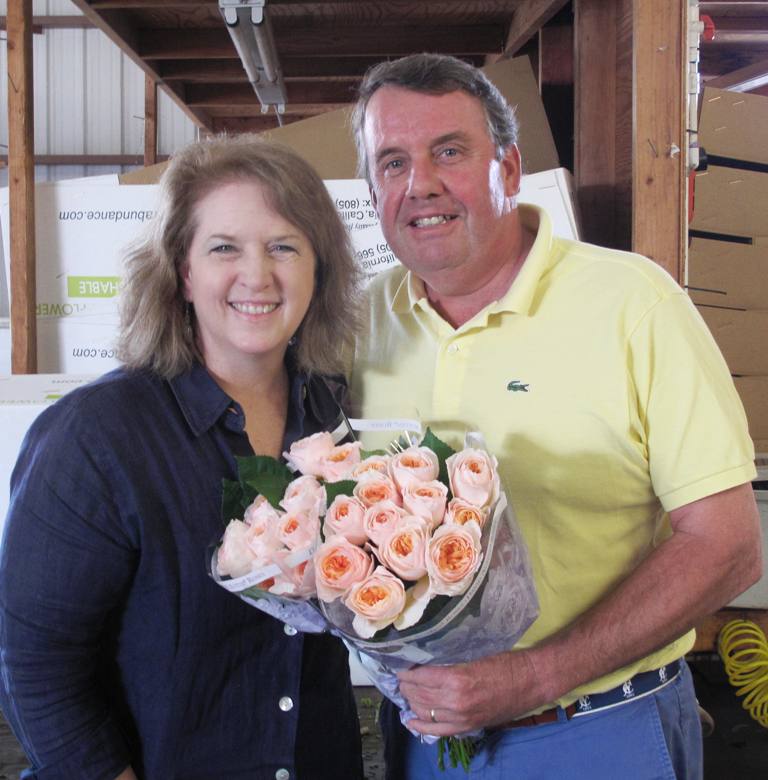
I recently visited Joost Bongaerts, floral wholesaler and owner of Florabundance.

I recently visited Joost Bongaerts, floral wholesaler and owner of Florabundance.

Over the past several weeks you’ve heard my conversations with floral designers who are leading the way when it comes to sourcing their flowers, leaves and branches from local farms. They place high value on seasonal blooms, because they know their bouquets and arrangements will be all the more beautiful and cherished by the customer – a customer who is also asking, Where do my flowers come from?


Yet many of these florists whose operations are not large enough to guarantee sizeable orders or meet minimum purchase requirements face a dead-end when they ask their local wholesaler to provide domestic or locally-grown product.

The wholesaler is basically a broker, an agent between the grower and the designer. The way the wholesale florist makes money is to buy low and sell high. I know this is an essential truth in any modern-day distribution system, but – to me – it can lead to a situation where the wholesaler holds all the power to set price, to determine what is brought to market, to manage the flow of goods from producer to end user. And in floral, over the years, that set up has led to a near-total obscurity of sourcing and certainly NOT truth in labeling.

It has been close to impossible for designers seeking flowers from the wholesaler in their town to ever know WHERE those flowers came from or WHO grew them, let alone what growing practices were used.

This model is only beginning to change. As we heard from Foxglove Brooklyn and The Local Bouquet, two studios featured in recent episodes, their big breakthroughs occurred when a light bulb went off in the mind of their wholesale florist. The energy and enthusiasm these designers express whenever they can source American grown flowers has stimulated a shift in thinking at the wholesaler. It might not even be the owner of that wholesale business who gets it, but perhaps an enterprising salesperson or account manager who says: “Ah ha! I get it – they want more local product and If I can source it – my sales will increase.”

So . . . in the coming months, in an effort to crack the code and inspire more wholesale florists to “see the way to the future,” I’ll be featuring conversations with the ones who are committed to transparency in their sourcing practices.

Florabundance

Today, we’re kicking it off with Joost Bongaerts, owner of Florabundance in Carpinteria, California.

Joost has been involved in the horticulture and floral industry his entire life – and through Florabundance he sells flowers to retail florists and designers all around the country.

Located as they are in the flower-basket of the U.S., Florabundance has the unique ability to source from small and large flower farms in California and in many other states on an almost a year-round basis.

I applaud Joost for labeling all of the CA-grown options on the Florabundance web site. In the future, we should see other wholesalers adopting this practice. And next, we’ll urge them all to identify other states, as well as use the soon-to-launch American Grown Flowers logo.

Here’s a little more about Joost and his background:

Born in 1959 in Den Hague, The Netherlands, Joost grew up in Holland. His father managed agricultural land holdings all over the country. Joost spent summers working on his family’s farm in northern Holland and became interested in agriculture and horticulture as a result. He attended The Land en Tuinbouw School in Dordrecht and continued his education in Gouda, graduating with a degree in plant science.

Joost also spent a semester at Michigan State University as part of an exchange program, which led to his desire to work and live in the United States. Joost began his professional career in 1981, marketing fresh cut flowers from Holland for The Dutch Flower Auctions & Exporters Organizations which was located in Livonia, MI.

From 1983 to 1991 Joost worked for several Dutch companies selling flower bulbs and perennial plants to specialty cut flower growers in the United States and Canada.

In 1991 Joost and his wife Alexandra opened BonFleur, a European-style retail flower shop in New Canaan, CT, which they sold to their manager in 2002. During this time Joost also imported flowers from Holland and started to do business with Florabundance, becoming a partner in 2002 and eventually full owner in 2008.

Joost’s background and experience in selling flower bulbs to growers, importing cut flowers and running a successful retail flower shop provides a unique perspective from which he has developed the Florabundance brand into one of the premier wholesalers in the United States.

Here’s a bonus feature: a UBloom episode about Florabundance, produced by J Schwanke for his California Grown Experience video series.

httpv://vimeo.com/15039946 

I predict that by sharing my conversations with “floral middlemen,” three things will happen in the coming months and year:

1. Other wholesalers will begin to hear the buzz – and they’ll be curious about the successes of their peers like Florabundance’s Joost Bongaerts.

2. More florists will point to these examples and nudge along their own wholesaler, asking them to source domestically, seasonally and locally – for good reason.

and . . .

3. The consumer will benefit – and have more confidence in the purchases he or she makes.

Please send me your suggestions for who you’d like to hear from on future episodes of the Slow Flowers Podcast.

And tune in next week to hear from a special guest. Author Amy Stewart, who wrote Flower Confidential in 2007, will join me for a conversation about that groundbreaking book. Don’t miss it!

Because of the support from you and others, listeners have downloaded episodes of the Slow Flowers Podcast nearly 11,000  times! I thank you for taking the time to join to my conversations with flower farmers, florists and other notable floral experts.

If you like what you hear, please consider logging onto Itunes and posting a listener review.

Until next week please join me in putting more American grown flowers on the table, one vase at a time. 

 The Slow Flowers Podcast is engineered and edited by Andrew Wheatley.