The Slow Flowers Podcast is the award-winning show known as the “Voice of the Slow Flowers Movement.” Launched in 2013 as the original flower podcast, we’ve devoted more than 10 years to covering the business of flower farming, floral design, and the Slow Flowers sustainability ethos. Listen to a new episode each Wednesday, available for free download here at slowflowerspodcast.com or on iTunes, Spotify, and other podcast platforms.
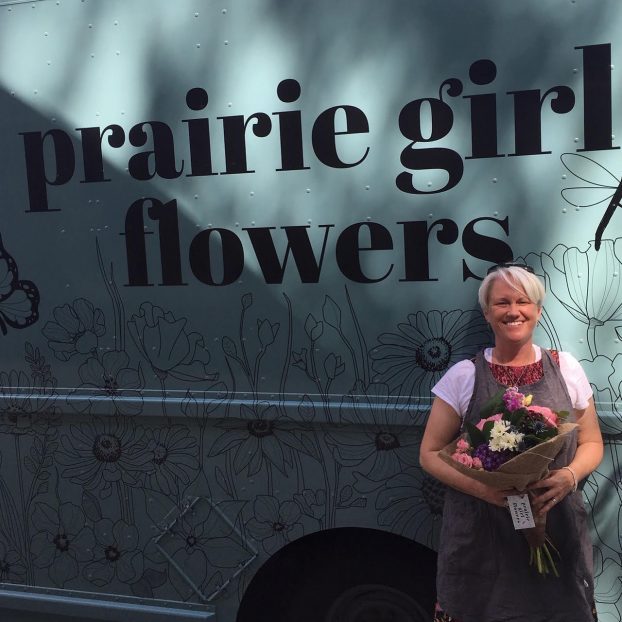
Thanks to a small but fabulous network of Slow Flowers members in Canada, I’m so happy to say that the Slow Flowers Community is taking hold across the country in numerous provinces. I’m very jazzed to welcome today’s guest, Becky Feasby of Prairie Girl Flowers, based in Calgary, Alberta. She’s helping me kick off the 10 Provinces of Slow Flowers, a sister series to 50 States of Slow Flowers in the U.S. Over this coming year, I will bring you voices from members in as many provinces as we have in the community.
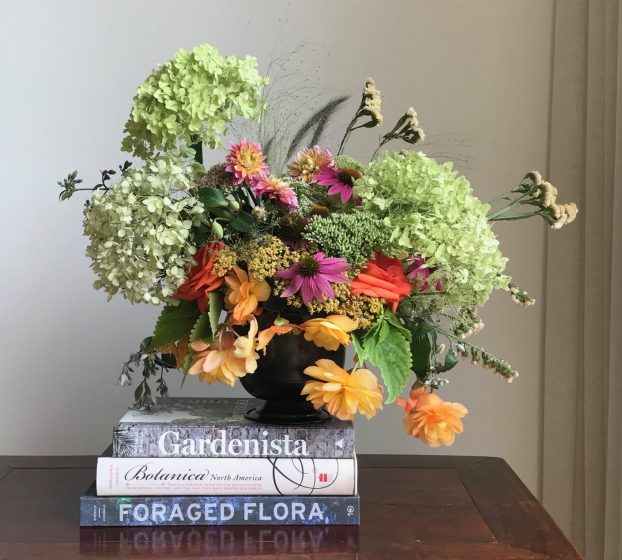
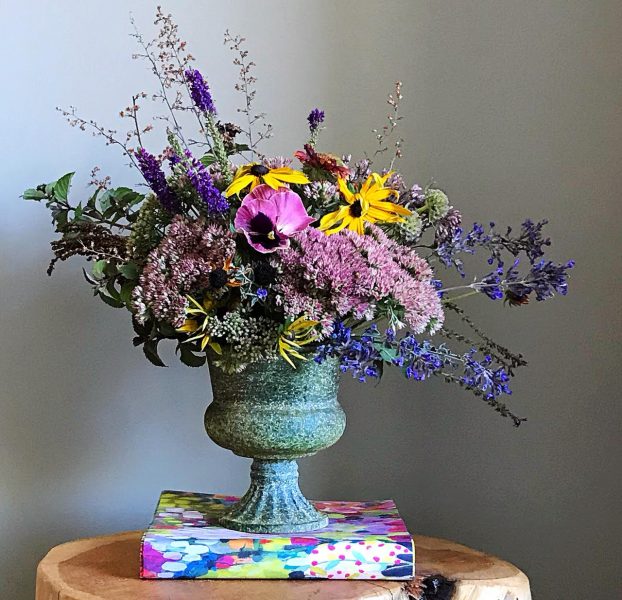
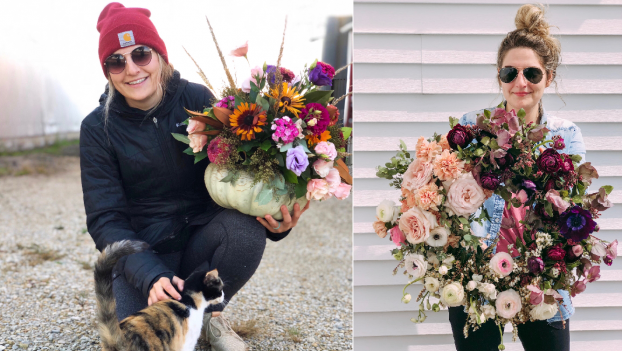
Canadian-grown flowers by Becky Feasby
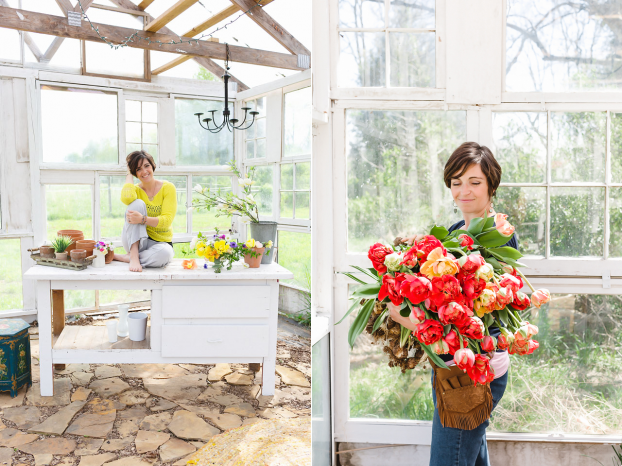
As we discuss in this episode, Becky and originally I met at the Whidbey Flower Workshop in 2018, where organizer Tobey Nelson invited me to return and teach a creative writing module. Over the three days together, I enjoyed getting to know Becky and was swept up by her infectious personality and her embrace of Slow Flowers Values. Since she has joined Slow Flowers, it has been rewarding and fascinating to watch her develop her platform as an activist for sustainable design practices and local flower sourcing in Calgary and beyond.
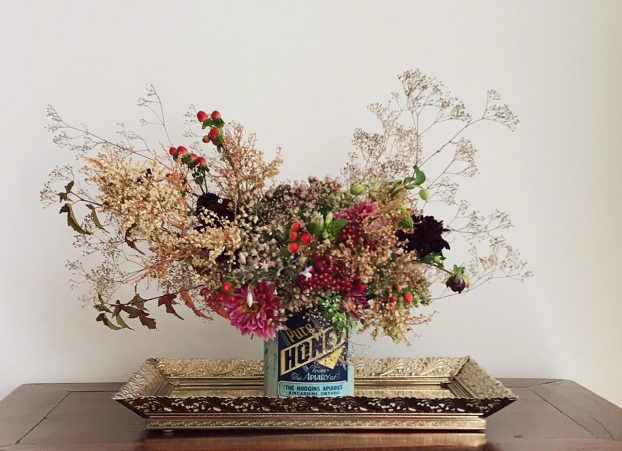
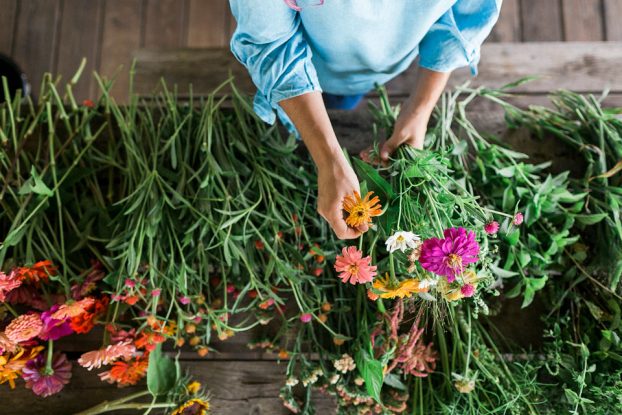
Fresh and dried flowers designed by Becky Feasby
When Florists’ Review acquired Canadian Florist magazine at the end of last year, I was eager to connect Becky with the editors. As a result, Becky has begun to contribute stories to that publication.
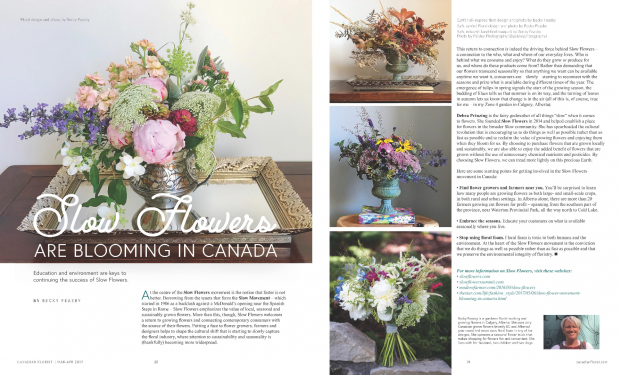
Her first piece appeared in the March-April issue entitled “Slow Flowers Are Blooming In Canada.”
Here’s more about
Becky, excerpted from Prairie Girl Flowers’ web site:
Becky is a passionate gardener-florist who creates natural arrangements centred on the vibrant colours and textures that make up life on the Canadian Prairies.
She takes great care in selecting materials for floral commissions and designs and uses as many locally sourced products as possible, in an effort to reduce waste and cut back on the use of plants and flowers that need to travel long distances to reach Calgary. Dedicated to seasonal flowers, Becky loves collaborating with farmers, growers and creatives in her community.
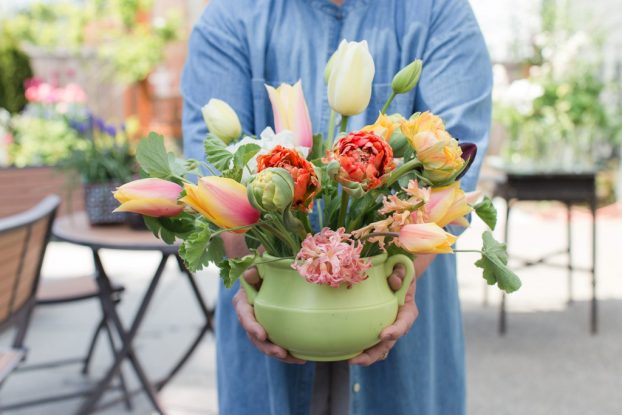
Seasonal flowers designed by Becky Feasby of Prarie Girl Flowers
Becky believes that ethical and sustainable floristry involves looking at not only how and where flowers are sourced, but also considering the waste generated by designs and packaging. Like other agricultural crops, she wants the floral industry to examine not only the carbon footprint of flowers, but also the use of pesticides, water pollution, exploitation in the supply chain, and waste.
Becky completed her gardening and landscape design training in New York, Calgary and Chicago and completed the Floral Design program at Mount Royal University. She has also completed workshop training with many incredible, innovative florists and growers who support the foam free and Slow Flowers movements.
Becky previously worked as the Horticultural Therapist at the Alberta Children’s Hospital, where she oversaw the design and management of five acres of gardens. In creating prairie girl flowers, she wanted to utilize all of her training to bring sustainable beauty to Calgarians – and to cultivate a change in the floral industry. A change that makes florals better for the planet and create opportunities for clients to make a conscious choice that supports local growers and our environment.
Jessica Broyles of Starry Fields Farm in Bowling Green, Kentucky (c) Emily Rose Photography
Our theme for 2019 – Fifty States of Slow Flowers – continues today, with farmer-florist Jessica Broyles of Starry Fields Farm based in Bowling Green.
Kentucky-grown blooms at Starry Fields Farm
Jessica and her husband Ryan share this on their web site:
Here at Starry Fields Farm we are captivated by the beauty of flowers. We believe that flowers have a transforming power that changes and connects people in a way that nothing else can. Flowers often communicate what words cannot – feelings of comfort, love, and appreciation.
When flowers are grown locally and in harmony with the seasons, they carry a certain vibrancy and energy that is absent from imported flowers. You will immediately notice that our flowers are healthy and long-lasting, and our wide variety of blooms will delight your senses. We invite you to join us in experiencing the magic of fresh cut flowers.
Spring in bloom at the Slow Flowers Cutting Garden (c) Missy Palacol Photography
Thank you so much for joining me today, and I’m so pleased to
share the stories and voices of Becky and Jessica — I am continually inspired
by the incredible people who are making our world a better place through
flowers and farming. As I seek new and inspiring voices, people with passion,
heart, commitment and expertise to share with you, it’s my wish that today’s
episode gave you at least one inspiring insight or tip to apply to your floral
enterprise. What you gain will be multiplied as you pay it forward and help someone else.
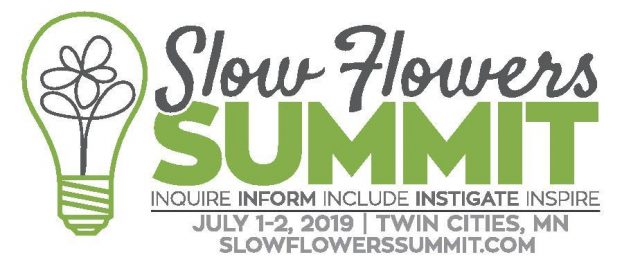
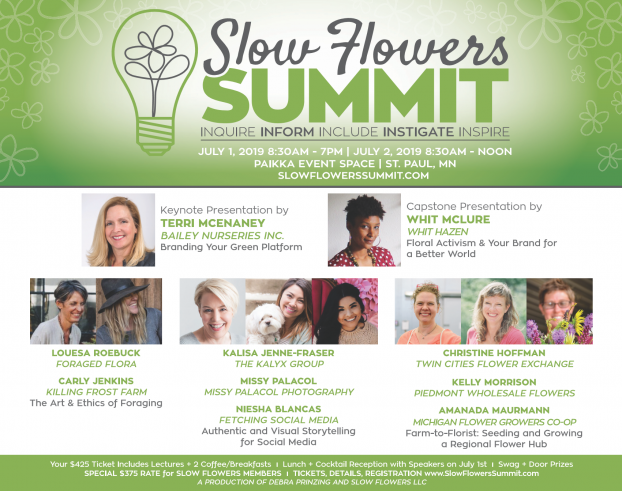
Hey, the clock is ticking and I’m eager for you to take advantage of the special ticket-promotion for attendees of the upcoming Slow Flowers Summit — which takes place in less than two months, on July 1st and 2nd in St. Paul, Minnesota.
Take advantage of our Plus-One Ticket Promotion for the Slow Flowers Summit!
One of the top reasons our attendees love the Slow Flowers Summit is the opportunity to mix-and-mingle with other kindred spirits. So we want to make it easy for you to experience the Summit and bring along your BFF, partner, colleague or team member with our Plus-One Ticket Promotion!
For a limited time — through May 15th only — when you register for the Slow Flowers Summit, you can add a guest for $275! This applies to anyone who has already registered, as well as new ticket-buyers.
You can find the Plus One promo option by following the Register link at slowflowerssummit.com.
Spring in bloom at the Slow Flowers Cutting Garden (c) Missy Palacol Photography
Truly, we have a vital
and vibrant community of flower farmers and floral designers who together
define the Slow
Flowers Movement. As our cause gains more supporters and more passionate
participants who believe in the importance of the American cut flower industry,
the momentum is contagious.
I know you feel it, too. I value your support and invite you to show your thanks and with a donation to support my ongoing advocacy, education and outreach activities. You can find the donate button in the column to the right.
THANK YOU TO OUR SPONSORS
Florists’ Review magazine. I’m delighted to serve as Contributing Editor for Slow Flowers Journal, found in the pages of Florists’ Review. It’s the leading trade magazine in the floral industry and the only independent periodical for the retail, wholesale and supplier market. Take advantage of the special subscription offer for members of the Slow Flowers Community.
NW Green Panels. Based in Madras, Oregon, NW Green Panels designs and constructs a wide array of wood-framed greenhouses offering versatility, style and durability. Their greenhouses are 100% Oregon-made using twin-wall polycarbonate manufactured in Wisconsin, making NW Green Panel structures a great value for your backyard. The 8×8 foot Modern Slant greenhouse has become the essential hub of my cutting garden — check out photos of my greenhouse or visit nwgreenpanels.com to see more.
Seattle Wholesale Growers Market, a farmer-owned cooperative committed to providing the very best the Pacific Northwest has to offer in cut flowers, foliage and plants. The Growers Market’s mission is to foster a vibrant marketplace that sustains local flower farms and provides top-quality products and service to the local floral industry. Visit them at seattlewholesalegrowersmarket.com
Syndicate Sales, an American manufacturer of vases and accessories for the professional florist. Look for the American Flag Icon to find Syndicate’s USA-made products and join the Syndicate Stars loyalty program at syndicatesales.com.
The Slow Flowers Podcast
has been downloaded more than 458,000 times by listeners like you. Thank you
for listening, commenting and sharing – it means so much. Thank you all!
The content and
opinions expressed here are either mine alone or those of my guests alone,
independent of any podcast sponsor or other person, company or organization.
The Slow Flowers Podcast is engineered and edited by Andrew Brenlan. Learn more about his work at soundbodymovement.com.
This is the 300th consecutive episode of your weekly podcast about American flowers and the people who grow and design with them. It’s all about making a conscious choice and I invite you to join the conversation and the creative community as we discuss the vital topics of saving our domestic flower farms and supporting a floral industry that relies on a safe, seasonal and local supply of flowers and foliage.
I have a very special guest to help me celebrate our 300th episode of the Slow Flowers Podcast. Yes, for 300 consecutive weeks, ever since the first episode aired on July 23, 2013, I’ve brought you original programming about local, seasonal and sustainable flowers and the people who grow and design with them.
The Slow Flowers
Podcast is different. My audio storytelling is inclusive and welcoming to you,
and I hope you picture it the way I do: we’re all sitting together in a
beautiful field of flowers or curled up around the fireplace sipping mugs of
tea. It is a community gathering place for voices, insights, ideas and
encouragement, bringing you nearly six years of meaningful and informative
content — delivered through your ear-buds. The Seattle Times just called this
podcast “a lively platform for voices in the local-flowers movement
throughout the country, which will have you craving blossoms and blooms.”
Each week, you join my engaging conversations with flower farmers, floral
designers, cut floral and plant experts, authors, entrepreneurs and innovators
in the Slow
Flowers Community.
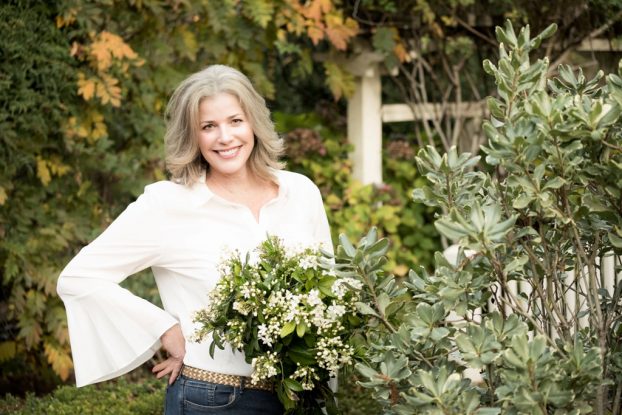
Teresa Sabankaya in her garden in Bonny Doon, California
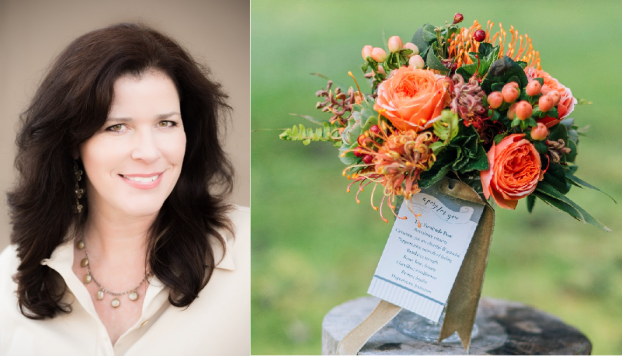
And I thank YOU for joining me! For our 300th episode, I’m so pleased to welcome Teresa Sabankaya of the Bonny Doon Garden Co., based in Santa Cruz, CA. Teresa is a past guest of this podcast, but it has been quite a while since you’ve heard from her here — more than four years, actually, since we recorded our conversation back in April 2015 when I visited her shop, studio and garden.
A lot has happened with Teresa who I call a Slow Flowers Pioneer! Like me, you may have first met this passionate artist in the pages of Flower Confidential, Amy Stewart’s2007 book about the Good, the Bad, and the Beautiful in the Business of Flowers.
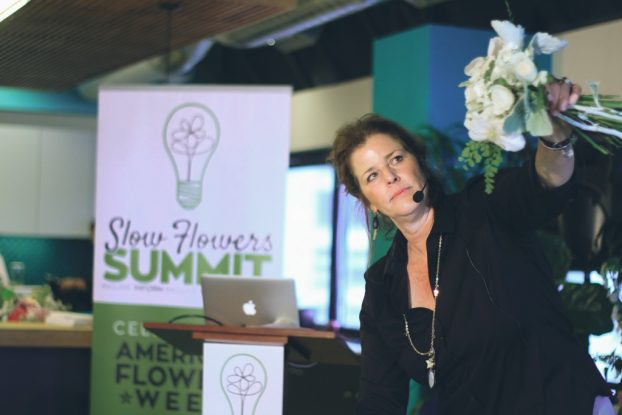
Teresa Sabankaya at the 2017 Slow Flowers Summit
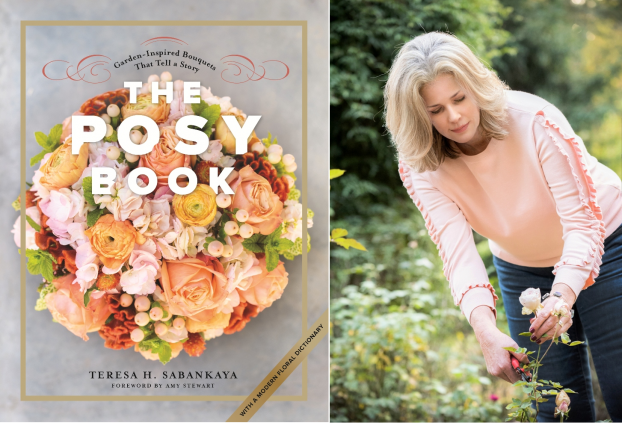
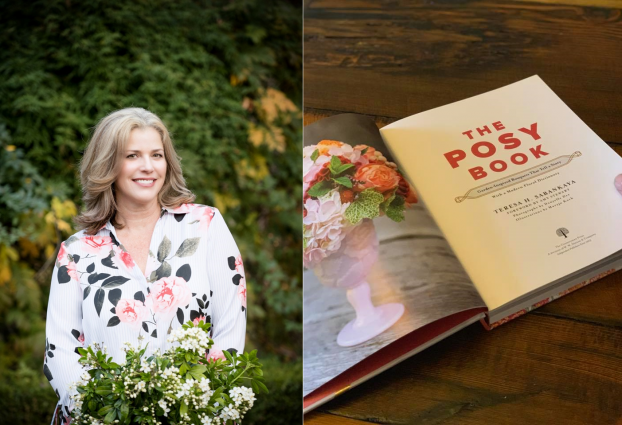
And while so many people say they want to write a book, Teresa’s book idea has actually become a beautiful reality. Her new endeavor, The Posy Book, will be published in one week by The Countryman Press, a division of W.W. Norton & Co., and we have the exclusive first peek inside its pages with today’s conversation with Teresa. I’m so excited to welcome her here — and be sure to listen scroll to the bottom of this post — where you’ll find the details on how you can enter a random drawing to win a copy of this special book.
The Posy Book’s tagline is “Garden-Inspired Bouquets that Tell a Story,” and in its 255 pages, you will find Teresa’s floral recipes for more than 20 flower arrangements, along with the message each flower communicates — yellow roses convey friendship; silver-leaf geranium articulates admiration, for example. There are step-by-step instructions, ideas for seasonal variations and a modern floral dictionary with hundreds of entries.
After hearing from Teresa Sabankaya, you’ll also believe that whatever the sentiment, say it with a posy. Check out Teresa’s New Language of Flowers Dictionary, online.
Thank you so much for joining me today! To enter your name in our drawing for a free copy of The Posy Book, you’ll need to do two things. First, visit Teresasabankaya.com, where you will find Teresa’s New Language of Flowers Dictionary — and look up the meaning of your favorite botanical element — flower, herb, tree or shrub. Then, post your thoughts about that flower and its meaning in the comment section below.
We will draw a name from the comments that appear by midnight Pacific time on Saturday, May 4th and announce the winner in next week’s show. Thank you to Teresa’s publisher The Countryman Press. This giveaway is limited to US and Canadian entrants.
Our theme for 2019 – Fifty States of Slow Flowers – continues today, with Stacy Schmidt of Narrow Trail Farm in Baldwin City, Kansas. Stacy writes this on Narrow Trail’s web site:
Narrow Trail Farm CSA bouquets
Narrow Trail Farm is a small family farm committed to bringing you the best sustainably grown, specialty cut flowers, vegetables, fruit, honey, and small batch handcrafted goods. Our farm is located between Baldwin City and the historic Vinland Valley on the original Santa Fe trail. We are committed to using only organic and sustainable growing practices and clean solar energy to offer you the healthiest products while protecting the environment. As we discuss, you can find Narrow Trail Farm at the Baldwin City farmers’ market and the Lawrence, Kansas farmers’ market, or at their own farm store Monday and Wednesday 4-8pm May through October or by appointment.
Thank you so much for joining me
today, and I’m so pleased to share the stories and voices of Teresa and Stacy
— and I am continually inspired be the incredible people who are making our
world a better place through flowers and farming. As I seek new and inspiring
voices, people with passion, heart, commitment and expertise to share with you,
it’s my wish that today’s episode gave you at least one inspiring insight or
tip to apply to your floral enterprise. What you gain will be multiplied as you
pay it forward and help someone else.
I thought of the Slow Flowers Movement while reading an article last weekend written by New York Times food editor Sam Sifton, acknowledging the James Beard Foundation’s media awards for 2019 that named the NYT publication of the year. Sam wrote this: “Our goal is simple: We seek to help people understand the world through food.” That sentence gave me chills, because it is exactly what I want to convey about our work — helping people understand the world through flowers. Pretty inspiring!
As I teased at the top of the episode, today we’re launching a special ticket-promotion for attendees of the upcoming Slow Flowers Summit — which takes place two months from today, actually, on July 1st and 2nd in St. Paul, Minnesota.
One of the top reasons our attendees love the Slow Flowers Summit is the opportunity to mix-and-mingle with other kindred spirits. So we want to make it easy for you to experience the Summit and bring along your BFF, partner, colleague or team member with our Plus-One Ticket Promotion!
For a limited time — today through May 15th only — when you register for the Slow Flowers Summit, you can add a guest for $275! This applies to anyone who has already registered, as well as new ticket-buyers.
We’ll meet you in St. Paul-Minnesota, aka the Twin Cities, on July 1-2, 2019 for the best and most inspiring floral mind-meld around! Join an amazing community of progressive designers, farmer-florists, flower farmers and leaders in the sustainable floral marketplace.
You can find the Plus One promo option by following the Register link at slowflowerssummit.com.
I look forward to connecting with
you at the Slow Flowers Summit July 1st and 2nd in St. Paul, Minnesota, as well
as at the bonus pre-summit event — Dinner on the Farm taking place Sunday,
June 30th.
Truly, we have a vital
and vibrant community of flower farmers and floral designers who together
define the Slow Flowers Movement. As our cause gains more supporters and more
passionate participants who believe in the importance of the American cut
flower industry, the momentum is contagious.
I know you feel it, too. I value your support
and invite you to show your thanks and with a donation to support my ongoing
advocacy, education and outreach activities. You can find the donate button in the column to the right.
I want to send a special shout-out this week to Aaron Stierle of Solitude Springs Farm & Vineyard in Fairbanks, Alaska — he contributed to the Podcast as well as joined Slow Flowers — all in one week. Aaron wrote: “Hi Debra, Love your podcasts! They’ve inspired me to take my farm to a new level by adding specialty cut flowers in addition to the peonies I grow for the Arctic Alaska Peonies cooperative.”
Well, that’s pretty cool! THANK YOU, Aaron, and welcome to the community!
THANK YOU TO OUR SPONSORS
Florists’ Review magazine. I’m delighted to serve as Contributing Editor for Slow Flowers Journal, found in the pages of Florists’ Review. It’s the leading trade magazine in the floral industry and the only independent periodical for the retail, wholesale and supplier market. Take advantage of the special subscription offer for members of the Slow Flowers Community
Welcome back to returning sponsor Arctic Alaska Peonies for 2019 and the timing couldn’t be better. Arctic Alaska Peonies is a cooperative of family farms in the heart of Alaska working together to grow and distribute fresh, stunning, high-quality peony varieties during the months of July and August when the normal growing season is complete. Arctic Alaska Peonies operates three pack houses supplying peonies throughout the United States and Canada. Visit them today at arcticalaskapeonies.com
Association of Specialty Cut Flower Growers. Formed in 1988, ASCFG was created to educate, unite, and support commercial cut flower growers. It mission is to help growers produce high-quality floral material, and to foster and promote the local availability of that product. Learn more at ascfg.org.
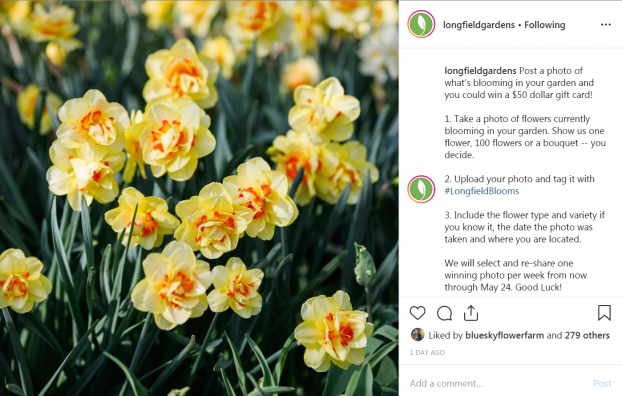
Our final Sponsor thanks today goes to Longfield Gardens. Longfield Gardens provides home gardeners with high quality flower bulbs and perennials. Their online store offers plants for every region and every season, from tulips and daffodils to dahlias, caladiums and amaryllis. Visit them at longfield-gardens.com and join the spring flower photo contest going on now through May 24th. Share a photo of what’s blooming in your garden, post to Facebook or Instagram, and you might win a $50 dollar gift card from Longfield Gardens!
1. Take a photo of
something that’s currently blooming in your garden. Show us one flower, 100
flowers or a bouquet — you decide.
2. Post your photo on
Instagram and tag it with #LongfieldBlooms. On Facebook, leave it as a comment
under our weekly post.
3. Include the flower
type (and variety if you know it), the date the photo was taken and where you
are located.
We will select and re-share one winning photo each week from now through May 24. Good Luck!
I am in love with my greenhouse, designed and built sustainably by Oregon-based NW Green Panels (c) Missy Palacol Photography
The content and
opinions expressed here are either mine alone or those of my guests alone,
independent of any podcast sponsor or other person, company or organization.
The Slow Flowers Podcast is engineered and edited by Andrew Brenlan. Learn more about his work at soundbodymovement.com.
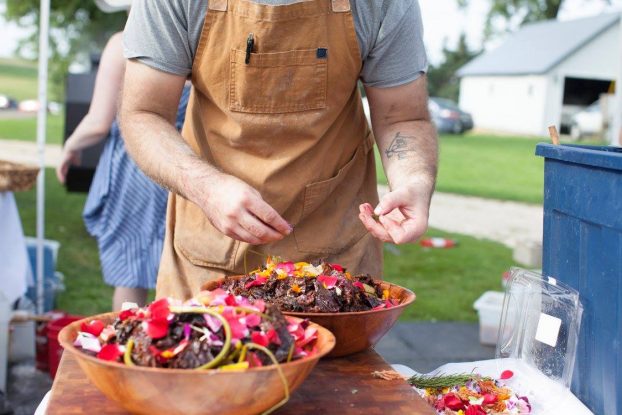
Flavorful and local food, community, agritourism and FLOWERS create a wonderful Dinner on the Farm experience
I have a delicious treat for you! The Slow Flowers Summit is just 10 weeks away, on July 1st and 2nd in St. Paul, Minnesota — so I’ll be featuring all the Summit details, people, places and flowers in the coming weeks. There’s lots in store for you at our 3rd annual Summit, dubbed a Ted Talk for Flower Lovers, and I’m so eager to share our incredible program and special events with you.
A roaming culinary event! Attendees of the Slow Flowers Summit are invited to the first Slow Flowers Dinner on the Farm.
Christine Hoffman of Twin Cities Flower Exchange (left) and Monica Walch of Dinner on the Farm (right)
Our guests today are Monica Walch, founder and director of Dinner on the Farm, a Minnesota-based organization known for its roaming culinary events. Monica is joined by Christine Hoffman of Twin Cities Flower Exchange and Foxglove Market, co-host of the Slow Flowers Summit.
I’m so grateful that Christine introduced me to Monica in the early stages of Summit planning. Her suggestion that we include a flower farm dinner option for Summit attendees exceeded all my dreams and expectations for building community and showcasing regional agriculture.
I simply could not envision how to pull off a dinner not knowing the local foodie scene, but fortunately for me Christine and her husband Steve Sollien are a big part of Dinner on the Farm’s event production team and their relationship with Monica opened the right doors. You’ll hear more about that collaboration in our conversation today.
Hear how Monica Walch of Dinner on the Farm feeds all the senses at her culinary events.
Here’s a bit more about Monica Walch, founder of Dinner on the Farm:
It all began on an organic dairy farm in Southeastern Minnesota, where Monica Walch grew up as one of four sisters. Spring and summer were spent picking berries, wildflowers, and names for the new kittens. Fall and winter found the girls bottle-feeding calves and building snow forts with purple-stained fingers from plucking pickled beets straight from the jar. Every evening ended with a home-cooked supper together, as a family…a celebration of the love and hard work that went into growing the ingredients for the meal.
When Monica moved away from the farm as a young adult, she chose to hold fast to her roots in the midst of the city. She spent time at markets and restaurants, helping the chefs and buyers connect to farmers in the area. At the same time, Monica was coordinating a nationwide marketing campaign to bring awareness to organic foods. It was then that she realized that connecting these two worlds could produce a whole lot of positive change in the way people think about food.
Monica believes that eating sustainably-grown, fresh food is a pleasure that deserves to be celebrated. And creating unique events designed to celebrate local food and farms has always been her work.
Dinner on the Farm produces unique events designed to celebrate local farms, with al fresco dining, farm tours, locally-brewed beverages and live music.
Flowers are on the menu, too!
Oh,
and with Christine Hoffman involved, you can be sure that local and seasonal
flowers are part of the mix. As the Twin Cities first exclusively local
and chemical-free florist, Christine is a slow flowers advocate striving
to form a strong community of sustainable flower farmers, small business
owners, and folks who care about supporting these mindful endeavors. By
providing a local, sustainable option to traditional flowers, putting a premium
on collaboration, and reaching out to the community, she has fostered
significant change in the local floral marketplace.
Christine Hoffman (left) with Debra Prinzing (right), in 2015.
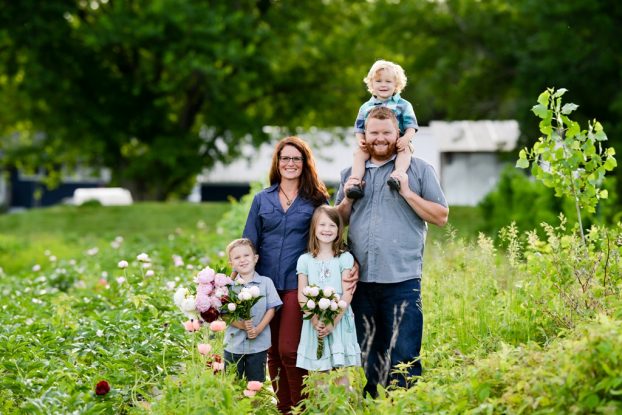
Rachael and Jon Ackerman with their three children at Blue Sky Flower Farm (c) Photography by Red Bird Hills
There’s more to your experience: on Sunday, June 30th, the afternoon begins with two flower farm visits for attendees as a free, self-guided visits. The first stop is at Rachael and Jon Ackerman’s Blue Sky Flower Farm. You can hear Rachael’s story on Slow Flowers Podcast Episode 378 here.
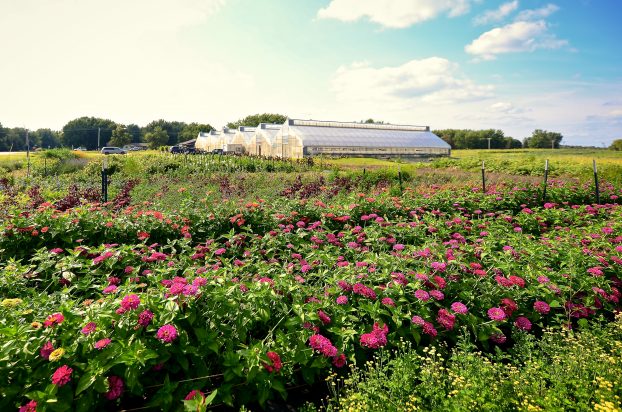
The beautiful farm that is home to Green Earth Growers in Prior Lake, Minnesota
The farm tour moves next to Green Earth Growers, owned by Jenny Hotz and Jolea Gress. After the tours wind-down, dinner festivities begin, so you’ll want to grab your ticket to stay for an incredible Dinner on the Farm experience featuring flowers and produce grown on-site. All the details are available here.
(c) Niesha Blancas
Now is the time for you to commit to joining me and the Slow Flowers Community, people who are part of the progressive floral marketplace, to connect at the Slow Flowers Summit July 1st and 2nd in St. Paul, Minnesota, as well as at the bonus Dinner on the Farm taking place Sunday, June 30th.
I also wanted to note a reminder that we forgot to mention during the interview with Monica. The Slow Flowers Dinner on the Farm is an adult-only event.
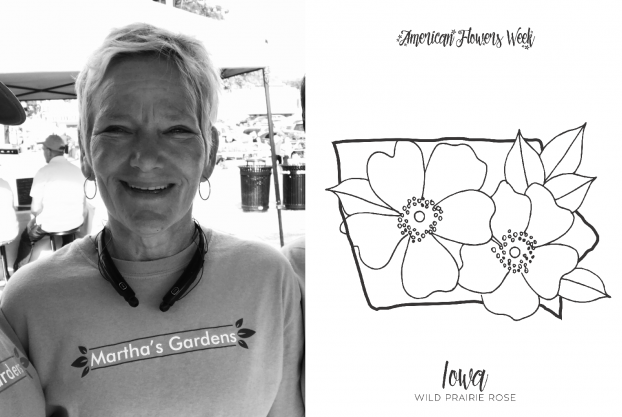
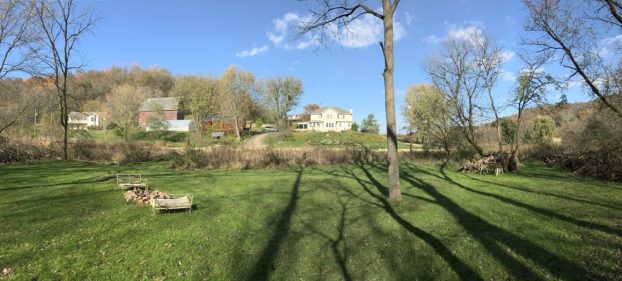
Martha Pineda of Martha’s Gardens — based in Dubuque, Iowa
At Martha’s Gardens, we are committed to growing sustainable flowers, free of pesticides and chemicals. Within the flower community, you’ll often hear this referred to as the “slow flowers” or the “grown not flown” movement. As a small business committed to using the resources available, we subscribe to this mindset. In keeping with this, when it’s necessary to supplement our flower stock with other partner growers, we are mindful to use American growers only. We believe that reduction of the carbon footprint is the responsible choice.
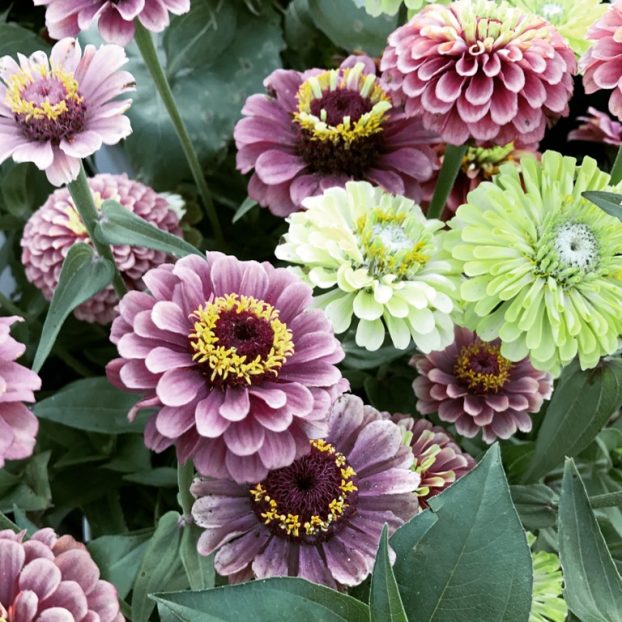
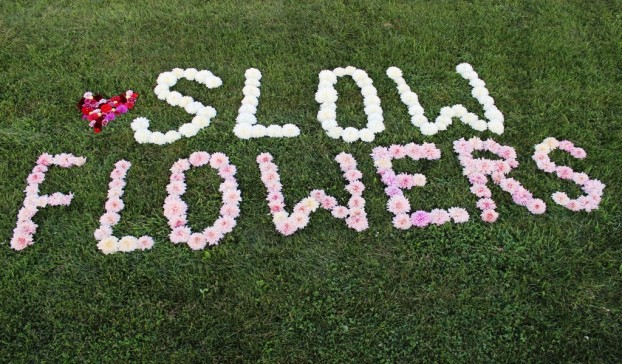
Martha shared this fun photo that she created with her flowers.
Thank you so much for joining me
today, and I’m so pleased to share the stories and voices of Monica, Christine
and Martha — I am continually inspired be the incredible people who are making
our world a better place through flowers and farming. As I seek new and
inspiring voices, people with passion, heart, commitment and expertise to share
with you, it’s my wish that today’s episode gave you at least one inspiring
insight or tip to apply to your floral enterprise. What you gain will be
multiplied as you pay it forward and
help someone else.
We’ve spoken a lot about the Slow Flowers Summit, coming up soon on July 1 & 2nd in St. Paul, Minnesota. More than half of the registration slots have been grabbed, so don’t miss out on this opportunity to join with Slow Flowers thinkers and doers in person.
One of our past year’s speakers dubbed the Summit a “floral mind
meld,” and I love that concept. Come and be a part of the incredible and
uplifting experience! You can make your way to slowflowerssummit.com to learn
all about the many opportunities to join us — from flower farm tours and
dinner on a flower farm to business and branding presentations to interactive
and inspiring design sessions . . . all designed to serve you! Subscribe to Summit news and updates at
slowflowerssummit.com.
Truly, we have a vital
and vibrant community of flower farmers and floral designers who together
define the Slow Flowers Movement. As our cause gains more supporters and more
passionate participants who believe in the importance of the American cut
flower industry, the momentum is contagious.
I know you feel it, too. I value your support and invite you to show your thanks and with a donation to support my ongoing advocacy, education and outreach activities. You can find the donate button in the column to the right.
THANK YOU TO OUR SPONSORS!
Florists’ Review magazine. I’m delighted to serve as Contributing Editor for Slow Flowers Journal, found in the pages of Florists’ Review. It’s the leading trade magazine in the floral industry and the only independent periodical for the retail, wholesale and supplier market. Take advantage of the special subscription offer for members of the Slow Flowers Community.
NW Green Panels. Based in Madras, Oregon, NW Green Panels designs and constructs a wide array of wood-framed greenhouses offering versatility, style and durability. Their greenhouses are 100% Oregon-made using twin-wall polycarbonate manufactured in Wisconsin, making NW Green Panel structures a great value for your backyard. The 8×8 foot Modern Slant greenhouse has become the essential hub of my cutting garden — check out photos of my greenhouse or visit nwgreenpanels.com to see more.
The Seattle Wholesale Growers Market, a farmer-owned cooperative committed to providing the very best the Pacific Northwest has to offer in cut flowers, foliage and plants. The Growers Market’s mission is to foster a vibrant marketplace that sustains local flower farms and provides top-quality products and service to the local floral industry. Visit them at seattlewholesalegrowersmarket.com.
This week marks the 8th Anniversary of the Seattle Wholesale Growers Market — what an achievement! I’d love you to hear more about this intrepid hub connecting flower farmers with floral designers. Here is a link to my 2017 interview with Diane Szukovathy of Jello Mold Farm and Vivian Larson of Everyday Flowers, two of the founding farmers of that enterprise. Happy 8th Birthday to the growers, leadership and staff!!
Syndicate Sales, an American manufacturer of vases and accessories for the professional florist. Look for the American Flag Icon to find Syndicate’s USA-made products and join the Syndicate Stars loyalty program at syndicatesales.com.
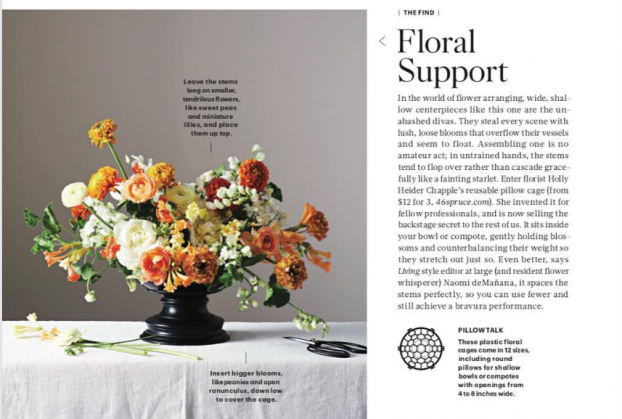
Congratulations to Syndicate Sales and Holly Chapple for the feature in Martha Stewart Living this month!
This is a big week for Syndicate’s USA-made mechanics – the pillow and egg product line affectionately called Holly x Syndicate! The reusable armatures for floral designing are featured in Martha Stewart Living’s current issue and that’s a good thing. Congratulations, Syndicate and Holly Chapple for the recognition. Here’s how you can order your own Holly Pillow – and related products.
The Slow Flowers Podcast has been downloaded more than 450,000 times by listeners like you. Thank you for listening, commenting and sharing – it means so much. Thank you all!
The content and
opinions expressed here are either mine alone or those of my guests alone,
independent of any podcast sponsor or other person, company or organization.
The Slow Flowers Podcast is engineered and edited by Andrew Brenlan. Learn more about his work at soundbodymovement.com.
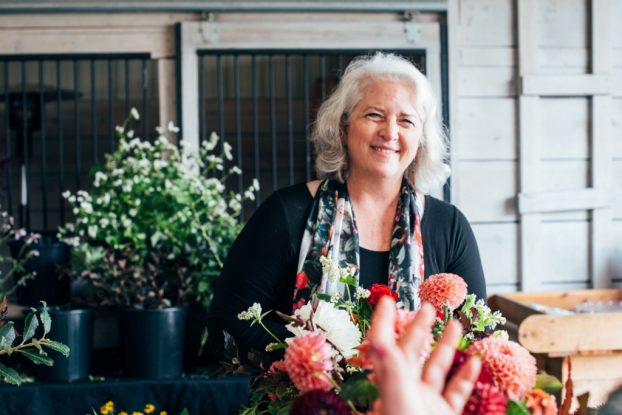
Cultivating Place plays a significant role in the audio space, not just on North State Public Radio in Chico, California, the show’s home base, but everywhere through the power of Podcasting. I know many of our Slow Flowers Podcast listeners have already discovered Jennifer and this wonderful one-hour weekly program — in fact, Jennifer and I are frequently drawn to the same guests and topics.
Jennifer Jewell of Cultivating Place in her beloved Northern California home (c) John Whittlesey
Cultivating
Place is an incredible platform for dialogue with people for whom nature and
gardening is a central, essential act. Jennifer is passionate about
conversations that often include the simple question: What is your garden practice?
Here
is more about Cultivating Place. The program’s
premise is that gardens are more than
collections of plants.
Gardens and Gardeners are intersectional spaces and agents for
positive change in our world. Together, we center gardens and gardeners as
paradigm shifters improving our relationships to and impacts on the
more-than-human natural environment, on the larger culture(s), and on our communal
and individual health and well-being.
Through
thoughtful conversations with growers, gardeners, naturalists, scientists,
artists and thinkers, Cultivating Place illustrates the many ways in which
gardens and gardening are integral to our natural and cultural literacy – on
par with Art, Science, Literature, Music, Religion. Gardens encourage a direct
relationship with the dynamic processes of the plants, animals, soils, seasons,
and climatic factors that come to bear on a garden, providing a unique, and
uniquely beautiful, bridge connecting us to our larger environments —
culturally and botanically. With 38% of US households engaging in gardening –
we are many, and especially together, we make a difference in this world. These
conversations celebrate how all these interconnections support the places we
cultivate, nourish our bodies, and feed our spirits.
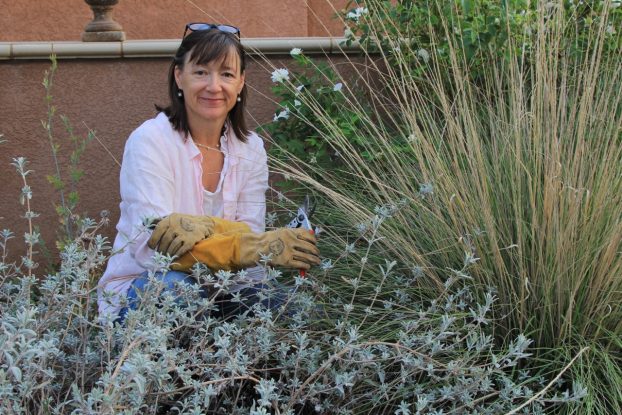
Jennifer Jewell, photographed at the Fairoaks Horticulture Center in the Sacramento area (c) John Whittlesey
Here
is more about Jennifer Jewell:
Host of the national award-winning, weekly public radio program and podcast, Cultivating Place: Conversations on Natural History & the Human Impulse to Garden, Jennifer Jewell is a gardener, garden writer, and gardening educator and advocate.
Particularly interested in the intersections between gardens, the native plant environments around them, and human culture, she is the daughter of garden and floral designing mother and a wildlife biologist father. Jennifer has been writing about gardening professionally since 1998, and her work has appeared in Gardens Illustrated, House & Garden, Natural Home, Old House Journal, Colorado Homes & Lifestyles, and Pacific Horticulture. She worked as Native Plant Garden Curator for Gateway Science Museum on the campus of California State University, Chico, and lives and gardens in Butte County, California.
Jennifer’s first book about extraordinary women changing the world with plants, is due out in early 2020 from Timber Press. I’m so honored that she asked me to be part of this project as one of the women profiled — and in the coming months, I’ll have more details to share with you. She is currently at work on her second book highlighting wild gardens of the west and their relationship to the natural beauty of their places, with photographer Caitlin Atkinson.
I’m so pleased to share my conversation with Jennifer today. Here are some of her social links for you to follow:
Using the Spotify [tk] or Soundcloud apps on
any device
Amy Beausir of Molly & Myrtle, on a floral life in Indiana
Our theme for 2019 – Fifty States of Slow Flowers – continues today, with Amy Beausir of Indiana-based Molly & Myrtle, an Indianapolis “urban flower farm” & design studio filled with curated wedding supplies to help couples “go green.”
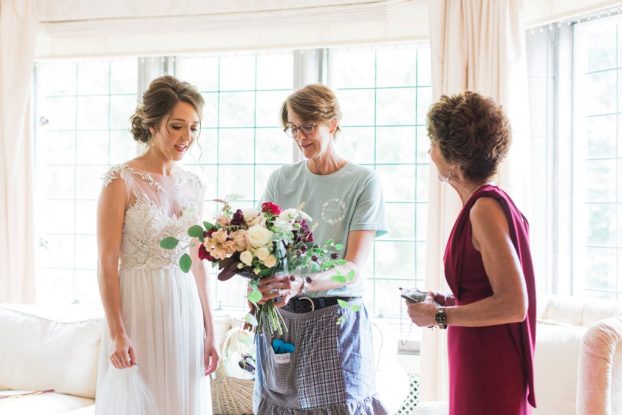
Amy Beausir (center) sharing her Indiana-grown and designed bouquet with of her many bridal clients
Amy started out about 8 yrs ago as a farmer’s market vendor selling cut flowers surrounded by garden foliage; now everything she grows supplies her weekly business. Establishing relationships with small & large business owners comes naturally to Amy, a former marketing director at the Indianapolis Chamber of Commerce. When she personally delivers weekly flowers it’s a weekly highlight to catch up with customers, including a 13-room boutique hotel, an all-organic restaurant, artisan icy pop shop, an international brand retail store, and a senior living facility. Molly & Myrtle’s bread & blooms so to speak are weddings, in addition to workshops, special events & philanthropy.
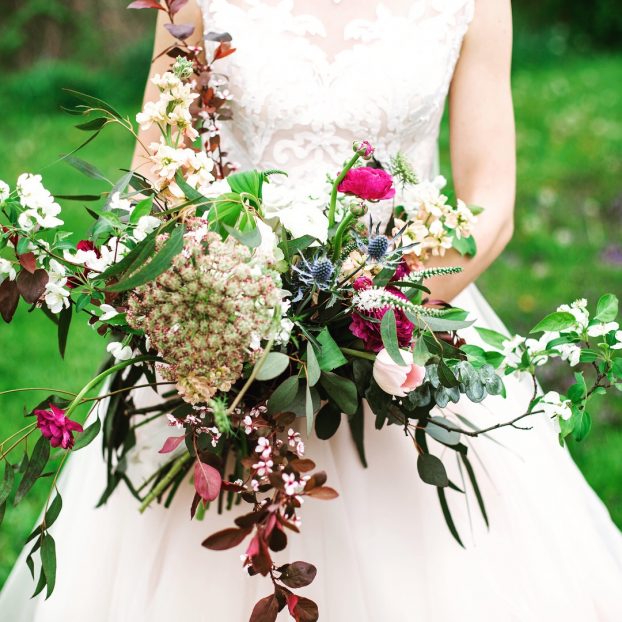
A local and seasonal bridal bouquet designed by Amy Beausir of Molly & Myrtle in Indiana.
Amy shared her “back story”:
“I was born in the small town of Cary, Illinois, and my childhood provided an idyllic environment for a kid and priceless experiences stored away have given me channels of inspiration for a grown up designer. The glacial region supplied rich black dirt, and on our property, manure from a Hertz family Kentucky Derby winning race horse and then Curtiss Farms prize bulls made our family garden flourish.
“A special neighbor named Louise was a conservationist ahead of her time. Louise and a few helpers built a wildflower trail down the hill from us off Turkey Run Rd. Louise carefully marked the solomon’s seal, trillium, trout lilies, and dozens of other specimens that lined the forested trail that finished at the beginning of a group of natural spring fed trout ponds. I learned how to make watercress sandwiches & candied violets from foraging “small servings” from the woods & wildflower trail.
“To this day I have a keen eye, hand, nose and ear for all the beauty of nature whether it be a veined leaf, bird or bloom. In our gardens I often say ‘hello gorgeous’ when I discover a spectacular flower or ‘good morning’ to a bird or bee that zooms out of a flower as I’m walking thru. In your Slow Flowers book you use the description of ‘natural form & character’ and ‘how a vase can be a little garden.’ What a great way of explaining what gardeners & flower farmers experience with our up close relationship with the myriad of things we cultivate, nurture and harvest. One of my very first jobs as a teenager was working for Ellen at our town’s flower shop, Cary Floral Gardens.”
Favorite things in the gardens: lavender, ferns and hosta
Favorite short season crop from outside Indiana: mock orange and quince
Thank you so much for joining me today, and I’m so pleased to share the stories and voices of Jennifer Jewell and Amy Beausir — they’re both contributing exciting chapters to the Slow Flowers story and I hope you find and follow them!
Thank you so much for joining me on
this Slow Flowers journey as I seek new and inspiring voices, people with
passion, heart, commitment and expertise to share with you. I hope today’s
episode gave you at least one inspiring insight or tip to apply to your floral
enterprise. What you gain will be multiplied as you pay it forward and help someone else.
The Slow Flowers Summit is coming up soon — on July 1 & 2nd in St. Paul, Minnesota. More than half of the registration slots have been grabbed, so don’t miss out on this opportunity to join with Slow Flowers thinkers and doers in person.
One of our past year’s speakers dubbed the Summit a “floral mind
meld,” and I love that concept. Come and be a part of the incredible and
uplifting experience! You can make your way to slowflowerssummit.com to learn
all about the many opportunities to join us — from flower farm tours and
dinner on a flower farm to business and branding presentations to interactive
and inspiring design sessions . . . all designed to serve you! Subscribe to Summit news and updates at
slowflowerssummit.com.
Designed by Nancy Cameron of Destiny Hill Flower Farm.
Truly, we have a vital
and vibrant community of flower farmers and floral designers who together
define the Slow Flowers Movement. As our cause gains more supporters and more
passionate participants who believe in the importance of the American cut
flower industry, the momentum is contagious.
I know you feel it, too. I value your support
and invite you to show your thanks and with a donation to support my ongoing
advocacy, education and outreach activities. You can find the donate button in the column to the right.
THANK YOU, SPONSORS!
Florists’ Review magazine. I’m delighted to serve as Contributing Editor for Slow Flowers Journal, found in the pages of Florists’ Review. It’s the leading trade magazine in the floral industry and the only independent periodical for the retail, wholesale and supplier market. Take advantage of the special subscription offer for members of the Slow Flowers Community.
The Association of Specialty Cut Flower Growers. Formed in 1988, ASCFG was created to educate, unite, and support commercial cut flower growers. It mission is to help growers produce high-quality floral material, and to foster and promote the local availability of that product. Learn more at ascfg.org.
Johnny’s Selected Seeds, an employee-owned company that provides our industry the best flower, herb and vegetable seeds — supplied to farms large and small and even backyard cutting gardens like mine. Check them out at johnnysseeds.com.
Longfield Gardens provides home gardeners with high quality flower bulbs and perennials. Their online store offers plants for every region and every season, from tulips and daffodils to dahlias, caladiums and amaryllis. Visit them at longfield-gardens.com
You’re invited to be part of Longfield Gardens’ “Spring Flower Photo Contest,” now through May 24th. Share a photo of what’s blooming in your garden, post to Facebook or Instagram, and you might win a $50 dollar gift card from Longfield Gardens! Here are the details:
1. Take a photo of
something that’s currently blooming in your garden. Show us one flower, 100
flowers or a bouquet — you decide.
2. Post your photo on
Instagram and tag it with #LongfieldBlooms. On Facebook, leave it as a comment
under our weekly post.
3. Include the flower
type (and variety if you know it), the date the photo was taken and where you
are located.
We will select and
re-share one winning photo each week from now through May 24. Good Luck!
(c) Mary Grace Long photography
The Slow Flowers Podcast
has been downloaded more than 444,000 times by listeners like you. Thank you
for listening, commenting and sharing – it means so much. Thank you all!
The content and
opinions expressed here are either mine alone or those of my guests alone,
independent of any podcast sponsor or other person, company or organization.
The Slow Flowers Podcast is engineered and edited by Andrew Brenlan. Learn more about his work at soundbodymovement.com.
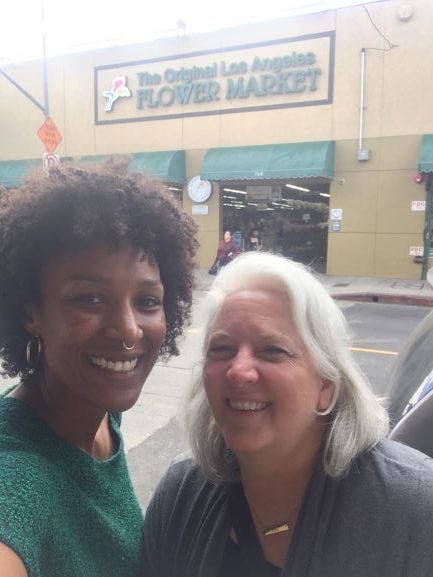
Last week took me to Southern California and I covered a lot of ground while there, from participating early in the week at The Gathering Rose workshop produced and hosted by Danielle Hahn of Rose Story Farm and Felicia Alvarez of Menagerie Farm + Flower, both past guests of this podcast, to visiting Mayesh Wholesale Flowers (a sponsor of the Slow Flowers Podcast) and connecting with today’s guest at the Los Angeles Flower District.
Whit recently wrote this on her Instagram feed @whit_hazen: “I’m building a business that provides a wonderful service to wonderful clients and is in service to my community, and hoping that it encourages you to do the same.”
I was so thrilled to spend time with Whit McClure of LA-based Whit Hazen, a studio designer who is a featured speaker of the Slow Flowers Summit coming up in July. While we are “friends” via social media and have chatted on a telephone interview for a story I wrote for Florists’ Review’s Slow Flowers Journal last December, nothing can compare with face-to-face conversation. Whit and I enjoyed a lovely breakfast and then we recorded the interview you’ll hear next.
A botanical installation for one of Whit’s restaurant clients
Here’s more about
Whit:
Studio floral designer Whit McClure moved to Los Angeles three years ago and she has been designing with flowers ever since. Her introduction to flower farming and floral design is rooted in connections made through food justice and the local culinary community in Washington, D.C.
Whit spent years after college working on farms, in community gardens, and in the nonprofit world, teaching folks of all ages and walks of life how to grow their own food. Eventually she found floral design as the perfect blend of working with plants, crafting beauty, and collaborating with others, while also pursuing her committment to social justice. Ever-inspired by nature’s abundant beauty and driven to respect and protect its resources, Whit Hazen is motivated to bring more beauty in the world for others.
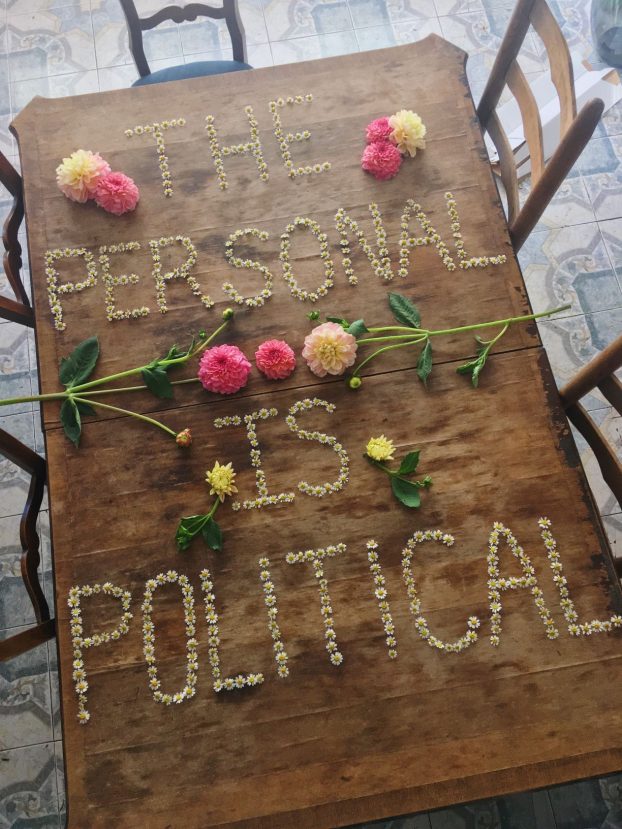
“Personal is Political”
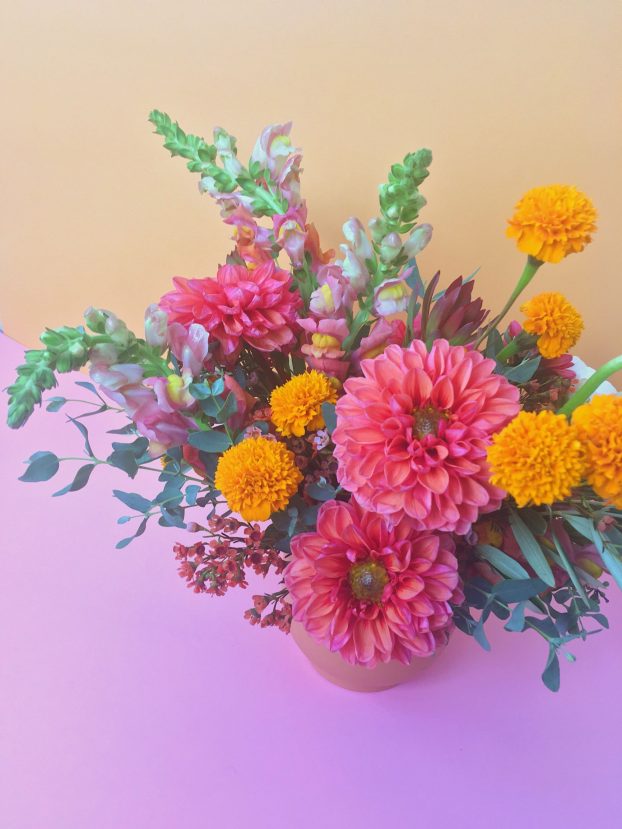
One of the images from my “Petals & Politics” series.Orange and pink floral palette — one of Whit’s favorite combinations
Had to share this cute selfie of Whit and me at the Los Angeles Flower Market last week.
Thank you so much for joining me on this Slow Flowers journey as I seek new and inspiring voices, people with passion, heart, commitment and expertise to share with you. I hope today’s episode gave you at least one inspiring insight or tip to apply to your floral enterprise. What you gain will be multiplied as you pay it forward and help someone else.
As we mentioned, Whit McClure is the Capstone Speaker at the 3rd annual Slow Flowers Summit, which takes place on July 1st & 2nd in St. Paul, Minnesota. You’ll hear from Whit about her approach to floral activism as she encourages audience members to use their artistic platform for social change. I can’t wait for you to join us there.
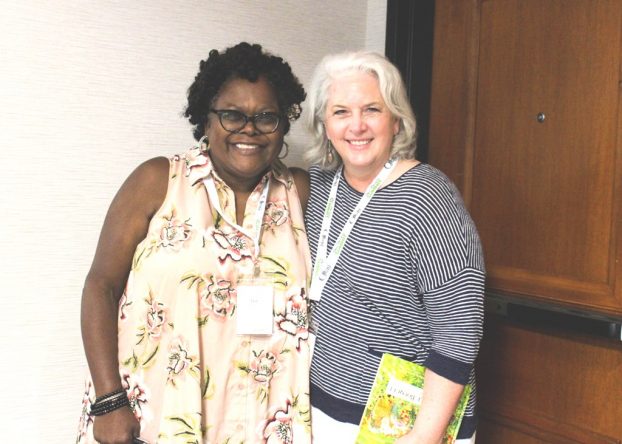
It’s always wonderful to connect with floral influencers at the Slow Flowers Summit, including my friend and gardening blogger Teri Speight of Cottage in the Court.
It’s time to grab your seat at The Slow Flowers Summit. More than half of the registration slots have been grabbed, so don’t miss out on this opportunity to join with Slow Flowers thinkers and doers in person.
One of our past year’s speakers dubbed the Summit a “floral mind
meld,” and I love that concept. Come and be a part of the incredible and
uplifting experience! You can make your way to slowflowerssummit.com to learn
all about the many opportunities to join us — from flower farm tours and
dinner on a flower farm to business and branding presentations to interactive
and inspiring design sessions . . . all designed to serve you! Subscribe to Summit news and updates at
slowflowerssummit.com.
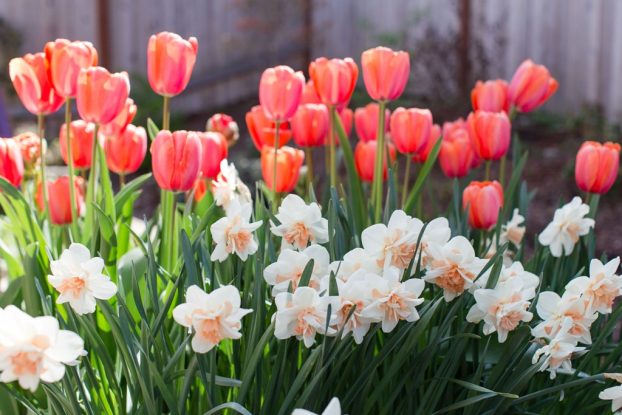
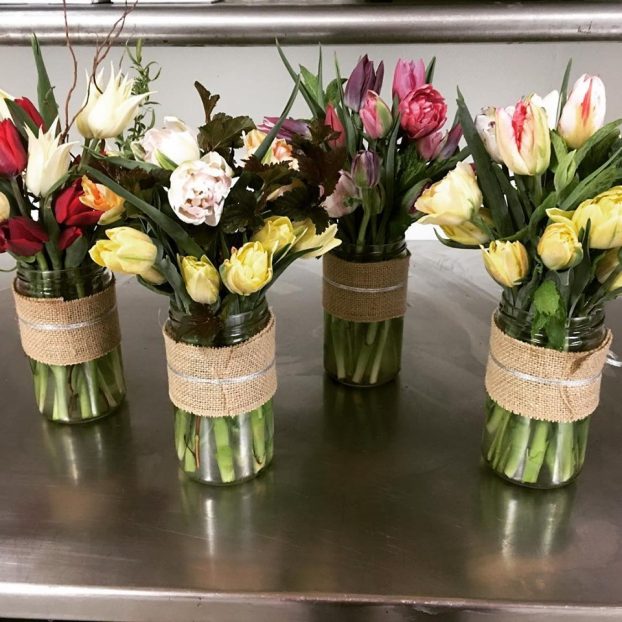
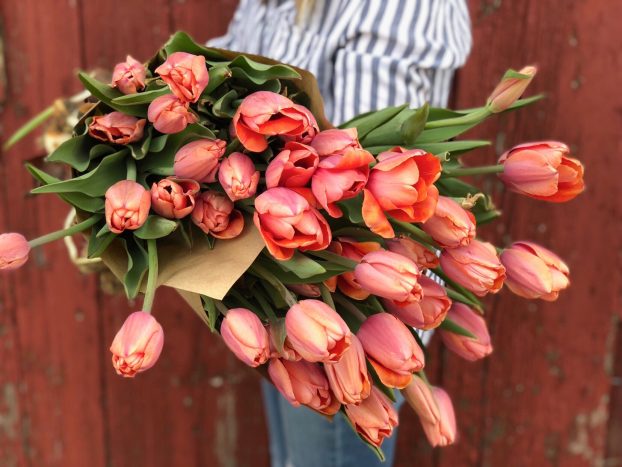
How about those tulips?! Illinois-grown, of course!
As a farmer-florist, Kat’s wedding designs start with flowers cut fresh from her farmland where she grows organic, high end, cut flowers, on just a few acres in Northern Illinois. The farm is the heart of her business and she loves to show it off, often with a glass of wine and a walk through the field.
Truly, we have a vital
and vibrant community of flower farmers and floral designers who together
define the Slow Flowers Movement. As our cause gains more supporters and more
passionate participants who believe in the importance of the American cut
flower industry, the momentum is contagious.
I know you feel it, too. I value your support
and invite you to show your thanks and with a donation to support my ongoing
advocacy, education and outreach activities. You can find the donate button in the column to the right.
Florists’ Review magazine. I’m delighted to serve as Contributing Editor for Slow Flowers Journal, found in the pages of Florists’ Review. It’s the leading trade magazine in the floral industry and the only independent periodical for the retail, wholesale and supplier market. Take advantage of the special subscription offer for members of the Slow Flowers Community.
NW Green Panels. Based in Madras, Oregon, NW Green Panels designs and constructs a wide array of wood-framed greenhouses offering versatility, style and durability. Their greenhouses are 100% Oregon-made using twin-wall polycarbonate manufactured in Wisconsin, making NW Green Panel structures a great value for your backyard. The 8×8 foot Modern Slant greenhouse has become the essential hub of my cutting garden — check out photos of my greenhouse or visit nwgreenpanels.com to see more.
Seattle Wholesale Growers Market, a farmer-owned cooperative committed to providing the very best the Pacific Northwest has to offer in cut flowers, foliage and plants. The Growers Market’s mission is to foster a vibrant marketplace that sustains local flower farms and provides top-quality products and service to the local floral industry. Visit them at seattlewholesalegrowersmarket.com
Syndicate Sales, an American manufacturer of vases and accessories for the professional florist. Look for the American Flag Icon to find Syndicate’s USA-made products and join the Syndicate Stars loyalty program at syndicatesales.com.
The Slow Flowers
Podcast has been downloaded more than 438,000 times by
listeners like you. We wrapped up the month of March with more than 17,000
downloads — an all-time record listenership. So excited to see our community
continue to grow. Thank you for listening, commenting and sharing – it means so
much. Thank you all!
The content and
opinions expressed here are either mine alone or those of my guests alone,
independent of any podcast sponsor or other person, company or organization.
The Slow Flowers Podcast is engineered and edited by Andrew Brenlan. Learn more about his work at soundbodymovement.com.
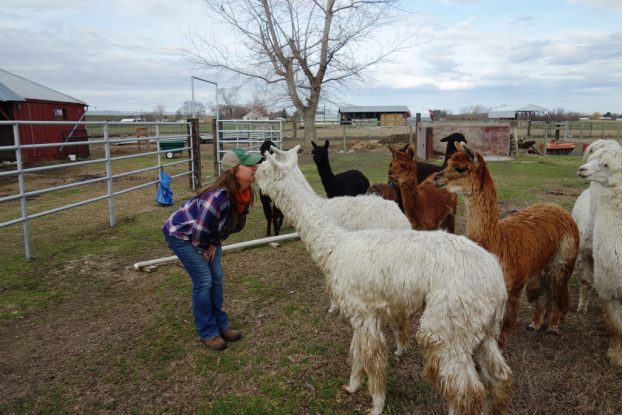
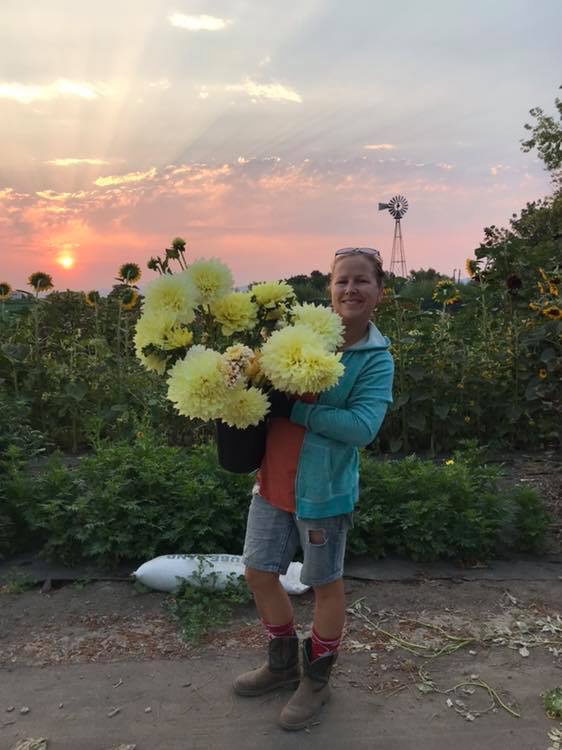
Walla Walla flower farmer and alpaca farmer Elaine Vandiver
Last weekend I spent 2 days in Walla Walla, Washington, located in the Southeast corner of the state, where I joined the Washington-Grown Flowers promotion team at the Washington State Farmers’ Market Association conference.
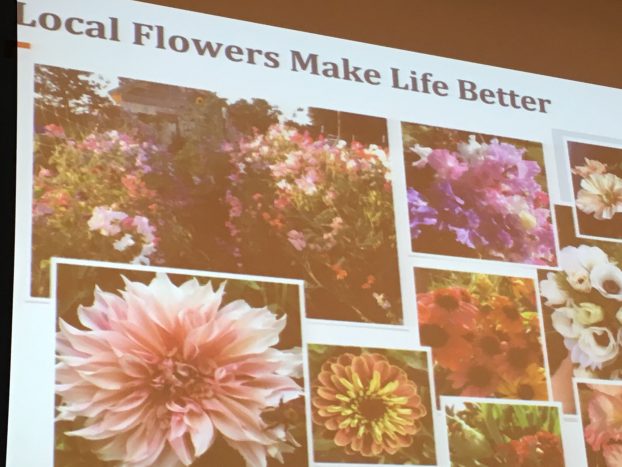
Opening slide for our presentation at the Washington State Farmers Market Assoc. Conference
The Flower Promotion effort was funded by a USDA Specialty Crop Block Grant and is being jointly administered by the Washington State Dept. of Agriculture’s Regional Markets Program and the Washington State Farm Bureau. They invited me to co-present on my Slow Flowers Insights, as well as about local flower promotion strategies for Farmers’ Market managers — what a great opportunity to bring local and seasonal flowers to the forefront of the farmers’ market world!
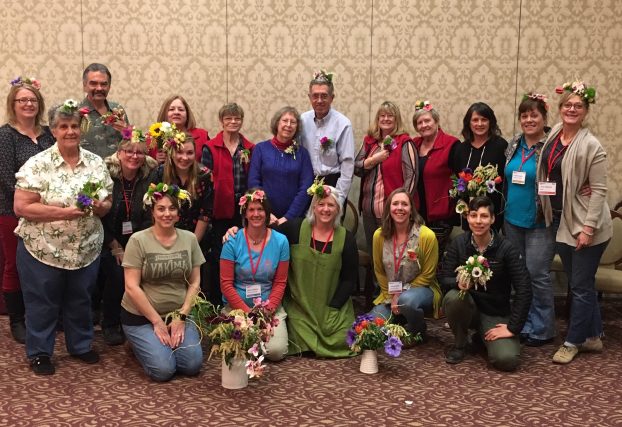
Farmers’ Market managers gathered to learn how to make pin-in flowers and flower crowns, an activity which we encouraged them to bring to their own venues.
Thanks to Laura Ridenour and Laura Raymond of WSDA and to Suzanne Carson of the Farm Bureau for including me in this program, and to Emily Asmus of Welcome Table Farm, my co-presenter, who was super inspiring as a local flower farmer with great advice about seasonality and best practices for market managers who may not be as familiar with floral crops as they are with food crops.
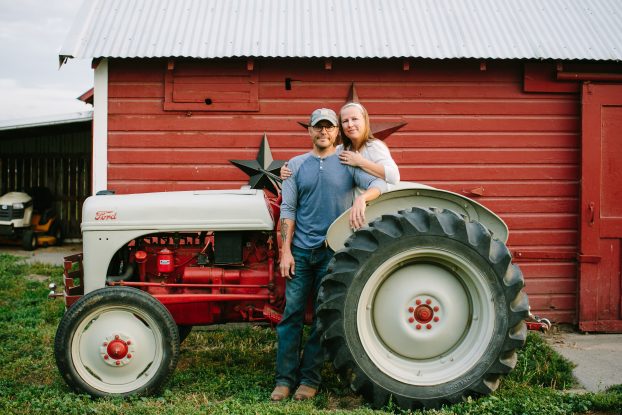
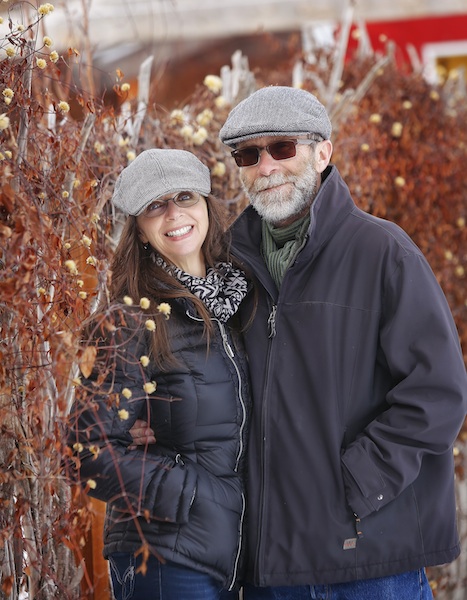
Mike and Elaine Vandiver at Gholson Gardens
While in Walla Walla, I also had time to visit Gholson Gardens, owned by Slow Flowers member Elaine Vandiver and her husband Mike Vandiver.
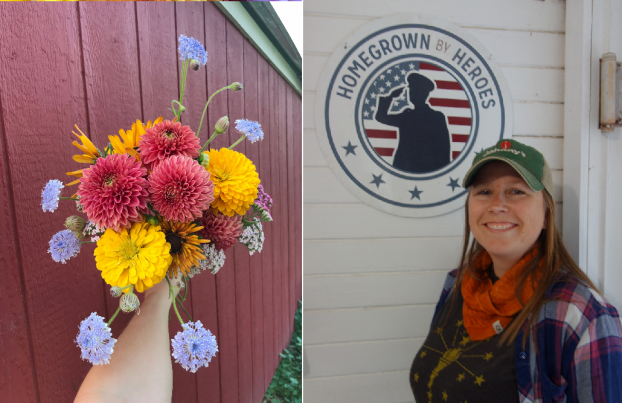
Elaine and Mike are members of the Homegrown by Heroes organization, which supports veterans in agriculture careers.
Gholson Gardens is a small,
10-acre farm located in southeastern Washington state, in the quintessential
rural community of Walla Walla. Mike and Elaine are both U.S. Army
veterans turned first generation farmers.
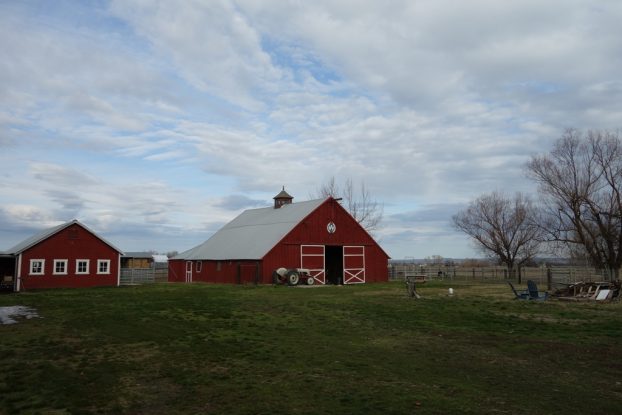
Gholson Gardens and Old Homestead Alpacas share the Walla Walla farmland and historic barn buildings.
As they share on their web site, “with no previous agricultural experience, we purchased the farm in May 2014 as a way to start anew after learning a traditional family wasn’t in the cards for us. We didn’t have any immediate plans for the farm, which was mostly in pasture. We simply hoped to enjoy the beautiful red barn, sweeping views of the Blue Mountains from the farmhouse porch, and maybe get some critters to complete the country scene.”
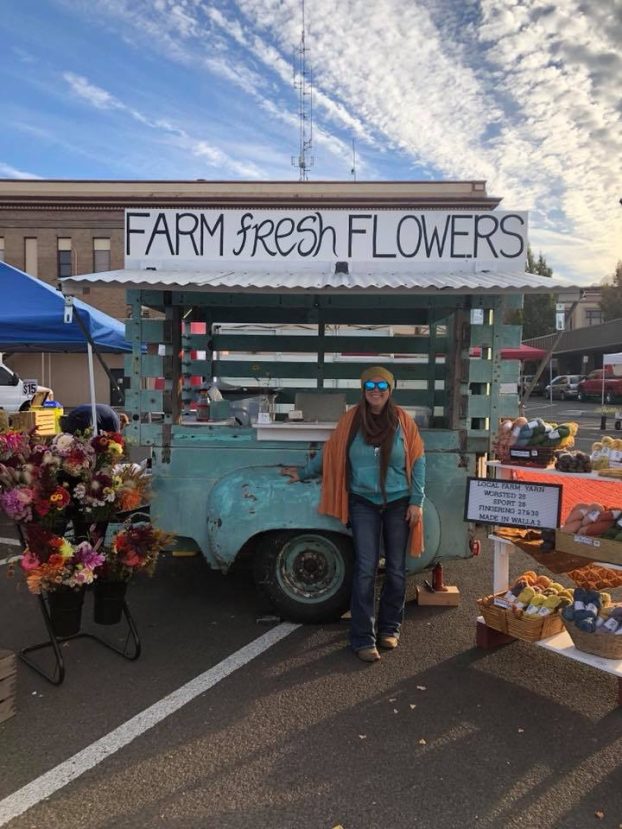
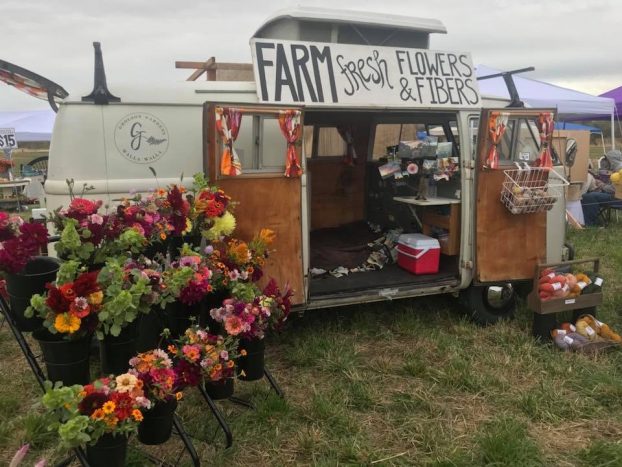
Elaine’s mobile farm stand — fashioned from one half of a vintage Studebaker pickup.Another farm stand often used by Elaine — a VB van that carries and displays a lot of flowers!
The story unfolds in my
interview recorded in the farmhouse’s dining room kitchen where Elaine and I
sat comfortably while Mike kept their two Greyhound rescue dogs entertained
outside.
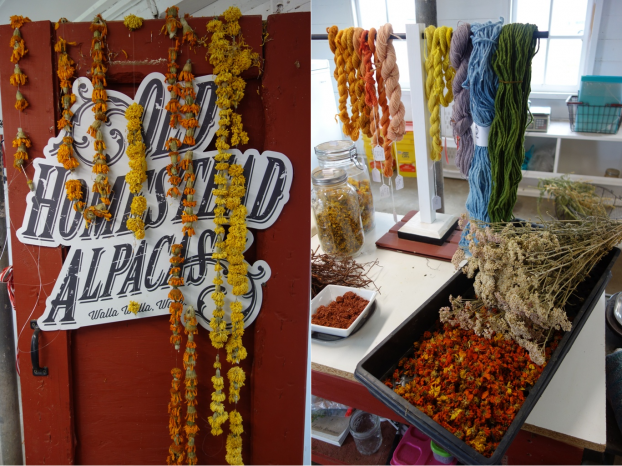
Dye flowers and alpaca wool in the studio
This is a very personal,
inspiring story for anyone who views growing cut flowers as a new way of life,
perhaps as a catalyst for all sorts of change.
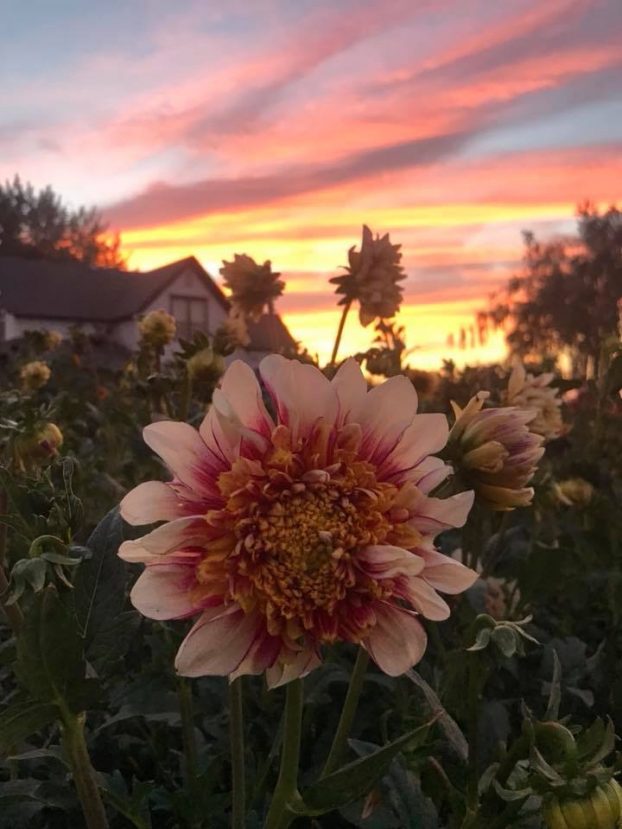
Farmhouse and flowers at Gholson Gardens.
For Elaine and Mike, growing flowers
is the latest chapter of their agricultural lifestyle, one that began with a
llama and too many adorable alpacas for me to accurately count, continued to a
flower and herb garden to grow plants that produce natural dyes for the wool,
skeins and garments made with the alpaca fiber, and expanded just over a year
ago to become a full-fledge cut flower farm.
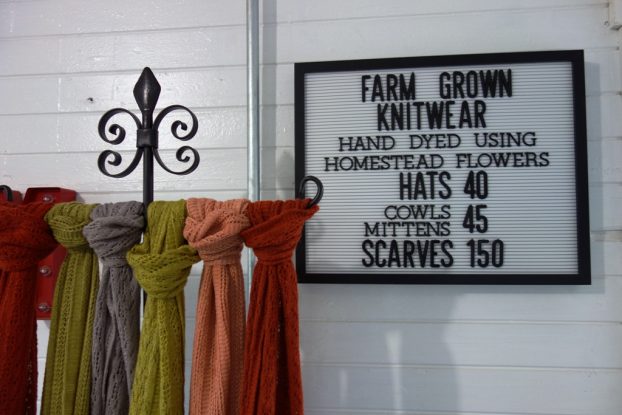
Farm-Grown Knitwear
Elaine’s narrative on Gholson Garden’s web site continues: “Knowing that the fiber takes 2 years to bring to market [1 year for the alpacas to grow it and the better part of another year spent professionally milling, knitting and then hand dyeing], we quickly realized that growing cut flowers could be a great way to diversify the farm. And that’s what we did! We sowed our first seeds in late February 2018 and began field production in early May, selling them at the local farmer’s market from June through September. We sell primarily at the Walla Walla Downtown Farmers Market and to a few local florists, but are also offering a ‘bouquet CSA’ starting in Spring 2019. You can find Gholson Gardens at the downtown Walla Walla farmers market in 2019 from May through October!”
Elaine and Mike Vandiver of Gholson Gardens and Old Homestead Alpacas
I’m so pleased to bring you this interview for many reasons, including how encouraging it is.
My time in Walla Walla allowed me to connect with so many fabulous people in the farmers’ market community, people who are excited to bring the story of locally grown flowers to their customers across the state. I will share more in the coming months about the exciting Washington-Grown Flowers project, as I believe it can be a great template for anyone to bring to the department of agriculture and farm bureau agencies in their state. As I said, more to come, soon!
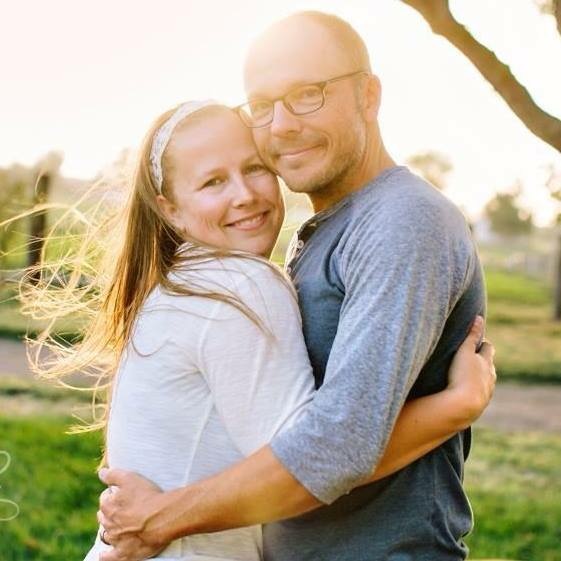
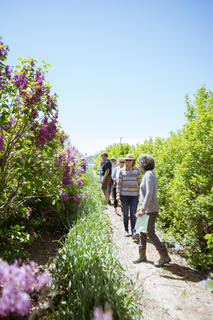
Jeriann Sabin and Ralph Thurston of Bindweed Farm
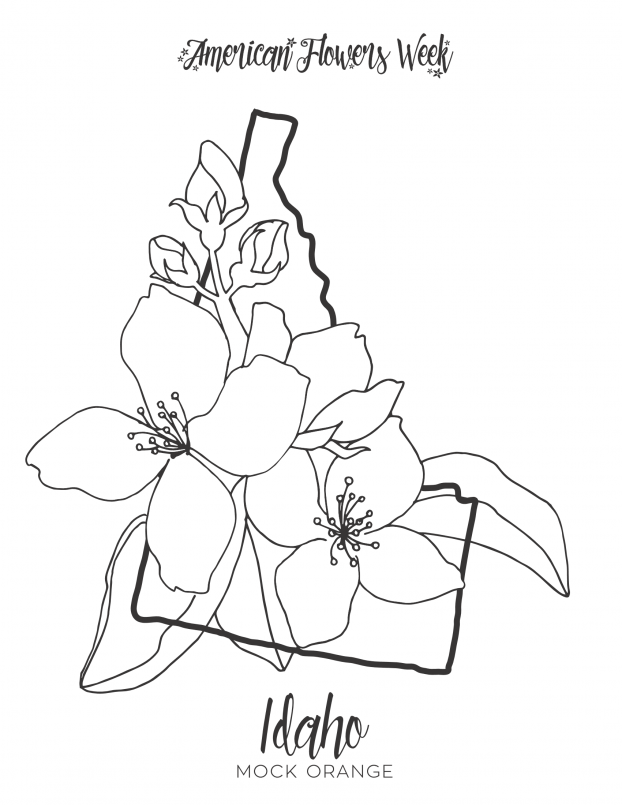
Our #fiftystatesofslowflowers series continues today with a stop in Idaho and Deadhead Cut Flowers’Jeriann Sabin and Ralph Thurston. The couple are past guest of this podcast and you can hear our 2016 interview here, recorded on the occasion of the publication of Deadhead: The Bindweed Way to Grow Flowers.
A lot has taken place since then, including the sale of Bindweed Flower Farm to their nephew. Last year, Ralph authored All Pollen, No Petal: Behind the Flower Farming Dream, and we talk a little about its message in today’s conversation.
Coming up on May 2nd & 3rd, “INSIDE FLOWER FARMING—the real deal,” the Deadhead Cutflowers/Bindweed Farm Flower Growing School, returning in the Spring of 2019 with a two-day session for beginning and intermediate growers. A major focus will be to make flower farming transparent by showing the actual tax returns of the farm, as well as costs and income so you can better see where you stand and what is possible.
Killing Frost’s Jamie Rodgers will join Ralph and Jeriann for the session to provide his and Carly Jenkins’ success with organic pest and disease control. If you’ve been dreaming of starting your own cut-flower farm or are ready to make the jump from hobby/master gardener to cut-flower farmer, we are here to help you. Class size will be limited to ten individuals in order to give close attention to each farmer.
How was this for a bonus segment! Amazing — what a great chance to speak with Elaine Vandiver at the beginning of her flower farming journey, and to hear from Jeriann Sabin and Ralph Thurston, who are looking at some of their journey in the rear view mirror while sharing their knowledge and experience, stories and art with the rest of us.
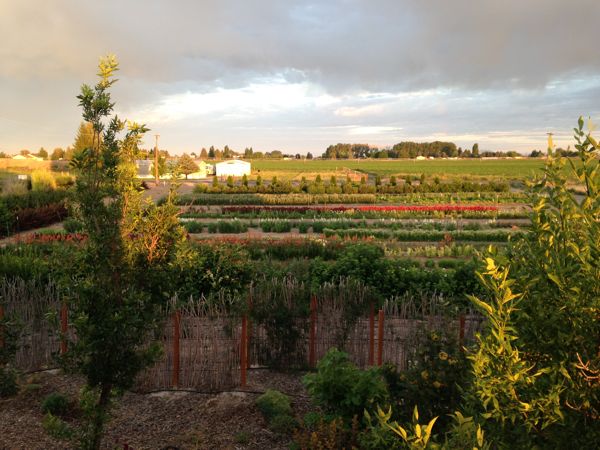
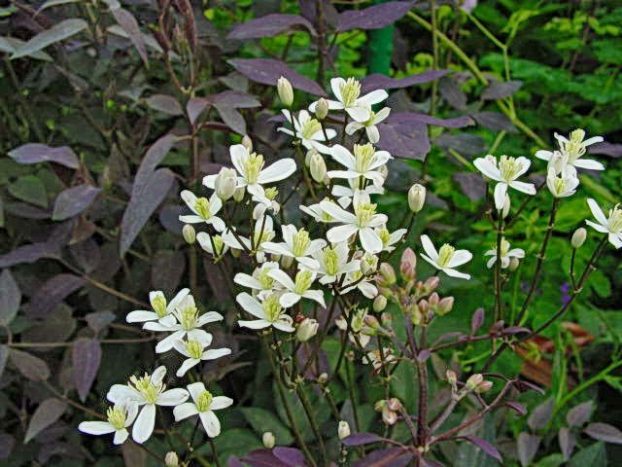
Bindweed Farm in Blackfoot, Idaho ~ God’s CountryClematis recta purpurea — the plant Ralph and Jeriann raved about in today’s podcast.
Thank you so much for
joining me on this Slow Flowers journey as I seek new and inspiring voices,
people with passion, heart, commitment and expertise to share with you. I hope
today’s episode gave you at least one inspiring insight or tip to apply to your
floral enterprise. What you gain will be multiplied as you pay it forward and help someone else.
Truly, we have a vital
and vibrant community of flower farmers and floral designers who together
define the Slow Flowers Movement. As our cause gains more supporters and more
passionate participants who believe in the importance of the American cut
flower industry, the momentum is contagious.
I know you feel it, too. I value your support
and invite you to show your thanks and with a donation to support my ongoing
advocacy, education and outreach activities. You can find the donate button in the column to the right.
The Slow Flowers Summit is coming up soon — on July 1 & 2nd in St. Paul, Minnesota. More than half of the registration slots have been grabbed, so don’t miss out on this opportunity to join with Slow Flowers thinkers and doers in person.
We brought the Slow Flowers Summit 2018 to Washington, D.C. and we’re coming to the Twin Cities in 2019!
One of our past year’s speakers dubbed the Summit a “floral mind
meld,” and I love that concept. Come and be a part of the incredible and
uplifting experience! You can make your way to slowflowerssummit.com to learn
all about the many opportunities to join us — from flower farm tours and
dinner on a flower farm to business and branding presentations to interactive
and inspiring design sessions . . . all designed to serve you! Subscribe to Summit news and updates at
slowflowerssummit.com.
(c) Mary Grace Long photography
The Slow Flowers
Podcast has been downloaded more than 433,000 times by
listeners like you. Thank you for listening, commenting and sharing – it means
so much. Thank you all!
THANK YOU TO OUR SPONSORS!
Florists’ Review magazine. I’m delighted to serve as Contributing Editor for Slow Flowers Journal, found in the pages of Florists’ Review. It’s the leading trade magazine in the floral industry and the only independent periodical for the retail, wholesale and supplier market. Take advantage of the special subscription offer for members of the Slow Flowers Community
Association of Specialty Cut Flower Growers. Formed in 1988, ASCFG was created to educate, unite, and support commercial cut flower growers. It mission is to help growers produce high-quality floral material, and to foster and promote the local availability of that product. Learn more at ascfg.org.
Johnny’s Selected Seeds, an employee-owned company that provides our industry the best flower, herb and vegetable seeds — supplied to farms large and small and even backyard cutting gardens like mine. Check them out at johnnysseeds.com.
Longfield Gardens provides home gardeners with high quality flower bulbs and perennials. Their online store offers plants for every region and every season, from tulips and daffodils to dahlias, caladiums and amaryllis. Visit them at longfield-gardens.com.
The content and
opinions expressed here are either mine alone or those of my guests alone,
independent of any podcast sponsor or other person, company or organization.
The Slow Flowers Podcast is engineered and edited by Andrew Brenlan. Learn more about his work at soundbodymovement.com.