Debra Prinzing

Get the Email Newsletter!

Archive for the ‘Podcast Episodes’ Category

Grower Wisdom with Flower Farmer Charles Little (Episode 207)

Tuesday, August 18th, 2015
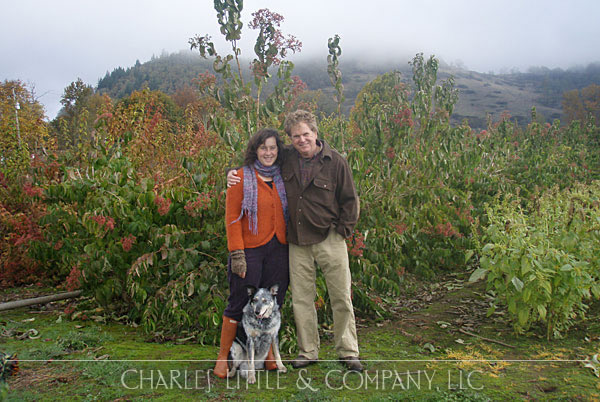
Flower Farmers Bethany and Charles Little

Flower Farmers Bethany and Charles Little

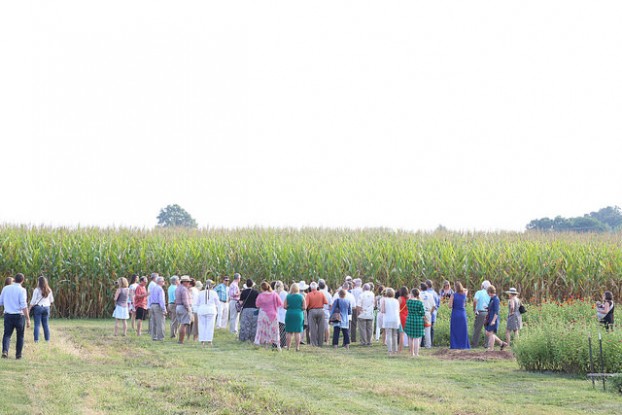
charles-little-and-companyI first met today’s guest, Charles Little, on a sunny day in June 2010, at a gathering of about 60 growers and floral designers who came to the bucolic fields of Charles Little & Co.’s farm on Seavey Loop Road outside Eugene, Oregon.

We were there for a regional meeting of the Association of Specialty Cut Flower Growers.

The full day of farming discussions, a fabulous barbecue and connecting with friends, new and old, ended with a conversation that led to the establishment of the Seattle Wholesale Growers Market the following year. My presence there also gave me a chance to witness the character and generosity of Charles and Bethany Little, our hosts. Later, I wrote these opening lines about the Charles Little & Co. farm, in a section of The 50 Mile Bouquet called “Grower Wisdom.”

“As farmland matures and evolves, so do those who steward it. Just ask Charles Little, who has been tending to ornamental crops in the verdant Willamette Valley since 1986. He describes the 40 abundant acres at the foot of Oregon’s Mount Pisgah, where he and his wife Bethany grow 250 varieties of fresh flowers, fillers, wildflowers, herbs, ornamental grains and grasses, seasonal berries, pods and branches, as a “horticultural paradise with its own thriving ecosystem.” 

“I was one of those young men who wanted to create a hippy commune and be a farmer,” Charles says of his early years. “I’ve always wanted to live and make my living on the land.” More than 25 years after planting his first flower crops, he maintains that “farming is a lifestyle, a stewardship and commitment to the land and a generous consideration of all life around you, from the beneficial microorganisms and insects, to the birds and snakes.”

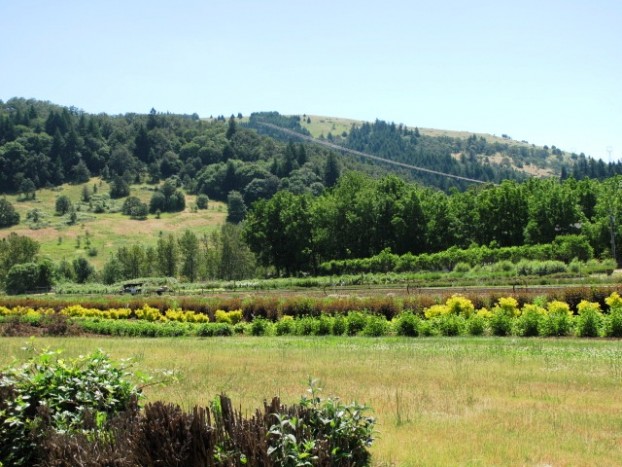
Mt. Pisgah in the distance -- a majestic backdrop for the Willamette Valley (Oregon) flower farm.

Mt. Pisgah in the distance — a majestic backdrop for the Willamette Valley (Oregon) flower farm.

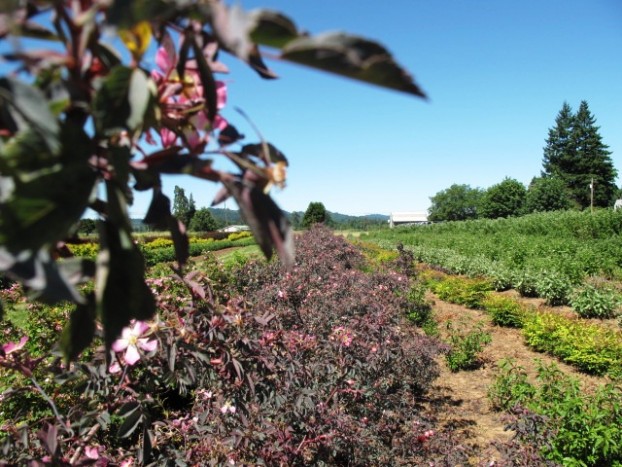
Rosa glauca in the foreground with planting rows stretching beyond.

Rosa glauca in the foreground with planting rows stretching beyond.

From that 2010 tour with Charles Little.

From that 2010 tour with Charles Little.

The farm at Charles Little & Co. consists of acres of the very best river-bottom soil along the Coast Fork of the Willamette River in Oregon.

Crops raised here include flowers and foliages of all kinds; ornamental herbs, grasses and grains, and unique sticks, pods and berries. In-season floral materials are available year round to wholesalers throughout the U.S. And they are in a word, excellent!

Charles and Bethany prefer to work in tandem with the seasons, rather than using heated greenhouses or hoop houses to jump-start or extend their harvest. “The southern Willamette Valley has a growing climate that’s hard to beat, so I cooperate with mother nature,” Charles says.

I visited Eugene on two occasions this summer, and I stopped at Charles Little & Co. farm both times. In late June, I joined a small farm tour and lunch hosted by Bethany.

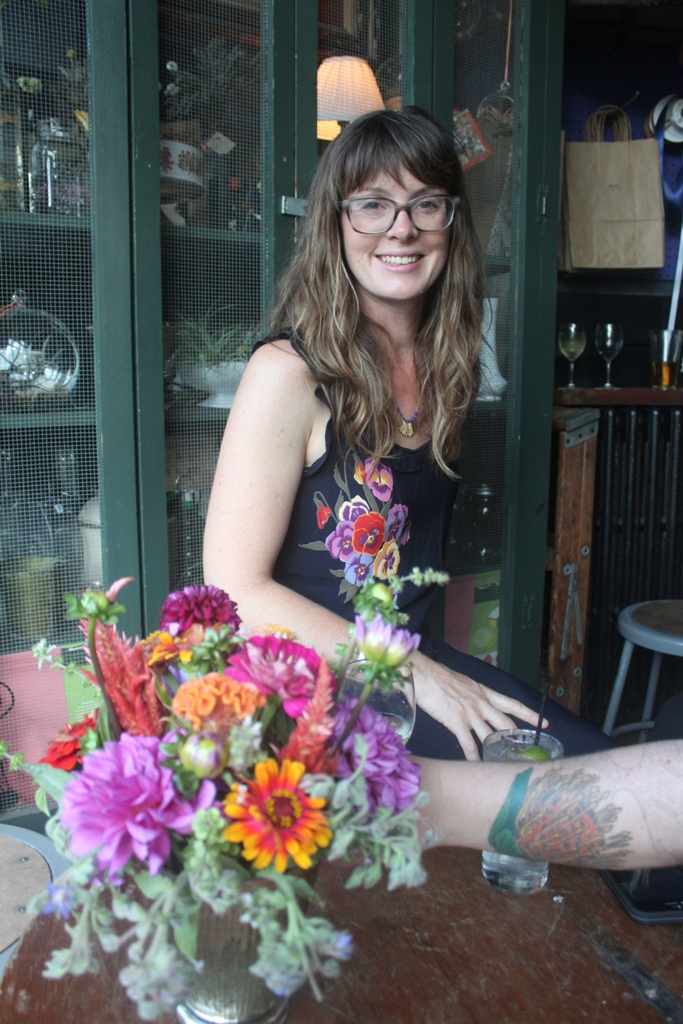
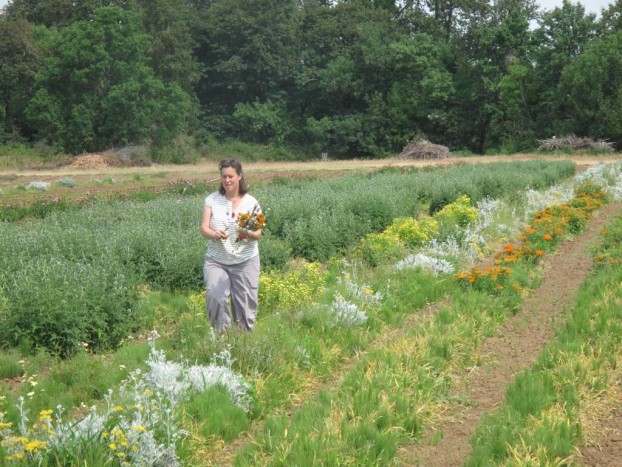
Bethany, harvesting flowers for me to arrange, June 2015.

Bethany, harvesting flowers for me to arrange, June 2015.

web_CL_IMG_4243

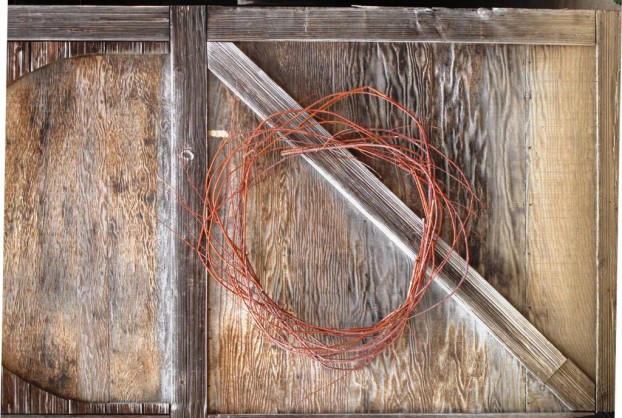
A twig wreath adorns a barn door.

She invited some floral customers and two employees who market Charles Little’s crops at the Portland Flower Market.

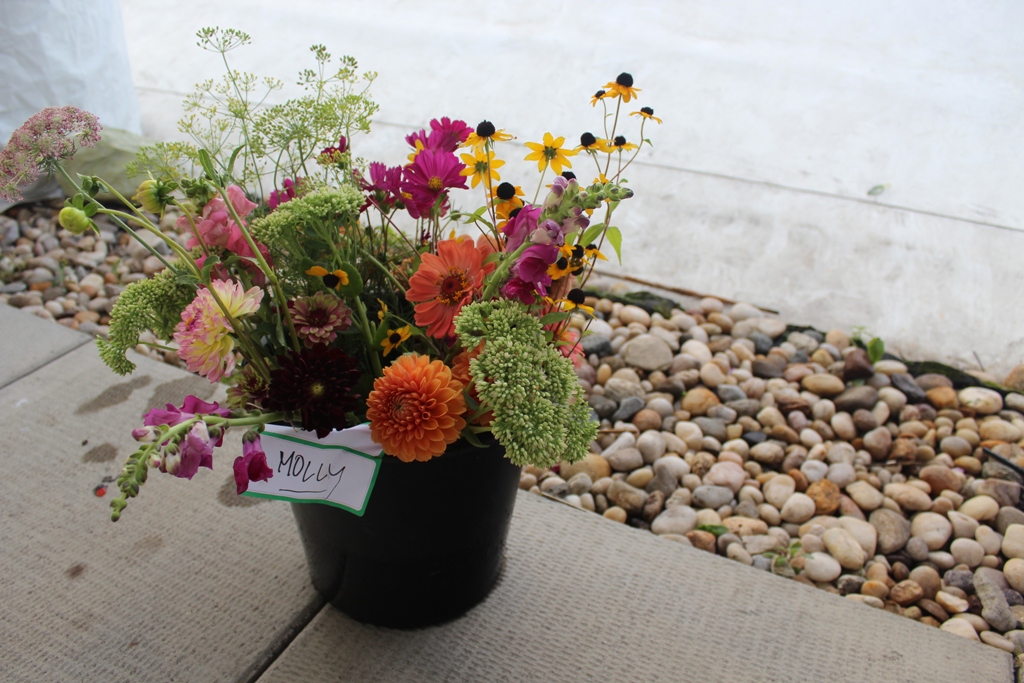
Bethany generously allowed a few of us to clip annuals, herbs, perennials and foliage to make a bouquet while there. It was days before I planned on launching American Flowers Week, so I was excited to create a red-white-and -blue-themed arrangement. Bethany is a gifted floral designer, so with her help, it turned out beautifull.

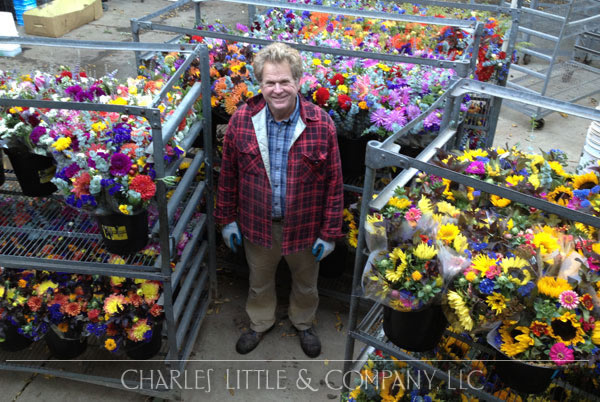
Charles Little with some of his favorite crops, ready to deliver to customers up and down the West Coast.

Charles Little with some of his favorite crops, ready to deliver to customers up and down the West Coast.

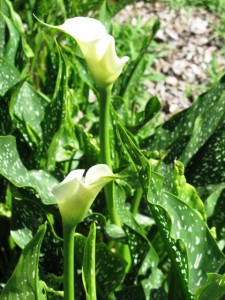
Naturalized calla lilies we discuss on the podcast.

Naturalized calla lilies we discuss on the podcast.

Charles wasn’t at the farm; he was off on an extended, once-in-a-lifetime fishing excursion. Bethany wanted me to get Charles in on the podcast interview. So I promised to record them when I knew I was going to come back through Eugene on my way to a photo shoot in Southern Oregon. But that time, Bethany was away, at a summer music festival on the Oregon coast. So I convinced Charles to let me turn on the recorder for what is a fantastic and longer-than-usual conversation.

What I realized, and what Charles and Bethany later confirmed, is that for farming couples, it’s almost impossible for both to travel or take a break from the farm TOGETHER. Someone has to feel the sheep and chickens; someone has to make sure the crops are harvested, processed, bunched or made into bouquets, loaded into buckets and delivered to the customer, right?

That’s what I witnessed during both of my visits. So today, you will hear from Charles. And I promise that sometime in the future, hopefully before the end of this year, we’ll bring Bethany on as a follow-up guest.

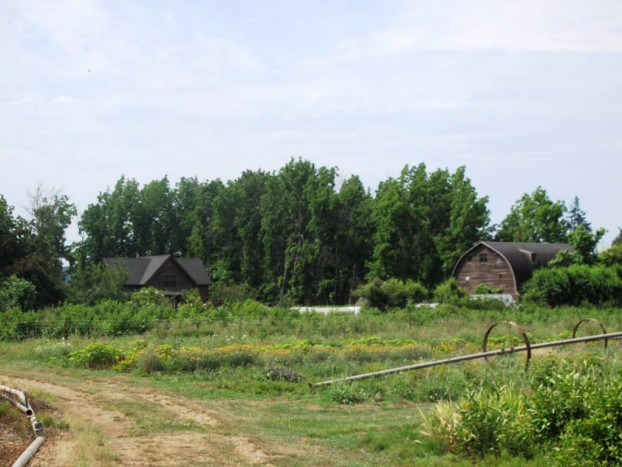
Farmhouse (left) and the soaring three-story barn (right).

Farmhouse (left) and the soaring three-story barn (right).

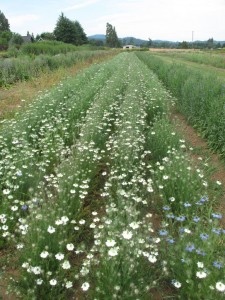
A dreamy (seemingly endless) row of white nigella.

A dreamy (seemingly endless) row of white nigella.

I know you will enjoy our conversation. It took place at the cozy kitchen table inside the hand-crafted farmhouse that’s just steps from the magnificent barn we discuss in our interview.

The flowers harvested from Charles Little & Co.’s fields satisfy demand for nearly every color, form and type of plant ingredient used by wedding, floral and event designers.

There’s always an eye-popping, seasonal assortment to choose from: flowering shrubs, colorful tree branches, evergreen boughs, and yes, a small percentage of dried flowers.

Since not all of you can visit the farm in person, as a special bonus, I’ve added a downloadable about them that appears in The 50 Mile Bouquet. Click here for the file: Grower Wisdom.


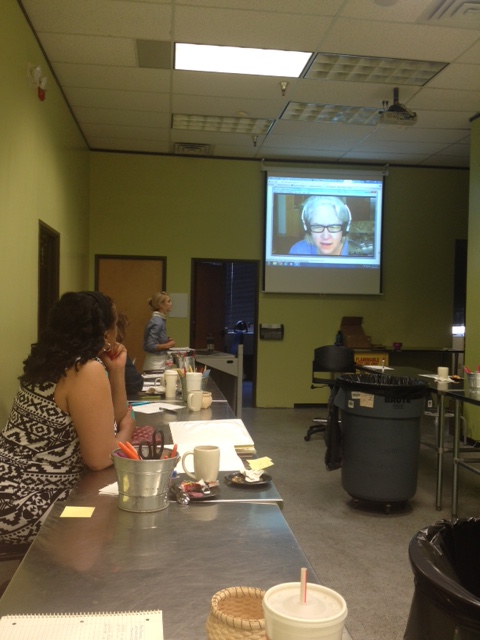
Through the power of technology, I "skype-lectured" for Morgan Anderson's Austin CC "slow flowers" class.

Through the power of technology, I “skype-lectured” for Morgan Anderson’s Austin CC “slow flowers” class.

Before I close, I wanted to give a shout-out and thank you to the fabulous students of Austin Community College’s floral design program who asked me to be a guest speaker (virtually- through the power of Skype) this week.

Their topic: Slow Flowers! The seminar was developed by instructor Morgan Anderson, a PhD candidate in floral design at Texas A&M University (yes, you heard me right) and the owner of The Flori.Culture, a design studio and Slowflowers.com member.

In addition to the Q&A with me, the students have been learning about sourcing local ingredients, specifically focusing on and using botanicals from Texas Specialty Cut Flowers, Pamela and Frank Arnosky’s famous flower farm. They are also evaluating Floral Soil and they promised to send photos of their designs for me to post in the future.

I applaud Morgan because she is leading the way to educate the next generation of floral designers in an entirely different model than most conventional floristry education programs. The enthusiasm I felt from this amazing group of students was so encouraging – and I wish them all great success in their career paths.

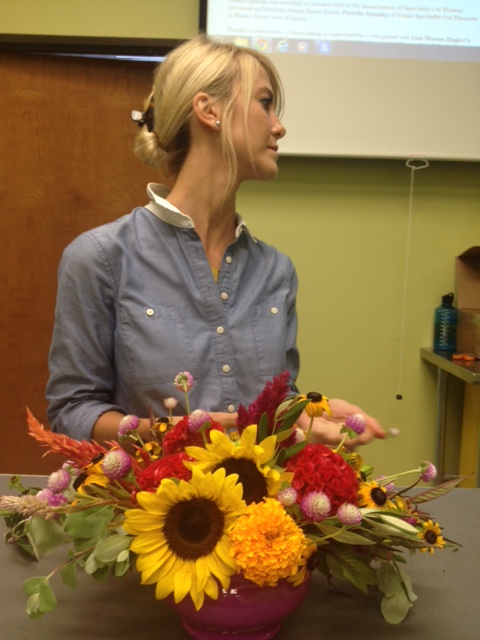
Morgan Anderson, The Flori.Culture, and Austin Community College design instructor demonstrates local Texas-grown flowers.

Morgan Anderson, The Flori.Culture, and Austin Community College design instructor demonstrates local Texas-grown flowers.

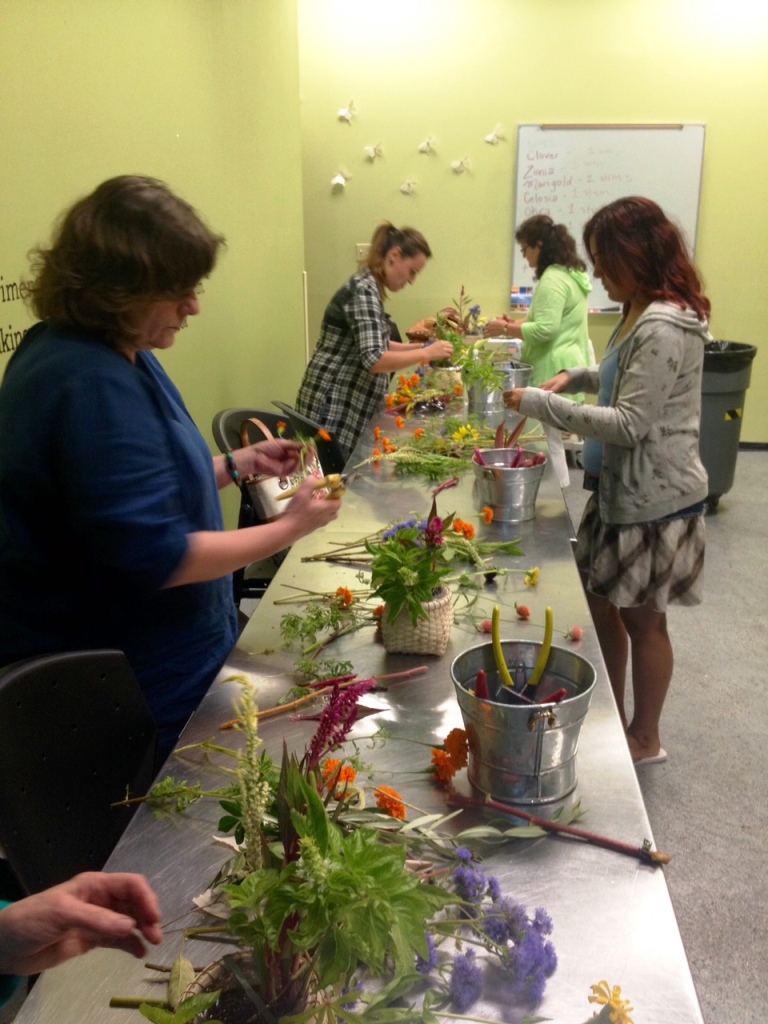
Some of the talented students creating their floral designs using eco-techniques.

Some of the talented students creating their floral designs using eco-techniques.


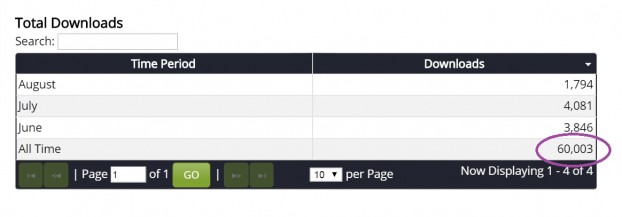
60KThis week was a highlight in another way, too. We broke the record with our 60,000th podcast download. THANK YOU to each and every one of you for downloading, listening, commenting and sharing. It means so much.

Until next week, you’re invited to join me in putting more American grown flowers on the table, one vase at a time. And If you like what you hear, please consider logging onto Itunes and posting a listener review.

The content and opinions expressed here are either mine alone or those of my guests alone, independent of any podcast sponsor or other person, company or organization.

The Slow Flowers Podcast is engineered and edited by Andrew Wheatley and Hannah Holtgeerts. Learn more about their work at shellandtree.com.
Portland’s Elizabeth Artis of Espe Floral + Foliage (Episode 206)

Wednesday, August 12th, 2015
Elizabeth Artis with some of her favorite summer flowers, photographed in Portland, Oregon, in late June 2015.

Elizabeth Artis with some of her favorite summer flowers, photographed in Portland, Oregon, in late June 2015.

Before I introduce you to Elizabeth Artis of Espe Floral + Foliage of Portland, I want to share a few words of gratitude that came my way this week.

Christine Hoffman of Foxglove Market + Studio in St. Paul, Minnesota's design for a restaurant in her community.

Christine Hoffman of Foxglove Market + Studio in St. Paul, Minnesota’s design for a restaurant in her community.

One of the special benefits enjoyed when you or your businesss is part of the Slow Flowers community is the sense of sharing and support among like-minded folks all over the country.

Case in point, a florist in the Midwest recently emailed to ask me for help with a bid she was developing for a restaurant in her town that wanted locally-inspired floral arrangements. She felt she couldn’t ask another florist in her market, but she suspected that a Slow Flowers designer outside her market might have the answer.

As it turns out, when she reached out to me, I had just talked about restaurant “weeklies” with a local Seattle florist. Both of these women have their businesses listed on Slowflowers.com.

It was a cinch to connect them by email and they later chatted by phone. Florist two shared her strategies with Florist one. And I love that they both experienced instant camaraderie!


The email came recently from the Midwest florist. Subject line: “It worked! Thank You!”

Thank you, Debra, for connecting me with Tess to chat about restaurant floral work…and Tess, thank you for generously offering your time and insight. After a bit of back and forth (this was new on my end and theirs!), we have come to an agreement, and I’ll be starting next week!​ I love having the support and expertise of the whole slow flowers “family.”

That’s so cool to hear, right?! And you do not have to go through me to get this information. You should feel free to connect any fellow Slow Flowers member for help. It’s part of that “paying it forward” philosophy, conducted with mutual respect for people’s time, talents and ideas.

I don’t always know who’s listening to these weekly podcasts but every now and then I get a glimpse of how these interviews may connect with a listener. then this past weekend, a small note appeared in my Instagram feed, from a gifted flower farmer. She wrote: “Your podcast pulled me through a tough week. Thank you for all your efforts and hard work!” I can’t tell you how much it meant to me to hear these words from an American flower farmer.

The design work of Elizabeth Artis, Espe Flowers + Foliage

The design work of Elizabeth Artis, Espe Floral + Foliage

EspeLogoFullColorCROP_smallAs I mentioned, today’s episode features Portland-based floral designer Elizabeth Artis.

I met Elizabeth in a totally spontaneous way back in 2010 while working on The 5o Mile Bouquet. It was in December and with photographer David Perry I was scouting in Portland for possible subjects for the book. We knew we wanted to stop at the Oregon Flower Growers market but the rest of the trip was relatively unscheduled.

A fun, truly Portland-inspired image from Elizabeth's blog.

A fun, truly Portland-inspired image from Elizabeth’s blog.

And then we ran into Elizabeth, who was there with another florist for whom she was freelancing.

The invitation was extended and soon David and I found ourselves at Jennie Greene’s flower shop to document the winter-themed arrangements she and Elizabeth were designing, of course with a decidedly local provenance.

Our friendship began there after Elizabeth and I realized we had a few mutual San Francisco florist frienesand it has been a joy to watch Elizabeth’s design journey move on from there.

Elizabeth branched out on her own a few years ago and she runs Espe Floral + Foliage from Northwest Portland with two different channels:

Elizabeth, photographed by (c) Christine Taylor

Elizabeth in her studio, recently photographed by (c) Christine Taylor

More bouquets by Elizabeth!

More bouquets by Elizabeth! (c) Bianca-Jade.com

First, she manages the floral department at Food Front Co-Op Grocery on NW Thurman St. in Portland, a shop-within-a-shop with everything from single stems and bunches to voluptuous bouquets, available seven days-a-week during store hours (8 a.m. to 10 p.m.).

Second, she operates a design studio just around the corner, an approximately 500-square-foot space ideal for meeting with wedding clients and for producing lush, wild and amazing creations.

We recorded our interview there when I visited in late June.

Gorgeous!!!

Seasonal. Local. Gorgeous!!!

Espe is committed to using local and sustainably grown flowers from small farms in the Pacific Northwest and down the coast into California.

As Elizabeth writes on her web site: “Our many friendships with these small operations guarantee quality from season to season. The selection, like the weather, changes from week to week so watch closely and see the next season on its way.”

Elizabeth is one to watch – and I love how articulate she shares her philosophy and her love of flowers.

You can connect with and follow Elizabeth at these social places:

Espe Floral + Foliage on Facebook

Espe Floral + Foliage on Instagram

Love this bodacious Espe bouquet of local roses.

Love this billowing Espe bouquet of local Northwest roses.

Thanks for joining me today. Everything we care about in the Slow Flowers community begins when a seed is planted into the soil. When the elements of water and sunshine enrich it and stimulate roots and stem. When the flower farmer nurtures a tiny plant into a stunning, fragrant bloom. If we remember the amazing origins of the flowers we love, we can’t go wrong.

zady_screenI tried to convey this sentiment in an essay that I was asked to write for the “slow fashion” company called Zady.com. Published earlier this week, I entitled the piece “Honest Flowers.”

Here are a few of the sentences that I wrote. I’m so pleased that the team at Zady understands how essential it is to think about the ethical choices we make as both consumers of fashion and flowers:

What I wrote may sound familiar to those in our community, but I will share one excerpt nonetheless:

One of the mottos of the Slow Flowers Movement is “origin matters.” Having a consciousness about the source of our flowers is just as important to me as knowing the provenance of a menu ingredient is to a locavore. Yet flowers are so rarely “labeled” and the face of the flower farmer is invisible to most consumers.

Knowing who grows the flowers we buy, where those flowers were harvested and what farming practices were employed to transform a handful of seeds into a flourishing bouquet is increasingly important, especially at this time when 80 percent of the cut flowers sold in the U.S. are imported. The result of having low-cost flower imports has lead to a 58% decline in U.S. flower farms since 1992.

Getting to share the cause for American grown flowers offered me a chance to reach 100,000 Zady customers, people who may never have considered the way a flower travels from its origins to their vase. So I’m grateful for the opportunity.

Listeners like you have downloaded this podcast nearly 60,000 times. THANK YOU to each and every one of you for downloading, listening, commenting and sharing. It means so much.

Until next week, you’re invited to join me in putting more American grown flowers on the table, one vase at a time. And If you like what you hear, please consider logging onto Itunes and posting a listener review.

The content and opinions expressed here are either mine alone or those of my guests alone, independent of any podcast sponsor or other person, company or organization.

The Slow Flowers Podcast is engineered and edited by Andrew Wheatley and Hannah Holtgeerts. Learn more about their work at shellandtree.com.
Rooster Ridge and its two generations of women flower farmers in Aptos, California (Episode 205)

Wednesday, August 5th, 2015
Nancy Abramson (left) and her daugher/partner Haley Wall.

Nancy Abramson (left) and her daugher/partner Haley Wall.

The charming rooster of Rooster Ridge. If you look closely, you'll see Nancy's signature on this original watercolor.

The charming rooster of Rooster Ridge. If you look closely, you’ll see Nancy’s signature on this original watercolor.

Last month we visited Santa Cruz, California, to hear from Christof Berneau of the UC Santa Cruz’s Center for Agroecology and Sustainable Food Systems.

On that same trip I met up with mom & daughter flower farmers Nancy Abramson and Haley Wall of Rooster Ridge Farm, a USDA Certified Organic and California Certified Organic farm located in nearby Aptos.

I briefly met Nancy and Haley in 2012 when they attended the Association of Specialty Cut Flower Growers annual conference in Tacoma, where I had been invited to speak about The 50 Mile Bouquet. I remember their unbridled enthusiasm and at the time I recall thinking what a great “story” they would be.

I gazed upon this lovely scene while recording our podcast interview. It was taken from the deck of Nancy and Curt Abramson's home in Aptos, California

I gazed upon this lovely scene while recording our podcast interview. It was taken from the deck of Nancy and Curt Abramson’s home in Aptos, California

Haley's impromptu bouquet that features just-picked cultivars and items foraged from Rooster Ridge.

Haley’s impromptu bouquet that features just-picked cultivars and items foraged from Rooster Ridge.

Fast-forward to 2015 and we reconnected through Teresa Sabankaya of Bonny Doon Garden Co., a recent podcast guest. Teresa hosted a Slow Flowers/Slow Coast gathering in the Santa Cruz area when I was there in March and Nancy and Haley attended.

They reminded me that I had an open invitation to visit them at Rooster Ridge.

That visit took place in June. Nancy and Haley welcomed me and led a wonderful walking tour of the grounds, which includes orchards, a vineyard, cutting gardens and production fields.

We enjoyed some delicious refreshments on the deck of the family home. And then we recorded this podcast.

This is a bountiful 20-acre place where flowers, herbs and fruit flourish. The farm is a labor of love for Nancy, and now, for Haley, who is also providing floral design services for brides and other local clients. You can find Rooster Ridge’s harvest at Aptos area farmers’ markets and pop-up flower stands in the community.

Landscape, wild places, and formal planting rows are all here in this beautiful place.

Landscape, wild places, and formal planting rows are all here in this beautiful place.

Haley staffs a Rooster Ridge pop-up stand in the community.

Haley staffs a Rooster Ridge pop-up stand in the community.

A Haley-designed floral arrangement using Rooster Ridge-grown organic flowers

A Haley-designed floral arrangement using Rooster Ridge-grown organic flowers

From cut flowers to citrus and avocados to an abundance of herbs, Rooster Ridge is deeply connected to its region. Florists, supermarkets, and farmers market customers are delighted with the quirky, uncommon ingredients gathered into the mixed bouquets.

Our podcast interview asks Nancy and Haley to share how they grow, market and design, and how they develop new market opportunities.

Thanks for joining me today as we toured an organic California cut flower farm where sustainable practices and growing profitable crops are guiding principles.

As Nancy so aptly said,

“Being a farmer is a lifestyle choice. “

The 2014 flower farm wedding of Haley and Bobby Wood.

The 2014 flower farm wedding of Haley and Bobby Wood.

Another adorable wedding photo with Haley's homegrown and designed bouquet - straight from her own farm.

Another adorable wedding photo with Haley’s homegrown and designed bouquet – straight from her own farm.

I’m so glad she and her family has found a way to make a living from their land, and to share their beautiful flowers with their community, offering seasonal and local alternatives to imported stems.

Listeners like you have downloaded this podcast nearly 59,000 times. THANK YOU to each and every one of you for downloading, listening, commenting and sharing. It means so much.

Until next week, you’re invited to join me in putting more American grown flowers on the table, one vase at a time. And If you like what you hear, please consider logging onto Itunes and posting a listener review.

The content and opinions expressed here are either mine alone or those of my guests alone, independent of any podcast sponsor or other person, company or organization.

The Slow Flowers Podcast is engineered and edited by Andrew Wheatley and Hannah Holtgeerts. Learn more about their work at shellandtree.com.

Shade Plants for Floral Design with Author Ken Druse (Episode 204)

Wednesday, July 29th, 2015
While recording our conversation for this podcast episode I asked Ken if he would design a shade-lover's floral arrangement and share a photo. Here's what he harvested from his garden earlier this week. Beautiful!

While recording our conversation for this podcast episode I asked Ken if he would design a shade-lover’s floral arrangement and share a photo. Here’s what he harvested from his garden earlier this week. Beautiful! See footnotes for ingredient list.

Hear from Ken Druse, who shares his love of shade gardening and all its joys.

Hear from Ken Druse, who shares his love of shade gardening and all its joys.

Author/photographer, lecturer and radio host Ken Druse has contributed to nearly every garden and home design magazine in America.

He is probably best known for his books, which the New York Times called “bibles for serious gardeners.”

The American Horticultural Society chose his book, The Passion for Gardening, as best book of the year; and the Wall Street Journal recommended it as one of the “five garden books to own.”

Ken has authored 20 gardening books, including recent titles PLANTHROPOLGY: The Myths, Mysteries, and Miracles of My Garden Favorites and Natural Companions: The Garden Lover’s Guide to Plant Companions, which features both Ken’s photography and that of digital artist Ellen Hoverkamp.

Solomon's seal (Polygonatum hybridum), a popular spring "cut" for floral design.

Solomon’s seal (Polygonatum hybridum), a popular spring “cut” for floral design.

In 2004, the Garden Club of America awarded Ken the Sarah Chapman Francis medal for lifetime literary achievement. In 2013 Garden Writers Association awarded Ken the gold medal for photography and the silver medal for writing. In 2013, the Smithsonian Institute announced the acquisition of the Ken Druse Collection of Garden Photography, comprising 100,000 images of American gardens and plants.

Digitalis purpurea 'Alba' from p. 179.

Digitalis purpurea ‘Alba’ from p. 179.

I have interviewed Ken for stories about his work that appeared in the San Diego Union Tribune and the Los Angeles Times, so it is with great pleasure that I welcome him to the Slow Flowers Podcast. Ken is a pioneer of gardening podcasts, having been on the air for a decade with his national podcast and public radio show “Ken Druse Real Dirt,” which listeners can hear through their computers and iPods.

web_cover New Shade copy 3 - CopyWe’re here today to discuss Ken’s timely new book, The New Shade Garden: Creating a Lush Oasis in the Age of Climate Change, published in May by Stewart Tabori & Chang.

Ken reveals the low-stress environment of shade (cooler temperatures; fewer water demands) and how shade is extremely beneficial for our plants, our planet and us.

The thriving garden of the future might just exist in the understory!

I come to floral design from the residential garden and a love of plants. And the floral designers in my world are always on the lookout for uncommon, ephemeral lovelies.

Guess what? Many of those special fronds, flowers, leaves and branches can be found in the shade garden. Learning from a master like Ken Druse is a huge treat — I hope you found what he shared as inspiring as I did.

I highly recommend this comprehensive guide to “all things shade.” For gardeners and floral designers alike, “The New Shade Garden” is packed with inspiration and with ideas for having a lush, textural and fragrant garden where many colors exist!

logo KDRD plainAnd just for fun, to get a flavor of Ken’s wonderful and welcoming interview style (and to hear his radio-perfect voice!) here are links to the two Ken Druse Real Dirt episodes where I appeared as his guest:

May 11, 2012, “Field to Vase”

March 22, 2013, “The Local Flower Movement’s Champion”

From page 223 of The New Shade Garden: Ken repurposed an outdoor fireplace as a staging platform for his summering houseplants.

From page 223 of The New Shade Garden: Ken repurposed an outdoor fireplace as a staging platform for his summering houseplants.

On his web site, Ken writes:  Spending time in nature, especially nurturing plants, strengthens our connection with the natural rhythms of life. In the garden, we often experience a kind of “meditation therapy”–weeding actually becomes a time to sort through the other parts of our busy lives. 

Hosta clausa in all of its glory brightens up any dark spot in the garden. From page 80.

Hosta clausa in all of its glory brightens up any dark spot in the garden. From page 80.

I couldn’t agree more, and like Ken, I see the garden as a metaphor for life.

On August 15th, if you are in the Northeast, you have a chance to hear Ken Druse lecture on shade; take his hands-on garden-photography workshop; shop a rare-plant sale; and tour the garden of fellow garden writer, editor and podcaster Margaret Roach in Copake Falls, New York as part of the Garden Conservancy Open Day in her area. Here are details for purchasing tickets and to find the full day’s schedule.

Follow Ken Druse on Facebook here.

Find Ken Druse on Great Garden Speakers here.

A pale-colored wall illuminates the garden where a Magnolia grandiflora tree is espaliered.

A pale-colored wall illuminates the garden where a Magnolia grandiflora tree is espaliered.

Ken Druse’s “The New Shade Garden” floral arrangement includes:

Hydrangea arborescens ‘Annabelle’

Foliage from three different hostas

Flowers from two hosta varieties

Polygonatum odoratum ‘Variegatum’ (slightly faded to green)

Pachysandra terminalis ‘Variegata’

And “whips” (actually flower spikes) from Persicaria virginiana ‘Painter’s Palette’

Listeners like you have downloaded this podcast nearly 58,000 times. THANK YOU to each and every one of you for downloading, listening, commenting and sharing. It means so much.

Until next week, you’re invited to join me in putting more American grown flowers on the table, one vase at a time. And If you like what you hear, please consider logging onto Itunes and posting a listener review.

The content and opinions expressed here are either mine alone or those of my guests alone, independent of any podcast sponsor or other person, company or organization.

The Slow Flowers Podcast is engineered and edited by Andrew Wheatley and Hannah Holtgeerts. Learn more about their work at shellandtree.com.
It’s the Second Anniversary for the Slow Flowers Podcast with American Flowers Booster Kasey Cronquist (Episode 203)

Wednesday, July 22nd, 2015

second-birthday-cake-with-two-candles-214x300Today’s episode celebrates the 2nd anniversary of the Slow Flowers Podcast.

This podcast has been downloaded more than 57,000 times during the course of two years — and that means more and more people are hearing the message of American grown flowers and the farmers and florists who bring those blooms to you.

The popularity of this podcast shouldn’t be measured in numbers alone, but here is a telling metric: On our first year anniversary, I remember being thrilled that 15,000 individual episodes had been heard.

In our second year, for the same 12-month period, 42,000 individual episodes have been downloaded — that’s nearly triple the frequency.

I’m honored and humbled that you’re listening today and that so many wonderful voices have agreed to be part of this podcast celebrating American flowers.

Kasey Cronquist, seen here celebrating American Grown Flowers at the Field to Vase Dinner in Monterey Bay, California last month.

Kasey Cronquist, seen here celebrating American Grown Flowers at the Field to Vase Dinner in Monterey Bay, California last month.

I’ve invited Kasey Cronquist to be my 2nd anniversary guest, a role he is repeating after last year’s first anniversary episode.

I joined flower farmer Mike A. Mellano (left) and Kasey Cronquist (right) to celebrate the Field to Vase Dinner at The Flower Fields in Carlsbad, Calif., this past April.

I joined flower farmer Mike A. Mellano (left) and Kasey Cronquist (right) to celebrate the Field to Vase Dinner at The Flower Fields in Carlsbad, Calif., this past April.

It’s fitting to have you hear from Kasey especially because he’s one of the most significant people in the local flower movement. He has certainly influenced my journey through America’s fields and design studios and he’s been a kindred spirit in the cause about which we care so deeply – saving and nurturing the domestic cut flower industry – from field to vase.

Kasey Cronquist, CEO & Ambassador for the California Cut Flower Commission.

Kasey Cronquist, CEO & Ambassador for the California Cut Flower Commission.

Kasey is the CEO and Ambassador for the California Cut Flower Commission. He’s served in this capacity since 2007. He also administers the Certified American Grown Flowers brand program.

Efforts of Kasey Cronquist and others have led to the creation of this very special national brand for domestic flowers.

Efforts of Kasey Cronquist and others have led to the creation of this very special national brand for domestic flowers.

To learn more about Kasey, listen to our previous recorded interviews:

Episode 107 (September 18, 2013) American Grown Flowers from a California Point of View

Episode 151 (July 23, 2014) An All-American Celebration for our One-Year Anniversary

Here’s where you can find and follow him:

Kasey Cronquist’s Field Position Blog

Twitter: @kaseycronquist and @cagrown

Instagram: @kaseycronquist

TAKE ACTION!!! Here’s how to support the efforts of the Congressional Cut Flower Caucus by asking your own Representative to join!

I’m eager to begin Year Three, sharing more conversations with listeners like you.

THANK YOU for downloading, listening, commenting and sharing as part of the Slow Flowers Community. And a very special thanks to the flower farmers, floral designers, authors, educators and marketers whose voices have appeared on the Slow Flowers Podcast this past year.

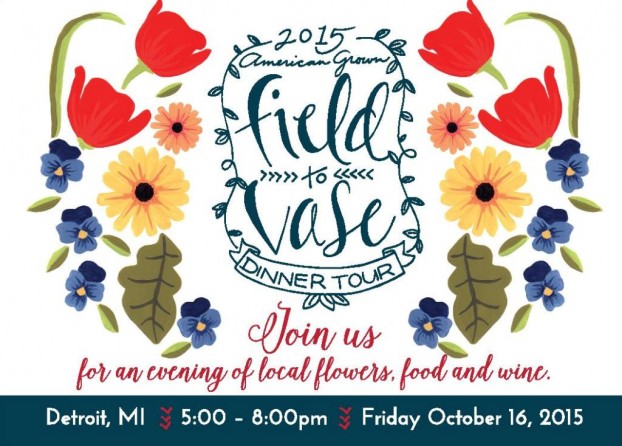
F2VheadergraphicI’m sharing a $35 off promotional discount for you to attend any of the remaining six Field to Vase Dinners in 2015. Reserve your seat at the flower-laden table by clicking here and use the code SLOWFLOWERS.

Until next week, you’re invited to join me in putting more American grown flowers on the table, one vase at a time. And If you like what you hear, please consider logging onto Itunes and posting a listener review.

The content and opinions expressed here are either mine alone or those of my guests alone, independent of any podcast sponsor or other person, company or organization.

The Slow Flowers Podcast is engineered and edited by Andrew Wheatley and Hannah Holtgeerts. Learn more about their work at shellandtree.com.
Christof Berneau of UC Santa Cruz’s Center for Agroecology (Episode 202)

Wednesday, July 15th, 2015
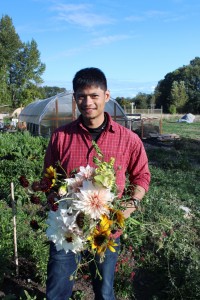
Christoph Berneau holds in his hands, a bunch of beautiful, organic, just-picked roses from UCSC's flower fields.

Christof Berneau holds in his hands, a bunch of beautiful, organic, just-picked roses from UCSC’s flower fields.

"The Farm" at University of California/Santa Cruz's 33-acre compound.

“The Farm” at University of California/Santa Cruz’s 33-acre compound.

A 2015 Apprentice poses with her just-harvested, just-designed bouquet.

A 2015 Apprentice poses with her just-harvested, just-designed bouquet.

Last month, my travels returned me to one of the most prolific flower growing regions in the U.S. – Monterey Bay, California.

I was there to co-host the Field to Vase Dinner Tour at Pajarosa Roses, a fantastic American flower farm known for luxury roses grown with sustainable practices. I was also able to connect with some other influential people in the cut flower industry in order to record interviews for the Slow Flowers Podcast.

You’ll hear today from one of those voices. Please meet Christof Bernau, the farm garden manager of the UC Santa Cruz’s Center for Agroecology and Sustainable Food Systems.

A veteran of the UC Santa Cruz program, Christof is a totally hands-on farmer-educator, working closely with the graduate apprentices, undergraduates and members of the public interested in land stewardship through farming.

2015 UCSC Apprentices gather to make beautiful summertime bouquets from flowers picked only moments earlier.

2015 UCSC Apprentices gather to make beautiful summertime bouquets from flowers picked only moments earlier.

Christof, clipping a few UCSC-grown Kordes roses for a custom order.

Christof, clipping a few UCSC-grown Kordes roses for a custom order.

Look how much happiness these American grown flowers spread!

Look how much happiness these American grown flowers spread!

Today's guest, Christof Berneau, is the hands-on educator-farmer at USCS's Center for Agroecology and Sustainable Farming.

Today’s guest, Christof Berneau, is the hands-on educator-farmer at USCS’s Center for Agroecology and Sustainable Food Systems.

Here’s more about Christof:

Christof has been part of the CASFS since coming to the Santa Cruz area as an Apprentice in 1994. He has been an Apprenticeship instructor since 1999.

Christof has extensive experience in nursery management, propagation, vegetable, and specialty cut flower production.

He is especially interested in floral design with specialty crops, high nutrition crops, small-scale grain production, the cultivation of a wide range of fruit crops, and creating a learning environment where everyone can thrive.

He holds a BA in Asian History from Reed College and an MA in Equity and Social Justice in Adult Education from San Francisco State University.

When not immersed in the farm, Christof cherishes his time with his wife Jennifer and their daughter Eleanor Wren, spending time in the mountains, pursuing wildflowers, studying natural history, water cycles, and local ecology.

Harvest Schedule- Love this!

Harvest Schedule- Love this!

Summer bouquet-making with the 2015 apprentices yields some gorgeous hyper-local arrangements.

Summer bouquet-making with the 2015 apprentices yields some gorgeous and hyper-local arrangements.

And more about the Center:

It is a research, education, and public service program dedicated to increasing ecological sustainability and social justice in the food and agriculture system. And yes, thankfully, flowers are a part of that equation!

The Center operates the 3-acre Alan Chadwick Garden and the 33-acre UCSC Farm, which serve as research, teaching, and training facilities. Proceeds from produce, flower and plant sales support the UCSC Farm & Garden facilities, and the Center’s Apprenticeship training course in organic farming and gardening.

“The Farm,” as it is called, is the hub of activity for the Apprenticeship in Ecological Horticulture, which teaches the concepts and practices of organic gardening and small-scale farming.

This full-time, six-month  program includes approximately 300 hours of classroom instruction and 700 hours of in-field training and hands-on experience in the greenhouses, gardens, orchards, and fields.

Buckets of Santa Cruz flowers, ready for designing.

Buckets of Santa Cruz flowers, ready for designing.

Another creative Apprentice with his custom arrangement.

Another creative Apprentice with his custom arrangement.

Since its founding in 1967, the Apprenticeship has developed into an internationally recognized program that blends the virtues of experiential learning with traditional classroom studies.

Topics covered during the six-month course include instruction and daily work experience in organic gardening and farming, focusing on ecological interactions amongst plants, soils, climate, insects, and pathogens.

In a hands-on education approach, apprentices work alongside staff in the greenhouse, gardens, fields, and orchards, as well as attend lectures, demonstrations, and field trips.

Apprentices are exposed to the different aspects of growing plants organically on both a hand-dug garden scale and a tractor-cultivated field scale. The Apprentices selected to attend the course each year are interested in practical training that will prepare them to teach others and/or to run their own operations.

Another fun Apprentice shot - note the lavender sprig in his beard.

Another fun Apprentice shot – note the lavender sprig in his beard.

The goal of the Apprenticeship is to increase the number and diversity of individuals who have a command of the fundamental skills and concepts associated with organic horticulture and agriculture, such that they will be prepared to actively participate in commercial or social service projects that aim to improve human health and environmental quality through organic practices.

If you find yourself traveling to Northern California, the SF Bay Area or Santa Cruz, check out the ways you can connect with the Center for Agroecology and Sustainable Food Systems.

For flower farmers and floral designers, something really exciting is coming up at The Farm on Saturday, July 25th: Growing and Designing Special Event Flowers.

Join professional flower grower Zoe Hitchner of Front Porch Farm in Healdsburg, and Sky DeMuro of UCSC’s Alan Chadwick Garden for a day-long workshop on special event flowers. If you are a bride, groom, farmer-florist, or simply love playing with flowers, this workshop will delight and educate.

Zoe and Sky will lead participants in demonstrations and hands-on activities as we make unique, seasonal arrangements that are farm-fresh and elegant. In addition to basic floral design techniques including hand-tied bouquets, centerpieces, corsages, and boutonniers, this workshop will also cover organic growing and selection tips for those who want to grow their own bouquets.

The cost of the all-day workshop is $125 (or $95 for members of the Friends of the UCSC Farm & Garden. Discounts available for beginning farmers (see contact information, below, to inquire about discounts). Space is limited to 20 participants and you’ll take home your arrangements. Pre-registration required. Click here to read a lovely profile about Zoe and Front Porch Farm that was featured on the Field to Vase blog.

Check out these Social sites where you can follow year-round activity of The Farm:

The Farm on Instagram

The Farm on Facebook

Application details about the 2016 Apprenticeship program.

You never know, this may be your introduction to a whole new world of sustainable flower and food farming!

Listeners like you have downloaded this podcast nearly 56,000 times. THANK YOU to each and every one of you for downloading, listening, commenting and sharing. It means so much.

Until next week, you’re invited to join me in putting more American grown flowers on the table, one vase at a time. And If you like what you hear, please consider logging onto Itunes and posting a listener review.

The content and opinions expressed here are either mine alone or those of my guests alone, independent of any podcast sponsor or other person, company or organization.

The Slow Flowers Podcast is engineered and edited by Andrew Wheatley and Hannah Holtgeerts. Learn more about their work at shellandtree.com.
First & Bloom’s Tammy Myers, an All-American Studio Florist (Episode 201)

Wednesday, July 8th, 2015
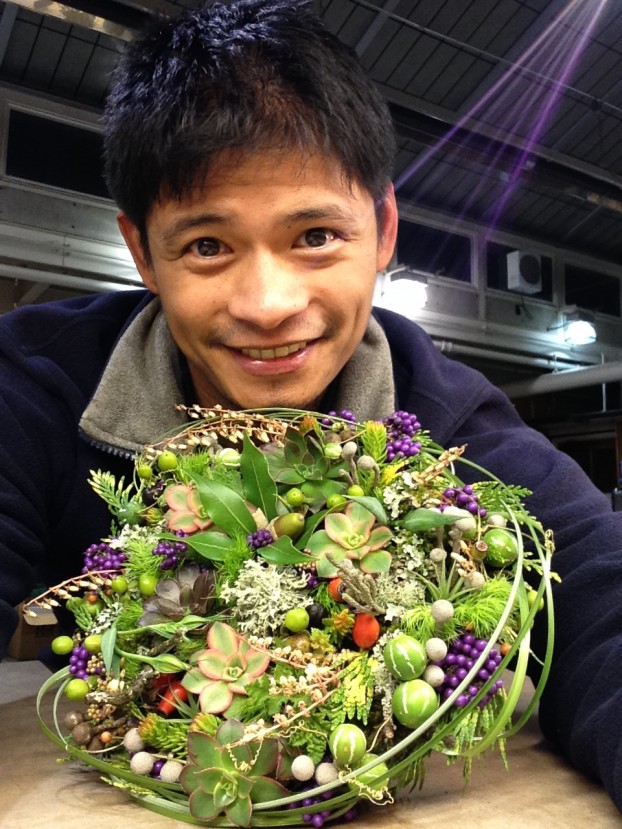
Meet Tammy Myers of First & Bloom, today's Slow Flowers Podcast guest.

Meet Tammy Myers of First & Bloom, today’s Slow Flowers Podcast guest.

A moss-covered swing on Tammy's farm is a lush spot to photograph one of her hand-tied bouquets.

A moss-covered swing on Tammy’s farm is a lush spot to photograph one of her hand-tied bouquets.

This week’s Slow Flowers Podcast guest is Tammy Myers, a Seattle studio florist with a focus on 100% American-grown flowers. Scroll down to read more, find links and to see photos of her design work.

It was completely fitting to interview Tammy during American Flowers Week, which just wrapped up July 4th with a fantastic level of involvement from flower farmers and floral designers all over the country.

From boutique growers to the largest flower farms in the country; from studio florists to grocery stores and wholesalers, too, we celebrated American Flowers Week as a grass roots education, promotion and advocacy campaign to highlight our nation’s flowers and foliage — and to raise awareness among consumers, the media and policymakers about supporting domestic flowers!

Source: Keyhole.co Real-time Hashtag Tracking

Source: Keyhole.co Real-time Hashtag Tracking

On Twitter and Instagram alone, mentions of #americanflowersweek generated more than 400k impressions in one month.

That’s pretty exciting for what was a mere idea six weeks ago!

Huge thanks to our top participants – without their intentional involvement and embrace of American Flowers Week, we would never have created so much beautiful buzz about this grassroots campaign.

FGF_American_Flowers_Week_InstagramTop post honors go to Farmgirl Flowers of San Francisco and Los Angeles for generating more than 3,500 likes on Instagram with a special “firecracker” bouquet promotion designed just for American Flowers Week. You rocked it, Farmgirl Team.

READ MORE…

Destination Weddings in North Michigan, with BLOOM Floral Design (Episode 200)

Wednesday, July 1st, 2015
Bloom_Floral_Design

Jennifer Haf (left) and Larissa Flynn (right) of BLOOM Floral Design, collaborating on a floral headpiece at a recent Francoise Weeks workshop in Michigan

web_2015AmericanFlowersWeekLogoWe are in the middle of celebrating the inaugural American Flowers Week, June 29th through July 4th. We created American Flowers Week as a grass roots education, promotion and advocacy campaign to highlight our nation’s farms, florists, flowers and foliage — and to raise awareness among consumers, the media and policymakers about supporting domestic flowers!

If you haven’t joined in, there is plenty of time to get involved.

The easiest thing you can do is to make a red-white-and-blue bouquet using all American-grown, local and seasonal blooms. Please post that photo on your social sites and tag #americanflowersweek. I believe this effort will grow from a small idea into a significant annual event – and by adding your voice (and creativity) to American Flowers Week, you’re helping sing the praises of our homegrown blooms.

bloomlogoI’m so pleased today to introduce you to Jennifer Haf and Larissa Flynn of BLOOM Floral Design based on the beautiful North Michigan shore, in the communities of Petoskey/Charlevoix.

Jennifer founded BLOOM floral design in 2008 in response to her love for sharing cut garden flowers from her Northern Michigan backyard.

Having since studied under some of the most celebrated designers and with her team executed hundreds of regional and destination events, Jennifer radiates her love for all things natural into the designs BLOOM creates.

With a talented design team, BLOOM offers exclusive services to Northern Michigan and destination wedding clients — in fact, for 65 ceremonies this year alone.

Jennifer Haf, founder of BLOOM Floral Design.

Jennifer Haf, founder of BLOOM Floral Design.

Along with Jennifer, you’ll also meet Larissa Flynn, the creative director for BLOOM.

Trained as a graphic designer and fine artist, with extensive gallery and arts management experience, Larissa joined the floral business several years ago after meeting Jennifer and realizing they were creative kindred spirits.

I love the philosophy of BLOOM, as described on the studio’s web site:

We believe that flowers are most beautiful in their natural state.  When combined with other blooms in a customized palette, color and texture create a distinctive design that exudes the feeling you wish to create.  BLOOM sources flowers from only the finest growers, sourcing as much as we can locally and domestically.  Hand selected from tried and true varieties of the highest standards, our blooms will be sure to please.

Behind the scenes our creative team works meticulously at our production design studio where all of the magic happens the week leading up to your event.  Hand processing all of our flowers and prepping and designing each arrangement per event, our designs will charm and delight you and your guests.

Larissa Flynn, BLOOM's creative director.

Larissa Flynn, BLOOM’s creative director.

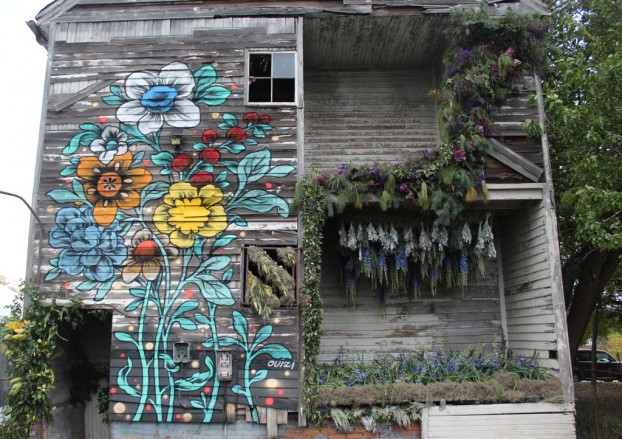
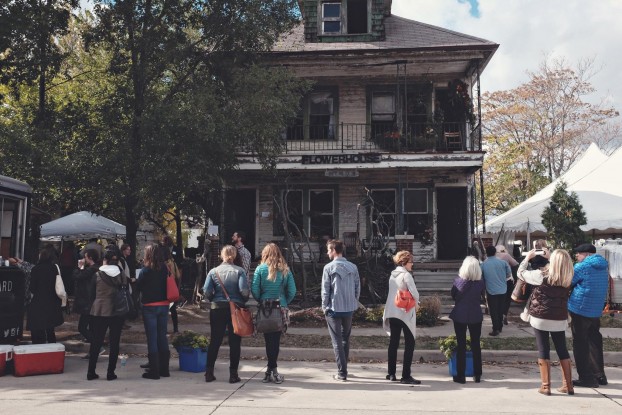
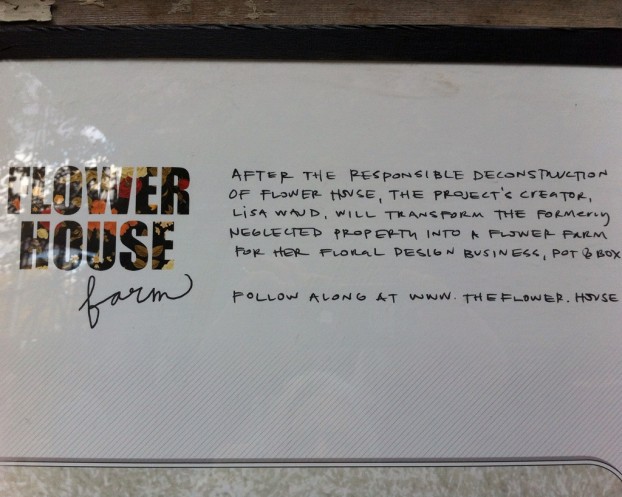
As you will hear in our conversation, I recorded the interview with Jennifer and Larissa rather spontaneously – at a gathering hosted by Lisa Waud of pot and box and Detroit’s The Flower House, a prior guest of this podcast.

I had flown to Detroit for a 24-hour visit to attend the preview for this amazing art installation, which will be held over the weekend of October 16-18.

Jennifer and Larissa will create the florals for one of the rooms at The Flower House and I can’t wait to see what kind of botanical magic they conjure up.

Please follow links to all of BLOOM’s social sites, shared below. These are talented Slow Flowers floristas you will want to follow:

BLOOM on Facebook

BLOOM on Twitter

BLOOM on Pinterest

BLOOM on Instagram

Here’s a gallery of the beautiful design work from BLOOM Floral Design, used with their permission. These gorgeous images give me a keen sense of place and an appreciation for the character of their region’s landscape, climate and flora. A large percentage of their floral elements are local, Michigan-grown flowers. You’ll want to visit Northern Michigan at the peak of the season to see these lovelies yourself!

Bloom4

Bloom5

Bloom9

Bloom7

Bloom10

Bloom11

Bloom14

Bloom15

Bloom17

Bloom13

Listeners like you have downloaded this podcast more than 54,000 times. THANK YOU to each and every one of you for downloading, listening, commenting and sharing. It means so much.

Please join the American Flowers Week excitement and check out these resources to help your efforts. With your involvement, I believe this public awareness campaign will gain momentum and become an established annual event in the floral industry.

Until next week, you’re invited to join me in putting more American grown flowers on the table, one vase at a time. And If you like what you hear, please consider logging onto Itunes and posting a listener review.

The content and opinions expressed here are either mine alone or those of my guests alone, independent of any podcast sponsor or other person, company or organization.

The Slow Flowers Podcast is engineered and edited by Andrew Wheatley and Hannah Holtgeerts. Learn more about their work at shellandtree.com.
Presenting American Flowers Week & Introducing Minnesota’s Len Busch Roses (Episode 199)

Wednesday, June 24th, 2015

PodcastLogoToday, we’re celebrating the 100th episode of the Slow Flowers Podcast, a weekly program that’s all about American Flowers and the people who grow and design with them.

Reaching ONE HUNDRED EPISODES represents a significant milestone, as we have brought you hours and hours of programming on the vital topics ranging from saving our domestic flower farms to supporting a floral industry that relies on a safe, seasonal and local supply of flowers and foliage.

To me, it’s all about making a conscious choice and I invite you to join the conversation and the creative community. This podcast is brought to you by Slowflowers.com, the free, nationwide online directory to florists, shops, and studios who design with American-grown flowers and to the farms that grow those blooms.  It’s the conscious choice for buying and sending flowers.

To commemorate the 100th episode of the Slow Flowers Podcast, we’re launching a very cool and I believe significant week-long education and outreach campaign that will kick off next Monday, June 29th and run through Saturday, July 4th.

web_2015AmericanFlowersWeekLogo

Inspired by British Flowers Week, which has been the subject of two recent podcast episodes, the Slow Flowers Podcast and the Slowflowers.com online directory present: AMERICAN FLOWERS WEEK.

We’re kicking off American Flowers Week with a fabulous logo identifying the campaign, designed by Iowa-based illustrator and artist Jean Zaputil of Studio Z Design & Photography.

You are welcome to visit our new American Flowers Week web site where you can download and use the logo and other resources for your own promotional efforts efforts. Click here to find our Press Kit and links to a Flickr gallery featuring local flowers and floral arrangements representing all 50 states.

READ MORE…

A Perfect Recipe: Floral Design Workshops and Delicious Local Food, with Sarah Statham of UK’s Simply by Arrangement (Episode 198)

Tuesday, June 16th, 2015
Sarah Statham of Simply by Arrangement, based in Hebden Bridge, Yorkshire, U.K.

Sarah Statham of Simply by Arrangement, based in Hebden Bridge, Yorkshire, U.K.

Welcome to our second episode celebrating British Grown Flowers. It’s timely because this is British Flowers Week in the UK, where flower farmers, florists, retailers and wholesalers across the country join forces to raise awareness among consumers and the media about the renaissance of their domestic floral industry. Take note, because we’ve got big plans here at Slow Flowers to launch American Flowers Week very soon.

My guest today is more than just a professional contact. I’ve gotten to know her and spend time in her home and community and I’m so happy to call Sarah Statham a personal friend.

Here's the web site for "Simply by Arrangement," the flowers-and-food workshop business that Sarah and Christie launched after careers as criminal prosecutors.

Here’s the web site for “Simply by Arrangement,” the flowers-and-food workshop business that Sarah and Christie launched after careers as criminal prosecutors.

Hoo Hole House in Hebden Bridge, a centuries-old restored stone manor and HQ for Sarah's flower-filled world.

Hoo Hole House in Hebden Bridge, a centuries-old restored stone manor and HQ for Sarah’s flower-filled world.

It was lovely to meet Gill Hodgson face-to-face after our long-distance friendship! She is as committed to putting British flowers on the map as I am about doing the same with American grown flowers.

It was lovely to meet Gill Hodgson face-to-face after our long-distance friendship! She is as committed to putting British flowers on the map as I am about doing the same with American grown flowers.

Sarah and I were introduced virtually by British flower farmer Gill Hodgson of Flowers from the Farm, a UK-based organization of flower farmers and florists promoting British flowers. You may have listened to my podcast interview with Gill last year.

When I knew I would be traveling to England last month, I reached out to Gill and suggested that I schedule a visit to Yorkshire, where her farm is based.

As it turned out, Gill and Sarah teamed up to create an entire itinerary for me and my mother Anita, my traveling companion.

Sarah and her husband James Reader opened the doors to their home to invite us to stay for three amazing, flower-filled days.

Their generosity blew us away, and beyond that, Sarah made sure that we met many others in the local floral community.

Tea at Harlow Carr, hosted by the flower famers and florists of Yorkshire.

Tea at Harlow Carr, hosted by the flower famers and florists of Yorkshire.

Unforgettable - the best English afternoon tea I've ever enjoyed!

Unforgettable – the best English afternoon tea I’ve ever enjoyed!

A highlight was a gathering and full-on British afternoon tea at the RHS Harlow-Carr Botanical Garden in Harrowgate. Forty kindred spirits gathered to listen to my short presentation about Slow Flowers and the American Grown flower movement, but I have to say that what I learned from them in return was so valuable.

That afternoon we tagged along for one of the photo shoots of the Yorkshire community of growers and designers, all part of the PR campaign to coincide with British Flowers Week.

The Yorkshire flower farmers commissioned the very talented Sarah Mason whose images of Yorkshire-grown flowers, flower farmers and florists have been showcased on this blog all week.

On our last morning together, I turned on the recorder to interview Sarah about her own business, as well as about her British Flowers Week activities.

Sarah, the flower maven.

Sarah, the flower maven.

You’ll hear me refer to the fact that we are seated in a cottage in the Cotswolds and just to explain, Sarah and James brought my mom and me with them for the first day of their week-long vacation in a charming village called Snowshill. Yet another amazing bonus of this visit and of their hospitality.

The co-creator of Simply by Arrangement, which she started two years ago with Christie Buchanan, Sarah Statham is a floral designer and educator based in Hebden Bridge, in Yorkshire.

Christie calls herself a cook, but having eaten her delicious food, I’d say she’s a chef extraordinaire.

Christie, the food goddess.

Christie, the food goddess.


Their artisan flower and food business. pairs floral workshops with delicious food, which easily turns the educational aspect of a day playing with flowers into an entire luxury experience.

Simply by Arrangement also provide flowers and food for private clients as well as flowers for larger events and weddings.

Sarah grows many of our flowers used in her own beautiful cutting garden (which, by the way, the bedroom in which I slept conveniently overlooked).

Christie sources her menu ingredients locally from farms in Lancashire, where she is based.

I know you’ll enjoy my conversation with Sarah and please follow Simply by Arrangement at these social places.

Simply by Arrangement on Facebook

Simply by Arrangement on Twitter

Simply by Arrangement on Instagram

A Simply by Arrangement floral design workshop in full swing.

A Simply by Arrangement floral design workshop in full swing.

Sweet treats from Mrs. B.

Sweet treats from Mrs. B.

And if you find yourself in the UK, a Simply by Arrangement Workshop that feeds your creativity and tempts your palate is certainly in order.

Sarah and Christie would love to include you at the table.

After wrapping up our interview Sarah and I continued to chat about the similarities in our philosophies.

I asked her to write something for me to use at the close of this podcast relating to how she uses British flowers in her work, and here is an excerpt:

We would dearly love to use British flowers for all of our work. Sadly, maybe because British flower growers have yet to be able to match supply with demand there aren’t always the quantities available and also the British climate does mean that in winter months supplies of cut flowers are relatively limited as are the varieties available especially in our more Northern parts. 

Our philosophy is this: locally grown flowers are our first choice always. We grow some unusual varieties ourselves but don’t yet grow as many as we need. We are lucky to have some amazing Yorkshire growers relatively nearby and they are the ones who we go to first. 

Next will be a grower in Cheshire ( but that demands a 3 hour journey which is well worth it as her flowers are of such high quality ).   

We also have a supplier in Cornwall called Flowers by Clowance, who is reliable and sends supplies by Fed Ex. During winter months we do have to obtain more flowers from the flower market although we still have some supplies from Cornwall. We look forward to the day when the British flower growing market is back to full strength and can meet our needs and hope that the ‘quiet revolution’ in British flowers will give the growers confidence to produce more quantities. Our workshops through spring and summer to around October are British flower based. 

What I have tried to do at workshops is to show our attendees the real difference between locally grown flowers which haven’t been ‘traumatised’ by transportation from abroad and haven’t been grown in ‘battery farm like’ conditions and so I will have a small selection of non British flowers available for comparison. I can say without doubt that everyone always goes for the locally grown varieties. I think I mentioned the lady a couple of weeks ago who has vowed never to buy supermarket flowers again and who I have put in touch with a local grower in her area and who is already buying from her. 

I have to be completely honest though, there are times when a bride might have her heart set on roses and they are not available here. Whilst I will always try and steer our brides towards seasonally grown ( and thus British) flowers, sometimes it just isn’t possible. 

A quiet vignetter at Hoo Hole House caught my eye. Even the utilitarian is treated as a thing of beauty through Sarah's eyes.

A quiet vignetter at Hoo Hole House caught my eye. Even the utilitarian is treated as a thing of beauty through Sarah’s eyes.

This description sounds so familiar to what I hear from florists and designers here in the U.S. I applaud transparency but I also want to respect that people have to make tough choices as small business owners.

At Slow Flowers I want to support anyone who engages with American grown flowers at any level, while also encouraging them to strive toward 100% American grown flowers as the ultimate goal. And I hope to be a resource to help equip those who make such choices.

A jam jar filled with Yorkshire-grown flowers, part of the decor at the Tea.

A jam jar filled with Yorkshire-grown flowers, part of the decor at the Tea.

Thanks again for joining me today for another wonderful conversation.

Yes, I am devoted to celebrating American flowers and the designers and farmers who are changing this entire industry for the better.

But as I said last week, I’m also thrilled to introduce you to ways we can borrow ideas and inspiration from places like the U.K., where many parallels occur between our two marketplaces.

Next week is our 100th podcast and you will hear from an established American flower farmer with a long history and deep Midwest roots, and where one doesn’t always expect to find year-round blooms.

Listeners like you have downloaded this podcast more than 52,000 times. THANK YOU to each and every one of you for downloading, listening, commenting and sharing. It means so much.

Until next week please join me in putting more American grown flowers on the table, one vase at a time. And If you like what you hear, please consider logging onto Itunes and posting a listener review.

The content and opinions expressed here are either mine alone or those of my guests alone, independent of any podcast sponsor or other person, company or organization.

The Slow Flowers Podcast is engineered and edited by Andrew Wheatley and Hannah Holtgeerts. Learn more about their work at shellandtree.com.
Music credits:
Tryad – “Lovely”
Thorntree – “A Night at O’Malley’s”
http://noisetrade.com/thorntree
Zoe – “Mourning Skies”
http://zoe3.bandcamp.com/album/zoe
https://creativecommons.org/licenses/by-nc-nd/3.0/
Chris Zabriskie – “Oxygen Garden”
https://chriszabriskie.bandcamp.com/album/divider
https://creativecommons.org/licenses/by/3.0/

Additional music from:
audionautix.com