Debra Prinzing

Get the Email Newsletter!

Archive for the ‘Plants’ Category

One Month to The Flower House Launch with Floral Savant Lisa Waud (Episode 211)

Wednesday, September 16th, 2015
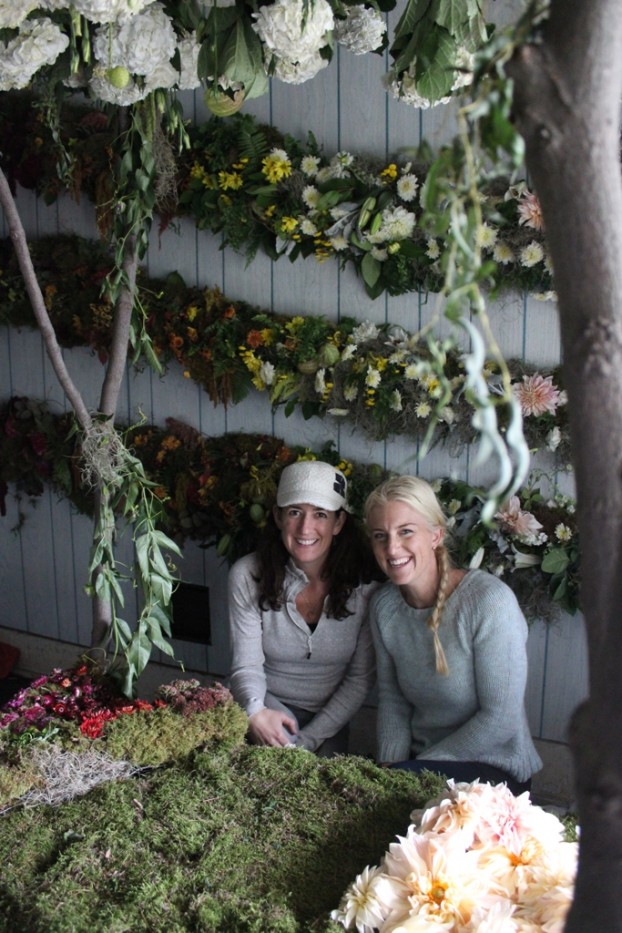
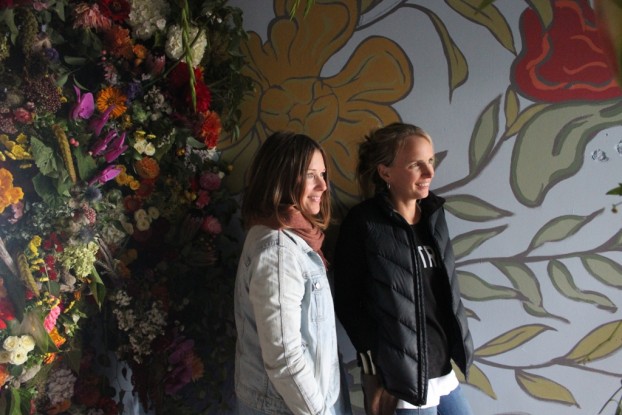
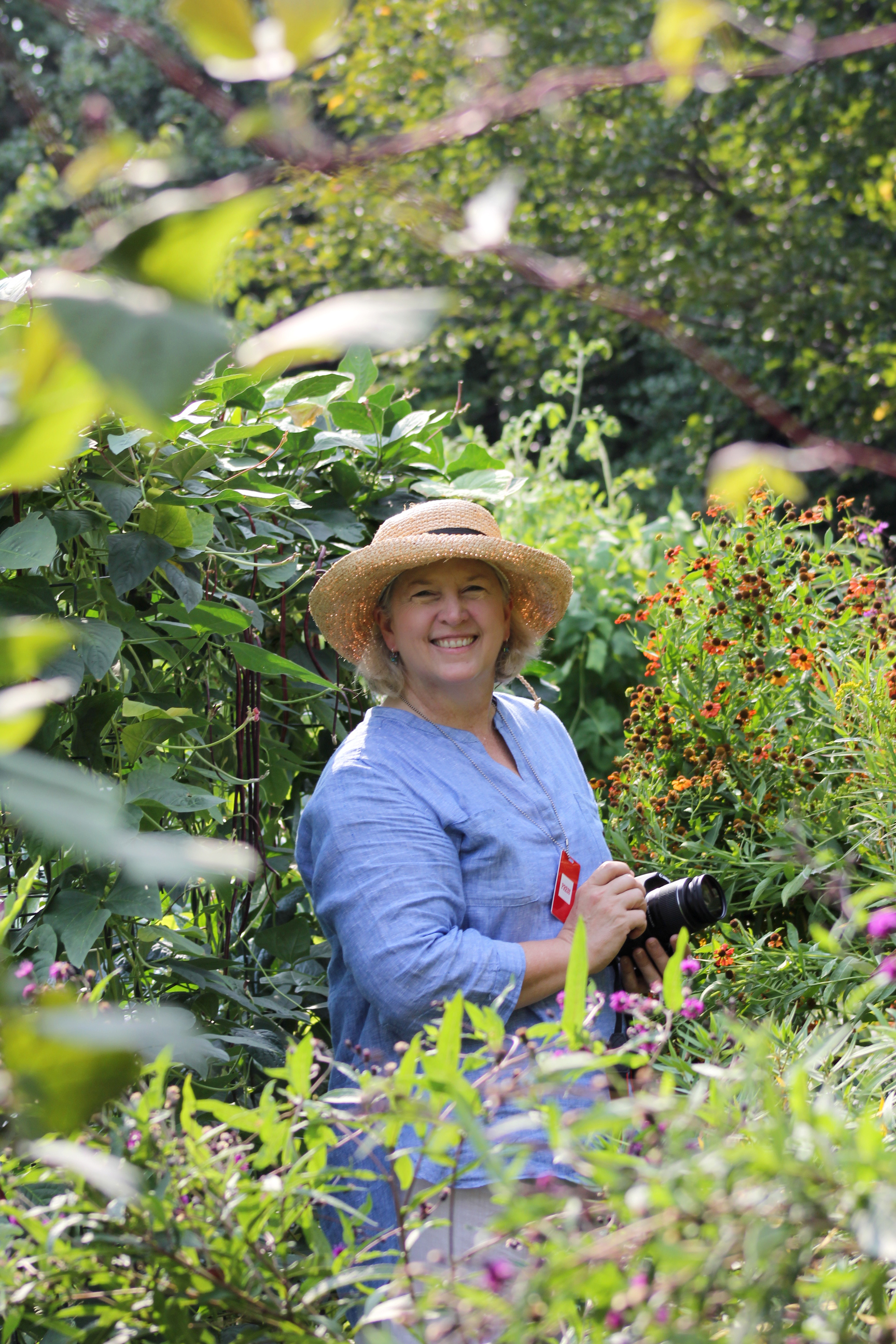
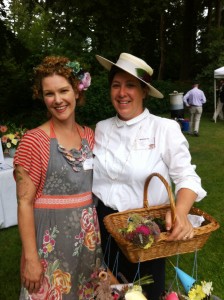
Lisa Waud, pictured at The Flower House press preview on May 1, 2015

Lisa Waud, pictured at The Flower House press preview on May 1, 2015

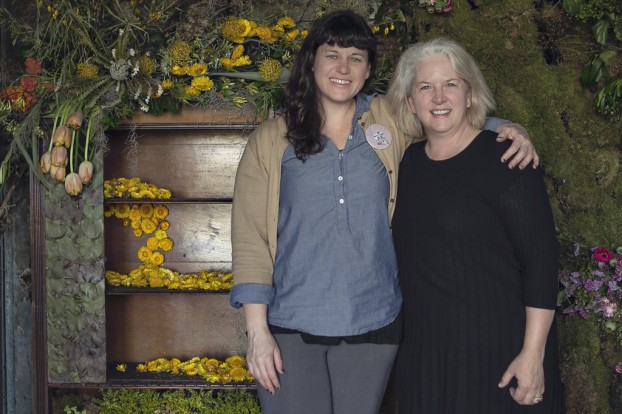
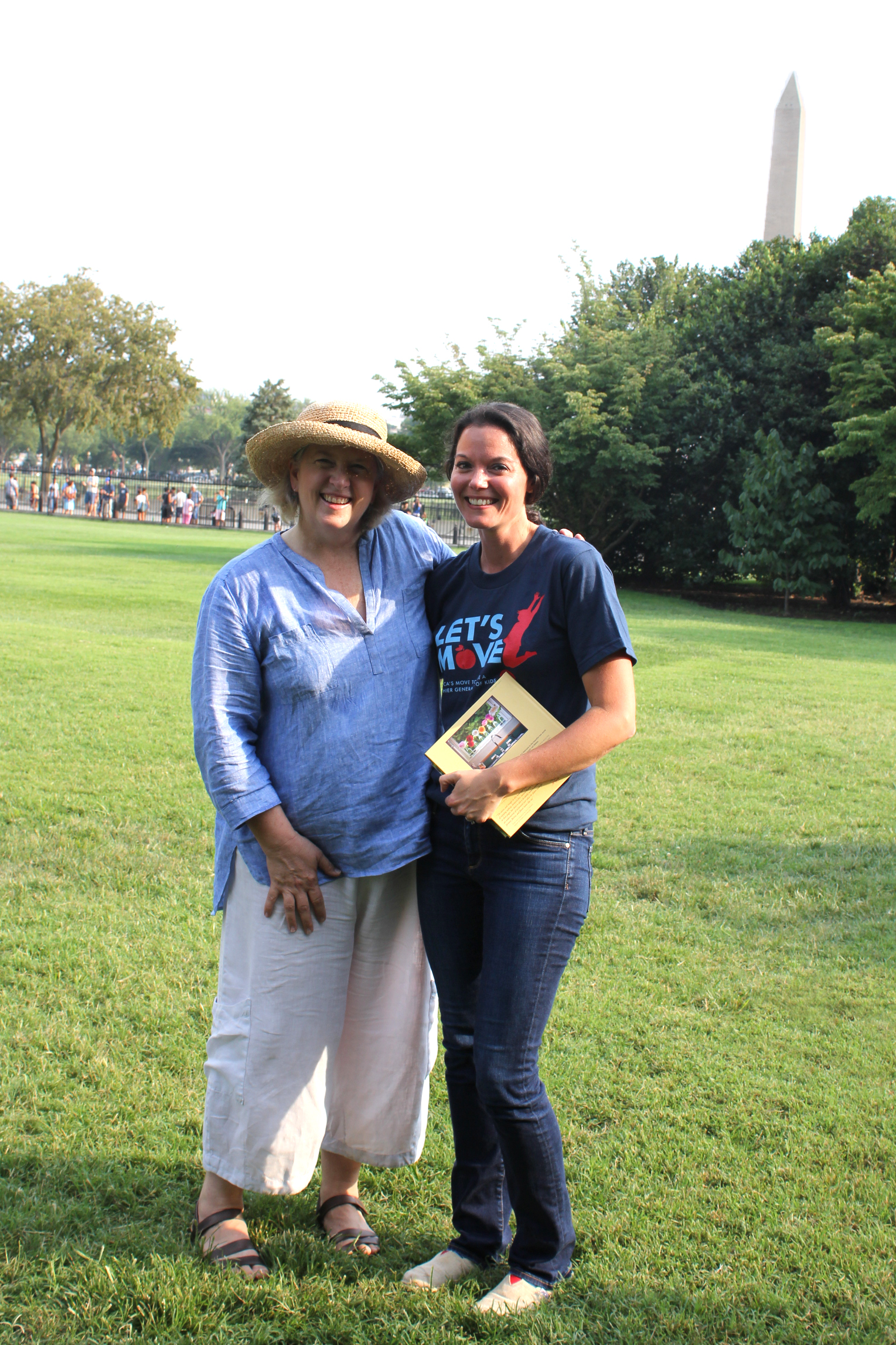
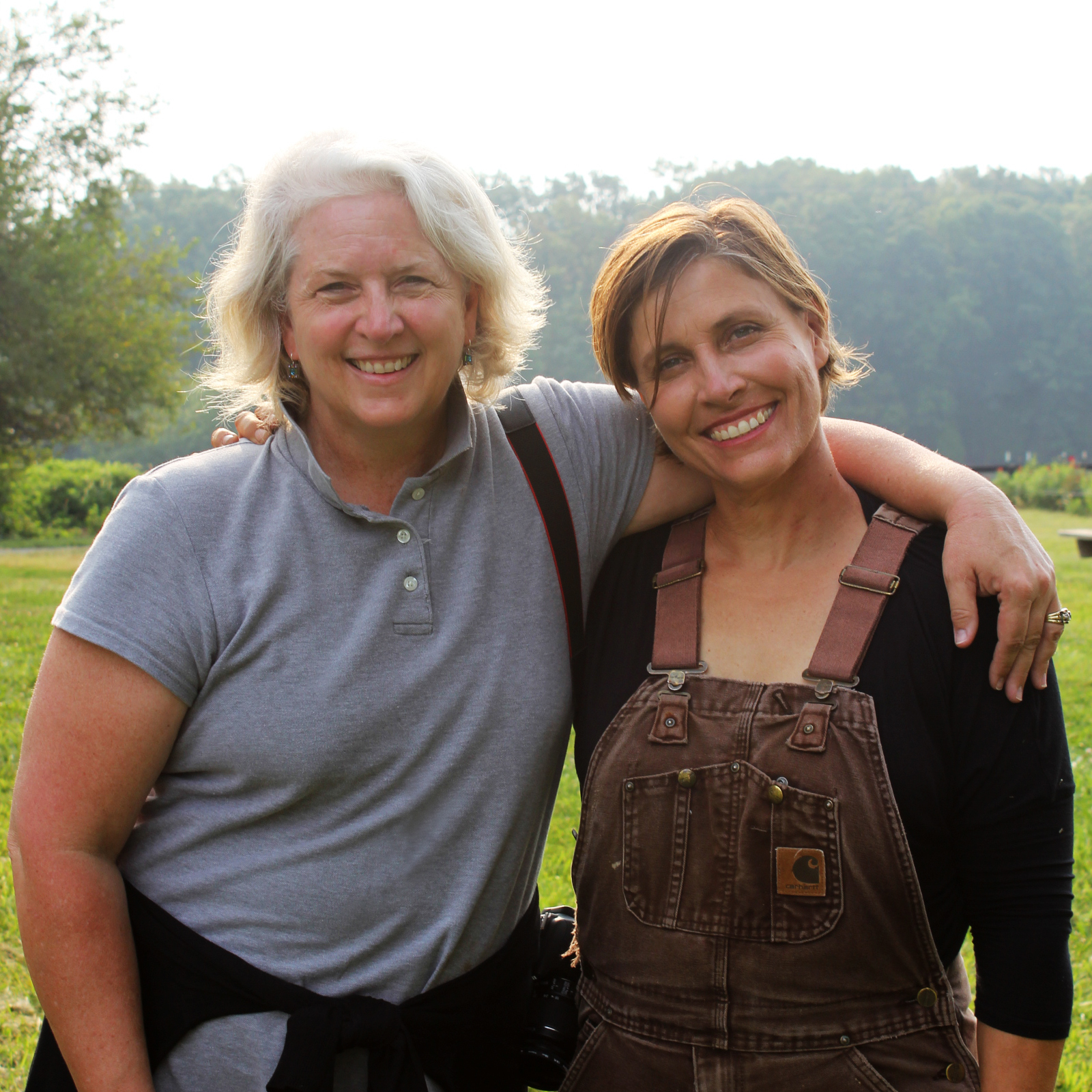
I love this pic of Lisa Waud (left) and me, taken by Heather Saunders at The Flower House press preview on May 1st.

I love this pic of Lisa Waud (left) and me, taken by Heather Saunders at The Flower House press preview on May 1st.

theflowerhouse_graphicI jumped on the phone a few days ago with Lisa Waud of pot & box, the botanical genius and visionary of The Flower House, the floral art installation that will open to the public in mid-October.

Listeners of this podcast heard my original interview with Lisa this past February when the plans and ideas for The Flower House were in their beginning stages. Since then, The Flower House news has been shared widely, but we can proudly say we heard Lisa’s personal story here first on the Slow Flowers Podcast.

Lisa reminded me of the amazing piece created by Hello Future Films, depicting her vision for The Flower House. I want to share it here for you to watch again. I find it so moving, and it makes me so proud to know and support Lisa and this phenomenal project.

Since doors to The Flower House open in exactly one month, on October 16th, Lisa agreed to chat with me for a few minutes to share her updates as preparations are revving up for this phenomenal, must-attend floral event.

We thought this would be a quick 10-minute interview, but the conversation was so engaging and Lisa and I were having so much fun discussing The Flower House that we spoke for a half hour.

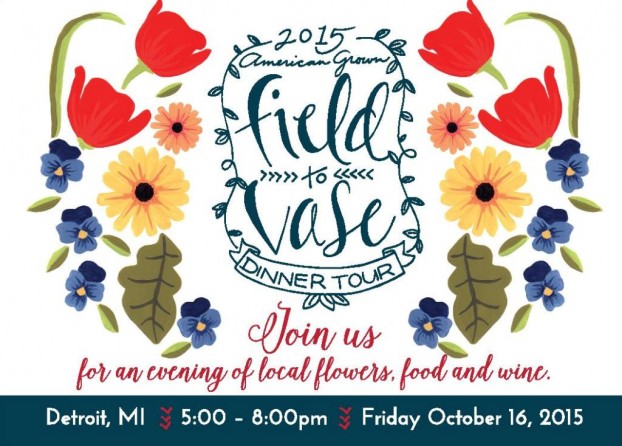
Consequently, we’ve adjusted our program lineup and today’s episode is completely devoted to The Flower House and the very special Field to Vase Dinner that takes place on October 16th.

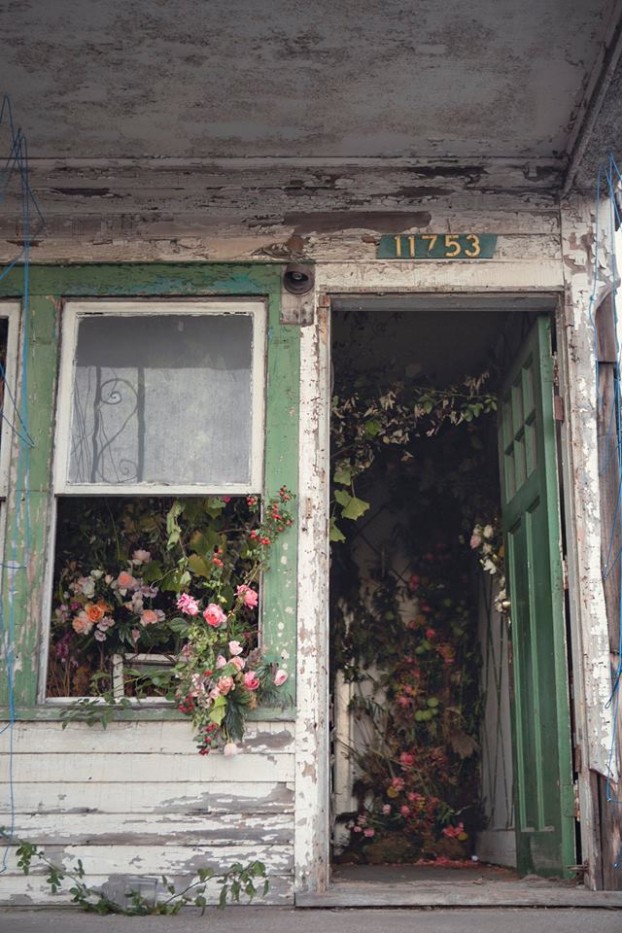
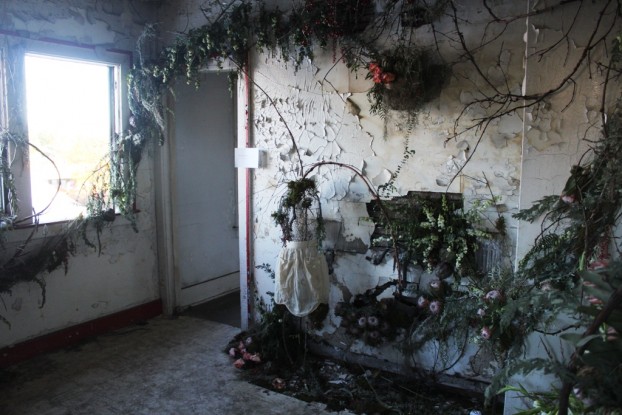
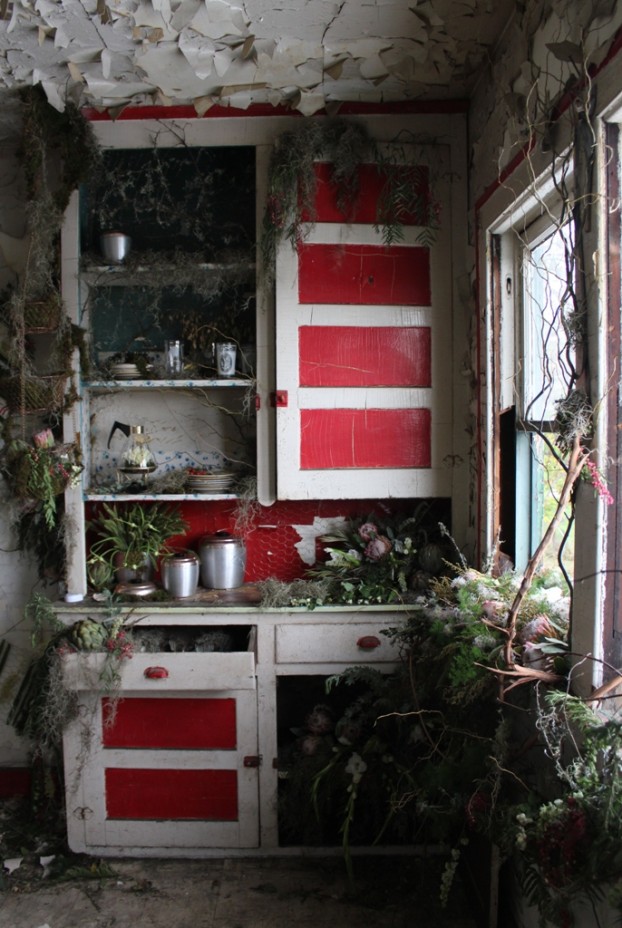
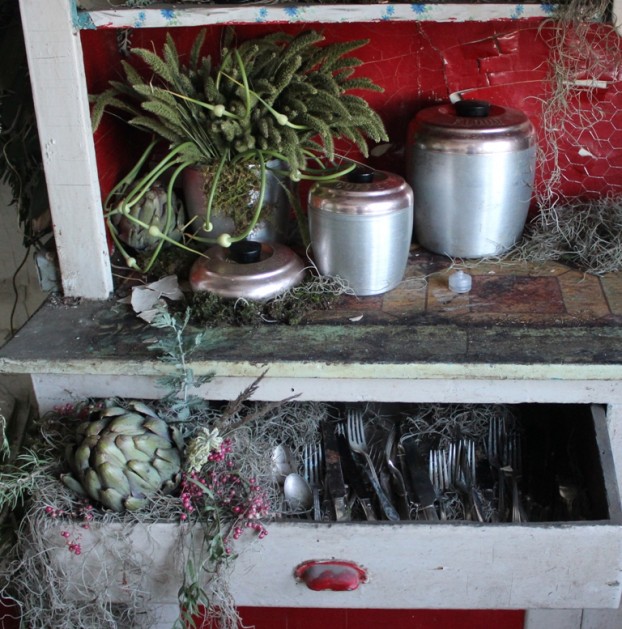
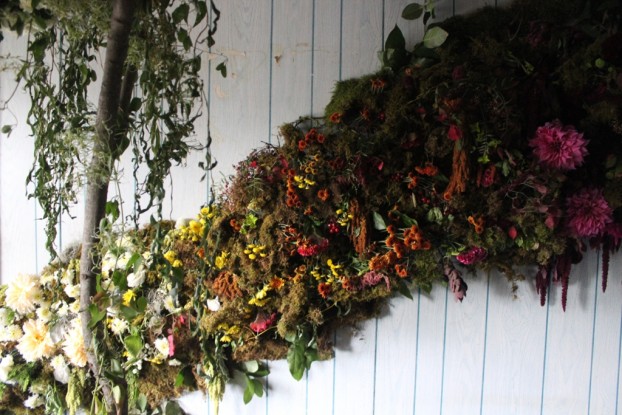
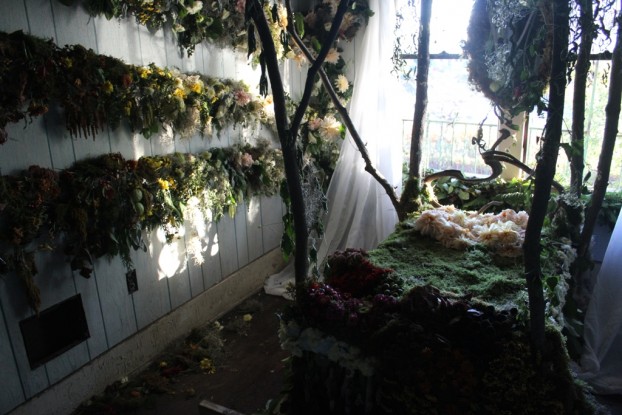
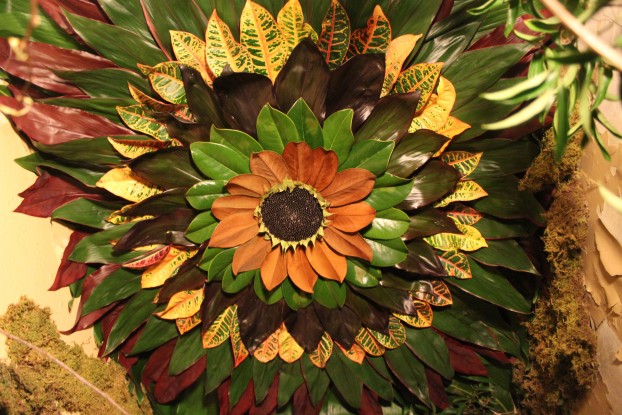
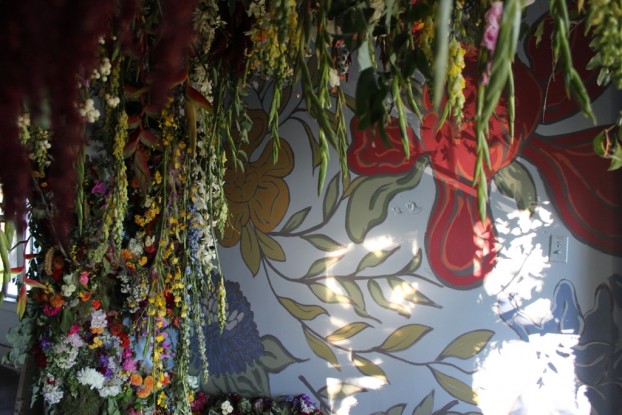
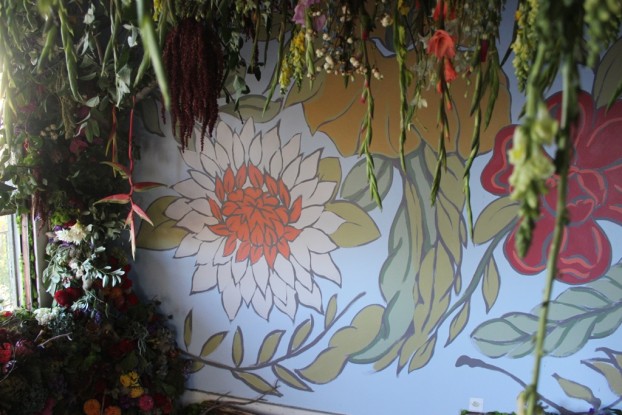
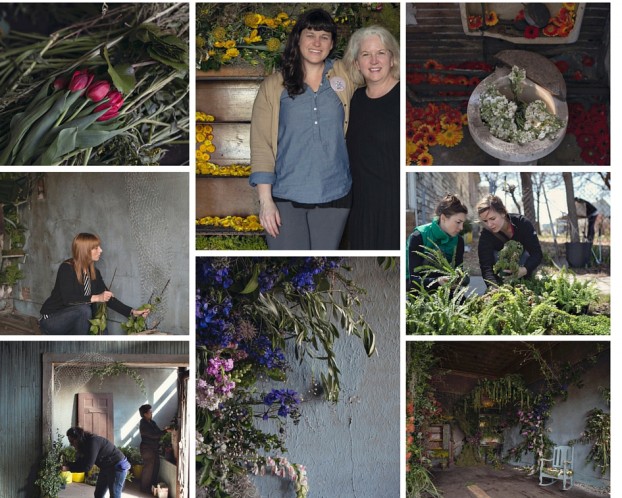
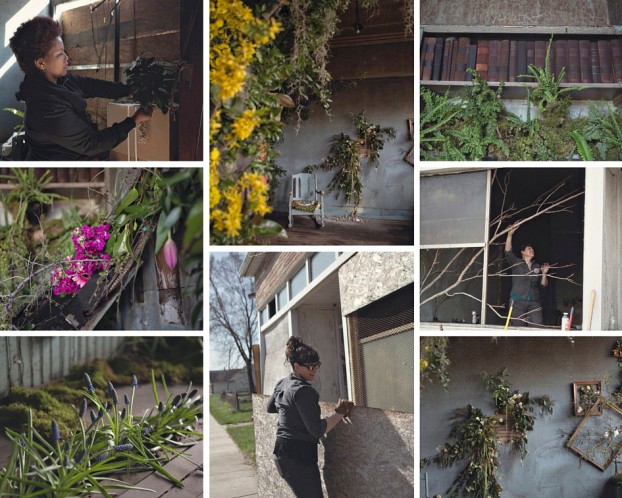
Lisa painted a beautiful picture of what’s to come . . . and here are a few beautiful bonus photographs taken by her cohort Heather Saunders, the official photographer of The Flower House. Your imagination will be stimulated, I promise!

2

1

Here is the link to purchase your ticket to tour The Flower House, Oct. 16-18.

Follow The Flower House on Facebook

Follow The Flower House on Instagram

Follow The Flower House in Twitter

Follow The Flower House on Pinterest

VOLUNTEER at The Flower House

Now is the time to put an X on the calendar and check out flights to travel from your home town to Detroit!

detroit_PC_art

Add a visit to The Flower House and reserve a seat at the table for The Field to Vase Dinner on October 16th. Ticket details are here – and remember that listeners can claim a $35 discount by using the SLOWFLOWERS promotion code upon checkout!

Make the pilgrimage – it’s one of those experiences you won’t want to forget. Florists and flower volunteers, your talents are needed, too! As Lisa noted, there are many opportunities to get involved in this floral event of the year. I’ll be there and I hope you are, too!

Episodes of the Slow Flowers Podcast have been downloaded more than 64,000 times. I thank you and others in the progressive American-grown floral community for supporting this endeavor.

Until next week, you’re invited to join me in putting more American grown flowers on the table, one vase at a time. And If you like what you hear, please consider logging onto Itunes and posting a listener review. THANK YOU to each and every one of you for downloading, listening, commenting and sharing. It means so much.

The content and opinions expressed here are either mine alone or those of my guests alone, independent of any podcast sponsor or other person, company or organization.

The Slow Flowers Podcast is engineered and edited by Andrew Wheatley and Hannah Holtgeerts. Learn more about their work at shellandtree.com.
SLOW FLOWERS Goes to Washington, D.C.

Saturday, September 5th, 2015

This was a red-letter week! For so many wonderful reasons, which all involve flowers, farming and gardening. Rather than write too much, I’m going to let the photos do the talking:

WHITE HOUSE KITCHEN GARDEN

lets_move_logoOn Tuesday, four of us achieved one of those “bucket list” goals!

Yes, we received permission to photograph the White House Kitchen Garden and its champion, Deb Eschmeyer, head of the First Lady’s “Let’s Move” program.

I am so grateful for the people who helped make this happen, including my friends at Certified American Grown and the First Lady’s communications and Let’s Move staff.

With James Baggett, editor of Country Gardens; Nick Crow, the magazine’s art director and photographer Bob Stefko, like me, a frequent freelance contributor to the title, I spent an amazing two hours at this very important kitchen garden. Look for my story in 2016 in the pages of Country Gardens!

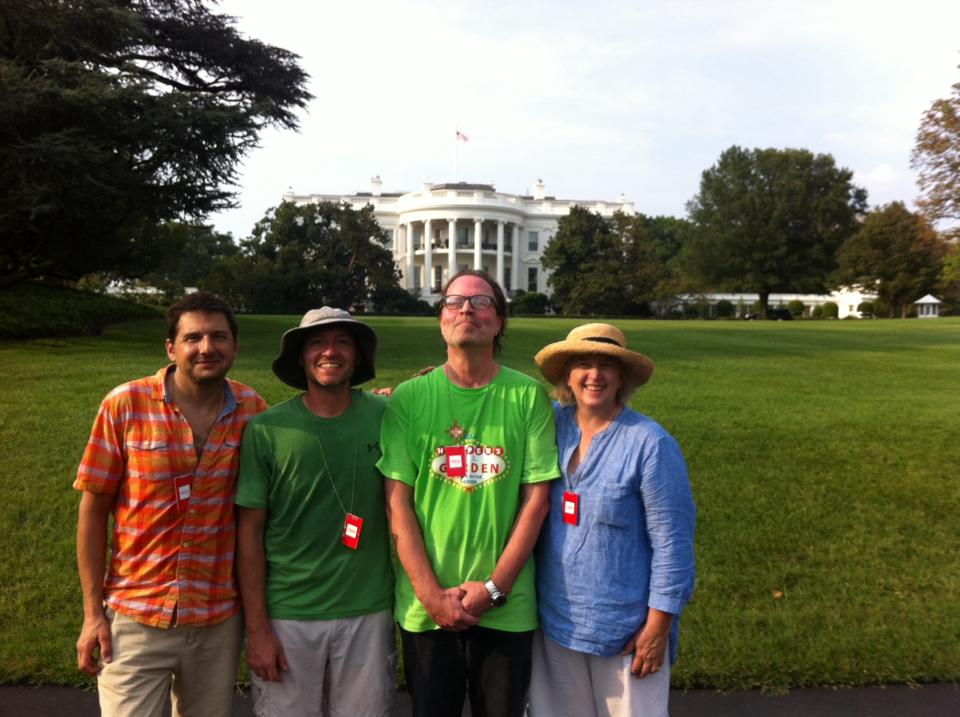
Yes, here we are! Bob Stefko (photographer); Nick Crow (art director); James Baggett (editor) and me -- after our whirlwind 2-hour photo shoot at the White House Kitchen Garden!

Yes, here we are! Bob Stefko (photographer); Nick Crow (art director); James Baggett (editor) and me — after our whirlwind 2-hour photo shoot at the White House Kitchen Garden!

Here I am with Deb Eschmeyer, the new director of the First Lady's "Let's Move Program," at the Kitchen Garden which is part of the program she manages. Notice, I've just given her signed copies of The 50 Mile Bouquet and Slow Flowers. Hopefully, they will inspire!

(c) Nick Crow; Here I am with Deb Eschmeyer, the new director of the First Lady’s “Let’s Move,” at the Kitchen Garden which is part of the program she manages. Notice, I’ve just given her signed copies of The 50 Mile Bouquet and Slow Flowers. Hopefully, they will inspire!

IMG_0989

(c) Nick Crow. I am seriously in a dream state here. None of us could believe what we were experiencing!

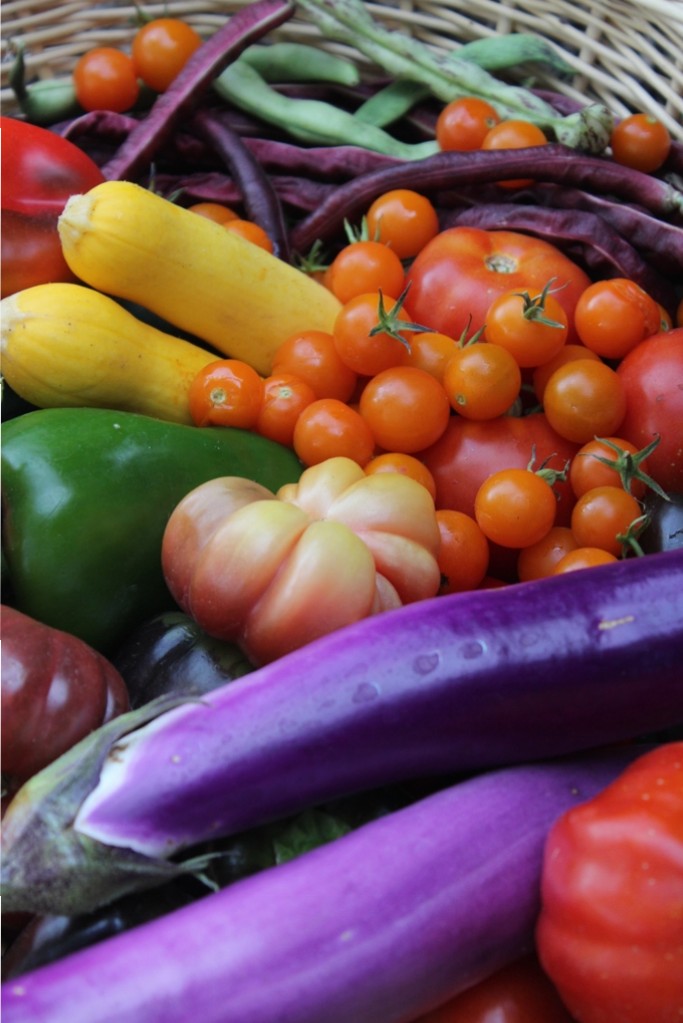
A rainbow of just-harvested organic veggies from the White House Kitchen Garden, just steps from the First Family's residence!

A rainbow of just-harvested organic veggies from the White House Kitchen Garden, just steps from the First Family’s residence!

FARMER-FLORIST PHOTO SHOOT WITH ANDREA GAGNON

On Wednesday, Nick Crow and Bob Stefko joined me at LynnVale Farm + Studios, a Certified American Grown flower farm where we photographed a story with farmer-florist Andrea Gagnon.

It was such a fantastic opportunity to capture Andrea’s farming and design talents. I can’t show you the beautiful bouquets she created because we’re saving them for the print story in Country Gardens, but I can share some lovely flower and farm pics with you. This will be an inspiring and instructional story – you’ll see it in a future issue of the magazine!

With Slowflowers.com member Andrea Gagnon of LynnVale Farm and Studios, on location with Country Gardens magazine (c) Nick Crow

With Slowflowers.com member Andrea Gagnon of LynnVale Farm and Studios, on location with Country Gardens magazine (c) Nick Crow

READ MORE…

Week 34 // Slow Flowers Challenge

Thursday, August 27th, 2015
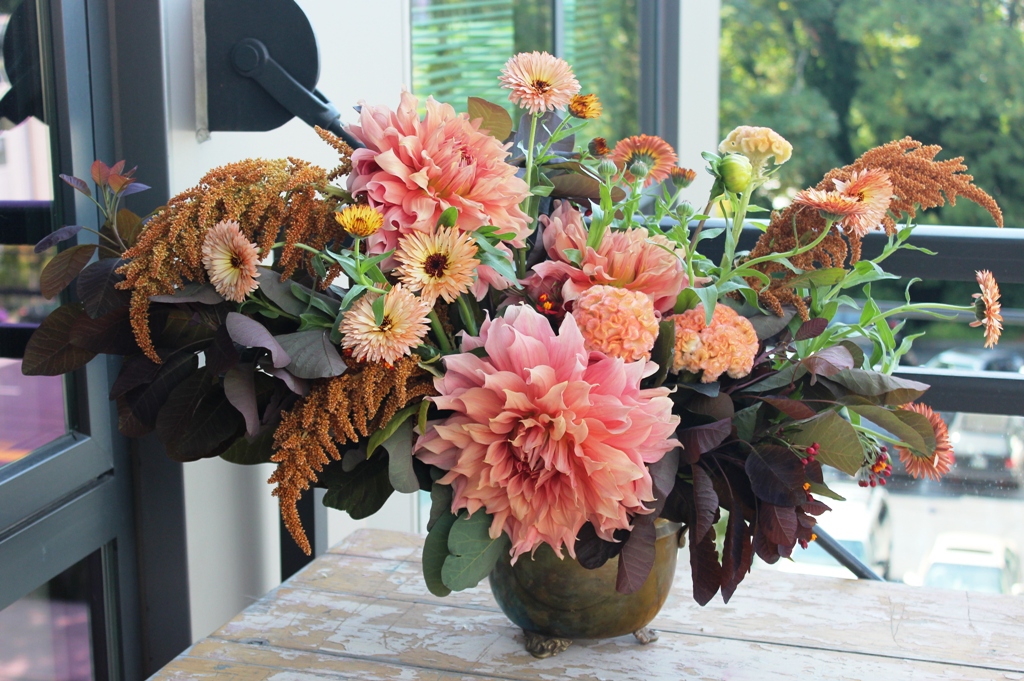
Please meet 'Sierra Glow' - isn't she adorable?

Please meet ‘Sierra Glow’ – isn’t she adorable?

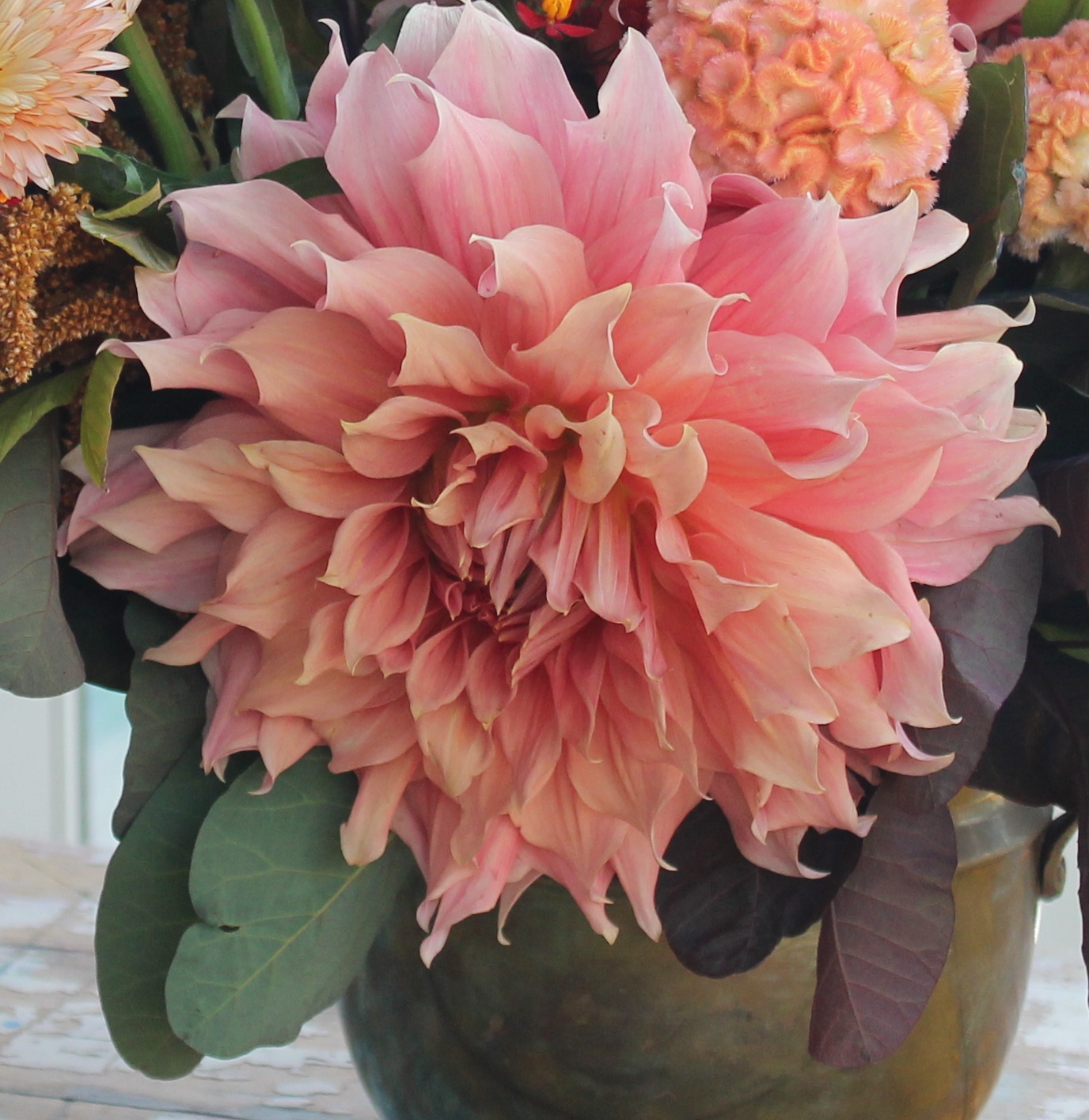
'Sierra Glow' detail - sigh.

‘Sierra Glow’ detail – sigh.

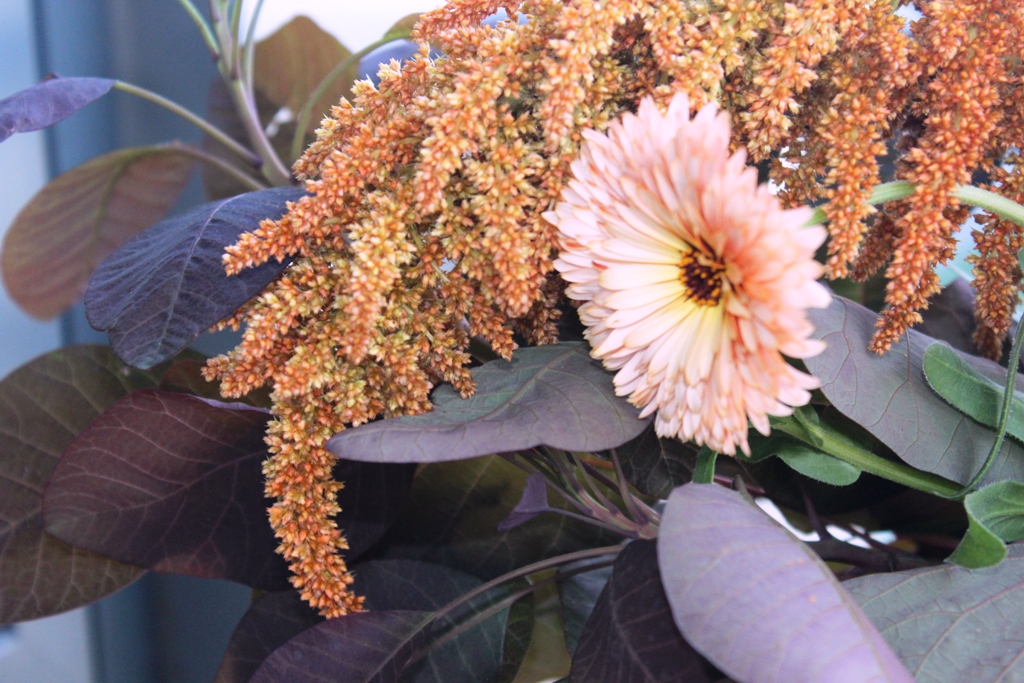
Everybody loves the ‘Cafe au Lait’ dahlia for its showy yet ephemeral beauty, right? This week, I met Miss Cafe’s richer-toned cousin, ‘Sierra Glow’.

My new love has petals that have hints of copper, coral, melon and amber, all rolled into one yummy hue. Dan Pearson of Dan’s Dahlias describes it this way on his website: “Large orange-bronze blooms on strong stems. Very impressive in the garden.”

I picked up a plump bunch of ‘Sierra Glow’ dinner-plate dahlias grown by Jello Mold Farm this week and from there, all the pieces fell into place with the moody late-summer/not-quite-fall palette.

With our recent move and purging of “stuff,” I’ve discovered that many of my wonderful vases and containers are boxed up in the storage unit. But this cool brass planter, from Goodwill, serves the purpose perfectly.

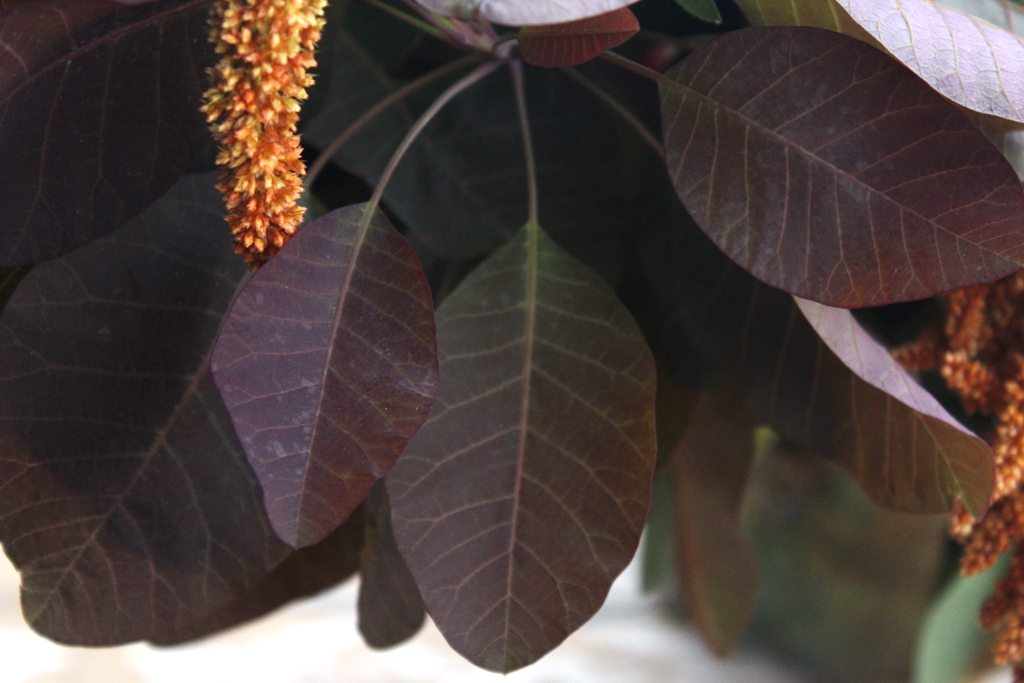
Gotta love this deep burgundy smokebush foliage!

Gotta love this deep burgundy smokebush foliage!

Here’s the recipe:

Supplies: 1 brass planter, measuring and 1 vintage cage-style flower frog

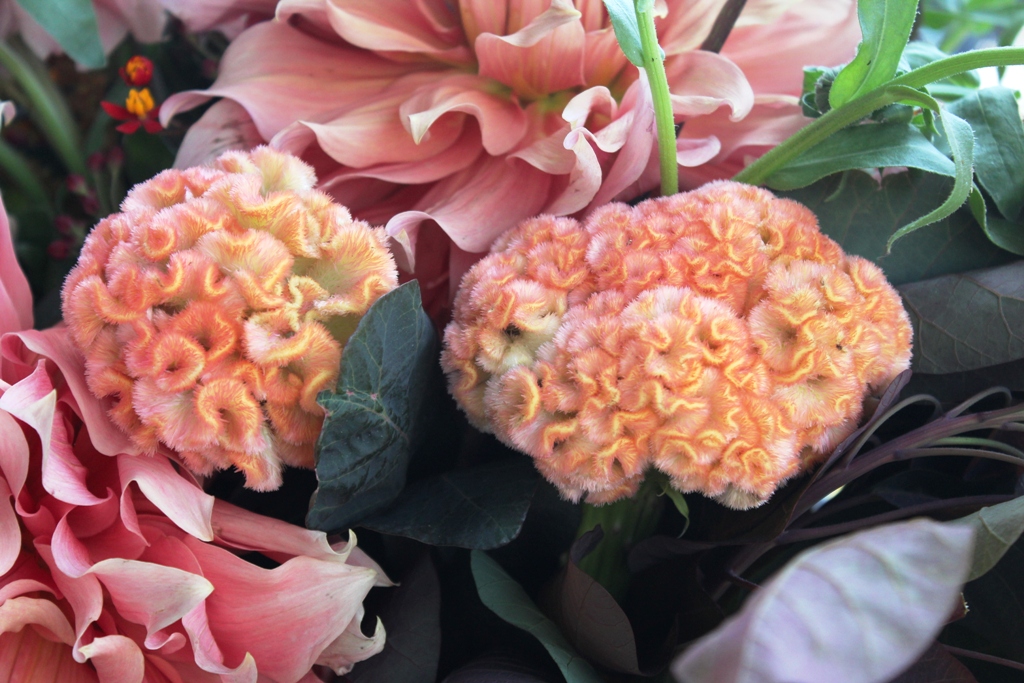
Okay, you had me at coxcomb!

Okay, you had me at coxcomb!

Botanicals:

Smoke bush (Cotinus coggygria ‘Royal Purple”), grown by Jello Mold Farm

Milkweed (Asclepias sp.), grown by All My Thyme

Velvety coxcomb celosia in pale apricot, grown by Peterkort

I believe this Calendula is in the Zeolights series.

I believe this Calendula cultivar is called ‘Zeolights’.

Calendula in the most perfect milky-gold hue, grown by Ojeda Farms

Golden amaranth with such gorgeous form

Golden amaranth with such gorgeous form

Upright bunches of golden amaranth, grown by Jello Mold Farm

‘Sierra Glow’ dinnerplate dahlias, grown by Jello Mold Farm

Week 32 // Slow Flowers Challenge

Sunday, August 16th, 2015
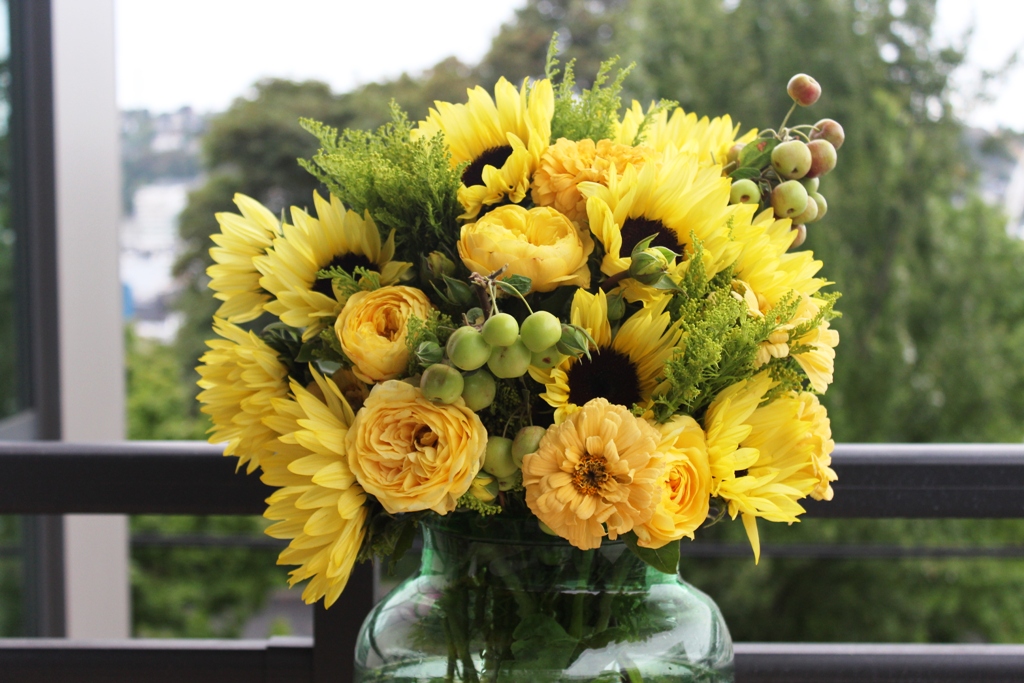
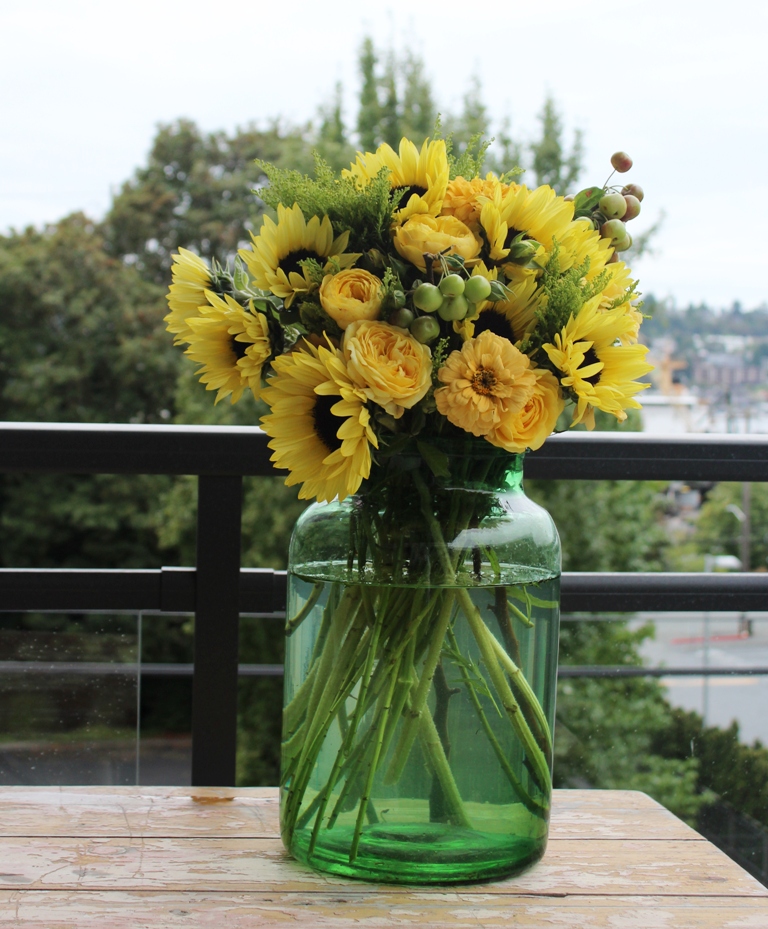
Glowing yellow flowers and fruit for a gray Seattle day.

Glowing yellow flowers and fruit for a gray Seattle day.

The yellow flowers spoke to me when I was perusing among hundreds of exquisite botanical choices this week! 

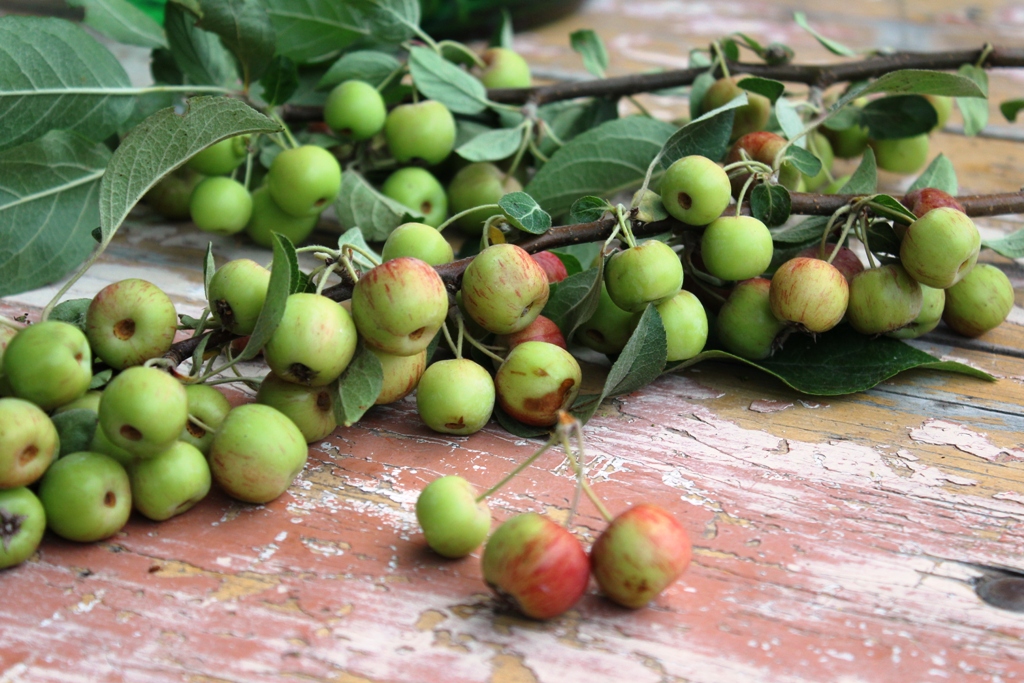
When I visited the Seattle Wholesale Growers Market, I started with the amazing crabapple branches, harvested from Jello Mold Farm and sold by the single stem. You certainly don’t need many, but adding two stems laden with immature crabapples to an arrangement is a sure-fire way to up the interest level.

Jello Mold's crabapples were the starting point for this week's Slow Flowers Challenge

Jello Mold’s crabapples were the starting point for this week’s Slow Flowers Challenge.

If left on the tree, these crabs will redden up, but for now, there is enough golden-green tinge to make them a perfect companion for all the other yellow goodness you see here. And the vintage green glass jar that I used as a vase plays nicely with this palette, too.

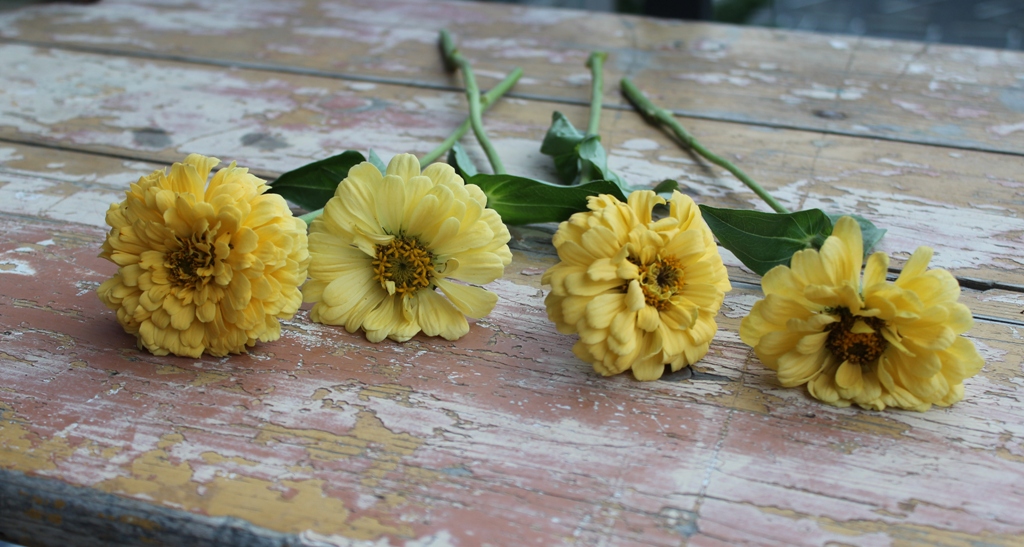
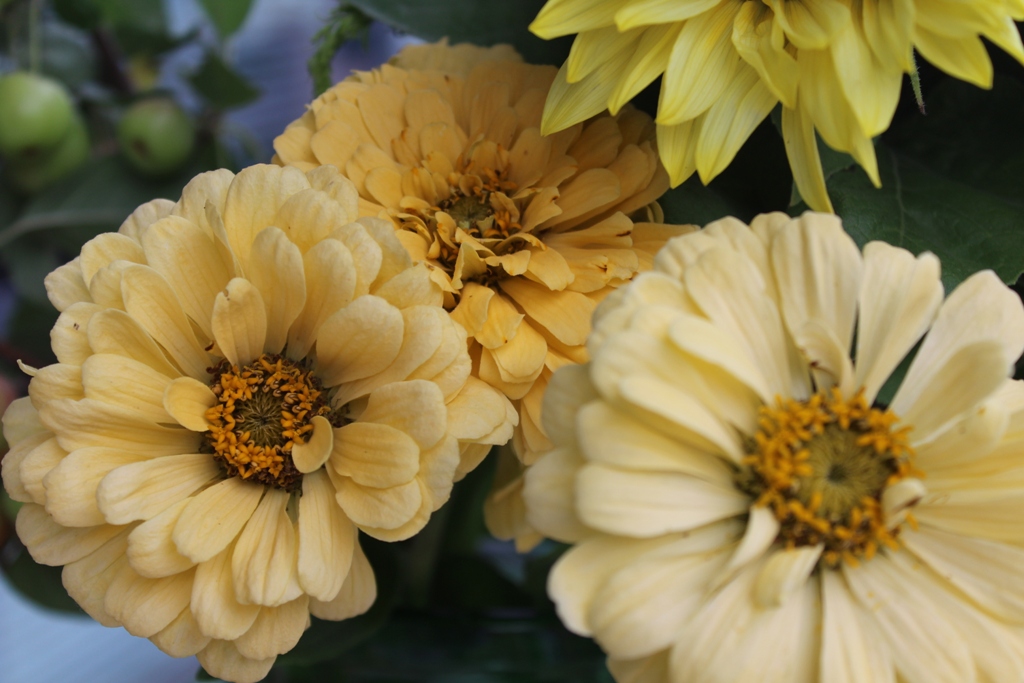
Love these joy-inducing zinnias!

Love these joy-inducing zinnias!

Close up, please!

Close up, please!

Next, I started shopping around for flowers to pair with the crabapples — and that’s when I spotted Vivian Larson’s yummy zinnias, shown above. Viv is the gifted farmer at Everyday Flowers in Stanwood. I can always count on her to spot an uncommon petal shape, bloom detail or flower color and then try growng that variety for the rest of us to enjoy.

What do you call this color? By the time I paired these huge zinnias with yellow sunflowers and roses, I decided it has more muted pigments – and that’s why I love its role in this arrangement. It’s a one-off, a shade of pure yellow.

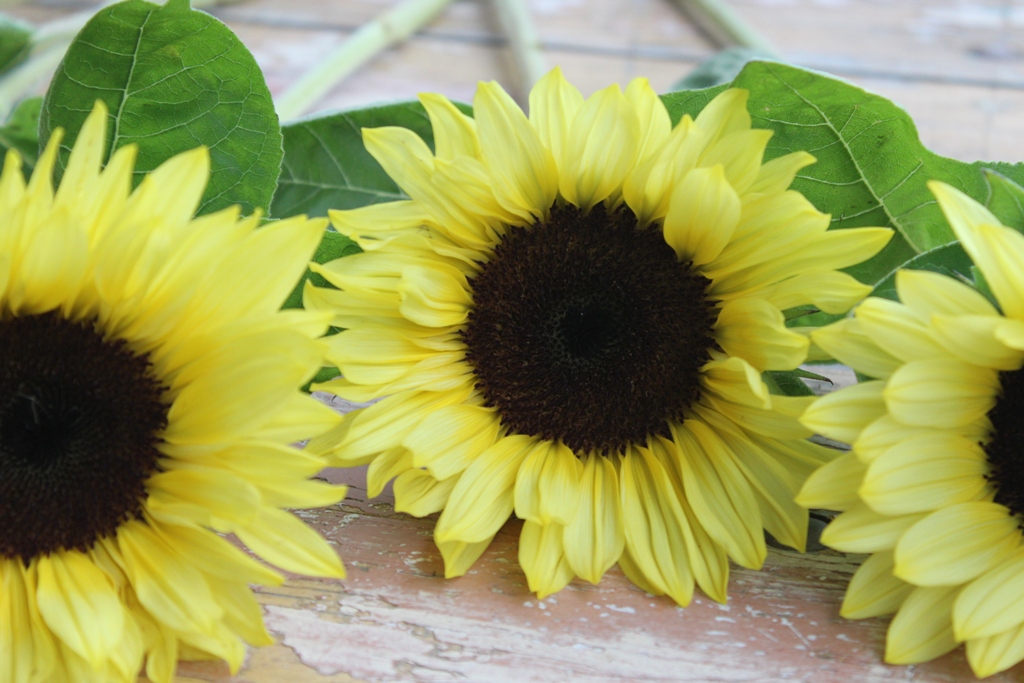
Lemony-yellow sunflowers

Lemony-yellow sunflowers

These petite sunflower heads are ideal for floral design because their scale doesn’t overpower other blooms in the vase. These are the perkiest, freshest, most charismatic sunflowers I’ve seen all summer — and of course, Vivian Larson grew them at Everyday Flowers. I know I just said they don’t “overpower” the arrangement, which is true. But their many plump petals create the necessary volume to fill out this large-scale bouquet.

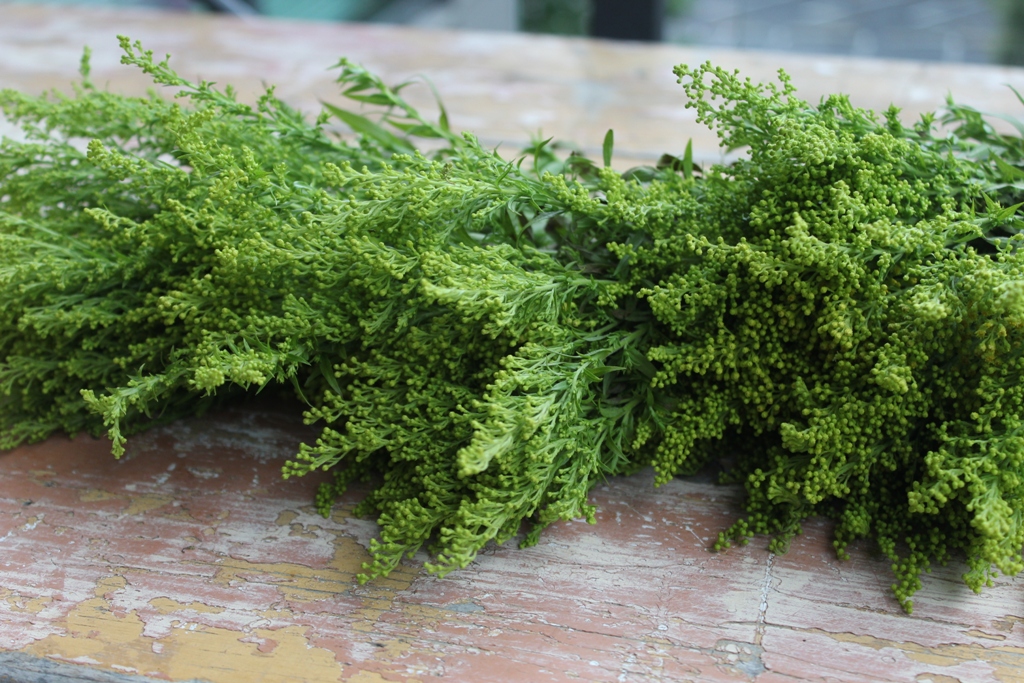
Solidago with a hint of the yellow flowers to come.

Solidago with a hint of the yellow flowers to come.

There’s not a lot of foliage in this arrangement, so thank goodness for the textural “fluff” that comes from this robust goldenrod ( Solidago sp.), grown by Gonzalo Ojeda of Ojeda Farms.

Like the crabapples, it is a palette-blender, moving easily into both the yellow spectrum and the green spectrum. Plus, I just love its from-the-meadow vibe.  I almost love it better at this stage than when the tiny flowers are fully opened!

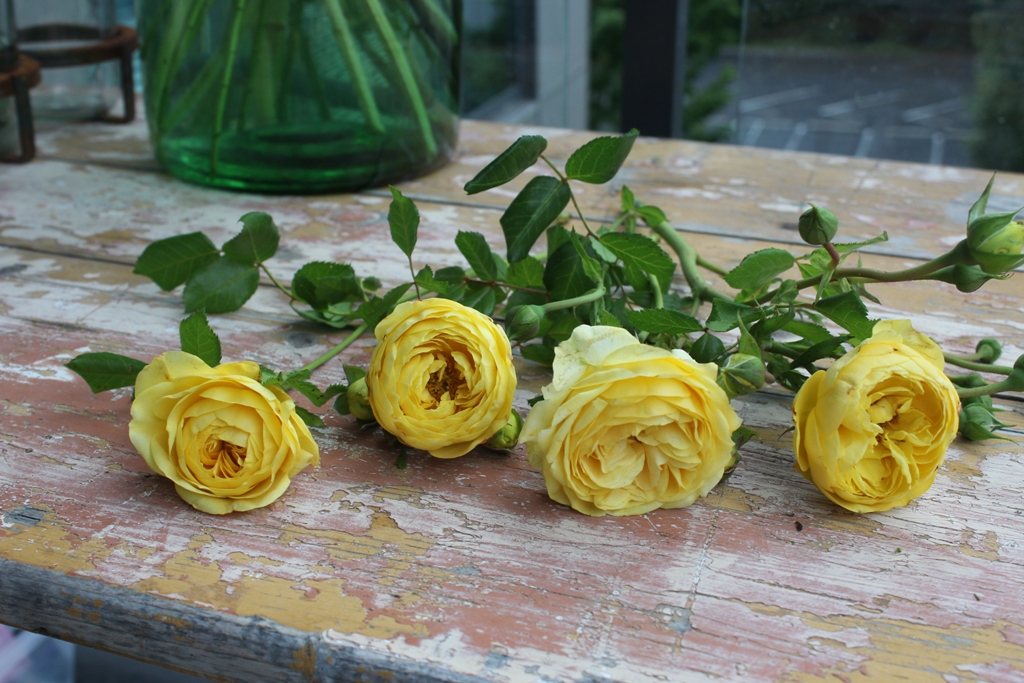
Organic garden roses -- a few go a long way!

Organic garden roses — a few go a long way!

IMG_0190The bunch of four stems of beautiful yellow garden roses is my finishing touch. Dawn Severin of All My Thyme grows the healthiest, most alluring English garden rose varieties ~ and these do not disappoint.

The rose color is simply delicious and there are so many petals are packed into one flowerhead that you can’t stop admiring their beauty. It was a privilege to add them to this bouquet for that extra sparkle of summer!

We are at the height of the season and I want to sign off with a note of thanks to you for following along on the Slow Flowers Challenge. I keep hearing from people who are participating, making and sharing photos of their own arrangements, and experiencing four seasons of flowers this year.

I hope you’re experiencing what I’m experiencing — the sense that there’s something wonderful to appreciate in every plant, every stem, every bud, every leaf. In all seasons. In all twelve months.When we think like this, it changes how our eyes see. And that’s a valuable gift.

Until next week, keep designing!

Debra Prinzing
www.debraprinzing.com

Week 31 // Slow Flowers Challenge (what happened to Week 30?)

Monday, August 10th, 2015
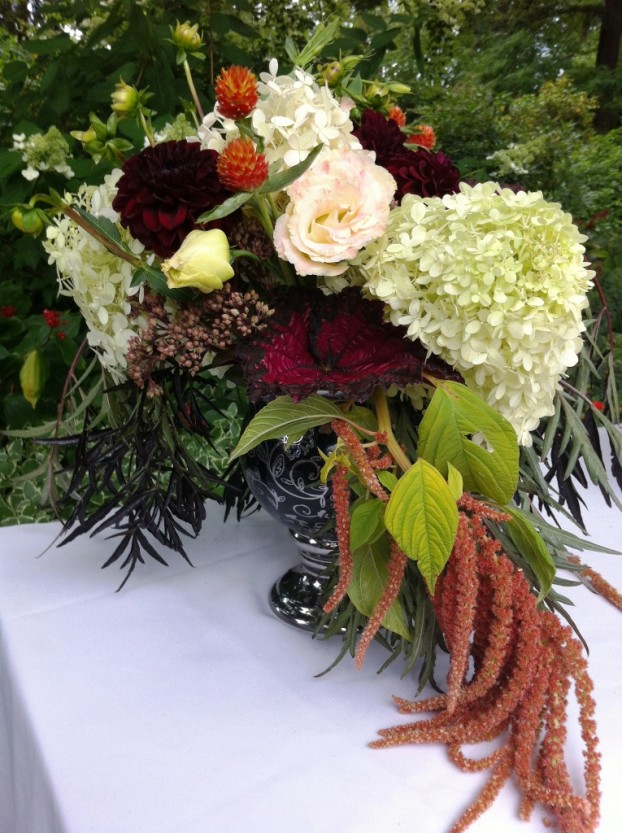
My Edwardian-inspired summer bouquet, clipped from local farms and gardens.

My Edwardian-inspired summer bouquet, clipped from local farms and gardens.

True confessions: I’m overwhelmed these days. The epic move last month from a huge house to a small condo (what to do with all that stuff?), combined with an intense travel schedule and a few overly voracious consulting projects . . . and I am scrambling to catch up. I can’t quite see the end of this tunnel until 2016.

The good news, however, is that flowers keep blooming and defining each season whether I clip and arrange them – or not!

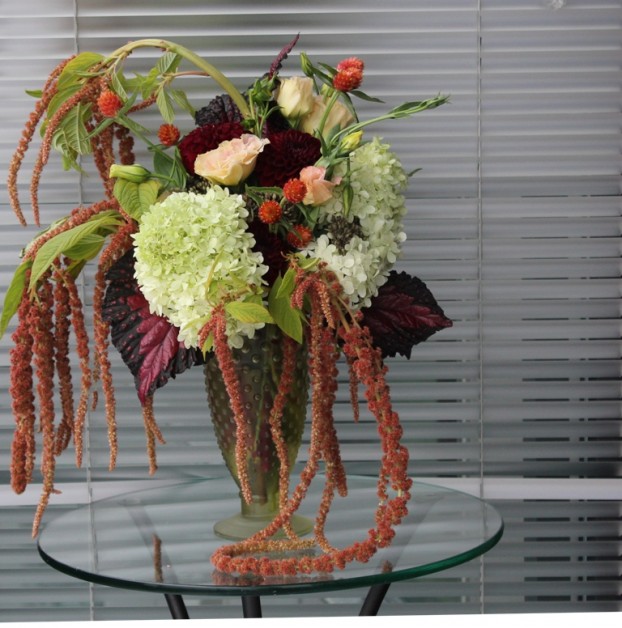
This was my "practice" bouquet, using many of the same ingredients (only the sambucus foliage is missing).

This was my “practice” bouquet, using many of the same ingredients (only the sambucus foliage is missing).

Please accept this entry in the Slow Flowers Challenge, Week 31. We’ll just have to write off Week 30 as a lost cause (maybe I’ll double-up sometime soon to redeem myself)!

Melissa Feveyear (left) and Grace Hensley (right), at Dunnton Abbey.

Melissa Feveyear (left) and Grace Hensley (right), at Dunnton Abbey.

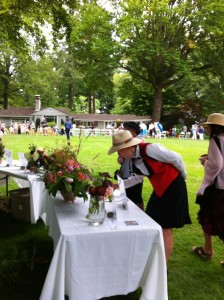
This past weekend I participated along with four other talented plantswomen and designers in an event called Dunnton Abbey Garden Party.

The play on words with the popular PBS series “Downton Abbey” was intentional, as the folks at one of Seattle’s most lovely private estate gardens, The E. B. Dunn Historic Garden Trust, held a lawn party inspired by the gentile fetes we’ve watched on Downton Abbey over the years.

It was all quite fitting, as Dunn Gardens date back to 1915, a contemporary period from Downtown Abbey’s first episodes.

Croquet, musicians, a vintage car show, people in period garb, a cake walk and many more activities were on hand. It was lovely and I especially enjoyed seeing everyone unplugged from modernity (although many did have their cell phones out to snap photographs, I’ll give you that).

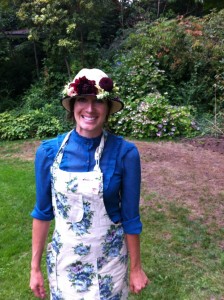
Lacey Leinbaugh in her charming floral-bedecked hat!

Lacey Leinbaugh in her charming floral-bedecked hat!

Grace Hensley of eTilth, a Slow Flowers friend here in Seattle, coordinated the floral design demonstrations. She invited Lacey Leinbaugh of Blue Lace DesignMelissa Feveyear of Terra Bella Flowers; Jennifer Carlson of Haven Illustrated and me to present “Edwardian Floral Design.”

We each were given a generous budget to shop for locally-grown flowers at the Seattle Wholesale Growers Market. A few weeks prior, we did a walk-through of the grounds at Dunn Gardens with co-curator Charles Price, pointing out stems, leaves and flowers that caught out eyes.

Charles judiciously cut those elements for us, too, so when I arrived with my own “bucket” of items from the Growers Market, there were dozens of other buckets overflowing with the truly local, of-the-moment, garden harvest. That added hydrangeas, phlox, ninebark, sambucus, rodgersia, ferns, hostas, fuchsias, monarda, meadow rue (Thalictrum sp.), crocosmia and more to the mix!

Guest of the garden party were invited to bid on our floral arrangements to take home with them.

Guests of the garden party were invited to bid on our floral arrangements to take home with them.

What is Edwardian floral design, anyway?

I honestly didn’t have time to do research in advance, but by the time I started my bouquet, I had a few thoughts to share.

I told the audience that the Edwardians were the original “Slow Flowers” florists because they only used local and in-season flowers, probably clipped from their own gardens.

Whether you were a member of the “upstairs” class relying on gardeners and hothouse blooms or a member of the “downstairs” class cutting from the edge of a meadow or woodland, the flowers reflected what nature had to offer.

The other idea I shared had to do with palette, and this was inspired by my textiles background. At the time, chemical textile dyes were not yet as popular or widespread as natural, plant-based dyes. And to me, that notion reflects a softer, muted, less vivid color scheme in textiles for apparel and interiors.

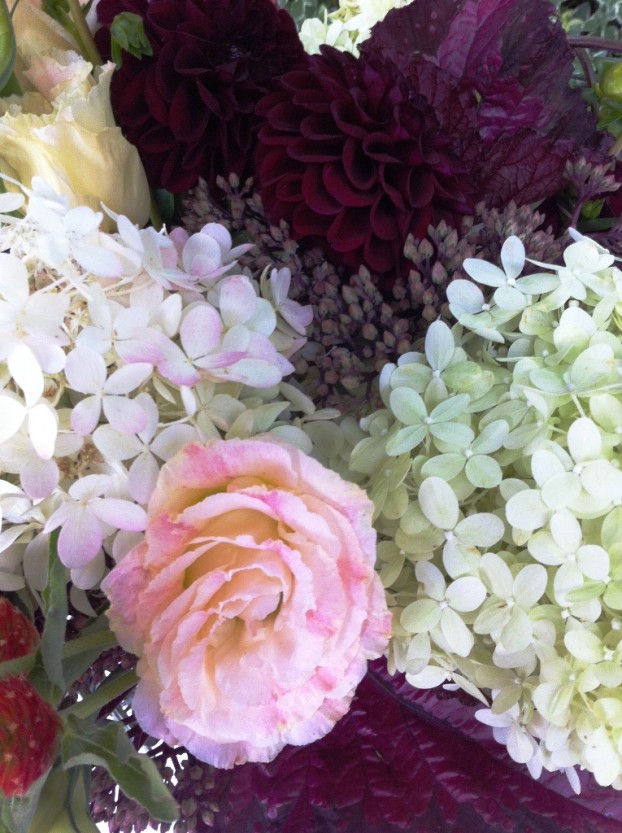
That yummy palette! Note the almost-pink lisianthus, as beautiful as a rose.

That yummy palette! Note the almost-pink lisianthus, as beautiful as a rose.

The tea-stained, sepia-toned palette of my imagined Edwardian bouquet was reflected in the flowers and foliage. I began with a blush-and-faded mix of ‘Limelight’ hydrangeas taking on a slightly pink tinge; not-quite-pink lisianthus blooms; pale terracotta draping amaranthus, and strawberry-colored gomphrena.

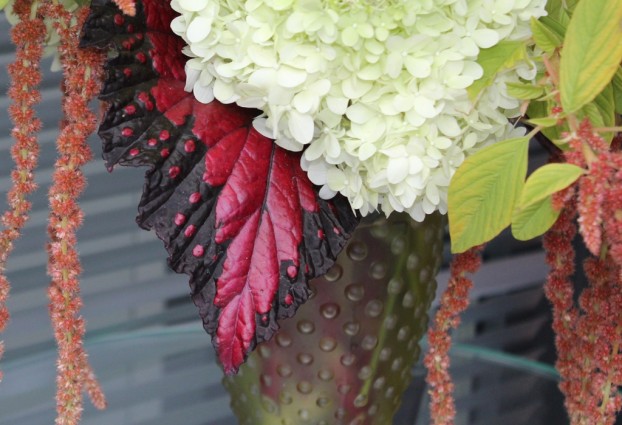
The darker accents lent a moodiness to the arrangement: Deep maroon dahlias; dark purple sedum heads; purple sambucus foliage; and berry-black Rex Begonia foliage, variety ‘Shadow King Rothko’.

Rex begonias carry the day, accenting the pale and dark blooms.

Rex begonias carry the day, accenting the pale and dark blooms.

Whether it’s truly Edwardian or not, the bouquet felt like a period piece in the black-and-silver Goodwill vase!

Here is a list of the ingredients, with my thanks to each farmer who grew them:

From Diane & Dennis at Jello Mold Farm, Mt. Vernon, Washington:

  • ‘Limelight’ hydrangea blooms
  • Amaranthus
  • Dark purple sedum

From Vivian at Everyday Flowers, Stanwood, Washington:

  • Gomphrena
  • Lisianthus
  • Maroon dahlias

From the Dunn Garden Borders: Sambucus foliage

From Seattle Wholesale Growers Market: Rex Begonia, variety ‘Shadow King Rothko’

Enjoy these photos from my fellow designers, each of whom did a magnificent job!

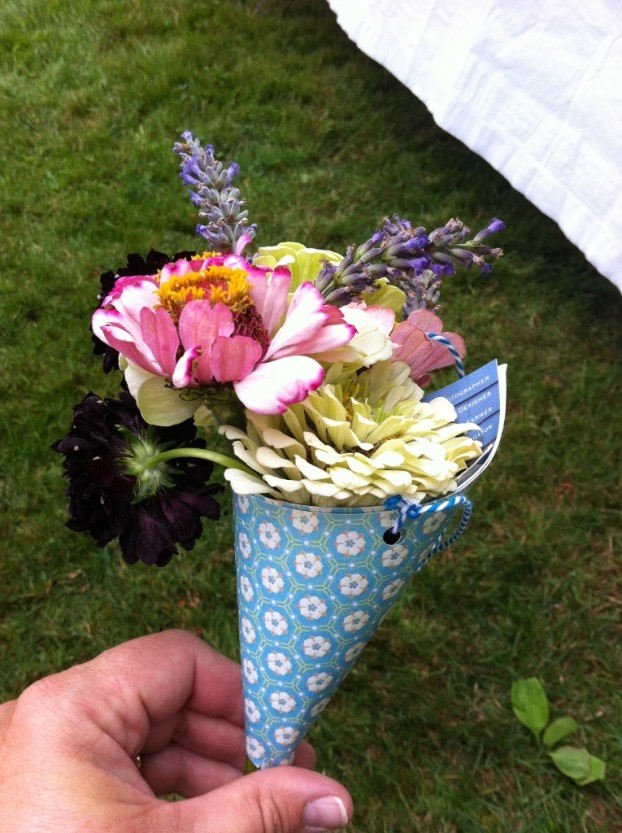
Grace thoroughly embraced the Edwardian spirit and she made these adorable paper-cone poseys to sell from her basket as she strolled the lawn in her period attire.

Grace thoroughly embraced the Edwardian spirit and she made these adorable paper-cone poseys to sell from her basket as she strolled the lawn in her period attire.

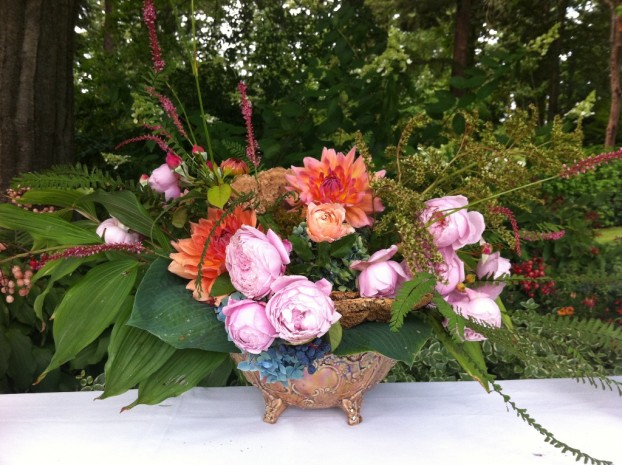
Melissa Feveyear's bouquet wowed everyone! She chose a pearly pink and coral palette with a few characteristic surprises.

Melissa Feveyear’s bouquet wowed everyone! She chose a pearly pink and coral palette with a few characteristic surprises.

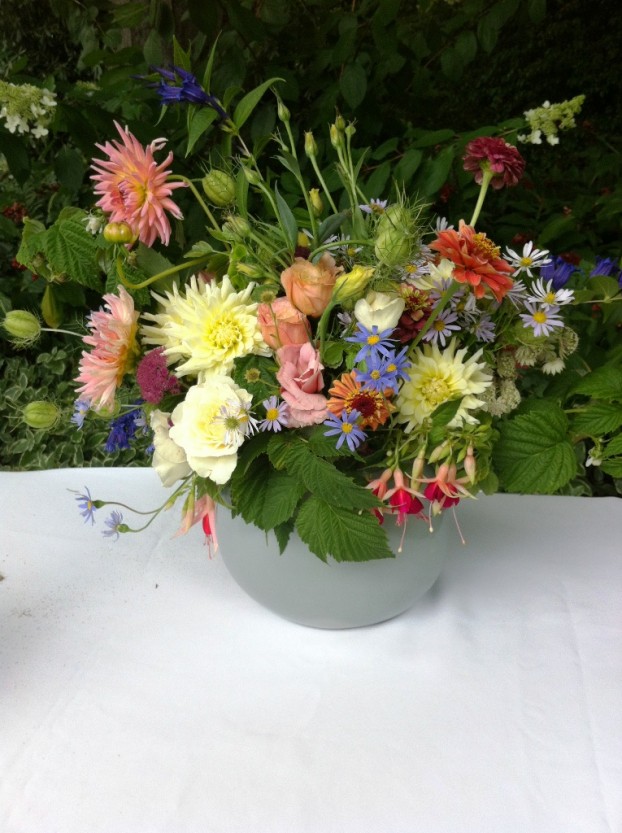
Lacey Leinbaugh's beautiful summer bouquet used periwinkle accents to play off the vase color. Love this!

Lacey Leinbaugh’s beautiful summer bouquet used periwinkle accents to play off the vase color. Love this!

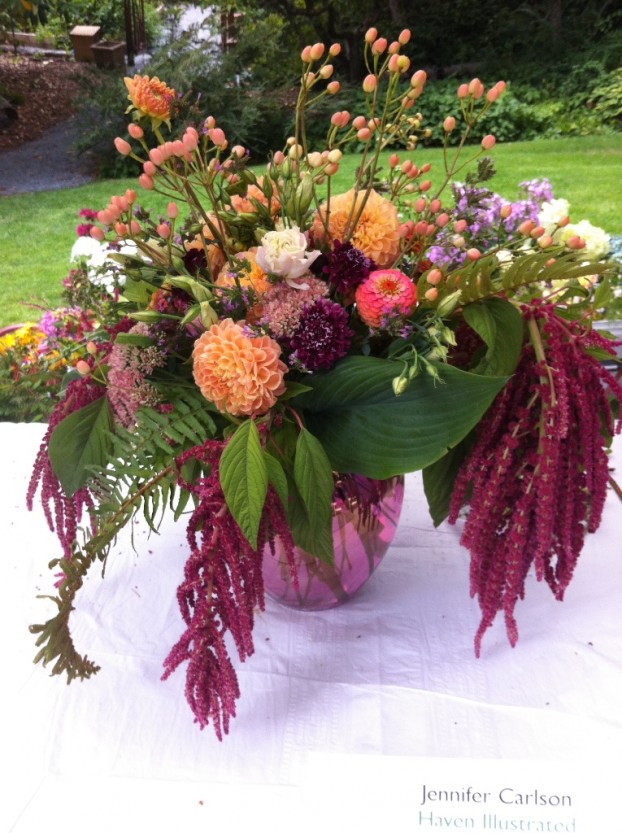
Jennifer Carlson went all in for the dramatic raspberry amaranth to wow the audiences.

Jennifer Carlson went all in for the dramatic raspberry amaranth to wow the audiences.

Shade Plants for Floral Design with Author Ken Druse (Episode 204)

Wednesday, July 29th, 2015
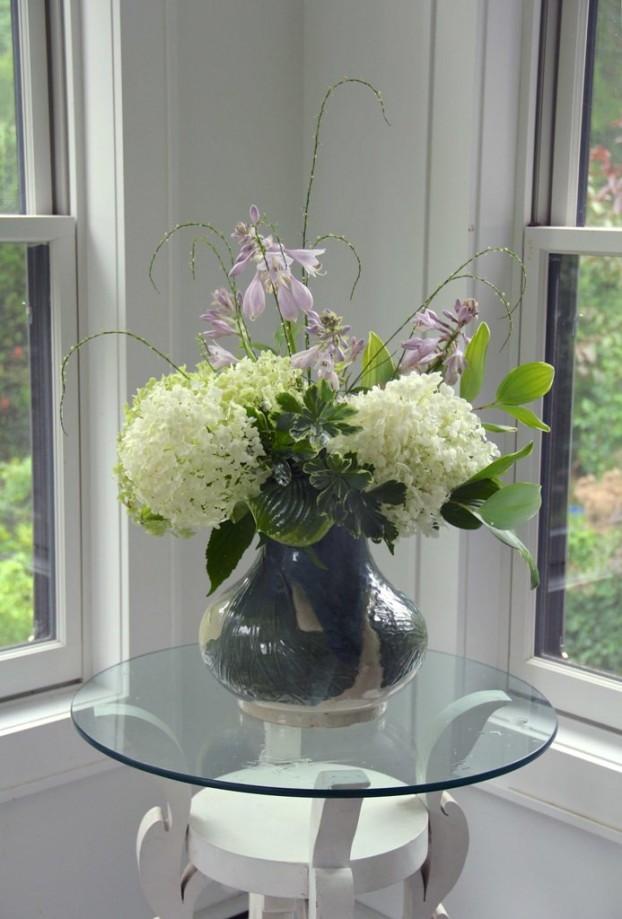
While recording our conversation for this podcast episode I asked Ken if he would design a shade-lover's floral arrangement and share a photo. Here's what he harvested from his garden earlier this week. Beautiful!

While recording our conversation for this podcast episode I asked Ken if he would design a shade-lover’s floral arrangement and share a photo. Here’s what he harvested from his garden earlier this week. Beautiful! See footnotes for ingredient list.

Hear from Ken Druse, who shares his love of shade gardening and all its joys.

Hear from Ken Druse, who shares his love of shade gardening and all its joys.

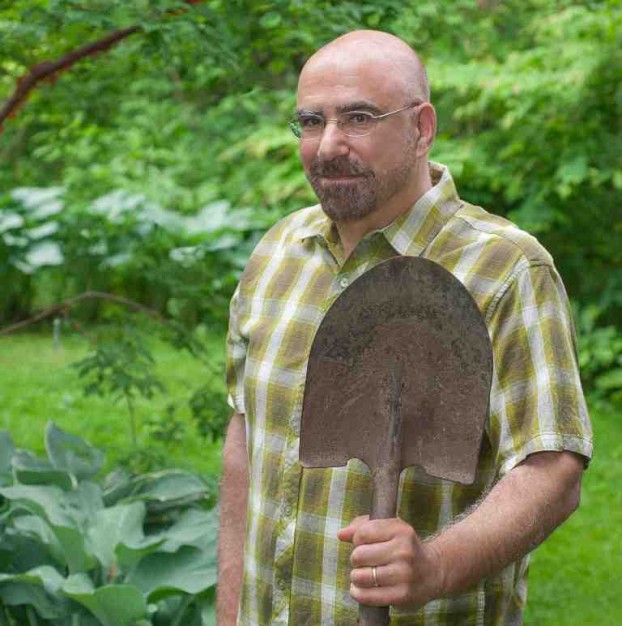
Author/photographer, lecturer and radio host Ken Druse has contributed to nearly every garden and home design magazine in America.

He is probably best known for his books, which the New York Times called “bibles for serious gardeners.”

The American Horticultural Society chose his book, The Passion for Gardening, as best book of the year; and the Wall Street Journal recommended it as one of the “five garden books to own.”

Ken has authored 20 gardening books, including recent titles PLANTHROPOLGY: The Myths, Mysteries, and Miracles of My Garden Favorites and Natural Companions: The Garden Lover’s Guide to Plant Companions, which features both Ken’s photography and that of digital artist Ellen Hoverkamp.

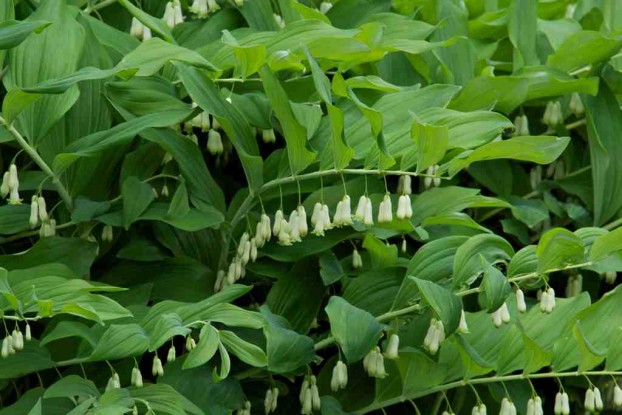
Solomon's seal (Polygonatum hybridum), a popular spring "cut" for floral design.

Solomon’s seal (Polygonatum hybridum), a popular spring “cut” for floral design.

In 2004, the Garden Club of America awarded Ken the Sarah Chapman Francis medal for lifetime literary achievement. In 2013 Garden Writers Association awarded Ken the gold medal for photography and the silver medal for writing. In 2013, the Smithsonian Institute announced the acquisition of the Ken Druse Collection of Garden Photography, comprising 100,000 images of American gardens and plants.

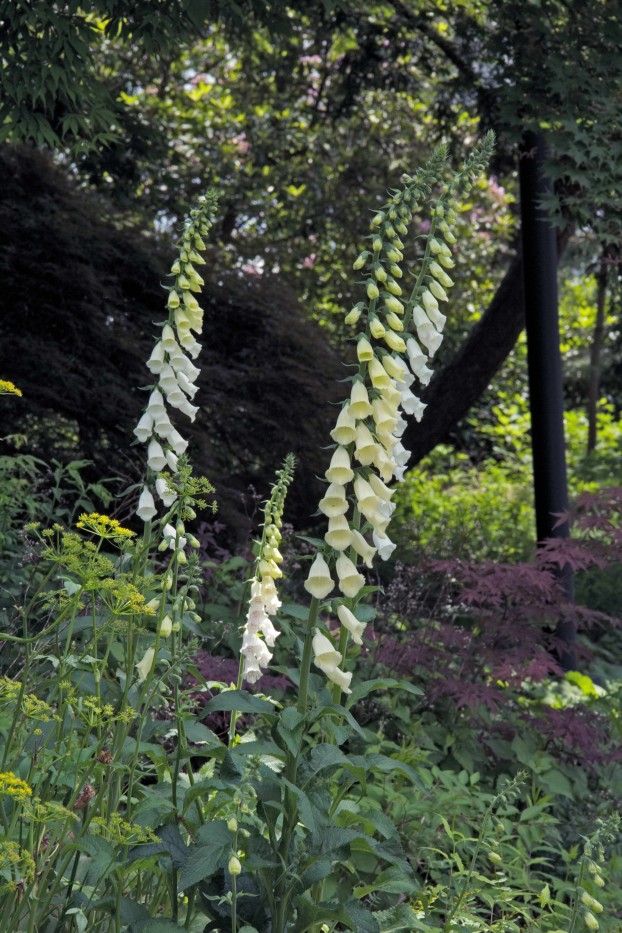
Digitalis purpurea 'Alba' from p. 179.

Digitalis purpurea ‘Alba’ from p. 179.

I have interviewed Ken for stories about his work that appeared in the San Diego Union Tribune and the Los Angeles Times, so it is with great pleasure that I welcome him to the Slow Flowers Podcast. Ken is a pioneer of gardening podcasts, having been on the air for a decade with his national podcast and public radio show “Ken Druse Real Dirt,” which listeners can hear through their computers and iPods.

web_cover New Shade copy 3 - CopyWe’re here today to discuss Ken’s timely new book, The New Shade Garden: Creating a Lush Oasis in the Age of Climate Change, published in May by Stewart Tabori & Chang.

Ken reveals the low-stress environment of shade (cooler temperatures; fewer water demands) and how shade is extremely beneficial for our plants, our planet and us.

The thriving garden of the future might just exist in the understory!

I come to floral design from the residential garden and a love of plants. And the floral designers in my world are always on the lookout for uncommon, ephemeral lovelies.

Guess what? Many of those special fronds, flowers, leaves and branches can be found in the shade garden. Learning from a master like Ken Druse is a huge treat — I hope you found what he shared as inspiring as I did.

I highly recommend this comprehensive guide to “all things shade.” For gardeners and floral designers alike, “The New Shade Garden” is packed with inspiration and with ideas for having a lush, textural and fragrant garden where many colors exist!

logo KDRD plainAnd just for fun, to get a flavor of Ken’s wonderful and welcoming interview style (and to hear his radio-perfect voice!) here are links to the two Ken Druse Real Dirt episodes where I appeared as his guest:

May 11, 2012, “Field to Vase”

March 22, 2013, “The Local Flower Movement’s Champion”

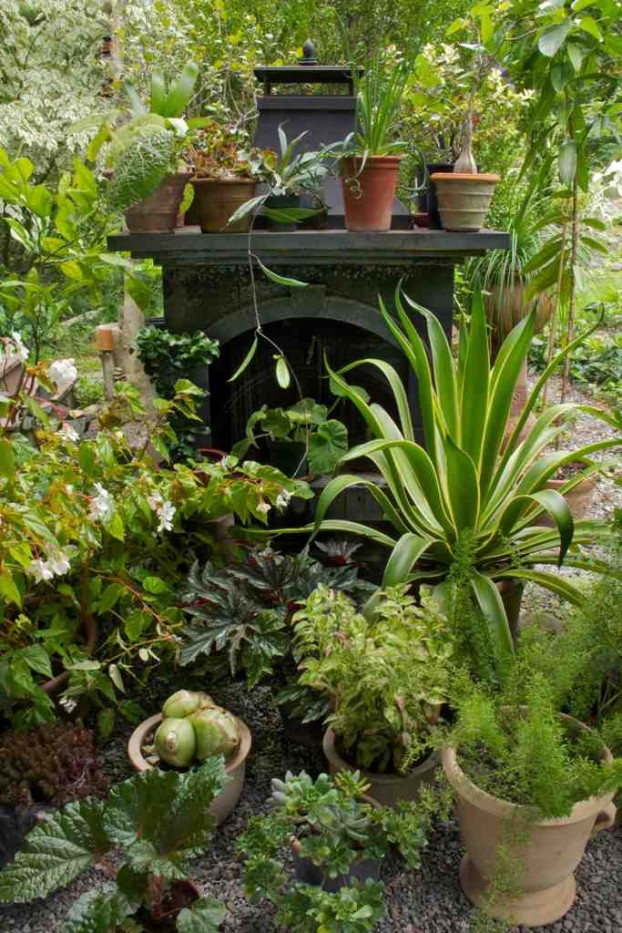
From page 223 of The New Shade Garden: Ken repurposed an outdoor fireplace as a staging platform for his summering houseplants.

From page 223 of The New Shade Garden: Ken repurposed an outdoor fireplace as a staging platform for his summering houseplants.

On his web site, Ken writes:  Spending time in nature, especially nurturing plants, strengthens our connection with the natural rhythms of life. In the garden, we often experience a kind of “meditation therapy”–weeding actually becomes a time to sort through the other parts of our busy lives. 

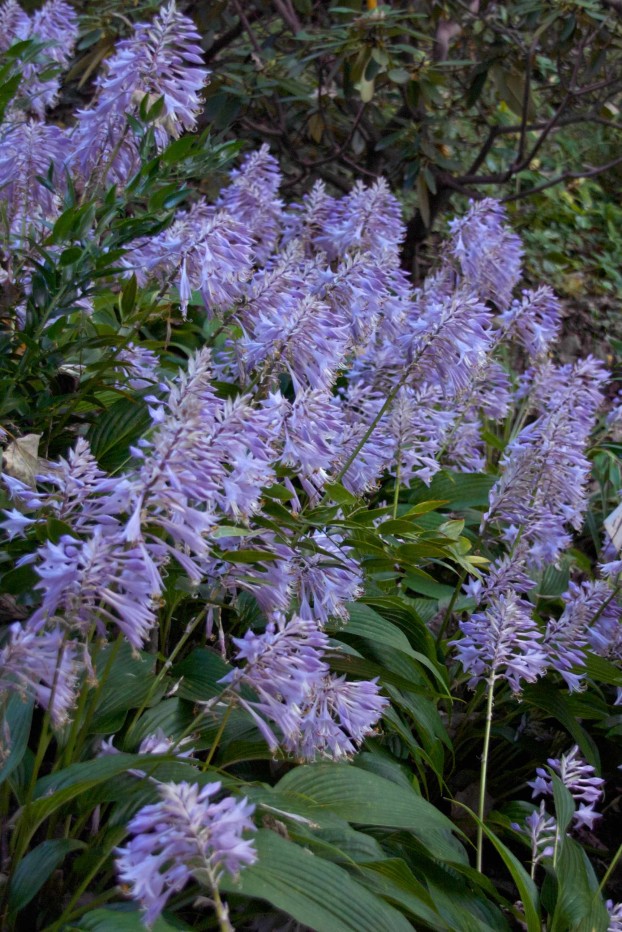
Hosta clausa in all of its glory brightens up any dark spot in the garden. From page 80.

Hosta clausa in all of its glory brightens up any dark spot in the garden. From page 80.

I couldn’t agree more, and like Ken, I see the garden as a metaphor for life.

On August 15th, if you are in the Northeast, you have a chance to hear Ken Druse lecture on shade; take his hands-on garden-photography workshop; shop a rare-plant sale; and tour the garden of fellow garden writer, editor and podcaster Margaret Roach in Copake Falls, New York as part of the Garden Conservancy Open Day in her area. Here are details for purchasing tickets and to find the full day’s schedule.

Follow Ken Druse on Facebook here.

Find Ken Druse on Great Garden Speakers here.

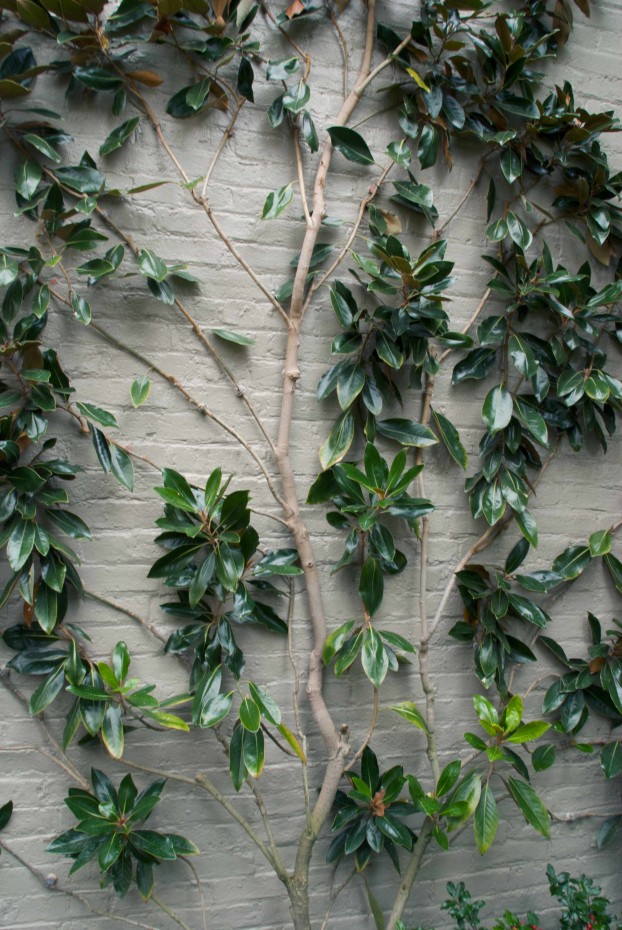
A pale-colored wall illuminates the garden where a Magnolia grandiflora tree is espaliered.

A pale-colored wall illuminates the garden where a Magnolia grandiflora tree is espaliered.

Ken Druse’s “The New Shade Garden” floral arrangement includes:

Hydrangea arborescens ‘Annabelle’

Foliage from three different hostas

Flowers from two hosta varieties

Polygonatum odoratum ‘Variegatum’ (slightly faded to green)

Pachysandra terminalis ‘Variegata’

And “whips” (actually flower spikes) from Persicaria virginiana ‘Painter’s Palette’

Listeners like you have downloaded this podcast nearly 58,000 times. THANK YOU to each and every one of you for downloading, listening, commenting and sharing. It means so much.

Until next week, you’re invited to join me in putting more American grown flowers on the table, one vase at a time. And If you like what you hear, please consider logging onto Itunes and posting a listener review.

The content and opinions expressed here are either mine alone or those of my guests alone, independent of any podcast sponsor or other person, company or organization.

The Slow Flowers Podcast is engineered and edited by Andrew Wheatley and Hannah Holtgeerts. Learn more about their work at shellandtree.com.
Week 26 // Slow Flowers Challenge for #Americanflowersweek

Saturday, July 4th, 2015
Here's to a cool, pastel-themed July 4th!

Here’s to a cool, pastel-themed July 4th!

I’ve been preoccupied with thoughts of Patriotism this week, especially with the Slow Flowers launch of American Flowers Week, which runs through today – July 4th.

A sampling of the posts on Instagram and Twitter - all for #americanflowersweek

A sampling of the posts on Instagram and Twitter – all for #americanflowersweek

Hundreds of folks have joined me in making red-white-and-blue floral arrangements and posting photos of their fields, flowers, bouquets and arrangements across the social media spectrum, all tagged with #americanflowersweek.

I’ve had a lot of fun making red-white-and-blue bouquets this week, too!

So, for a softer take on #americanflowersweek, may I present floral patriotism with pastels?

Pink, white and blue!

Peach, white and blue!

That nigella ~ so divine! Grown by Vivian Larson of Everyday Flowers.

That nigella ~ so divine! Grown by Vivian Larson of Everyday Flowers.

I love the distressed quality of this white cast-iron planter, recycled from a Better Homes & Gardens photo shoot from a few years back.

With a plastic liner converting it to a vase, the urn fits right into this week’s restful floral palette. P.S., I used a small flower frog, secured inside – for stabilizing the stems.

From my garden:

  • Dusty Miller foliage ~ intensely white at this time of year

From Seattle Wholesale Growers Market:

  • Pale peach foxgloves from Triple Wren Farms
  • Astilbe from Ojeda Farms (purchased fresh last week, but preserved as a dry element)
  • Globe thistle (Echinops sp.) and raspberry foliage from Jello Mold Farm
  • Nigella ‘Black Cumin’ and double Shasta Daisies from Everyday Flowers


Week 25 // Slow Flowers Challenge

Monday, June 29th, 2015
A red-white-and-blue, All-American bouquet!

A red-white-and-blue, All-American bouquet! (c) Tim Gleason

Floral Fireworks for July 4th (c) Tim Gleason

Floral Fireworks for July 4th (c) Tim Gleason

Happy Independence Day!

We have so many opportunities to celebrate local, seasonal and beautiful flowers and there’s no better one than welcoming Week 25 of the  Slow Flowers Challenge which coincides with the July 4th holiday.

Join me in clipping and arranging red-white-and-blue botanicals to honor the holiday.

I am so excited that all of the flowers in this week’s stellar arrangement came from one of my favorite flower farms,Charles Little & Co. of Eugene, Oregon. I visited this past week and received permission from Bethany Little to harvest to my heart’s content. Thank you, Bethany!

Tomorrow begins the inaugural American Flowers Weekcampaign, a tribute to the farmers who grow flowers in all 50 states, and to the artisans who interpret those flowers in bouquets, arrangements and other botanical beauty.

You are invited to take part in American Flowers Week by posting the flowers you grow and arrange on all social platforms with the hash-tag #americanflowersweek.

web_2015AmericanFlowersWeekLogo

Learn more and download this lovely logo by clicking here.

Here are a few more details about this week’s bouquet:

A profusion of red, white and blue annuals and perennials for July 4th (c) Tim Gleason

A profusion of red, white and blue annuals and perennials for July 4th (c) Tim Gleason

web_June_27_2015_DSC_4366White flowers:

  • Variegated green-white sedum as foliage (which you can barely see!)
  • Centranthus
  • Queen Anne’s lace
  • Nigella
  • Double-white Yarrow (Achillea ptarmica ‘Angel’s Breath’)
  • Obedient Plant (Psysostegia virginiana)

Blue flowers:

  • Delphinium – pale and dark blue
  • Scabiosa
  • Cornflower/Bachelor’s Button (Centaurea cyanus)
  • Sea Holly (Eryngium sp.)

Red flowers:

  • Crocosmia
  • Geum


Please enjoy this  Snapshot of an All-American flower farm:

Charles Little & Co., Eugene, Oregon:

Flower farmer Bethany Little, of Charles Little & Co.

Flower farmer Bethany Little, of Charles Little & Co.

At the foot of Mount Pisgah in Oregon's Willamette Valley. Flower farming is hard work, but this daily view makes it worth it!

At the foot of Mount Pisgah in Oregon’s Willamette Valley. Flower farming is hard work, but this daily view makes it worth it!

Farmhouse (left) and Flower Barn (right) at Charles Little & Co.

Farmhouse (left) and Flower Barn (right) at Charles Little & Co.

Farmstand Sign offers American-grown Lovelies and more!

Farmstand Sign offers American-grown Lovelies and more!

Week 24 // Slow Flowers Challenge

Sunday, June 21st, 2015
A garden-sourced Father's Day bouquet for my husband, Bruce

A garden-sourced Father’s Day bouquet for my husband, Bruce

A bucket filled with lovelies from my garden.

A bucket filled with lovelies from my garden.

Greetings and here’s to SUMMER’S arrival today, June 21st! I couldn’t be more inspired to celebrate the Solstice than to take a walk in the garden. I clipped each stem for today’s Slow Flowers Challenge from my Seattle yard this morning and spent a glorious (and blissfully meditative) hour or so arranging.

And since it’s Father’s Day, I’m using the arrangement for tonight’s dinner we’re preparing for Bruce, my husband and the father of our two boys.

I’ve always loved pairing lime and wine colors together, in garden borders and beds, as well as in container gardens. No surprise that the deep burgundy Ninebark (Physocarpus opulifolius ‘Diabolo’) looks terrific with the acid green Lady’s Mantle ( Alchemilla mollis). Stems from those two create the textural and high-contrast foundation for this design.

Steps one and two: Insert foliage to create the foundation.

Steps one and two: Insert foliage to create the foundation.

By the way, this is a vintage Haeger American-made vessel, a creamy ivory piece that I brought home with me from a trip to Iowa a few years ago. I love the proportions – perfect for a centerpiece. (Here’s a similar one on Etsy  – they’re not too difficult to find.)

To create this design, I placed a large cage-style metal flower frog (also vintage) in the bottom of the bowl. The grid has 5/8-inch openings, ideal for a combination of woody and herbaceous stems as I’m using here.

Steps three and four: Adding garden roses, a sweet pairing of a peachy-pink rose with a bicolored white-ruby rose. I inherited these two unknown roses when we moved to this garden four years ago.

Steps three and four: Adding garden roses, a sweet pairing of a peachy-pink rose with a bicolored white-ruby rose. I inherited these two unknown roses when we moved to this garden four years ago.

After I added the roses, I wanted to take advantage of some wispy pieces to bring a playful dimension to the design. I incorporated a beautiful, mauve-colored Astrantia and several stems of a burgundy-petaled tickseed with great yellow centers ( Coreopsis sp.).

Steps five and six: Astrantia and Coreopsis for their wispy textures.

Steps five and six: Astrantia and Coreopsis for their wispy textures.

Two final and rather unexpected touches utilize other garden stalwarts: Crocosmia in bud – love the strong lines of it at this stage; and bronze fennel. Now some may argue that bronze fennel is a garden thug, and it is. But the flouncy, lacy texture is pretty fantastic in an arrangement, so I always allow a few stems of it to remain after weeding out the volunteers.

Steps seven and eight: Crocosmia buds and bronze fennel stems.

Steps seven and eight: Crocosmia buds and bronze fennel stems.

Week 23 // Slow Flowers Challenge

Saturday, June 13th, 2015
Sea holly (Eryngium sp.) looking dazzling!

Sea holly (Eryngium sp.) looking dazzling!

This week’s arrangement comes to you courtesy of a special event in which I participated to benefit the King County Library Foundation.

Called an “Author Salon,” the private gathering was one of several offered at the Library Foundation’s recent annual Literary Lions Auction. Library supporters  Elaine & John Hogle  and  Felicia Dixon & Lucas Hoban  hosted the Author Salon last weekend at theBellevue Botanical Garden – one of my very favorite public gardens in the Seattle area. Landscape architect Liz Browning of Swift Company also participated by leading a tour of the newest garden BBG installations area designed by her firm.
The Author Salon team, standing, from left: Felicia, Liz and Elaine; I'm seated in front.
The Author Salon team, standing, from left: Felicia, Liz and Elaine; I’m seated in front.

What a beautiful venue! I was asked to talk about Slow Flowers, the book, as well as the slow flowers movement to source domestic and local flowers rather than rely on imports.

Local flowers and the Slow Flowers book go together well!

Local flowers and the Slow Flowers book go together well!

My publisher, St. Lynn’s Press, generously donated copies of Slow Flowers so that everyone in attendance took home a signed copy. And all the proceeds of the afternoon benefit the King County Library Foundation. Cindy Sharek and Andrea Quigley of the Foundation ensured that we had a lovely reception to hear the message of supporting literacy education!

And about the flowers you see here. I asked – and received special permission – to cut from the famed Perennial Border at the Bellevue Botanical Garden for my demonstration.

While you might think I focused on which blooms to choose first, it was the oak leaf hydrangea that caught my attention before anything else.

My vase had a fairly wide opening of about 7 inches, so I needed larger, structural branches and leaves as my design’s starting point. Plus, I absolutely love the hydrangea’s stage right now. The leaves are large and supple and the flowers are still in bud so they’re the same color green and the foliage.

Susy Hutchison took home the Slow Flowers bouquet.

Susy Hutchison took home the Slow Flowers bouquet.

See my entire plant list below. As I was basically designing on the fly, (I only clipped the blooms 30 minutes before the event!), it occurred to me that I had three primary hues and three secondary hues of blooms — and naturally, that gave me an organizing structure to discuss a bit of color theory.

I had a few longtime friends in the audience who surprised me by attending, people I hadn’t seen for years!

How cool that my friend Susy Hutchison, former news anchor for KIRO-TV (CBS affiliate) won the doorprize to take home my arrangement. Seriously, it was not a fix!

Susy reported to me that the bouquet was “still going strong,” one week after she brought it home. Yes, folks, that’s another great reason for sourcing locally – your arrangement’s vase life will be extended!

The finished "color wheel" bouquet - clipped just steps away from our event.

The finished “color wheel” bouquet – clipped just steps away from our event.

Three sets of complements: Blue & Orange; Purple & Yellow; Red & Blue (with lots of green thrown in for good measure)

Three sets of complements: Blue & Orange; Purple & Yellow; Red & Blue (with lots of green thrown in for good measure)

Three sets of complements: Blue & Orange; Purple & Yellow; Red & Blue (with lots of green thrown in for good measure)

Three sets of complements: Blue & Orange; Purple & Yellow; Red & Blue (with lots of green thrown in for good measure)

Here's that essential oak leaf foliage

Here’s that essential oak leaf foliage

Here is the recipe, with all ingredients from the Perennial Border at Bellevue Botanic Garden:

  • Oak leaf hydrangea foliage & flowers (Hydrangea quercifolia)
  • Lady’s mantle (Alchemilla mollis)
  • Red/Maroon: Astilbe
  • Green: Allium ‘Hair’ (a mutation of  A. sphaerocephalon)
  • Orange: Geum (Geum chiloense) possibly ‘Totally Tangerine’
  • Purple: Catmint (Nepeta sp.)
  • Yellow: Yarrow (Achillea millefolium)
  • Blue: Sea holly (Eryngium amethystinum)
  • Bonus stems: I added a few beautiful stems of pale orange and yellow foxglove
The lady's mantle and oak leaf hydrangea blooms add a touch of lime.

The lady’s mantle and oak leaf hydrangea blooms add a touch of lime.