Debra Prinzing

Get the Email Newsletter!

SLOW FLOWERS Podcast: Grocery Floral with New Seasons Markets’ Katie McConahay and Seattle Wholesale Growers Market’s Molly Sadowsky (Episode 156)

Wednesday, August 27th, 2014
New Seasons Market in Portland Oregon - a rainbow of local flowers in the beautiful floral department.

New Seasons Market in Portland Oregon – a rainbow of local flowers in the beautiful floral department.
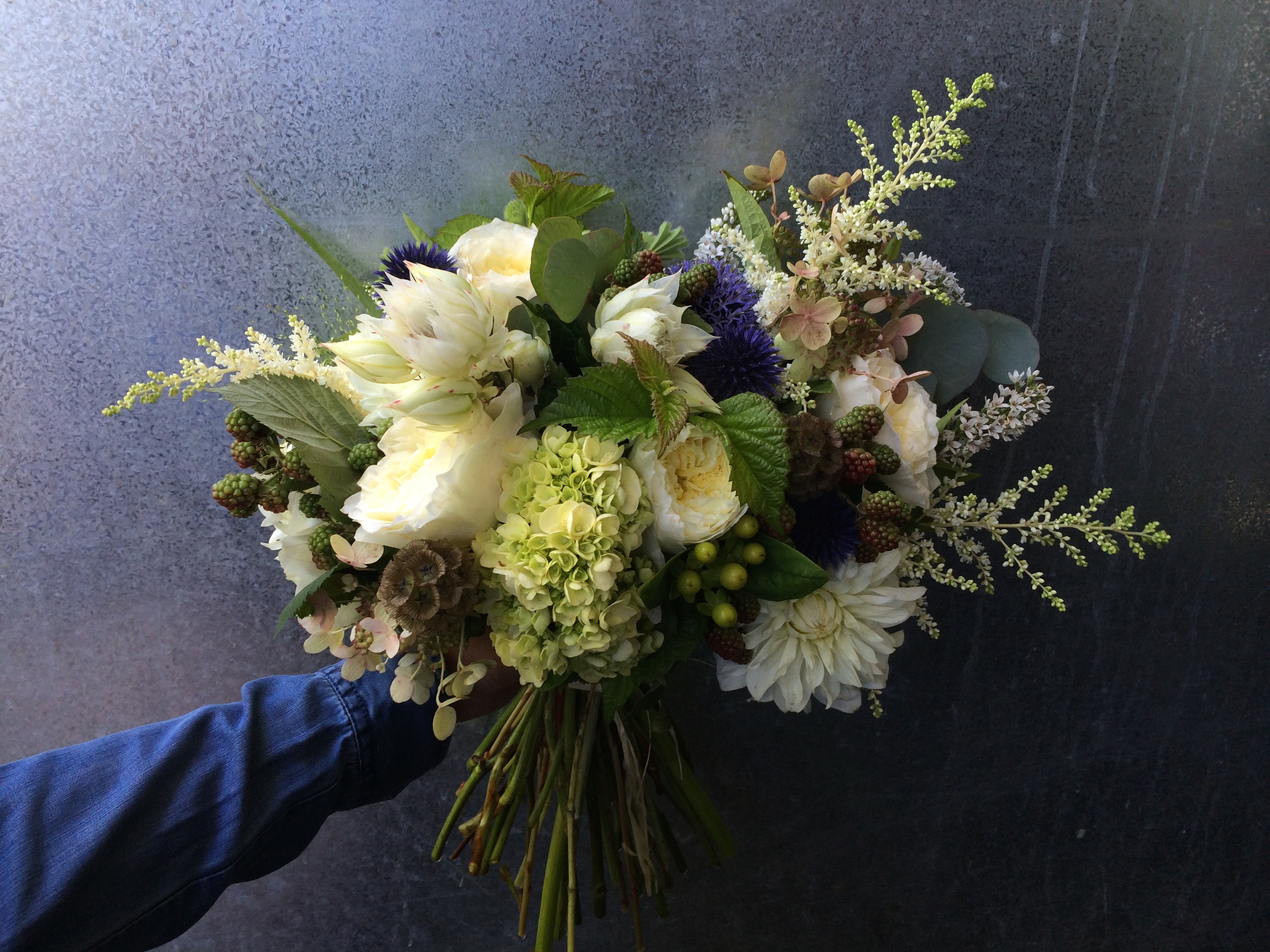
A New Seasons floral department creation.

A New Seasons floral department creation.

Did you know that more than 50 percent of all floral transactions in the U.S. take place at the supermarket cash register?

While that statistic may not bode well for the corner flower shop, it does represent opportunity for flower farmers who find a way to work with this ever-changing dynamic.

There are so many reasons for the shift from the corner flower shop to the grocery store, but according to my guests in today’s podcast one of its primary causes is time and convenience.

In other words, consumers are so pressed for time in all facets of their lives that the grocery store has become the one-stop place to purchase not just food, but so many other things.

Think about it: The grocery store, when done well, is now our coffee shop, our bank, our drug store, our greeting card store, our liquor/wine store, our bakery, our deli, and oh, yes, our flower shop.

Please enjoy today’s conversation about the fast-paced world of grocery floral – as I seek to understand where the opportunities are from two perspectives: the floral buyer (the supermarket) and the floral seller (the flower farmer).
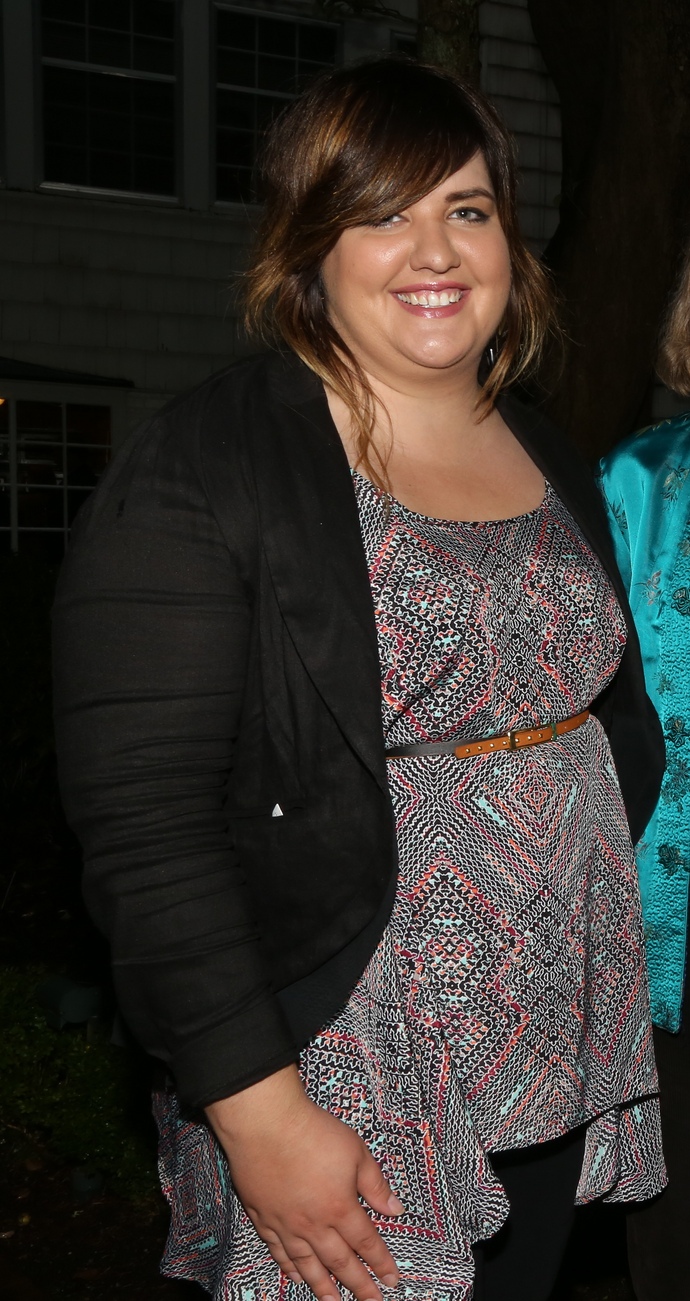
"Slow Flowers" supermarket pioneer: Katie McConahay of New Seasons Markets.

“Slow Flowers” supermarket pioneer: Katie McConahay of New Seasons Markets.

Katie McConahay is the floral merchandiser for New Seasons Markets, a Portland-based chain of 13 neighborhood grocery stores. With the motto, “the friendliest store in town,” New Seasons nurtures its local suppliers.

On its web site you will find this message: “As a locally owned business, we take pride in supporting local farms, ranches and other small businesses through our Home Grown program.

“The Home Grown symbol points out products from produce and meat to hand lotions and scented candles that come from local companies. So, you can support the local and regional economy with your dollars. And we can further our strong commitment to sustainable agriculture.”

Unfortunately, there is a lot of lip-service paid to LOCAL and I’ve witnessed first-hand the amount of green-washing that can take place at grocery stores that tell their shoppers one thing and then do something completely opposite that . . . such as trying to pass off imported flowers as local or simply not caring enough to properly label the sources.
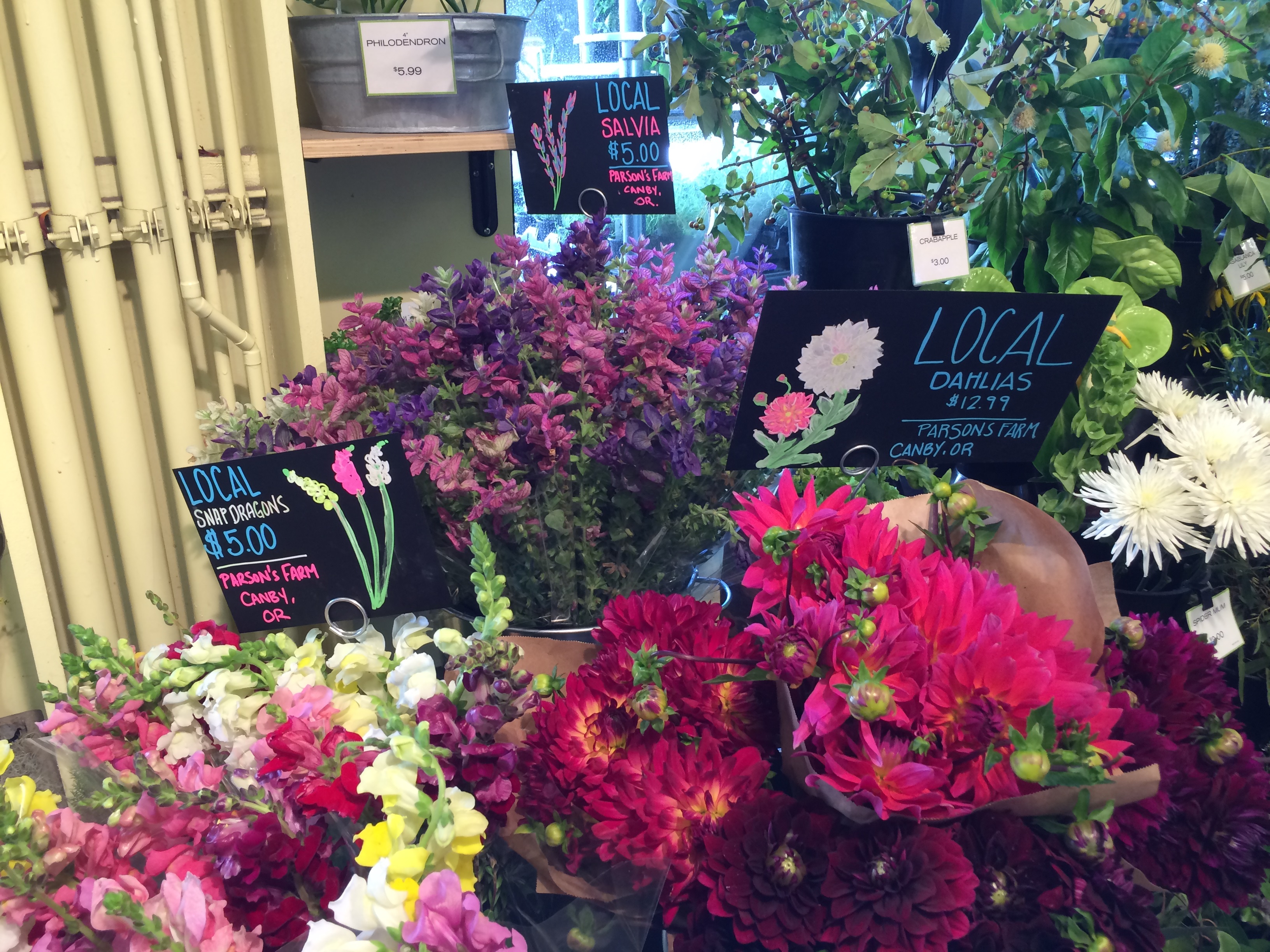
More flowers at New Seasons Market.

More flowers at New Seasons Market.

After getting to know Katie over the past year, I have to say how impressed I am with her philosophy of transparency about the origins of the flowers she and her employer sell. “Not many people think of buying local when it comes to flowers. Making beautiful selections available from local growers is how we’re making a difference, one stem at a time.”
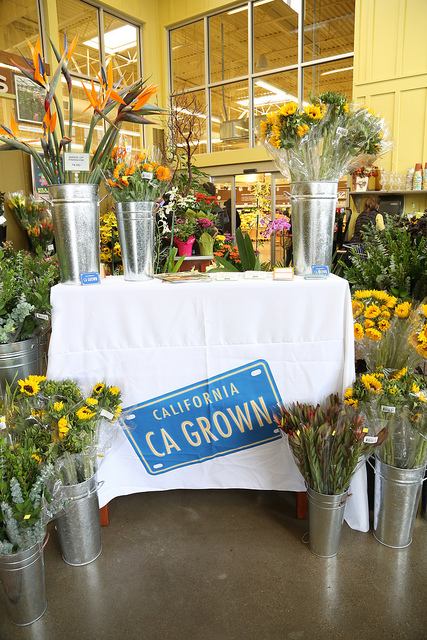
A CA-Grown floral display at one ohe Portland area New Seasons.

A CA-Grown floral display at one Portland area New Seasons.

Katie began her career in floral at the age of 15 when she took a position as a floral clerk at a local grocery store in Milwaukee, Wisconsin.

Early on she decided that she wanted to make unique and beautiful flowers available to everyone, even daily grocery shoppers.  She went on to become the youngest ever floral manager for Wisconsin’s largest grocery chain by the age of 18, taking her department to number one in sales in a region with over 60 stores.

Katie has been involved in all facets of the floral industry, from large scale grocers to small, elegant design studios in Portland.

She found her “happy medium” in the New Seasons Market floral program where she began as a floral manager in 2010, eventually assuming the head merchandising position in 2012.  Since that time she has nurtured the floral program to unprecedented growth levels adding dozens of local and California vendors in 2014.

Katie remains committed to cultivating relationships with local growers and promoting a sustainable, local floral program that supports small growers while continuing to supply the 13 New Seasons Markets with the very best that the floral industry has to offer.
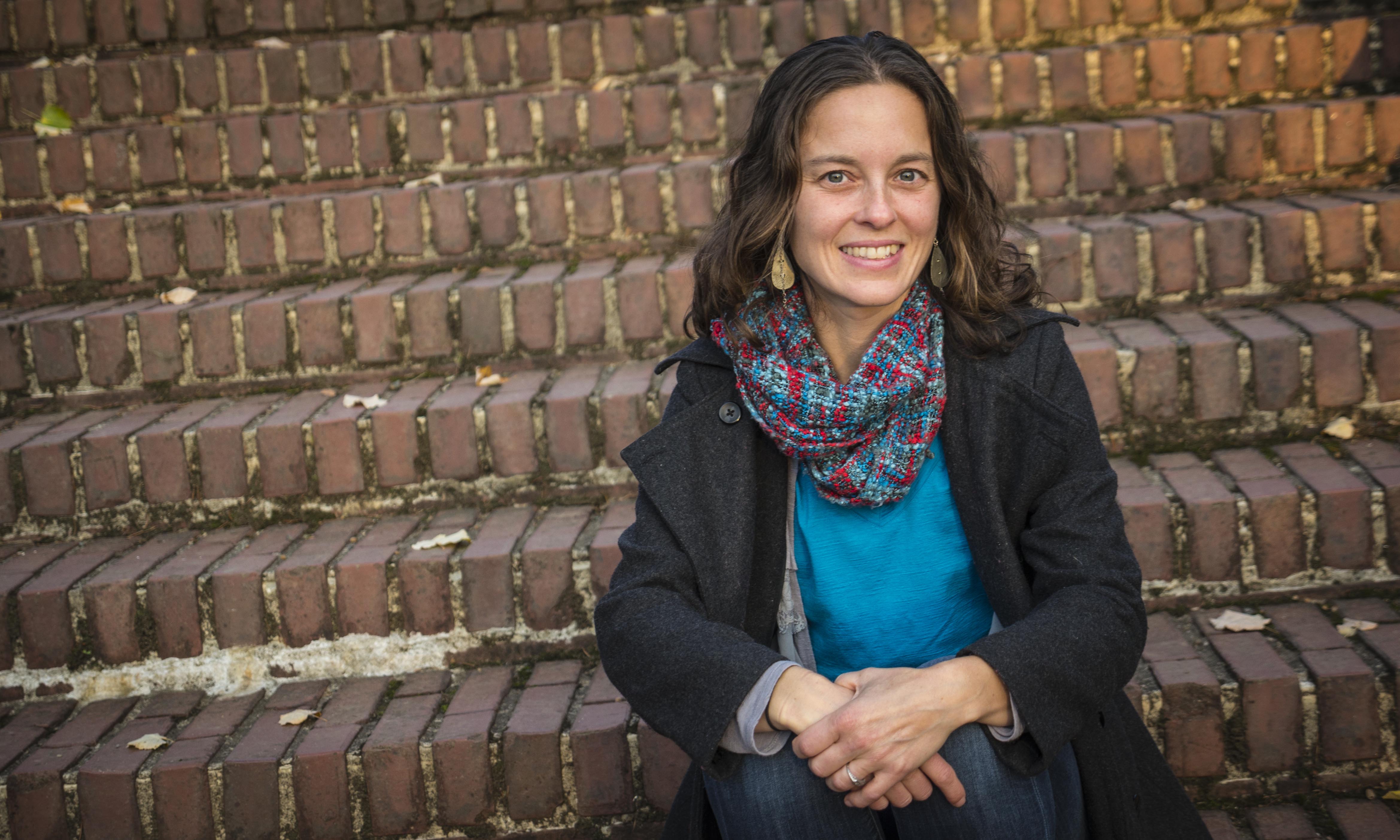
Molly Sadowsky of Seattle Wholesale Growers Market.

Molly Sadowsky of Seattle Wholesale Growers Market.

When I visited Portland last month I scheduled an interview with Katie and I asked her predecessor at New Seasons, Molly Sadowsky, to join us.
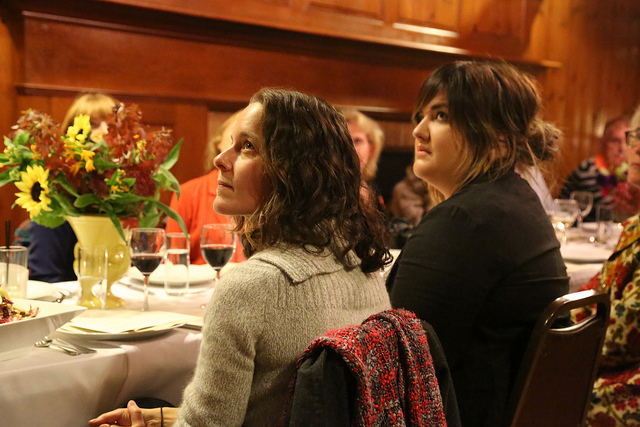
Molly (left) and Katie (right), joined other American-grown advocates to discuss the future of domestic flower farming and floral  selling at the CCFC gathering last fall in Portland.

Molly (left) and Katie (right), joined other American-grown advocates to discuss the future of domestic flower farming and floral selling at the CCFC gathering last fall in Portland.
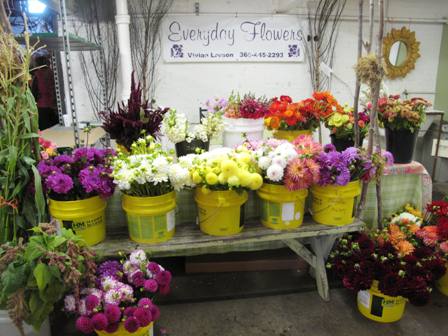
Goodies at the Seattle Wholesale Growers Market.

Goodies at the Seattle Wholesale Growers Market.

Molly, the program manager at the Seattle Wholesale Growers Market, was the link who first introduced me to Katie. That’s when we all attended the California Cut Flower Commission’s field-to-vase dinner held in Portland last October where I was invited to speak.

At the Seattle Wholesale Growers Market, a cooperative of Northwest flower growers in Seattle’s Georgetown neighborhood, Molly oversees the selling of flowers to grocery customers and maintaining a year-round floral inventory.

Oregon-grown roses from farmer to florist.
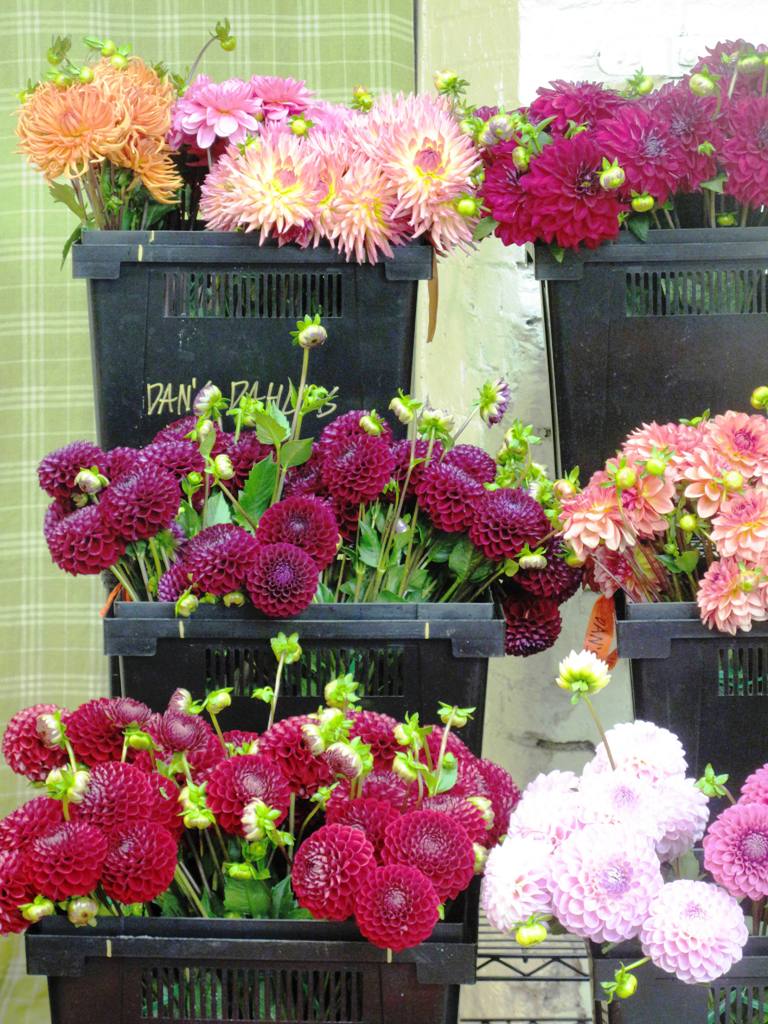
Oregon-grown roses from farmer to florist.

Washington-grown dahlias, from farmer to florist.

Washington-grown dahlias, from farmer to florist.

Molly is such a valuable asset at the Seattle Wholesale Growers Market. One reason is her background, having previously built and ran the floral program at New Seasons Market in Portland where she initiated a seasonal buying program that relied on product from 80 growers, including more than 50 in Oregon.

Molly embraced the buy-local philosophy as a restaurant owner in the early 2000s, when she forged relationships with local farmers to supply her vegetarian breakfast-and-lunch café. Molly lives in Portland with her husband, Dan, and their six-year-old Belgian Malinois, Leyna.

Thanks to listeners like you, this flower-powered podcast has been downloaded more than 18,000 times. If you like what you hear, please consider logging onto Itunes and posting a listener review.

Please join me in putting more American grown flowers on the table, one vase at a time. I promise that when you tune in next week, you’ll hear another insightful and educational episode of the Slow Flowers Podcast.

This podcast was engineered and edited by Hannah Holtgeerts and Andrew Wheatley. Learn more about their work at hhcreates.net
 

SLOW FLOWERS Podcast: A Day in the Life of Vivian Larson of Everyday Flowers (Episode 152)

Wednesday, July 30th, 2014
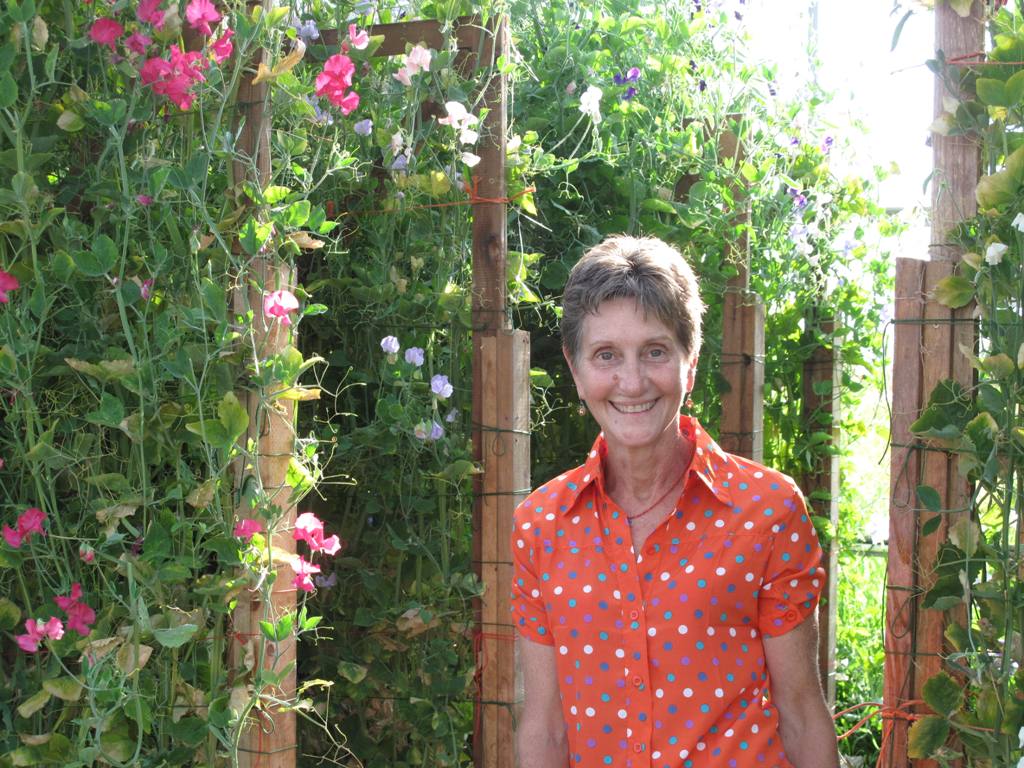
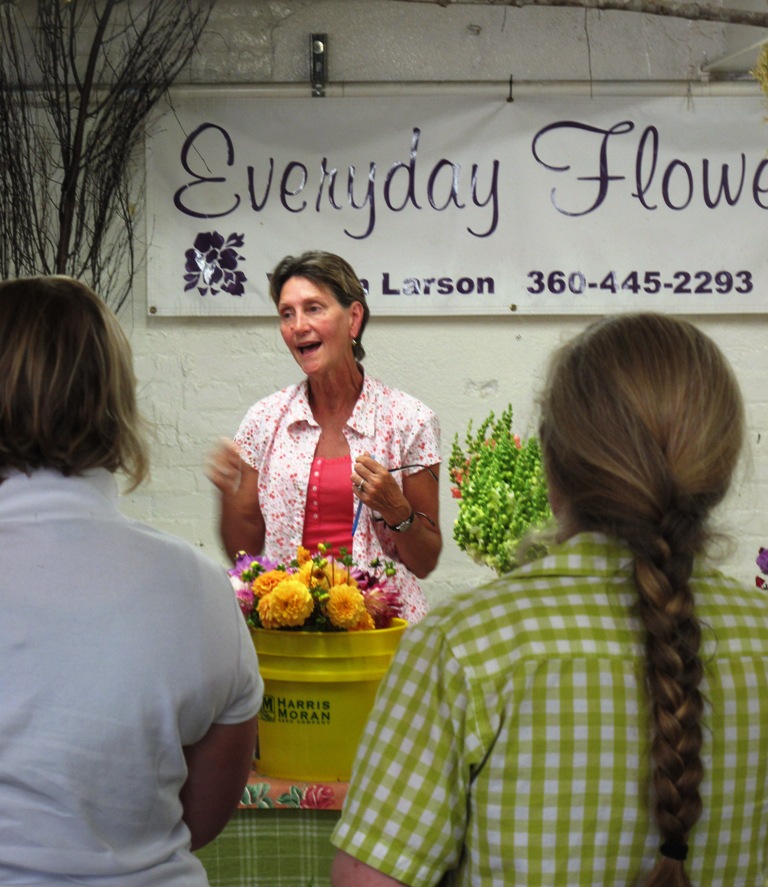
Vivan Larson, of Everyday Flowers

Vivan Larson, of Everyday Flowers    


Vivan often takes times to educate her customers and visitors to the Seattle Wholesale Growers Market.

Vivan often takes times to educate her customers and visitors to the Seattle Wholesale Growers Market.

As we launch this podcast’s second year, I’m honored to continue bringing great conversations to you each week.

Some of the most rewarding side benefits of interviewing flower farmers, floral designers and other influential voices in the field-to-vase floral industry are the “field trips” that bring me close-up and in-person to see the sources of our American flowers – the farms, the studios, and the retail spaces where such amazing beauty connects us with nature and the seasons. 

This happened again last week when I invited myself to Everyday Flowers in Stanwood, Washington, for a visit.

Owned by veteran grower Vivian Larson, this established cut flower farm is a sight to behold. Viv is a precision grower, who cares deeply about her flowers – from the first seedlings emerging from trays of and trays of soil to the voluptuous bunches of blooms that are picked with great attention to detail, processed, bunched and delivered to her design customers.  

What a lovely way to wake up and view the flower fields from the guest bedroom at Viv's house.

What a lovely way to wake up and view the flower fields from the guest bedroom at Viv’s house.

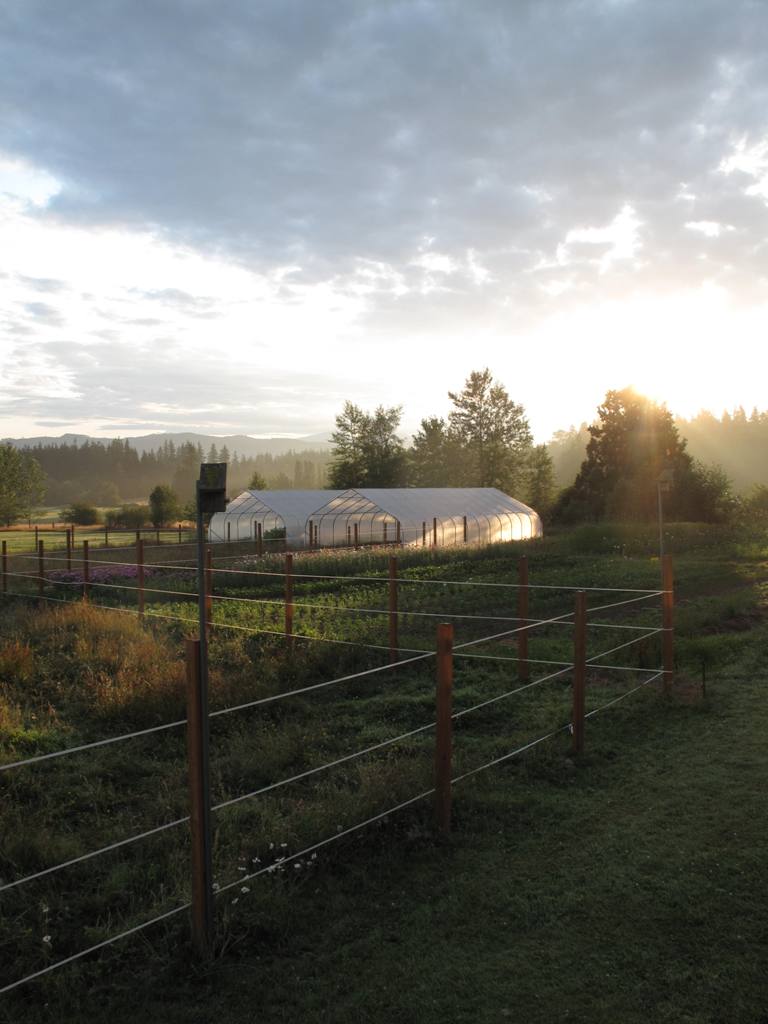
Located about an hour north of Seattle, Everyday Flowers is situated on a gorgeous piece of land with a more than 180-degree view to the Puget Sound’s many islands – Camano, Whidbey, the San Juans – all the way up to Canada – and north toward Mount Vernon. Vivian and her husband Jim, a commercial fisherman, raised two children here and are now helping raise three grand-children. It is a bucolic place with a beloved horse who adds agricultural character to the scene, as well as rows and rows of field-grown annuals and perennials located next to several large and very tidy hoop-houses containing even more flowers. 
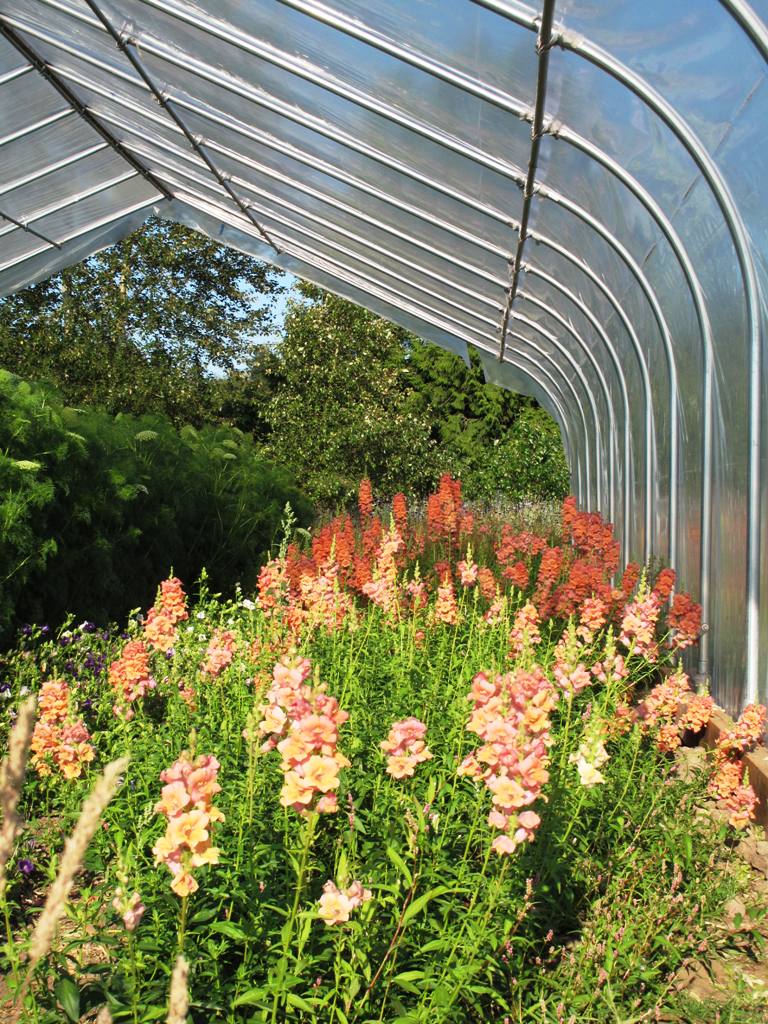
Here are the apricot-hued snapdragons we discussed - one of Viv's specialty crops.

Here are the apricot-hued snapdragons we discussed – one of Viv’s specialty crops.

Vivian is a founding member and board vice president of the Seattle Wholesale Growers Market, and I’ve known her for several years through that relationship. Some would say she is the glue that holds that place together, a true diplomat when it comes to synthesizing points of view and navigating the true meaning of a cooperative – one that benefits all members for the greater good. 

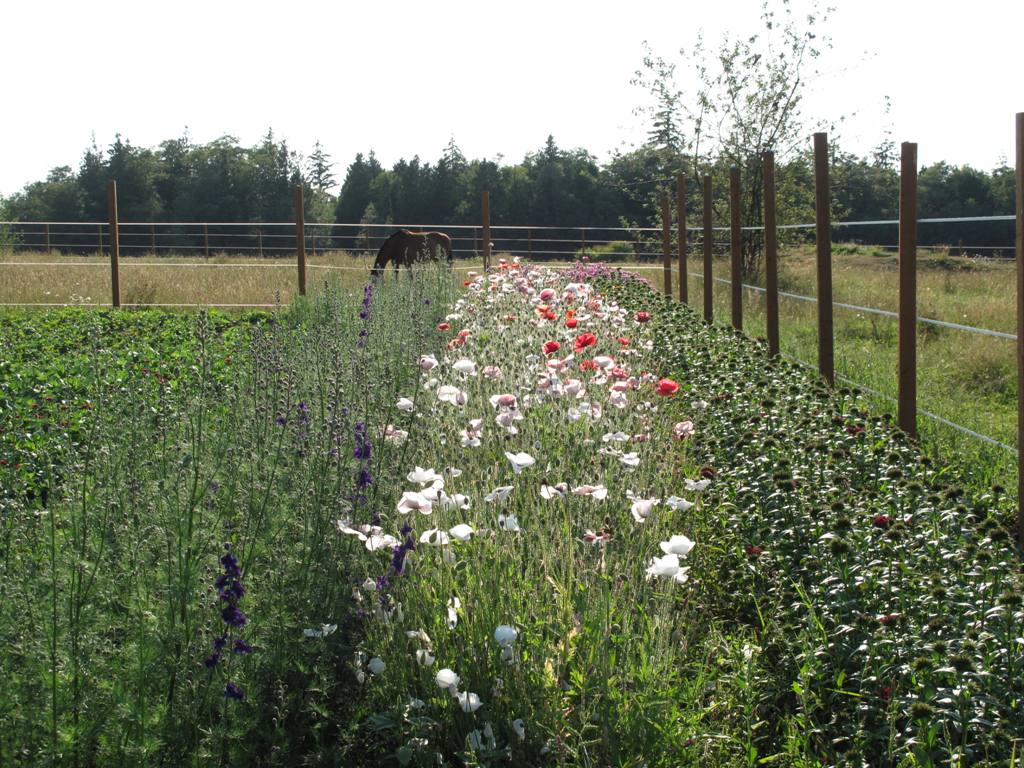
Poppies and other field-grown varieties thrive in neat rows at Everyday Flowers.

Poppies and other field-grown varieties thrive in neat rows at Everyday Flowers. That’s “Sassy” grazing in the background.

Vivian is the daughter of farmers who taught her those intangible skills of building good soil and caring for the land. “I always had a patch of earth where I grew flowers as a child,” she recalls. When Vivian’s own children were small, in 1990, she asked her husband to prepare a large area of ground. She began growing flowers and selling her bouquets at a nearby farm stand. “People would wait there to get my flowers or I’d have standing orders,” Vivian recalls. “Good flowers sell themselves – I’ve never had to advertise.” 

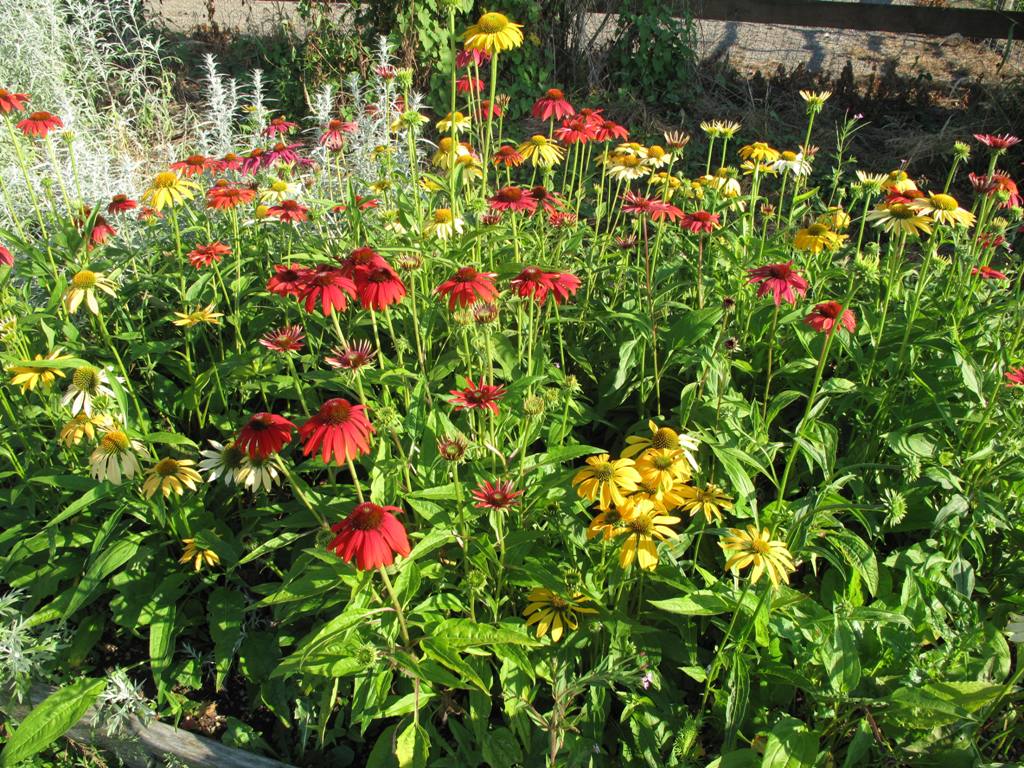
A current obsession: specialty echinaceae varieties.

A current obsession: specialty echinaceae varieties.

Experience has taught Vivian to know which varieties are successful as cut ingredients, which colors are reliable over time and which flowers produce the longest stems. “I’ve always known there were certain types of flowers that lasted better than others, especially if cut at the right time, and treated properly post-harvest,” she explains. “The fact is, I have a choice of what to grow and I choose to grow plants that are going to be happy at my farm and hold well in the vase.” 

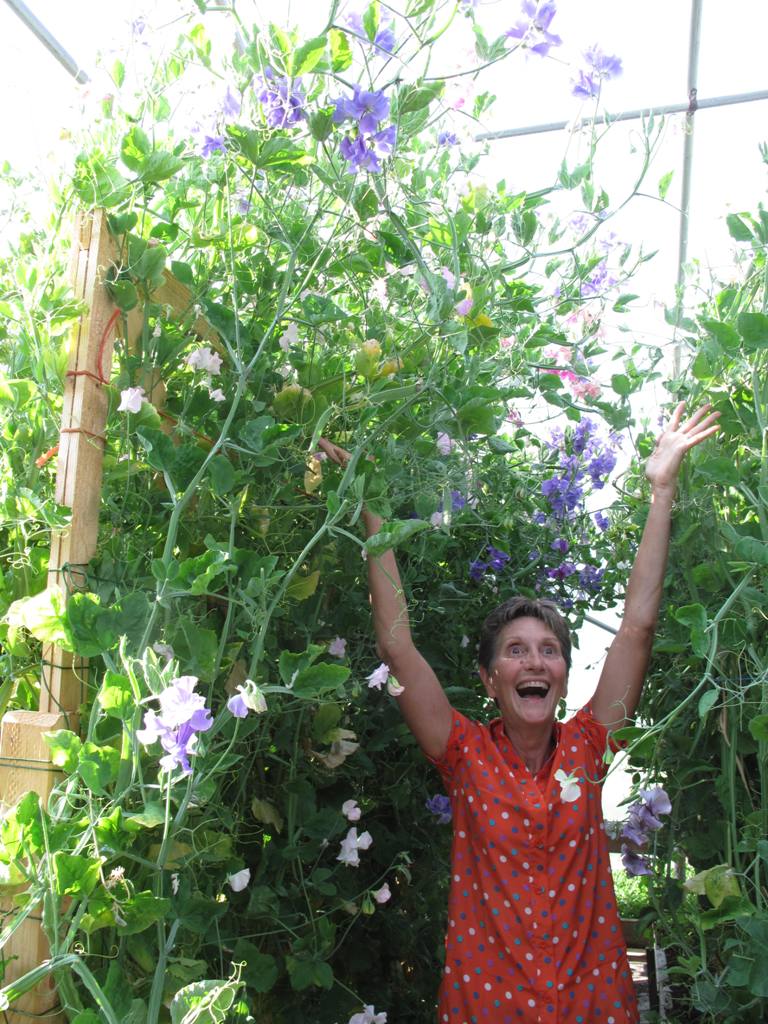
This shot is a little silly, but viv humored me when  I asked her to reach for the top of the sweet pea trellises!

This shot is a little silly, but Viv humored me when I asked her to reach for the top of the sweet pea trellises!

For example, Vivian grows larger quantities of white, pink and yellow lilies because they are more popular with buyers. Similarly, the Karma dahlias have been bred for 18-20 inch-long stems and longer vase life, so she focuses on those. 

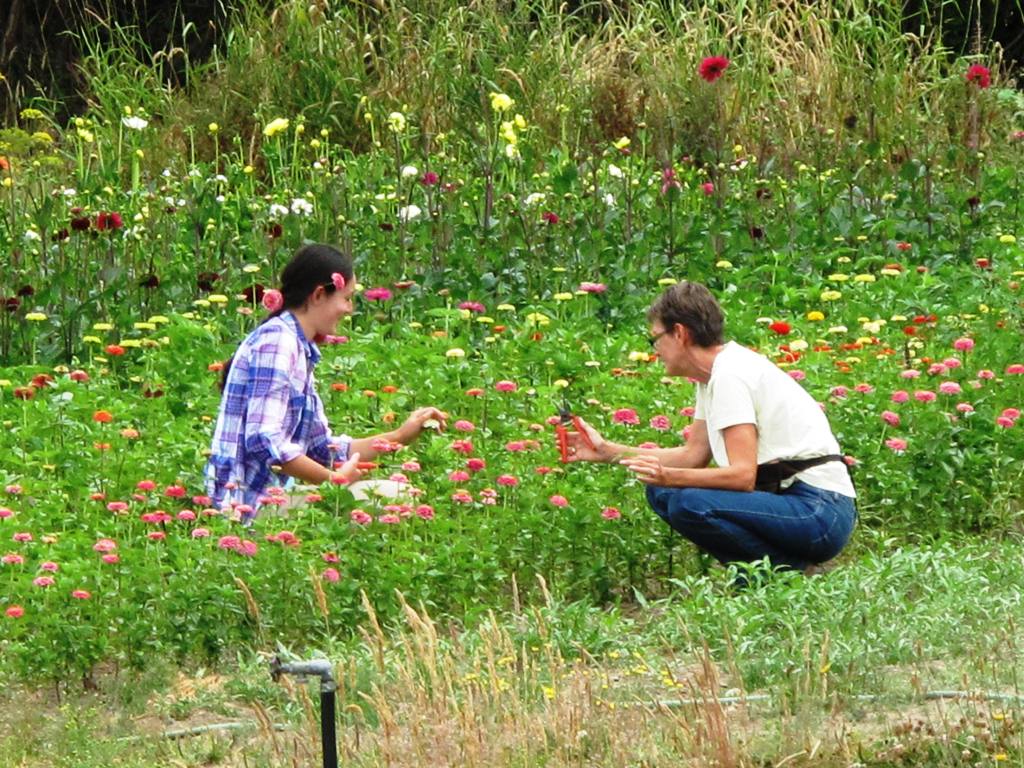
Vivian working with and teaching one of her seasonal workers, Kelly Uhlig. Kelly's mom Pam Uhlig was a horticulture intern at Everyday Flowers this past spring.

Vivian working with and teaching one of her seasonal workers, Kelly Uhlig. Kelly’s mom Pam Uhlig was a horticulture intern at Everyday Flowers this past spring.

Vivian has a good idea of what wedding designers and their clients are looking for and how they use each flower. While she has in the past done some of her own design work, the bottom line is that Vivian is first of all a flower farmer. “Honestly, I just enjoy growing more than anything else!”  

Alicia Schwede of Flirty Fleurs, going a little bloom-crazy during our early morning harvest.

Alicia Schwede of Flirty Fleurs, going a little bloom-crazy during our early morning harvest.


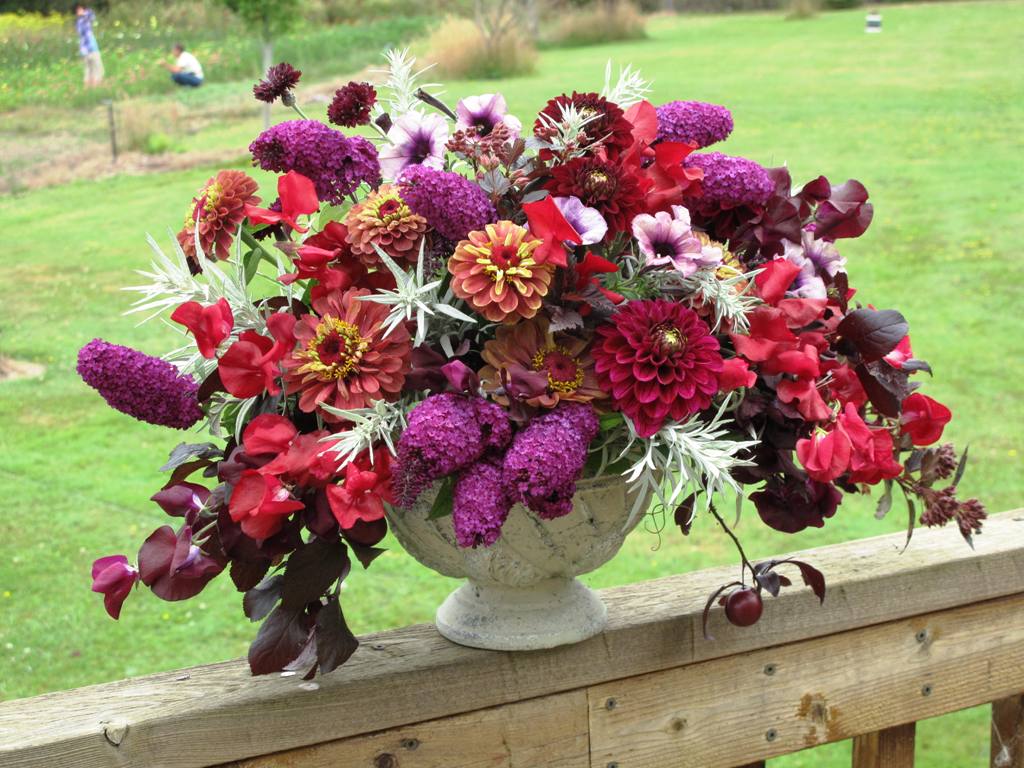
Alicia's gorgeous bouquet using all local and seasonal ingredients from Everyday Flowers.

Alicia’s gorgeous bouquet using all local and seasonal ingredients from Everyday Flowers.

We were lucky to have another guest along for my flower adventure – Alicia Schwede, a floral designer and owner of the Flirty Fleurs blog, joined Vivian and me for dinner and then returned early the following morning, clippers and urn in hand – for a floral designers’ whirlwind session. We loved creating arrangements and bouquets with Vivian’s flowers.

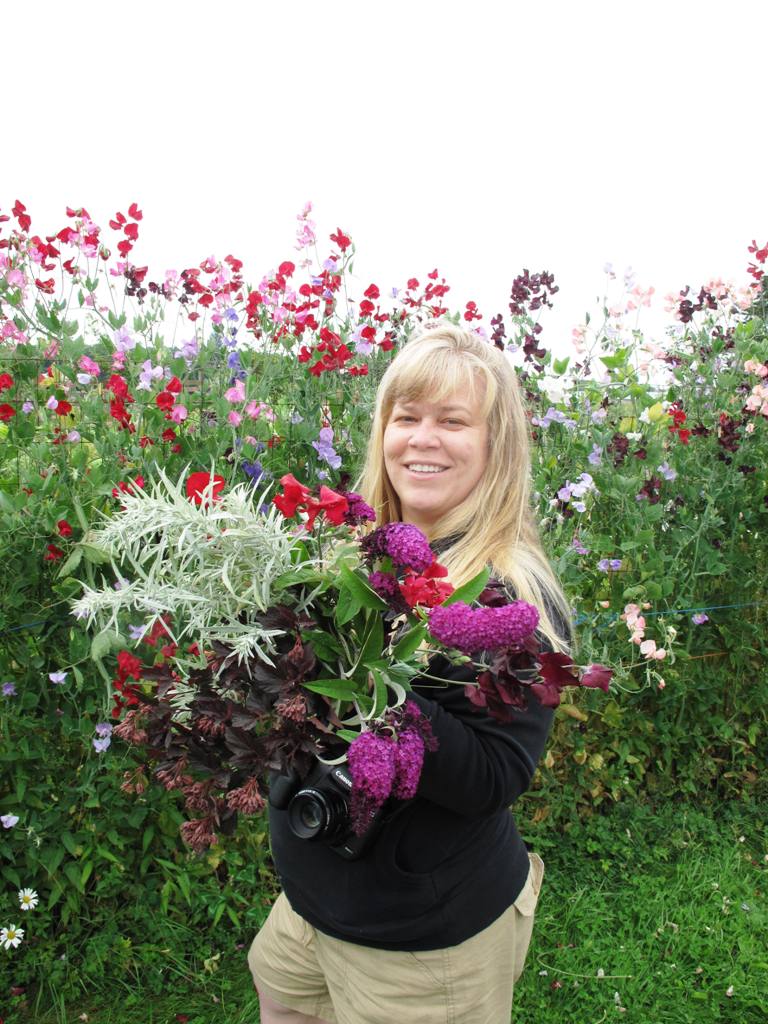
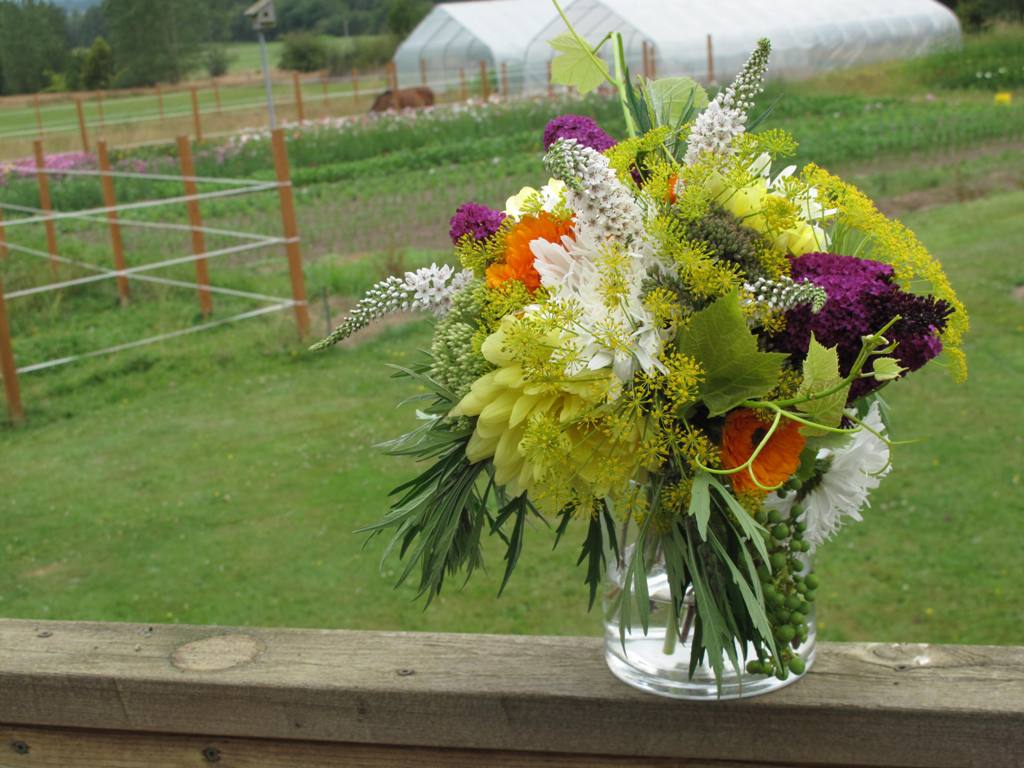
I made this hand-tied bouquet from yummy elements, including a cluster of unripe grapes.

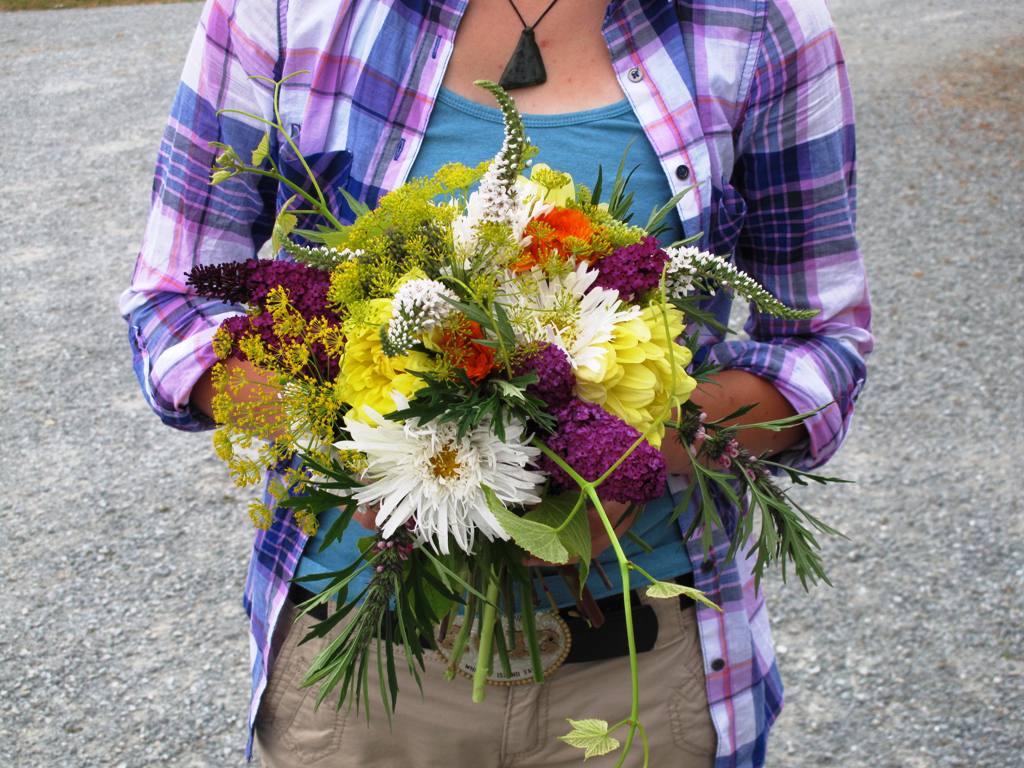
I made this hand-tied bouquet from yummy elements, including dahlias, budleia, golden dill, calendula, Shasta daisies, leonitis, gooseneck loosestrife, and a cluster of unripe grapes and grape tendrils.


Kelly indulged to hold my bouquet for a different perspective.

Kelly indulged to hold my bouquet for a different perspective.

Everyday Flowers uses sustainable growing practices and the farm is Salmon Safe certified. No herbicides are used on the farm and on the rare instance when insecticides are used, they are OMRI-approved (Organic Materials Review Institute) products, Vivian explains. 

“I have a good beneficial insect population, including bees and ladybugs and I grow cover crops to suppress weeds and add more organic matter back in the soil,” Vivian explains. “I also have ‘Sassy’ my horse who does her share by producing great compost.” 

Thanks to listeners like you, this podcast has been downloaded more than 16,000 times. I truly appreciate the guests, listeners and sponsors who have supported the Slow Flowers Podcast with Debra Prinzing! Together, we’re changing the broken floral industry for the better!!

If you like what you hear, please consider logging onto Itunes and posting a listener review.

Until next week please join me in putting more American grown flowers on the table, one vase at a time. 

The Slow Flowers Podcast is engineered and edited by Hannah Holtgeerts and Andrew Wheatley. Learn more about their work at hhcreates.net.

SLOW FLOWERS Podcast: Floral and Event designer McKenzie Powell (Episode 150)

Wednesday, July 16th, 2014
A McKenzie Powell floral bouquet, photographed by Jasmine Star.

A McKenzie Powell floral bouquet, photographed by Jasmine Star.

I’ve experienced real joy in producing and hosting the Slow Flowers Podcast this past year.

You could say it’s purely selfish to have a personal, 30-minute conversation with an influential and interesting leader in the American floral industry, right?

Yet I am so happy to invite you to share in our dialogue; doing so has allowed flower farmers, floral designers and flower sellers to reach so many others by simply sharing their personal stories. And I sincerely hope that listeners who care about the source, seasonality and growing methods of the flowers they enjoy in their lives are inspired by the guests I’ve been able to feature this past year.  

MPD-logo-newToday’s delightful guest is McKenzie Powell, a young floral artist and event producer based in Seattle. I’ve been wanting to interview McKenzie for a couple of years. And too often, when we run into one another at the flower market, we promise, “let’s get together for coffee, okay?”  

This past week, we finally made that happen. McKenzie’s star is on the ascent. In just four years since she launched her studio, the work of this talented designer has been showcased twice in Martha Stewart Weddings, as well as in local bridal publications in our area like Seattle Bride and Seattle Met Bride & Groom. After recording our interview, she also sent me this link to a 2013 project of hers that landed on Martha Stewart’s Real Weddings’ blog. 

McKenzie Powell with one of her beautiful arrangements (c) Belathee Photography.

McKenzie Powell with one of her beautiful arrangements (c) Belathee Photography.

She’s also been showcased on a gazillion websites, including but not limited to: Junebug, 100 Layer Cake, Coco & Kelly, Elizabeth Ann Designs, Style me Pretty, Once Wed, Apartment Therapy, Wedding Wire, and others.

McKenzie says this about her business: We are a boutique and floral event design studio located in Seattle, Washington, and available for travel. We bring flair, elegance, and creativity to each and every event – from an intimate dinner party to a grand affair. Our goal is to learn your story, your style, your vision – then design an event unique to you and incredibly beautiful. 

A wedding tablescape, all-white and lovely.

A wedding tablescape, all-white and lovely. (c) Bryce Covey

McKenzie was raised among gardens and trained as a graphic designer. She brings a broad appreciation and knowledge of design to the floral and event industry, a niche that combines so much of what she enjoys and finds inspiring. Interiors, flowers, fashion, food, travel – they all seem to play an important part in a well-crafted and thoughtful event. 

A Summer Bouquet from McKenzie's Seattle Garden.

A Summer Bouquet from McKenzie’s Seattle Garden.

After two years working for an angel investment firm, planning large-scale corporate events, she launched McKenzie Powell Floral & Event Design, quickly earning a reputation for her lush, romantic designs. While her floral work may be what she is most notably known for, she encourages her clients to think beyond the centerpiece. Using an approach that considers the entire table, the entire environment, McKenzie creates truly beautiful events. 

Her perfect lazy day is spent lakeside at her family’s cabin, in the company of a good book, a fresh grapefruit cocktail, and her handsome husband. 

You can find and follow McKenzie at these places:

McKenzie on Facebook

McKenzie on Instagram

McKenzie on Twitter

McKenzie on Pinterest

We are coming up on a one year anniversary next week. I have a very special guest who is going to share a big announcement about American Grown Flowers, so be sure to tune in.

Last week, thanks to listeners like you, this podcast hit the 15,000 download mark and I couldn’t be more grateful. I truly appreciate the guests, listeners and sponsors who have supported the Slow Flowers Podcast with Debra Prinzing!!! Together, we’re changing the broken floral industry for the better!!

If you like what you hear, please consider logging onto Itunes and posting a listener review.

Until next week please join me in putting more American grown flowers on the table, one vase at a time. 

The slow flowers podcast is engineered and edited by Hannah Holtgeerts and Andrew Wheatley. Learn more about their work at hhcreates.net.

SLOW FLOWERS Podcast: Media entrepreneur Margot Shaw, creator of flower magazine (Episode 147)

Wednesday, June 25th, 2014

Before we get started with today’s awesome guest, I’ve got a little self-promotion to share. The Slow Flowers “brand” is a lovely bouquet with several unique blooms in the vase.

PodcastLogoThere is this podcast, of course, and we’re coming up on our one-year anniversary on July 23rd (we’ll have an exciting announcement from a special guest to celebrate our 52nd episode!).

 Web

And there is the Slowflowers.com online directory, which is growing every day – up to 325 vendors on the site as of this week.

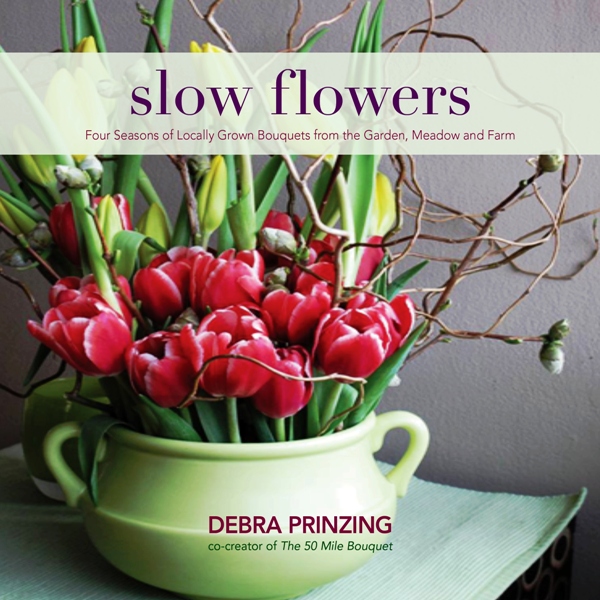
600_600_SLOWFLOWERSFrtCvrrevBut it all started with the book: Slow Flowers, four seasons of locally-grown bouquets, from the garden, meadow and farm. St. Lynn’s Press published this little gem in early 2013 and it has been the creative inspiration to launch the Slow Flowers Movement.

14-silver-logoWe just got word that Garden Writers Association has awarded Slow Flowers with one of two Silver Medals of Achievement for Overall Book product this year. I couldn’t be happier and I’m so pleased to receive the recognition because it reflects what together our American grown floral community has achieved in changing the dialogue and changing the relationship consumers have with their flowers. Congratulations to the entire St. Lynn’s Press creative team for making my words and images into such a beautiful little book: Paul Kelly (Publisher), Catherine Dees (Editor) and Holly Rosborough (Art Director). They are the dream team! 

TODAY’S GUEST: MARGOT SHAW, flower magazine

Margot Shaw, "flower magazine" founder and editor-in-chief

Margot Shaw, “flower magazine” founder and editor-in-chief  


"To Flower" ~ the definition embodies the spirit of this magazine.

“To Flower” ~ the definition embodies the spirit of this magazine.

Now, it is entirely fitting that I introduce you to Margot Shaw of flower magazine, my interview subject today. Margot has coined the phrase “a floral lifestyle,” a term I thoroughly embrace – and I know you will, too.


Margot calls herself a “late bloomer” when it comes to the art of floral design. A self-proclaimed “call-and-order-flowers girl,” Margot’s “a ha moment,” her view of flowers, changed when planning her daughter’s at-home wedding.

Working alongside the floral and event designer, she recognized the artistry and inspiration involved in “flowering” and soon began apprenticing with that same designer.

After a few years, enamored with all things floral but unable to locate a publication that spoke to her passion, she set about creating one. 

With a clear vision, a deep appreciation for beauty, a facility with words, a hometown uniquely geared towards publishing, and the advice and counsel of generous industry professionals, Margot launched flower in March of 2007. 

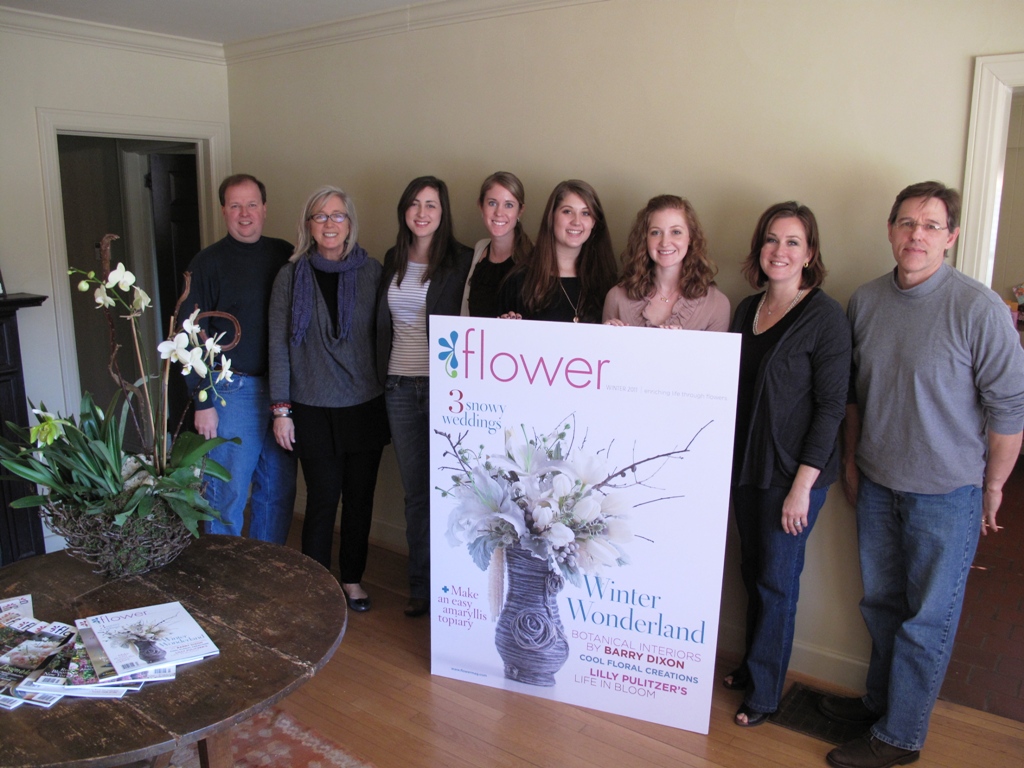
I snapped this photo of the flower magazine staff back in January 2011 when I visited Birmingham, Alabama, for a get-to-know meeting. That's Margot, second from the left.

I snapped this photo of the flower magazine staff back in January 2011 when I visited Birmingham, Alabama, for a get-to-know meeting. That’s Margot, second from the left.

Originally filled with floral, garden, and event design, the niche publication has gradually broadened to include content that trumpets a floral lifestyle—interiors, art, travel, fashion, jewelry, and entertaining.

“It has something for everyone who likes flowers—and who doesn’t like flowers?!” Shaw proclaims.

Since its debut, flower has continued to grow at a steady pace, recently moving from quarterly to bimonthly, and available in all 50 U.S. states and 17 countries.

Here’s some more information on the publication and its influence on our floral community:

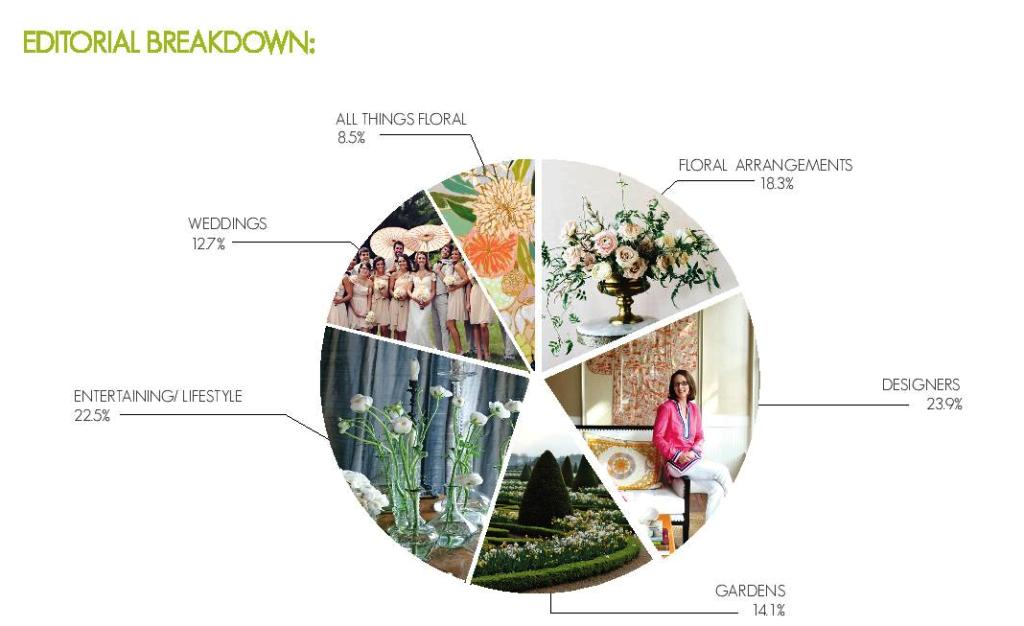
Here's what you'll find on the pages of flower magazine ~

Here’s what you’ll find on the pages of flower magazine ~


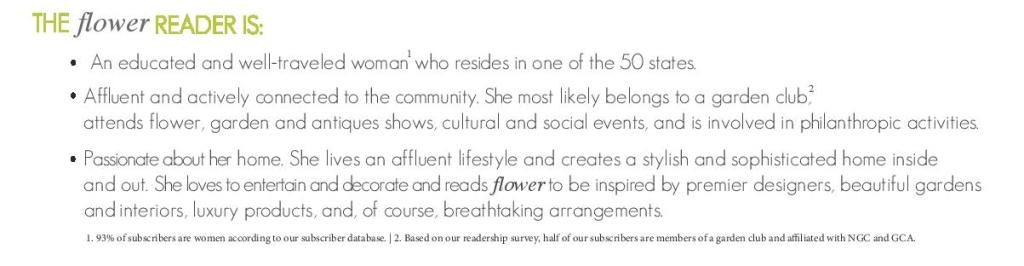
Here's who reads the magazine.

Here’s who reads the magazine.


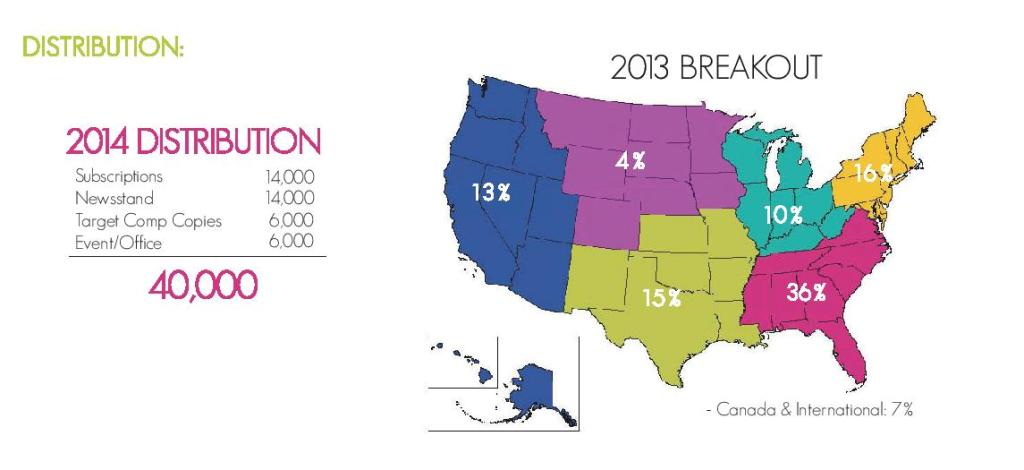
Here's more about the circulation and geographic distribution.

Here’s more about the circulation and geographic distribution.

Want to check out the current issue of flower magazine? Margot has generously shared the “secret” log-in password with listeners of the SLOW FLOWERS Podcast. Click here to read the digital edition and use TUBEROSE as the password. 

Next week’s guests are Heidi Joynt and Molly Kobelt, partners in Field & Florist of Chicago. You won’t want to miss it!

Thanks to listeners like you, this podcast has been downloaded 13,700 times.

If you like what you hear, please consider logging onto Itunes and posting a listener review.

Until next week please join me in putting more American grown flowers on the table, one vase at a time. 

The slow flowers podcast is engineered and edited by Hannah Holtgeerts and Andrew Wheatley. Learn more about their work at hhcreates.net.

SLOW FLOWERS Podcast: The Emerging Family Flower Farm, with Sarah & Steve Pabody of Triple Wren Farms (Episode 145)

Wednesday, June 11th, 2014
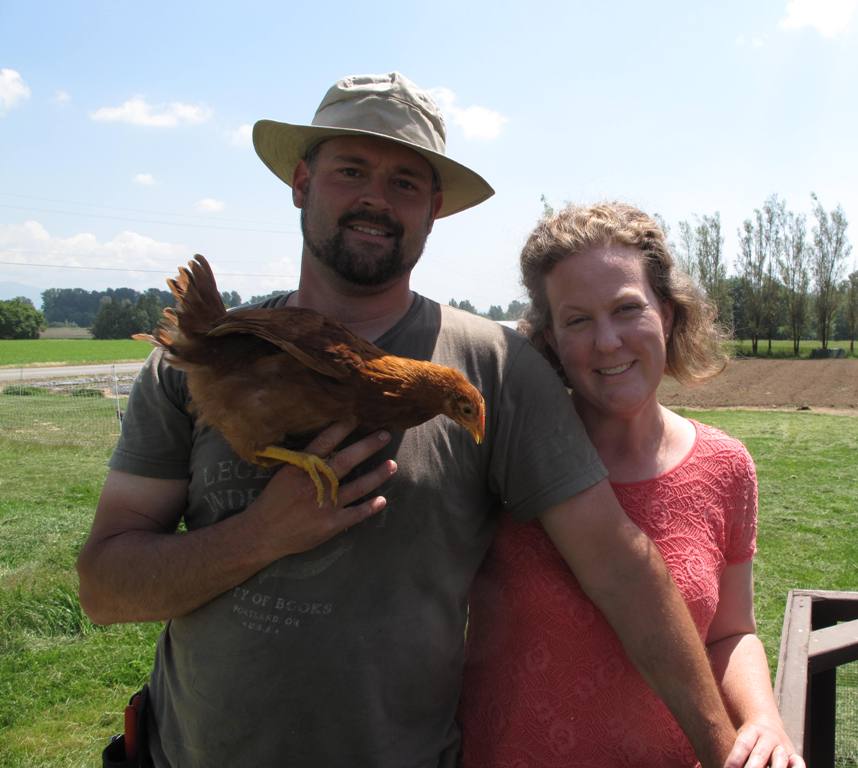
Steve and Sarah Pabody of Triple Wren Farms, Ferndale,Washington

Steve and Sarah Pabody of Triple Wren Farms, Ferndale,Washington

Earlier this week I headed north from the city and drove to Bellingham, Washington, close to the US-Canadian Border.

There, in lovely Whatcom County, I met Sarah Pabody for lunch at a charming cafe serving organic and locally-grown food. That seemed apropos because we were ready to talk about putting more flowers – edible and non-edible alike – into the agricultural conversation. 

I’ve known Sarah and her husband Steve Pabody since their flower-growing operation Triple Wren Farms joined the Seattle Wholesale Growers Market two years ago. Sarah and I served together on the co-op’s board for a while and she has impressed me with her level-headed approach to our discussions and the thoughtful and inclusive way she makes decisions as a leader at the market. 

Harvesting with Sarah.

Harvesting with Sarah.

We’ve been talking about me visiting Triple Wren, and now that it’s flower-growing season, the time was right to make the trip. I warned Steve and Sarah in advance that I wanted to record our conversation for the Slow Flowers Podcast – and fortunately for you, they were game! 

After lunch and a whirlwind chat, I followed Sarah even further north up the highway to the town of Ferndale. What beautiful countryside, where only a few miles off the interstate you can find apple orchards and flower fields surrounding a charming farmhouse with a deep, covered, wraparound porch, perfect for sitting down with Sarah and Steve, and a jug of their cold, refreshing, home-pressed apple cider. Steve poured and we forgot about the recorder and you can join in vicariously.  

Gentleman orchardist, Steve Pabody.

Gentleman orchardist, Steve Pabody.

I wanted you to meet Sarah and Steve because they are a young flower farming couple who are nearly 100-percent self-taught. Trial and error doesn’t seem daunting to them, though. Steve, a former Baptist pastor, has an incredibly gregarious personality, a can-do attitude and the willingness to poke fun at himself while tackling challenges like raising chickens, pruning thousands of apple trees and installing irrigation lines. He’s sort of a city boy who has taken to farming with a passion. [And PS, as the daughter of a Baptist pastor and pastor’s wife, I have a soft spot for Steve and Sarah – and their personal journey,]

Trey Pabody, inspiration for "Triple," as he is named Steve Pabody, the third.

Trey Pabody, inspiration for “Triple,” as he is named Steve Pabody, the third.

 Like Steve, Sarah has an infectious smile and the type of optimism you hope rubs off on you. This is not an easy path, but it’s one they are committed to walking together. And without owning the land on which they farm, Sarah and Steve are mindful of the steps they need to take to sustain Triple Wren for their future.

I know you’ll be inspired by their story, whether you’re a young farmer, too, or if you’re more established.

And by the way, their farm name celebrates the two reasons Sarah and Steve are so devoted to creating a family enterprise. First, their son Trey (Triple) and their daughter Chloe Wren (Wren). The children are a huge part of the farm’s energy and joy – as you can see in the family photos Sarah shared here.  

Chloe Wren, little sister and inspiration for "Wren" in the farm's name.

Chloe Wren, little sister and inspiration for “Wren” in the farm’s name.

Triple Wren Farms is located in the heart of Sm’Apple’s U-Pick Apple Orchard, which Steve manages for the Smith family, owners of the farm. During the fall U-Pick visitors are also able to harvest dahlias, zinnias, sunflowers and pumpkins to purchase.

Sarah, with Steve’s help, has developed two acres surrounding the orchard where she grows cut flowers and seasonal produce.

As you’ll hear in our interview, they got started with sunflowers just three seasons ago — and the mix of annuals, perennials, edibles, bulbs and woody floral ingredients they now grow for the floral marketplace has exploded. Since joining Seattle Wholesale Growers Market, Triple Wren has achieved Salmon Safe designation. The farm uses sustainable and non-certified organic practices.

In addition to being part of the Seattle Wholesale Growers Coop, Triple Wren sells to local florists and groceries in Bellingham, Ferndale and Lynden – and this year launched a very successful DIY Wedding Flowers program.

More farm photos, shared by Sarah and Steve:


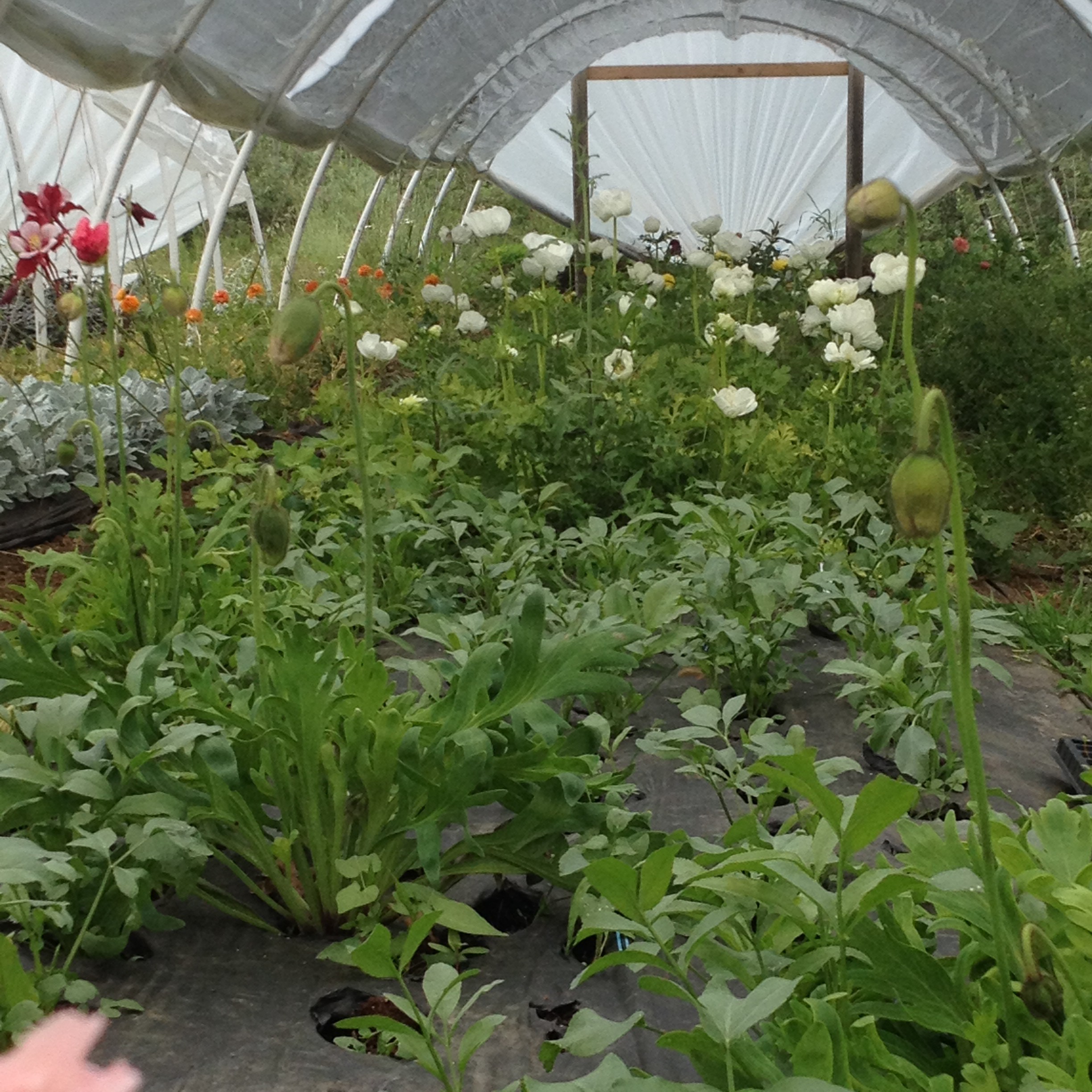
Columbine and poppies, inside the hoophouse.

Columbine and poppies, inside the hoophouse.


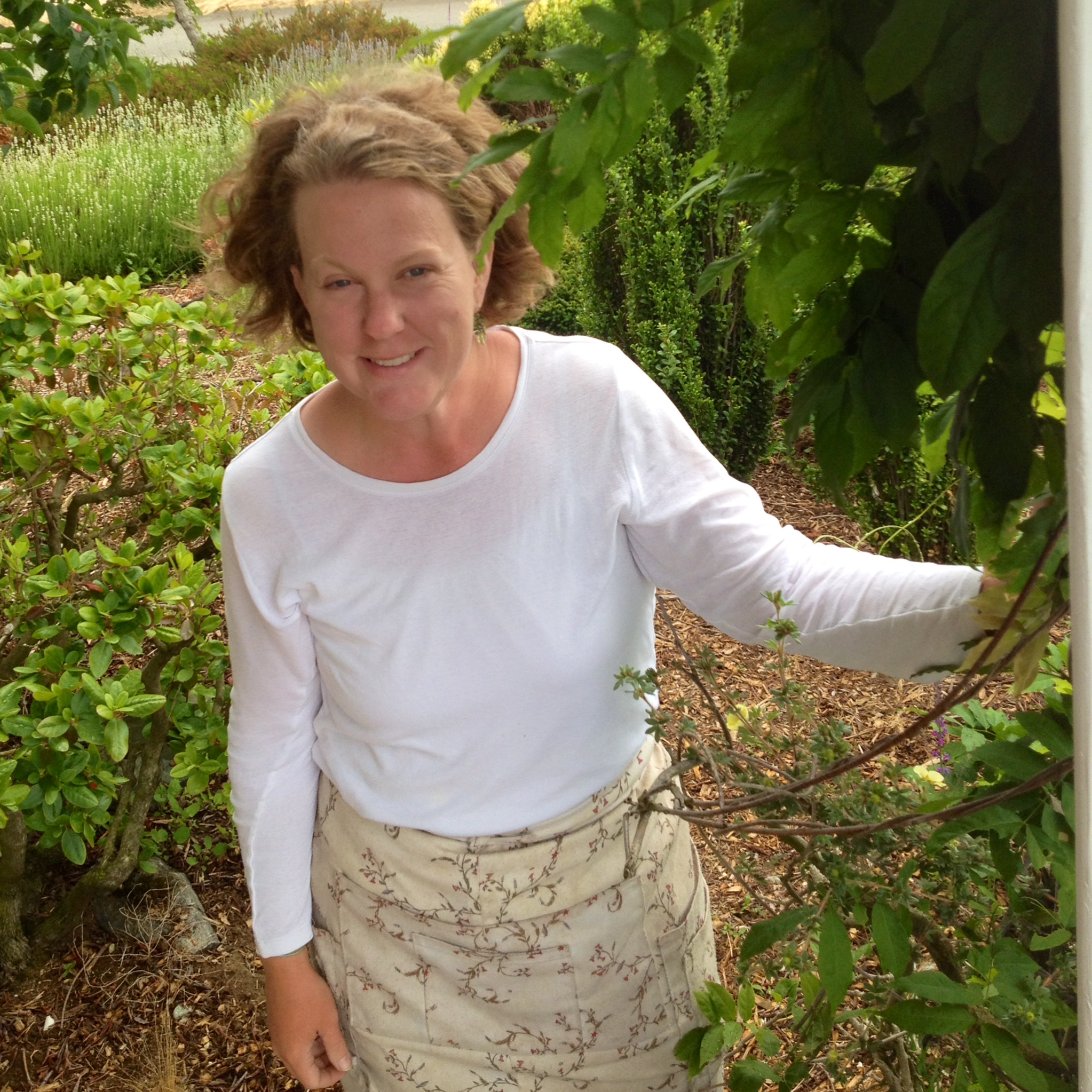
Sarah, flower mama extraordinare (and a cool farmer, too!)

Sarah, flower mama extraordinare (and a cool farmer, too!)


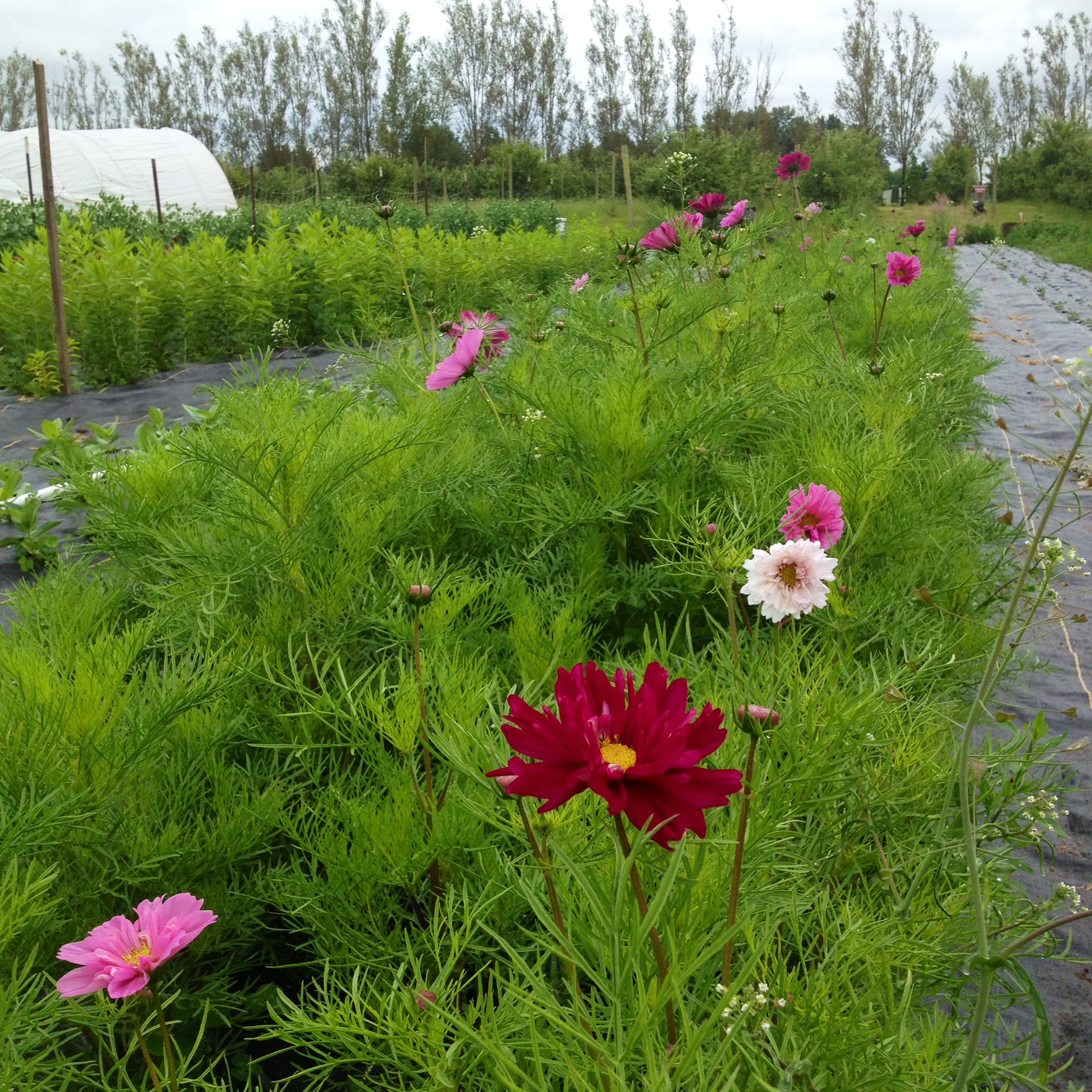
Cosmosssssss!!!! Simple and so perfect!

Cosmosssssss!!!! Simple and so perfect!


Sarah snapped this lovely rose portrait at dawn. Sigh.

Sarah snapped this lovely rose portrait at dawn. Sigh.


Perfect foliage: Pea vines.

Perfect foliage: Pea vines.


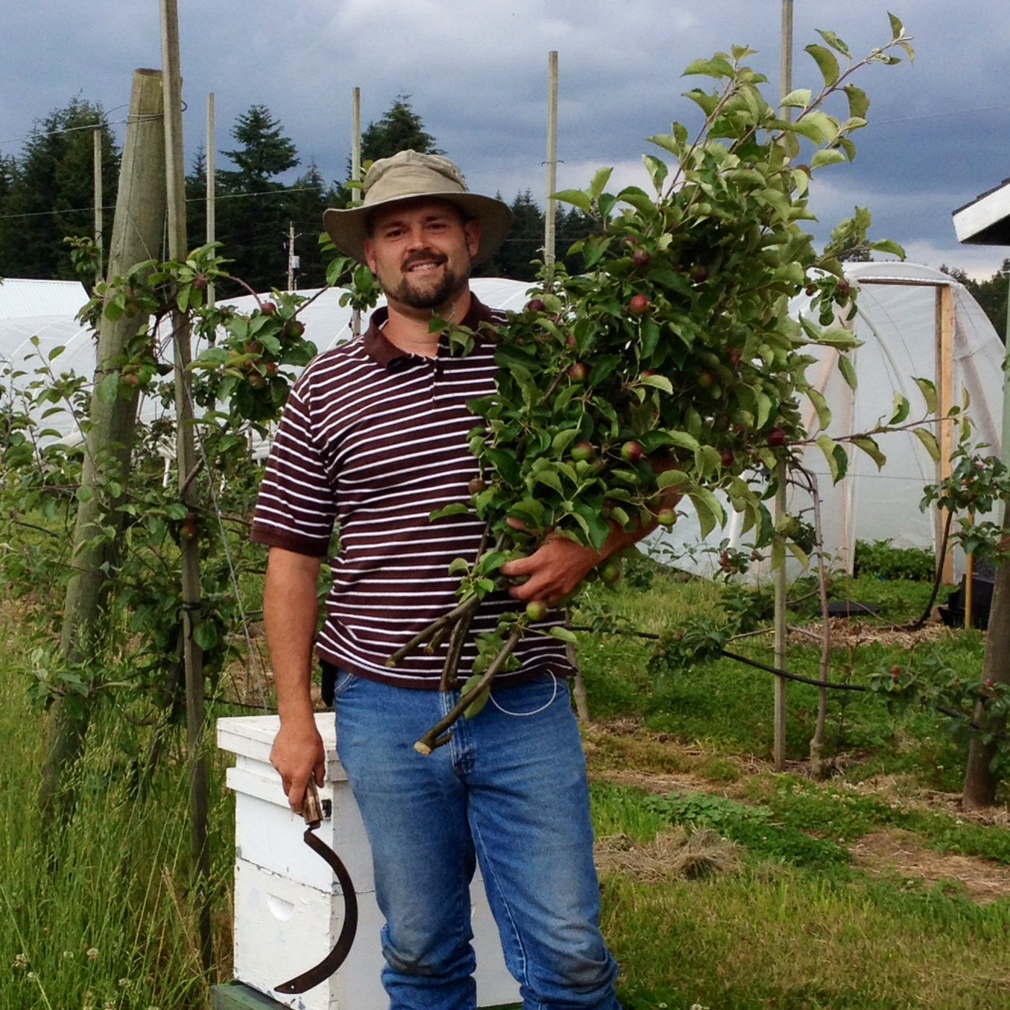
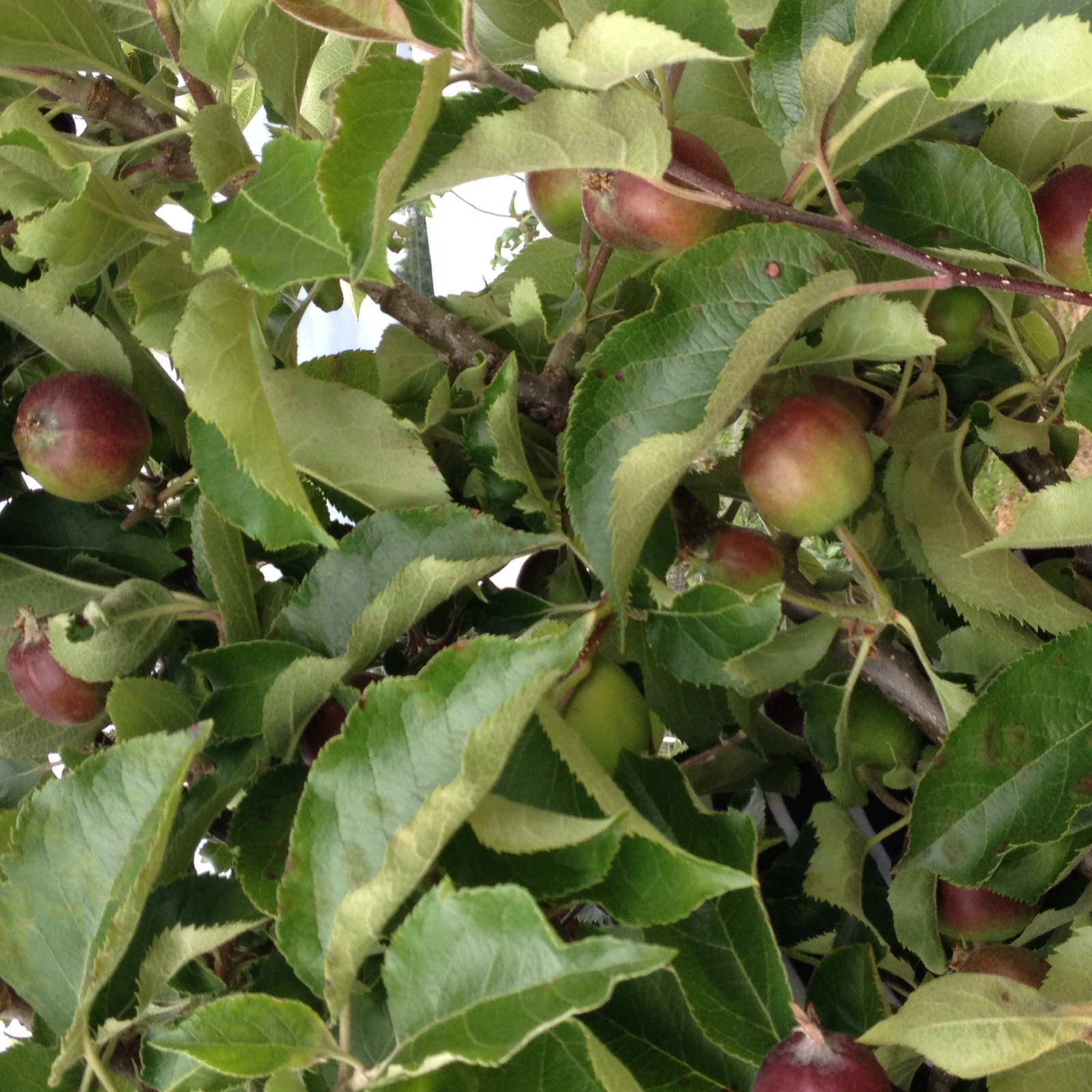
Apples . . . everywhere! To eat, to press into cider . . . and to show up in bouquets (especially the flowering branches of spring and the tiny fruited branches of crabapples).

Apples . . . everywhere! To eat, to press into cider . . . and to show up in bouquets (especially the flowering branches of spring and the tiny fruited branches of crabapples).

The message to take from today’s episode is one that both Sarah and Steve emphasized: Mentorship is important. Perhaps it’s essential.

I encourage all you veteran flower farmers to reach out and share your expertise, experience, years of knowledge with someone just getting started. Pay it forward. . . and soon, those young flower farmers will, in turn, follow your example and share with the next generation that comes after them. It’s key to saving our American-grown floral industry!

Thank you for joining today’s conversation with Triple Wren’s Sarah and Steve Pabody. Please enjoy this fabulous Q&A that Alicia Schwede of Flirty Fleurs conducted with Sarah last fall.

Here’s how to follow Triple Wren’s activities, day by day:

Triple Wren on Facebook.

Triple Wren on Instagram

Triple Wren on Pinterest

Please join me next week for another insightful and educational episode of the Slow Flowers Podcast. Thanks to listeners like you, this podcast has been downloaded more than 13,000 times.

If you like what you hear, please consider logging onto Itunes and posting a listener review.

Until next week please join me in putting more American grown flowers on the table, one vase at a time. 

The slow flowers podcast is engineered and edited by Hannah Holtgeerts and Andrew Wheatley. Learn more about their work at hhcreates.net.

SLOW FLOWERS Podcast: The Urban Flower Farmer, Tara Kolla of Silver Lake Farms (Episode 137)

Wednesday, April 16th, 2014
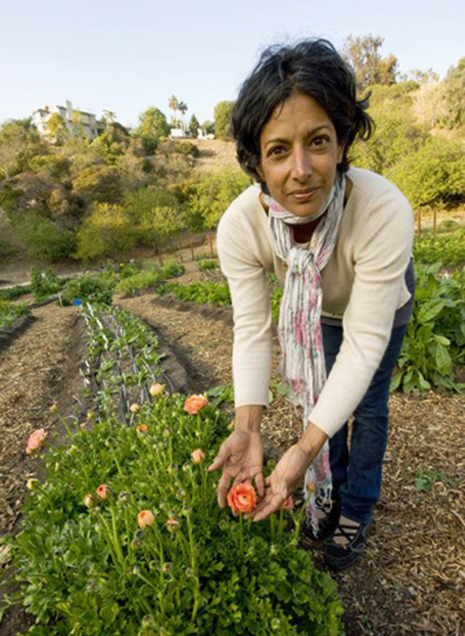
Urban flower farmer Tara  Kolla, owner of Silver Lake Farms in Los Angeles.

Urban flower farmer Tara Kolla, owner of Silver Lake Farms in Los Angeles.

This week we’re celebrating a huge milestone for this young floral-focused podcast. The first episode of the Slow Flowers Podcast debuted last July. As of this week, more than 10,000 episodes have been downloaded! This is such encouraging news – and I thank YOU for listening and allowing me to share my interviews with influential leaders in flower farming, floral design and other related topics each week.

For the past 10 days, I’ve been teaching, reporting and traveling in California, working my way from south (Los Angeles) to north (Eureka-Arcata) and points between (Carpinteria-Santa Barbara, San Luis Obispo and SF). Eventually, I’ll get home to Seattle. The excursion has offered me a wonderful chance to sit down for some face-to-face interviews with new guests whose voices you’ll hear on the Slow Flowers Podcast in the coming weeks.


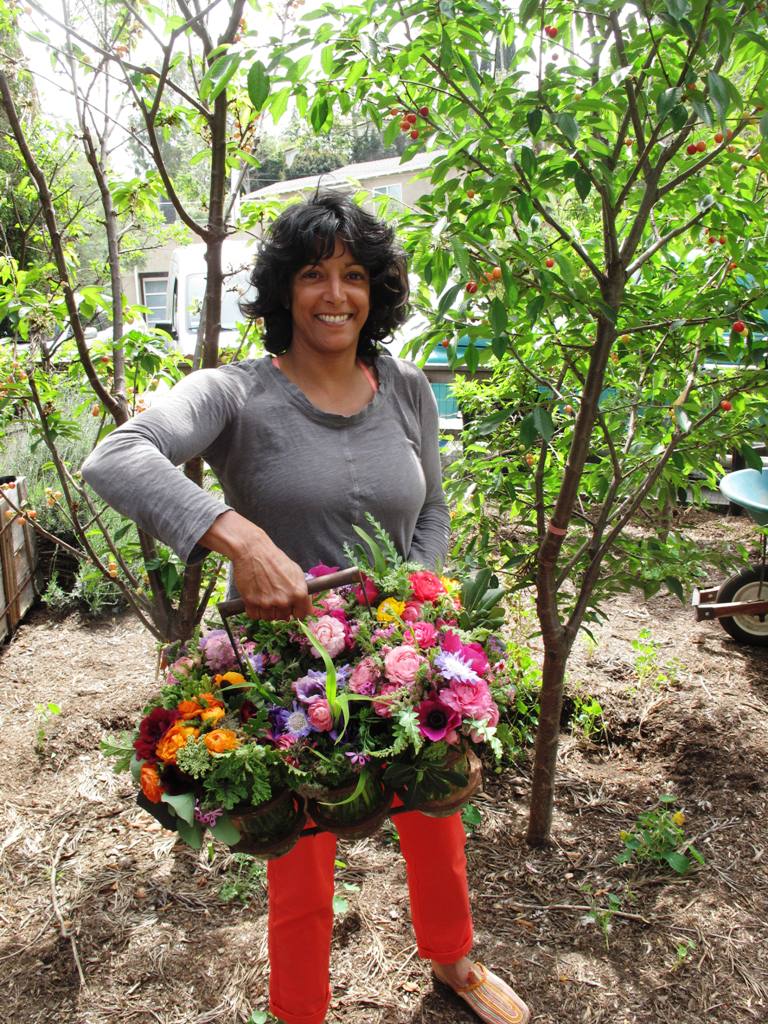
I snapped this cute photo of Tara and her flowers on April 10th. She was preparing luscious bouquets for her CSA deliveries.

I snapped this cute photo of Tara and her flowers on April 10th. She was preparing luscious bouquets for her CSA deliveries.

The first person I’d like to introduce you to is Tara Kolla, owner of Silver Lake Farms in Los Angeles. We met at her urban farm (ahem. her backyard!) for a little lunch and then turned on the recorder in order for me to catch up on her 10-year career as a flower farmer specializing in organic blooms in all 12 months.

In 2012, when we published The 50 Mile Bouquet, I was delighted to tell Tara’s story of flower farming, despite many odds, in the heart of Los Angeles.

The narrative began in 2004, when Tara left her career in public relations and marketing to follow her dream to be an organic urban farmer. She planted sweet peas in her half-acre backyard and sold the fragrant flowers by the bunch at her local farmers’ market.


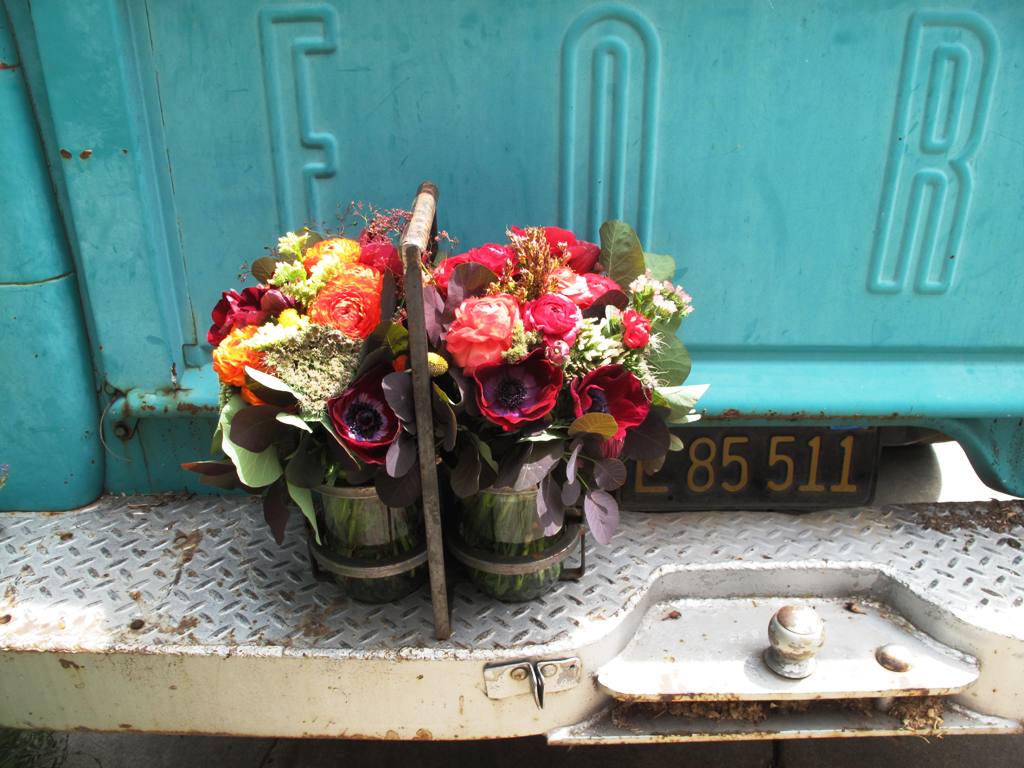
A twin-carrier, filled with two yummy bunches for the upcoming market delivery.

A twin-carrier, filled with two yummy bunches for the upcoming market delivery.

In doing so, she never expected to become the poster child of the city’s urban farming movement.  I called the chapter “Flower Patch Politics,” and shared her tale of tenacity and passion as she endured an enforced shut-down from LA’s Department of Building and Safety.


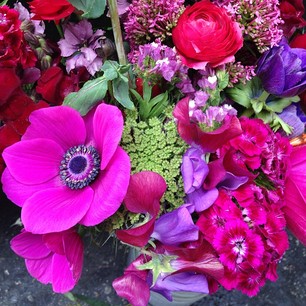
A detail of a Silver Lake Farms bouquet. Check out that anemone!

A detail of a Silver Lake Farms bouquet. Check out that anemone!

That experience lasted nearly two years and involved Tara’s work to reverse an obscure 1946 “truck gardening” law that limited residential farms to only the cultivation of vegetables for off-site sale – not flowers. 

Facing fines, jail time or a costly legal battle to obtain a land-use variance, Tara dug in her heels and decided to lobby for a change to the ordinance.

“I didn’t want to lose, give in or submit,” she says. Tara’s fierce belief in justice helped sustain her during a yearlong fight for what became known as the Food & Flowers Freedom Act, although she acknowledges that it took a toll on her physically, emotionally and financially.

Yet Tara feels grateful for the wave of support from her community, including longtime Silver Lake Farmers’ Market customers and fellow urban farming activists.

The media thrust Tara into the role as spokesperson for everything from sustainable agriculture to the plight of the small family farm.

Flowers for market, year 'round, organic and fresh!

Flowers for market, year ’round, organic and fresh!

Ultimately victorious, she’s been back in the business of growing flowers for several channels of distribution for nearly four years. Tara’s story is a huge inspiration and you’ll find its happy ending heavily seasoned with reality. We’ll discuss that in today’s podcast as we cover everything from diversification, branding, marketing and the future plans for Silver Lake Farms and its bountiful, healthy, organic and fresh flowers.

Here’s an overview (from Tara’s web site) of her flower farm and its many offerings. Take note of the links to various locations and social media platforms where you can find Silver Lake Farms’ flowers:

Silver Lake Farms was started in 2004 by Tara Kolla in the back yard of her home.

We now grow more than 100 different kinds of organic flowers and greens on less than an acre in Silver Lake and Glassell Park – so close to Downtown LA!

Typically our season begins with layers and layers of soft pastel petals in deep violets, blues and pinks. From late Jan to Mother’s Day: delicate dreamy ranunculus, anemones, and oh so fragrant sweet peas. Spring covers the field with antique wildflowers, adding an air of romance to our palette, and a delicate, natural touch: larkspur, Queen Anne’s lace, soft grasses, airy branches…

From Summer to Fall, it’s all about passion, texture, drama! Velvety, papery, tassely forms saturated in color: cockscomb, amaranths, strawflowers. But the Summer season’s main protagonist has to be, of course, the dahlia.  Who can resist our Cafe Au Laits?….

We grow everything naturally, employing biological, organic and sustainable farming practices, without chemicals or pesticides. This way, our flowers are stronger, more vivid in color, longer lasting and richer in depth of tone and fragrance.

You can purchase our flowers in a number of ways.  We’re at the Hollywood Farmers’ Market every Sunday from 8am-1pm. We’re there from February 1 thru October 31st.

Our flowers are also available through our Flower CSA, through FarmboxLA,GoodEggsLA, and on the first Saturday of every month we pop up outside Valerie Echo Park.

Love our blooms? We do floral design for weddings and private parties.  For more information, contact flowers@silverlakefarms.com

Follow us on InstagramTwitterFacebook.

“For a truly sustainable event, think about what’s on the table, not just what’s on the plate.” 

Because of the support from you and others, listeners have downloaded episodes of the Slow Flowers Podcast more than 10,000  times! I thank you for taking the time to join to my conversations with flower farmers, florists and other notable floral experts.

If you like what you hear, please consider logging onto Itunes and posting a listener review.

Until next week please join me in putting more American grown flowers on the table, one vase at a time. 

The Slow Flowers Podcast is engineered and edited by Hannah Holtgeerts. Learn more about her work at hhcreates.net. 


SLOW FLOWERS Podcast: All about Protea – a South African native that flourishes on California Flower Farms (Episode 119)

Wednesday, December 11th, 2013
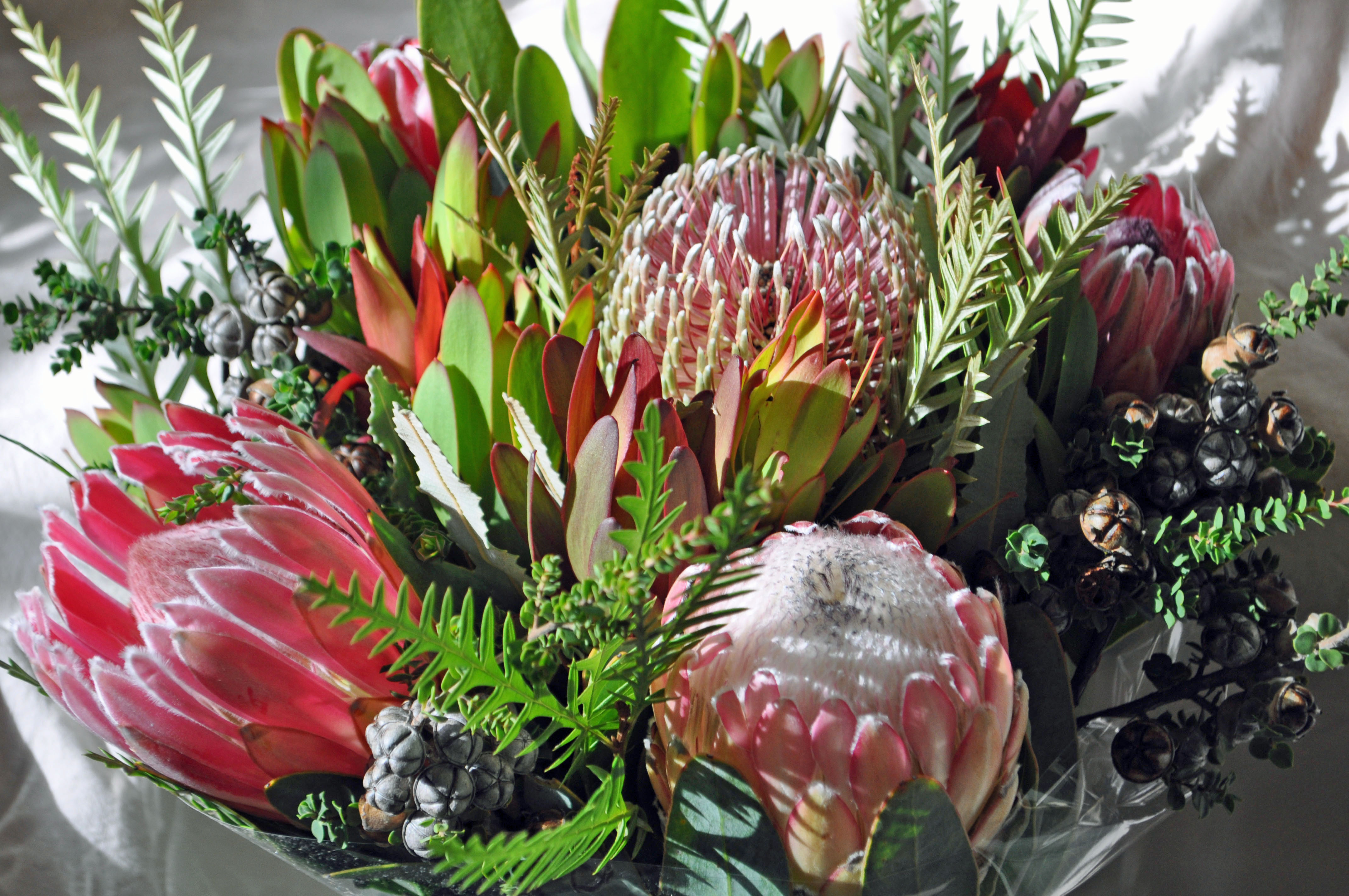
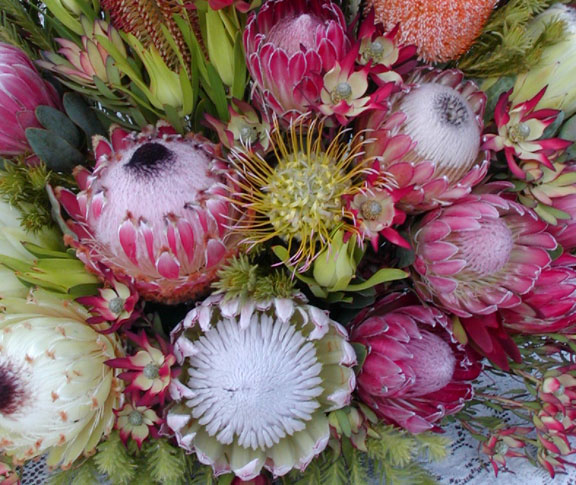
Protea is a dazzling native South African flower that has adapted to California's benign growing climate - thus, perfect for the American-grown cut flower industry.

Protea is a dazzling native South African flower that has adapted to California’s benign growing climate – thus, perfect for the American-grown cut flower industry.

Today’s guests are two of the most influential US growers of Protea.

Mel Resendiz, an expert grower of Protea and other South African and Australian ornamental plants.

Mel Resendiz, an expert grower of Protea and other South African and Australian ornamental plants.

Owner of Resendiz Brothers Protea Growers, based in Fallbrook, California (in northern San Diego County), Mel Resendiz has been growing protea for 35 years. He’s joined by colleague Diana Roy, an equally passionate protea fan who handles marketing and promotion for Resendiz Proteas. 

You’ll hear us refer to this lovely flower a few ways. It’s spelled P-R-O-T-E-A, but pronounced:

Pro-tee-ay-AH . . . Pro-tee-Ah . . . or . . . pro-Tay_AH 

Whichever way you pronounce it, Protea is a luscious native South African flower, said to have been named after the Greek God Proteus, who was able to change into many different forms.

The Proteaceae family of plants is comprised of more than 1,400 species. Ranging from 2 to 12 inches in size, Proteas typically blooms in fall, winter and spring, although the folks at Resendiz are able to harvest and ship the flower year-round to customers in the U.S., Canada & Japan, due to their growing practices and attention to detail. 

Diana Roy, a board member of the California Cut Flower Industry and active protea promoter.

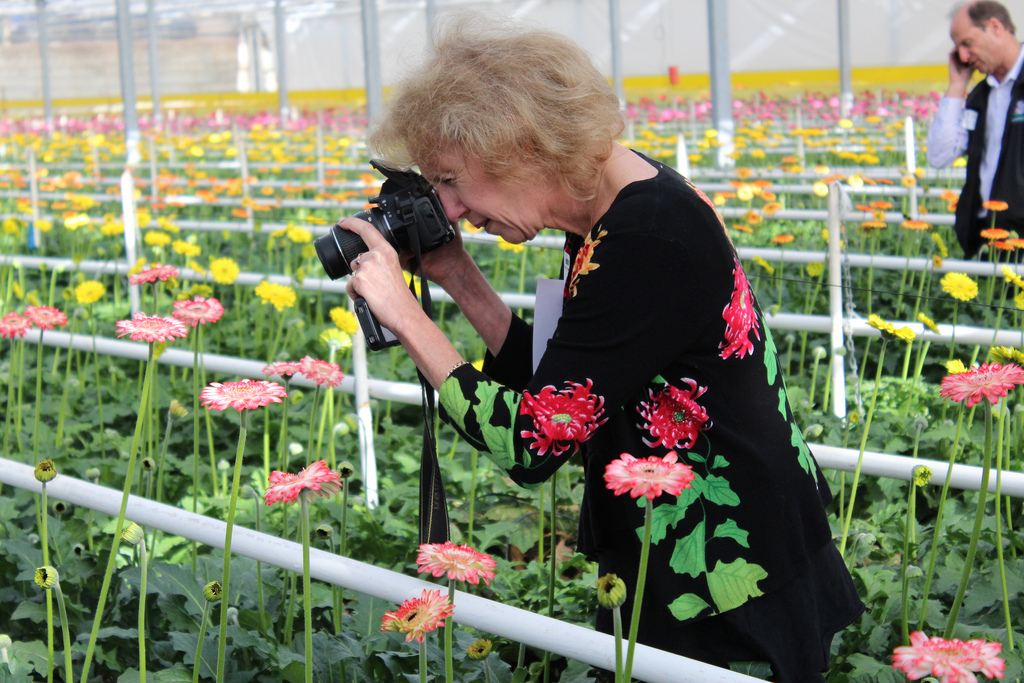
Diana Roy, a board member of the California Cut Flower Commission and active protea promoter. She was captured here at an industry event in a gerbera greenhouse.


A Resendiz bouquet in which Protea is paired with Pincushion flower (Leucospermum).

A Resendiz bouquet in which Protea is paired with Pincushion flower (Leucospermum).

Why are these South African plants now considered a valuable California flower crop? It’s because coastal California is one of five Mediterranean regions of the globe, similar to South Africa, Australia/New Zealand, Chile and Greece. Full sun, well-drained soil, good air circulation, mild winters and acid soil ensure that proteas thrive as if they were in their native environment.  

Established in 1999 and today one of California’s largest supplier of South African and Australian floral products and plants, Resendiz produces more than 200 varieties of these unique native plants.  Known for their exceptional value and long vase life, the protea and other blooms like PincushionsBanksiaKangaroo Paws and  Leucadendroncreate dramatic impact when incorporated in arrangements and bouquets. Many varieties are hybrids – grown only by Resendiz Brothers.

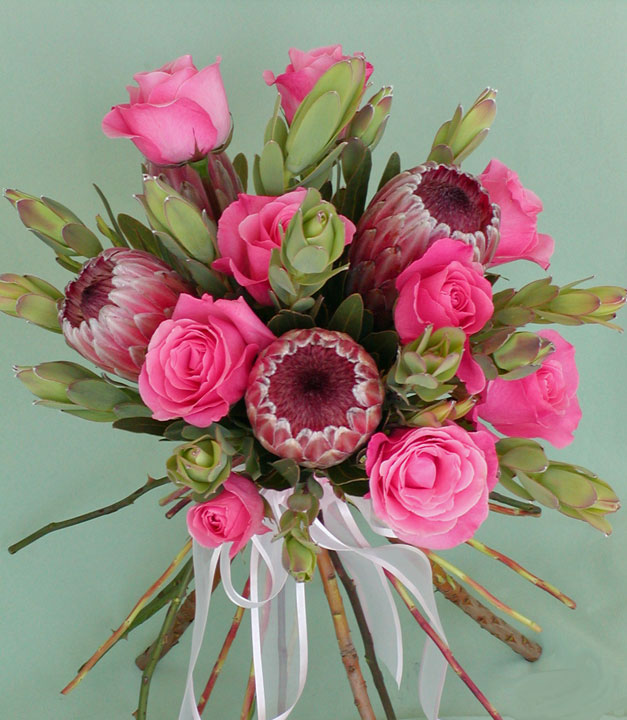
A wedding bouquet pairing protea with roses!~

A wedding bouquet pairing protea with roses!~

Rich in color, texture and form, the protea is both dramatic and exotic. The spectrum ranges from warm to cool colored blooms — Rich reds, deep pinks, and fresh greens. Together, these blooms make stunning arrangements – and they are long-lasting – a huge bonus for the florist and DIY designer alike.

If  you want an American-grown flower that will dazzle in the bouquet or the vase, look no further than the Protea.

Thank you  for joining me in this episode of the SLOW FLOWERS Podcast with Debra Prinzing. Because of your support as a listener, there have been nearly 4,000 downloads since July – and I thank you for taking the time to join to my conversations with flower farmers, florists and other notable floral experts.

If you like what you hear, please consider logging onto Itunes and posting a listener review.

Until next week please join me in putting more American grown flowers on the table, one vase at a time. 

The Slow Flowers Podcast is engineered and edited by Hannah Holtgeerts. Learn more about her work at hhcreates.net. 

SLOW FLOWERS Podcast: All About Growing Lavender with Susan Harrington (Episode 117)

Wednesday, November 27th, 2013

Close your eyes. Take a deep breath. Think about seeing a vivid purple-tinged field of lavender. Now imagine yourself walking through it, brushing your fingertips on the scented flowers dancing tall on their wand-like stems. Don’t you wish you could be transported to that place right now?

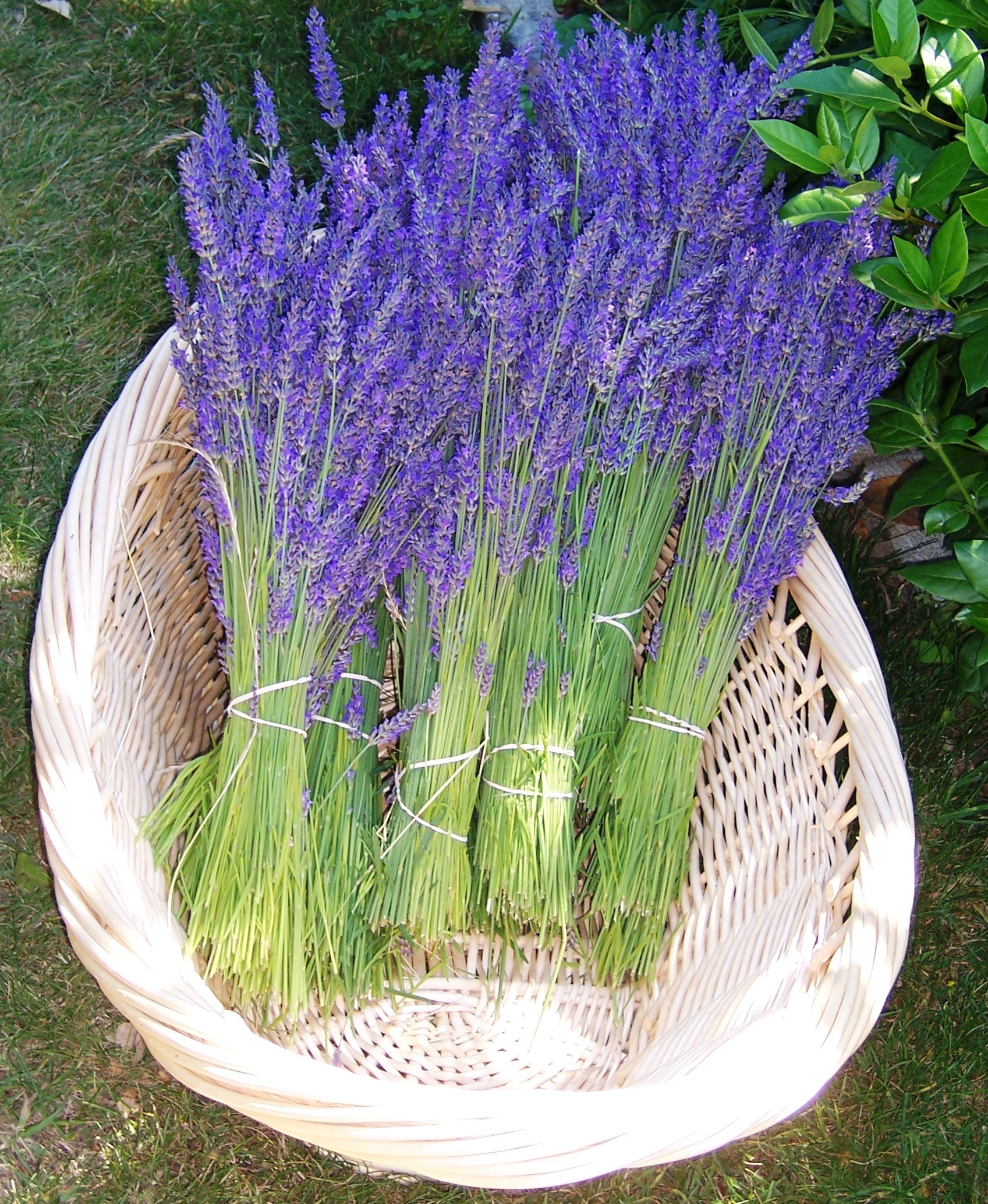
Fresh cut bunches of lavender from Labyrinth Hill Lavender (photo courtesy Susan Harrington)

Fresh cut bunches of lavender from Labyrinth Hill Lavender (photo courtesy Susan Harrington)


There is something so evocative about Lavandula, the plant that is the basis for all of Susan Harrington’s growing, writing and teaching activities. The owner with her husband Jack Harrington of Labyrinth Hill Lavender, Susan is today’s guest on the Slow Flowers Podcast.

Susan connects people with lavender, whether at the farmers' market, in workshops and through her web-based educational programs.

Susan connects people with lavender, whether at the farmers’ market, in workshops and through her web-based educational programs.

We met up recently after I attended one of Susan’s inspiring (and intoxicatingly fragrant) workshops at a local garden center. Susan and I discussed her decade-long adventure growing lavender on her “backyard farm” and how that led to a vibrant cottage industry selling fresh-cut lavender and dried lavender buds, first at the farmers’ market and later via mail order. Susan has expanded Labyrinth Hill Lavender into online training for others who want to get into the lavender-growing business and now, a regional conference for lavender farming.

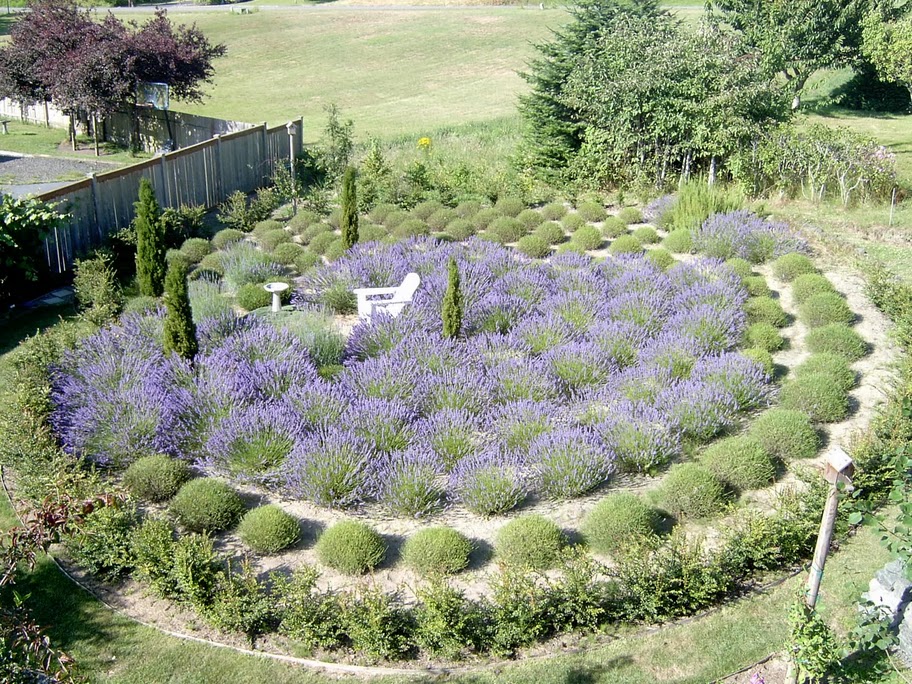
Here is her famous lavender labyrinth, planted with 150 Lavandula x intermedia ‘Fred Boutin’ plants. The labyrinth measures 40-feet in diameter and produces about 700 fresh-cut bundles of lavender per season. 

The lavender labyrinth at peak of season. Photo, courtesy Susan Harrington

The lavender labyrinth at peak of season. Photo, courtesy Susan Harrington

Susan mentioned her YouTube video in which she demonstrates her Lavender Bud De-Nuding Process. It’s a little tongue-in-cheek, but clearly a huge success as a method for anyone harvesting lavender buds for aromatherapy or crafting:


More details discussed in our conversation:

Information about Susan’s online lavender growing course, and her FREE mini-course on growing lavender

Information about the October 2014 Northwest Regional Lavender Conference, which Susan and Jack are producing with the Oregon Lavender Association. 


SLOW FLOWERS Podcast: East Coast-West Coast, meet Jennie Love and Erin Benzakein, creators of The Seasonal Bouquet Project (Episode 114)

Wednesday, November 6th, 2013
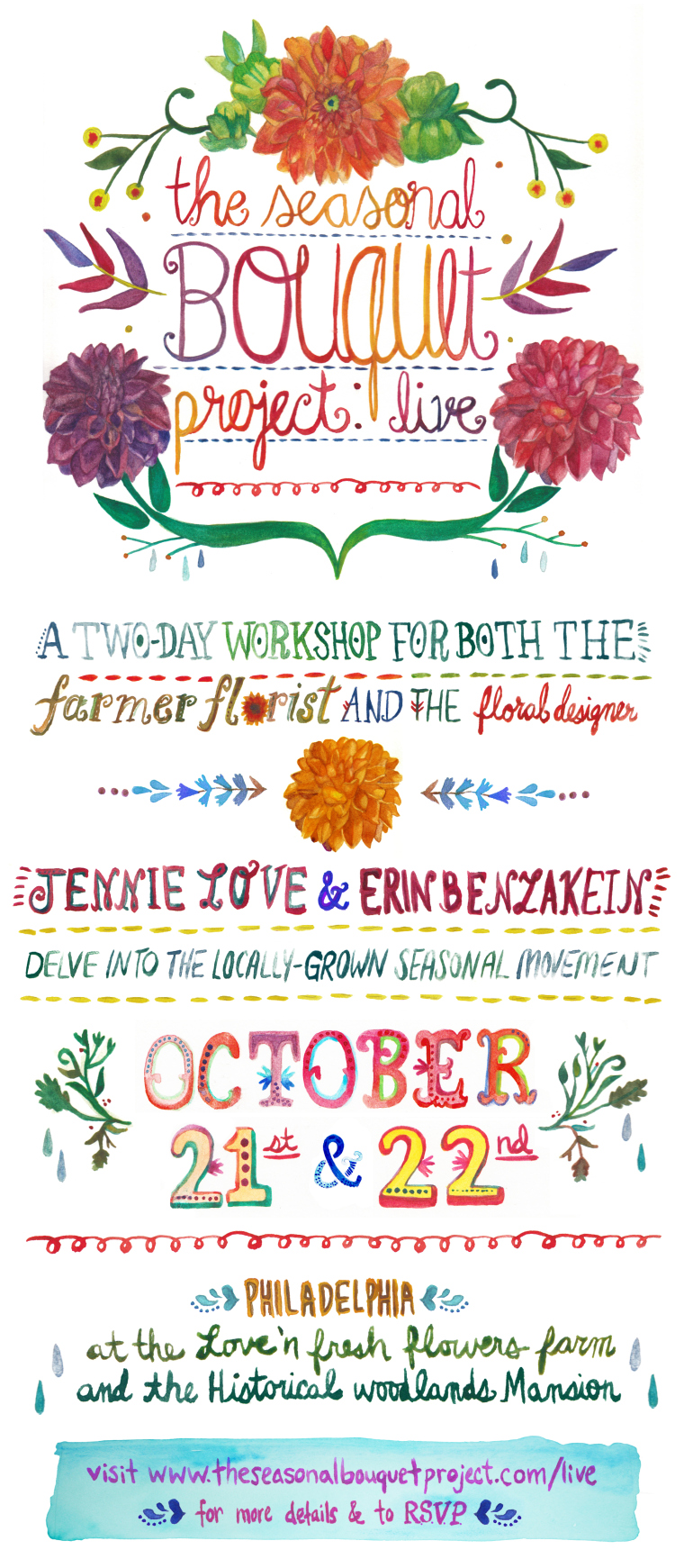
bouquet poster

Jennie Love and Erin Benzakein are the dynamic east-west floral duo behind The Seasonal Bouquet Project. This lovely poster was hand-illustrated by Shannon Collins 


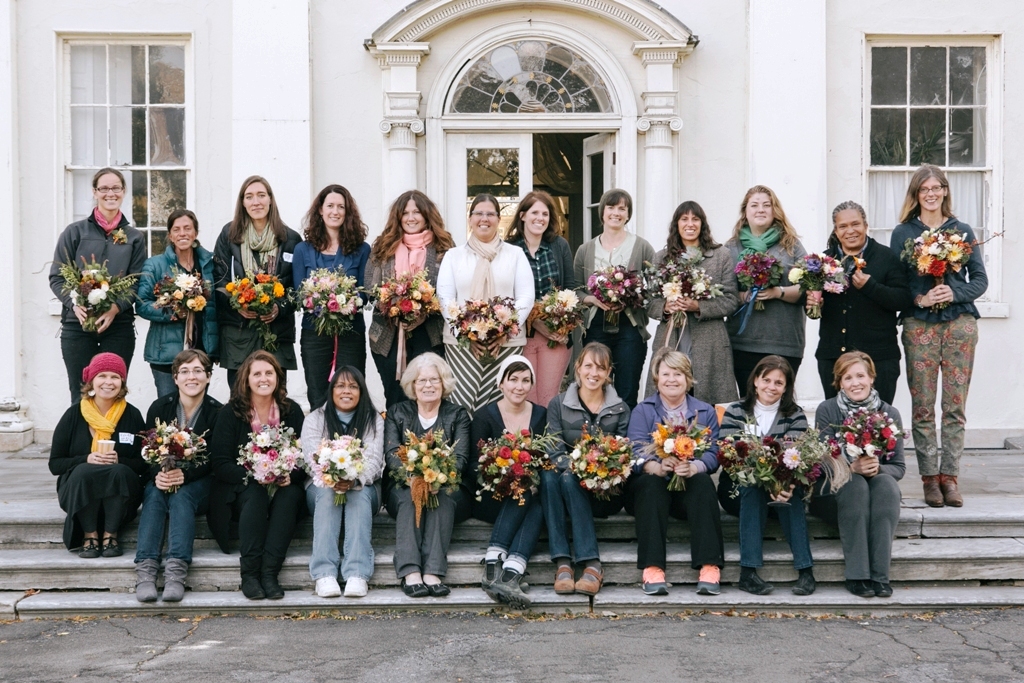
group

Courtesy of The Seasonal Bouquet Project, a photo from one of Jennie and Erin’s workshops in October. Erin Benzakein is seen 3rd from left, back row; Jennie Love is seen 6th from left, back row. 

For the past few years, I’ve been interviewing and writing about a category of designer who I dub the “farmer-florist.”

These include a rare group of individuals in the flower world who are equally talented in the science of growing flowers and the art of designing them. 

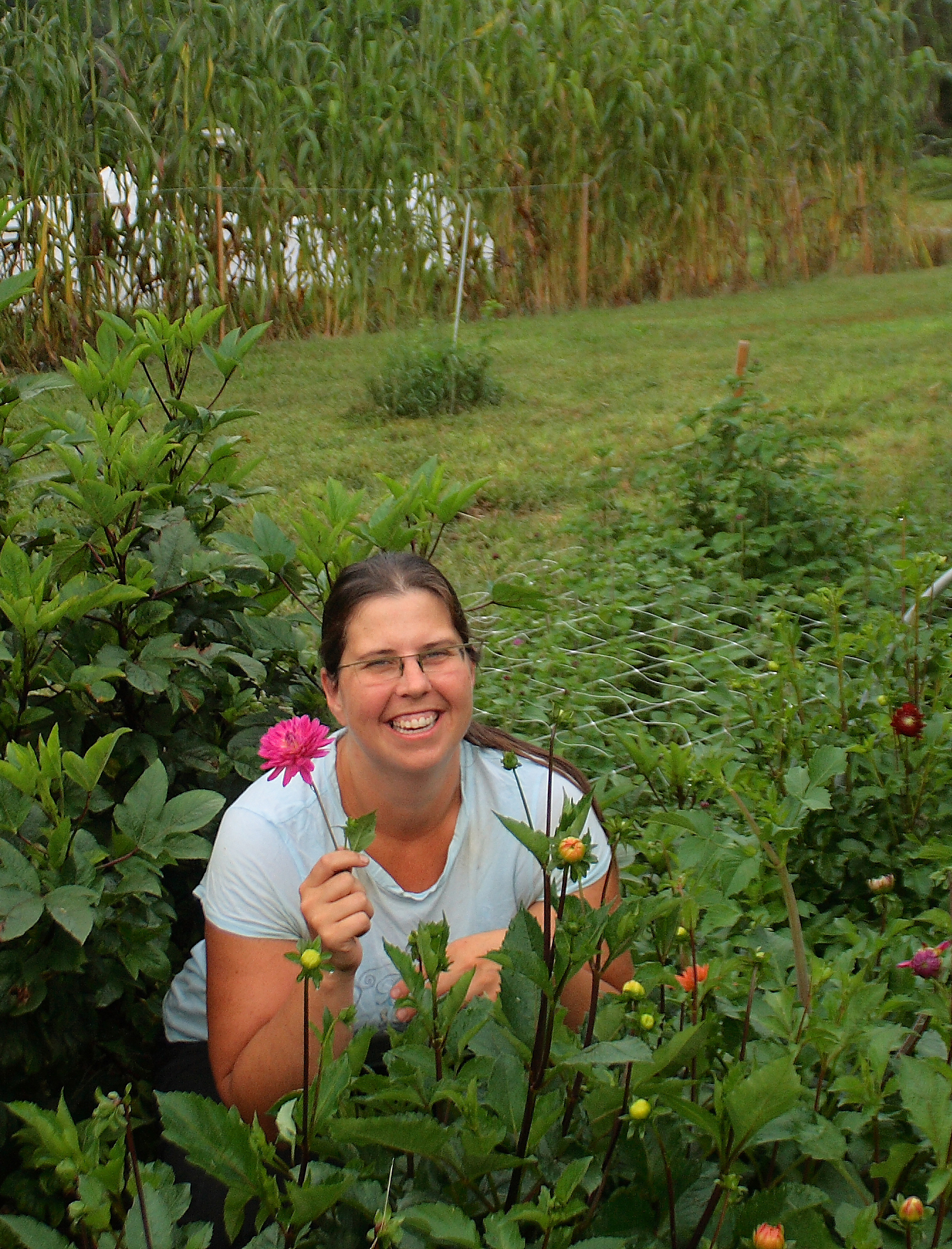
Jennie

Jennie Love, farmer-florist, and owner of Love ‘N Fresh Flowers, of Philadelphia

You’ll meet two of those talented people on today’s podcast, Jennie Love of Love ‘N Fresh Flowers in the Philadelphia area and Erin Benzakein of floret flowers in Washington’s Skagit Valley. 

Both Erin and Jennie have been in the business of creating stunning floral art with locally grown materials for several years now. Their west coast/east coast friendship prompted these flower friends to create THE SEASONAL BOUQUET PROJECT in early 2013. Their first post featured yummy, early spring flowers, posted on March 5th.

The Seasonal Bouquet Project emerged from a winter brainstorming session about “how to feed our souls’ fires during the hectic months of the growing season and how to further demonstrate the beauty of locally grown flowers to a wider audience.  And, to be completely candid, it’s a bit of a competitive double dog dare between two people who like to have some fun,” according to their website. 

Benzakein family

Erin Benzakein, with her husband Chris and children Elora and Jasper. I took this photo last summer at floret flowers, their farm in Washington’s Skagit Valley.

All the materials used in the bouquets were grown within a 25 mile radius of the respective designer, the vast majority coming straight from their own flower fields.  

As they wrote on their website: “Since  we’re on opposite coasts growing in very different climates, this project is a showcase for what’s available through the seasons across the country.” People all across the country and around the globe, for that matter, followed along on the gorgeous journey. Erin and Jennie also invited readers to post photos of their own bouquets, as long as the ingredients were within that 25-mile radius. 

As you will hear in this interview with Jennie and Erin, which took place on October 25th via Skype, the friends cooked up a 2-day workshop to celebrate the “end” of their season. They planned “The Seasonal Bouquet Project LIVE” and scheduled the event to take place on Jennie’s flower farm in Philadelphia. Listen along to hear what happened next – and gain inspiration and insights into the life of a farmer-florist.

Photos to enjoy from Jennie Love and her farm:

Jennie

Jennie farms on agricultural land that dates back to William Penn. Photo by Maria Mack Photography ©2012 http://mariamackphotography.com


A beautiful summer bouquet, grown & designed by Jennie Love Maria Mack Photography ©2012  http://mariamackphotography.com

A beautiful summer bouquet, grown & designed by Jennie Love Maria Mack Photography ©2012 http://mariamackphotography.com


zinnias in July

Zinnias in July, designed by Jennie Love.

Photos to enjoy from Erin Benzakein and her farm:

floret roses

Garden roses at floret flowers, August 2012. I took this shot during our photo shoot for Country Gardens magazine. 


Floret Bouquet

Erin’s bouquet, designed for Country Gardens magazine.

Thanks for joining me in this episode of SLOW FLOWERS. Because of your support as a listener, we’ve had more than 2,200 downloads since July – and I thank you for taking the time to join to my conversations with flower farmers, florists and other notable floral experts.

If you like what you hear, please consider logging onto Itunes and posting a listener review.

Until next week please join me in putting more American grown flowers on the table, one vase at a time. 

The Slow Flowers Podcast is engineered and edited by Hannah Holtgeerts. Learn more about her work at hhcreates.net. 

SLOW FLOWERS Podcast: American Grown flowers from a California Point of View (Episode 107)

Wednesday, September 18th, 2013

SLOW FLOWERS Podcast: American Grown flowers from a California Point of View (Episode 107)

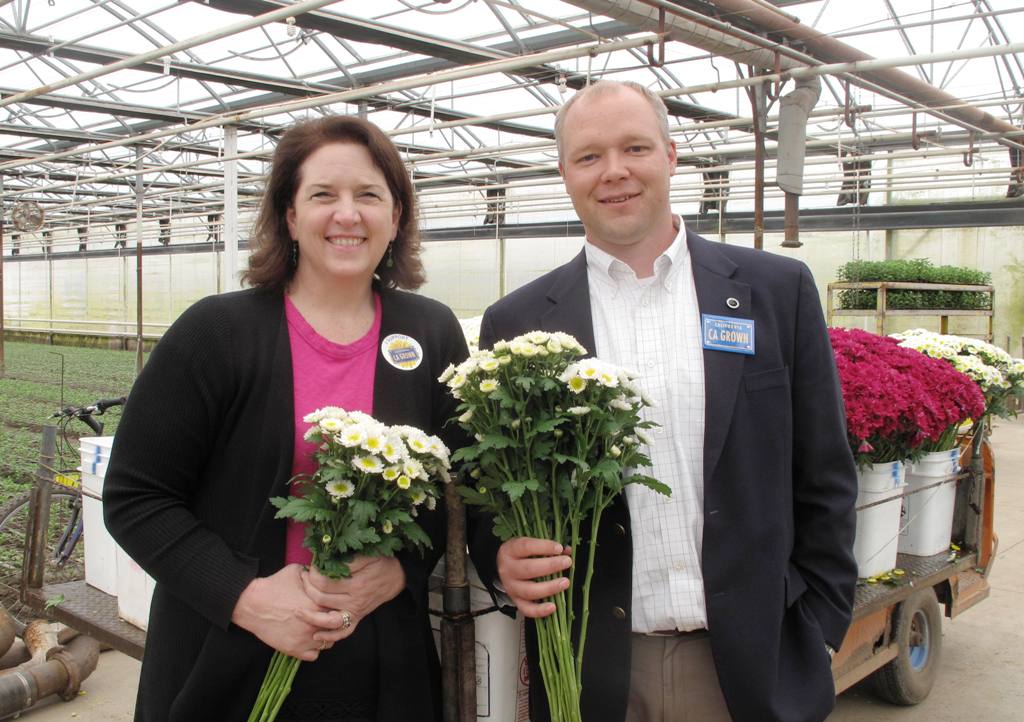
Debra and Kasey

Kasey Cronquist and I toured a Carpinteria, California, greenhouse together in April 2013. 


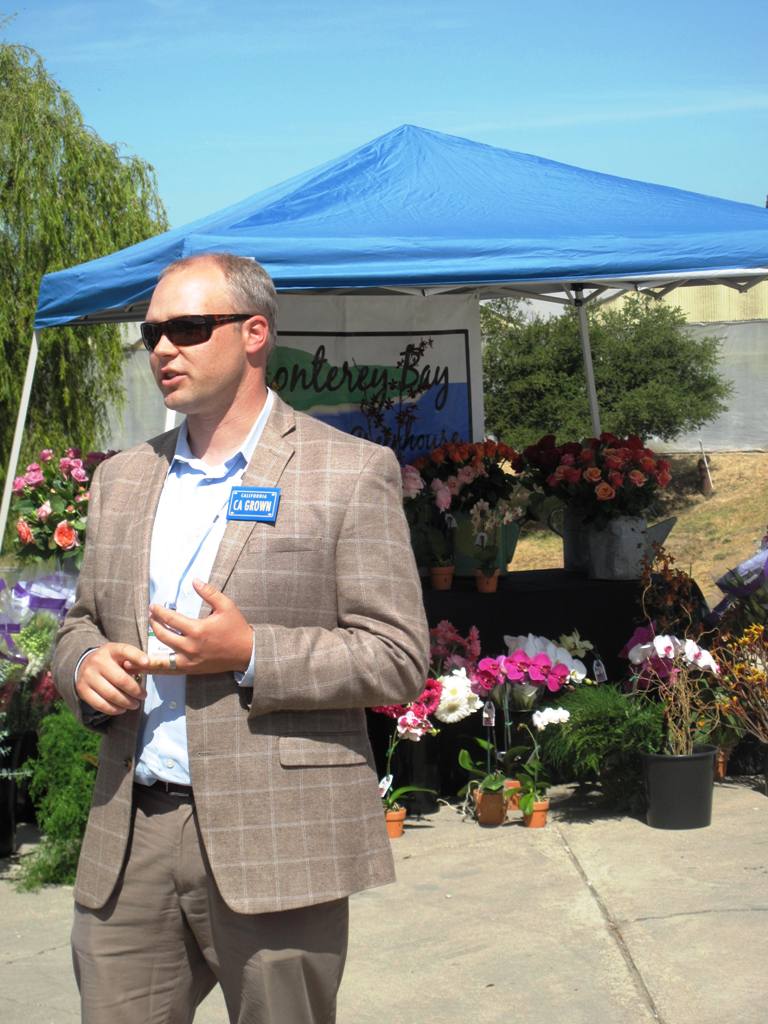
Kasey Cronquist

Here’s Kasey discussing the importance of supporting America’s cut flower industry – at the Monterey Bay Greenhouse Growers – Open House this past June.

I’m so pleased to introduce you to Kasey Cronquist. I truly value Kasey’s leadership, counsel and friendship. He is the CEO and Ambassador of the California Cut Flower Commission, the largest organization of its kind promoting American Flowers.

And he is a kindred spirit who is supremely passionate about saving our homegrown flower farms and preserving the agricultural way of life as a part of our country’s vibrant landscape.

Kasey and I first met by phone in 2010 when I called him for a quote to include in an article for the Los Angeles Times. I was writing about organic flowers for Valentine’s Day and Kasey sure set me straight, changing the focus from organic (and possibly imported flowers) to a locally grown priority.  He pointed out: “We believe California flowers are the green alternative, whether we stick a label on them or not.”

It was the beginning of my own evolution as an American flower advocate.

Since joining the CCFC in 2007, Kasey has spearheaded an aggressive public affairs program targeting lawmakers at the state and federal level. He is a dynamic spokesman for flower farming both among his home state constituents and nationally and is a master at social media communications. Kasey understands the power of blogging, tweeting, posting and using visual social media platforms and he has brought flower farming into the modern era in that regard. More than all his talents, though, I’ve mostly been impressed with Kasey’s community-building gestures to bring together small and large flower growers across America with a united voice. 

In March 2012, I wrote a post called “Meet the Ambassador of Local Flowers,” profiling Kasey for The 50 Mile Bouquet blog. You can read this extensive interview here in which Kasey shares many inspiring ideas about the American cut flower industry.

One quote of his particularly impressed me:

“We can’t move that ball, but we can create market demand for local flowers. We leaned into the CA Grown campaign and now California’s flower farmers are the single largest licensee of that agricultural program — out of all the other commodity crops in the state. The future is in educating people to buy local, to buy U.S.-grown flowers.”

Read Kasey Cronquist’s Field Position blog at Americasflowers.org

FB page: https://www.facebook.com/CaliforniaGrownFlowers

Twitter: @kaseycronquist and @cagrown