Debra Prinzing

Get the Email Newsletter!

SLOW FLOWERS Podcast: Meet a Young Flower Farmer (Episode 105)
Wednesday, September 4th, 2013

Meet a Young Flower Farmer (Episode 105)

Janell Portrait

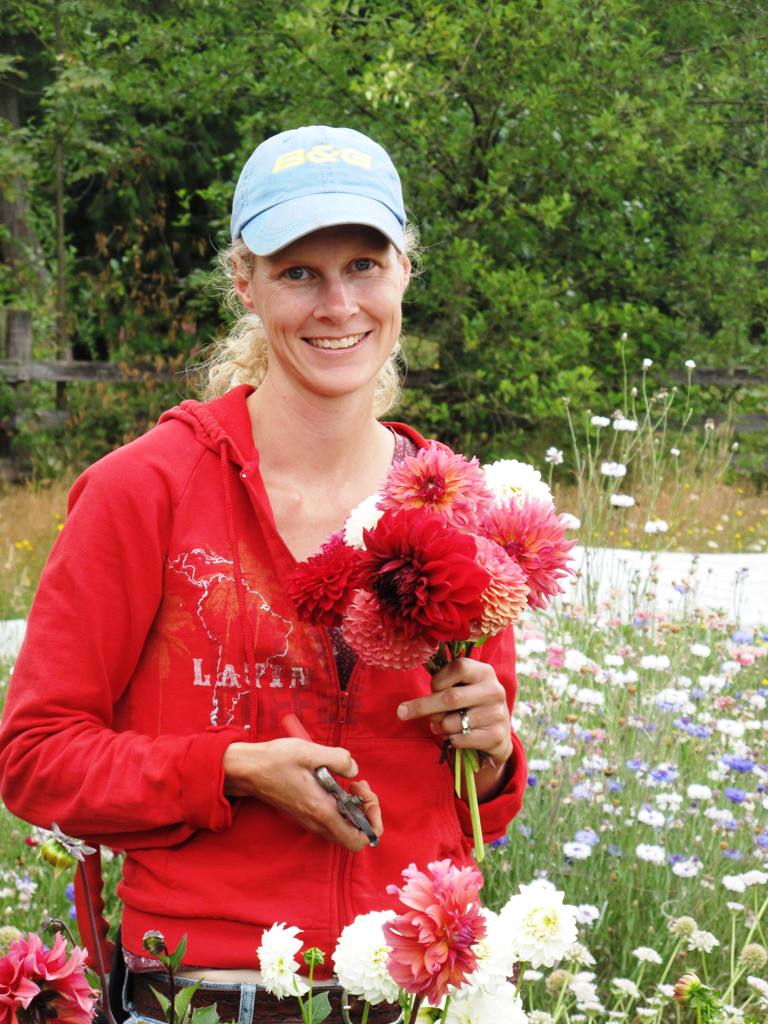
Meet new flower farmer Janell Patterson of Flower Forest Farm in Auburn, Washington

Earlier this year I met Janell Patterson, a young cut flower grower who launched Flower Forest Farm, a micro-agriculture endeavor that’s part of Seattle Tilth’s farm incubator program called Seattle Tilth Farm Works.
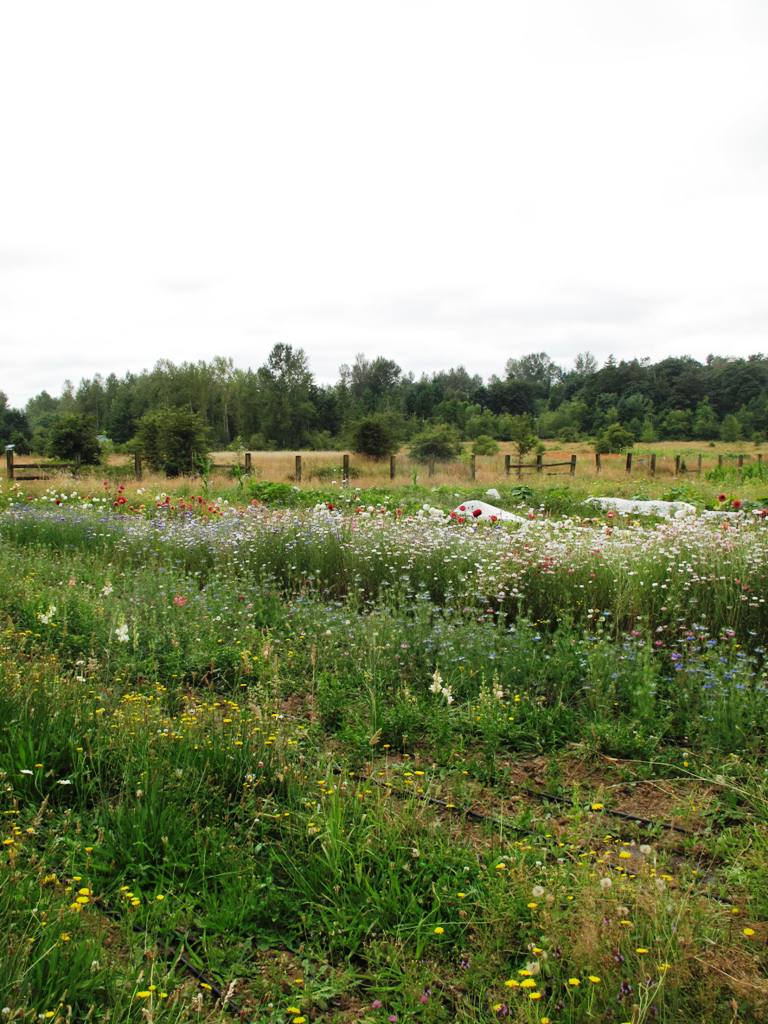
There's a forest and farm here, which perhaps inspire Janell's charming business name: Flower Forest Farm

There’s a forest and farm here, which perhaps inspire Janell’s charming business name: Flower Forest Farm

Located about 40 minutes southeast of Seattle in Auburn, where there are still patches of agricultural land that the developers have missed, Janell and several other new farmers at the are learning the art and science of growing through hands-on efforts. Tilth instructors provide extensive small farm business training and support. Here is some of the curriculum:

This program provides: 

  • A comprehensive educational program covering farming, business planning, operations and marketing 

  • On-site mentorship from experienced farmers

  • Hands-on experience growing food on 1/4 acre plots
  • Access to farmland, equipment, water and other necessary farming inputs

  • Assistance in creating marketing channels for products
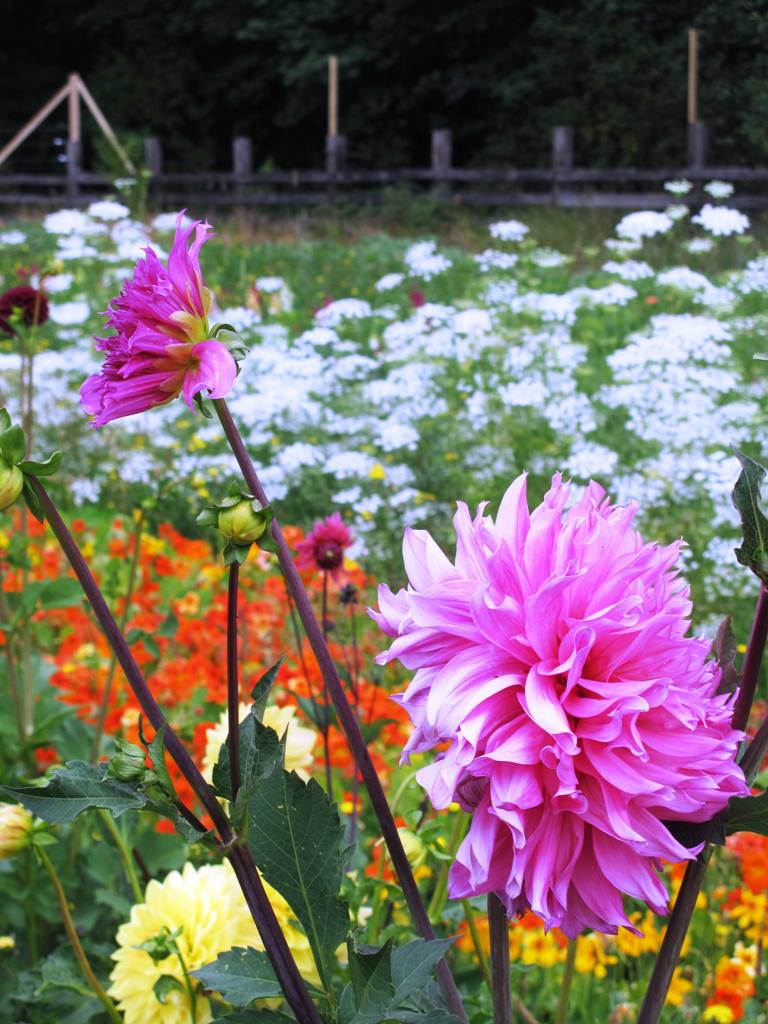
Peek through one of Janell's pink dahlias catch a glimpse of the nasturtiums and Queen Anne's Lace flourishing beyond.

Peek through one of Janell’s pink dahlias catch a glimpse of the nasturtiums and Queen Anne’s Lace flourishing beyond.

Each participants’ time and sweat equity yields food or flowers that supply Tilth’s weekly Community Supported Agriculture subscriptions. Janell’s Flower Forest Farm is the only flower grower involved and it’s wonderful to see her beautiful ingredients supplying CSA customers and local farmers’ market shoppers. She manages a one-quarter acre parcel filled with beautiful rows of annuals and gorgeous dahlias.

A young mom, Janell brings an eclectic background to her endeavor. She has experience as a professional interior designer and she has been studying horticulture at South Seattle Communit College (which is where I gained my training in horticulture and landscape design). Janell also worked as an environmental volunteer managing a small rural tree nursery with the Peace Corps in Ghana, West Africa.

Fellow garden blogger Filiz Satir and I visited Seattle Tilth Farm Works in July and walked through the fields on a tour with Janell. You’ll hear Filiz’s voice (and a few of her own questions) on this recording as part of our conversation. See more of my photos below:
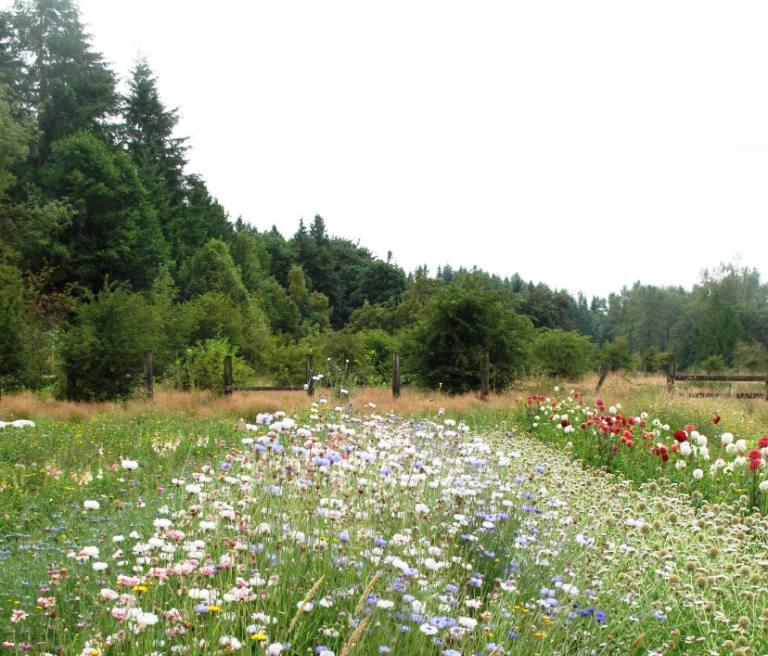
The forest looms beyond the Seattle Tilth Farm Works, creating a beautiful setting for growing flowers (and food)
The forest looms beyond the Seattle Tilth Farm Works, creating a beautiful setting for growing flowers (and food)


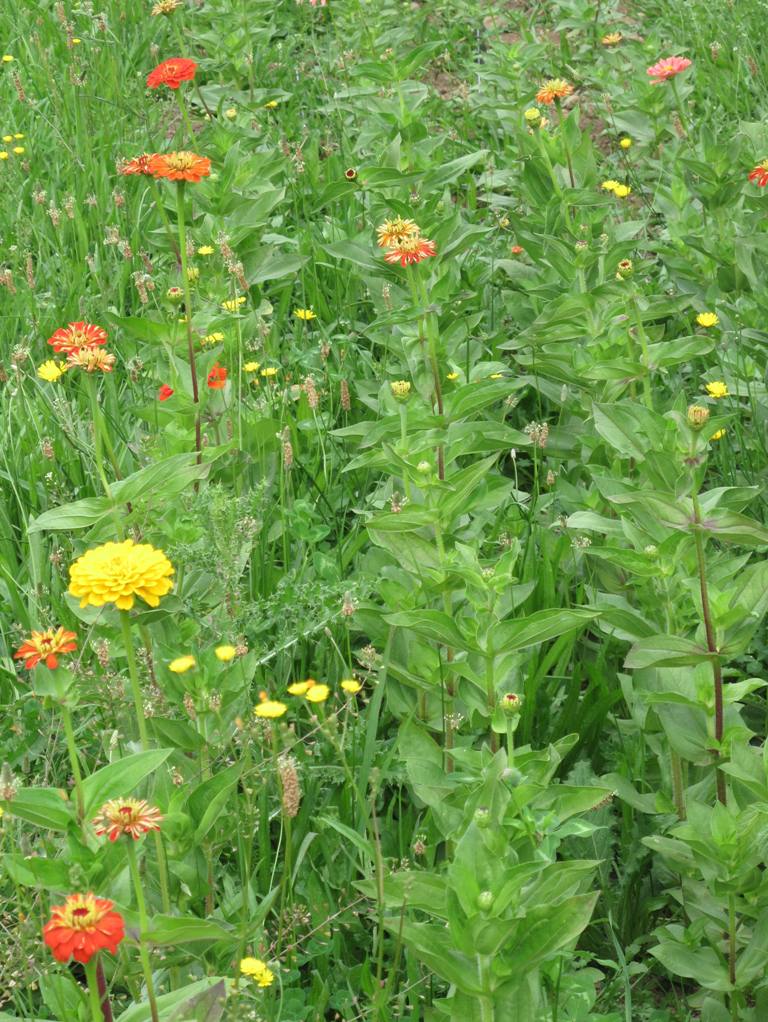
Zinnias on display in straight rows, ready to be harvested.
Zinnias on display in straight rows, ready to be harvested.


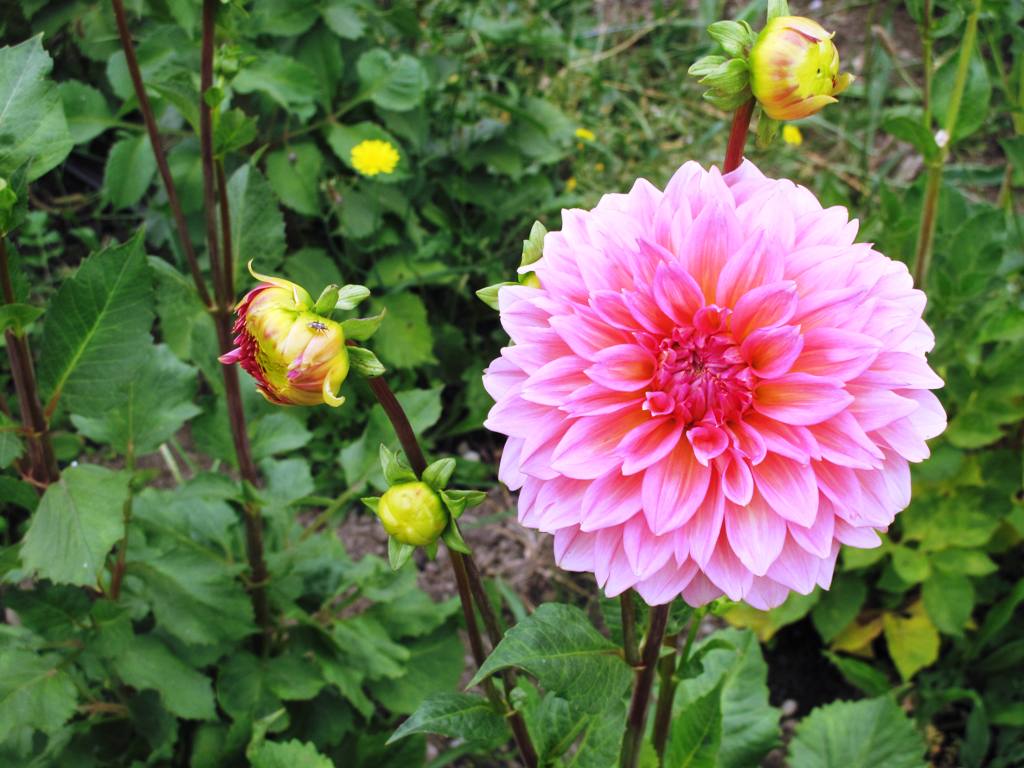
Another pretty dahlia, one of hundreds that Janell planted this season.
Another pretty dahlia, one of hundreds that Janell planted this season.


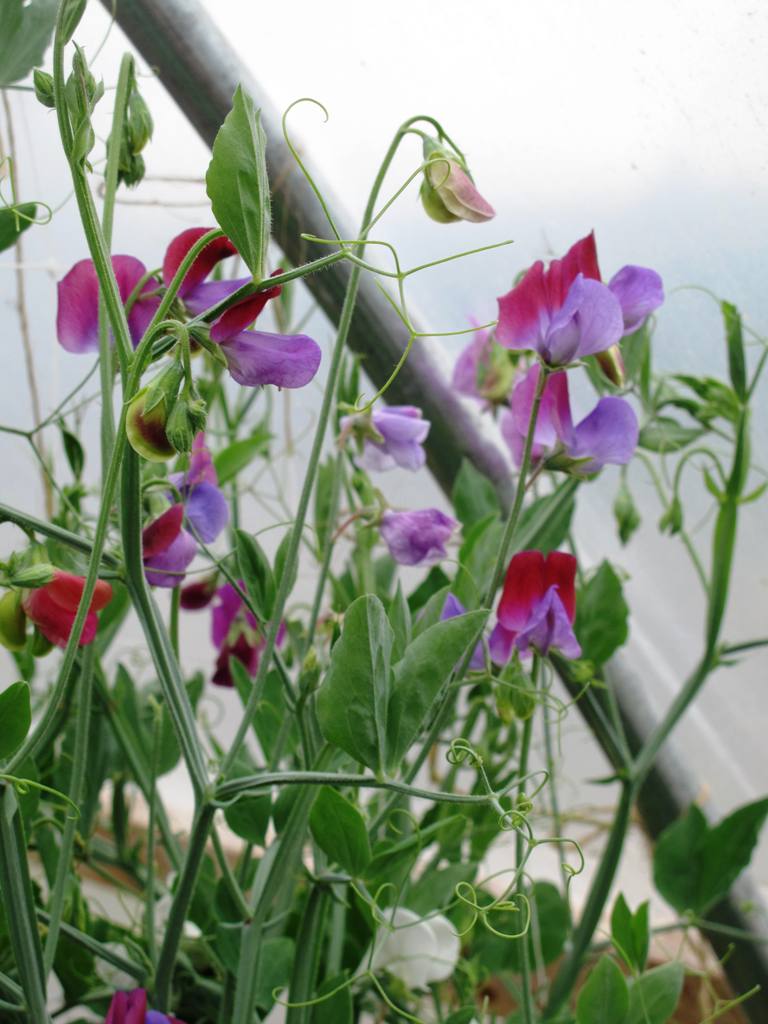
Sweet Peas

Sweet peas were at their peak when I visited in July, trellised inside the hoop house at Seattle Tilth Farm Works.
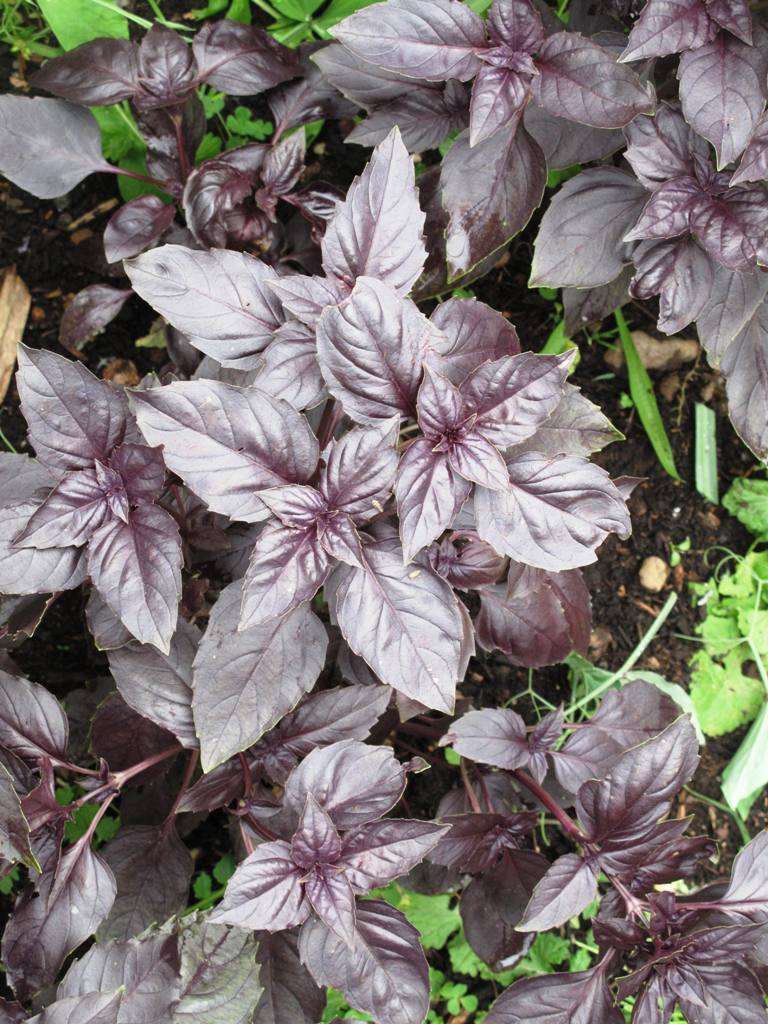
 

Basil

Love the dark Opal basil that Janell grows for her mixed CSA and Farmers’ Market bouquets.

Click here to learn more about Tilth’s CSA program, including how to order Janell’s weekly bouquets.

Click here to learn more about Flower Forest Farm’s flowers, bunches, bouquets and custom services.
  

Into the Garden with Charles Anew

Wednesday, August 28th, 2013
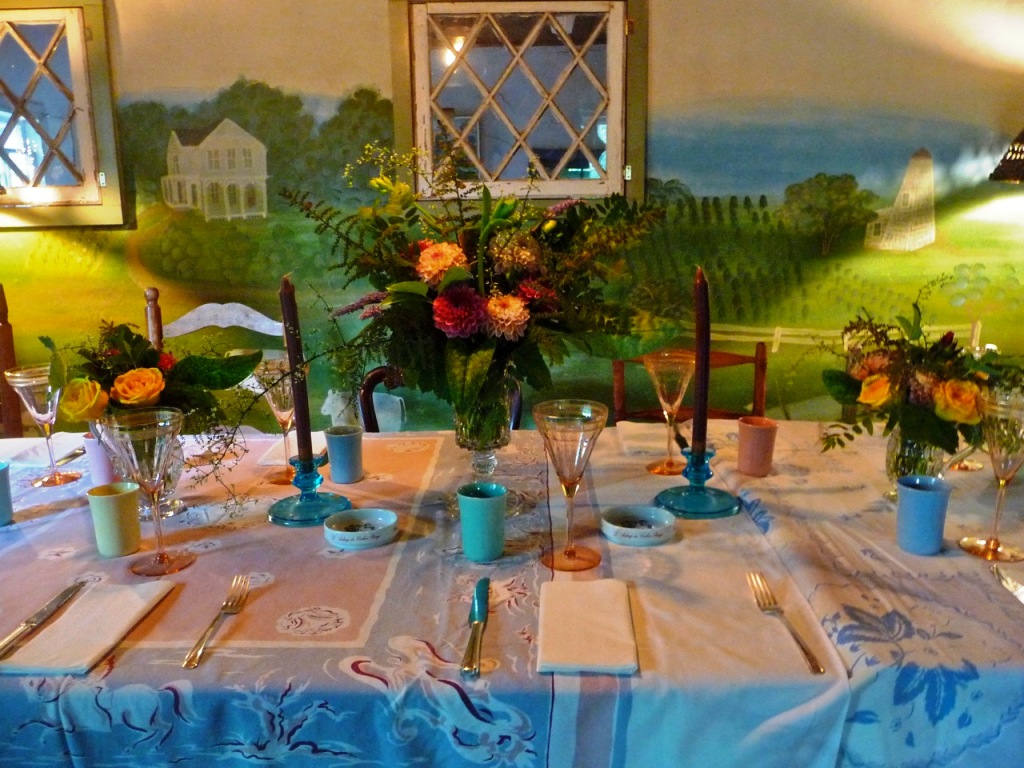
Table Arrangement

A lovely table arrangement where the vases seem to blend into the primitive wall mural of Orient, New York . . . as imagined and painted by Skip many years ago.

Last April 2012, I wrote about the beautiful memoir by my late friend Clyde “Skip” Wachsberger.

The book is called Into the Garden With Charles.  It was first published privately by friends of Skip’s (under the guidance of editor and friend Karen Braziller) in December 2010. Farrar, Straus and Giroux published it commercially in early 2012, although Skip did not live to see that event. Read more about the book here.

I have not been able to visit Orient, New York, or see Charles Dean, Skip’s surviving husband, since January 2012, when I traveled there for the memorial service honoring Skip’s life. I love this place and all of the friends I’ve met through these two men. The garden during summertime at Adsworthy, where Skip and Charles made their home, is very special. And for some reason, my trips in recent years were during fall or winter, so I hadn’t toured that verdant place during its peak since 2005 or so. Too long!

Last week I was fortunate to return for a mere 36 hours. It wasn’t nearly enough time, but every moment was filled with wonder, delight, friendship and memories. 

One of the highlights was getting ready for a big, yummy, community dinner prepared by the man Charles has now found to spend his life with. That is Charles’s very personal story to tell, so I won’t say more. I’ll only add that he is now with a dear, charming person and I’m pleased to see Charles so happy.

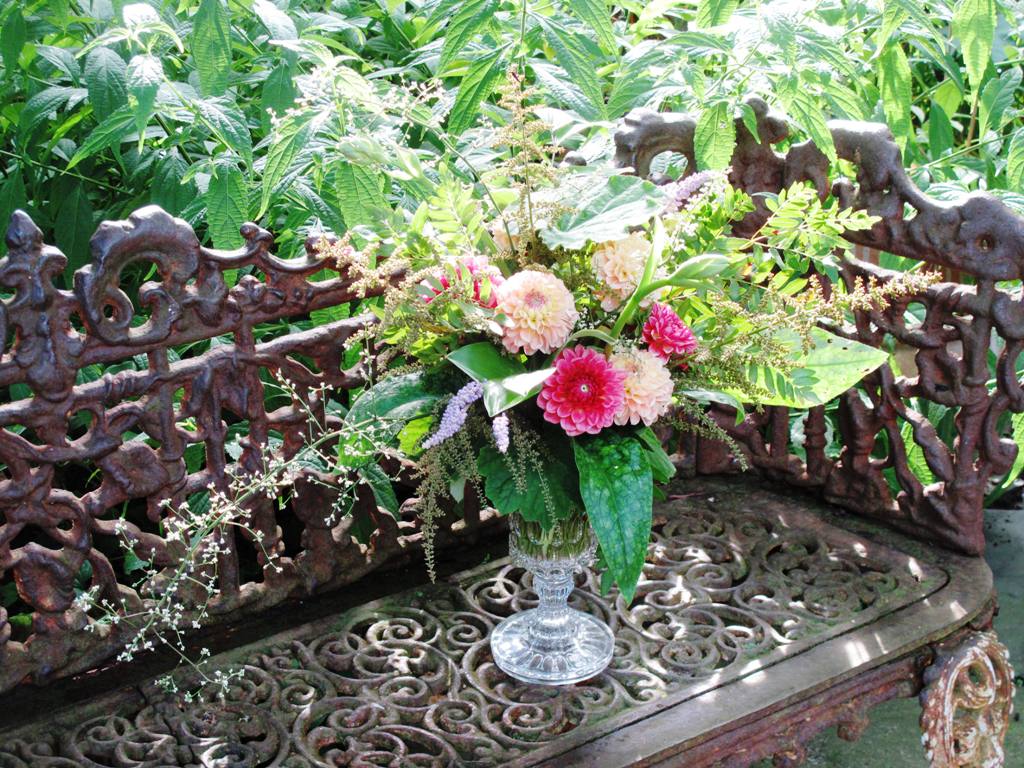
Skip’s presence is still very much evident in his garden. I was mindful of his exuberant spirit watching over me as I snipped stems, leaves and flowers from uncommon specimens that he originally selected, planted and tended to over the years. The opportunity to create the centerpieces for our wonderful dinner party was all the more special for the connection I felt between those plants and Skip. While the bouquets’ dahlias came from a local flower farm stand and the yellow roses were a gift to Charles from a family friend visiting his sister, artist Frieda Dean, everything else came from Skip’s garden. I relied on his plants for bold and fine foliage, tiny buds, fern fronds and seed heads. Charles supplied the beautiful cut glass urn and two small cream pitchers for the vases. 

Our table sparkled with vintage linens, pottery, silver and stemware. You can see how it looked above.

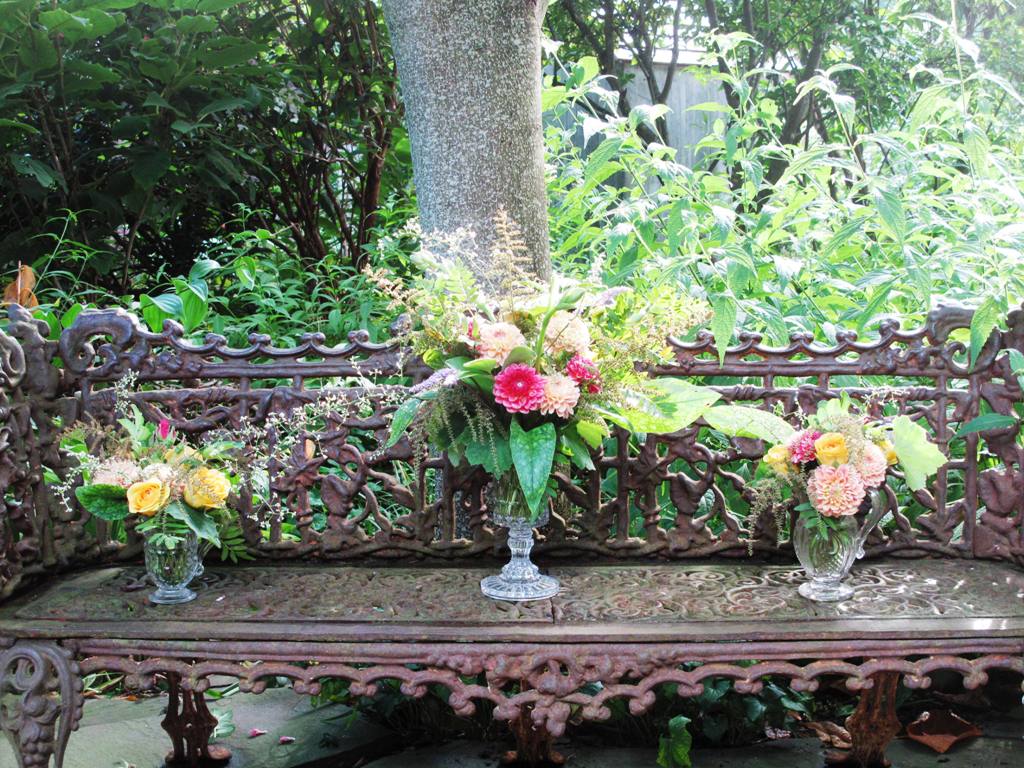
Here are some more images of the bouquets, in the garden:

Bench with three vases

A still life with three bouquets, on a vintage cast-iron bench in the garden.


Small glass pitcher of flowers

A small glass pitcher looks so beautiful in the dappled light that spills onto an iron garden chair.


Iron Bench

The larger vase features all sorts of gorgeous leaves, fronds and stems from Skip’s garden.

I’ll close with one of Skip’s quote about his garden, excerpted from Into the Garden with Charles:

 “I had been presented with a blank canvas, a large one at that. For an artist, this was ideal. I gardened the way I painted: I began with a picture in my mind and then I figured out how to create it. The only difference was that my colors and textures were living beings with a thirst for life; they would grow every which way once I had placed them on the canvas. I had no intention of ever finishing the painting.”


SLOW FLOWERS Podcast: Wildflowers and Field-Grown Bouquets (Episode 104)

Wednesday, August 28th, 2013

This week’s podcast features two interviews that I recorded during an 11-day trip to many beautiful venues.It’s my summer vacation gift to you!

Miriam Goldberger

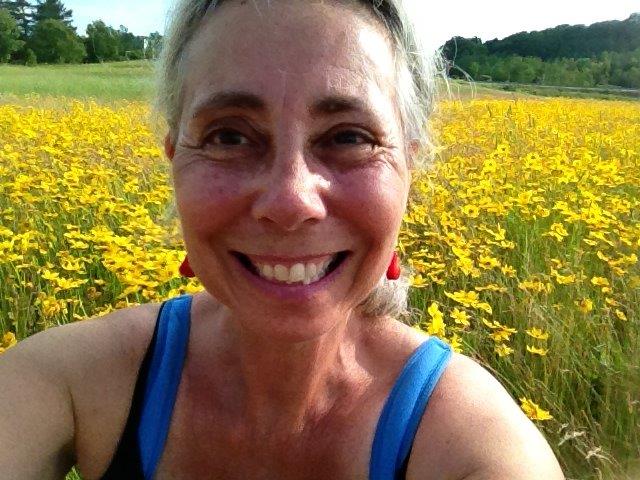
Here’s the smiling Miriam Goldberger, surrounded by a sea of golden coreopsis flowers.

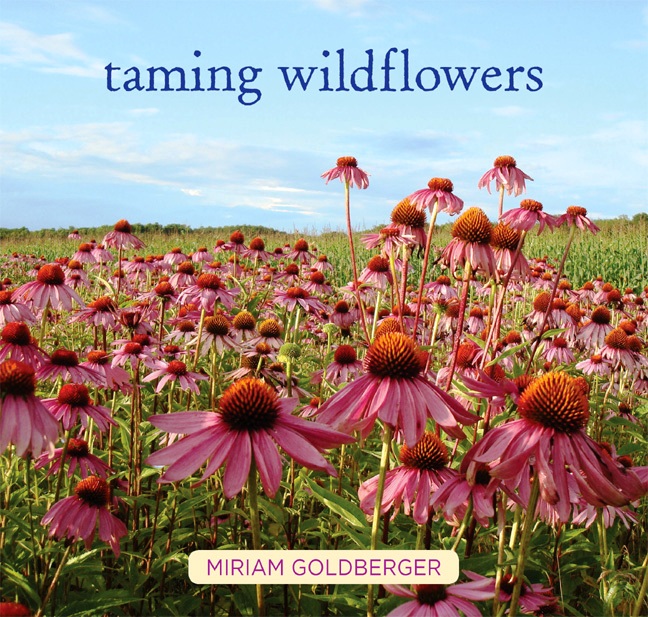
I met up with Miriam Goldberger of Wildflower Farm, a fellow author whose forthcoming book Taming Wildflowers promises to educate and inspire those of us in the floral industry.

Confusion about the terms “wildflowers,” “native plants” and “indigineous plants” always raises a red flag for me. I’m never sure what’s okay to grow or harvest and I certainly do not want to pick endangered plant species. Miriam’s mission is to demystify those terms as she singles out 60 flowers and grasses that fall into these categories. These are plants that are adapted to North America and have been since the first Euopean settlers arrived. They can be easily grown from seed and find a home in your garden, flower farm and floral arrangements.


Taming Wildflowers cover

Taming Wildflowers will be published by St. Lynn’s Press in February 2014.

Here’s a little background about how Miriam and her husband Paul Jenkins started Wildflower Farm in 1988:

Founded in 1988, Wildflower Farm began as wholesale dried flower growers. In 1991, Wildflower Farm expanded to become a pick your own flower farm. This quickly attracted the attention of people in Southern Ontario, drawing thousands of people to the farm during the summer months.

Over the years, Miriam and Paul became increasingly interested in the low maintenance advantages of growing native wildflowers. Working with plants that required no watering, no fertilizing and minimal annual maintenance was very attractive. At that time there were very few sources for truly native wildflower seeds and the seeds that were available were very expensive and of dubious quality and origin. Seeing an opportunity, in 1997, Wildflower Farm expanded its focus and has since blossomed into becoming a leading native seed grower supplying hardy, native perennial seeds and site specific wildflower seed mixes to homeowners, landscape contractors, municipalities and corporations.

During this same time, what began as a simple walk in the forest planted a seed in the minds of Miriam and Paul, when they spotted clumps of a rich green grass growing in the deep shade of the northern woods. Perhaps, they thought, these emerald patches could be used as natural grass pathways for their wildflower meadows. Trial and error led to the development of the drought-tolerant, low maintenance turf grass Eco-Lawn™ from a blend of fine fescue grasses, a move which has changed the face of “lawnscaping” for homeowners and businesses across North America.

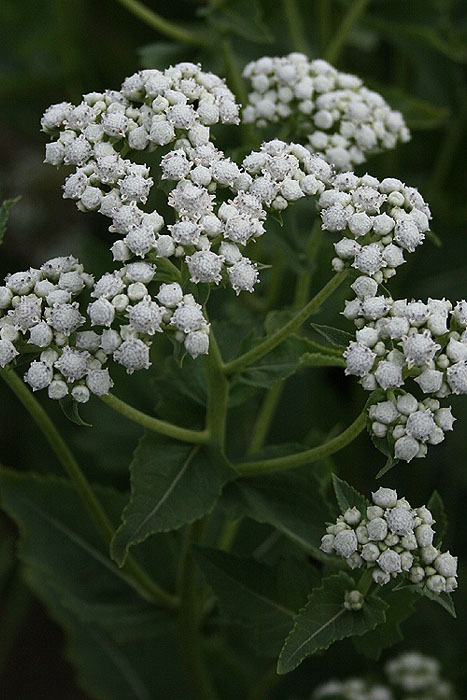
Wildflower varieties range from Yarrows (Achillea millefolium) and Alliums to Culver’s Root (Veronicastrum virginicum) and Golden Alexanders (Zizia aurea). By the way, she mentioned Parthenium integrifolium, wild quinine — one of her favorite floral ingredients and I thought you’d like to see what it looks like.

Wild Quinine

Wildflower Farms’ super-cool annual “Wild Quinine” — an uncommon variety favored by Miriam Goldberger.

Miriam’s book, Taming Wilflowers: The Complete Wildflower Cutting Garden Guide, will be published by St. Lynn’s Press in February 2014. Its subtitle is: “From Seed to Vase – Growing, Gardening & Designing with Wildflowers.” You can pre-order her book at the Taming Wildflowers web site here. 

A few days after my conversation with Miriam, I traveled to Saunderstown, Rhode Island, to visit Polly and Mike Hutchison of Robin Hollow Farm. Polly and Mike specialize in flower growing and full-service wedding and event flowers through their floral studio. They fall into that unique category of “farmer-florist,” doing it all beautifully, with passion, artistry and professionalism.

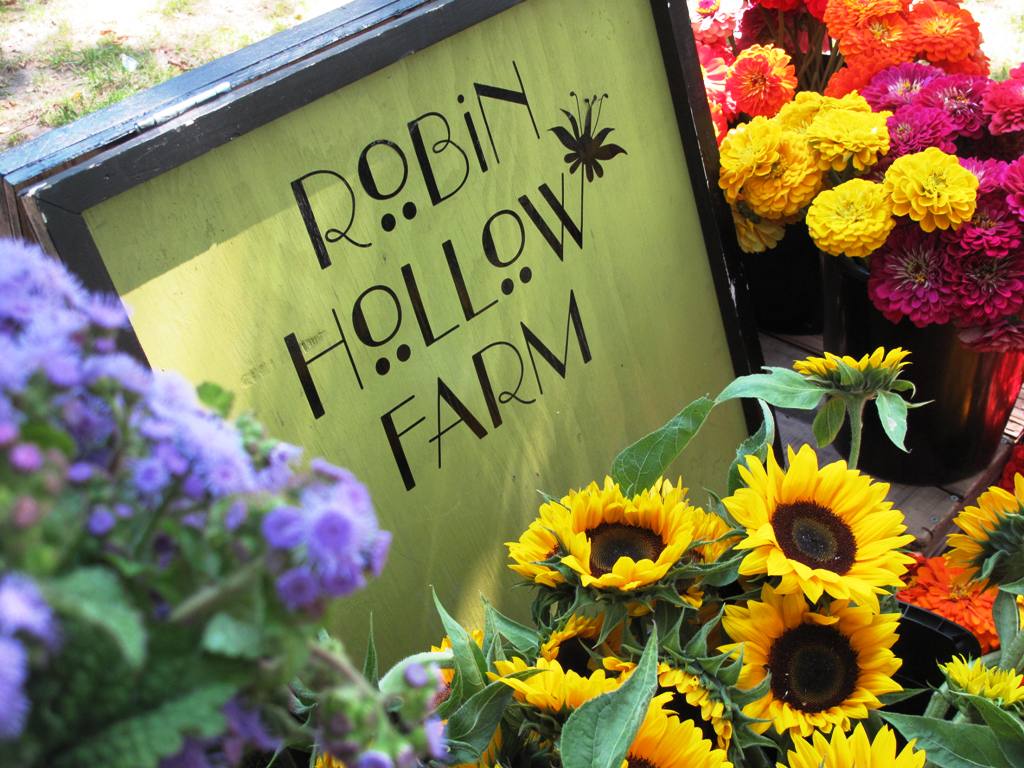
RHF Sign

Robin Hollow Farm’s sign at the local farmers’ market stall, surrounded by fresh-picked flowers.

I spent a wonderful 24 hours with these talented flower farmers who welcomed me into their home, shared amazing local seafood with me (thanks Matunuck Oyster Bar!), toured me through their growing fields, let me tag along on flower deliveries and observe the design process. Before I left, we grabbed a few minutes to sit down and talk about their lives and work as organic growers for today’s podcast.  Here’s some background on Polly and Mike: 

At Robin Hollow Farm, a wide range of gorgeous flowers and plants are grown in the fields and greenhouses. Mike and Polly farm using sustainable and/or organic methods on about five acres in Saunderstown, RI, just minutes from Newport and Providence.

Our flowers are grown without chemical pesticides, for our health and yours. Our fields are maintained with our cultivating tractor, our hoes, and mulches for maximum organic effect. We use these flowers at farmers markets, in our events, and for arrangements. Robin Hollow Farm is a proud member of ASCFG , the Association of Specialty Cut Flower Growers. Polly is currently President of ASCFG.

Discover and enjoy some of my favorite images from my 24-hour visit with this creative and dynamic couple:

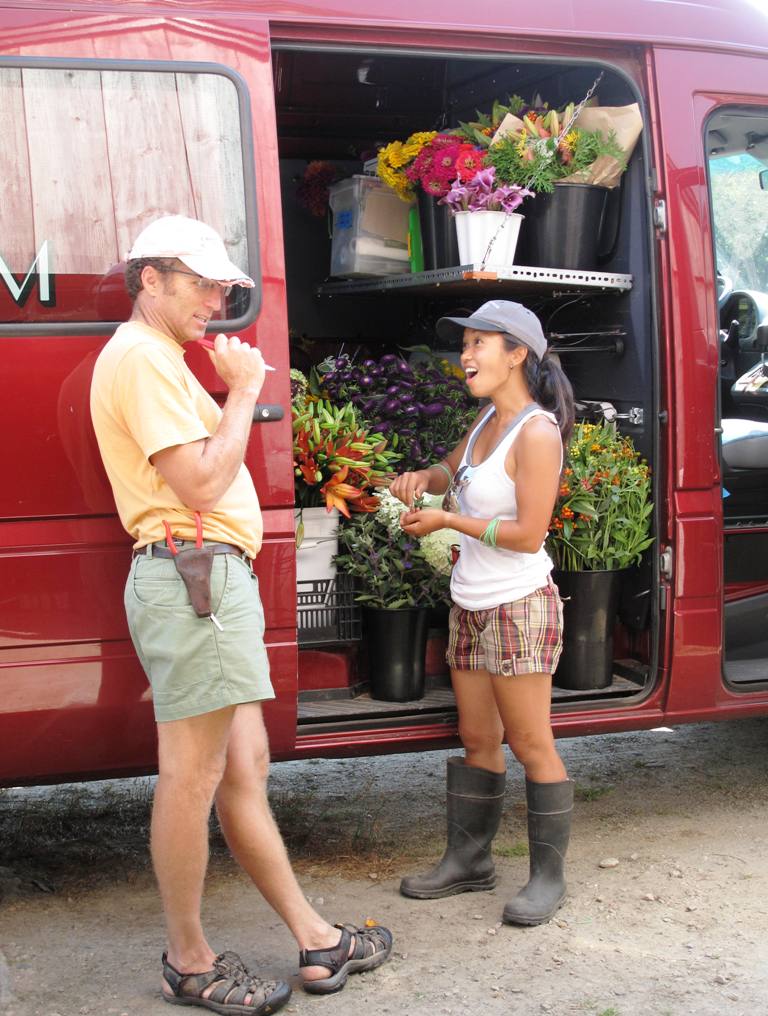
Mike with Tran

Mike Hutchison (left) chats with Tran. She’s a lettuce and greens grower who has been volunteering at Robin Hollow Farm to learn more about growing flowers.   


READ MORE…

SLOW FLOWERS: Week 34

Sunday, August 25th, 2013

FRUIT AND FLOWERS

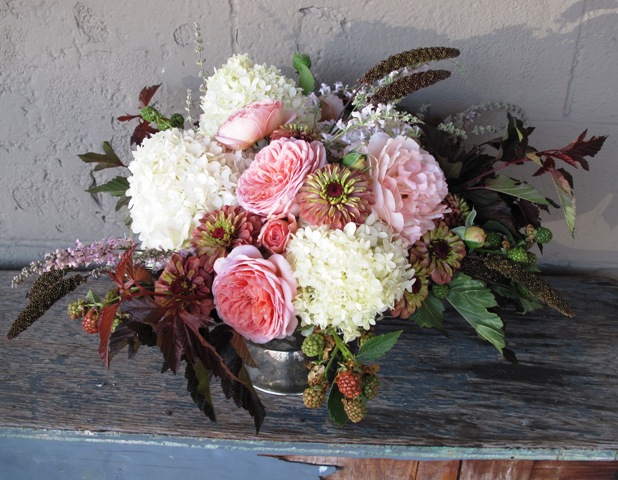
Silver bowl with roses and hydrangeas

Bowls and urns are ideal for low tabletop arrangements. And this vintage silverplate bowl is perfect for summer’s best blooms.

Ingredients:
 
9 stems ninebark (Physocarpus opulifolius ‘Diabolo’), grown by Jello Mold Farm
3 stems Hydrangea paniculata ‘Limelight’, grown by Oregon Coastal Flowers
7 stems ‘Abraham Darby’, a David Austin English rose grown by Westmont Park Roses
7 stems Zinnia elegans ‘Queen Red Lime’, grown by Jello Mold Farm
7 blades burgundy millet (Setaria viridis), grown by Charles Little & Co.
5 stems thorn-free blackberries (Rubus fruticosus), grown by Charles Little & Co.
5 stems Vitex agnus-castus, grown by Charles Little & Co.
 
Vase:
7-inch tall x 8-inch diameter vintage Gorham silver plate bowl
 
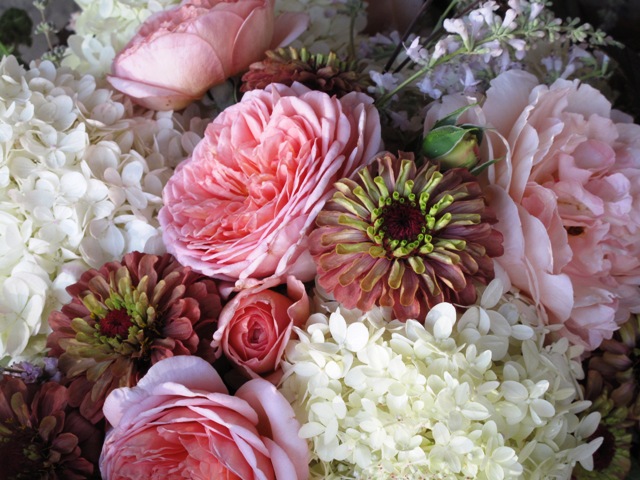
Beauty is in the details here.

Beauty is in the details here.

Seasonal Choices

Pretty enough to eat: Adding fruit and vegetables to a floral arrangement is a technique as old as the still-life paintings of the 17th century Dutch Masters.
 
The practice has returned and floral designers are harvesting all sorts of edibles from their kitchen gardens and farmers’ market stalls. In addition to the yummy blackberries used here, other delicious ingredients can include Alpine strawberries, unripe plums or crab apple fruit on the branch, cherry tomatoes on the vine, colorful Easter egg radishes and bright orange kumquat fruit (insert a wooden pick for easy placement). In general, it’s best to use unripe fruit or vegetables, so they last as long as the flowers.


SLOW FLOWERS: Week 33

Sunday, August 18th, 2013

SUMMER CONFECTIONS

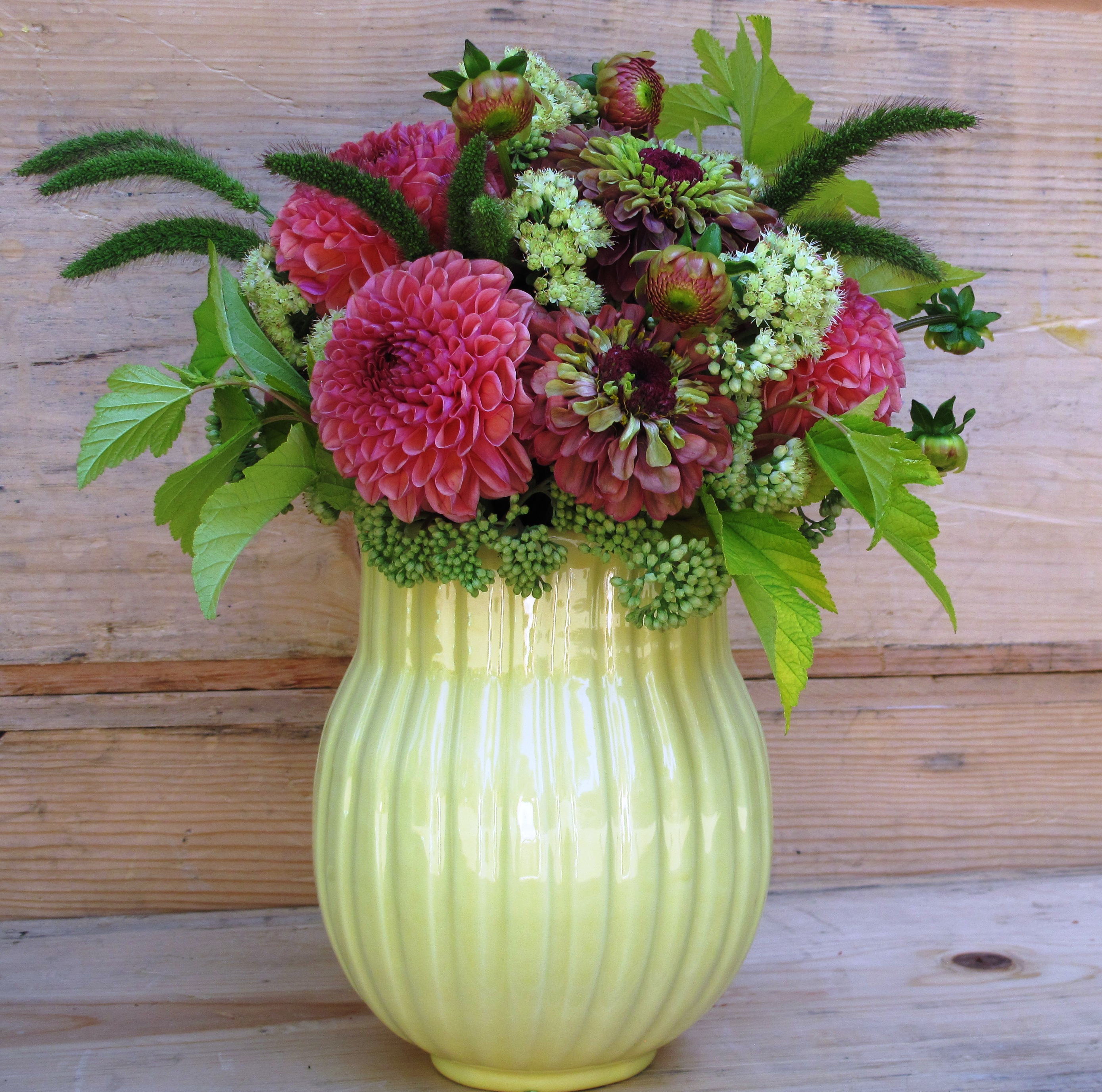
Yellow Vase with local flowers

The stars of this arrangement are the alluring ‘Queen Red Lime’ zinnias.

Ingredients:
5 stems Zinnia elegans ‘Queen Red Lime’, grown by Jello Mold Farm
5 stems Dahlia ‘Rebecca Lynn’ in flower and bud, grown by Jello Mold Farm
4 stems Sedum ‘Green Expectations’, grown by Jello Mold Farm
7 blades green millet (Setaria viridis), grown by Jello Mold Farm
5 stems golden ninebark (Physocarpus opulifolius ‘Luteus’), grown by Jello Mold Farm
 
Vase:
8-inch tall x 5-inch diameter fluted vase by artist Frances Palmer
 
Potter, artist and flower-grower, Frances Palmer created this yummy buttercream vase.

Potter, artist and flower-grower, Frances Palmer created this yummy buttercream vase.

Design 101

A very special vase: I was first introduced to the work of Frances Palmer when Stephen Orr profiled the American potter and her Connecticut cutting garden in Tomorrow’s Gardens. Then Frances appeared on Martha Stewart’s television show, where she discussed how she creates her exquisite one-of-a-kind vessels and dinnerware, including vases for the flowers she grows. Her delightful pottery style – classical with a touch of whimsy – is a floral designer’s dream come true.
 
Naturally, I set my sights on acquiring one of Frances’s pieces. For the vase-lover on a budget, her Pearl Collection reflects the artist’s signature style at everyday prices. I chose this fluted vase because of the generous diameter of its opening (nearly 5 inches). And to me, this butter-yellow glaze is a perfect foil for all sorts of flowers, but especially the zinnias and dahlias.


SLOW FLOWERS Podcast: Marketing Local Flowers the Co-op Way (Episode 103)

Wednesday, August 14th, 2013
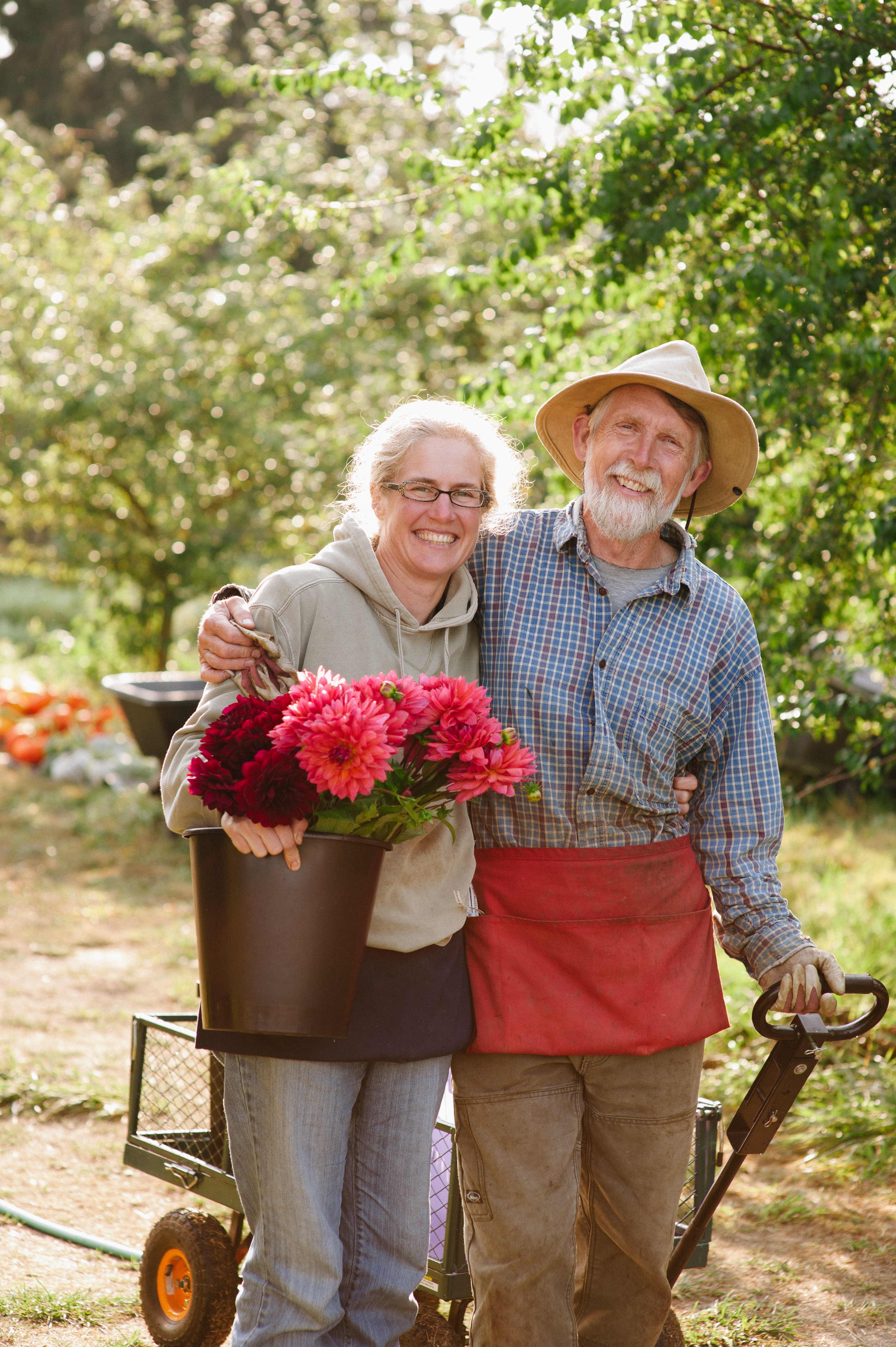
Diane Szukovathy and Dennis Westphall, photographed by Mary Grace Long (c) September 2012 at Jello Mold Farm in Mt. Vernon, Washington.

Diane Szukovathy and Dennis Westphall, photographed by Mary Grace Long (c) September 2012 at Jello Mold Farm in Mt. Vernon, Washington.

In this week’s podcast you’ll meet flower farmer Diane Szukovathy, the “cover girl” (along with floral designer Stacie Sutliff) of The 50 Mile Bouquet.

More than anyone I have met in the past five years, I credit Diane and Dennis Westphall, her husband and co-owner of Jello Mold Farm, with inspiring me and enhancing my understanding of what it means to be an American flower farmer. 

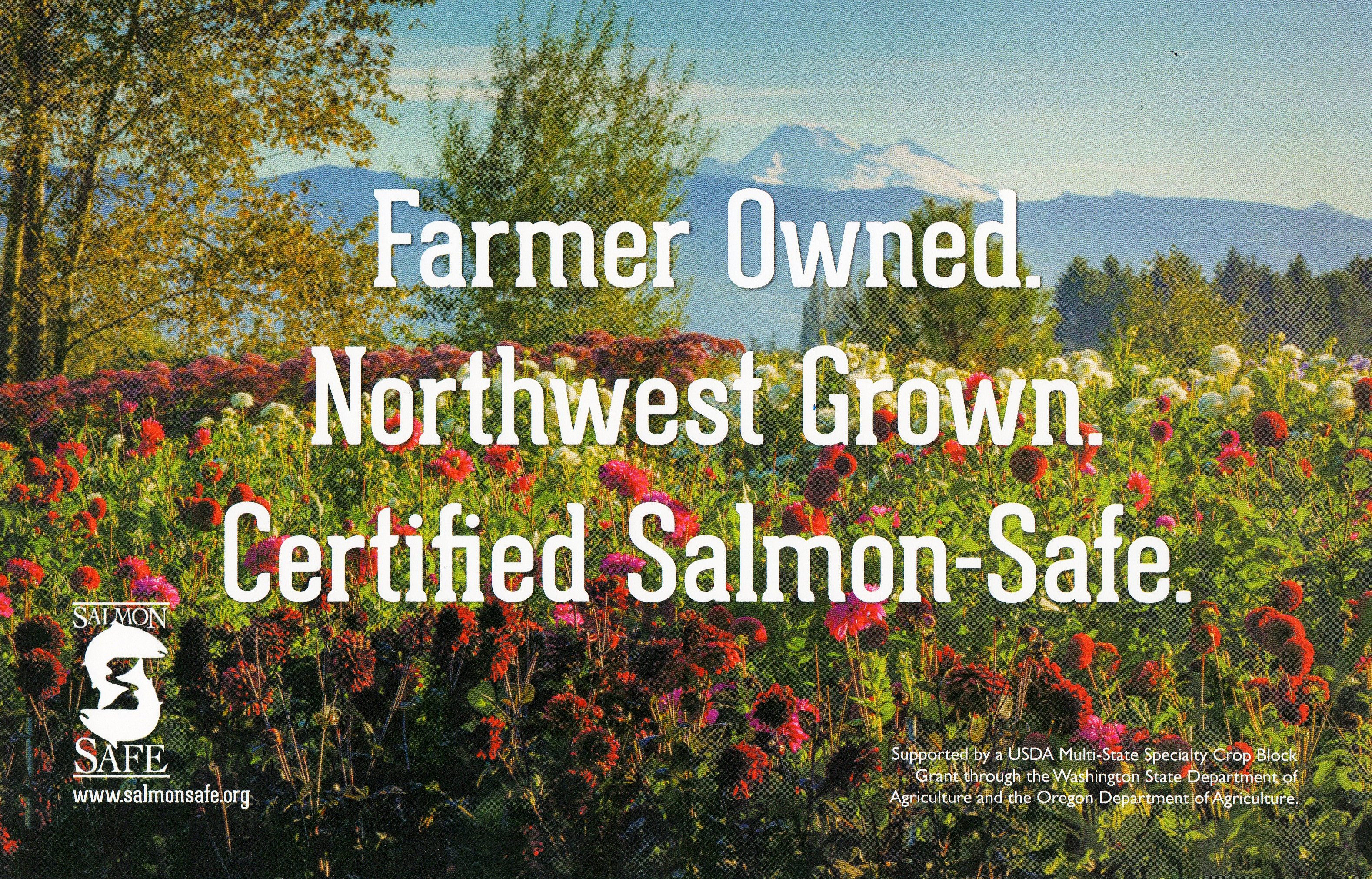
I’ve interviewed and written about Diane and Dennis many times, but in today’s episode, I wanted to zero in on some of the exciting news taking place at the Seattle Wholesale Growers Market. This is an innovative, farmer-owned cooperative that Dennis, Diane and several other pioneering flower farmers launched two years ago. Their tagline is: Farmer to Florist.

Listen to my conversation with Diane as we discuss the new supermarket/mass merchandising program called “By the Bunch.”

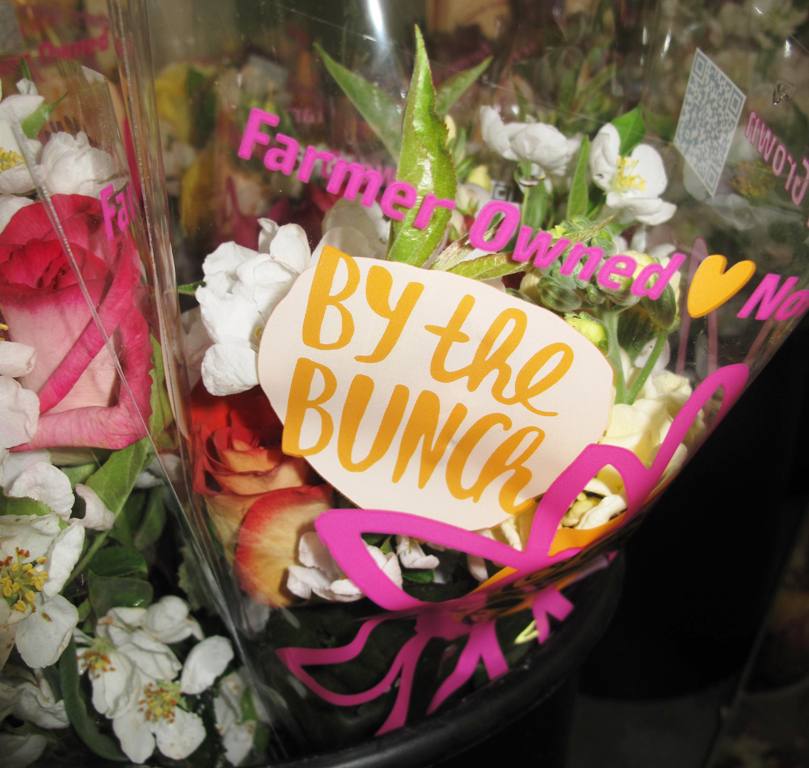
The flower-growers' co-op provides great messaging and branding to educate customers at point of purchase.

The flower-growers’ co-op provides great messaging and branding to educate customers at point of purchase.


By the Bunch

Remember this cool logo: By the Bunch. It means these gorgeous bouquets are possible because their ingredients were grown by a bunch of awesome NW flower farmers

This is a cooperative-driven model that was designed to connect local flower farms with volume market opportunties like grocery store floral departments. Diane explains how this new program came to be and why it has so much potential to increase the income stream for people growing cut flowers.

Click here for more background on Diane and Dennis of Jello Mold Farm.

Click here for news about the 2011 launch of the Seattle Wholesale Growers Market.

Click here for an October 2012 report about the grant funding that was used to launch the new mass market program.

Click here for the post I wrote this past spring when the By the Bunch bouquet program launched.

SLOW FLOWERS: Week 32

Sunday, August 11th, 2013

UP ON THE ROOF

Rooftop bouquet

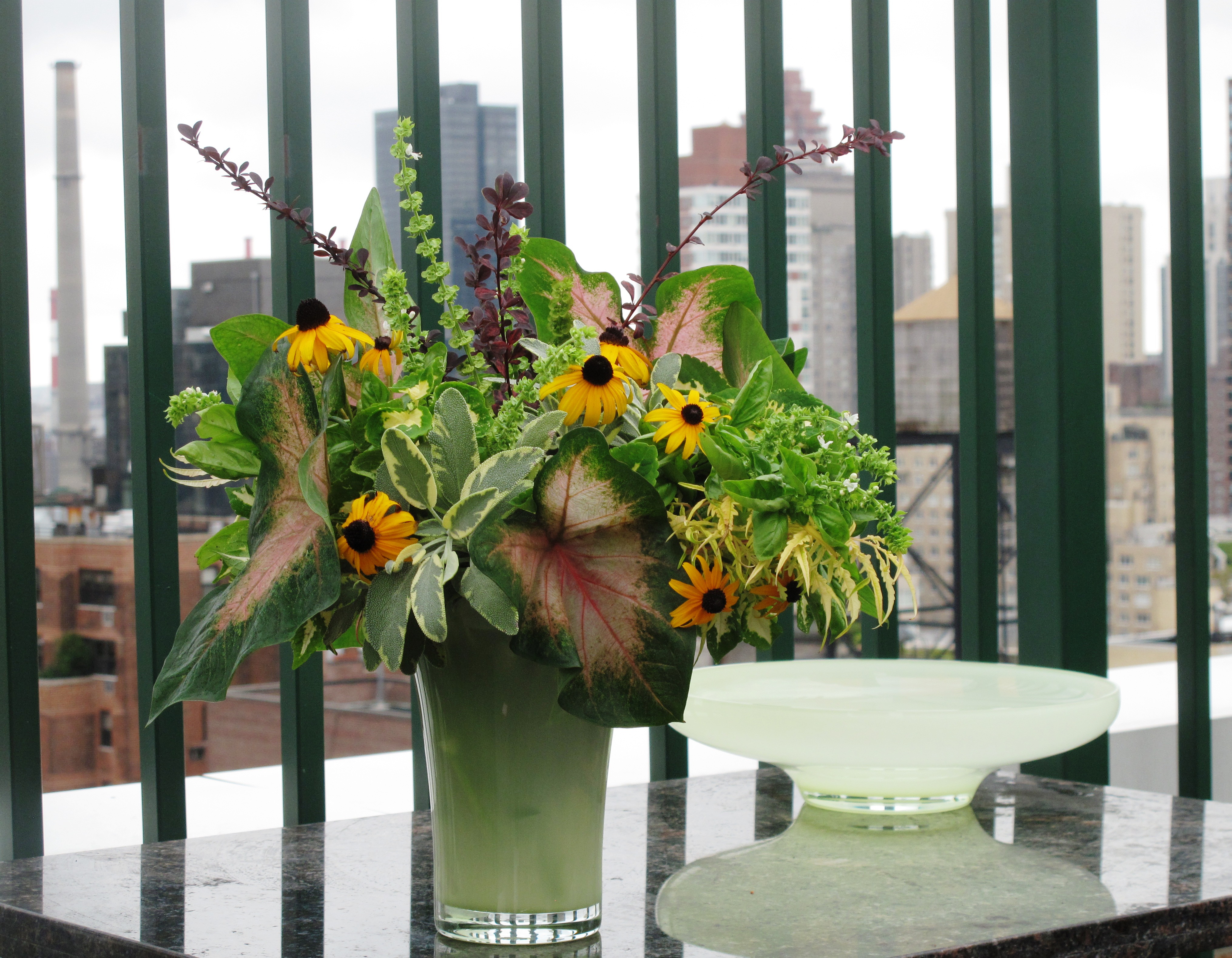
I made this bouquet at the invitation of Ellen Spector Platt, a fellow garden writer who shared her NYC rooftop bounty with me

Ingredients:

All elements were grown by Ellen Spector Platt on the roof of her Manhattan condominium or in the tree pits along the sidewalk by the building’s lobby 
 
5 stems Caladium x hortulanum ‘Kathleen’
3 stems bi-color sage (Salvia officinalis ‘La Crema’)
3 stems staghorn sumac (Rhus typhina ‘Tiger Eyes’)
5 stems Genovese basil leaves and flowers (Ocimum basilicum ‘Genova’)
3 stems red-leaf Japanese barberry (Berberis thunbergii atropurpurea ‘Rose Glow’)
7 stems black-eyed Susan (Rudbeckia fulgida)
 
Vase:
8½-inch tall x 7-inch diameter celadon green glass
 
Caladium foliage in bud vases

Long after I left Manhattan, Ellen redesigned the longest-lasting floral elements, using several bud vases to each display a single Caladium leaf (c) Ellen Spector Platt


Eco-technique
Bouquet 2.0: After my visit, Ellen emailed me: “Your arrangement still looks good, but after 4 days it needed some grooming.” Here are her tips for reviving a bouquet: “Don’t try to groom it by pulling out a wilted stem, since you’ll likely take out other good stuff along with it. Instead, leave the stems where they are and reach in to snip off a single dead flower. Or, cut off the entire top of the stem, leaving the bottom in place. No one will ever know it’s there.” In this arrangement, the black-eyed Susan blooms were the first to be removed.
 
“By the time many of the stems start to die, I just pick out the few good ones that are left and put them in a narrow vase or bottle to wring out my last bit of enjoyment,” says this experienced floral designer. “I’m sure I’ll be left with the caladiums, looking like an entirely new design.” And sure enough, nine days after we made the original bouquet, Ellen sent me this photo of her green bud vases with the beautiful – and long-lasting – caladium leaves.

SLOW FLOWERS Podcast: Peonies from America’s Last Frontier (Episode 102)

Wednesday, August 7th, 2013
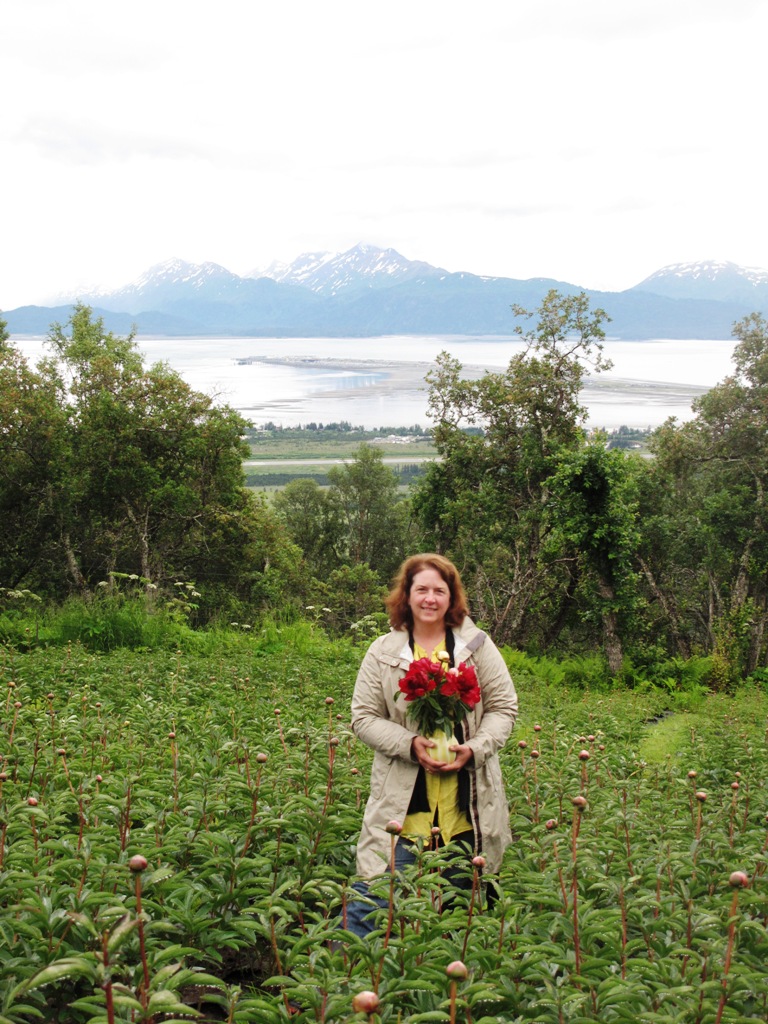
I'm standing in a Homer, Alaska, peony field at Scenic Place Peonies. It's owned by Beth Van Sandt and Kurt Weichhand - check out the views!!!

I’m standing in a Homer, Alaska, peony field at Scenic Place Peonies. It’s owned by Beth Van Sandt and Kurt Weichhand – check out the views!!!

Last summer I visited Alaska and toured about 12 cut peony farms from Fairbanks to Homer – in one week! It was a wonderful trip, made all the more special because of the many cool, welcoming flower farmers I met along the way. They hosted me for meals, spent quality time walking and talking with me along the rows of robust and beautiful plants, lent me a bed for the night, and generally adopted me into their Alaska Peony Tribe! If you want to learn more about the Peony Growers of Alaska and how to order cut flowers from some of them directly, visit the Alaska Peony Growers’ web site.

It was a thoroughly freeing time for me as a journalist because I was my own client. No editor gave me the assignment. No publication had their dibs on how the story would be reported. I used my Alaska Airlines’ frequent flier miles to book my flight into Anchorage and then rented a car with another set of airline miles.

I made reservations to tour Denali National Park on the first day – mainly because Dr. Pat Holloway, my trip advisor, insisted that I couldn’t just drive past the majestic national park while seeking peony farms! After that first day, I spent the following seven preoccupied with peonies, their cultivation, harvest, post-harvest care and ultimate journey to the hands of satisfied customers. It was pretty sweet – and I can’t wait to get back. I wrote a fun post about the week in Alaska here.

Alaska august 2013 coverOther than selling a *tiny* story about Alaska peonies to Sunset magazine, I am happy to announce that my first big editorial placement appears in the current issue of Alaska Airlines magazine. How fitting! You can read the feature here [PDF].

This week’s podcast features interviews with the owners of two farms I visited during my tour. First, you’ll hear my conversation with Rita Jo Shoultz of Alaska Perfect Peony in Fritz Creek on the Kenai Peninsula, one of the first growers to jump in feet first to plant peony roots. You will hear the sounds of nature around us, as we sat in her garden near the pond to talk. For some crazy reason, Nicco, her cat, was fascinated with the audio recorder’s microphone. You’ll hear a few bumps in the audio, thanks to the curious cat!

Here are some photos from Alaska Perfect Peonies:


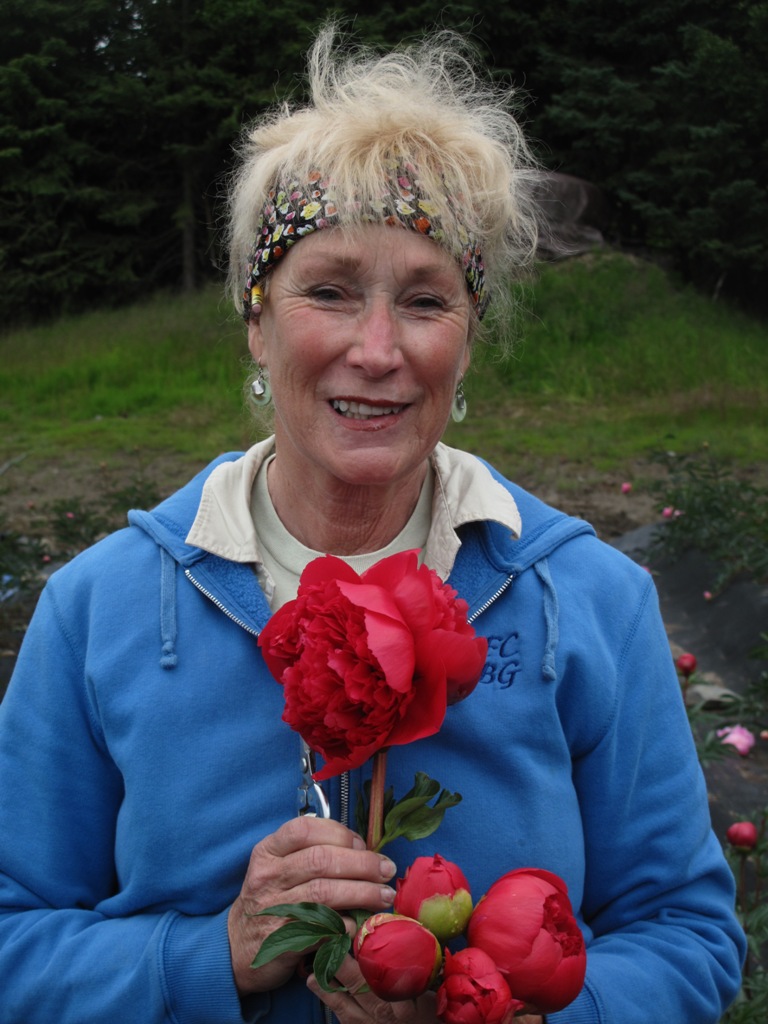
Rita Jo with red peony

Rita Jo with a double-headed peony that we discovered in her growing fields. 


READ MORE…

SLOW FLOWERS: Week 31

Monday, August 5th, 2013

PASSION FOR PEONIES

Close to perfection

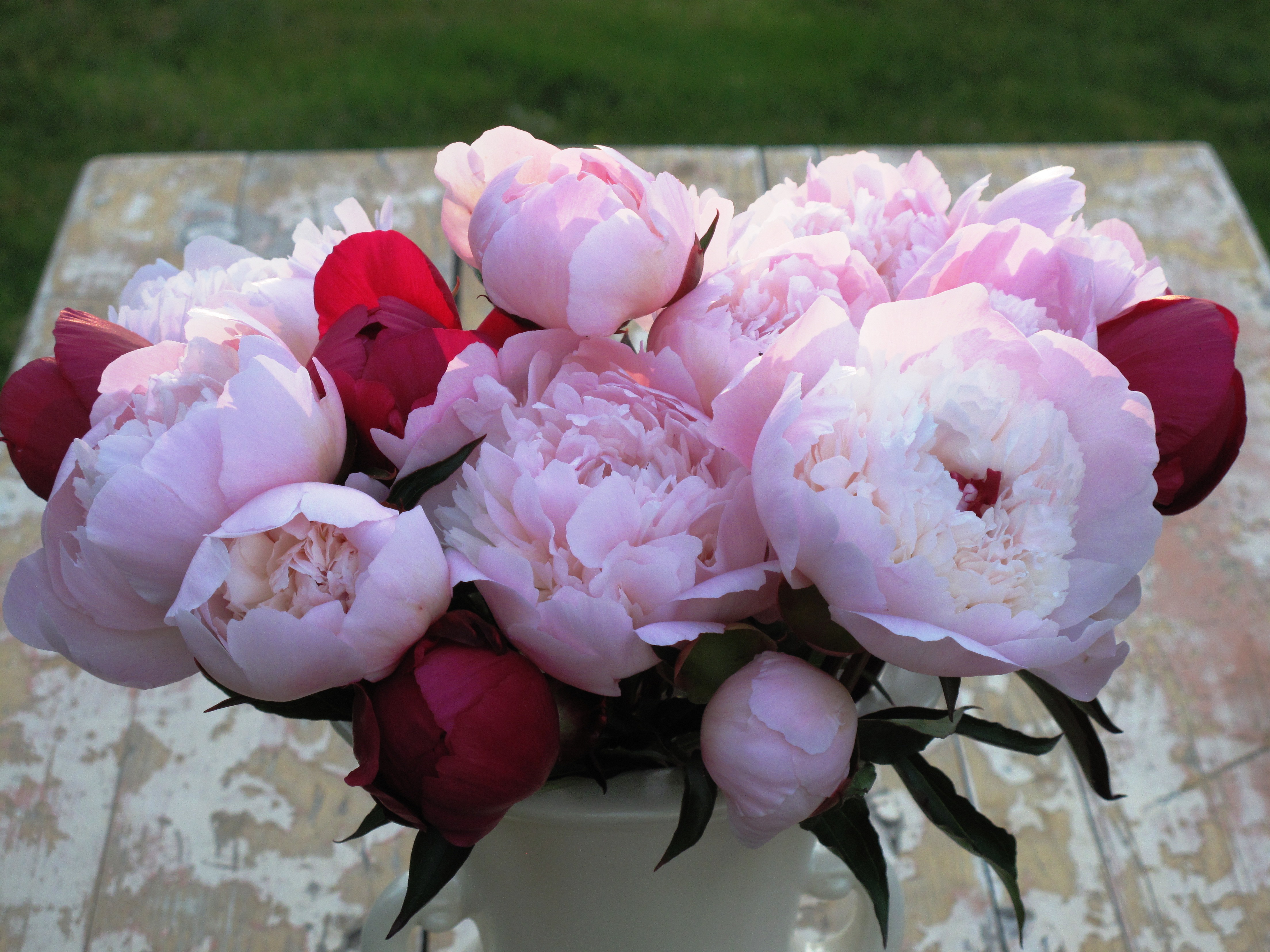
I came home from Alaska with these luscious peonies – and it seemed as if no other flower could compete for room in the vase.

Ingredients:
10 stems ‘Sorbet’ peonies, grown by Echo Lake Peonies in Soldotna, Alaska
5 stems ‘Kansas’ peonies, grown by Midnight Sun Peonies in Soldotna, Alaska
 
Vase:
9-inch tall x 7-inch diameter vintage Haegar urn, cream pottery
or
Series of vintage one-pint glass milk bottles (7-inch tall), each holding two or three stems
 
milkbottles_peoniesFrom the Farmer
Peony harvesting and design: Cut peonies during the coolest part of the day. According to Dr. Holloway, “Cut once you see the true color of the flower with one or two petals separating at the top – or any time after that. Then, the flower will continue to open in your arrangement.” If you cut prior to this stage the buds either will not open or they will be stunted. Fully-opened blooms can also be harvested, but their vase life is shorter. Based on years of peony research and field trials, Dr. Holloway offers this commercial growers’ tip: “Once cut, your flowers should be chilled in the refrigerator for at least 24 hours and up to one week before putting them into a vase. That chilling very definitely extends vase life.” Wrap the peonies in paper towels and lay them flat in the crisper drawer, away from the refrigerator’s other contents until use.


SLOW FLOWERS Podcast: Farm-to-Table; Field-to-Vase Panel Discussion (Episode 101)

Wednesday, July 31st, 2013
Panel

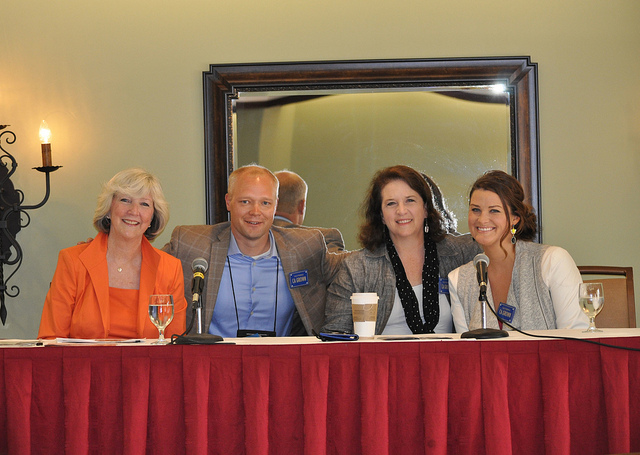
From left: Kathy Brenzel, Kasey Cronquist, Debra Prinzing & Christina Stembel

Welcome to Episode 101 of the new SLOW FLOWERS Podcast. The audio featured here is from the July 19, 2013 panel discussion at the California Association of Flower Growers & Shippers (NORCAL) conference, moderated by Kasey Cronquist, CEO/Ambassador of the California Cut Flower Commission. Panelists included Kathy Brenzel, garden editor at Sunset Magazine; Christina Stembel, founder of Farmgirl Flowers, and me. The audience Q&A that followed our presentation was difficult to hear due to the limited number of microphones in the room, so here is the edited transcript of those questions and our panel’s answers. 

Q&A following Field-to-Vase Panel discussion:

Kasey Cronquist : I hope you all have a sense of how special this group is in context of this industry. This is certainly a trend, or as Debra says, “a cultural shift,” that we’re excited about. It’s a special time because you’re not necessarily going to hear a program like this or have the chance to hear from speakers like this subject in our industry or at other floral trade conventions. I get to sit back and enjoy listening to people talk about locally-grown. 

I think you have a sense here that there’s a renaissance in our midst in terms of bringing flower farmers back and of course this is a good thing for California. Where people say “California’s Flowers are America’s Flowers,” it’s because we want to back up that local claim for those florists when the season is over and they can’t source from those local farmers, California’s growing flowers all year long providing another source of American grown. I could spend each day energized by the things I’ve heard here. I want to open it up to questions: 

Q: Regarding the “Farm-to-Consumer” idea or for that matter, “Farm-to-Florist.” How should our wholesalers in the room feel about this particular approach? Because I can certainly see where you’re going. We are flower growers who are strictly wholesale and we want to keep it that way. I have 185 customers and I don’t want 2,000 so how does that work for the wholesaler? 

A (Debra): I totally agree that we’ve got to work on the wholesale level of this message. Maybe I’m naive, but I don’t think wholesalers should be afraid of this concept at all. They’re the ones who are on the front lines, talking to florists. And even if you don’t care about American grown, you should care about making money and branding your flowers as American grown or California grown in order to answer the question that the florists are going to be asking anyway. If they’re not asking it now, they’re very soon going to be asking it because consumers are asking them. I think from a farmer point of view if you can provide content, photography, messaging or signage that the wholesalers can use it’s going to do the work for them. I know there’s a fear that somehow the florists are going to cut around the wholesaler and come to you direct, but like you just said, you don’t want to deal with all those florists. So if you can partner with the wholesaler and make everybody succeed, I think it could be a win-win. 

A (Christina): Pictures. Pictures of the farmers with content about where (the flowers) come from. People want to see a human face, so give them information about “this is the farmer who grew this.” It’s something that the wholesalers can then give to their customers. At Farmgirl Flowers, we use a wholesaler as well for some of our product and they don’t want to be photographed because they don’t want 2,000 people coming to them either. But it’s about educating the florist. And I really do see this movement shifting quickly and I think that the florists will be asking you soon, just based on the volume of questions we get. We’ve had to hire staff people just to answer the email and the phone calls that we get from florists. It’s not directly our bread and butter but we feel like it’s our mission to educate as well. 

Kasey Cronquist: I want to add to that. We’ve felt that pressure on the requests for content. For wholesalers, as much as for the flowers, it’s a content marketing-supply opportunity for them. They have the relationships with the farms and they can package that relationship up and provide it to the florists who are wanting that content to share, either on Facebook or Pinterest so (the florist) has access to the farmer, not directly, but through the wholesaler’s relationship with the farmer. 

READ MORE…