Debra Prinzing

Get the Email Newsletter!

SLOW FLOWERS: Week 44

Sunday, November 3rd, 2013

TARNISHED AND TEXTURED

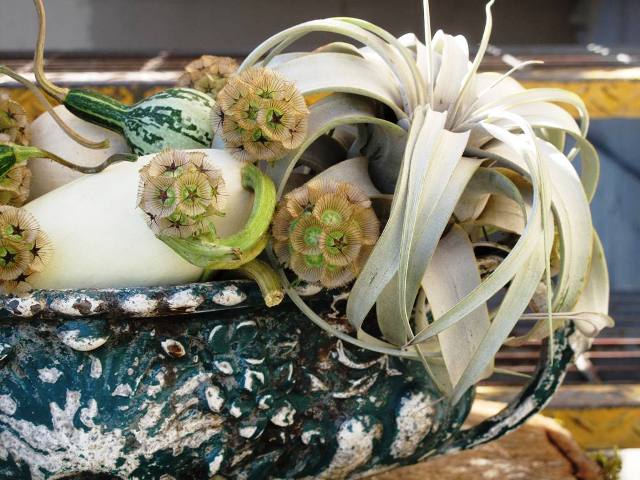
Tillandsia detail

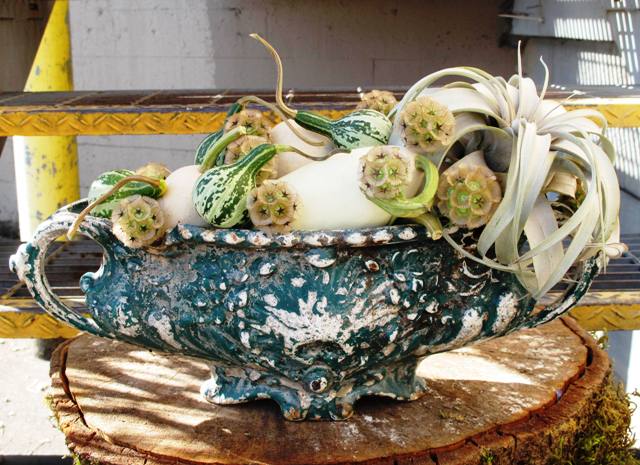
Super-popular tillandsias, especially this ghostly-white species, makes for an interesting fall centerpiece.

Ingredients:
1 Tillandsia xerographica plant, a gift from Nan Sterman (Tillandsias benefit from a light spritzing of water every week or so) 
3 Japanese nest egg gourds, grown by Jello Mold Farm
5 Tennessee dancing gourds, grown by Jello Mold Farm
9 stems Scabiosa stellata ‘Paper Moon’, grown by J. Foss Garden Flowers
Vase:
5½-inch tall x 16-inch long x 6-inch wide, vintage cast-iron planter, found at the Long Beach Flea Market
 
Tillandsia in a tarnished urn.

There’s a pleasing asymmetrical balance created by using this tillandsia on the right side of the design, as it echoes the urn’s curved handle on the left.

 
Design 101
Balance, a design principle: Balance is deeply ingrained in our psyches. In the garden or in a vase, a visuallybalanced design feels pleasing to the eye; when something feels out of balance, it can be agitating to look at. Balance is divided into three categories: Asymmetrical (seen here), in which both halves of a composition may express similar visual weight but are unevenly positioned.
 
Balance is created by a shift in weight on either side of a central fulcrum. Here, you see that the left side of the arrangement reveals the decorative handle of my urn, while the right side of the arrangement offsets it with the curved leaves of the tillandsia. Symmetrical or bilateral balance means that both sides of a composition are equal, one side essentially mirroring the opposite side. Formal flower arrangements are often symmetrical. Radial balance emanates from a central core, like the rays of a sunflower or spokes of a wheel. This dynamic approach appears in perfectly-domed bridal bouquets or centerpieces designed for 360-degree viewing.


SLOW FLOWERS Podcast: American Flower Farming Update with Lane DeVries (Episode 112)

Tuesday, October 22nd, 2013
Lane DeVries

Meet Lane DeVries, CEO of The Sun Valley Group, America’s largest cut flower farm, and Chairman of the California Cut Flower Commission.

American Flower Farming Update with Lane DeVries, Chairman of the California Cut Flower Commission (Episode 112)

Today’s interview is with Lane DeVries, a fourth generation flower farmer who grew up in his family’s business in Holland until he came to the US in 1983, at the age of 23.

I’ve gotten to know Lane in the past few years while partnering with him on projects for the California Cut Flower Commission, the advocacy agency that promotes that state’s 225 flower farms. His farm, The Sun Valley Group, based in Arcata and Oxnard, is the state’s largest (in fact, it’s the country’s largest).

Lane and I recently met in Portland, at the Field-to-Vase Dinner, a very special gathering of flower farmers, florists, flower retailers and wholesalers and the media, held on October 8th.

I co-hosted the event with the CCFC and our goal was to convene floral industry leaders to discuss new initiatives in the American Grown Flower Movement.

The underlying message: partnering with your would-be competitors is a good idea when it comes to changing how consumers connect with domestic flowers.

New Seasons Market

Lane takes time to meet flower consumers as often as possible. He recently made an appearance at New Seasons Market in Portland, Oregon.

My podcast interview with Lane took place via Skype, a few days after that dinner. Please enjoy our conversation and meet a man who lives and breathes cut flowers. I love that Lane, in spite of all of his professional success, continues to eagerly seek out the next new thing. He sees old flowers in a new way and improves on customer favorites with new hybridizing methods.

He is a visionary and I credit Lane with his amazing leadership moving his own flower farming community into an important dialogue about American grown flowers.

The next time you see a blue-and-yellow license plate-style CA-Grown label on a bouquet of flowers at the supermarket, you’ll have people like Lane DeVries to thank.

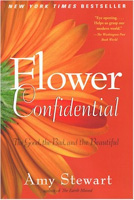
cover_flower_confidentialHighlights of Lane’s long career in the U.S. cut flower industry are chronicled in Amy Stewart’s 2007 book, Flower Confidential: The Good, The Bad, and the Beautiful – and you can read an excerpt of that story here, courtesy of Amy and Algonquin Books of Chapel Hill (c) 2007 and 2008. All Rights Reserved. 

(Photos (c) Linda Blue, courtesy of the California Cut Flower Commission)

SLOW FLOWERS Podcast: Cooking with Flowers, an interview with chef Miche Bacher of Mali B. Sweets (Episode 111)

Wednesday, October 16th, 2013
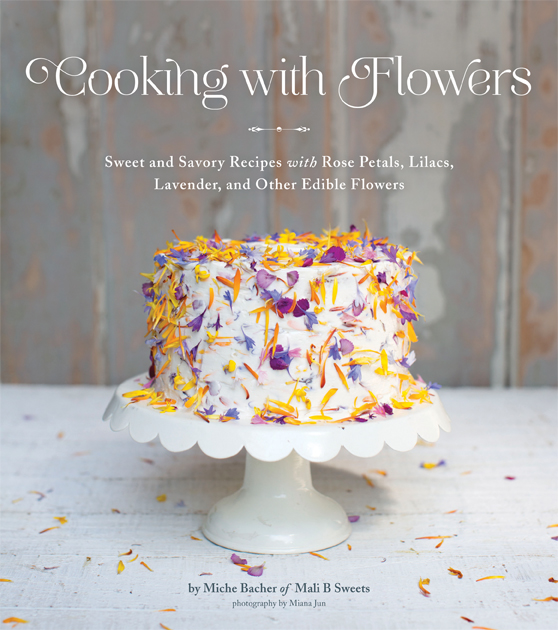
Flower Cake Cover

Featured on the cover of “Cooking with Flowers” is Miche’s “Flowerfetti” Calendula Orange Cake. Flower petals are the “original cake confetti,” she maintains. Roses, dianthus, bachelor buttons and marigold petals adorn this enticing confection.

Today we’re going to talk about eating flowers.

Yes, flowers as food.

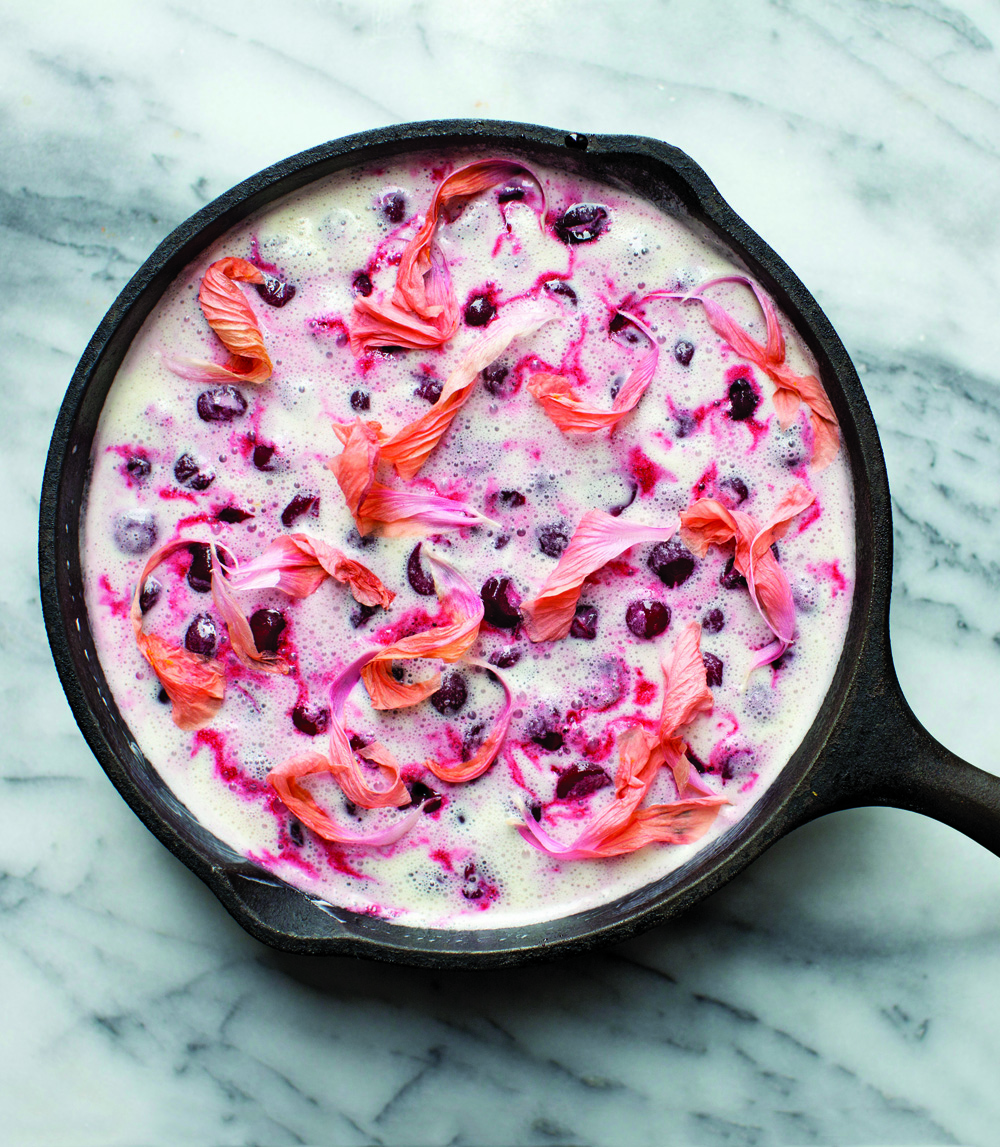
Hollyhock Clafouti

Hollyhock Clafouti, a cross between a custard, a pancake, and a puffy omelet. Uses 1 cup hollyhock petals.

I once had a big-time New York editor say to me: Why should I care about how flowers are grown, anyway? After all, we don’t eat them!

As a response to that challenge, I wish I had been able to pull out “Cooking with Flowers,” the most eye-satisfying book I’ve ever seen. It was created by Miche Bacher, an herbalist, chef, and founder of the custom confectionary studio Mali B Sweets.

To WIN a free copy of “Cooking with Flowers,” courtesy of Quirk Books, listen to to my interview with Miche and make a comment below about the best edible flower tip you learned. I will draw a winner at random on Tuesday, October 22nd at 5 p.m. Pacific.

I learned about this beautiful cookbook from Mari Malcolm, an editor at Amazon who absolutely loves “Cooking with Flowers.” Mari showed me the book’s beautiful cover on her phone screen during a lunch we had together this past spring.

I keep ordering this delectable book and then giving it away as a gift to my flower lover-friends. And now, it is my great pleasure to spend this episode of Slow Flowers in a floral-focused conversation with Miche.

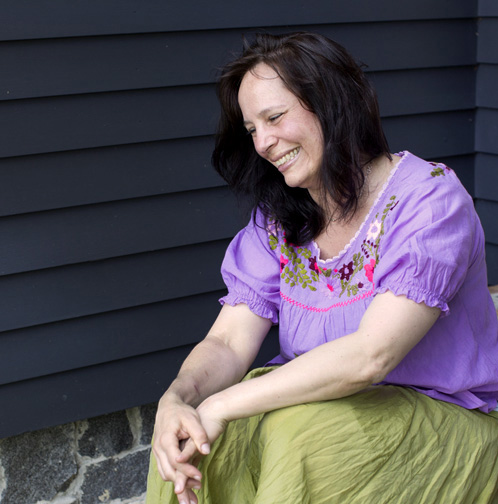
Miche Bacher

Miche Bacher, herbalist, chef, and founder of the custom confectionary studio Mali B Sweets.

In her introduction, Miche writes:

“Flowers add color, complexity, and what I like to call the magical ‘what’s in it’ factor to your food. They are full of nutrients and often offer health benefits, too. You don’t have to be a master gardener or a trained chef to cook with flowers – once you start looking, you’ll realize edible blossoms are all around you, and it really is a breeze to use them.”

She is definitely a chef whose work begins in the garden. Through “Cooking with Flowers,” I’ve gained new inspiration for another important reason to appreciate local flowers.

I know you will learn much from my conversation with Miche, as we discuss her favorite culinary ingredients, including the lowly dandelion.

Fresh and candied lilac flowers are the captivating ingredient in Miche's "Coconut Lilac Tapioca," a recipe in her book, "Cooking with Flowers" [photo: (c) Miana Jun, used with permission]

Fresh and candied lilac flowers are the captivating ingredient in Miche’s “Coconut Lilac Tapioca,” a recipe in her book, “Cooking with Flowers” [photo: (c) Miana Jun, used with permission]  


4 tablespoons of dianthus petals, coarsely chopped, infuse this delicious cake that also includes 2/3-cup rose' wine. Dianthus whipped cream and candied dianthus flowers are a perfect embellisment. [photo: (c) Miana Jun, used with permission]

4 tablespoons of dianthus petals, coarsely chopped, infuse this delicious cake that also includes 2/3-cup rose’ wine. Dianthus whipped cream and candied dianthus flowers are a perfect embellisment. [photo: (c) Miana Jun, used with permission] 


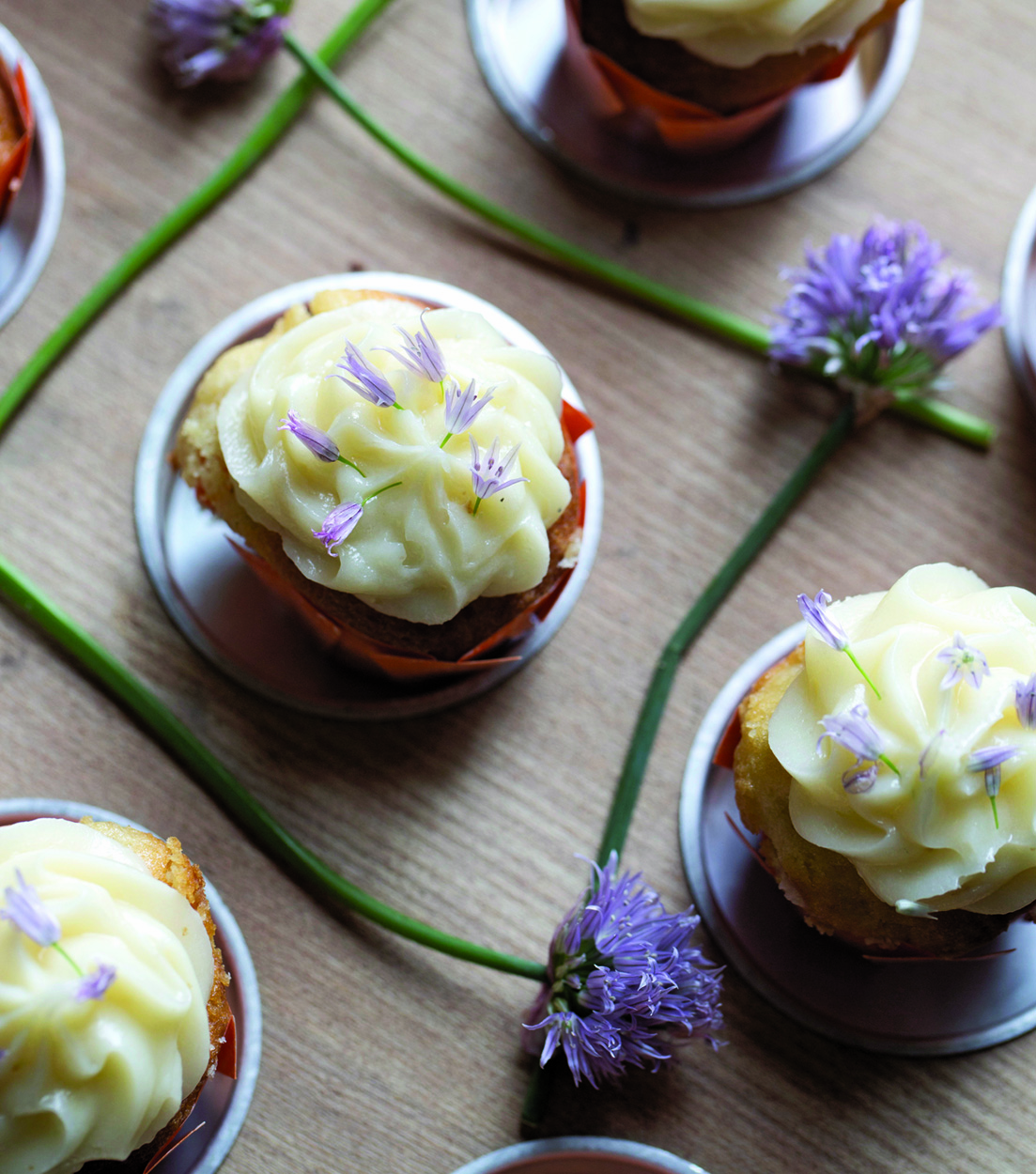
Popcorn chive cupcakes

Popcorn Chive Blossom Cupcakes, a floral play on sweet and savory.

Here are some links we discussed in the interview:

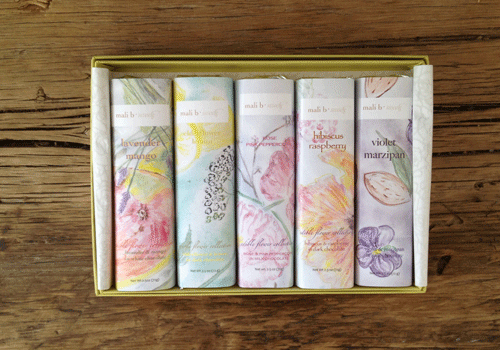
Mali B’s Edible Flower Chocolate Collection:

candy bars

Edible Flower chocolate collection from Mali B Sweets, $30 for the set.

Memorial Sloan-Kettering Cancer Center LINK to Herbs, Botanicals & Other Products: 

Click here for MORE about COOKING WITH FLOWERS, including exclusive recipes that Miche couldn’t fit into the book. You’ll also find bonus recipes for the medicinal and cosmetic use of flowers, salves, oils, and teas for healing; download recipe cards and read a Q&A with this talented woman. 


SLOW FLOWERS Podcast: Sarah Ryhanen of Saipua – a Brooklyn floral designer plants her own flower farm (Episode 110)

Wednesday, October 9th, 2013

CORRECTED AUDIO INCLUDED HERE~

Sarah Ryhanen of Saipua, is a Brooklyn floral designer who has planted her own flower farm (Episode 110)
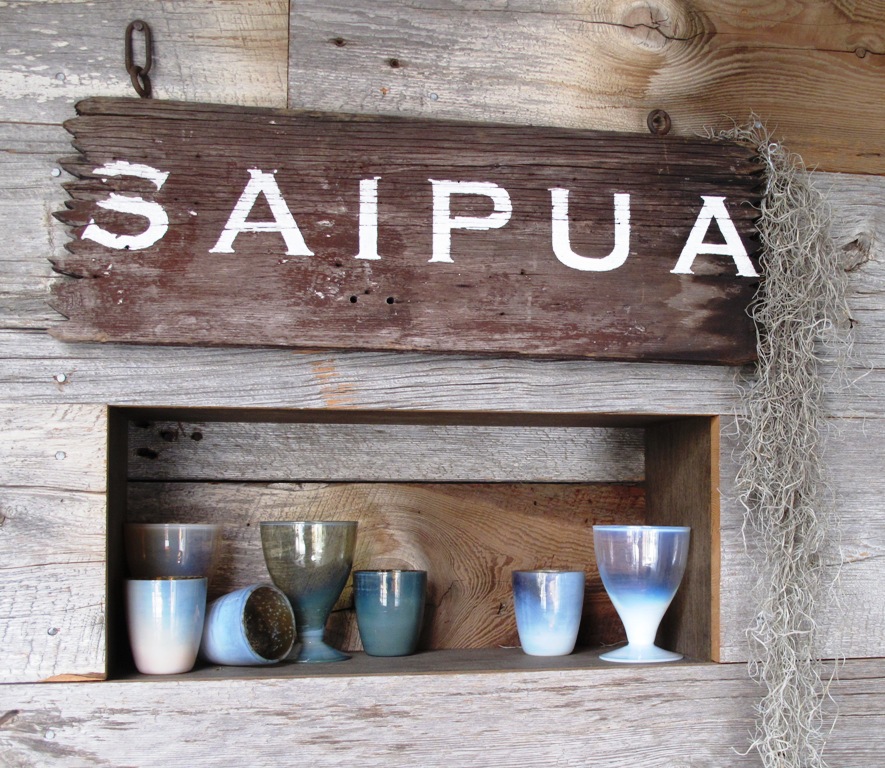
Saipua means "soap" in Finnish, reflecting Sarah's family heritage.

Saipua means “soap” in Finnish, reflecting Sarah’s family heritage.
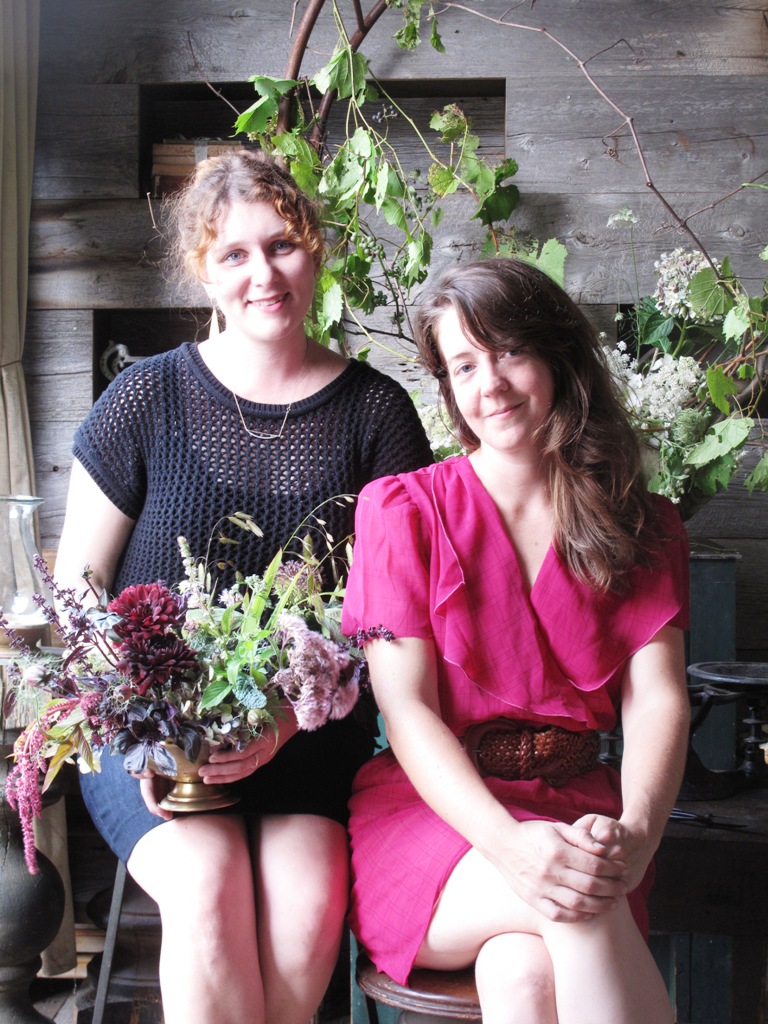
 

Nicolette and Sarah

Nicolette Owen (left) and Sarah Ryhanen (right), collaborators in The Little Flower School of Brooklyn.

I first learned about Sarah Ryhanen when I read an article about The Little Flower School of Brooklyn, a venture she had created with fellow floral designer Nicolette Owen of Nicolette Camille Floral. The article was in none other than the New York Times, in which the writer proclaimed the renaissance of old-fashioned floral design for modern-era crafters. 

Reading that article was like a huge floral flag being waved in front of my eyes.

Right on! The floral world I was so fascinated with documenting for The 50 Mile Bouquet was in good hands with these young, passionate, talented, urban designers. 
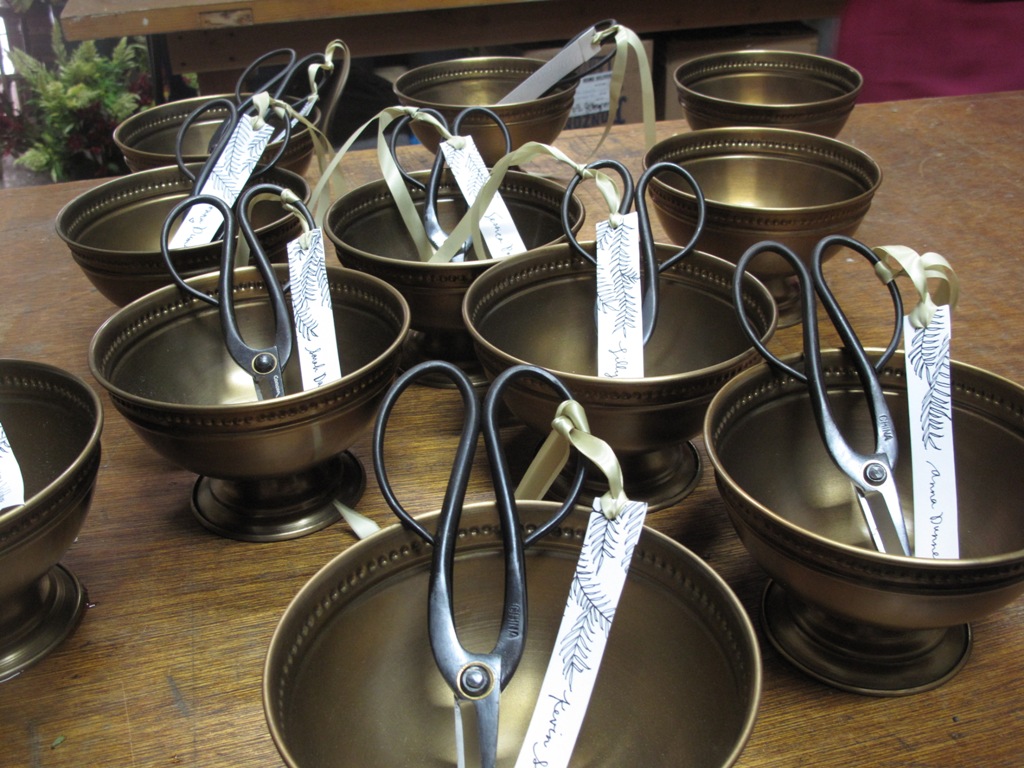
bowls and shears

All the supplies, beautiful, simple and ready for the flower arranging students at The Little Flower School of Brooklyn.

So like probably everyone else in the country, I started stalking Sarah through her web site and blog, and following Nicolette’s work through her web site and the lovely floral arrangements she created for Bringing Nature Home (Rizzoli, 2012), a book by photographer Ngoc Minh Ngo.
Welcome to Saipua

Welcome to Saipua + Flower School.

When I spent a few days in New York City last August, I contacted them to ask whether I could sit in on one of their workshops. The class was sold-out, of course, so I was just an observer. It was amazing to me that 12 persons (11 women and 1 man) gathered on a sweltering Saturday morning to create bowls of flowers in an un-airconditioned warehouse-studio in Brooklyn. There was so much excitement in the room, with a combination of newcomers and repeat students. People soaked up every word, concept and idea Sarah and Nicolette offered – and they were unabashedly proud of their own creations. 

Every detail was attended to in advance, as you can see by the photos I took that day. Sarah and Nicolette shared about their own design processes, about the way they select floral ingredients, and how they prefer to use materials like pin frogs and chicken wire (rather than foam). 
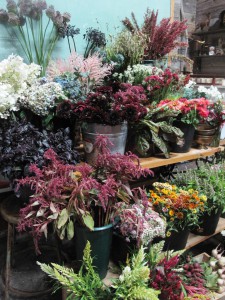
floral ingredients

Seasonal, locally-grown late summer flowers.

As the designs took shape, I had a bird’s eye view, perched in the tiny loft above the workshop. After students finished their arrangements, the women served them champagne and appetizers, like a fancy party. It’s no wonder these creative gatherings are so popular! It’s like going on an art retreat in the midst of your crazy, busy life. A moment in time that prompts anyone to feel more creative, more experimental, more artisitc.

When we met, one of the things Nicolette and Sarah and I discussed was the challenge of finding the flowers and botanicals they wanted and needed for special events, from weddings to workshops. Sarah told me that she and her partner Eric Famisan had recently purchased farmland in upstate New York, where they were in the early stages of planting a flower farm. 
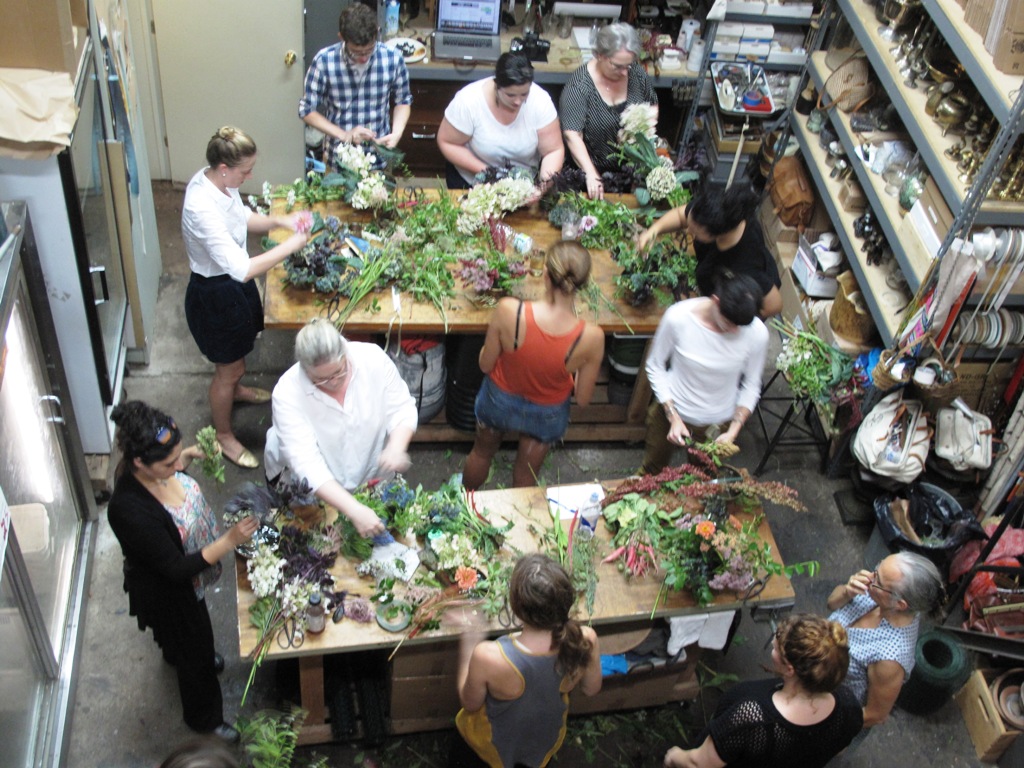
students at work

A creative explosion of floral expression – enjoy this bird’s eye view.
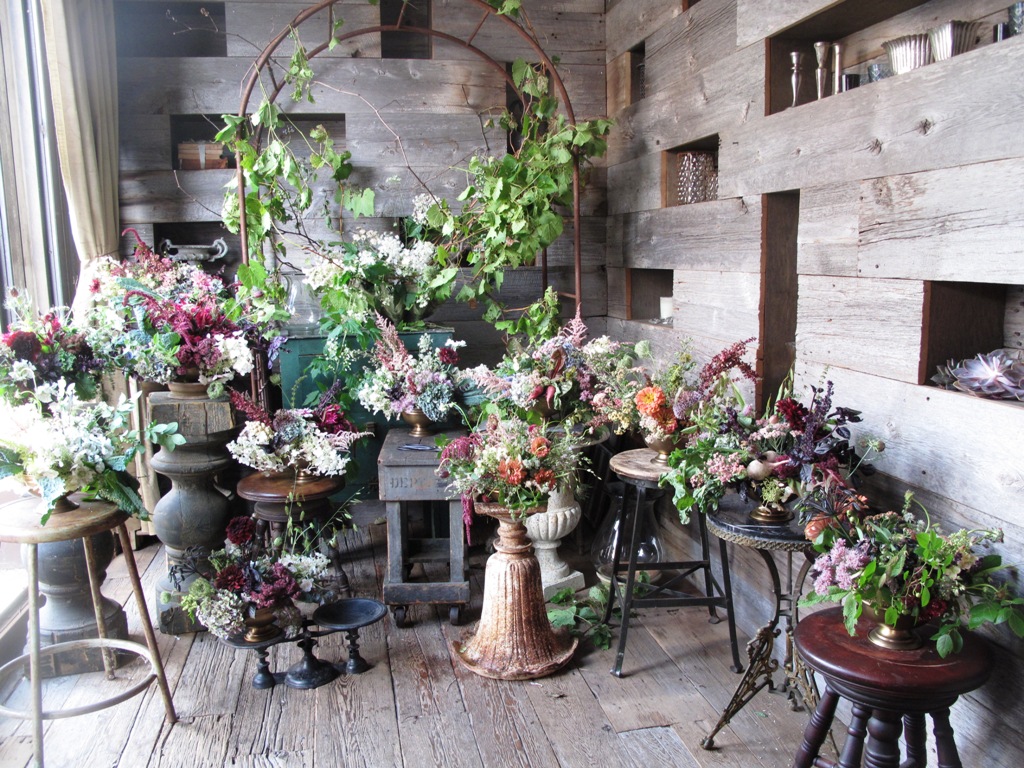
 

Final bouquets

A still-life of the beautiful arrangements created by students of The Little Flower School of Brooklyn, August 2012.

Since then, I’ve watched as The Farm at World’s End has evolved, through Sarah and Eric’s wonderfully-photographed blog and honest, heartfelt text. 

Under a heading called “The Idea,” here’s what Sarah writes:

When the economy took a dive in 2008 we started to see a major loss in the NYC flower market. Loss of interesting product. The unusual, weedy, wild stuff that I was so into and that made my work unique. The trouble was that wholesalers had to be safe – the floral industry is one of the first to feel the blow of a weak economy. So wholesalers on the flower block of 28th street stuck to what they knew would sell; your South American hot house roses, ranunculus, lilies, peonies. Here’s a perfect example  — pre 2008 you could buy Garden Valley Roses (fragile, exquisite but expensive heirloom roses) on the block. 

Around that time I was starting to explore other outlets for material. We found local farms to supplement our market purchases (River Garden, Lebak, Added Value), and also started ordering product direct from the west coast – the promised land of flowers. 

Still there was always something I could not locate. Auricula, campanula “pantaloons”, black hellebores, unusual bearded iris…at Saipua we now spend hours and hours searching for the highest quality, most unusual flowers. Visiting flower farms and talking to growers is the best part of my job. You meet these crazy, passionate people and let me tell you – it’s contagious. Eventually you got to try growing yourself. So here we are.

On the flower block back in the city, the guys joke – when are you going to start selling us flowers? I try to explain to them (and to everyone who has not yet been to Worlds End) that it’s a slow process. That we’re years away from producing the opulent abundance that people envision when they hear “Flower Farm”. But I’ve come to realize that it’s not about quantity. I’m not in the business of hustling anymore. None of our work at Saipua will ever require thousands of stems.  It will however require a brown iris. And by god, I’m going to grow it.

Fortunately for listeners of The Slow Flowers Podcast, I had a quick 36-hour layover in New York a few weeks ago, en route to my Italian writing retreat. It coincided with a late afternoon opportunity to sit at the kitchen table in Sarah’s Brooklyn apartment, just around the corner from Saipua’s studio. We talked about farming, flowers and collaboration. Please enjoy the conversation.
SLOW FLOWERS: Week 40

Sunday, October 6th, 2013

OLD WORLD MEETS NEW FLOWERS

Vintage green vase

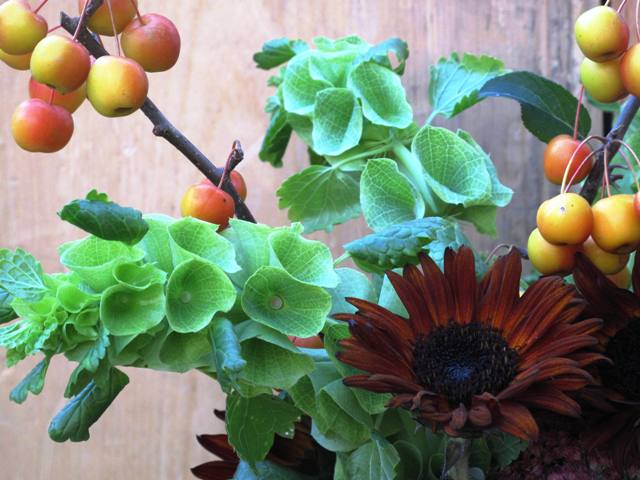
This evocative palette of green and dark maroon expresses complementary colors in a surprising new way.

Ingredients:
 
9 stems Sedum ‘Autumn Joy’, grown by J. Foss Garden Flowers
7 stems bells of Ireland (Moluccella laevis), grown by J. Foss Garden Flowers
7 stems chocolate sunflowers (Helianthus annuus ‘Moulin Rouge’), grown by J. Foss Garden Flowers
3 branches fruiting crab apple (Malus ‘Professor Sprenger’), harvested by Jello Mold Farm
 
Green Jar with flowers

Welcome~ the dramatic scale of my glass jar looks just right at the front door!

Vase:

13-inch tall x 9-inch diameter with 5½-inch opening, vintage Portuguese oil jar
 
Eco-technique
Botanical elements as flower frogs: I often start an arrangement using soft, fluffy foliage or dense flowers like the Sedum ‘Autumn Joy’ as the “base” that peeks out over the top of the rim. Once the stabilizing element is in place, all the other stems can be inserted through it and they will remain just where you want them. The foliage and flowers are integral to the overall composition and there’s no need for florist’s foam.


SLOW FLOWERS Podcast: Fun with Flowers and J Schwanke (Episode 109)

Wednesday, October 2nd, 2013

SLOW FLOWERS Podcast: Fun with Flowers and J Schwanke (Episode 109)

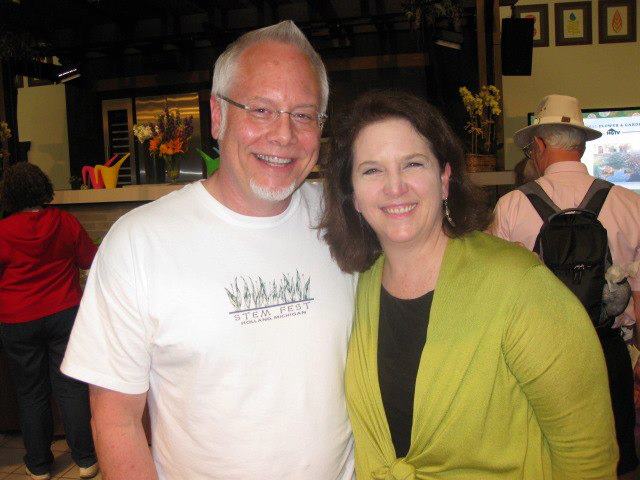
Debra and J Schwanke

I’ve been having fun running into American-grown flower advocate and floral industry personality J Schwanke. He was one of the friendly faces I enjoyed seeing in Miami earlier this year.

The name J Schwanke is synonymous with flowers and floral design and I’m pleased to introduce you to this energetic and super-talented guy. J is the owner and CEO of uBloom.com, a web site devoted to everything flowers – and the platform for J’s weekly web-based flower television show, “Fun with Flowers and J.”

J Schwanke

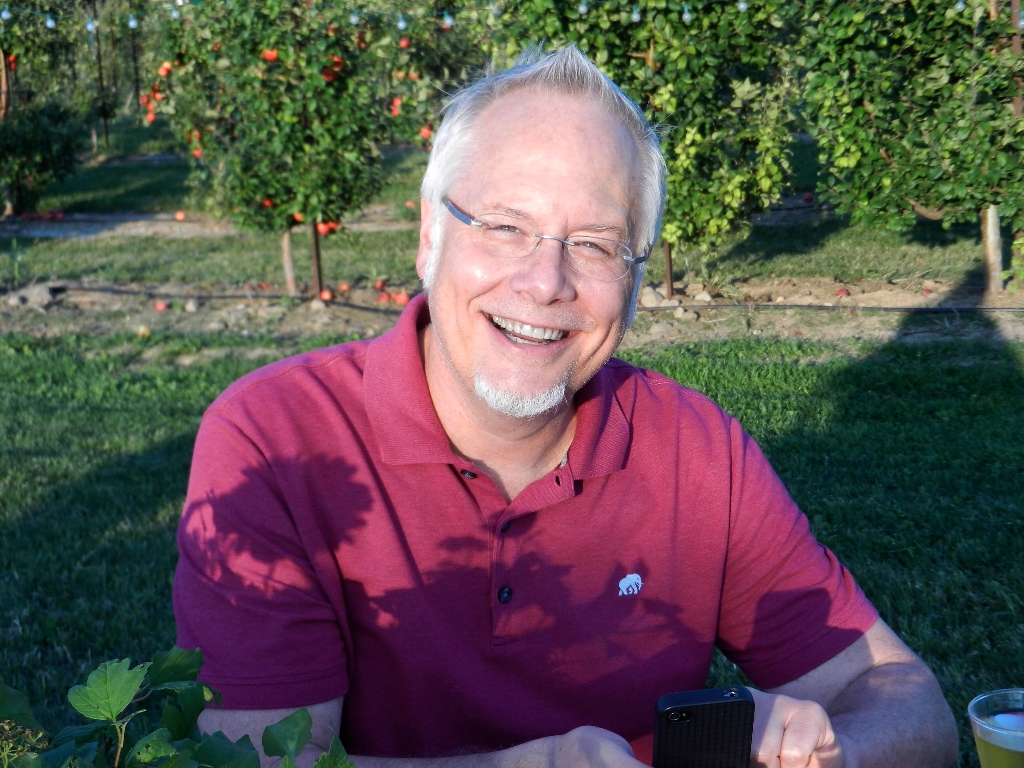
J Schwanke, photographed on a recent fall day after he created the centerpieces for a Farm-to-Table orchard dinner.

He has been promoting American Grown flowers for so much longer than I have – and I credit J for pioneering the message that I’ve also embraced as my personal cause. It’s wonderful to have someone out there already trumpeting the message – and to join together in promoting the Slow Flowers movement.

Since I come from the gardening and DIY floral world and J is very well known in the professional floral world, I didn’t really know who he was during the years I was reporting and writing The 50 Mile Bouquet book. I first met J on my computer screen when I watched one of his California Grown Experience videos, which he produced in 2010-2011 as a series of online tours of California flower farms and related businesses such a floral wholesalers. That’s when J’s telegenetic personality, passion for flowers, and ability to draw out people and their stories impressed me. “Who is this guy, anyway?” I thought.

Florida with J and Debra

Kelly Blank snapped this photo of J and me on the day we finally met – in late April – at Disney’s EPCOT flower show.

Through our mutual friend and colleague Kasey Cronquist, I eventually met J via phone conference calls in which we both participated.

Then, earlier this year, J and his partner Kelly James Blank surprised me by attending one of my presentations at EPCOT’s International Flower & Garden Festival in Orlando.

That was pretty serendipitious – and it led to an evening of conversation, cocktails and dinner together – talking about our favorite subject: Flowers (former Garden Design magazine editor Sarah Kinbar was also with us – and that was such a treat to be together!)

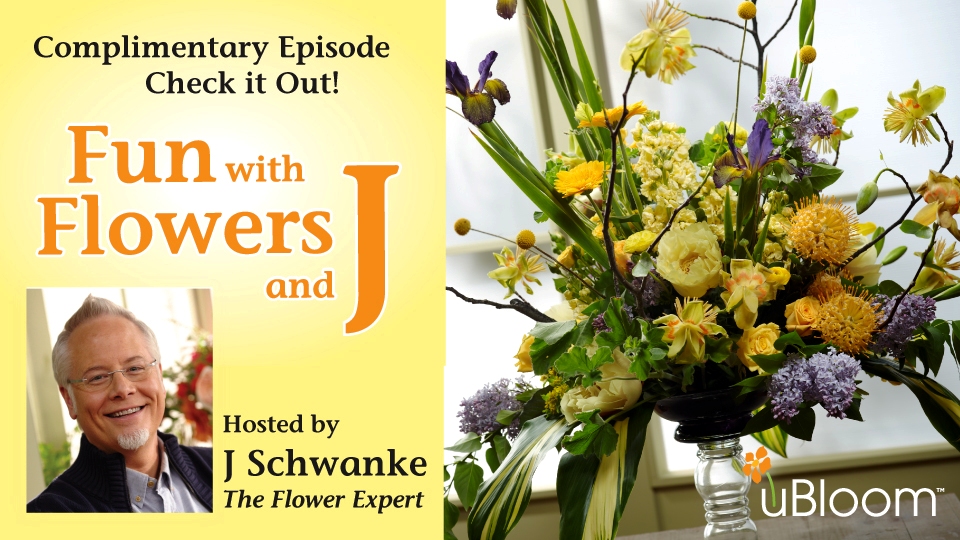
Fun with Flowers and J is the weekly how-to Web series you can find at uBloom.com

Fun with Flowers and J is the weekly how-to Web series you can find at uBloom.com

The California Grown Experience is featured on uBloom.com, the first Web-Based TV Show about Flowers, which J created in 2006 – and which continues to air today. Every Monday, J releases a new “FUN with Flowers” episode.  You can find a collection of more than 500 how-to videos and flower farm documentaries on the site, including a new series called the “Florida Fresh Flower and Foliage Tour.” Previews of all J’s shows are included free on the site; viewers can purchase downloads for $1-$2 or subscribe to uBloom for $30 a year to receive complete access to the entire archive. 

J with mom 1966

1966: J in a greenhouse with his mother. Pretty darned cute~

J has lived his entire life surrounded by flowers, in fact, his mother gave birth to him a flower convention she and his father were running. A fourth-generation florist and foremost expert in cut flowers and foliage, J received the prestigious Tommy Bright Award, lifetime achievement recognition for flower communication. and the Crystal Rose Award, denoting him a “Living Legend” in the world of flowers.

J is a member of the American Academy of Floriculture (AAF) and the American Institute of Flower Designers (AIFD). He is a Certified Flower Designer (CFD) and a designated Professional Flower Communicator International (PFCI). His deep source of energy has sent J around the globe to give presentations, demonstrations and hands-on workshops in all 50 States, Canada, Mexico, and throughout Europe.

I invite you to listen in on our conversation and meet J, too. Then, mosey on over to uBloom.com to learn about all of its features, sign up for J’s free newsletter and learn more about the extensive content offered there. 

One of J’s newest ventures, which we discuss on the podcast, is the Professional Resource Guide. This is a free directory that lets professionals and DIY floral designers find WHERE TO BUY the many products and supplies featured on uBloom.com. Here is the link to that excellent new resource. 


SLOW FLOWERS: Week 39

Sunday, September 29th, 2013
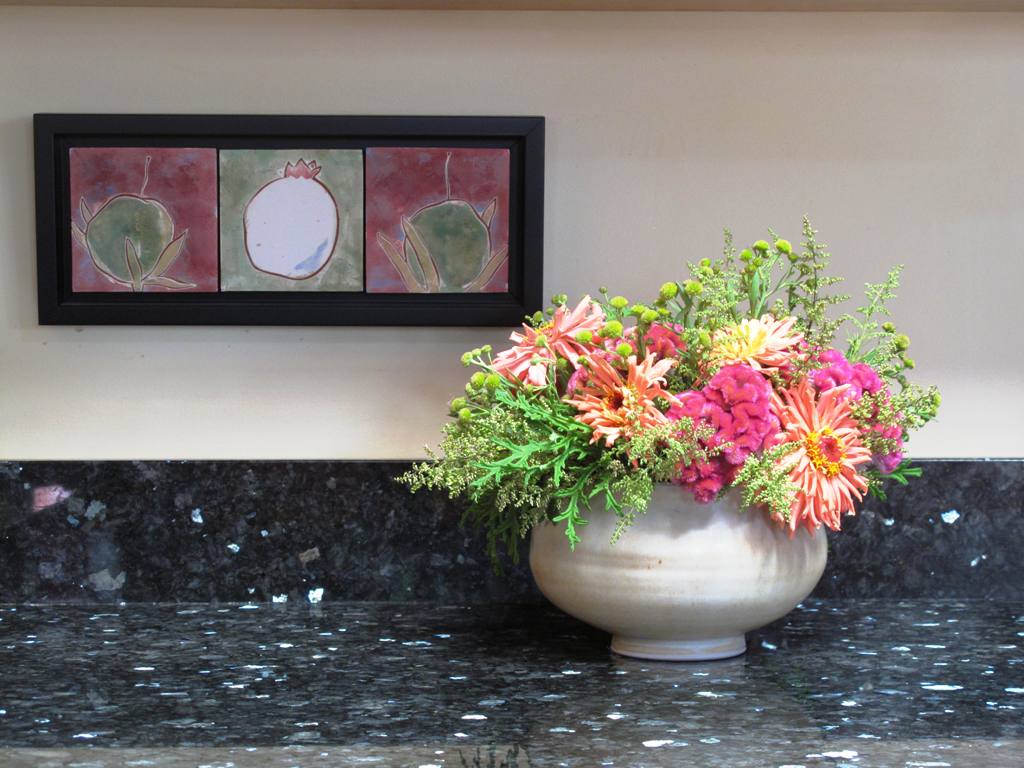
Bowl on kitchen counter

I placed my beautiful bowl of zinnias on the kitchen counter, in front of a botanically-inspired tile triptych by artist Paula Gill of Red Step Studio

Ingredients:
 
5 stems fancy-leaf scented geranium (Pelargonium crispum), grown by Charles Little & Co.
7 stems Boltonia asteroides, a small daisy-like perennial, grown by Charles Little & Co.
7 stems Artemisia capillaris, a woody perennial, grown by Charles Little & Co.
6 stems pink crested cockscomb (Celosia cristata), grown by Charles Little & Co.
9 stems apricot cactus zinnias (Zinnia elegans ‘Pinca’), grown by J. Foss Garden Flowers
 
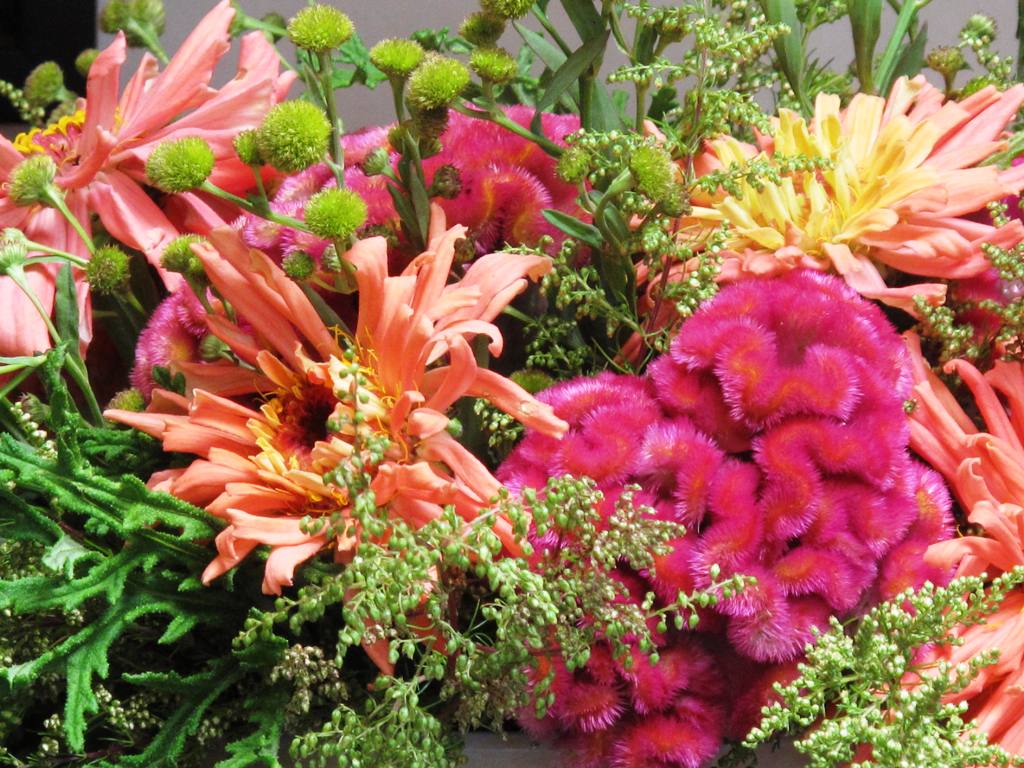
Great details add texture and interest!

Great details add texture and interest!

Vase:

4½-inch tall x 6¼-inch diameter hand-thrown clay bowl
 
Design 101
The power of green: The difference between one arrangement being just pretty and another being completely arresting is often not the flowers but the foliage. You see here that three similar-toned green elements are woven  together as a textured and verdant tapestry.
 
They are definitely the supporting actors to the zinnia and cockscomb divas, but they help this bouquet sing. Whenever you can use unexpected greenery, your design will take on a similar star quality. Often, these elements come straight from the garden – growing right under our noses.


SLOW FLOWERS Podcast: Farmgirl Flowers & Christina Stembel (Episode 108)

Wednesday, September 25th, 2013

SLOW FLOWERS Podcast: Farmgirl Flowers & Christina Stembel (Episode 108)

Christina and Debra

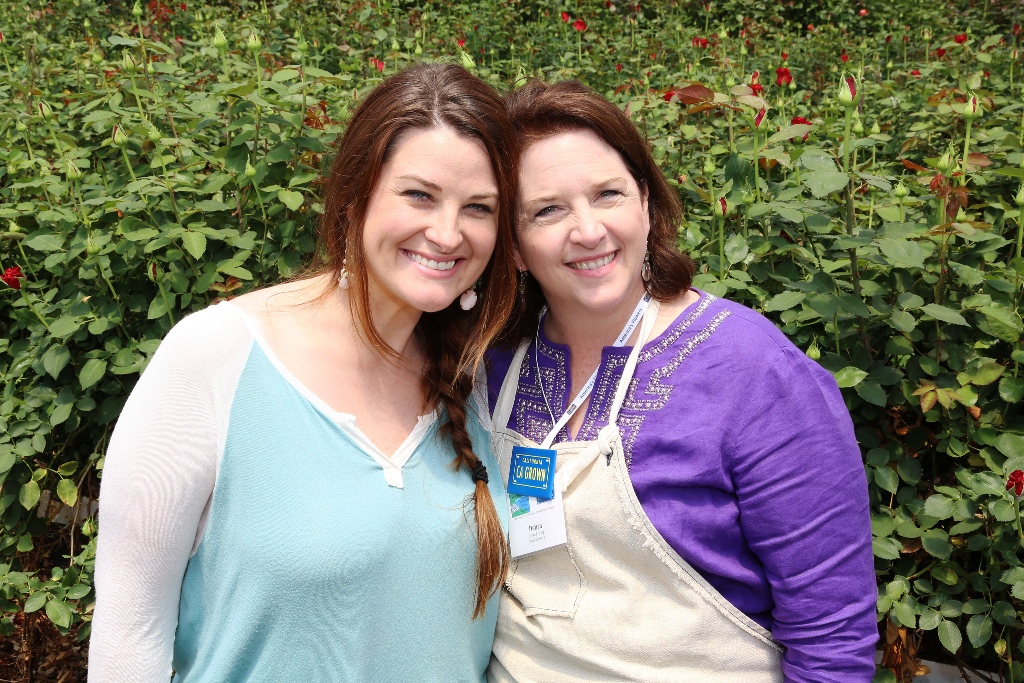
Christina Stembel and I were guests of the California Cut Flower Commission’s Monterey Bay event in June. We were photographed on a tour of Pajarosa Roses, a wonderful source for cut roses.

If the term “imitation is the highest form of flattery,” then my friend Christina Stembel has been over-flattered, multiple times.

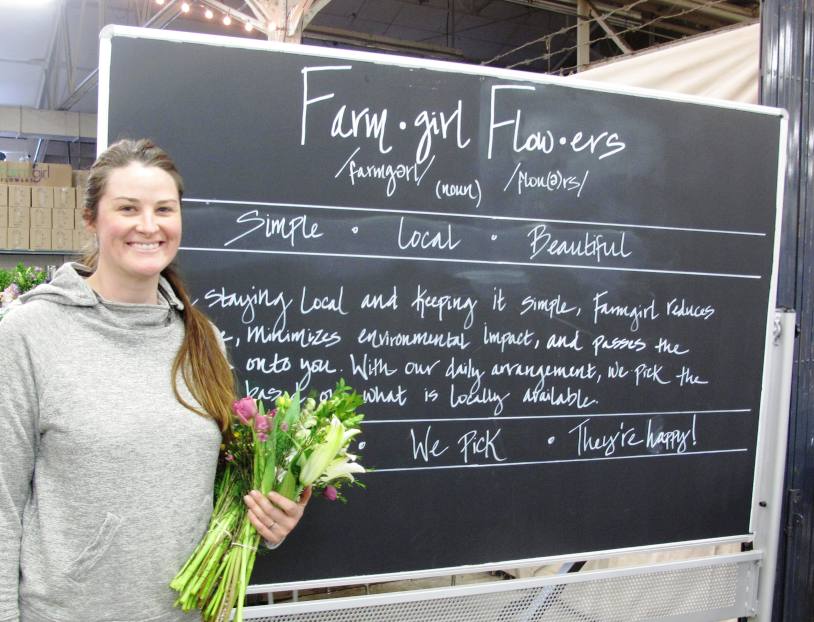
Christina Portrait

Meet Christina Stembel at her SF Flower Mart stall, which is where all the beauty happens!

The creator of Farmgirl Flowers in San Francisco, Christina has poured considerable heart, soul and personal resources into developing her innovative floral design business. Customers and the media have responded enthusiastically (see Martha Stewart Living). And her reward in part has been the explosion of copycat businesses, not just in the Bay Area but in other major cities around the country.

That’s the downside of being a successful and creative business like Farmgirl Flowers. But  to me, the upside for Christina is that no one can imitate her personality or character. People can try, but they never will be the original.

Christina is an original. She shares her story in our interview, but you can read a little background here:

I’m Christina, also known as the farm girl behind Farmgirl Flowers. I grew up on a farm in Northern Indiana, and while I set my sights on leaving the farm for big dreams in New York City, I now appreciate more than ever my farm upbringing. Ten years ago, after moving around a bit, I settled in the Bay Area and, like so many others, decided to make it home.

In the past, ahem, years, I’ve had the privilege of working in many industries, mostly in hospitality and event planning. Pretty quickly, I noticed an exorbitant amount of money was spent on flowers. So, I started doing my own arrangements and realized tremendous savings along the way. Now, being the overly curious individual that I am, I wanted to know just why do flowers cost so much?

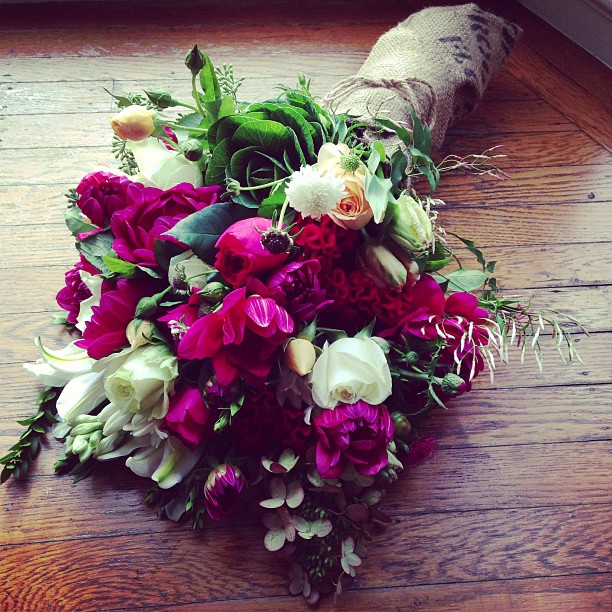
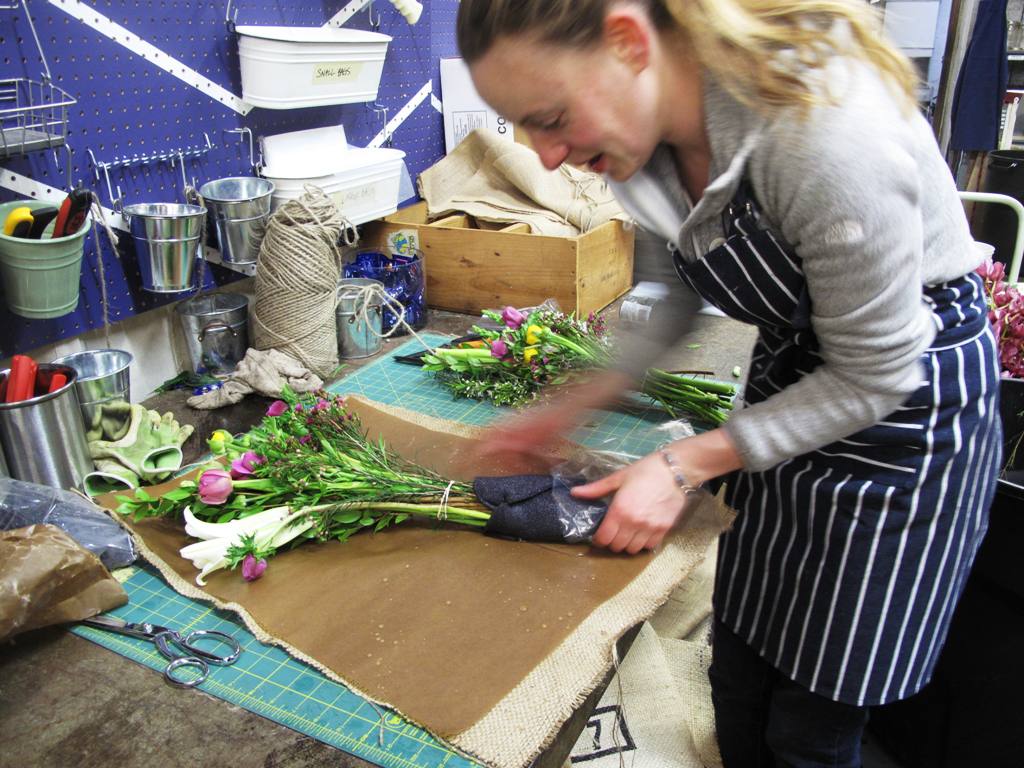
Burlap Wrapped Bouquet

Here’s one of Farmgirl Flowers popular Trademarked Burlap Wrapped Bouquets – using all local, CA Grown Flowers. Sublime~

I started researching the reasons and came to some pretty startling conclusions. The flower industry has gone through a very tumultuous time in the past 20 years, and is pretty much in the same boat as the industries that numerous documentaries have been made about in recent years (ie: textiles, coffee, technology, etc). What used to be a big domestic business is now being whittled away due to imports. I had no idea that 75% of our flowers were being shipped in from other countries. It just didn’t make sense to me when over 75% of the domestic supply is grown right here in California. I don’t want to bore you with more stats – hopefully you see where this is headed.

The bottom line is that local farmers are going out of business left and right because they can’t compete with the prices of flowers imported from South America and other countries. And, normal people like me can’t afford to send flowers to friends and loved ones because it ends up costing an absurd amount of money. Not to mention all of the environmental damage caused by flying flowers across the globe – they have to be shipped in chemicals just to make it to your door.

And, another huge source of waste is having so many choices of flower arrangements. As a result of this approach, a huge percentage of flowers end up as waste, and are never even sold! We’re making our landfills so beautiful, but, really, isn’t there a better way?

I thought so, and devised a plan to fix the problems that have caused the inflated prices and high environmental impact, which is how Farmgirl Flowers was born!

What’s that saying about being able to take the girl out of the country, but not the country out of the girl?

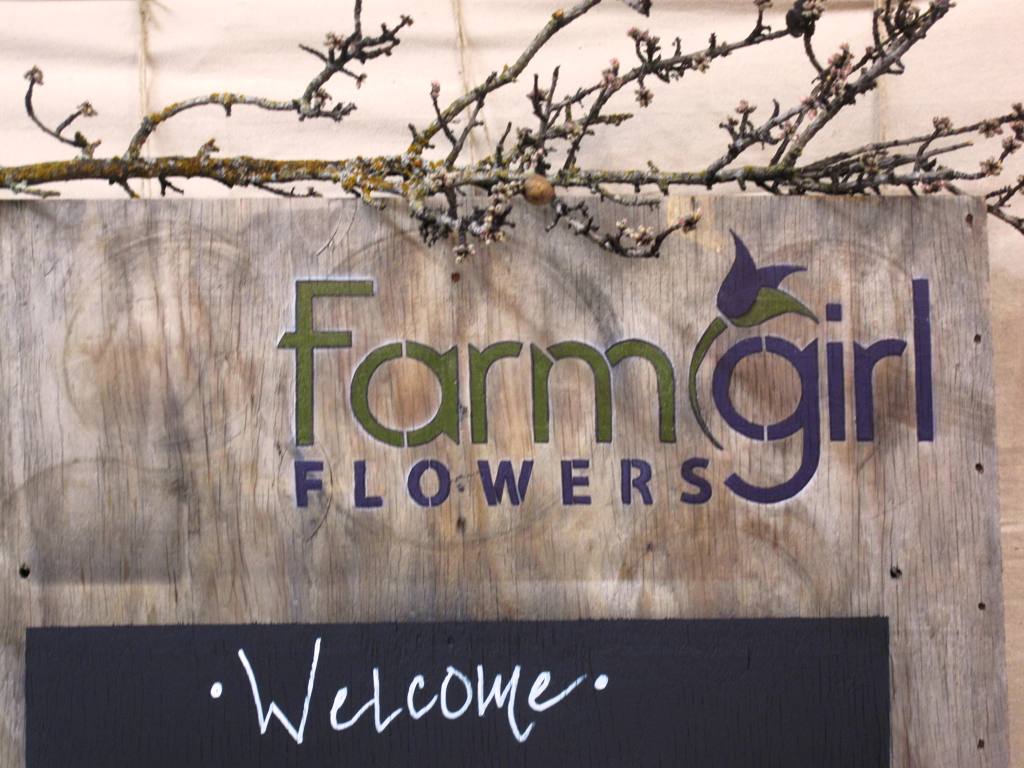
Farmgirl Sign

There’s a charming vibe at Farmgirl Flowers, down to the logo and signage. 


Making Bouquets

One of the designers who works for Farmgirl Flowers wraps a bouquet at the studio.

Click on the “Why we’re different” page at Farmgirl Flowers where you will see a chart comparing the LOCAL bouquets Christina and her staff design with wire services, aka “the competition.” It’s amazing when you look at these very different business models side-by-side.

Here’s a link to the Podcast Episode 101, in which Christina Stembel of Farmgirl Flowers and I joined Sunset Magazine’s Kathy Brenzel to discuss the Local Flower Movement. 

The Slow Flowers Podcast with Debra Prinzing is edited and engineered by the very talented Hannah Holtgeerts of HH Creates. Check out her web site here. 

SLOW FLOWERS: Week 38

Sunday, September 22nd, 2013

RHYTHM IN GLASS

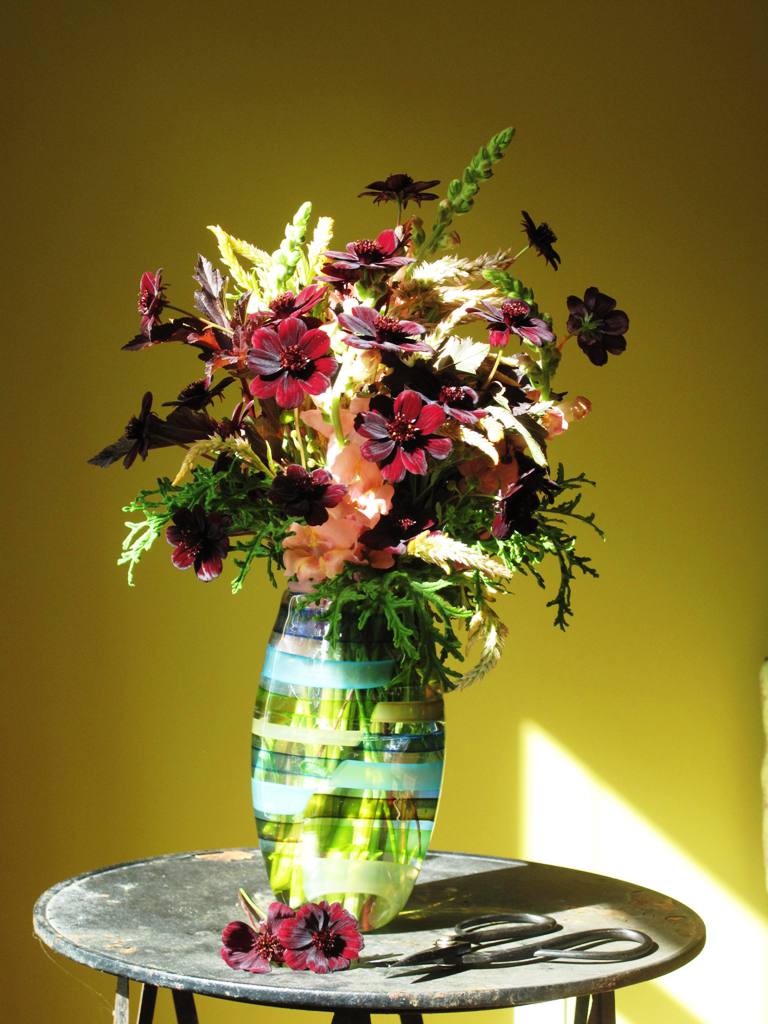
Rhythm in Glass

Chocolate cosmos blooms look fabulous in this art glass vase by Tracy Glover.

Ingredients:

7 stems fancy-leaf scented geranium (Pelargonium crispum), grown by Charles Little & Co.
3 stems pale apricot snapdragons (Antirrhinum majus), grown by Everyday Flowers
7 stems (tips only) light peach cockscomb (Celosia plumosa), grown by Charles Little & Co.
15 stems chocolate cosmos (Cosmos atrosanguineus), grown by Marigold and Mint
 
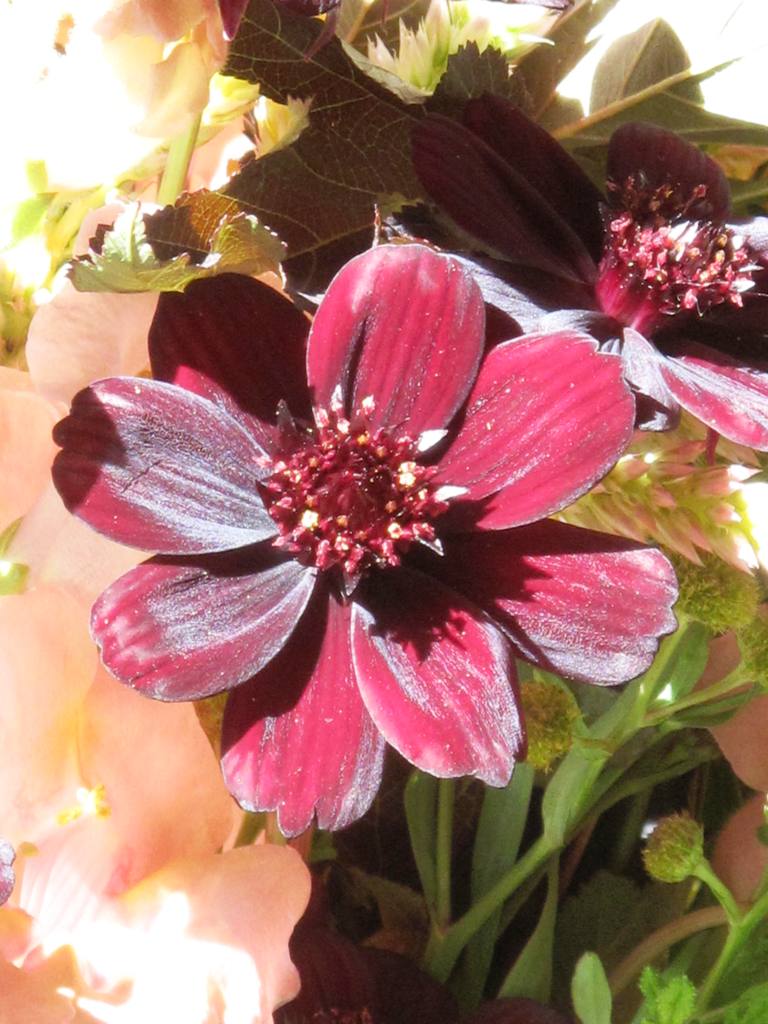
Chocolate Cosmos

Chocolate cosmos, grown by Katherine Anderson of Margold & Mint.

Vase:

 
8-inch tall x 4-inch diameter hand-blown art glass vase, designed by Tracy Glover
 
Design 101
Dark and light: When you place lighter or brighter flowers around darker floral elements, the viewer’s attention is drawn to the distinct details of both. Here, the chocolate cosmos looks even better because it is displayed next to lighter-hued companion flowers: pale apricot snapdragons.


#Friendlyflowers with Kathleen Williford & Debra Prinzing

Tuesday, September 10th, 2013

Maybe we’re onto something here!

vase from Kathleen to Debra

Here’s the vase I received in the mail, which Kathleen Williford found online.

It all started just before Labor Day weekend on August 30th, when my friend Kathleen Williford, special events manager for the Monterey Bay Greenhouse Growers event, texted to tell me she had fractured the bottom of her fibula. “My ankle will not stop me,” she texted. But still, for a very active person, Kathleen felt sidelined. And I could tell she was discouraged.

“We should come up with a joint project,” I texted back. “How about a $10 challenge to find the perfect vintage vase online?”

“OK, you are on!,” she typed. “So we find the vase online, flowers local, $10 max.”

September 5th:

“A beautiful vase arrived today,” Kathleen texted. “I LOVE it!” I had sent her a vintage olive-green glass pedestal vase, just like one I own (and LOVE). Kathleen admitted to not really having much experience arranging in pedestal vases, however, she also admitted to being a sucker for colored glass anything.

September 6th:

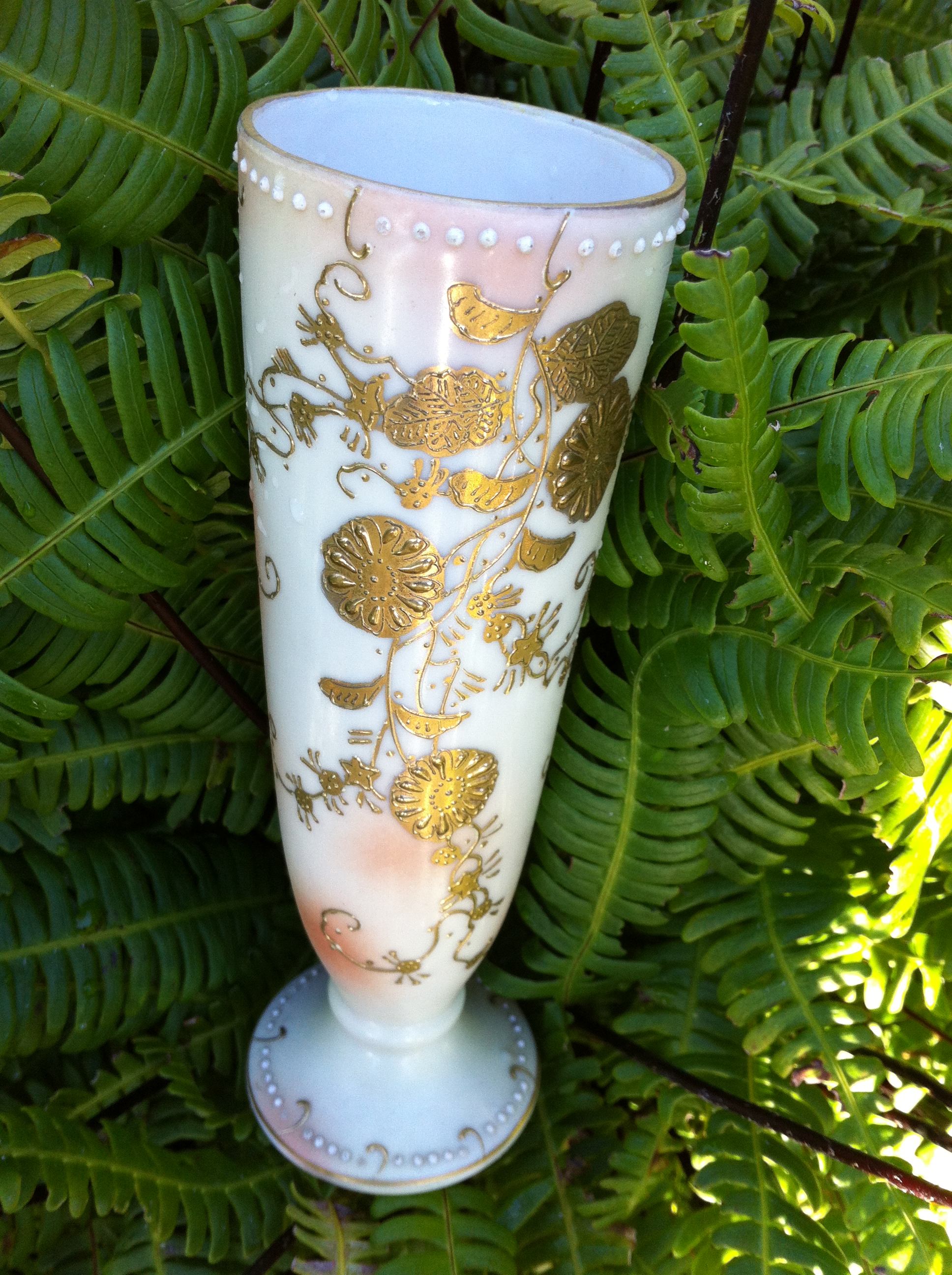
“Just arrived! So lovely!,” I texted when the vase Kathleen ordered for me arrived. The slender porcelain vessel was embellished with a gold filigree design. And it had this imprint on the base: “Made in occupied Japan,” which I think means it was manufactured during the American occupation of Japan after World War II, from 1947 to 1952.

Yesterday we both posted our respective vases on Facebook, Twitter and Instagram, letting people know about the #friendlyflowers challenge. One of my friends saw the photo of the vase Kathleen sent me and she commented: “It’s so gypsy euro retro-ish!” — love that description.

Today, September 10th, Kathleen and I posted our designs. Here is mine:

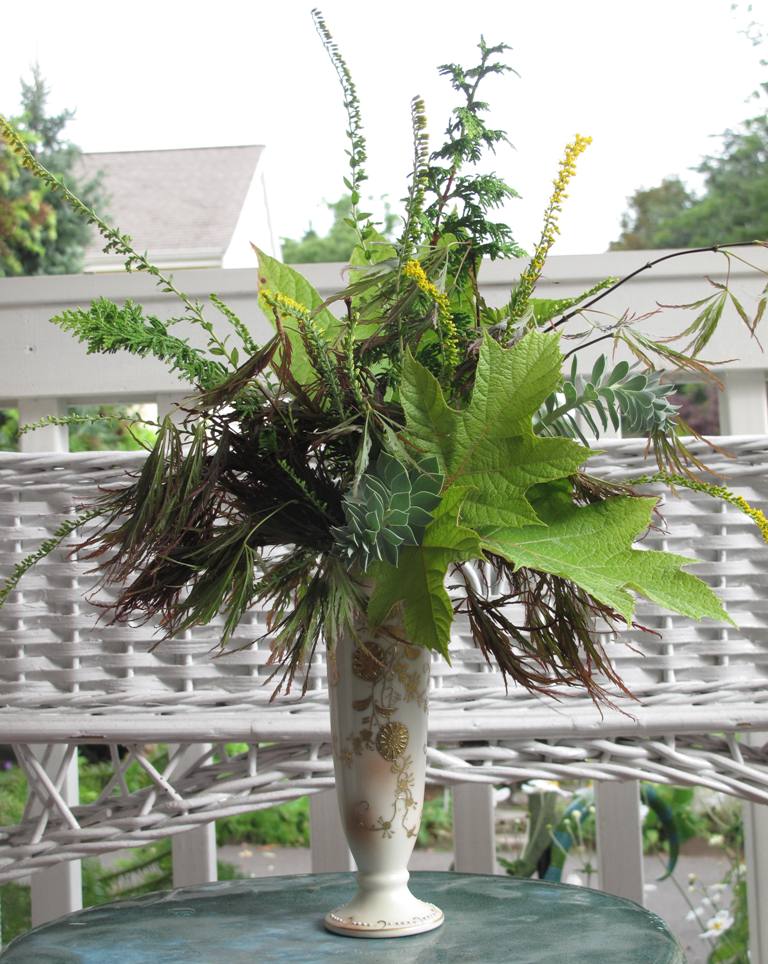
Friendly Flowers 1.0

A truly local bouquet using all foliage from my garden and my neighbor’s garden. In a very special #friendlyflowers vase

Ingredients include all the goodies I was able to glean while gardening this week:

  • Burgundy Japanese maple foliage, deeply cut. This is a weeping form tree, so you can see how nicely those fringed leaves drape
  • Goldenrod (Solidago rugosa ‘Fireworks’), from my neighbor Colleen. Actually, it’s a flower, not foliage. But I tried to get the greenest stems still in bud
  • False Hinoki cypress – one spray from a container plant (Chamaecyparis obtusa, unknown cultivar)
  • Euphorbia myrsinites (Donkey tail euphorbia)
  • Lime-green leaves from the oakleaf hydrangea (Hydrangea quercifolia), also in Colleen’s garden

Here’s the vase I sent Kathleen:

Green glass vase with beautiful square pedestal. Flowers: TO COME!~

See her finished bouquet at Kathleen’s Facebook page, Twitter (@kathinated) or Instagram (caflwrpower)

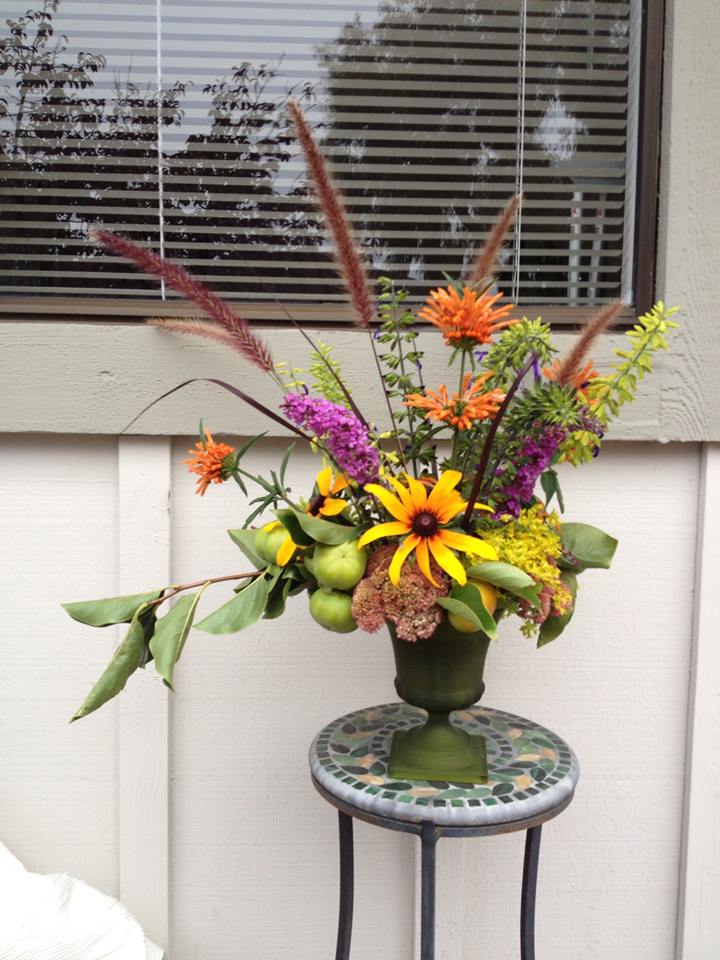
Here’s the bouquet from Kathleen, using flowers from her parents’ garden:

Kathleen used persimmons, sedum, grasses, assorted salvia, butterfly bush blossoms, and lions beard. Stunning~

Kathleen used persimmons, sedum, grasses, assorted salvia, butterfly bush blossoms, and lions beard. Stunning~

If you like this idea, we encourage you to start your own #friendlyflowers challenge. The rules are easy:

1. $10 maximum vase budget

2. Send a vase to your friend and have him/her do the same for you

3. Fill it with #americangrown #slowflowers – all local

4. Post and share to inspire other friendly flower lovers!