The Slow Flowers Podcast is the award-winning show known as the “Voice of the Slow Flowers Movement.” Launched in 2013 as the original flower podcast, we’ve devoted more than 10 years to covering the business of flower farming, floral design, and the Slow Flowers sustainability ethos. Listen to a new episode each Wednesday, available for free download here at slowflowerspodcast.com or on iTunes, Spotify, and other podcast platforms.
My conversation with today’s guests is helping me to turn my gaze to spring 2021, with a new version of the Fleurvana Online Summit, a multi-day online floral conference that Shawn Michael Foley and Gina Thresher debuted in August of 2020. I’ll tell you more about them before we jump to the full episode, but first, the headlines:
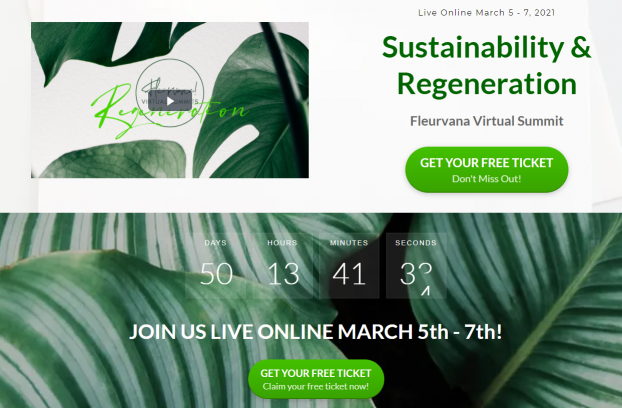
This is the third Fleurvana conference and the theme is “Regeneration and Sustainability,” entirely fitting for a new year and a new season of growth. Fleurvana is dedicated to producing easy-to-obtain education in floral design, business, marketing and other creative topics. Launched with a mission to help fellow florists and designers during the COVID-19 Global Pandemic in 2020, Fleurvana continues to share a virtual beacon of hope for this profession. And moving into 2021, the series continues with a goal of regeneration, rebuilding and sharing inspiration with others — connected through a mutual love of flowers.
With more than 20 presentations from leaders in the floral industry and related fields, the upcoming Fleurvana takes place online, March 5-7. Read on to learn how you can sign up for a FREE registration ticket and enter our book giveaway!
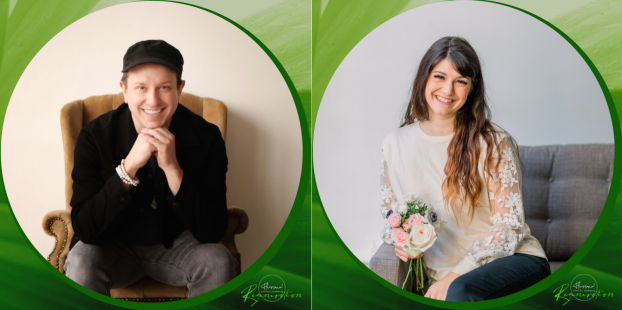
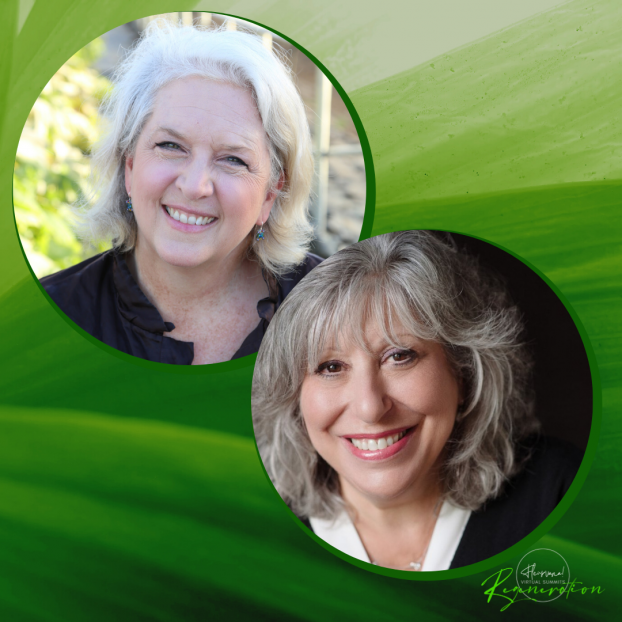
Shawn Michael Foley (left) and Gina Thresher (right)
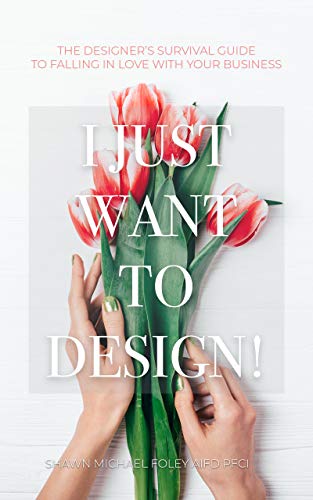
Here’s a bit more about Shawn and Gina: Shawn Michael Foley is a floral artist, life coach, photographer, and transformational author who helps designers and creatives navigate through their career and personal roadblocks. Shawn has been in the floral industry for over fourteen years, and his floral art is internationally recognized and published. He has worked heavily in the wedding and event industry and has designed and worked on hundreds of weddings.
Shawn is an accredited member of AIFD and PFCI. He is well known for his Human Form Project, an anthology showcasing unique and sensual floral designs enhancing the natural beauty of the human body. He was also selected as one of the 2016 Mayesh Design Stars. He has presented, showcased and taught on both national and international platforms to the design community including State Associations, The Philadelphia International Flower Show, AIFD National Symposium and his own high-level workshops.
By fusing his floral design background and his Reiki Master Teacher training, Shawn created his coaching platform the Artistic Journey, which guides creative minds to re-fall in love with their art and their business. He now lives in Fort Worth, TX, where his design and coaching practice is based.
Shawn is joined by Gina Thresher of From the Ground Up Floral. She’s a returning guest of this Podcast, and a Slow Flowers member who is accredited by AIFD and EMC, European Masters Certification. Gina co-created Fleurvana with Shawn and has collaborated on the development and curriculum of the conference series, as well as presented at each of them.
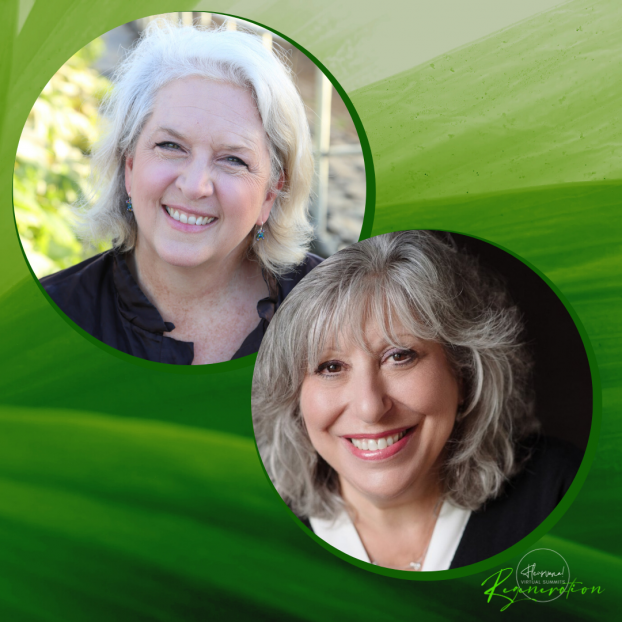
The Journey from Blog to Book: with Debra Prinzing (left) and Robin Avni (right)
I credit Gina for inviting me to join Fleurvana as an instructor and Regeneration will be my third appearance in this unique educational format. As I mentioned, I’m super excited for you to join the course Robin Avni and I are co-presenting: The Journey From Blog to Book.
BLOOM Imprint is the floral book publishing arm of Slow Flowers!
The course is designed for every creative person we’ve met who dreams of sharing their art, craftsmanship and aesthetic in a book. As a tangible “artifact,” there is amazing social validation that comes with having a book about your work. A book can narrate your story, teach your concepts and document your work. We believe successful books are driven by a Passion that answers the following: What are you compelled to share? What do you have to offer that will make the world a better place? What is your unique point of view? This course will introduce you to the basic checklist to guide you through our book development idea process and cover our Visual & Verbal Storytelling philosophy at BLOOM Imprint.
We will run that promotion through Sunday, February 28th and announce the winners on March 3rd, right before the next Fleurvana Virtual Summit begins.
And as Shawn and Gina discussed, you can attend Fleurvana LIVE for free if you register via the course ticket link in my show notes. Those free sessions are open only for a small window each day of the conference, so if you think you want to enjoy at your leisure, you can purchase the VIP bundle for a modest amount. That gives you all-access to the 20+ presentations but an invitation to an exclusive Q&A roundtable with instructors each day, March 5-7. I hope to see you there!
Last week, we hosted Sean and Allison McManus of Spoken Garden and authors of The First-Time Gardener: Growing Plants and Flowers. We invited listeners to share their comments following the show notes at debraprinzing.com for episode 492 and all those who took the time to comment were entered into a drawing for a giveaway of The First Time Gardener. We had a random drawing of names and our winner is: Leigh James, who wrote this: “I wish I had known about propagation earlier. I could’ve had so many more plants by now.”
Ah, so true, Leigh! Thanks to Quarto Books for the donation and we’ll get your address to them this week!
Thank you to our Sponsors!
This podcast is brought to you by Slowflowers.com, the free, online directory to more than 830 florists, shops, and studios who design with local, seasonal and sustainable flowers and to the farms that grow those blooms. It’s the conscious choice for buying and sending flowers.
And thank you to our lead sponsor for 2021, Farmgirl Flowers. Farmgirl Flowers delivers iconic burlap-wrapped bouquets and lush, abundant arrangements to customers across the U.S., supporting more than 20 U.S. flower farms by purchasing more than $9 million dollars of U.S.-grown fresh and seasonal flowers and foliage annually, and providing competitive salaries and benefits to 240 team members based in Watsonville, California and Miami, Florida. Discover more at farmgirlflowers.com.
For each Podcast episode this year, we will also thank three of our Major Sponsors:
Mayesh Wholesale Florist. Family-owned since 1978, Mayesh is the premier wedding and event supplier in the U.S. and we’re thrilled to partner with Mayesh to promote local and domestic flowers, which they source from farms large and small around the U.S. Learn more at mayesh.com.
The Gardener’s Workshop, which offers a full curriculum of online education for flower farmers and farmer-florists. Online education is more important this year than ever, and you’ll want to check out the course offerings at thegardenersworkshop.com.
Association of Specialty Cut Flower Growers. Formed in 1988, ASCFG was created to educate, unite, and support commercial cut flower growers. It mission is to help growers produce high-quality floral material, and to foster and promote the local availability of that product. Learn more at ascfg.org.
Thanks so much for joining us today! The Slow Flowers Podcast has been downloaded more than 691,000 times by listeners like you. Thank you for listening, commenting and sharing – it means so much. As our movement gains more supporters and more passionate participants who believe in the importance of our domestic cut flower industry, the momentum is contagious. I know you feel it, too.
I value your support and invite you to show your thanks to support Slow Flowers’ ongoing advocacy, education and outreach activities. You can find the donate button in the column to the right at debraprinzing.com
The content and opinions expressed here are either mine alone or those of my guests alone, independent of any podcast sponsor or other person, company or organization.
The Slow Flowers Podcast is engineered and edited by Andrew Brenlan. Learn more about his work at soundbodymovement.com.
Music Credits:
Daymaze; Highride; Vienna Beat; Turning On the Lights; Gaenaby Blue Dot Sessions http://www.sessions.blue
GIVEAWAY Details Below — Share a Comment and Your Name Will Be Added to the Drawing for The First-Time Gardener: Growing Plants and Flowers
I don’t know about you, but I’ve got spring gardening on my mind! The hellebores are already blooming; the daffodil bulbs are pushing out of the soil an inch or so. I can even see the tiniest bump of my peonies’ deep maroon tips at the crown of each plant. So, sure we’re still 39 days until spring arrives, but who’s going to let the calendar hold us back, right?
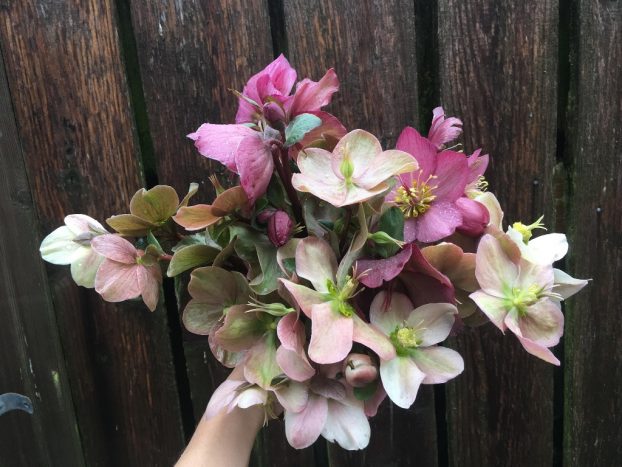
A major spring ritual for me has always been participation in local and national garden and flower festivals. Sadly, this year, the closest thing to an indoor spring garden show is going to be over Zoom. Gain inspiration from the replay video of our February 5th Slow Flowers Member Virtual Meet-up, featuring two of our members who are major hellebore experts.
Thank you to Pam Youngsman of Poppy Starts Inc. and Riz Reyes of RHR Horticulture for a fantastic presentation. They share volumes about what to grow, how to grow, how and when to harvest and how to design with hellebores.
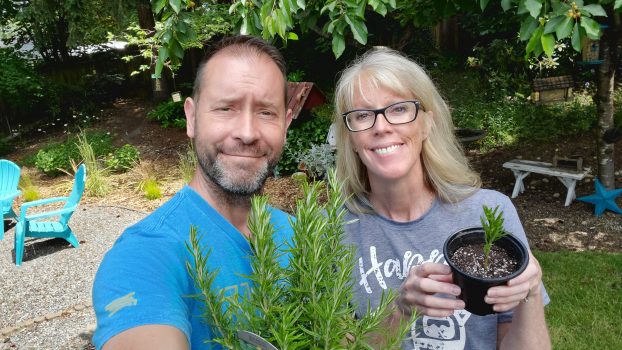
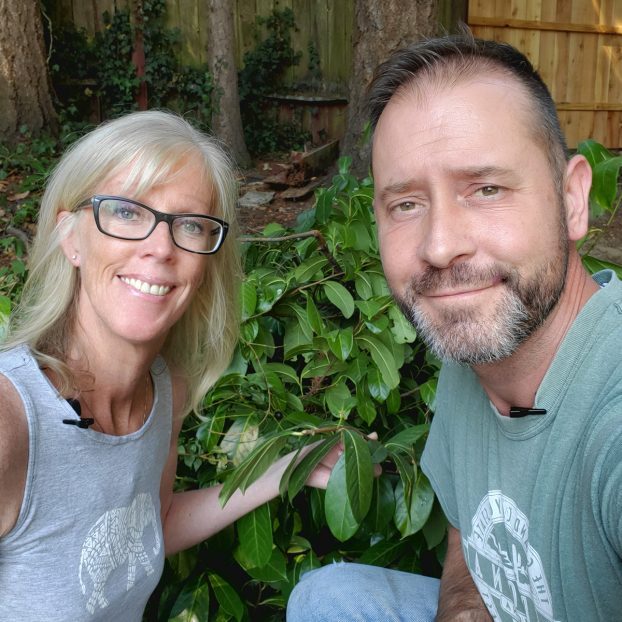
Sean McManus and Allison McManus of Spoken Garden
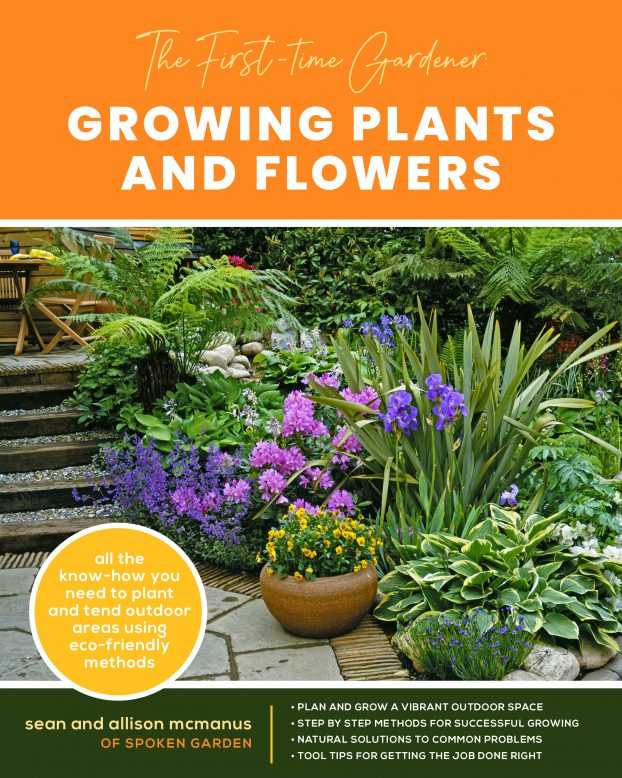
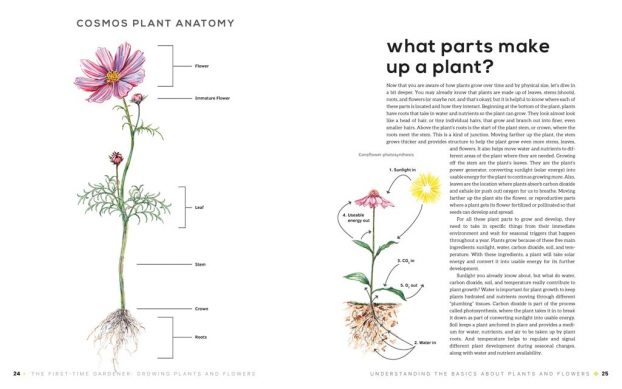
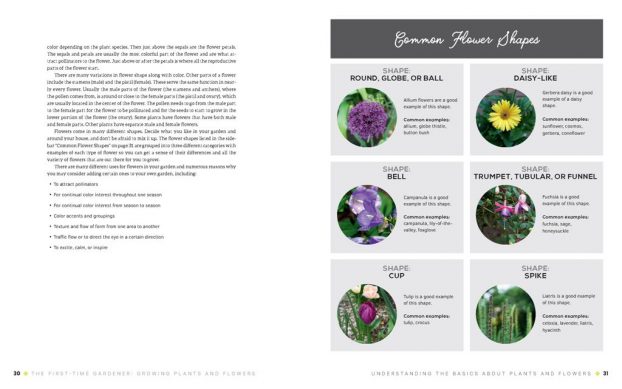
Another perennial ritual of spring is the arrival of a new crop of gardening books. Here at Slow Flowers Podcast, we know we have as many gardener-florists as farmer-florists who listen and learn. And today, I’m happy to welcome first-time authors, Sean and Allison McManus of Spoken Garden. This talented husband-wife duo are busy behind the microphone and camera, teaching ornamental gardening to beginning and curious home gardeners. They have spent the past year writing The First-Time Gardener: Growing Plants and Flowers
The book will be released in March and one lucky listener will win a copy for their bookshelf! Listen to the end of the episode to hear how to add your name to our random drawing and giveaway.
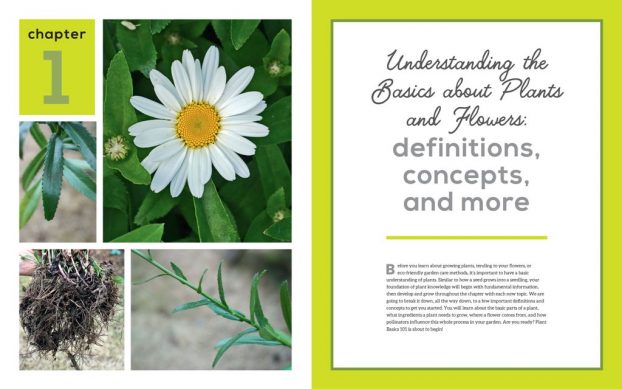
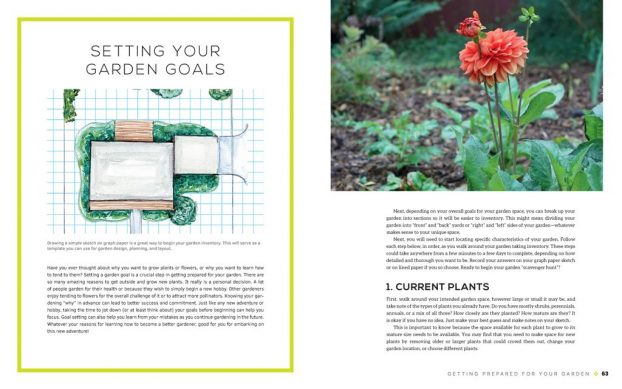
Sean and Allison are the gardening pros behind the popular website, YouTube channel and podcast Spoken Garden. They offer clear, fact-based information, presented in a friendly and accessible way. With step-by-step instructions and full-color illustrations, new gardeners will learn how to select, plant and tend for outdoor plants, the best techniques, how to mulch correctly, pruning do’s and don’ts, tips for effective, eco-friendly gardening, and much more.
Peek inside the pages of their new book:
Here’s a little bit more about Sean and Allison:
Sean has a Master’s in Environmental Horticulture from Washington State University and possesses several other horticulture, landscaping, or gardening-related certificates. Sean has over 8 years of experience in Industrial Garden Maintenance and 12+ years operating a private landscape and consulting company. With over two decades in the field, he dreams to fulfill his lifelong passion for educating others about horticulture and gardening.
Allison has a Master’s in Teaching and is a National Board certified middle school science educator. Through trial and error over the past 10+ years, she has successfully maintained several vegetable gardens and beds full of flowers. She loves attracting all kinds of pollinators and is proud of the fact that their yard is a Certified Wildlife Habitat. She has a passion for photography, animals, writing, traveling, creating content, and lifelong learning.
I know you’ll enjoy their story and be inspired to add to your ornamental garden this spring. Thanks so much for joining me today as Sean and Allison McManus shared their encouragement for beginning gardeners, and actually anyone who wants to develop a more enriching and fulfilling ornamental garden! If you want to be added to the giveaway drawing for their new book, The First-Time Gardener: Growing Plants and Flowers , be sure to post a comment in the show notes below — please share what did you wish you knew when you were a beginning gardener?
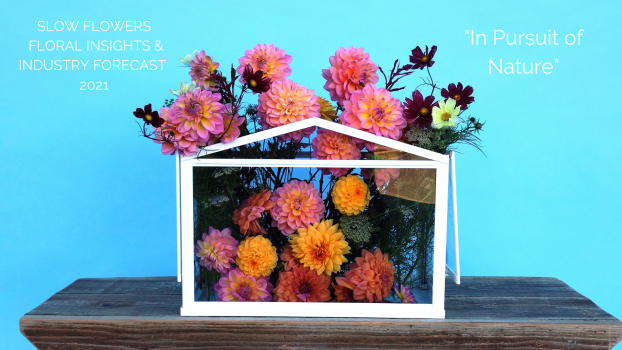
Coming up on Thursday, February 18th at 2 pm Eastern, Slow Flowers is teaming up with Johnny’s Selected Seeds to produce a free webinar for flower farmers, farmer-florists and floral designers interested in knowing more about our Floral Insights and Industry Forecast for 2021.
I’ll be joining Johnny’s flower team, Hillary Alger and Joy Longfellow, as we dive into current and upcoming themes in the floral marketplace. We will review four of the top Insights from the Slow Flowers 2021 Forecast and hear more from Hillary, who will share findings from Johnny’s recent survey of flower seed customers — commercial cut flower farmers. We’ll share a nice back-and-forth discussion and as a bonus, Hillary plans to share an update about seed supply and new floral variety breeding programs. You may already have registered – and if so, I’ll see you there. As of today’s air date, the event may be full, but Johnny’s will have a complete recording available on Monday, February 22nd — and I’ll share it with you in a future episode.
And registration is open for the Fleurvana Virtual Summit (March 5th-7th), focusing on Sustainability and Regeneration, which also takes place online. Robin Avni, my partner in BLOOM Imprint, have developed a new course for aspiring floral book authors with a presentation called The Journey From Blog to Book. Our course is designed for every creative person we’ve met dreams of sharing their art, craftsmanship and aesthetic in a book. Registration is free and there are also options to purchase larger packages.
Thank you to our Sponsors
This podcast is brought to you by Slowflowers.com, the free, online directory to more than 830 florists, shops, and studios who design with local, seasonal and sustainable flowers and to the farms that grow those blooms. It’s the conscious choice for buying and sending flowers.
And thank you to our lead sponsor for 2021, Farmgirl Flowers. Farmgirl Flowers delivers iconic burlap-wrapped bouquets and lush, abundant arrangements to customers across the U.S., supporting more than 20 U.S. flower farms by purchasing more than $9 million dollars of U.S.-grown fresh and seasonal flowers and foliage annually, and providing competitive salaries and benefits to 240 team members based in Watsonville, California and Miami, Florida. Discover more at farmgirlflowers.com.
Rooted Farmers works exclusively with local growers to put the highest-quality specialty cut flowers in floral customers’ hands. When you partner with Rooted Farmers, you are investing in your community, and you can expect a commitment to excellence in return. Learn more at RootedFarmers.com.
Syndicate Sales, an American manufacturer of vases and accessories for the professional florist. Look for the American Flag Icon to find Syndicate’s USA-made products and join the Syndicate Stars loyalty program at syndicatesales.com.
Johnny’s Selected Seeds, an employee-owned company that provides our industry the best flower, herb and vegetable seeds — supplied to farms large and small and even backyard cutting gardens like mine. Find the full catalog of flower seeds and bulbs at johnnysseeds.com.
Thanks so much for joining us today! The Slow Flowers Podcast has been downloaded more than 688,000 times by listeners like you. Thank you for listening, commenting and sharing – it means so much. As our movement gains more supporters and more passionate participants who believe in the importance of our domestic cut flower industry, the momentum is contagious. I know you feel it, too.
I value your support and invite you to show your thanks to support Slow Flowers’ ongoing advocacy, education and outreach activities. You can find the donate button in the column to the right at debraprinzing.com
The content and opinions expressed here are either mine alone or those of my guests alone, independent of any podcast sponsor or other person, company or organization.
The Slow Flowers Podcast is engineered and edited by Andrew Brenlan. Learn more about his work at soundbodymovement.com.
Music Credits:
Horizon Liner; These Times; Turning On the Lights; Gaenaby Blue Dot Sessions http://www.sessions.blue
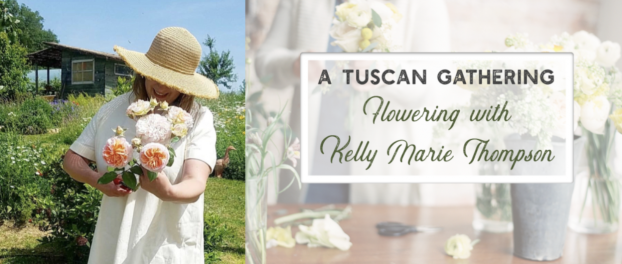
Kelly Marie Thompson of Fleur Inc., shown here on a farm in Tuscany, scouting her upcoming Italy workshop
If you want to walk through a case study of a boutique retail florist and special events florist, today’s guest is here to share! I’m so pleased to welcome Kelly Marie Thompson, owner of Fleur Inc., based in Chicago. Fleur Inc is a diversified lifestyle boutique and special event design studio.
Wedding flowers by Fleur Inc.
Kelly formed the enterprise 19 years ago when she was just 22 years old and has based Fleur Inc. on the value of delivering extraordinary experiences, and offering a curated collection of home goods, fine jewelry, floral, and custom design.
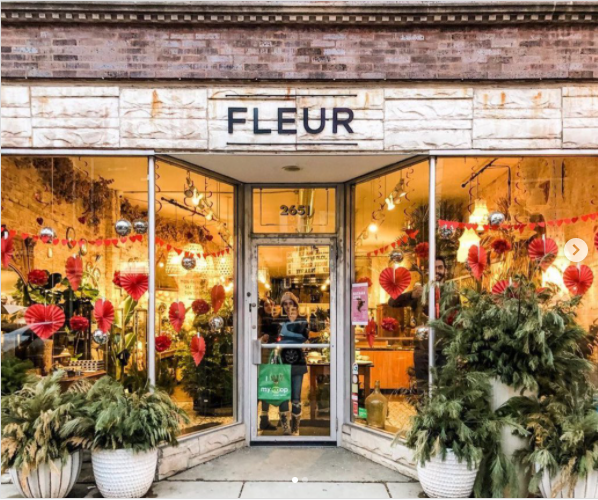
Fleur Inc.’s Chicago Storefront
Kelly Marie shares this message on Fleur Inc.’s web site:
“Simply stated, we can’t imagine our lives without nature. Flowers and foliage are our language; they are the way we emote, and the way we evoke the senses. Our mission is to collaboratively work with our clients in order to craft an experience that stirs the heart, creates a mood & tells a story. With imagination and technique, we weave every petal, frond and vine into the next chapter, committed to creating extraordinary experiences.”
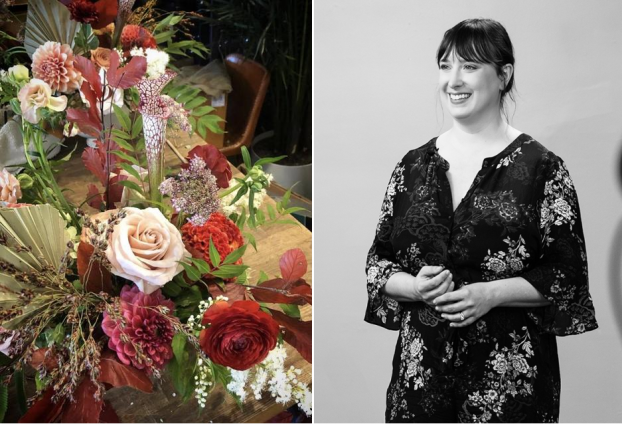
An upcoming Valentine’s Day image (left); Kelly Marie Thompson of Fleur Inc. (right)
Fleur Inc. is a member of the Slow Flowers Society and has been featured in many online blogs and print magazines including Martha Stewart Weddings, Vogue, Town and Country, Better Homes & Gardens, The Knot and was named one of the top 63 floral designers by Martha Stewart.
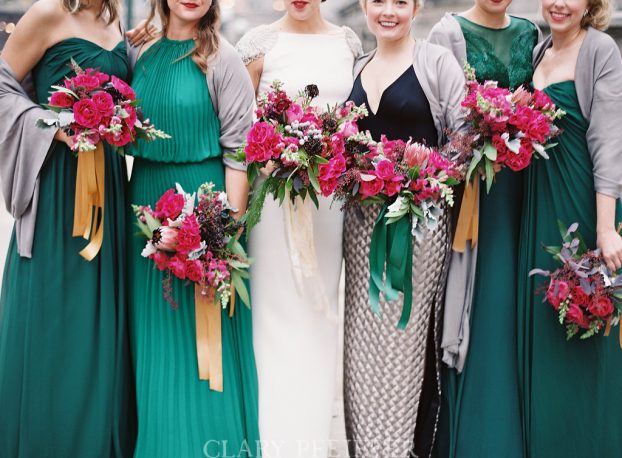
An uncommon wedding palette featuring dark, jewel tones by Fleur Inc.
Find and follow Fleur Inc. at these social places:
Check out Kelly Marie’s online course (see intro video above), “The Art of Growing an Extraordinary Floral Business,” which debuted about one year ago. She has compiled all of her experiences and lessons learned over the past nearly 20 years in retail and event floral design into a six-part online course. Click here for more details.
Learn more about Kelly’s coaching practice through Be Sage Consulting. Maybe this is just the resource you need with the new year — and how wonderful to learn from a fellow Slow Flowers practioner!
Find more details about A Tuscan Gathering ~ Flowering with Kelly Marie Thompson, upcoming, June 5-9, 2022.
Before we wrap, I have a couple important announcements:
All about Hellebores! The topic of our February Slow Flowers (Virtual) Member Meet-Up!
You’re invited to join me this Friday, February 5th at our February Slow Flowers Member Meetup — virtually.
We typically meet on the 2nd Friday of each month, but due to the overlap with Valentine’s weekend, we’re going to gather one week early.
I’m over the moon with our topic for February, which is all about the cultivation of hellebores as cut flowers and floral design with hellebores.
Our guests are both expert plantspeople and Slow Flowers members. You’ll meet Pam Youngsman of PoppyStarts Inc., a plant broker who has spent her entire career connecting garden centers with uncommon perennials, and who now supplies flower farms with those plants; and Riz Reyes, past guest of this podcast, who owns RHR Horticulture. Riz grows hundreds of hellebores in the landscapes he designs and frequently incorporates hellebores into his floral design.
Follow this Zoom link to join us on Friday, February 5th at 9 am Pacific/Noon Eastern. If you miss the session, no worries! We will record it for replay viewing.
Next up, Robin Avni, my partner in BLOOM Imprint, and I are getting ready for a new course for all you aspiring floral book authors! We are joining the Fleurvana Virtual Summit March 5-7, focusing on Sustainability and Regeneration, with The Journey from Blog to Book. The course is designed for every creative person we’ve met dreams of sharing their art, craftsmanship and aesthetic in a book. As a tangible “artifact,” there is amazing social validation that comes with having a book about your work. A book can narrate your story, teach your concepts and document your work. We believe successful books are driven by a Passion that answers the following: What are you compelled to share? What do you have to offer that will make the world a better place? What is your unique point of view?
Thank you to our Sponsors
And thank you to our lead sponsor for 2021, Farmgirl Flowers. Farmgirl Flowers delivers iconic burlap-wrapped bouquets and lush, abundant arrangements to customers across the U.S., supporting more than 20 U.S. flower farms by purchasing more than $9 million dollars of U.S.-grown fresh and seasonal flowers and foliage annually, and providing competitive salaries and benefits to 240 team members based in Watsonville, California and Miami, Florida. Discover more at farmgirlflowers.com.
For each Podcast episode this year, we will also thank three of our Major and Podcast Channel Sponsors. Our first sponsor thanks goes to new channel sponsor Red Twig Farms. Based in Johnstown, Ohio, Red Twig Farms is a family-owned farm specializing in peonies, daffodils, tulips and branches, a popular peony-bouquet-by-mail program and their Spread the Hope Campaign where customers purchase 10 tulip stems for essential workers and others in their community. Learn more at redtwigfarms.com.
Seattle Wholesale Growers Market, a farmer-owned cooperative committed to providing the very best the Pacific Northwest has to offer in cut flowers, foliage and plants. The Growers Market’s mission is to foster a vibrant marketplace that sustains local flower farms and provides top-quality products and service to the local floral industry. Visit them at seattlewholesalegrowersmarket.com.
Longfield Gardens, which provides home gardeners with high quality flower bulbs and perennials. Their online store offers plants for every region and every season, from tulips and daffodils to dahlias, caladiums and amaryllis. Check out the full catalog at Longfield Gardens at longfield-gardens.com.
Thanks so much for joining us today! The Slow Flowers Podcast has been downloaded more than 686,000 times by listeners like you. Thank you for listening, commenting and sharing – it means so much. January 2021 ended up being our most popular month ever for the Slow Flowers Podcast — with nearly 12,000 individual episode downloads. WOW! As our movement gains more supporters and more passionate participants who believe in the importance of our domestic cut flower industry, the momentum is contagious. I know you feel it, too.
I value your support and invite you to show your thanks to support Slow Flowers’ ongoing advocacy, education and outreach activities. You can find the donate button in the column to the right at debraprinzing.com
The content and opinions expressed here are either mine alone or those of my guests alone, independent of any podcast sponsor or other person, company or organization.
The Slow Flowers Podcast is engineered and edited by Andrew Brenlan. Learn more about his work at soundbodymovement.com.
It’s a very exciting day for Slow Flowers and this episode is devoted to some BIG NEWS. I’m thrilled to tell you all about it! I’ve invited Robin Avni, past guest of this podcast, to join me as together we tell you all about our new collaboration — the formation of a boutique book publishing project called BLOOM Imprint.
Debra Prinzing (left) and Robin Avni (right)
BLOOM Imprint emerges from our 15-year professional relationship and friendship. A decade ago, Robin and I collaborated with a talented group of women on a multi-year content and lifestyle consulting project, “Real Women, Real Life.” During that time, we also teamed up to give a presentation on The Female Gardener: Mommy to Maven for the Independent Garden Center Show and co-authored white papers and trend reports about female consumers.
Fast-forward to 2019-2020, when Robin and I produced Slow Flowers Journal – Volume One, a compendium of the “best of” editorial stories and imagery featured in the “Slow Flowers Journal” section of Florists’ Review magazine. That’s where I previously served as contributing editor and Robin served as managing editor of books, producing 10 book titles related to the floral industry.
We’re announcing the launch of BLOOM Imprint today, with me serving as editorial director and Robin serving as creative director. This venture is committed to developing books that express visual and verbal storytelling in equal measures. By pairing my love of the written word and editorial narrative and Robin’s visually strong creative direction talent, we are pretty jazzed about what we have in store for sharing the people, places, flowers and art of our Slow Flowers Community through a new lineup of books.
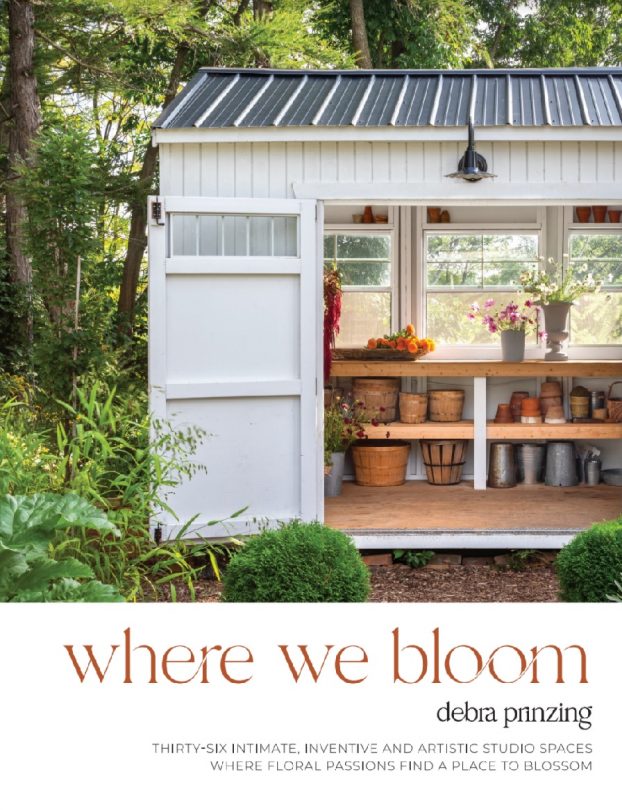
We believe that “setting” is an important facet to making art — and nothing could be truer for floral designers and floral artists. This book profiles the people, art and creative work spaces of designers and makers.
The subtitle is: Thirty-Six Intimate, Inventive and Artistic Studio Spaces Where Floral Passions Find a Place to Blossom
Step inside the personal environments where flowers come to life. “Where We Bloom” showcases beautiful plant- and flower-filled settings of Slow Flowers designers, farmer-florists and growers. Each setting reflects the personality and aesthetic style of its owner, offering great ideas to inspire the design, decor, organization, and of course, functionality of your creative space.
Publication Date: April 2021 Pre-ordering information will be shared soon!
Between us, Robin and I have produced and published more than 20 lifestyle, design, architecture, floral and gardening titles. We formed BLOOM Imprint as a boutique publishing company with the mission of identifying creative entrepreneurial book ideas and growing them — from the seed of an initial concept to a finished product. As we publish new authors and consult with aspiring ones, we believe that producing a book is ultimately one of the most affordable marketing endeavors available to creatives.
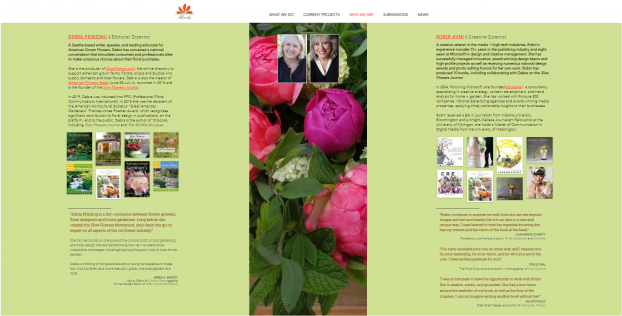
From our “Who We Are” page on BLOOMImprint.com — learn about our backgrounds and experiences, and read what people say about working with us!
Let me tell you a little more about Robin Avni and then we’ll jump right in and get started:
A creative veteran in the media + high-tech industries, Robin’s experience includes 15+ years in the publishing industry and eight years at Microsoft in design and creative management. She has successfully managed innovative, award-winning design teams and high-profile projects as well as receiving numerous national design and photography editing awards for her own work. Robin has produced 10 books, including collaborating with Debra on the Slow Flowers Journal.
In 2004, following Microsoft, she founded bricolage*, a consultancy specializing in creative strategy, content development, and arts advocacy. She has worked with Fortune 500 companies, national advertising agencies and award-winning media properties, applying timely actionable insights to their businesses. Robin received a BA in journalism from Indiana University, Bloomington and a Knight-Wallace Journalism Fellowship at the University of Michigan; she holds a Master of Communication in Digital Media from the University of Washington.
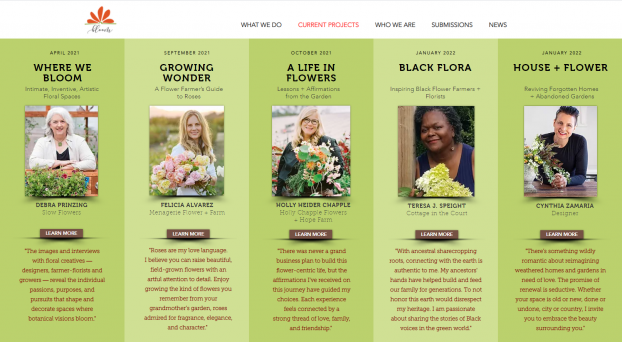
Anticipation! Here are our first five books in the BLOOM Imprint catalog, with titles from Debra Prinzing, Felicia Alvarez, Holly Heider Chapple, Teresa J. Speight and Cynthia Zamaria!
Thanks so much for joining Robin Avni and me as we shared a conversation about BLOOM Imprint.
And remember, you can join us at the Fleurvana Virtual Summit March 5-7, focusing on Sustainability and Regeneration, where Robin and I will present an original new course, From Blog to Book Proposal. The course is designed for every creative person we’ve met dreams of sharing their art, craftsmanship and aesthetic in a book. As a tangible “artifact,” there is amazing social validation that comes with having a book about your work. A book can narrate your story, teach your concepts and document your work. We believe successful books are driven by a Passion that answers the following: What are you compelled to share? What do you have to offer that will make the world a better place? What is your unique point of view?
Thank you to our Sponsors
This podcast is brought to you by Slowflowers.com, the free, online directory to more than 830 florists, shops, and studios who design with local, seasonal and sustainable flowers and to the farms that grow those blooms. It’s the conscious choice for buying and sending flowers.
And thank you to our lead sponsor for 2021, Farmgirl Flowers. Farmgirl Flowers delivers iconic burlap-wrapped bouquets and lush, abundant arrangements to customers across the U.S., supporting more than 20 U.S. flower farms by purchasing more than $9 million dollars of U.S.-grown fresh and seasonal flowers and foliage annually, and providing competitive salaries and benefits to 240 team members based in Watsonville, California and Miami, Florida. Discover more at farmgirlflowers.com.
Mayesh Wholesale Florist. Family-owned since 1978, Mayesh is the premier wedding and event supplier in the U.S. and we’re thrilled to partner with Mayesh to promote local and domestic flowers, which they source from farms large and small around the U.S. Learn more at mayesh.com.
The Gardener’s Workshop, which offers a full curriculum of online education for flower farmers and farmer-florists. Online education is more important this year than ever, and you’ll want to check out the course offerings at thegardenersworkshop.com.
Association of Specialty Cut Flower Growers. Formed in 1988, ASCFG was created to educate, unite, and support commercial cut flower growers. It mission is to help growers produce high-quality floral material, and to foster and promote the local availability of that product. Learn more at ascfg.org.
Thanks so much for joining us today! The Slow Flowers Podcast has been downloaded more than 683,000 times by listeners like you. Thank you for listening, commenting and sharing – it means so much.
As our movement gains more supporters and more passionate participants who believe in the importance of our domestic cut flower industry, the momentum is contagious. I know you feel it, too.
I value your support and invite you to show your thanks to support Slow Flowers’ ongoing advocacy, education and outreach activities. You can find the donate button in the column to the right here at debraprinzing.com
The content and opinions expressed here are either mine alone or those of my guests alone, independent of any podcast sponsor or other person, company or organization.
The Slow Flowers Podcast is engineered and edited by Andrew Brenlan. Learn more about his work at soundbodymovement.com.
I have a fabulous and informative conversation for you today, with Fawn Rueckert of Sego Lily Flower Farm, based in Utah’s Salt Lake Valley.
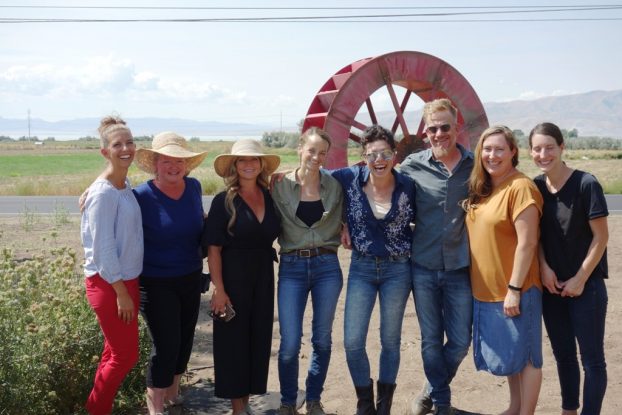
The emerging Utah flower farming community gathered at Poppin’ Blossoms on September 7th. I’m so glad I met everyone! Fawn is seen second from the right.
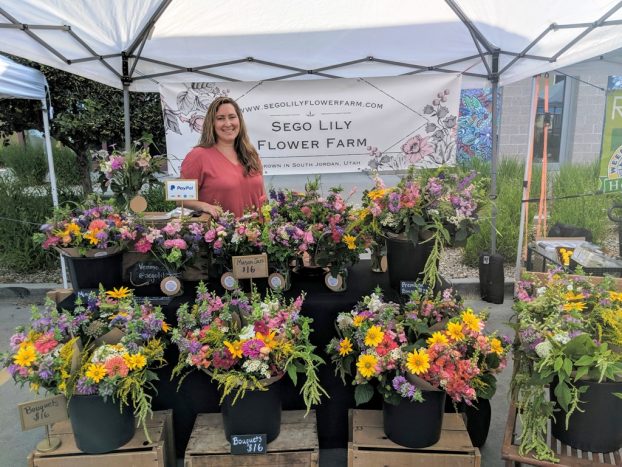
I first met Fawn in person in September 2019 when I was in Salt Lake City for the annual GardenComm conference. I skipped out one day and rented a car to drive about 30 minutes south of the city to join a gathering of Utah flower growers. Laura Pittard of Poppin’ Blossoms hosted the lovely luncheon and tour of her beautiful cut flower fields and you’ll want to go back and listen to Episode 418 that we recorded prior to the event. There, I met Fawn and learned about her urban micro farm and focus on retail sales of her flowers through a CSA subscription and farmers’ market outlets.
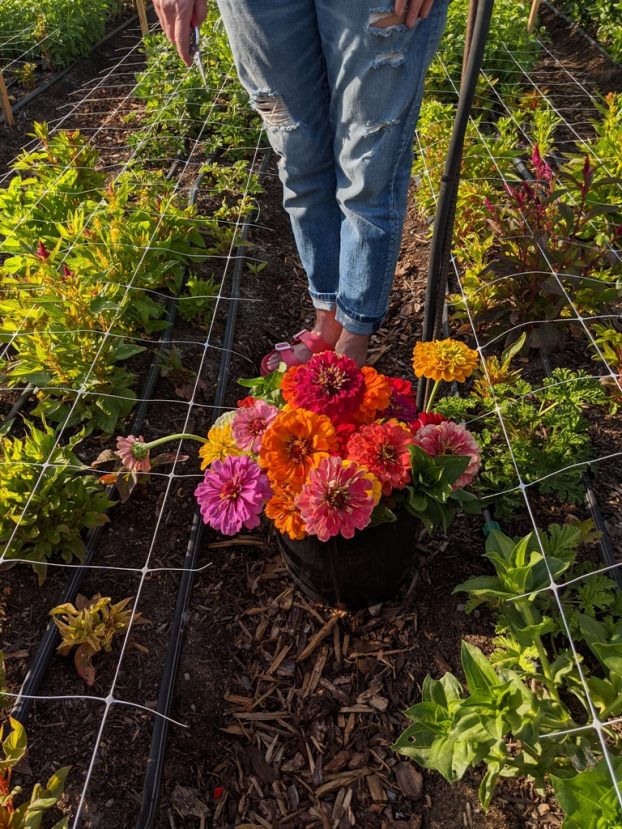
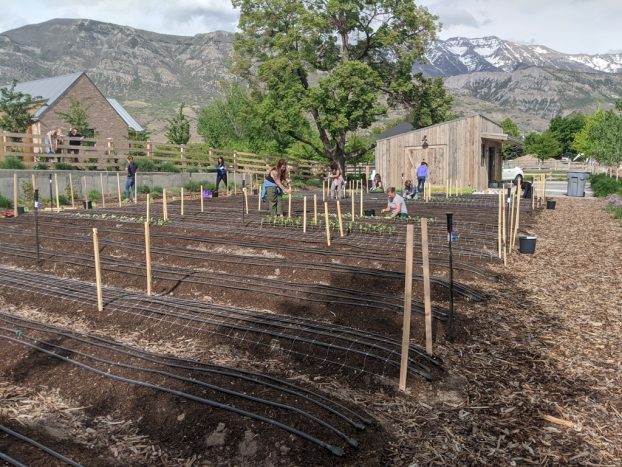
Students of last summer’s popular cutting garden series take home bountiful buckets of flowers like this one
Fawn has been on my wish list to interview. She is vice president of the burgeoning Utah Cut Flower Farm Association and you’ll hear an update about that amazing collection of inter-mountain west flower growers. As it turns out, at that same gathering in September 2019, I met Heather Griffiths of Wasatch Blooms, a colleague of Fawns through the Utah Cut Flower Farm Association. You can hear my interview with Heather in Episode 428 which aired in November 2019, along with an interview with Slow Flowers member Ali Harrison of Florage Utah.
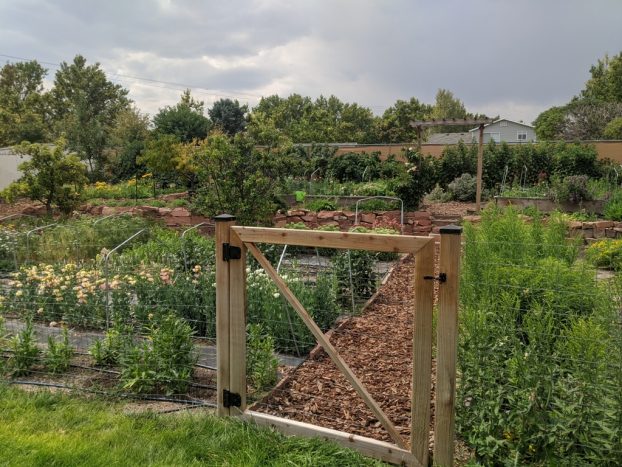
Sego Lily Flower Farm, fenced to keep out the family dog!
There’s a lot going on in this part of the country, an area that Fawn points out is only recently embracing local flower agriculture and sustainable design.
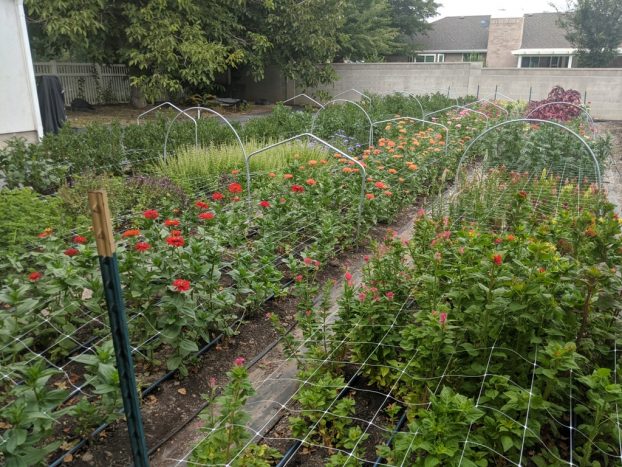
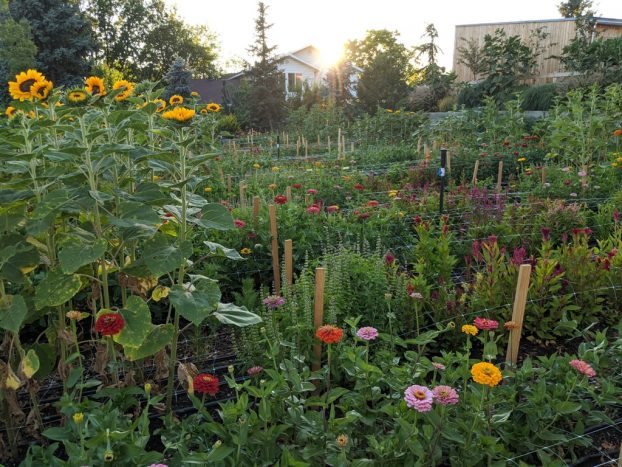
Making the most of a suburban backyard and a “Sister Farm” at the neighbor’s
Fawn shares a lovely “about” essay on her website for Sego Lily Flower Farm, which talks about her childhood wonder of the plant world, and her gardening family roots. She picks up the narrative after moving from Southern California to Utah with her young family, writing:
“We were finally able to purchase our first home, a duplex on a tiny unfinished lot. As we dove head first into landscaping, my childhood dreams were coming true, I finally had my own bit of earth to tend and plant. Only it wasn’t enough, I needed more, so in 2013 we moved to a smaller home on a larger lot. Now with 4 sons in tow, we began designing and building my dream potager, complete with a cutting garden. It didn’t take long to realize that it would be a lot more fun to share the bounty of our garden than keep it to ourselves, and we established Sego Lily Flower Farm in 2017. We focus on growing cut flower varieties that are unique, that wouldn’t survive the rigors of shipping, are most beautiful when grown locally and grow them in a way that is safe for our family and yours.”
Sego Lily Flower Farm is situated in Salt Lake valley on Fawn’s 1/3-acre suburban lot. We focus on sustainable growing practices, feeding the soil with organic material, and avoid the excessive use of herbicides and pesticides.
I’m excited for you to hear the rest of the story, including how Fawn is branching out into education and workshops. You will find photos of this talented farmer-florist and links to her social places in our show notes at debraprinzing.com for Episode 489. Let’s get started.
If you live in any of the inter-mountain states, Nevada, Idaho, Colorado and Wyoming check out the Utah Cut Flower Farm Association. As Fawn mentioned, there are people and resources for the entire region.
I want to direct you to a few cool video resources that we posted for Slow Flowers members this past week.
First, you can find the concluding post in our eight-part weekly series about all the insights and themes from our 2021 Slow Flowers member survey — on Slow Flowers Journal.com. Karen Thornton and Niesha Blancas joined me for a lively recap Q&A discussing some of the survey’s findings that reveal much more about YOU, our members. We also share many of the comments and questions that members wrote in response to two open-ended questions: What are the key ways in which you have found value in the Slow Flowers member benefits? and Do you have any other comments, questions, or concerns you’d like to share with Slow Flowers? We recorded our Zoom conversation on January 14th and you’ll want to watch. Karen and Niesha added so much to that session, but truly, Edd and Rami, Niesha’s two cats, are the stars of the show! Since Niesha pointed out that she looks for images of your flowers with pets while curating the Slow Flowers Society IG feed, this will come as no surprise!
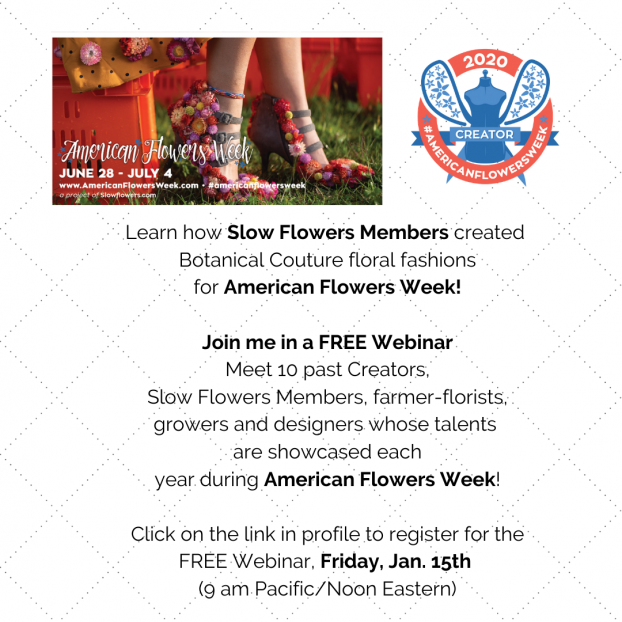
Last week, I also invited you join our free webinar about Botanical Couture fashions for the upcoming American Flowers Week 2021 promotional campaign. It is a fabulous session and I’ve posted the link to our replay video in today’s show notes for you to hear from more than ten past botanical couture creators, each of whom shared how they conceptualized their unique, iconic look for past American Flowers Week collections.
Thank you to our Sponsors
And thank you to our lead sponsor for 2021: Farmgirl Flowers delivers iconic burlap-wrapped bouquets and lush, abundant arrangements to customers across the U.S., supporting more than 20 U.S. flower farms by purchasing more than $9 million dollars of U.S.-grown fresh and seasonal flowers and foliage annually, and providing competitive salaries and benefits to 240 team members based in Watsonville, California and Miami, Florida. Discover more at farmgirlflowers.com.
This podcast is brought to you by Slowflowers.com, the free, online directory to more than 800 florists, shops, and studios who design with local, seasonal and sustainable flowers and to the farms that grow those blooms. It’s the conscious choice for buying and sending flowers.
Rooted Farmers works exclusively with local growers to put the highest-quality specialty cut flowers in floral customers’ hands. When you partner with Rooted Farmers, you are investing in your community, and you can expect a commitment to excellence in return. Learn more at RootedFarmers.com.
Johnny’s Seeds, an employee-owned company that provides our industry the best flower, herb and vegetable seeds — supplied to farms large and small and even backyard cutting gardens like mine. Find the full catalog of flower seeds and bulbs at johnnysseeds.com.
Syndicate Sales, an American manufacturer of vases and accessories for the professional florist. Look for the American Flag Icon to find Syndicate’s USA-made products and join the Syndicate Stars loyalty program at syndicatesales.com.
Thanks so much for joining us today! The Slow Flowers Podcast has been downloaded more than 680,000 times by listeners like you. Thank you for listening, commenting and sharing – it means so much.
As our movement gains more supporters and more passionate participants who believe in the importance of our domestic cut flower industry, the momentum is contagious. I know you feel it, too.
I value your support and invite you to show your thanks to support Slow Flowers’ ongoing advocacy, education and outreach activities. You can find the donate button in the column to the right at debraprinzing.com
The content and opinions expressed here are either mine alone or those of my guests alone, independent of any podcast sponsor or other person, company or organization.
The Slow Flowers Podcast is engineered and edited by Andrew Brenlan. Learn more about his work at soundbodymovement.com.
Hello friends! It’s 2021 and I couldn’t be happier to welcome you to our fun conversation today!
Anyone who’s been part of the Slow Flowers Community knows how deeply we value professional contacts that develop into friendships. And today, you will meet two women who are Slow Flowers members, and now, both my neighbors and friends.
I live in a little suburb of Seattle called Des Moines, Washington, which is just south of the metropolis! Our first guest is Cindi Schriock, owner of CMS Floral Design, here in Des Moines. And our second guest is Gina Thresher of From the Ground up Floral, located in Kent, Washington, the much larger community just east of us.
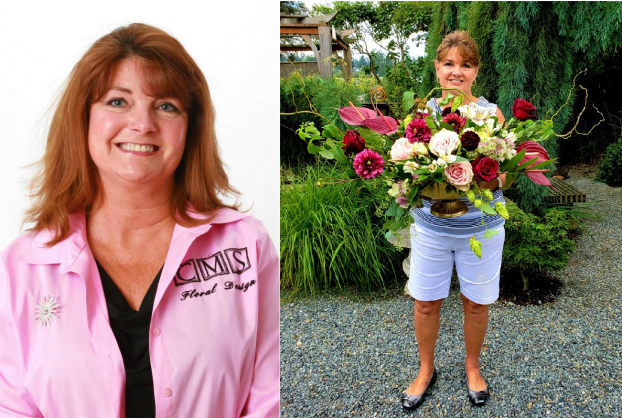
Cindy Schriock of CMS Floral Design (left) and with one of her signature urn designs (right)
Both women have home-based studios, and as it turns out, I learned that both started their floral journeys about 12 years ago. Cindi will explain how she organically built CMS Floral Design while working full-time in a corporate job. And Gina will share a somewhat similar path, beginning when she designed the flowers for her own wedding and growing her studio while raising her two young children.
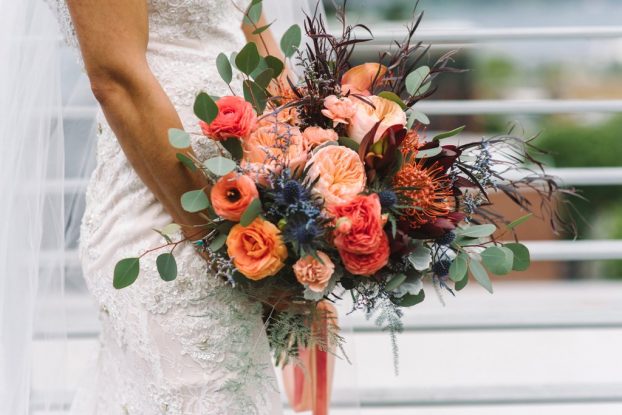
A CMS Floral Design bridal bouquet
I feel so much affection for both of these women. Earlier this year, after the death of my father, I was so pleased to see that friends who wanted to send their sympathies ordered floral arrangements for me by look at slowflowers.com to find my local florists. Both Cindi and Gina delivered heartfelt, stunning arrangements that my family, especially including my mother, and I really enjoyed.
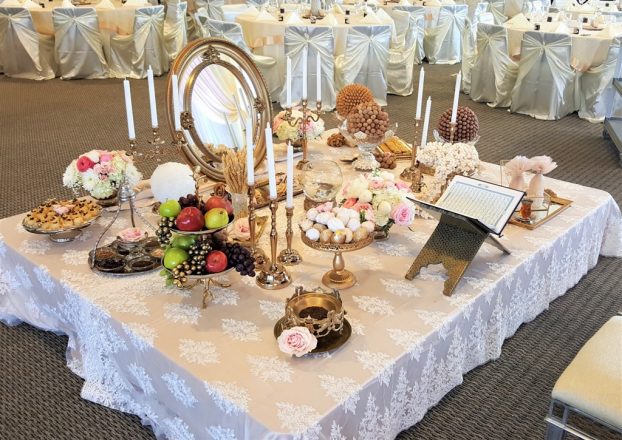
One of Seattle Elegant Sofreh designs for a ceremony at the Edmonds (WA) Yacht Club, designed by Cindy Schriock
In addition to CMS Floral Design’s focus on flowers for corporate clients and everyday orders, Cindi owns Seattle Elegant Sofreh, a specialty design service for Persian wedding ceremonies. The Sofreh is a cultural tradition that is created in addition to the wedding flowers, incorporating several features and ingredients that are symbolic and meaningful.
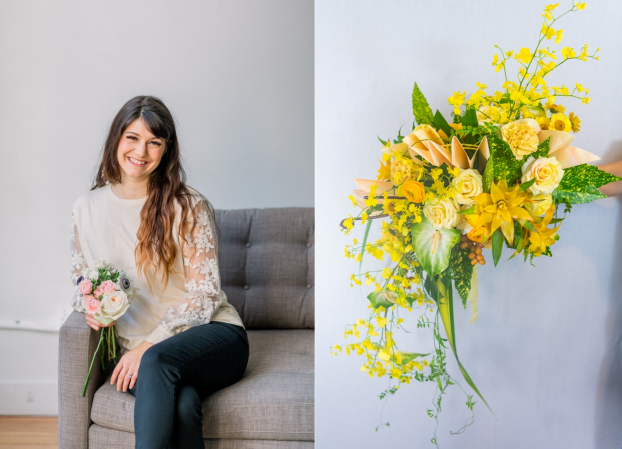
Gina Thresher, AIFD, EMC, of From the Ground Up Floral (left) and one of her exuberant bouquets, which was selected as one of the Top Ten TROPICAL NOUVEAU designs, sponsored by Neotropical Hawaii
Gina started From the Ground Up, transitioning to a full-service floral design practice after studying invertebrate biology. As you’ll hear in our conversation, her business formation began with her own wedding flowers, which she designed. She explains, “I was that DIY crazy bride, the one that doesn’t really notice she’s spending a fortune to ruin her nails and causing her family to panic when she doesn’t have the boutonnieres done at 3 a.m. the morning of the wedding.”
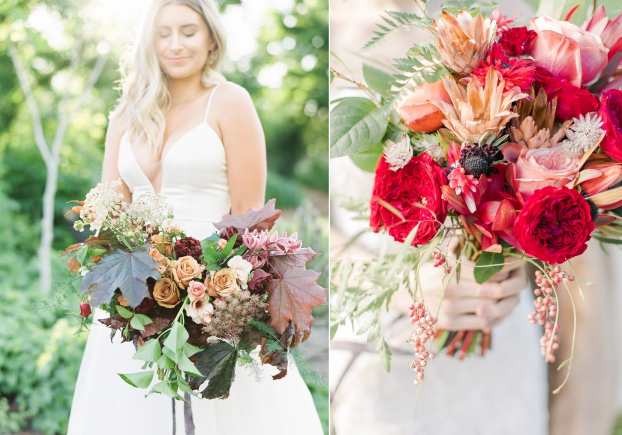
Gina’s use of color, texture, composition is expressed in these two bouquets
Hooked, Gina took classes and pursued floral certifications at the national and international level, including AIFD (American Institute of Floral Designers) and EMC (European Master Certification). She teaches in person and virtual design courses, lectures and is active on social media, primarily as the PNW chapter president for AIFD.
More Resources and Links: Follow Cindy Schriock at these social places: CMS Floral Design on Facebook and Instagram
Follow Gina at these social places: From the Ground Up Floral on Facebook and Instagram
Connecting with more of you – either in person or virtually thanks to technology — is one of my ongoing goals.
I encourage you to take advantage of our monthly Slow Flowers’ member virtual meet-ups. The January session took place last week. Here is the replay video, in case you missed it! Our theme was “Floral Wellness,” and I want to thank Rachel Johnson of Simply Grounded, who introduced us to Sogetsu Ikebana and demonstrated three incredible designs for us to learn from.
This Friday, January 15th at 9 am Pacific/Noon eastern, you are invited to join our free webinar focusing on how to create Botanical Couture fashions for the upcoming American Flowers Week 2021 campaign. If you have ever been interested in participating as a creator of a floral fashion, this session is for you! As of the date of this recording, ten past botanical couture creators are confirmed to present, and we will hear how each conceptualized their unique, iconic look for past American Flowers Week collections.
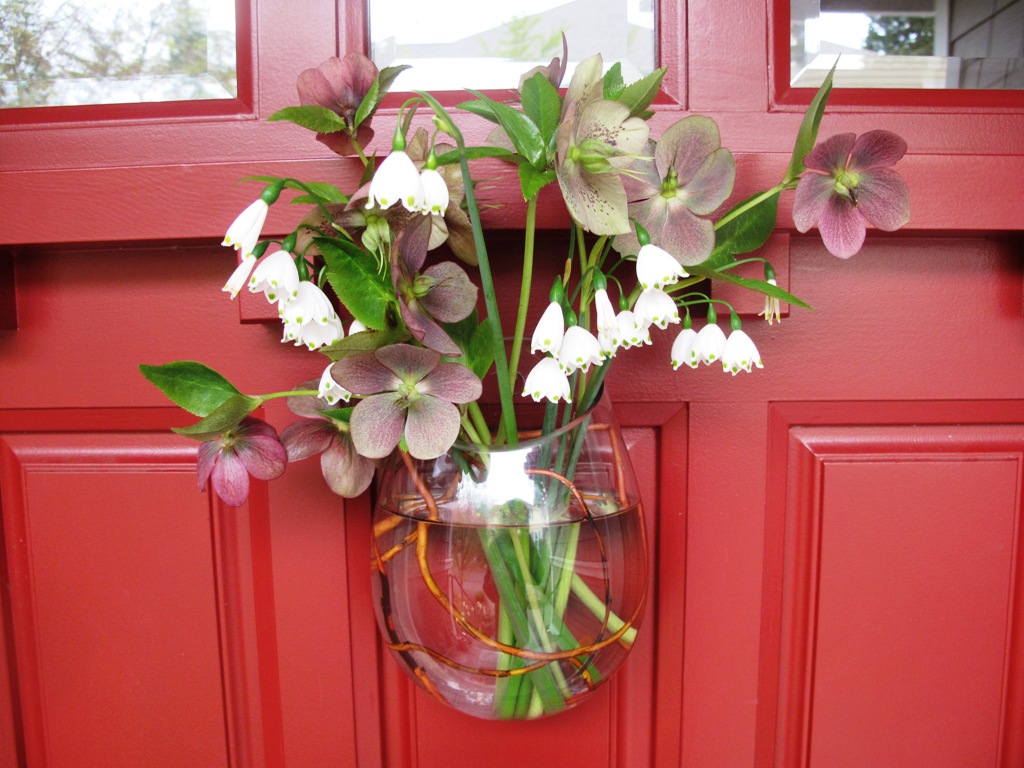
This wonderful pocket vase adorns my front door, containing curly willow, garden hellebores and pretty white summer snowflakes.
And save the date for the February Slow Flowers member virtual meet-up — we’re moving it a little earlier next month because of Valentine’s Day, so we will gather online February 5th to learn more about growing and designing with hellebores! More to come on that in our February newsletter; if you’re not currently receiving the newsletter, subscribe here!
Thank you to our Sponsors!
This podcast is brought to you by Slowflowers.com, the free, online directory to more than 800 florists, shops, and studios who design with local, seasonal and sustainable flowers and to the farms that grow those blooms. It’s the conscious choice for buying and sending flowers.
And thank you to our lead sponsor for 2021, Farmgirl Flowers. Farmgirl Flowers delivers iconic burlap-wrapped bouquets and lush, abundant arrangements to customers across the U.S., supporting more than 20 U.S. flower farms by purchasing more than $9 million dollars of U.S.-grown fresh and seasonal flowers and foliage annually, and providing competitive salaries and benefits to 240 team members based in Watsonville, California and Miami, Florida. Discover more at farmgirlflowers.com.
The Association of Specialty Cut Flower Growers. Formed in 1988, ASCFG was created to educate, unite, and support commercial cut flower growers. It mission is to help growers produce high-quality floral material, and to foster and promote the local availability of that product. Learn more at ascfg.org.
Longfield Gardens, which provides home gardeners with high quality flower bulbs and perennials. Their online store offers plants for every region and every season, from tulips and daffodils to dahlias, caladiums and amaryllis. Check out the full catalog at Longfield Gardens at longfield-gardens.com.
The Seattle Wholesale Growers Market, a farmer-owned cooperative committed to providing the very best the Pacific Northwest has to offer in cut flowers, foliage and plants. The Growers Market’s mission is to foster a vibrant marketplace that sustains local flower farms and provides top-quality products and service to the local floral industry. Visit them at seattlewholesalegrowersmarket.com.
Thanks so much for joining us today! The Slow Flowers Podcast has been downloaded more than 677,000 times by listeners like you. Thank you for listening, commenting and sharing – it means so much.
As our movement gains more supporters and more passionate participants who believe in the importance of our domestic cut flower industry, the momentum is contagious. I know you feel it, too.
I value your support and invite you to show your thanks to support Slow Flowers’ ongoing advocacy, education and outreach activities. You can find the donate button in the column to the right at debraprinzing.com
The content and opinions expressed here are either mine alone or those of my guests alone, independent of any podcast sponsor or other person, company or organization.
The Slow Flowers Podcast is engineered and edited by Andrew Brenlan. Learn more about his work at soundbodymovement.com.