The Slow Flowers Podcast is the award-winning show known as the “Voice of the Slow Flowers Movement.” Launched in 2013 as the original flower podcast, we’ve devoted more than 10 years to covering the business of flower farming, floral design, and the Slow Flowers sustainability ethos. Listen to a new episode each Wednesday, available for free download here at slowflowerspodcast.com or on iTunes, Spotify, and other podcast platforms.
April 30th, 2014
Podcast: Play in new window | Download
Subscribe: Apple Podcasts | Podcast Index | | More
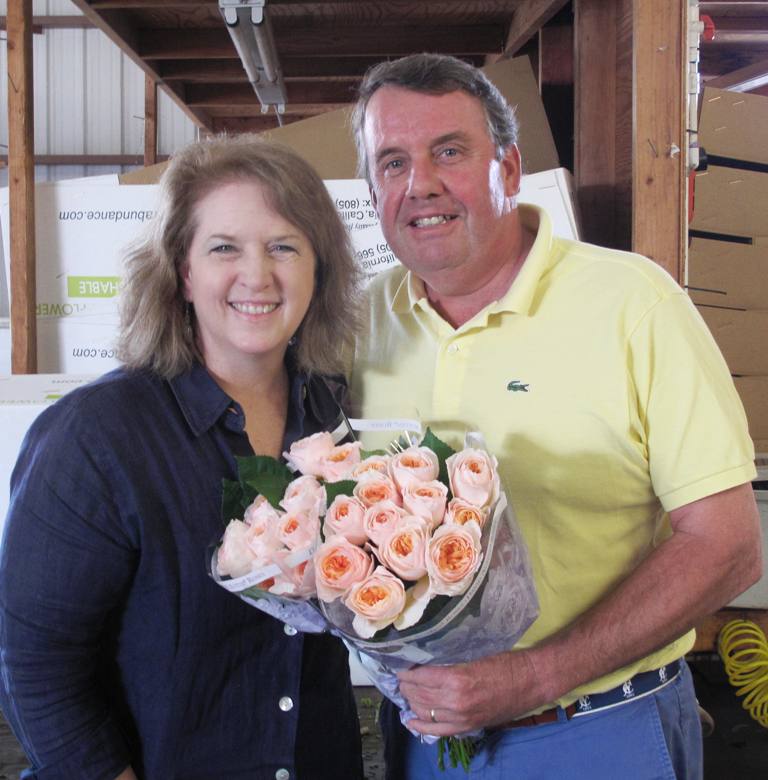
I recently visited Joost Bongaerts, floral wholesaler and owner of Florabundance.
Over the past several weeks you’ve heard my conversations with floral designers who are leading the way when it comes to sourcing their flowers, leaves and branches from local farms. They place high value on seasonal blooms, because they know their bouquets and arrangements will be all the more beautiful and cherished by the customer – a customer who is also asking, Where do my flowers come from?
Yet many of these florists whose operations are not large enough to guarantee sizeable orders or meet minimum purchase requirements face a dead-end when they ask their local wholesaler to provide domestic or locally-grown product.
The wholesaler is basically a broker, an agent between the grower and the designer. The way the wholesale florist makes money is to buy low and sell high. I know this is an essential truth in any modern-day distribution system, but – to me – it can lead to a situation where the wholesaler holds all the power to set price, to determine what is brought to market, to manage the flow of goods from producer to end user. And in floral, over the years, that set up has led to a near-total obscurity of sourcing and certainly NOT truth in labeling.
It has been close to impossible for designers seeking flowers from the wholesaler in their town to ever know WHERE those flowers came from or WHO grew them, let alone what growing practices were used.
This model is only beginning to change. As we heard from Foxglove Brooklyn and The Local Bouquet, two studios featured in recent episodes, their big breakthroughs occurred when a light bulb went off in the mind of their wholesale florist. The energy and enthusiasm these designers express whenever they can source American grown flowers has stimulated a shift in thinking at the wholesaler. It might not even be the owner of that wholesale business who gets it, but perhaps an enterprising salesperson or account manager who says: “Ah ha! I get it – they want more local product and If I can source it – my sales will increase.”
So . . . in the coming months, in an effort to crack the code and inspire more wholesale florists to “see the way to the future,” I’ll be featuring conversations with the ones who are committed to transparency in their sourcing practices.

Today, we’re kicking it off with Joost Bongaerts, owner of Florabundance in Carpinteria, California.
Joost has been involved in the horticulture and floral industry his entire life – and through Florabundance he sells flowers to retail florists and designers all around the country.
Located as they are in the flower-basket of the U.S., Florabundance has the unique ability to source from small and large flower farms in California and in many other states on an almost a year-round basis.
I applaud Joost for labeling all of the CA-grown options on the Florabundance web site. In the future, we should see other wholesalers adopting this practice. And next, we’ll urge them all to identify other states, as well as use the soon-to-launch American Grown Flowers logo.
Here’s a little more about Joost and his background:
Born in 1959 in Den Hague, The Netherlands, Joost grew up in Holland. His father managed agricultural land holdings all over the country. Joost spent summers working on his family’s farm in northern Holland and became interested in agriculture and horticulture as a result. He attended The Land en Tuinbouw School in Dordrecht and continued his education in Gouda, graduating with a degree in plant science.
Joost also spent a semester at Michigan State University as part of an exchange program, which led to his desire to work and live in the United States. Joost began his professional career in 1981, marketing fresh cut flowers from Holland for The Dutch Flower Auctions & Exporters Organizations which was located in Livonia, MI.
From 1983 to 1991 Joost worked for several Dutch companies selling flower bulbs and perennial plants to specialty cut flower growers in the United States and Canada.
In 1991 Joost and his wife Alexandra opened BonFleur, a European-style retail flower shop in New Canaan, CT, which they sold to their manager in 2002. During this time Joost also imported flowers from Holland and started to do business with Florabundance, becoming a partner in 2002 and eventually full owner in 2008.
Joost’s background and experience in selling flower bulbs to growers, importing cut flowers and running a successful retail flower shop provides a unique perspective from which he has developed the Florabundance brand into one of the premier wholesalers in the United States.
Here’s a bonus feature: a UBloom episode about Florabundance, produced by J Schwanke for his California Grown Experience video series.
httpv://vimeo.com/15039946
I predict that by sharing my conversations with “floral middlemen,” three things will happen in the coming months and year:
1. Other wholesalers will begin to hear the buzz – and they’ll be curious about the successes of their peers like Florabundance’s Joost Bongaerts.
2. More florists will point to these examples and nudge along their own wholesaler, asking them to source domestically, seasonally and locally – for good reason.
and . . .
3. The consumer will benefit – and have more confidence in the purchases he or she makes.
Please send me your suggestions for who you’d like to hear from on future episodes of the Slow Flowers Podcast.
And tune in next week to hear from a special guest. Author Amy Stewart, who wrote Flower Confidential in 2007, will join me for a conversation about that groundbreaking book. Don’t miss it!
Because of the support from you and others, listeners have downloaded episodes of the Slow Flowers Podcast nearly 11,000 times! I thank you for taking the time to join to my conversations with flower farmers, florists and other notable floral experts.
If you like what you hear, please consider logging onto Itunes and posting a listener review.
Until next week please join me in putting more American grown flowers on the table, one vase at a time.
The Slow Flowers Podcast is engineered and edited by Andrew Wheatley.
Posted in American Grown, Blog Posts, Creativity, floral design, General, Podcast Episodes, SLOW FLOWERS Podcast | 3 Comments »
April 27th, 2014
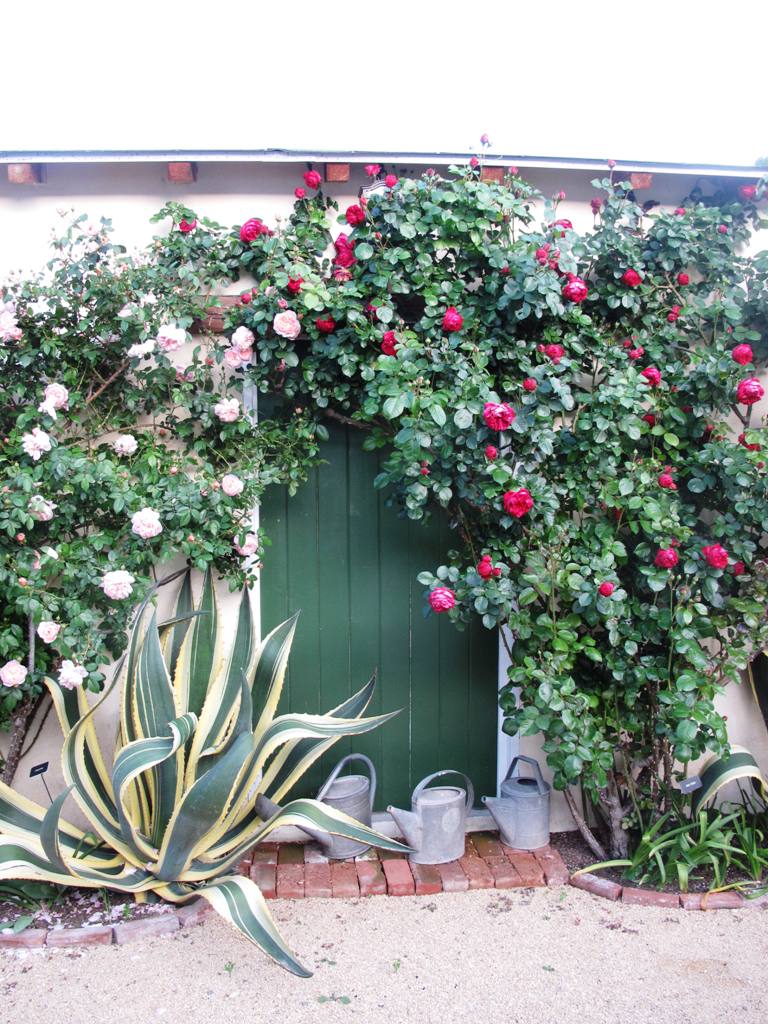
Agaves and climbing roses thrive in companionable harmony at Rose Story Farm.
My 11-day road trip took me by plane to Southern California and back home again behind the wheel of a rental car as I happily drove north on U.S. Hwy. 101 through a beautiful and ever-changing coastal landscape.
The trip began on April 6th when I landed at Burbank Airport, my favorite airport destination these days. I picked up the rental car and hit Ventura Freeway, passing by scenery so familiar to me from the four years we lived in this area.
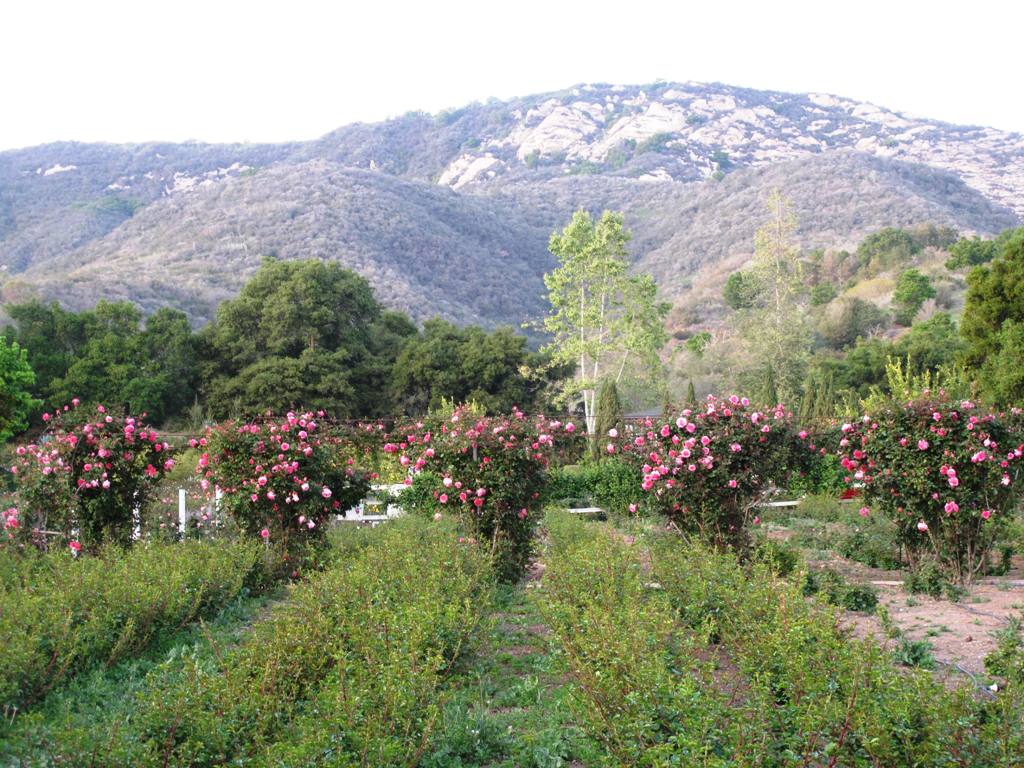
The arbor creates a rose allee that intersects growing fields – with the natural landscape creating a lovely backdrop
My destination was Carpinteria and Rose Story Farm. The setting sun ahead of me as I drove northwest, I turned off of the freeway at Casitas Pass Blvd. and headed away from the ocean, toward the foothills.
A humble sign, “Rose Story Farm,” greeted me at the end of a long, one-lane driveway (curses, speed bumps!) that runs along the edge of several acres of farmland. Current crop: sunflowers. Then, up ahead, towering palm trees, their presence here oddly normal, and an iron gate. I rang and heard Danielle Hahn’s voice through the speaker box: “Welcome! We’re just about to eat dinner – meet us in the barn.”
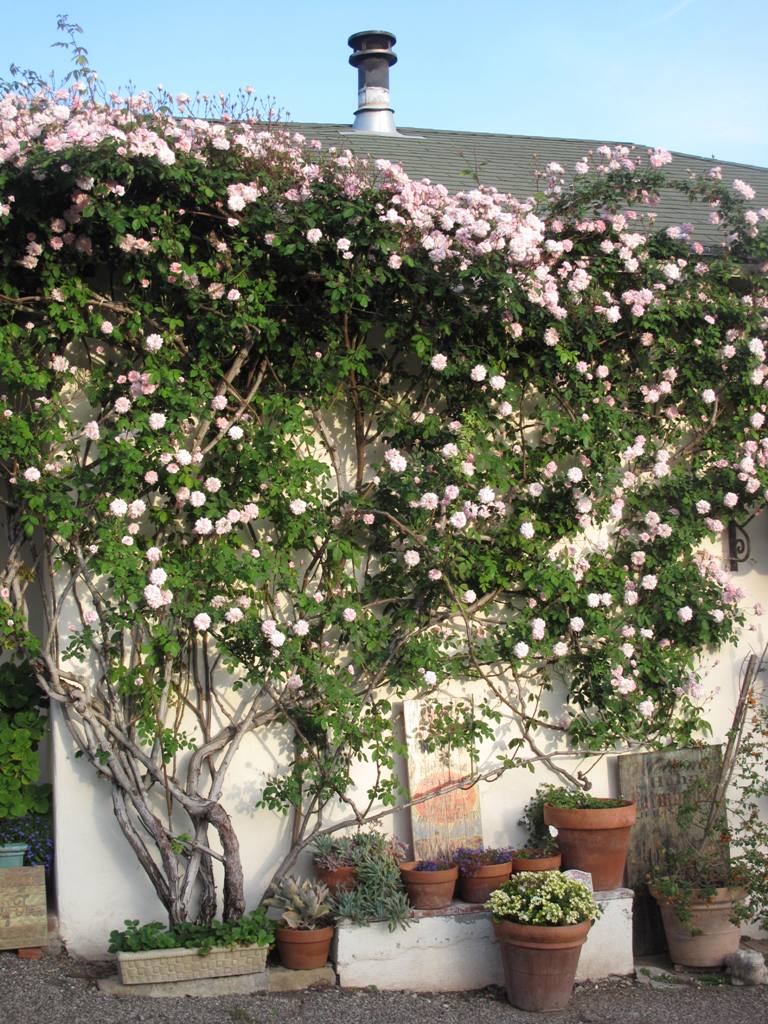
The facade of the old stables is clad in a vigorous climbing rose.
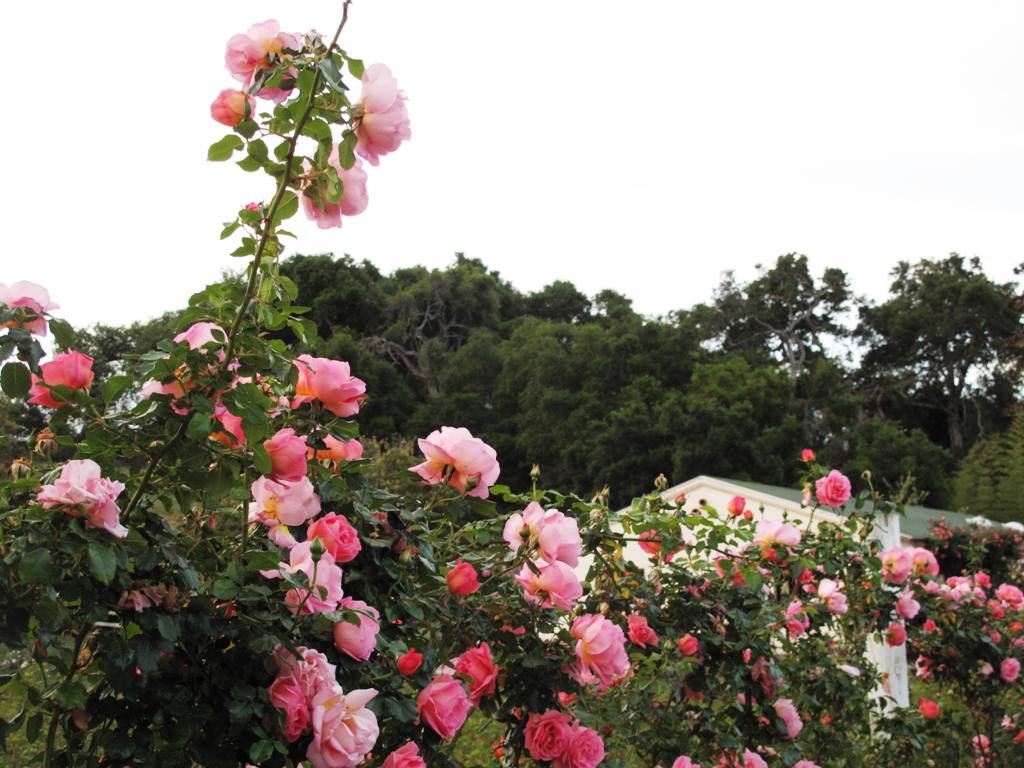
The roses are in the foreground; the stable’s rooftop in the background.
I’ve been to Rose Story Farm on three previous occasions (read previous blog posts here and here), and yet the charm and old-Santa-Barbara character still excites. Dani and her husband Bill Hahn have converted the former horse stables into the headquarters for their organic cut rose business. What once was the large tack room is now a grand family room, with a giant stone fireplace, soaring beams, cozy upholstered sofas and a big trestle table where three generations of the family were sharing dinner. I joined them for some of the most delicious Mexican take-out I’ve ever eaten.
I shared that meal with Dani and Bill, their son Will and his girlfriend Anne, and Dani’s lovely mother Patti D’All Armi. The stimulating conversation set the tone for a magical visit surrounded by friendship and fragrant roses. It was just the beginning of my three days in the Carpinteria-Santa Barbara area.
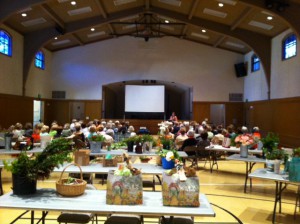
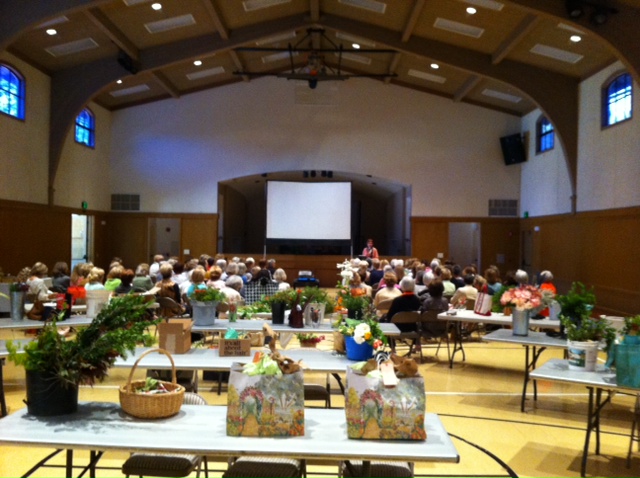
The gathering location for my Slow Flowers/American Grown lecture to the Garden Club of Santa Barbara
The impetus for my arrival was Dani’s invitation a year in advance to speak to the Garden Club of Santa Barbara at one of its monthly meetings. We dreamt up a two-part event, with my Monday morning lecture about the American Grown Flower Movement, followed by a lunch break, leading to a hands-on floral design workshop.
Typically, I like to cap hands-on design workshops at 25 students, maximum. Well, somehow this workshop climbed to 52!!! Yikes, without Dani, Patti and Anne’s help, not to mention a few other people on the Garden Club program committee, we could not have pulled it off.
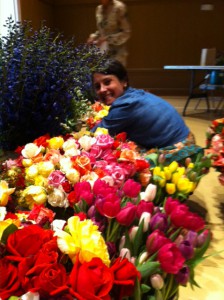
Anne Steig saved the day in so many ways – I’m so grateful she was there to help us with the workshop.
Here we were in the “flower basket” of America, the one place in our country where more cut flowers are produced than anywhere else. And while one might worry that I would be “preaching to the choir,” it simply wasn’t the case. The reaction to my lecture was sadly familiar. Comment after comment, as I signed books, visited with the Garden Club members, or helped a student assess her arrangement, went like this: “I had NO idea that so many flowers are imported. I am so glad to learn what I can do to change this practice.”
Workshop participants were asked to bring their own containers and tools, as well as greenery from their gardens to share. We were able to underscore the message about the benefits and pleasures of local, seasonal flowers with a powerful visual aid: ROSES! Bless her heart, Dani harvested and donated 500 gorgeous roses from her fields. Talk about intoxicating! These old garden roses, David Austins, pre-1950s American hybrid tea roses and European varieties are simply stunning. The colors, forms, petal shapes and fragrances will instantly convert you into a believer in locally-grown flowers.
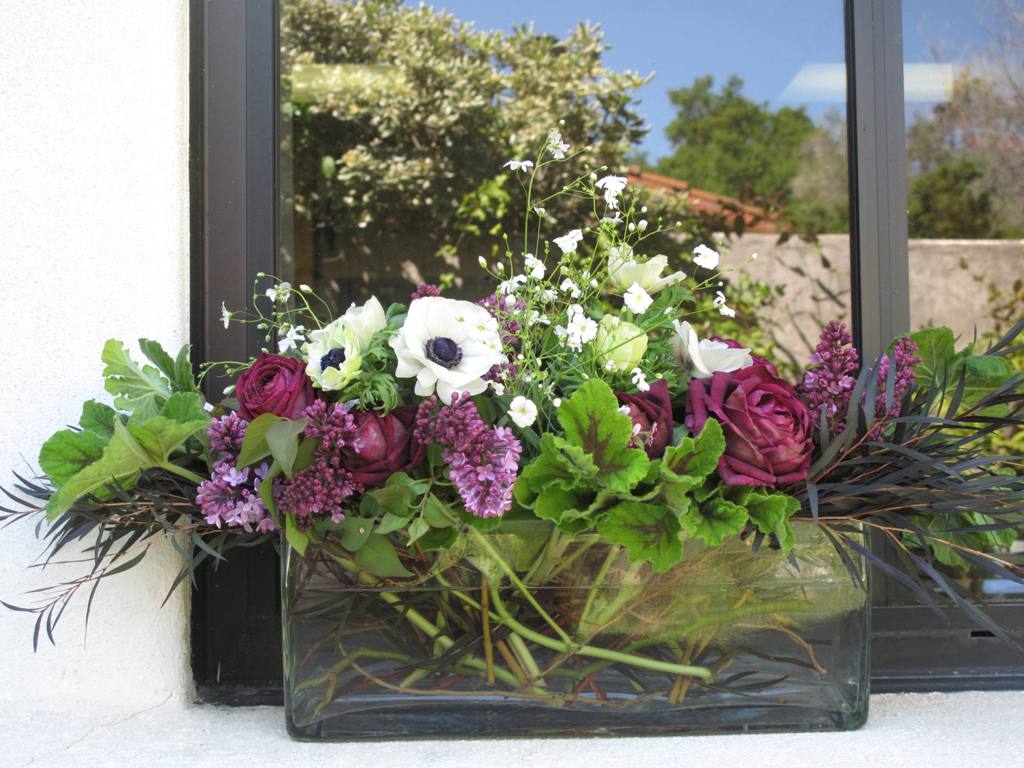
One of my demonstration arrangements features all California-grown roses, anemones, scented geranium foliage, lilacs, agonis and more.
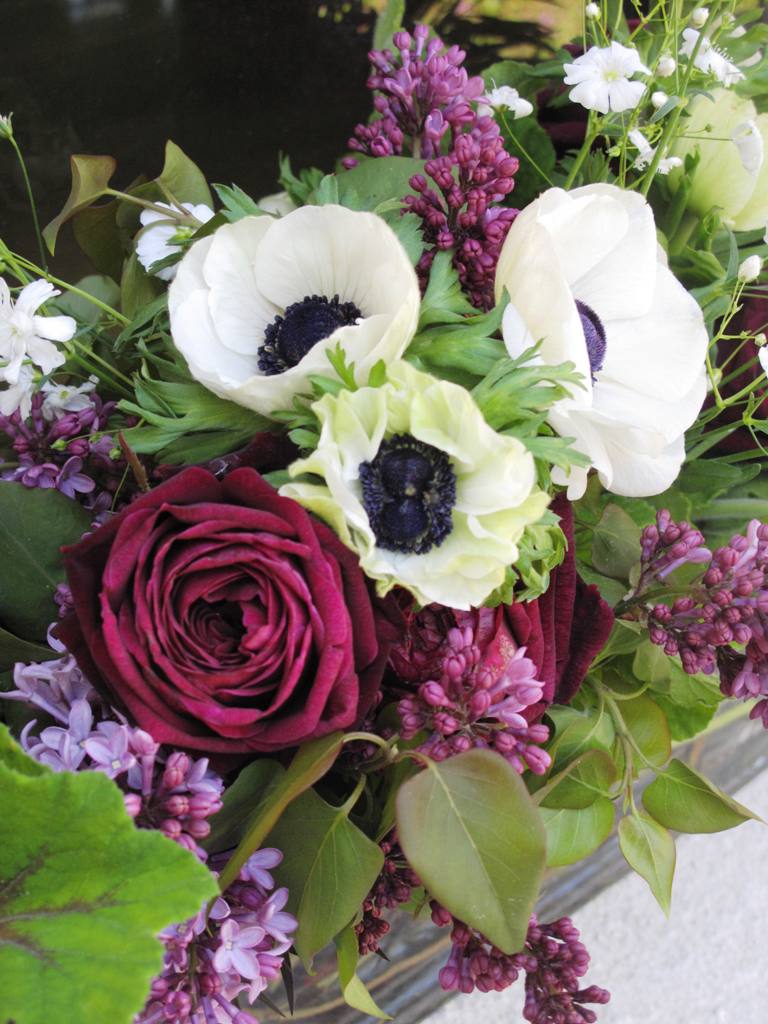
A yummy detail, featuring a dark purple rose that is so gorgeous it made me faint!
In addition to using roses and several other cool ingredients from Rose Story Farm (including velvety scented geranium foliage), we procured some donations from other local sources. I want to thank Florabundance, a floral wholesale business owned by Joost and Alex Bongaerts, for their generous donation to match our purchase of a variety of really beautiful, healthy and unique annuals, perennials and foliage – all California grown. And two other flower farms donated interesting varieties for our students to use. Thanks to Marcus Van Wingerden of Pyramid Flowers Inc., of Oxnard, and Igor Van Wingerden of Ocean Breeze Farms in Carpinteria, for their support.
That evening, after the day-long workout hauling huge buckets of flowers and standing on our feet all day, Dani pulled off yet another classy event. She hosted a garden party for her fellow committee members to celebrate our successful day. It was a delight – and I know you’ll be mesmerized by the enormous arrangements that her staff created for the evening. I certainly was seduced by them, especially in that dewy, coastal air as the sun descended toward the Pacific, illuminating each petal in vivid relief.
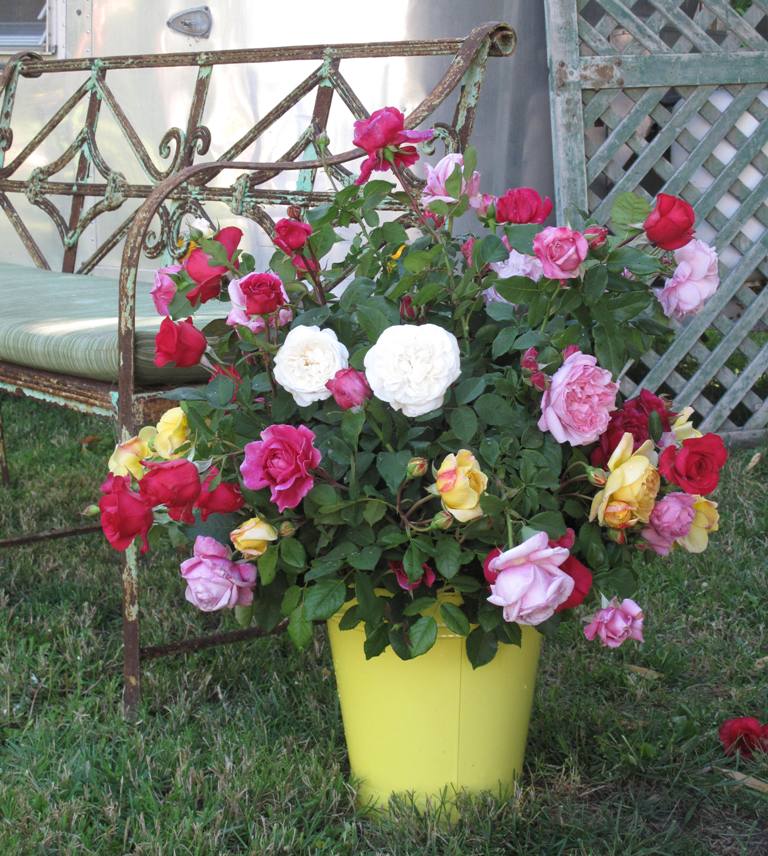
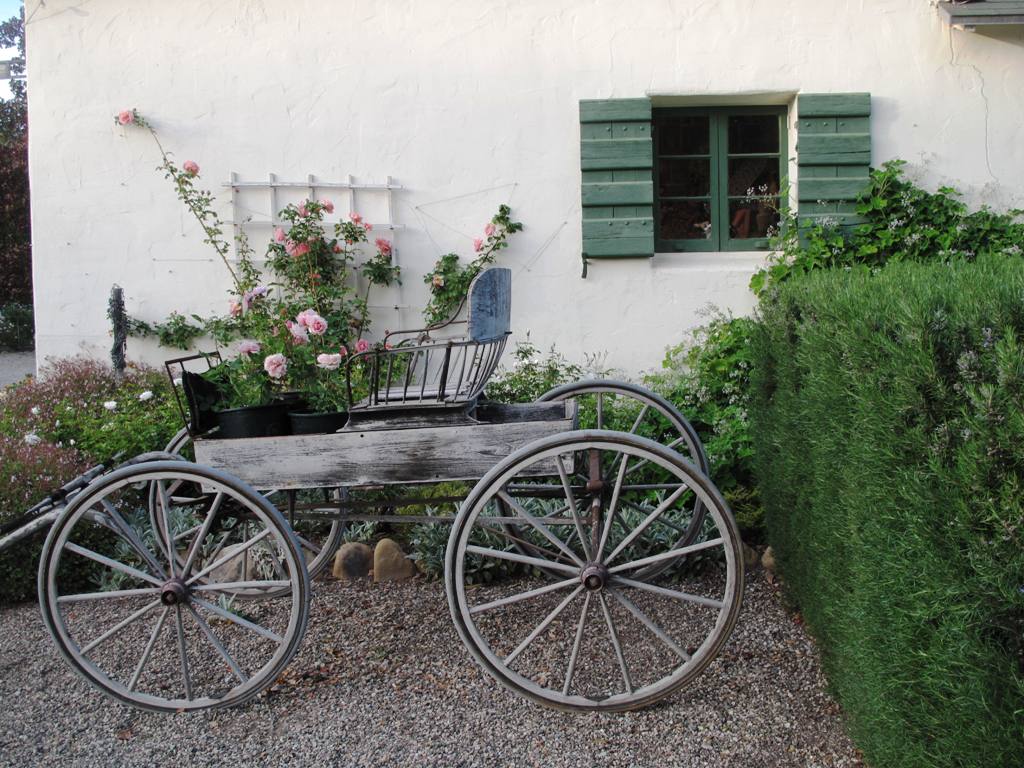
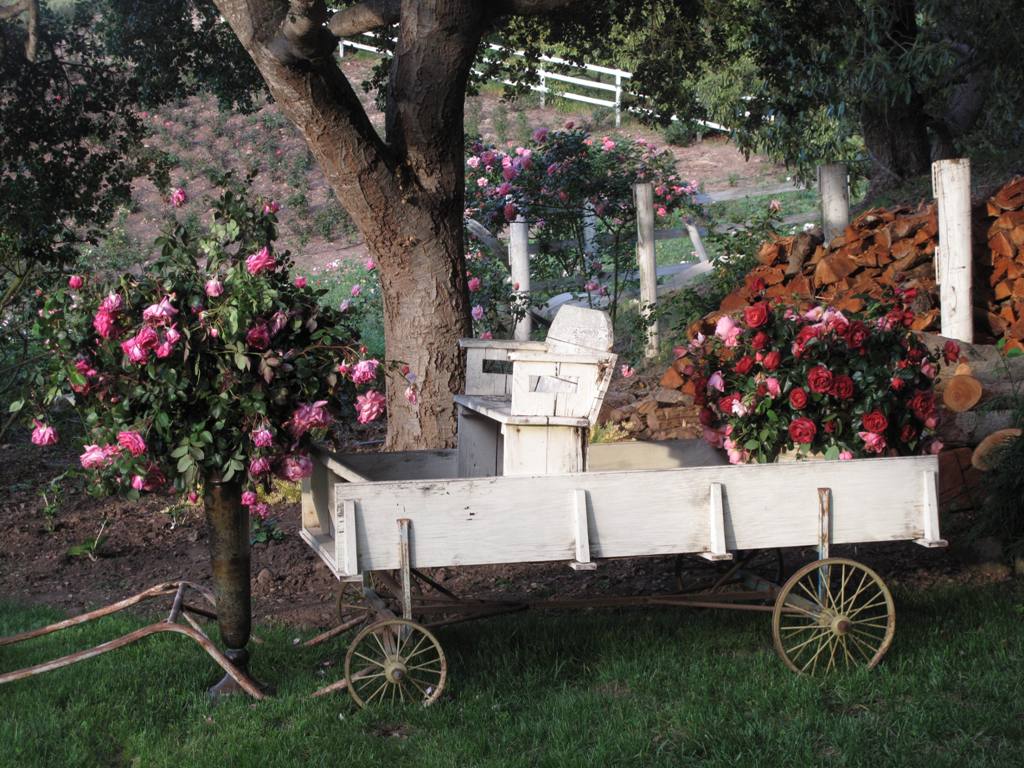
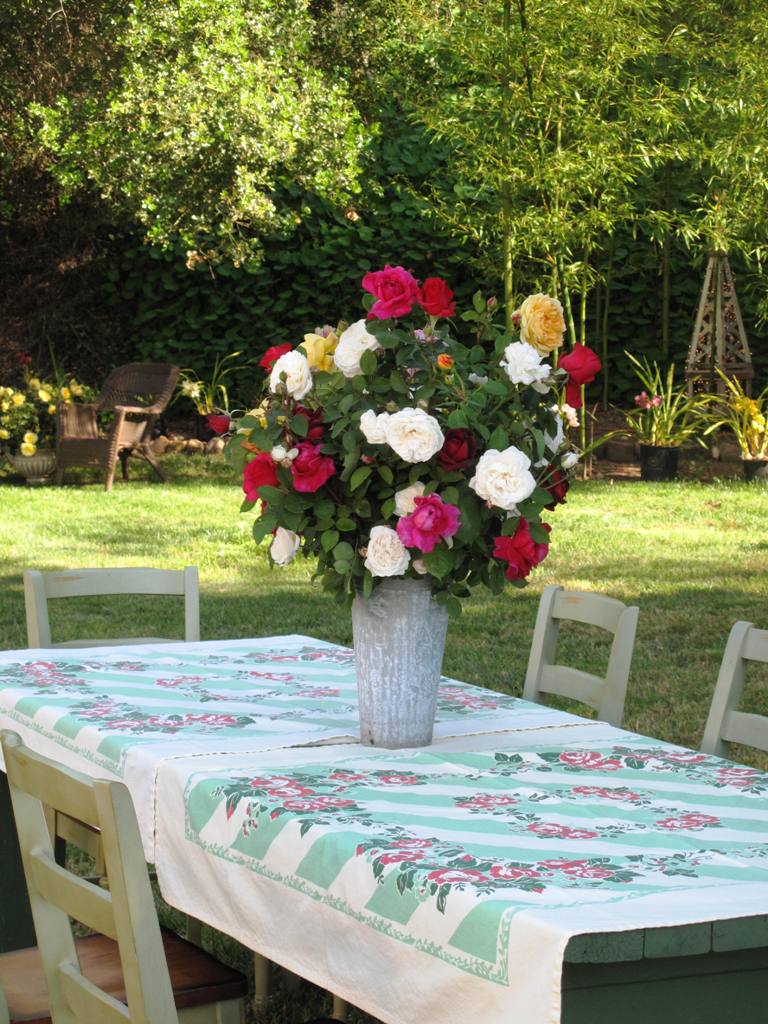
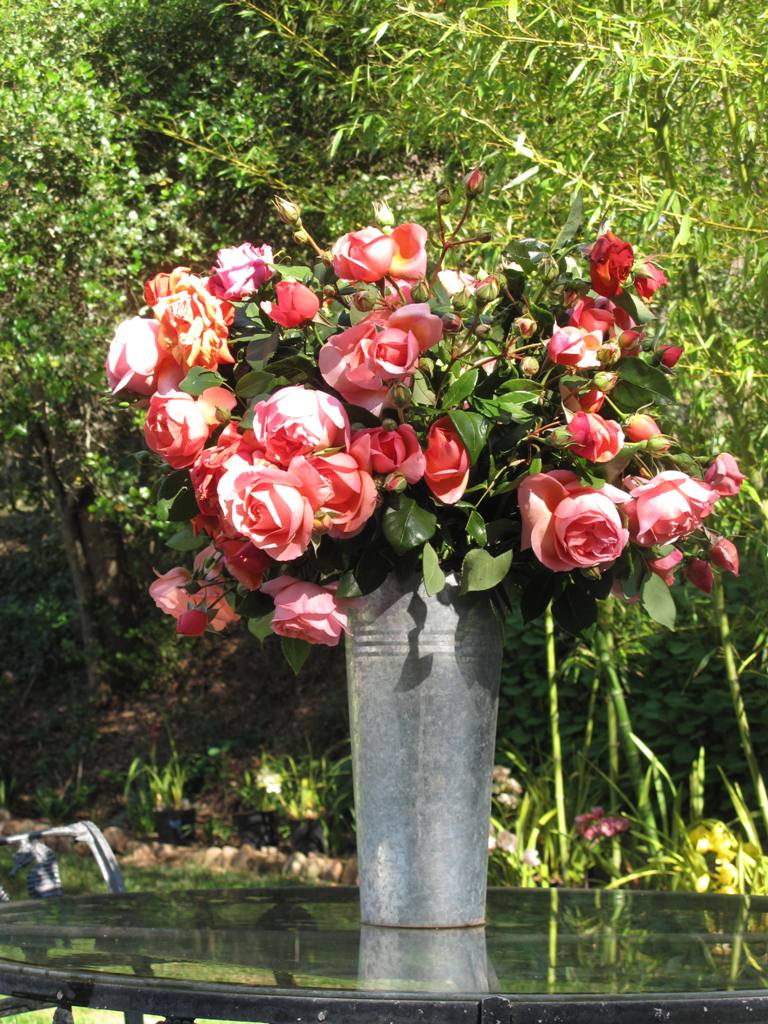

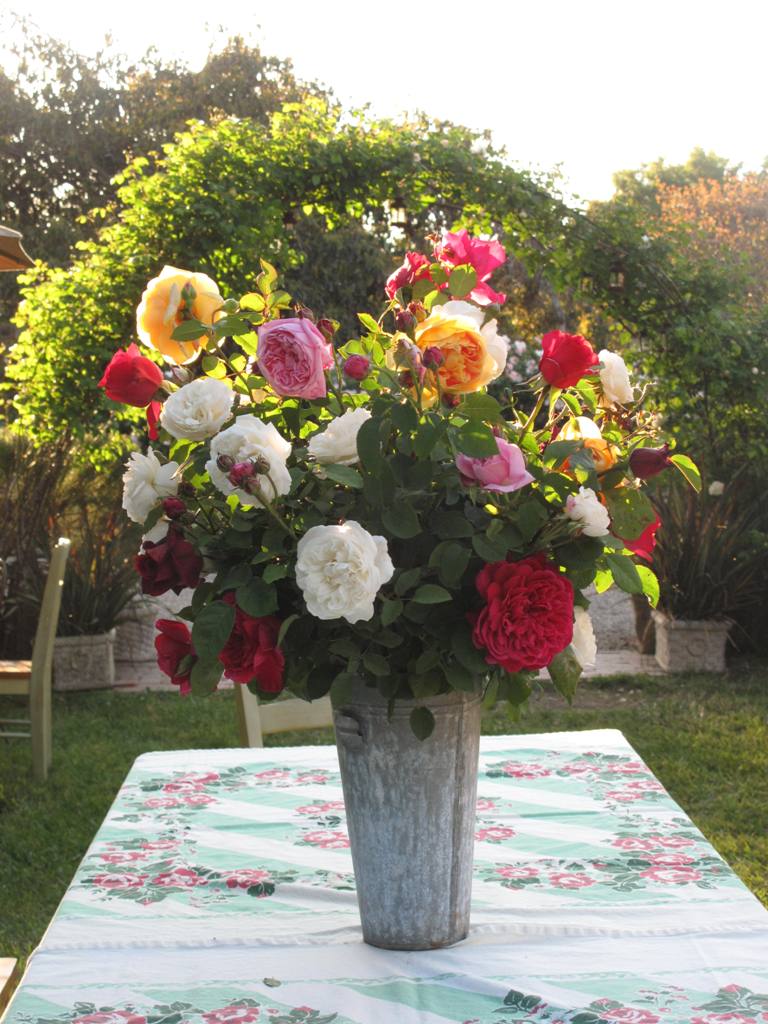
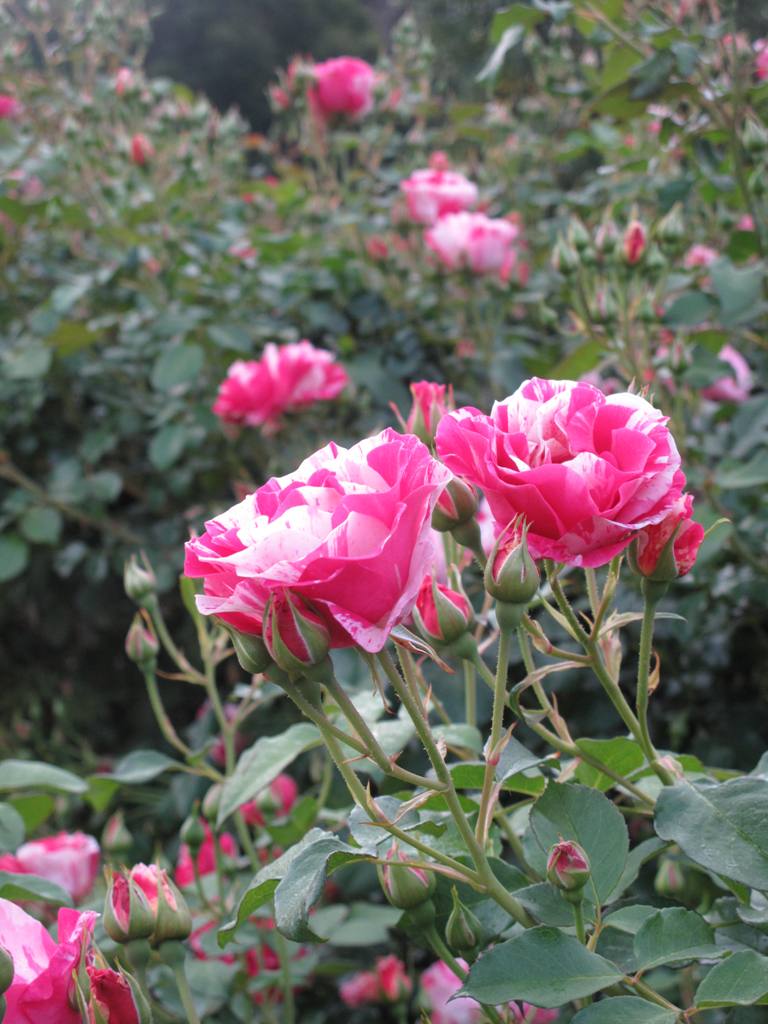
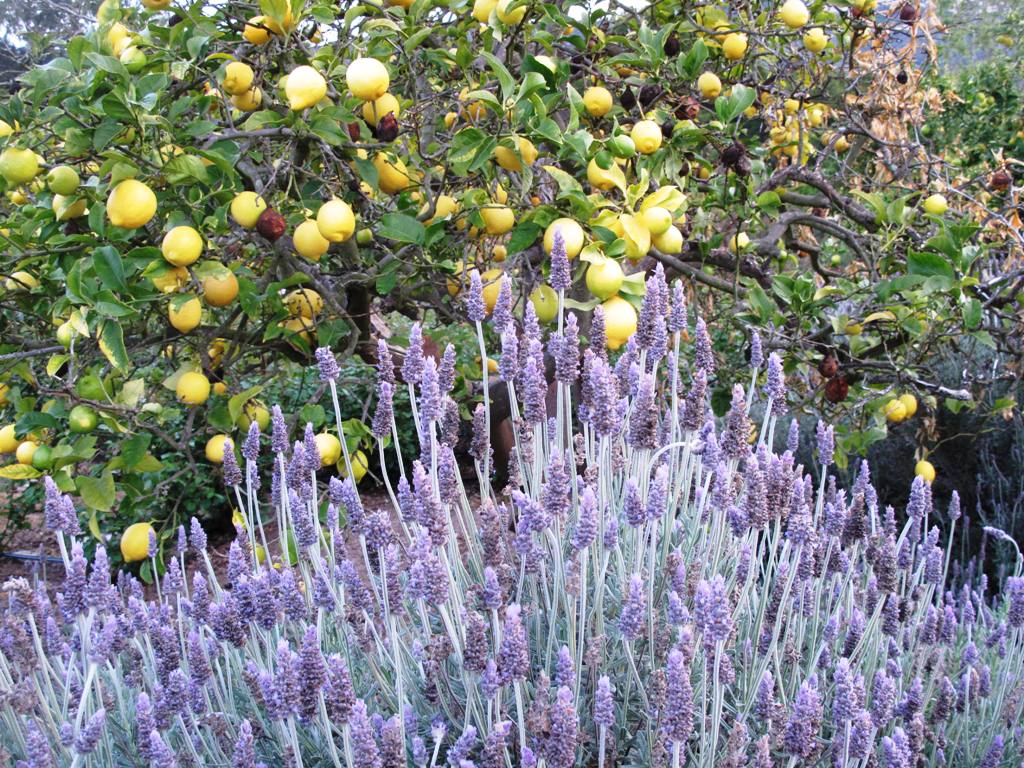

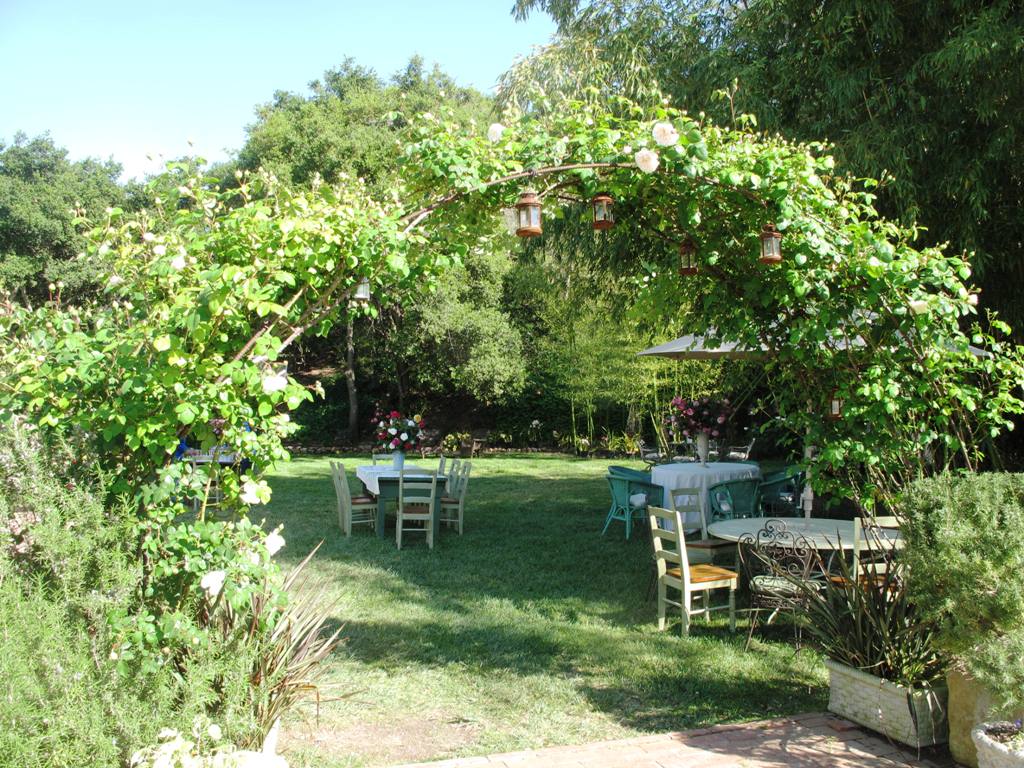
After a late-night gab, Dani’s family long since retired for the night, we finally stopped talking and headed to bed ourselves. My destination: The Hydrangea Cottage. This was my home in the midst of the rose fields. How lucky can one woman be?
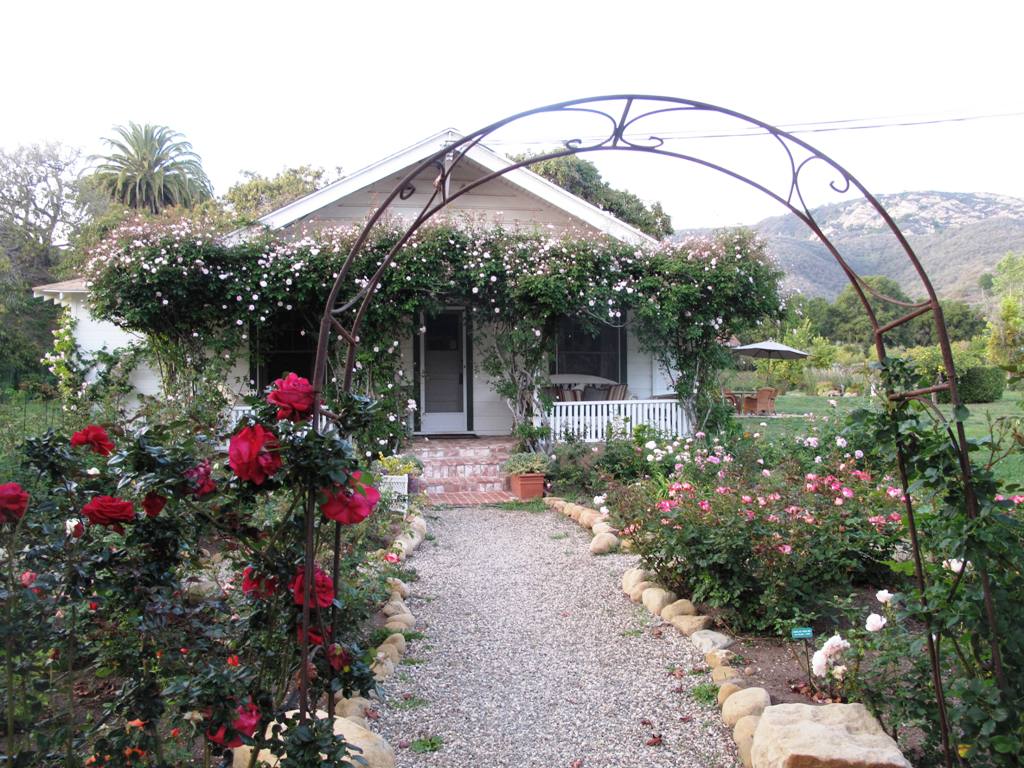
Here’s where I stayed for three days . . . a charming vintage cottage, courtesy of the Hahns and Rose Story Farm. Sublime!
Lots more took place during the ensuing days, but I have so many wonderful photos to share from my time at Rose Story Farm that I need to postpone the narrative for subsequent chapters! To be continued . . .
Posted in American Grown, Blog Posts, Creativity, Entertainment, floral design, Gardening, General | 5 Comments »
April 23rd, 2014
Podcast: Play in new window | Download
Subscribe: Apple Podcasts | Podcast Index | | More
The Local Bouquet’s adorable logo depicts the studio’s farm-focused spirit.
Today’s interview was inspired by an email I recently received from Mary Kate Kinnane and Maureen Azize, partners in The Local Bouquet, based in Little Compton, Rhode Island. Their full-service floral design studio uses locally and domestically grown blooms for every occasion – and it’s their dedication to this philosophy that prompted them to reach out to me.
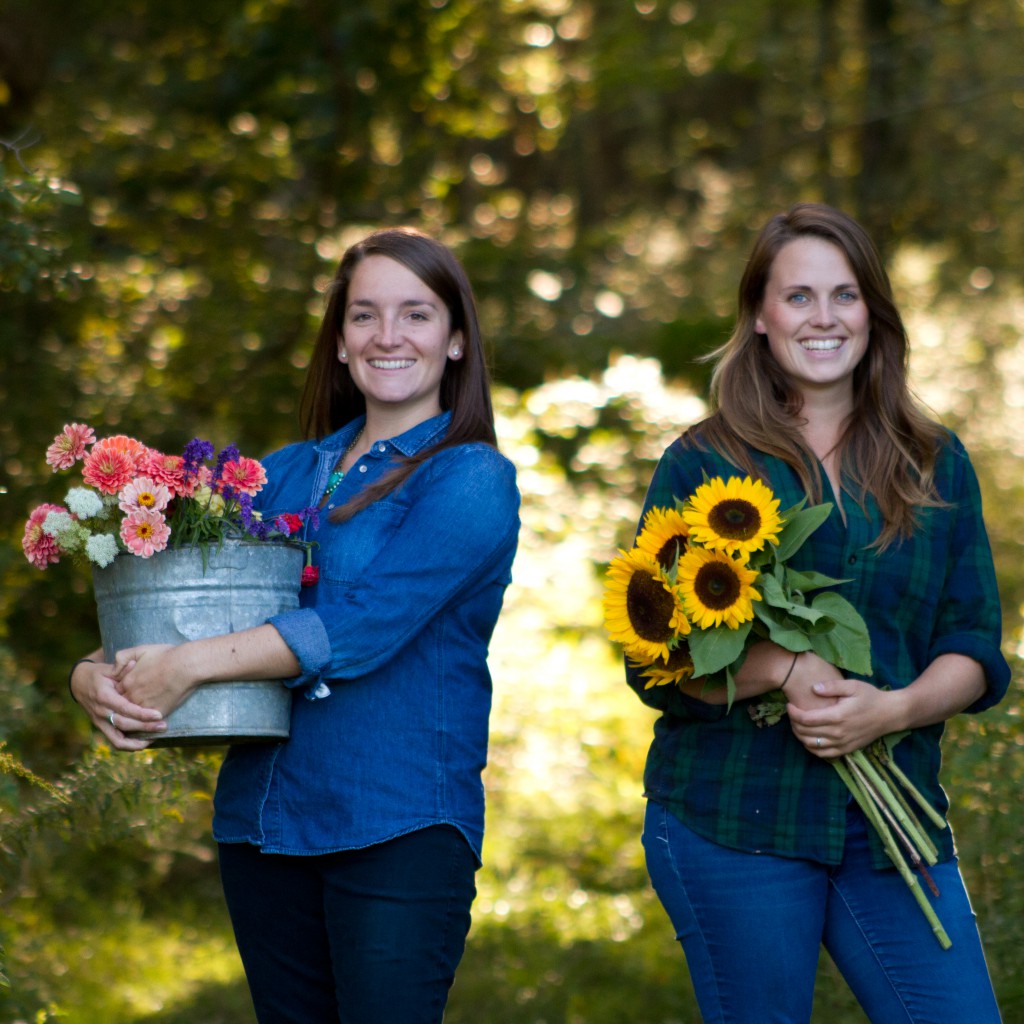
Mary Kate (left) is the studio’s wedding and event coordinator; Maureen (right) is the field coordinator and director of cut flowers.
Their letter was just one of several similar “cries for help” from Slow Flowers believers around the country, including Justine Lacy and Jessica Stewart of Foxglove Brooklyn Floral Design Studio, who were my podcast guests two weeks ago.
The essential question is this: HOW CAN SMALL FLORAL BUSINESSES MOTIVATE THEIR WHOLESALE SUPPLIERS TO OFFER AMERICAN GROWN FLOWERS FROM LOCAL FARMERS AND OTHER DOMESTIC SOURCES?
Here’s the note that Mary Kate and Maureen sent:
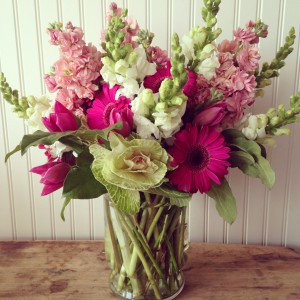
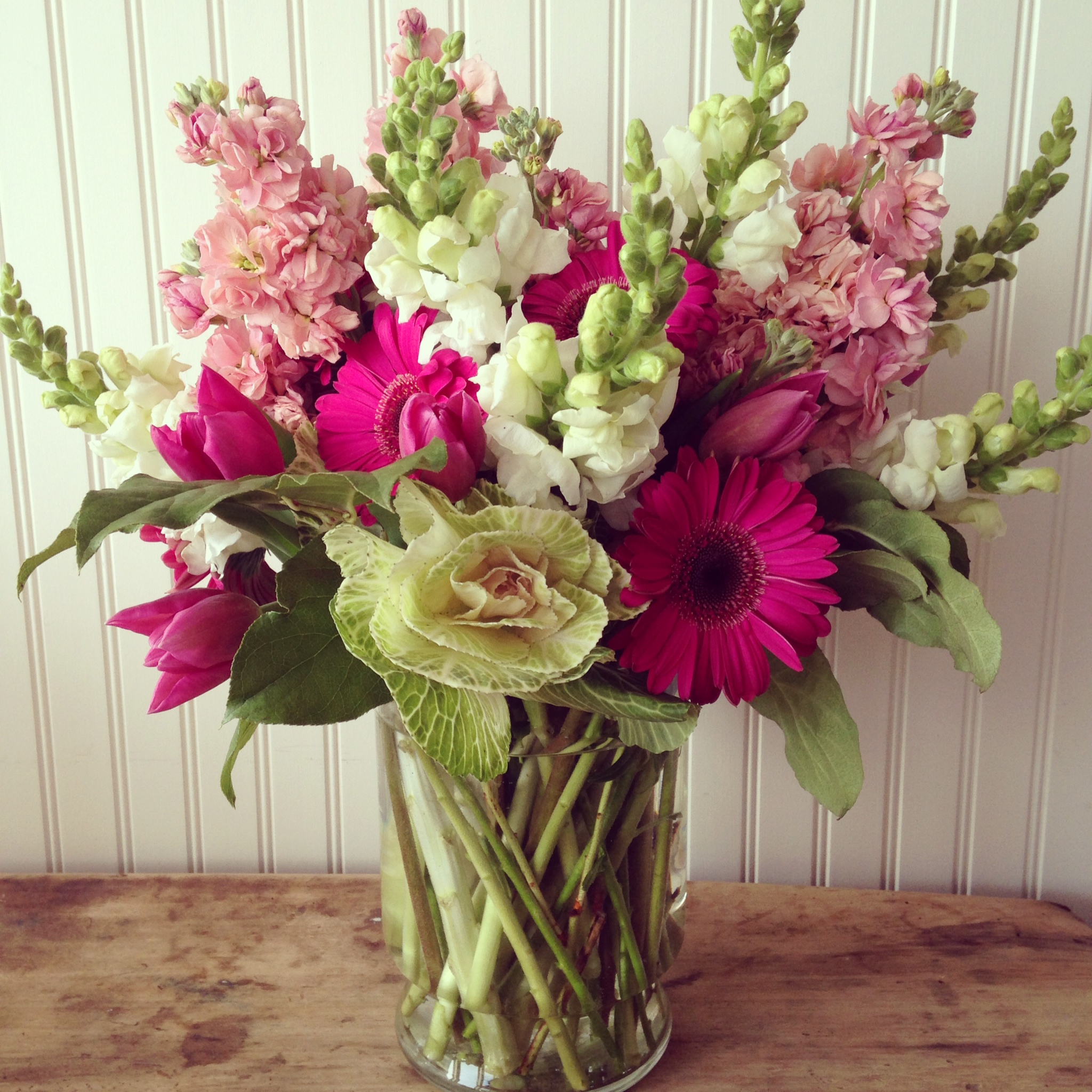
A seasonal arrangement from The Local Bouquet.
Let me start by introducing myself. My name is Mary Kate and I am co-owner and co-operator of The Local Bouquet, a full service floral design studio in a small town in Rhode Island. My business partner Maureen and I are both 26 years old, newly married and new mothers too.
We started our floral company one year ago, providing people with only locally and domestically grown blooms in all of our designs.
We have spent the past year educating our customers on why local and U.S. grown in better and why place of origin is important to think about when it comes to the flowers in their lives. No one in our area is providing the public with this type of product and so as a result customers are new to this “field to vase” movement.
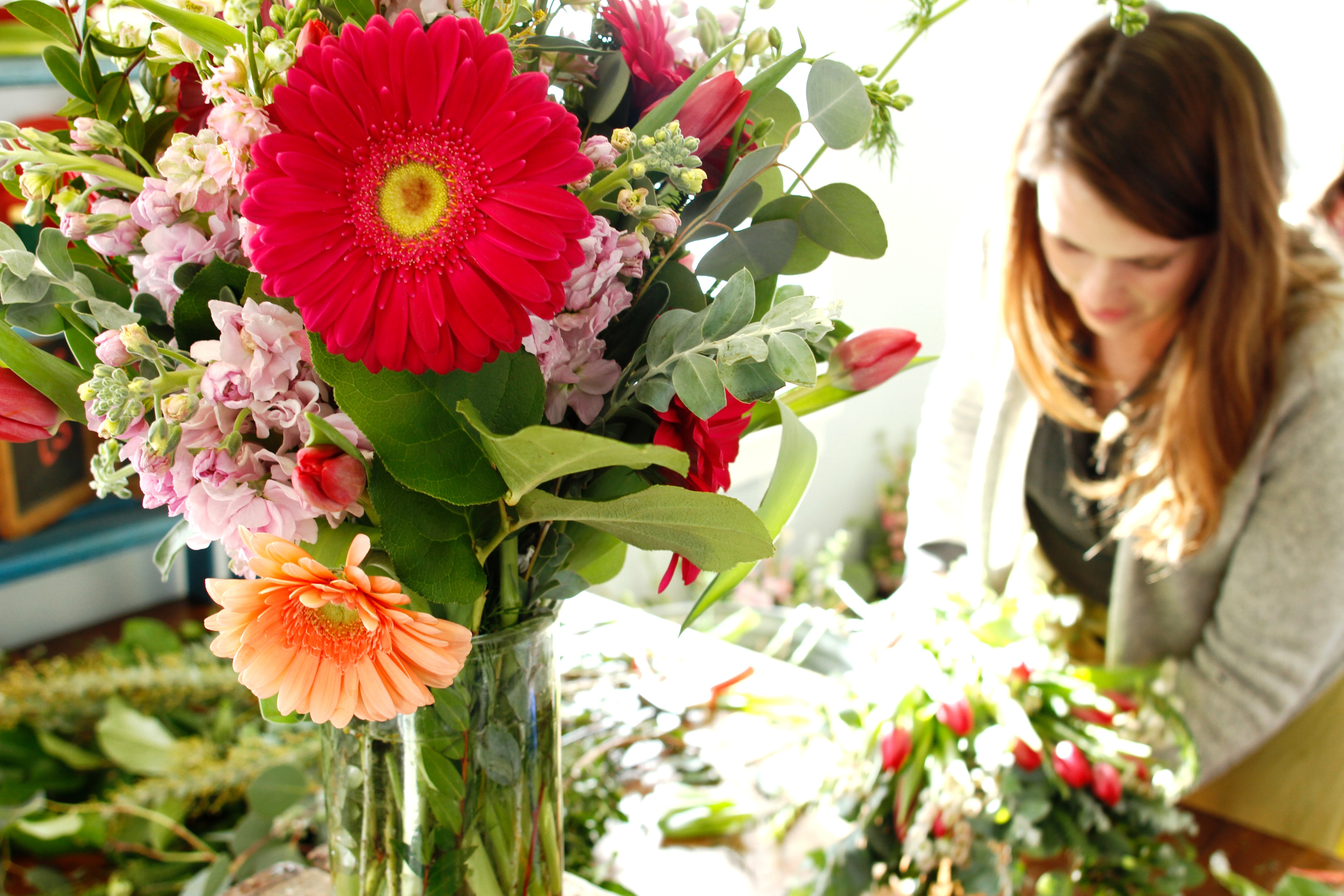
Mary Kate in the studio.
We really have learned a lot in the past year from you and all of the educational media you are sharing, so I want to thank you for that. We need your help and expertise though! We realized when we started our business with this unique mission that it would be a challenge to get our hands on local and domestically grown blooms throughout the year, especially in our area of the country. We never imagined just how big that challenge would be though.
In the past five months we have educated ourselves at the flower market, only buying what is U.S. grown, which is a very small list. When we ask our sales reps if they would ever buy more local blooms, they shake their head no and laugh! So lately we have been taking it upon ourselves to talk to the farmers directly.
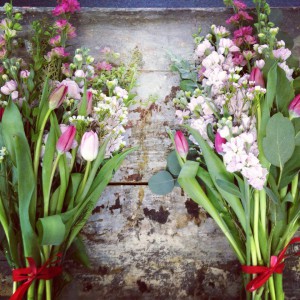
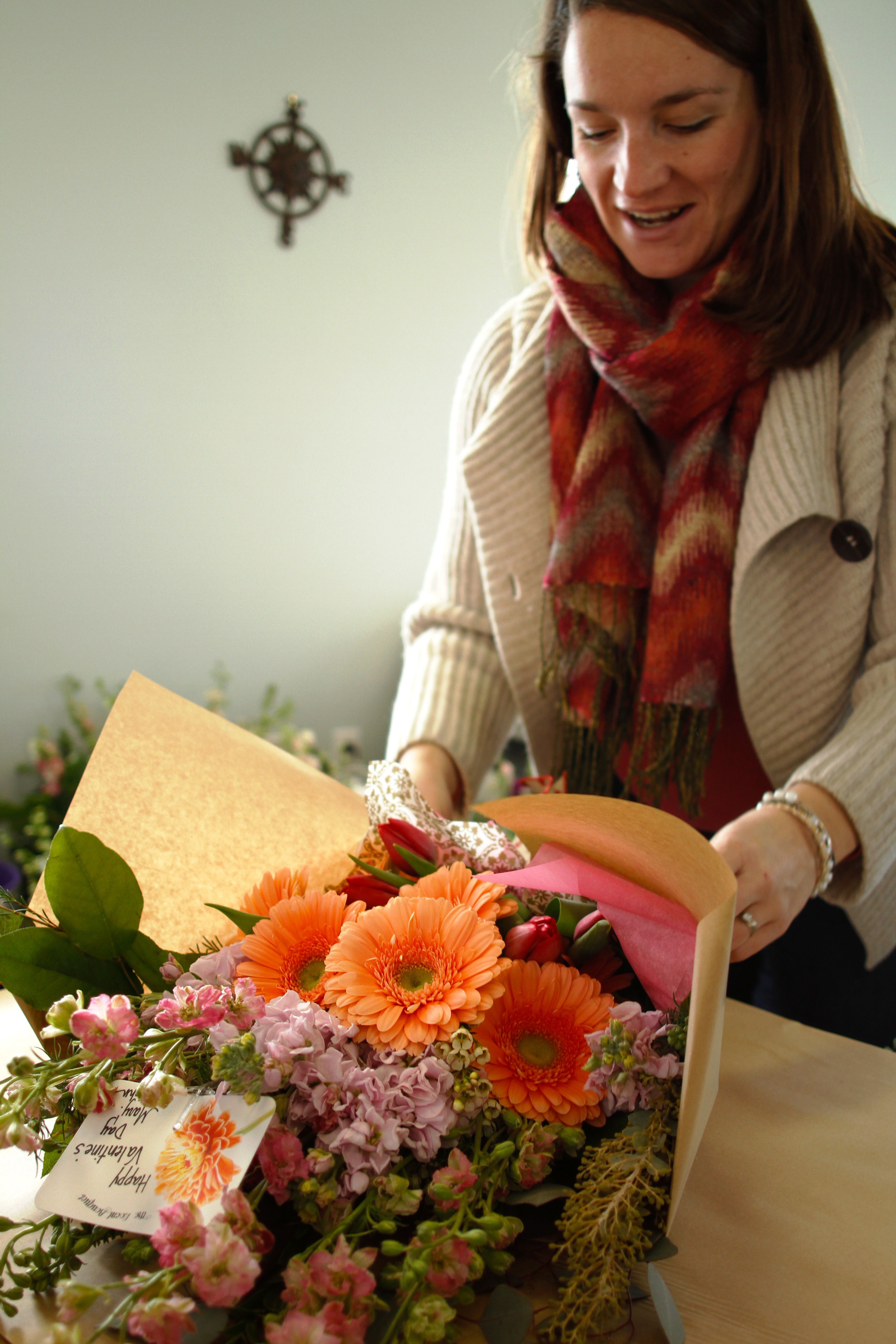
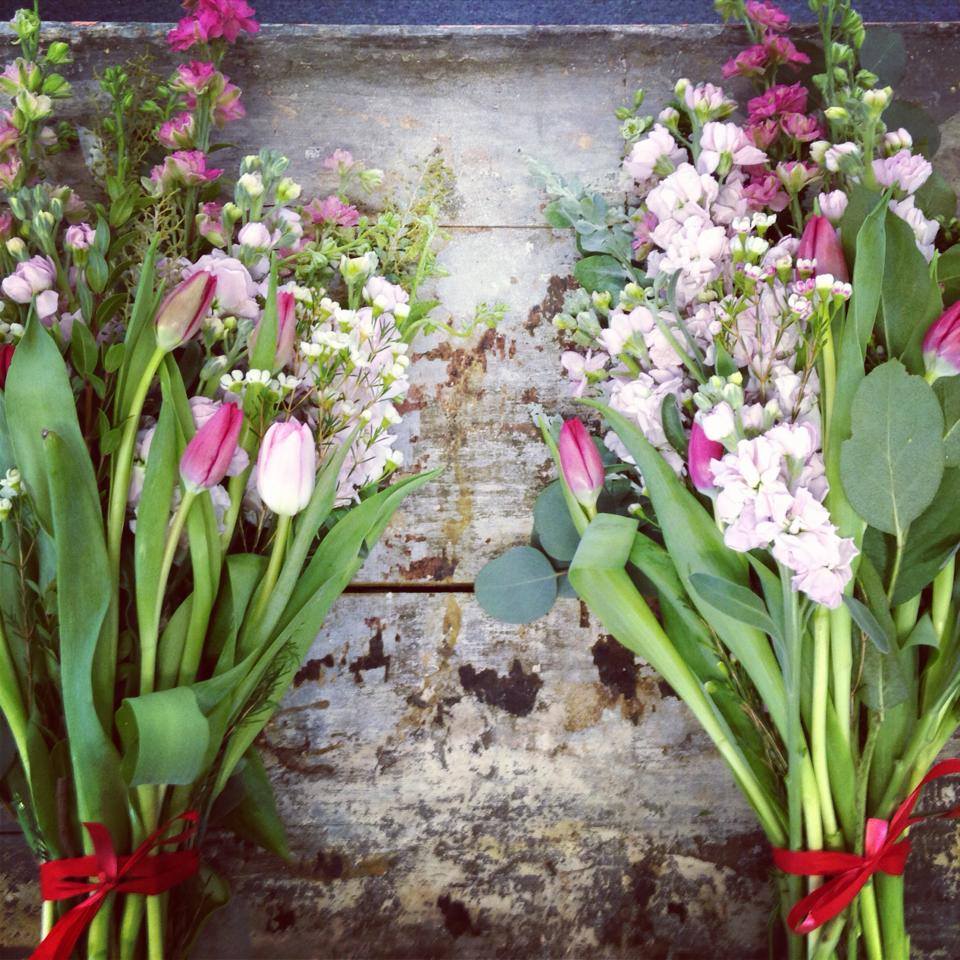
Some of the popular no-rose Valentine’s Day bouquets created by Mary Kate and Maureen.
We have reached out to farmers not just in the New England area but also on the eastern seaboard and the West Coast. We have had disappointingly little luck. All of the farmers outside of our state are not interested in selling to small businesses like ours. They all give us the same speech about how we need to guarantee them big numbers on a weekly basis for them to want to ship all the way to R.I.
So how are we supposed to join this “field to vase” movement if we aren’t located where all of these big U.S. flower farms are? Does that mean we are automatically out and we only get 3 good months out of the year to make it as a business? We would like to think not, but lately with all of the defeat it’s hard not to.
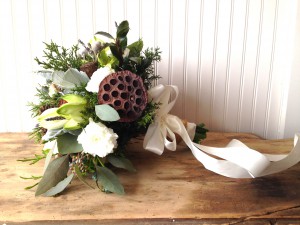
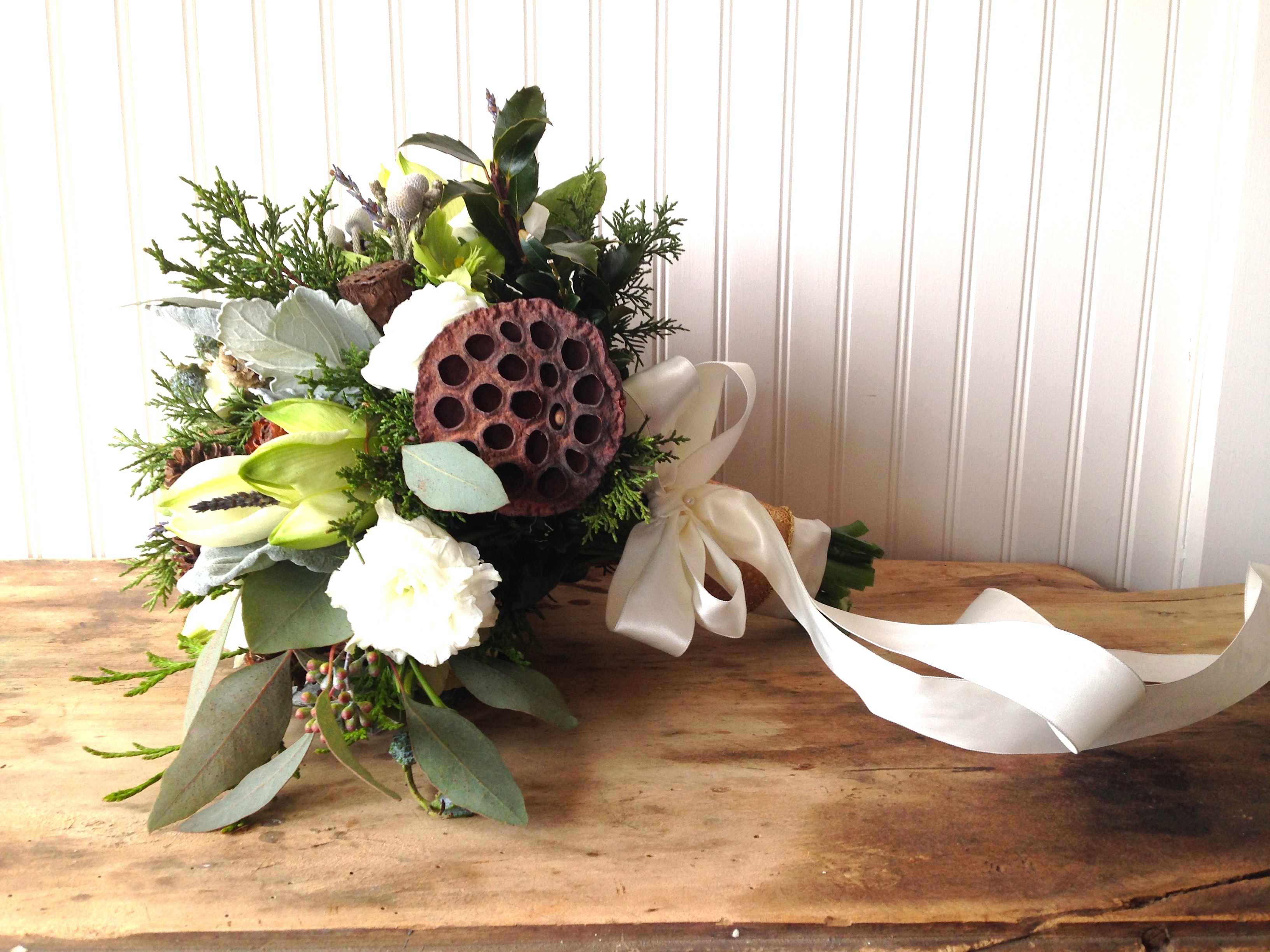
Here’s what a winter bridal bouquet looks like in Rhode Island. Stunning!
This is where we need your help. How do we get our hands on more blooms from the U.S.? How do we convince these farmers that even though we are small and just starting out, it is an investment to work with us and one that will grow the “American Flower Farmer” movement. Do you know of any farms that would be willing to sell/ship to us? Do you have any recommendations for us as florists who are trying to support the local and domestic farmers? Any help you could give us would be greatly appreciated!
By the way, we thoroughly enjoy your podcasts week-to-week! This might be an interesting topic to discuss; the florist need for more local and domestic blooms and the farmers thoughts to selling and shipping to small time businesses like ours.
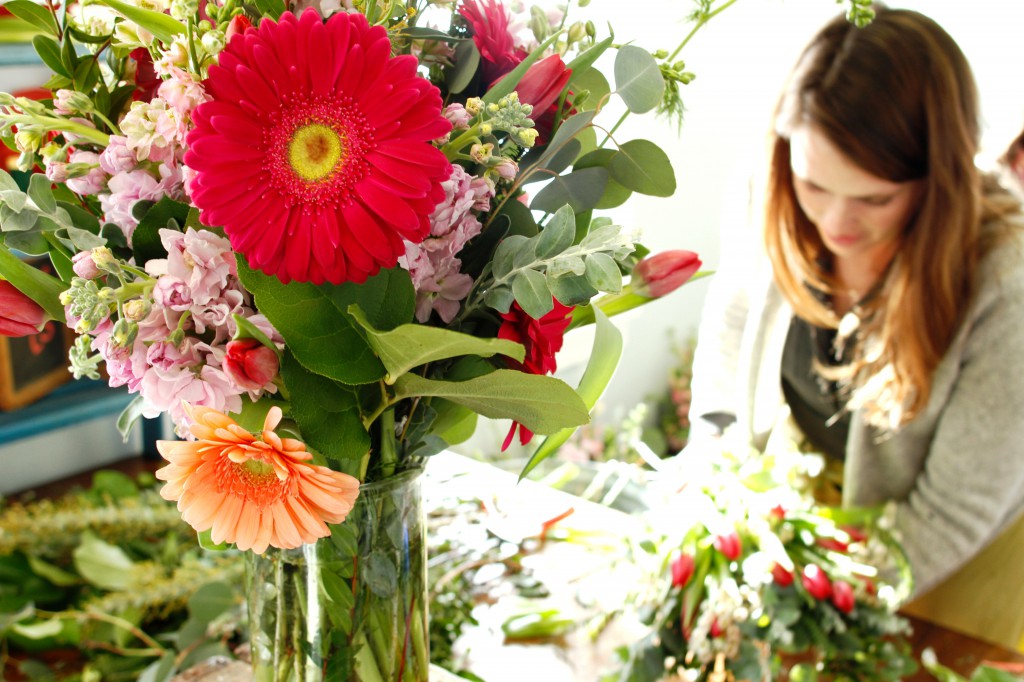
Maureen in the design studio.
Here’s a little more about Mary Kate and Maureen, from their web site:
To put it simply, we are two women who LOVE flowers! Sisters-in-law and best friends, we love being outside, getting dirty in the gardens, and being creative in our designs. With backgrounds in floral design, gardening, and landscape design, our mission is to bring you the freshest locally and USA grown flowers, including blooms from our own little flower farm. We design natural, free-flowing and elegant bouquets and arrangements, inspired by nature and tailored to meet our clients’ needs!
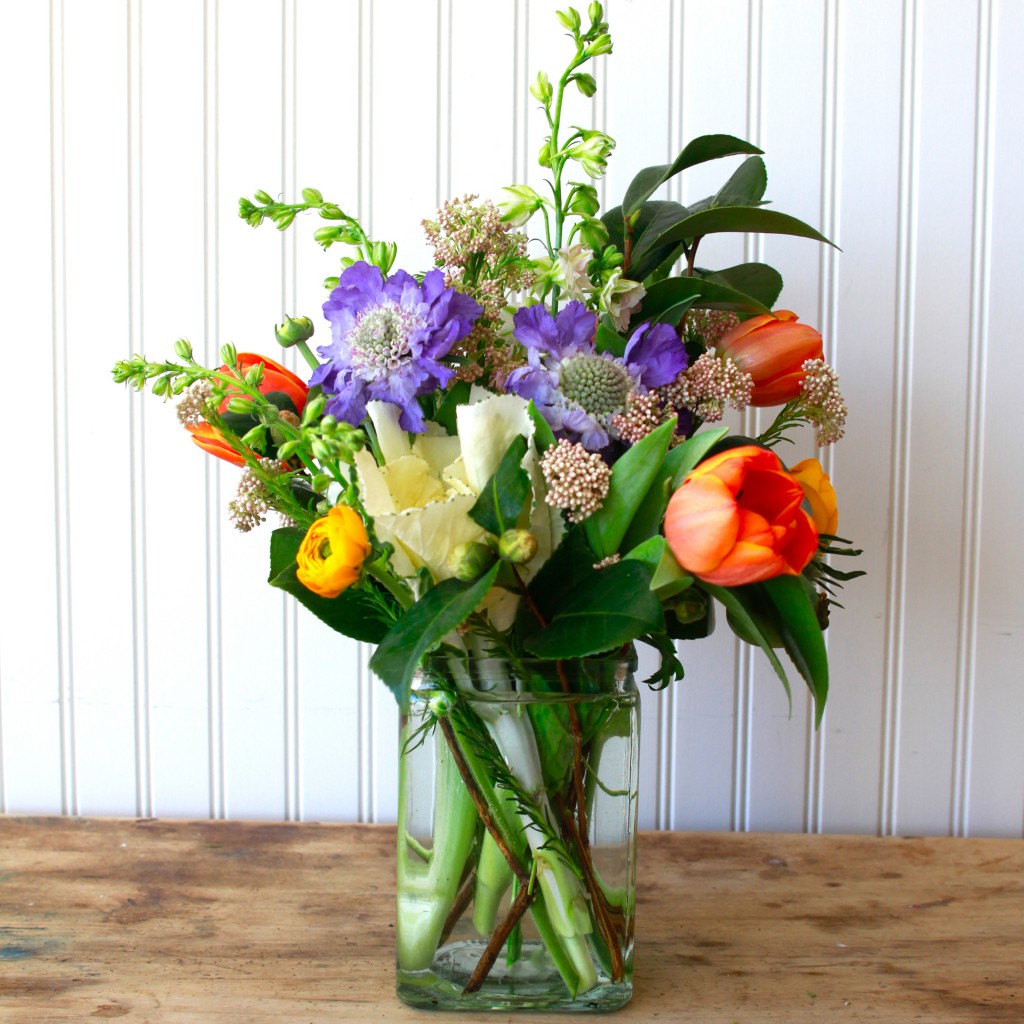
Beautiful, fresh, seasonal and local!
We certainly didn’t solve the Sourcing Conundrum in today’s conversation, but I am so grateful that we took the time to meet via a Skype interview. I feel like these podcast interviews provide insights and education to all of us who care about the origins of the flowers we purchase and design with.
Because of the support from you and others, listeners have downloaded episodes of the Slow Flowers Podcast more than 10,000 times! I thank you for taking the time to join to my conversations with flower farmers, florists and other notable floral experts.
If you like what you hear, please consider logging onto Itunes and posting a listener review.
Until next week please join me in putting more American grown flowers on the table, one vase at a time.
The Slow Flowers Podcast is engineered and edited by Hannah Holtgeerts. Learn more about her work at hhcreates.net.
Posted in American Grown, Blog Posts, floral design, General, Podcast Episodes, SLOW FLOWERS Podcast | 3 Comments »
April 16th, 2014
Podcast: Play in new window | Download
Subscribe: Apple Podcasts | Podcast Index | | More
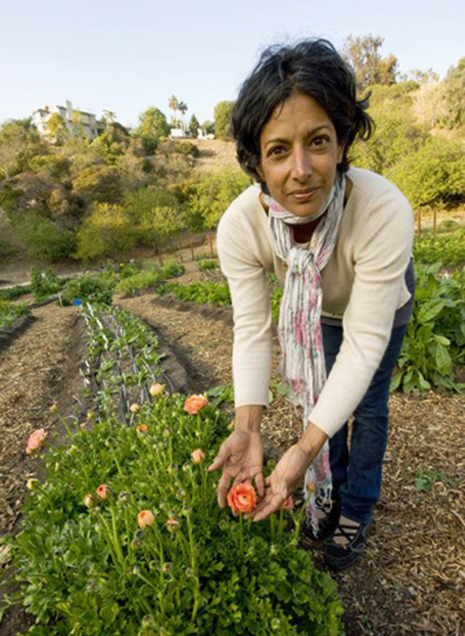
Urban flower farmer Tara Kolla, owner of Silver Lake Farms in Los Angeles.
This week we’re celebrating a huge milestone for this young floral-focused podcast. The first episode of the Slow Flowers Podcast debuted last July. As of this week, more than 10,000 episodes have been downloaded! This is such encouraging news – and I thank YOU for listening and allowing me to share my interviews with influential leaders in flower farming, floral design and other related topics each week.
For the past 10 days, I’ve been teaching, reporting and traveling in California, working my way from south (Los Angeles) to north (Eureka-Arcata) and points between (Carpinteria-Santa Barbara, San Luis Obispo and SF). Eventually, I’ll get home to Seattle. The excursion has offered me a wonderful chance to sit down for some face-to-face interviews with new guests whose voices you’ll hear on the Slow Flowers Podcast in the coming weeks.
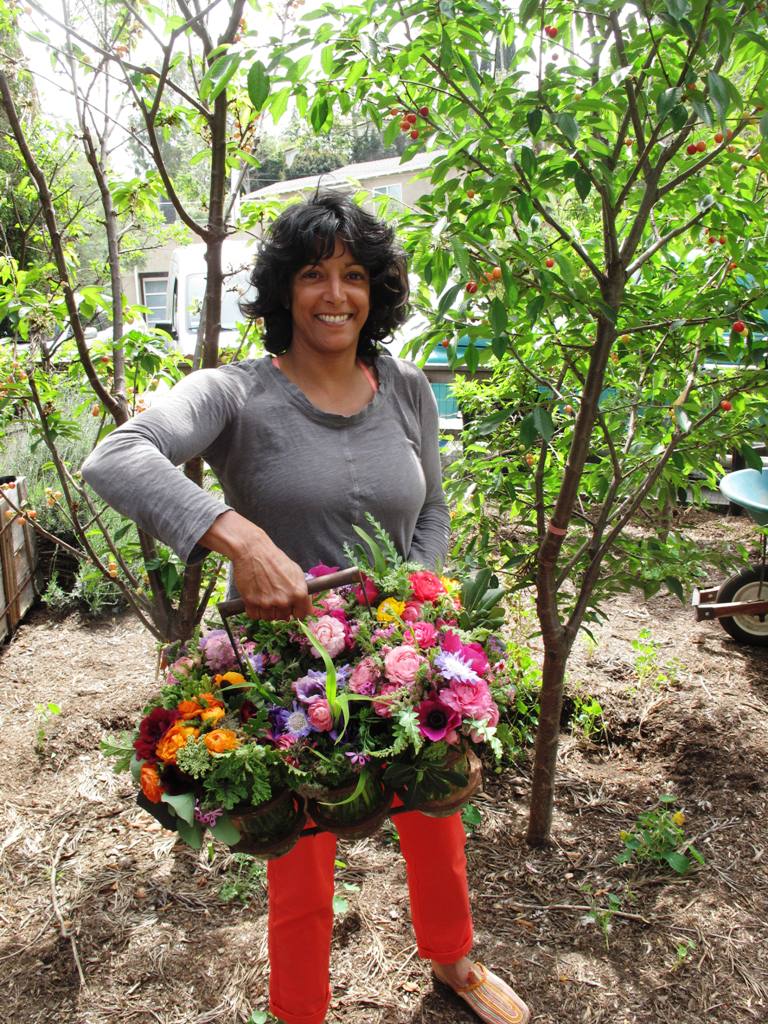
I snapped this cute photo of Tara and her flowers on April 10th. She was preparing luscious bouquets for her CSA deliveries.
The first person I’d like to introduce you to is Tara Kolla, owner of Silver Lake Farms in Los Angeles. We met at her urban farm (ahem. her backyard!) for a little lunch and then turned on the recorder in order for me to catch up on her 10-year career as a flower farmer specializing in organic blooms in all 12 months.
In 2012, when we published The 50 Mile Bouquet, I was delighted to tell Tara’s story of flower farming, despite many odds, in the heart of Los Angeles.
The narrative began in 2004, when Tara left her career in public relations and marketing to follow her dream to be an organic urban farmer. She planted sweet peas in her half-acre backyard and sold the fragrant flowers by the bunch at her local farmers’ market.
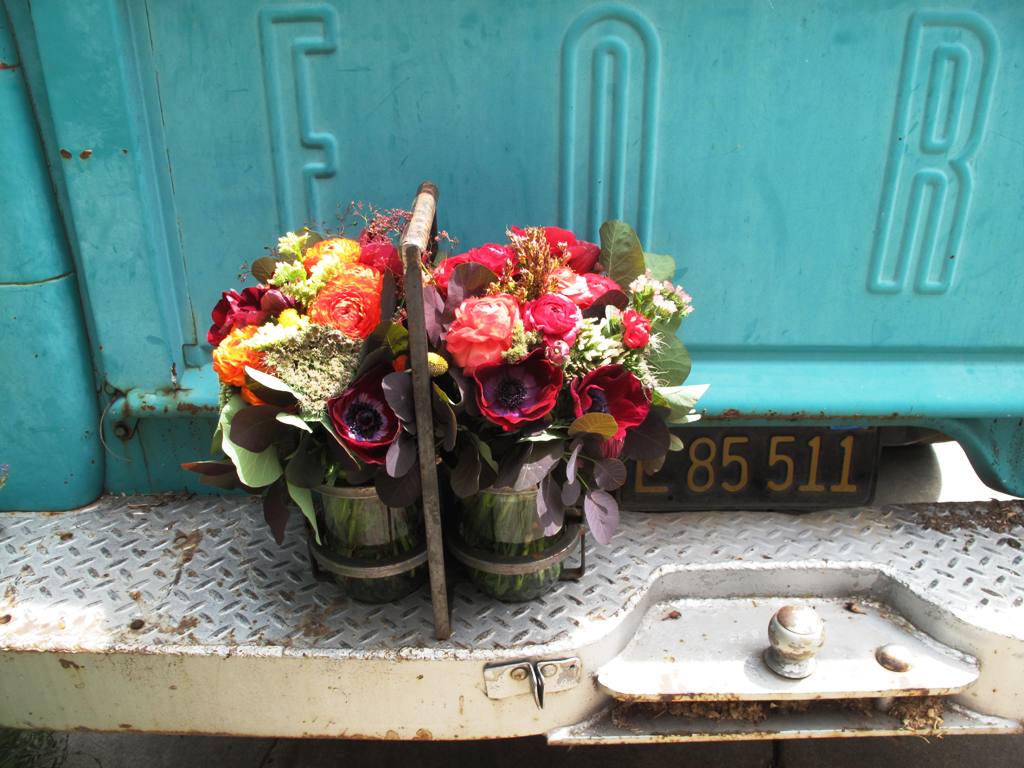
A twin-carrier, filled with two yummy bunches for the upcoming market delivery.
In doing so, she never expected to become the poster child of the city’s urban farming movement. I called the chapter “Flower Patch Politics,” and shared her tale of tenacity and passion as she endured an enforced shut-down from LA’s Department of Building and Safety.
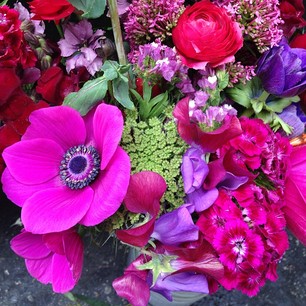
A detail of a Silver Lake Farms bouquet. Check out that anemone!
That experience lasted nearly two years and involved Tara’s work to reverse an obscure 1946 “truck gardening” law that limited residential farms to only the cultivation of vegetables for off-site sale – not flowers.
Facing fines, jail time or a costly legal battle to obtain a land-use variance, Tara dug in her heels and decided to lobby for a change to the ordinance.
“I didn’t want to lose, give in or submit,” she says. Tara’s fierce belief in justice helped sustain her during a yearlong fight for what became known as the Food & Flowers Freedom Act, although she acknowledges that it took a toll on her physically, emotionally and financially.
Yet Tara feels grateful for the wave of support from her community, including longtime Silver Lake Farmers’ Market customers and fellow urban farming activists.
The media thrust Tara into the role as spokesperson for everything from sustainable agriculture to the plight of the small family farm.
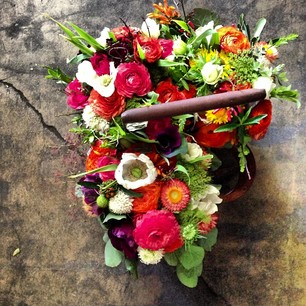
Flowers for market, year ’round, organic and fresh!
Ultimately victorious, she’s been back in the business of growing flowers for several channels of distribution for nearly four years. Tara’s story is a huge inspiration and you’ll find its happy ending heavily seasoned with reality. We’ll discuss that in today’s podcast as we cover everything from diversification, branding, marketing and the future plans for Silver Lake Farms and its bountiful, healthy, organic and fresh flowers.
Here’s an overview (from Tara’s web site) of her flower farm and its many offerings. Take note of the links to various locations and social media platforms where you can find Silver Lake Farms’ flowers:
Silver Lake Farms was started in 2004 by Tara Kolla in the back yard of her home.
We now grow more than 100 different kinds of organic flowers and greens on less than an acre in Silver Lake and Glassell Park – so close to Downtown LA!
Typically our season begins with layers and layers of soft pastel petals in deep violets, blues and pinks. From late Jan to Mother’s Day: delicate dreamy ranunculus, anemones, and oh so fragrant sweet peas. Spring covers the field with antique wildflowers, adding an air of romance to our palette, and a delicate, natural touch: larkspur, Queen Anne’s lace, soft grasses, airy branches…
From Summer to Fall, it’s all about passion, texture, drama! Velvety, papery, tassely forms saturated in color: cockscomb, amaranths, strawflowers. But the Summer season’s main protagonist has to be, of course, the dahlia. Who can resist our Cafe Au Laits?….
We grow everything naturally, employing biological, organic and sustainable farming practices, without chemicals or pesticides. This way, our flowers are stronger, more vivid in color, longer lasting and richer in depth of tone and fragrance.
You can purchase our flowers in a number of ways. We’re at the Hollywood Farmers’ Market every Sunday from 8am-1pm. We’re there from February 1 thru October 31st.
Our flowers are also available through our Flower CSA, through FarmboxLA,GoodEggsLA, and on the first Saturday of every month we pop up outside Valerie Echo Park.
Love our blooms? We do floral design for weddings and private parties. For more information, contact flowers@silverlakefarms.com
Follow us on Instagram, Twitter, Facebook.
“For a truly sustainable event, think about what’s on the table, not just what’s on the plate.”
Because of the support from you and others, listeners have downloaded episodes of the Slow Flowers Podcast more than 10,000 times! I thank you for taking the time to join to my conversations with flower farmers, florists and other notable floral experts.
If you like what you hear, please consider logging onto Itunes and posting a listener review.
Until next week please join me in putting more American grown flowers on the table, one vase at a time.
The Slow Flowers Podcast is engineered and edited by Hannah Holtgeerts. Learn more about her work at hhcreates.net.
Posted in American Grown, Blog Posts, Creativity, floral design, Gardening, General, Plants, Podcast Episodes, SLOW FLOWERS Podcast | Comments Off on SLOW FLOWERS Podcast: The Urban Flower Farmer, Tara Kolla of Silver Lake Farms (Episode 137)
April 9th, 2014
Podcast: Play in new window | Download
Subscribe: Apple Podcasts | Podcast Index | | More
An email arrived in my in-box last month from Justine Lacy and Jessica Stewart, two supporters of my recent Slowflowers.com campaign. I had sent them a thank-you message after they contributed on Indiegogo, and it prompted this reply:
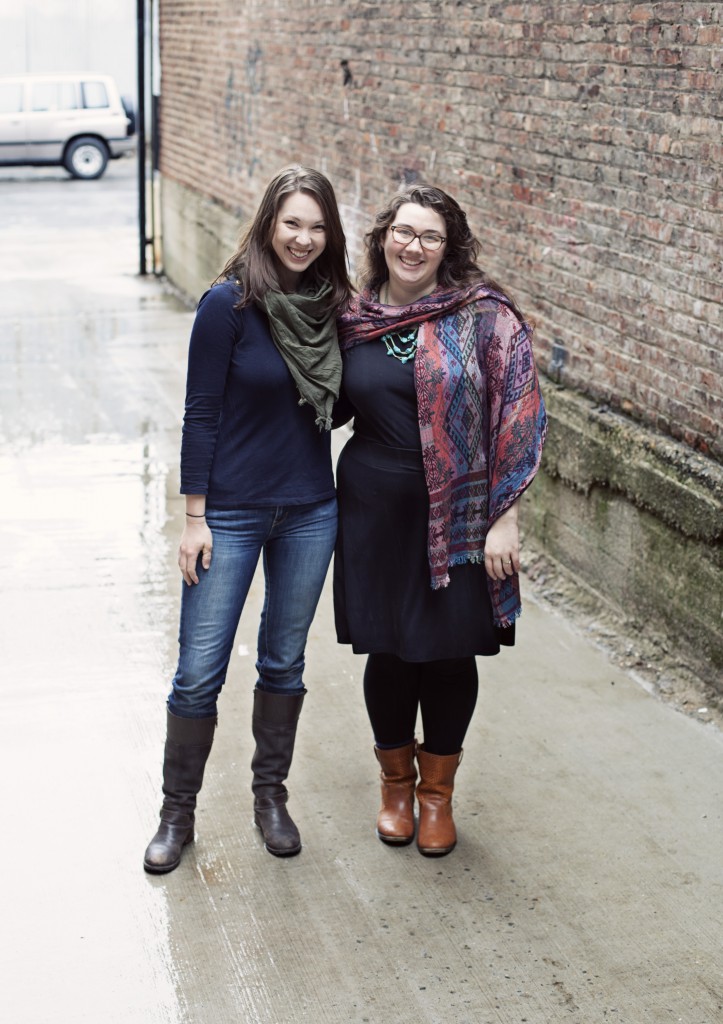
Justine Lacey (left) and Jessica Stewart (right) are a young, dynamic floral duo committed to seasonal and locally-grown flowers in their designs. Photo credits (c) Judie Zevack and courtesy of Foxglove Floral Design Studio.
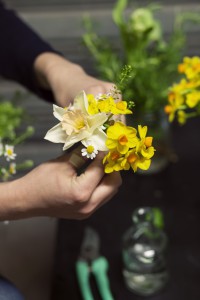
This is what spring looks like in the hands of Foxglove’s designers.
“Hello Debra, this is Justine, Jessica’s business partner here at Foxglove Floral Design Studio in Brooklyn. We are ardent fans of your work – both your floral designs and your leadership and activism in the slow flower movement (and your great podcast!).
“We’ve been following your Indiegogo campaign as we’ve found it an exciting challenge, and a challenge nonetheless, to help our clients connect with local farmers in the New York/New Jersey area. We do love the wholesale market in Chelsea and love to work with fantastic European blooms, and we like getting to know the growers in our area who are providing the more local options, like flowering branches in spring. However, we are very (very) ready for your directory of like-minded, slow flower-inclined designers, growers, wholesalers, etc. I’m currently reading Amy Stewart’s “Flower Confidential” and finding that the more we know, the more we want to source local!
“On that note, the Seattle Wholesale Growers Market is so inspiring – one day, Jessica and I would love to help New York (or even Brooklyn) create a wholesale market dedicated to local flowers! With the amazing flowers grown (and wild) that thrive in our seasons here, it would certainly be a dream come true for many.
“We’d love to chat with you a bit more regarding ways that we, and other New York florists we’re connected with, can provide more local flower options for their clients. If you would be available for a phone chat, or even via email, to answer some questions about how Foxglove can further strengthen our relationships with farmers and connect more of our clients to local options.”
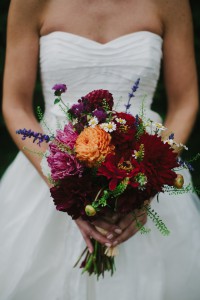
A gorgeous example of Justine and Jessica’s design work.
Well that introduction led to a promised phone date that we scheduled in late March. And I am pleased to share what we discussed with you today. You see, Jessica and Justine agreed to let me record our hour-long conversation for this podcast. We’ve condensed it a little, but you can follow along from the beginning to the end ~ and I promise you’ll gain important insights into today’s challenges facing progressive floral designers who truly desire for their work to be local, seasonal and sustainable.
Let me tell you a little bit about these two innovators:
Foxglove Floral Design Studio specializes in thoughtful, naturally-styled arrangements for weddings and other special events. The studio is committed to celebrating regional and native flora and is proud to partner with local farms to bring seasonal flowers to their clients during the growing season. Foxglove also works with other American and European growers to source ethically and sustainably grown blooms throughout the year.
Based in Greenpoint, Brooklyn, Foxglove serves all of New York, New Jersey, and Pennsylvania, and will happily work on location elsewhere. We love to create one-of-a-kind floral and event designs for our clients and celebrate every kind of love.
Justine grew up in Charleston, SC. She misses the wisteria in the spring and the winter camelias. And lots of fresh shrimp. Jessica is a Western PA native, and has been gardening since childhood. She loves beets and books and long car rides.
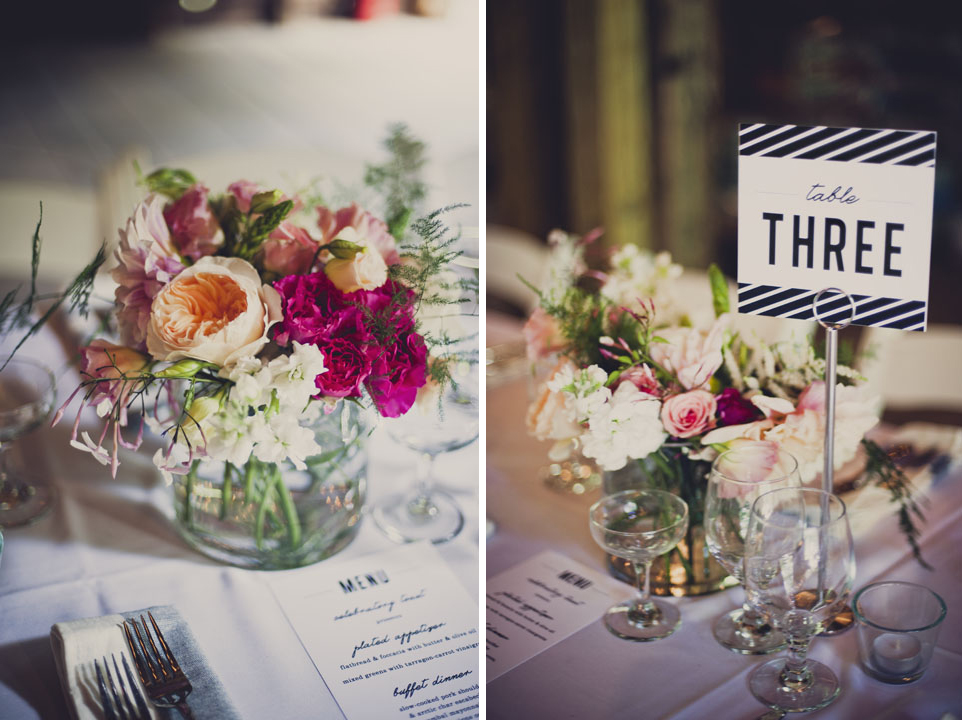
More seasonally-inspired work from Foxglove.
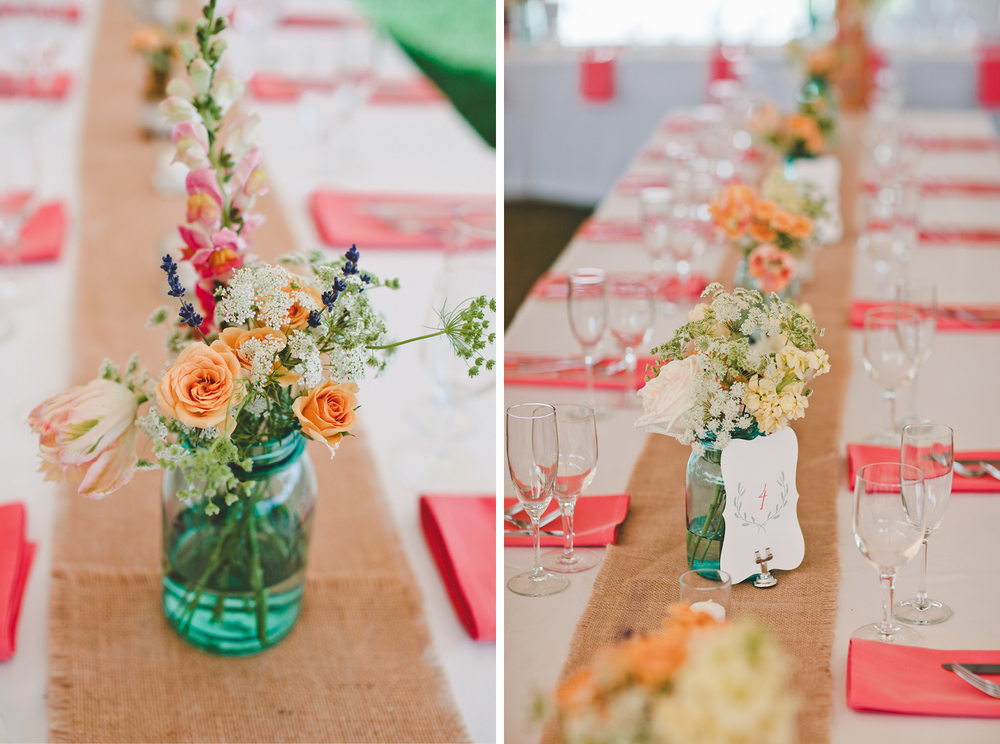
Beautiful palette of locally-grown flowers!
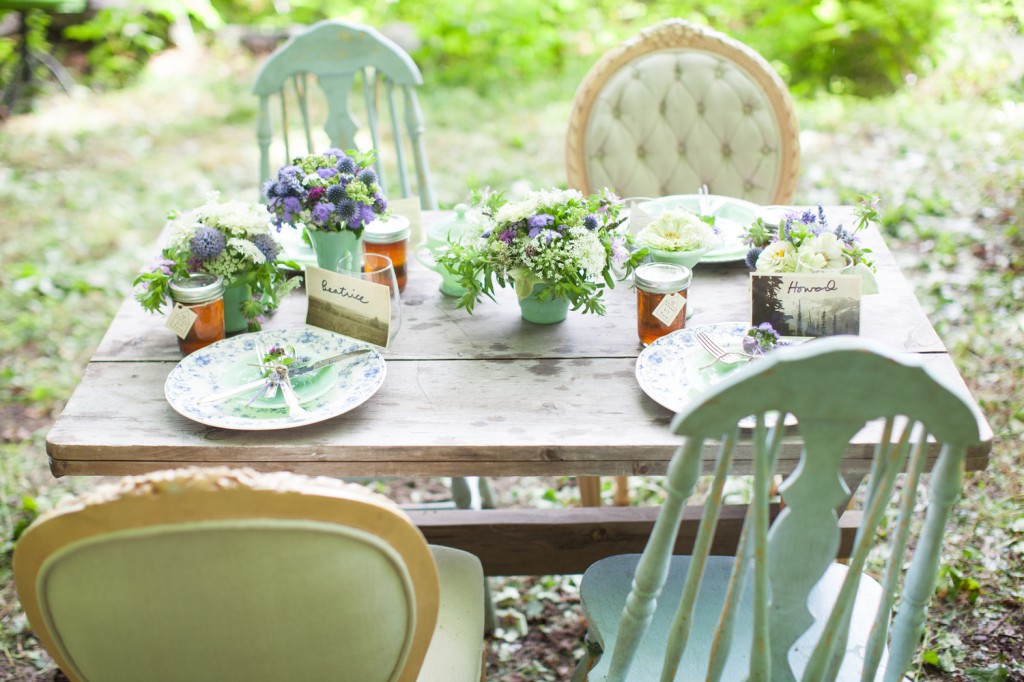
A styled photo shoot at Straw Hill Farm, one of Justine and Jessica’s floral sources.
-
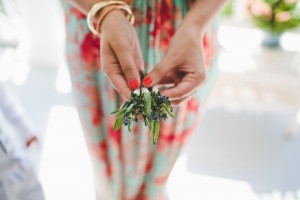
Sweet and personal – a little gem of a design.
Whether you are a flower farmer who is eager to understand the needs of eco-conscious floral designers OR a floral designer who’s experiencing some of the same challenges that Jessica and Justine are facing, I know that today’s conversation will be inspiring and relevant. Thanks for joining us.
The floral marketplace realities that Justine and Jessica are experiencing is both a challenge and an opportunity – and I’ve heard these same concerns from others around the country, designers who are frustrated with the challenge of finding an American-grown-minded wholesaler to work with or anyone else who will help their studio source farm-grown flowers from domestic fields and greenhouses.
In the coming weeks, you will hear additional chapters of this ongoing conversation, with farmers, florists and the “middle-man” wholesaler . . . and I expect that together we’ll begin to see a shift in the sentiments. Let’s turn frustration into possibilities and opportunities. Together, let’s redefine the floral industry and heal the broken model we’ve had to endure for so long. I welcome your suggestions for people and businesses to include in the dialogue.
Because of the support from you and others, listeners have downloaded episodes of the Slow Flowers Podcast more than 9,500 times! I thank you for taking the time to join to my conversations with flower farmers, florists and other notable floral experts.
If you like what you hear, please consider logging onto Itunes and posting a listener review.
Until next week please join me in putting more American grown flowers on the table, one vase at a time.
The Slow Flowers Podcast is engineered and edited by Hannah Holtgeerts. Learn more about her work at hhcreates.net.
Posted in American Grown, Blog Posts, Creativity, floral design, General, Podcast Episodes, SLOW FLOWERS Podcast, Slowflowers.com the Directory of American Flowers, Writing | 3 Comments »
April 2nd, 2014
Podcast: Play in new window | Download
Subscribe: Apple Podcasts | Podcast Index | | More
If you’re in the floral industry — a flower farmer, a wholesaler, an event planner or a floral designer — you’re probably thinking about wedding season, right? In fact, I was recently talking with some of my fellow board members at the Seattle Wholesale Growers Market about planning a wedding event and we all agreed to schedule it before Memorial Day. “Wedding season official starts after Memorial Day,” someone in the group reminded us.
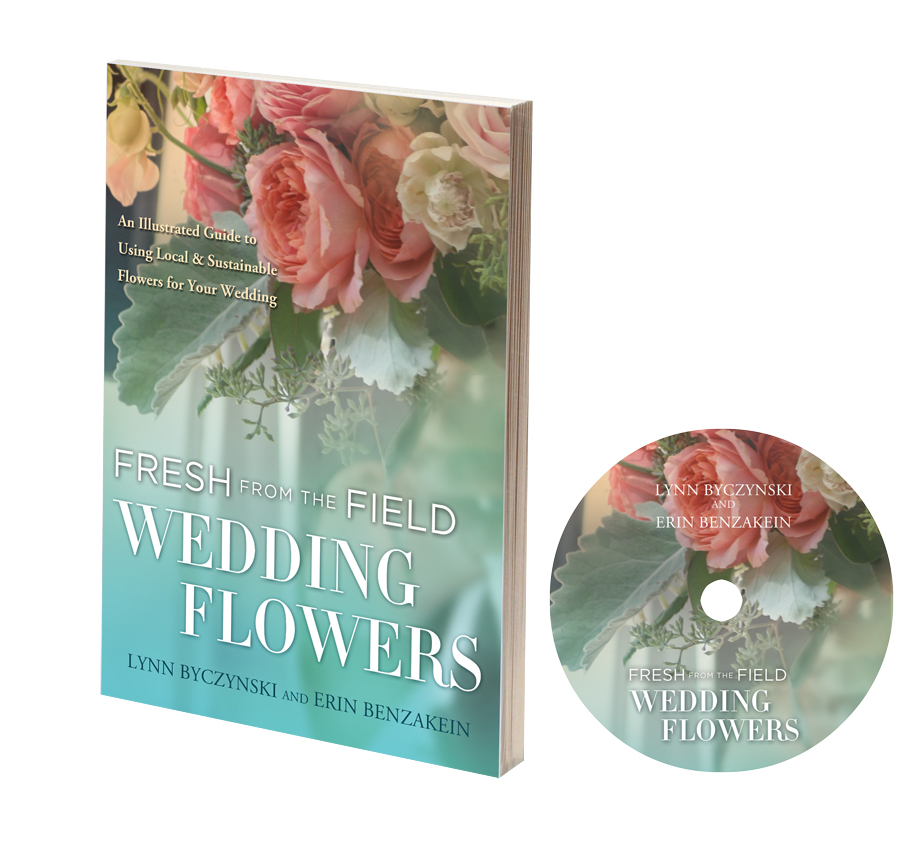
Fresh From the Field Wedding Flowers, The Book & DVD
If that’s the case, the timing to welcome today’s two guests is perfect. Lynn Byczynski and Erin Benzakein are the authors of a brand new book and companion DVD called Fresh from the Field Wedding Flowers: An Illustrated Guide to Using Local & Sustainable Flowers for Your Wedding. The 112-page book was published in February by Fairplain Publications and is available in print for $40 and for various e-reader platforms.
Fresh from the Field Wedding Flowers is a tremendous resource promoting the use of local flowers for weddings. It was created for the eco-conscious couple committed to having a greener wedding, the specialty cut flower farmer who sells flowers for weddings, the floral designer who wishes to get in on the locally grown trend, and the passionate gardener who wants to grow flowers for events.
Illustrated with dozens of photographs from actual weddings, this book celebrates the romantic, bold, vibrant arrangements created by today’s top floral designers using local flowers and other botanicals. It informs brides about how to find local growers, what levels of service to expect, and how to stretch a floral budget. It includes advice for DIY weddings, and instruction in basic floral design techniques. Step-by-step photo essays show how to make a hand-tied bouquet, a boutonniere, a mason jar centerpiece, and a large altar arrangement.
Four videos totaling 75 minutes teach you the mechanics and overall thought process that go into creating flowers for an event. Designer Erin Benzakein demonstrates how she constructs an abundant bridal bouquet, a large altar arrangement, a low and lush centerpiece, a boutonniere and a pin-on corsage. The videos can be viewed on a computer with the CD that accompanies the book; or they can be viewed online with the links and passwords included in the book. Here is the Table of Contents:
About the Authors 4
About This Book 5
The beauty of local flowers 7
Eco benefits 7
A sense of place 10
Trending designs 11
Seasonality 12
A few words about wildflowers 13
What to expect when buying local 14
Prices for local flowers 18
Where to use flowers 19
Money-saving tips for tight budgets 20
How to find local flowers 23
The DIY Wedding 25
How many flowers do you need? 29
Succulents: unusual and textural 30
Floral Design Basics 33
Mechanics of floral design 35
Tools of the trade 37
The Absolute Essentials 38
Step-By-Step Design 39
Hand-Tied Bouquet 40
Boutonnieres and Corsages 57
Mason Jar Centerpiece 64
Large Urn 73
The Video Tutorials 84
Bloom Times 89
Ingredients 93
Photo Credits 110
About the Authors:
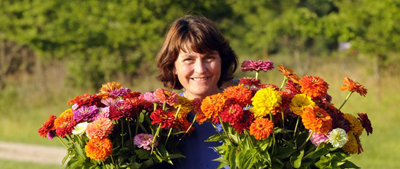
Lynn Byczynski
Lynn Bycynzkski. Lynn is an established flower farmer who has grown certified-organic flowers for florists, supermarkets, a pick-your-own subscription, and weddings. Based in Lawrence, Kansas, where she and husband Dan Nagengast raised their two children on a small farm, Lynn has turned her love of flower farming into a vibrant career as a publisher and author. In 1997, she wrote The Flower Farmer: An Organic Grower’s Guide to Raising and Selling Cut Flowers, which has been credited with helping thousands of people get started growing cut flowers commercially. The revised and expanded version of this essential reference was released in 2008 and it’s still a best-seller. Lynn is also the founding editor and publisher of Growing for Market, a national magazine for small-scale, sustainable vegetable and flower farmers that she has published since 1992.
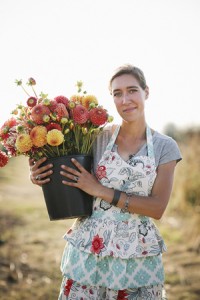
Erin Benzakein
Erin Benzakein. Owner of floret, a flower farm and floral design studio based in Mount Vernon, Washington, Erin met her coauthor Lynn when she proposed submitting an article to Growing for Market. You’ll hear the rest of the story of how that collaboration developed in my conversation with the two. Today, Erin is a flower farmer, a designer and writer whose popular blog features original photography and chronicles the daily life of her family- and flower-centered business. Cut flowers grown on Erin’s farm are sold at Whole Foods grocery stores throughout Washington, Oregon and Canada. Erin teaches floral design and small-scale flower farming workshops and I’ve written about her work for Sunset and Country Gardens magazine. Victoria Magazine and Design Sponge have also featured her in stories. Last fall, I interviewed Erin and fellow farmer-florist Jennie Love in a podcast about their Seasonal Bouquet Workshops. Follow this link to listen to that episode.
I’m so impressed with this project and I can’t recommend it enough as a useful guide for any flower farmer or DIY bride who wants to dive into floral design. And for established floral designers who want to expand their repertoire of services to feature seasonal and locally-grown flowers, I think you’ll draw lots of inspiration from the resources in Fresh From the Field Wedding Flowers, especially from all the contributed designs and the 75 minutes of design instruction. Lynn and Erin have shared a preview video clip to give you a flavor of the demonstrations:
More Resources:
WEB: Fresh From the Field Wedding Flowers
Follow on FACEBOOK
Follow on PINTEREST
Because of the support from you and others, listeners have downloaded episodes of the Slow Flowers Podcast more than 9,500 times! I thank you for taking the time to join to my conversations with flower farmers, florists and other notable floral experts.
If you like what you hear, please consider logging onto Itunes and posting a listener review.
Until next week please join me in putting more American grown flowers on the table, one vase at a time.
The Slow Flowers Podcast is engineered and edited by Hannah Holtgeerts. Learn more about her work at hhcreates.net.
Posted in American Grown, Blog Posts, Book reviews, Creativity, Entertainment, floral design, Gardening, General, Podcast Episodes, SLOW FLOWERS Podcast, Writing | 4 Comments »
© Debra Prinzing, all written and photographic content. Website design/development by Willo Bellwood/Metric Media