Debra Prinzing

Get the Email Newsletter!

Archive for the ‘Slowflowers.com the Directory of American Flowers’ Category

Episode 335: On growing Farmgirl Flowers, with floral entrepreneur Christina Stembel

Wednesday, February 7th, 2018

Christina Stembel, founder and CEO of Farmgirl Flowers

I’ve known Christina Stembel since her early days of Farmgirl Flowers.

I used to say hers was the one business I regretted not being able to include in my 2012 book The 50 Mile Bouquet, because by the time we first met, virtually, through an email introduction, I had already finished writing and my publisher St. Lynn’s Press had already wrapped up the book’s production and sent it off to the printer.

When preparing this intro, I wanted to actually go back and figure out how Christina and I met, and as it turns out San Francisco-based food writer Sophia Markoulakis virtually introduced us by email on January 29, 2012 — about six weeks before the publication of The 50 Mile Bouquet. I knew that timing was close, but had completely forgotten about Sophia’s introduction. Sophia quoted both Christina and me in a  February 7, 2012 article for the San Francisco Chronicle, titled: “Locaflores? Eco-friendly florists think locally”. It’s just amazing to look back six years ago to the date of Sophia’s article, and consider all the strides we’ve taken to promote local, seasonal and sustainable flowers.

Christina appeared on this podcast as an early guest on Episode 108 in September 2013, and subsequently we recorded Episode 154 in July 2014 from Homer, Alaska, so longtime listeners of the Slow Flowers Podcast are familiar with her story.

As I wrote in the May 2017 profile about Farmgirl Flowers published in Florists’ Review:

Farmgirl Flowers’ founder Christina Stembel is not a typical Silicon Valley start-up darling. She isn’t backed by venture capital firms who have ponied up millions of dollars to fund her launch; she doesn’t have slick office space where the staff get to play ping-pong or video games after grazing on catered vegan lunches. She drives a hand me down car and lives in a rental house with her husband Neil Hiltz.
If all goes to plan, fortune may follow the fame she has received (as in great media attention and hundreds of thousands of loyal customers), but for now, there’s more grit than glamour in the life of this 39-year-old CEO.”

In the Q&A that followed, Christina spoke openly about the challenges of growth, including one of the most difficult ones that she faced a little more than a year ago — that of finding enough flowers to keep her customers happy.

Download a PDF of the entire “The Business of Flowers” article here: Farm Girl Flowers

FR: Earlier this year you announced to your customers and followers that you were going to begin sourcing flowers from outside the U.S. You posted a letter on your web site called “Our Heart” that explained your decision and what it meant to you and your team. You explained that you were faced with a challenge of sourcing enough flowers from domestic farms and that Farmgirl will now “source directly from farms abroad whose values align with our own.” And you said, We will continue to buy the majority of our flowers from US growers (at least 80% right now), and will be subsidizing with flowers we can’t get enough of here.” What has the response been to this announcement?

CS: I was really nervous. I knew I needed to write that letter to lay it all out there. I had to say, “This is the situation and this isn’t what I want to do. I’m sad about this but I’m just going to be honest and tell people why.” Then, we started getting emails and they were so positive. Everybody was so nice, so supportive, so thankful that I was honest with them. Customers who I had never met before wrote things like: “I’ve always bought from you because I love your aesthetic and I’m going to keep buying from you because I love your heart.”
We announced this on January 25th and we actually had a good transition. At Valentine’s Day, we only received between 20 and 25 percent of our confirmed domestic flowers, a lot due to the heavy winter rains in California. Had I not been able to use imported flowers, we would not have been able to fulfill our orders, which is what I feared and it proved (to me) that I made the correct decision.”

I asked Christina to join me again today to reflect on the past year of transition for her. One of the other reasons for this interview is to discuss the pain of growth and how all successful companies evolve due to unexpected market forces.

I was particularly moved to ask Christina to appear on the Podcast again after yet another round of comments that flooded Facebook groups, mostly populated by U.S. flower farmers, after a recent Forbes article about Farmgirl, which was published last December.

Here is a link to Christina’s “Our Heart” letter, which appears on the Farmgirl Flowers web site.

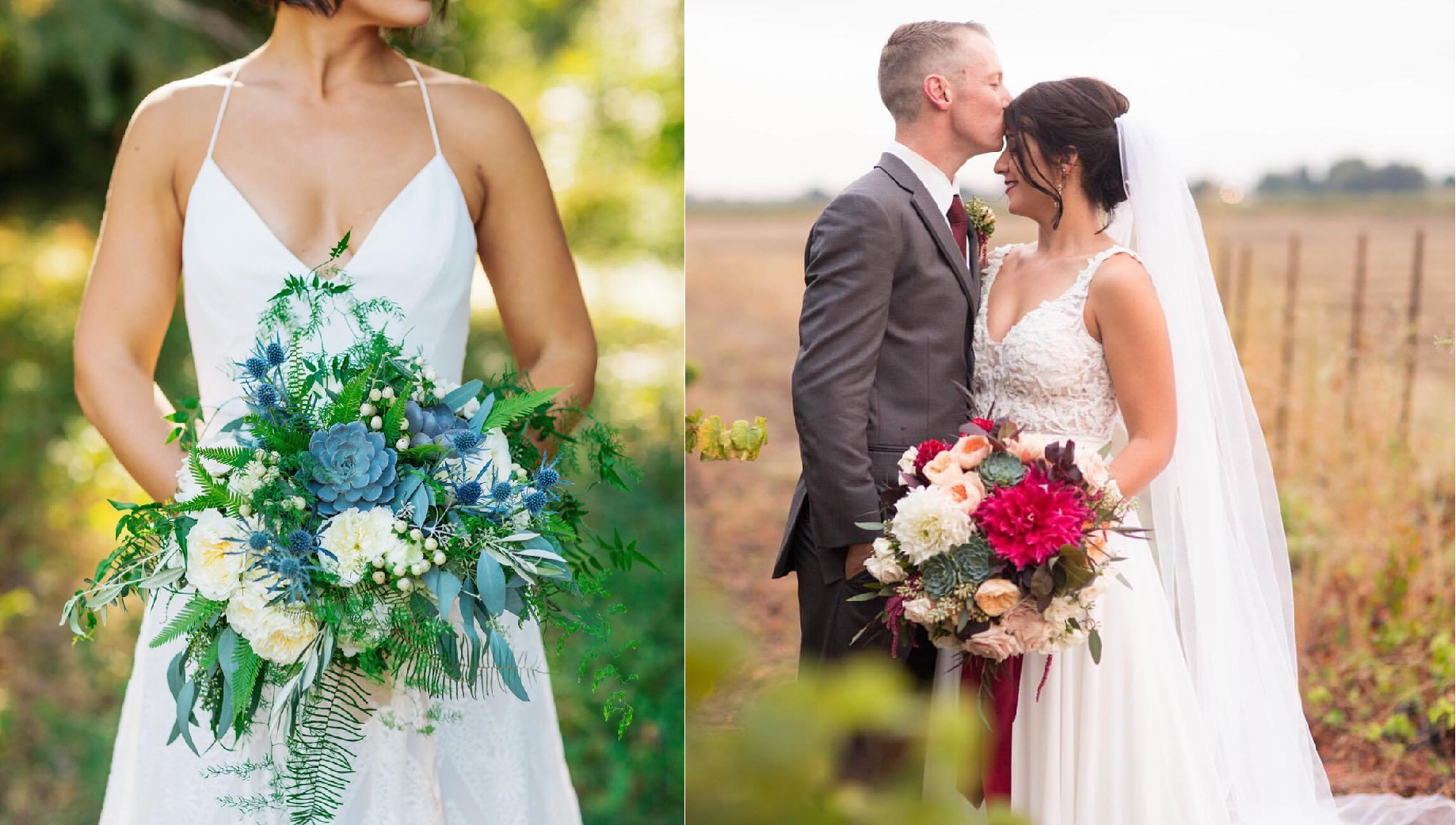
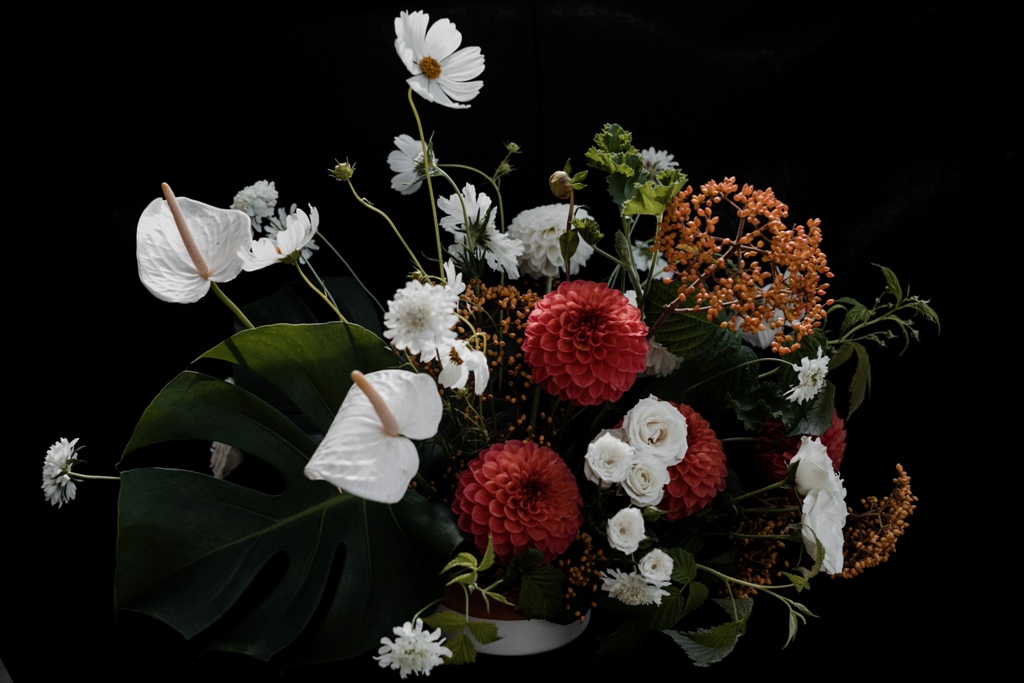
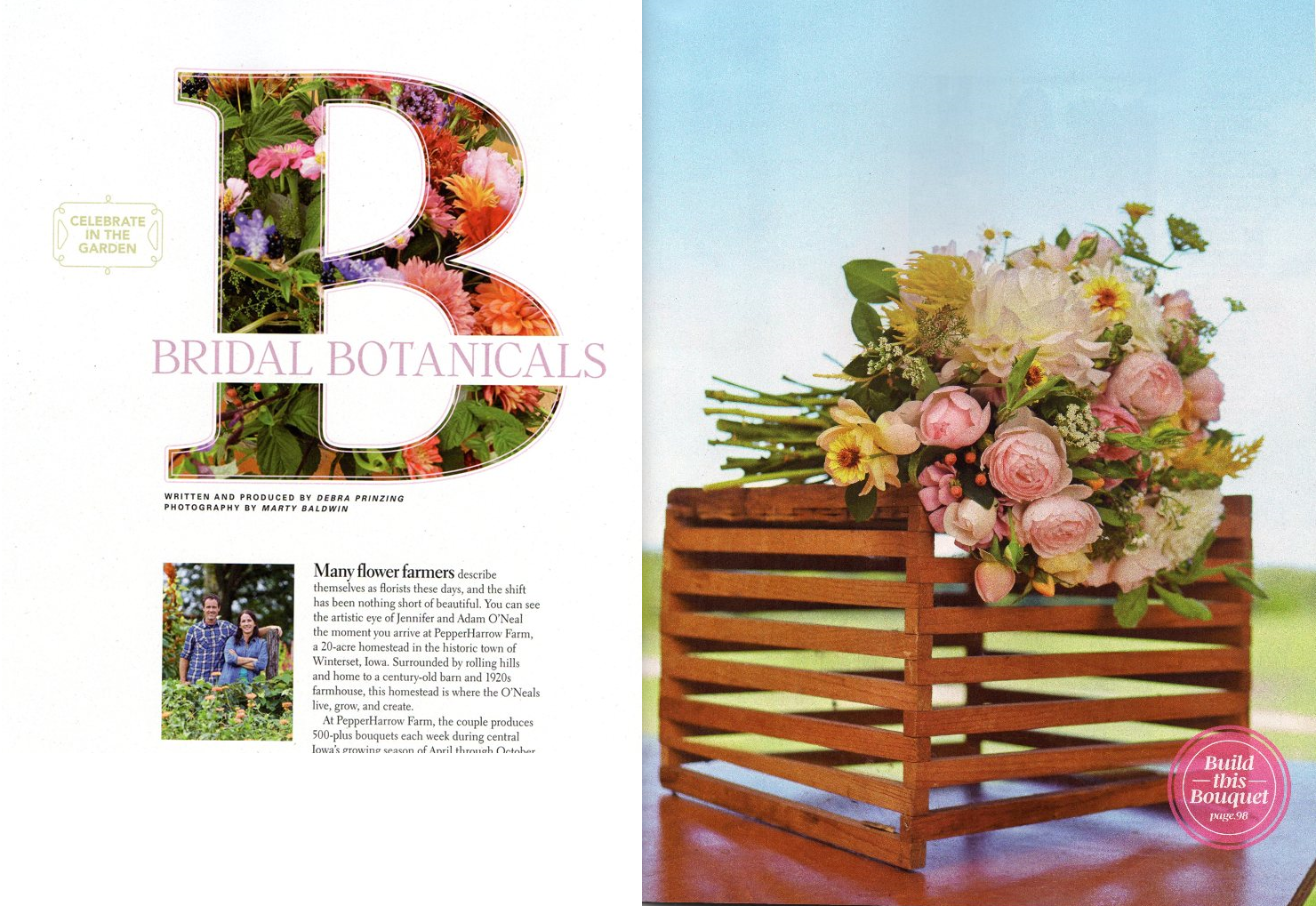
Farmgirl Flowers’ branding is some of the best in the industry.

I have to be honest — I was confounded by the number of assumptions and accusations being made about Christina in social media forums, and the conclusions to which people in the industry jumped, standing in judgment of a woman who has done incredibly amazing things to elevate the awareness of local flowers in our popular culture. At one point, Christina weighed in and offered to return to the podcast — and others on one of the threads were in support of it.

What you are about to hear is an honest conversation between two friends. I simply can’t be impartial and I make no apologies for it. It saddens me that people are critical of Christina’s choices. She speaks honestly about how tough those choices are and reveals, in fact, that she is still spending millions of dollars annually to buy American grown and local flowers for Farmgirl. I hope you listen closely with an open mind and heart. While you may not agree with Christina’s choices, I think you’ll definitely learn from her tenacity and big heart.

More from Farmgirl Flowers

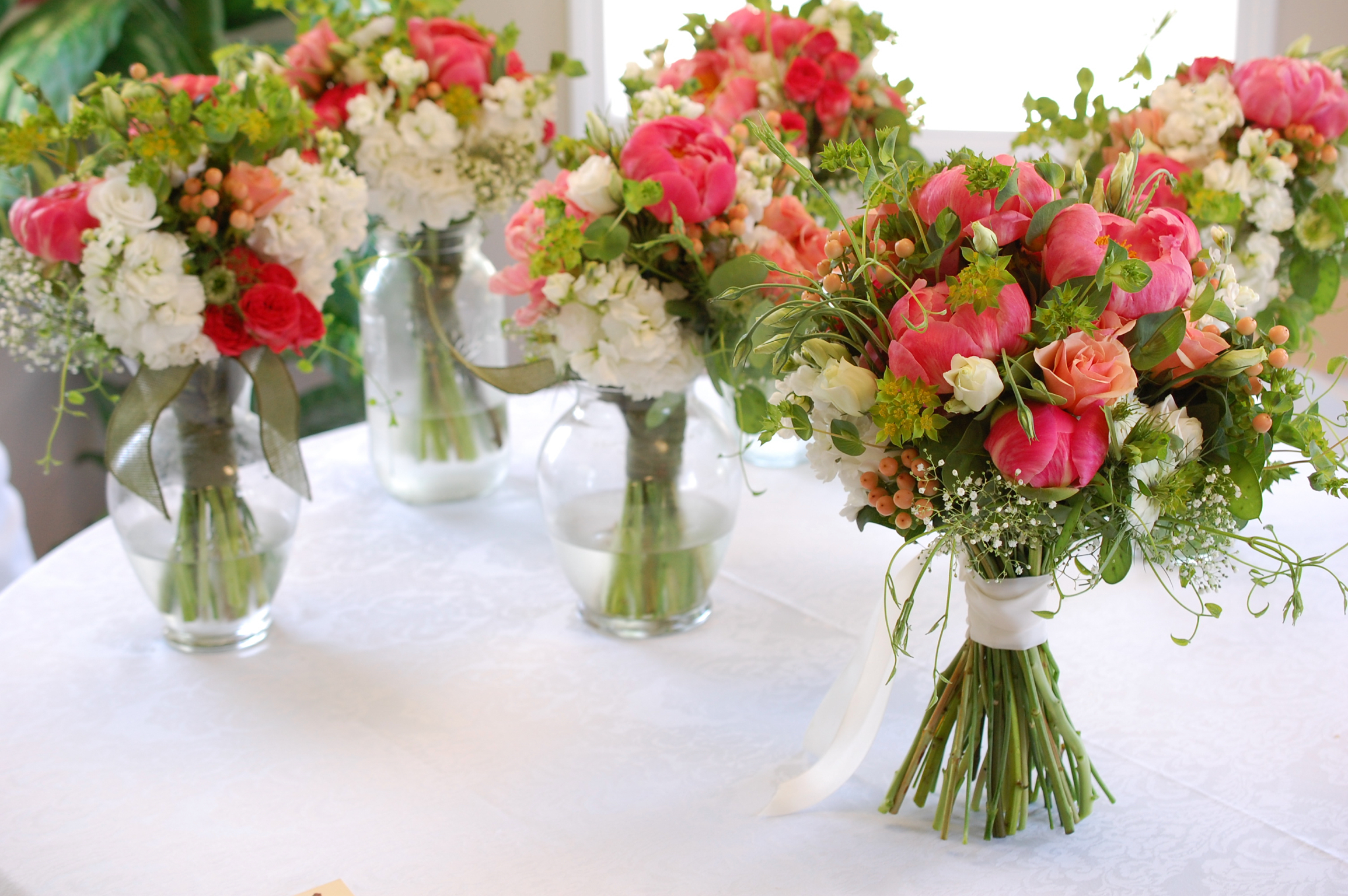
Thanks for joining me today! I am grateful to Christina to opening herself to this kind of scrutiny and explanation. I respect her for even trying to set the record straight and sharing some insights into her decisions. Check out the beautiful USA-Grown Bouquet from Farmgirl Flowers, starting at $75 plus shipping.

If you have more to say, please say it to her directly rather than in a public forum like Facebook. She has offered up her email at farmgirl@farmgirlflowers.com and I know she will answer any respectfully posed questions with sincerity.

Despite my personal mission of changing the floral landscape through Slow Flowers’ outreach, promotion and content, I have also acknowledged that imports are here to stay. Yet, if we can even move the needle by a few percentage points away from the 80 percent import-20 percent domestic ratio, I will consider this movement a success.

I’m well aware of the compromises many feel they have to make sometimes to stay in business. The flower shops that have a secret stash of floral foam in the back room; the designers who don’t want to say “no” to a customer’s request for white hydrangeas from South America in January; the flower farmers who run a side gig with a farm in Baja. Don’t kid yourself. Not everyone is doing it but it happens. I was recently called out for leasing a Honda and slapping my “SlowFlo” license plate on it, or I’ve faced a crummy decision when the hard goods wholesaler where I shop runs out of USA-made glass vases and I’m forced to substitute with imported glass from China because I didn’t plan ahead. Degrees of sustainability face us all.

Let’s focus on what we’re doing that’s positive and continue to uphold, support and encourage one another to be transparent and honest in our actions. Cooperation over competition is the phrase I often hear. I’m hopeful you will receive this podcast today in that spirit.

If you’re able to attend the 2nd annual Slow Flowers Summit, coming up, June 29th in Washington, D.C., you’ll hear from Christina who will serve as our keynote speaker! Her presentation, “Scaling Your Floral Business to the Next Level,” will share great insights for floral professionals at any stage in their journey. Please visit the show notes for this podcast to find all the links and details to the Slow Flowers Summit. I’ll be featuring our speakers and more event details in the coming weeks.

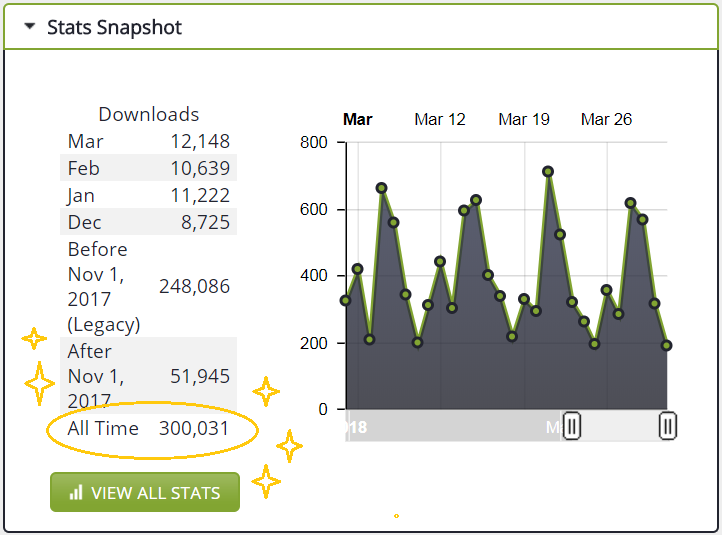
The Slow Flowers Podcast has been downloaded more than 280,000 times by listeners like you. Thank you for downloading, listening, commenting and sharing — it means so much.

As the Slow Flowers Movement gains more supporters and more passionate participants who believe in the importance of the American cut flower industry, the momentum is contagious. I know you feel it, too. I value your support and invite you to show your thanks and with a donation to support my ongoing advocacy, education and outreach activities. You can find the donate button at debraprinzing.com in the right column.

Thank you to our sponsors who have supported Slow Flowers and all of our programs including this podcast, American Flowers Week, the Slowflowers.com online directory to American grown flowers, as well as our new channels, Slow Flowers Journal and the 2018 Slow Flowers Summit.
Florists’ Review magazine: I’m delighted to serve as Contributing Editor for the new monthly Slow Flowers Journal section, which you can find in the pages of Florists’ Review. It’s the leading trade magazine in the floral industry and the only independent periodical for the retail, wholesale and supplier market.

Certified American Grown Flowers. The Certified American-Grown program and label provide a guarantee for designers and consumers on the source of their flowers. Take pride in your flowers and buy with confidence, ask for Certified American Grown Flowers.  To learn more visit americangrownflowers.org.

Arctic Alaska Peonies, a cooperative of 50 family farms in the heart of Alaska providing high quality, American Grown peony flowers during the months of July and August. Visit them today at arcticalaskapeonies.com

Seattle Wholesale Growers Market, a farmer-owned cooperative committed to providing the very best the Pacific Northwest has to offer in cut flowers, foliage and plants. The Growers Market’s mission is to foster a vibrant marketplace that sustains local flower farms and provides top-quality products and service to the local floral industry. Find them at seattlewholesalegrowersmarket.com

Longfield Gardens provides home gardeners with high quality flower bulbs and perennials. Their online store offers plants for every region and every season, from tulips and daffodils to dahlias, caladiums and amaryllis. Visit them at longfield-gardens.com.

Syndicate Sales, an American manufacturer of vases and accessories for the professional florist. Look for the American Flag Icon to find Syndicate’s USA-made products and join the Syndicate Stars loyalty program at syndicatesales.com.

Johnny’s Selected Seeds, an employee-owned company that provides our industry the best flower, herb and vegetable seeds — supplied to farms large and small and even backyard cutting gardens like mine. Check them out at johnnysseeds.com.

Association of Specialty Cut Flower Growers. Formed in 1988, ASCFG was created to educate, unite, and support commercial cut flower growers. It mission is to help growers produce high-quality floral material, and to foster and promote the local availability of that product. Learn more at ascfg.org

I’m Debra Prinzing, host and producer of the Slow Flowers Podcast. Next week, you’re invited to join me in putting more American grown flowers on the table, one vase at a time. And If you like what you hear, please consider logging onto Itunes and posting a listener review.

The content and opinions expressed here are either mine alone or those of my guests alone, independent of any podcast sponsor or other person, company or organization.

The Slow Flowers Podcast is engineered and edited by Andrew Brenlan. Learn more about his work at soundbodymovement.com.
Music Credits:

Fudge; That Old Harpoon
by Gillicuddy

https://creativecommons.org/licenses/by-nc/3.0/

The Jazz Piano

by Bensound
In The Field
by Jason Shaw:

audionautix.com

Episode 334: Retail Comeback, 2018 with Lisa Waud of Detroit’s pot + box and Melissa Brown of Washington’s Flying Bear Farm

Wednesday, January 31st, 2018

Lisa Waud of Detroit’s pot + box

Melissa Brown of Flying Bear Farm, based in Langley, Washington

Today’s I’m excited to visit with two Slow Flowers members who have just opened new floral retail businesses.

pot + box’s new storefront in Detroit’s Fisher Building

This pivot to retail floristry that I’ve been documenting over the past 12 months continues and I think you’ll find today’s conversations entirely fascinating and enlightening.

One year ago, when I released the 2017 Slow Flowers Floral Insights & Industry Forecast, I declared the retail embrace a phenomenon of studio florists moving toward brick and mortar channels.

For 2018, I’ve added flower farmers jumping into the retail arena.

As I reported last year, If you rely only on mainstream financial analysis or census data for your intel, then the landscape for brick-and-mortar flower shops has appeared unpromising.


According to the November 2016 Dunn & Bradstreet industry report, the U.S. has about 14,000 floral establishments (single-location companies and units of multi-location companies) with combined annual revenue of about $5.5 billion. Flower shops had declined by about 40% since 2000. Dunn and Bradstreet cited a Society of American Florists prediction that the number of retail florists in the US is expected to continue to drop, although the pace is slowing gradually.

Yet we’re tracking Slow Flowers members who are opening brick-and-mortar flowers shops across North America. Today’s guests will add their personal journeys to the compendium of stories about independent and progressive florists (and flower farmers) who are signing leases and opening retail spaces in the same markets that have witnessed mainstream mom-and-pop floral storefronts being shuttered.

A peek inside the plant- and flower-filled pot + box

A pot + box corner where merchandising matters — plants, products, flowers.

First, you’ll hear from Lisa Waud of pot + box who has just opened a new retail space in a historic building in downtown Detroit.  Then you’ll hear from Melissa Brown of Flying Bear Farm on Whidbey Island, north of Seattle, who just opened a retail shop in nearby Langley, Washington, with her partner and husband Benjamin Corteau.

Be ready to take notes and get inspired. Retail isn’t for everyone, of course. But if you’re looking for inspiration, insights and straight talk about making retail work for you and your business, I think you’ll find it here.

Lisa Waud, presenting at the 2017 Slow Flowers Summit in Seattle.

Here’s more about Lisa Waud:

pot & box founder Lisa Waud has been enthusiastically steering the company’s horticultural goings-on since its founding more than ten years ago. She’s been arranging flowers in the soil and in the vase for 21 years now—from the volcanic slopes of Hawaii, the clay garden beds of the Pacific Northwest and across the great [lakes] state of Michigan.

In Lisa’s words: “I love to work with flowers blooming now and nearby, celebrating the richest hues, most fragrant blooms, the abundance of seasonality. I thrive on the uncommon and unexpected, applauding a determined weed growing out of a brick wall, the unusual variegation pattern on a peony’s petal, a tattooed bride’s arms cradling a delicate bouquet. I excel when tasked with realizing the visions of my clients, arranging stems to suit the celebration, bringing event decor ideas to life,  striving for the breathtaking gasp of elation.”

Lisa lives in Detroit, and when she’s not playing with flowers, you can find her scheming up field trips with her dogs or planning explorations in other inspirational cities. As listeners may recall from past episodes of this podcast, Lisa is also the creator of Flower House, a floral art installation in 2015, and the producer of the 2016 Detroit Flower Week.

Find pot + box at these social places:

pot + box on Facebook

pot + box on Instagram

pot + box on Twitter

pot + box’s VLNTNSDYMRKT event on February 10th.

Michigan Flower Growers Cooperative

Listen to Lisa’s first interview on the Slow Flowers Podcast, February 2015

Listen to Lisa’s Flower House Detroit preview interview on the Slow Flowers Podcast, September 2015

A locally-grown and designed bouquet from Flying Bear Farm

Inside the new Flying Bear Farm retail store in Langley, Washington on Whidbey Island

A recent floral jewelry workshop at Flying Bear Farm with local florist Tobey Nelson.

Benjamin Courteau, field harvesting for Flying Bear Farm.

Melissa Brown, also a past guest of this podcast, and her husband Ben are farmer florists who often draw on the talents of Melissa’s parents Molly & David Brown.

After several very successful seasons growing flowers and designing for wedding clients, the time came this past fall to enter retail. Flower farmers listening will want to hear what led to this decision and how Melissa hopes to strike a good balance between growing, designing and selling Flying Bear Farm’s flowers.

Find Flying Bear Farm at these social places:

Flying Bear Farm on Facebook

Flying Bear Farm on Instagram

Flying Bear Farm on Pinterest

Flying Bear Farm on Twitter

Listen to Melissa’s first interview on the Slow Flowers Podcast, December 2015

The Slow Flowers Podcast has been downloaded more than 277,000 times by listeners like you. Thank you for downloading, listening, commenting and sharing — it means so much.

Slow Flowers Journal now appears inside the pages of Florists’ Review.

As the Slow Flowers Movement gains more supporters and more passionate participants who believe in the importance of the American cut flower industry, the momentum is contagious. I know you feel it, too. I value your support and invite you to show your thanks and with a donation to support my ongoing advocacy, education and outreach activities. You can find the donate button at debraprinzing.com in the right column.

Thank you to our sponsors who have supported Slow Flowers and all of our programs including this podcast, American Flowers Week, the Slowflowers.com online directory to American grown flowers, as well as our new channels, Slow Flowers Journal and the 2018 Slow Flowers Summit.

And thank you to our lead sponsor for 2018, Florists’ Review magazine. I’m delighted to serve as Contributing Editor for the new monthly Slow Flowers Journal section, which you can find in the pages of Florists’ Review. It’s the leading trade magazine in the floral industry and the only independent periodical for the retail, wholesale and supplier market. Take advantage of the special subscription offer for members of the Slow Flowers Community.

Certified American Grown Flowers. The Certified American-Grown program and label provide a guarantee for designers and consumers on the source of their flowers. Take pride in your flowers and buy with confidence, ask for Certified American Grown Flowers. To learn more visit americangrownflowers.org.

Arctic Alaska Peonies, a cooperative of 50 family farms in the heart of Alaska providing high quality, American Grown peony flowers during the months of July and August. Visit them today at arcticalaskapeonies.com

Seattle Wholesale Growers Market, a farmer-owned cooperative committed to providing the very best the Pacific Northwest has to offer in cut flowers, foliage and plants. The Growers Market’s mission is to foster a vibrant marketplace that sustains local flower farms and provides top-quality products and service to the local floral industry. Find them at seattlewholesalegrowersmarket.com

Longfield Gardens provides home gardeners with high quality flower bulbs and perennials. Their online store offers plants for every region and every season, from tulips and daffodils to dahlias, caladiums and amaryllis. Visit them at longfield-gardens.com.

Syndicate Sales, an American manufacturer of vases and accessories for the professional florist. Look for the American Flag Icon to find Syndicate’s USA-made products and join the Syndicate Stars loyalty program at syndicatesales.com.

Johnny’s Selected Seeds, an employee-owned company that provides our industry the best flower, herb and vegetable seeds — supplied to farms large and small and even backyard cutting gardens like mine. Check them out at johnnysseeds.com.

Association of Specialty Cut Flower Growers. Formed in 1988, ASCFG was created to educate, unite, and support commercial cut flower growers. It mission is to help growers produce high-quality floral material, and to foster and promote the local availability of that product. Learn more at ascfg.org

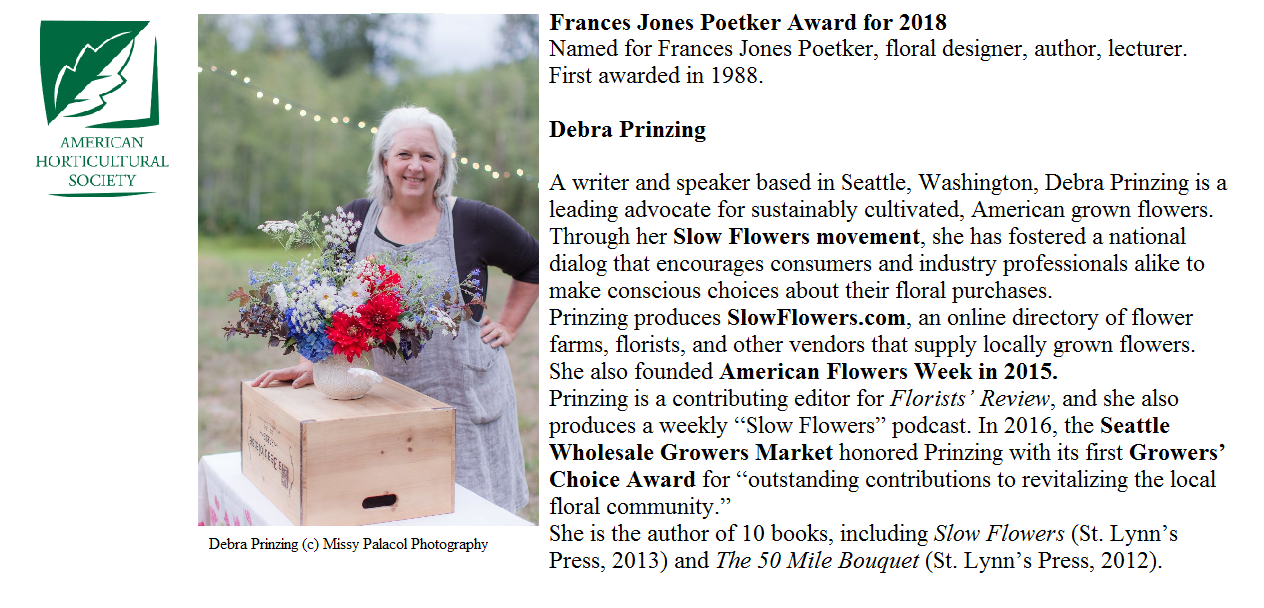
(c) Missy Palacol Photography

I’m Debra Prinzing, host and producer of the Slow Flowers Podcast. Next week, you’re invited to join me in putting more American grown flowers on the table, one vase at a time. And If you like what you hear, please consider logging onto Itunes and posting a listener review.

The content and opinions expressed here are either mine alone or those of my guests alone, independent of any podcast sponsor or other person, company or organization.

The Slow Flowers Podcast is engineered and edited by Andrew Brenlan. Learn more about his work at soundbodymovement.com.
Music Credits:
Cymbal Patter; Sylvestor
by Blue Dot Sessions
Music from:

audionautix.com

Episode 333: Flowers and Herbs with Xenia D’Ambrosi of New York’s Sweet Earth Co. and News about the PNW Cut Flower Growers Meet-Up

Wednesday, January 24th, 2018

Today’s guest is Slow Flowers member Xenia D’Ambrosi of Sweet Earth Co. Blooms & Botanicals

Xenia with her flowers . . .

I’ve met Xenia on a few locations – both in the PNW and here, at the November 2017 New England Farmer Florist Connection event.

Today’s guest is Xenia D’Ambrosi, owner of Sweet Earth Co. in Pound Ridge, New York – where the New York City suburbs transition toward the lower Hudson Valley.

I’ve invited her to share her story as part of my 2018 goal to zero in on the successful small business strategies of Slow Flowers members.

There’s so much creativity and innovation taking place in flower farming and floral design and we are a community of generous individuals who are incredibly eager to share their stories.

Whether it’s about extending one’s brand to related products and services or diversifying to reach a new market or changing up the channels through which you’re selling flowers — all is relevant and I want to hear about it!

Before we join my conversation with Xenia, though, I want to share a report from the Pacific Northwest Cut Flowers Growers upcoming meet-up. For the fourth year, flower farmers, farmer-florists and floral designers are gathering for an intensive day focused on the practices, crops and marketplace that makes this region dynamic and unique. The day’s keynote speakers, Ralph Thurston and Jeriann Sabine from Bindweed Farm will wow you. Listen to their 2016 appearance on the Slow Flowers Podcast here. 

Erin McMullen of Rain Drop Farms in Philomath, Oregon, is part of the planning team for the February 25th Meet-Up in Corvallis, Oregon. I’ve asked her to share a bit about the sure-to-be-sold-out event. Tickets are going fast and it’s time to grab yours if you’re thinking about joining this one-day session next month.

Details on the February 24th Oregon Small Farms Conference are HERE

Details on the February 25th PNW Cut Flower Growers Meet-Up HERE

A glorious seasonal bouquet from Sweet Earth Co.

More seasonal annuals, perennials and herbs from Sweet Earth Co.

Now, to our main guest of the day, Xenia D’Ambrosi of Sweet Earth Co.

Xenia D’Ambrosi has a passion for sustainable gardening and horticulture. Her company Sweet Earth Co. specializes in designing and maintaining sustainable gardens and natural landscapes, as well as crop planning and management.

Sweet Earth Co. was built around a mission –to help clients improve function, beauty and biodiversity in their landscape while mentoring and partnering with them to understand and practice the basic tenets of sustainable landscaping. Mixing function and beauty is something Sweet Earth does close to home.   

Having recently rebranded her business as Sweet Earth Co. Blooms & Botanicals , Xenia sustainably grows specialty cut flowers  and offers a flower and herb CSA, as well as produces a line of specialty herbal teas.  Visitors to the farm stand at Sweet Earth Co find local flowers, herbs, teas, honey, herbal products and garden gifts and decor.  

Xenia earned a Masters in Public Health and an MBA from Columbia University, as well as a certificate in gardening and sustainable practices through The New York Botanical Garden. She is the author of articles regarding sustainable gardening and has led various workshops and educational events about gardening and agricultural literacy.

The cutting garden at Xenia’s “farmstead” in Pound Ridge, NY

Sweet Earth Co.’s herbal tea collection ~ a diversified product from the farm.

The Slow Flowers Podcast has been downloaded more than 274,000 by listeners like you. Thank you for downloading, listening, commenting and sharing — it means so much.

As the Slow Flowers Movement gains more supporters and more passionate participants who believe in the importance of the American cut flower industry, the momentum is contagious. I know you feel it, too. I value your support and invite you to show your thanks and with a donation to support my ongoing advocacy, education and outreach activities. You can find the donate button at debraprinzing.com in the right column.

Thank you to our sponsors who have supported Slow Flowers and all of our programs including this podcast, American Flowers Week, the Slowflowers.com online directory to American grown flowers, as well as our new channels, Slow Flowers Journal and the 2018 Slow Flowers Summit.

Thank you to our lead sponsor for 2018, Florists’ Review magazine. I’m delighted to serve as Contributing Editor for the new monthly Slow Flowers Journal section, which you can find in the pages of Florists’ Review. It’s the leading trade magazine in the floral industry and the only independent periodical for the retail, wholesale and supplier market. Take advantage of the special subscription offer for members of the Slow Flowers Community.

Certified American Grown Flowers. The Certified American-Grown program and label provide a guarantee for designers and consumers on the source of their flowers. Take pride in your flowers and buy with confidence, ask for Certified American Grown Flowers.  To learn more visit americangrownflowers.org.

Arctic Alaska Peonies, a cooperative of 50 family farms in the heart of Alaska providing high quality, American Grown peony flowers during the months of July and August. Visit them today at arcticalaskapeonies.com

Seattle Wholesale Growers Market, a farmer-owned cooperative committed to providing the very best the Pacific Northwest has to offer in cut flowers, foliage and plants. The Growers Market’s mission is to foster a vibrant marketplace that sustains local flower farms and provides top-quality products and service to the local floral industry. Find them at seattlewholesalegrowersmarket.com

Longfield Gardens provides home gardeners with high quality flower bulbs and perennials. Their online store offers plants for every region and every season, from tulips and daffodils to dahlias, caladiums and amaryllis. Visit them at longfield-gardens.com.
Syndicate Sales, an American manufacturer of vases and accessories for the professional florist. Look for the American Flag Icon to find Syndicate’s USA-made products and join the Syndicate Stars loyalty program at syndicatesales.com.
Johnny’s Selected Seeds, an employee-owned company that provides our industry the best flower, herb and vegetable seeds — supplied to farms large and small and even backyard cutting gardens like mine. Check them out at johnnysseeds.com.
Association of Specialty Cut Flower Growers. Formed in 1988, ASCFG was created to educate, unite, and support commercial cut flower growers. It mission is to help growers produce high-quality floral material, and to foster and promote the local availability of that product. Learn more at ascfg.org

(c) Missy Palacol Photography

I’m Debra Prinzing, host and producer of the Slow Flowers Podcast. Next week, you’re invited to join me in putting more American grown flowers on the table, one vase at a time. And If you like what you hear, please consider logging onto Itunes and posting a listener review.

The content and opinions expressed here are either mine alone or those of my guests alone, independent of any podcast sponsor or other person, company or organization.

The Slow Flowers Podcast is engineered and edited by Andrew Brenlan. Learn more about his work at  kinetictreefitness.com.
Music Credits:
Sage the Hunter; The Wooden Platform; Yarrow and Root
by Blue Dot Sessions

Episode 331: Jamie Rohda of Nebraska’s Harvest Home Flowers and the Midwest Farmer Florist Collaborative

Wednesday, January 10th, 2018

The lovely fields at Harvest Home Flowers in Waverly, Nebraska — this is where today’s guest, Jamie Rohda, grows beautiful cut flowers for the Omaha and Lincoln markets.
With the New Year upon us, I’m sensing that we’re all taking a huge, collective breath of fresh air as we turn toward the upcoming floral season and devote our energies to creating the best year ever in our floral businesses. In many regions across the country, flower farmers and florists are gathering to listen and learn, dream and collaborate, network and connect. I’m excited to learn how your events are coming together and if you have something on the calendar, please get in touch at debra@slowflowers.com so we can share the details with listeners of the Slow Flowers Podcast.

Norm and Jamie Rohda of Harvest Home Farm.

In just 10 days, folks in the central portion of the U.S. will gather at the third annual networking event hosted by the Midwest Farmer-Florist Collaborative. The day is filled with some inspiring and knowledgeable speakers, which ensures a great turnout in Omaha, Nebraska. I wish I could be there in person!

The instigator of this gathering is today’s guest, Jamie Rohda of Harvest Home Flowers, based in Waverly, Nebraska. Jamie and her husband Norman have farmed since 1994 and today their family-owned flower farm produces a wide variety of naturally grown, specialty cut flowers for local florists, designers and DIY brides. Harvest Home is located between the major cities of Lincoln and Omaha.

Nebraska-Grown Flowers from Harvest Home

Jamie is also the new North and Central regional director for the Association of Specialty Cut Flower Growers, so she’s a great resource for members in a large geographic area with so much potential for floral agriculture.

The upcoming one-day workshop is open to anyone interested in learning more about flower farming and floral design. Jamie and I discuss the program schedule and I’ve also shared all the details below:

Nebraska-based Floral designer Natalie Elsberry of I Bloom Flowers will present at the conference. Here is one of her bouquets featuring local cuts from Harvest Home Flowers.

DESCRIPTION

9:00-Arrive, check in and catch up with your flower friends!

9:30-Welcome by Sheila Fitzgerald

9:45-Two Models for Designing and Selling Bouquets at Your Local Farmers Market- Adam and Jennifer O’Neal from PepperHarrow Farm and Jamie Rohda with Harvest Home Flowers
With over 20 years experience selling fresh cuts at a local market, Adam, Jennifer and Jamie will walk us through their two different methods for designing and selling bouquets.

The bounty of fresh and local Nebraska blooms that Harvest Home Flowers sells to local florists.

10:15-The Ins and Outs of Selling to Florists and Designers- Jamie Rohda of Harvest Home Flowers
Whether you currently are or you’re just considering selling to local florists, Jamie will help calm your fears and give you the courage and some tools to dive in and do it!

11:15-Alternative Revenue Streams For a Cut Flower Farm-PepperHarrow Farm
Be prepared to get some ideas for making your farm more profitable.

12:00-Lunch will be provided and during this time we are honored to have Judy Laushman, of the Association of Specialty Cut Flower Growers, joining us to fill us in on what’s happening with the ASCFG and the local flower movement.

1:15-1:45-Social Media Tips and Sourcing Local Flowers by Mercedes Iverner of Honeysuckle Hollow

Another lovely bridal bouquet designed by I Bloom Flowers with botanical ingredients from Harvest Home Farm

1:45-2:30-Farm to Arm- Natalie Elsberry of I Bloom Flowers
Natalie will be doing a bouquet demo for us and talking about how local flowers have helped her grow her business.

2:30-3:00-Floral Trends and Forecasts for 2018 by PepperHarrow Farm
Hear about and be prepared for the latest trends in the floral industry.

A lovely, on-trend palette, grown by Jamie Rohda of Harvest Home Flowers

3:00-4:00-Drawing for door prizes, must be present to win! Time to network with that farmer or florist you’ve been hoping to meet.

4-4:30– We’re saving a bit of time at the end of the day if there are any growers interested and would like to join in a round table discussion. Bring your specific burning questions and we’ll see how many we can get answered!

RESERVE CONFERENCE TICKET HERE (Full-day ticket $45 / Half-day afternoon ticket $25)

Find Harvest Home Flowers on Facebook

Follow Harvest Home Flowers on Instagram

Vivid annuals from Harvest Home Flowers — snapdragons, zinnias and more!

Thanks for joining me today! The Slow Flowers Podcast has been downloaded more than 269,000 by listeners like you. Thank you for downloading, listening, commenting and sharing — it means so much.

As the Slow Flowers Movement gains more supporters and more passionate participants who believe in the importance of the American cut flower industry, the momentum is contagious. I know you feel it, too. I value your support and invite you to show your thanks and with a donation to support my ongoing advocacy, education and outreach activities. You can find the donate button in the right column of our home page.

I also want to announce the winners of our year-end giveaway. Tina Sawtelle of Pinewoods Yankee Farm in Lee, New Hampshire, and Art Flower & Gift Shoppe in Rockville Center, New York, will each receive a 2018 Flowers on Your Head Calendar featuring Mud Baron’s engaging portraits. Congratulations!

And thank you to our lead sponsor for 2018, Florists’ Review magazine. I’m delighted to serve as Contributing Editor for the new monthly Slow Flowers Journal section, which you can find in the pages of Florists’ Review. It’s the leading trade magazine in the floral industry and the only independent periodical for the retail, wholesale and supplier market. Take advantage of the special subscription offer for members of the Slow Flowers Community here.

Thank you to our family of sponsors who have supported Slow Flowers and all of our programs including this podcast, American Flowers Week, the Slowflowers.com online directory to American grown flowers, as well as our new channels, Slow Flowers Journal and the 2018 Slow Flowers Summit.

They include:

Certified American Grown Flowers. The Certified American-Grown program and label provide a guarantee for designers and consumers on the source of their flowers. Take pride in your flowers and buy with confidence, ask for Certified American Grown Flowers.  To learn more visit americangrownflowers.org.

Arctic Alaska Peonies, a cooperative of 50 family farms in the heart of Alaska providing high quality, American Grown peony flowers during the months of July and August. Visit them today at arcticalaskapeonies.com

Seattle Wholesale Growers Market, a farmer-owned cooperative committed to providing the very best the Pacific Northwest has to offer in cut flowers, foliage and plants. The Growers Market’s mission is to foster a vibrant marketplace that sustains local flower farms and provides top-quality products and service to the local floral industry. Find them at seattlewholesalegrowersmarket.com

Longfield Gardens provides home gardeners with high quality flower bulbs and perennials. Their online store offers plants for every region and every season, from tulips and daffodils to dahlias, caladiums and amaryllis. Visit them at longfield-gardens.com.

Syndicate Sales, an American manufacturer of vases and accessories for the professional florist. Look for the American Flag Icon to find Syndicate’s USA-made products and join the Syndicate Stars loyalty program at syndicatesales.com.

Johnny’s Selected Seeds, an employee-owned company that provides our industry the best flower, herb and vegetable seeds — supplied to farms large and small and even backyard cutting gardens like mine. Check them out at johnnysseeds.com.

Association of Specialty Cut Flower Growers. Formed in 1988, ASCFG was created to educate, unite, and support commercial cut flower growers. It mission is to help growers produce high-quality floral material, and to foster and promote the local availability of that product. Learn more at ascfg.org

I’m Debra Prinzing, host and producer of the Slow Flowers Podcast. Next week, you’re invited to join me in putting more American grown flowers on the table, one vase at a time. And If you like what you hear, please consider logging onto Itunes and posting a listener review.

The content and opinions expressed here are either mine alone or those of my guests alone, independent of any podcast sponsor or other person, company or organization.

The Slow Flowers Podcast is engineered and edited by Andrew Brenlan. Learn more about his work at  shellandtree.com.

Music Credits:
Hash Out; Horizon Liner
by Blue Dot Sessions

Episode 330: Slow Flowers’ 2018 Floral Insights & Industry Forecast

Wednesday, January 3rd, 2018

BOTANICAL DIVERSITY WITHOUT BOUNDARIES

The fourth annual Slow Flowers’ Floral Insights & Industry Forecast for 2018

I’m excited to announce that Florists’ Review has come onboard as Slow Flowers‘ lead sponsor for 2018, signifying a strategic partnership that acknowledges the many ways the Slow Flowers approach is moving into many facets of floristry — at all points along the farm to consumer pipeline. Florists’ Review is the only independent monthly magazine for the retail, wholesale and supplier market, reaching the largest number of floral professionals in the industry. I’m honored to be a Contributing Editor producing the monthly Slow Flowers Journal section, filled with unique content reflecting the cultural shift taking place in flower sourcing and design.

Since 2014, I have drawn from input from members of the Slow Flowers Community, past guests of the Slow Flowers Podcast and other progressive leaders in the floral industry — including farmers, florists and design creatives — to “predict” the future. While by no means a statistical survey, the Slow Flowers Floral Insights & Industry Forecast serves as a botanical crystal ball to identify emerging themes affecting the domestic floral industry. I’m excited to share these key insights for the first time in print form, here in the pages of Florists’ Review’s “Slow Flowers Journal” section.

Think of these topics as your inspiration checklist for 2018 — Your Next, New and Now Report. Some of you are already engaged in these up-and-coming developments, so consider yourself on-topic!

The overarching theme for 2018 is “Flowers without Borders,” which to me reflects the disappearance of silo-like barriers that previously separated growers of flowers from sellers of flowers from designers of flowers. Thanks to technology and social media, the ability of conventional “gatekeepers” to control the flow of information and product has greatly diminished. Transparency is power, making it easier than ever before to identify sources of fresh and uncommonly beautiful flowers and foliage. So here’s to a new floral landscape where accessibility is the driving force.

#1 Flower Farmers Diversify into Seeds, Bulbs and Plants

Beyond selling their crops to wholesale, retailer and independent florists, entrepreneurial flower farmers are finding new ways to turn expertise into cash flow. This phenomenon has moved far beyond seed-swapping and informal exchanges of plant cuttings.

One story of diversification comes from Bailey Hale of Ardelia Farm + Co. in Irasburg, Vermont. A trained horticulturist and two-time Philadelphia Flower Show gold medal floral designer (through his former studio MODA Botanica), Bailey now raises specialty cut flowers for farmers’ markets and florists and provides full-service wedding and event design. He turned his own hunger to find sources for uncommon “couture” flowers into a spin-off venture called Farmer Bailey, a custom plug brokerage.

When he’s not tending to his own farm, which is famous for producing sweet peas long into Vermont’s cool summer months, Bailey has become a cut flower hunter. He evaluates new varieties, contracts with a large wholesale nursery to custom grow “plugs” of must-have cultivars and markets his ever-expanding online catalog of irresistible choices to flower farmers and farmer-florists like himself. Bailey saw an un-served opportunity in the marketplace and used his connections and ingenuity to fill the demand. The result is a thriving new venture and the chance to influence the types of blooms — from Asters to Verbenas — entering the floral marketplace.

#2 Flower Farmers Launch Direct-Ship Wholesale Programs
Shipping to designers in markets that don’t otherwise have access to their unusual flowers, Gretel and Steve Adams of Sunny Meadows Flower Farm in Columbus, Ohio, “have opened door to get our product to florists without having to physically deliver it,” Gretel explains. Recently, their farm joined a shipping cooperative to take advantage of discounted overnight rates, an essential part of keeping their pricing competitive.

After a season of testing packaging methods and learning to navigate the FedEx system, Sunny Meadows expects to unveil The Columbus Flower Company’s national wholesale flower shipping program this spring, beginning with its huge ranunculus harvest. “We’d like to be able to send flowers to designers in New York, or Los Angeles, or places that don’t have access to a good flower market,” she says.

Gretel, also a wedding and event designer, feels she can add value for florists who order from the farm. “My favorite clients are florists who give me an inspiration board and a budget and I’ll pull a mix of ingredients that I myself would use.”

In Weyers Cave, Virginia, Jessica Hall and her family run two businesses, Harmony Harvest Farm (specialty cut flowers) and Floral Genius (pin frogs and other flower frogs). Jessica also reports of plans to ship flowers in 2018, borrowing lessons learned from shipping flower frogs across the U.S. to Floral Genius’s  wholesale accounts.

Harmony Harvest spent 2017 trialing packaging, stem hydration and shipping methods to determine best practices for a farm-to-florist wholesale program. “I believe there is a collective army (of smaller flower farms) that can take care of the U.S. need; they might be able to grow those flowers and see that it’s possible to ship. I’m going to figure it out and hopefully that will change the industry,” she says.

#3 Retail Garden Centers Add Floral Design Services

Last year’s Floral Insights report highlighted “Return of Brick and Mortar,” documenting a possible reversal of the decades-long decline in floral retail, as I witnessed studio florists with a distinct local and community focus open a new generation of retail flower shops. The next wave in this shift continues in retail nurseries and garden centers, which are opening or reviving in-house floral shops with a distinctly local emphasis.

Slow Flowers Journal featured The Flower Shop at O’Donal’s Nursery outside Portland, Maine — which recently introduced full-service floral design as a sister business to a 60-acre tree and shrub nursery. Manager Rayne Grace Hoke credits having a distinct aesthetic inspired by O’Donal’s extensive plant collection for much of the shop’s success.

On the opposite coast, Windmill Gardens, an independent garden center in Sumner, Washington, also debuted a new flower department. According to owner Ben DeGoede, Windmill brought floral design in-house for the first time since 2001, taking over space once occupied by a tenant and rebranding as Windmill Floral Studio. The beautiful, full-service shop has a commitment to providing only locally-grown and American-grown flowers. “The Slow Flowers movement and the buy local movement has inspired us to take floral back again,” he explains.

General manager Wendy Pedersen explains that the flower shop “wants customers to support local farmers.” There are obvious synergies for couples who book Windmill Gardens’ outdoor wedding venue and hire Windmill Floral Studio to design their flowers.

#4 Flower Farmers Shift into Retail

While it may seem “counter-trend,” a number of flower farms are opening retail spaces in prime locations where their flowers are marketed alongside related hard goods and artisan products. It’s a move welcomed by consumers who want to buy farm-direct in urban and suburban markets. I’ve identified Chicago, Boston and Albuquerque, among other cities where flower farmers have opened retail shops to sell their blooms.

In Boston, Field & Vase, a new venture of Stow Greenhouses, has opened two retail spaces at The Shops at Prudential Center, a major downtown retail hub. Barbara Rietscha and Dave Buchholz incubated their first retail venture two years ago at Boston Public Market, a year-round, indoor farmers’ market with 40 vendors and a New England-grown mandate. Success in that venue attracted the attention of developers at the tony Prudential Tower, and this past September, Field & Vase opened two locations there — a permanent kiosk in the heart of the mall’s central court and a full-service shop-studio that is large enough to accommodate custom design work, event production, client consultations and ongoing workshops.

Barbara says adding multiple retail channels to sell their farm’s value-added flowers was an intentional decision. By selling the flowers they grow direct to consumers through retail, Field & Vase enjoys larger margins and gets out of the wholesale environment dominated by price competition with imports. Additionally, at the Prudential locations, the business promotes other flower farms that aren’t set up to do retail themselves. “We source within the U.S. because we believe in local,” Barbara says. “We want to be a venue for flower farmers who don’t have retail outlets themselves.”

#5 Aromatherapy and Wellness Remedies

Botanically-inspired fragrances, body care remedies and other herbal and scented goods have a natural affinity for floral consumers, and I’ve noted some brilliant ways that florists are taking advantage of this. From developing their own candle and soap collections to offering aromatherapy-themed events, florists are tapping into ways to cross-promote flowers and aromatics.

Stacey Carlton, AIFD, of The Flora Culturist in Chicago has made the fragrance connection for her customers with an “Aromatherapy Bar” service. It’s a smart way to extend into a new revenue stream incorporated into parties and special events. Guests are invited to create a personal, custom fragrance blend — or to follow Stacey’s cleverly personalized scent recipes. From intimate gatherings like bridal showers to large interactive events, the Aromatherapy Bar gives guests a social experience and a new way to engage with fragrance.

Farmer-florist Hedda Brorstrom of Full Bloom Flower Farm in Groton, California, is a certified herbalist who studied at the California School of Herbal Studies. She extends her farm’s season by creating and selling “small batch, field to face” herbal and aromatherapy products.
Full Bloom Flower Farm’s skin care line includes rich hydrating creams made from roses, calendula and lavender grown on her farm. A rosemary hydrosol is an organic spray that can be used either on the face after sun exposure or used in cocktails after a long day of gardening. Hedda’s personal favorite product is the Injury Salve which she uses after a day of farming to soothe sore muscles. She sells her products online, alongside other farm-logo items like tank tops, sweatshirts and hats.

#6 Cause-Related Flowers

Flower farmers and florists alike are investing their talents in helping nonprofits and others in their communities. Floral philanthropy or “flowers with heart” efforts are inspiring, and I love seeing flowers used as a currency to change lives and advance important causes. A number of feel-good projects caught my attention in 2017 and I am certain they will continue in 2018.

The Bloom Project, profiled recently in Florists’ Review, is a 10-year-old volunteer-run program that upcycles donated flowers into bouquets for hospice and palliative care patients in Portland, Oregon.

On a national level, Christina Stembel’s Farmgirl Flowers selects and supports a monthly nonprofit partner by donating a portion of sales for a signature bouquet in its product mix.

“We started our ‘With Heart’ campaign because we wanted a way to give back to multiple organizations that are near and dear to our hearts throughout the year,” Christina explains. “It’s also a way we can support many organizations that our team members are passionate about.” Since it launched in April 2017, Farmgirl’s ‘With Heart’ program has contributed more than $70,000 to nine different charities.

I’m also impressed with charities using flower farming and floral design as a platform for change. It’s inspiring to watch nonprofit farms that help teens and adults train for the workplace or those that provide sustainable jobs for individuals with different abilities. Some notable efforts include Muir Ranch in Pasadena, WOW Farm in Oakland, Blawesome Farms in the Raleigh-Durham area, Blooming on the Inside in Portland, and other socially responsible enterprises.

The bottom line is that flowers can meet people where they are and be used as a positive tool to instigate change, stimulate progress and enhance lives.

READ MORE…

Episode 329: A Year in Review – Slow Flowers’ Highlights for 2017

Wednesday, December 27th, 2017

(c) Mary Grace Long photography

Welcome to the final Slow Flowers Podcast Episode of 2017.

The Slow Flowers Community and listenership of this program have grown to be larger than ever, with more than 265,000 total downloads since launching in July 2013. That’s amazing news and I’m thrilled to share it with you.

Every single week this year; in fact, every single week for the past 230 weeks, it has been my privilege to feature the voices of our Slow Flowers community with you. Unlike any other internet radio show in existence, the Slow Flowers Podcast is tailored to you and your interests, making its “must-listen” programming a habit among flower farmers and floral designers alike.

In producing and hosting the Slow Flowers Podcast, I seek out pioneers and personalities, style-makers and influencers — as well as unsung or little known heroes — who together are changing the floral landscape, disrupting the status quo, and bringing flower sourcing and growing practices, not to mention eco-conscious design methods, to the center of the conversation.

And thanks for joining in. Whether you’ve just discovered this podcast or are a longtime fan, I encourage you to take advantage of the immense body of knowledge that can be found in the archives here. We’ve updated the “play” and “download” buttons at the show notes that accompany each episode, making it simpler than ever to listen.

Today we have a year-end listener giveaway, so listen to the end of this episode for details! We have two copies of floral activist and artist Mud Baron’s 2018 “Flowers on Your Head” calendar that he produced as a fundraiser for LA-based nonprofit 4 Women Ovary Where.

As I have done since the beginning of 2014, I would like to devote today to the Slow Flowers Highlights of this past year. Next week, on January 3th, I will present the much anticipated 2018 Slow Flowers’ Floral Insights and Industry Forecast with you.

Covering the Slow Flowers Community has put me in a lot of airplane seats this year. I’ve been able to meet with, interview and gather together with florists and flower farmers in thirteen states and one Canadian Province. That’s amazing and I thank friends and colleagues who hosted Slow Flowers workshops, potluck dinners, cocktail parties, events and meet-ups Alaska, Arizona, California, Connecticut, Iowa, Florida, Massachusetts, Montana, New York, Oregon, Pennsylvania, Virginia, Washington, and Ontario, Canada, for amazing and inspiring experiences. And so far, 2018 promises to bring me more travel as I’ve already confirmed Slow Flowers appearances in Texas, Washington, D.C., Colorado, North Carolina, Iowa, Illinois, and of course, the Pacific Northwest, so get in touch if you’re interested in booking something in your community.

According to our social media tracking tools, in the past 365 days, the hashtag #slowflowers has hit 46.5 million impressions on Instagram and Twitter alone.

This #slowflowers hashtag is the floral industry’s most widely used brand intended to convey seasonal, local and sustainable floriculture — and I am humbled by the impact and reach of a term that originated with a tiny, 144-page book measuring 7-1/2 inches square — as it has exploded far beyond my imagination in the five years since.

Thank you for being a part of this movement and If you haven’t, I hope you’ll make the next step by investing in the continued relevance and success of this brand and join Slow Flowers as a member.  Follow this link to learn more about the benefits and values of joining the Slow Flowers Movement.

So, let’s get started with my month-by-month recap of 2017!

JANUARY: FROM FLORIDA TO ALASKA!

January brought Slow Flowers to Tampa, Florida, and the Gulf Coast, including a lecture for the garden club of Boca Grande, one of the most beautiful beach spots on the planet. I loved connecting with Slow Flowers members while in the state and took great pleasure in touring a few botanical gardens to admire the diversity of the region’s flora. Later in the month, travel brought me to the other corner of the U.S. — to Fairbanks, Alaska, where I spent a few days attending and speaking at the Alaska Peony Growers Association winter conference. Two geographic and climactic extremes and two equally vital regions for local flowers and passionate growers.

Florists’ Review: Four Seasons of Local Flowers

Something else took place in January, an event that foreshadowed a major new collaboration for me — Florists’ Review published my article about a year-long creative project by Kelly Shore of Petals by the Shore. Called “Four Seasons of Floral Design,” the 11-page spread documented Kelly’s creative partnership with Maryland flower farmers Leon and Carol Carrier of PlantMasters. It was exciting to write the piece for a major floral industry trade magazine — one read regularly by mainstream and conventional audiences. For Kelly and her collaborators, as well as for the Slow Flowers community, the story illuminated often unheard voices of domestic agriculture and sustainable design in floristry. You can read more about that story here.

I found it pretty remarkable to see seasonal and local flowers designed so artistically, portrayed against the backdrop of a flower farm. I want to acknowledge and thank Travis Rigby, Florists’ Review‘s owner and publisher, for adding my storyteller’s voice and point of view to the magazine’s pages.

Here’s a sneak peek of our opening pages of the Slow Flowers Journal — launching inside the August issue of Florists’ Review.

That first article led to my stories appearing in subsequent months’ issues, each of which continued the Slow Flowers narrative. And then . . . Travis invited me to join Florists’ Review on a permanent basis as a contributing editor. After much dialogue and consideration, the new collaboration launched in August with a dedicated editorial section called the “Slow Flowers Journal.”

Since the first issue, I’m delighted to say that we’ve featured dozens of floral designers, farmer-florists, retail flower shops, makers and artists inside the magazine, under the Slow Flowers Journal banner, and with the mission and message presented as inspiring small business success stories.

A footnote: I argued passionately to continue the Slow Flowers Journal name for this section. That’s because in January 2017, slowflowersjournal.com launched as an online magazine, designed to highlight and share this community’s members and their stories. Expanding to print has taken Slow Flowers Journal from a few thousand online readers to tens of thousands of print readers each month. That’s a big achievement for our brand!

Moving into 2018, these stories will continue — I’d love your input and ideas, so be sure to follow links at the show notes for more ways to engage and become involved. If you haven’t started reading the Slow Flowers Journal, I encourage you to contact Florists’ Review for a free sample copy or take advantage of the generous discounted subscription rate offered to my listeners. You can subscribe to Florists’ Review and read our bonus Slow Flowers Journal content at the special rate of $21 for 12 issues — 62 percent off the cover price! Click here or call 1-800-367-4708.

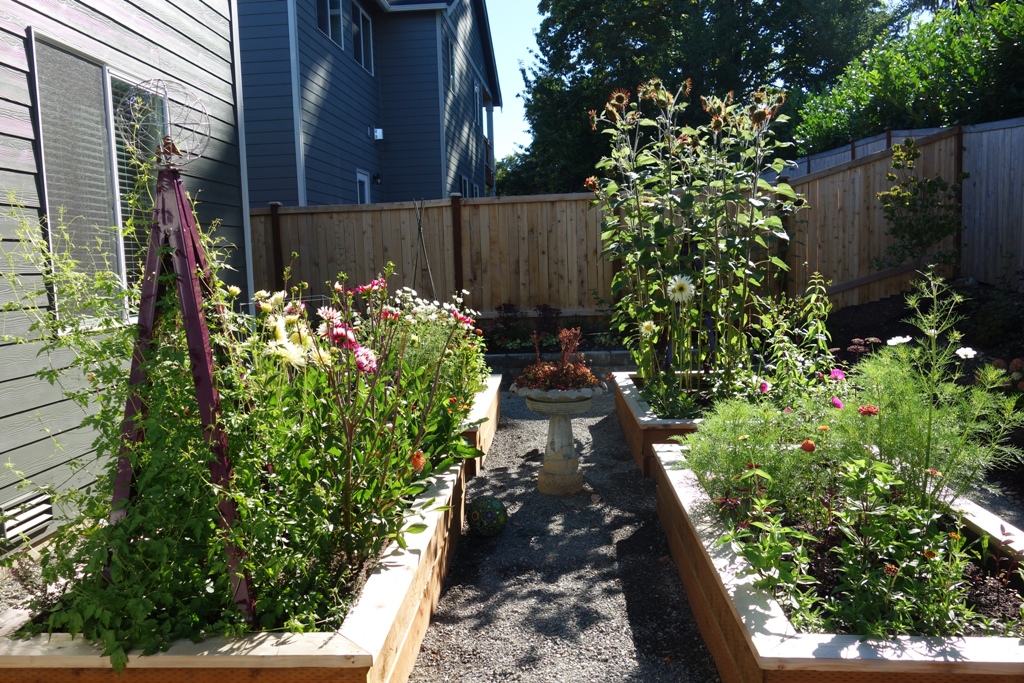
Slowly, but surely, the new SLOW FLOWERS CUTTING GARDEN is taking shape! Amazing how sunflowers and dahlias can enliving a few raised beds and make everything look abundant.

February was a busy month, personally, as my family and I finally ended our 18-month urban condo experiment and moved into a new home with a completely blank backyard – home to the new Slow Flowers Cutting Garden.

Over the remainder of 2017, I began building the cutting garden as a place to trial cut flowers and other botanicals, stage and produce DIY photo shoots, and create stories for gardening audiences and more. The support of sponsors who have shared everything from seeds (thanks Johnny’s Seeds) to bulbs (thanks Longfield Gardens) to my greater Garden Writers community, which supplied perennial and woody plants to trial, has been awesome. I promise that the garden’s evolution in the coming year will supply you with even more inspiration.

Wild-textured roses by Erin Shackelford, Camas Designs. A definite nod to the wildness of nature, from the heart. © Robert Shackelford Photography

Also in February, we produced the Valentine’s Day LOOK BOOK, sharing it across PR Web, a news distribution service. The gallery of sustainable floral design ideas from Slow Flowers member farms and florists was picked up by online news sites, and posted to the web, at slowflowersjournal.com and in a public Flickr gallery. Stories like these help to put you in the news and if you’re a Slow Flowers member, you’ve received (and I hope read and taken advantage of) ongoing “calls” for submissions that allow you to participate in similar opportunities to be published. Currently, for example, we’re collecting your submissions for an upcoming American-grown wedding floral story ~ so if you’re not a part of these opportunities and you’d like to be ~ get in touch!

And I can’t end my February highlights without mentioning how gratifying it was to be an invited speaker at the third annual Pacific Northwest Cut Flower Growers meetup that month, held in Corvallis, Oregon. I shared the 2017 Floral Insights & Industry Forecast as part of my SLOW FLOWERS, AMERICAN STYLE presentation. I was thrilled to discuss what’s happening at all levels of the American-grown floral pipeline — from field to checkout counter, and to give the gathering of growers and farmer-florists insights into the opportunities they could can leverage for their businesses.

SLOW FLOWERS IN ARIZONA (left) and SLOW FLOWERS CREATIVE WORKSHOP (right)

READ MORE…

Northwest Flower & Garden Festival and SLOW FLOWERS Partner to Produce “Floral Wars” — featuring top professional florists competing head-to-head to create floral designs

Monday, December 11th, 2017

Media Contact:   Barry Bartlett, The Bartlett Group, 206.335.4694 or barry@bartlettgrouppr.com

FOR IMMEDIATE RELEASE

SEATTLE—”Floral Wars,” a new “friendly” competition between the Northwest’s most talented professional florists, joins the big line-up of feature attractions at the 2018 Northwest Flower & Garden FestivalFebruary 7-11 at the Washington State Convention Center in Seattle. The event is co-produced with Slow Flowers’ founder and creative director Debra Prinzing.

Presented by American Grown Flowers, “Floral Wars” will be held each day from 3-4 p.m. on the North Hall Stage. It pits two top floral artists against each other as they create three arrangements—a bridal bouquet, a centerpiece and a “surprise” floral creation—all in an hour or less. It’s a test of the contestants’ grace under pressure as they showcase American-grown flowers, USA-made floral accessories and eco-design techniques.

“Garden enthusiasts yearn for more flowers in their lives and ‘Floral Wars’ delivers on a promise—to inspire and educate our audiences with great ideas for floral design. It’s a fun way for showgoers to learn how to choose, combine and arrange flowers from your own backyard,” said event host, Debra Prinzing, author of Slow Flowers and The 50 Mile Bouquet. 

ABOUT THE COMPETITION
During the hour-long event, floral pros will be given several surprise buckets of stems, and with clippers, vases and ribbons in hand, they’ll demonstrate their unique aesthetic styles and share tips and techniques with audience members. Heightening the drama, watch how they react to our “secret” ingredients and unexpected challenges. 

Adding to the fast-paced fun, Corona Tools and Johnny’s Selected Seeds will provide door prizes and giveaways for the audience during the hour-long event. Showgoers are encouraged to arrive early to take advantage of café seating and enjoy a meal, snack, and a beverage while learning from the floral artists. 

ABOUT THE NORTHWEST FLOWER & GARDEN FESTIVAL
Celebrating 30 years of inspiring all experience levels, The Northwest Flower & Garden Festival showcases 18 magnificent, idea-generating display gardens, demonstrations and displays focusing on small space and container gardening, more than 100 free “how-to” seminars by top experts, shopping for a cornucopia of quality products, artwork and regional food items in the bustling Marketplace, and much more. 

DATES & TICKETS
Festival dates and hours are Wednesday through Saturday (Feb. 7-10), 9 a.m. to 8 p.m.; and Sunday (Feb. 11), 9 a.m. to 6 p.m. Early Bird adult tickets now on sale online and over 60 retail locations (until February 6) – $19; regular adult (at the door) – $24; youth (13 to 17 years) – $7; and children 12 and under are FREE.  For more information, or to purchase tickets online, visit www.gardenshow.com.

“Floral Wars” contestants include:

Wednesday, Feb. 7:
Melissa Feveyear, Terra Bella Flowers (Seattle) and Jessica Gring, Odd Flowers Floral Design and the Seattle Wholesale Growers Market (Seattle)

Melissa Feveyear of Terra Bella Flowers (left) and Jessica Gring of Odd Flowers Floral Design/Seattle Wholesale Growers Market (right)

Thursday, Feb. 8:
Gina Thresher, AIFD, From the Ground Up Floral (Kent) and Jon Robert Throne, AIFD, Countryside Floral & Garden (Issaquah)

Gina Thresher, AIFD, From the Ground Up Floral (left) and Jon Robert Throne, AIFD, Countryside Floral & Garden (right)

Friday, Feb. 9:
Rizaniño “Riz” Reyes, RHR Horticulture (Seattle) and Mick Payment, Flowers for the People (Bellevue)

Rizaniño “Riz” Reyes of RHR Horticulture (left) and Mick Payment of Flowers for the People (right)

Saturday, Feb. 10:
Anne Bradfield, Floressence (Seattle) and Kelly Sullivan, Botanique (Seattle)

Anne Bradfield of Floressence (left) and Kelly Sullivan of Botanique (right)

Sunday, Feb. 11:
Tobey Nelson, Tobey Nelson Events & Design (Langley) and Tammy Myers, First & Bloom (Issaquah)

Tobey Nelson of Tobey Nelson Events & Floral (left) and Tammy Myers of First & Bloom (right)

Floral Wars is made possible by:

FLOWERS/FOLIAGE: Certified American Grown Flowers is the exclusive provider of flowers and foliage used in the competition. Certified American Grown program ensures consumers of the domestic origins of their flowers and foliage and stands for the high quality, farm fresh blooms.

VASES/MECHANICS: Syndicate Sales, an American manufacturer of vases and accessories for the professional florist.

RIBBONS: Offray Ribbons is the last U.S. manufacturer of woven satin ribbon for the floral and craft marketplace.

APRONS: Raw Material Design, a Seattle-based maker of aprons and other textile products.

About Debra Prinzing:

Debra Prinzing is a Seattle-based writer, speaker and leading advocate for American Grown Flowers. Through her many Slow Flowers-branded projects, she has convened a national conversation that stimulates consumers and professionals alike to make conscious choices about their floral purchases.

Debra is the producer of SlowFlowers.com, the online directory to American-grown farms, florists, shops and studios who supply domestic and local flowers.

Each Wednesday, approximately 2,500 listeners tune into Debra’s “Slow Flowers Podcast,” available for free downloads at her web site, debraprinzing.com, or on iTunes and via other podcast services.

She is the creator of American Flowers Week, launched during the July 4th week in 2015 with more than 5.0 million social media impressions in 2017.

Debra is a Florists’ Review Contributing Editor which produces the “Slow Flowers Journal” section. She is a 2016 inductee to the Garden Writers Association Hall of Fame and the author of 10 books, including Slow Flowers and The 50 Mile Bouquet.

Episode 326: Solstice Garden Gatherings and the Farm to Flower Shop trend with Barbara Rietscha of Boston’s Field & Vase

Wednesday, December 6th, 2017

Barbara Rietscha and David Buchholz of Stow Greenhouses, recently rebranded as Boston-based Field & Vase

Today, you will hear from two guests: Sue Nevler, an incredibly active gardening friend from the Pacific Northwest and national public horticulture scene who will share about the Solstice Garden Gatherings on December 21st, and Stow, Massachusetts-based Barbara Rietscha of Stow Greenhouses, which has rebranded as Field & Vase in Boston — yet another flower farm branching into retail floristry. I’m so excited to share these interviews with you!

We’re getting close to the end of 2017 and for many of you, that means reflecting on the meaning of one’s work, on the relevance and purpose that we seek to have, and on the relationships that define us.

Thanks to all who joined me at the Seattle area Slow Flowers Meet-Up! This group knows how to feed one another’s appetites and creativity.

This all came together for me Sunday evening at the latest Slow Flowers Meet-Up. Over the course of 2017, I’ve gathered with our Slow Flowers Community in towns and cities across North America, listening, learning, sharing, connecting in places as diverse and wonderful as Pittsburgh, Pennsylvania; Toronto, Ontario; Missoula, Montana; Guilford, Connecticut; Providence, Rhode Island, and yes, Seattle.

It was such a joy to have a hometown (for me) Meet-Up and I am so happy that 14 folks in Seattle’s Slow Flowers community joined the festivities — flower farmers whose blooms thrive in tiny urban lots or expansive rural acreage, food farmers who are diversifying in to cut flowers, floral designers who specialize in weddings, everyday deliveries or workshops, landscape designers exploring the floral industry and also wholesalers who represent the farmers and sell their bountiful harvest to local florists.

It was wonderful to watch the new relationships and connections take place over delicious food, clicking of glass, and laughter throughout. There was one moment when it all went into slow-motion, freeze-frame for me. I stood there in my kitchen and marveled at the goodwill being shared among new and old friends, people who have supported the Slow Flowers movement in their own work, aligning their brands with ours. It was special and truly overwhelming to see where this singular Slow Flowers idea has taken all of us.

Last week I recorded a short interview that I want to start today’s episode. It will, I hope, inspire you to take a step or make a gesture in your own community as we approach the Winter Solstice, the holiday season and the New Year around the corner.

Sue Nevler (seen above), calls herself a gardening advocate. In 2016, Sue created an event called Solstice Garden Gatherings — and I shared the idea on an episode of this podcast last December. Solstice Garden Gatherings has gained momentum and support across the world, and I’m so glad to see the idea of people who assemble with others in public and private gardens, or in a flower field, or on a farm. The objective is simple, but powerful. A gathering in support of peace, acceptance, understanding, and hope.

Beginning December 10th, this Sunday, there are several taking place in the Seattle area, including these:

Bellevue Botanical Garden (Garden D’Lights)
Bloedel Reserve
Dunn Gardens
Heronswood
Kruckeberg Garden
University of Washington Botanic Gardens ( CUH)
Days, dates, times and formats vary at all these, so check individual garden website’s for more details.

Please use the hash-tag #solsticegardengatherings if you attend or create a similar event in your community. She is eager to see this idea spread and will be encouraged by your posts.

Flowers by Field & Vase

Our main guest today is Barbara Rietscha of Field & Vase, a new venture of Stow Greenhouses, based in Stow, Massachusetts, in the Boston area.

The Rietscha-Buchholz family at their farm in Stow, Massachusetts

Stow Greenhouses is owned and operated by the husband and wife team of Dave Buchholz and Barbara Rietscha. In addition to growing and arranging flowers, they are raising three sons.

Barbara runs the day-to-day operations of the business and oversees everything from first seeding to final arrangement. Born in PA, Barbara had a circuitous route to flower farming. After graduating from college with a chemistry degree, she moved to Central Africa to teach farmers how to raise fish. When she returned home, Barb learned how to program computers and then moved to the business side of things and got her M.B.A. After the birth of her 2nd son, she took some time off to raise 3 sons until she and Dave bought the farm in 2010.

Barbara uses flowers and herbs grown on her farm as well as things foraged from the property. Her style is organic and natural and she likes to bring the garden to the vase whether it is for a bride, home or office. Barbara is motivated to educate her customers about the local flower movement as well as support local farms and businesses. She enjoys being outdoors and skiing and her retirement plan is traveling across the country in an Air Stream.

By day Dave is an IT professional at a large bank but by night, he is a plumber, electrician, carpenter – a whatever-it-takes to keep the farm running. He is also the patient voice of reason to Barb’s unbridled enthusiasm. Dave was born with skis on his feet, enjoys all forms of cycling and coaches the high school ultimate frisbee team.

READ MORE…

Episode 325: Chicago’s Field & Florist Opens a Retail Store

Wednesday, November 29th, 2017

Heidi Joynt and Molly Kobelt of Field & Florist (left) and a lovely photograph of their new Convertible Vase (right), developed with Chicago ceramicist Angela Venarchik

We’re coming to a close of the year and lately, I’ve been focused on the upcoming 2018 Slow Flowers’ Floral Insights & Industry Forecast, which I will release on January 3rd, with episode 330 of this podcast.

For the first time, our annual Floral Insights will also be published in Florists’ Review — and you can find the report in the pages of the magazine’s “Slow Flowers Journal” section come January 2018 issue. Subscribe to Florists’ Review and read our bonus Slow Flowers Journal content at the special rate of $21 for 12 issues — 62 percent off the cover price! Check out details by following this link or call 1-800-367-4708.

Inside Field & Florist’s new retail shop in Chicago.

One of the themes of the 2018 Floral Insights involves new ways for flower farmers and farmer-florists to bring their botanicals to the marketplace — through their own retail outlets.

I first touched on this idea last month, when I invited Emily Calhoun of Albuquerque, New Mexico-based Floriography Flowers, to share her news, which you can hear in a segment called “Flower Farmers Shift into Retail Floristry.” As it turns out, Emily is just one of several pioneering flower farmers embracing retail channels.

More interior glimpses of the modern, clean aesthetic — a perfect foil for abundant flowers!

Today, you will hear from returning guests Heidi Joynt and Molly Kobelt of Chicago-based Field & Florist, as they discuss their new retail store in the heart of the city’s Wicker Park neighborhood. And in a few week’s we will feature a Boston area flower farmer who’s recently opened two retail outlets in that city.

Follow these links to their past interviews on this Podcast.

Episode 148

Episode 262

A few lovely details of the Convertible Vase

Cindy Dampier of the Chicago Tribune wrote this recently:

Heidi Joynt and Molly Kobelt are florists — by way of a garden. Their days are dictated by irrigation and planting plans, bloom times and germination schedules. On any spring or summer morning, you’ll likely find the two of them in boots and work gloves, happily cultivating varieties they’ve carefully selected during a long winter’s worth of research. But unlike most gardeners, blooms are just a starting point for the ladies of Field & Florist. Those creamy peonies and cup-shaped hellebores are the raw materials for a summer’s worth of bouquets that seem, with each delicate, wayward tendril, to channel the garden they came from.

The women were recently featured in a documentary called “A Room with the Highest Ceiling,” produced by The Food Porn Hub. It’s a lovely “short film” and I think you’ll want to take the time to watch and listen to their philosophy (not to mention see their farm!):

One of the new collections of artisanal fragrances offered at Field & Florist

Enjoy these new photographs that Heidi and Molly have shared, taken by Jaclyn Simpson.

And follow these links to Field & Florist’s social places.

Field & Florist on Facebook

Field & Florist on Instagram

Field & Florist on Pinterest


Thanks so much for joining us today!

The Slow Flowers Podcast has been downloaded more than 257,000 times by listeners like you. Thank you to each one of you for downloading, listening, commenting and sharing. It means so much.

If you value the content you receive each week, I invite you to show your thanks and support the Slow Flowers Podcast with a donation — the button can be found on our home page in the right column. Your contributions will help make it possible to transcribe future episodes of the Podcast.

Thank you to family of sponsors:

Certified American Grown Flowers. The Certified American-Grown program and label provide a guarantee for designers and consumers on the source of their flowers. Take pride in your flowers and buy with confidence, ask for Certified American Grown Flowers.  To learn more visit americangrownflowers.org.

Arctic Alaska Peonies, a cooperative of 50 family farms in the heart of Alaska providing high quality, American Grown peony flowers during the months of July and August. Visit them today at arcticalaskapeonies.com

Seattle Wholesale Growers Market, a farmer-owned cooperative committed to providing the very best the Pacific Northwest has to offer in cut flowers, foliage and plants. The Growers Market’s mission is to foster a vibrant marketplace that sustains local flower farms and provides top-quality products and service to the local floral industry. Find them at seattlewholesalegrowersmarket.com

Longfield Gardens provides home gardeners with high quality flower bulbs and perennials. Their online store offers plants for every region and every season, from tulips and daffodils to dahlias, caladiums and amaryllis. Visit them at longfield-gardens.com.

Syndicate Sales, an American manufacturer of vases and accessories for the professional florist. Look for the American Flag Icon to find Syndicate’s USA-made products and join the Syndicate Stars loyalty program at syndicatesales.com.

Johnny’s Selected Seeds, an employee-owned company that provides our industry the best flower, herb and vegetable seeds — supplied to farms large and small and even backyard cutting gardens like mine. Check them out at johnnysseeds.com.

Association of Specialty Cut Flower Growers. Formed in 1988, ASCFG was created to educate, unite, and support commercial cut flower growers. It mission is to help growers produce high-quality floral material, and to foster and promote the local availability of that product. Learn more at ascfg.org

(c) Missy Palacol Photography

I’m Debra Prinzing, host and producer of the Slow Flowers Podcast. Next week, you’re invited to join me in putting more American grown flowers on the table, one vase at a time. And If you like what you hear, please consider logging onto Itunes and posting a listener review.

The content and opinions expressed here are either mine alone or those of my guests alone, independent of any podcast sponsor or other person, company or organization.

The Slow Flowers Podcast is engineered and edited by Andrew Brenlan. Learn more about his work at KineticTreeFitness.com.

Music Credits:

Photo credit: Jaclyn Simpson.

Episode 324: Meet 2017 Mayesh Design Star Christy Hulsey of Colonial House of Flowers and Mayesh Wholesale CEO Patrick Dahlson

Wednesday, November 22nd, 2017

Christy Hulsey, Mayesh Wholesale’s 2017 Design Star, taught recently in Portland (c) Nicole Clarey Photography

Last month I traveled to Portland for a wonderful day hosted by Mayesh Wholesale, one of a series of design workshops featuring their 2017 Design Star, Christy Hulsey.

Christy is the owner and creative director of Colonial House of Flowers in Statesboro, Georgia, outside Savannah, and she was selected by Mayesh to be this year’s design muse. In the past, as I understand it, the creative inspiration and instruction of each year’s Mayesh Design Star program has mostly been video-based. This year was incredibly ambitious, with Christy signing on for a coast-to-coast tour of workshops and events.

I was so happy to spend time with Christy Hulsey of Colonial House of Flowers (center) and Mayesh Wholesale CEO Patrick Dahlson (far right) (c) Nicole Clarey Photography

As you’ll hear in our conversation, recorded after the all-day, hands-on workshop that she and her team presented, Christy and I met in 2014 at the Chapel Designers New York Conference, where Holly Chapple graciously asked me to speak about Slow Flowers. Later, Christy’s Colonial House of Flowers joined Slowflowers.com, inspired at some level, to honor Christy’s grandmother’s love of gardening and designing with seasonal flowers.

Team Colonial House of Flowers. Christy is in the front, wearing the linen apron; her sister Amanda Currier is immediately to the left of the ladder.

In fact, she mentions her grandmother’s influence often. When Christy joined the Design Star program, Mayesh posted a lovely Q&A with her for their blog. You’ll want to follow the link I share in the show notes to find that, but here are a few favorite excerpts:

In 2012, I assumed ownership of a little nearly 50-year-old landmark flower boutique that was in my family, called the Colonial House of Flowers. I believe the spirit of my grandmother’s creativity and ability to resourcefully create something sophisticated flutters through everything I do. In 2014, Amanda Currier, my sister, joined the Colonial House of Flowers team. Seasonally relevant flowers, branches, and fruit, are the true medium of my art. I’m ever thankful for my grandmother who always sent me into the garden, who brought me a found plant as a gift, and taught me to dig bulbs, grow cuttings, and stop at random roadside stands on family travels.  am really excited about the gaining momentum of American Grown Flowers. Slow flowers speak to me. I am excited the movement is finally coming to the Southeastern United States.

Christy Hulsey, with a detail of the all-American-grown floral flag (c) Certified American Grown photograph

Last December, I interviewed Christy for an Americanflowersweek.com story about the 8-by-12-foot three -dimensional American flag that she and a team created using only domestic flowers. The project was commissioned by Certified American Grown and it was on display at the Wholesale Florist & Floral Supplier Association conference in Miami.

Christy shared her story and taught compot design and hand-tied bouquet design at the Mayesh Design Star Workshop (c) Nicole Clarey Photography

Christy has had a whirlwind year and you’ll love hearing more about the Mayesh Design Star experience, which is coming to a close next month. She has taught workshops all around the country, sharing her design philosophy with professional peers, aspiring designers and floral enthusiasts eager for inspiration. In conjunction, she has also taught a number of succulent design workshops at Pottery Barn stores located in Mayesh cities. And she’s filmed numerous design videos. You can see a few of those here:

As an added bonus, Mayesh CEO Patrick Dahlson sat down with me to record a conversation, which you’ll hear after the Christy interview. This was a rare chance for me to hear more about the Mayesh story and to ask Pat to weigh in on the Slow Flowers movement to promote a greater level of local and seasonal flowers in the conventional wholesale floral channels. I wasn’t disappointed and I’m so glad you can sit in on our give-and-take.

Patrick Dahlson introduced the Mayesh Wholesale story to the workshop audience (c) Nicole Clarey Photography

Here’s a bit more about Pat Dahlson:

As one of nine children, all who are shareholders in Mayesh Wholesale Florist, Patrick has been the CEO of the company since 1985.  A natural born leader, Patrick has been a member of Vistage – an international CEO leadership organization – for 21 years. He is past president of Child Share, which helps place foster children in homes; Past President WF&FSA; Board member Southern California Flower Growers Association; and Past President Oakmont Country Club. Passionate about flowers, leadership and mentoring, Pat is also an avid golfer who enjoys yoga and Pilates workouts along with traveling with his three daughters, Alison, Kirstin and Desiree.

I also want to give you a head’s up about a couple things on the calendar where you can meet Christy Hulsey and Pat Dahlson:

On December 4-6th, Christy will host a Master Class At Musgrove Plantation on St. Simon Island, Georgia, with Susan McLeary of Passionflower.

Susan has been a guest of the Slow Flowers Podcast twice in the past and she is a good friend to the Slow Flowers community.

This two-day design intensive looks fantastic and I encourage you to check out the details, which include intimate design instruction with Christy and Sue, a focus on  foam-free, wire-free cascade bouquets PLUS living jewelry such as wrist corsages, shoulder corsages and Sue’s famous “floral tattoo.

You’ll also be part of a styled photo shoot by Lindsey Nowak and a portfolio of your photos by Corbin Gurkin. Click here for more information and to register!

On March 7-9th, 2018, floral business coach Kelly Perry hosts the first Team Flower Conference in Orlando, which features, among other speakers, Pat Dahlson and Christy Hulsey.

The conference is designed to help you take your floral business to the next level, and includes a presentation by Kelly pricing, ordering and cultivating creativity.

Christy will share the story of how she transitioned a small-town flower shop in rural Georgia to a nationwide brand, and Pat will cover the latest sourcing news and tips for working with your salesperson on substitutions, and he’ll share his passion for teamwork success in the floral industry. Click here for more information and to register!

Wow, wish I could be part of both of those amazing events!


The Slow Flowers Podcast has been downloaded more than 255,000 times by listeners like you. Thank you to each one of you for downloading, listening, commenting and sharing. It means so much.

If you value the content you receive each week, I invite you to show your thanks and support the Slow Flowers Podcast with a donation — the button can be found on our home page in the right column. Your contributions will help make it possible to transcribe future episodes of the Podcast.

Thank you to family of sponsors:

Arctic Alaska Peonies, a cooperative of 50 family farms in the heart of Alaska providing high quality, American Grown peony flowers during the months of July and August. Visit them today at arcticalaskapeonies.com

Seattle Wholesale Growers Market, a farmer-owned cooperative committed to providing the very best the Pacific Northwest has to offer in cut flowers, foliage and plants. The Growers Market’s mission is to foster a vibrant marketplace that sustains local flower farms and provides top-quality products and service to the local floral industry. Find them at seattlewholesalegrowersmarket.com

Longfield Gardens provides home gardeners with high quality flower bulbs and perennials. Their online store offers plants for every region and every season, from tulips and daffodils to dahlias, caladiums and amaryllis. Visit them at longfield-gardens.com.

Syndicate Sales, an American manufacturer of vases and accessories for the professional florist. Look for the American Flag Icon to find Syndicate’s USA-made products and join the Syndicate Stars loyalty program at syndicatesales.com.

Johnny’s Selected Seeds, an employee-owned company that provides our industry the best flower, herb and vegetable seeds — supplied to farms large and small and even backyard cutting gardens like mine. Check them out at johnnysseeds.com.

Association of Specialty Cut Flower Growers. Formed in 1988, ASCFG was created to educate, unite, and support commercial cut flower growers. It mission is to help growers produce high-quality floral material, and to foster and promote the local availability of that product. Learn more at ascfg.org.

(c) Missy Palacol Photography

I’m Debra Prinzing, host and producer of the Slow Flowers Podcast. Next week, you’re invited to join me in putting more American grown flowers on the table, one vase at a time. And If you like what you hear, please consider logging onto Itunes and posting a listener review.

The content and opinions expressed here are either mine alone or those of my guests alone, independent of any podcast sponsor or other person, company or organization.

The Slow Flowers Podcast is engineered and edited by Andrew Brenlan. Learn more about his work at KineticTreeFitness.com.

Music Credits:

Bending the Reed
by Gillicuddy

https://creativecommons.org/licenses/by-nc/3.0/

Perfect (Instrumental Version); Once Tomorrow (Instrumental Version)

Additional music from:

audionautix.com