

Podcast: Play in new window | Download
Subscribe: Apple Podcasts | Podcast Index | RSS | More
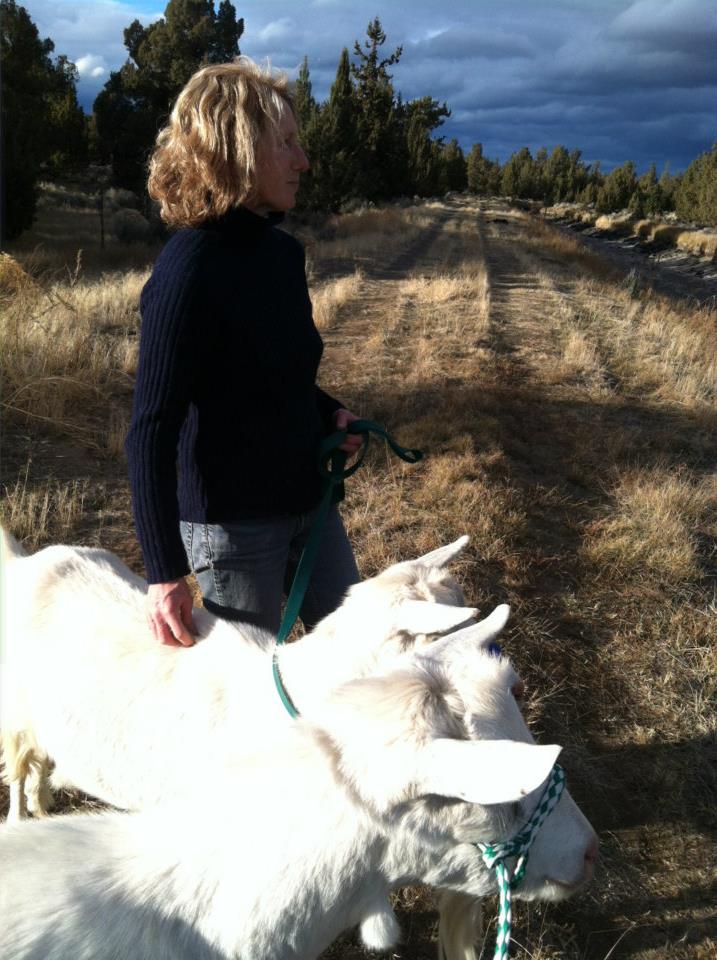
Gigi Meyer, on a November walk through her farm, with a few of her goats, Justyn, Daphne, and Ziggy-Zag.
A few weeks ago, my friend Sarah Meyer invited me to have breakfast in our Seattle neighborhood with her visiting cousin Gigi Meyer.
Sarah had told me about Gigi in the past, her closest childhood cousin who owns Windflower Farm, situated on land near Bend, Oregon, is in the central part of the state.
In April 2012, Sarah sent me an email after she had helped me create the flowers for the kick-off event of a Washington ballot initiative we were supporting. She wrote:
“Earlier today, I sent your NYT article to my cousin Gigi (farmer in Bend I mentioned) and she wrote back to say she had just received your book having ordered it from Amazon!
“I was slightly disappointed to hear that as I had planned to buy it as a birthday present but missed my chance. She is selling cut flowers to Whole Foods and I think is increasing her flower production.”
 My breakfast conversation with them introduced me to Gigi’s story – and I knew I wanted to share it with listeners of the Slow Flowers Podcast. Being a farmer is a choice for Gigi. She was drawn to this practice after a career in writing and fine arts. It is a love of place, of animals, of cultivating food and flowers that connects her with earliest childhood memories of riding horses on property her parents owned in Eastern Oregon.
That profound link is evident in Gigi’s thoughtful narrative of being a farmer and more. According to Gigi, Windflower Farm is dedicated to growing gourmet-quality vegetables, herbs, fruit and flowers. She uses only sustainable practices, no chemical herbicides, pesticides or fertilizers. The farm is nestled amidst ranches and the Badlands, in pastoral Alfalfa, just 15 minutes east of Bend.
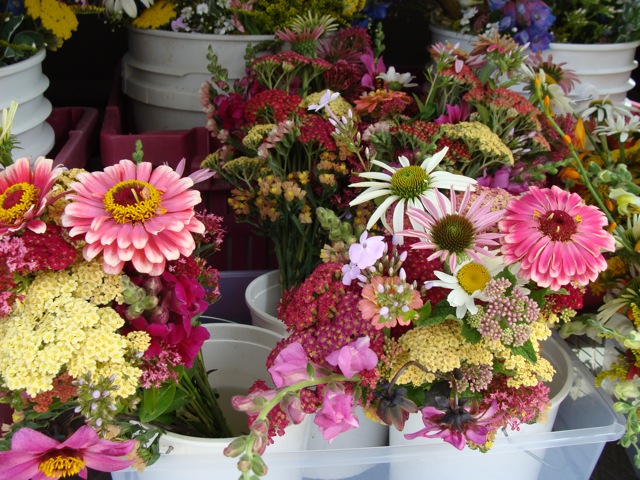
Ready for market – fresh from the fields at Windflower farm.
In our interview, you will hear Gigi talk about selling her herbs, vegetables, greens and flowers to the chef at Brasada Ranch. Named “Oregon’s Best Destination Resort,” Brasada is a highlight for many who travel to the Bend area. Travel writer and podcaster Peter Greenberg featured Brasada and many tourism features of Central Oregon in a 2011 podcast — including a 5-minute segment with Gigi. Here is the link – and you will hear Gigi at the 1:34 mark. Greenberg describes Windflower Farm as a “boutique farm,” which is pretty cool.
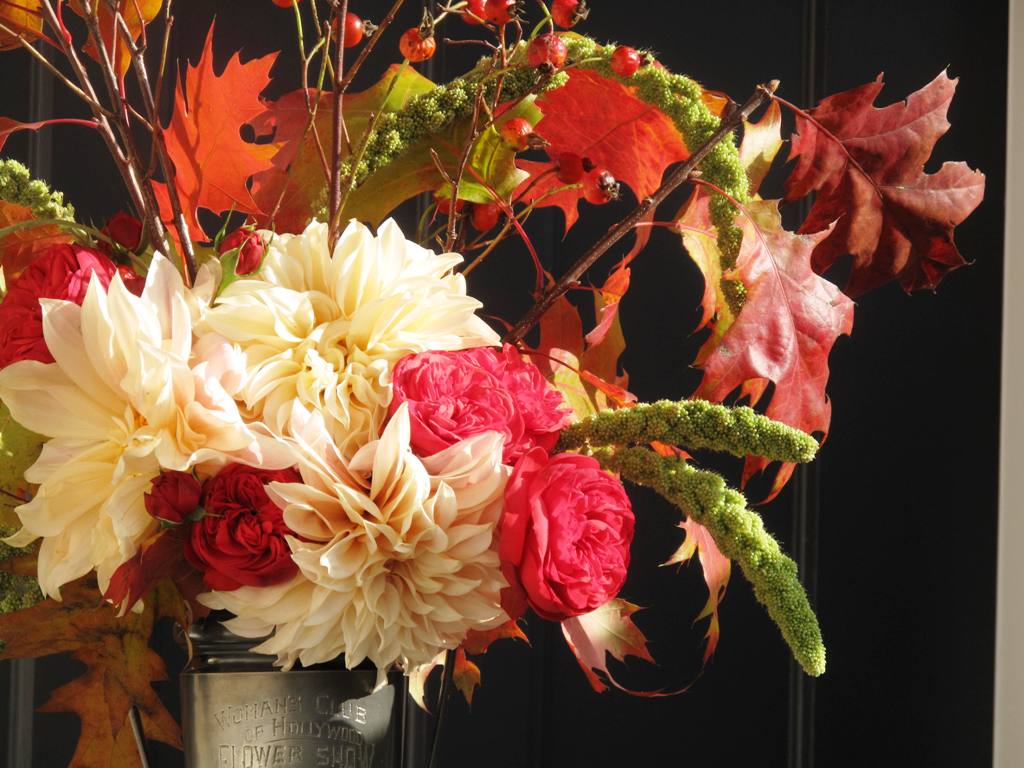
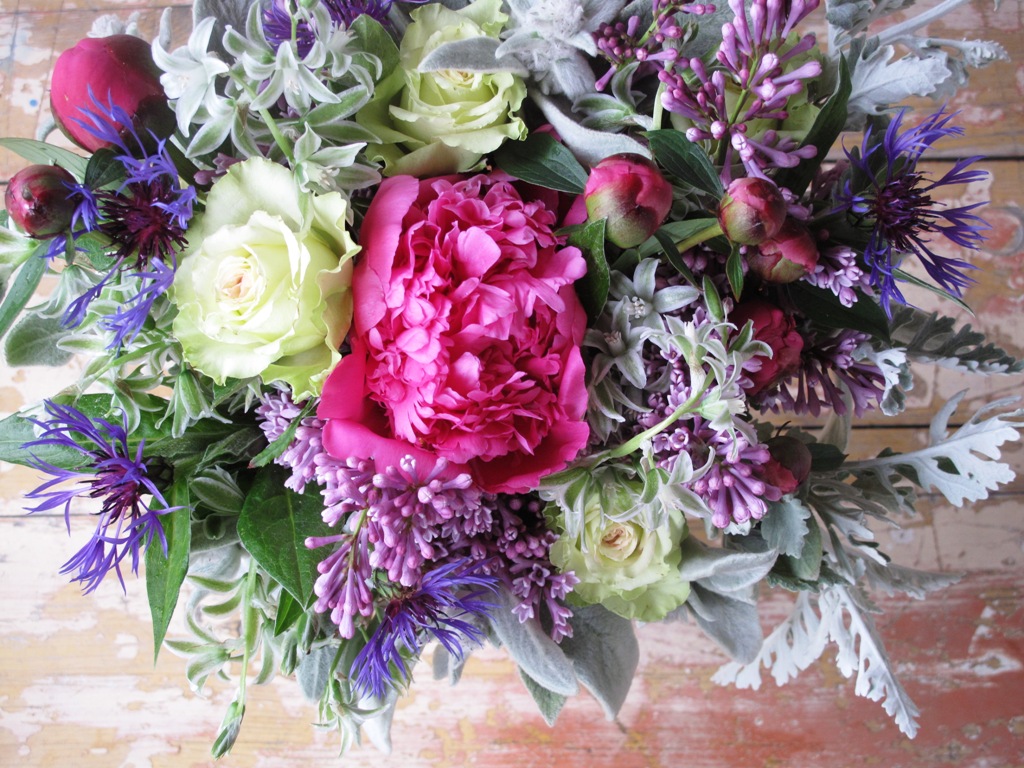
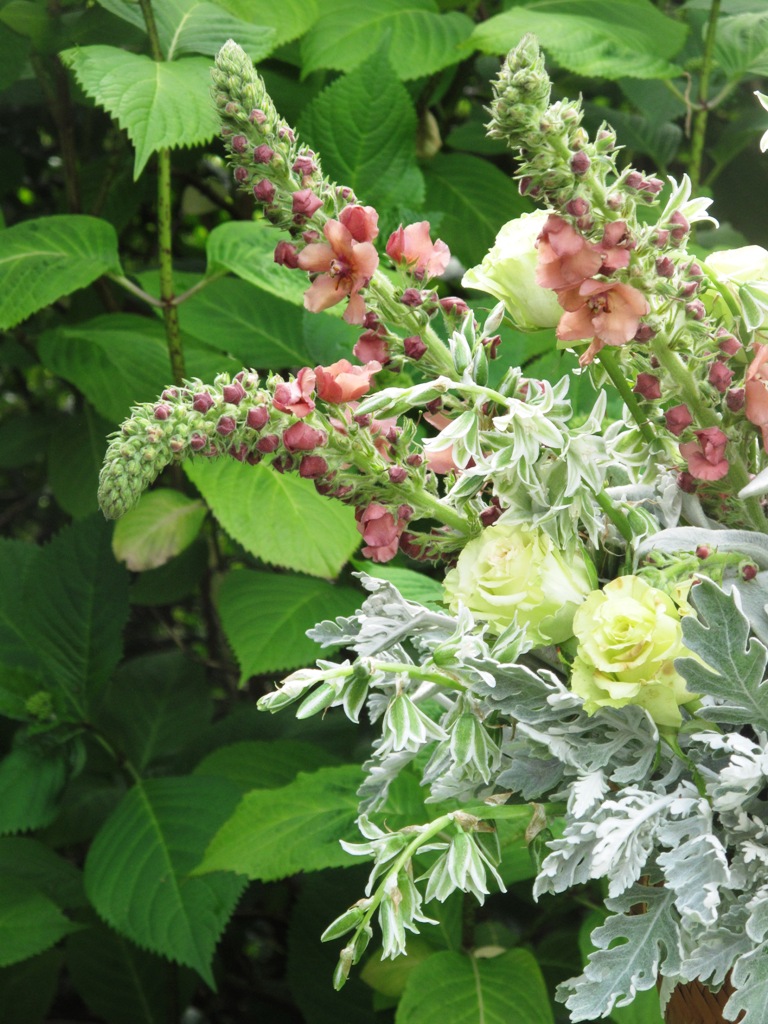
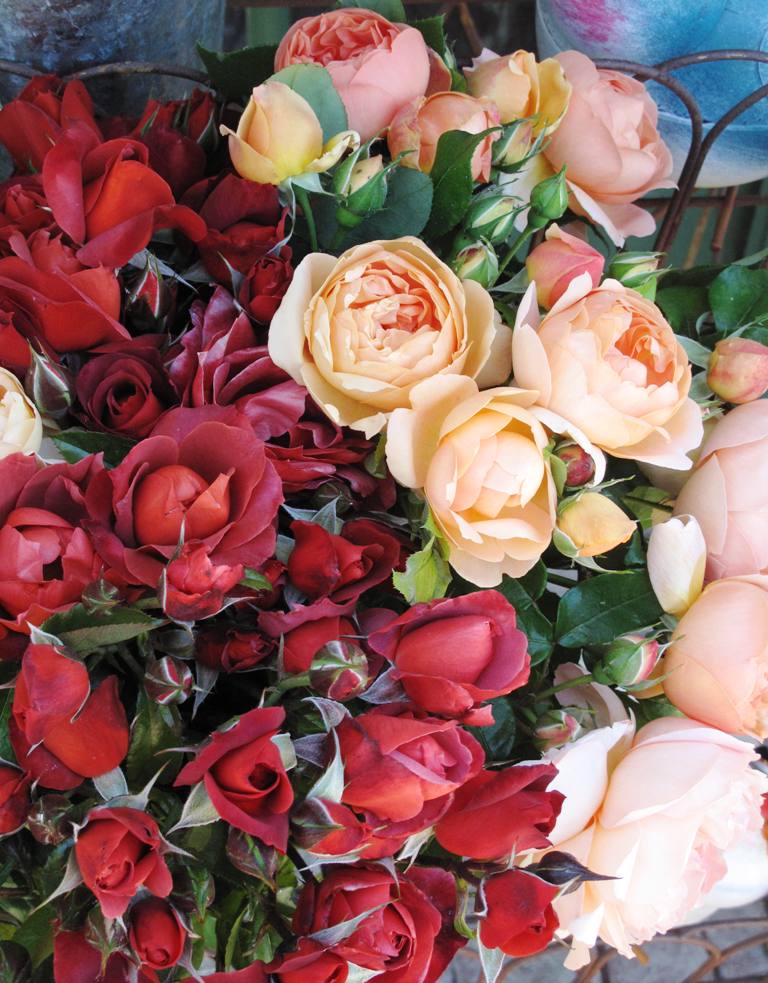
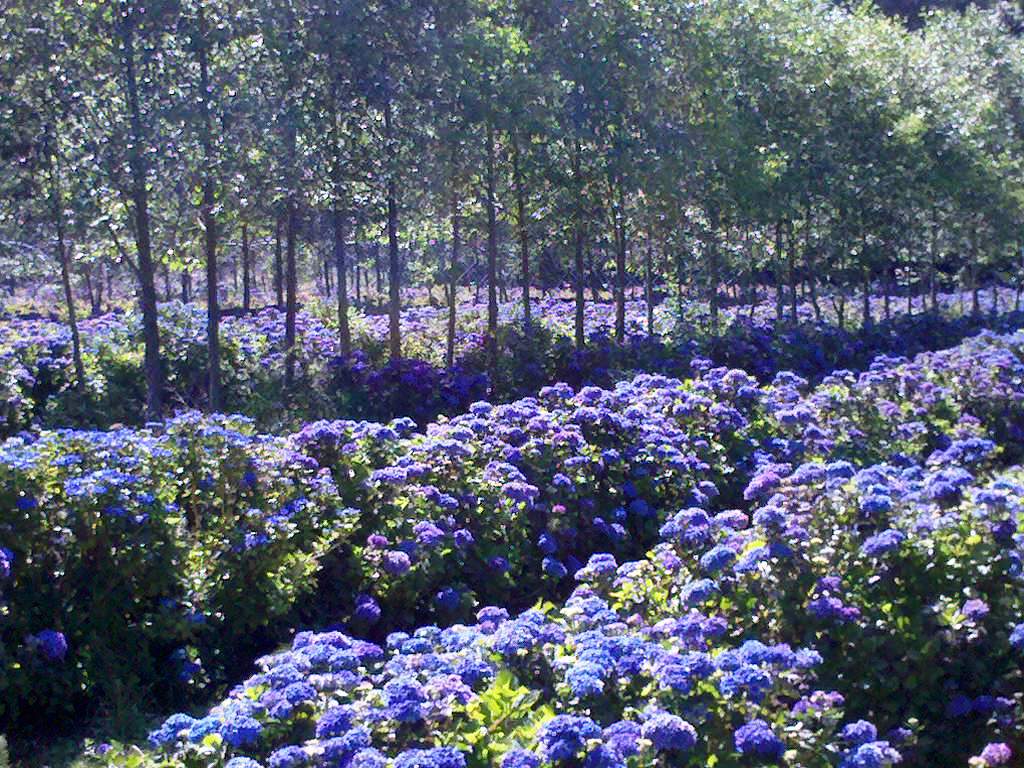
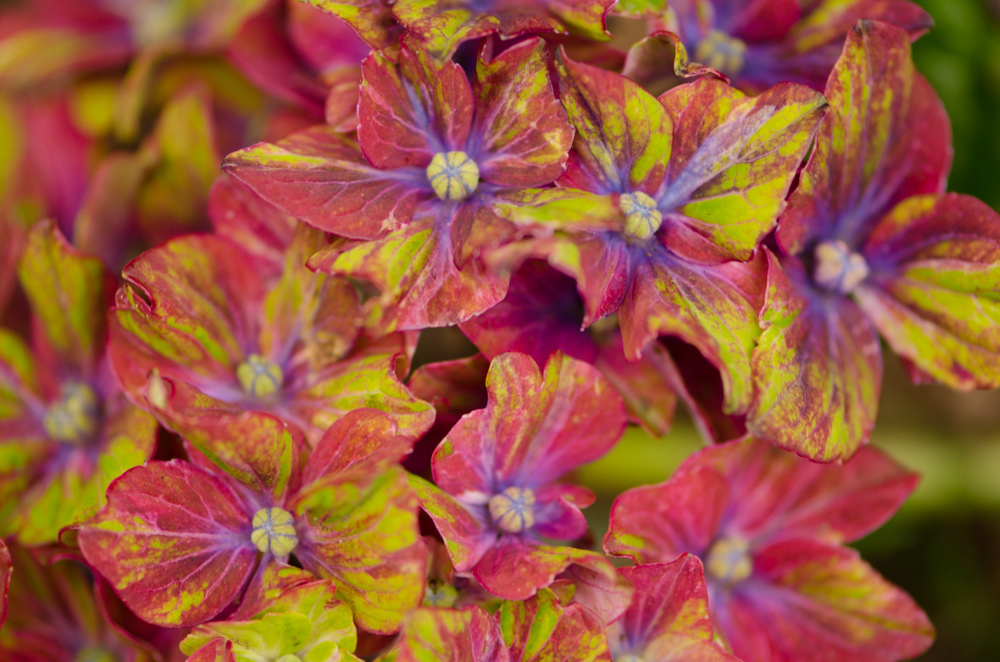
In addition to her mixed bouquets, which can be found at Bend’s Whole Foods outlet, Gigi grows and sells the following diverse and hugely impressive floral selection to area restaurants, businesses, florists and wedding customers:
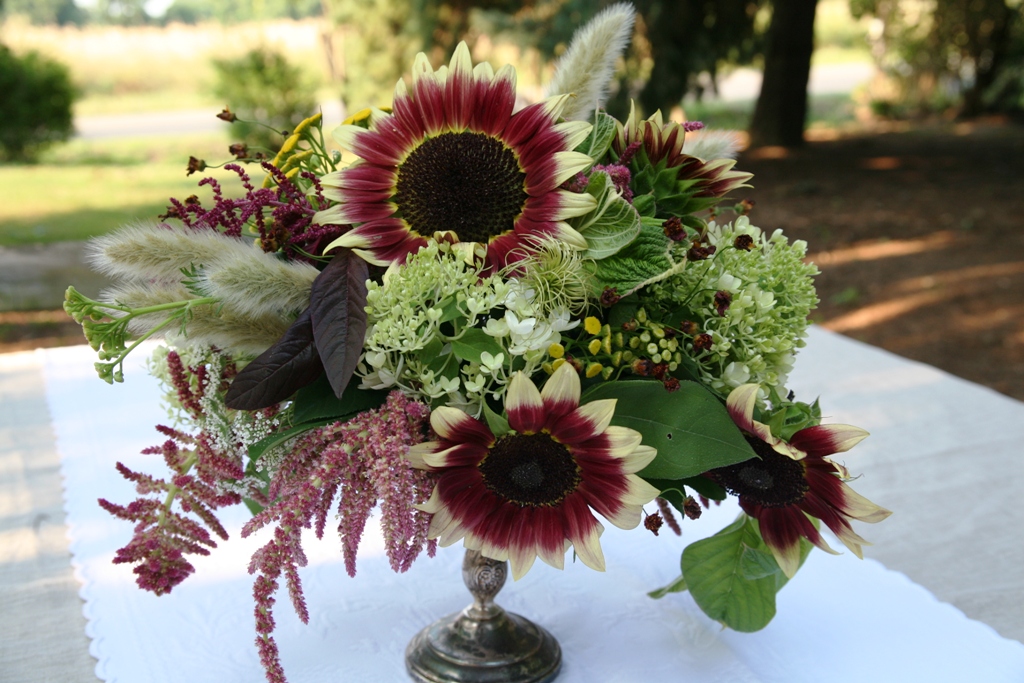
Peonies Asiatic Lilies, Astrantia, Ornamental Broom, Crocosmia, Dahlia, Delphinium, Foxglove, Gladiolus, Iris, Lilac, Sunflowers, Acidanthera, Allium, Amaranth, Amsonia, Aster , Astilbe, Berberis, Campanula, Cattail, Daylily, Echinacea, Echinops, Eupatorium, Forsythia, Kniphofia, Larkspur, Domestic Mullein, Phlox, Pink French Pussy Willow, Scabiosa, Sedum w flower, Solidago, Ornamental Millet Achillea (Yarrow), Ageratum, Agrostemma, Anemone, Asclepias, Babies Breath, Calendula, Celosia, Centranthus, Chrysanthemum, Columbine, Amethyst Coral Berry, Coreopsis, Craspedia, Daffodil, Dianthus, Erigeron, Euphorbia, Filipendula, Geum, Gomphrena, Helichrysum, Lady’s Mantle, Marigold, Nigella, Rudbeckia, Sedum foliage, Shasta Daisies, Snapdragon, Statice, Sweet Pea, Zinnia, Oxe-eye Daisies, Dill, Dusty Miller, Lavender, Chamomile, Ruby Silk Grass, Frosted Explosion Grass, Lamb’s Ear and Rye Grass with seed heads.
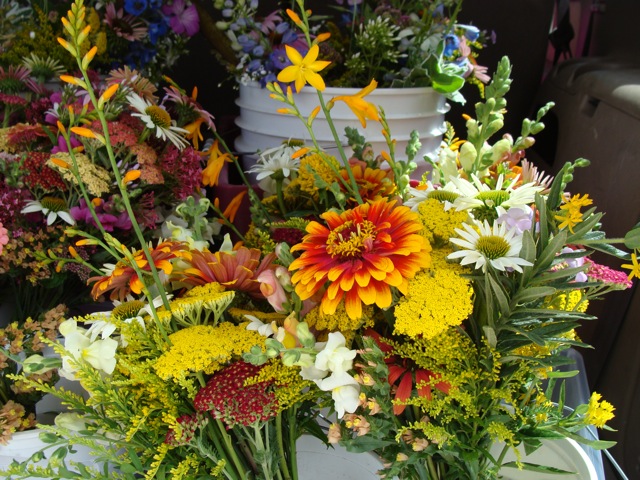
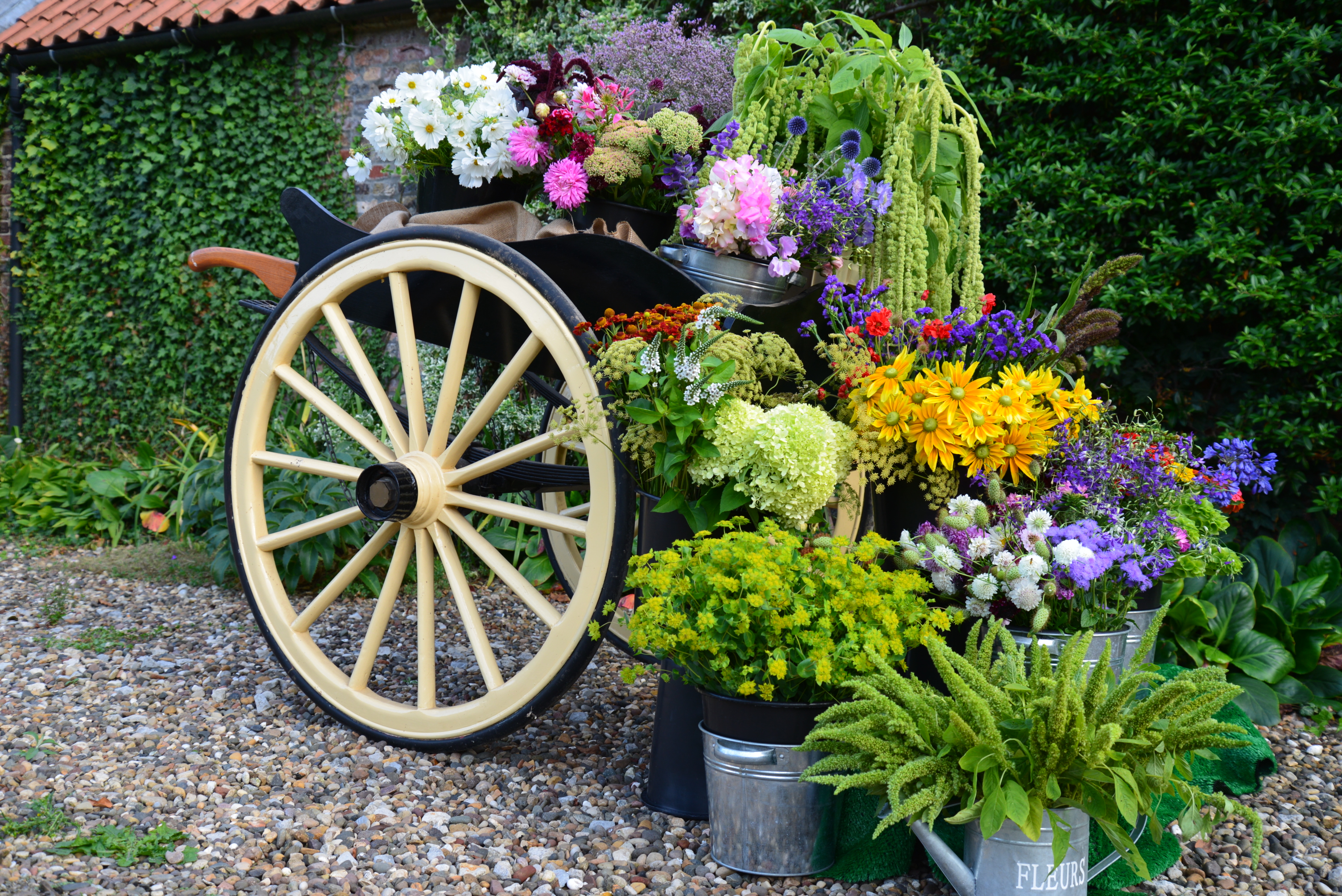
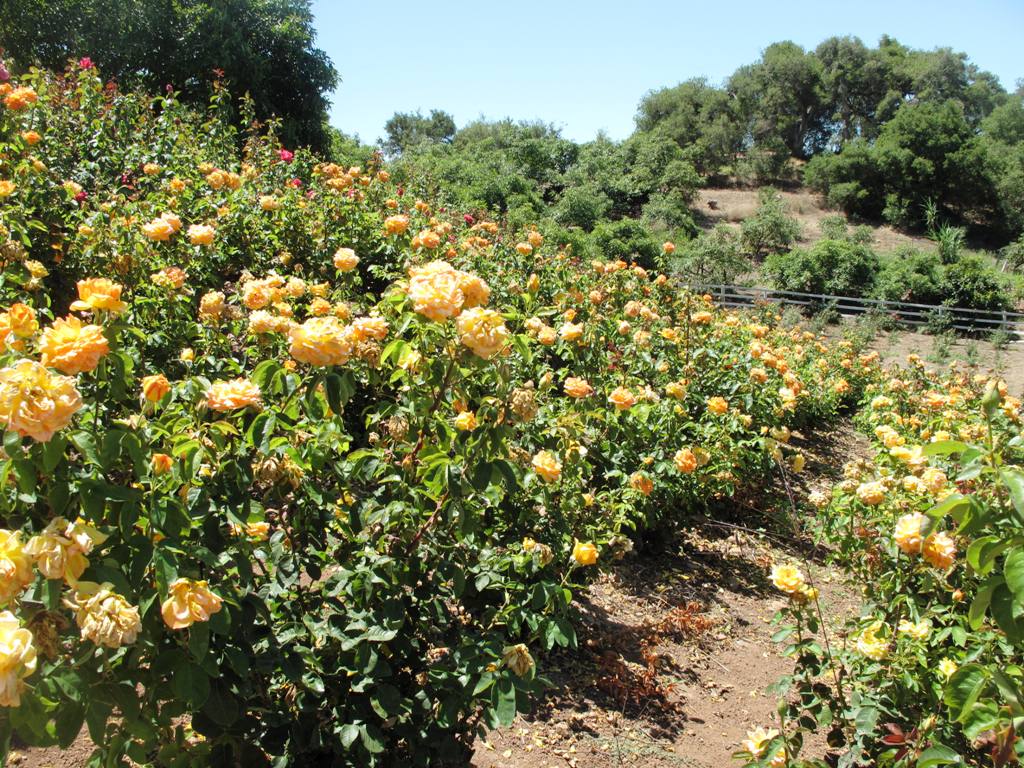
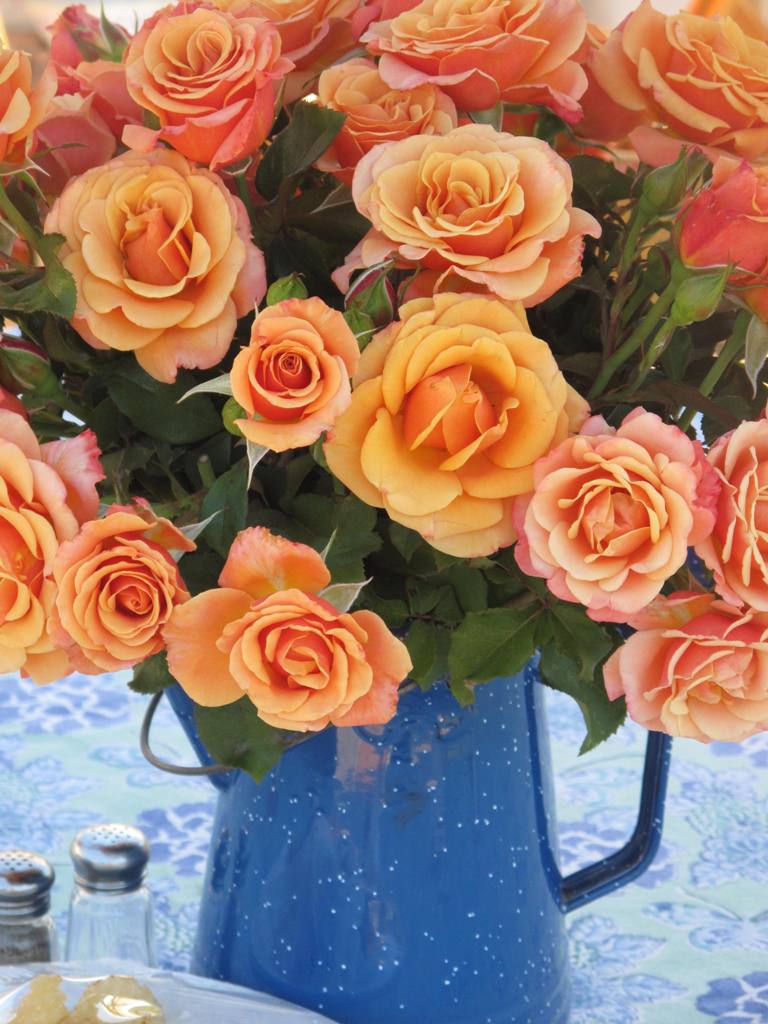
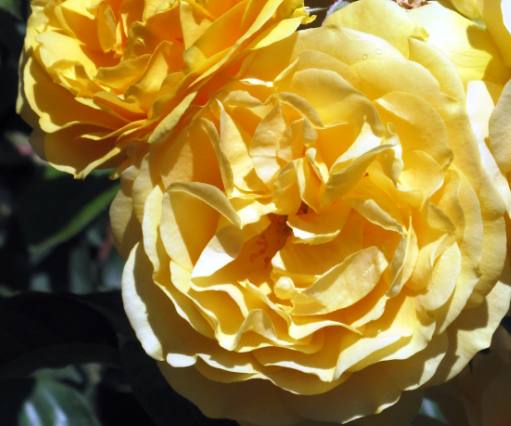
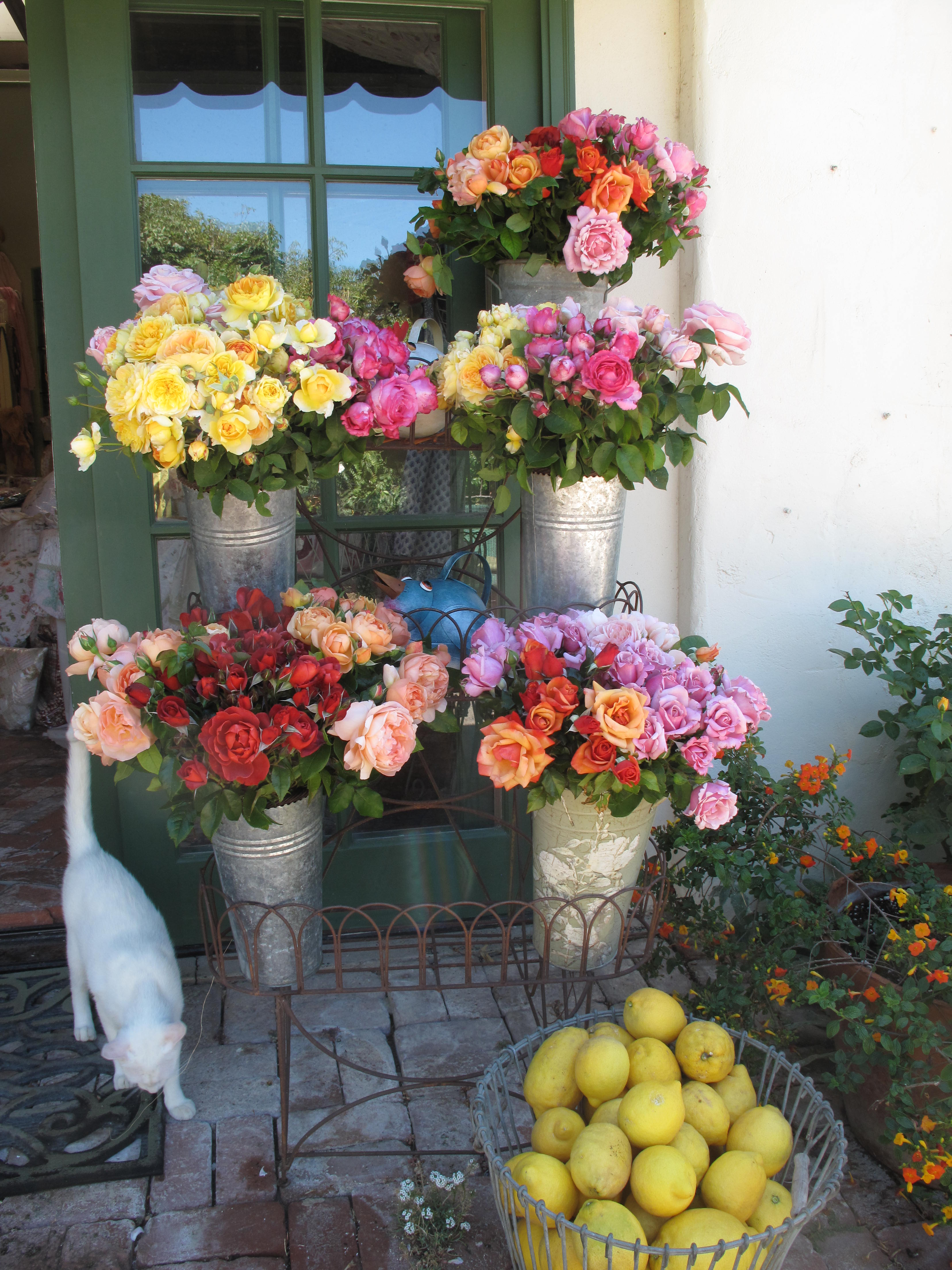
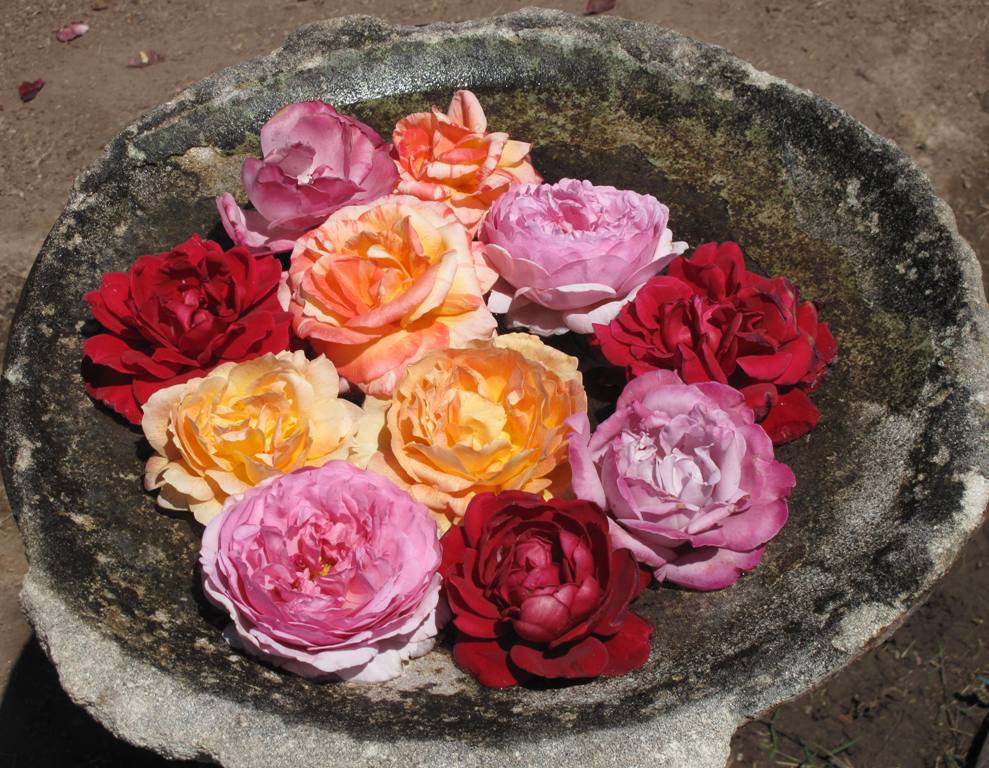
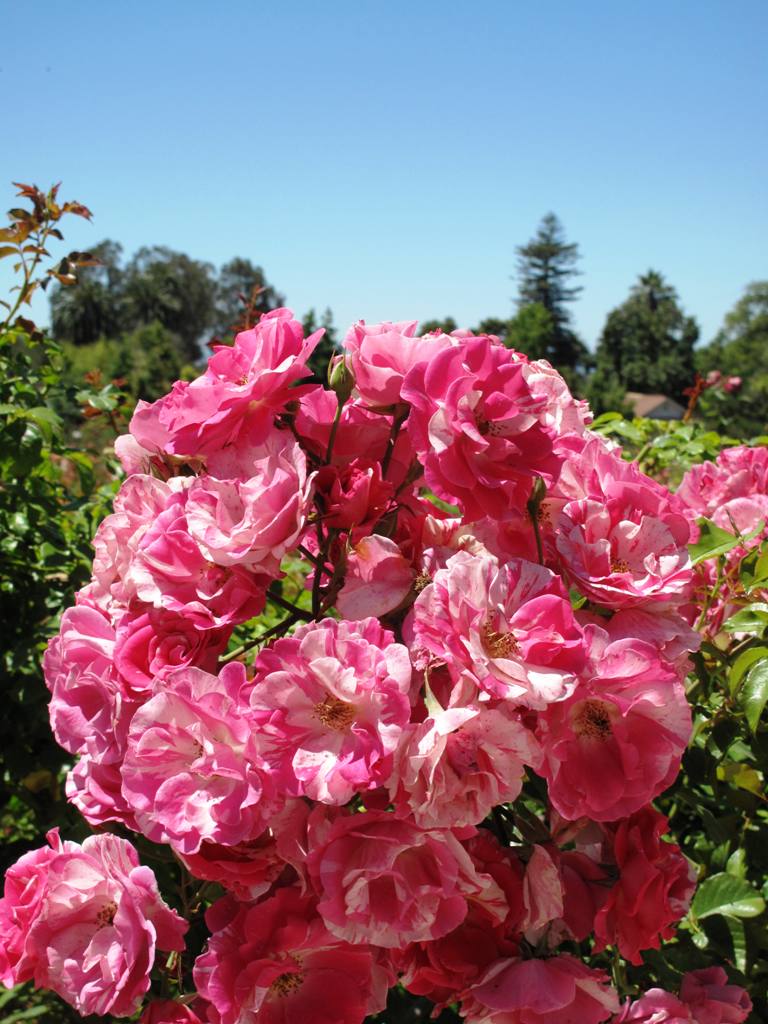
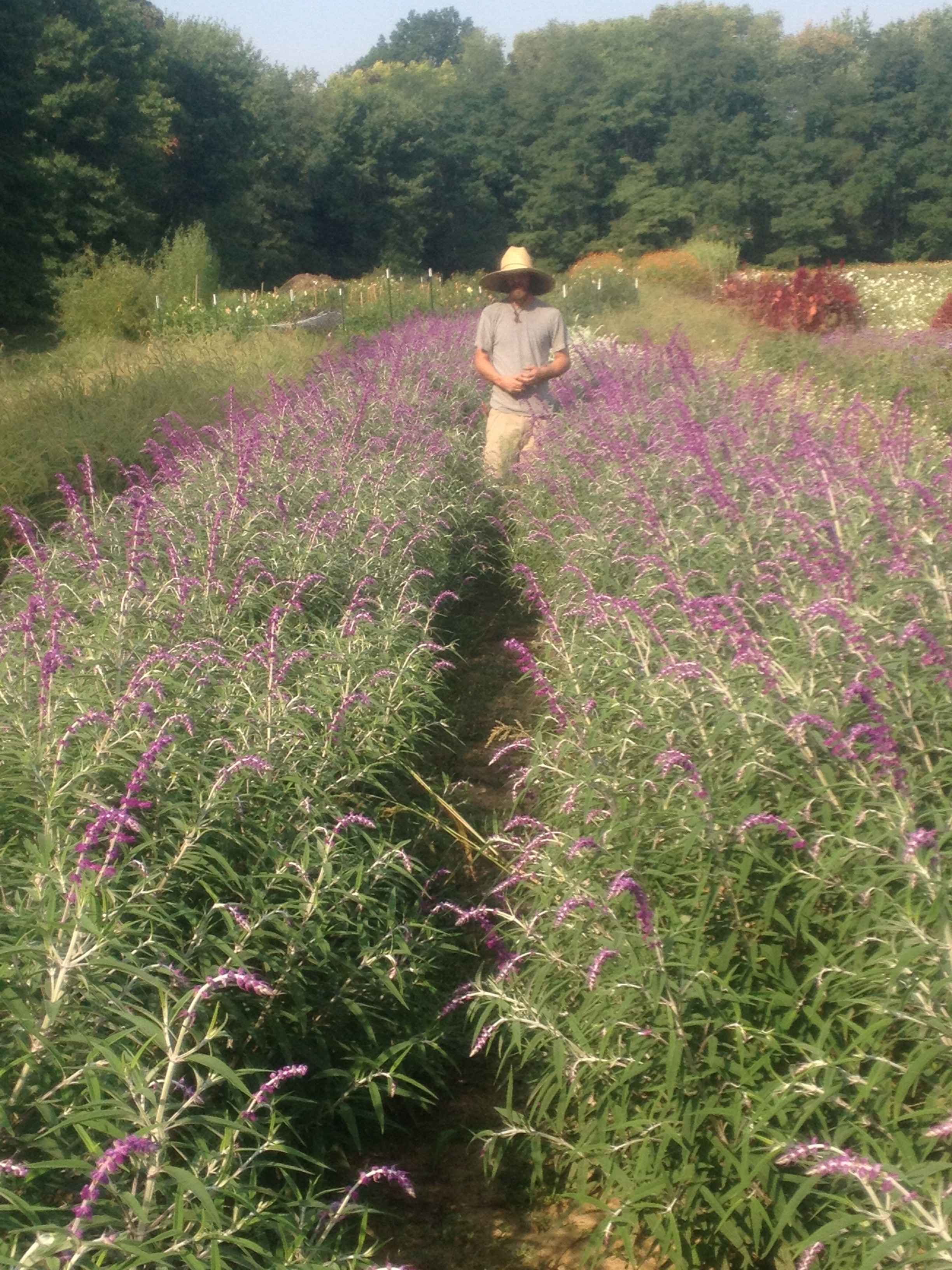
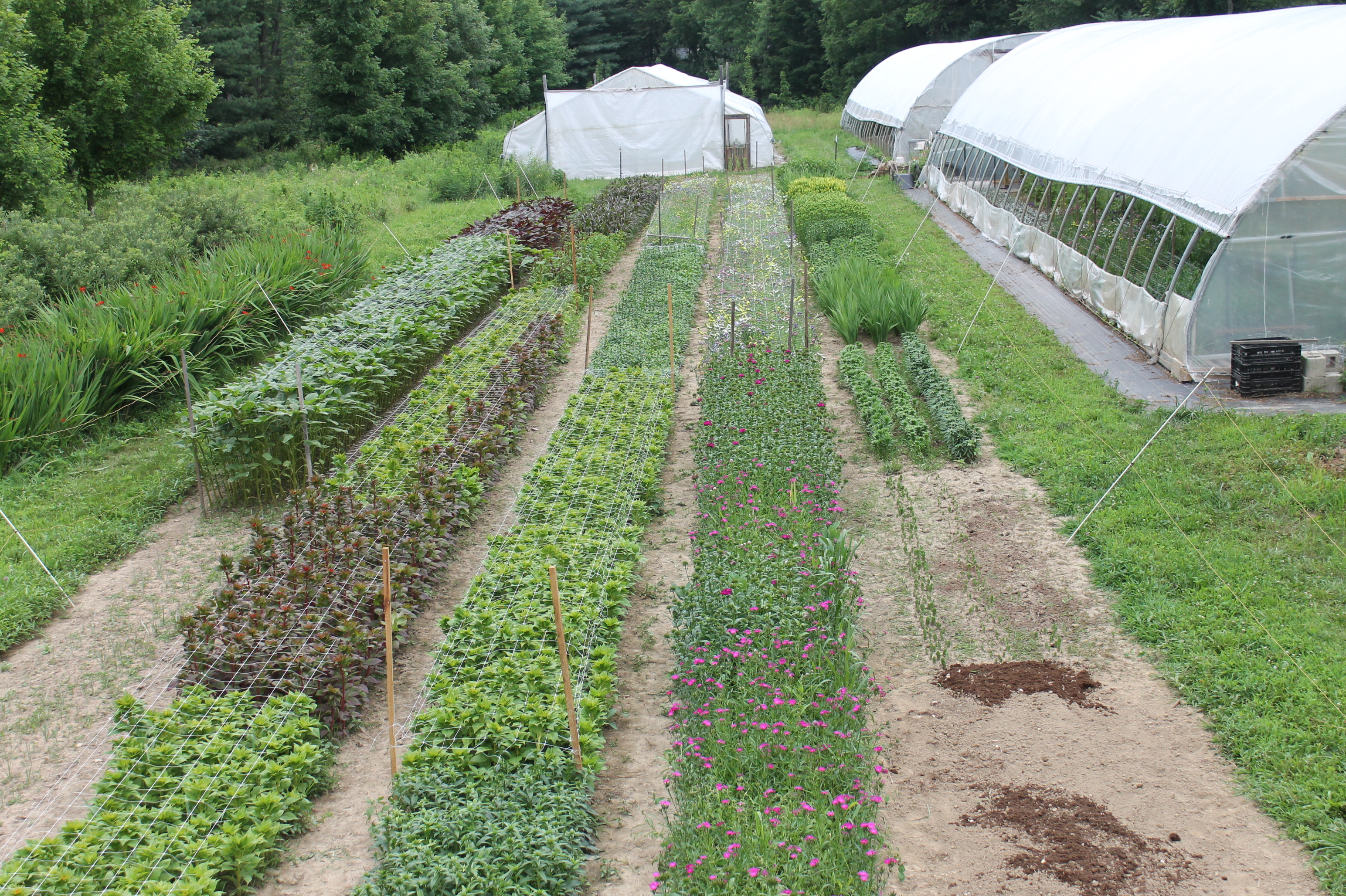
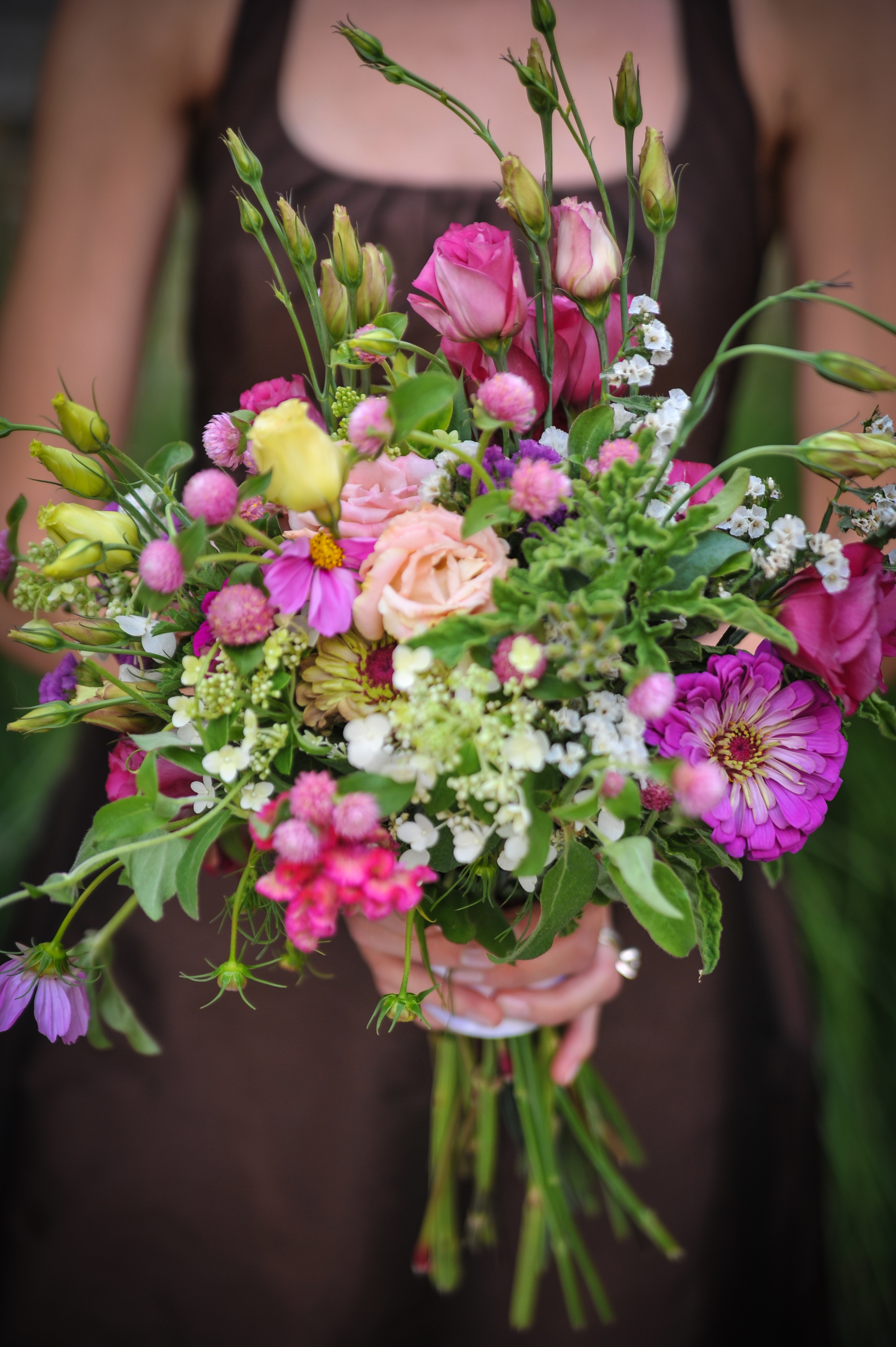
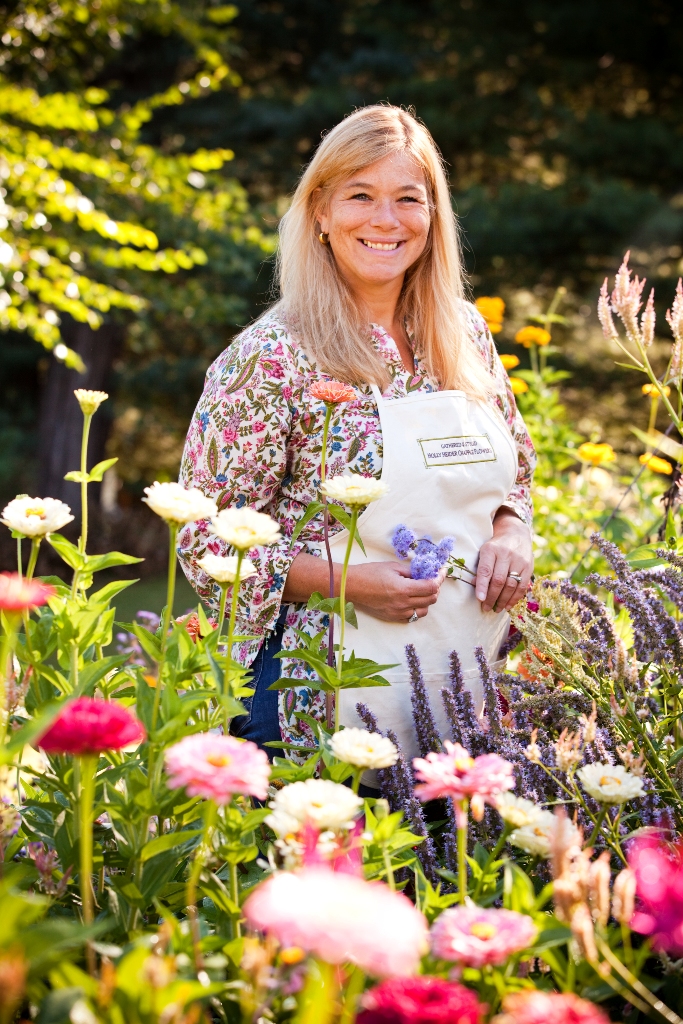
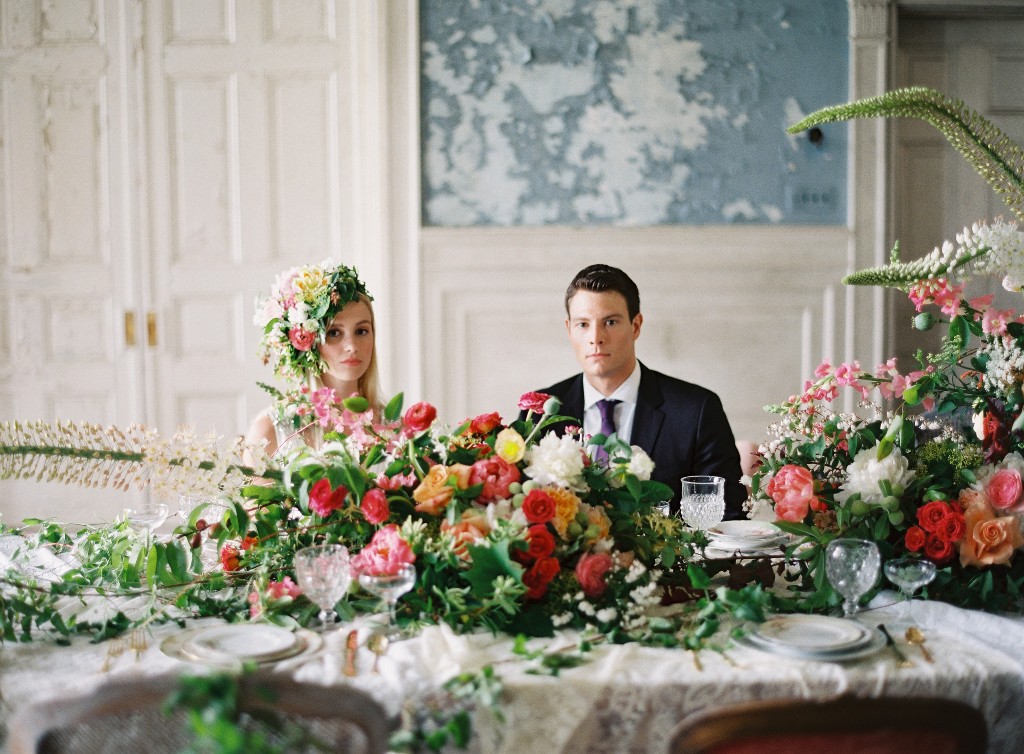
Windflower Farm Flowers – feast your eyes!
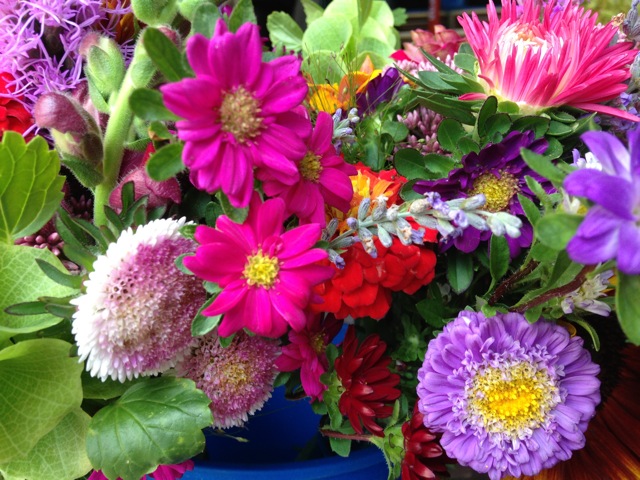
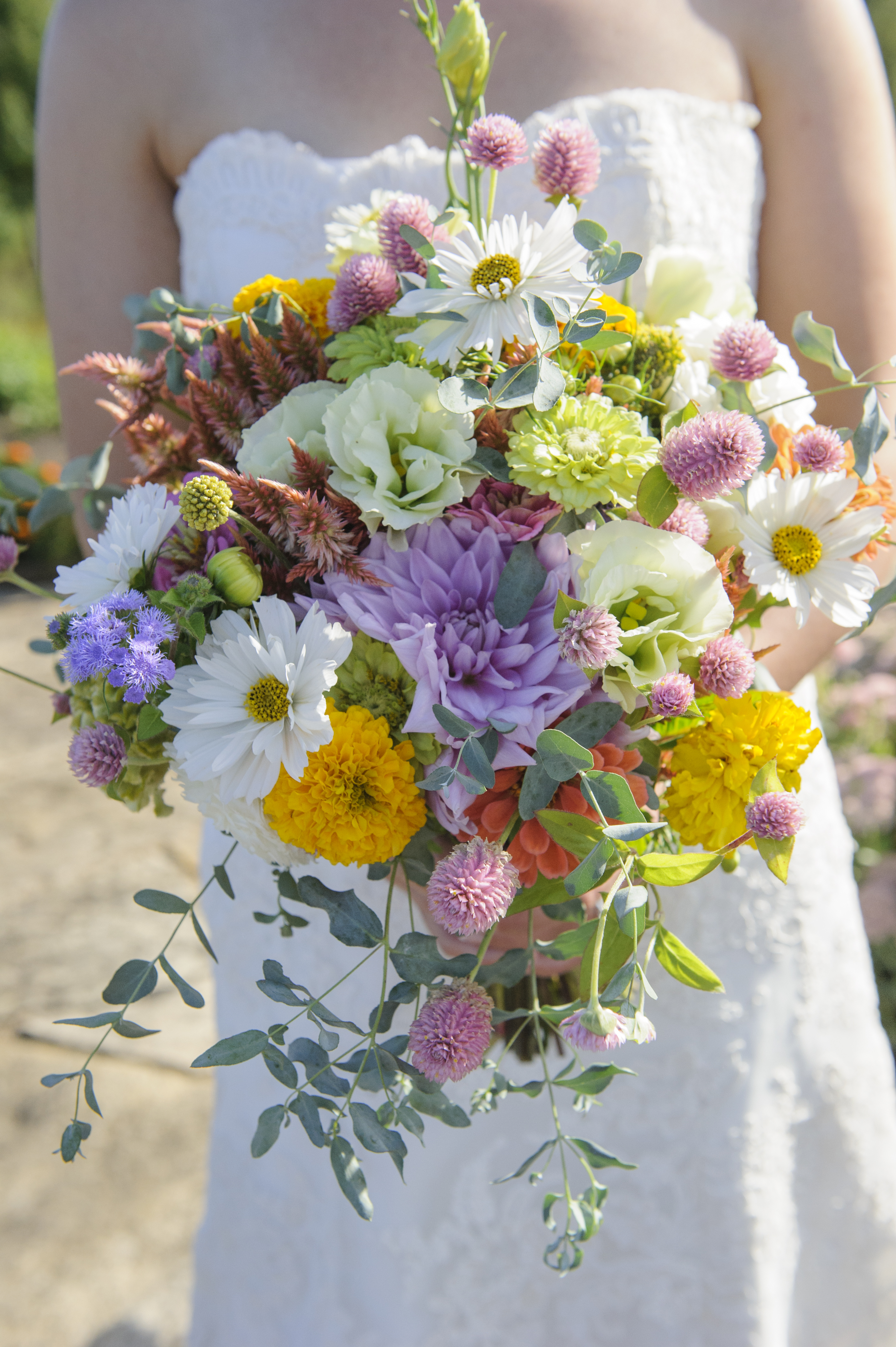
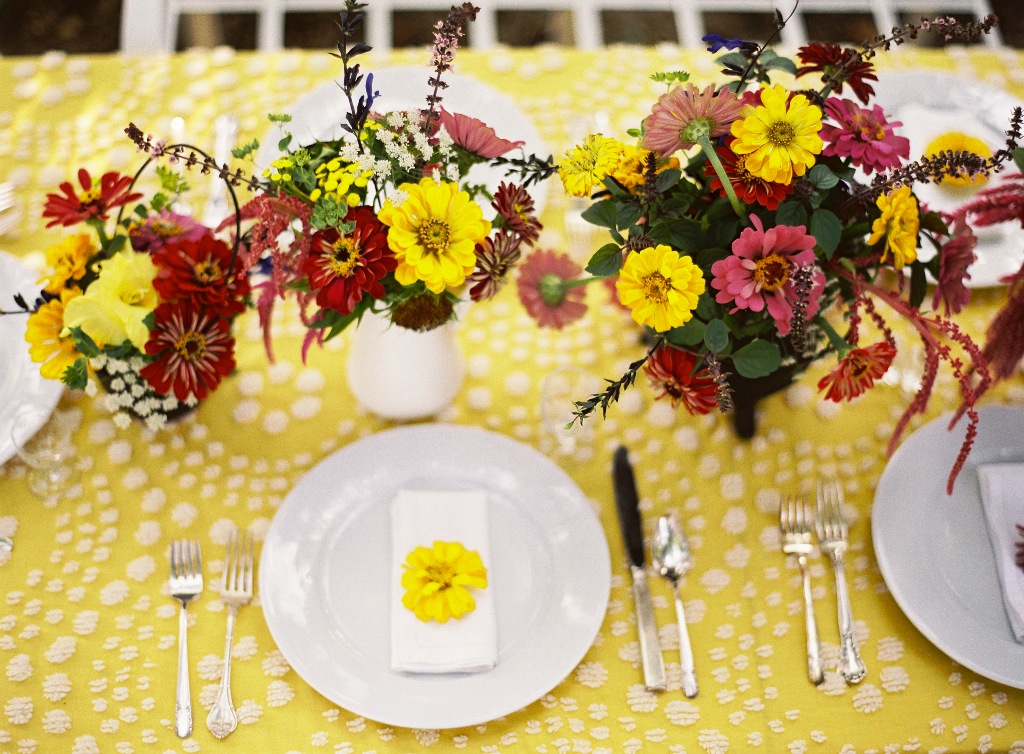
Gigi’s vivid summer floral palette.
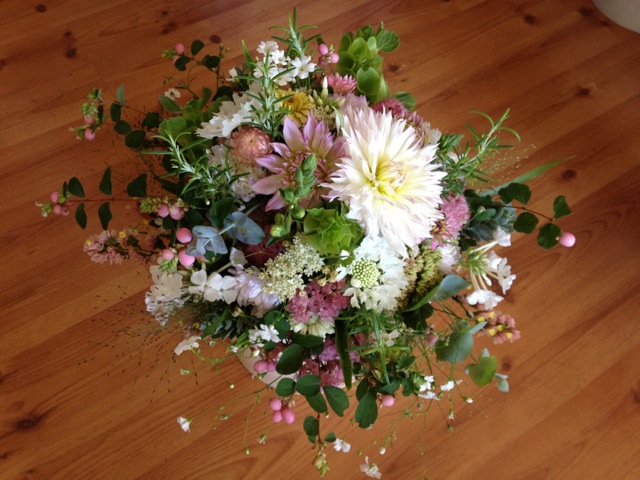
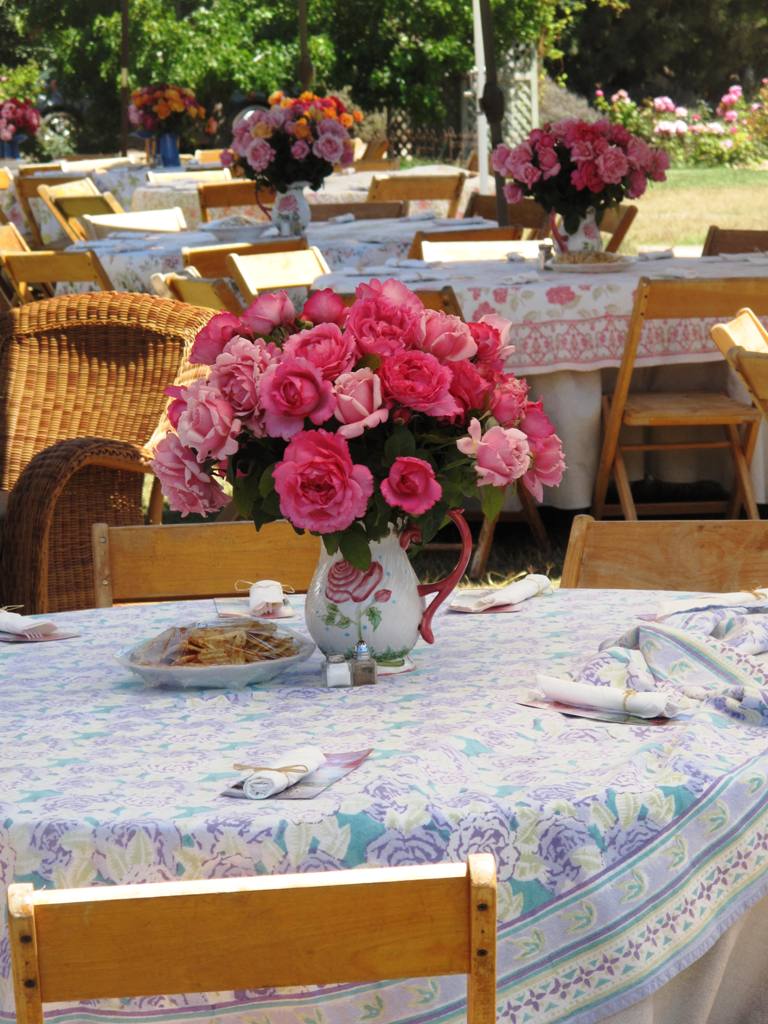
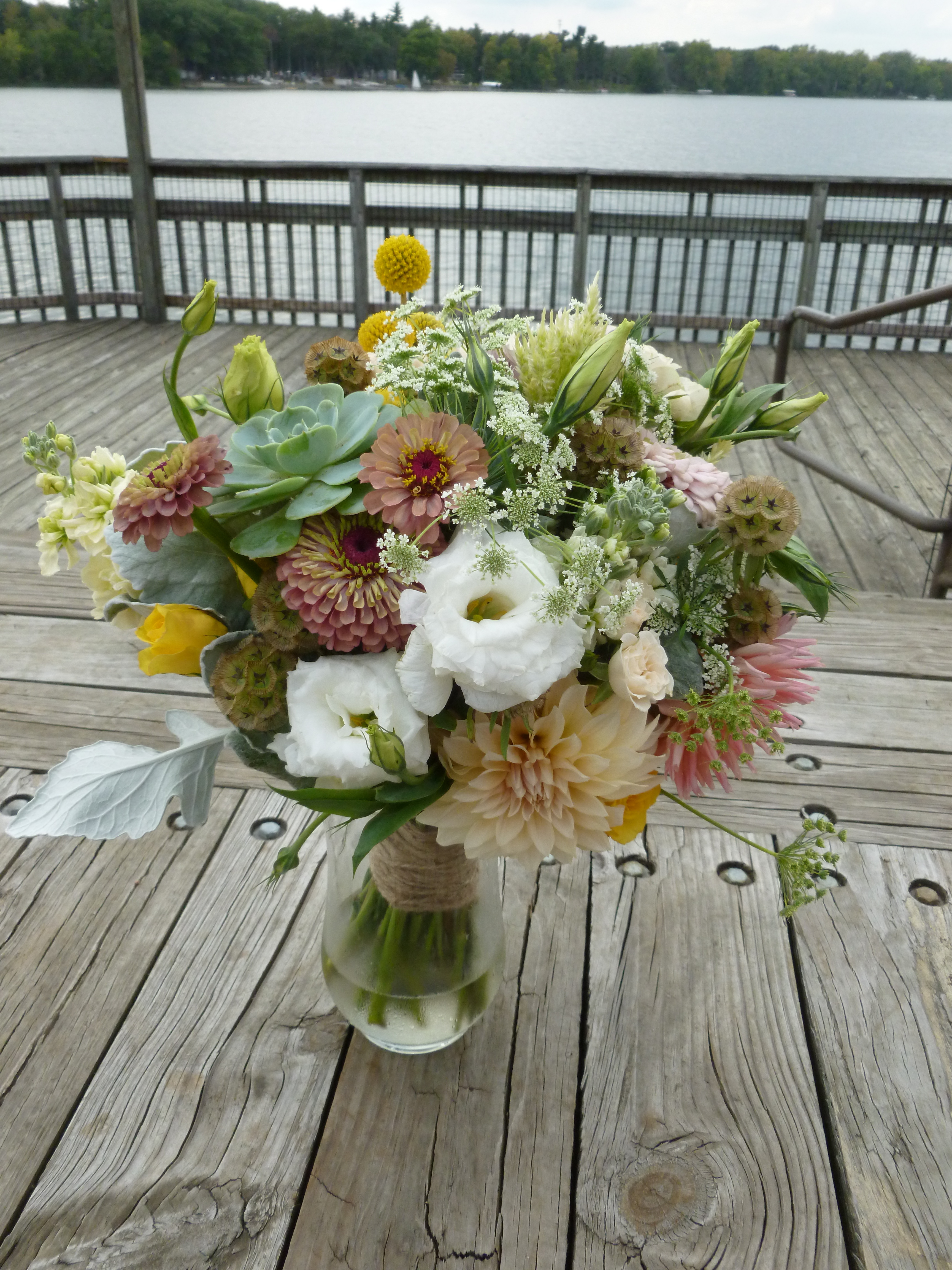
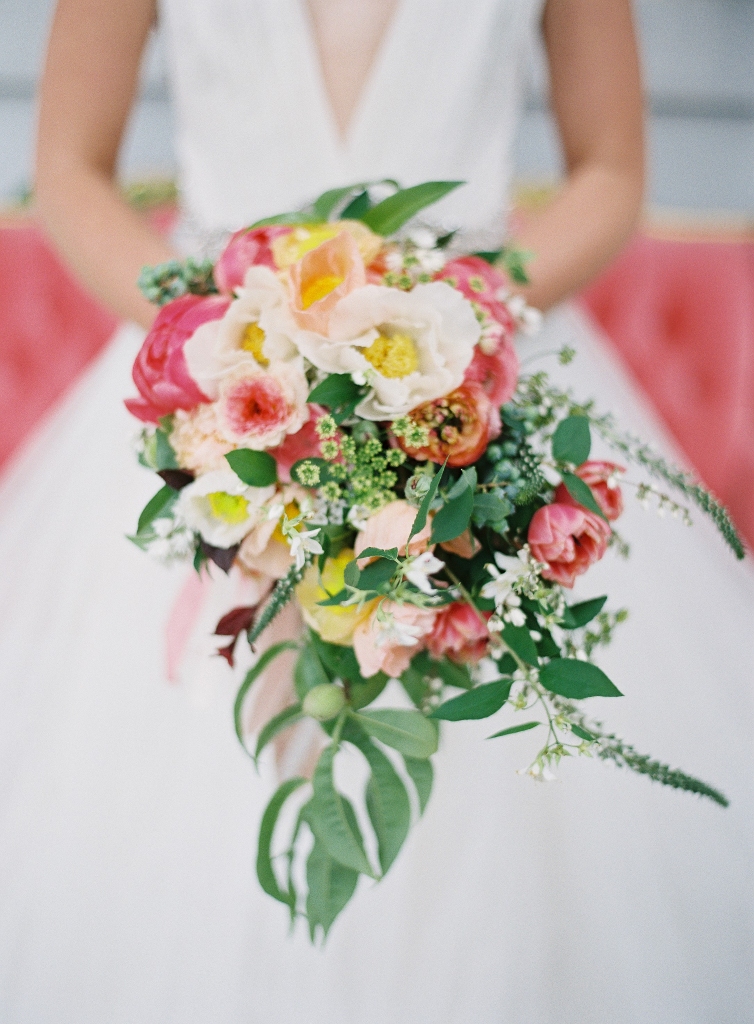
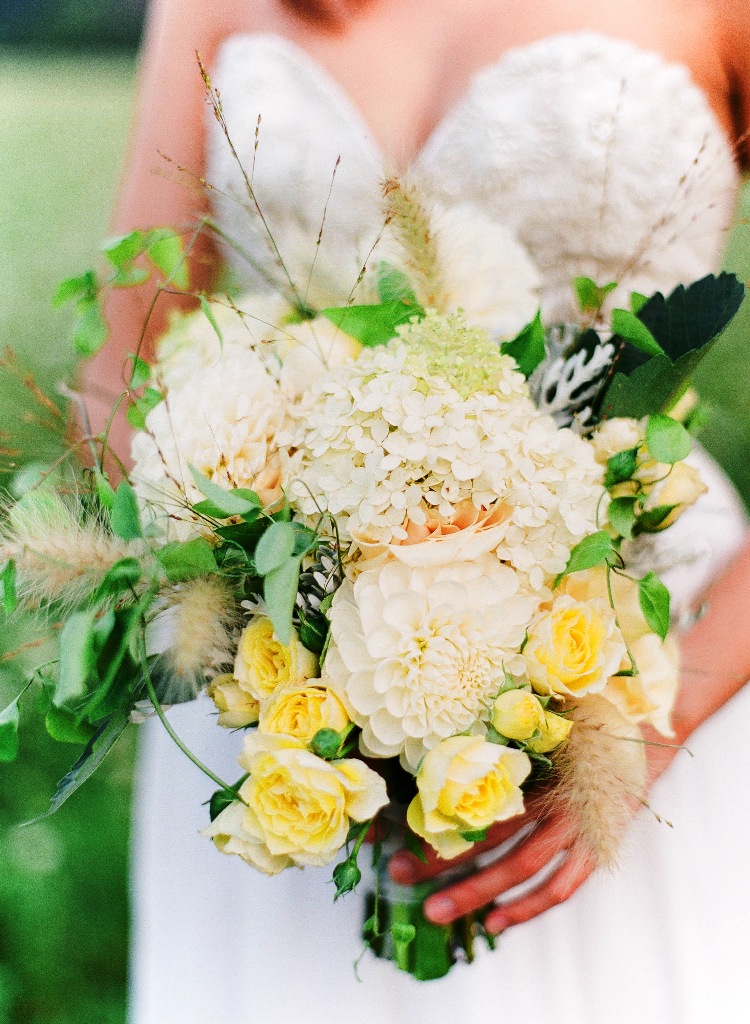
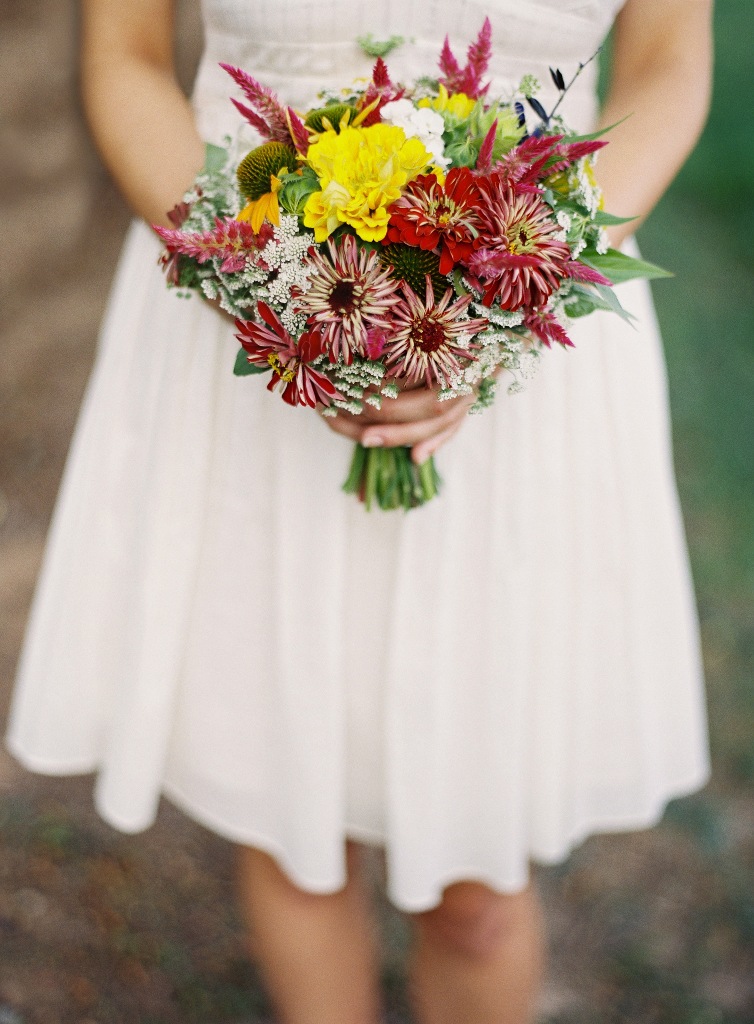
And here are bridal flowers in a softer scheme.
Right after we met and recorded this interview in Seattle, I learned that Gigi was recognized for her stewardship as a certified Animal Welfare Approved producer. Here is the announcement:
“The laying hens, dairy goats, and pigs at Windflower Farm are now certified as Animal Welfare Approved. This certification and food label lets consumers know that these animals were raised in accordance with the highest animal welfare standards in the U.S., using sustainable agriculture methods on an independent family farm.
Like other AWA farmers across the country, Gigi Meyer recognizes the growing consumer interest in how animals are being raised. Raising animals outdoors on pasture or range has known benefits for animals, consumers and the environment. Meyer applied for AWA certification to help distinguish Windflower Farm products from other products in the market. “As I got into livestock, I felt that what separated my operation from others was my relationship with my animals. In my studies I have learned a lot about what my animals need and I can confidently say that they are happy and that I do my best to understand and provide for their needs,” says Meyer.
Windflower Farm spans 20 acres about 15 miles east of Bend, Ore. Meyer started with a few goats to manage pastures, which turned into a small-scale dairy. Meyer added a small herd of hogs to remove invasive grasses, followed by a flock of laying hens. “I just kept adding elements,” says Meyer. “I realized I wanted to grow a microcosm of nature and manage in a way that it would be a self-affirming circle.”
In the future, Meyer hopes to make the farm an educational space. “I want the farm to be a classroom that can set an example for people who visit of the potential for sustainable farming and local food in our community,” she says.
Pastured eggs from Windflower Farm’s AWA-certified laying hens are available direct from the farm and through a CSA program. Pastured pork and goat’s milk are available through a herdshare program. Contact Meyer for more information at gigimeyer@me.com or 541-318-1417.”
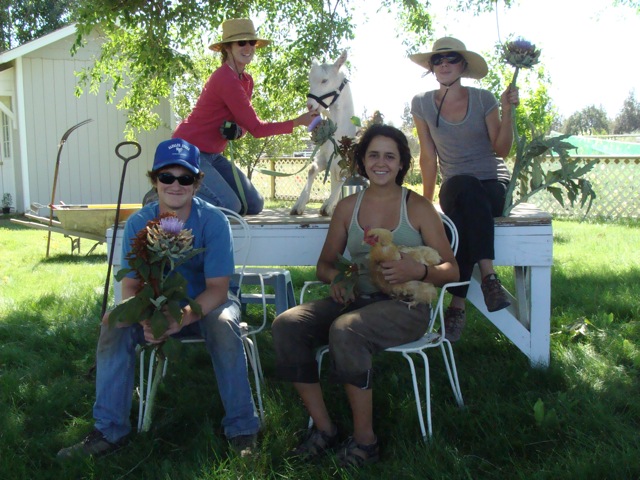
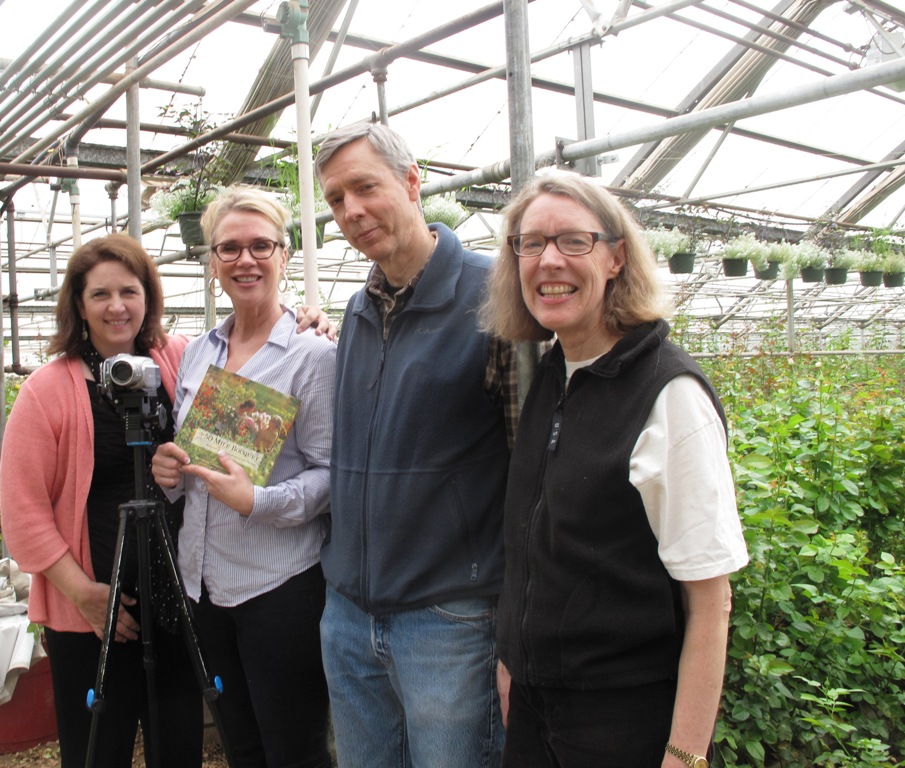
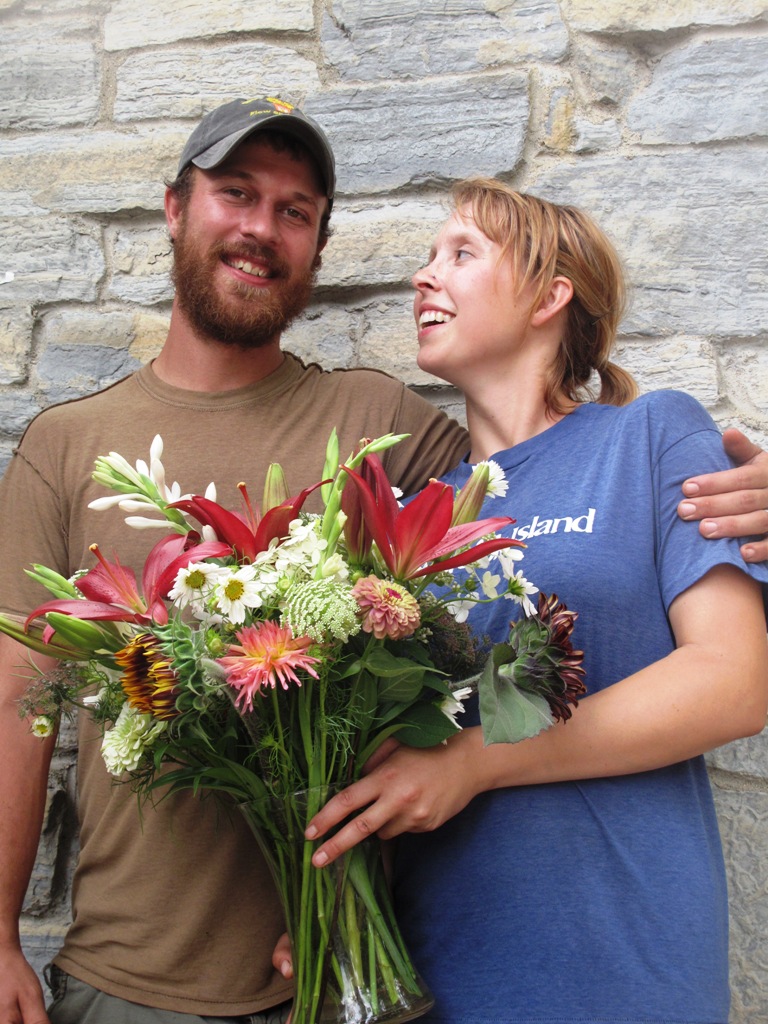
Gigi (upper left) with her summer 2012 crew and to her right is Cora, her “main hand.” In front, Gigi’s nephew Jake and Maria, the 2012 intern.
It has been my pleasure to share with you today’s podcast conversations.
Because of the support from you and others, listeners have downloaded episodes of the Slow Flowers Podcast more than 7,500 times! I thank you for taking the time to join to my conversations with flower farmers, florists and other notable floral experts.
If you like what you hear, please consider logging onto Itunes and posting a listener review.
Until next week please join me in putting more American grown flowers on the table, one vase at a time.
The Slow Flowers Podcast is engineered and edited by Hannah Holtgeerts. Learn more about her work at hhcreates.net.