Debra Prinzing

Get the Email Newsletter!

Archive for the ‘Plants’ Category

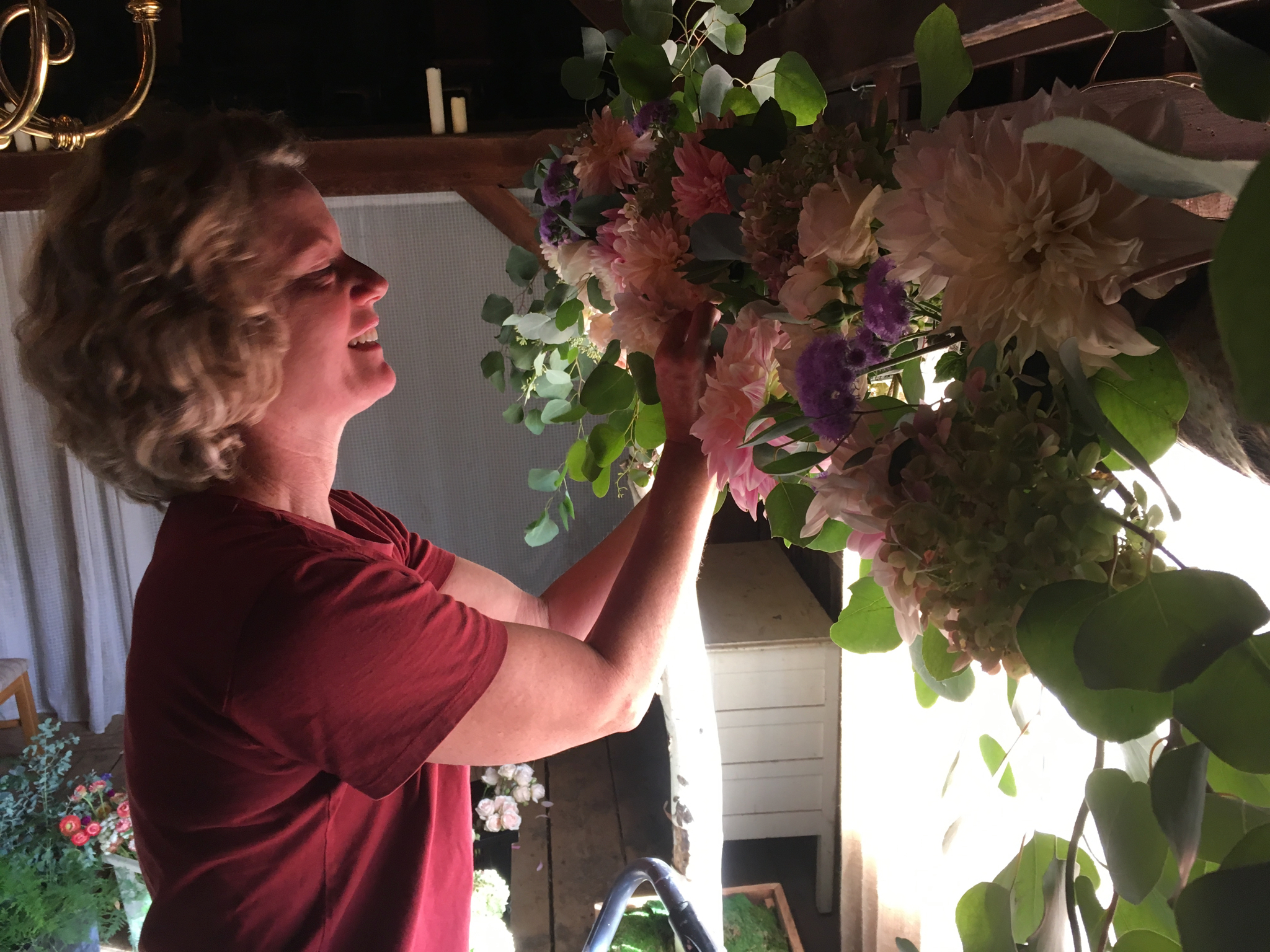
Episode 339: Designer & Educator Hitomi Gilliam and her generous floral universe

Wednesday, March 7th, 2018

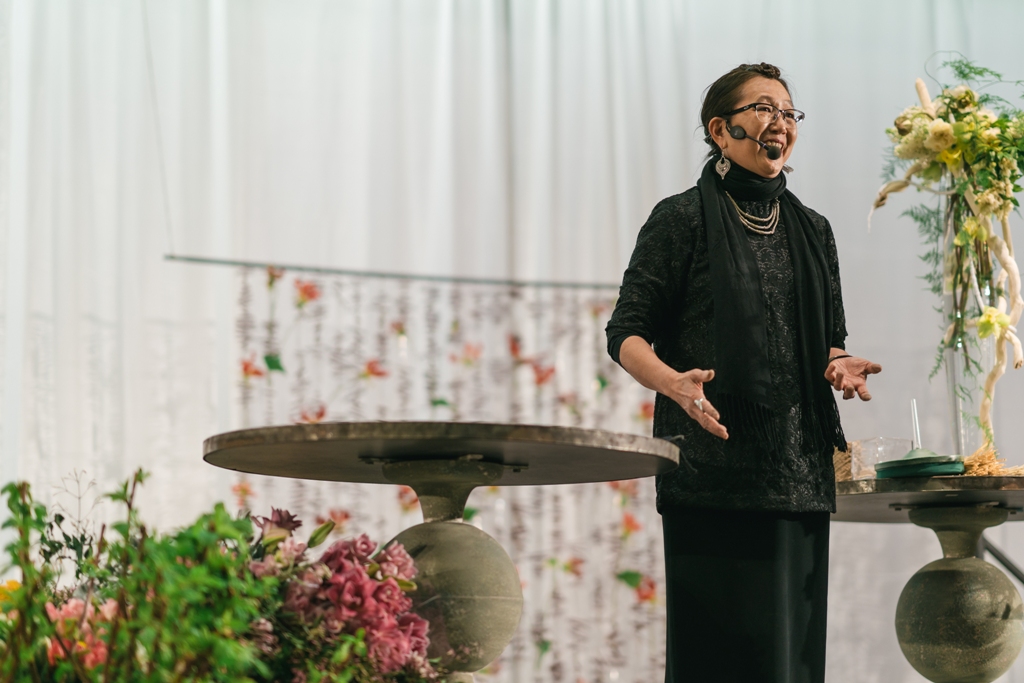
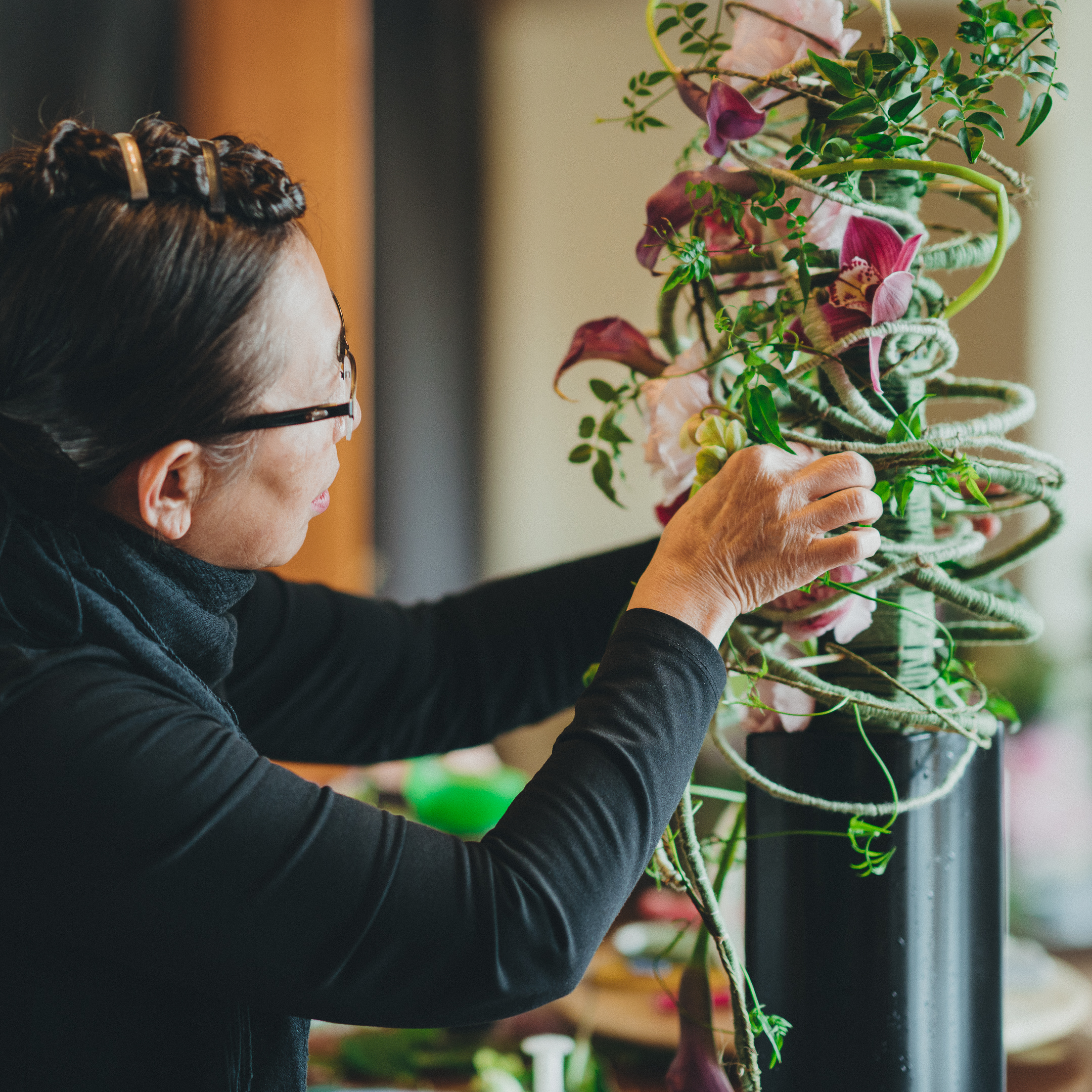
Hitomi in her element, while sharing her knowledge and enthusiasm about floral artistry. (c) Colin Gilliam

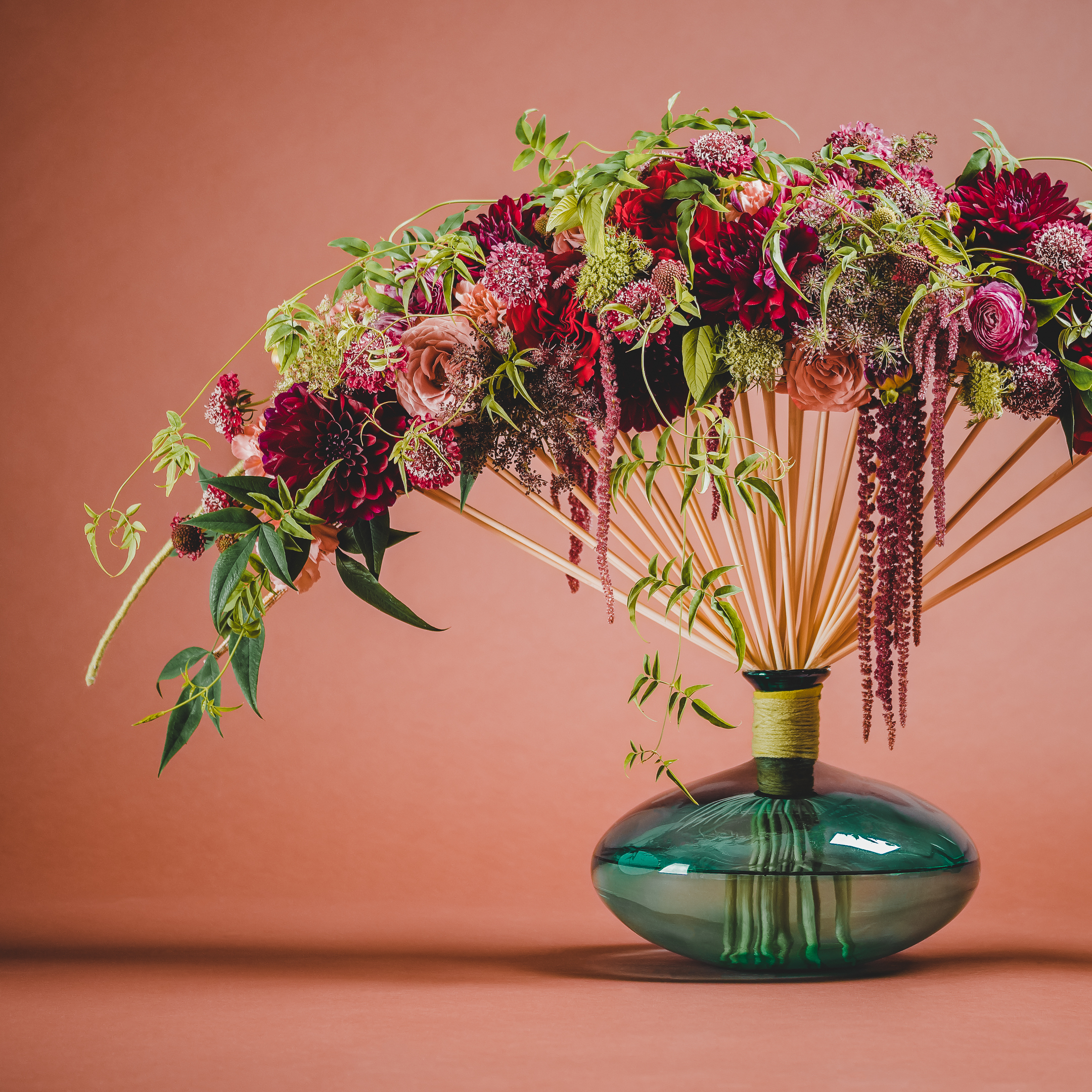
A signature Hitomi piece (c) Colin Gilliam

I first met Hitomi Gilliam in 2012 when I visited a downtown Vancouver, B.C. floral exhibition called NEOFlora.

As I wrote at the time: I stumbled across the NEOflora badge on Facebook when I noticed that the very talented Arthur Williams, a Denver floral designer and owner of Babylon Floral who is profiled in The 50 Mile Bouquet, posted a comment that he was going to attend and contribute one-of-a-kind designs at the event.

A little digging led me along a trail of links, where I discovered the news that NEOflora was taking place over a seven-day period at the end of October 2012. And as it turned out, I was heading north to Vancouver for a few days with a girlfriend and we made sure to check it out. Here’s a link to the blog post about my visit.

The idea of a group of floral artists coming together to create a pop up flower shop on one of the city’s busiest shopping streets sparked my imagination. What a refreshing way to promote flowers as MORE than a commodity you find at the mass-market retailer or supermarket.

According to Hitomi, “NEOflora was a collaborative association of forward-thinking florists who wanted to appeal to the new consumer who may not be accustomed to buying flowers.”

That’s where I met Hitomi and she agreed to let me shoot a video interview, which you can watch below:

Most of the flowers used for NEOflora, including those featured on the runway, were donated by several members of the United Flower Growers Cooperative, the major wholesale flower auction house based in Vancouver.

When I asked Hitomi about the event’s emphasis on locally-grown flowers, she pointed out that about 90-percent of the flowers used in NEOflora’s pop-up up project were BC-grown. She underscored this point:

“that’s what the consumer is looking for – local & organic”

Recently, a few of my flower friends began pursuing the European Masters Certification, a program launched six years ago by Hitomi and Thomas De Bruyne — and I began to hear more about that exciting professional distinction and the lovely creative connections being made.

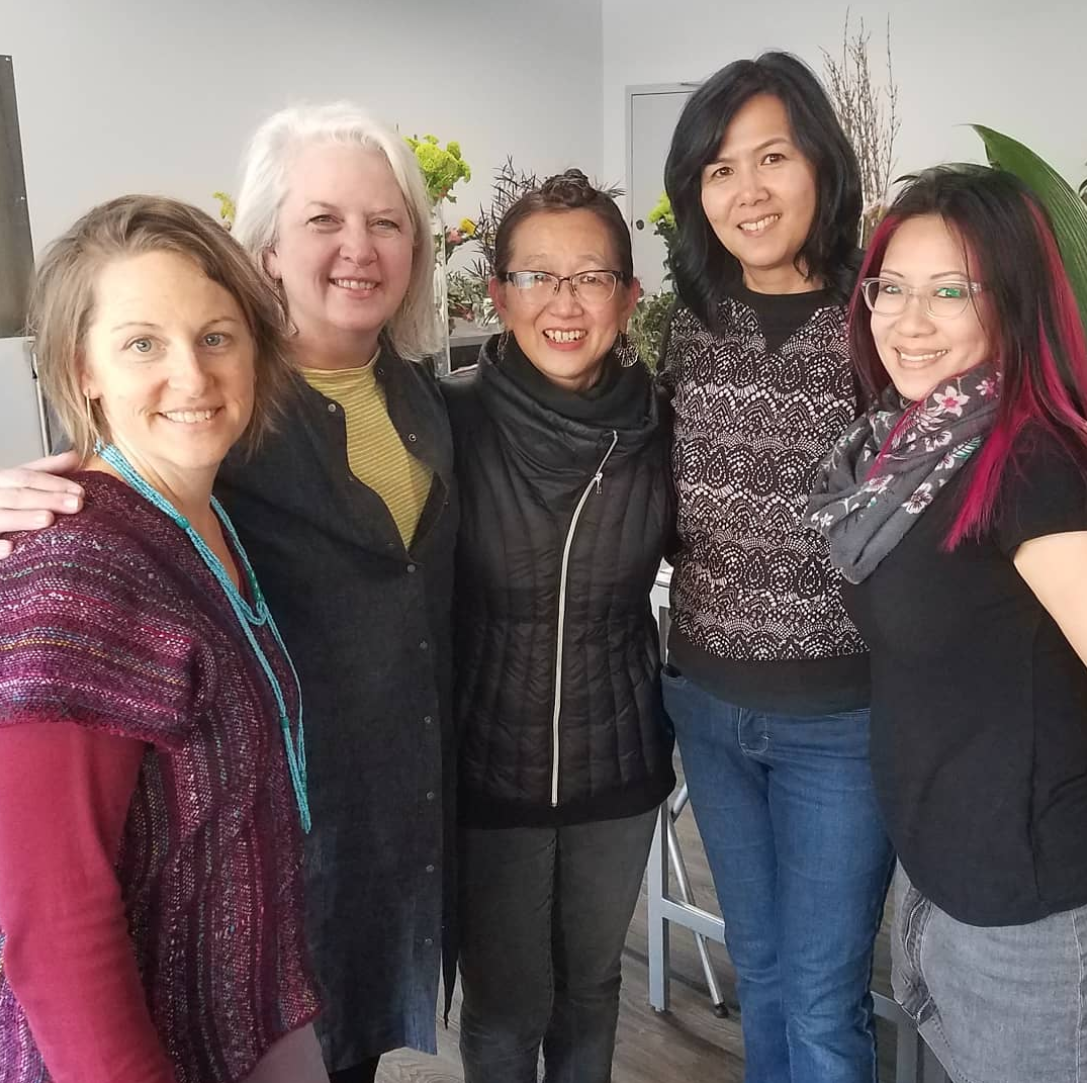
Tobey Nelson (left) posted this fun photo of our visit to meet Hitomi at United Floral in Vancouver, B.C. From left: Tobey Nelson, Debra Prinzing, Hitomi Gilliam, and two of Hitomi’s frequent assistants, designers Susanne Law and Brenna Quan

EMC student Tobey Nelson of Tobey Nelson Events and Design, last week’s podcast guest, invited me to travel from Seattle to Vancouver at the end of February to spend a day with Hitomi. Tobey had a notion that Hitomi and I could together bridge our two worlds — and in retrospect, I think she was quite prescient, because by the end of our time together in Vancouver our collective heads were spinning with ideas.

Since I first met Hitomi in 2012, I’ve followed her activities through Facebook and watched all that she’s doing to elevate and professionalize the art of floristry. But other than saying hello last summer when she co-presented with Arthur Williams at the AIFD Symposium in Seattle, I hadn’t be able to spend any time with her.

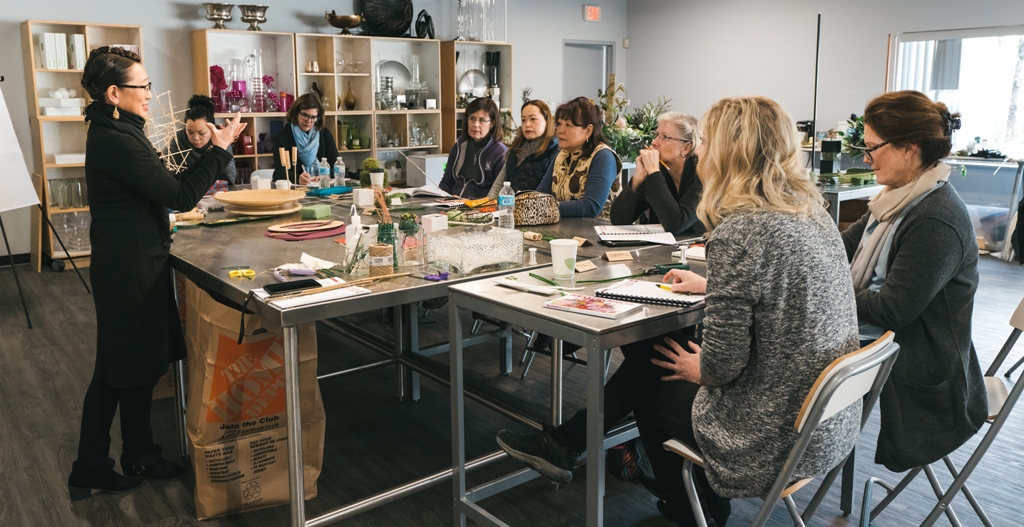
Hitomi teaching the Creative Design Master Class at United Floral’s new education center. (c) Colin Gilliam

A thoroughly seasonal bouquet by Hitomi (c) Colin Gilliam Note the uncommon ingredients!

Our road trip offered a rare chance to take a 48-hour work-cation totally devoted to flowers and our mutual passion for flower growing and designing. And it was also rare that Hitomi was home in British Columbia, where she lives on beautiful Bowen Island, and where her many educational projects are based as part of Design 358, an event and education business she co-owns with Colin Gilliam, her talented son.

We met up with Hitomi at the new education center that’s inside the United Floral building in an industrial area of Vancouver. The giant complex is also home to the famed Dutch-style flower auction, a cooperative of BC floriculture growers who operate as United Flower Growers.

East-meets-West, expressed in Hitomi’s unique, architectural floral art (c) Colin Gilliam

Hitomi was setting up for a three-day Creative Design Master Class that attracted students from all around North America eager to study mechanics, techniques and floristry in a small-group setting. With Tobey’s help, Hitomi was getting things ready, and I managed to grab about 30 minutes of an audio conversation to introduce you to Hitomi. While she is a luminary in the world of floral design, Hitomi is deeply rooted in horticulture and she works closely with growers and flower farmers, which I believe greatly influences her art and her platform.

More amazing work by Hitomi (c) Colin Gilliam

Listen closely to details about the upcoming series of Hitomi’s educational events taking place in a few weeks as part of her partnership with United Floral. I’ll have all the details and links at today’s show notes at debraprinzing.com — and who knows? You might have time to take a trip to Vancouver to participate or observe the PNW Design Competition on March 17th, a qualifier event for the 2018 Gateway to the America’s Cup, with one U.S. and one Canadian winner selected. And stick around for “In The Making,” an inspirational series of wedding design workshops and a Project Runway-style bridal trends show, March 18-20, also hosted by Hitomi and United Floral.

Teacher, mentor, floral industry leader Hitomi Gilliam (c) Colin Gilliam

Before we get started, here’s a little more about Hitomi, according to her bio:

Hitomi says her biggest pleasure in life is ‘SHARING EVERYTHING I KNOW’!

Hitomi Gilliam AIFD is a Japanese Canadian floral artist, keynote lecturer, demonstrator, educator and a consultant in all aspects of the Art and Business of Floral Design. She is the Creative Director for DESIGN358 (2008). She has guest-designed extensively throughout North America, England, Japan, Mexico, Taiwan, Bermuda, Singapore, Hong Kong, Australia, New Zealand, Colombia, Belgium, Korea and India.

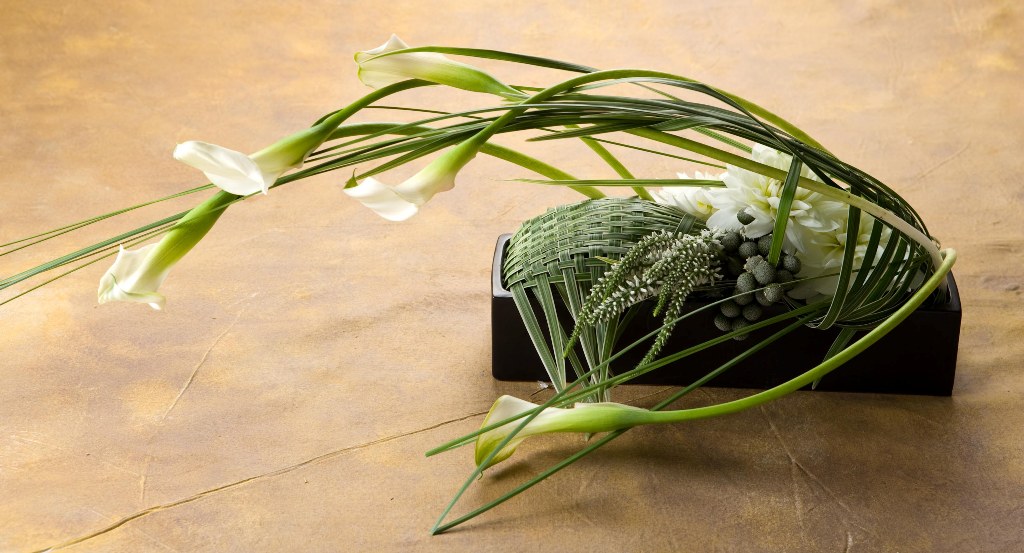
Grasses and calla lilies, reinterpreted by Hitomi (c) Colin Gilliam

She owned and operated Satsuki’s Florist in Mission, British Columbia for 28 years. She currently works with her son, Colin Gilliam in an Event & Education business, DESIGN358 which was established 8 years ago.

Hitomi has lectured at Art Gallery of Ontario (Toronto), Chicago Botanical Gardens, Philadelphia Museum of Art, Cheekwood Botanical Gardens (Nashville), Museum of Fine Art Boston, Minneapolis Institute of Art, Bouquets to Art (San Francisco), Houston Museum of Fine Art, New Orleans Museum of Fine Art, Cleveland Botanical Gardens, Honolulu Academy of Art, Everson Museum of Art (Syracuse), The Walters Art Museum (Baltimore), Longwood Gardens, Virginia Museum of Fine Art, Lewis Ginter Botanical Gardens (Richmond,VA), Detroit Institute of Arts, Vero Beach Museum of Fine Arts, The Strong Museum (Rochester, NY), North Carolina Museum of Art (Raleigh, NC) and Columbus Museum of Fine Art. She has also presented at the Philadelphia Flower Show, Newport Flower Show and Singapore Garden Festival. Hitomi is the founding organizer of the Annual ‘Survival of the Creative Minds’ Conference in Taos, New Mexicol

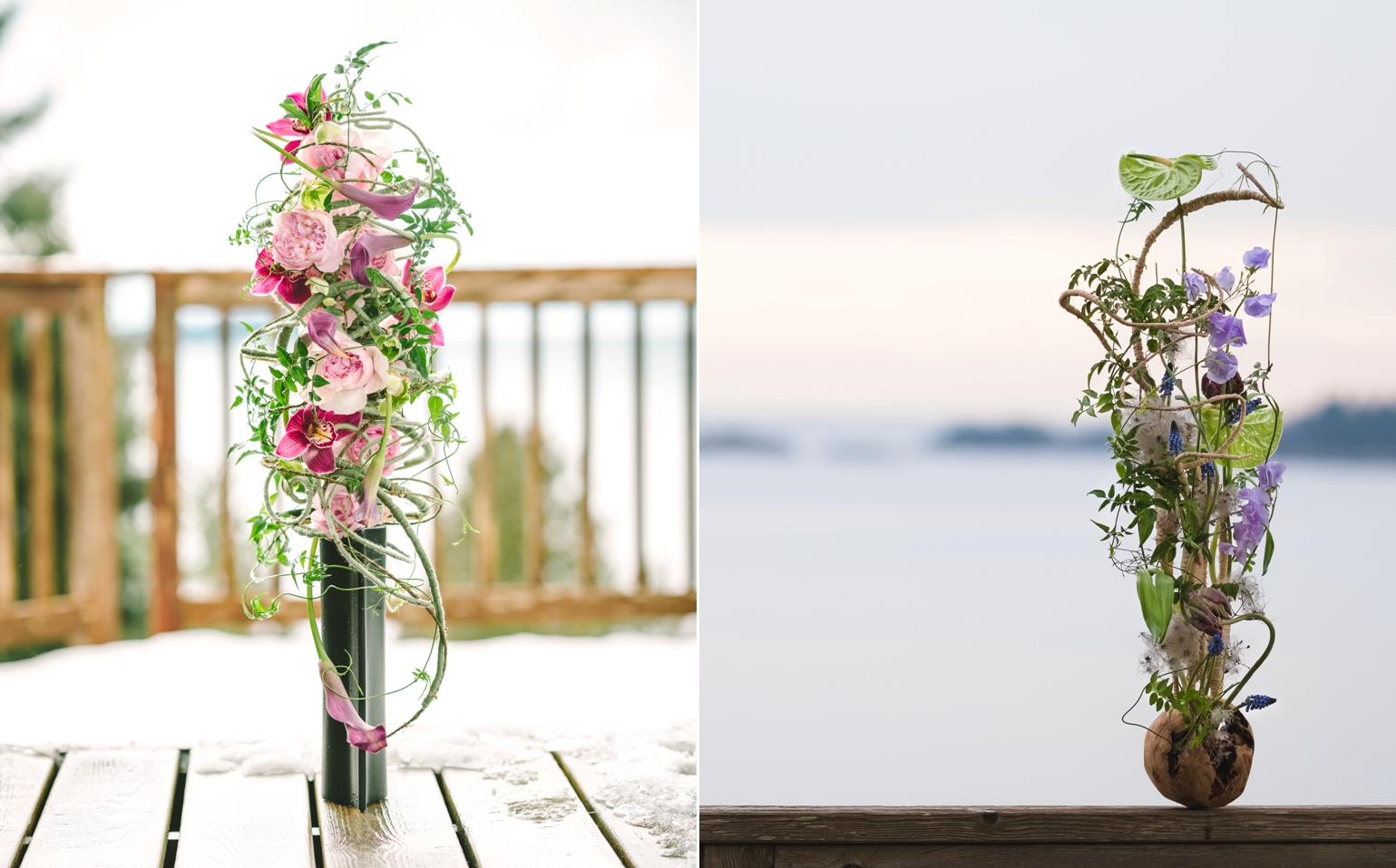
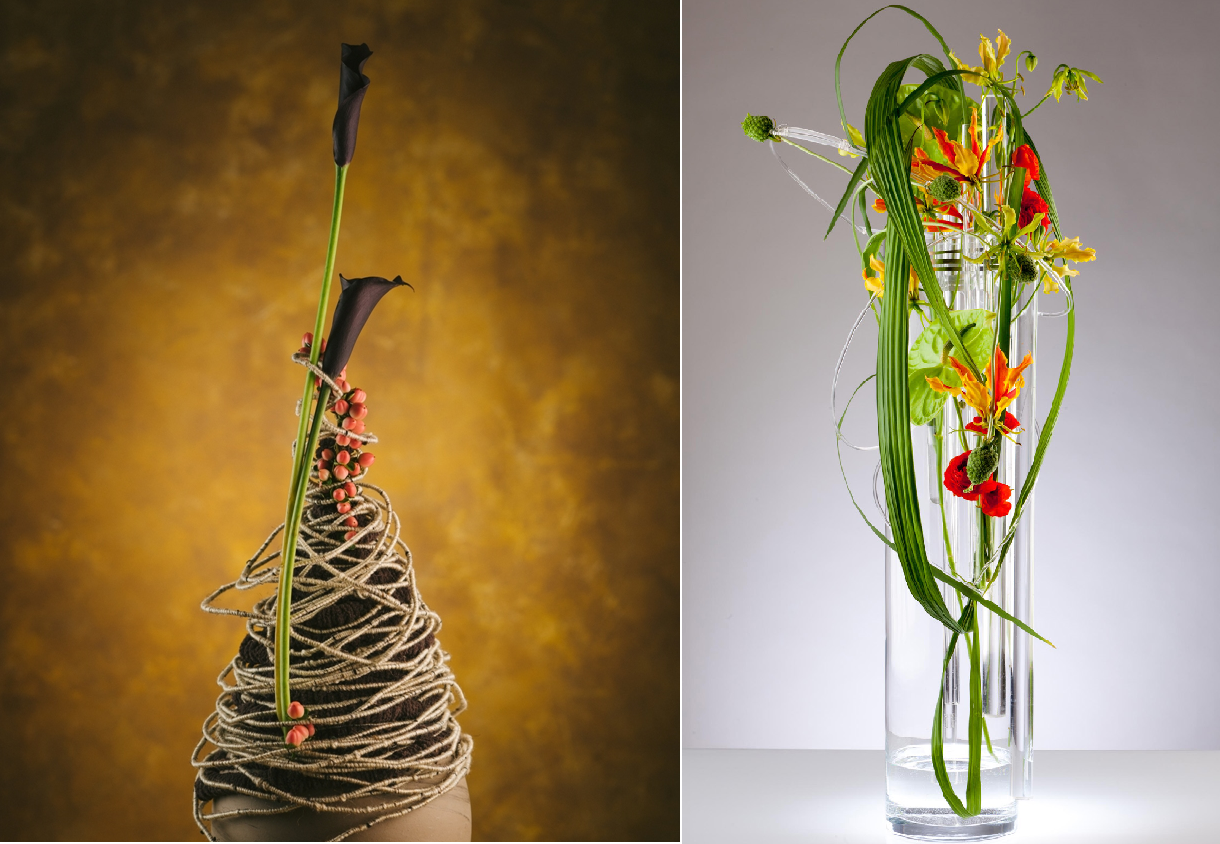
Two more beautiful botanical pieces by Hitomi Gilliam (c) Colin Gilliam

Follow Hitomi at these social places:

Find Hitomi on Facebook

Watch Hitomi’s YouTube Channel

Follow Hitomi on Instagram

The Slow Flowers Podcast has been downloaded more than 290,000 times by listeners like you. Thank you for downloading, listening, commenting and sharing — it means so much.

If you haven’t received the March issue of our Slow Flowers Newsletter, you can find a link here. In this edition, you’ll find interviews with all the presenters at the upcoming Slow Flowers Summit on Friday, June 29th in Washington, D.C.

And you’ll learn about Slow Flowers in the News, the Slow Flowers Podcast archive for last month, the upcoming Slow Flowers events that you can attend, and more. Be sure to follow the Subscribe link if the newsletter isn’t currently landing in your in-box.

As the Slow Flowers Movement gains more supporters and more passionate participants who believe in the importance of the American cut flower industry, the momentum is contagious. I know you feel it, too. I value your support and invite you to show your thanks and with a donation to support my ongoing advocacy, education and outreach activities. You can find the donate button in the right column of our home page.

Thank you to our sponsors who have supported Slow Flowers and all of our programs including this podcast, American Flowers Week, the Slowflowers.com online directory to American grown flowers, as well as our new channels, Slow Flowers Journal and the 2018 Slow Flowers Summit.

They are:

And thank you to our lead sponsor for 2018, Florists’ Review magazine. I’m delighted to serve as Contributing Editor for the new monthly Slow Flowers Journal, found in the pages of Florists’ Review. It’s the leading trade magazine in the floral industry and the only independent periodical for the retail, wholesale and supplier market. Take advantage of the special subscription offer for members of the Slow Flowers Community.

Certified American Grown Flowers. The Certified American-Grown program and label provide a guarantee for designers and consumers on the source of their flowers. Take pride in your flowers and buy with confidence, ask for Certified American Grown Flowers.  To learn more visit americangrownflowers.org.

Arctic Alaska Peonies, a cooperative of passionate family farms in the heart of Alaska providing bigger, better peony flowers during the months of July and August. Visit them today at arcticalaskapeonies.com

Seattle Wholesale Growers Market, a farmer-owned cooperative committed to providing the very best the Pacific Northwest has to offer in cut flowers, foliage and plants. The Growers Market’s mission is to foster a vibrant marketplace that sustains local flower farms and provides top-quality products and service to the local floral industry. Find them at seattlewholesalegrowersmarket.com

Longfield Gardens provides home gardeners with high quality flower bulbs and perennials. Their online store offers plants for every region and every season, from tulips and daffodils to dahlias, caladiums and amaryllis. Visit them at longfield-gardens.com.

Syndicate Sales, an American manufacturer of vases and accessories for the professional florist. Look for the American Flag Icon to find Syndicate’s USA-made products and join the Syndicate Stars loyalty program at syndicatesales.com.

Johnny’s Selected Seeds, an employee-owned company that provides our industry the best flower, herb and vegetable seeds — supplied to farms large and small and even backyard cutting gardens like mine. Check them out at johnnysseeds.com.

Association of Specialty Cut Flower Growers. Formed in 1988, ASCFG was created to educate, unite, and support commercial cut flower growers. It mission is to help growers produce high-quality floral material, and to foster and promote the local availability of that product. Learn more at ascfg.org.

I’m Debra Prinzing, host and producer of the Slow Flowers Podcast. Next week, you’re invited to join me in putting more American grown flowers on the table, one vase at a time. And If you like what you hear, please consider logging onto Itunes and posting a listener review.

The content and opinions expressed here are either mine alone or those of my guests alone, independent of any podcast sponsor or other person, company or organization.

The Slow Flowers Podcast is engineered and edited by Andrew Brenlan. Learn more about his work at soundbodymovement.com.
Episode 338: The Making of the Whidbey Flower Workshop with Tobey Nelson

Wednesday, February 28th, 2018

Tobey Nelson poses in a botanical floral throne of her design (c) Suzanne Rothmeyer Photography

Last spring, today’s guest invited me to be the opening speaker for her first floral design workshop — and while I’ve attended many and even taught a few floral classes, there was truly something special about the Whidbey Flower Workshop dreamed up and produced by floral and event designer Tobey Nelson.

Sometimes there is uncanny magic that takes place when everything and everyone comes together in a spirit of creativity and desire for personal growth; when all the participants are emotionally open to learning from one another and sharing as much as they receive.

That was the vibe last spring when Tobey’s first Whidbey Floral Workshop hosted instructors Susan McLeary of Passionflower Events, designer and floral/event stylist Kaleb Willis of Kaleb Norman James and me.

Whidbey Flower Workshop 2017 Instructors: Debra Prinzing, Tobey Nelson, Susan McLeary, Kaleb Norman James

Last year’s Slow Flowers Creative Writing exercises involved pens and pencils, flowers and vases — and wonderful prose written by participants as they discovered their personal voices and floral language

My role was a small one – I started out the 3-day retreat-style workshop with a short course on writing, memoir and storytelling. During those two short hours, I was blown away by the personal narratives that this floral tribe wrote and read to one another. I returned to Whidbey Island a few days later to join the workshop’s final dinner, cementing newfound relationships that continue today.

We all made amazing, inspiring and deeply personal connections while also learning from great instructors, designing with local and seasonal flowers and celebrating each participant’s unique gifts and talents. There was something pretty incredible that happened, a harmonic convergence, I guess.

Whidbey Island Workshop 2017 (c) Sullivan & Sullivan

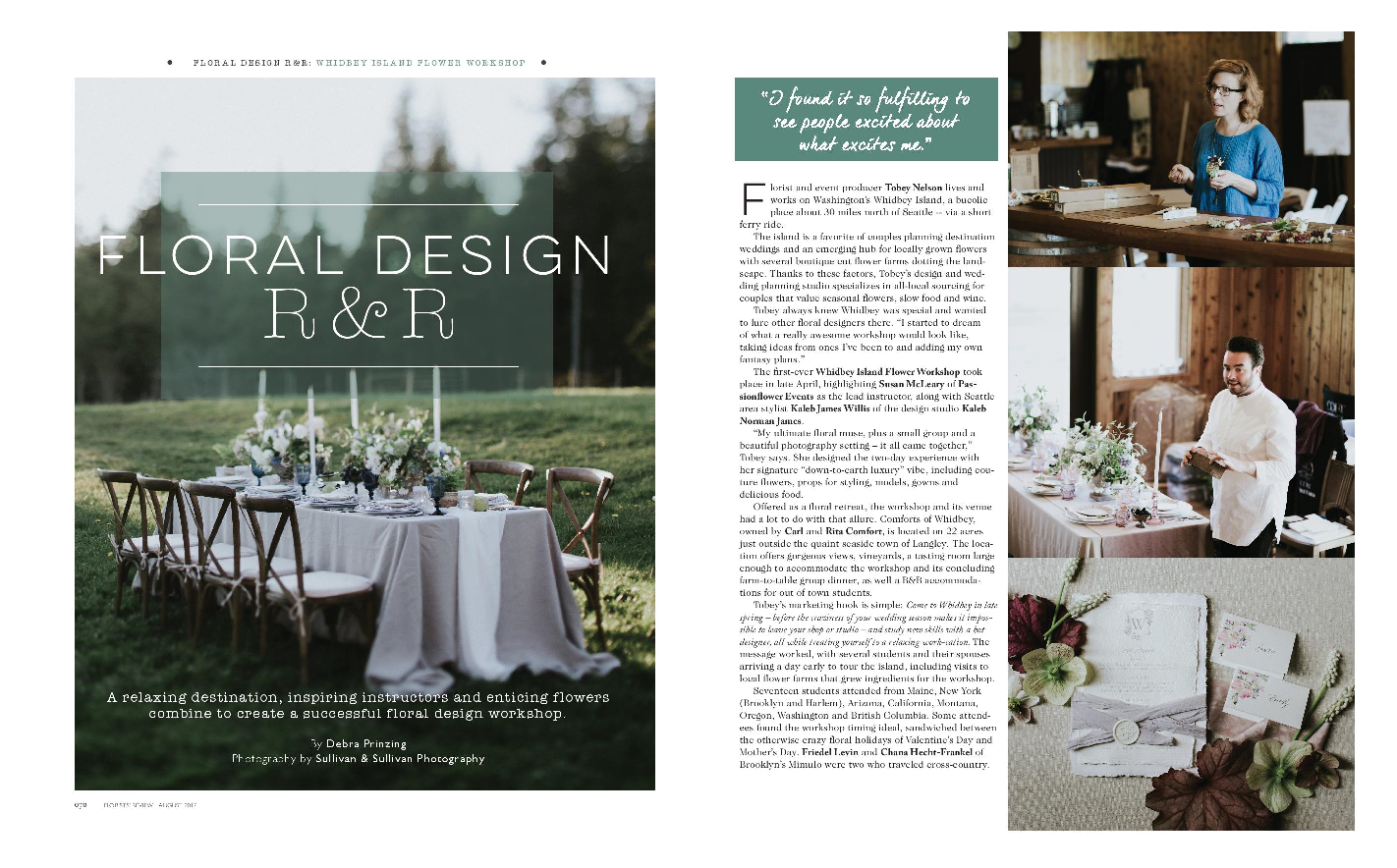
Opening spread from August 2017 “Slow Flowers Journal” in Florists’ Review, featuring the Whidbey Flower Workshop.

And since last March, I’ve visited a few of the students and interviewed many of them for articles and this podcast. Later, with beautiful photography captured by Sullivan & Sullivan, I was able to write about the Whidbey Flower Workshop for the inaugural print issue of the Slow Flowers Journal, which debuted in August 2017 in Florists’ Review. You can read that story here: SFJ_WHIDBEY FLOWER WORKSHOP

Tobey Nelson, floral designer and event producer — the creative force behind the Whidbey Flower Workshop (c) Sullivan and Sullivan

After something epic like Tobey’s 2017 workshop, it’s easy to think: Can this be replicated? And is it even worth trying — because any of us who have staged multi-day events for large groups knows what a workout that can be.

Well, I’m here to tell you that Whidbey Flower Workshop 2.0 is indeed taking place.

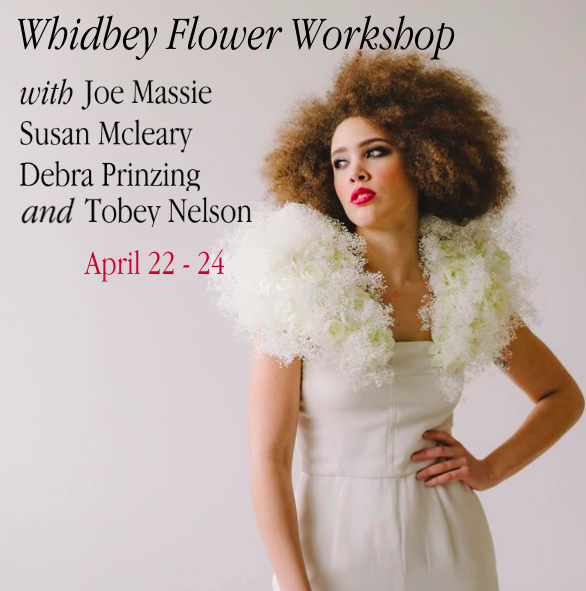
Set for April 22-24, yes, on Whidbey Island north of Seattle, the gathering features some of the same elements as last year’s, including instruction by Susan McLeary, Tobey Nelson and me, but there’s a new venue, and floral artist Joseph Massie is joining the workshop to bring his inventive talents all the way from the UK.

Tobey has invited Susan to lead the creation of large scale floral wearables – think headpieces, floral tattoos, and more.

And she’s asked Joseph to guide participants through all the layers of designing and engineering large-scale, foam-free floral installations.

Instruction by Susan McLeary will help you reach new highs and elevate your designs (c) Sullivan & Sullivan

Site-specific floral installation by Joseph Massie for Lisa Waud’s 2016 Detroit Flower Week (c) Heather Saunders

The workshop will also feature the photography talents of Heather Saunders, who many of you remember as the visual artist who captured Flower House in 2015. I can’t wait to reunite with her! Listen to my podcast interview with Heather on the publication of Flower House, the book.

Last weekend, Tobey and I took a little road trip of our own to Vancouver, B.C. — more on that later — and so, full disclosure, I sprung this interview on her. I figured, hey, we’re in the car together for 2-plus hours and what better place and time to talk about the anatomy of a successful workshop? Tobey’s insights might just inspire you to join us on Whidbey Island and experience a creative work-cation where you will be refreshed and reenergized by the beautiful, rugged Pacific Northwest, as well as stretch your professional muscles in ways that might surprise you.

Here’s more about Tobey Nelson:

A recent botanical headpiece by floral artist Tobey Nelson (c) Suzanne Rothmeyer

Follow Tobey on Instagram

Check out Tobey’s Pinterest Page

Listen to Slow Flowers Podcast Episode 223: Field trip to Whidbey Island

The Slow Flowers Podcast has been downloaded more than 287,000 times by listeners like you. Thank you for downloading, listening, commenting and sharing — it means so much.

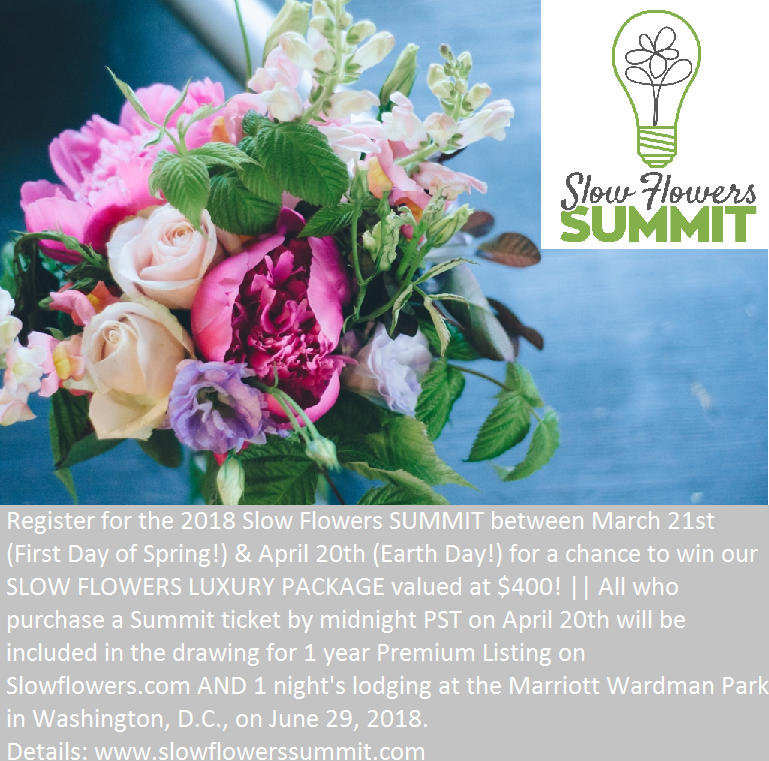
Please take a moment and visit our new web site for the upcoming Slow Flowers Summit, which takes place Friday, June 29th in Washington, D.C. We’re already selling tickets, lining up sponsors and special guests — and you won’t want to miss out on what one of our past speakers called a “floral mind meld.”

As the Slow Flowers Movement gains more supporters and more passionate participants who believe in the importance of the American cut flower industry, the momentum is contagious. I know you feel it, too. I value your support and invite you to show your thanks and with a donation to support my ongoing advocacy, education and outreach activities. You can find the donate button in the column at right.

Thank you to our sponsors who have supported Slow Flowers and all of our programs including this podcast, American Flowers Week, the Slowflowers.com online directory to American grown flowers, as well as our new channels, Slow Flowers Journal and the 2018 Slow Flowers Summit.

Florists’ Review magazine: I’m delighted to serve as Contributing Editor for the new monthly Slow Flowers Journal, found in the pages of Florists’ Review. It’s the leading trade magazine in the floral industry and the only independent periodical for the retail, wholesale and supplier market. Take advantage of the special subscription offer for members of the Slow Flowers Community.

Certified American Grown Flowers. The Certified American-Grown program and label provide a guarantee for designers and consumers on the source of their flowers. Take pride in your flowers and buy with confidence, ask for Certified American Grown Flowers.  To learn more visit americangrownflowers.org.

Arctic Alaska Peonies, a cooperative of passionate family farms in the heart of Alaska providing bigger, better peony flowers during the months of July and August. Visit them today at arcticalaskapeonies.com

Seattle Wholesale Growers Market, a farmer-owned cooperative committed to providing the very best the Pacific Northwest has to offer in cut flowers, foliage and plants. The Growers Market’s mission is to foster a vibrant marketplace that sustains local flower farms and provides top-quality products and service to the local floral industry. Find them at seattlewholesalegrowersmarket.com

Longfield Gardens provides home gardeners with high quality flower bulbs and perennials. Their online store offers plants for every region and every season, from tulips and daffodils to dahlias, caladiums and amaryllis. Visit them at longfield-gardens.com.

Syndicate Sales, an American manufacturer of vases and accessories for the professional florist. Look for the American Flag Icon to find Syndicate’s USA-made products and join the Syndicate Stars loyalty program at syndicatesales.com.

Johnny’s Selected Seeds, an employee-owned company that provides our industry the best flower, herb and vegetable seeds — supplied to farms large and small and even backyard cutting gardens like mine. Check them out at johnnysseeds.com.

Association of Specialty Cut Flower Growers. Formed in 1988, ASCFG was created to educate, unite, and support commercial cut flower growers. It mission is to help growers produce high-quality floral material, and to foster and promote the local availability of that product. Learn more at ascfg.org

I’m Debra Prinzing, host and producer of the Slow Flowers Podcast. Next week, you’re invited to join me in putting more American grown flowers on the table, one vase at a time. And If you like what you hear, please consider logging onto Itunes and posting a listener review.

The content and opinions expressed here are either mine alone or those of my guests alone, independent of any podcast sponsor or other person, company or organization.

The Slow Flowers Podcast is engineered and edited by Andrew Brenlan. Learn more about his work at soundbodymovement.com.
Music Credits:
The Wooden Platform; Yarrow and Root
by Blue Dot Sessions
Music from:

audionautix.com

Episode 337: Fortunate Orchard’s Hannah Morgan, printmaker to floral artist

Wednesday, February 21st, 2018

Love this adorable pic of Hannah Morgan, snapped at one of her workshops for The Field Trip Society

It’s wonderful to turn the page, post-Valentine’s Day, and focus on the soon-to-arrive spring season. When I visited today’s guest just last week, her front garden border displayed gorgeous hellebores in full bloom, and lots of the trees were already budding and ready to unfurl.

Despite a still chilly and wet climate, we still see sections of gorgeous blue sky behind the parting clouds and the always welcome rare ray of sunshine.

The place I visited is called Fortunate Orchard, and it is home to a floral studio and garden situated in a quiet corner of south Seattle.

Owner and lead designer Hannah Morgan holds a Bachelor of Fine Arts degree in one hand and a pair of pruning shears in the other. Her designs are deeply rooted in the seasons of the Pacific Northwest and she sources primarily from the West Coast — often from the Fortunate Orchard garden, steps away from her work table.

Hanna’s “Fortunate Orchard” garden at the peak of the season!

Using blooms and branches grown nearby ensures that her designs are unique, of this place and a bit wild. She has built a team of makers and doers who contribute their own expertise to each project, bringing creative and ambitious designs to fruition for events large and small. Fortunate Orchard collaborates with clients who exalt in the natural world and who embrace unorthodox, unexpected beauty.

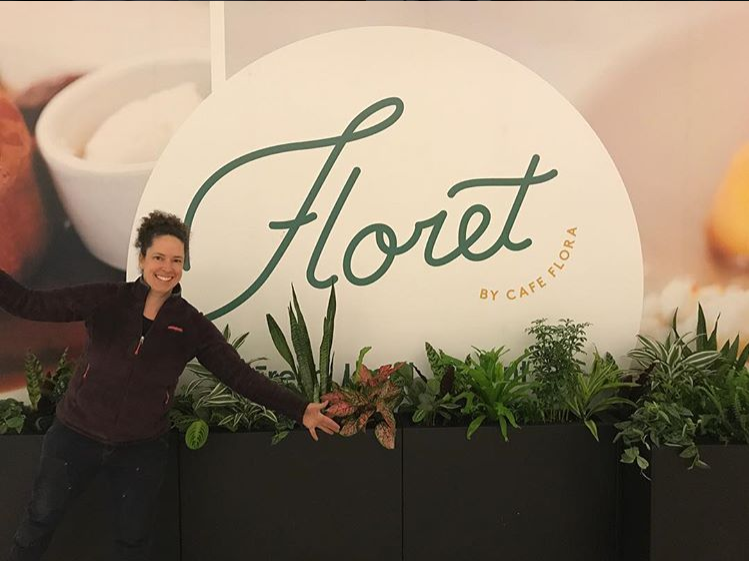
Hanna with her recent plant installation at the new Floret restaurant at the Seattle Tacoma International Airport

A beautiful arrangement at Lark Restaurant in Seattle.

Hannah has a keen understanding of the types of floral installations required by restaurants and eateries, which is how she actually caught my attention a few years ago when Bruce and I enjoyed an anniversary meal at Lark, one of the Pacific Northwest’s premier, artisan-focused restaurants.

As you hear us discuss, Hannah was the restaurant’s accidental florist who was tapped for filling large vases on the hostess table and elsewhere, perhaps because everyone there knew of her amazing and eclectic city garden.

Three years later, Hannah is creating a distinct niche for herself and I am so pleased we were able to sit down at her kitchen table, share a cup of tea and talk flowers, floral design, developing one’s aesthetic and style.

Learn more about Hannah and her artistic philosophy in this video interview (above) that I conducted with her last year at the Slow Flowers Creative Workshop held with Anne Bradfield of Floressence and documentary videographer Jason Miller.

A seasonal peony arrangement a la Fortunate Orchard’s semi-wild aesthetic.

Find Hannah at these social places so you can follow along as the season unfolds for Fortunate Orchard.

Fortunate Orchard on Instagram

Take a class from Hannah at The Field Trip Society.

The Slow Flowers Podcast has been downloaded more than 285,000 times by listeners like you. Thank you for downloading, listening, commenting and sharing — it means so much.

As the Slow Flowers Movement gains more supporters and more passionate participants who believe in the importance of the American cut flower industry, the momentum is contagious. I know you feel it, too. I value your support and invite you to show your thanks and with a donation to support my ongoing advocacy, education and outreach activities. You can find the donate button in the right column of our home page.

Thank you to our sponsors who have supported Slow Flowers and all of our programs including this podcast, American Flowers Week, the Slowflowers.com online directory to American grown flowers, as well as our new channels, Slow Flowers Journal and the 2018 Slow Flowers Summit.

They are:

Florists’ Review magazine. I’m delighted to serve as Contributing Editor for the new monthly Slow Flowers Journal section, which you can find in the pages of Florists’ Review. It’s the leading trade magazine in the floral industry and the only independent periodical for the retail, wholesale and supplier market. Take advantage of the special subscription offer for members of the Slow Flowers Community.

Certified American Grown Flowers. The Certified American-Grown program and label provide a guarantee for designers and consumers on the source of their flowers. Take pride in your flowers and buy with confidence, ask for Certified American Grown Flowers.  To learn more visit americangrownflowers.org.

Arctic Alaska Peonies, a cooperative of 50 family farms in the heart of Alaska providing high quality, American Grown peony flowers during the months of July and August. Visit them today at arcticalaskapeonies.com

Seattle Wholesale Growers Market, a farmer-owned cooperative committed to providing the very best the Pacific Northwest has to offer in cut flowers, foliage and plants. The Growers Market’s mission is to foster a vibrant marketplace that sustains local flower farms and provides top-quality products and service to the local floral industry. Find them at seattlewholesalegrowersmarket.com

Longfield Gardens provides home gardeners with high quality flower bulbs and perennials. Their online store offers plants for every region and every season, from tulips and daffodils to dahlias, caladiums and amaryllis. Visit them at longfield-gardens.com.

Syndicate Sales, an American manufacturer of vases and accessories for the professional florist. Look for the American Flag Icon to find Syndicate’s USA-made products and join the Syndicate Stars loyalty program at syndicatesales.com.

Johnny’s Selected Seeds, an employee-owned company that provides our industry the best flower, herb and vegetable seeds — supplied to farms large and small and even backyard cutting gardens like mine. Check them out at johnnysseeds.com.

Association of Specialty Cut Flower Growers. Formed in 1988, ASCFG was created to educate, unite, and support commercial cut flower growers. It mission is to help growers produce high-quality floral material, and to foster and promote the local availability of that product. Learn more at ascfg.org

(c) Missy Palacol Photography

I’m Debra Prinzing, host and producer of the Slow Flowers Podcast. Next week, you’re invited to join me in putting more American grown flowers on the table, one vase at a time. And If you like what you hear, please consider logging onto Itunes and posting a listener review.

The content and opinions expressed here are either mine alone or those of my guests alone, independent of any podcast sponsor or other person, company or organization.

The Slow Flowers Podcast is engineered and edited by Andrew Brenlan. Learn more about his work at soundbodymovement.com.
Music Credits:
Feathersoft (long form); Molly Molly
by Blue Dot Sessions
Music from:

audionautix.com

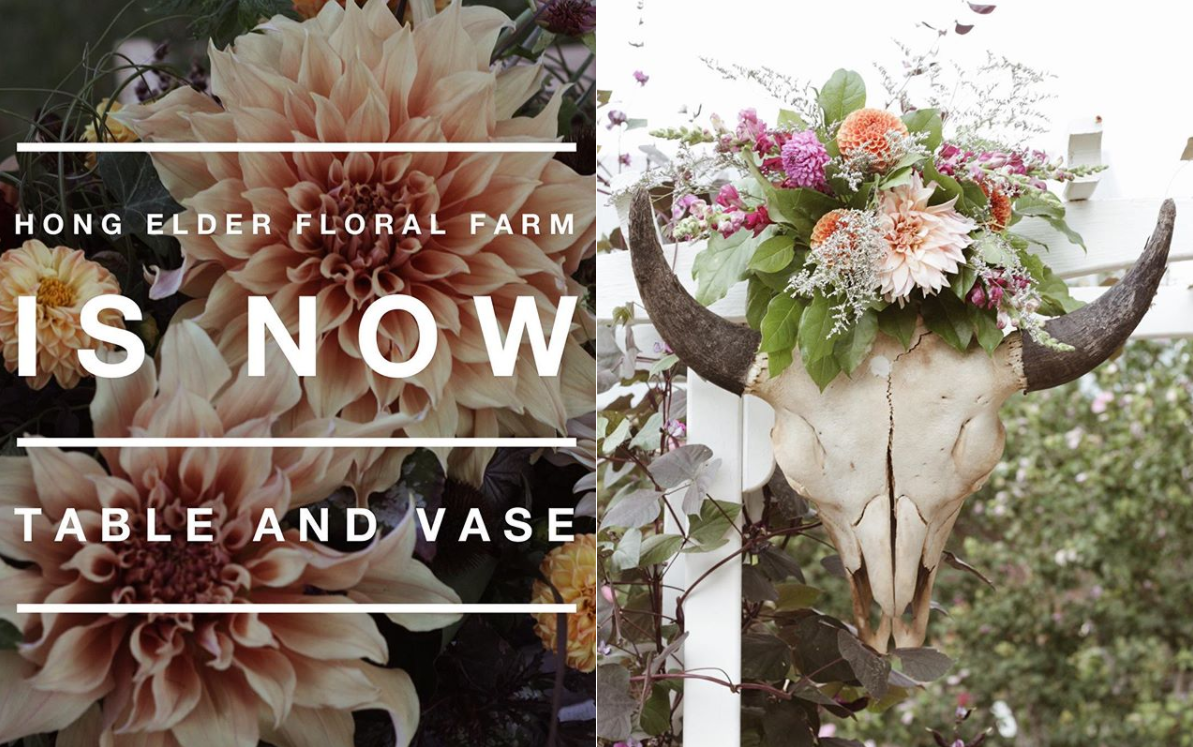
Episode 336: Table and Vase, a rebranding story with Albuquerque-based farmer-florist Steven Hong Elder

Wednesday, February 14th, 2018

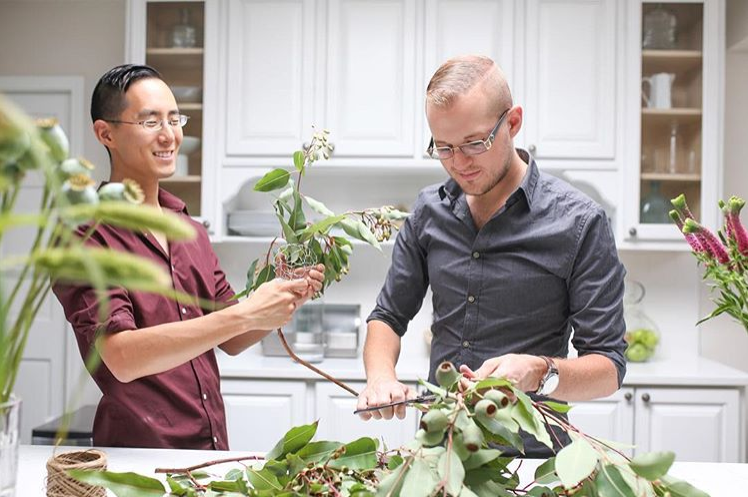
Kee-ju (left) and Steven (right) are the two partners behind the recently rebranded Table and Vase. (c) Jamie Jauriqui Photography 

Steven and Kee-ju Hong Elder are an Albuquerque-based husband-husband duo that love gardening, growing and arranging flowers, eco-dying and more! We love all things beautiful and natural, and hope to help you cultivate a more beautiful life. They describe their business as “Not quite a farm, but not quite a garden.”

Steven and Kee-ju are experienced growers, cultivating boutique, heirloom and unusual floral material for Table and Vase. Originally calling their studio the Hong Elder Floral Workroom, the men recently rebranded. They grow flowers for their own design work as well as to provided select florists with boutique floral material.

You’ll hear Steven discuss how growing gloriosa lilies is one of his passions in his Albuquerque “garden-farm”

They’ve been members of Slowflowers.com for more than a year and I have loved watching their Instagram feed filled with flower growing and floral design images. Visiting New Mexico again is on my list of destinations for 2018, mostly because my writing mentor Paula Panich now lives there, but also because of the burgeoning slow flower scene. You’ve heard from Emily Calhoun of Floriography Flowers, who’s shared her story in past episodes of this podcast – first about flower farming and most recently about opening a new retail venue in Santa Fe.

Emily Calhoun of Floriography Flowers on Episode 176

Emily Calhoun of Floriography Flowers on Episode 317

But now she has company, including a number of micro flower farms and farmer-florists who are helping boost interest and awareness in local and seasonal flowers. Together with Steven and Kee-ju, this community has also launched The New Mexico Flower Collective, a group of flower growers, farmer florists and other creatives who are passionate about locally grown, sustainably grown New Mexico flowers and supporting local businesses.

Floral design by Table and Vase with textiles by Desert Garden Silk. Photo credits: Maura Jane Photography (left image); Jamie Jauriqui Photography (right image)

Steven and Kee-ju also own Desert Garden Silk Ribbon, which they sell through an Etsy store featuring natural, plant-based, hand-dyed silk ribbons and textiles.

Here’s a little more about Steven and Kee-ju:

Steven Hong Elder, the “florist” side of Table and Vase

STEVEN, THE DESIGNER, has worked for years designing flowers for weddings and high end events. Inspired by color and seasonality from the garden, Steven combines his backgrounds as a horticulturist and floral designer to grow and create arrangements that are lush, full and grand.

He recently wrote that his first garden was an absolute mess, filled with zucchini, cucumbers, three types of pumpkins, scarlet runner beans, morning glory vines and a few sad tomato plants shoved into a raised bed in his parents’ front yard.

It was from that garden that Steven’s love of growing and plants first started. He went to school for horticulture, learning about xylem and phloem and tissue culture and greenhouse propagation. He learned how to identify trees, how to propagate tulips, and about breeding new species, loving every single moment of it.

After school, Steven accepted a position with the Lauritzen Botanical Gardens in Omaha, Nebraska. He was soon in charge of the Victorian garden, the peony collection, and an English perennial border. He also maintained the historical Crookhouse gardens and worked part time for floral designer, Kyle Robino, a friend and mentor.

Steven’s journey into floral design started as a creative outlet from gardening and horticulture, but soon grew into a way of life. He studied floral design in school, then worked for several years both with talented designers, and eventually striking out on his own as a freelance designer.

Kee-ju takes on the “farmer” role at Table and Vase; left image: (c) Jamie Jauriqui Photography

KEE-JU, THE FARMER, a hobbyist gardener, has a passion for growing plants that’s expanded into becoming a flower grower. Obsessed with nature since he was a little boy, his interest in nature and biology has evolved into his passion for gardening and growing. Kee-ju ensures that the flowers are grown with love and care.

He recently wrote about meeting Steven in Omaha when he was working at Lauritzen, saying “although a dentist by trade, in my off time I had been teaching myself how to grow flowers from what I had learned on the Internet – a lot of time spent on Dave’s Garden and poring over gardening blogs. When Steven and I met, our love of plants and gardening didn’t take long to surface. Although I tend more towards xeric and full sun and Steven tends more towards high moisture and shade, we got along well! We were married and moved to New Mexico within the year.

After our first year gardening in New Mexico, we had a discussion regarding flower farming. Both of us were avid followers of Erin Benzakein since her early days, and were enthralled with her fields of blooms as well as her very insightful tips for growing flowers. What would it be like to be growing not a dozen zinnias, but hundreds? Would we be able to handle thousands of seedlings as opposed to fifty? We decided definitively that yes, we wanted to do this and yes, we were more than capable of doing so.

Suddenly, our garden beds were not large enough for all the plants we wanted, so we prepared more. We found ourselves buying seeds and dahlia tubers and drip irrigation and digging and planting. It was terrifying and hard work, yet I had never felt more alive in my life.

I had found something that lit a fire within me staying up late reading information on how to grow and harvest sunflowers, scouring the Internet for tips on succession planting and harvesting, and dreaming of rows of flowers and big bouquets.

While I really enjoyed flower farming, I also realized that I did miss gardening without the intent to cut and harvest. Sometimes you just grow it because you want to grow it, not because it will be a good seller or hold up well in the vase. Steven and I made the conscious this year to return to gardening for ourselves.”

Left image (c): Jamie Jauriqui Photography

I know you’ll enjoy hearing from Steven — we’ll have to get Kee-ju’s voice in a future interview. Enjoy these photos and follow Table and Vase at these social places.

Table and Vase on Instagram

Thanks for joining me today! What a fun conversation — and I can’t wait to return to New Mexico to meet Steven and Kee-ju in person and soak in the beauty of flower farming in Albuquerque and beyond.

The Slow Flowers Podcast has been downloaded more than 282,000 times by listeners like you. Thank you for downloading, listening, commenting and sharing — it means so much. In fact, I want to report that the month of January ended with 11,222 downloads, our all-time high month of listenership. Isn’t that awesome!

As the Slow Flowers Movement gains more supporters and more passionate participants who believe in the importance of the American cut flower industry, the momentum is contagious. I know you feel it, too. I value your support and invite you to show your thanks and with a donation to support my ongoing advocacy, education and outreach activities. You can find the donate button at debraprinzing.com in the right column.

Thank you to our sponsors who have supported Slow Flowers and all of our programs including this podcast, American Flowers Week, the Slowflowers.com online directory to American grown flowers, as well as our new channels, Slow Flowers Journal and the 2018 Slow Flowers Summit.

Florists’ Review magazine. I’m delighted to serve as Contributing Editor for the new monthly Slow Flowers Journal section, which you can find in the pages of Florists’ Review. It’s the leading trade magazine in the floral industry and the only independent periodical for the retail, wholesale and supplier market. Take advantage of the special subscription offer for members of the Slow Flowers Community.

Certified American Grown Flowers. The Certified American-Grown program and label provide a guarantee for designers and consumers on the source of their flowers. Take pride in your flowers and buy with confidence, ask for Certified American Grown Flowers.  To learn more visit americangrownflowers.org.

Arctic Alaska Peonies, a cooperative of 50 family farms in the heart of Alaska providing high quality, American Grown peony flowers during the months of July and August. Visit them today at arcticalaskapeonies.com

Seattle Wholesale Growers Market, a farmer-owned cooperative committed to providing the very best the Pacific Northwest has to offer in cut flowers, foliage and plants. The Growers Market’s mission is to foster a vibrant marketplace that sustains local flower farms and provides top-quality products and service to the local floral industry. Find them at seattlewholesalegrowersmarket.com

Longfield Gardens provides home gardeners with high quality flower bulbs and perennials. Their online store offers plants for every region and every season, from tulips and daffodils to dahlias, caladiums and amaryllis. Visit them at longfield-gardens.com.

Syndicate Sales, an American manufacturer of vases and accessories for the professional florist. Look for the American Flag Icon to find Syndicate’s USA-made products and join the Syndicate Stars loyalty program at syndicatesales.com.

Johnny’s Selected Seeds, an employee-owned company that provides our industry the best flower, herb and vegetable seeds — supplied to farms large and small and even backyard cutting gardens like mine. Check them out at johnnysseeds.com.

Association of Specialty Cut Flower Growers. Formed in 1988, ASCFG was created to educate, unite, and support commercial cut flower growers. It mission is to help growers produce high-quality floral material, and to foster and promote the local availability of that product. Learn more at ascfg.org.

(c) Missy Palacol Photography

I’m Debra Prinzing, host and producer of the Slow Flowers Podcast. Next week, you’re invited to join me in putting more American grown flowers on the table, one vase at a time. And If you like what you hear, please consider logging onto Itunes and posting a listener review.

The content and opinions expressed here are either mine alone or those of my guests alone, independent of any podcast sponsor or other person, company or organization.

The Slow Flowers Podcast is engineered and edited by Andrew Brenlan. Learn more about his work at soundbodymovement.com.
Music Credits:

In The Field; Back to the Wood
by Jason Shaw:

audionautix.com

Episode 334: Retail Comeback, 2018 with Lisa Waud of Detroit’s pot + box and Melissa Brown of Washington’s Flying Bear Farm

Wednesday, January 31st, 2018

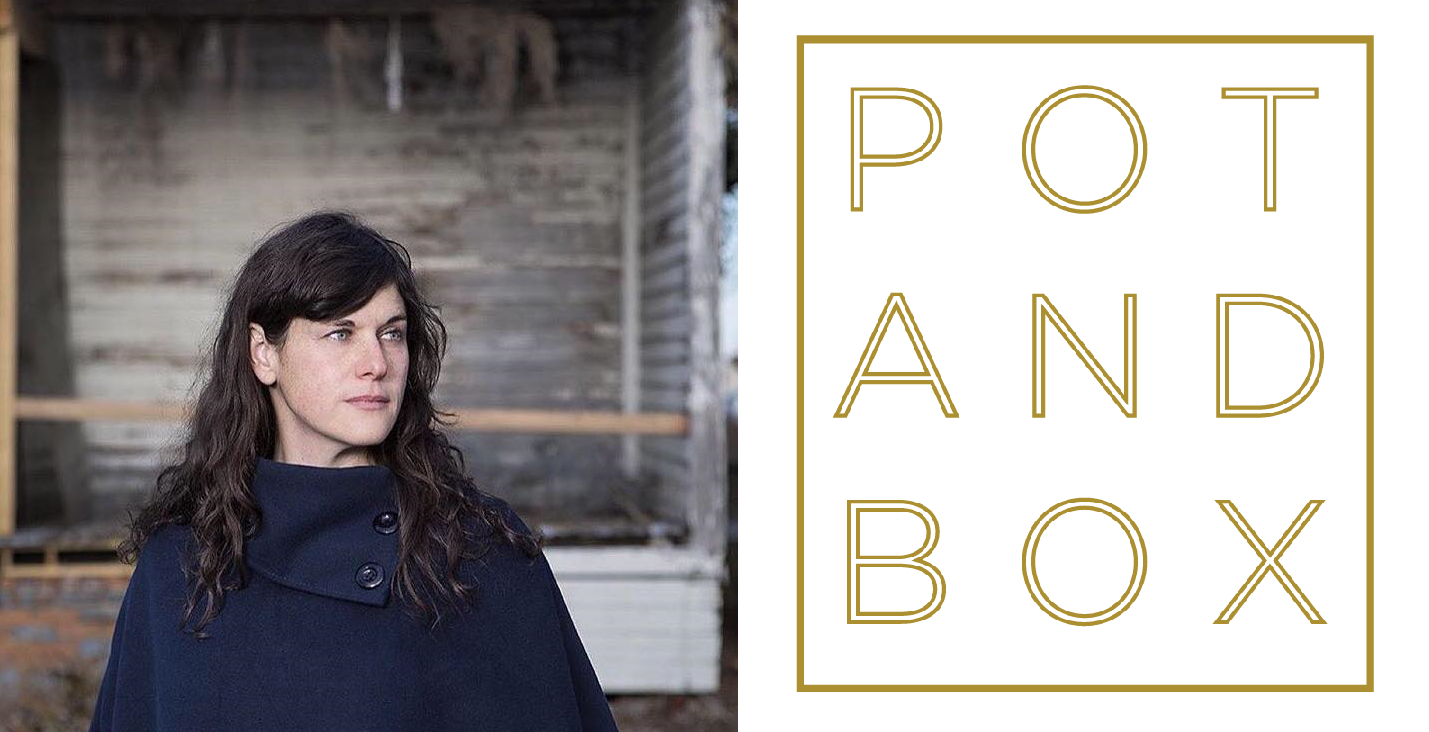
Lisa Waud of Detroit’s pot + box

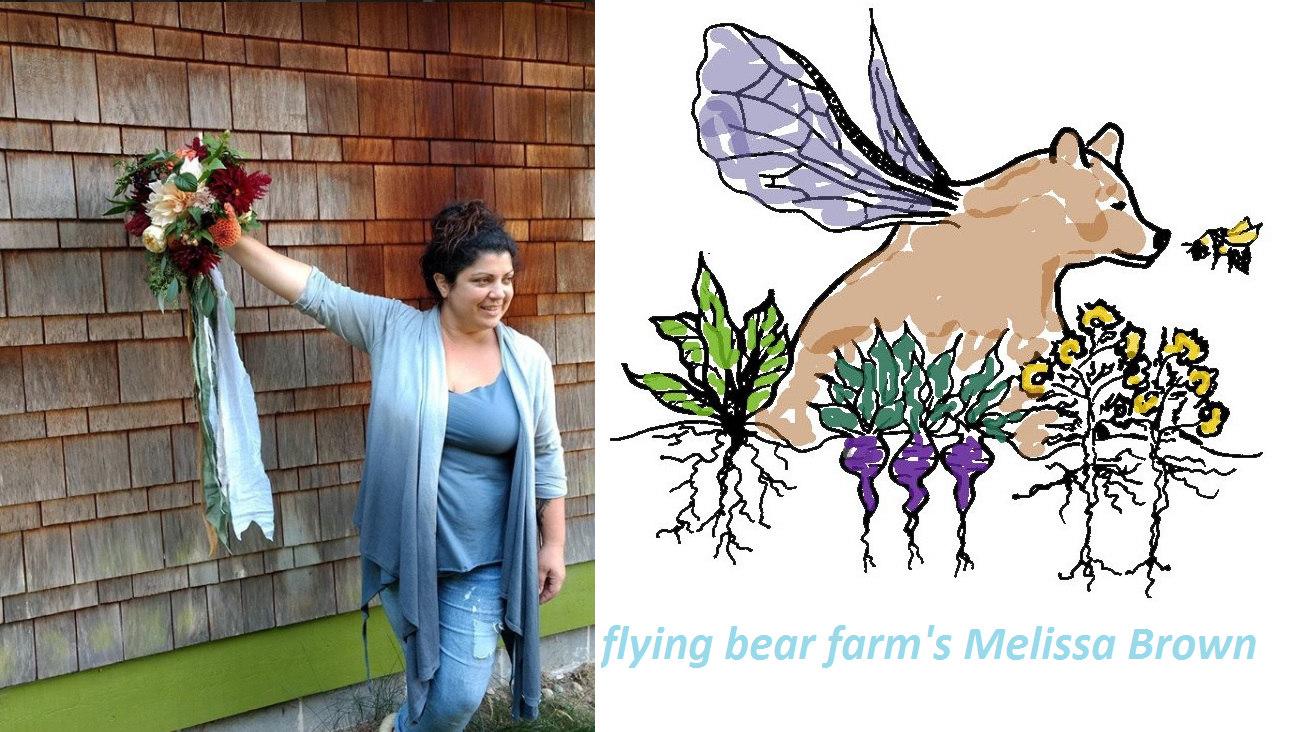
Melissa Brown of Flying Bear Farm, based in Langley, Washington

Today’s I’m excited to visit with two Slow Flowers members who have just opened new floral retail businesses.

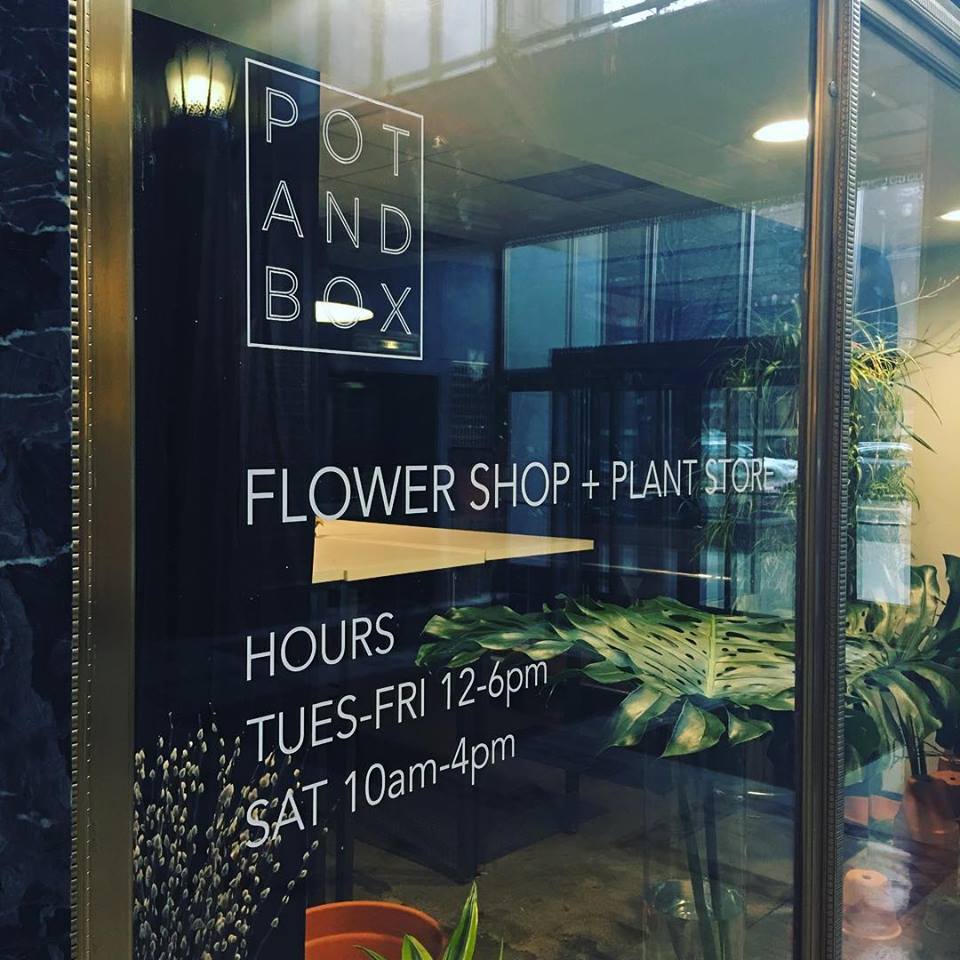
pot + box’s new storefront in Detroit’s Fisher Building

This pivot to retail floristry that I’ve been documenting over the past 12 months continues and I think you’ll find today’s conversations entirely fascinating and enlightening.

One year ago, when I released the 2017 Slow Flowers Floral Insights & Industry Forecast, I declared the retail embrace a phenomenon of studio florists moving toward brick and mortar channels.

For 2018, I’ve added flower farmers jumping into the retail arena.

As I reported last year, If you rely only on mainstream financial analysis or census data for your intel, then the landscape for brick-and-mortar flower shops has appeared unpromising.


According to the November 2016 Dunn & Bradstreet industry report, the U.S. has about 14,000 floral establishments (single-location companies and units of multi-location companies) with combined annual revenue of about $5.5 billion. Flower shops had declined by about 40% since 2000. Dunn and Bradstreet cited a Society of American Florists prediction that the number of retail florists in the US is expected to continue to drop, although the pace is slowing gradually.

Yet we’re tracking Slow Flowers members who are opening brick-and-mortar flowers shops across North America. Today’s guests will add their personal journeys to the compendium of stories about independent and progressive florists (and flower farmers) who are signing leases and opening retail spaces in the same markets that have witnessed mainstream mom-and-pop floral storefronts being shuttered.

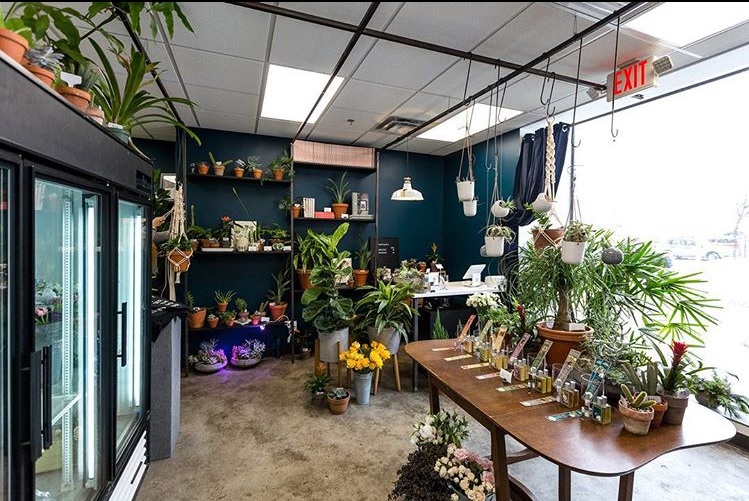
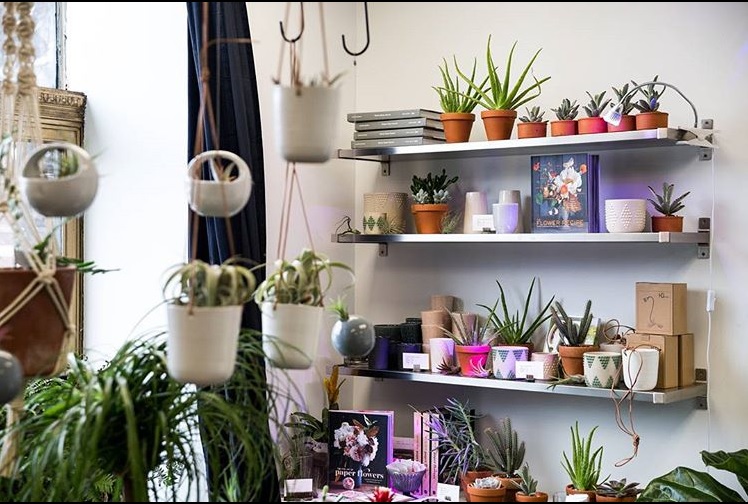
A peek inside the plant- and flower-filled pot + box

A pot + box corner where merchandising matters — plants, products, flowers.

First, you’ll hear from Lisa Waud of pot + box who has just opened a new retail space in a historic building in downtown Detroit.  Then you’ll hear from Melissa Brown of Flying Bear Farm on Whidbey Island, north of Seattle, who just opened a retail shop in nearby Langley, Washington, with her partner and husband Benjamin Corteau.

Be ready to take notes and get inspired. Retail isn’t for everyone, of course. But if you’re looking for inspiration, insights and straight talk about making retail work for you and your business, I think you’ll find it here.

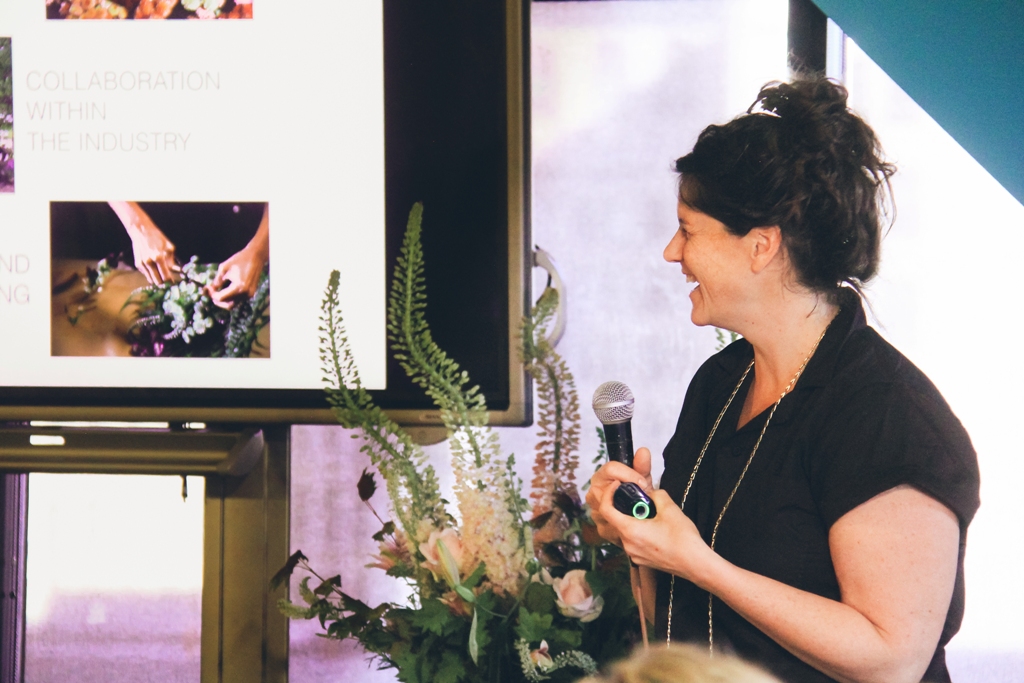
Lisa Waud, presenting at the 2017 Slow Flowers Summit in Seattle.

Here’s more about Lisa Waud:

pot & box founder Lisa Waud has been enthusiastically steering the company’s horticultural goings-on since its founding more than ten years ago. She’s been arranging flowers in the soil and in the vase for 21 years now—from the volcanic slopes of Hawaii, the clay garden beds of the Pacific Northwest and across the great [lakes] state of Michigan.

In Lisa’s words: “I love to work with flowers blooming now and nearby, celebrating the richest hues, most fragrant blooms, the abundance of seasonality. I thrive on the uncommon and unexpected, applauding a determined weed growing out of a brick wall, the unusual variegation pattern on a peony’s petal, a tattooed bride’s arms cradling a delicate bouquet. I excel when tasked with realizing the visions of my clients, arranging stems to suit the celebration, bringing event decor ideas to life,  striving for the breathtaking gasp of elation.”

Lisa lives in Detroit, and when she’s not playing with flowers, you can find her scheming up field trips with her dogs or planning explorations in other inspirational cities. As listeners may recall from past episodes of this podcast, Lisa is also the creator of Flower House, a floral art installation in 2015, and the producer of the 2016 Detroit Flower Week.

Find pot + box at these social places:

pot + box on Facebook

pot + box on Instagram

pot + box on Twitter

pot + box’s VLNTNSDYMRKT event on February 10th.

Michigan Flower Growers Cooperative

Listen to Lisa’s first interview on the Slow Flowers Podcast, February 2015

Listen to Lisa’s Flower House Detroit preview interview on the Slow Flowers Podcast, September 2015

A locally-grown and designed bouquet from Flying Bear Farm

Inside the new Flying Bear Farm retail store in Langley, Washington on Whidbey Island

A recent floral jewelry workshop at Flying Bear Farm with local florist Tobey Nelson.

Benjamin Courteau, field harvesting for Flying Bear Farm.

Melissa Brown, also a past guest of this podcast, and her husband Ben are farmer florists who often draw on the talents of Melissa’s parents Molly & David Brown.

After several very successful seasons growing flowers and designing for wedding clients, the time came this past fall to enter retail. Flower farmers listening will want to hear what led to this decision and how Melissa hopes to strike a good balance between growing, designing and selling Flying Bear Farm’s flowers.

Find Flying Bear Farm at these social places:

Flying Bear Farm on Facebook

Flying Bear Farm on Instagram

Flying Bear Farm on Pinterest

Flying Bear Farm on Twitter

Listen to Melissa’s first interview on the Slow Flowers Podcast, December 2015

The Slow Flowers Podcast has been downloaded more than 277,000 times by listeners like you. Thank you for downloading, listening, commenting and sharing — it means so much.

Slow Flowers Journal now appears inside the pages of Florists’ Review.

As the Slow Flowers Movement gains more supporters and more passionate participants who believe in the importance of the American cut flower industry, the momentum is contagious. I know you feel it, too. I value your support and invite you to show your thanks and with a donation to support my ongoing advocacy, education and outreach activities. You can find the donate button at debraprinzing.com in the right column.

Thank you to our sponsors who have supported Slow Flowers and all of our programs including this podcast, American Flowers Week, the Slowflowers.com online directory to American grown flowers, as well as our new channels, Slow Flowers Journal and the 2018 Slow Flowers Summit.

And thank you to our lead sponsor for 2018, Florists’ Review magazine. I’m delighted to serve as Contributing Editor for the new monthly Slow Flowers Journal section, which you can find in the pages of Florists’ Review. It’s the leading trade magazine in the floral industry and the only independent periodical for the retail, wholesale and supplier market. Take advantage of the special subscription offer for members of the Slow Flowers Community.

Certified American Grown Flowers. The Certified American-Grown program and label provide a guarantee for designers and consumers on the source of their flowers. Take pride in your flowers and buy with confidence, ask for Certified American Grown Flowers. To learn more visit americangrownflowers.org.

Arctic Alaska Peonies, a cooperative of 50 family farms in the heart of Alaska providing high quality, American Grown peony flowers during the months of July and August. Visit them today at arcticalaskapeonies.com

Seattle Wholesale Growers Market, a farmer-owned cooperative committed to providing the very best the Pacific Northwest has to offer in cut flowers, foliage and plants. The Growers Market’s mission is to foster a vibrant marketplace that sustains local flower farms and provides top-quality products and service to the local floral industry. Find them at seattlewholesalegrowersmarket.com

Longfield Gardens provides home gardeners with high quality flower bulbs and perennials. Their online store offers plants for every region and every season, from tulips and daffodils to dahlias, caladiums and amaryllis. Visit them at longfield-gardens.com.

Syndicate Sales, an American manufacturer of vases and accessories for the professional florist. Look for the American Flag Icon to find Syndicate’s USA-made products and join the Syndicate Stars loyalty program at syndicatesales.com.

Johnny’s Selected Seeds, an employee-owned company that provides our industry the best flower, herb and vegetable seeds — supplied to farms large and small and even backyard cutting gardens like mine. Check them out at johnnysseeds.com.

Association of Specialty Cut Flower Growers. Formed in 1988, ASCFG was created to educate, unite, and support commercial cut flower growers. It mission is to help growers produce high-quality floral material, and to foster and promote the local availability of that product. Learn more at ascfg.org

(c) Missy Palacol Photography

I’m Debra Prinzing, host and producer of the Slow Flowers Podcast. Next week, you’re invited to join me in putting more American grown flowers on the table, one vase at a time. And If you like what you hear, please consider logging onto Itunes and posting a listener review.

The content and opinions expressed here are either mine alone or those of my guests alone, independent of any podcast sponsor or other person, company or organization.

The Slow Flowers Podcast is engineered and edited by Andrew Brenlan. Learn more about his work at soundbodymovement.com.
Music Credits:
Cymbal Patter; Sylvestor
by Blue Dot Sessions
Music from:

audionautix.com

Episode 333: Flowers and Herbs with Xenia D’Ambrosi of New York’s Sweet Earth Co. and News about the PNW Cut Flower Growers Meet-Up

Wednesday, January 24th, 2018

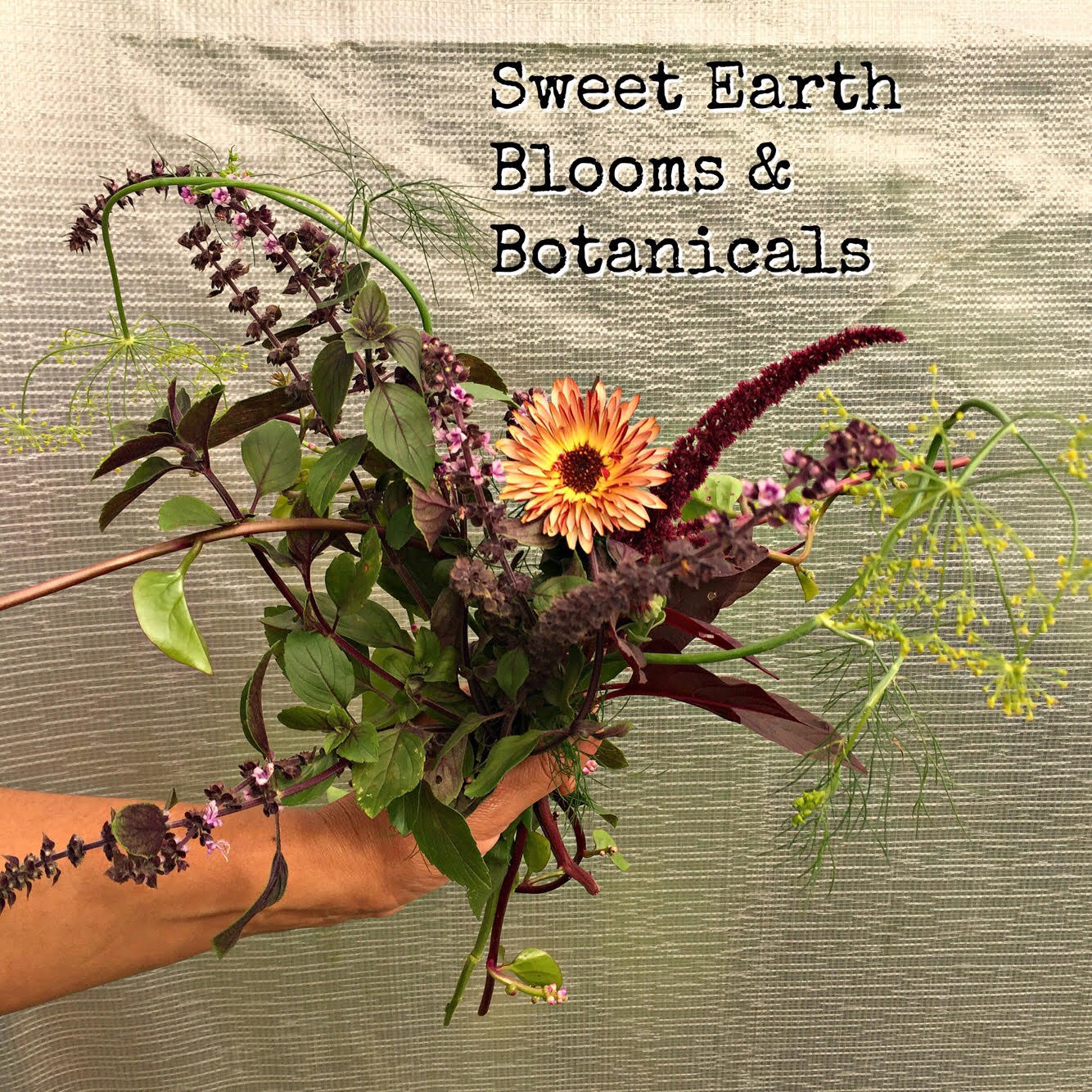
Today’s guest is Slow Flowers member Xenia D’Ambrosi of Sweet Earth Co. Blooms & Botanicals

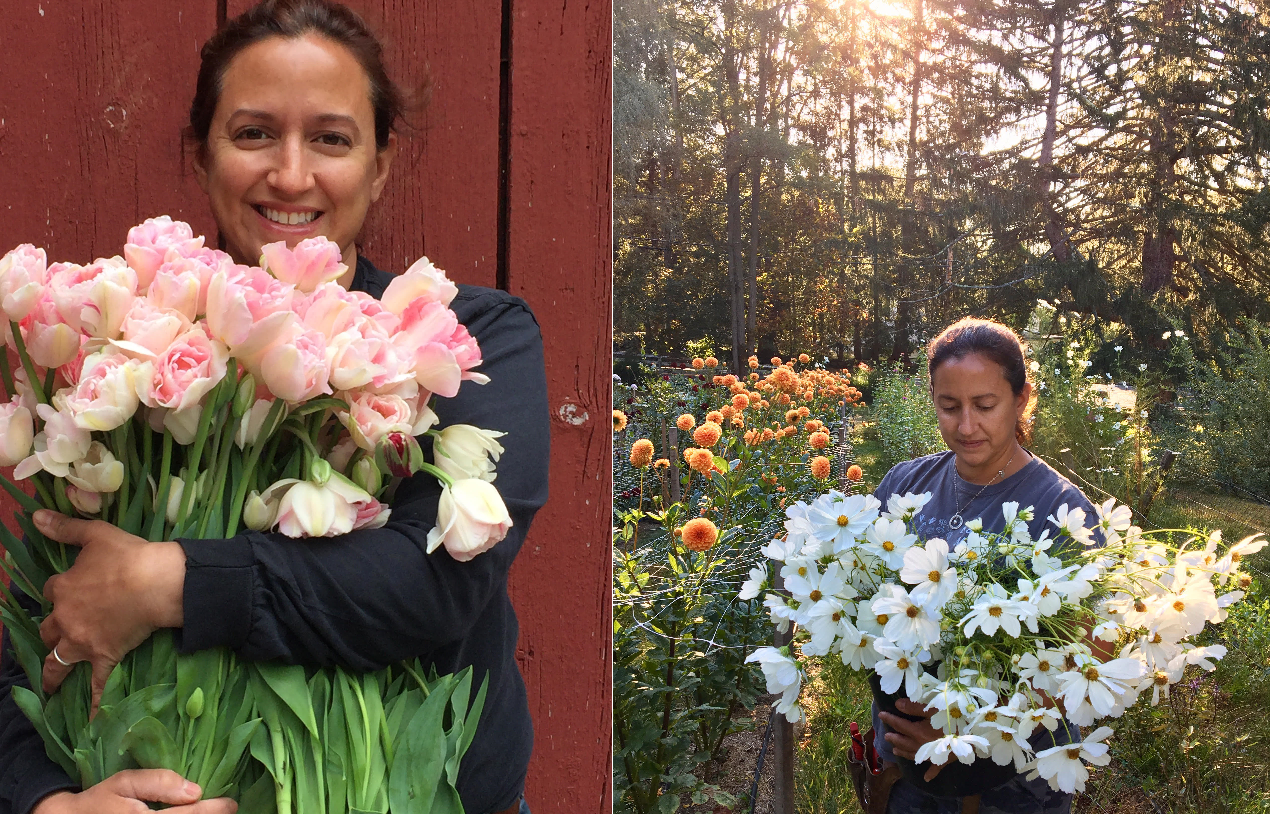
Xenia with her flowers . . .

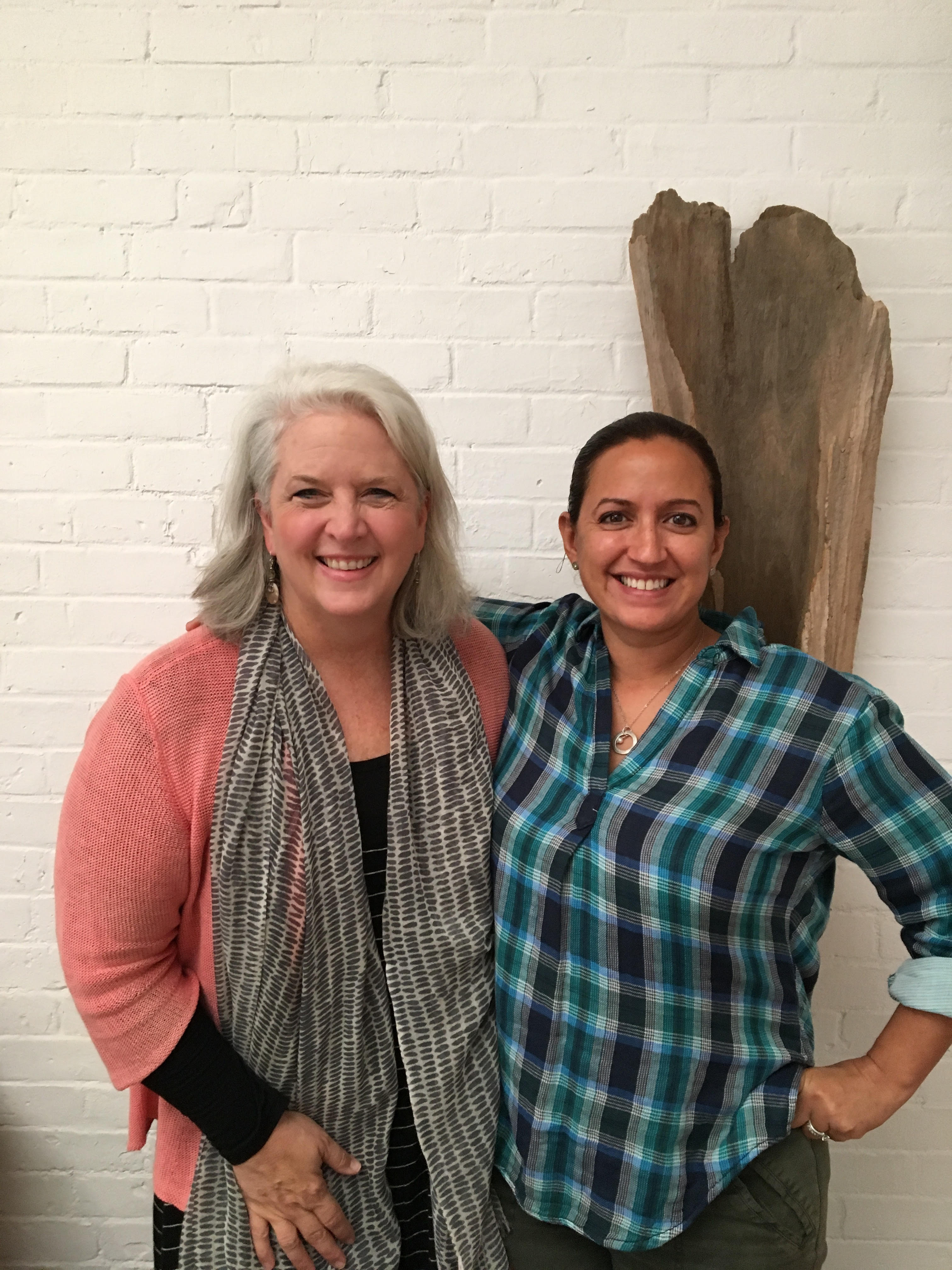
I’ve met Xenia on a few locations – both in the PNW and here, at the November 2017 New England Farmer Florist Connection event.

Today’s guest is Xenia D’Ambrosi, owner of Sweet Earth Co. in Pound Ridge, New York – where the New York City suburbs transition toward the lower Hudson Valley.

I’ve invited her to share her story as part of my 2018 goal to zero in on the successful small business strategies of Slow Flowers members.

There’s so much creativity and innovation taking place in flower farming and floral design and we are a community of generous individuals who are incredibly eager to share their stories.

Whether it’s about extending one’s brand to related products and services or diversifying to reach a new market or changing up the channels through which you’re selling flowers — all is relevant and I want to hear about it!

Before we join my conversation with Xenia, though, I want to share a report from the Pacific Northwest Cut Flowers Growers upcoming meet-up. For the fourth year, flower farmers, farmer-florists and floral designers are gathering for an intensive day focused on the practices, crops and marketplace that makes this region dynamic and unique. The day’s keynote speakers, Ralph Thurston and Jeriann Sabine from Bindweed Farm will wow you. Listen to their 2016 appearance on the Slow Flowers Podcast here. 

Erin McMullen of Rain Drop Farms in Philomath, Oregon, is part of the planning team for the February 25th Meet-Up in Corvallis, Oregon. I’ve asked her to share a bit about the sure-to-be-sold-out event. Tickets are going fast and it’s time to grab yours if you’re thinking about joining this one-day session next month.

Details on the February 24th Oregon Small Farms Conference are HERE

Details on the February 25th PNW Cut Flower Growers Meet-Up HERE

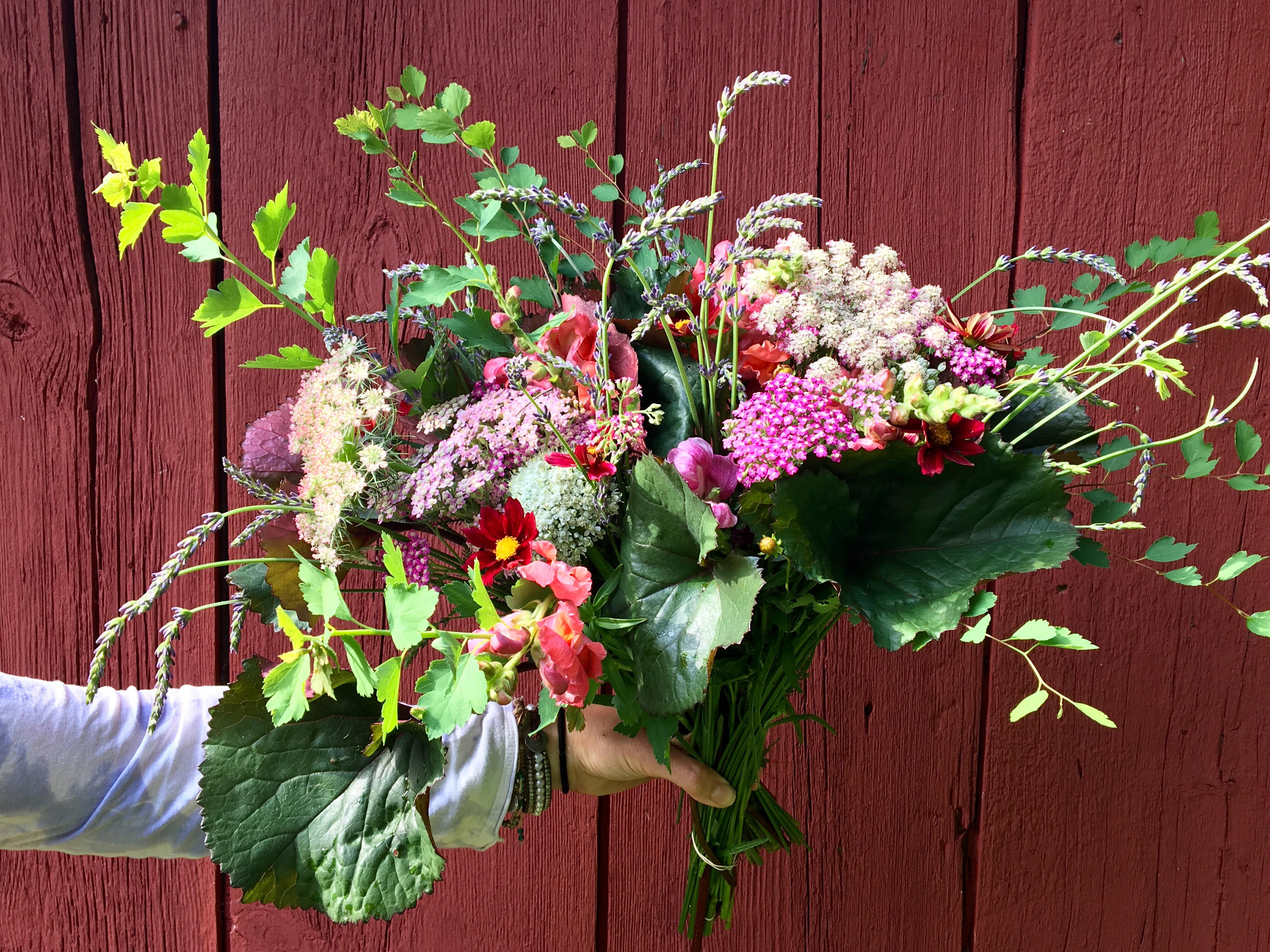
A glorious seasonal bouquet from Sweet Earth Co.

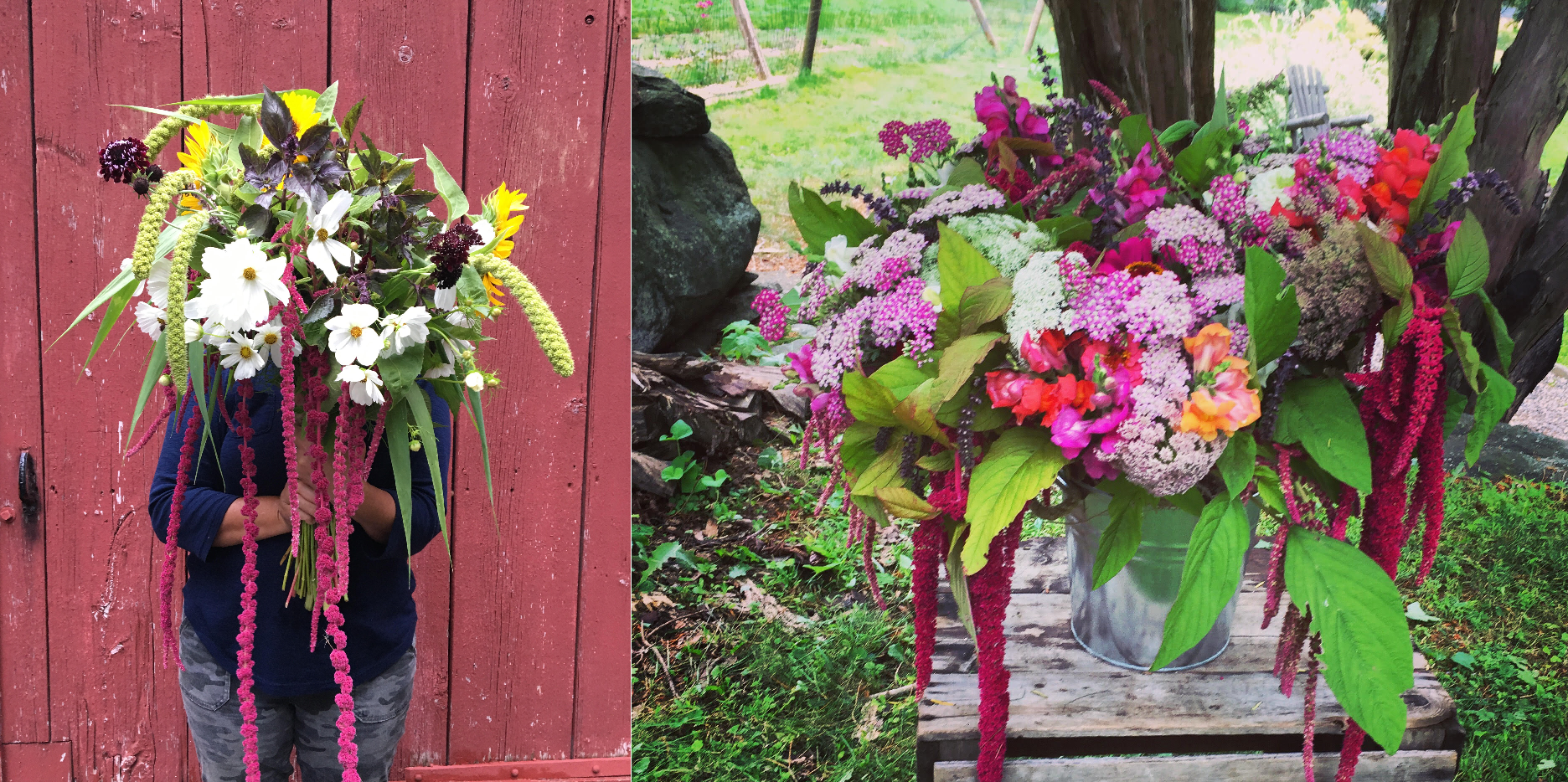
More seasonal annuals, perennials and herbs from Sweet Earth Co.

Now, to our main guest of the day, Xenia D’Ambrosi of Sweet Earth Co.

Xenia D’Ambrosi has a passion for sustainable gardening and horticulture. Her company Sweet Earth Co. specializes in designing and maintaining sustainable gardens and natural landscapes, as well as crop planning and management.

Sweet Earth Co. was built around a mission –to help clients improve function, beauty and biodiversity in their landscape while mentoring and partnering with them to understand and practice the basic tenets of sustainable landscaping. Mixing function and beauty is something Sweet Earth does close to home.   

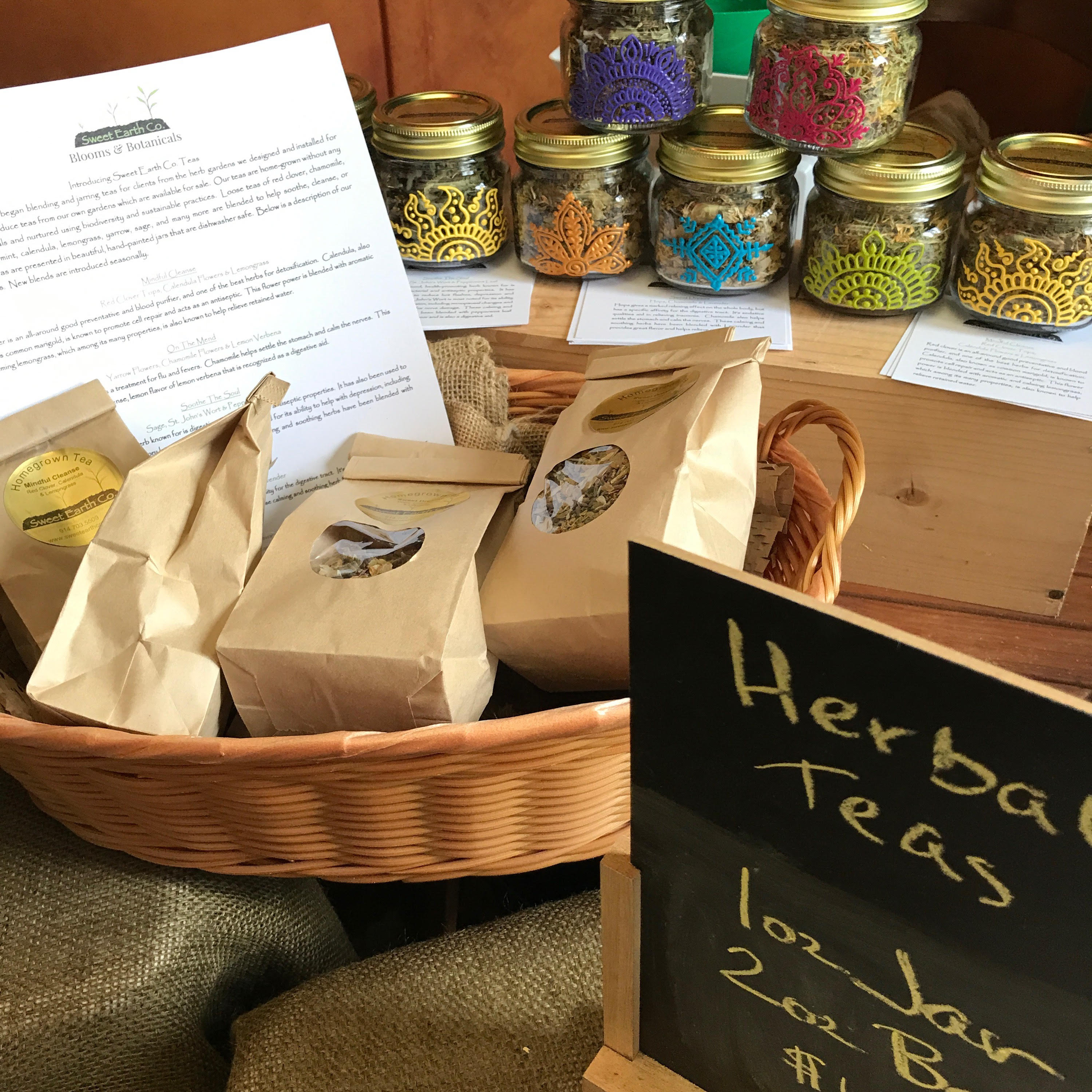
Having recently rebranded her business as Sweet Earth Co. Blooms & Botanicals , Xenia sustainably grows specialty cut flowers  and offers a flower and herb CSA, as well as produces a line of specialty herbal teas.  Visitors to the farm stand at Sweet Earth Co find local flowers, herbs, teas, honey, herbal products and garden gifts and decor.  

Xenia earned a Masters in Public Health and an MBA from Columbia University, as well as a certificate in gardening and sustainable practices through The New York Botanical Garden. She is the author of articles regarding sustainable gardening and has led various workshops and educational events about gardening and agricultural literacy.

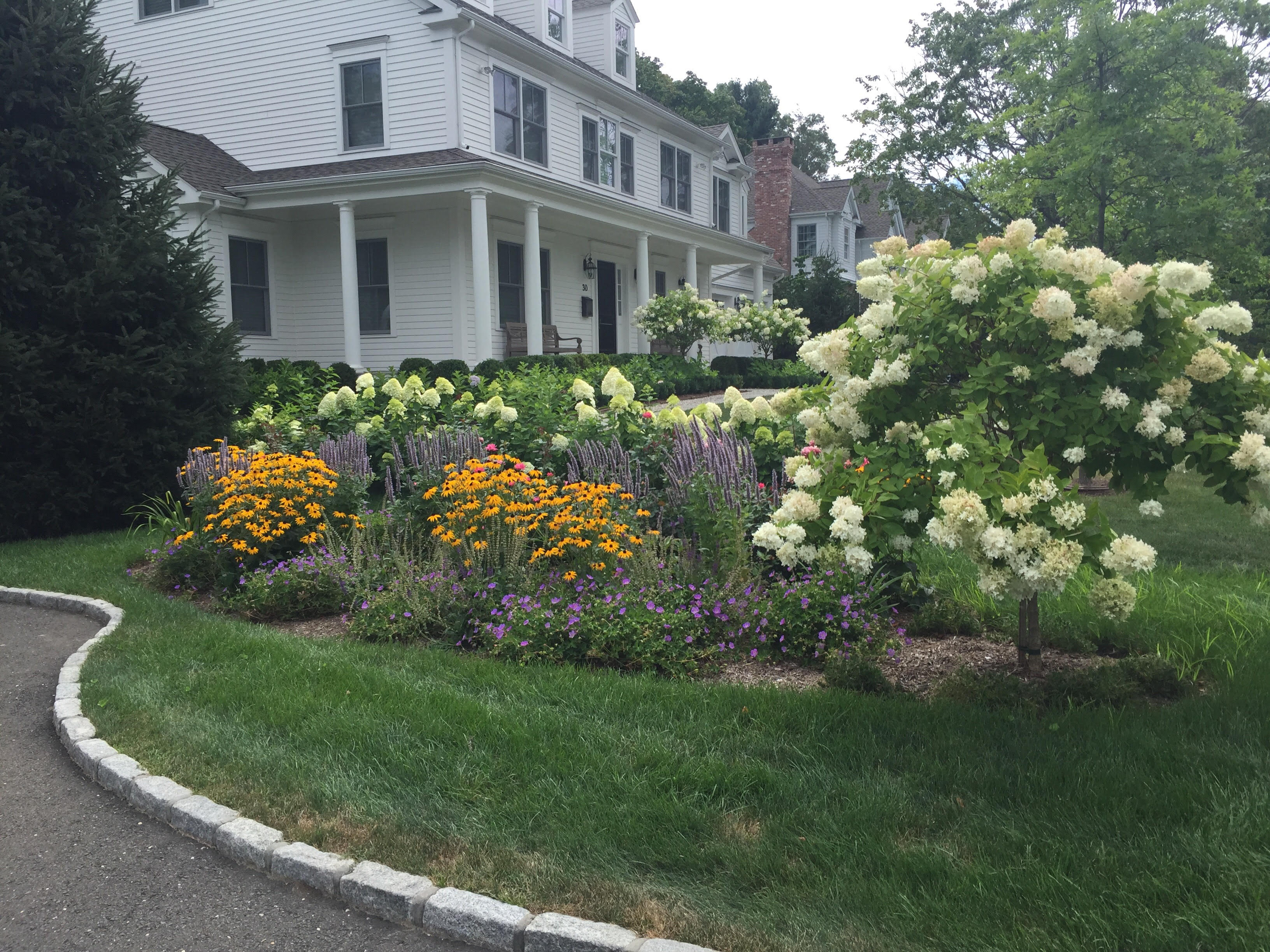
The cutting garden at Xenia’s “farmstead” in Pound Ridge, NY

Sweet Earth Co.’s herbal tea collection ~ a diversified product from the farm.

The Slow Flowers Podcast has been downloaded more than 274,000 by listeners like you. Thank you for downloading, listening, commenting and sharing — it means so much.

As the Slow Flowers Movement gains more supporters and more passionate participants who believe in the importance of the American cut flower industry, the momentum is contagious. I know you feel it, too. I value your support and invite you to show your thanks and with a donation to support my ongoing advocacy, education and outreach activities. You can find the donate button at debraprinzing.com in the right column.

Thank you to our sponsors who have supported Slow Flowers and all of our programs including this podcast, American Flowers Week, the Slowflowers.com online directory to American grown flowers, as well as our new channels, Slow Flowers Journal and the 2018 Slow Flowers Summit.

Thank you to our lead sponsor for 2018, Florists’ Review magazine. I’m delighted to serve as Contributing Editor for the new monthly Slow Flowers Journal section, which you can find in the pages of Florists’ Review. It’s the leading trade magazine in the floral industry and the only independent periodical for the retail, wholesale and supplier market. Take advantage of the special subscription offer for members of the Slow Flowers Community.

Certified American Grown Flowers. The Certified American-Grown program and label provide a guarantee for designers and consumers on the source of their flowers. Take pride in your flowers and buy with confidence, ask for Certified American Grown Flowers.  To learn more visit americangrownflowers.org.

Arctic Alaska Peonies, a cooperative of 50 family farms in the heart of Alaska providing high quality, American Grown peony flowers during the months of July and August. Visit them today at arcticalaskapeonies.com

Seattle Wholesale Growers Market, a farmer-owned cooperative committed to providing the very best the Pacific Northwest has to offer in cut flowers, foliage and plants. The Growers Market’s mission is to foster a vibrant marketplace that sustains local flower farms and provides top-quality products and service to the local floral industry. Find them at seattlewholesalegrowersmarket.com

Longfield Gardens provides home gardeners with high quality flower bulbs and perennials. Their online store offers plants for every region and every season, from tulips and daffodils to dahlias, caladiums and amaryllis. Visit them at longfield-gardens.com.

Syndicate Sales, an American manufacturer of vases and accessories for the professional florist. Look for the American Flag Icon to find Syndicate’s USA-made products and join the Syndicate Stars loyalty program at syndicatesales.com.

Johnny’s Selected Seeds, an employee-owned company that provides our industry the best flower, herb and vegetable seeds — supplied to farms large and small and even backyard cutting gardens like mine. Check them out at johnnysseeds.com.

Association of Specialty Cut Flower Growers. Formed in 1988, ASCFG was created to educate, unite, and support commercial cut flower growers. It mission is to help growers produce high-quality floral material, and to foster and promote the local availability of that product. Learn more at ascfg.org

(c) Missy Palacol Photography

I’m Debra Prinzing, host and producer of the Slow Flowers Podcast. Next week, you’re invited to join me in putting more American grown flowers on the table, one vase at a time. And If you like what you hear, please consider logging onto Itunes and posting a listener review.

The content and opinions expressed here are either mine alone or those of my guests alone, independent of any podcast sponsor or other person, company or organization.

The Slow Flowers Podcast is engineered and edited by Andrew Brenlan. Learn more about his work at  kinetictreefitness.com.

Music Credits:
Sage the Hunter; The Wooden Platform; Yarrow and Root
by Blue Dot Sessions

Episode 331: Jamie Rohda of Nebraska’s Harvest Home Flowers and the Midwest Farmer Florist Collaborative

Wednesday, January 10th, 2018

The lovely fields at Harvest Home Flowers in Waverly, Nebraska — this is where today’s guest, Jamie Rohda, grows beautiful cut flowers for the Omaha and Lincoln markets.

With the New Year upon us, I’m sensing that we’re all taking a huge, collective breath of fresh air as we turn toward the upcoming floral season and devote our energies to creating the best year ever in our floral businesses. In many regions across the country, flower farmers and florists are gathering to listen and learn, dream and collaborate, network and connect. I’m excited to learn how your events are coming together and if you have something on the calendar, please get in touch at debra@slowflowers.com so we can share the details with listeners of the Slow Flowers Podcast.

Norm and Jamie Rohda of Harvest Home Farm.

In just 10 days, folks in the central portion of the U.S. will gather at the third annual networking event hosted by the Midwest Farmer-Florist Collaborative. The day is filled with some inspiring and knowledgeable speakers, which ensures a great turnout in Omaha, Nebraska. I wish I could be there in person!

The instigator of this gathering is today’s guest, Jamie Rohda of Harvest Home Flowers, based in Waverly, Nebraska. Jamie and her husband Norman have farmed since 1994 and today their family-owned flower farm produces a wide variety of naturally grown, specialty cut flowers for local florists, designers and DIY brides. Harvest Home is located between the major cities of Lincoln and Omaha.

Nebraska-Grown Flowers from Harvest Home

Jamie is also the new North and Central regional director for the Association of Specialty Cut Flower Growers, so she’s a great resource for members in a large geographic area with so much potential for floral agriculture.

The upcoming one-day workshop is open to anyone interested in learning more about flower farming and floral design. Jamie and I discuss the program schedule and I’ve also shared all the details below:

Nebraska-based Floral designer Natalie Elsberry of I Bloom Flowers will present at the conference. Here is one of her bouquets featuring local cuts from Harvest Home Flowers.

DESCRIPTION

9:00-Arrive, check in and catch up with your flower friends!

9:30-Welcome by Sheila Fitzgerald

9:45-Two Models for Designing and Selling Bouquets at Your Local Farmers Market- Adam and Jennifer O’Neal from PepperHarrow Farm and Jamie Rohda with Harvest Home Flowers
–With over 20 years experience selling fresh cuts at a local market, Adam, Jennifer and Jamie will walk us through their two different methods for designing and selling bouquets.

The bounty of fresh and local Nebraska blooms that Harvest Home Flowers sells to local florists.

10:15-The Ins and Outs of Selling to Florists and Designers- Jamie Rohda of Harvest Home Flowers
–Whether you currently are or you’re just considering selling to local florists, Jamie will help calm your fears and give you the courage and some tools to dive in and do it!

11:15-Alternative Revenue Streams For a Cut Flower Farm-PepperHarrow Farm
–Be prepared to get some ideas for making your farm more profitable.

12:00-Lunch will be provided and during this time we are honored to have Judy Laushman, of the Association of Specialty Cut Flower Growers, joining us to fill us in on what’s happening with the ASCFG and the local flower movement.

1:15-1:45-Social Media Tips and Sourcing Local Flowers by Mercedes Iverner of Honeysuckle Hollow

Another lovely bridal bouquet designed by I Bloom Flowers with botanical ingredients from Harvest Home Farm

1:45-2:30-Farm to Arm- Natalie Elsberry of I Bloom Flowers
–Natalie will be doing a bouquet demo for us and talking about how local flowers have helped her grow her business.

2:30-3:00-Floral Trends and Forecasts for 2018 by PepperHarrow Farm
–Hear about and be prepared for the latest trends in the floral industry.

A lovely, on-trend palette, grown by Jamie Rohda of Harvest Home Flowers

3:00-4:00-Drawing for door prizes, must be present to win! Time to network with that farmer or florist you’ve been hoping to meet.

4-4:30– We’re saving a bit of time at the end of the day if there are any growers interested and would like to join in a round table discussion. Bring your specific burning questions and we’ll see how many we can get answered!

RESERVE CONFERENCE TICKET HERE (Full-day ticket $45 / Half-day afternoon ticket $25)

Find Harvest Home Flowers on Facebook

Follow Harvest Home Flowers on Instagram

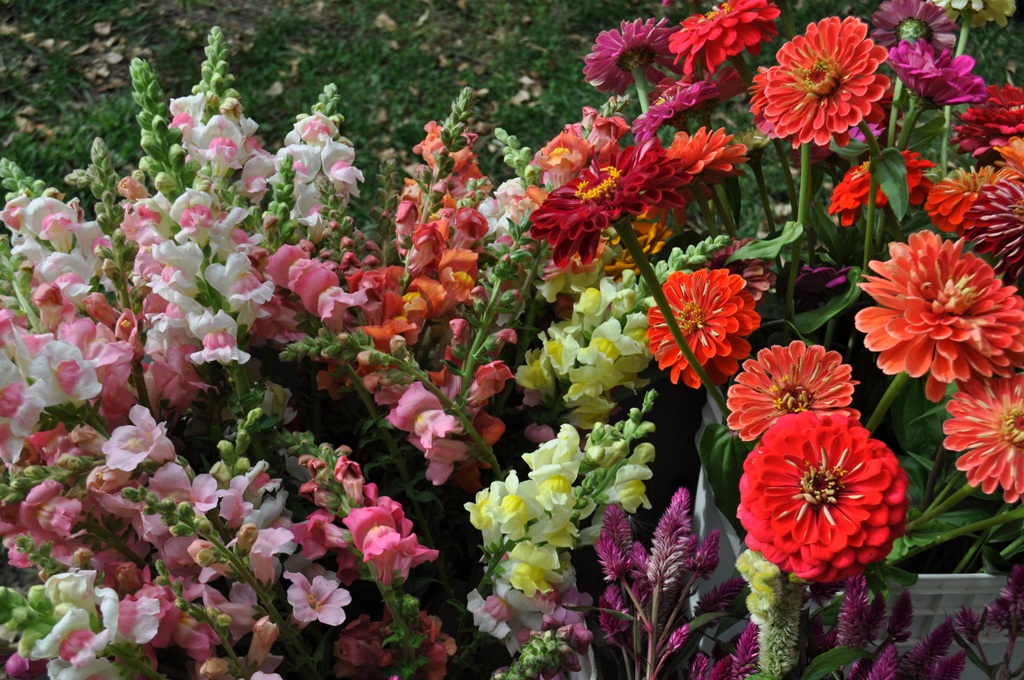
Vivid annuals from Harvest Home Flowers — snapdragons, zinnias and more!

Thanks for joining me today! The Slow Flowers Podcast has been downloaded more than 269,000 by listeners like you. Thank you for downloading, listening, commenting and sharing — it means so much.

As the Slow Flowers Movement gains more supporters and more passionate participants who believe in the importance of the American cut flower industry, the momentum is contagious. I know you feel it, too. I value your support and invite you to show your thanks and with a donation to support my ongoing advocacy, education and outreach activities. You can find the donate button in the right column of our home page.

I also want to announce the winners of our year-end giveaway. Tina Sawtelle of Pinewoods Yankee Farm in Lee, New Hampshire, and Art Flower & Gift Shoppe in Rockville Center, New York, will each receive a 2018 Flowers on Your Head Calendar featuring Mud Baron’s engaging portraits. Congratulations!

And thank you to our lead sponsor for 2018, Florists’ Review magazine. I’m delighted to serve as Contributing Editor for the new monthly Slow Flowers Journal section, which you can find in the pages of Florists’ Review. It’s the leading trade magazine in the floral industry and the only independent periodical for the retail, wholesale and supplier market. Take advantage of the special subscription offer for members of the Slow Flowers Community here.

Thank you to our family of sponsors who have supported Slow Flowers and all of our programs including this podcast, American Flowers Week, the Slowflowers.com online directory to American grown flowers, as well as our new channels, Slow Flowers Journal and the 2018 Slow Flowers Summit.

They include:

Certified American Grown Flowers. The Certified American-Grown program and label provide a guarantee for designers and consumers on the source of their flowers. Take pride in your flowers and buy with confidence, ask for Certified American Grown Flowers.  To learn more visit americangrownflowers.org.

Arctic Alaska Peonies, a cooperative of 50 family farms in the heart of Alaska providing high quality, American Grown peony flowers during the months of July and August. Visit them today at arcticalaskapeonies.com

Seattle Wholesale Growers Market, a farmer-owned cooperative committed to providing the very best the Pacific Northwest has to offer in cut flowers, foliage and plants. The Growers Market’s mission is to foster a vibrant marketplace that sustains local flower farms and provides top-quality products and service to the local floral industry. Find them at seattlewholesalegrowersmarket.com

Longfield Gardens provides home gardeners with high quality flower bulbs and perennials. Their online store offers plants for every region and every season, from tulips and daffodils to dahlias, caladiums and amaryllis. Visit them at longfield-gardens.com.

Syndicate Sales, an American manufacturer of vases and accessories for the professional florist. Look for the American Flag Icon to find Syndicate’s USA-made products and join the Syndicate Stars loyalty program at syndicatesales.com.

Johnny’s Selected Seeds, an employee-owned company that provides our industry the best flower, herb and vegetable seeds — supplied to farms large and small and even backyard cutting gardens like mine. Check them out at johnnysseeds.com.

Association of Specialty Cut Flower Growers. Formed in 1988, ASCFG was created to educate, unite, and support commercial cut flower growers. It mission is to help growers produce high-quality floral material, and to foster and promote the local availability of that product. Learn more at ascfg.org

I’m Debra Prinzing, host and producer of the Slow Flowers Podcast. Next week, you’re invited to join me in putting more American grown flowers on the table, one vase at a time. And If you like what you hear, please consider logging onto Itunes and posting a listener review.

The content and opinions expressed here are either mine alone or those of my guests alone, independent of any podcast sponsor or other person, company or organization.

The Slow Flowers Podcast is engineered and edited by Andrew Brenlan. Learn more about his work at  shellandtree.com.

Music Credits:
Hash Out; Horizon Liner
by Blue Dot Sessions

Episode 330: Slow Flowers’ 2018 Floral Insights & Industry Forecast

Wednesday, January 3rd, 2018

BOTANICAL DIVERSITY WITHOUT BOUNDARIES

The fourth annual Slow Flowers’ Floral Insights & Industry Forecast for 2018

I’m excited to announce that Florists’ Review has come onboard as Slow Flowers‘ lead sponsor for 2018, signifying a strategic partnership that acknowledges the many ways the Slow Flowers approach is moving into many facets of floristry — at all points along the farm to consumer pipeline. Florists’ Review is the only independent monthly magazine for the retail, wholesale and supplier market, reaching the largest number of floral professionals in the industry. I’m honored to be a Contributing Editor producing the monthly Slow Flowers Journal section, filled with unique content reflecting the cultural shift taking place in flower sourcing and design.

Since 2014, I have drawn from input from members of the Slow Flowers Community, past guests of the Slow Flowers Podcast and other progressive leaders in the floral industry — including farmers, florists and design creatives — to “predict” the future. While by no means a statistical survey, the Slow Flowers Floral Insights & Industry Forecast serves as a botanical crystal ball to identify emerging themes affecting the domestic floral industry. I’m excited to share these key insights for the first time in print form, here in the pages of Florists’ Review’s “Slow Flowers Journal” section.

Think of these topics as your inspiration checklist for 2018 — Your Next, New and Now Report. Some of you are already engaged in these up-and-coming developments, so consider yourself on-topic!

The overarching theme for 2018 is “Flowers without Borders,” which to me reflects the disappearance of silo-like barriers that previously separated growers of flowers from sellers of flowers from designers of flowers. Thanks to technology and social media, the ability of conventional “gatekeepers” to control the flow of information and product has greatly diminished. Transparency is power, making it easier than ever before to identify sources of fresh and uncommonly beautiful flowers and foliage. So here’s to a new floral landscape where accessibility is the driving force.

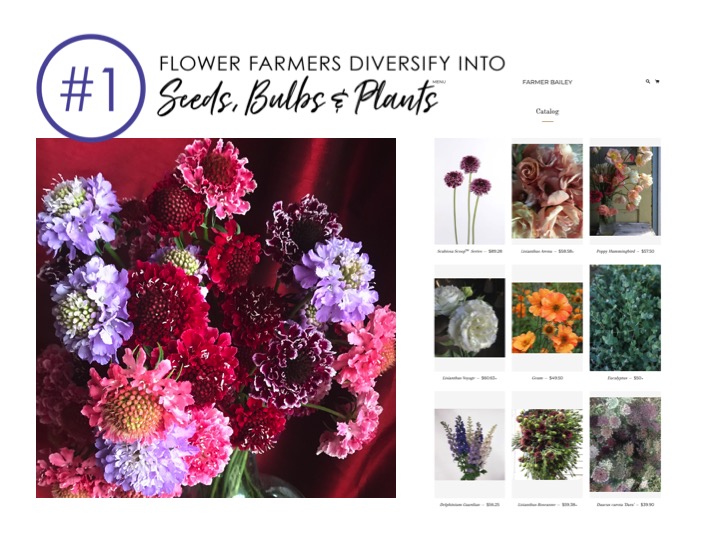
#1 Flower Farmers Diversify into Seeds, Bulbs and Plants

Beyond selling their crops to wholesale, retailer and independent florists, entrepreneurial flower farmers are finding new ways to turn expertise into cash flow. This phenomenon has moved far beyond seed-swapping and informal exchanges of plant cuttings.

One story of diversification comes from Bailey Hale of Ardelia Farm + Co. in Irasburg, Vermont. A trained horticulturist and two-time Philadelphia Flower Show gold medal floral designer (through his former studio MODA Botanica), Bailey now raises specialty cut flowers for farmers’ markets and florists and provides full-service wedding and event design. He turned his own hunger to find sources for uncommon “couture” flowers into a spin-off venture called Farmer Bailey, a custom plug brokerage.

When he’s not tending to his own farm, which is famous for producing sweet peas long into Vermont’s cool summer months, Bailey has become a cut flower hunter. He evaluates new varieties, contracts with a large wholesale nursery to custom grow “plugs” of must-have cultivars and markets his ever-expanding online catalog of irresistible choices to flower farmers and farmer-florists like himself. Bailey saw an un-served opportunity in the marketplace and used his connections and ingenuity to fill the demand. The result is a thriving new venture and the chance to influence the types of blooms — from Asters to Verbenas — entering the floral marketplace.

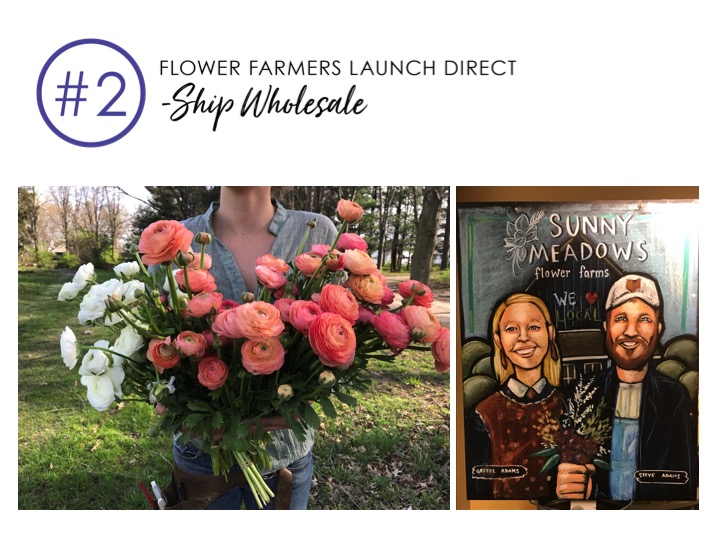
#2 Flower Farmers Launch Direct-Ship Wholesale Programs
Shipping to designers in markets that don’t otherwise have access to their unusual flowers, Gretel and Steve Adams of Sunny Meadows Flower Farm in Columbus, Ohio, “have opened door to get our product to florists without having to physically deliver it,” Gretel explains. Recently, their farm joined a shipping cooperative to take advantage of discounted overnight rates, an essential part of keeping their pricing competitive.

After a season of testing packaging methods and learning to navigate the FedEx system, Sunny Meadows expects to unveil The Columbus Flower Company’s national wholesale flower shipping program this spring, beginning with its huge ranunculus harvest. “We’d like to be able to send flowers to designers in New York, or Los Angeles, or places that don’t have access to a good flower market,” she says.

Gretel, also a wedding and event designer, feels she can add value for florists who order from the farm. “My favorite clients are florists who give me an inspiration board and a budget and I’ll pull a mix of ingredients that I myself would use.”

In Weyers Cave, Virginia, Jessica Hall and her family run two businesses, Harmony Harvest Farm (specialty cut flowers) and Floral Genius (pin frogs and other flower frogs). Jessica also reports of plans to ship flowers in 2018, borrowing lessons learned from shipping flower frogs across the U.S. to Floral Genius’s  wholesale accounts.

Harmony Harvest spent 2017 trialing packaging, stem hydration and shipping methods to determine best practices for a farm-to-florist wholesale program. “I believe there is a collective army (of smaller flower farms) that can take care of the U.S. need; they might be able to grow those flowers and see that it’s possible to ship. I’m going to figure it out and hopefully that will change the industry,” she says.

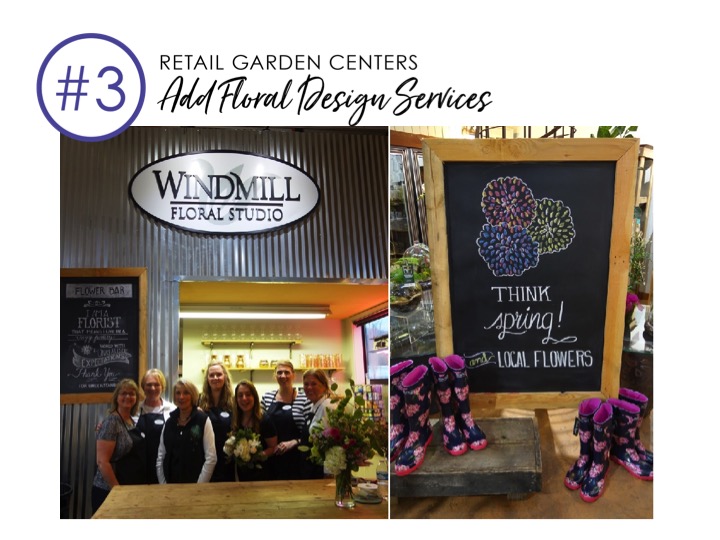
#3 Retail Garden Centers Add Floral Design Services

Last year’s Floral Insights report highlighted “Return of Brick and Mortar,” documenting a possible reversal of the decades-long decline in floral retail, as I witnessed studio florists with a distinct local and community focus open a new generation of retail flower shops. The next wave in this shift continues in retail nurseries and garden centers, which are opening or reviving in-house floral shops with a distinctly local emphasis.

Slow Flowers Journal featured The Flower Shop at O’Donal’s Nursery outside Portland, Maine — which recently introduced full-service floral design as a sister business to a 60-acre tree and shrub nursery. Manager Rayne Grace Hoke credits having a distinct aesthetic inspired by O’Donal’s extensive plant collection for much of the shop’s success.

On the opposite coast, Windmill Gardens, an independent garden center in Sumner, Washington, also debuted a new flower department. According to owner Ben DeGoede, Windmill brought floral design in-house for the first time since 2001, taking over space once occupied by a tenant and rebranding as Windmill Floral Studio. The beautiful, full-service shop has a commitment to providing only locally-grown and American-grown flowers. “The Slow Flowers movement and the buy local movement has inspired us to take floral back again,” he explains.

General manager Wendy Pedersen explains that the flower shop “wants customers to support local farmers.” There are obvious synergies for couples who book Windmill Gardens’ outdoor wedding venue and hire Windmill Floral Studio to design their flowers.

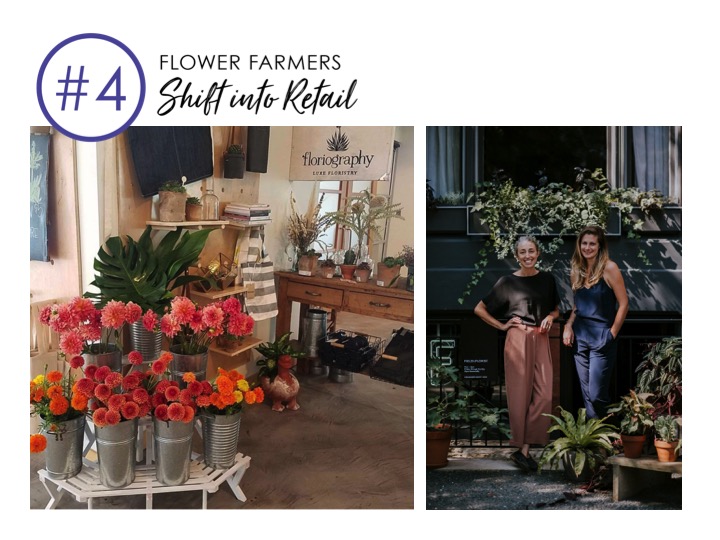
#4 Flower Farmers Shift into Retail

While it may seem “counter-trend,” a number of flower farms are opening retail spaces in prime locations where their flowers are marketed alongside related hard goods and artisan products. It’s a move welcomed by consumers who want to buy farm-direct in urban and suburban markets. I’ve identified Chicago, Boston and Albuquerque, among other cities where flower farmers have opened retail shops to sell their blooms.

In Boston, Field & Vase, a new venture of Stow Greenhouses, has opened two retail spaces at The Shops at Prudential Center, a major downtown retail hub. Barbara Rietscha and Dave Buchholz incubated their first retail venture two years ago at Boston Public Market, a year-round, indoor farmers’ market with 40 vendors and a New England-grown mandate. Success in that venue attracted the attention of developers at the tony Prudential Tower, and this past September, Field & Vase opened two locations there — a permanent kiosk in the heart of the mall’s central court and a full-service shop-studio that is large enough to accommodate custom design work, event production, client consultations and ongoing workshops.

Barbara says adding multiple retail channels to sell their farm’s value-added flowers was an intentional decision. By selling the flowers they grow direct to consumers through retail, Field & Vase enjoys larger margins and gets out of the wholesale environment dominated by price competition with imports. Additionally, at the Prudential locations, the business promotes other flower farms that aren’t set up to do retail themselves. “We source within the U.S. because we believe in local,” Barbara says. “We want to be a venue for flower farmers who don’t have retail outlets themselves.”

#5 Aromatherapy and Wellness Remedies

Botanically-inspired fragrances, body care remedies and other herbal and scented goods have a natural affinity for floral consumers, and I’ve noted some brilliant ways that florists are taking advantage of this. From developing their own candle and soap collections to offering aromatherapy-themed events, florists are tapping into ways to cross-promote flowers and aromatics.

Stacey Carlton, AIFD, of The Flora Culturist in Chicago has made the fragrance connection for her customers with an “Aromatherapy Bar” service. It’s a smart way to extend into a new revenue stream incorporated into parties and special events. Guests are invited to create a personal, custom fragrance blend — or to follow Stacey’s cleverly personalized scent recipes. From intimate gatherings like bridal showers to large interactive events, the Aromatherapy Bar gives guests a social experience and a new way to engage with fragrance.

Farmer-florist Hedda Brorstrom of Full Bloom Flower Farm in Groton, California, is a certified herbalist who studied at the California School of Herbal Studies. She extends her farm’s season by creating and selling “small batch, field to face” herbal and aromatherapy products.
Full Bloom Flower Farm’s skin care line includes rich hydrating creams made from roses, calendula and lavender grown on her farm. A rosemary hydrosol is an organic spray that can be used either on the face after sun exposure or used in cocktails after a long day of gardening. Hedda’s personal favorite product is the Injury Salve which she uses after a day of farming to soothe sore muscles. She sells her products online, alongside other farm-logo items like tank tops, sweatshirts and hats.

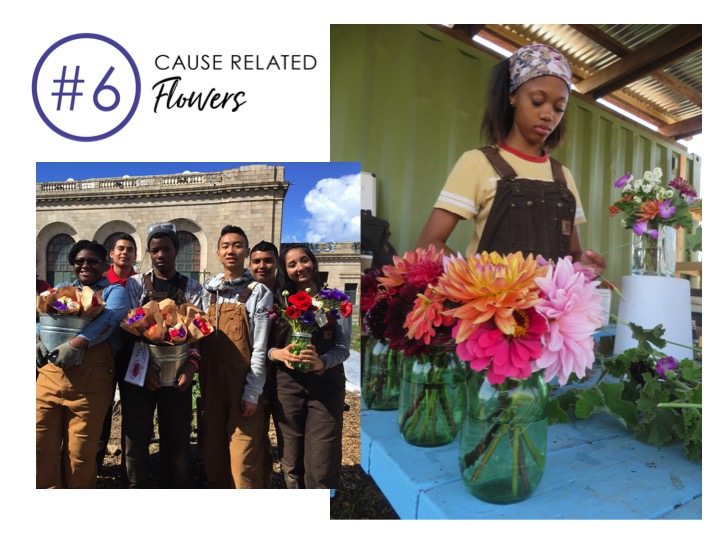
#6 Cause-Related Flowers

Flower farmers and florists alike are investing their talents in helping nonprofits and others in their communities. Floral philanthropy or “flowers with heart” efforts are inspiring, and I love seeing flowers used as a currency to change lives and advance important causes. A number of feel-good projects caught my attention in 2017 and I am certain they will continue in 2018.

The Bloom Project, profiled recently in Florists’ Review, is a 10-year-old volunteer-run program that upcycles donated flowers into bouquets for hospice and palliative care patients in Portland, Oregon.

On a national level, Christina Stembel’s Farmgirl Flowers selects and supports a monthly nonprofit partner by donating a portion of sales for a signature bouquet in its product mix.

“We started our ‘With Heart’ campaign because we wanted a way to give back to multiple organizations that are near and dear to our hearts throughout the year,” Christina explains. “It’s also a way we can support many organizations that our team members are passionate about.” Since it launched in April 2017, Farmgirl’s ‘With Heart’ program has contributed more than $70,000 to nine different charities.

I’m also impressed with charities using flower farming and floral design as a platform for change. It’s inspiring to watch nonprofit farms that help teens and adults train for the workplace or those that provide sustainable jobs for individuals with different abilities. Some notable efforts include Muir Ranch in Pasadena, WOW Farm in Oakland, Blawesome Farms in the Raleigh-Durham area, Blooming on the Inside in Portland, and other socially responsible enterprises.

The bottom line is that flowers can meet people where they are and be used as a positive tool to instigate change, stimulate progress and enhance lives.

READ MORE…

Episode 328: Slow Flowers’ Holiday Music Special with Scott and Kristen Prinzing of EarthShine

Wednesday, December 20th, 2017

Today’s special guests: Kris and Scott Prinzing of EarthShine. This photo is from a recent “Father Christmas” event in Billings, Montana

For the past two years, I’ve shared special Holiday Music episodes, which seems festive and fitting for this season when we all need a break from work and responsibilities.

In 2015, musician-songwriter-flower farmer Dennis Westphall of Jello Mold Farm in Mt. Vernon, Washington, was my guest for Episode 225.

And in 2016, Ellen Zachos, vocalist, author, former Broadway singer-dancer, and foraged cocktails expert, sang botanical broadway show tunes for us on Episode 276.

Today, I’m delighted to present the third annual Slow Flowers’ Holiday Music Special, with EarthShine, the duo featuring Scott Prinzing and Kristen Rickels Prinzing, my brother and sister-in-law, who are based in Billings, Montana.

Scott and Kris and I met up this past September at the Rocky Mountain Gardening Live Conference, produced by Dan and Andra Spurr at Chico Hot Springs in Pray, Montana. It was so much fun for me to spend an extended bit of time with Scott and Kris, and I planned ahead and asked them to record this podcast in anticipation of our holiday special.

Here’s a little more about this dynamic couple:

Kris is a songwriter and player of acoustic guitar and flute! She grew up spending every summer in the Beartooth Mountains of south central Montana and spent school years in Minnesota. She has roots connecting her to Montana that date back to her great uncle Kent Moats’ 1913 homestead. In the early 50’s, her then very young father purchased property in the mountains of southeastern Montana, and as a result Kris has spent every summer of her life at this special place. In 1990 she and Scott were married there, and a few years later they relocated to Montana permanently, joining Kris’s parents and other family. Montana’s wild and beautiful landscape is responsible for her intense passion for the environment, which has led her to professional, academic and volunteer work in conservation.
Kris has also nurtured a lifelong interest in music and the arts. During college, after several years of flute, voice, classical dance and some piano, Kris made an effort to pursue singing as a career. She recorded a demo tape and sang lead on some sessions for a local jazz producer. In 1990 Kris married Scott Prinzing, who is also a musician, though it was not until 1997 that they began to collaborate and pursue music together. In 1999 Kris began playing the guitar seriously, and soon after began to write songs.

Scott Prinzing sings and plays bass, mandolin and more. He was born in Connecticut, moving a number of times during his childhood, ending up in Portland, Oregon at age 11. Scott took up the acoustic guitar in 5th grade and then the bass guitar in 7th grade. He formed his first band in the 8th grade. At church, in school singing groups and in the bands he sang and played in, Scott developed a strong baritone voice. In 1982 and 1988 he played and sang on studio recordings with his band Glacier. Throughout high school and college, Scott played in a total of six different bands (some concurrently.) Over the years Scott has learned to play several other instruments competently but continues to concentrate on the bass guitar. During college Scott became involved peace and justice issues, multicultural student activities and political campaigns. Scott majored in Sociology/Cross-cultural Studies in the small private college where he began his education and had the opportunity to travel and study in Israel, the Philippines, Rome, Mexico and elsewhere. His interest in politics and social justice also gave new depth to his life-long interest in the environment.

After marrying Kris Rickels in 1990, Scott transferred to the University of Minnesota to complete his college education and there chose to major in American Indian Studies – another life-long interest. In 1997, Scott and Kris finally began to work on music together, culminating in the collaborative efforts that have created the music they now perform together.

In 2003, Scott and Kris formed the MusEco Media and Education Project, an educational non-profit. They perform all around Billings and elsewhere in Montana with their duo, EarthShine, and they have produced three CDs featuring some of the music you’ll hear today.

I wish you a wonderful holiday, happy Solstice, Merry Christmas and Seasons Greetings — please enjoy my musical gift to you! Here are more ways you can listen and follow Scott and Kris:

See more GREEN MAN and MuseEco Videos here.

MusEco Media and Education Project:  www.MusEco.org

Earthshine   www.EarthshineMontana.com

Green Man’s site  www.GreenManTV.org

Listen & Buy more of EarthShine’s Music:

SoundCloud 

CD Baby

Follow Earthshine on Facebook

Thanks so much for joining us today! The Slow Flowers Podcast has been downloaded more than 264,000 times by listeners like you. Thank you to each one of you for downloading, listening, commenting and sharing. It means so much.

Next week, during the final episode of 2017, I will share our Year in Review. The Slow Flowers Movement and you, the community, have achieved and accomplished so much goodness this year and it’s time to celebrate our successes. Please Join me on Wednesday, December 27th for this special tribute to 2017.

If you value the content you receive each week, I invite you to show your thanks and support the Slow Flowers Podcast with a donation — the button can be found on our home page in the right column. Your contributions will help make it possible to transcribe future episodes of the Podcast.

Thank you to family of sponsors:

And thank you to our lead sponsor for 2017: Certified American Grown Flowers. The Certified American-Grown program and label provide a guarantee for designers and consumers on the source of their flowers. Take pride in your flowers and buy with confidence, ask for Certified American Grown Flowers.  To learn more visit americangrownflowers.org.

Arctic Alaska Peonies, a cooperative of 50 family farms in the heart of Alaska providing high quality, American Grown peony flowers during the months of July and August. Visit them today at arcticalaskapeonies.com.

Seattle Wholesale Growers Market, a farmer-owned cooperative committed to providing the very best the Pacific Northwest has to offer in cut flowers, foliage and plants. The Growers Market’s mission is to foster a vibrant marketplace that sustains local flower farms and provides top-quality products and service to the local floral industry. Find them at seattlewholesalegrowersmarket.com.

Longfield Gardens provides home gardeners with high quality flower bulbs and perennials. Their online store offers plants for every region and every season, from tulips and daffodils to dahlias, caladiums and amaryllis. Visit them at longfield-gardens.com.
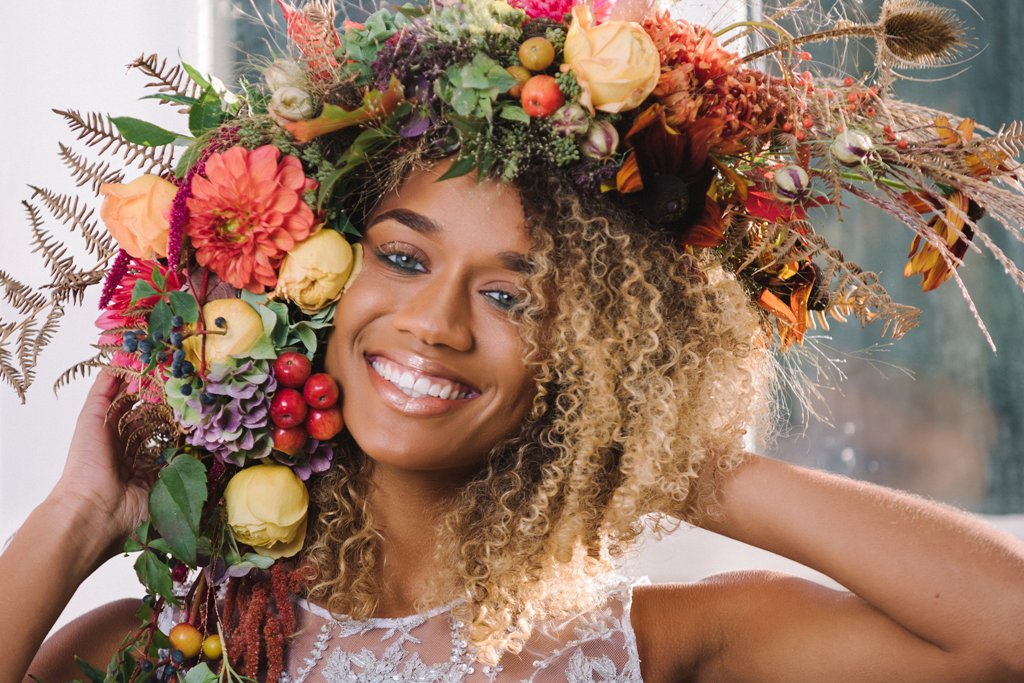
Syndicate Sales, an American manufacturer of vases and accessories for the professional florist. Look for the American Flag Icon to find Syndicate’s USA-made products and join the Syndicate Stars loyalty program at syndicatesales.com.
Johnny’s Selected Seeds, an employee-owned company that provides our industry the best flower, herb and vegetable seeds — supplied to farms large and small and even backyard cutting gardens like mine. Check them out at johnnysseeds.com.

Association of Specialty Cut Flower Growers. Formed in 1988, ASCFG was created to educate, unite, and support commercial cut flower growers. It mission is to help growers produce high-quality floral material, and to foster and promote the local availability of that product. Learn more at ascfg.org.

I’m Debra Prinzing, host and producer of the Slow Flowers Podcast. Next week, you’re invited to join me in putting more American grown flowers on the table, one vase at a time. And If you like what you hear, please consider logging onto Itunes and posting a listener review.
The content and opinions expressed here are either mine alone or those of my guests alone, independent of any podcast sponsor or other person, company or organization.

The Slow Flowers Podcast is engineered and edited by Andrew Brenlan. Learn more about his work at KineticTreeFitness.com.
Music Credits:

EarthShine:
(c) Season’s Greetings 2000

(c) Kubota Garden 2002

(c) Blooms of Clover 2007

(c) Whirling Earth 2014

(c) Jack in the Green 2015

Lovely, by Tryad

http://tryad.bandcamp.com/album/instrumentals

http://creativecommons.org/licenses/by-sa/3.0/

In The Field

Music from:

audionautix.com

Episode 327: Food Justice and Brian Sellers Peterson, author of Harvesting Abundance

Wednesday, December 13th, 2017

As more people ask “where is my food grown” and increasingly “where are my flowers grown?” issues of access to available land where food and flowers can be produced are increasingly important — especially in urban areas.

My guest today, Brian Sellers-Petersen, is working at the heart of food justice and turning underused land into productive, inclusive mini-farms.

An avid gardener, beekeeper and chicken rancher, Brian is author of a new book, Harvesting Abundance: Local Initiatives of Food and Faith, which tells the stories of mostly Episcopal congregations around the country that are stewarding their land in new ways, sharing produce that’s grown on parcels once carpeted by green lawns.

He has recently started consulting after 16 years with Episcopal Relief & Development and he holds the unique title of Cathedral Apiarist or beekeeper at St. Mark’s Cathedral in Seattle.

Against the urban backdrop of downtown Seattle, Brian Sellers-Petersen tends to rooftop hives at St. Mark’s Cathedral

He writes:

“One reason to have a garden on the church’s front lawn or most visible site is that it will receive lots of foot traffic. You might not initially get many fans from those who are used to lovely ornamental landscaping, but with some care and thought, you can win them over with a carefully designed array of purple basil, rainbow chard, intercropped flowers, fruit, trees and fill in the blank. . . . It’s going to communicate to members, neighbors, and visitors your values and how people of faith are committed to gathering together around a table to eat.”

Brian maintains that everything you really need to know about the Creator you can learn in a garden.” I love that sentiment and the meaning behind it.

We go back two decades to when we worked together at a large Christian NGO, and I’ve always found myself encouraged by Brian’s progressive ideas and by the way he walks the talk in his own life.

A gathering of participants in Seattle’s Food & Faith Network, photographed at Redmond-based Muslim Association of Puget Sound (MAPS) / Masjid al-Rahmah

He’s been involved in Seattle’s Food & Faith Network, bringing together congregations of many faiths to learn how to start community and teaching gardens and other agricultural projects to grow healthy local food and flowers, build community, care for the earth and bring justice to neighbors and people they serve.

Find Brian at his blog, “Faithful Tilth”

Follow Brian on Facebook

Thanks so much for joining us today!  The Slow Flowers Podcast has been downloaded more than 262,000 times by listeners like you. Thank you to each one of you for downloading, listening, commenting and sharing. It means so much.

I have a special treat in store for you next week, with our third annual Slow Flowers Holiday Music Special.

You’ll meet my guests, Scott & Kris Prinzing, yes, my brother and sister-in-law, musicians, educators, environmental activists and an uber creative duo behind EarthShine.

You’ll hear their story as passionate creatives and they will share five original songs that relate to gardens, seasons and the environment. It gave me great pleasure to invite them to appear on the Slow Flowers Podcast and I’m eager to share their story and songs with you.

If you value the content you receive each week, I invite you to show your thanks and support the Slow Flowers Podcast with a donation — the button can be found on our home page in the right column. Your contributions will help make it possible to transcribe future episodes of the Podcast.

Thank you to family of sponsors:

And thank you to our lead sponsor for 2017: Certified American Grown Flowers. The Certified American-Grown program and label provide a guarantee for designers and consumers on the source of their flowers. Take pride in your flowers and buy with confidence, ask for Certified American Grown Flowers.  To learn more visit americangrownflowers.org.

Arctic Alaska Peonies, a cooperative of 50 family farms in the heart of Alaska providing high quality, American Grown peony flowers during the months of July and August. Visit them today at arcticalaskapeonies.com

Seattle Wholesale Growers Market, a farmer-owned cooperative committed to providing the very best the Pacific Northwest has to offer in cut flowers, foliage and plants. The Growers Market’s mission is to foster a vibrant marketplace that sustains local flower farms and provides top-quality products and service to the local floral industry. Find them at seattlewholesalegrowersmarket.com

Longfield Gardens provides home gardeners with high quality flower bulbs and perennials. Their online store offers plants for every region and every season, from tulips and daffodils to dahlias, caladiums and amaryllis. Visit them at longfield-gardens.com.

Syndicate Sales, an American manufacturer of vases and accessories for the professional florist. Look for the American Flag Icon to find Syndicate’s USA-made products and join the Syndicate Stars loyalty program at syndicatesales.com.

Johnny’s Selected Seeds, an employee-owned company that provides our industry the best flower, herb and vegetable seeds — supplied to farms large and small and even backyard cutting gardens like mine. Check them out at johnnysseeds.com.

Association of Specialty Cut Flower Growers. Formed in 1988, ASCFG was created to educate, unite, and support commercial cut flower growers. It mission is to help growers produce high-quality floral material, and to foster and promote the local availability of that product. Learn more at ascfg.org.

(c) Missy Palacol Photography

I’m Debra Prinzing, host and producer of the Slow Flowers Podcast. Next week, you’re invited to join me in putting more American grown flowers on the table, one vase at a time. And If you like what you hear, please consider logging onto Itunes and posting a listener review.

The content and opinions expressed here are either mine alone or those of my guests alone, independent of any podcast sponsor or other person, company or organization.

The Slow Flowers Podcast is engineered and edited by Andrew Brenlan. Learn more about his work at KineticTreeFitness.com.

Music Credits:
Lesser Gods of Metal
by Blue Dot Sessions
Music from:

audionautix.com