Debra Prinzing

Get the Email Newsletter!

Archive for the ‘floral design’ Category

Chelsea in Bloom: Floral Decor for London’s Shopfronts

Sunday, May 17th, 2015
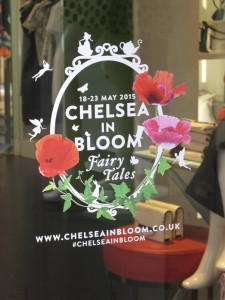
Chelsea in Bloom

Chelsea in Bloom

The theme of Chelsea in Bloom is “Fairy Tales,” and it is utterly charming!

My mom Anita Prinzing and I are in London to celebrate her special birthday and to attend the Chelsea Flower Show.

My Mom is a trooper! She actually has been working out with a trainer to get ready for all the walking we’re doing – and so far, she has put me to shame with her endurance.

Today, we checked out Chelsea in Bloom, a streetscape beautification campaign that has been taking place for the past decade to coincide with the RHS Chelsea Flower Show.

It is held just outside the Sloan Square Underground Station (the closest stop to the Chelsea Flower Show and a posh London shopping district) encompassing storefronts along Sloan St., King’s Rd., Symons St. and side streets that lead onto each of these.

We spotted many hot botanicals and the designers’ favorite floral materials seem to be:

  • Baby’s Breath (white and pink)
  • Fern
  • Moss — green and Spanish varieties
  • Succulents
  • Carnations (think “color blocking”)
  • Foxgloves
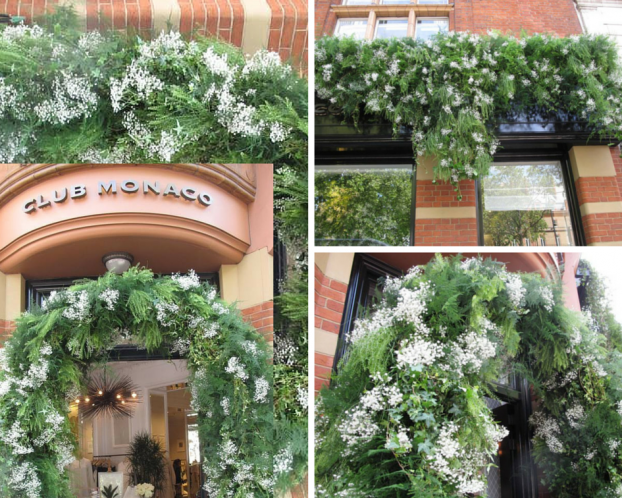
Baby's Breath, ferns, English ivy and more: Club Monaco

Baby’s Breath, ferns, English ivy and more: Club Monaco

The world class alternative floral art show is produced in association with the Royal Horticultural Society (RHS), l transforming the streets of Chelsea during the week of the Chelsea Flower Show with breathtaking floral displays. The annual competition has grown dramatically each year with Chelsea’s best retailers adorning their shop fronts with creative designs to compete for the coveted awards.

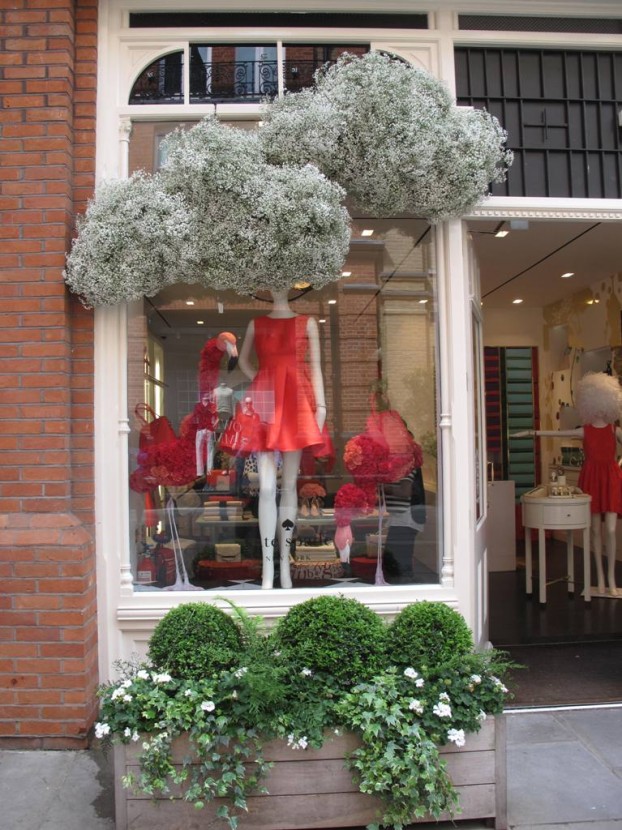
Her head in the clouds: Kate Spade's interpretation of Alice in Wonderland.

Her head in the clouds: Kate Spade’s interpretation of Alice in Wonderland.

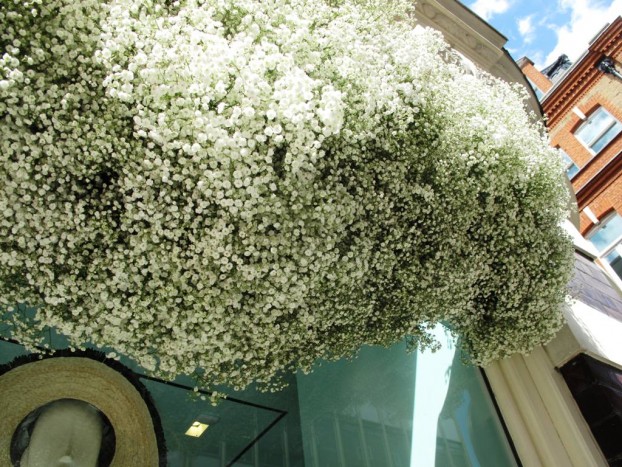
"Cloud" detail -- all baby's breath, beautifully rendered by Kate Spade.

“Cloud” detail — all baby’s breath, beautifully rendered by Kate Spade.

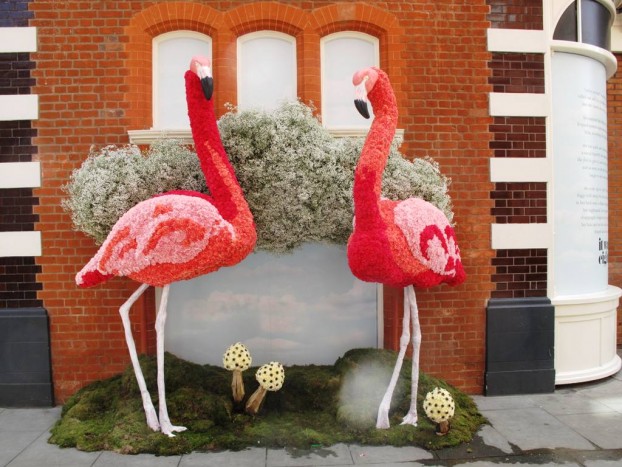
Those enormous pink flamingos from Alice in Wonderland, expressed by Kate Spade in 2-toned carnations.

Those enormous pink flamingos from Alice in Wonderland, expressed by Kate Spade in 2-toned carnations.

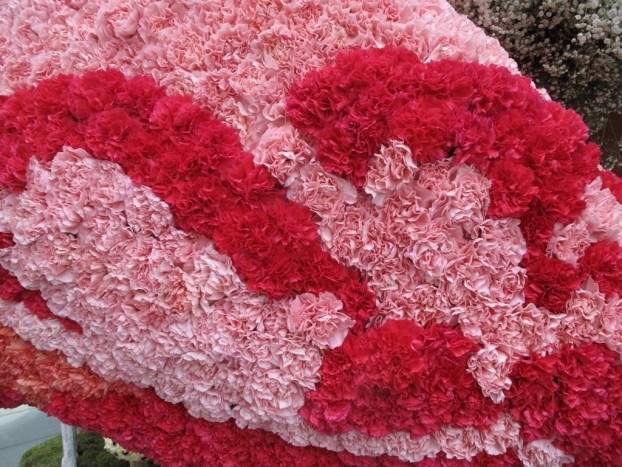
Color-blocking with carnations.

Color-blocking with carnations.

This year’s theme is ‘Fairy Tales.’ The competition showcases floral displays reflecting the participating retailers’ interpretation of the theme in their own unique style. Last year’s Gold winner, Kate Spade, set the benchmark high, along with other award winners L.K.Bennett, Liz Earle and Hamptons International. This year promises to be another exciting competition with all of the 2014 victors competing once again.

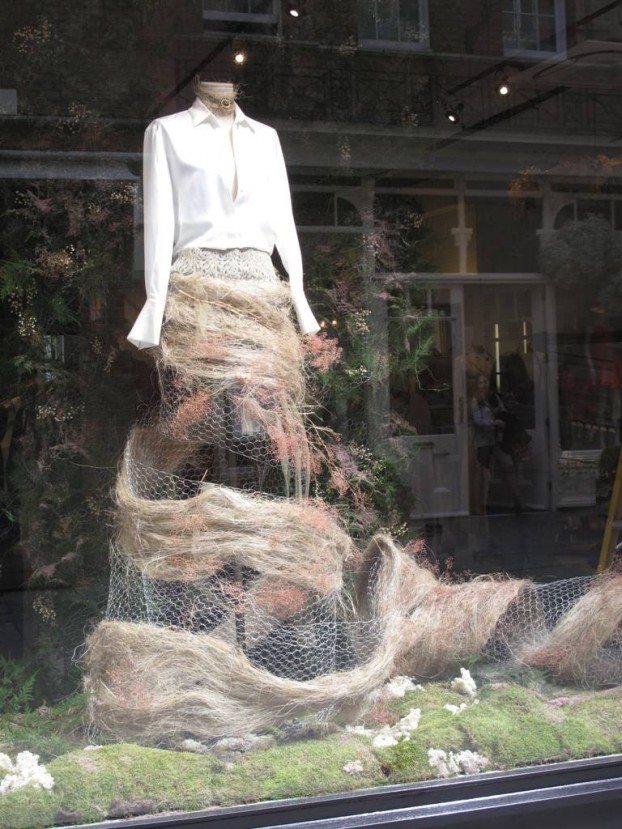
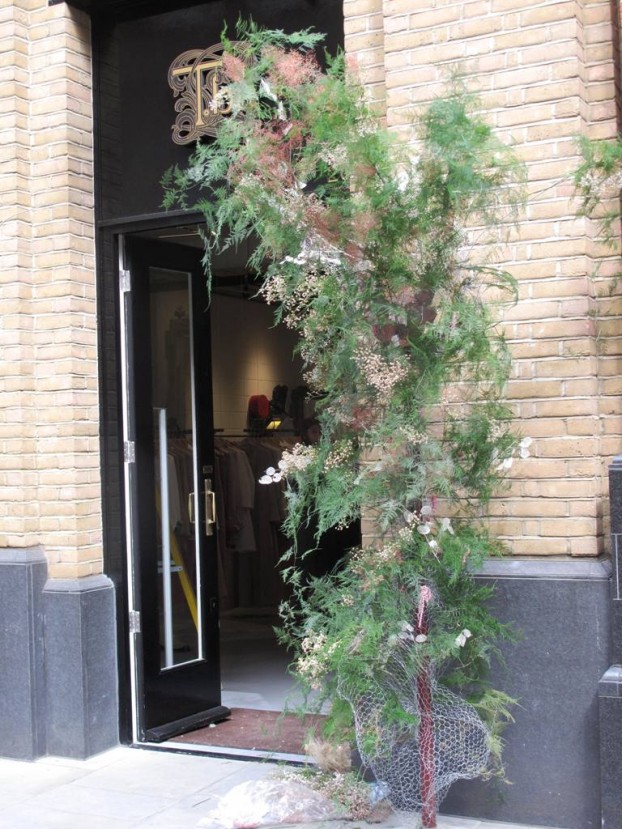
T.BA combined women's couture with chicken wire and dried floral material.

T.BA combined women’s couture with chicken wire and dried floral material.

T.BA's entry with chicken wire and dried florals, with fern sprays.

T.BA’s entry with chicken wire and dried florals, with fern sprays.

SOME MORE FAVORITES:

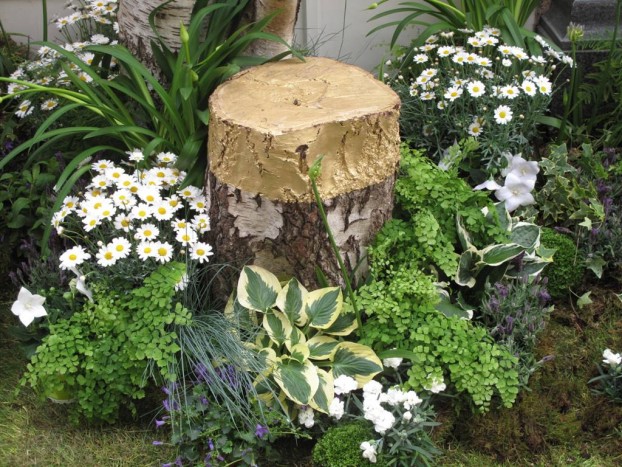
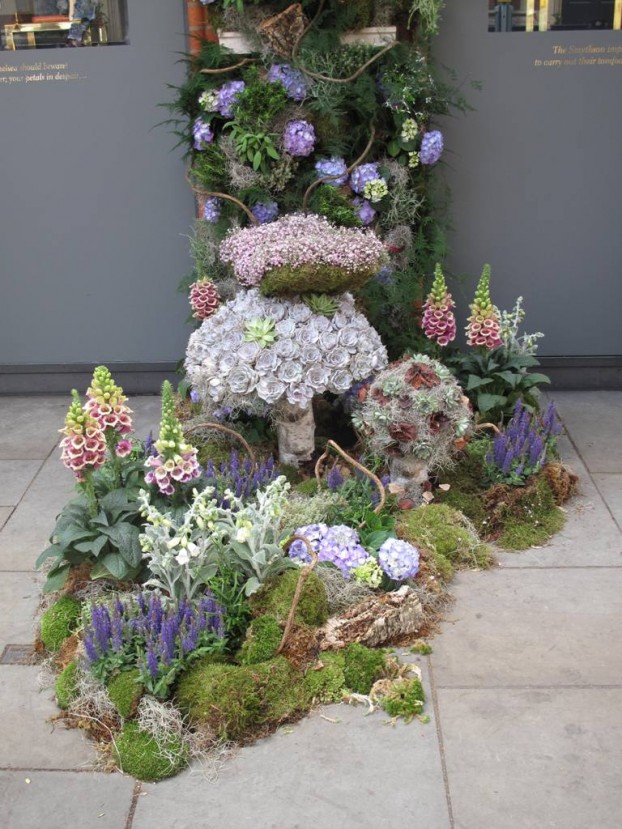
A golden tree stump and woodland display spotted in front of Moyses Stevens, a flower shop

A golden tree stump and woodland display spotted in front of Moyses Stevens, a flower shop

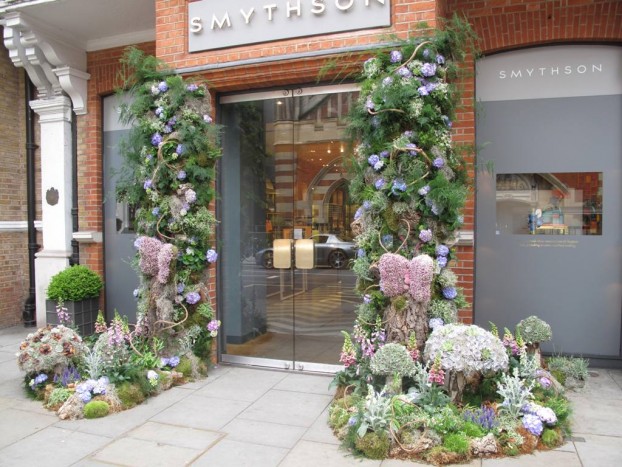
A perfect execution of a storybook world, spotted at Smythson.

A perfect execution of a storybook world, spotted at Smythson.

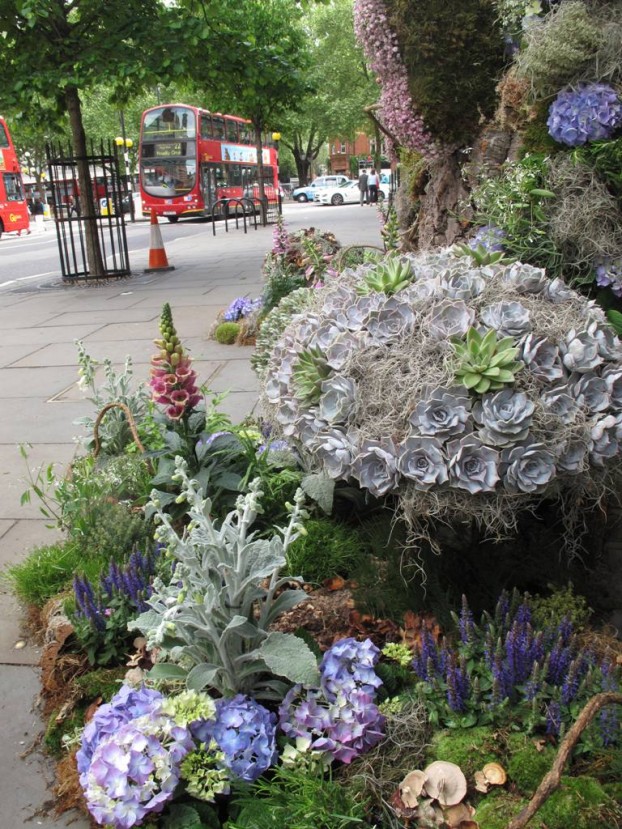
A succulent footstool at Smythson.

A succulent footstool at Smythson.

Another charming detail at Smythson.

Another charming detail at Smythson.

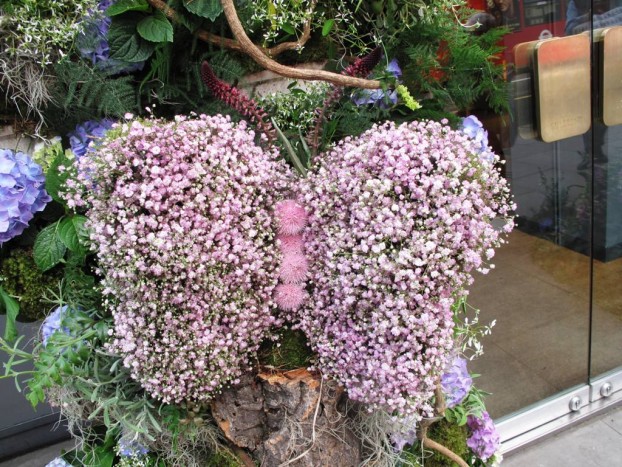
Pink Baby's Breath Butterfly @Smythson.

Pink Baby’s Breath Butterfly @Smythson.

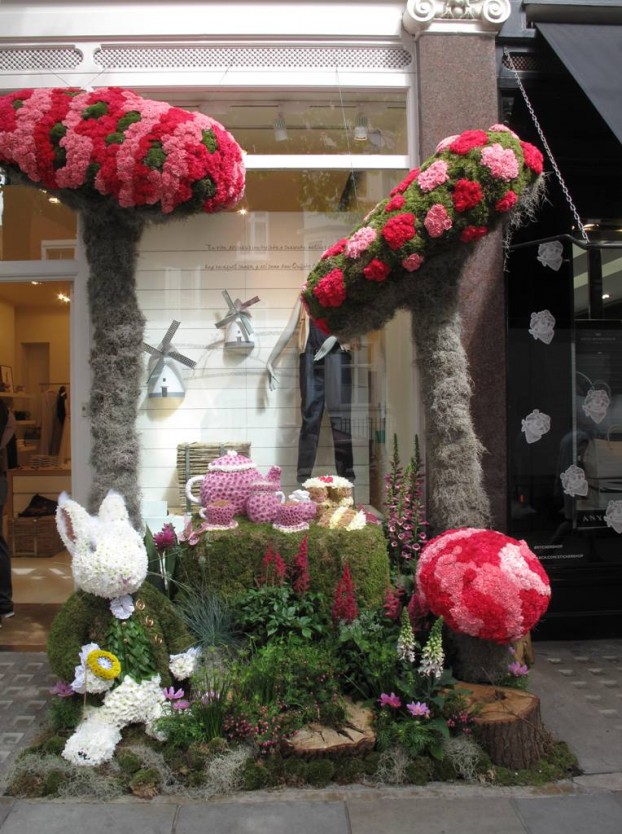
Mad Hatter's Tea Party at  Brunello Cucinelli.

Mad Hatter’s Tea Party at Brunello Cucinelli.

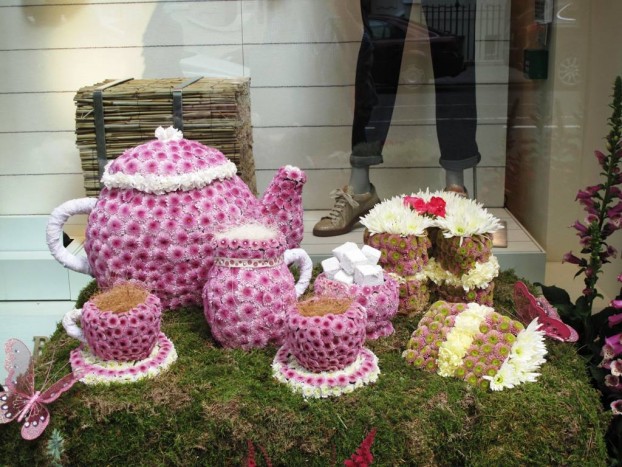
Tea setting in flowers: Brunello Cucinelli.

Tea setting in flowers: Brunello Cucinelli.

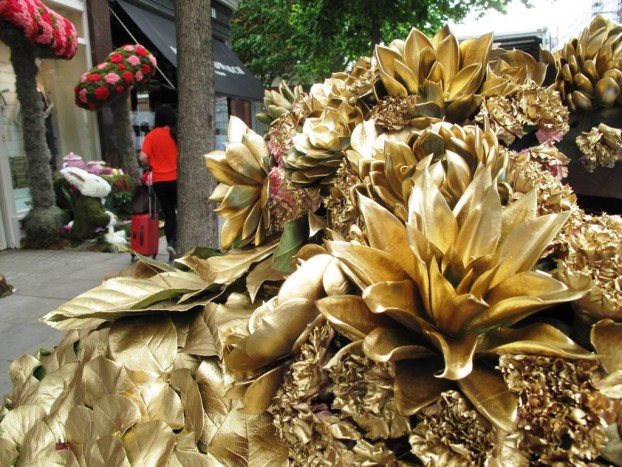
Gold-sprayed succulents - a detail of Cinderella's carriage.

Gold-sprayed succulents – a detail of Cinderella’s carriage.

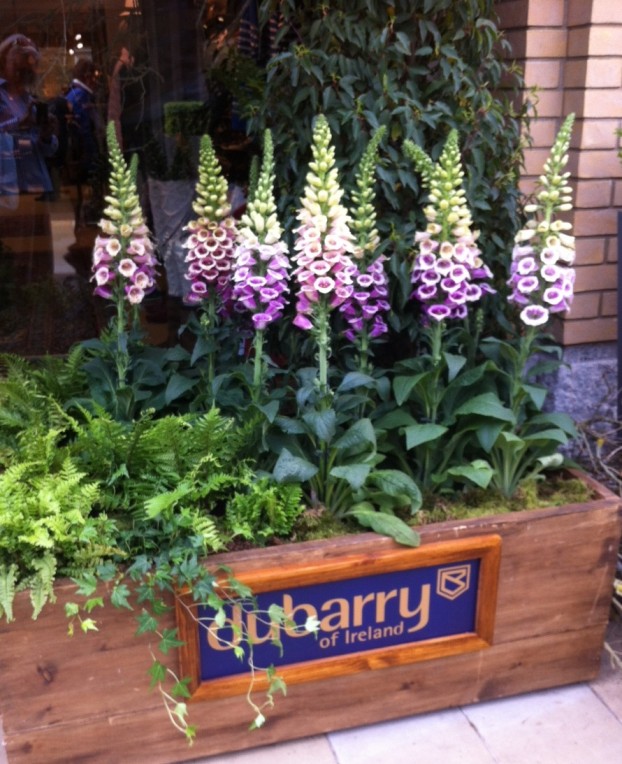
Here are those foxgloves - at Dubarry of Ireland.

Here are those foxgloves – at Dubarry of Ireland.

Storybook Homes, depicted by Hampton's, a real estate company

Storybook Homes, depicted by Hampton’s, a real estate company

TOMORROW: Chelsea Flower Show Press Day tomorrow! Updates to come!

Week 19 // Slow Flowers Challenge with Flowering Branches

Friday, May 15th, 2015
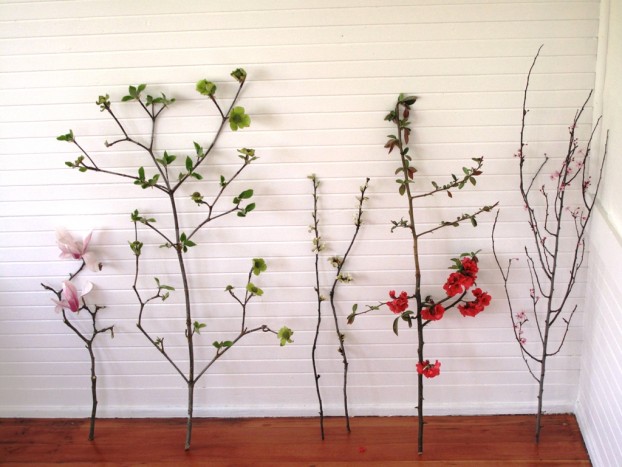
Some of Springtime's most alluring flowering branches include: Magnolia, Dogwood, Apricot, Quince and Plum.

Some of Springtime’s most alluring flowering branches include: Magnolia, Dogwood, Apricot, Quince and Cherry.

We’re digging into the archives this week for the  Slow Flowers Challenge. That’s what happens when I find myself on too many airplanes, which is ironic, isn’t it? It’s sort of the opposite of my “Slow” aspirations!

However, I’m just back home from speaking and teaching in Orlando, Florida. And now, after recharging for the past five days in Seattle, I’ve re-packed and am heading to the airport tonight to fly to London!!!

That’s right! I’m off to the RHS Chelsea Flower Show. I’ll also be meeting many of the people active in the British Flowers scene – U.K. flower farmers and florists who have many of the same objectives that we have here in the U.S. To put local, seasonal and sustainably-grown flowers at the center of our tables!

Stay tuned, because I promise that next week’s Slow Flowers Challenge will be decidedly British!

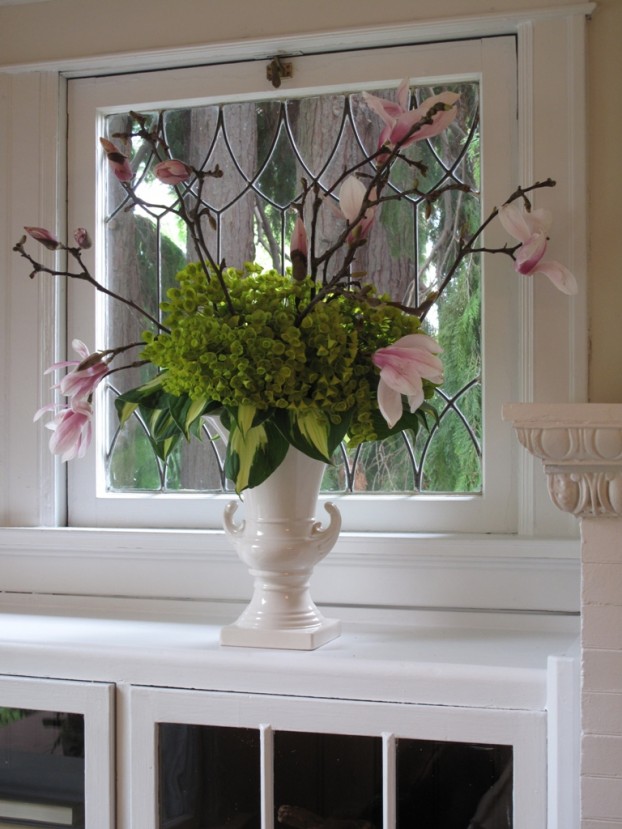
The acid green of variegated hostas and euphorbia create a "skirt" effect for flowering magnolia branches.

The acid green of variegated hostas and euphorbia create a “skirt” effect for flowering magnolia branches.

I absolutely love the images you see here. I created these arrangements for a national magazine story that was, sadly, never published. The editors, as they say, went in a different direction.

But my photos live on and I’m delighted to share them with you here.

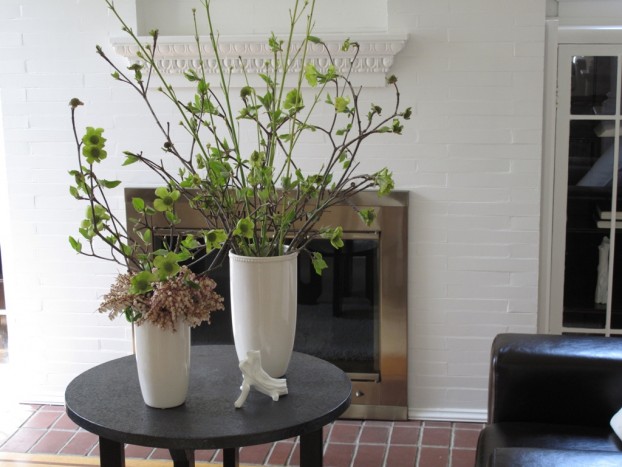
The vase at left is filled with Pieris and Dogwood; the vase at right has both flowering Dogwod and twig dogwood.

The vase at left is filled with Pieris and Dogwood; the vase at right has both flowering Dogwod and twig dogwood.

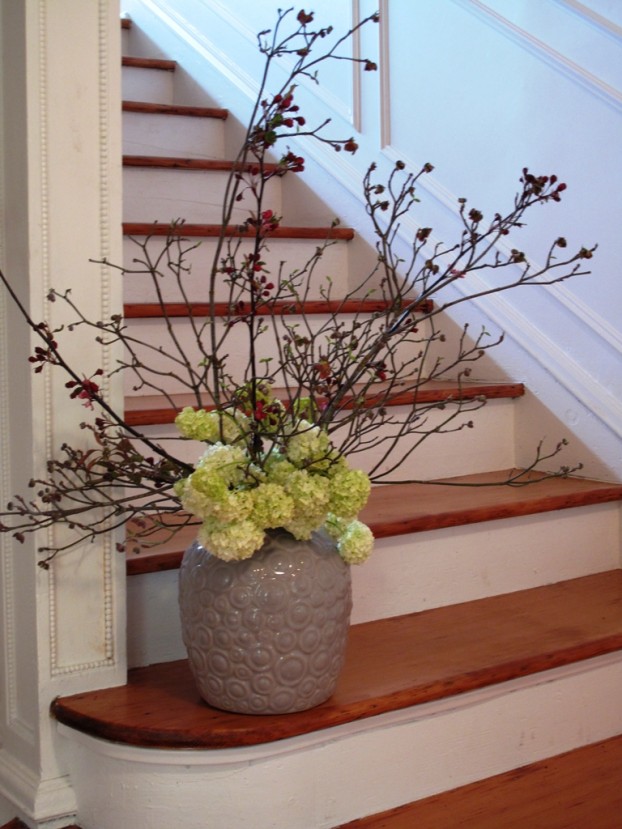
Flowering Cherry with Snowball Viburnum.

Flowering Cherry with Snowball Viburnum.

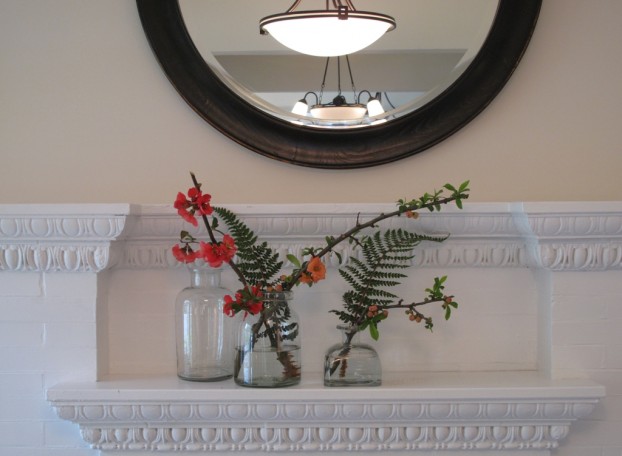
Simple: Quince in two hues, plus swordfern.

Simple: Quince in two hues, plus swordfern.

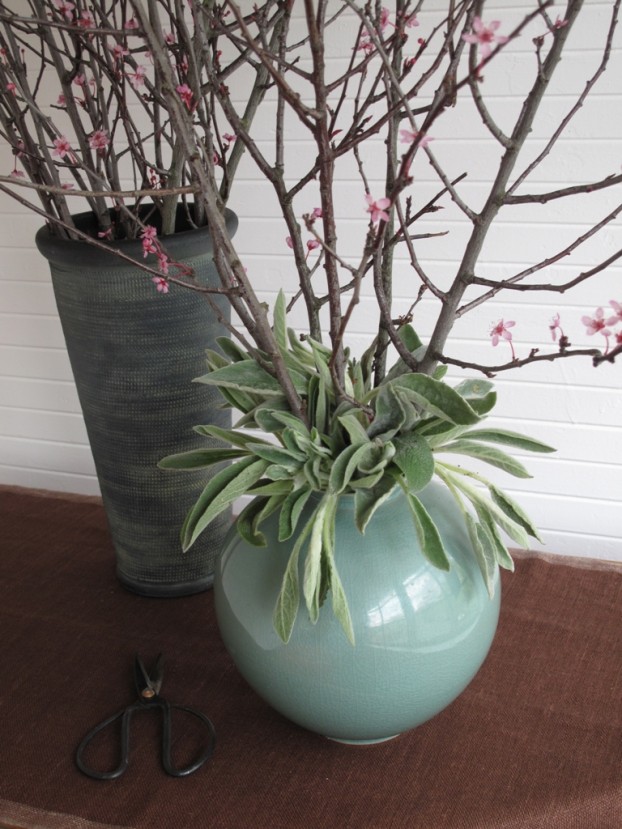
Flowering plum, paired with Lamb's Ear foliage.

Flowering plum, paired with Lamb’s Ear foliage.

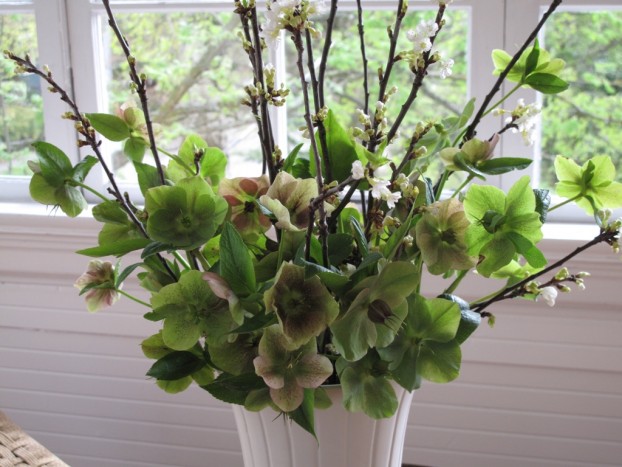
Spring hellebores paired with flowering apricot branches.

Spring hellebores paired with flowering apricot branches.

Minnesota Blooms with Christine Hoffman of St. Paul’s Foxglove Market & Studio (Episode 193)

Wednesday, May 13th, 2015

SlowFlowers_Badge_640x480The Slow Flowers Movement has a lot to celebrate lately – and I want to share with you the very good news that occurred just before Mother’s Day.

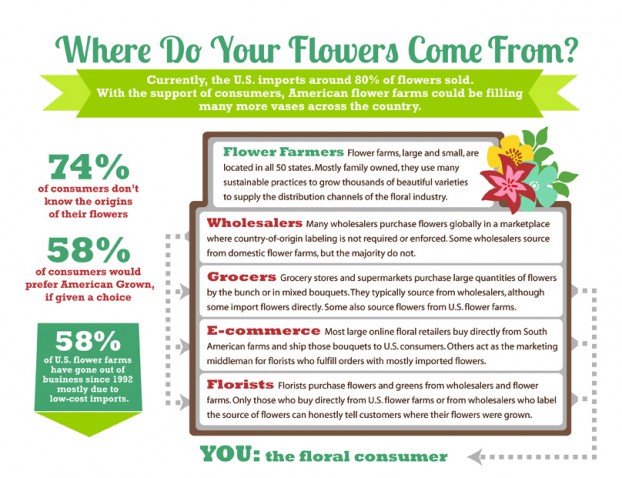
While some may view this as a merely symbolic event, I applaud the news that both the Senate and the U.S. House of Representatives passed Resolutions about flowers last week. Seriously!

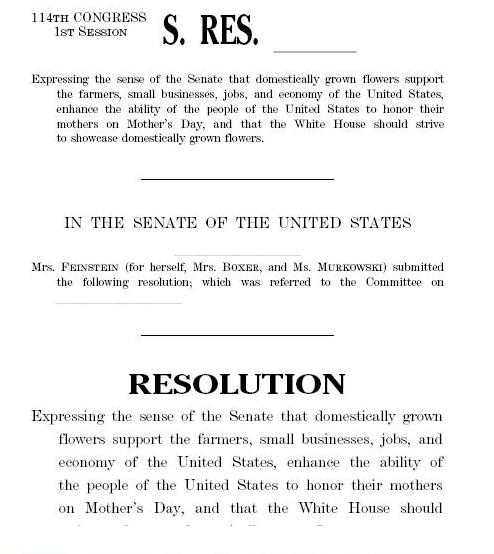
The opening lines of the Senate Resolution urging support of American Grown Flowers.

The opening lines of the Senate Resolution urging support of American Grown Flowers.

Follow this link to read the entire Senate resolution #166, passed unanimously and introduced by Sen. Dianne Feinstein, with Sen. Barbara Boxer and Sen. Lisa Murkowski.

The document’s first paragraph gets right to the point:

Expressing the sense of the Senate that domestically grown flowers support the farmers, small businesses, jobs, and economy of the United States, enhance the ability of the people of the United States to honor their mothers on Mother’s Day, and that the White House should strive to showcase domestically grown flowers.

It continues:

Whereas people in every State have access to domestically grown flowers, yet only 1 of 5 flowers sold in the United States is domestically grown;

Whereas more people in the United States are expressing interest in growing flowers locally, which has resulted in an approximately 20 percent increase in the number of domestic cut flower farms since 2007;

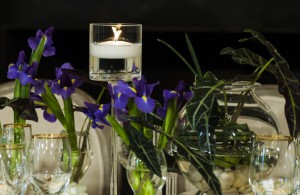
(c) Washington Post image of California irises and Florida tropical foliage.

(c) Washington Post image of California irises and Florida tropical foliage.

Whereas in 2014, President Barack Obama and First Lady Michelle Obama highlighted their support for domestically grown flowers at the White House State Dinner with French President Francois Hollande, the only White House State Dinner that year; Whereas the 2014 White House State Dinner featured quince branch from Mississippi, weeping willow from New Jersey, Scotch broom from Virginia, iris from California, and alocasia, equisetum, nandina, and green liriope from Florida;

There are many more “whereas” paragraphs that discuss the economic impact of America’s flower farming industry. And then the actual resolution concludes with these four assertions:

Resolved, That it is the sense of the Senate that—

(1) purchasing flowers grown in the United States supports the farmers, small businesses, jobs, and economy of the United States;  

(2) flowers and greens grown in the United States are a vital and integral part of the agricultural industry of the United States;

(3) flowers grown in the United States enhance the ability of Americans to honor their mothers on  Mother’s Day; and  

(4) the White House should strive to showcase flowers and greens grown in the United States to show support for the flower breeders, farmers, processors, and distributors of the United States.

You may be wondering, “What prompted our nation’s leaders to introduce such a Resolution? (And by the way, a very similar Resolution was passed at about the same time by Congress, with language introduced by the four co-chairs of the Congressional Cut Flower Caucus.)

PrintIn addition to congratulating these policymakers and their staff members for doing the right thing for American Flowers, this good news would never have happened if it wasn’t for the determination of Kasey Cronquist, CEO and Ambassador for the California Cut Flower Commission and the flower farmers of his state who have invested time and financial resources to visit Washington, D.C., year after year for the past five years, to engage in conversation with those elected officials.

That is huge and I am pleased to have joined this effort in a small way by joining those delegations in 2014 and 2015. At the helm of this strategy is Bill Frymoyer, of Stewart & Stewart, the man who represents the American Grown effort in our nation’s capital. Bill and Kasey have authored this strategy that of course was crafted to benefit the agenda of California’s cut flower growers, but also creates a ripple effect to benefit everyone in the Slow Flowers community.

JOINING HANDS ACROSS THE FLOWER FIELDS OF AMERICA

When a spotlight in Washington, D.C., shines on domestic flowers it brings attention to you, to your flower farm (no matter what its size). It gives credibility to our cause, the cause of people who care about keeping flowers local, seasonal and sustainable. I encourage you to reach out to your own representative or Senator and let them know that you are a cut flower farmer in their district or state. Take the time. Send a letter. Deliver a bouquet. Thank them for signing onto these resolutions and tell them the support means something to you. And by the way, here is a great resource to help you send that message efficiently and directly.

I am always shocked when someone tries to drive a wedge between the big-idea American grown movement and the grassroots local-flowers movement.  There should be no wedge. We need everyone’s efforts to fight imports. Every single flower farm and farmer; every single florist and designer who makes a mindful choice about sourcing flowers grown and harvested from American soil; every single customer who orders flowers and asks for local or American blooms. That is the rising tide that floats all of our boats. In your own backyard and in all 50 states.

KEEPING IT LOCAL IN THE TWIN CITIES

FOXGLOVE_logo

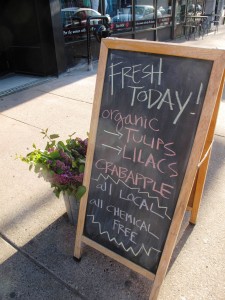
This blackboard/sandwich board is a message I can get behind. Spotted outside Foxglove Market & Studio, owned by today's guest Christine Hoffman.

This blackboard/sandwich board is a message I can get behind. Spotted outside Foxglove Market & Studio, owned by today’s guest Christine Hoffman.

Now to today’s guest. Chrisine Hoffman is the owner of Foxglove Market & Studio based in St. Paul, Minnesota.

I am thrilled that I was able to visit Foxglove personally when I was in the Twin Cities to speak and teach at the Minneapolis Institute of Art two weeks ago for “Art in Bloom.”

I broke away one afternoon and caught a ride to St. Paul, asking my driver to take me to Grand Avenue, the charming, pedestrian-focused street where Christine’s store is located.

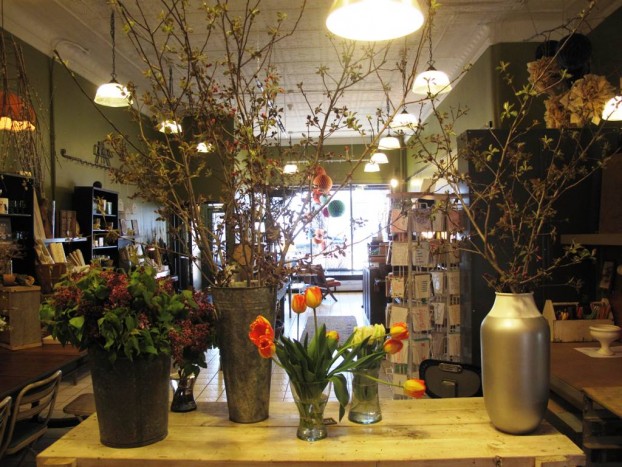
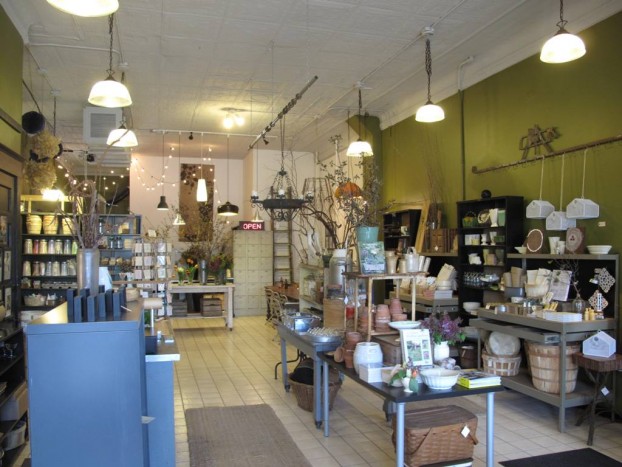
The vintage building has all the character you could want, with high ceilings finished in decorative pressed tin, a bay window in the front where an inviting vignette lures you in, and a lovely mix of old and new, crafted and curated goods.

On her web site, Christine describes the shop and studio as: “Putting a fresh modern spin on an honest folk vibe. Foxglove’s thoughtful aesthetic emphasizes sustainability, utility, community and comfort.”

Local Midwest-grown flowers are at the heart of Foxglove Market & Studio.

Local Midwest-grown flowers are at the heart of Foxglove Market & Studio.

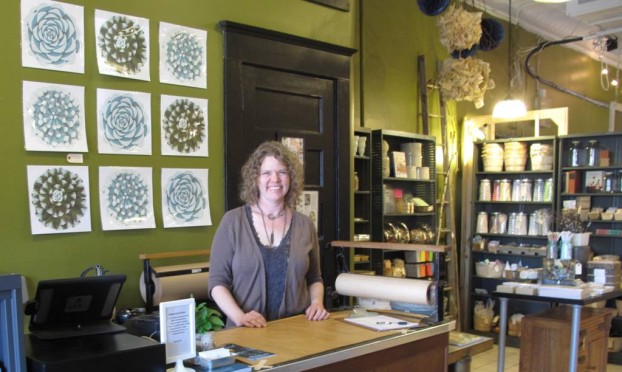
Proprietress and creative director Christine Hoffman.

Proprietress and creative director Christine Hoffman.

Get it, got it, GOOD!

Get it, got it, GOOD!

Welcome to Foxglove, where you can find an artisan gift, take a workshop or gather an armload of seasonal blooms.

Welcome to Foxglove, where you can find an artisan gift, take a workshop or gather an armload of seasonal blooms.

There are three aspects to this business that I find so wonderful interrelated:

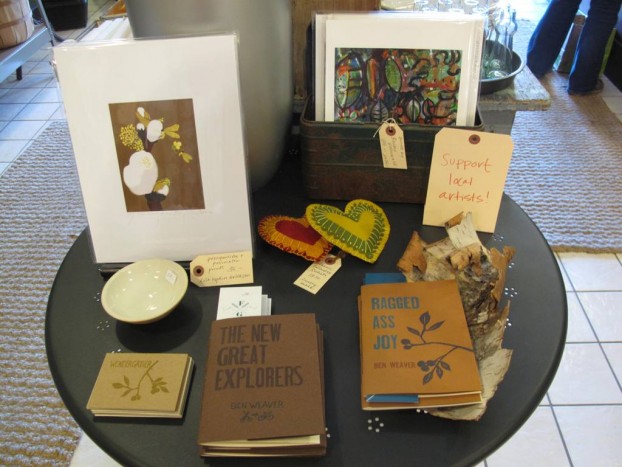
First the Marketplace, where an assortment of home goods, books, high quality paper products and findings, as well as Midwest salvage reflect Christine’s aesthetic as a former interior designer, photo stylist and event planner. Then there’s the Studio, where any number of gatherings take place – from floral design workshops and other creative hands-on classes to private pop-up chef dinners. And finally, the Flowers, a complement to every other activity held here. Of the Flowers, Christine focuses her offerings on seasonal flowers grown by local farms.

As she writes on her web site:

Knowing where our food comes from and how it is grown and processed is once again becoming a natural part of our everyday lives. These same issues apply to our cut flowers. The majority of commercial flowers are grown overseas using a mixture of fertilizers, chemicals and preservatives that are anything but natural. Add in worker exposure and ship time and resources, and you’ve got one loaded bunch of tulips. It’s easy to grab a cellophane wrapped bouquet, pop it in a vase, and not give it another thought. Those flowers, however, have a big impact on our environment-both in a broad sense and in your home.

I have a commitment to unique and expressive floral design, happy plants, and a healthy environment. By staying domestic and keeping it simple, Foxglove strives to minimize environmental and social impact. My farmers use sustainable and organic growing methods, and deliver blooms personally to my shop.

  • Support Local Growers
  • Embrace Healthy Homes
  • Celebrate Seasonal Abundance

My mission is a simple one, based on my personal aesthetic and belief that flowers are most beautiful in their natural state. To me it seems counterintuitive to treat soil and plants with artificial fertilizers, chemicals and sprays, and I really don’t want to trail those things into my home and onto my table. It poses a challenge in our cold climate to source everything locally, but it is a better choice for so many reasons.

Foxglove_Christine_DebraI am so pleased to welcome Christine Hoffman to the Slow Flowers Podcast.  Since her days growing up in a river valley, gathering endless bouquets of wildflowers from the woods surrounding her childhood home, Christine has been in love with flowers. Her parents are both gardeners, and their knowledge of plants and flowers settled into Christine with each bed she helped prep (grumbling all the way), and each garden picked bouquet brought into their house.

Follow Foxglove at these social places:

Foxglove Market & Studio on Facebook

Foxglove Market & Studio on Instagram

Foxglove Market & Studio on Pinterest

Foxglove Market & Studion on Twitter

Listeners like you have downloaded the podcast nearly 48,000 times. In fact, in April, we logged the all-time high number of 5,101 episode downloads which only means that the message of Slow Flowers and the farmers and florists who exemplify this movement is reaching more and more listeners.

Until next week please join me in putting more American grown flowers on the table, one vase at a time. And If you like what you hear, please consider logging onto Itunes and posting a listener review.

The content and opinions expressed here are either mine alone or those of my guests alone, independent of any podcast sponsor or other person, company or organization.

The Slow Flowers Podcast is engineered and edited by Andrew Wheatley and Hannah Holtgeerts. Learn more about their work at shellandtree.com.

Week 18 // Slow Flowers at Disney Epcot

Tuesday, May 12th, 2015
Three Days. Six Workshops. Hundreds of American Grown Flowers, including some very special Florida-grown varieties.

Three Days. Six Workshops. Hundreds of American Grown Flowers, including some very special Florida-grown varieties.

Having Fun on the Festival Stage at Disney Epcot.

Having Fun on the Festival Stage at Disney Epcot.

Last week, the Slow Flowers Challenge took place in Orlando, at the International Flower & Garden Show at Epcot. This was the third time I’ve been invited to present at Epcot since 2010 – and I was thrilled to return. If you love horti-tainment (and that’s what I call the combination of talented horticulture staff let loose on plants, Disney-style), you’ve got to visit this 10-week spring celebration of flowers and gardening, usually staged between March and May.

There are no fewer than 21 planted topiary characters throughout the park, from my personal favorites, Farmers Mickey & Minnie, to the hottest new offering: Anna and Elsa from the animated film “Frozen.”

Each morning for three days running I shared the story of “American Beauty: the Slow Flowers Movement,” featuring the successful renaissance of flower farming and creative floral design that’s inspired by local and domestic American-grown flowers. Each afternoon, audiences were able to see that same story brought to life with flowers and foliage. Here are some of those arrangements:

Love this palette featuring grevillea, Gerrondo gerberas, bupleurum, 'Green Ball' dianthus and an echeveria.

Love this all-California-grown palette featuring grevillea, Gerrondo gerberas, bupleurum, pink wax flowers,’Green Ball’ dianthus and an echeveria.

An all Florida arrangement featuring three types of foliage and ferns combined with trailing clematis.

An all Florida arrangement featuring three types of foliage and ferns combined with trailing clematis.

A whimsical arrangement with a Disney-fun palette of yellow lilies, hot pink Matsumoto asters and 'Green Ball' dianthus - California grown.

A whimsical arrangement with a Disney-fun palette of yellow lilies, hot pink Matsumoto asters and ‘Green Ball’ dianthus – California grown – arranged into a base of variegated Florida-grown pittosporum foliage.

A truly favorite all-Florida bouquet with ferns, foliage and clematis, topped off with an echeveria.

A truly favorite nearly all-Florida bouquet with ferns, foliage and clematis, topped off with an echeveria. White waxflower is from California.

The big takeaway? People want to know more! They understand the importance of keeping things local – from saving farmland to the environment to jobs! I consider it a privilege to tell that story while playing with the flowers grown by people I respect and admire!

Week 17 // Slow Flowers Challenge Goes Local in Indianapolis

Monday, May 4th, 2015
Slow Flowers in Indianapolis!

Slow Flowers in Indianapolis!

We’re celebrating Indiana-grown flowers this week!
A huge thanks to my host Mark Zelonis,  the Ruth Lilly Deputy Director of Environmental & Historic Preservation at the Indianapolis Museum of Art. He and his horticultural team made my visit a huge success last weekend! 

Admittedly, it was a challenge to source locally-grown flowers at the end of April in Indiana’s Zone 5, but with the help of some really supportive flower friends, we pulled it off! THANK YOU to the team at Welch Wholesale Florists (sisters Annie and Nora), who ordered our local tulips, ranunculus and anemones — straight from flower farmers nearby!

The designers in my afternoon workshop were so happy to create their arrangements using 100% local flowers and foliage. Enjoy their work here and admire the amazing diversity of styles and interpretation of the material.

THANK YOU to the horticulture staff (Chad and Irvin) for giving me a golf cart and letting me drive around the “back lot” of the grounds to clip here and there. We gleaned baptisia foliage, oak leaf hydrangea foliage, young peony foliage, flowering dogwood, flowering redbud, hellebores galore, narcissus and euphorbia!

The horticulture staff's awesome golf cart, filled with my early-morning cuttings!

The horticulture staff’s awesome golf cart, filled with my early-morning cuttings!

I'm so inspired by the variety and creativity that one room of women and men expressed using the same "ingredients."

I’m so inspired by the variety and creativity that one room of women and men expressed using the same “ingredients.”

The Slow Flowers Challenge comes to Indiana with my own creation.

The Slow Flowers Challenge comes to Indiana with my own creation.

Indiana-grown florals and foliage for my bouquet include:

  • Baptisia foliage
  • Peony foliage
  • Oak leaf hydrangea foliage
  • Hellebores
  • Ranunculus
  • Anemones
  • Red bud branches

Farmer-Florists, Mother-Daughter: Meet the Women of Buckeye Blooms (Episode 191)

Wednesday, April 29th, 2015
Kay Studer (left) and Susan Studer King (right) of Buckeye Bloms (c) Jason Bowers Photography

Kay Studer (left) and Susan Studer King (right) of Buckeye Blooms (c) Jason Bowers Photography

bb_logoI’m so pleased today to share a long-distance conversation I recorded a few weeks ago with Kay Studer and Susan Studer King, mom-and-daughter farmer-florists based in the Northwest Ohio community of Elida, where they grow and design.

The two are doing exciting things in their community, region and state and I know you’ll learn much from their experience, which they so generously share in the interview.

theflowerhouse_graphicBut first up: A bit of news. You may recall my interview a few months ago with Lisa Waud of Detroit’s pot and box, a studio, wedding and event florist who has taken it upon herself to dream up a project called “The Flower House” – a 100-percent American grown floral installation in an abandoned house in the Motor City.

Lisa has big plans and since our podcast, her first interview ever, she has garnered a lot of attention from the floral design and flower farming community, as well as the media. The Flower House will take place October 16-18, but this weekend, Lisa and her fellow floral artists will unveil their plans at a preview event to be held in a neighboring vacant house. As Lisa promises: “It will whet the whistles of interested florists, curious visitors and potential sponsors.”

I’ll be there to help the designers celebrate the launch of this incredible project. Please check out the links at The Flower House to find out how you can attend – especially if you’re in the Detroit area this coming weekend.

And if you want to get involved, please help FLOWER HOUSE BLOSSOM AND GROW. The team has just kicked off a funding campaign on my favorite crowd-funding platform Indiegogo so you’ve gotta know they’re smart cookies! Follow links to the campaign and donate at whatever level you feel you can. I’m intrigued by the fun perks, ranging from $5 to $5,000.

A few that listeners of this podcast might love:

  • an American-made tote bag straight from Michigan crafters for $40
  • a special fragrance inspired by The Flower House for $75
  • a picture frame made from wood salvaged from The Flower House and made by Lisa Waud’s Dad for $100
  • a private dinner in Detroit hosted by Lisa and her team for $5,000

Some amazing talents are participating in this fabulous project and I am excited to watch it bloom, flourish, blossom and beautify Detroit, to use as many metaphors as I can think of!

The road that leads to Buckeye Blooms in Northwest Ohio (c) Jason Bowers Photography

The road that leads to Buckeye Blooms in Northwest Ohio (c) Jason Bowers Photography

A Buckeye Blooms' grown and designed bouquet.

A Buckeye Blooms bouquet (c) Emily Wren

Okay, today’s guests will be equally inspiring. Kay and Susan are gardeners, farmers and family. They love flowers, of course.

As Buckeye Blooms, the mother-daughter team grows flowers without the use of any toxic chemicals and they express their earth-friendly values season after season by growing high-quality, super-fresh flowers.

“Just as a home-grown tomato tastes better than a store-bought one, we believe the freshest and most beautiful flowers come from the garden rather than the refrigerated section of a big-box store. By purchasing locally-grown flowers, you get fresher, longer-lasting blooms, while supporting Ohio farm families.”

The land on which Kay and Susan operate Buckeye Blooms has been in the Studer family for several generations.

Located in northern Allen County, Dolau Farm features a meadow set aside for permanent conservation, dense woods, mature windbreaks, and an established perennial garden in addition to the large flower field.

More beauty from Buckeye Blooms

More beauty from Buckeye Blooms

The historic 1880’s farmhouse is set back off of the road down a picturesque lane shaded by towering maple trees. Surrounding the house are many species of trees, woody ornamentals, grasses and greenery in addition to dozens of old-fashioned and unusual flower varieties. The Buckeye Blooms flower shop and design studio occupies what used to be the milking parlor of the “big barn.” The shop is also used for farm flower parties and other special events.

Environmental conservation is important to the Studer and King families and it is at the core of their farm operations. Hundreds of hardwood trees have been planted to prevent soil erosion, provide wildlife habitat and combat climate change. Recycling and energy conservation measures are implemented for every step of the flower production process.

“We don’t use toxic chemicals. Period. Plus, we put our money where our mouth is: we donate a portion of our profits to charitable organizations that work on behalf of food security, community gardens and solutions to climate change.”

A floral still-life.

A floral still-life.

BBssk3Here’s a bit more about Susan and Kay:

Inside the studio at Buckeye Blooms (c) Jason Bowers Photography

Inside the studio at Buckeye Blooms (c) Jason Bowers Photography

Susan Studer King’s background is in the environmental nonprofit field.

For more than eight years, Susan worked for Ohio Environmental Council where she led statewide efforts to reform Ohio’s factory farm, wetland and agricultural drainage laws and also served as the Council’s Development Director.

Prior to partnering with her mother to create Buckeye Blooms, Susan and her husband served as Peace Corps Volunteers in Ecuador where they saw firsthand the many negative environmental and social impacts of the commercial rose industry in Ecuador.

One of my favorite designs of Susan and Kay's - love the trailing ribbon.

One of my favorite designs of Susan and Kay’s – love the trailing ribbon.

Upon returning to the U.S., Susan & Jeremy moved back to the farm to start Buckeye Blooms and to live a low-carbon lifestyle.

Susan now splits her time between “the farm” and Granville where she does freelance writing; she serves on the Licking County Local Food Council and tries to steer her toddler out of trouble.

Kay Studer brings a lifetime of gardening experience to Buckeye Blooms.

Kay served as the Horticulture Program Coordinator at Ohio State University Extension Service in Allen County where she managed the Master Gardener program for more than 15 years.

Kay received national recognition and numerous awards for her leadership and programs at the Children’s Garden in downtown Lima.

An expert in diagnosing garden pest problems and an accomplished freelance landscape designer, Kay also has a great eye for floral design.

Kay’s first big floral design job: her daughter Susan’s wedding in 2000. Buckeye Blooms is headquartered on the family farm she has lived on since childhood.

The recent gathering of Ohio's Flower Farmers shows the energy, intelligence, enthusiasm and diversity of this American-grown community. Kay and Susan are pictured in the front row; far right.

The recent gathering of Ohio’s Flower Farmers shows the energy, intelligence, enthusiasm and diversity of this American-grown community. Kay and Susan are pictured in the front row; far right.

Thank you so much for joining me this week and please return again, as I continue to share insightful and educational episodes recorded exclusively for the Slow Flowers Podcast.

Listeners like you have downloaded the podcast nearly 46,000 times. Until next week please join me in putting more American grown flowers on the table, one vase at a time. And If you like what you hear, please consider logging onto Itunes and posting a listener review.

The content and opinions expressed here are either mine alone or those of my guests alone, independent of any podcast sponsor or other person, company or organization.

The Slow Flowers Podcast is engineered and edited by Andrew Wheatley and Hannah Holtgeerts. Learn more about their work at shellandtree.com.

Buckeye Blooms on Facebook

Buckeye Blooms on Instagram

Buckeye Blooms on Pinterest

Week 16 // Spring’s Bright Outlook

Sunday, April 26th, 2015
week16For Earth Day a local real estate mangement firm asked me to give a talk and demonstration during a lunchtime event held on the rooftop garden of a hot LEED-Certified building in Seattle’s Southlake Union neighborhood.What a great chance to speak with office-bound hipsters from architecture, design and advertising agencies about LOCAL flowers and ECO design!

 
And what a perfect time to do this – when the vivid hues of springtime are exploding from my favorite Northwest flower farms!
Local ornamental shrubs, perennials and flowering bulbs, with a few succulents tossed into the mix.

Local ornamental shrubs, perennials and flowering bulbs, with a few succulents tossed into the mix.

Here’s what I included in my design demonstration:

Euphorbia foliage, grown by Jello Mold Farm

Lilac blooms, grown by Jello Mold Farm

Poppies, grown by Jello Mold Farm

Anemones (pale purple), grown by Sonshine Flower Farm

Anemones (maroon-red), grown by Everyday Flowers

Fancy orange tulips, grown by Sonshine Flower farm

Bleeding hearts, grown by Ojeda Flower Farm

Potted succulents

Detail showing the variegated aeonium and green rosette-style succulent.

Detail showing the variegated aeonium and green rosette-style succulent.

Nice overhead detail that captures all of nature's glorious forms and colors.

Nice overhead detail that captures all of nature’s glorious forms and colors.

Back view: showing off those maroon anemones!

Back view: showing off those maroon anemones!

A burst of Earth Day sunshine in this lovely Washington-grown poppy!

A burst of Earth Day sunshine in this lovely Washington-grown poppy!

Earth Day with Updates from Peterkort Roses and Floral Soil (Episode 190)

Wednesday, April 22nd, 2015

Earth-Day-Logo-2015This week’s episode coincides with Earth Day, fittingly symbolic for the Slow Flowers Movement and flower farmers, floral designers and product innovators who are working to change our industry and push for progress to alter the status quo.

So I’d like to share a few news items as well as two follow-up interviews featuring guests of past Slow Flowers Podcast episodes.

Listen closely to find out how you can win prize packages from each of our guests – you’ll want to get in on the good stuff!

First off, if you enjoyed last week’s interview with Jenny Elliott and Luke Franco of Tiny Hearts Farm in New York’s Hudson Valley and Rachel Gordon of Taproot Flowers of Brooklyn, please check out more photos that I’ve added to the show notes. They’re onto something really special and I encourage you to listen if you missed that episode – and enjoy the beautiful flowers the three of them grow and arrange in their worlds.

FRD_posters_2015_photography_loweres2Second, I want to share details about this week’s Fashion Revolution Day, which takes place on April 24th.

If you believe in Slow Flowers, you should also embrace and support Slow Fashion, which has so many parallels in terms of labor practices, environmental concern and trade policy.

Slow Fashion asks questions about the origins of the clothing we wear that are virtually identical to the questions Slow Flowers asks about the bouquets we bring into our homes.

Fashrev2015Fashion Revolution Day 2015 marks the second anniversary of the Rana Plaza disaster in Dhaka, Bangladesh, which killed 1,133, and injured over 2,500 people.

According to Fashion Revolution’s data, one in six people work in the global fashion supply chain. It is the most labor-dependent industry on the planet, yet the people who make our clothing are hidden from us, often at their own expense, a symptom of the broken links across the fashion industry.

Wow, doesn’t that sound identical to the floriculture industry? On April 24th, coordinated teams around the world will challenge global fashion brands to demonstrate commitment to transparency across the length of the value chain, from farmers to factory workers, brands to buyers and consumers.

Zady.com, an innovative online fashion brand based in New York City, is serving as U.S. chair of Fashion Revolution Day. Slow Flowers has been invited to help promote the cause. Check out this Slow Fashion/Fashion Revolution event taking place in Brooklyn. Slow Flowers hopes to have ongoing involvement with Slow Fashion in the future.

unnamed-1

I am inspired by what the fashion industry has done in just two years to mobilize conscious consumers to care about the origins of their clothing — and in the future, I hope the floral industry will be just as vocal. I don’t wish for a fatal disaster to occur at an unregulated flower farm in a distant land to make us all wake up and start asking about the origins of our flowers.

What you can do on April 24th is to use your own social channels to get active. Take a photo of yourself wearing an item of clothing inside out. Tag the brand, share the photo on Facebook, Twitter and Instagram with the hashtags: #whomademyclothes and #fashrev.

Not to take away from this important endeavor, but perhaps you’ll be inspired to ALSO take a photo of yourself holding flowers that came from a US mega-retailer, big box store or supermarket and tag that retailer on your social sites with the hashtags: #whogrewmyflowers and #slowflowers. Just a thought.

Thanks for caring!

READ MORE…

Week 15 // Spring Awakening

Sunday, April 19th, 2015
The pods and buds are waking up. They're shouting, "we're here!"

The pods and buds are waking up. They’re shouting, “we’re here!”

It’s been a crazy week here in Slow Flowers Land, but after 8 days of travel, I’m so delighted to be home in Seattle for a week. Seattle has been good to us, with mid-60s to 70-degree weather.
 
Today was no exception. I clipped a bit of this and that – all from my awakening garden. It truly is a Spring Awakening here!
Just unfurled: a vivid yellow poppy

Just unfurled: a vivid yellow poppy

The delicate leaves and flowers that are pushing up through the April soil are each special in their own way. Here’s what I included in my spontaneous spring arrangement:

Variegated hosta leaves
Acid yellow smoke bush (Cotinus coggygria ‘Golden Spirit’)
The young tips of deer fern (Blechnum spicant)
Green-and-rust-variegated Epimedium leaves and a few flowering stems
Yellow poppies, flowers & buds

The final arrangement - all from April 18th in the garden

The final arrangement – all from April 18th in the garden

Love how all the season's new foliage works together.

Love how all the season’s new foliage works together.

A word about the vase. Christina Stembel of Farmgirl Flowers turned me onto“Wine Punts,” 100% recycled, made in USA, these beautiful vessels are wine bottles that have been repurposed into drinking glasses. Or, small vases. Available in sets of 4 in many colors. Love the size and the pale green hue.

Flowers for Brooklyn (Farmed in Hudson Valley), with Tiny Hearts Farm and Taproot Flowers (Episode 189)

Wednesday, April 15th, 2015
Tiny Hearts Farm of Copake, NY - a Hudson Valley cut flower farm destined for big things!

Tiny Hearts Farm of Copake, NY – a Hudson Valley cut flower farm destined for big things!

Luke Franco, one half of Tiny Hearts Farms

Luke Franco, one half of Tiny Hearts Farm.
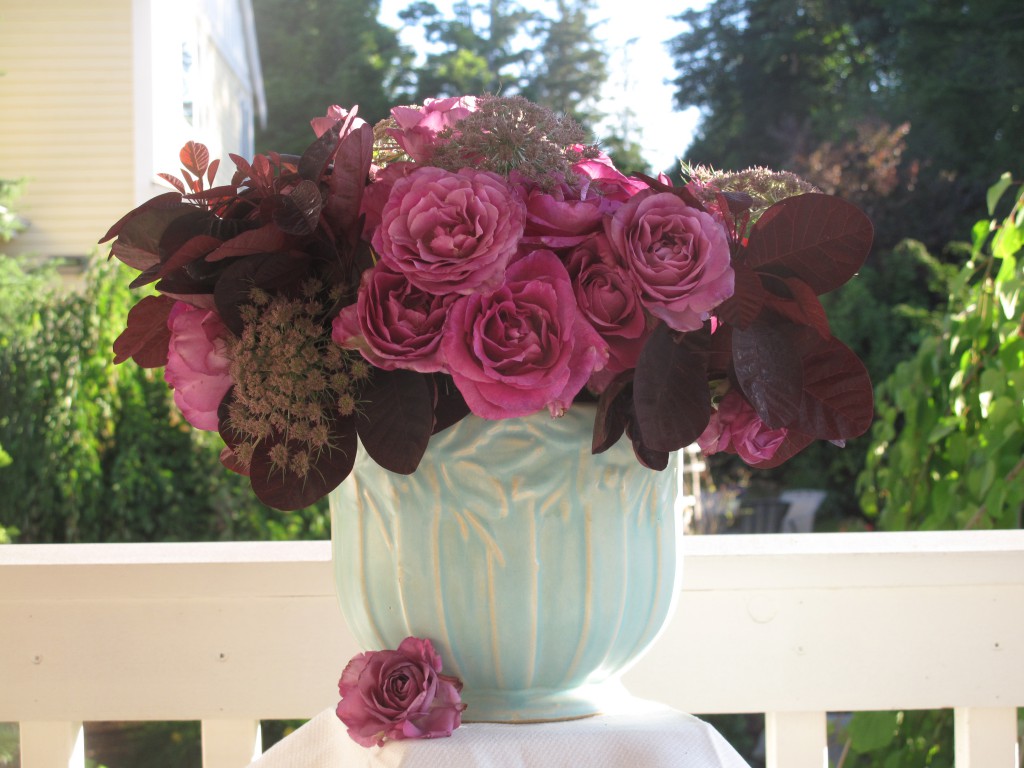
Jenn Elliott, one half of Tiny Hearts Farms.
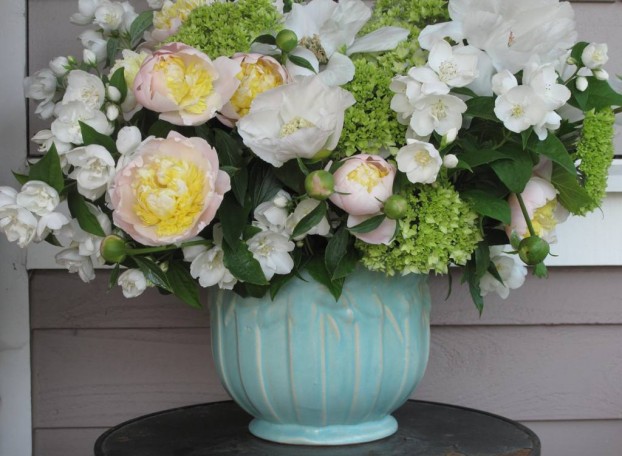
Jenn Elliott, one half of Tiny Hearts Fars.

I’ve often talked about the exciting changes we’re experiencing with the Slow Flowers Movement as a “cultural shift,” not a Trend.

I credit sustainability expert and founder of Ci: conscientious innovation, Kierstin DeWest, the very first guest of this podcast in July 2013, for teaching me this concept. Trends are often momentary; cultural shifts are significant, meaningful and long-lasting changes in the marketplace.

There is a cultural shift taking place that is redefining the relationships consumers, florists and flower farmers have with one another. This is happening at all levels of the flower pipeline, from U.S. Flower Farms large and small seeking Certified American Grown status to brand and label their flowers – in order to satisfy the demands, especially at the mass market – for transparency in flower origin, to the grassroots efforts, region by region, to connect the people who grow flowers with the people who design and sell them.

READ MORE…