Debra Prinzing

Get the Email Newsletter!

Archive for the ‘American Grown’ Category

SLOW FLOWERS Podcast: Meet Holly Heider Chapple, a floral designer with deep roots in the garden and more! (Episode 123)

Thursday, January 9th, 2014
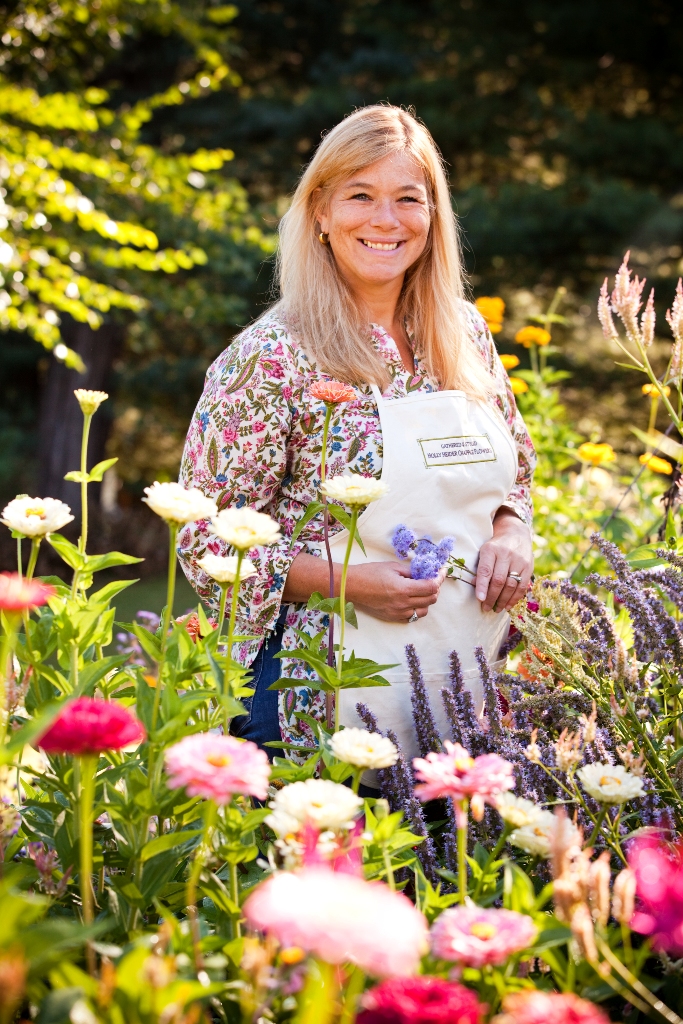
Holly Heider Chappel, in one of her favorite places on earth: Her own backyard flower garden. "The Answer is in the Garden," she says.

Holly Heider Chapple, in one of her favorite places on earth: Her own backyard flower garden. “The Answer is in the Garden,” she says.

We’re getting the New Year off to a fabulous start with today’s guest, floral designer, social media maven, educator and mentor to studio and wedding florists around the globe, Holly Heider Chapple.  Based in Leesburg, Virginia, she is active in the wedding and event industry serving customers in the Washington, D.C., Virginia and Maryland areas. 

Like many people who know and follow this talented and engaging woman, I met Holly “virtually” through Facebook or some other social media channel. As soon as she “friended” me, I wrote to Holly and said: let’s have a phone date. We realized our mutual connection is Alicia Schwede of Flirty Fleurs and Bella Fiore, a past guest on this podcast and a new transplant to the Pacific Northwest.  

Well that phone date with Holly morphed into today’s podcast – a whirlwind conversation that follows Holly’s life from a childhood helping her parents grow, tend to and sell plants to an amazing family of her own. 

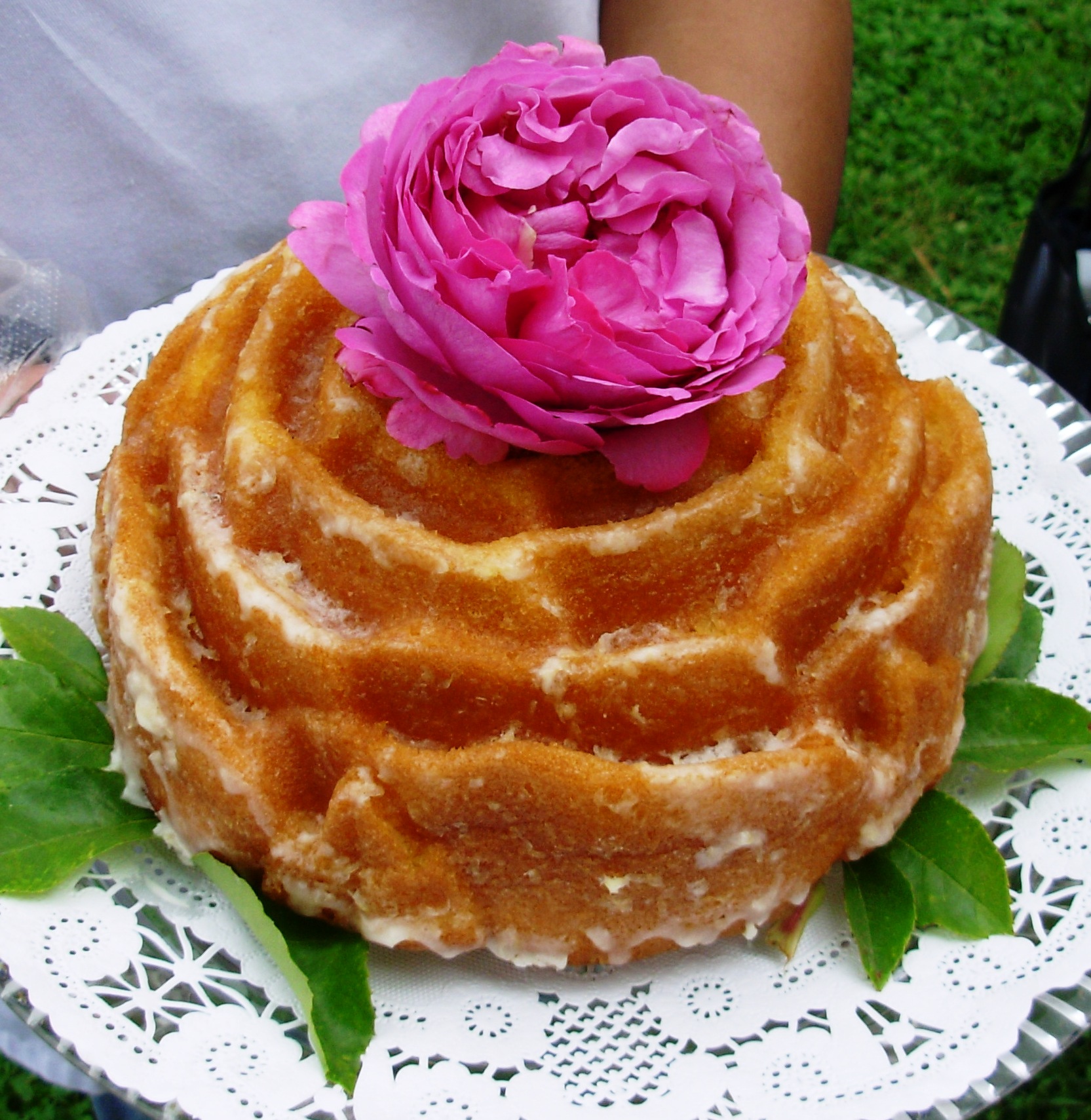
Holly shared several of her designs featuring mostly ingredients from her own garden. Here is one yummy creation.

Holly shared several of her designs featuring mostly ingredients from her own garden. Here is one yummy creation.


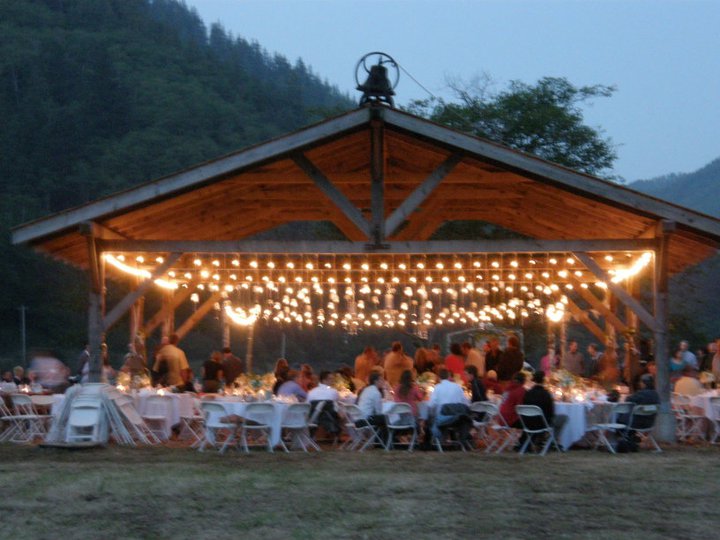
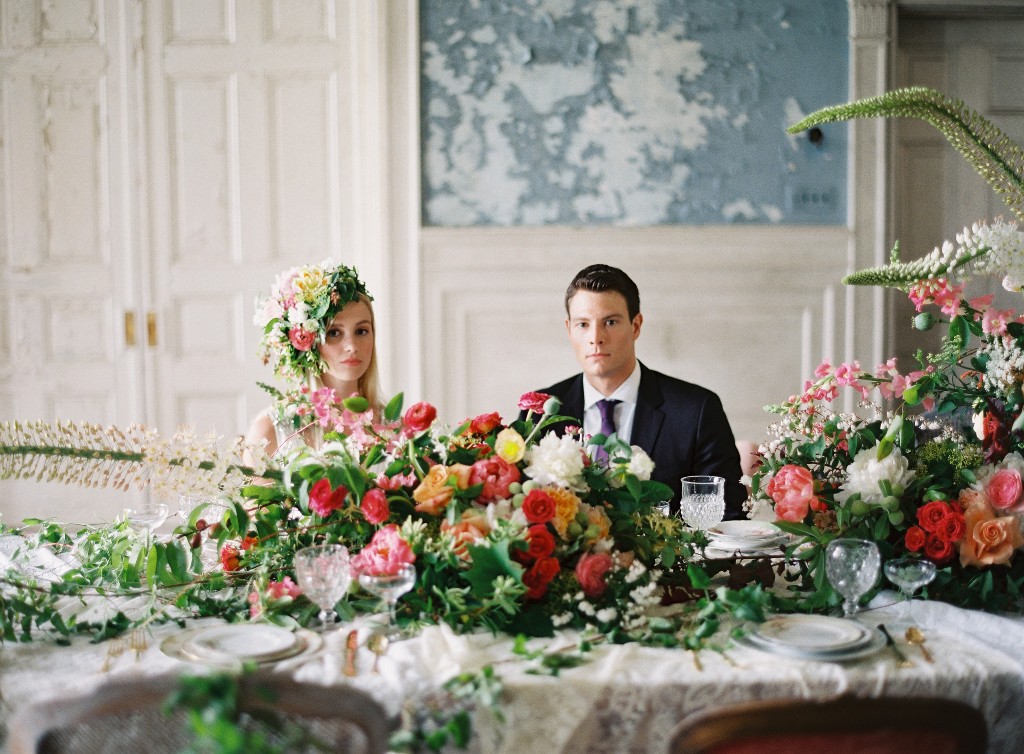
And a garden-inspired wedding dinner, bride and groom included!

And a garden-inspired wedding dinner, bride and groom included!

We all need a jolt of optimism for the seasons ahead. Whether you’re a floral designer seeking inspiration or an American flower farmer who wonders if the floral industry really cares about all the attention you give to the botanicals you produce . . . I think you’ll find it here. 

Holly has a totally fresh take on the world of flowers and I think that’s why she is so successful with some of her new ventures, including the Chapel Designers conference and forum, now in its 4th year. Plus, by her own admission, she is a sharer. She is one of those people who isn’t afraid that sharing her expertise and knowledge with YOU will somehow diminish HER. I subscribe to this approach to my own life and work, which made it so easy to converse, long-distance, with Holly.

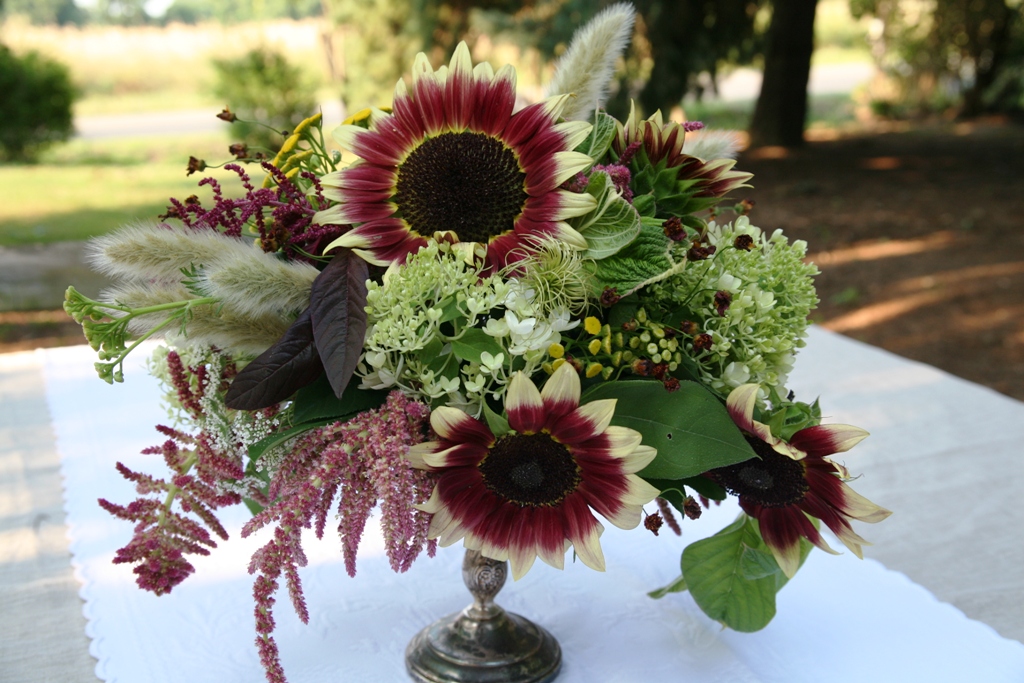
Garden flowers in an urn; all the elements grown in Heidi's garden.

Garden flowers in an urn; all the elements grown in Heidi’s garden.


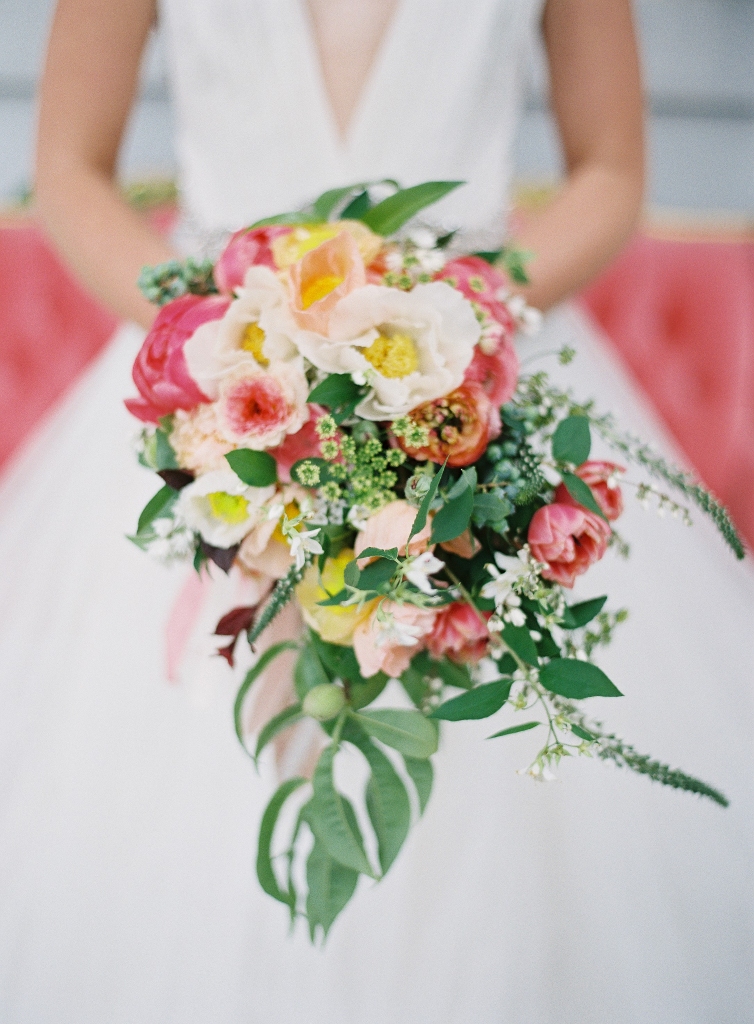
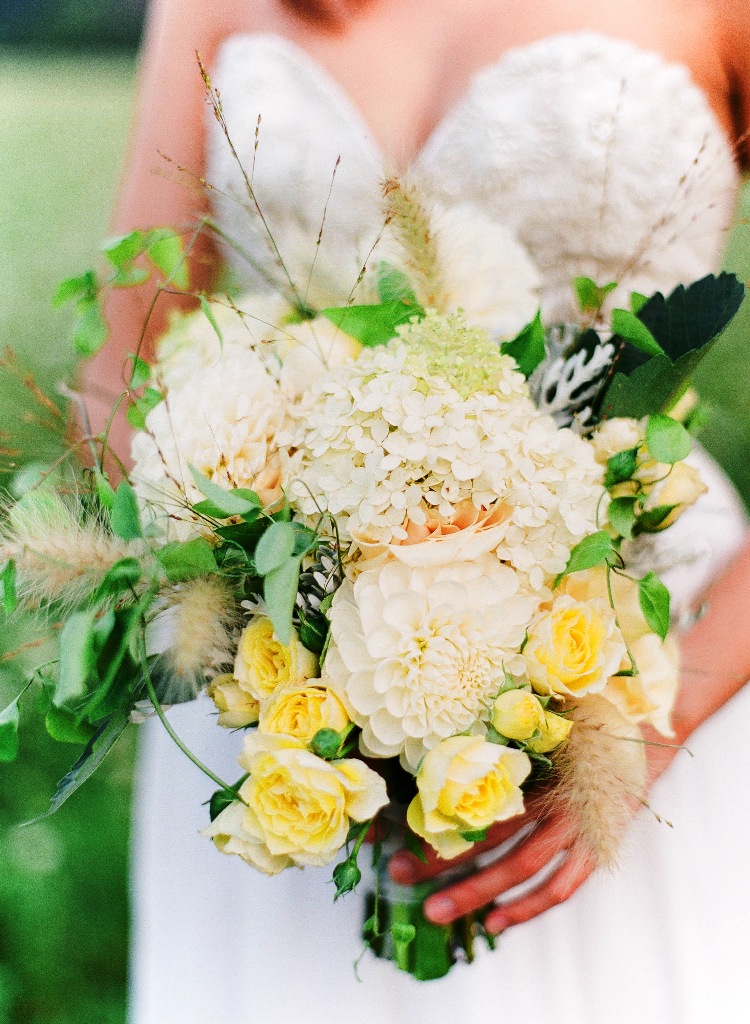
Another luscious bridal bouquet. Everything but the roses come from Holly's Garden.

Another luscious bridal bouquet. Everything but the roses come from Holly’s Garden.

Here is her bio:

A dedicated mother, wife and entrepreneur, Holly is the creative visionary behind Holly Heider Chapple Flowers. A longtime resident of Loudoun County Virginia, Holly is a highly recognized and sought after floral designer who’s work has been published in a number of prestigious publications and can regularly be found in top industry blogs. With 21 years of successful business experience behind her, Holly now serves as a teacher, speaker and mentor for other professionals in the wedding industry. Having raised 7 children, and recognizing her most important life role as a mother, Holly appreciates also being known as “Flower Mamma” among her network of industry professionals. Additionally, based on her incredible and unique sense of style, the term “Hollyish” emerged in 2011 as a way of describing designs that possess the elegance, beauty and creativity of those that leave Holly’s studio.

Armed with a strong desire to help other floral designers and event professionals be successful, Holly established the Chapel Designers (a division of Holly Heider Chapple Flowers) in 2011, as an international network of florists and event designers who gather together every year in New York City to collaborate, learn, and create.

What started as a desire to network with other like minded business owners, has blossomed into an incredible group of professionals comprised of longtime designers, up and coming designers, and people just starting their design journey. The Chapel Designers is growing every day and is proud to have members from all over the world.

Remaining dedicated to quality of design and service has allowed Holly Heider Chapple Flowers to be recognized over and over again for exceptional products and client experiences while maintaining an unrelenting desire to drive industry trends. Holly describes her business in her own words: “I have had the privilege of training with great designers across the country and in Europe. One of my most favorite and unique experiences recently was volunteering with the installation of the White House Christmas decorations. All of these experiences combined with running a business from my home, where I can spend quality time with my husband and children has made me into the business owner I am today. I take each of my roles as a mother, mentor and designer seriously and continue to grow every day. My studio has been blessed to have our work published in Martha Stewart, Southern Living Weddings, Weddings Unveiled, Brides, The Knot, Washingtonian, Southern Weddings, Virginia Living, In Touch Weekly Magazine, Elegant Bride, Engaged Magazine, and many local publications, and I can’t wait to see what the next few years will bring. I know there are still big things to come.”

My conversation with Holly was super inspiring and I will thoroughly enjoy2014 as I watch all that she achieves. Please be sure to add her to your “follow” list if you haven’t done so yet.

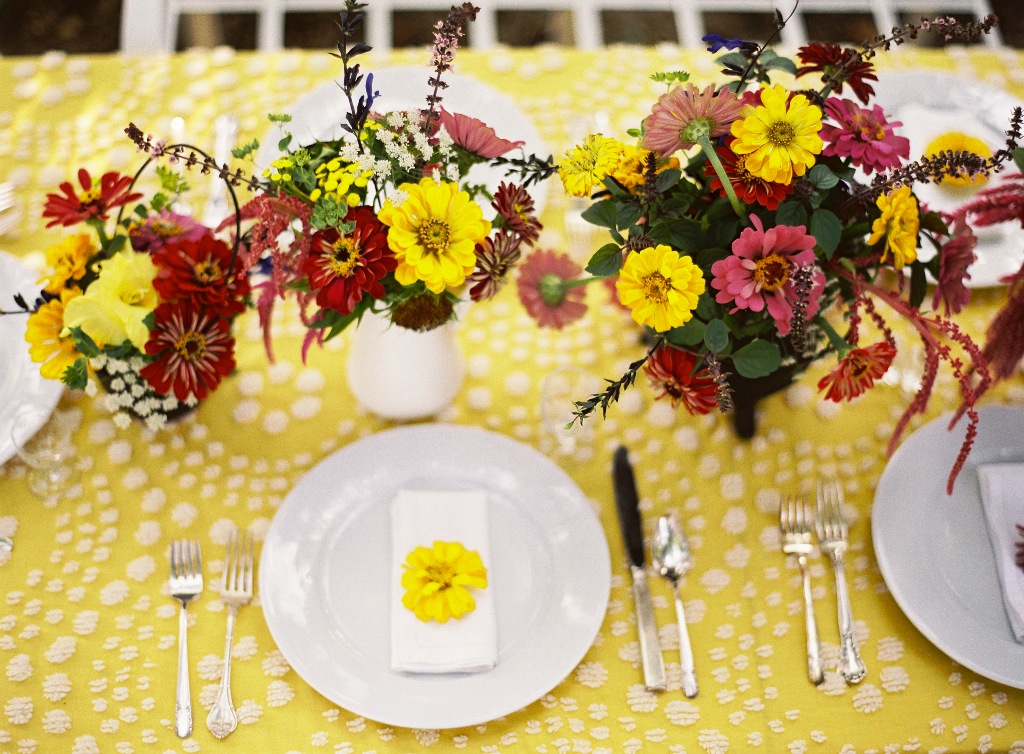
A lovely tabletop of home-grown florals.

A lovely tabletop of home-grown florals.

And a seasonal zinnia bouquet that's inspired by a vivid color palette.

And a seasonal zinnia bouquet that’s inspired by a vivid color palette.

Here are Holly’s platforms to follow:

Her Blog: The Full Bouquet

Twitter: @chappleflowers @chapeldesigners

Facebook: HollyHeiderChappleFlowers

Instagram: Holly Chapple

And thank you  for joining me in this episode of the SLOW FLOWERS Podcast with Debra Prinzing.

Because of your support as a listener, we have had nearly 5000 downloads in six months’ time – and I thank you for taking the time to join to my conversations with flower farmers, florists and other notable floral experts.

If you like what you hear, please consider logging onto Itunes and posting a listener review.

Until next week please join me in putting more American grown flowers on the table, one vase at a time. 

As we heard from Holly,

The Answer’s in the Garden.

I couldn’t agree more.

The Slow Flowers Podcast is engineered and edited by Hannah Holtgeerts. Learn more about her work at hhcreates.net. All photographs shared here,courtesy of Holly Heider Chapple.
 

10 Reasons to Save American Flowers

Thursday, January 9th, 2014
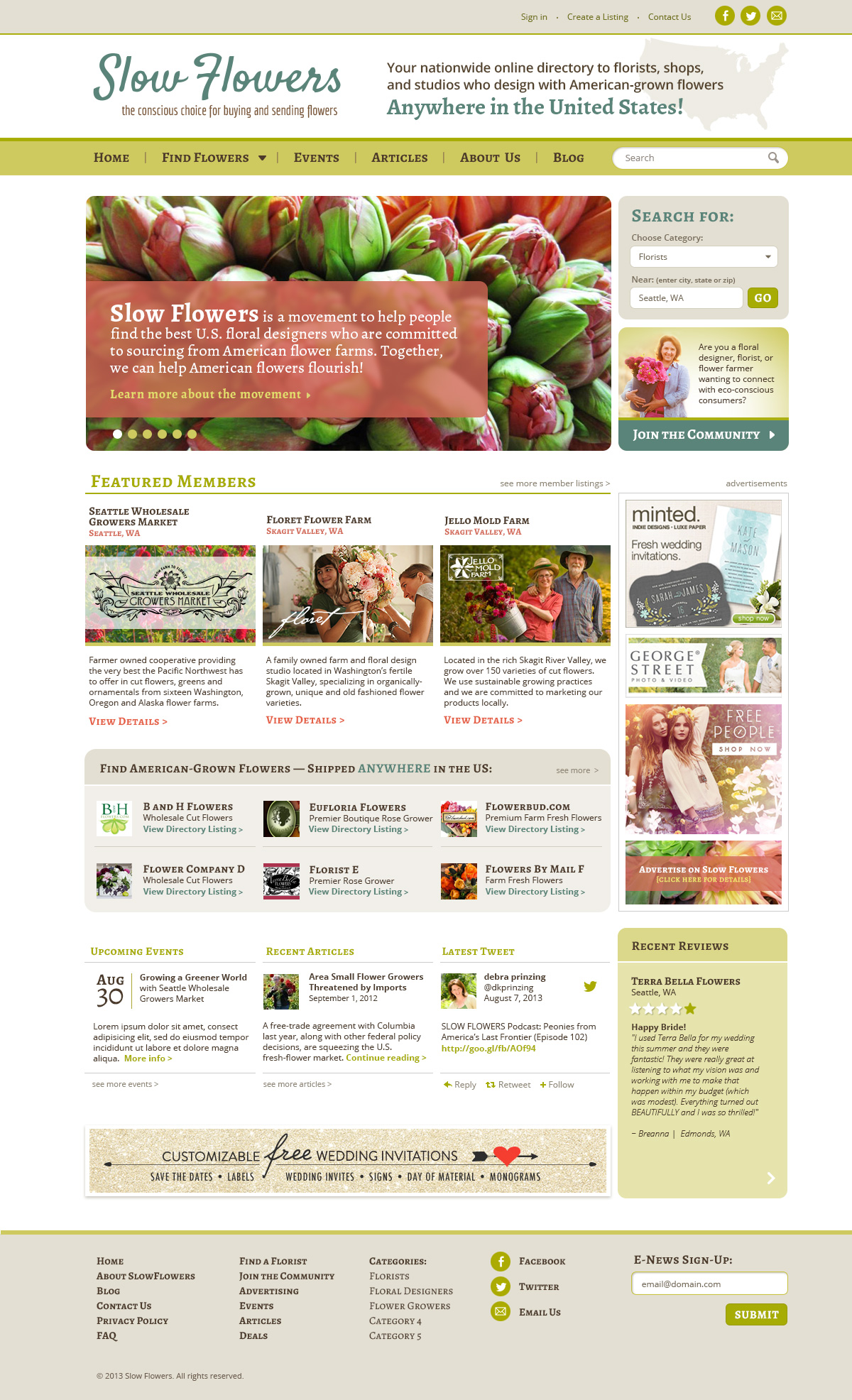
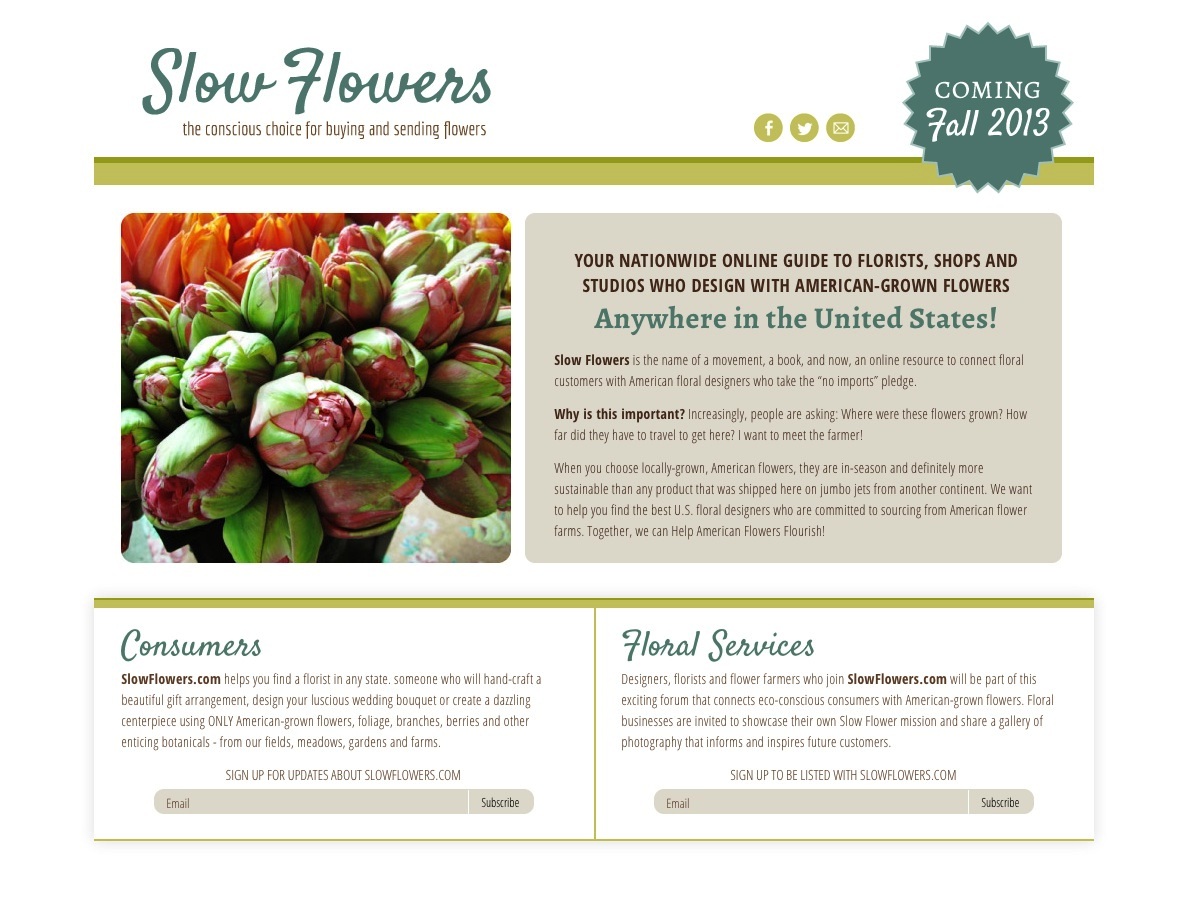
Here is the sample Home Page for the Slowflowers.com site

Here is the sample Home Page for the Slowflowers.com site. SAMPLE GRAPHICS are used as a place-holder only and do not imply endorsement.

I’m in the midst of raising money to help fund the launch of Slowflowers.com, a brand new, essential resource that will help connect consumers with American flowers and the people who grow, design with and sell them.

I’ve been living and sleeping flowers, dreaming about this project coming to fruition for so many months, more than a year, really.

And the exciting news is that donors to the Slowflowers campaign on Indiegogo have already contributed more than one-third of the $12,000 goal to this campaign in just four days. I think that’s remarkable. On this pace of $1,000 in donations per day, the goal will be met well before the 45-day deadline – and that means we can launch even sooner!

Here’s why this is such an important endeavor – and 10 reasons why saving American Flowers is important:

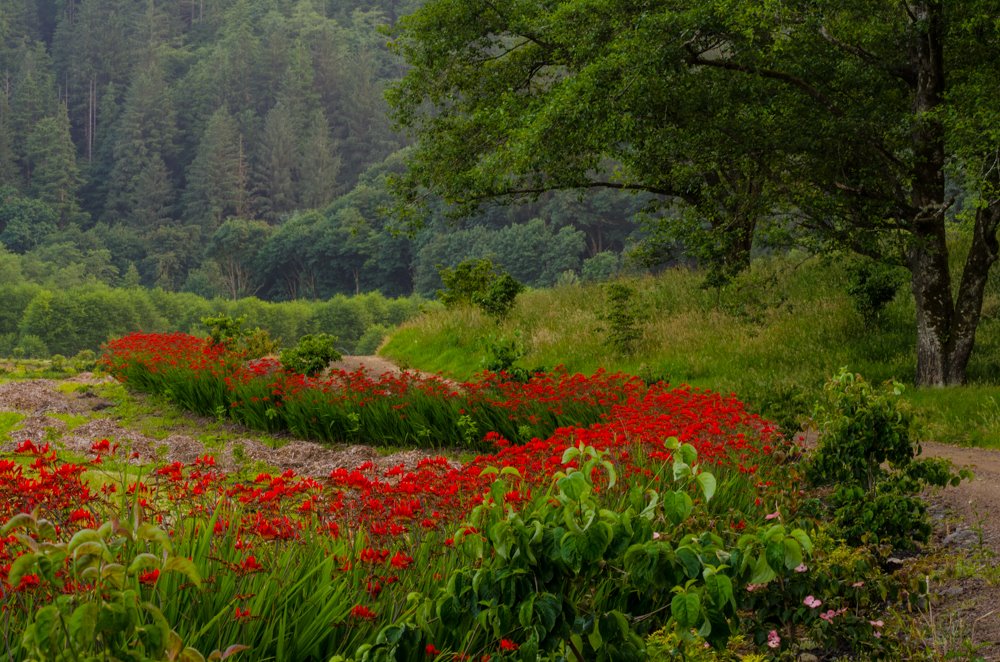
1. By supporting “American Grown” flowers, you are ensuring that “places” like this exist in this country and not just overseas.

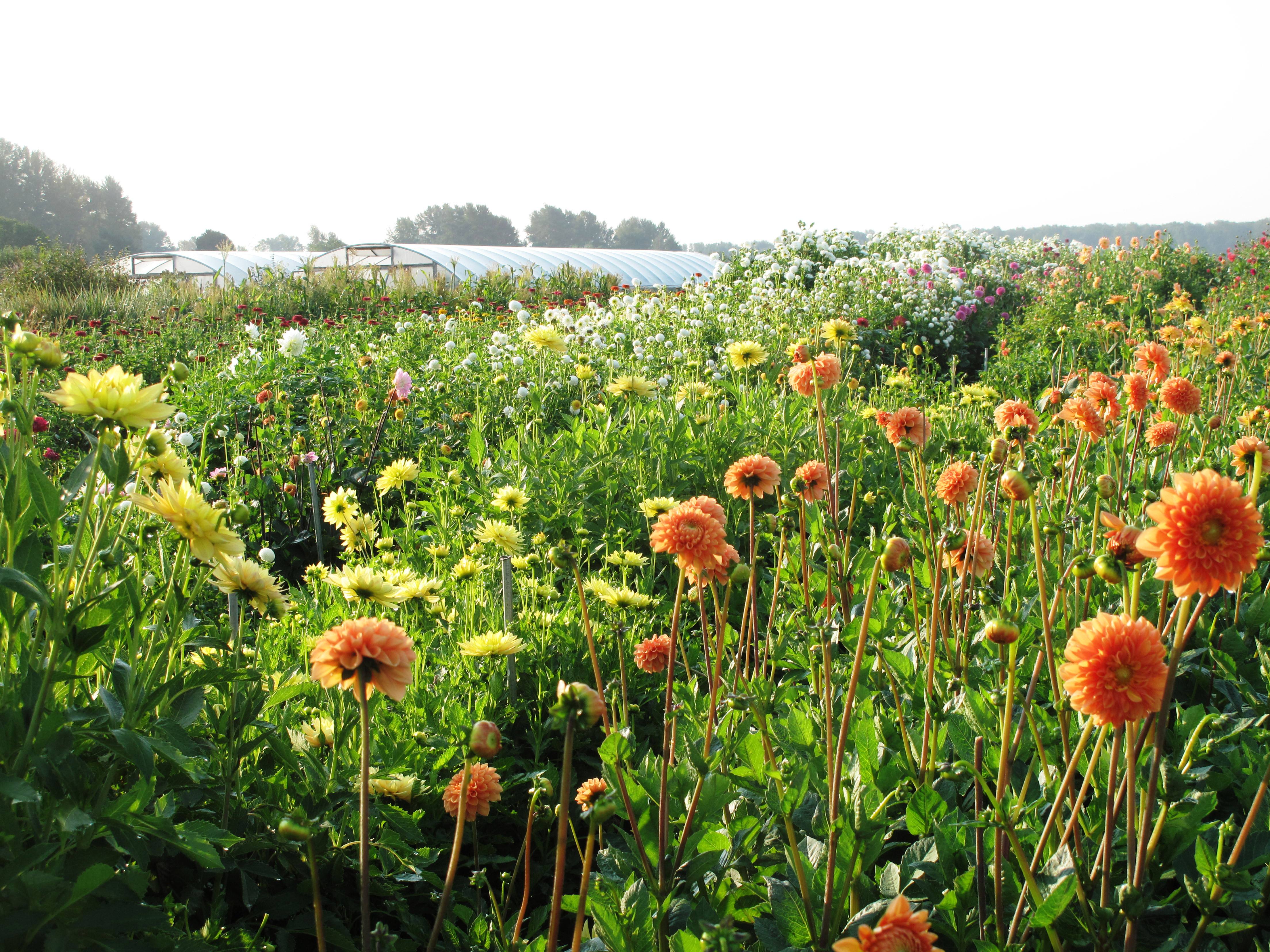
Flower farms preserve open spaces and agricultural land. Like this 7-acre patch of heaven in Mt. Vernon, Washington, home to Jello Mold Farm.

Flower farms preserve open spaces and agricultural land. Like this 7-acre patch of heaven in Mt. Vernon, Washington, home to Jello Mold Farm.

2. By supporting “American Grown” flowers, you are stimulating economic development where it’s desperately needed:

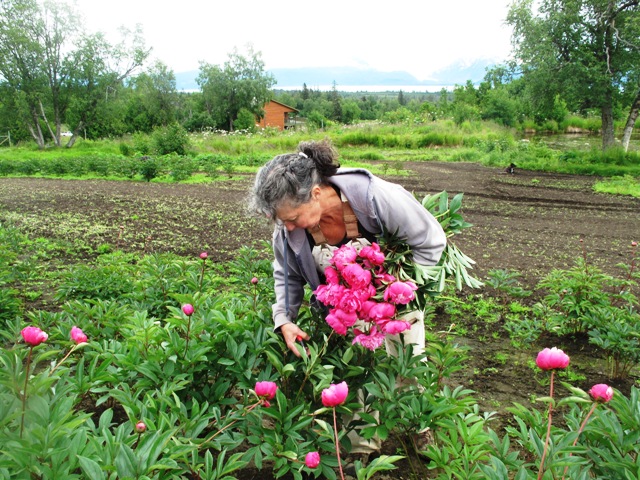
Imagine, a new economic floral industry in Alaska! Here's farmer Shelley Rainwater harvesting her beautiful peonies in Homer, Alaska.

Imagine, a new economic floral industry in Alaska! Here’s farmer Shelley Rainwater harvesting her beautiful peonies in Homer, Alaska.

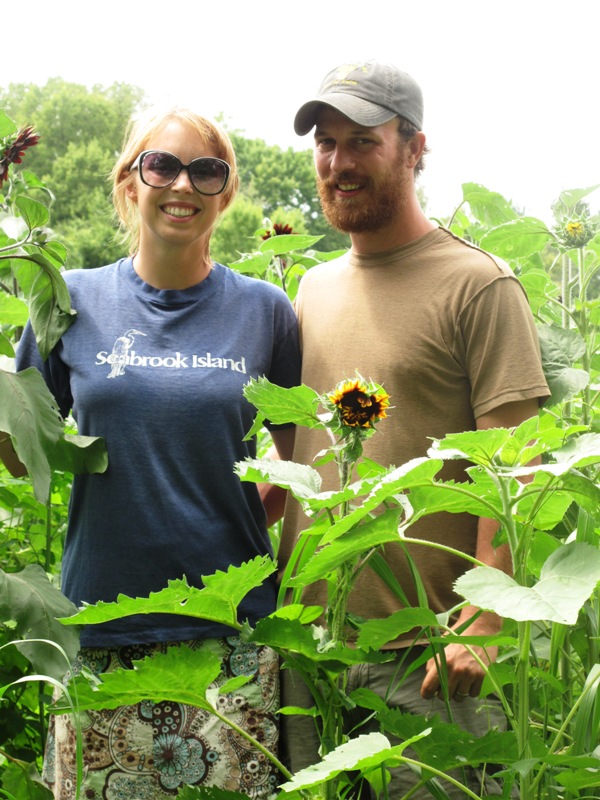
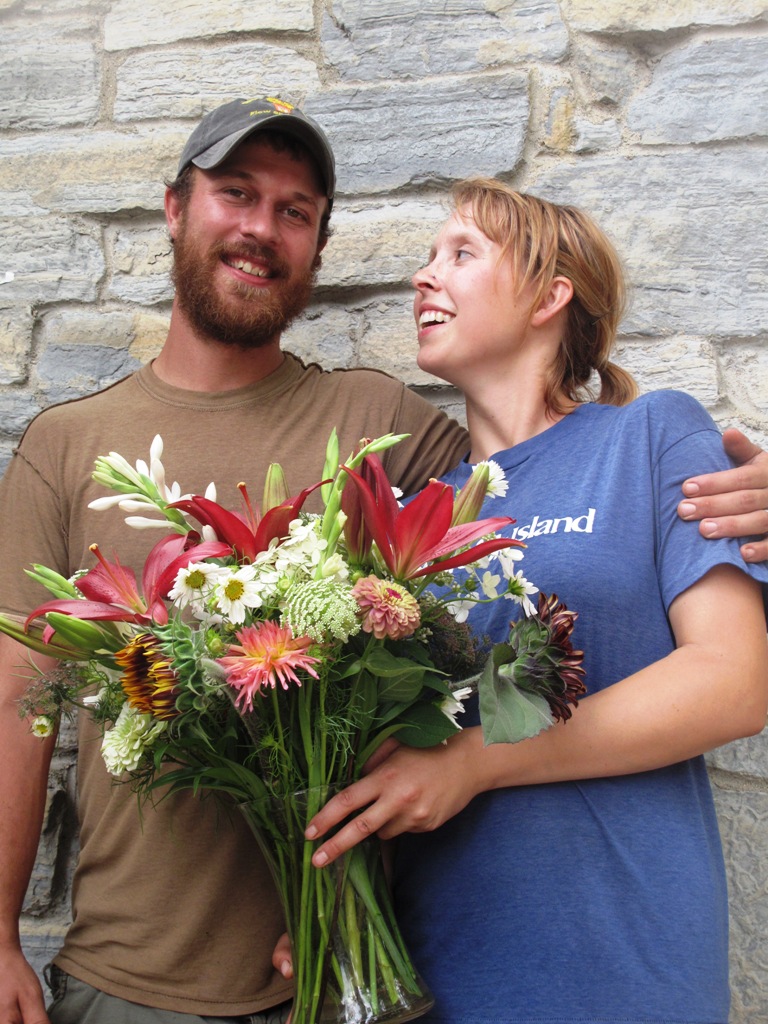
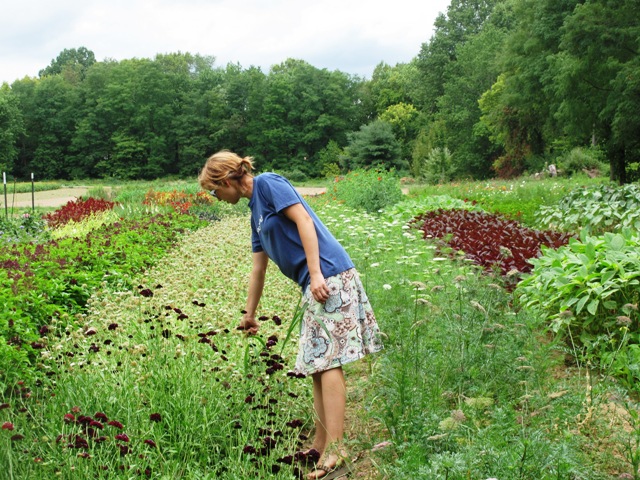
3. By supporting “American Grown” flowers, you are saving the family farm and the very notion of making one’s living from the land.

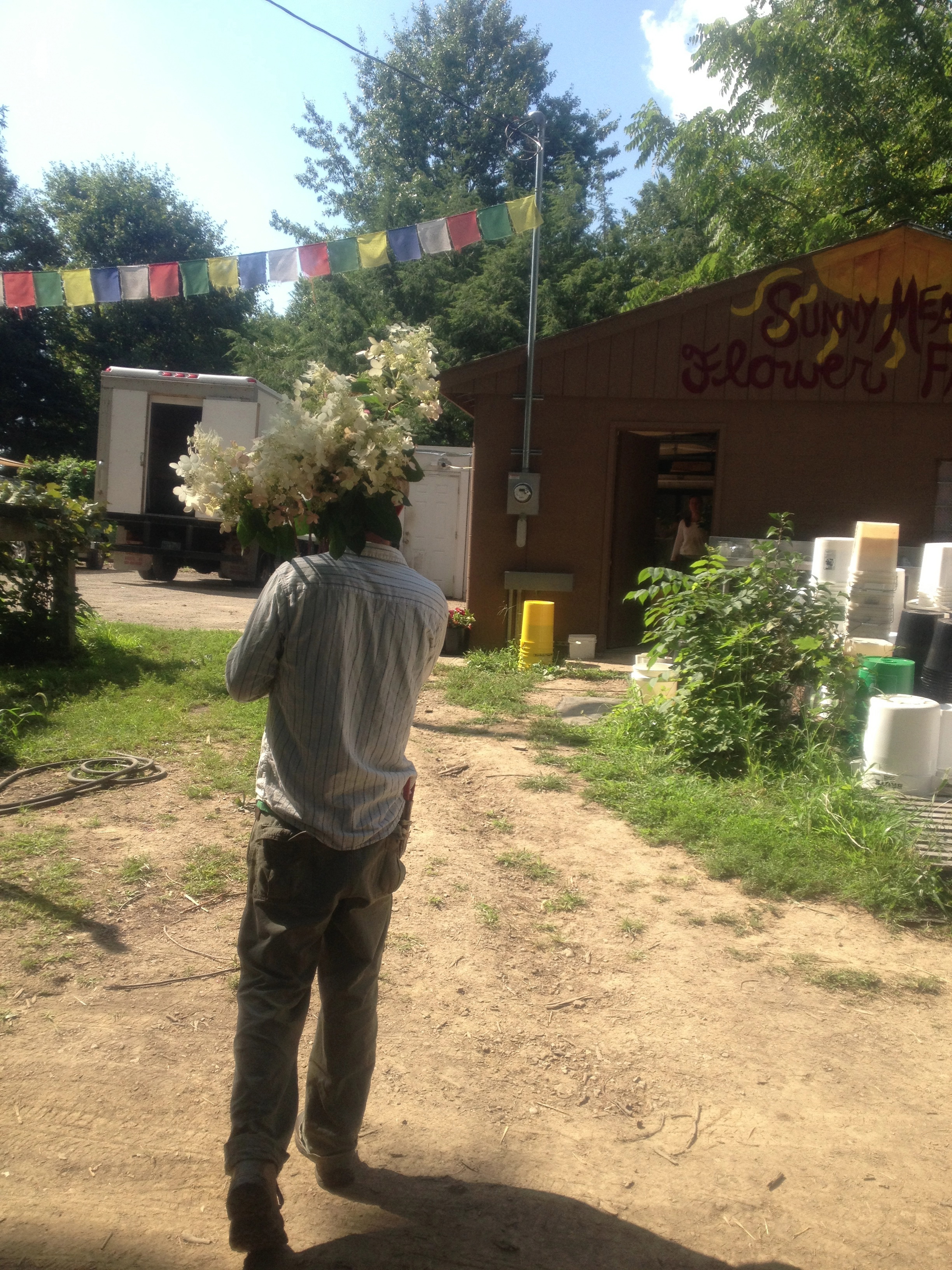
Agriculture in America is alive and well, especially when we can support farmers young and old in making their living from their land. Gretel and Steve Adams of Sunny Meadows Farm outside Columbus, Ohio.

Agriculture in America is alive and well, especially when we can support farmers young and old in making their living from their land. Gretel and Steve Adams of Sunny Meadows Farm outside Columbus, Ohio.

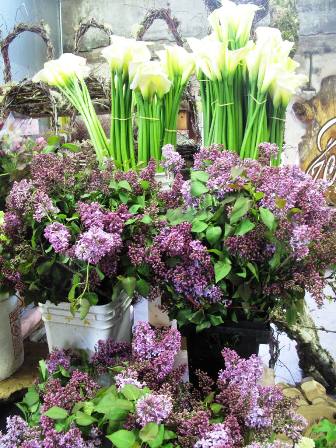
4. By supporting American flower farms, you are ensuring the diversity and variety of choices in the marketplace. 

Field grown calla lilies and heady lilacs - Oregon grown and amazingly beautiful, fresh and healthy.

Field grown calla lilies and heady lilacs – Oregon grown and amazingly beautiful, fresh and healthy.

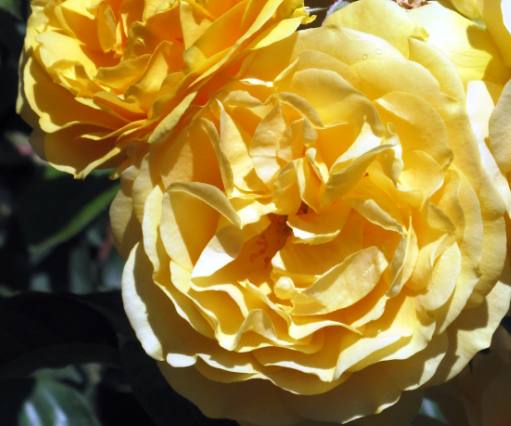
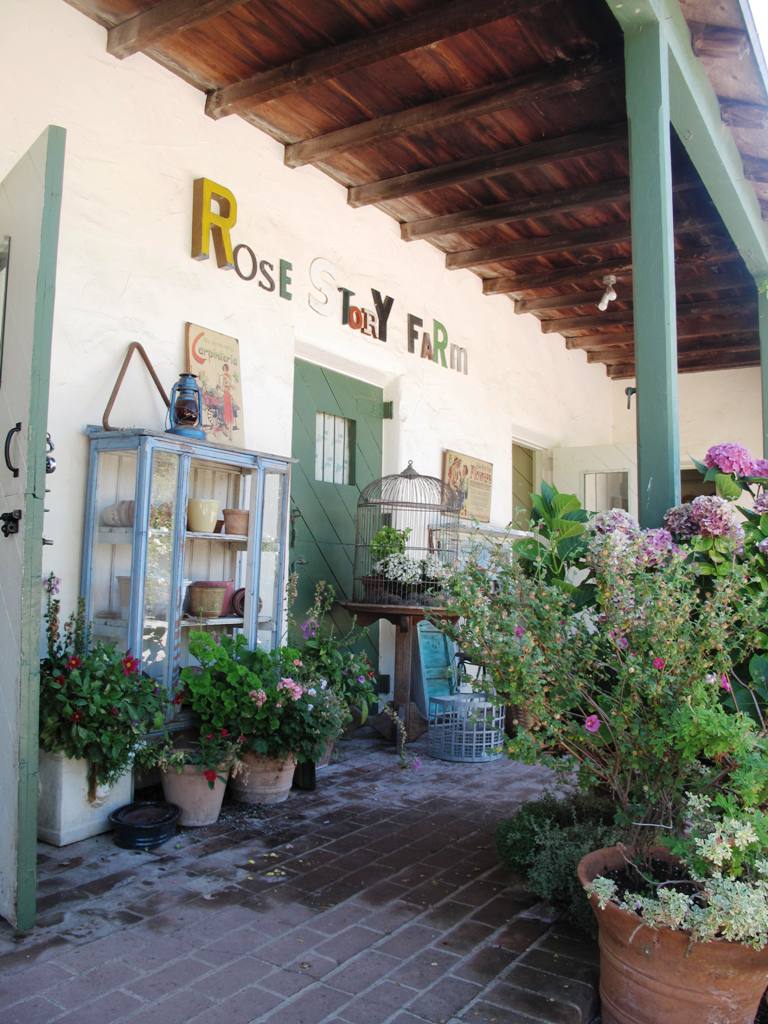
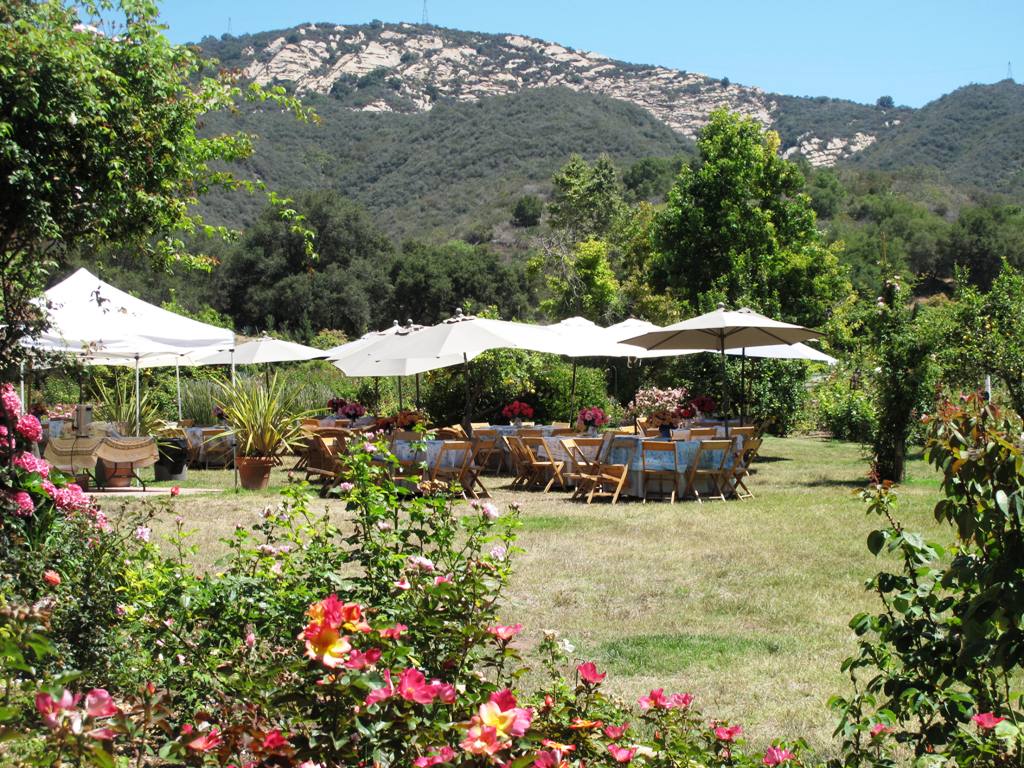
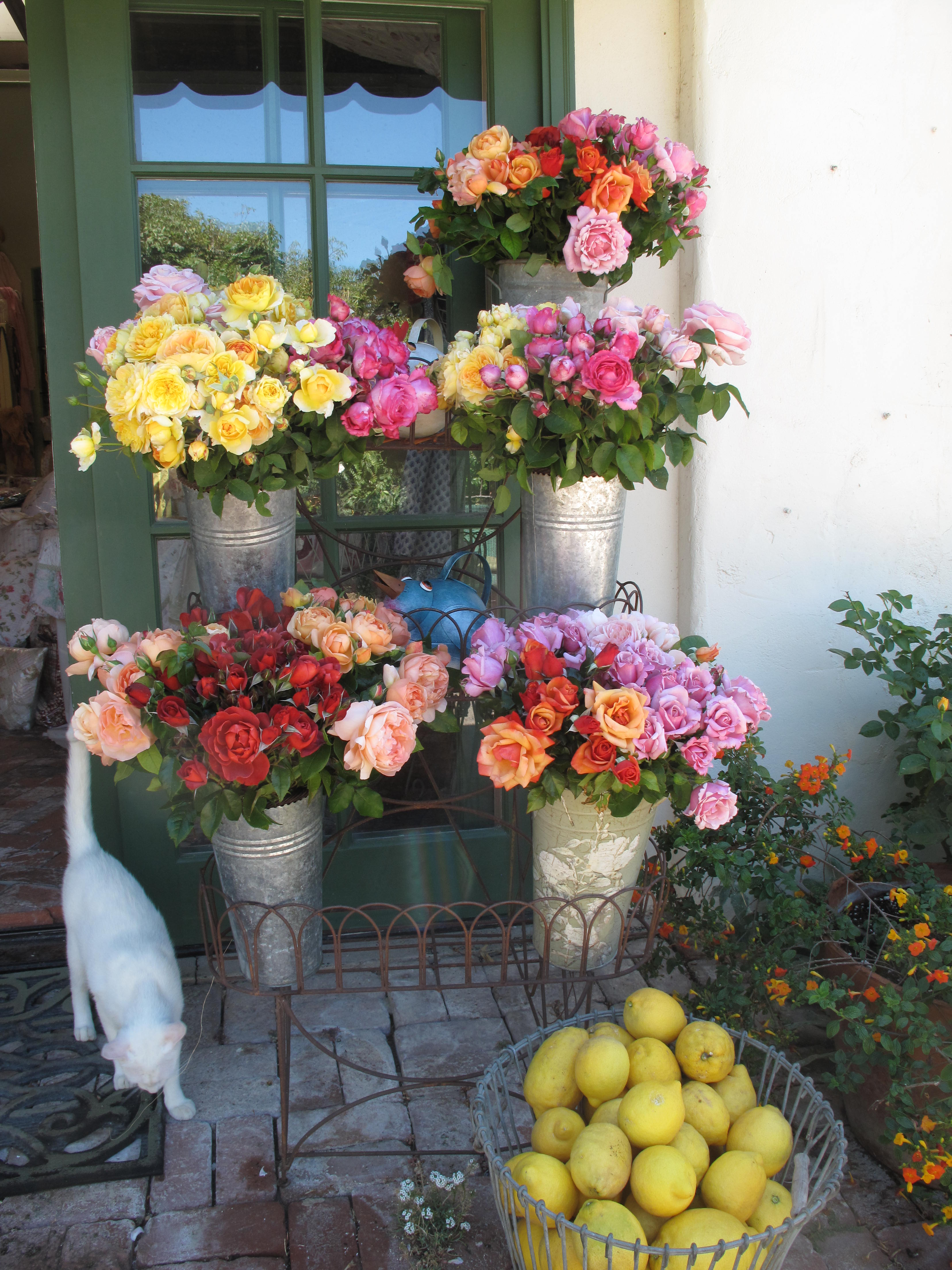
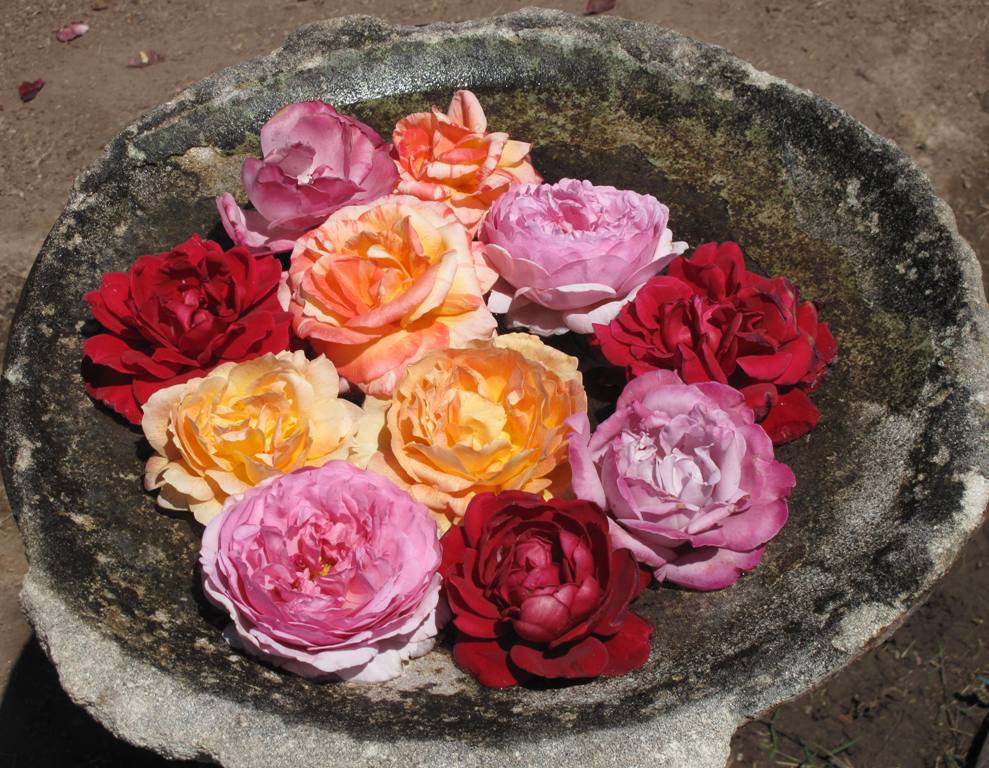
Field-grown old garden and English roses from Rose Story Farm. Hard to resist!

Field-grown old garden and English roses from Rose Story Farm. Hard to resist!

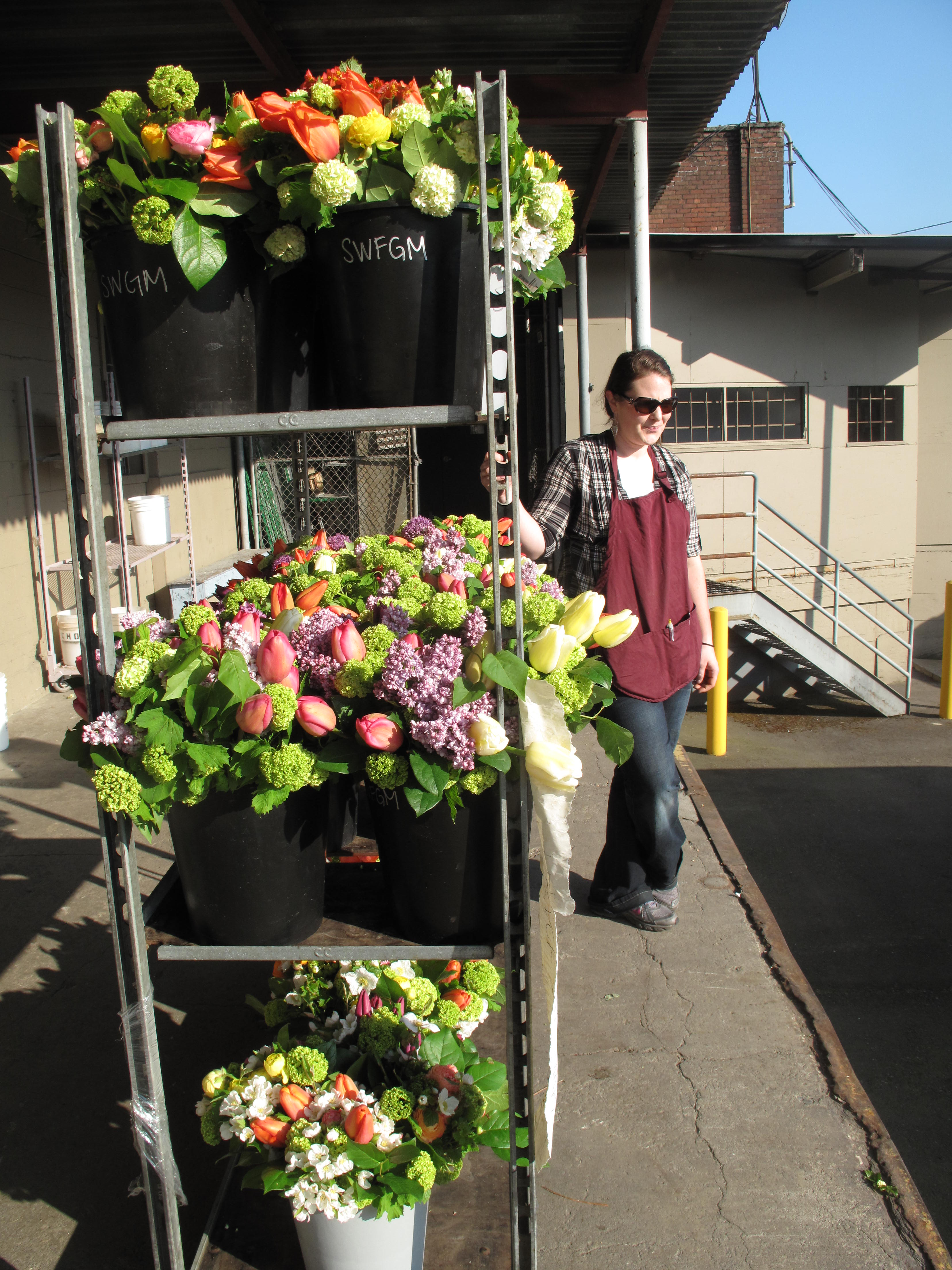
5. By supporting American flower farms, you are giving conscious and creative supermarket floral buyers A CHOICE about where they source their flowers, too.

These Northwest flowers are on their way to the Town & Country Supermarket chain where buyers and their customers CARE that their flowers are locally grown.

These Northwest flowers are on their way to the Town & Country Supermarket chain where buyers and their customers CARE that their flowers are locally grown.

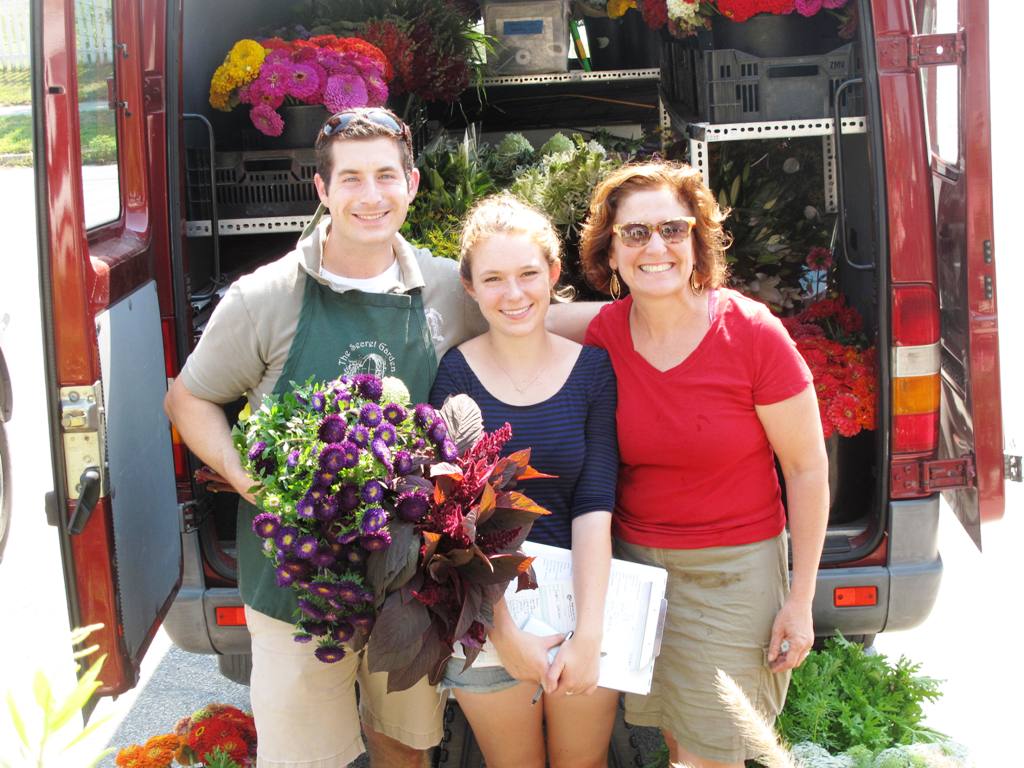
 6. By supporting American Flowers, you are helping to RECONNECT florists with flower farmers – and when that happens, beautiful things emerge!

Polly Hutchison (right) of Robin Hollow Farm in Rhode Island makes weekly deliveries to David Urban (left), owner of The Secret Garden - an appreciative customer.

Polly Hutchison (right) of Robin Hollow Farm in Rhode Island makes weekly deliveries to David Urban (left), owner of The Secret Garden – an appreciative customer.

7. By supporting American Flowers, you are making it possible for farms to share their story with consumers, many of whom may never before have visited a flower farm or greenhouse!

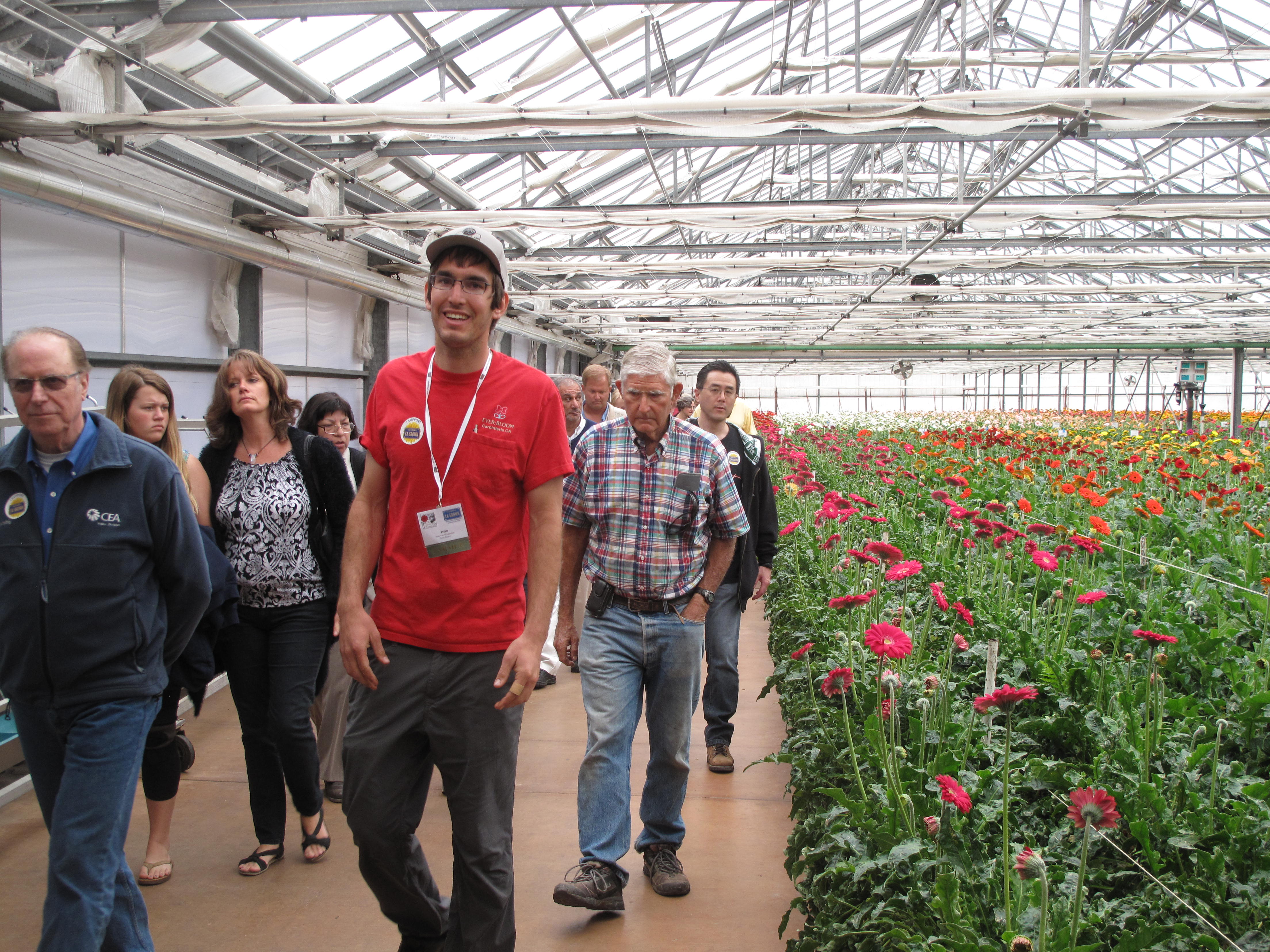
Ivan Van Wingerden of Ever-Bloom in Carpinteria, California, tours visitors through the gerbera greenhouses during the annual open garden event bringing consumers to flower farms.

Ivan Van Wingerden of Ever-Bloom in Carpinteria, California, tours visitors through the gerbera greenhouses during the annual open garden event bringing consumers to flower farms.

8. By supporting American Flowers, you’re making sure that LOCAL FLOWERS are part of the FARM-TO-TABLE story!

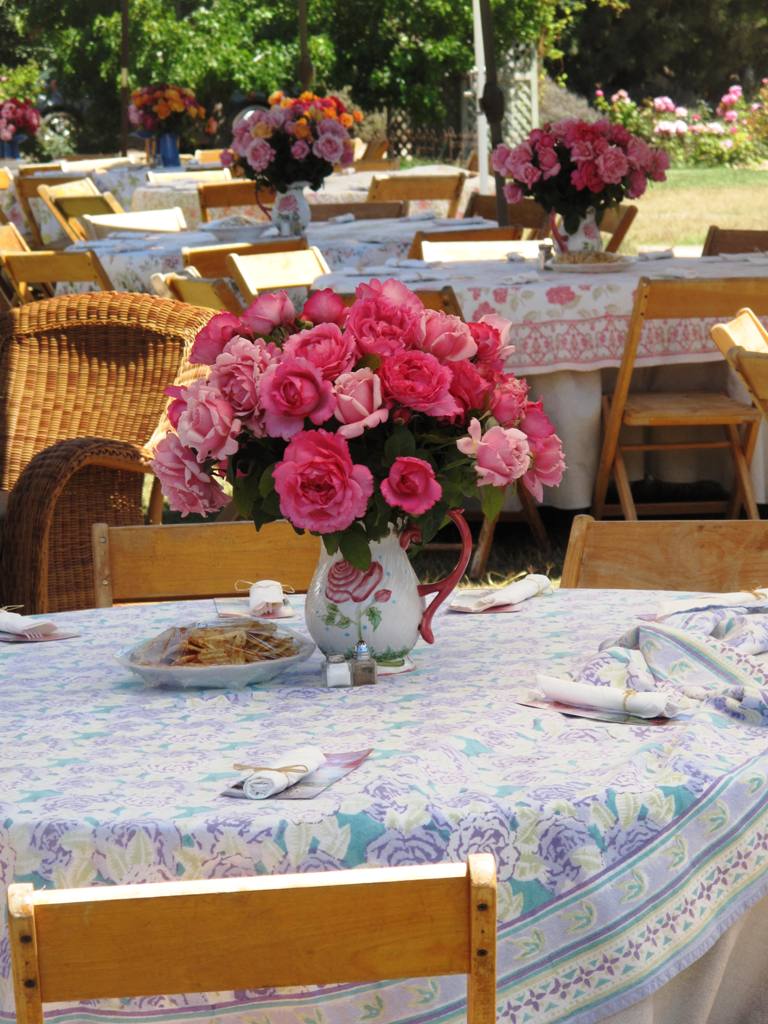
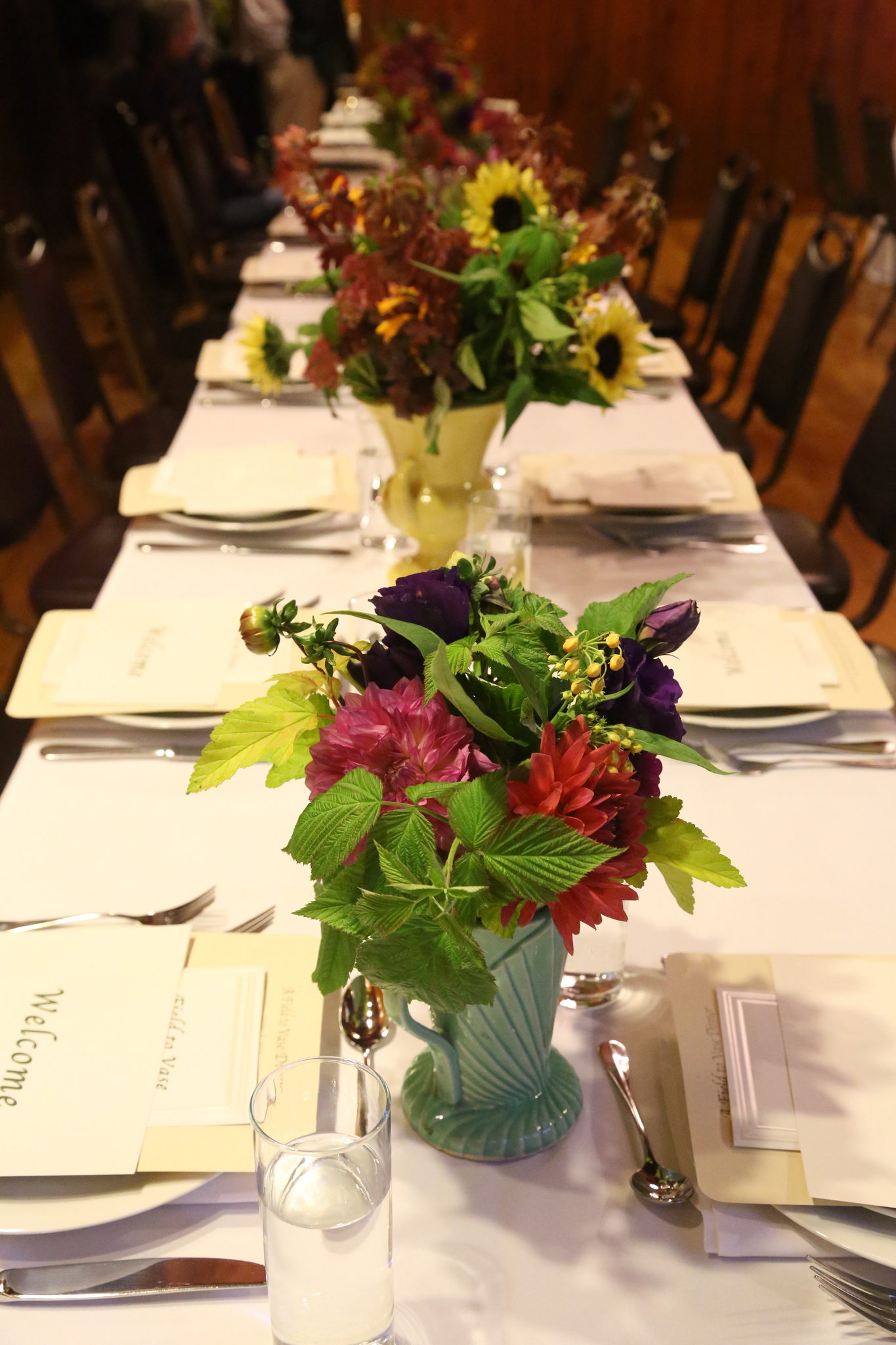
table beauty

Flowers are an important item on the farm-to-table menu!

9. By supporting American Grown flowers, you are helping an entire industry advocate for change – for transparency and honesty when it comes to COUNTRY OF ORIGIN LABELING on FLOWERS:

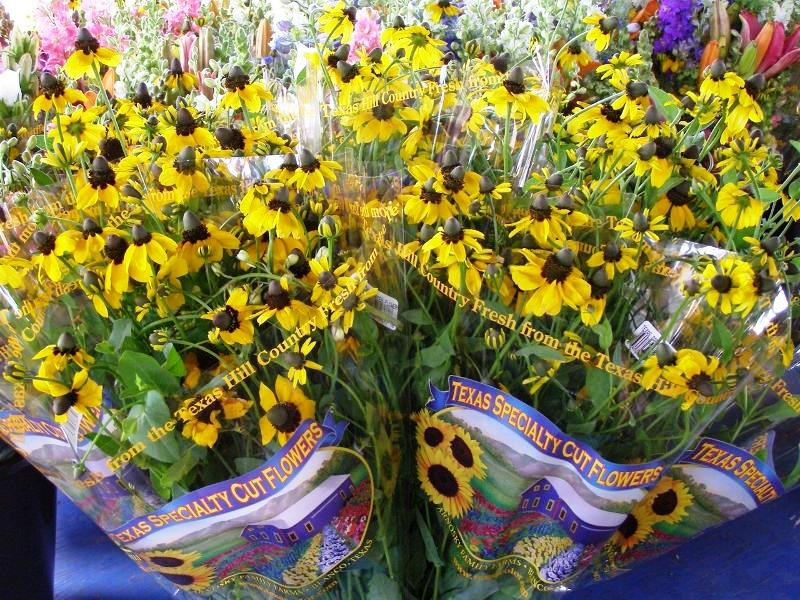
There is no doubt that these flowers were grown by local farmers in their local community.

Thanks to honest labeling, there is no doubt that these flowers were grown by local farmers in their local community.

10. By supporting American Grown flowers, you’re putting more flowers on the table, one vase at a time. You’re saving an industry that has been long-neglected by its own elected officials. You’re changing the dialogue and elevating the design aesthetic for the flowers you give to celebrate, congratulate and share love.

It's a patriotic notion and an important way of life for generations of Americans.

It’s a patriotic notion and an important way of life for generations of Americans.

Tell me . . . WHY do you want to Save American Flowers?

Introducing Slowflowers.com: A Directory of American Flowers, Florists, Designers & Farmers

Sunday, January 5th, 2014

Every Sunday morning during 2013 I posted the Slow Flowers’ seasonal “bouquet-of-the-week” to share with you. We tracked the seasonal story of floral design, flowers, foliage and the farmers and gardens from which those ingredients came! It was a fantastic year in flowers, wasn’t it?

So what’s up for 2014?

For now, I’m going to take a break from weekly floral postings, but that does not mean I’ll be sitting around with my feet up on the ottoman perusing seed catalogs. No, I’ve been busy for the better part of the past six months working on the upcoming launch of Slowflowers.com. 

Web

Today, the funding campaign went live on Indiegogo and I invite you to check it out here. You’ll find lots of background information about why and how Slowflowers.com began.

I have many people to thank for helping me get to this point. Special thanks to Hannah Holtgeerts of HHcreates.net and her brother Luke Holtgeerts for creating the all-important video!

Preview it here: 

httpv://vimeo.com/83407503

 
Special thanks to our on-camera floral designers: Lynn Fossbender, Melissa Feveyear and Sara Jane Camacho
 
Special thanks to the team at Metric Media, especially Bob Meador, Willo Bellwood and Jacqui Lott for creating the Slowflowers.com look, feel, logo, topography and navigation – and to Martin Fletcher for his expertise and patience with our database!
 
Special thanks to all the florists and flower farmers who agreed to “endorse” this project for the campaign (Ann Sensenbrenner, Ellen Frost, Debbie Demarse, Polly & Mike Hutchison, and Diane Szukovathy/Dennis Westphall)
 
Special thanks to Kasey Cronquist of the California Cut Flower Commission and to Christina Stembel of Farmgirl Flowers who lent their voices to the video and so many hours of brainstorming and ideation.
 
Thanks, too, to the California Cut Flower Commission for sharing visuals and infographics for the SlowFlowers Slide Show.
 
Special thanks to Dave Salwitz for his last-minute audio recording talents
 
And mostly, thanks to my husband Bruce Brooks, for his endless support, emotionally and financially, for all my creative projects. 
 

SLOW FLOWERS Podcast: Will 2014 be the Year We Save Our Flowers? (Episode 122)

Wednesday, January 1st, 2014

Greetings and Happy New Year! This is the first Slow Flowers Podcast episode of 2014 and I have devoted it to an essay about the state of the American floral industry and the critical changes that need to take place in order to save it.  

Here are some highlights of my thoughts and ideas:

Web


SlowFlowersScreenShot

1. In early 2014, as promised for months, I will launch SLOWFLOWERS.com, a free nationwide online directory to florists, shops and studios who design with American Grown Flowers and the family farms who sell direct to the consumer. Please take a moment to sign up for more details – including the Beta Launch later this month. 

 Picture1

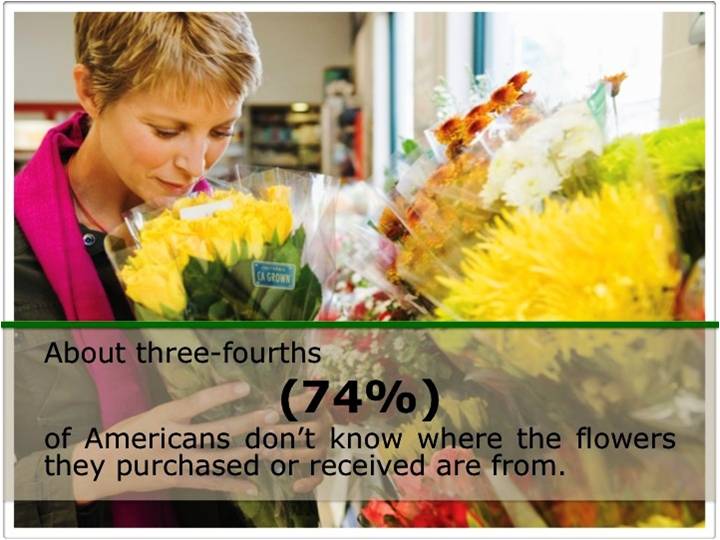
2. Without the kind of valuable information shared by the amazing guests of the SLOW FLOWERS Podcast and without proper country-of-origin labeling on all flowers at the marketplace, American consumers simply do not know where their flowers come from. They do not know WHO grew those flowers. They do not know WHERE those flowers were grown and what SUSTAINABLE practices were used. *Infographic, courtesy of California Cut Flower Commission.

img598img599

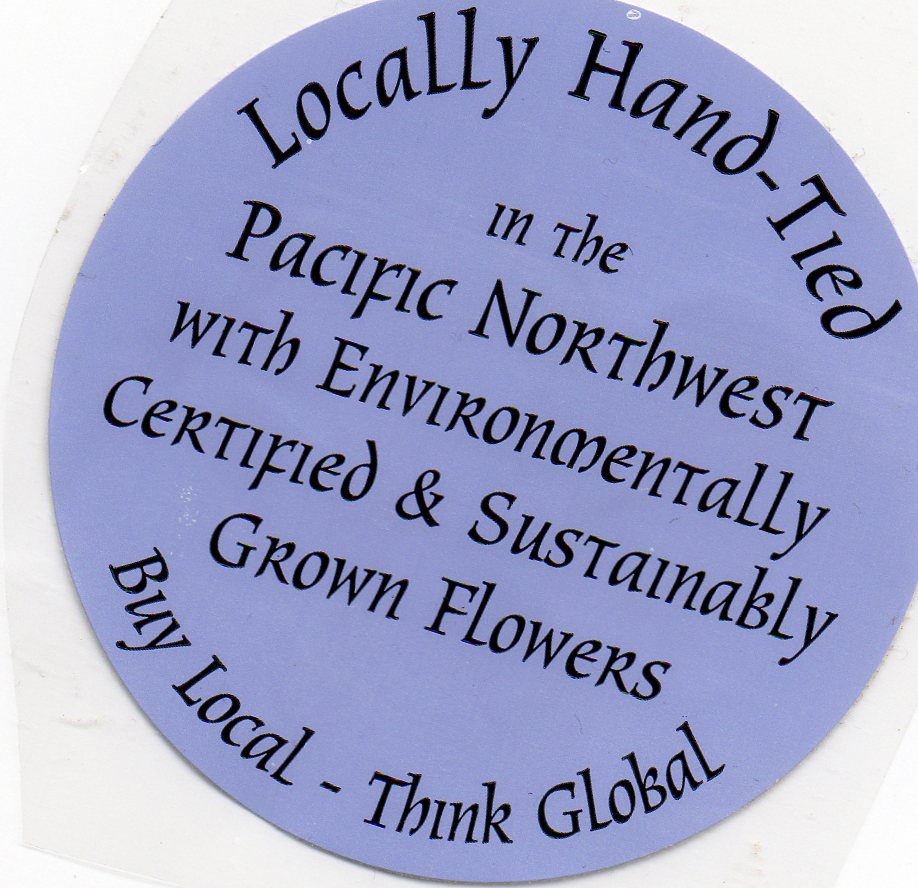
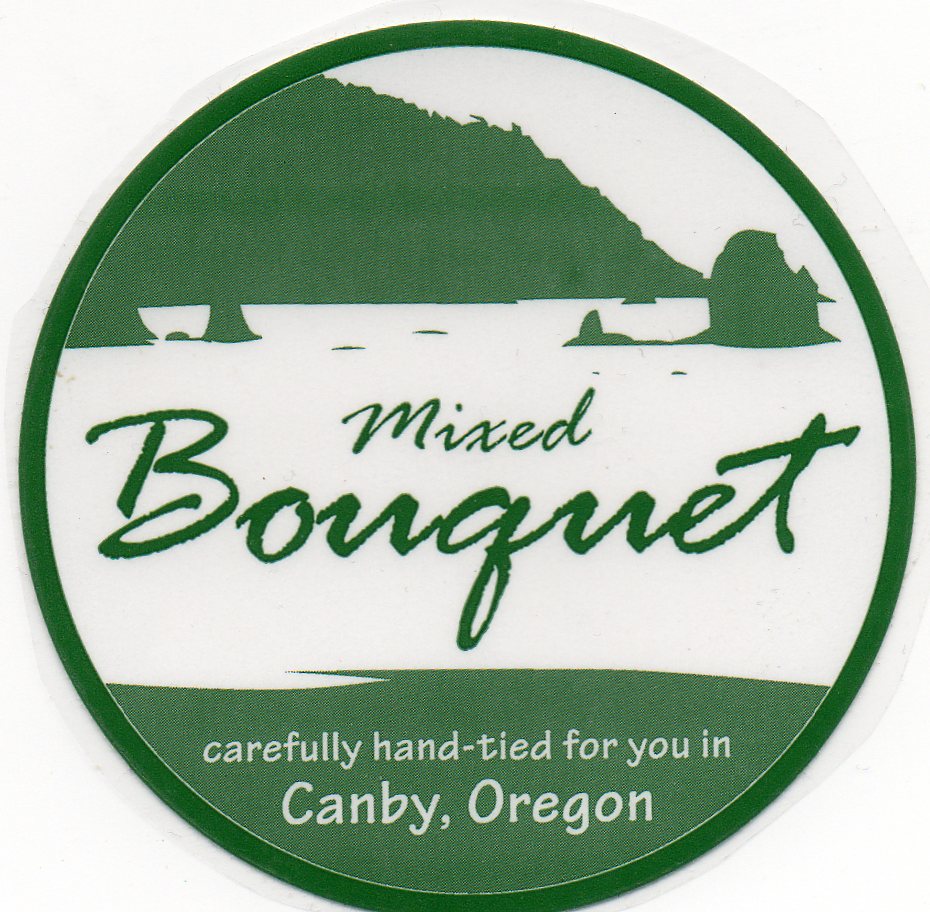
3. Above you will find two types of confusing labeling seen in the marketplace, used by retailers who are trying to ride the wave of American grown. These labels appeared on mixed bouquets of imported flowers. So the implication is that they are “local,” when all that’s local about those bunches was the fact that they were “assembled” with a twistie-tie or a rubber band in some nearby warehouse. It’s disheartening to see lack of leadership in flower retailing. Unless people like you and me object and insist on accurate product information, we will continue to witness this sort of dishonesty at the cash register.

img480

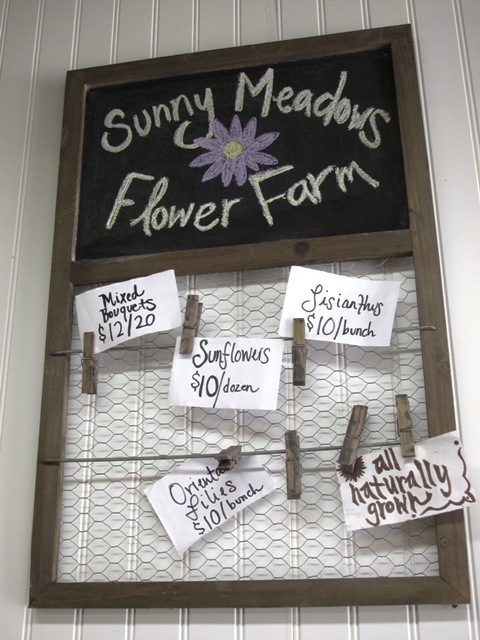
 4. Above you will find GREAT labeling from my friends Gretel and Steve Adams, flower farmers at Sunny Meadows Flower Farm in Columbus, Ohio, who promise “Local-Sustainable-Fresh” on all their bouquets and bunches. This is the precise type of information that helps consumers make an informed choice about the flowers they buy. It’s easy for their customers to log onto the farm’s web site and see photos of luscious, abundant fields and greenhouses of flowers growing in their own community.

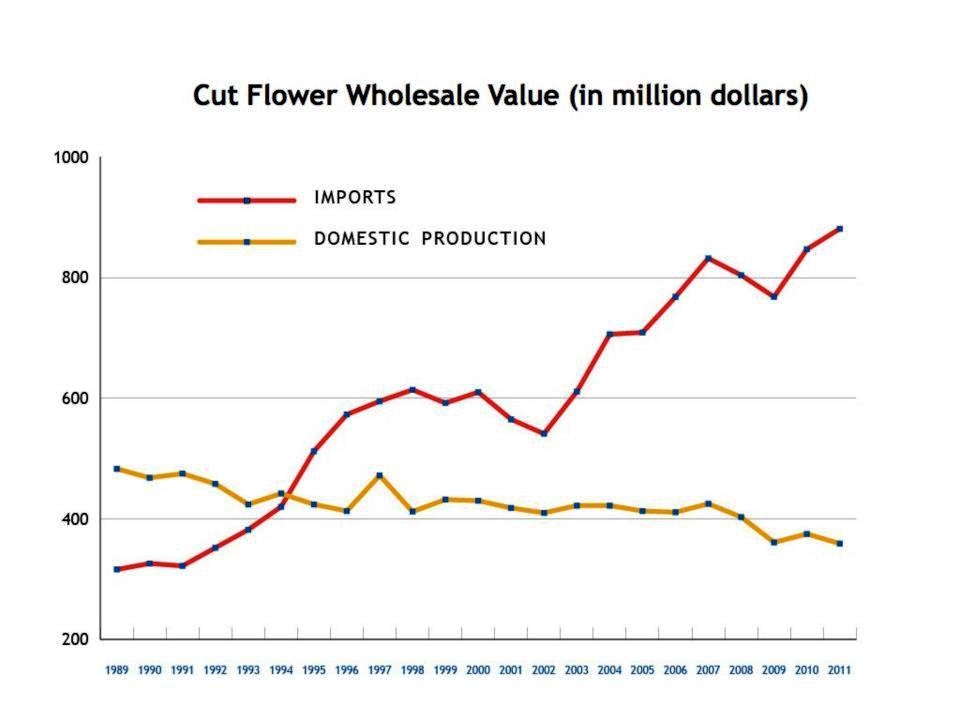
cutflower_graph5. The graph above begin in 1989, just prior the the Andean Trade Preference Agreement. You can see the dramatic trajectory of imports and how the U.S. government’s preferential treatment for South American flower producers has devastated domestic U.S. flower production. *Infographic, courtesy of California Cut Flower Commission. Let’s reverse this trend in 2014!

11647668554_9859c0aeed_b

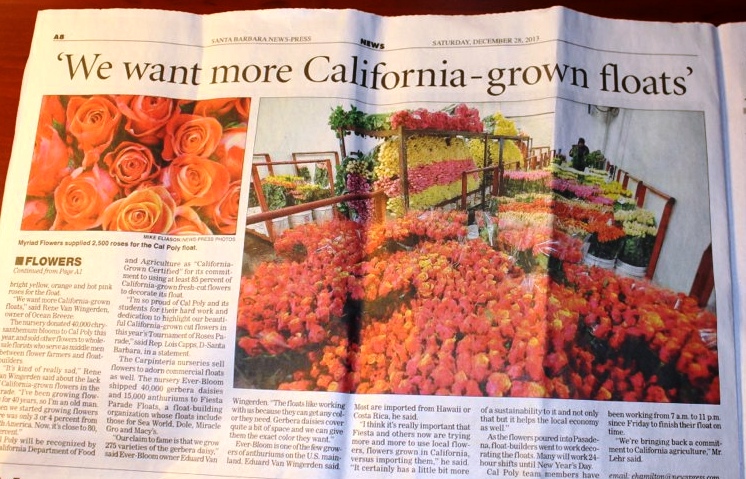
6. Today is January 1st and you may have seen the Pasadena Rose Parade broadcast on television. Tragically, only one out of 45 floats was created with all California-grown flowers. Read more about the status of Rose Floats that use imported flowers in yesterday’s Huffington Post column by Bill Prescott here. Read more about the Cal Poly All-American Float here.  *”We want more California-grown floats,’ an article from Dec. 28, 2013 Santa Barbara Free-Press.

How far is Too Far

7. Please be conscious of your FLOWER MILE as much as you are of your FOOD MILE. *Infographic, courtesy of California Cut Flower Commission.

SlowFlowers_Badge_640x480

8. Take the AMERICAN FLOWERS Pledge in 2014! I look forward to sharing more inspiring flower stories from the farms who grow American flowers and the studios/designers/florists who sell and create beauty with American flowers in the coming year!

Thank you  for joining me in this episode of the SLOW FLOWERS Podcast with Debra Prinzing.

Listeners have downloaded more than 4,500 episodes of the Slow Flowers Podcast since I launched it in July 2013. I thank you for taking the time to join to my conversations with flower farmers, florists and other notable floral experts.

If you like what you hear, please consider logging onto Itunes and posting a listener review.

Until next week please join me in putting more American grown flowers on the table, one vase at a time. 

The Slow Flowers Podcast is engineered and edited by Hannah Holtgeerts. Learn more about her work at hhcreates.net. 


SLOW FLOWERS: Week 52

Sunday, December 29th, 2013

 FRESH PICKED AND EVERGREEN

Local Washington tulips fill one of my favorite pedestal vases. The greenery and branches are all from my garden.

Local Washington tulips fill one of my favorite pedestal vases. The greenery and branches are all from my garden.

Here we are at the final week of the year. And I want to share with you a final look at my year-long project to create, photograph and write about 52 consecutive weeks of local and seasonal floral arrangements.

It was a fabulous ride – and one that rewarded me with so many gifts, friendships and experiences.

Today, I’m sharing a bonus bouquet – created during my one-year odyssey. It didn’t make it into Slow Flowers, but I’m not sure why. I truly love this arrangement, which was created with downed confier branches and bare twigs from my vine maple tree — all free for the taking! They’re paired with two small bunches of white and creamy-yellow tulips grown by Alm Hill Gardens and purchased at Seattle’s Pike Place Market just after Christmas.

The chicken wire is somewhat inelegant, but you'd never know it by looking at the finished bouquet above.

The chicken wire is somewhat inelegant, but you’d never know it by looking at the finished bouquet above.

This is just the sort of shallow vase into which a conventional florist would stick a chunk of foam before arranging the branches and stems. But if you’ve been a reader of this blog for any length of time, you know I am a big hater of foam.

A simple square of chicken wire, formed into a mushroom-cap shape and inserted into the opening of the vase, is the perfect alternative. I use this wire over and over again, rarely throwing it into the recycling bin until I’ve gone through multiple arrangements.

Enjoy! Not sure when I’ll resume this bouquet-a-week project, but I promise to share more of my local, seasonal and sustainable floral projects in 2014.

SLOW FLOWERS Podcast: Kelly Sullivan of Seattle’s Botanique, an urban floral designer with a backyard cutting garden (Episode 121)

Thursday, December 26th, 2013
Kelly Sullivan, floral designer, flower farmer, and owner of Botanique in Seattle.

Kelly Sullivan, floral designer, flower farmer, and owner of Botanique in Seattle.

Today’s guest is my friend and fellow Local Flowers Advocate Kelly Sullivan.

Based in Seattle, in fact, just a few blocks from where I live, Kelly is an up-and-coming studio floral designer, small-scale flower farmer and owner of Botanique. 

We met a few years ago at the Northwest Flower & Garden Show, just as Kelly was developing her business model for Botanique. I have to tell you, her venture has really taken off — and Kelly has lived up to her tag-line: Overwhelmingly Beautiful Flowers

Kelly brought me this spring arrangement using all spring garden elements with a few juicy anemones from a local farmer. So enchanting!

Kelly brought me this spring arrangement using all spring garden elements with a few juicy anemones from a local farmer. So enchanting!

There are so many things that impress me about this young woman. She brings a garden design and landscaping background to her floral creations; her horticultural knowledge has greatly influenced the plantings in The Botanique Cutting Garden – the backyard “urban flower farm” where Kelly grows many of the flowers she uses in her designs. 

While she’s still young, Kelly is actually already on her second career. She trained and performed as a modern dancer after college. Dance plays a special role in her designs. “When people ask what defines my style, I’ve realized recently that it’s ‘movement,’” she says. “Movement is like choreography. When I compose a bouquet, it always has movement – and you see it in everything from the vines to the stems.”

One of Kelly's beautiful arrangements shows her dancer's sensibility in designing with botanicals.

One of Kelly’s beautiful arrangements shows her dancer’s sensibility in designing with botanicals.

Movement adds energy to her otherwise lush design style. Kelly isn’t interested in producing perfect, symmetrical arrangements. “When I design, that’s when the gardener in me shows up,” she says. “I love foliage, berries, wild elements. I love interlocking stems, unusual edibles and even seed pods.” What you see in her vases looks and feels alive (I guess that’s the dancer showing up, right?).

A peek inside Kelly's new floral design studio in her Seattle garden.

A peek inside Kelly’s new floral design studio in her Seattle garden.

Our conversation took place in Kelly’s brand new studio, a converted one-car garage that will soon be a bustling center of creativity and design. “I’m obsessed with flowers,” she confides. To Kelly, when you grow your own ingredients you can’t help but notice the seasonality of each flower. “If it’s growing right there in your garden, it’s impossible not to want to pick it and arrange it,” she points out.

Of course, I feel the same way. And as more floral designers follow Kelly’s example – either by growing some of their own botanical elements or connecting with local flower farmers – the floral community will only improve. Designs that are seasonal and local have a special character, a vibrancy and authenticity not found in distantly grown or out-of-season choices. Here are some more flowers, gathered together by this gifted and inspired designer. 

 Botanique6 Botanique5 Botanique4 Botanique1 Botanique2 Kelly2_7958

So happy holidays to the flower-obsessed. And thank you  for joining me in this episode of the SLOW FLOWERS Podcast with Debra Prinzing.

Because of your support as a listener, we have had nearly 4,500 downloads in 2013 – and I thank you for taking the time to join to my conversations with flower farmers, florists and other notable floral experts.

If you like what you hear, please consider logging onto Itunes and posting a listener review.

Until next week please join me in putting more American grown flowers on the table, one vase at a time. 

The Slow Flowers Podcast is engineered and edited by Hannah Holtgeerts. Learn more about her work at hhcreates.net. 
SLOW FLOWERS: Week 51

Sunday, December 22nd, 2013

THE ALLURE OF AMARYLLIS

'Joker', a red-streaked amaryllis - perfect for a long-lasting holiday display

‘Joker’, a red-streaked amaryllis – perfect for a long-lasting holiday display

amaryllis and paperwhites IIIngredients:
2 amaryllis bulbs (Hippeastrum ‘Joker’), available via mail order, online and garden centers beginning in autumn. Store in a dry, cool space until planting. Can be planted and “forced” four to six weeks prior to desired bloom.
 
Vase:
8-inch tall x 8-inch diameter glass trifle dish used as a bulb planter
 
Design 101
Better than a flower pot: I realize it’s a little unconventional to fill a clear glass trifle dish with soil. But the elegant footed serving piece seems fitting for the graceful amaryllis plants it holds. Glass and ceramic serving pieces can quickly change the ordinary flowering bulb into a stylish floral display. I snagged this piece for $14 at a holiday flea market – and as a bonus, it was actually filled with the slightly faded Christmas balls!


SLOW FLOWERS Podcast: Lynn Fosbender of Chicago’s Pollen – Local Flower Love in a Cold Climate (Episode 120)

Wednesday, December 18th, 2013
Meet Lynn Fosbender, owner of Pollen Inc., a Chicago floral design studio  with a green ethos.

Meet Lynn Fosbender, owner of Pollen Inc., a Chicago floral design studio with a green ethos.

Lynn Fosbender is a Chicago-based owner of Pollen Inc., a sustainable floral design studio for weddings and events. This talented young woman is a leader in the sustainable floral and green wedding industry. And to me, she’s a true Slow Flowers hero!

Here’s a selection of her floral artistry, through the seasons of the year:

Pollen_spring1


summer mini arr


summer bouquet


spring peony snowball


Michael_Surgit_Dawn_E_Roscoe_Photography_DSC6142_low 

KB peony cpiece tall


Lynn knows her local sources, having cultivated relationships with flower farmers in Illinois, Wisconsin and MIchigan - all of whom serve the greater Chicago marketplace. I photographed Lynn while shopping for a wedding client at her local farmers' market.

Lynn knows her local sources, having cultivated relationships with flower farmers in Illinois, Wisconsin and MIchigan – all of whom serve the greater Chicago marketplace. I photographed Lynn while shopping for a wedding client at her local farmers’ market.

We met in 2010 when I was on a college visit with my oldest son. While he was getting oriented, I invited myself to tag along with Lynn as she shopped for flowers at a local farmer’s market. Afterwards, we returned to the Pollen studio, which at the time was located in an old brick warehouse next to Chicago’s famous “El” trains. 

Lynn’s design philosophy is influenced by both horticulture and ecology. With a B.A. in Horticulture and graduate studies in Restoration Ecology, you might wonder why Lynn ended up working with flowers.

Her career choice can be credited to a love for great design combined with extensive experience creating bouquets and arrangements for conventional florists (including a 4-year gig managing one of Chicago’s top retail flower shops).

Seasonal and Sustainable Bouquets by Pollen

Seasonal and Sustainable Bouquets by Pollen

Yet even while working in the world of cutting edge-floral design, Lynn knew she wanted to use sustainable practices, something she hadn’t much observed in the industry.

“I was looking at all the stuff we were throwing away that should have been composted,” for example, she says. “For several years I thought I would like to own a full-service flower shop that was eco-friendly. I knew if anyone should do it, it should be me.”

Lynn’s vision was adopted by a group of MBA students at Loyola University who developed a business plan inspired by her ideas. Thus, Pollen Inc., was born in 2009.

A beautiful centerpiece.

A beautiful centerpiece.

After our early-morning farmer’s market stop, I followed Lynn back to the studio. With her arms filled with pale peach lilies, a bunch of verdant millet seedheads and dozens of brilliant sunflowers grown by a local Illinois flower farmer, Lynn led me upstairs to her light-filled loft-like space. 

She processed the flowers while we discussed her green philosophy, the challenges of keeping brides (and grooms) happy with their flower choices, and the future for sustainable flower design.

It’s no surprise to learn that local farmers who sell to Chicago area floral designers are limited by a growing season that ranges from May through October.

A luscious color palette from Pollen.

A luscious color palette from Pollen.

In the colder months Lynn thinks beyond the obvious path and seeks to find sustainable options – even out of season. She orders Veriflora-certified California-grown flowers and also occasionally relies on a Chicago-area wholesale supplier for non-domestic Veriflora flowers as a second option.

 “Otherwise, I would be using twigs and moss – that’s what’s local in the winter,” Lynn says with a grin. But then, she pauses and mentions a favorite local source for orchids – a popular wedding flower that’s greenhouse grown.

“I try to offer people more eco-friendly alternatives; things they might not otherwise notice,” she explains.

Lynn avoids using oasis, glues, dyes or sprays, almost always using water-filled vases for arrangements. By offering an affordable vase-rental service for weddings and events, Lynn makes it easy for clients to make the eco-friendly choice.

She also promotes and markets her studio in the green wedding world, collaborating with other vendors such as caterers, photographers and invitation printers.

Here’s a short interview with Lynn. She discusses her motivation for using sustainable flowers, as well as The Chicago Green Wedding Alliance, a collaboration she launched with like-minded businesses and artists:

It is so refreshing to meet and connect with designers like Lynn and so many of my previous Slow Flowers guests. There is a renaissance going on in the floral industry and these are the people to watch – the progressively minded designers who realize that consumer attitudes and desires have shifted – and that delivering American-grown flowers and using sustainable practices is a priority to those consumers. That’s smart business not just smart values.

Thank you  for joining me in this episode of the SLOW FLOWERS Podcast with Debra Prinzing

Because of your support as a listener, we have had more than 4,000 downloads since July – and I thank you for taking the time to join to my conversations with flower farmers, florists and other notable floral experts.

If you like what you hear, please consider logging onto Itunes and posting a listener review.

Until next week please join me in putting more American grown flowers on the table, one vase at a time. 

The Slow Flowers Podcast is engineered and edited by Hannah Holtgeerts. Learn more about her work at hhcreates.net. 

SLOW FLOWERS: Week 50

Sunday, December 15th, 2013

ILEX BERRIES AND PAPER WHITES

One must maintain a little bit of summer,
even in the middle of winter.
–Henry David Thoreau

Welcome to the Holiday Season, when flowers are less likely to originate - at least in my garden. This festive combination is a great option.

Welcome to the Holiday Season, when flowers are less likely to originate – at least in my garden. This festive combination is a great option.

Ingredients:
5 paper white bulbs (Narcissus papyraceus), available at many garden centers beginning in autumn. I like to plant pots of these bulbs indoors around Thanksgiving so that their blooms (and scent) fill the house by the December holidays.
20 stems scented geranium foliage (Pelargonium citrosum), grown by Charles Little & Co.
10 stems winter berry (Ilex verticillata), grown by Charles Little & Co.
 
This is how all three ingredients appear together in a low tray.

This is how all three ingredients appear together in a low tray.

Vase:

2½-inch deep x 6 inch diameter ceramic dish used as a bulb planter (this one has no drainage, so I watered sparingly)
2½-inch deep x 13-inch long x 9½-inch wide oval tray (wicker with a metal lining)
 
Eco-technique
Divided arrangements: When the ingredients in your bouquet have different requirements, you can devise a two-sectioned vessel. Here, the bulbs needed a small amount of soil, but the cut foliage and branches needed only fresh water.
 
The solution was to place a dish with the planted bulbs in the center of the wicker tray. Then, I arranged the ingredients needing water around its edges, making sure to keep the water level lower than the rim of the center dish.


SLOW FLOWERS Podcast: All about Protea – a South African native that flourishes on California Flower Farms (Episode 119)

Wednesday, December 11th, 2013
Protea is a dazzling native South African flower that has adapted to California's benign growing climate - thus, perfect for the American-grown cut flower industry.

Protea is a dazzling native South African flower that has adapted to California’s benign growing climate – thus, perfect for the American-grown cut flower industry.

Today’s guests are two of the most influential US growers of Protea.

Mel Resendiz, an expert grower of Protea and other South African and Australian ornamental plants.

Mel Resendiz, an expert grower of Protea and other South African and Australian ornamental plants.

Owner of Resendiz Brothers Protea Growers, based in Fallbrook, California (in northern San Diego County), Mel Resendiz has been growing protea for 35 years. He’s joined by colleague Diana Roy, an equally passionate protea fan who handles marketing and promotion for Resendiz Proteas. 

You’ll hear us refer to this lovely flower a few ways. It’s spelled P-R-O-T-E-A, but pronounced:

Pro-tee-ay-AH . . . Pro-tee-Ah . . . or . . . pro-Tay_AH 

Whichever way you pronounce it, Protea is a luscious native South African flower, said to have been named after the Greek God Proteus, who was able to change into many different forms.

The Proteaceae family of plants is comprised of more than 1,400 species. Ranging from 2 to 12 inches in size, Proteas typically blooms in fall, winter and spring, although the folks at Resendiz are able to harvest and ship the flower year-round to customers in the U.S., Canada & Japan, due to their growing practices and attention to detail. 

Diana Roy, a board member of the California Cut Flower Industry and active protea promoter.

Diana Roy, a board member of the California Cut Flower Commission and active protea promoter. She was captured here at an industry event in a gerbera greenhouse.


A Resendiz bouquet in which Protea is paired with Pincushion flower (Leucospermum).

A Resendiz bouquet in which Protea is paired with Pincushion flower (Leucospermum).

Why are these South African plants now considered a valuable California flower crop? It’s because coastal California is one of five Mediterranean regions of the globe, similar to South Africa, Australia/New Zealand, Chile and Greece. Full sun, well-drained soil, good air circulation, mild winters and acid soil ensure that proteas thrive as if they were in their native environment.  

Established in 1999 and today one of California’s largest supplier of South African and Australian floral products and plants, Resendiz produces more than 200 varieties of these unique native plants.  Known for their exceptional value and long vase life, the protea and other blooms like PincushionsBanksiaKangaroo Paws and  Leucadendroncreate dramatic impact when incorporated in arrangements and bouquets. Many varieties are hybrids – grown only by Resendiz Brothers.
A wedding bouquet pairing protea with roses!~

A wedding bouquet pairing protea with roses!~

Rich in color, texture and form, the protea is both dramatic and exotic. The spectrum ranges from warm to cool colored blooms — Rich reds, deep pinks, and fresh greens. Together, these blooms make stunning arrangements – and they are long-lasting – a huge bonus for the florist and DIY designer alike.

If  you want an American-grown flower that will dazzle in the bouquet or the vase, look no further than the Protea.

Thank you  for joining me in this episode of the SLOW FLOWERS Podcast with Debra Prinzing. Because of your support as a listener, there have been nearly 4,000 downloads since July – and I thank you for taking the time to join to my conversations with flower farmers, florists and other notable floral experts.

If you like what you hear, please consider logging onto Itunes and posting a listener review.

Until next week please join me in putting more American grown flowers on the table, one vase at a time. 

The Slow Flowers Podcast is engineered and edited by Hannah Holtgeerts. Learn more about her work at hhcreates.net.