Debra Prinzing

Get the Email Newsletter!

SLOW FLOWERS Podcast: All about Protea – a South African native that flourishes on California Flower Farms (Episode 119)

Wednesday, December 11th, 2013
Protea is a dazzling native South African flower that has adapted to California's benign growing climate - thus, perfect for the American-grown cut flower industry.

Protea is a dazzling native South African flower that has adapted to California’s benign growing climate – thus, perfect for the American-grown cut flower industry.

Today’s guests are two of the most influential US growers of Protea.

Mel Resendiz, an expert grower of Protea and other South African and Australian ornamental plants.

Mel Resendiz, an expert grower of Protea and other South African and Australian ornamental plants.

Owner of Resendiz Brothers Protea Growers, based in Fallbrook, California (in northern San Diego County), Mel Resendiz has been growing protea for 35 years. He’s joined by colleague Diana Roy, an equally passionate protea fan who handles marketing and promotion for Resendiz Proteas. 

You’ll hear us refer to this lovely flower a few ways. It’s spelled P-R-O-T-E-A, but pronounced:

Pro-tee-ay-AH . . . Pro-tee-Ah . . . or . . . pro-Tay_AH 

Whichever way you pronounce it, Protea is a luscious native South African flower, said to have been named after the Greek God Proteus, who was able to change into many different forms.

The Proteaceae family of plants is comprised of more than 1,400 species. Ranging from 2 to 12 inches in size, Proteas typically blooms in fall, winter and spring, although the folks at Resendiz are able to harvest and ship the flower year-round to customers in the U.S., Canada & Japan, due to their growing practices and attention to detail. 
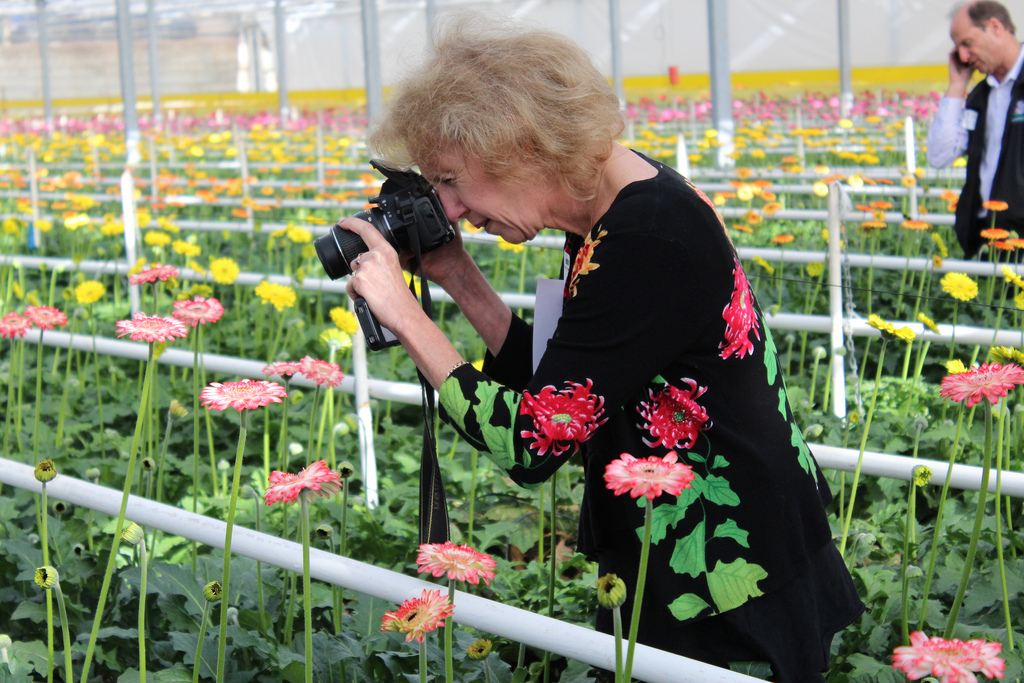
Diana Roy, a board member of the California Cut Flower Industry and active protea promoter.

Diana Roy, a board member of the California Cut Flower Commission and active protea promoter. She was captured here at an industry event in a gerbera greenhouse.
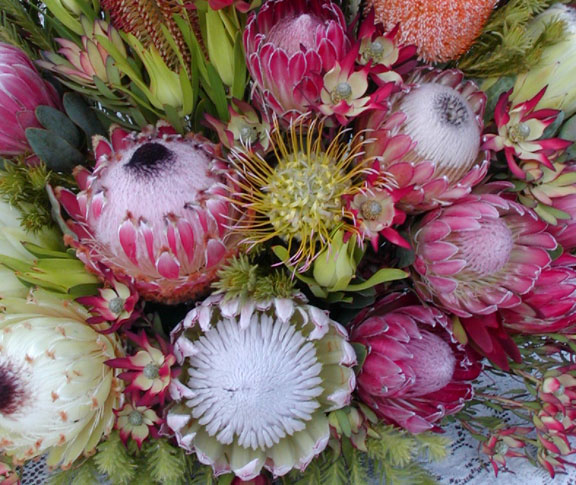
 

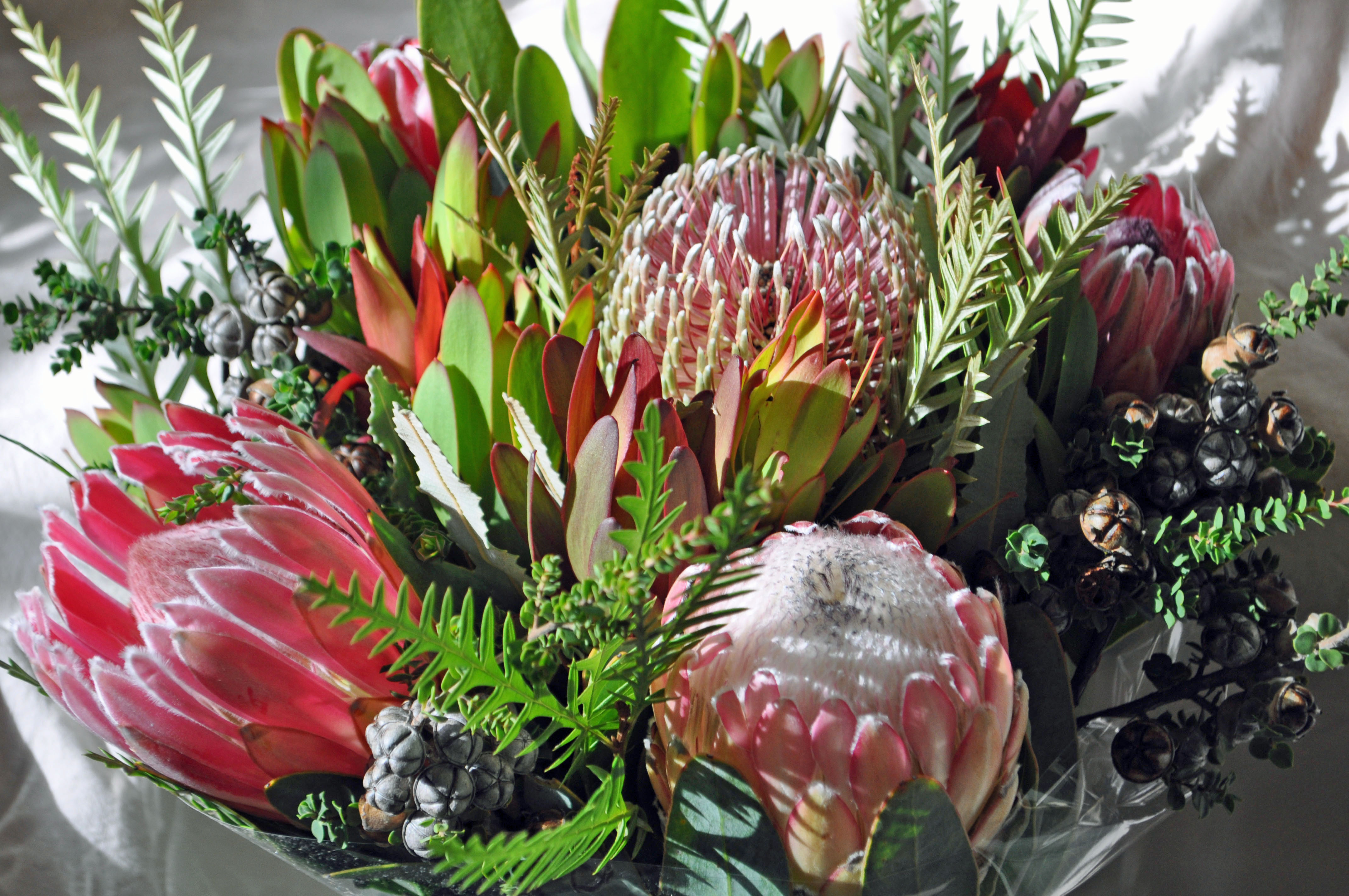
A Resendiz bouquet in which Protea is paired with Pincushion flower (Leucospermum).

A Resendiz bouquet in which Protea is paired with Pincushion flower (Leucospermum).

Why are these South African plants now considered a valuable California flower crop? It’s because coastal California is one of five Mediterranean regions of the globe, similar to South Africa, Australia/New Zealand, Chile and Greece. Full sun, well-drained soil, good air circulation, mild winters and acid soil ensure that proteas thrive as if they were in their native environment.  

Established in 1999 and today one of California’s largest supplier of South African and Australian floral products and plants, Resendiz produces more than 200 varieties of these unique native plants.  Known for their exceptional value and long vase life, the protea and other blooms like PincushionsBanksiaKangaroo Paws and  Leucadendroncreate dramatic impact when incorporated in arrangements and bouquets. Many varieties are hybrids – grown only by Resendiz Brothers.
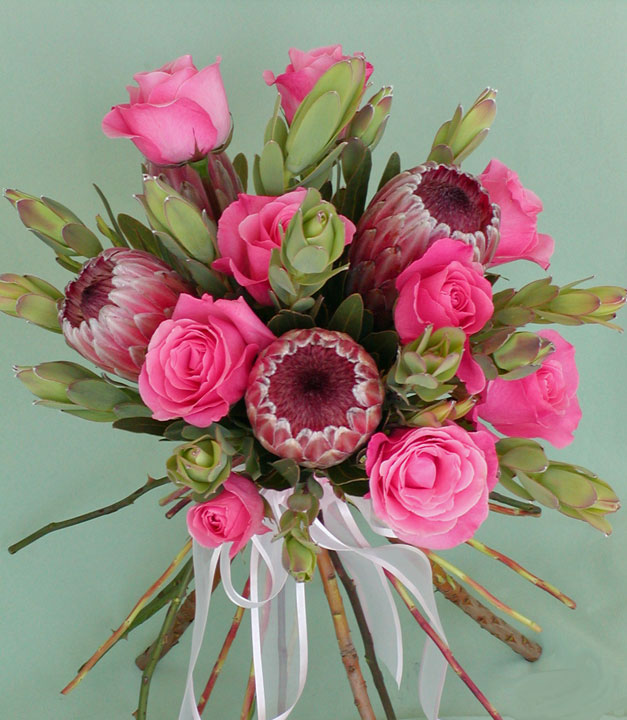
A wedding bouquet pairing protea with roses!~

A wedding bouquet pairing protea with roses!~

Rich in color, texture and form, the protea is both dramatic and exotic. The spectrum ranges from warm to cool colored blooms — Rich reds, deep pinks, and fresh greens. Together, these blooms make stunning arrangements – and they are long-lasting – a huge bonus for the florist and DIY designer alike.

If  you want an American-grown flower that will dazzle in the bouquet or the vase, look no further than the Protea.

Thank you  for joining me in this episode of the SLOW FLOWERS Podcast with Debra Prinzing. Because of your support as a listener, there have been nearly 4,000 downloads since July – and I thank you for taking the time to join to my conversations with flower farmers, florists and other notable floral experts.

If you like what you hear, please consider logging onto Itunes and posting a listener review.

Until next week please join me in putting more American grown flowers on the table, one vase at a time. 

The Slow Flowers Podcast is engineered and edited by Hannah Holtgeerts. Learn more about her work at hhcreates.net. 
A Creative Weekend at the Holiday Arrangement & Centerpiece Bar

Tuesday, December 10th, 2013
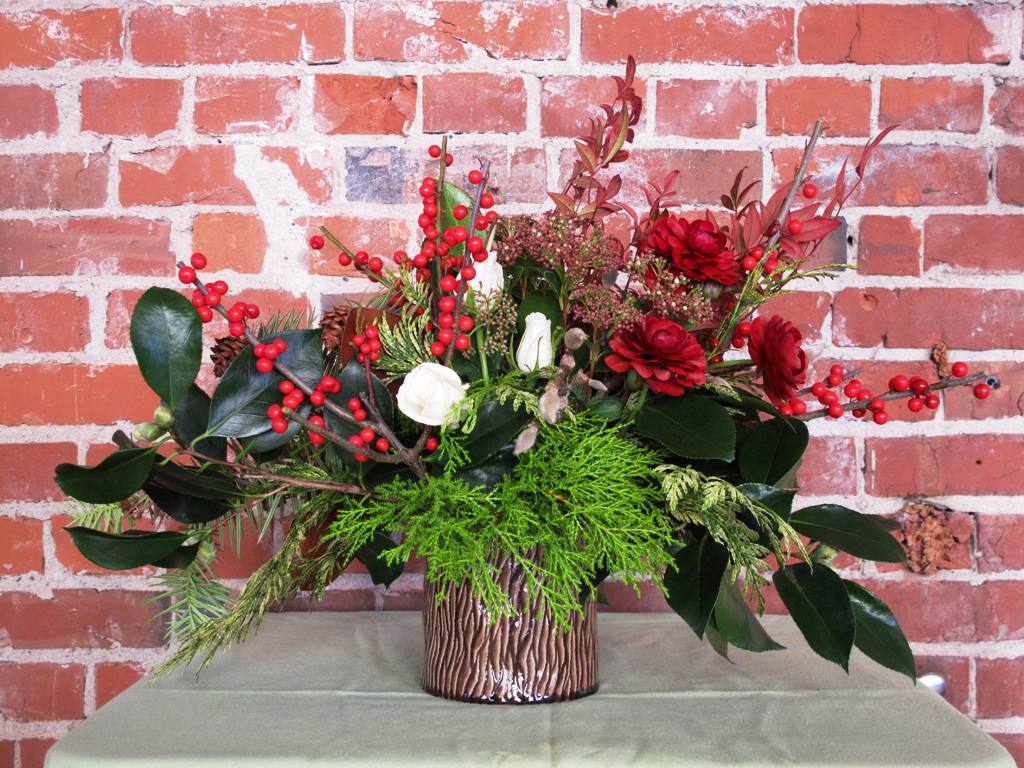
Here's my creation, featuring a medley of white, red and various shades of green.

Here’s my creation, featuring a medley of white, red and various shades of green.

It was a merry ol’ time at the first Holiday Arrangement & Centerpiece Bar, which I hosted along with Whitney R. White and Erica Knowles (of Botany 101 Floral), a talented pair of floral designer friends here in Seattle. We teamed up to create two fun, hands-on design workshops for the busy holiday hostess. 

The classes took places this past Friday evening and Saturday morning, with 18 students who joined us for festive refreshments, old friendships and new connections, as well as an introduction to eco-friendly techniques and a dose of the Slow Flowers philosophy. Everyone went home with a gorgeous floral arrangement that will grace their homes now through the holidays.

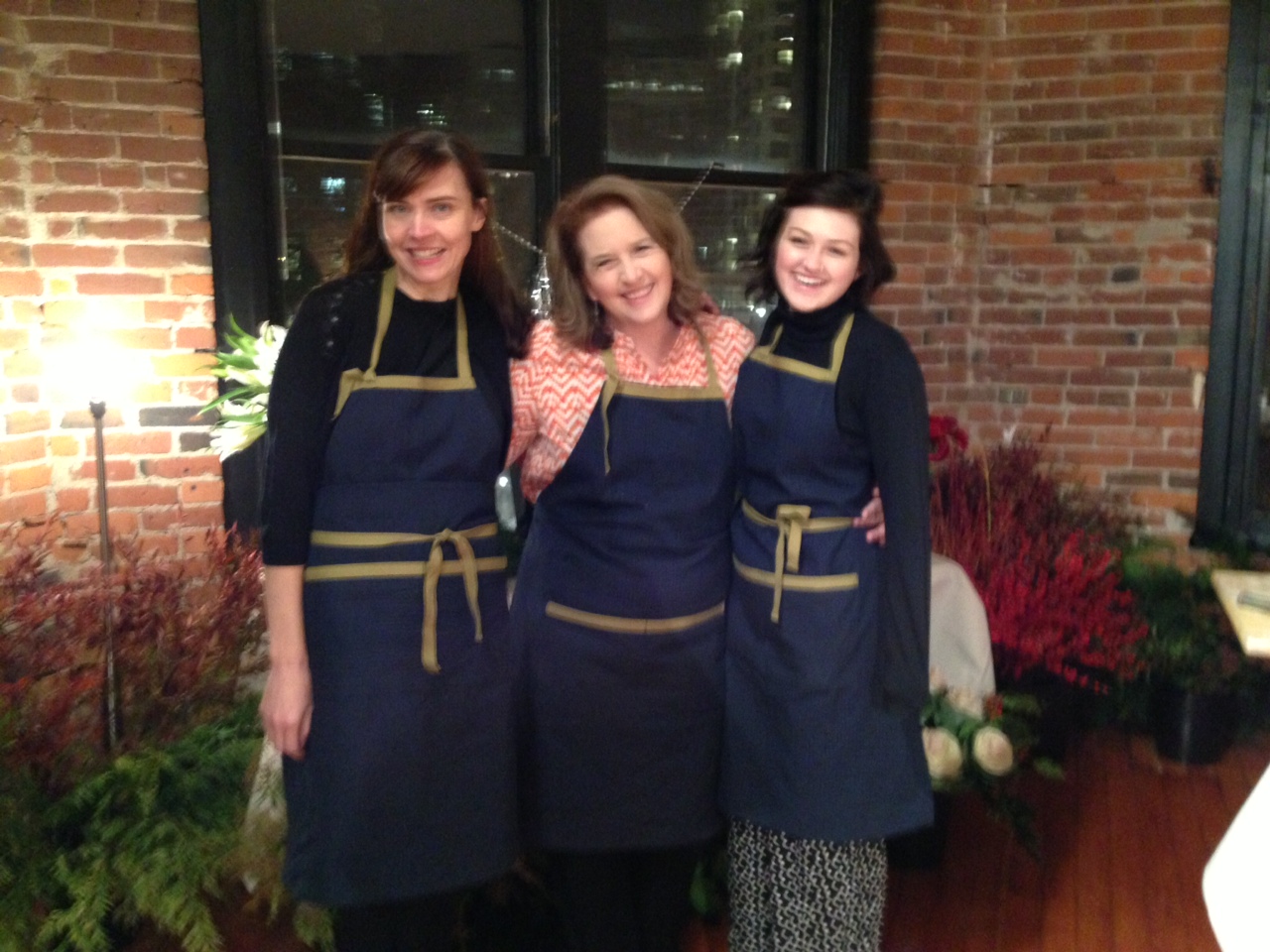
Erica Knowles, Debra Prinzing & Whitney White.

Erica Knowles, Debra Prinzing & Whitney White.

The basic premise of our two workshops:

1. Get inspired by the abundance of natural beauty around us here in the Pacific Northwest and elsewhere on the West Coast – all American Grown, of course!

2. Gain new skills in floral design, those you can employ throughout the coming seasons, as well.

3. Unleash your inner florist using an almost limitless supply of branches, boughs, berries and buds. 

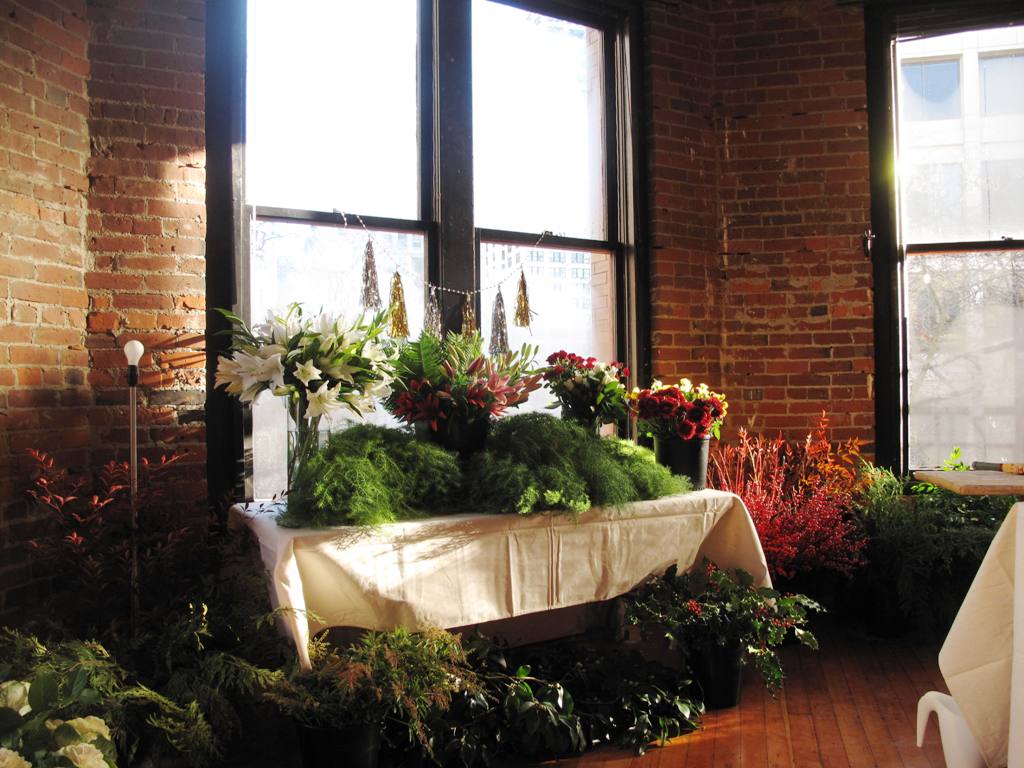
The tables were laden with floral and foliage choices, including branches, berries, boughs and stems.

The tables were laden with floral and foliage choices, including branches, berries, boughs and stems.

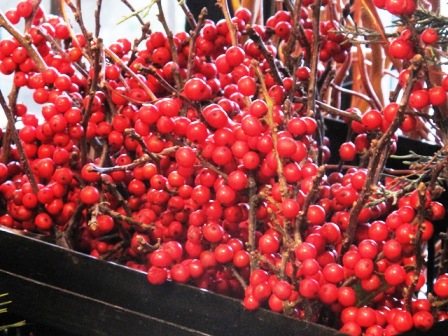
Once we set up the “Bar,” Erica, Whitney and I stepped back in total amazement. We wanted our students to be blown away by the incredible variety of garden foraged ingredients — all in season. We also wanted to add some juicy blooming treats from local Northwest and California farms and nurseries. And thanks to our friends at The Sun Valley Group in Northern California, we had the perfect bit of sparkle – Ilex verticillata branches with red berries — so much to share with everyone in the class!

READ MORE…

SLOW FLOWERS: Week 49

Sunday, December 8th, 2013

Conifers, Cones and Lilies

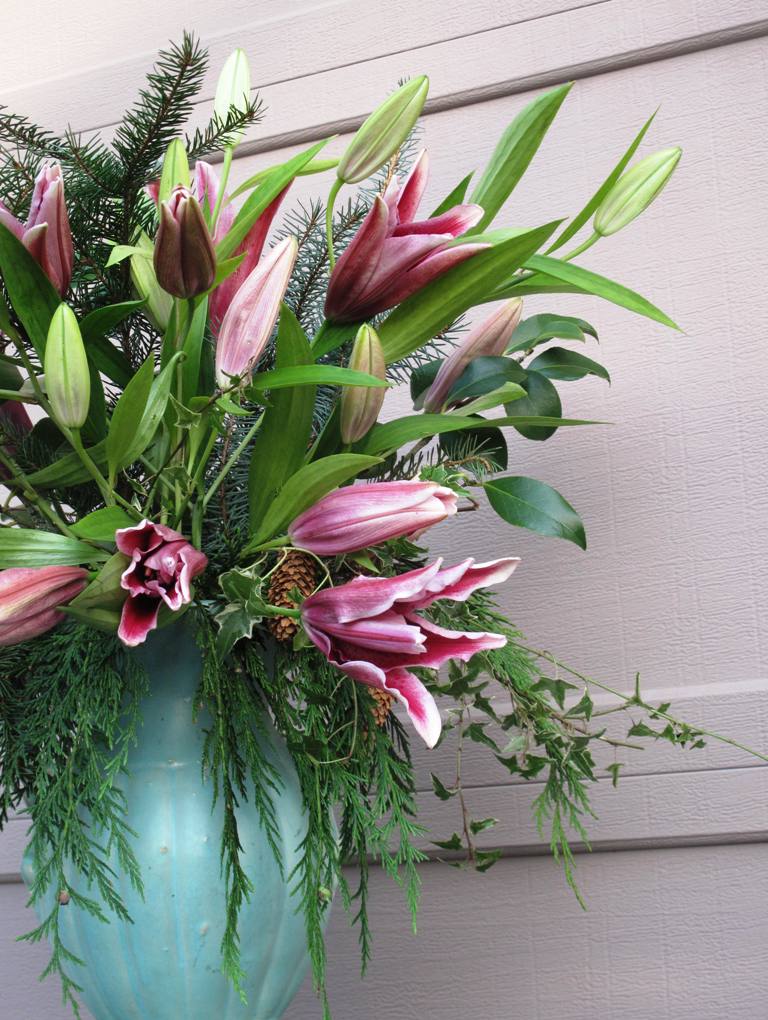
Deep raspberry-pink lilies (Oregon grown) paired with evergreens from my yard.

Deep raspberry-pink lilies (Oregon grown) paired with evergreens from my yard.

Ingredients:
5 stems dark pink ‘Rio Negro’ hybrid Oriental lilies, greenhouse grown by Peterkort Roses
5 stems Norway spruce (Picea abies), gleaned from my driveway
7 short branches Western red cedar (Thuja plicata), clipped from my garden
3 stems Camellia (Camellia japonica), clipped from my garden
5 lengths variegated ivy (Hedera helix), trimmed from a neighbor’s fence


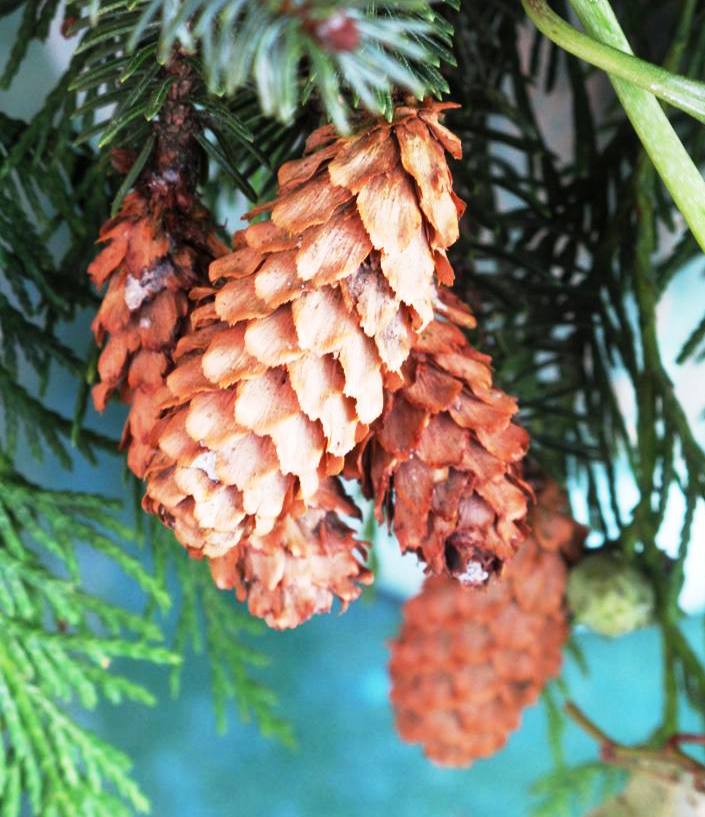
Lovely cones contrast organically with the teal vase and blue-green needles.

Lovely cones contrast organically with the teal vase and blue-green needles.

Vase:

12-inch tall x 9-inch diameter with 6-inch opening vintage McCoy urn

Design 101
Lilies for longevity: When you design with Oriental lilies, more than a week of enjoyment will ensue. One or two blooms at a time open and share their loveliness almost in succession, ensuring that something is always in flower. Don’t forget to clip the pollen-laden stamen and pistils from the center of each bloom as it opens. Otherwise, as those pieces fall, they can stain table linens.


SLOW FLOWERS Podcast: Meet Alicia Schwede, floral designer and editor of FlirtyFleurs.com (Episode 118)

Wednesday, December 4th, 2013
Floral designer, educator, author-blogger and visionary, Alicia Schwede

Floral designer, educator, author-blogger and visionary, Alicia Schwede

FF-Profile-Pic-180x180If you’re at all active in the online universe, and if you’re a florist or simply passionate about good design, you probably already know about today’s talented guest, Alicia Schwede, creator of the popular FLIRTY FLEURS blog.  Alicia has more than a decade of floral design to her credit, beginning with her first wedding clients in the Bay Area, and later, her Denver-based studio Bella Fiori.  

In the past year, Alicia migrated from Colorado back to Northern California’s wine country, where she created the florals for many happy bridal parties this past wedding season. And now, due to life’s unexpected turns, she is here in the Pacific Northwest. 

The life of a studio designer is a lot like the life of a writer. You are pretty mobile, and you can take your talents with you when you relocate. That’s exactly what happened this fall, when Alicia followed her husband Chad for a work-related move. We met in person when she surprised me by showing up in a workshop I taught last month.  

Since then, we’ve had several great discussions about floral design and the state of the business. I’m excited to share our most recent conversation with you in today’s podcast. Learn more about Alicia, about her career as a floral designer, and what inspired her to launch FlirtyFleurs.com, an online community for floral designers to gain ideas and inspiration from each other.  

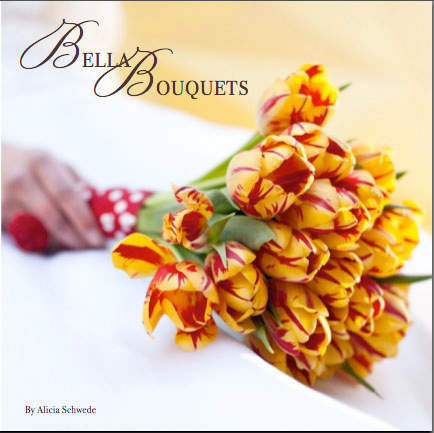
A640In this podcast, we also discuss her beautiful book, Bella Bouquets, which is a compendium of more than 100 wedding bouquets, arranged by color theme, which is quite the perfect way to organize flowers. 

I was struck by this passage from the foreword to Bella Bouquets:

” . . . I still stop dead in my tracks when I spy a perfect peony, a gorgeous garden rose or the sweetest sweet pea at the market,” Alicia writes.  “I find great pleasure in sharing my love and affection toward flowers. This book, and the blog Flirtyfleurs.com are just a few ways for me to share and connect with others while exploring the flower path ahead.”


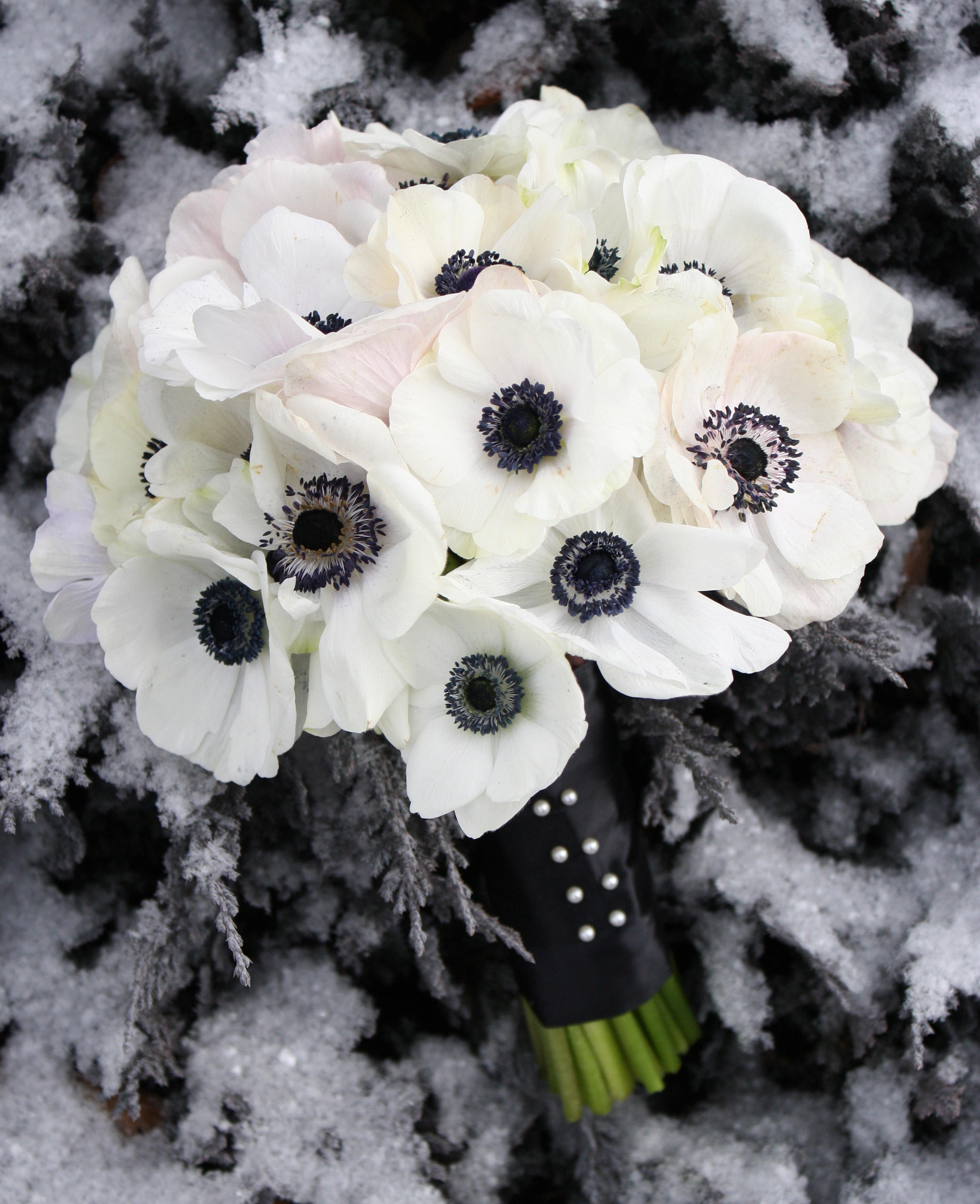
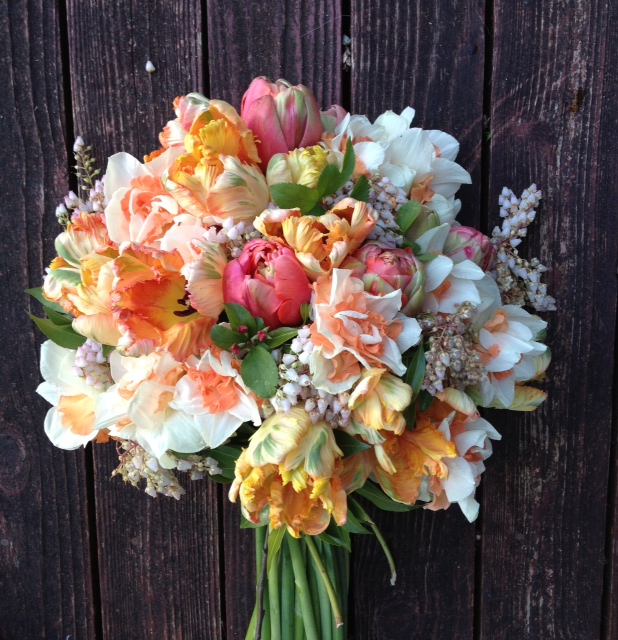
To me, that flower path is right here, under our noses. It’s not on another continent, especially when locally-grown and seasonal botanicals are available to designers and flower lovers. A big believer in locally-grown blooms — and it’s no wonder, since she has many ties to California floral sources — Alicia shared four of her favorite American-grown arrangements for you to see here. “How funny is that?” she wrote in her email message accompanying these images. “Four bouquets representing three different states!” 

Anemones are grown by Stevens & Son in Arvada, CO (designed in CO)

Anemones are grown by Stevens & Son in Arvada, CO (designed in CO)


Tulips bouquet - all tulips and daffodils from Pike Place Market;  Washington grown (designed in WA)

Tulips bouquet – all tulips and daffodils from Pike Place Market;
Washington grown (designed in WA)


Bella Fiori Garden - from Alicia's garden, all of it!

Bella Fiori Garden – from Alicia’s garden, all of it!


 Bella Fiori Dahlias - mostly from Alicia's garden, Dahlias are CA grown (designed while in CA)


Bella Fiori Dahlias – mostly from Alicia’s garden, Dahlias are CA grown (designed while in CA)


If you're interested in learning more about Alicia and Flirtyfleurs, be sure to subscribe to her free 
newsletter. You'll also find details and registration information on Alicia's "Bridal Bouquet Workshop,"
which I'm hosting at my event space in Seattle's Pioneer Square on Feb. 1, 2014.
 

Thank you  for joining me in this episode of the SLOW FLOWERS Podcast with Debra Prinzing. Because of your support as a listener, there have been more than 3,500 downloads since July – and I thank you for taking the time to join to my conversations with flower farmers, florists and other notable floral experts.

If you like what you hear, please consider logging onto Itunes and posting a listener review.

Thank you, Alicia, for such inspiration! Until next week please join me in putting more American grown flowers on the table, one vase at a time. 

The Slow Flowers Podcast is engineered and edited by Hannah Holtgeerts. Learn more about her work at hhcreates.net. 
Join Us at The Holiday Centerpiece & Arrangement Bar

Saturday, November 23rd, 2013

Embrace the season and join this creative and spirited SLOW FLOWERS Workshop

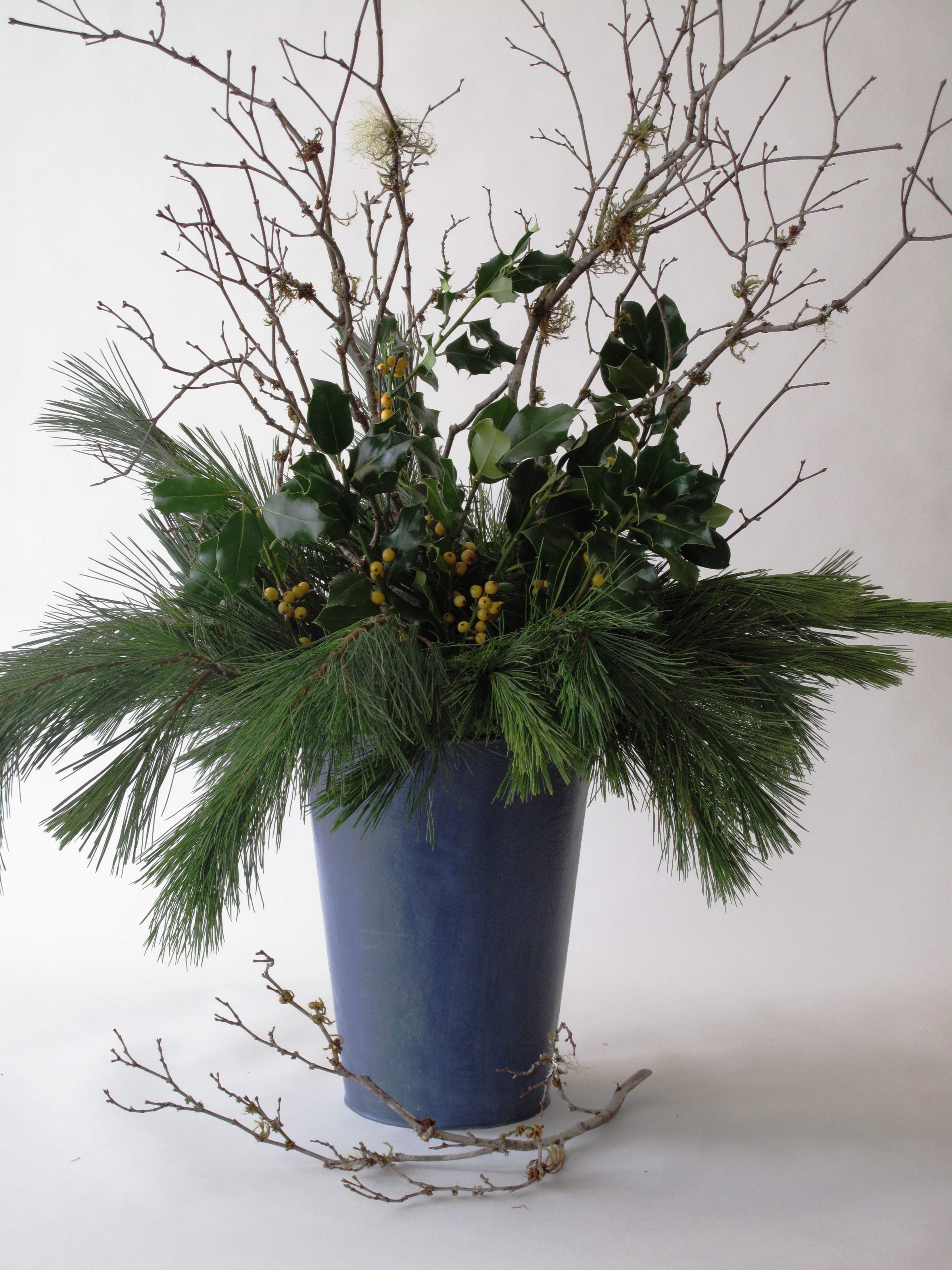
Long-needled lady pine boughs, glossy holly with golden berries, lichen-covered branches - a stunning Holiday arrangement for the season.

Long-needled lady pine boughs, glossy holly with golden berries, lichen-covered branches – a stunning Holiday arrangement for the season. 

The HOLIDAY CENTERPIECE AND ARRANGEMENT BAR

A Hands-On Design Workshop
with Debra Prinzing, Whitney White and Erica Knowles
Friday, Dec. 6th (6-8 pm) or Saturday, Dec. 7th (10 am-Noon)

As Seen in the December 2013 issue of Better Homes & Gardens

Bring Nature Home for the Holidays!

Aromatic conifers, glossy camellia and magnolia foliage, enticing rose hips and berries,
plus winter blooms, garden roses, beautiful fruit, colorful branches — and more!

In this make-and-take class, you’ll learn how to create a fresh, beautiful, nature-inspired centerpiece for the holiday season. All instruction, supplies and plants are included. Bring your project home and enjoy it for the holidays!

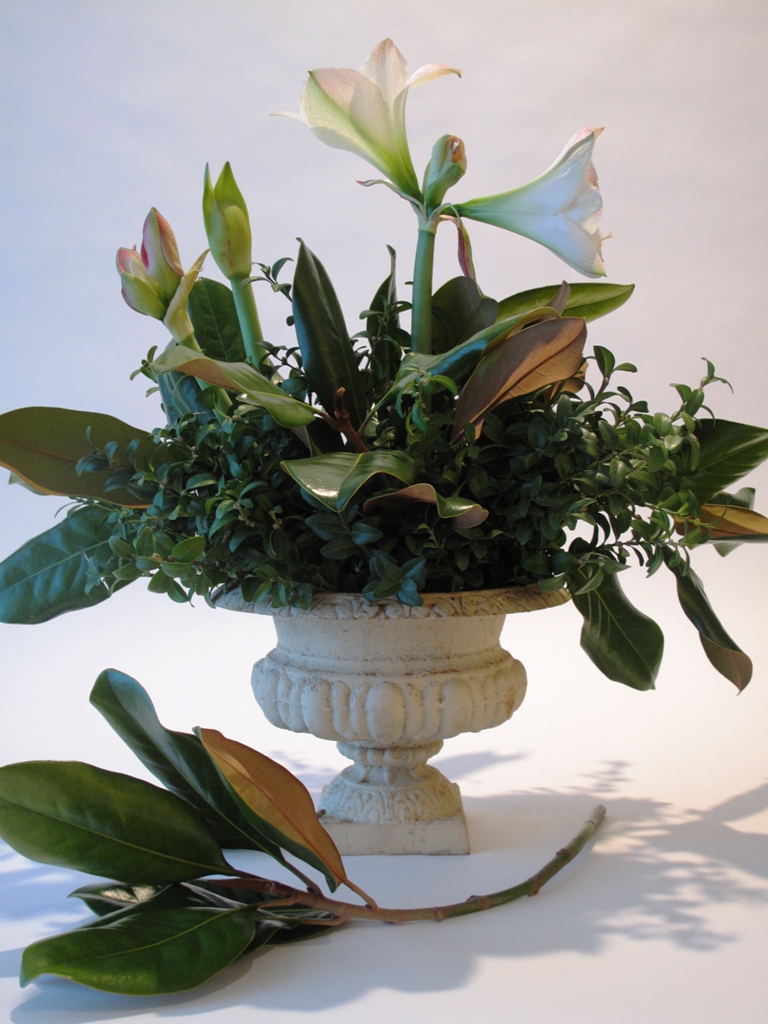
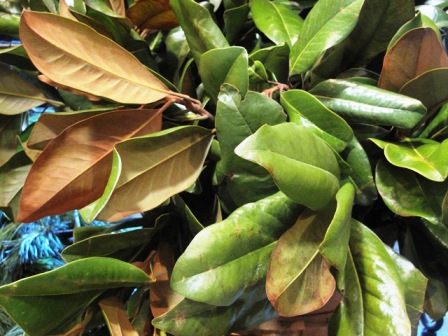
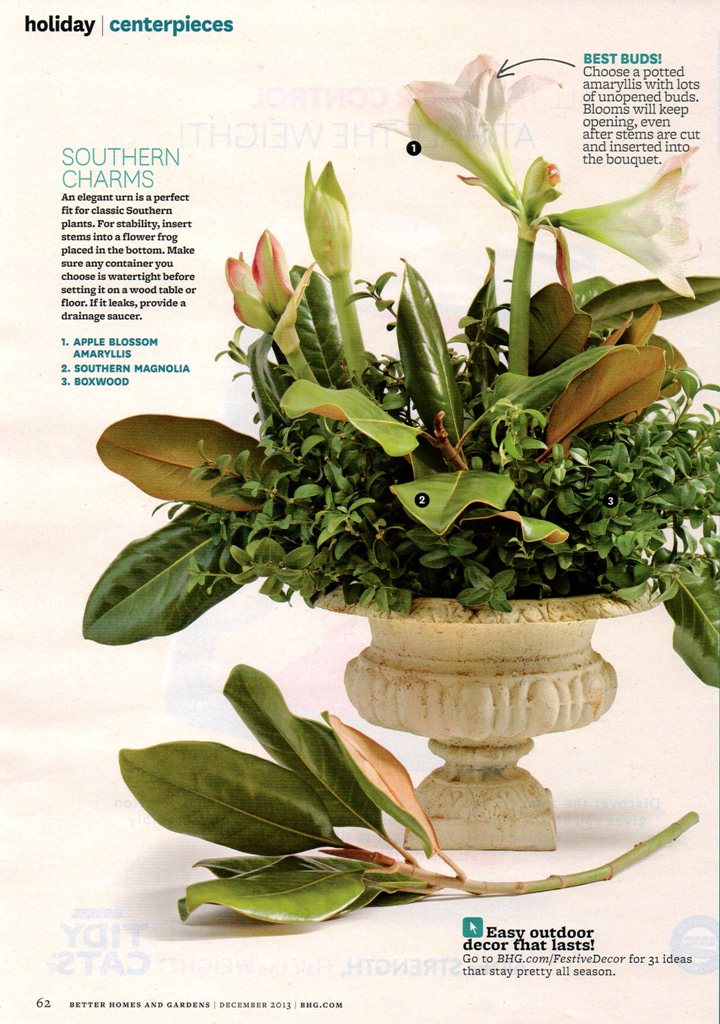
Lush Magnolia leaves, glossy boxwood and beautiful amaryllis blooms.

Lush Magnolia leaves, glossy boxwood and beautiful amaryllis blooms.

Sparkling beverages and tasty refreshments will be served.

Cost: $95 per person or take advantage of our “bring a friend” special, 2-for-$145

Location: 95 Yesler Collective, 95 Yesler – 3rd floor, Pioneer Square (Seattle, WA)

Copies of Debra’s books “Slow Flowers” and “The 50 Mile Bouquet” will be available
for purchase and she will be happy to personally inscribe them for you.

Pre-registration required:

The Holiday Arrangement & Centerpiece Bar 

Friday December 6, 2013 from 6:00 PM to 8:00 PM PST  

The Holiday Arrangement & Centerpiece Bar 

Saturday December 7, 2013 from 10:00 AM to 12:00 PM PST

Ilex Magnolia foliage


My Holiday Centerpieces for BH&G: Seasonal and Local Winter Greenery – and More!

Sunday, November 17th, 2013
The beautiful cover of Better Homes & Gardens' December 2013 issue. My "Winter Greens" article and designs appear on pages 58-64.

The beautiful cover of Better Homes & Gardens’ December 2013 issue. My “Winter Greens” article and designs appear on pages 58-64.

In the December 2013 issue of Better Homes & Gardens, on newsstands this week, you’ll find a Winter Greenery-inspired story that I produced with photographer Laurie Black. We created this story nearly 3 years ago, and while often there’s no rhyme or reason as to why a piece takes so long to see the light of day, I’m thrilled you can see it now!

This story features four “regionally-inspired” centerpiece designs with flowers, foliage and branches that you might find in Southern California, the Midwest, the South and the Northeast. The fifth idea, a Northwest-style centerpiece, didn’t make it to the pages – but I’ll share those images (mine, not Laurie’s) below.

I owe a huge thanks to editor-in-chief Gayle Goodson Butler for deciding to share my beautiful wintry bouquets with BH&G’s readers in time for their own holiday design projects. I’m also grateful to the magazine’s garden and outdoor living team, including deputy editor Eric Liskey (who originally commissioned the story) and senior associate editor Jane McKeon (who shephered it through the editing process). It takes a village to bring a great idea to the pages of a magazine! 

Due to space constraints, like many BH&G articles, there isn’t much real estate on those pages for text – photography rules! So here is the original article as I wrote it – and a few bonus photographs!

Filled with holiday cheer

Wintry centerpieces inspired by what grows in your own backyard

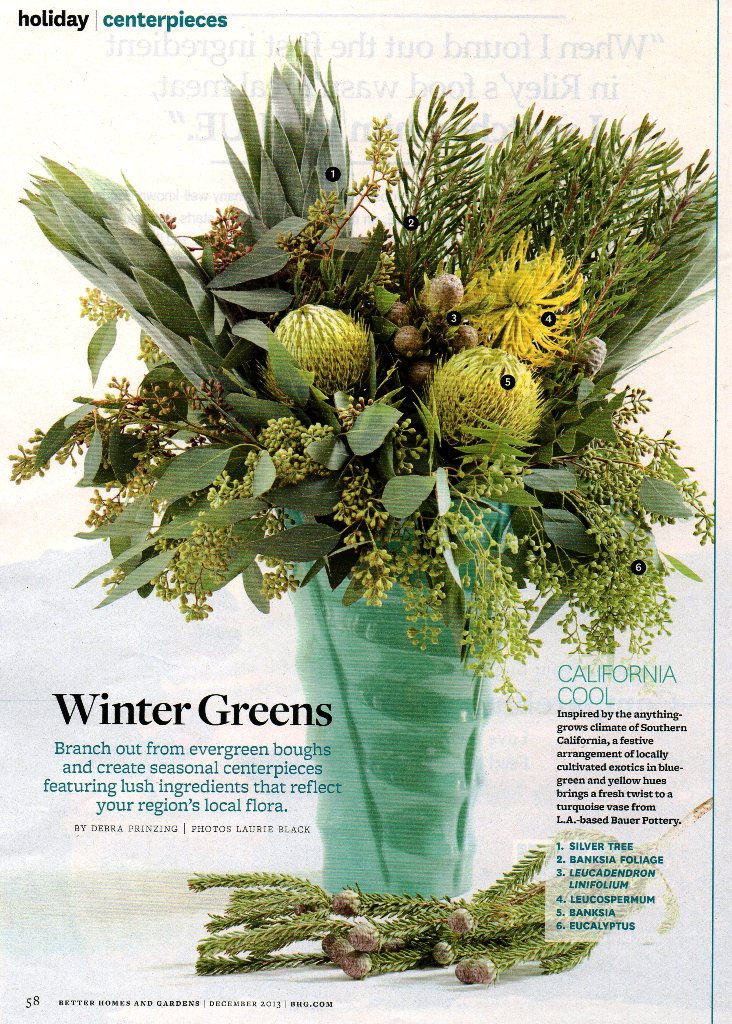
All the California-grown elements to this bouquet come from Wild Ridge Organics in Salinas, Calif. The awesome retro-vase is from Bauer Pottery in Los Angeles.

All the California-grown elements to this bouquet come from Wild Ridge Organics in Salinas, Calif. The awesome retro-vase is from Bauer Pottery in Los Angeles.

Decorating with cedar sprays and pine boughs is a cherished holiday tradition for many of us. But this year, why not branch out? Use familiar greenery that reflects your part of the country — the forests, fields, mountains or beaches — to create uniquely local and lush holiday centerpieces. Choose a regionally-inspired vessel and add seasonal foliage, branches and berries paired with blooming plants or forced bulbs. The holiday arrangement will last for a few weeks on your dining table or fireplace mantle. Naturally beautiful, of course.

California Cool

The turquoise glaze of a made-in-California Bauer Pottery vase enhances a blue-green and yellow bouquet. The floral ingredients, all native to Australia and South African but grown in California, are thoroughly adapted to Southwest gardens and bloom from October through May. Seeded eucalyptus and velvety sprays of silver tree (Leucadendron argenteum) serve as foliage, while the arrangement’s drama comes from Banksia and pincushion flowers (Leucospermum sp.).


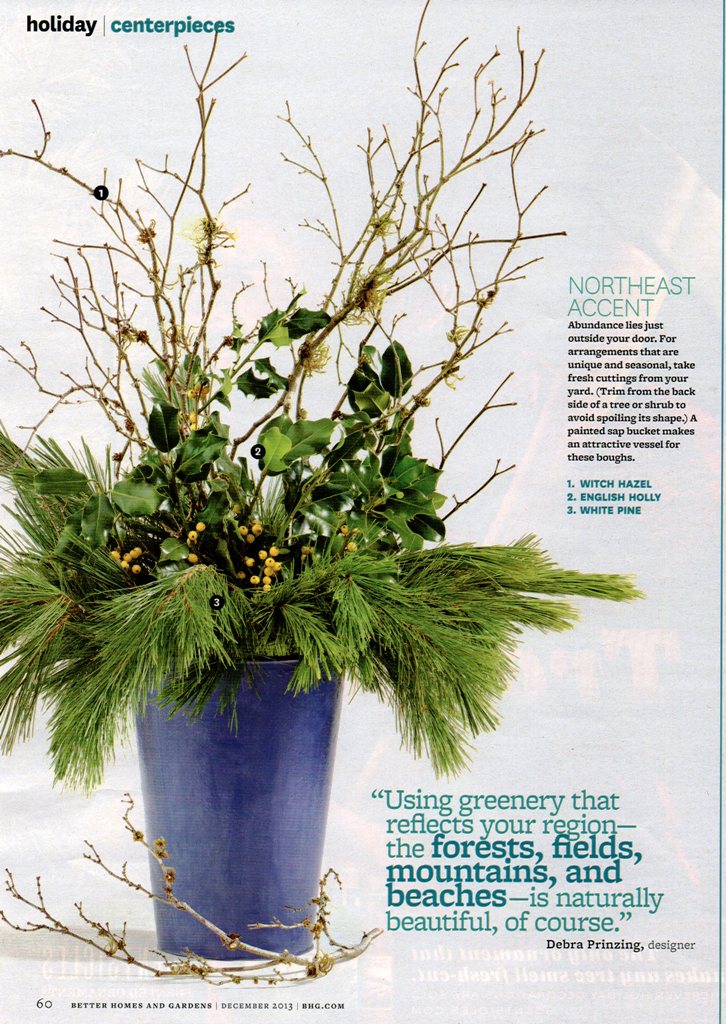
Pine boughs, yellow-berried holly and lichen-covered branches are New England-inspired, gathered into a reclaimed sap bucket.

Pine boughs, yellow-berried holly and lichen-covered branches are New England-inspired, gathered into a reclaimed sap bucket.

Northeast Accent

A painted sap bucket seems fitting for this New England-themed winter arrangement, its weathered patina contrasting with the gold berries of the English holly. Long-needled pine boughs cascade over the bucket’s rim while lichen-covered twigs, cut from a deciduous tree, lend height to the design. This elegant arrangement shows how easy it is to combine just three ingredients for impact. 

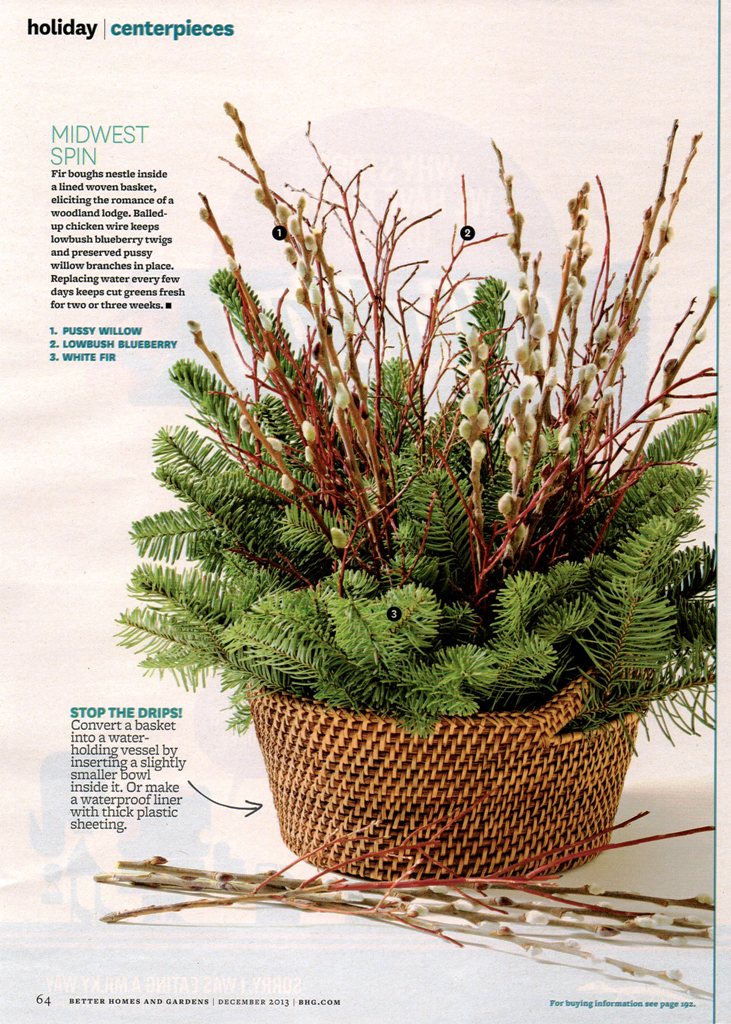
Midwest Spin

Reminiscent of winter at a woodland lodge, a woven pine needle basket is deep enough to hold a nest of fir branches. For texture and color, we chose pussy willows and huckleberry branches, plants typically found growing along streambeds in Minnesota or Montana. 

Southern Charms

A classical urn may typically be found outside in the garden, but it has come indoors for the holidays. The vessel contains a thoroughly Southern-themed arrangement. Common boxwood branches create the soft foundation for shiny magnolia boughs.

A Midwest-themed arrangement in a woven basket, with textural touches from twigs and pussywillow branches.

A Midwest-themed arrangement in a woven basket, with textural touches from twigs and pussywillow branches.

We added several lovely amaryllis stems (cut from a potted plant). The buds should look fresh and continue to open for more than a week.

Design tips:

1. Take a walk outdoors: Observe nature and your own backyard to find unexpected ingredients for holiday decorating. When removing branches from the landscape, cut from the back side of a tree or shrub, or take random cuts, so as not to denude your plants. Use sharp, clean pruners. Store branches in a bucket of tepid water until you are ready to arrange them.

2. Choose plants for their design attributes. To create a balanced holiday arrangement, include at least one ingredient that cascades or drapes. Select at least one tall, upright ingredient. And choose at least one dramatic element that gives the design its focal point.

3. Convert interesting vessels a watertight vase. Line containers that have a drainage hole with a slightly smaller plastic bowl. For wood planter boxes, make a waterproof liner with a double layer of thick, plastic sheeting, secured  to the inner edge with staples. Double-check for leaks before placing on furniture or a counter.

I loved making this Southern-themed bouquet, with evergreen magnolia foliage, boxwood and amaryllis clipped from a potted potted plant.

I loved making this Southern-themed bouquet, with evergreen magnolia foliage, boxwood and amaryllis clipped from a potted potted plant.

4. Stabilize woody stems. Place a pin- or cage-style flower frog inside the container to hold branch stems. Or, form a 12-inch length of chicken wire into a loose ball. Insert it inside a container to hold stems in place as your arrangement takes shape.

5. Keep water fresh. Your arrangement will last up to three weeks if it doesn’t dry out. Refresh water every few days. An easy trick is to place the arrangement in your kitchen sink, positioning the faucet or spray nozzle inside the edge. Turn on the water and allow it to gently fill the vase. As it begins to overflow, fresh water will displace the older water. Make sure to dry off the exterior of your vase before displaying it again.

Here’s what you missed! I took these photos while we were producing this story at the home of photographer Laurie Black and her husband Mark King. My friend Nancy Finnerty styled the tabletop for us. It’s such a pretty scene that I had to share.

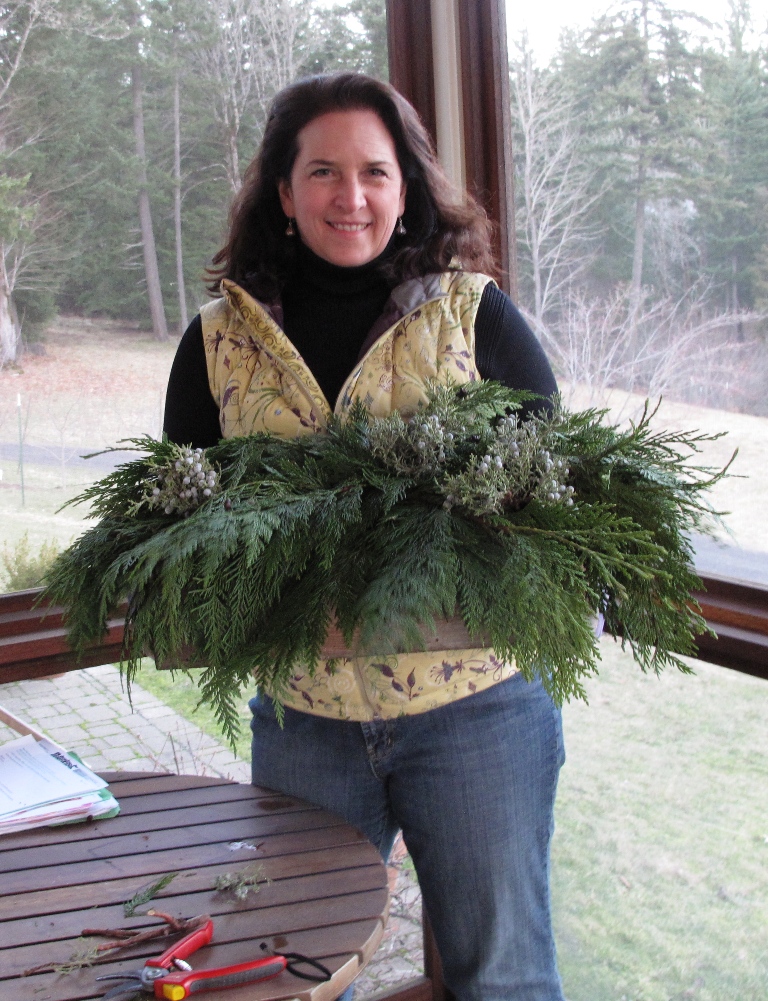
Here I am, all bundled up, working on Laurie & Mark's screened-in porch.

Here I am, all bundled up, working on Laurie & Mark’s screened-in porch.


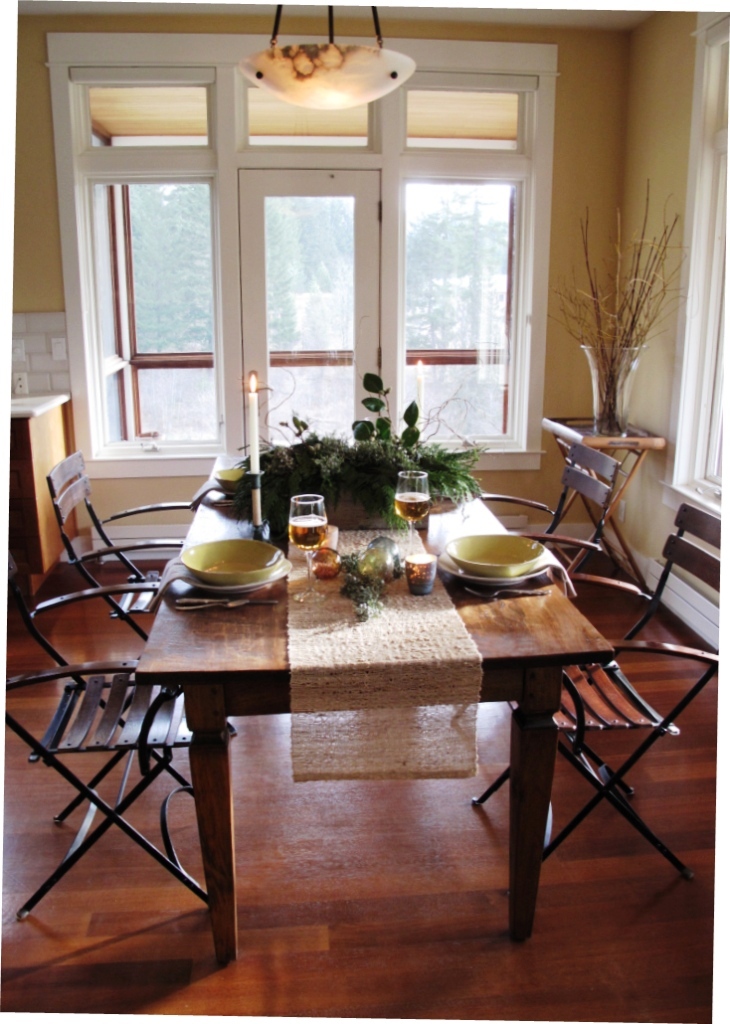
The table is set for a Northwest style gathering.

The table is set for a Northwest style gathering.

Adorn your table with local greenery

Bring the bounty of nature indoors to create winter-themed centerpieces for your holiday table. The evergreens that decorate this Sunday brunch repeat the majestic trees seen outside, making a visual connection with the landscape.

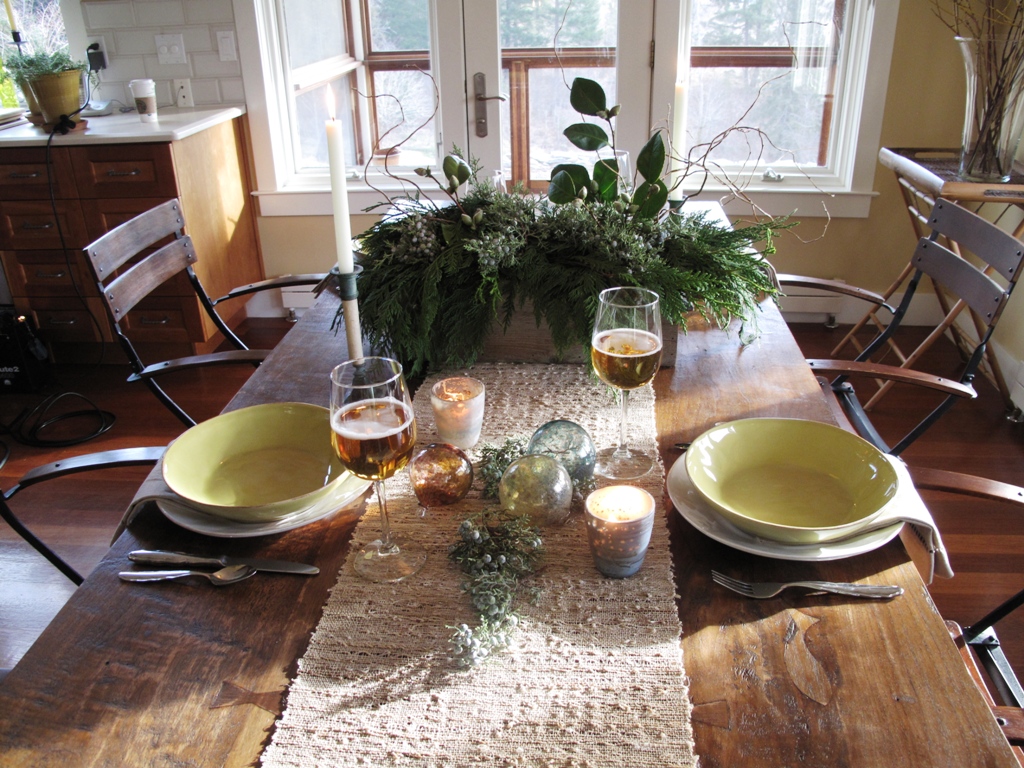
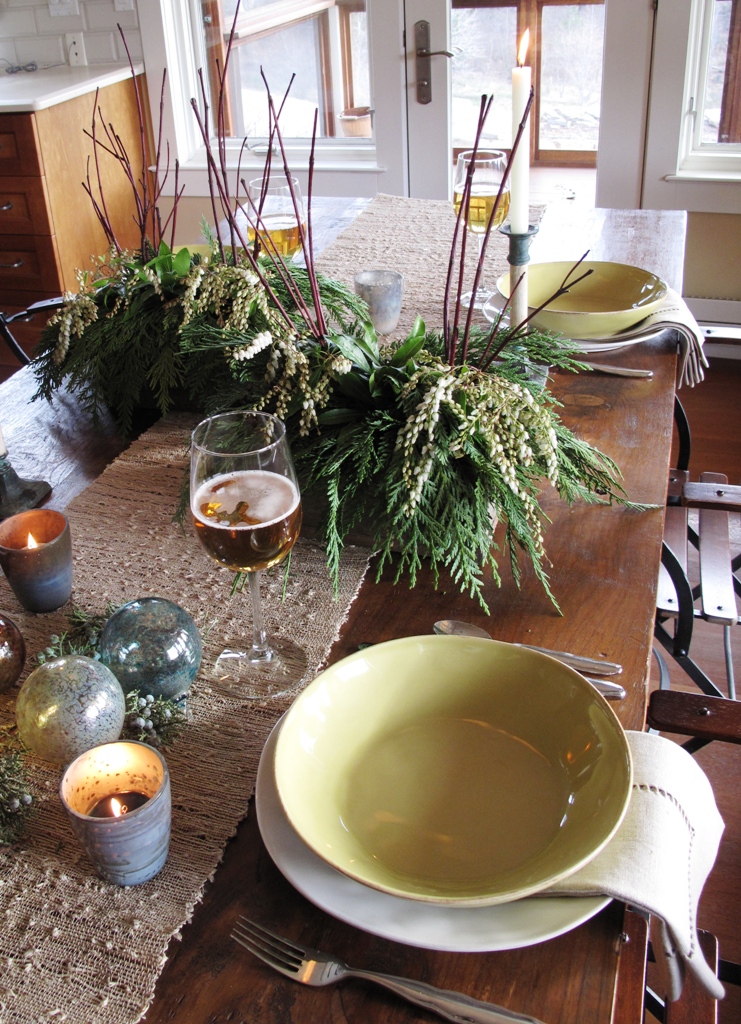
Closeup of the tabletop with a wooden box filled with Northwest greenery.

Closeup of the tabletop with a wooden box filled with Northwest greenery.

From the Northwest

Convert a rustic wood planter box into a low, conversation-friendly centerpiece. First, arrange conifer branches, such as Western red cedar (used here), or sprays of juniper or hemlock, positioning them to drape over the box’s edge. For a creamy-white touch, we added flowers from the winter-blooming lily-of-the-valley shrub (Pieris japonica); red-twig dogwood branches, arranged in irregular clusters, provide a graphic accent. 

Another version of Northwest's natural goodness - straight from the garden, farm and forest.

Another version of Northwest’s natural goodness – straight from the garden, farm and forest.

SLOW FLOWERS: Week 46

Sunday, November 17th, 2013

A (LOVING) CUP FULL OF AUTUMN

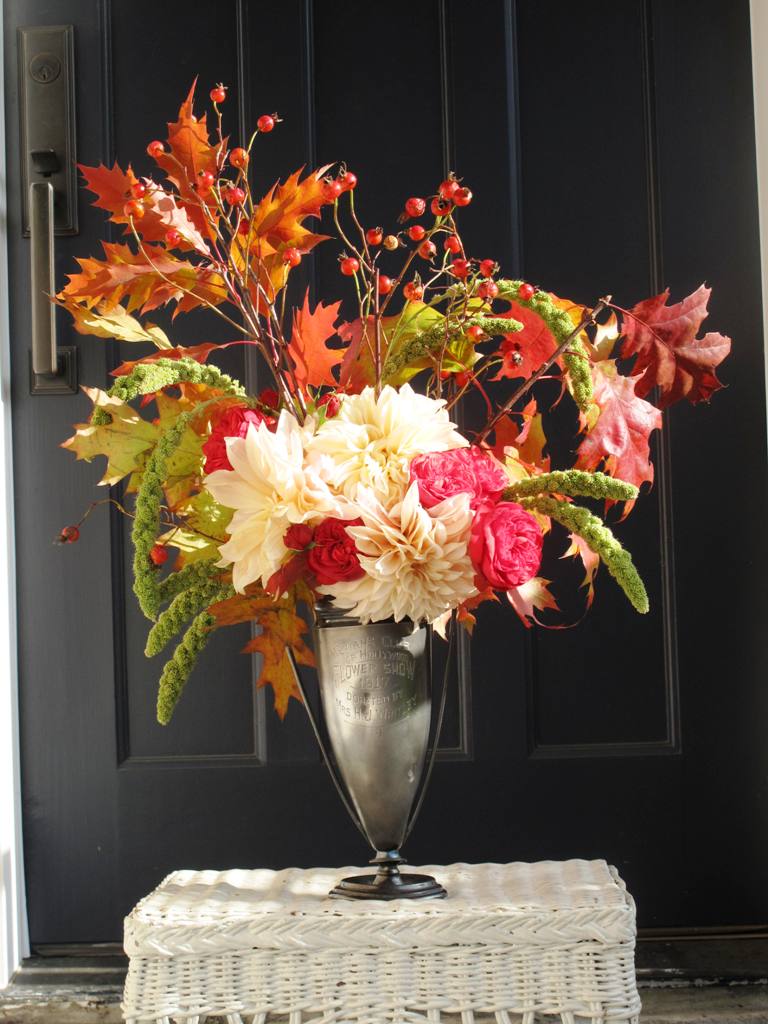
The last flowers of summer, not to mention those like me who love them, are often reluctant to disappear come fall. That was the case with these beautiful Cafe au Lait dahlias.

The last flowers of summer, not to mention those like me who love them, are often reluctant to disappear come fall. That was the case with these beautiful Cafe au Lait dahlias.


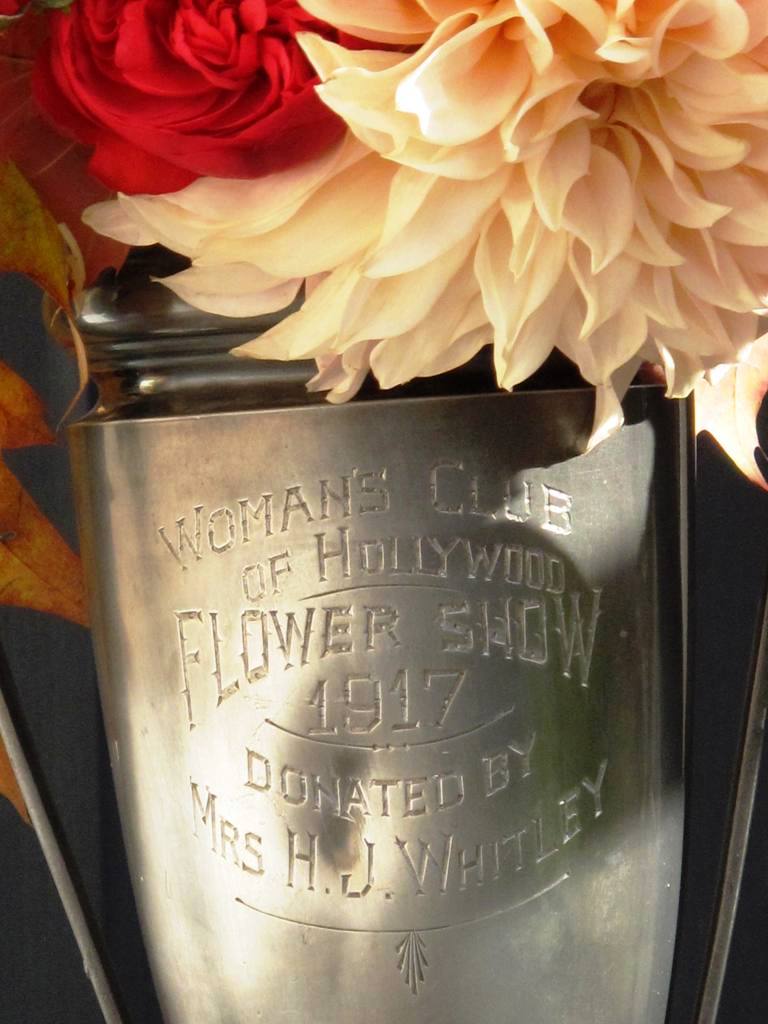
Love the detail on this trophy, which my friend Kathryn Renner urged me to acquire.

Love the detail on this trophy, which my friend Kathryn Renner urged me to acquire.

Ingredients:

5 stems Rosa ‘Piano Freiland’, grown by Peterkort Roses
3 stems Dahlia ‘Cafe au Lait’, grown by Jello Mold Farm
9 blades green millet (Setaria italica ‘Highlander’), grown by Jello Mold Farm
3 stems scarlet oak foliage (Quercus coccinea), grown by Oregon Coastal Flowers
3 stems wild rose hips, harvested by Oregon Coastal Flowers
 
Vase:
10½ inch tall x 4-inch diameter vintage silver loving cup (look for old trophies at thrift stores or online auctions; or perhaps you’ll find one in the family that has personal meaning).
 
Design 101
A floral designer’s recipe: To create a classic floral arrangement, I need ingredients to fulfill three purposes. First, I choose the diva – an eye-catching, dramatic bloom with a symmetrical or dome-shaped form, such as a rose, peony or dahlia. Then I add taller ingredients to emerge from the main cluster of diva flowers. Flowering, fruiting or foliage-laden branches are ideal – I consider them the arrangement’s exclamation point. Finally, I add softer elements to drape over the edge of the vase, dripping like chandelier crystals.


SLOW FLOWERS Podcast: Teri Chace, Author of “Seeing Flowers,” a remarkable new book (Episode 115)

Wednesday, November 13th, 2013

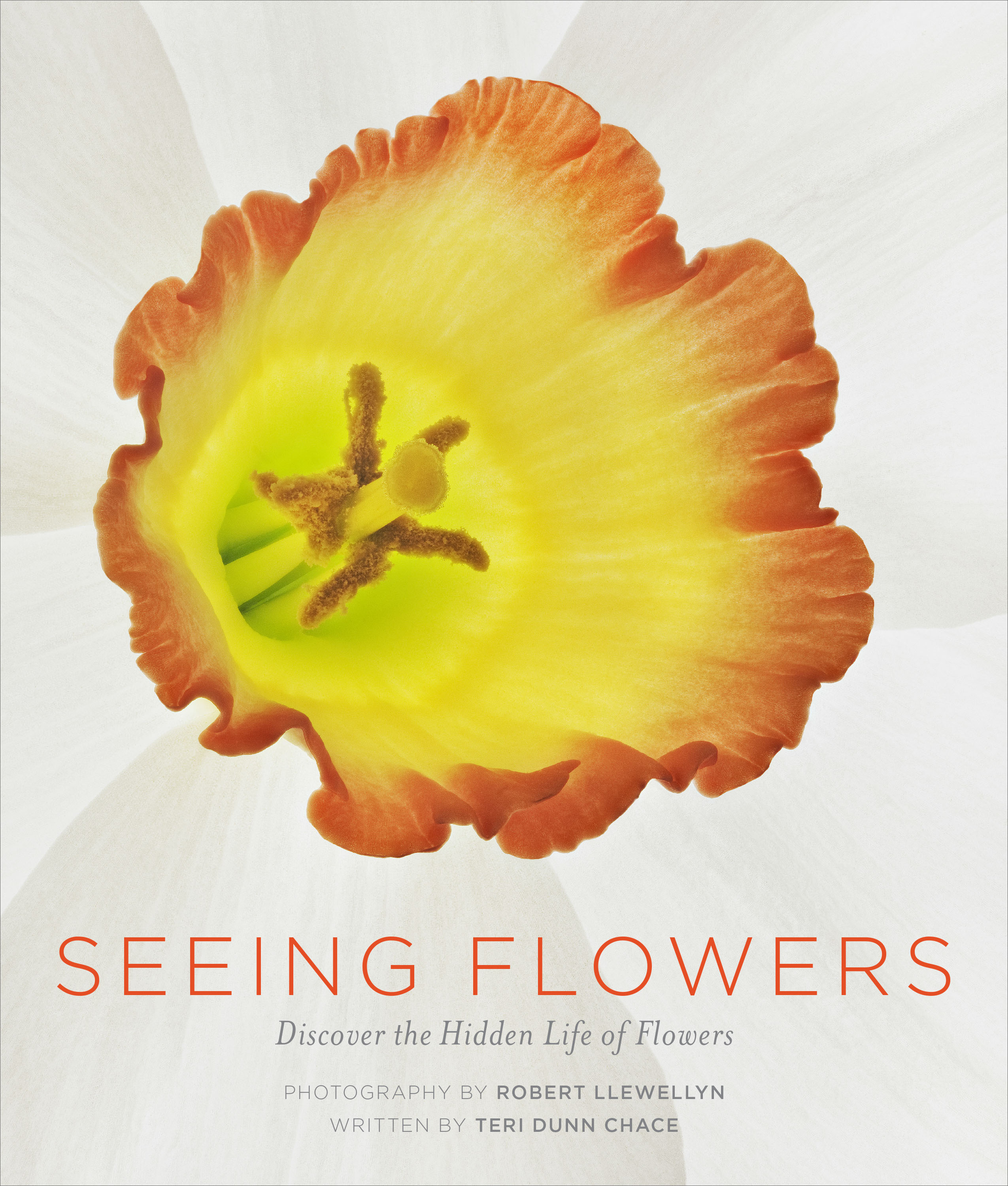
Chace_Cover“Enter a rare world of beauty and intricacy,” promises the press release for “Seeing Flowers,”  a remarkable new book featuring the highly detailed, almost transparent flower photographs of Robert Llewellyn. Using a unique photo process that includes stitching together large macro photographs, the visual artist reveals floral details that few of us have ever noticed: The amazing architecture of stamens and pistils; the subtle shadings on a petal; the secret recesses of nectar tubes.

I learned much more about the secret life of flowers in today’s podcast interview with Teri Dunn Chace, the writer with whom Robert Llewellyn collaborated. A longtime horticultural writer and formerly on the staff of Horticulture magazine, Teri blends literary and scientific sources for her essays about 343 popular flowers.

These are blooms beloved by gardeners and floral designers alike and together Robert and Teri portray flowers as you have never before seen them. They gave me a deeper appreciation of how and why flowers have become so embedded in human culture.

In preparing for my podcast interview with Teri, I went back and spent some time with Robert’s earlier book, Seeing Trees, with writer Nancy Ross Hugo. When that book was released in 2011, I was blown away by the detailed process he goes through to capture the essence of leaves, seeds, pods and other tree parts. Each subject is photographed up to 50 times at various distances and the final work is a composite of the sharpest areas of each individual image. The resulting photographs are of stunning hyper-real clarity, as if Robert has found a way to circumvent the limitations of the human eye through his lens. When Seeing Trees was released, publisher Timber Books created a video of the process.

Please enjoy this conversation with author Teri Chace, and add Seeing Flowers to your library reference shelf. Our conversation is a whirlwind tour of flowers, literature and garden writing. You’ll enjoy the ride.

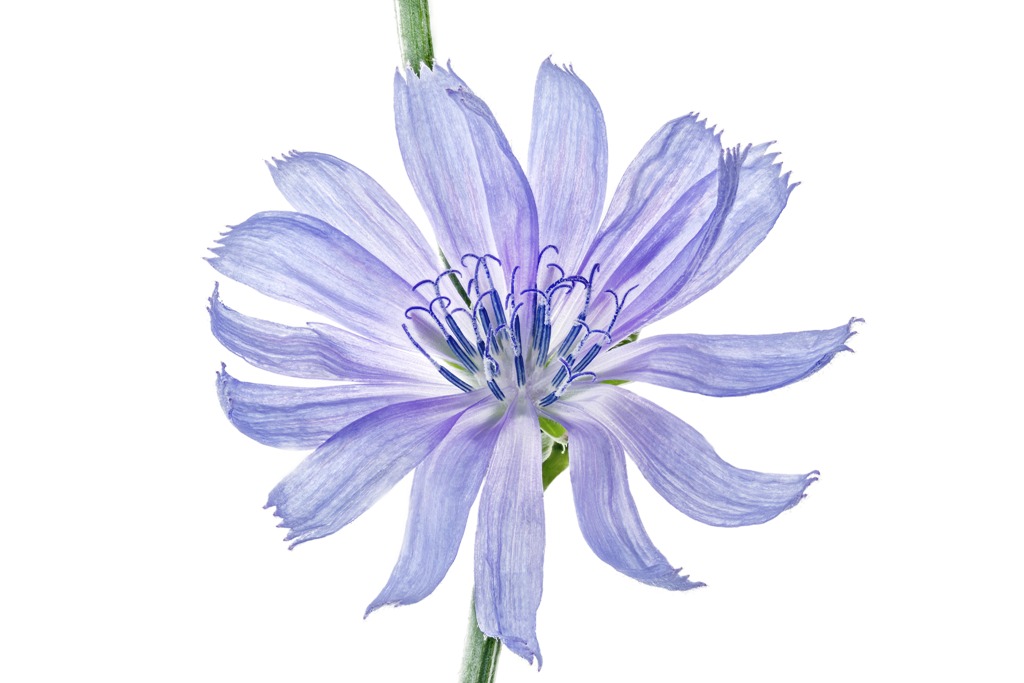
Jaunty blooms of chicory, or Cichorium intybus, open for only a few hours a day. Then the color of the ray flowers rapidly drains away, fading to white. Its dried, ground roots can be used as a coffee substitute.

Jaunty blooms of chicory, or Cichorium intybus, open for only a few hours a day. Then the color of the ray flowers rapidly drains away, fading to white. Its dried, ground roots can be used as a coffee substitute. 

During my interview with Teri, we read aloud three literary pieces from Seeing Flowers. Here they are for you to read again, interspersed with a few of Robert’s images:

“The rose is a rose,

And always was a rose.

But now the theory goes

That the apple’s a rose

And the pear is, and so’s

The plum, I suppose.

The dear only knows

What will next prove a rose.

You, of course, are a rose —

But were always a rose.”

Robert Frost, “The Rose Family,” 1928 

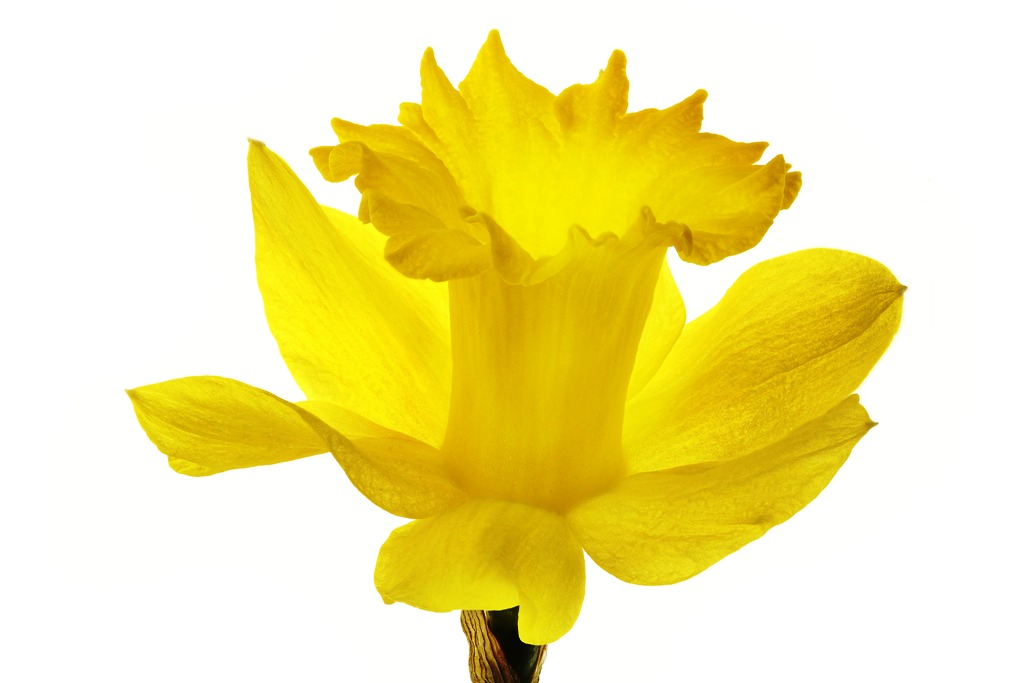
The cup in the center of a daffodil is called a corona. Some are short, like a shallow bowl, while others are longer, more like a trumpet. Some have frilly edges, and some are rimmed with a contrasting color.

The cup in the center of a daffodil is called a corona. Some are short, like a shallow bowl, while others are longer, more like a trumpet. Some have frilly edges, and some are rimmed with a contrasting color.

“Why do two colors, put one next to the other, sing?

Can one really explain this? No. Just as one can

never learn how to paint.”

Pablo Picasso, Arts de Frances, 1946 

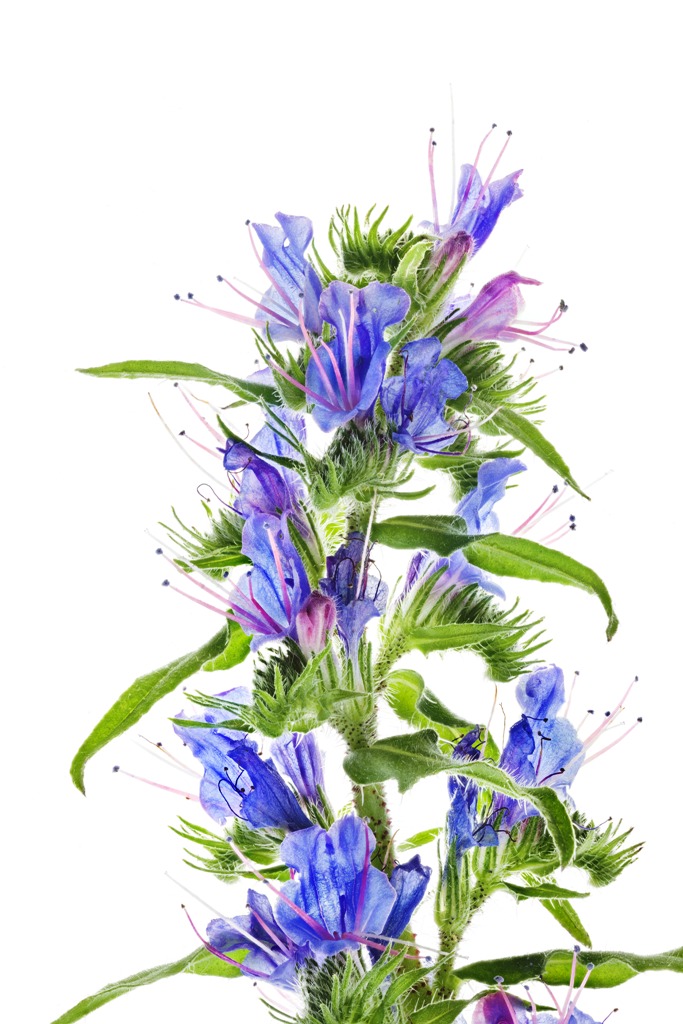
Look past the blue petals of viper's bugloss, Echium vulgare, and you'll see that the flowers also feature red stamen filaments and blue pollen. These help them to stand out in form as well as color to pollinators - and to us.

Look past the blue petals of viper’s bugloss, Echium vulgare, and you’ll see that the flowers also feature red stamen filaments and blue pollen. These help them to stand out in form as well as color to pollinators – and to us.

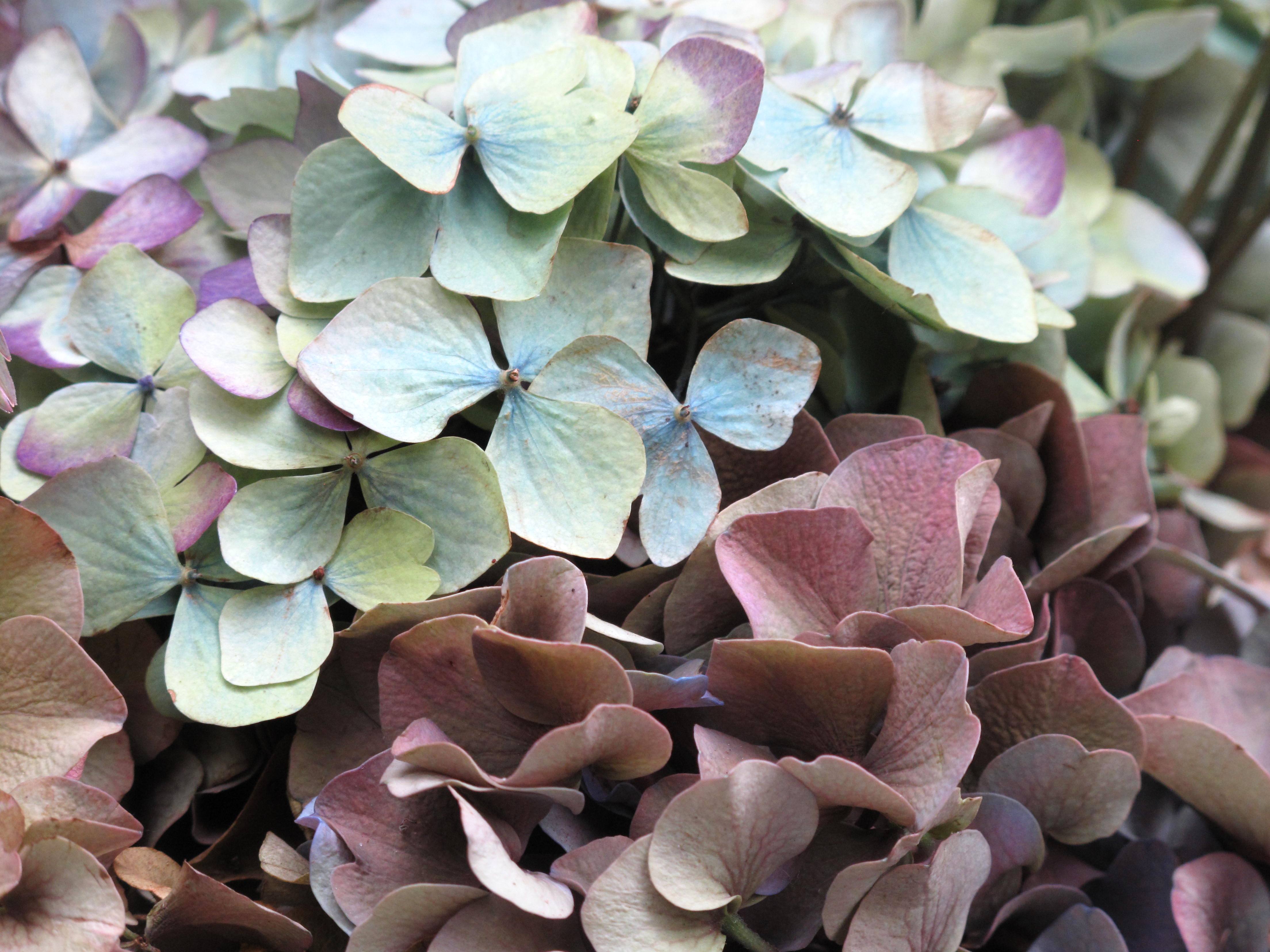
“Ice cream on green cones

white hydrangeas in full bloom

cool the summer day”

Haiku by CDSinex, 2011 

Teri Dunn Chace, author of "Seeing Flowers"

Teri Dunn Chace, author of “Seeing Flowers” 


Robert Llewellyn, photographer of "Seeing Flowers"

Robert Llewellyn, photographer of “Seeing Flowers”

ENTER TO WIN: Timber Press is celebrating the publication of Seeing Flowers with an online promotion offering a one-of-a-kind prize. You can enter to win a fine gallery quality print of a photograph from this book. Take a peek at the gorgeous print and the contest details here.  NOTE: the Contest Entry Deadline is this Friday, November 15th.

Thanks for joining me in this episode of the SLOW FLOWERS Podcast with Debra Prinzing. Because of your support as a listener, we’ve had more than 2,650 downloads since July – and I thank you for taking the time to join to my conversations with flower farmers, florists and other notable floral experts.

If you like what you hear, please consider logging onto Itunes and posting a listener review.

Until next week please join me in putting more American grown flowers on the table, one vase at a time. 

The Slow Flowers Podcast is engineered and edited by Hannah Holtgeerts. Learn more about her work at hhcreates.net. 


SLOW FLOWERS: Week 45

Sunday, November 10th, 2013

VINTAGE PATINA

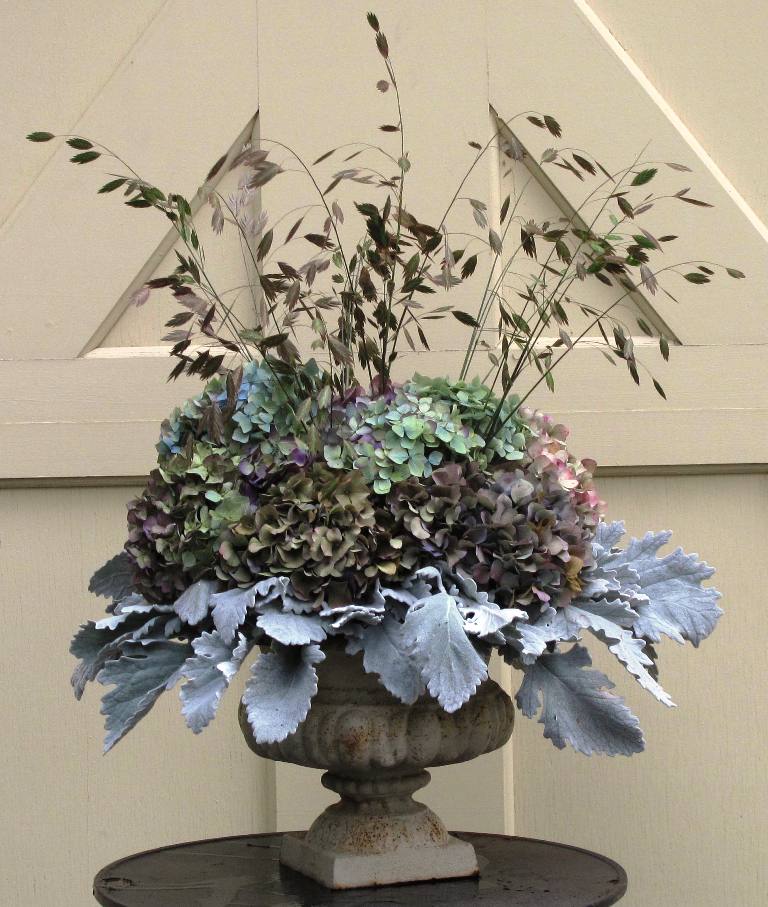
Oh how I love the way hydrangeas respond to cool weather as fall settles in!

Oh how I love the way hydrangeas respond to cool weather as fall settles in!

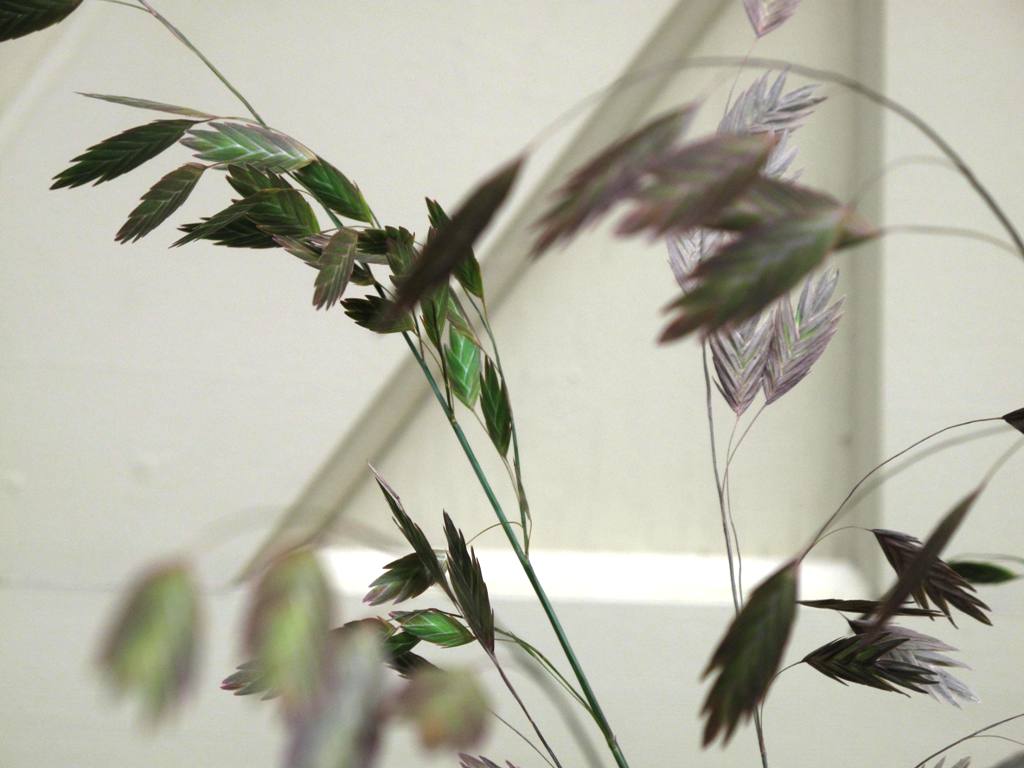
Sea Oats (Chasmanthium latifolium) are like little sparklers emerging from the hydrangea mound.

Sea Oats (Chasmanthium latifolium) are like little sparklers emerging from the hydrangea mound.

Ingredients:

12 stems mop-head hydrangeas (Hydrangea macrophylla), harvested from my garden (note, the lace-cap hydrangeas don’t have the same visual impact as the mop-head form)
20 stems Dusty Miller (Centaurea cineraria), grown by Charles Little & Co.
25 stems sea oats (Chasmanthium latifolium), grown by Jello Mold Farm
 
Vase:
7-inch tall x 11-inch diameter cast-iron urn. Intended as a planter, it converts to a watertight vase when lined with a plastic bowl.
 
 
This was the very first arrangement I designed in early November 2011 when I dreamed up the bouquet-a-week-for-a-year project.
This was the very first arrangement I designed in early November 2011 when I dreamed up the bouquet-a-week-for-a-year project.
Eco-technique

Preserve your bouquet: There’s a bonus to using these late-season flowers in an arrangement. As the vase water slowly evaporates, the mop-head hydrangeas, Dusty Miller foliage and sea oats will air-dry without changing shape or color.
 
I created the arrangement you see here during the first week of November and by the following May it looked just about the same. By then, I needed the urn for another project, so I disassembled the preserved ingredients and tossed them in the compost bin. Not every cut flower will air-dry as nicely as this trio did, but with a little experimentation you’ll soon notice that some long-lasting ingredients can be preserved for months.
 

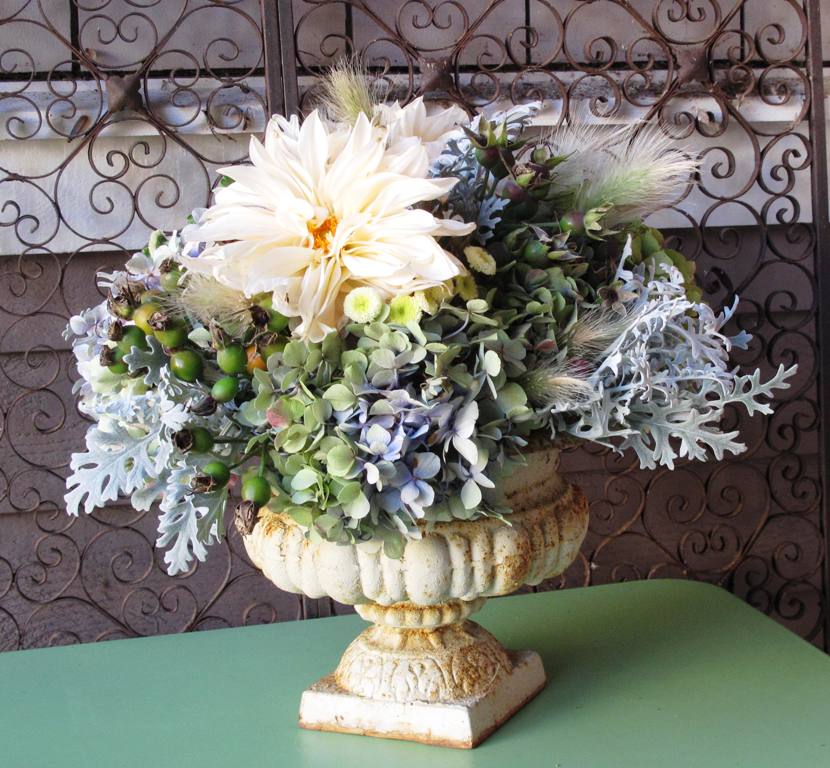
A BONUS BOUQUET: Using some of the same elements, here’s a bouquet I made this week, November 2013. It employs the same weathered urn, hydrangeas, a lacy form of Dusty Miller, rose hips, feverfew sprays and a few Cafe au Lait dahlias. This is a favorite style to which I continue returning. Love it!

An autumn arrangement glows on a table by my front door.

An autumn arrangement glows on a table by my front door.

SLOW FLOWERS Podcast: East Coast-West Coast, meet Jennie Love and Erin Benzakein, creators of The Seasonal Bouquet Project (Episode 114)

Wednesday, November 6th, 2013
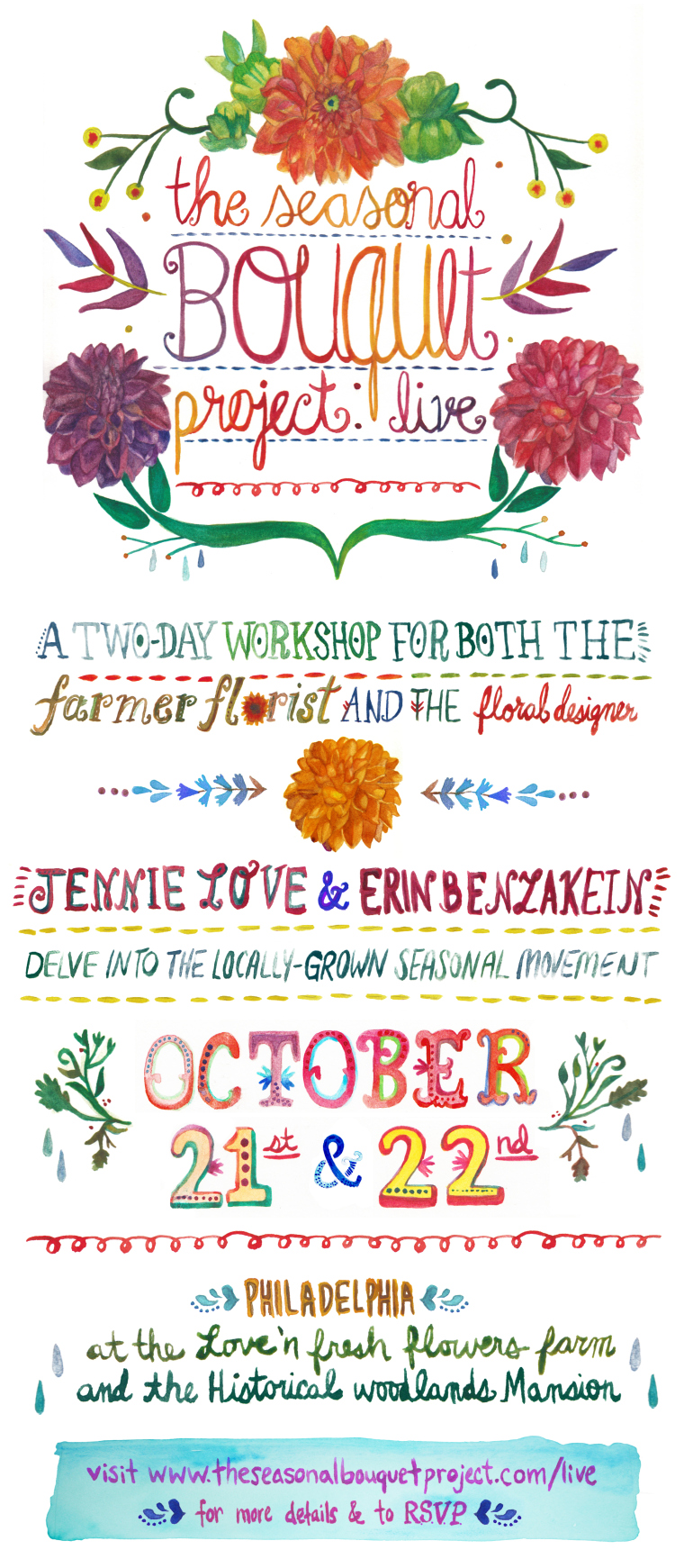
bouquet poster

Jennie Love and Erin Benzakein are the dynamic east-west floral duo behind The Seasonal Bouquet Project. This lovely poster was hand-illustrated by Shannon Collins 


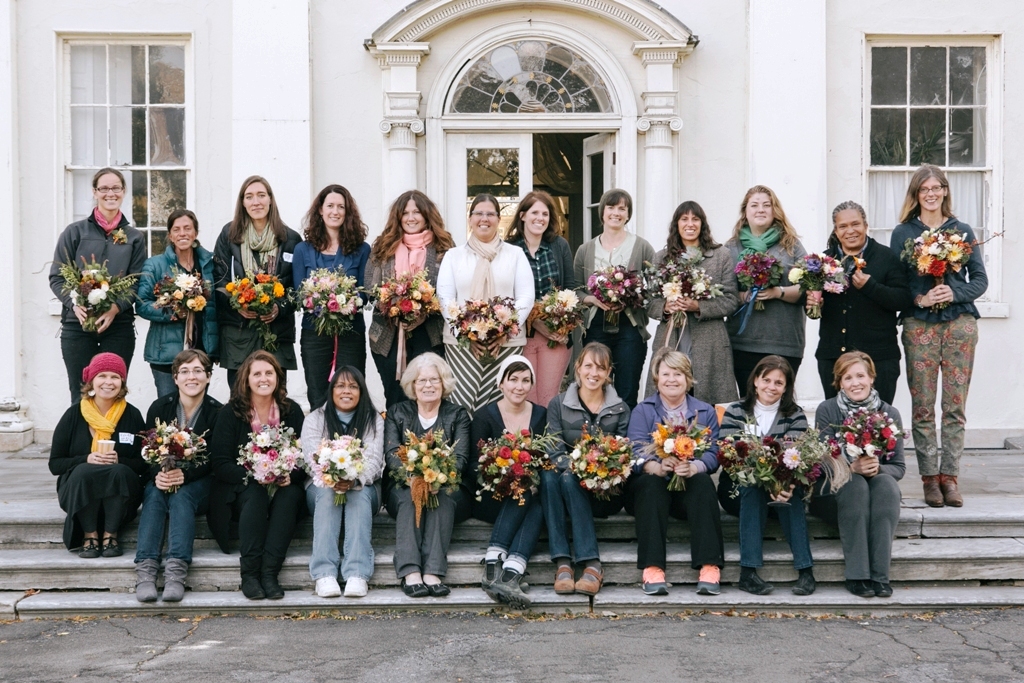
group

Courtesy of The Seasonal Bouquet Project, a photo from one of Jennie and Erin’s workshops in October. Erin Benzakein is seen 3rd from left, back row; Jennie Love is seen 6th from left, back row. 

For the past few years, I’ve been interviewing and writing about a category of designer who I dub the “farmer-florist.”

These include a rare group of individuals in the flower world who are equally talented in the science of growing flowers and the art of designing them. 

Jennie

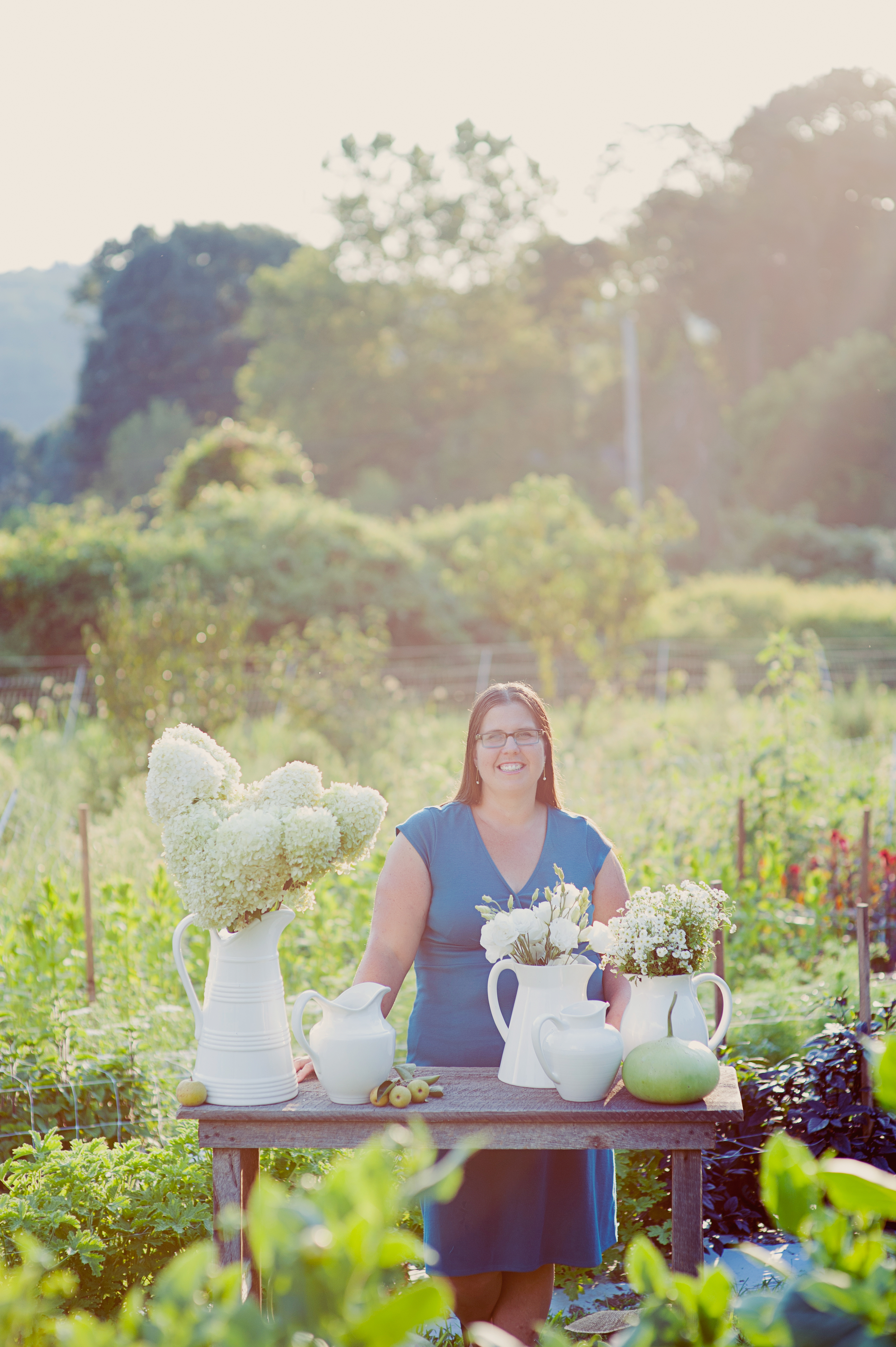
Jennie Love, farmer-florist, and owner of Love ‘N Fresh Flowers, of Philadelphia

You’ll meet two of those talented people on today’s podcast, Jennie Love of Love ‘N Fresh Flowers in the Philadelphia area and Erin Benzakein of floret flowers in Washington’s Skagit Valley. 

Both Erin and Jennie have been in the business of creating stunning floral art with locally grown materials for several years now. Their west coast/east coast friendship prompted these flower friends to create THE SEASONAL BOUQUET PROJECT in early 2013. Their first post featured yummy, early spring flowers, posted on March 5th.

The Seasonal Bouquet Project emerged from a winter brainstorming session about “how to feed our souls’ fires during the hectic months of the growing season and how to further demonstrate the beauty of locally grown flowers to a wider audience.  And, to be completely candid, it’s a bit of a competitive double dog dare between two people who like to have some fun,” according to their website. 

Benzakein family

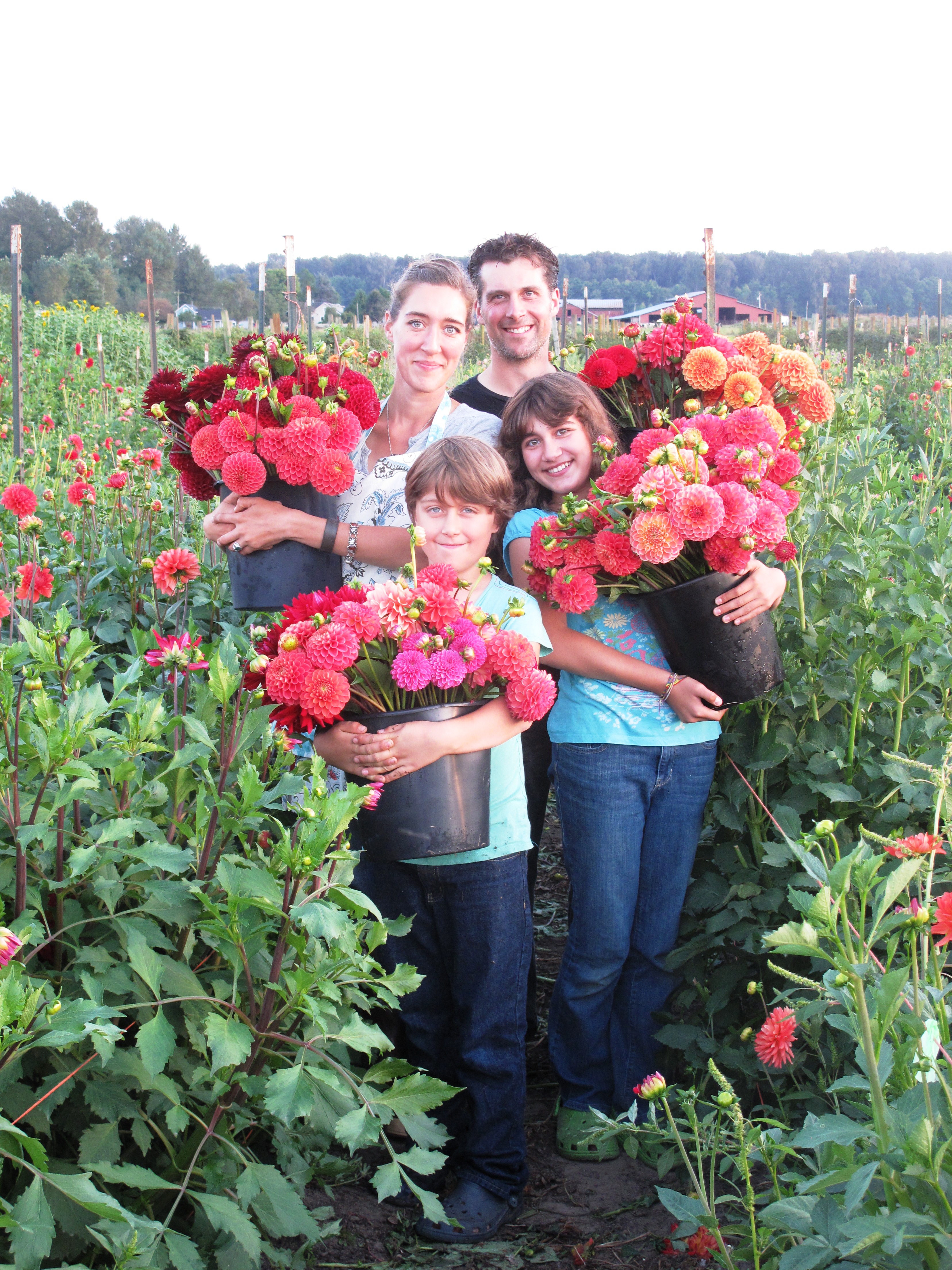
Erin Benzakein, with her husband Chris and children Elora and Jasper. I took this photo last summer at floret flowers, their farm in Washington’s Skagit Valley.

All the materials used in the bouquets were grown within a 25 mile radius of the respective designer, the vast majority coming straight from their own flower fields.  

As they wrote on their website: “Since  we’re on opposite coasts growing in very different climates, this project is a showcase for what’s available through the seasons across the country.” People all across the country and around the globe, for that matter, followed along on the gorgeous journey. Erin and Jennie also invited readers to post photos of their own bouquets, as long as the ingredients were within that 25-mile radius. 

As you will hear in this interview with Jennie and Erin, which took place on October 25th via Skype, the friends cooked up a 2-day workshop to celebrate the “end” of their season. They planned “The Seasonal Bouquet Project LIVE” and scheduled the event to take place on Jennie’s flower farm in Philadelphia. Listen along to hear what happened next – and gain inspiration and insights into the life of a farmer-florist.

Photos to enjoy from Jennie Love and her farm:

Jennie

Jennie farms on agricultural land that dates back to William Penn. Photo by Maria Mack Photography ©2012 http://mariamackphotography.com


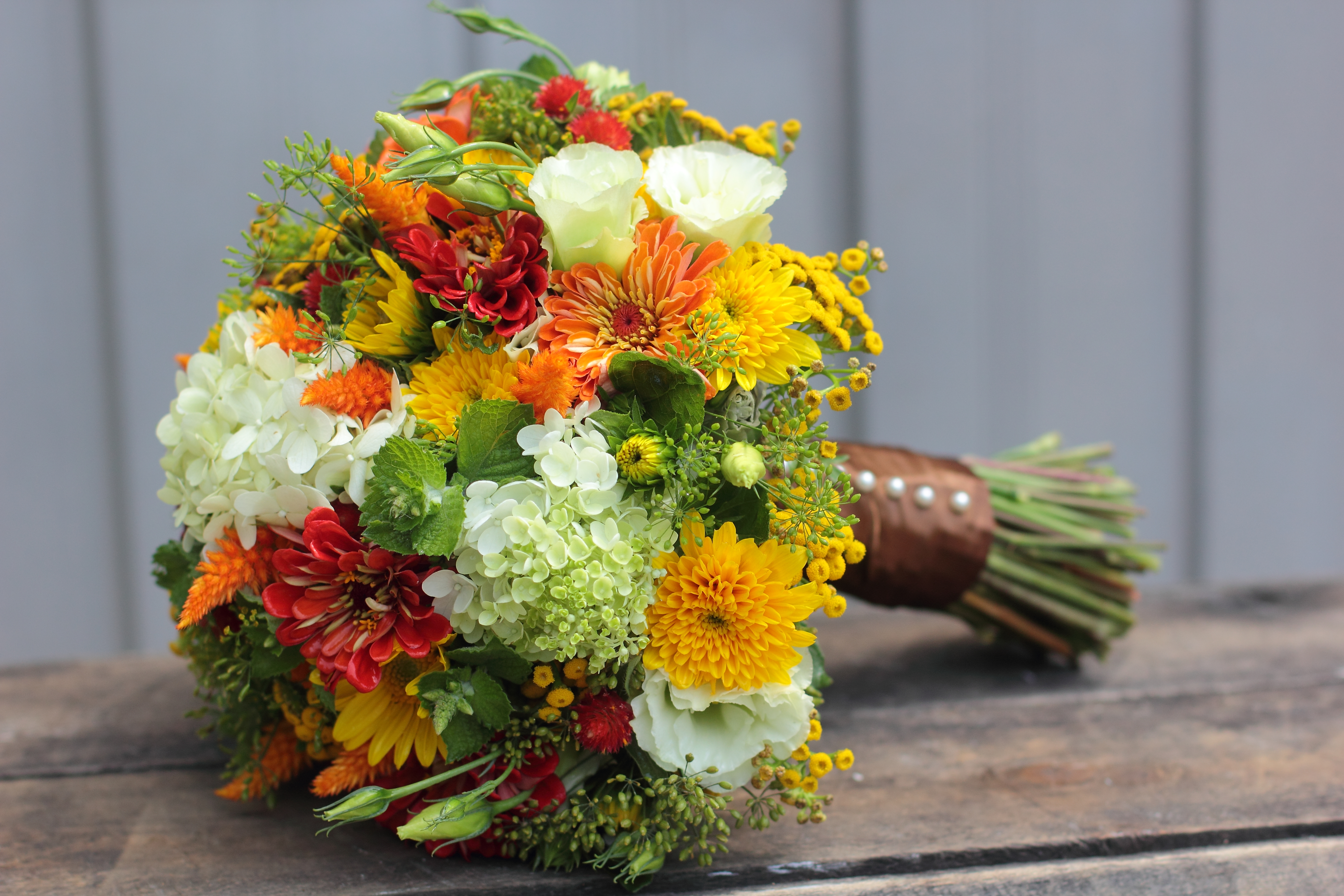
A beautiful summer bouquet, grown & designed by Jennie Love Maria Mack Photography ©2012  http://mariamackphotography.com

A beautiful summer bouquet, grown & designed by Jennie Love Maria Mack Photography ©2012 http://mariamackphotography.com


zinnias in July

Zinnias in July, designed by Jennie Love.

Photos to enjoy from Erin Benzakein and her farm:

floret roses

Garden roses at floret flowers, August 2012. I took this shot during our photo shoot for Country Gardens magazine. 


Floret Bouquet

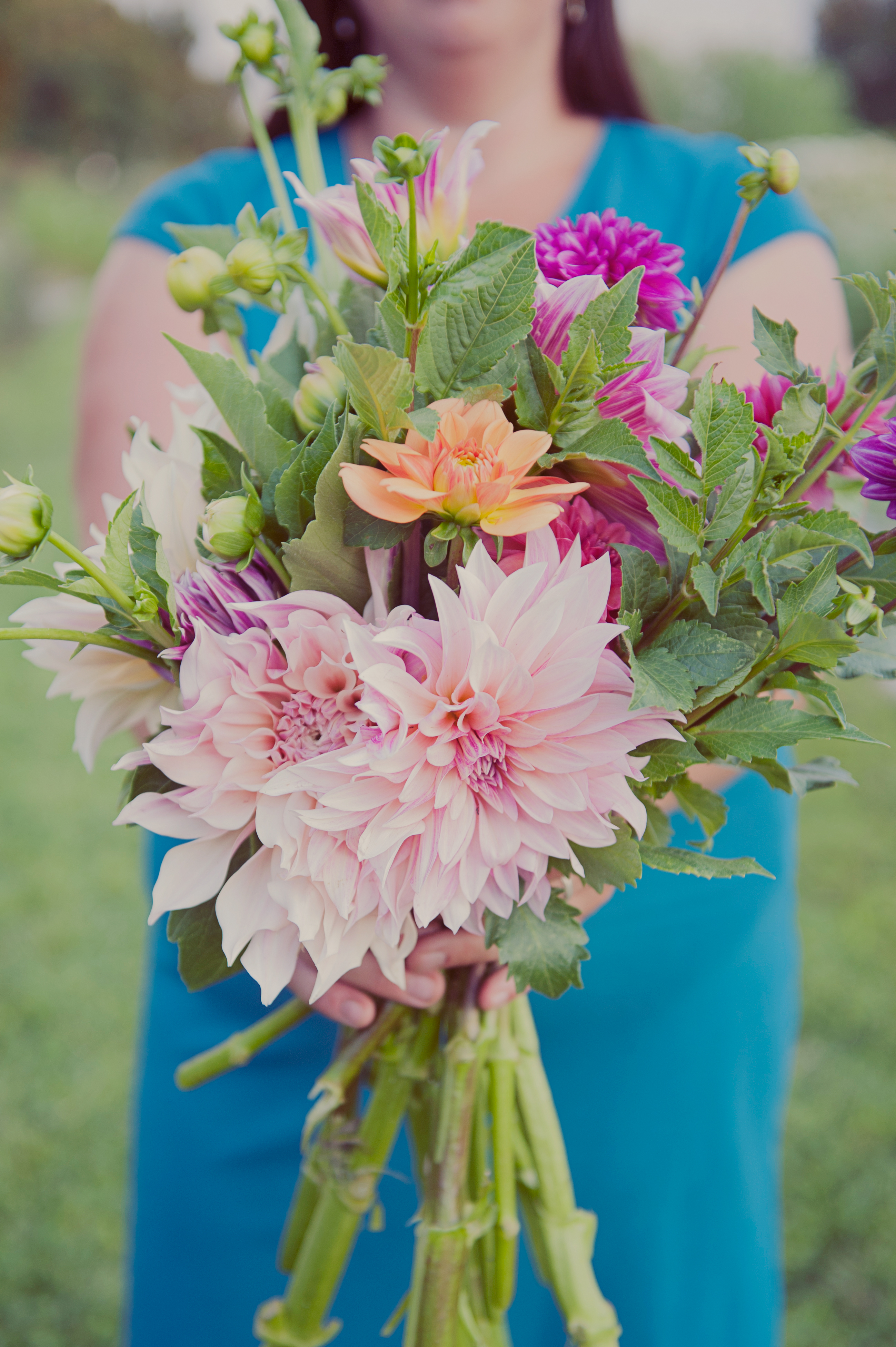
Erin’s bouquet, designed for Country Gardens magazine.

Thanks for joining me in this episode of SLOW FLOWERS. Because of your support as a listener, we’ve had more than 2,200 downloads since July – and I thank you for taking the time to join to my conversations with flower farmers, florists and other notable floral experts.

If you like what you hear, please consider logging onto Itunes and posting a listener review.

Until next week please join me in putting more American grown flowers on the table, one vase at a time. 

The Slow Flowers Podcast is engineered and edited by Hannah Holtgeerts. Learn more about her work at hhcreates.net.