Podcast: Play in new window | Download
Subscribe: Apple Podcasts | Podcast Index | | More
CORRECTED AUDIO INCLUDED HERE~
Sarah Ryhanen of Saipua, is a Brooklyn floral designer who has planted her own flower farm (Episode 110)
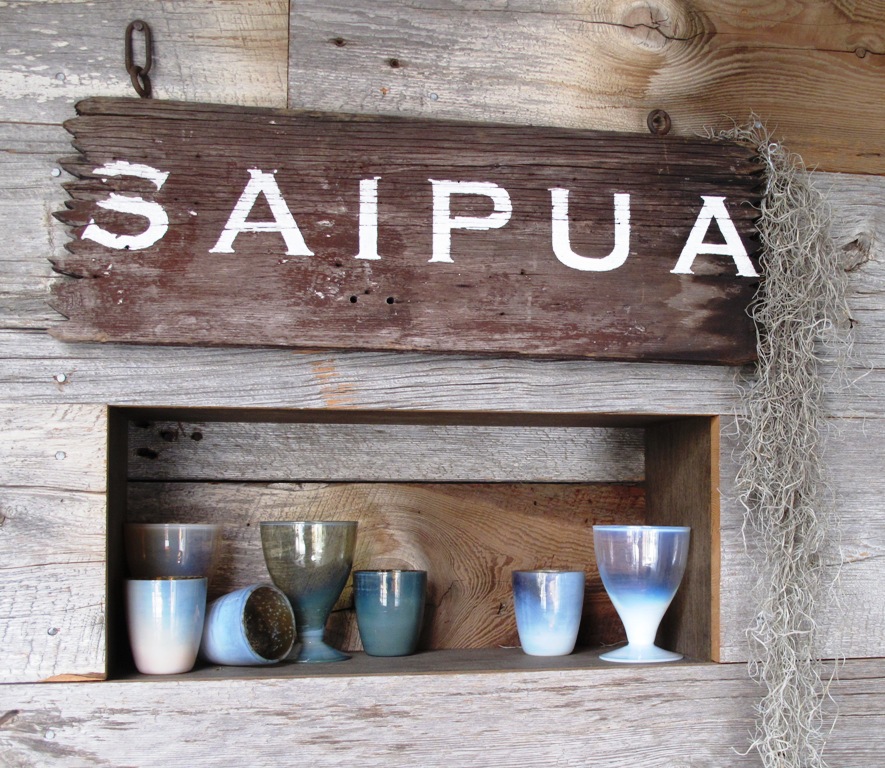
Saipua means “soap” in Finnish, reflecting Sarah’s family heritage.
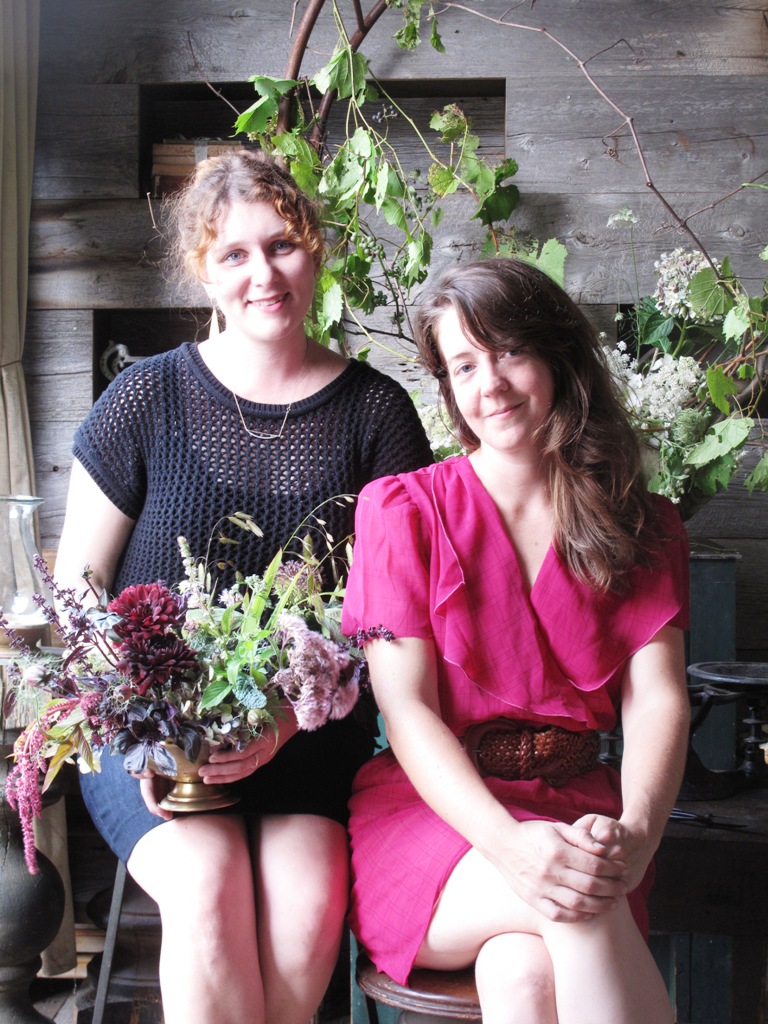
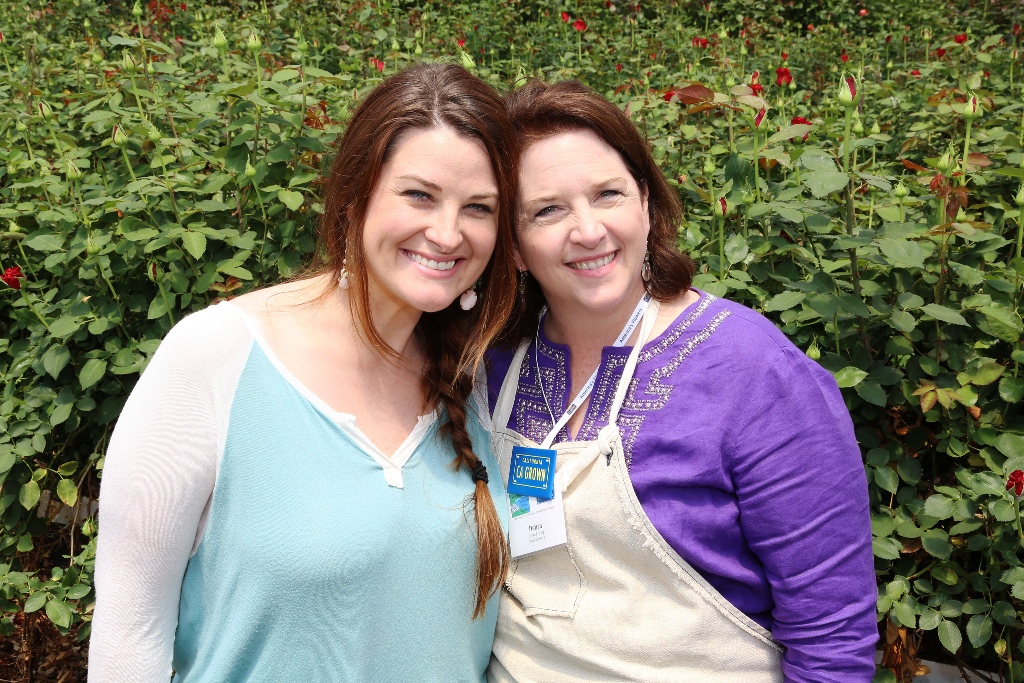
Nicolette Owen (left) and Sarah Ryhanen (right), collaborators in The Little Flower School of Brooklyn.
I first learned about Sarah Ryhanen when I read an article about The Little Flower School of Brooklyn, a venture she had created with fellow floral designer Nicolette Owen of Nicolette Camille Floral. The article was in none other than the New York Times, in which the writer proclaimed the renaissance of old-fashioned floral design for modern-era crafters.
Reading that article was like a huge floral flag being waved in front of my eyes.
Right on! The floral world I was so fascinated with documenting for The 50 Mile Bouquet was in good hands with these young, passionate, talented, urban designers.
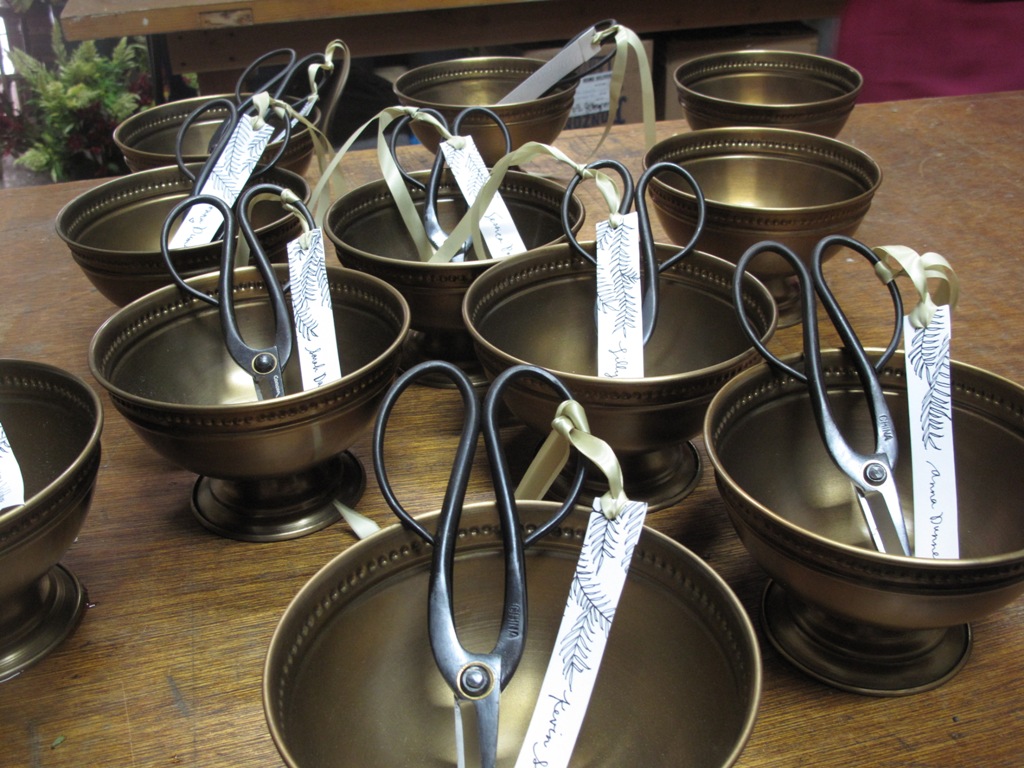
All the supplies, beautiful, simple and ready for the flower arranging students at The Little Flower School of Brooklyn.
So like probably everyone else in the country, I started stalking Sarah through her web site and blog, and following Nicolette’s work through her web site and the lovely floral arrangements she created for Bringing Nature Home (Rizzoli, 2012), a book by photographer Ngoc Minh Ngo.
Welcome to Saipua + Flower School.
When I spent a few days in New York City last August, I contacted them to ask whether I could sit in on one of their workshops. The class was sold-out, of course, so I was just an observer. It was amazing to me that 12 persons (11 women and 1 man) gathered on a sweltering Saturday morning to create bowls of flowers in an un-airconditioned warehouse-studio in Brooklyn. There was so much excitement in the room, with a combination of newcomers and repeat students. People soaked up every word, concept and idea Sarah and Nicolette offered – and they were unabashedly proud of their own creations.
Every detail was attended to in advance, as you can see by the photos I took that day. Sarah and Nicolette shared about their own design processes, about the way they select floral ingredients, and how they prefer to use materials like pin frogs and chicken wire (rather than foam).
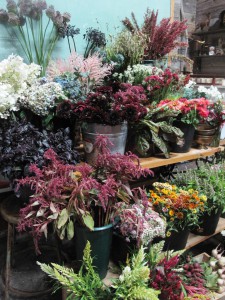
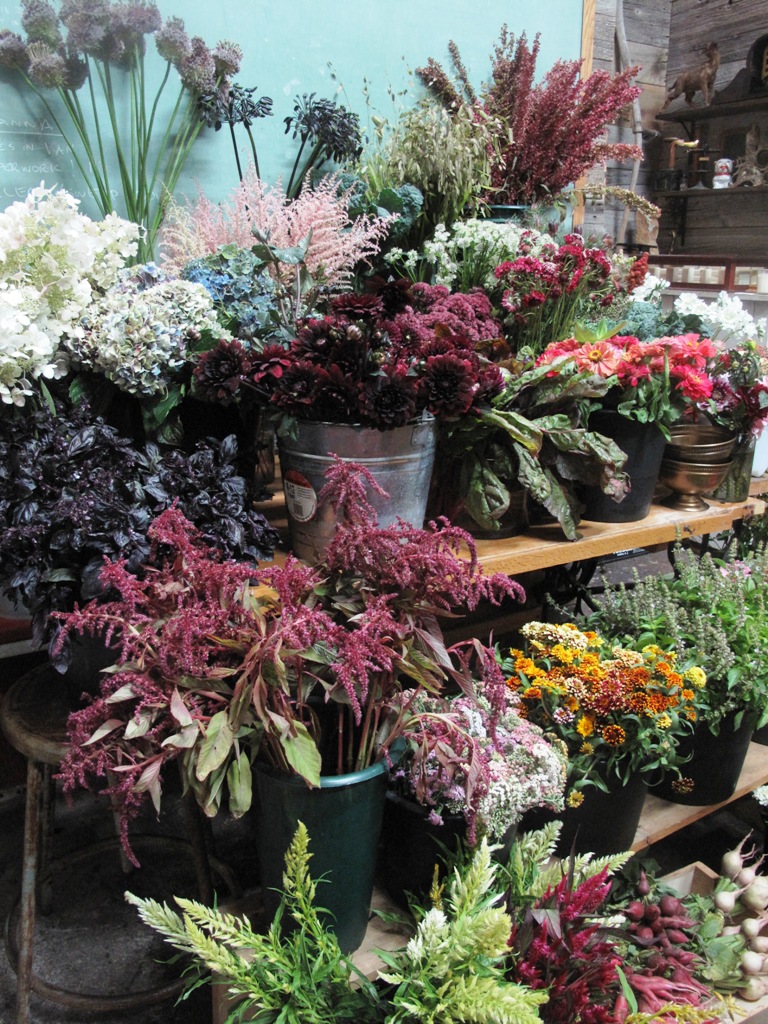
Seasonal, locally-grown late summer flowers.
As the designs took shape, I had a bird’s eye view, perched in the tiny loft above the workshop. After students finished their arrangements, the women served them champagne and appetizers, like a fancy party. It’s no wonder these creative gatherings are so popular! It’s like going on an art retreat in the midst of your crazy, busy life. A moment in time that prompts anyone to feel more creative, more experimental, more artisitc.
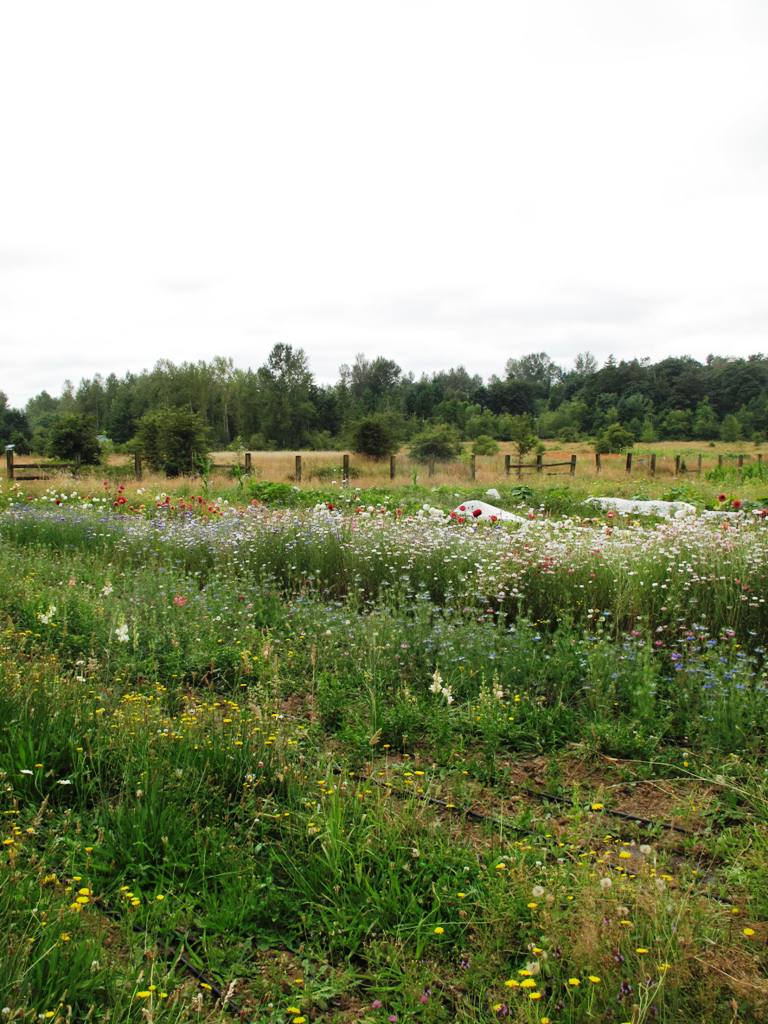
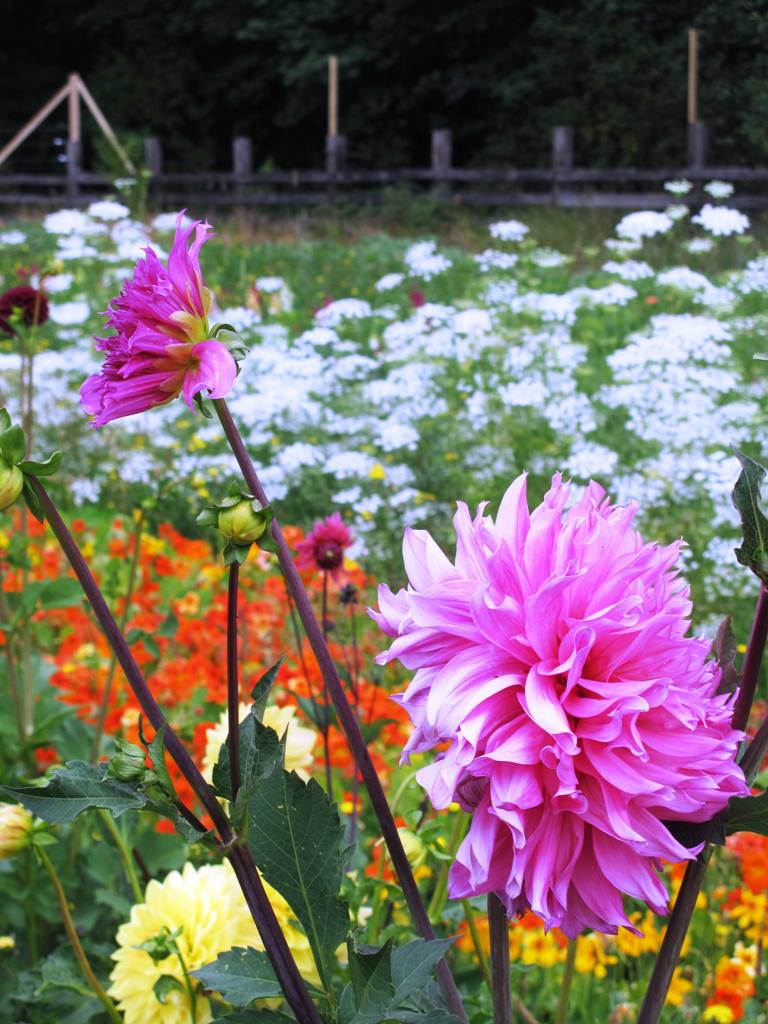
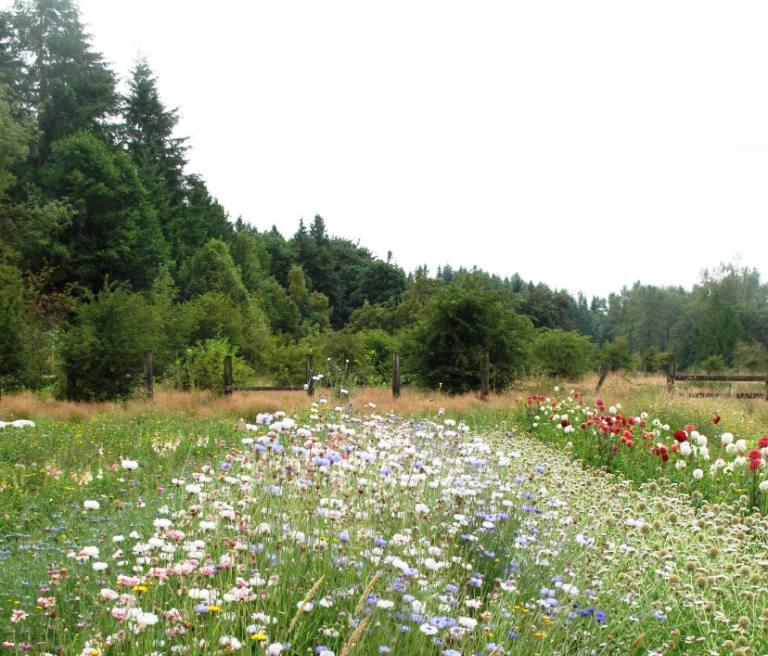
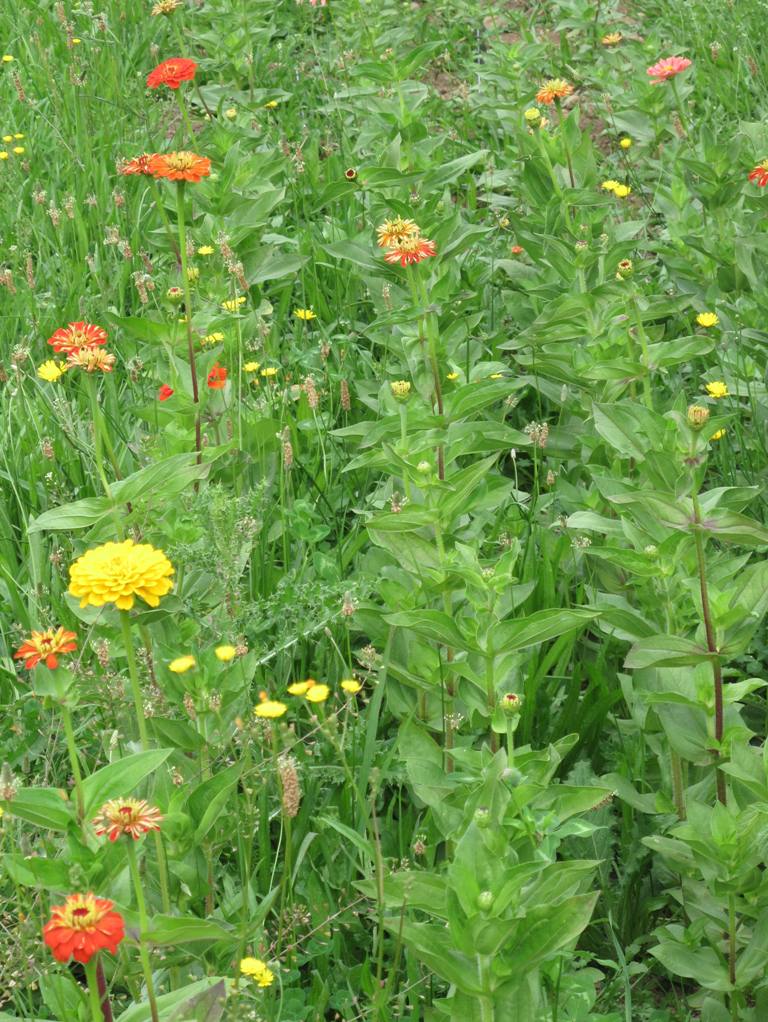
When we met, one of the things Nicolette and Sarah and I discussed was the challenge of finding the flowers and botanicals they wanted and needed for special events, from weddings to workshops. Sarah told me that she and her partner Eric Famisan had recently purchased farmland in upstate New York, where they were in the early stages of planting a flower farm.
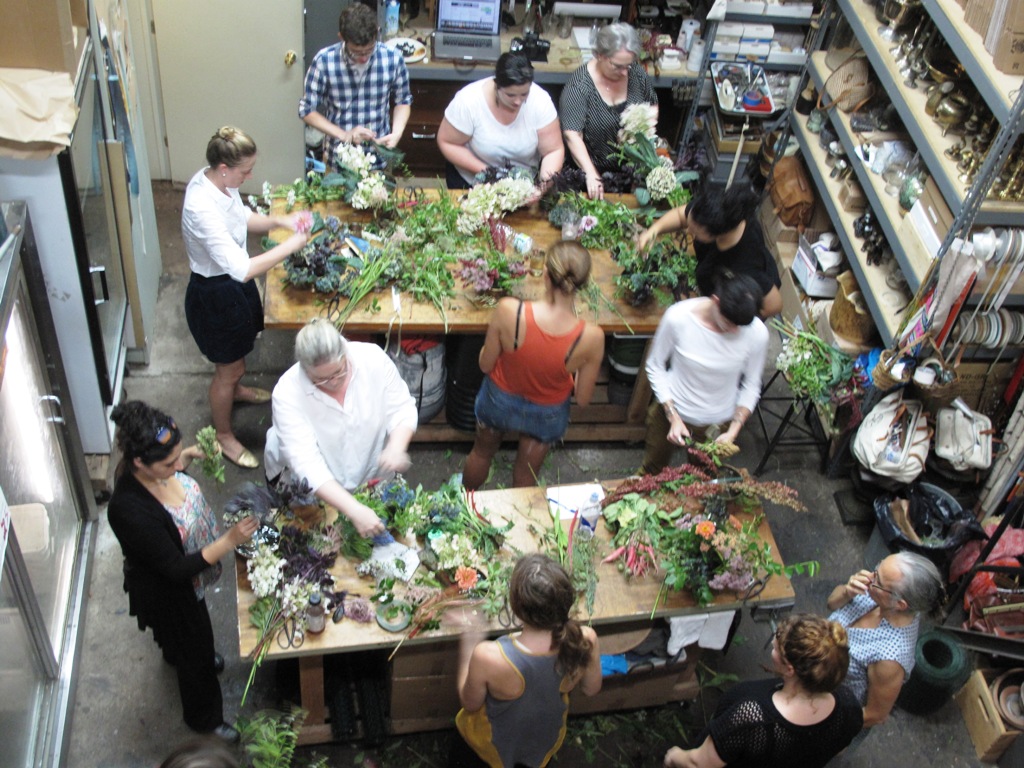
A creative explosion of floral expression – enjoy this bird’s eye view.
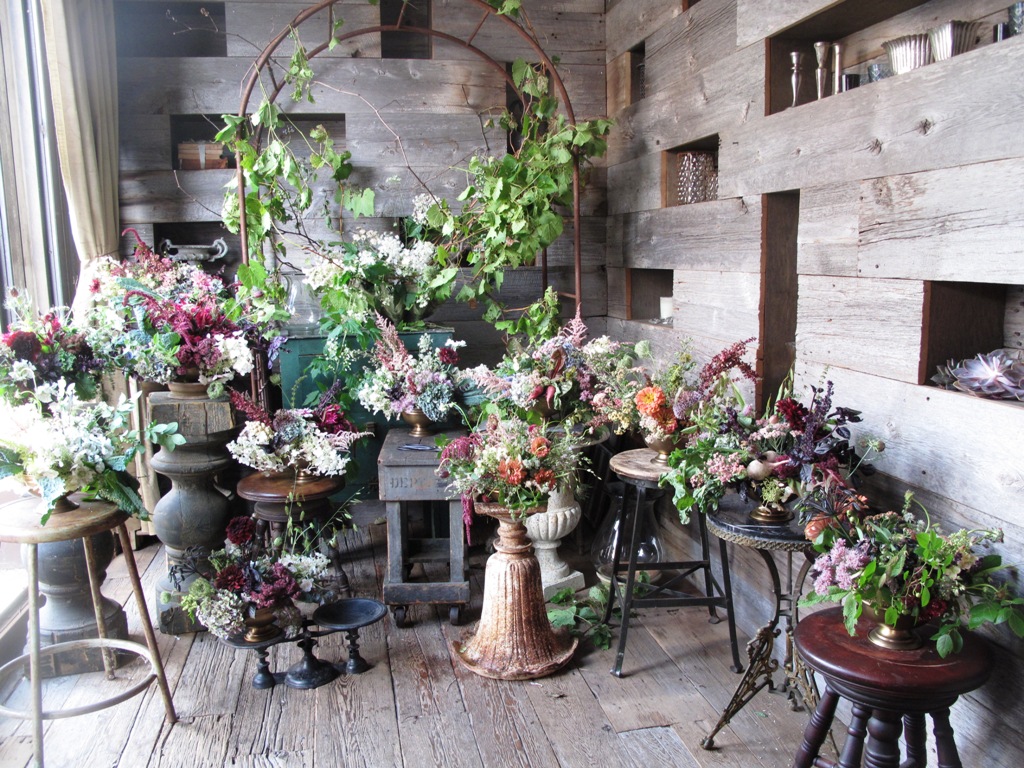
A still-life of the beautiful arrangements created by students of The Little Flower School of Brooklyn, August 2012.
Since then, I’ve watched as The Farm at World’s End has evolved, through Sarah and Eric’s wonderfully-photographed blog and honest, heartfelt text.
Under a heading called “The Idea,” here’s what Sarah writes:
When the economy took a dive in 2008 we started to see a major loss in the NYC flower market. Loss of interesting product. The unusual, weedy, wild stuff that I was so into and that made my work unique. The trouble was that wholesalers had to be safe – the floral industry is one of the first to feel the blow of a weak economy. So wholesalers on the flower block of 28th street stuck to what they knew would sell; your South American hot house roses, ranunculus, lilies, peonies. Here’s a perfect example — pre 2008 you could buy Garden Valley Roses (fragile, exquisite but expensive heirloom roses) on the block.
Around that time I was starting to explore other outlets for material. We found local farms to supplement our market purchases (River Garden, Lebak, Added Value), and also started ordering product direct from the west coast – the promised land of flowers.
Still there was always something I could not locate. Auricula, campanula “pantaloons”, black hellebores, unusual bearded iris…at Saipua we now spend hours and hours searching for the highest quality, most unusual flowers. Visiting flower farms and talking to growers is the best part of my job. You meet these crazy, passionate people and let me tell you – it’s contagious. Eventually you got to try growing yourself. So here we are.
On the flower block back in the city, the guys joke – when are you going to start selling us flowers? I try to explain to them (and to everyone who has not yet been to Worlds End) that it’s a slow process. That we’re years away from producing the opulent abundance that people envision when they hear “Flower Farm”. But I’ve come to realize that it’s not about quantity. I’m not in the business of hustling anymore. None of our work at Saipua will ever require thousands of stems. It will however require a brown iris. And by god, I’m going to grow it.
Fortunately for listeners of The Slow Flowers Podcast, I had a quick 36-hour layover in New York a few weeks ago, en route to my Italian writing retreat. It coincided with a late afternoon opportunity to sit at the kitchen table in Sarah’s Brooklyn apartment, just around the corner from Saipua’s studio. We talked about farming, flowers and collaboration. Please enjoy the conversation.




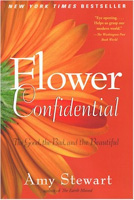 Highlights of Lane’s long career in the U.S. cut flower industry are chronicled in Amy Stewart’s 2007 book, Flower Confidential: The Good, The Bad, and the Beautiful – and you can read an excerpt of that story here, courtesy of Amy and Algonquin Books of Chapel Hill (c) 2007 and 2008. All Rights Reserved.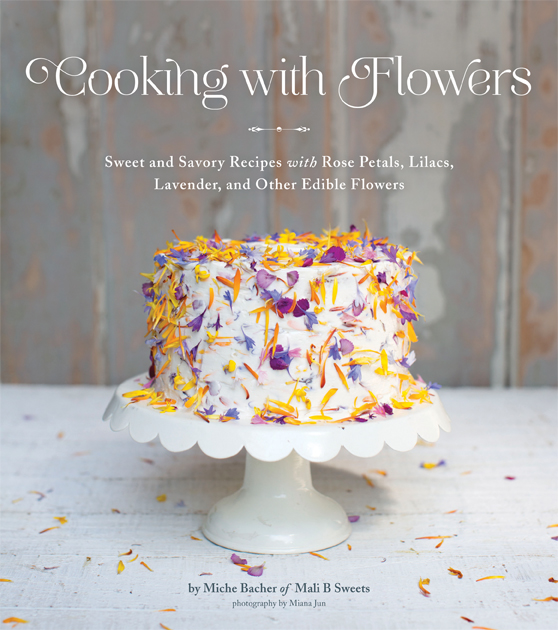
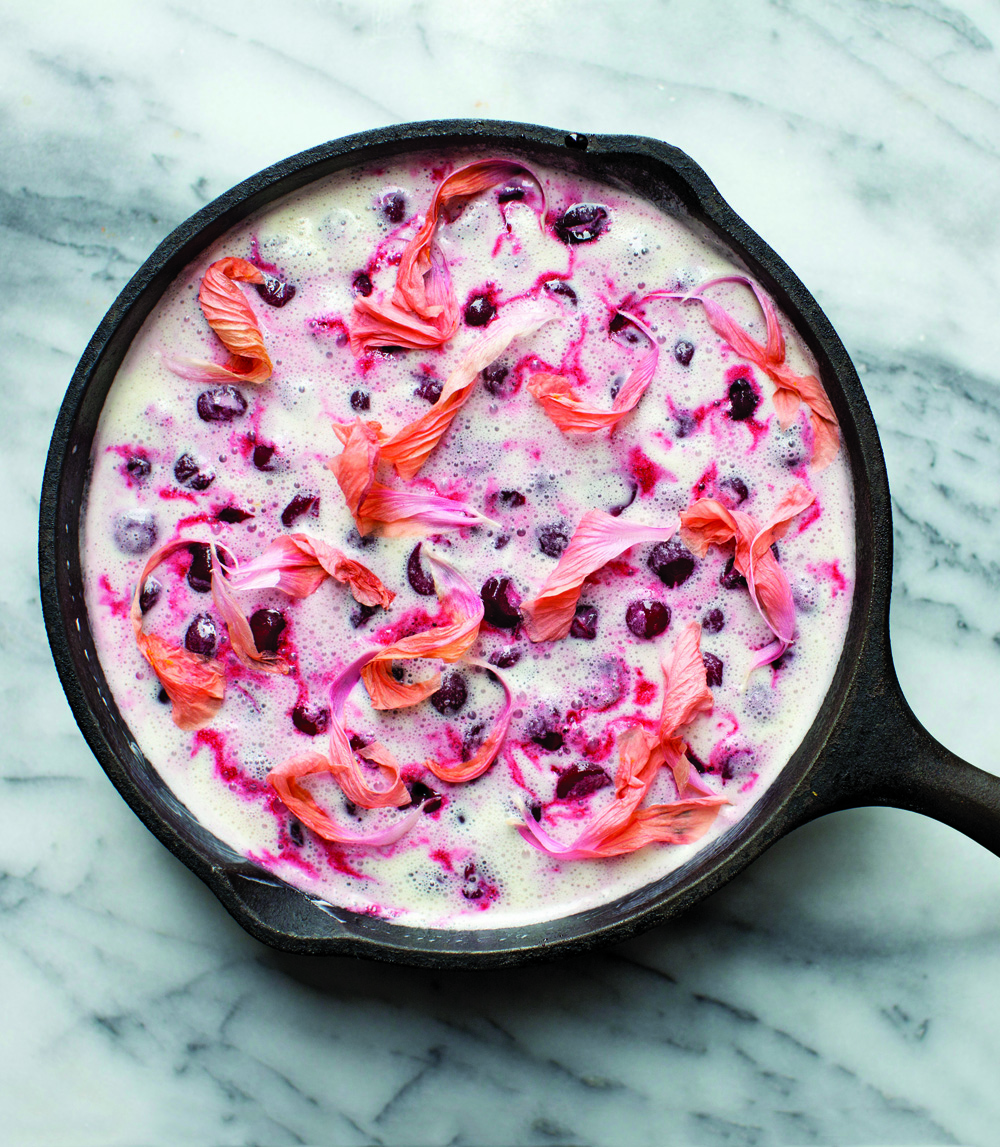
![Fresh and candied lilac flowers are the captivating ingredient in Miche's "Coconut Lilac Tapioca," a recipe in her book, "Cooking with Flowers" [photo: (c) Miana Jun, used with permission]](https://www.slowflowerspodcast.com/wp-content/uploads/2013/10/CoconutLilacTapioca.jpg)
![4 tablespoons of dianthus petals, coarsely chopped, infuse this delicious cake that also includes 2/3-cup rose' wine. Dianthus whipped cream and candied dianthus flowers are a perfect embellisment. [photo: (c) Miana Jun, used with permission]](https://www.slowflowerspodcast.com/wp-content/uploads/2013/10/PinkRosecake.jpg)