Debra Prinzing

Get the Email Newsletter!

Archive for the ‘Podcast Episodes’ Category

SLOW FLOWERS Podcast: Finding your Niche in the Marketplace, Patrick Zweifel of Oregon Coastal Flowers (Episode 124)

Wednesday, January 15th, 2014
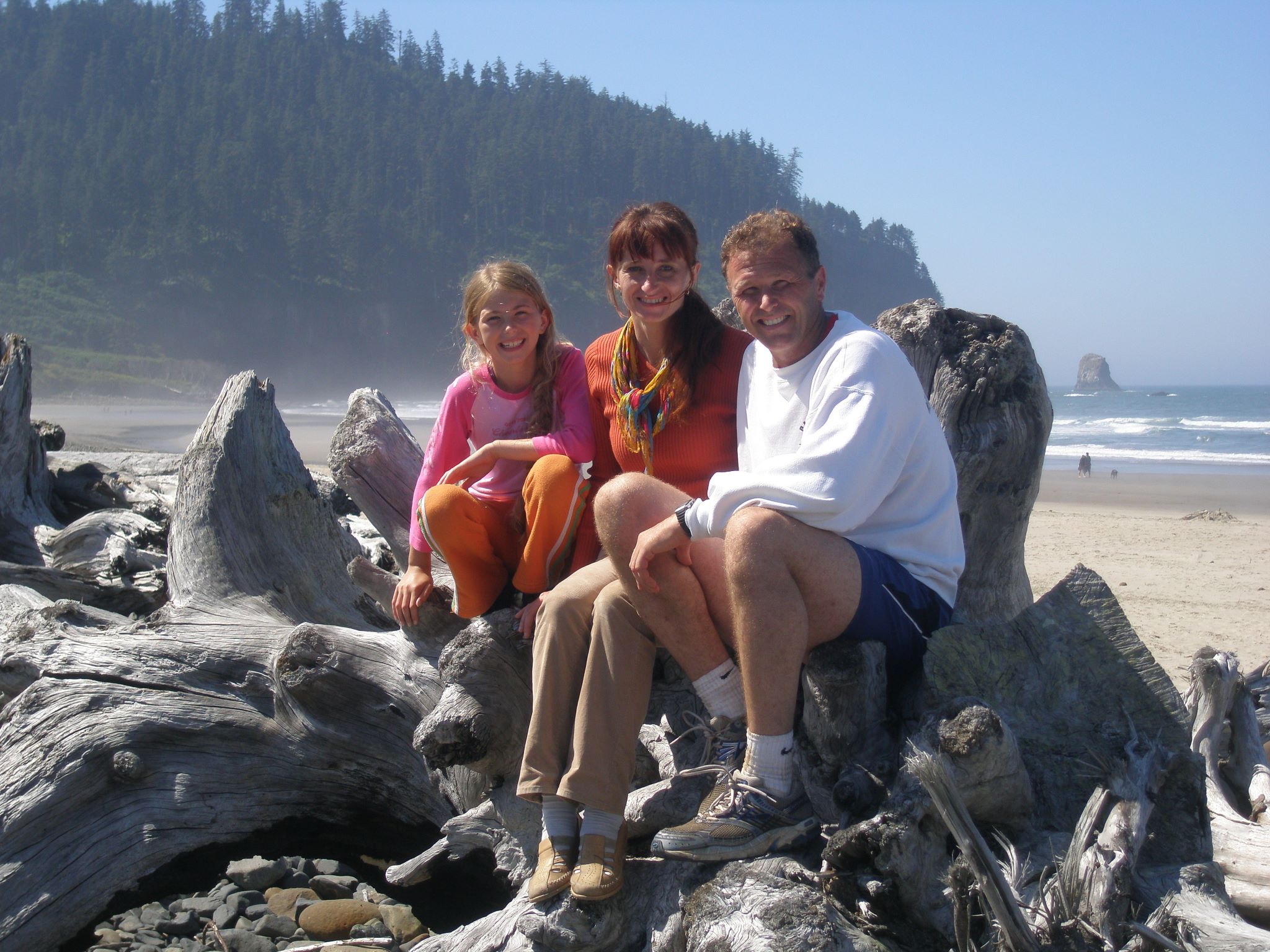
The Zweifel Family enjoys the nearby Oregon Coast, From left, daughter Nina, and Monika and Patrick Zweifel.

The Zweifel Family enjoys the nearby Oregon Coast, From left, daughter Nina, and Monika and Patrick Zweifel.

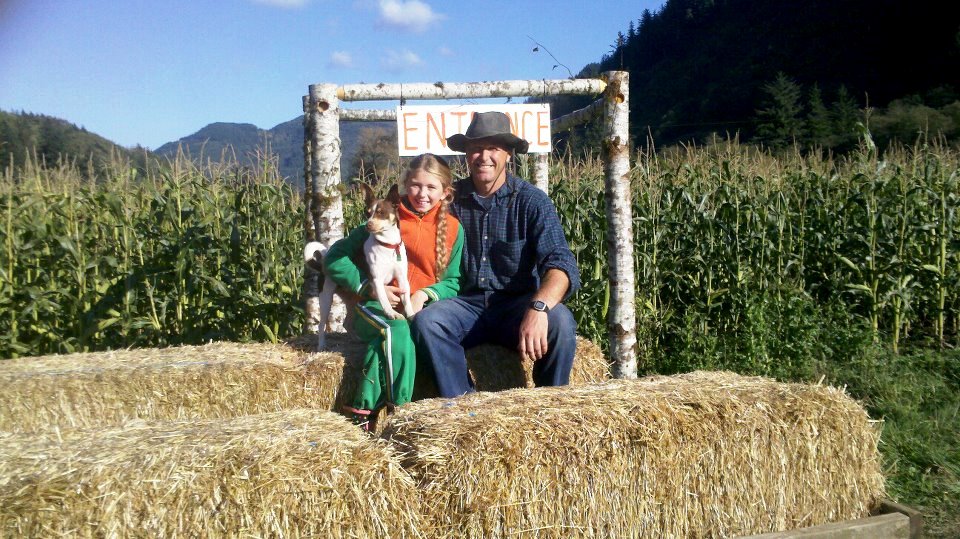
In the fall, there's a pretty fun Pumpkin Patch and Corn Maze at Oregon Coastal. Here, Patrick poses with his daughter Nina.

In the fall, there’s a pretty fun Pumpkin Patch and Corn Maze at Oregon Coastal. Here, Patrick poses with his daughter Nina.

Patrick Zweifel’s Oregon Coastal Flowers – his 64-acre, Tillamook, Oregon-based farm – has been well received by florists who shop at the Portland Flower Market, the Los Angeles Flower Market District and the Seattle Wholesale Growers Market where you can find permanent stalls filled with his gorgeous hydrangeas, calla lilies and Oregon forest products.

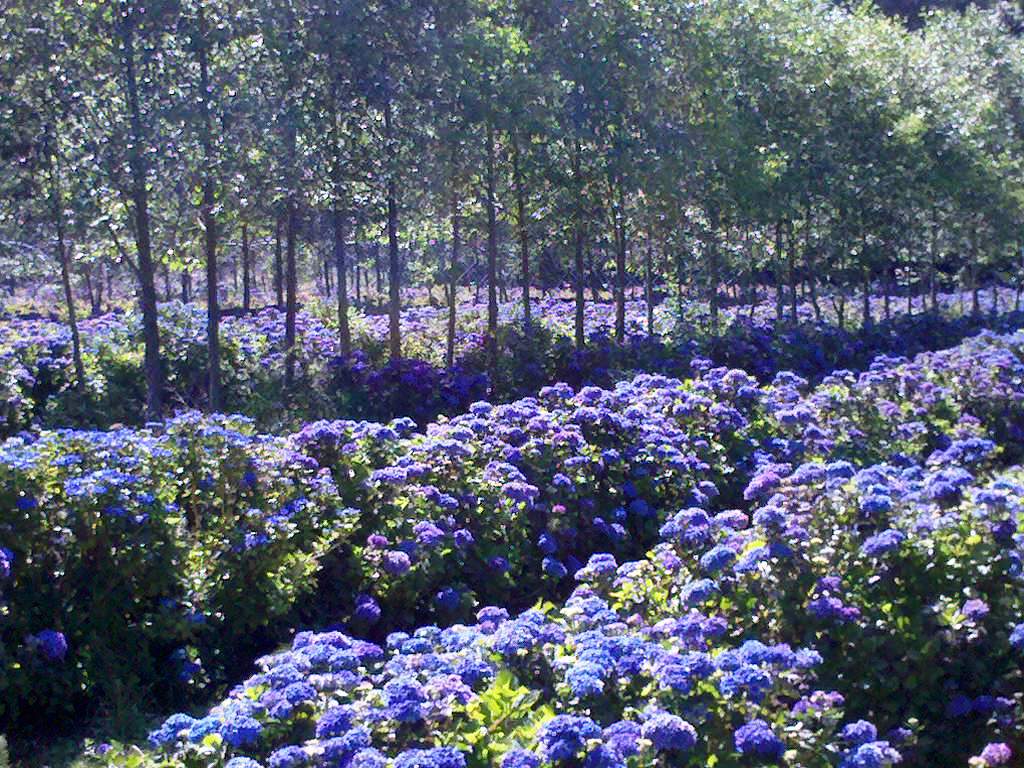
Feast your eyes on the Hydrangea Fields at Oregon Coastal Flowers. Field-grown, true-blue hydrangeas! You can't get it any better!

Feast your eyes on the Hydrangea Fields at Oregon Coastal Flowers. Field-grown, true-blue hydrangeas! You can’t get it any better!

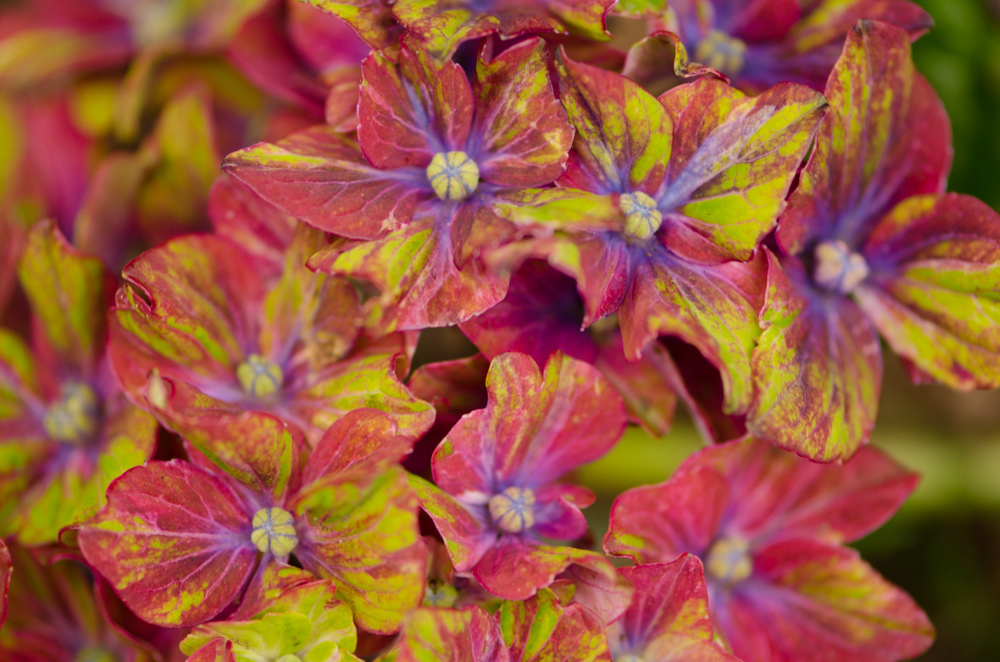
Here's that awesome new hydrangea Patrick talked about in our interview.

Here’s that awesome new Hydrangea macrophylla ‘Pistachio’ that Patrick talked about in our interview. 

I met Patrick in 2010 at the regional Association of Specialty Cut Flower Growers conference in Eugene, Oregon. That was the very first occasion when he and other farmers dreamed of launching a cooperative Farmer-to-Florist venture in Seattle. One year later, that little market began: the Seattle Wholesale Growers Market. Full disclosure: I now serve with Patrick as an industry liason on the Co-op board. That experience has allowed me to get to know this creative farmer better – and watch him at work. It’s impressive!
 
Patrick is competitive by nature, bringing the intense energy that he once devoted to a college track and field career to his professional life. In the early days of the SWGMC, he told me, “I knew there would be demand if we committed to the [warehouse] lease and took the risk. When you sell face-to-face, when you have a quality product, you have something that’s so much better than what you see on paper or online.” By opening their own market and direct-selling to florists, “we’re cutting out the middleman,” he explains.
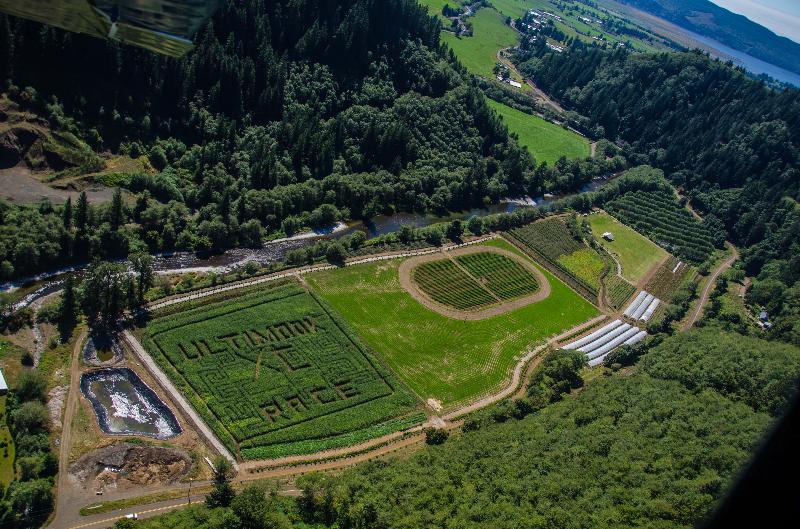
Here's an arial view of Oregon Coastal Flowers where you can spot the full-size competitive race track amidst the fields.

Here’s an arial view of Oregon Coastal Flowers where you can spot the full-size competitive race track amidst the fields. 

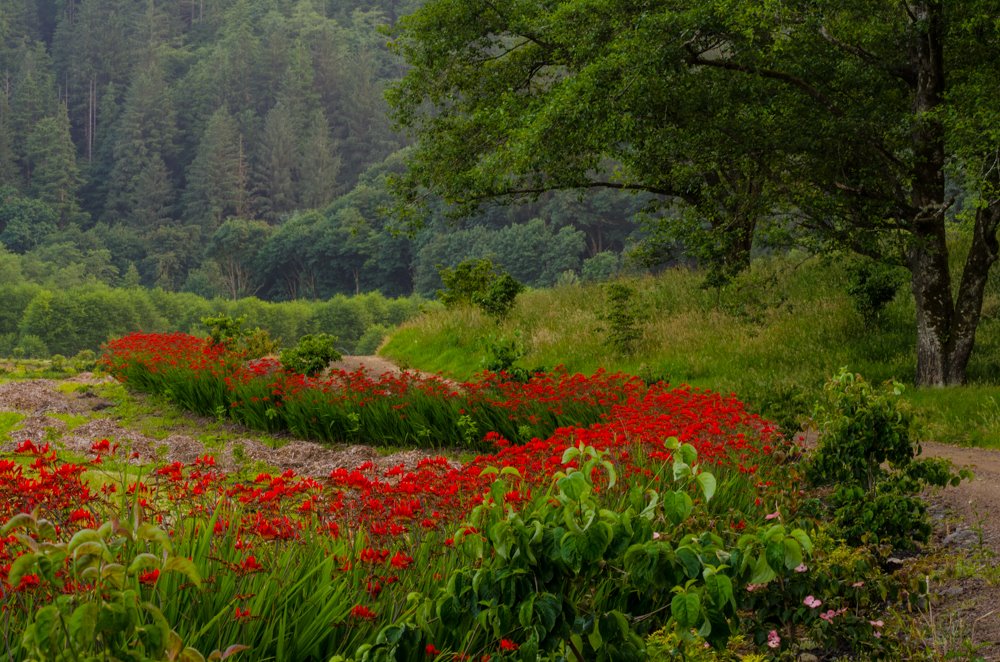
Check out the Crocosmia borders!

Check out the Crocosmia borders! 

His story is revealing because he so generously explains how he has weathered the highs and lows of his business. If you have any romantic notion that being a flower farmer is a dreamy way to commune with nature, I know Patrick’s story will be both inspiring and sobering. It is not an idyllic existence. It is incredibly hard, endless work. It is a choice, but it is not an easy choice.

Patrick’s message is that if you can find your niche and be the very best in that niche, you *might* succeed. Being the best means producing excellent, high-quality botanical and floral elements. It also means the type of customer service you provide and the relationships you build with customers.

But no matter how beautiful or fresh the bloom, domestic farmers face competition on price, especially from importers who buy from low-wage countries, Patrick says. “I was the first person in the U.S. to sell colored calla lilies in a big way. I couldn’t have bought my farm without them. Then the South Americans started selling callas for 30-cents-per-stem against my $1-per-stem product. And they had added incentives, like buy one box, get a second one for free.  I just can’t compete with South America on callas, even if my quality is great.” Patrick describes how cheap imports nearly ruined his core business – colored calla lilies. By 2008, he was faced with devastating losses of 85% of his total revenue and Patrick was driven to save his company.

He didn’t give up. He didn’t see that he had a choice. With a mortgage on his farm and family and employees to support, Patrick searched for a way to diversify Oregon Coastal Flowers.

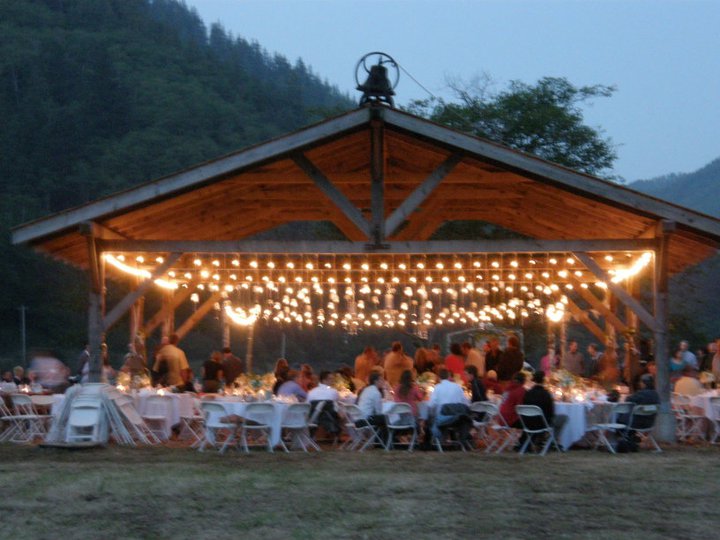
The wedding pavilion at Hydrangea Ranch, a gorgeous event space at Oregon Coastal Flowers.

The wedding pavilion at Hydrangea Ranch, a gorgeous event space at Oregon Coastal Flowers.

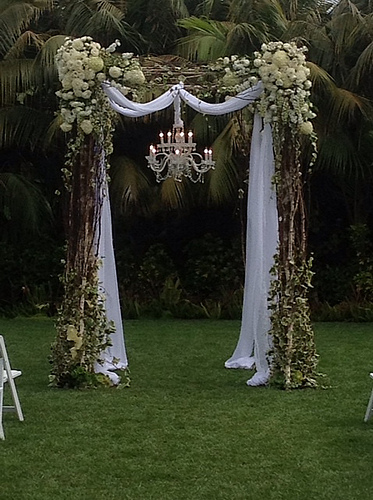
The romantic Alder arbors created at Oregon Coastal Farms from alder poles harvested on local forest land.

The romantic Alder arbors created at Oregon Coastal Farms from alder poles harvested on local forest land.

Hear the optimistic story of how he’s survived and moved beyond that episode to become even more solid in knowing his niche. This is a story of never giving up – and being smart and resourceful enough to find a solution that satisfies your customers, to provide products that meet a need in the floral marketplace, and to find new marketplaces for those products. 

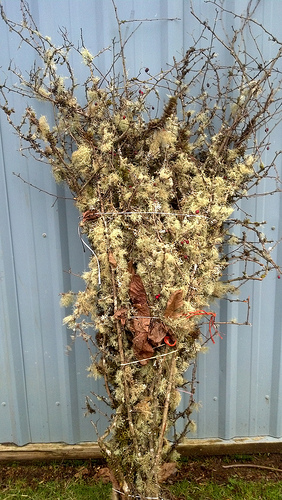
Mossy branches - a signature product offering.

Mossy branches – a signature product offering.


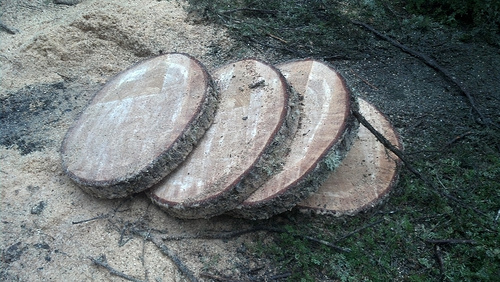
Here are those little log "cake plates" that Patrick has popularized among the floral, wedding & event world.

Here are those little log “cake plates” that Patrick has popularized among the floral, wedding & event world.


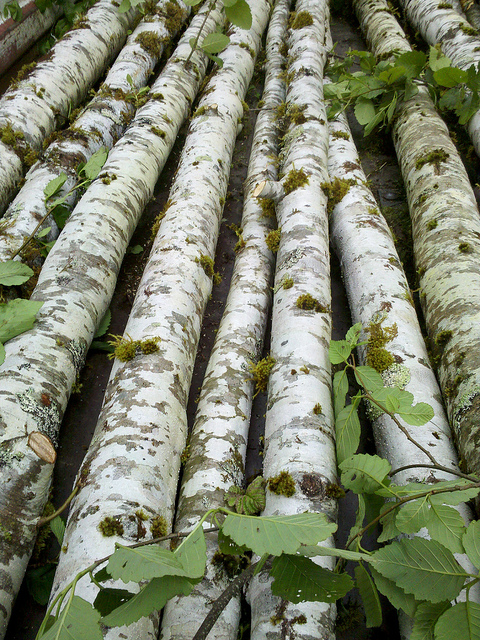
Oh, wow, those Alder logs!

Oh, wow, those Alder logs!

All kinds of goodies from the Oregon forest: mosses, ferns, gnarly surprises!

All kinds of goodies from the Oregon forest: mosses, ferns, gnarly surprises!

Patrick credits his ability to quickly change direction for saving his business. He noticed a few years ago that floral designers were snatching up his offerings of Northwest forest products, such as lichen-clad branches, soft green mosses, cone-laden conifer boughs and other woodland items, infusing their bouquets with a naturalistic feel. In the past three years, Oregon Coastal Flowers has increased the variety of specialty forest items, while at the same time shrinking its acreage devoted to calla lily production. With forest service permits that allow him to legally harvest everything from birch saplings to decaying tree trunks, Patrick has seen his sales double from 2010 to 2011.

There will always be people who choose “cheap” first. Yet conscious consumers are voting with their values and their dollars – and focusing on other important product attributes like Seasonal, Local, Sustainable, and, in Patrick’s case, unusual and hard-to-grow or ship from South America. As the American Grown message increases, and as more consumers see value in the origins of the flowers they choose in the marketplace, that playing field will leveled out. 
 
All of these beautiful photos appear here, courtesy of Patrick Zweifel and Oregon Coastal Flowers. Sign up for Oregon Coastal Flowers’ newsletter here.

 Other ways to connect with Oregon Coastal Flowers:

Product Photos

Sign up for our Newsletter

Facebook:  ZCallasFarm

Twitter:  ZCallas

Thank you for joining me in this episode of the SLOW FLOWERS Podcast with Debra Prinzing.

Because of your support as a listener, listeners have downloaded this podcast more than 5,000 times! I thank you for taking the time to join to my conversations with flower farmers, florists and other notable floral experts.

If you like what you hear, please consider logging onto Itunes and posting a listener review.

Until next week please join me in putting more American grown flowers on the table, one vase at a time. 

 The Slow Flowers Podcast is engineered and edited by Hannah Holtgeerts. Learn more about her work at hhcreates.net. 
 

SLOW FLOWERS Podcast: Will 2014 be the Year We Save Our Flowers? (Episode 122)

Wednesday, January 1st, 2014

Greetings and Happy New Year! This is the first Slow Flowers Podcast episode of 2014 and I have devoted it to an essay about the state of the American floral industry and the critical changes that need to take place in order to save it.  

Here are some highlights of my thoughts and ideas:

Web


SlowFlowersScreenShot

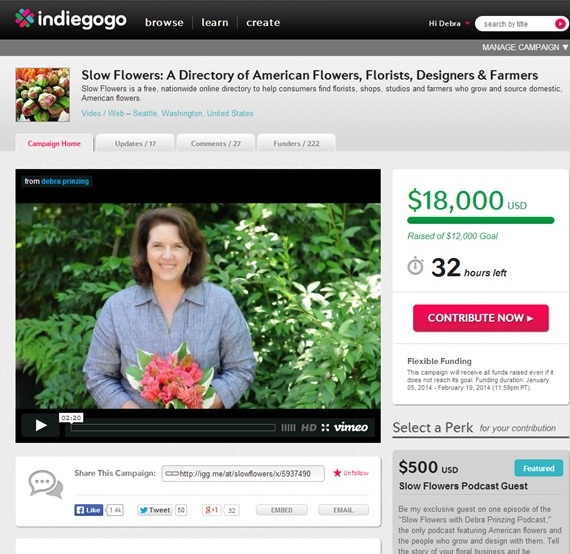
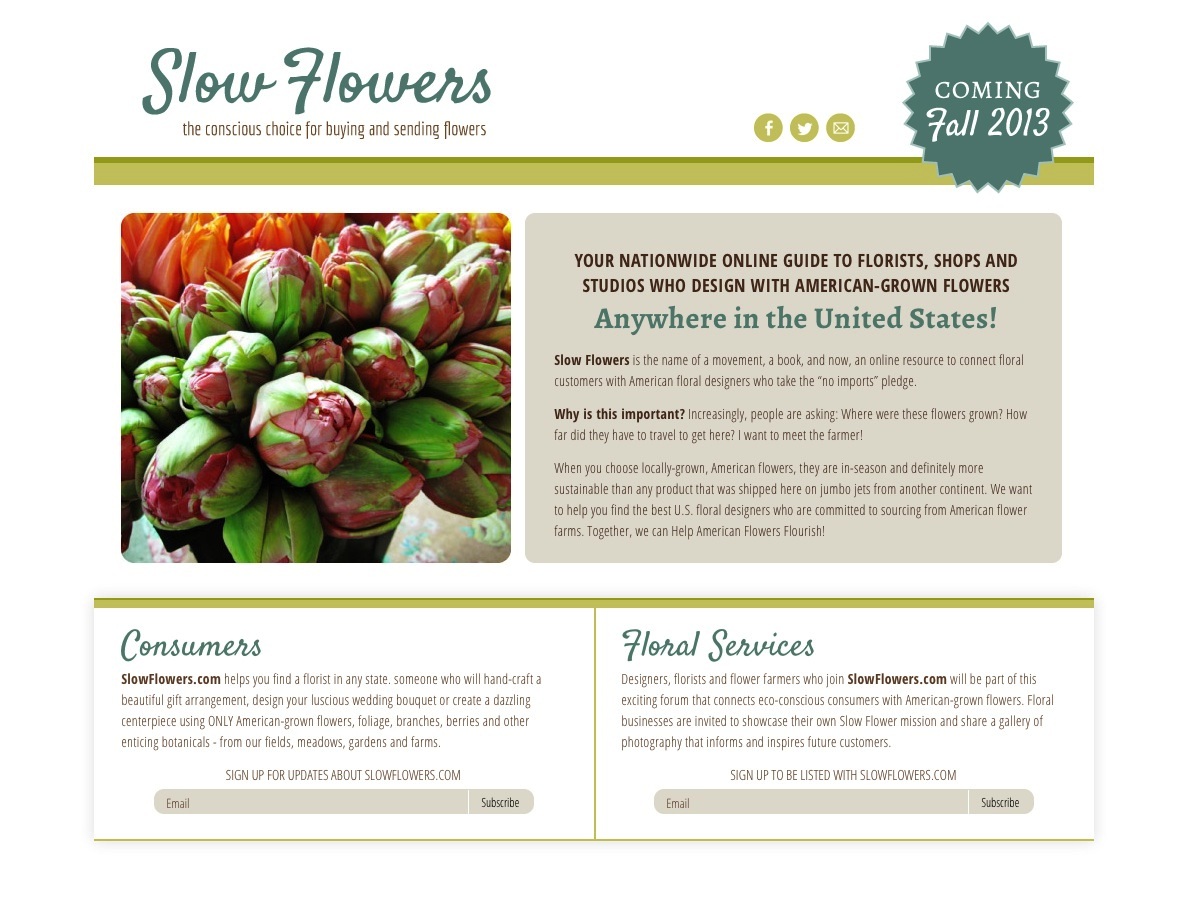
1. In early 2014, as promised for months, I will launch SLOWFLOWERS.com, a free nationwide online directory to florists, shops and studios who design with American Grown Flowers and the family farms who sell direct to the consumer. Please take a moment to sign up for more details – including the Beta Launch later this month. 

 Picture1

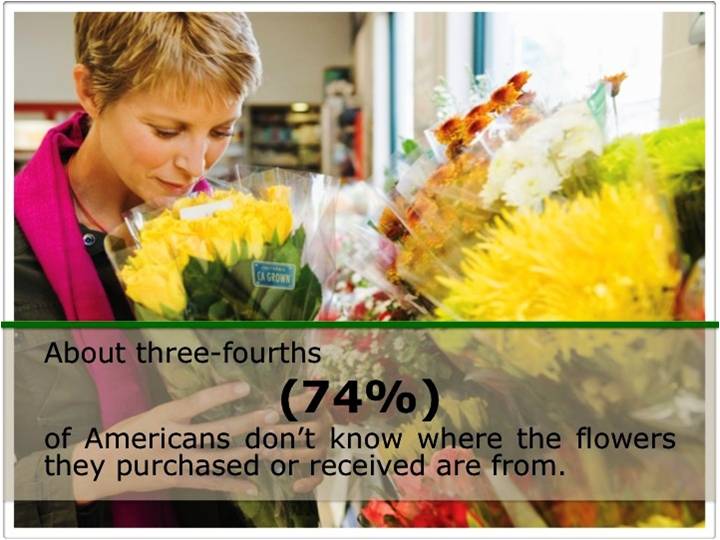
2. Without the kind of valuable information shared by the amazing guests of the SLOW FLOWERS Podcast and without proper country-of-origin labeling on all flowers at the marketplace, American consumers simply do not know where their flowers come from. They do not know WHO grew those flowers. They do not know WHERE those flowers were grown and what SUSTAINABLE practices were used. *Infographic, courtesy of California Cut Flower Commission.

img598img599

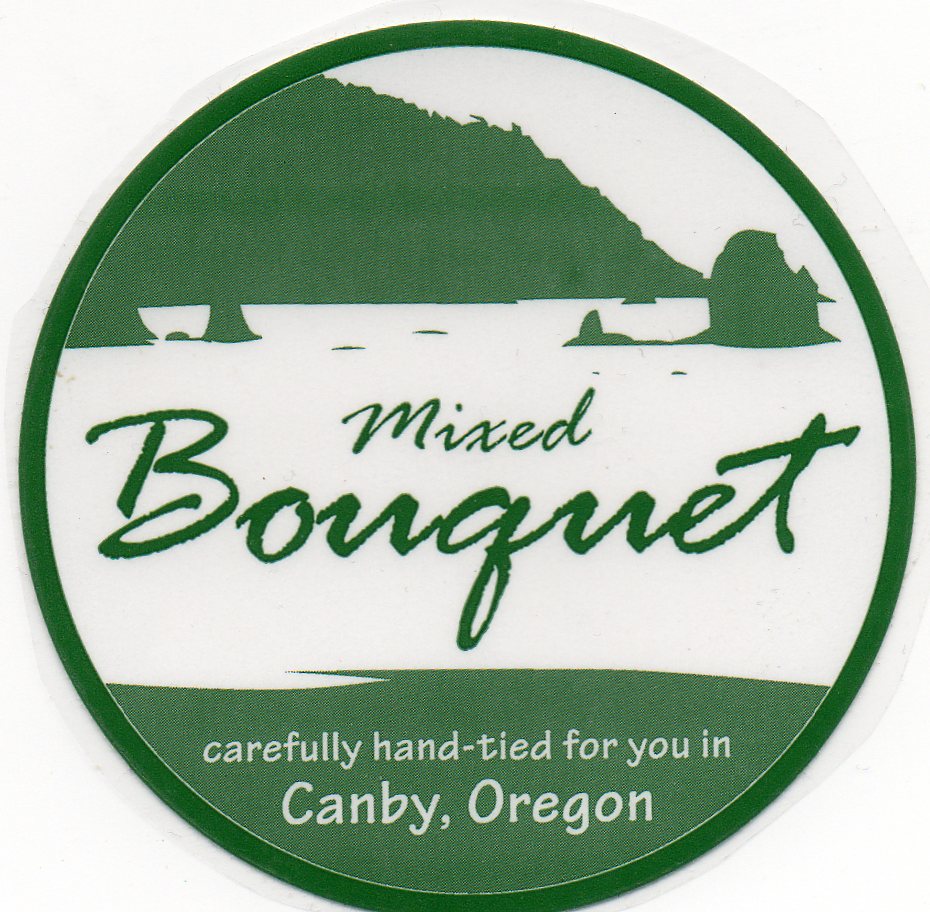
3. Above you will find two types of confusing labeling seen in the marketplace, used by retailers who are trying to ride the wave of American grown. These labels appeared on mixed bouquets of imported flowers. So the implication is that they are “local,” when all that’s local about those bunches was the fact that they were “assembled” with a twistie-tie or a rubber band in some nearby warehouse. It’s disheartening to see lack of leadership in flower retailing. Unless people like you and me object and insist on accurate product information, we will continue to witness this sort of dishonesty at the cash register.

img480

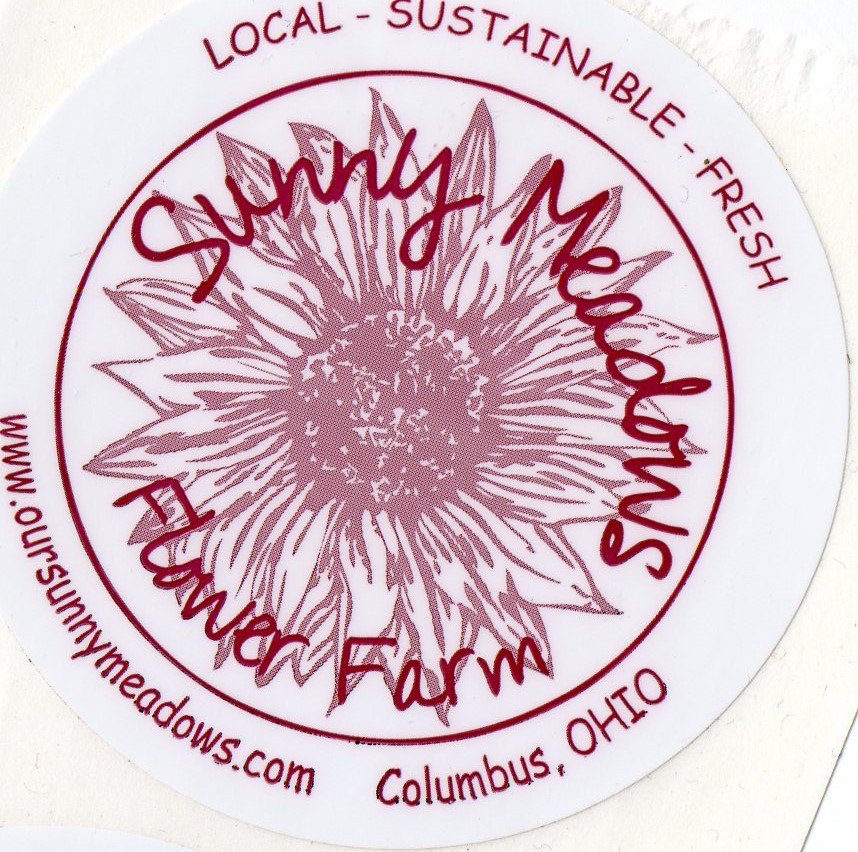
 4. Above you will find GREAT labeling from my friends Gretel and Steve Adams, flower farmers at Sunny Meadows Flower Farm in Columbus, Ohio, who promise “Local-Sustainable-Fresh” on all their bouquets and bunches. This is the precise type of information that helps consumers make an informed choice about the flowers they buy. It’s easy for their customers to log onto the farm’s web site and see photos of luscious, abundant fields and greenhouses of flowers growing in their own community.

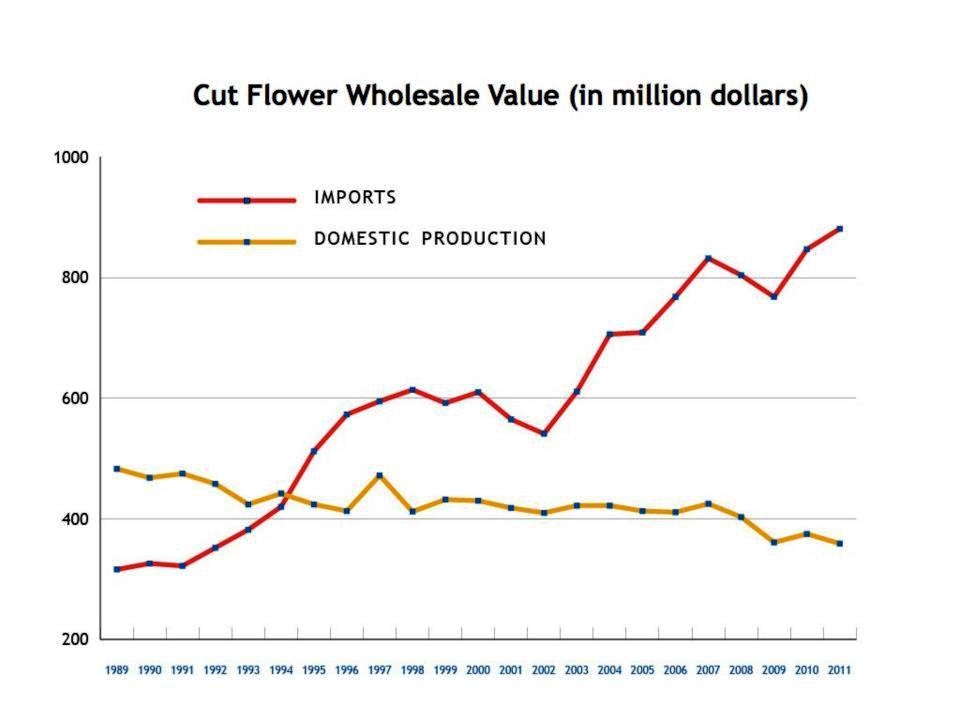
cutflower_graph5. The graph above begin in 1989, just prior the the Andean Trade Preference Agreement. You can see the dramatic trajectory of imports and how the U.S. government’s preferential treatment for South American flower producers has devastated domestic U.S. flower production. *Infographic, courtesy of California Cut Flower Commission. Let’s reverse this trend in 2014!

11647668554_9859c0aeed_b

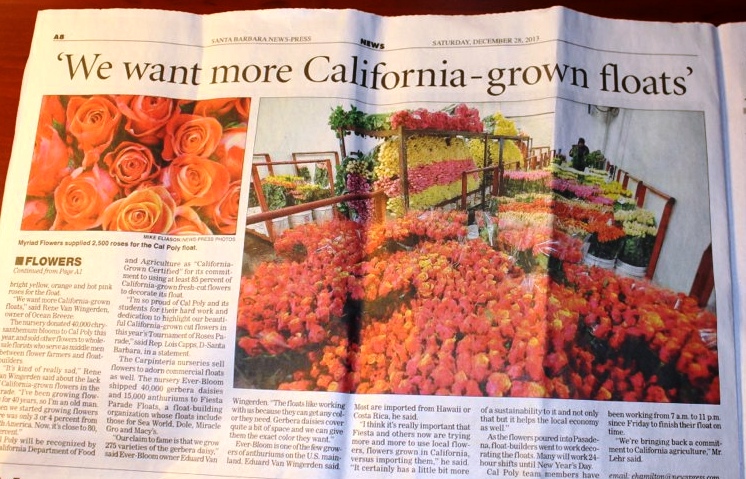
6. Today is January 1st and you may have seen the Pasadena Rose Parade broadcast on television. Tragically, only one out of 45 floats was created with all California-grown flowers. Read more about the status of Rose Floats that use imported flowers in yesterday’s Huffington Post column by Bill Prescott here. Read more about the Cal Poly All-American Float here.  *”We want more California-grown floats,’ an article from Dec. 28, 2013 Santa Barbara Free-Press.

How far is Too Far

7. Please be conscious of your FLOWER MILE as much as you are of your FOOD MILE. *Infographic, courtesy of California Cut Flower Commission.

SlowFlowers_Badge_640x480

8. Take the AMERICAN FLOWERS Pledge in 2014! I look forward to sharing more inspiring flower stories from the farms who grow American flowers and the studios/designers/florists who sell and create beauty with American flowers in the coming year!

Thank you  for joining me in this episode of the SLOW FLOWERS Podcast with Debra Prinzing.

Listeners have downloaded more than 4,500 episodes of the Slow Flowers Podcast since I launched it in July 2013. I thank you for taking the time to join to my conversations with flower farmers, florists and other notable floral experts.

If you like what you hear, please consider logging onto Itunes and posting a listener review.

Until next week please join me in putting more American grown flowers on the table, one vase at a time. 

The Slow Flowers Podcast is engineered and edited by Hannah Holtgeerts. Learn more about her work at hhcreates.net. 


SLOW FLOWERS Podcast: Kelly Sullivan of Seattle’s Botanique, an urban floral designer with a backyard cutting garden (Episode 121)

Thursday, December 26th, 2013
Kelly Sullivan, floral designer, flower farmer, and owner of Botanique in Seattle.

Kelly Sullivan, floral designer, flower farmer, and owner of Botanique in Seattle.

Today’s guest is my friend and fellow Local Flowers Advocate Kelly Sullivan.

Based in Seattle, in fact, just a few blocks from where I live, Kelly is an up-and-coming studio floral designer, small-scale flower farmer and owner of Botanique. 

We met a few years ago at the Northwest Flower & Garden Show, just as Kelly was developing her business model for Botanique. I have to tell you, her venture has really taken off — and Kelly has lived up to her tag-line: Overwhelmingly Beautiful Flowers

Kelly brought me this spring arrangement using all spring garden elements with a few juicy anemones from a local farmer. So enchanting!

Kelly brought me this spring arrangement using all spring garden elements with a few juicy anemones from a local farmer. So enchanting!

There are so many things that impress me about this young woman. She brings a garden design and landscaping background to her floral creations; her horticultural knowledge has greatly influenced the plantings in The Botanique Cutting Garden – the backyard “urban flower farm” where Kelly grows many of the flowers she uses in her designs. 

While she’s still young, Kelly is actually already on her second career. She trained and performed as a modern dancer after college. Dance plays a special role in her designs. “When people ask what defines my style, I’ve realized recently that it’s ‘movement,’” she says. “Movement is like choreography. When I compose a bouquet, it always has movement – and you see it in everything from the vines to the stems.”

One of Kelly's beautiful arrangements shows her dancer's sensibility in designing with botanicals.

One of Kelly’s beautiful arrangements shows her dancer’s sensibility in designing with botanicals.

Movement adds energy to her otherwise lush design style. Kelly isn’t interested in producing perfect, symmetrical arrangements. “When I design, that’s when the gardener in me shows up,” she says. “I love foliage, berries, wild elements. I love interlocking stems, unusual edibles and even seed pods.” What you see in her vases looks and feels alive (I guess that’s the dancer showing up, right?).

A peek inside Kelly's new floral design studio in her Seattle garden.

A peek inside Kelly’s new floral design studio in her Seattle garden.

Our conversation took place in Kelly’s brand new studio, a converted one-car garage that will soon be a bustling center of creativity and design. “I’m obsessed with flowers,” she confides. To Kelly, when you grow your own ingredients you can’t help but notice the seasonality of each flower. “If it’s growing right there in your garden, it’s impossible not to want to pick it and arrange it,” she points out.

Of course, I feel the same way. And as more floral designers follow Kelly’s example – either by growing some of their own botanical elements or connecting with local flower farmers – the floral community will only improve. Designs that are seasonal and local have a special character, a vibrancy and authenticity not found in distantly grown or out-of-season choices. Here are some more flowers, gathered together by this gifted and inspired designer. 

 Botanique6 Botanique5 Botanique4 Botanique1 Botanique2 Kelly2_7958

So happy holidays to the flower-obsessed. And thank you  for joining me in this episode of the SLOW FLOWERS Podcast with Debra Prinzing.

Because of your support as a listener, we have had nearly 4,500 downloads in 2013 – and I thank you for taking the time to join to my conversations with flower farmers, florists and other notable floral experts.

If you like what you hear, please consider logging onto Itunes and posting a listener review.

Until next week please join me in putting more American grown flowers on the table, one vase at a time. 

The Slow Flowers Podcast is engineered and edited by Hannah Holtgeerts. Learn more about her work at hhcreates.net. 
SLOW FLOWERS Podcast: Cooking with Flowers, an interview with chef Miche Bacher of Mali B. Sweets (Episode 111)

Wednesday, October 16th, 2013
Flower Cake Cover

Featured on the cover of “Cooking with Flowers” is Miche’s “Flowerfetti” Calendula Orange Cake. Flower petals are the “original cake confetti,” she maintains. Roses, dianthus, bachelor buttons and marigold petals adorn this enticing confection.

Today we’re going to talk about eating flowers.

Yes, flowers as food.

Hollyhock Clafouti

Hollyhock Clafouti, a cross between a custard, a pancake, and a puffy omelet. Uses 1 cup hollyhock petals.
I once had a big-time New York editor say to me: Why should I care about how flowers are grown, anyway? After all, we don’t eat them!

As a response to that challenge, I wish I had been able to pull out “Cooking with Flowers,” the most eye-satisfying book I’ve ever seen. It was created by Miche Bacher, an herbalist, chef, and founder of the custom confectionary studio Mali B Sweets.

To WIN a free copy of “Cooking with Flowers,” courtesy of Quirk Books, listen to to my interview with Miche and make a comment below about the best edible flower tip you learned. I will draw a winner at random on Tuesday, October 22nd at 5 p.m. Pacific.

I learned about this beautiful cookbook from Mari Malcolm, an editor at Amazon who absolutely loves “Cooking with Flowers.” Mari showed me the book’s beautiful cover on her phone screen during a lunch we had together this past spring.

I keep ordering this delectable book and then giving it away as a gift to my flower lover-friends. And now, it is my great pleasure to spend this episode of Slow Flowers in a floral-focused conversation with Miche.

Miche Bacher

Miche Bacher, herbalist, chef, and founder of the custom confectionary studio Mali B Sweets.

In her introduction, Miche writes:

“Flowers add color, complexity, and what I like to call the magical ‘what’s in it’ factor to your food. They are full of nutrients and often offer health benefits, too. You don’t have to be a master gardener or a trained chef to cook with flowers – once you start looking, you’ll realize edible blossoms are all around you, and it really is a breeze to use them.”

She is definitely a chef whose work begins in the garden. Through “Cooking with Flowers,” I’ve gained new inspiration for another important reason to appreciate local flowers.

I know you will learn much from my conversation with Miche, as we discuss her favorite culinary ingredients, including the lowly dandelion.

Fresh and candied lilac flowers are the captivating ingredient in Miche's "Coconut Lilac Tapioca," a recipe in her book, "Cooking with Flowers" [photo: (c) Miana Jun, used with permission]

Fresh and candied lilac flowers are the captivating ingredient in Miche’s “Coconut Lilac Tapioca,” a recipe in her book, “Cooking with Flowers” [photo: (c) Miana Jun, used with permission]  


4 tablespoons of dianthus petals, coarsely chopped, infuse this delicious cake that also includes 2/3-cup rose' wine. Dianthus whipped cream and candied dianthus flowers are a perfect embellisment. [photo: (c) Miana Jun, used with permission]
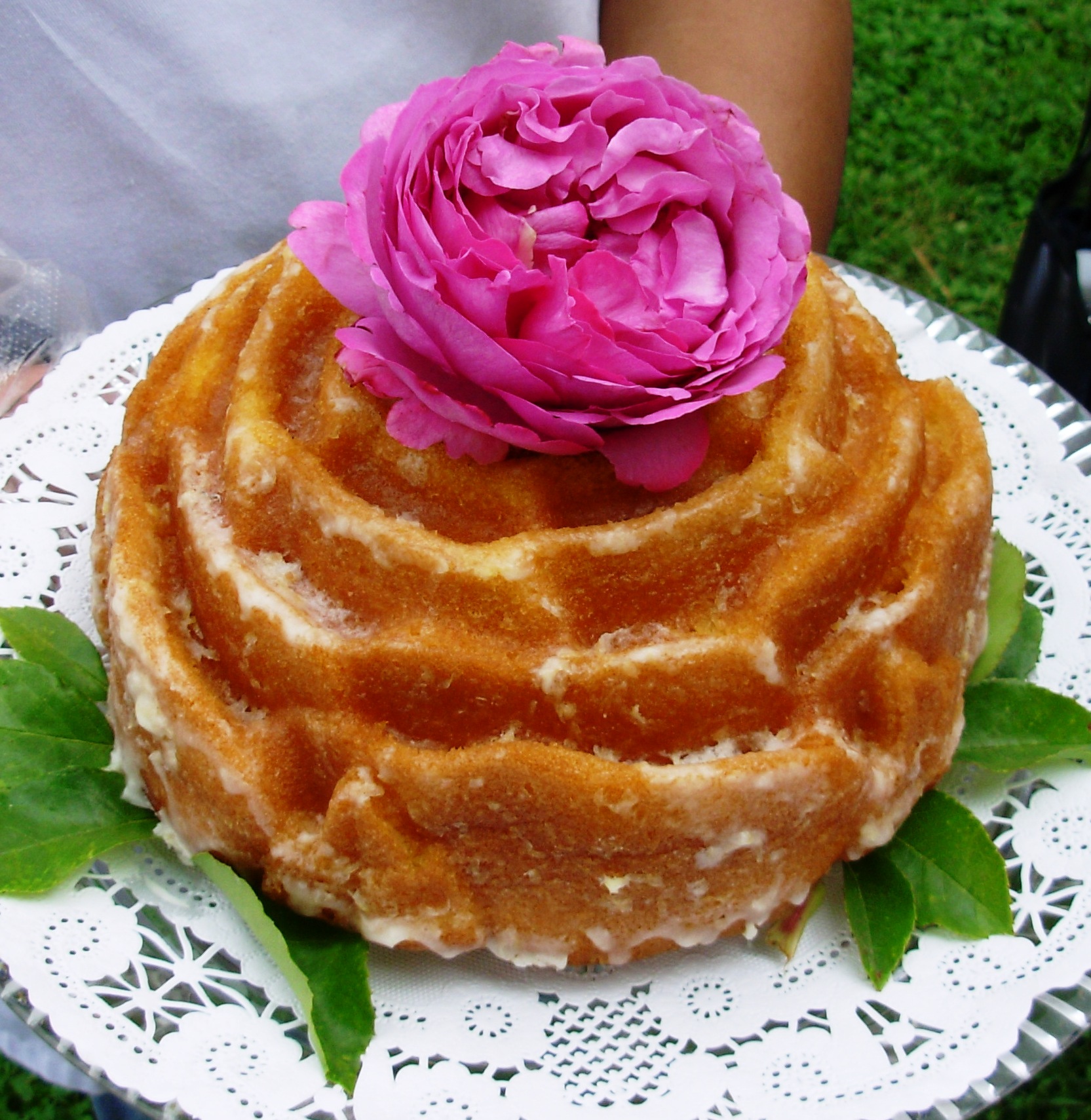
4 tablespoons of dianthus petals, coarsely chopped, infuse this delicious cake that also includes 2/3-cup rose’ wine. Dianthus whipped cream and candied dianthus flowers are a perfect embellisment. [photo: (c) Miana Jun, used with permission] 
 

Popcorn chive cupcakes

Popcorn Chive Blossom Cupcakes, a floral play on sweet and savory.

Here are some links we discussed in the interview:

Mali B’s Edible Flower Chocolate Collection:

candy bars

Edible Flower chocolate collection from Mali B Sweets, $30 for the set.

Memorial Sloan-Kettering Cancer Center LINK to Herbs, Botanicals & Other Products: 

Click here for MORE about COOKING WITH FLOWERS, including exclusive recipes that Miche couldn’t fit into the book. You’ll also find bonus recipes for the medicinal and cosmetic use of flowers, salves, oils, and teas for healing; download recipe cards and read a Q&A with this talented woman. 


SLOW FLOWERS Podcast: Sarah Ryhanen of Saipua – a Brooklyn floral designer plants her own flower farm (Episode 110)

Wednesday, October 9th, 2013

CORRECTED AUDIO INCLUDED HERE~

Sarah Ryhanen of Saipua, is a Brooklyn floral designer who has planted her own flower farm (Episode 110)

Saipua means "soap" in Finnish, reflecting Sarah's family heritage.

Saipua means “soap” in Finnish, reflecting Sarah’s family heritage.


Nicolette and Sarah

Nicolette Owen (left) and Sarah Ryhanen (right), collaborators in The Little Flower School of Brooklyn.

I first learned about Sarah Ryhanen when I read an article about The Little Flower School of Brooklyn, a venture she had created with fellow floral designer Nicolette Owen of Nicolette Camille Floral. The article was in none other than the New York Times, in which the writer proclaimed the renaissance of old-fashioned floral design for modern-era crafters. 

Reading that article was like a huge floral flag being waved in front of my eyes.

Right on! The floral world I was so fascinated with documenting for The 50 Mile Bouquet was in good hands with these young, passionate, talented, urban designers. 

bowls and shears

All the supplies, beautiful, simple and ready for the flower arranging students at The Little Flower School of Brooklyn.

So like probably everyone else in the country, I started stalking Sarah through her web site and blog, and following Nicolette’s work through her web site and the lovely floral arrangements she created for Bringing Nature Home (Rizzoli, 2012), a book by photographer Ngoc Minh Ngo.

Welcome to Saipua

Welcome to Saipua + Flower School.

When I spent a few days in New York City last August, I contacted them to ask whether I could sit in on one of their workshops. The class was sold-out, of course, so I was just an observer. It was amazing to me that 12 persons (11 women and 1 man) gathered on a sweltering Saturday morning to create bowls of flowers in an un-airconditioned warehouse-studio in Brooklyn. There was so much excitement in the room, with a combination of newcomers and repeat students. People soaked up every word, concept and idea Sarah and Nicolette offered – and they were unabashedly proud of their own creations. 

Every detail was attended to in advance, as you can see by the photos I took that day. Sarah and Nicolette shared about their own design processes, about the way they select floral ingredients, and how they prefer to use materials like pin frogs and chicken wire (rather than foam). 

floral ingredients

Seasonal, locally-grown late summer flowers.

As the designs took shape, I had a bird’s eye view, perched in the tiny loft above the workshop. After students finished their arrangements, the women served them champagne and appetizers, like a fancy party. It’s no wonder these creative gatherings are so popular! It’s like going on an art retreat in the midst of your crazy, busy life. A moment in time that prompts anyone to feel more creative, more experimental, more artisitc.

When we met, one of the things Nicolette and Sarah and I discussed was the challenge of finding the flowers and botanicals they wanted and needed for special events, from weddings to workshops. Sarah told me that she and her partner Eric Famisan had recently purchased farmland in upstate New York, where they were in the early stages of planting a flower farm. 

students at work

A creative explosion of floral expression – enjoy this bird’s eye view.


Final bouquets

A still-life of the beautiful arrangements created by students of The Little Flower School of Brooklyn, August 2012.

Since then, I’ve watched as The Farm at World’s End has evolved, through Sarah and Eric’s wonderfully-photographed blog and honest, heartfelt text. 

Under a heading called “The Idea,” here’s what Sarah writes:

When the economy took a dive in 2008 we started to see a major loss in the NYC flower market. Loss of interesting product. The unusual, weedy, wild stuff that I was so into and that made my work unique. The trouble was that wholesalers had to be safe – the floral industry is one of the first to feel the blow of a weak economy. So wholesalers on the flower block of 28th street stuck to what they knew would sell; your South American hot house roses, ranunculus, lilies, peonies. Here’s a perfect example  — pre 2008 you could buy Garden Valley Roses (fragile, exquisite but expensive heirloom roses) on the block. 

Around that time I was starting to explore other outlets for material. We found local farms to supplement our market purchases (River Garden, Lebak, Added Value), and also started ordering product direct from the west coast – the promised land of flowers. 

Still there was always something I could not locate. Auricula, campanula “pantaloons”, black hellebores, unusual bearded iris…at Saipua we now spend hours and hours searching for the highest quality, most unusual flowers. Visiting flower farms and talking to growers is the best part of my job. You meet these crazy, passionate people and let me tell you – it’s contagious. Eventually you got to try growing yourself. So here we are.

On the flower block back in the city, the guys joke – when are you going to start selling us flowers? I try to explain to them (and to everyone who has not yet been to Worlds End) that it’s a slow process. That we’re years away from producing the opulent abundance that people envision when they hear “Flower Farm”. But I’ve come to realize that it’s not about quantity. I’m not in the business of hustling anymore. None of our work at Saipua will ever require thousands of stems.  It will however require a brown iris. And by god, I’m going to grow it.

Fortunately for listeners of The Slow Flowers Podcast, I had a quick 36-hour layover in New York a few weeks ago, en route to my Italian writing retreat. It coincided with a late afternoon opportunity to sit at the kitchen table in Sarah’s Brooklyn apartment, just around the corner from Saipua’s studio. We talked about farming, flowers and collaboration. Please enjoy the conversation.

SLOW FLOWERS Podcast: Farmgirl Flowers & Christina Stembel (Episode 108)

Wednesday, September 25th, 2013

SLOW FLOWERS Podcast: Farmgirl Flowers & Christina Stembel (Episode 108)

Christina and Debra

Christina Stembel and I were guests of the California Cut Flower Commission’s Monterey Bay event in June. We were photographed on a tour of Pajarosa Roses, a wonderful source for cut roses.

If the term “imitation is the highest form of flattery,” then my friend Christina Stembel has been over-flattered, multiple times.

Christina Portrait

Meet Christina Stembel at her SF Flower Mart stall, which is where all the beauty happens!

The creator of Farmgirl Flowers in San Francisco, Christina has poured considerable heart, soul and personal resources into developing her innovative floral design business. Customers and the media have responded enthusiastically (see Martha Stewart Living). And her reward in part has been the explosion of copycat businesses, not just in the Bay Area but in other major cities around the country.

That’s the downside of being a successful and creative business like Farmgirl Flowers. But  to me, the upside for Christina is that no one can imitate her personality or character. People can try, but they never will be the original.

Christina is an original. She shares her story in our interview, but you can read a little background here:

I’m Christina, also known as the farm girl behind Farmgirl Flowers. I grew up on a farm in Northern Indiana, and while I set my sights on leaving the farm for big dreams in New York City, I now appreciate more than ever my farm upbringing. Ten years ago, after moving around a bit, I settled in the Bay Area and, like so many others, decided to make it home.

In the past, ahem, years, I’ve had the privilege of working in many industries, mostly in hospitality and event planning. Pretty quickly, I noticed an exorbitant amount of money was spent on flowers. So, I started doing my own arrangements and realized tremendous savings along the way. Now, being the overly curious individual that I am, I wanted to know just why do flowers cost so much?

Burlap Wrapped Bouquet

Here’s one of Farmgirl Flowers popular Trademarked Burlap Wrapped Bouquets – using all local, CA Grown Flowers. Sublime~

I started researching the reasons and came to some pretty startling conclusions. The flower industry has gone through a very tumultuous time in the past 20 years, and is pretty much in the same boat as the industries that numerous documentaries have been made about in recent years (ie: textiles, coffee, technology, etc). What used to be a big domestic business is now being whittled away due to imports. I had no idea that 75% of our flowers were being shipped in from other countries. It just didn’t make sense to me when over 75% of the domestic supply is grown right here in California. I don’t want to bore you with more stats – hopefully you see where this is headed.

The bottom line is that local farmers are going out of business left and right because they can’t compete with the prices of flowers imported from South America and other countries. And, normal people like me can’t afford to send flowers to friends and loved ones because it ends up costing an absurd amount of money. Not to mention all of the environmental damage caused by flying flowers across the globe – they have to be shipped in chemicals just to make it to your door.

And, another huge source of waste is having so many choices of flower arrangements. As a result of this approach, a huge percentage of flowers end up as waste, and are never even sold! We’re making our landfills so beautiful, but, really, isn’t there a better way?

I thought so, and devised a plan to fix the problems that have caused the inflated prices and high environmental impact, which is how Farmgirl Flowers was born!

What’s that saying about being able to take the girl out of the country, but not the country out of the girl?

Farmgirl Sign

There’s a charming vibe at Farmgirl Flowers, down to the logo and signage. 


Making Bouquets

One of the designers who works for Farmgirl Flowers wraps a bouquet at the studio.

Click on the “Why we’re different” page at Farmgirl Flowers where you will see a chart comparing the LOCAL bouquets Christina and her staff design with wire services, aka “the competition.” It’s amazing when you look at these very different business models side-by-side.

Here’s a link to the Podcast Episode 101, in which Christina Stembel of Farmgirl Flowers and I joined Sunset Magazine’s Kathy Brenzel to discuss the Local Flower Movement. 

The Slow Flowers Podcast with Debra Prinzing is edited and engineered by the very talented Hannah Holtgeerts of HH Creates. Check out her web site here. 

SLOW FLOWERS Podcast: American Grown flowers from a California Point of View (Episode 107)

Wednesday, September 18th, 2013

SLOW FLOWERS Podcast: American Grown flowers from a California Point of View (Episode 107)

Debra and Kasey

Kasey Cronquist and I toured a Carpinteria, California, greenhouse together in April 2013. 


Kasey Cronquist

Here’s Kasey discussing the importance of supporting America’s cut flower industry – at the Monterey Bay Greenhouse Growers – Open House this past June.

I’m so pleased to introduce you to Kasey Cronquist. I truly value Kasey’s leadership, counsel and friendship. He is the CEO and Ambassador of the California Cut Flower Commission, the largest organization of its kind promoting American Flowers.

And he is a kindred spirit who is supremely passionate about saving our homegrown flower farms and preserving the agricultural way of life as a part of our country’s vibrant landscape.

Kasey and I first met by phone in 2010 when I called him for a quote to include in an article for the Los Angeles Times. I was writing about organic flowers for Valentine’s Day and Kasey sure set me straight, changing the focus from organic (and possibly imported flowers) to a locally grown priority.  He pointed out: “We believe California flowers are the green alternative, whether we stick a label on them or not.”

It was the beginning of my own evolution as an American flower advocate.

Since joining the CCFC in 2007, Kasey has spearheaded an aggressive public affairs program targeting lawmakers at the state and federal level. He is a dynamic spokesman for flower farming both among his home state constituents and nationally and is a master at social media communications. Kasey understands the power of blogging, tweeting, posting and using visual social media platforms and he has brought flower farming into the modern era in that regard. More than all his talents, though, I’ve mostly been impressed with Kasey’s community-building gestures to bring together small and large flower growers across America with a united voice. 

In March 2012, I wrote a post called “Meet the Ambassador of Local Flowers,” profiling Kasey for The 50 Mile Bouquet blog. You can read this extensive interview here in which Kasey shares many inspiring ideas about the American cut flower industry.

One quote of his particularly impressed me:

“We can’t move that ball, but we can create market demand for local flowers. We leaned into the CA Grown campaign and now California’s flower farmers are the single largest licensee of that agricultural program — out of all the other commodity crops in the state. The future is in educating people to buy local, to buy U.S.-grown flowers.”

Read Kasey Cronquist’s Field Position blog at Americasflowers.org

FB page: https://www.facebook.com/CaliforniaGrownFlowers

Twitter: @kaseycronquist and @cagrown


SLOW FLOWERS Podcast: Local Color Flowers (Episode 106)

Wednesday, September 11th, 2013

SLOW FLOWERS Podcast: Local Color Flowers (Episode 106)

Today’s interview will introduce you to Ellen Frost, a Baltimore-based floral designer who is committed to using only 100% locally-grown flowers in her work. I am so impressed with her business philosophy and her contagious enthusiasm for using flowers from farmers she knows and supports. 

Vote

Vote for your favorite SLOW FLOWERS florist: Ellen Frost’s Local Color Flowers of Baltimore, Maryland


Our Mission

Ellen_LoCoFlo

Creative florist Ellen Frost, founder of Local Color Flowers in downtown Baltimore.

Local Color Flowers is a Baltimore-based floral design business. We create personalized arrangements and bouquets from fresh, seasonal, and sustainable flowers cultivated by local specialty growers. We are committed to responsible use of resources, supporting the local economy and promoting neighboring farms. We provide our clients an environmentally and socially conscious alternative when purchasing flowers.

Our Vision

Local Color Flowers seeks to create and support a sustainable community; where people choose local products and services; where flower farms and farm families are thriving; where there is a diverse, strong local economy; and where people are connected to the living world around them.

Our Passion

We love flowers. We love our clients, growers, and partners. We are social entrepeneurs motivated by our relationships and the connections we create. We want our clients to know where their flowers were grown. We want our growers to know how our clients appreciate their products. We want all of our partners to know how we’re green. We want to share our joy and values through our flowers.

IMPORTANT LINKS:

Local Color Flowers’ web site

Home page for Local Color Flowers' web site.

Home page for Local Color Flowers’ web site. Note the compelling “promise” shared with customers who visit Locoflo.com


Martha Stewart's 2013 American Made Campaign.

Martha Stewart’s 2013 American Made Campaign.

Vote here for LoCoFlo on Martha Stewart American Made contest.


Ellen at Work

Ellen at work, designing one of 100 weddings and events on her calendar this year.

SLOW FLOWERS Podcast: Meet a Young Flower Farmer (Episode 105)

Wednesday, September 4th, 2013

Meet a Young Flower Farmer (Episode 105)

Janell Portrait

Meet new flower farmer Janell Patterson of Flower Forest Farm in Auburn, Washington

Earlier this year I met Janell Patterson, a young cut flower grower who launched Flower Forest Farm, a micro-agriculture endeavor that’s part of Seattle Tilth’s farm incubator program called Seattle Tilth Farm Works.

There's a forest and farm here, which perhaps inspire Janell's charming business name: Flower Forest Farm

There’s a forest and farm here, which perhaps inspire Janell’s charming business name: Flower Forest Farm

Located about 40 minutes southeast of Seattle in Auburn, where there are still patches of agricultural land that the developers have missed, Janell and several other new farmers at the are learning the art and science of growing through hands-on efforts. Tilth instructors provide extensive small farm business training and support. Here is some of the curriculum:

This program provides: 

  • A comprehensive educational program covering farming, business planning, operations and marketing 

  • On-site mentorship from experienced farmers

  • Hands-on experience growing food on 1/4 acre plots
  • Access to farmland, equipment, water and other necessary farming inputs

  • Assistance in creating marketing channels for products

Peek through one of Janell's pink dahlias catch a glimpse of the nasturtiums and Queen Anne's Lace flourishing beyond.

Peek through one of Janell’s pink dahlias catch a glimpse of the nasturtiums and Queen Anne’s Lace flourishing beyond.

Each participants’ time and sweat equity yields food or flowers that supply Tilth’s weekly Community Supported Agriculture subscriptions. Janell’s Flower Forest Farm is the only flower grower involved and it’s wonderful to see her beautiful ingredients supplying CSA customers and local farmers’ market shoppers. She manages a one-quarter acre parcel filled with beautiful rows of annuals and gorgeous dahlias.

A young mom, Janell brings an eclectic background to her endeavor. She has experience as a professional interior designer and she has been studying horticulture at South Seattle Communit College (which is where I gained my training in horticulture and landscape design). Janell also worked as an environmental volunteer managing a small rural tree nursery with the Peace Corps in Ghana, West Africa.

Fellow garden blogger Filiz Satir and I visited Seattle Tilth Farm Works in July and walked through the fields on a tour with Janell. You’ll hear Filiz’s voice (and a few of her own questions) on this recording as part of our conversation. See more of my photos below:

The forest looms beyond the Seattle Tilth Farm Works, creating a beautiful setting for growing flowers (and food)

The forest looms beyond the Seattle Tilth Farm Works, creating a beautiful setting for growing flowers (and food)


Zinnias on display in straight rows, ready to be harvested.

Zinnias on display in straight rows, ready to be harvested.


Another pretty dahlia, one of hundreds that Janell planted this season.

Another pretty dahlia, one of hundreds that Janell planted this season.


Sweet Peas

Sweet peas were at their peak when I visited in July, trellised inside the hoop house at Seattle Tilth Farm Works.


Basil

Love the dark Opal basil that Janell grows for her mixed CSA and Farmers’ Market bouquets.

Click here to learn more about Tilth’s CSA program, including how to order Janell’s weekly bouquets.

Click here to learn more about Flower Forest Farm’s flowers, bunches, bouquets and custom services.


SLOW FLOWERS Podcast: Wildflowers and Field-Grown Bouquets (Episode 104)

Wednesday, August 28th, 2013

This week’s podcast features two interviews that I recorded during an 11-day trip to many beautiful venues.It’s my summer vacation gift to you!

Miriam Goldberger

Here’s the smiling Miriam Goldberger, surrounded by a sea of golden coreopsis flowers.

I met up with Miriam Goldberger of Wildflower Farm, a fellow author whose forthcoming book Taming Wildflowers promises to educate and inspire those of us in the floral industry.

Confusion about the terms “wildflowers,” “native plants” and “indigineous plants” always raises a red flag for me. I’m never sure what’s okay to grow or harvest and I certainly do not want to pick endangered plant species. Miriam’s mission is to demystify those terms as she singles out 60 flowers and grasses that fall into these categories. These are plants that are adapted to North America and have been since the first Euopean settlers arrived. They can be easily grown from seed and find a home in your garden, flower farm and floral arrangements.


Taming Wildflowers cover

Taming Wildflowers will be published by St. Lynn’s Press in February 2014.

Here’s a little background about how Miriam and her husband Paul Jenkins started Wildflower Farm in 1988:

Founded in 1988, Wildflower Farm began as wholesale dried flower growers. In 1991, Wildflower Farm expanded to become a pick your own flower farm. This quickly attracted the attention of people in Southern Ontario, drawing thousands of people to the farm during the summer months.

Over the years, Miriam and Paul became increasingly interested in the low maintenance advantages of growing native wildflowers. Working with plants that required no watering, no fertilizing and minimal annual maintenance was very attractive. At that time there were very few sources for truly native wildflower seeds and the seeds that were available were very expensive and of dubious quality and origin. Seeing an opportunity, in 1997, Wildflower Farm expanded its focus and has since blossomed into becoming a leading native seed grower supplying hardy, native perennial seeds and site specific wildflower seed mixes to homeowners, landscape contractors, municipalities and corporations.

During this same time, what began as a simple walk in the forest planted a seed in the minds of Miriam and Paul, when they spotted clumps of a rich green grass growing in the deep shade of the northern woods. Perhaps, they thought, these emerald patches could be used as natural grass pathways for their wildflower meadows. Trial and error led to the development of the drought-tolerant, low maintenance turf grass Eco-Lawn™ from a blend of fine fescue grasses, a move which has changed the face of “lawnscaping” for homeowners and businesses across North America.

Wildflower varieties range from Yarrows (Achillea millefolium) and Alliums to Culver’s Root (Veronicastrum virginicum) and Golden Alexanders (Zizia aurea). By the way, she mentioned Parthenium integrifolium, wild quinine — one of her favorite floral ingredients and I thought you’d like to see what it looks like.

Wild Quinine

Wildflower Farms’ super-cool annual “Wild Quinine” — an uncommon variety favored by Miriam Goldberger.

Miriam’s book, Taming Wilflowers: The Complete Wildflower Cutting Garden Guide, will be published by St. Lynn’s Press in February 2014. Its subtitle is: “From Seed to Vase – Growing, Gardening & Designing with Wildflowers.” You can pre-order her book at the Taming Wildflowers web site here. 

A few days after my conversation with Miriam, I traveled to Saunderstown, Rhode Island, to visit Polly and Mike Hutchison of Robin Hollow Farm. Polly and Mike specialize in flower growing and full-service wedding and event flowers through their floral studio. They fall into that unique category of “farmer-florist,” doing it all beautifully, with passion, artistry and professionalism.

RHF Sign

Robin Hollow Farm’s sign at the local farmers’ market stall, surrounded by fresh-picked flowers.

I spent a wonderful 24 hours with these talented flower farmers who welcomed me into their home, shared amazing local seafood with me (thanks Matunuck Oyster Bar!), toured me through their growing fields, let me tag along on flower deliveries and observe the design process. Before I left, we grabbed a few minutes to sit down and talk about their lives and work as organic growers for today’s podcast.  Here’s some background on Polly and Mike: 

At Robin Hollow Farm, a wide range of gorgeous flowers and plants are grown in the fields and greenhouses. Mike and Polly farm using sustainable and/or organic methods on about five acres in Saunderstown, RI, just minutes from Newport and Providence.

Our flowers are grown without chemical pesticides, for our health and yours. Our fields are maintained with our cultivating tractor, our hoes, and mulches for maximum organic effect. We use these flowers at farmers markets, in our events, and for arrangements. Robin Hollow Farm is a proud member of ASCFG , the Association of Specialty Cut Flower Growers. Polly is currently President of ASCFG.

Discover and enjoy some of my favorite images from my 24-hour visit with this creative and dynamic couple:

Mike with Tran

Mike Hutchison (left) chats with Tran. She’s a lettuce and greens grower who has been volunteering at Robin Hollow Farm to learn more about growing flowers.   


READ MORE…