Debra Prinzing

Get the Email Newsletter!

Archive for the ‘Writing’ Category

SLOW FLOWERS Podcast: Meet Alicia Schwede, floral designer and editor of FlirtyFleurs.com (Episode 118)

Wednesday, December 4th, 2013
Floral designer, educator, author-blogger and visionary, Alicia Schwede

Floral designer, educator, author-blogger and visionary, Alicia Schwede

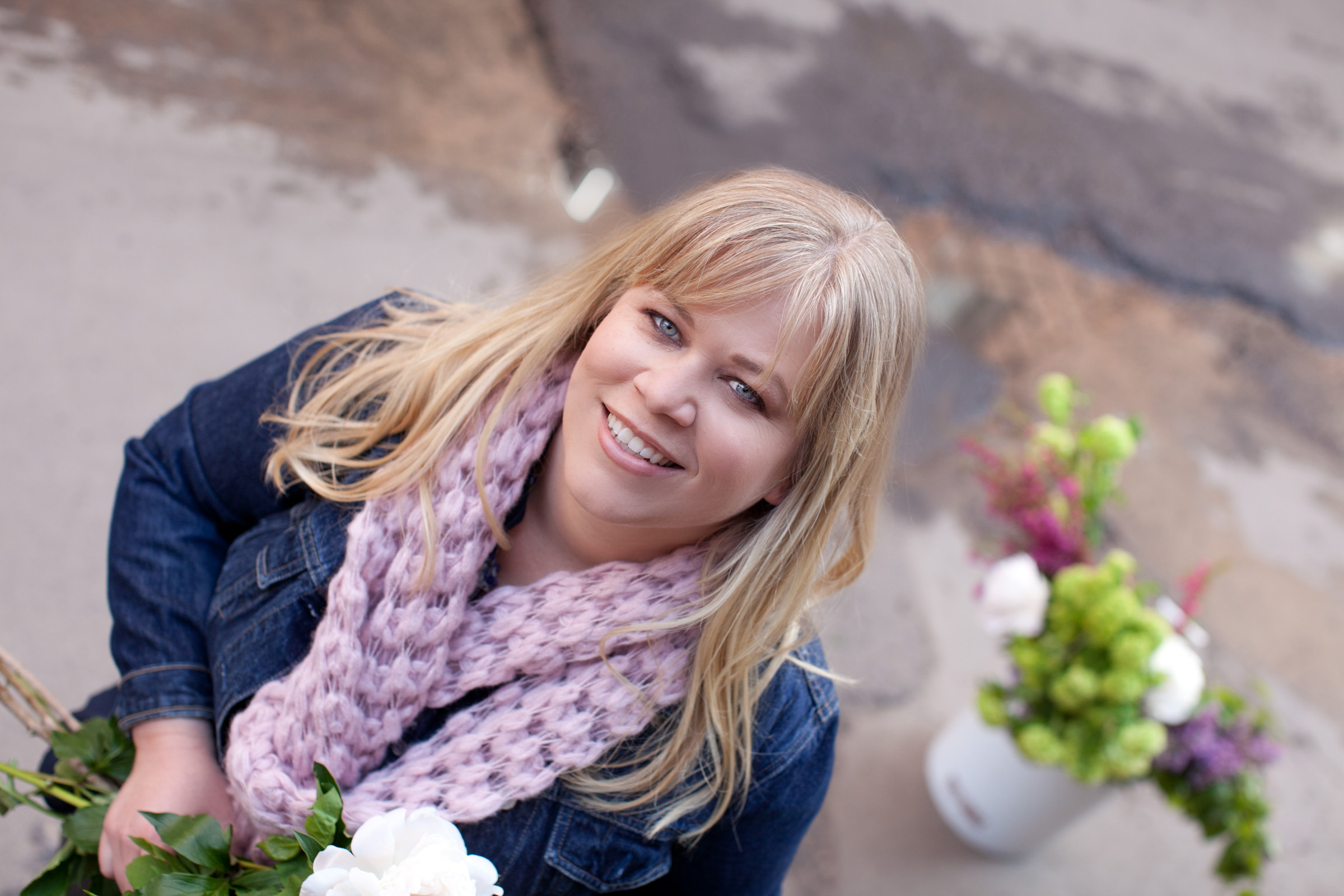
FF-Profile-Pic-180x180If you’re at all active in the online universe, and if you’re a florist or simply passionate about good design, you probably already know about today’s talented guest, Alicia Schwede, creator of the popular FLIRTY FLEURS blog.  Alicia has more than a decade of floral design to her credit, beginning with her first wedding clients in the Bay Area, and later, her Denver-based studio Bella Fiori.  

In the past year, Alicia migrated from Colorado back to Northern California’s wine country, where she created the florals for many happy bridal parties this past wedding season. And now, due to life’s unexpected turns, she is here in the Pacific Northwest. 

The life of a studio designer is a lot like the life of a writer. You are pretty mobile, and you can take your talents with you when you relocate. That’s exactly what happened this fall, when Alicia followed her husband Chad for a work-related move. We met in person when she surprised me by showing up in a workshop I taught last month.  

Since then, we’ve had several great discussions about floral design and the state of the business. I’m excited to share our most recent conversation with you in today’s podcast. Learn more about Alicia, about her career as a floral designer, and what inspired her to launch FlirtyFleurs.com, an online community for floral designers to gain ideas and inspiration from each other.  

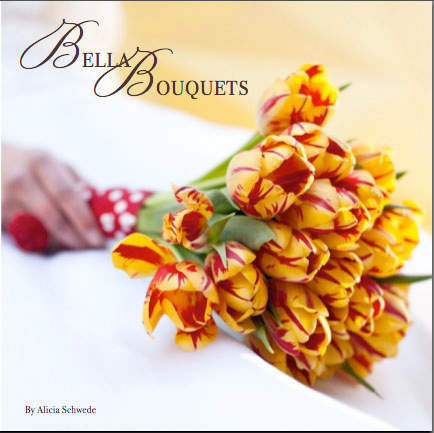
A640In this podcast, we also discuss her beautiful book, Bella Bouquets, which is a compendium of more than 100 wedding bouquets, arranged by color theme, which is quite the perfect way to organize flowers. 

I was struck by this passage from the foreword to Bella Bouquets:

” . . . I still stop dead in my tracks when I spy a perfect peony, a gorgeous garden rose or the sweetest sweet pea at the market,” Alicia writes.  “I find great pleasure in sharing my love and affection toward flowers. This book, and the blog Flirtyfleurs.com are just a few ways for me to share and connect with others while exploring the flower path ahead.”


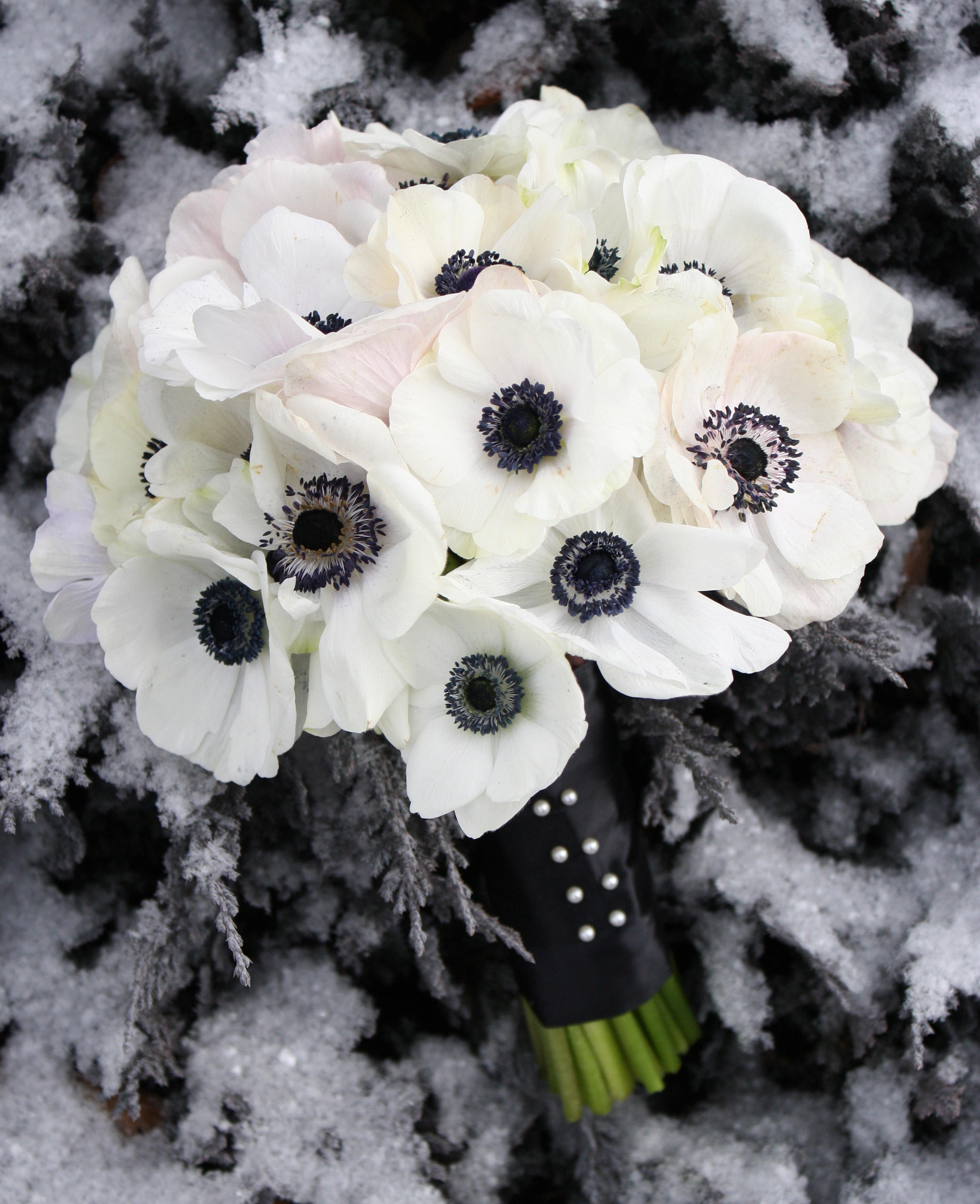
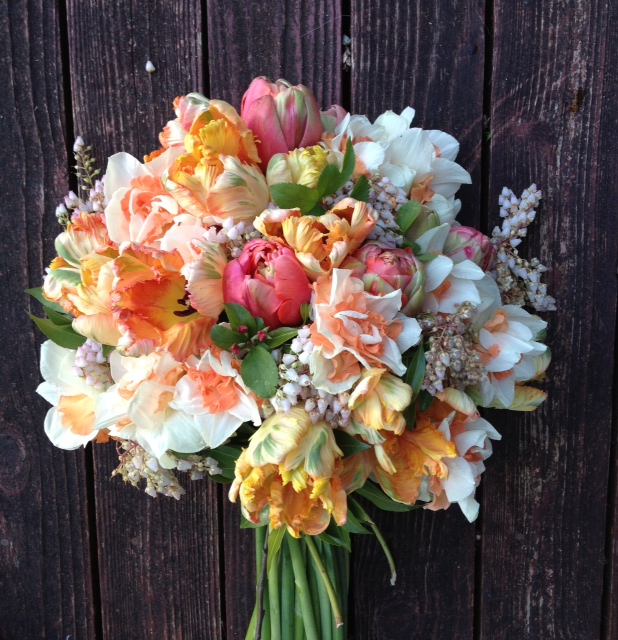
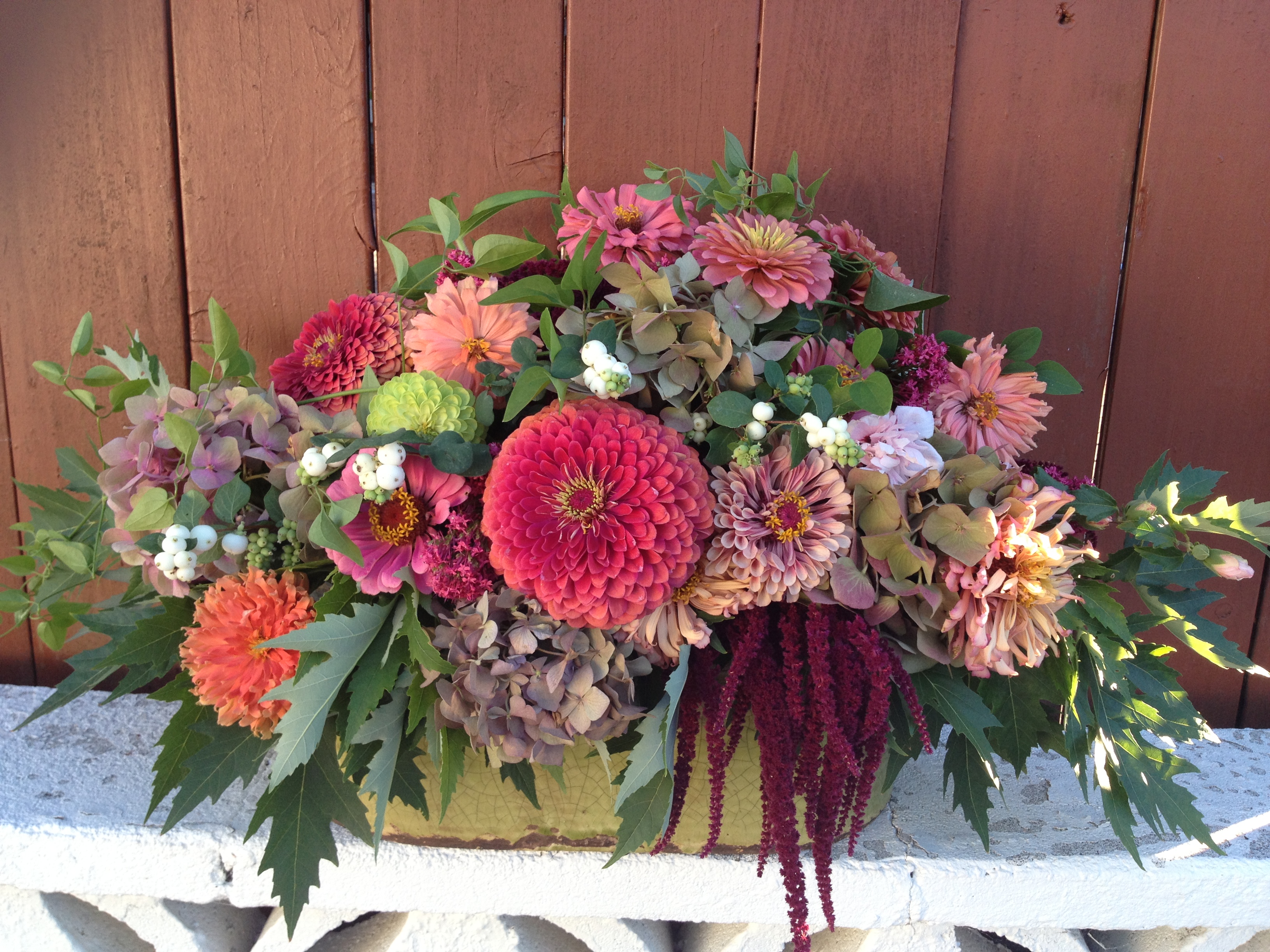
To me, that flower path is right here, under our noses. It’s not on another continent, especially when locally-grown and seasonal botanicals are available to designers and flower lovers. A big believer in locally-grown blooms — and it’s no wonder, since she has many ties to California floral sources — Alicia shared four of her favorite American-grown arrangements for you to see here. “How funny is that?” she wrote in her email message accompanying these images. “Four bouquets representing three different states!” 

Anemones are grown by Stevens & Son in Arvada, CO (designed in CO)

Anemones are grown by Stevens & Son in Arvada, CO (designed in CO)


Tulips bouquet - all tulips and daffodils from Pike Place Market;  Washington grown (designed in WA)

Tulips bouquet – all tulips and daffodils from Pike Place Market;
Washington grown (designed in WA)


Bella Fiori Garden - from Alicia's garden, all of it!

Bella Fiori Garden – from Alicia’s garden, all of it!


 Bella Fiori Dahlias - mostly from Alicia's garden, Dahlias are CA grown (designed while in CA)


Bella Fiori Dahlias – mostly from Alicia’s garden, Dahlias are CA grown (designed while in CA)


If you're interested in learning more about Alicia and Flirtyfleurs, be sure to subscribe to her free 
newsletter. You'll also find details and registration information on Alicia's "Bridal Bouquet Workshop,"
which I'm hosting at my event space in Seattle's Pioneer Square on Feb. 1, 2014.
 

Thank you  for joining me in this episode of the SLOW FLOWERS Podcast with Debra Prinzing. Because of your support as a listener, there have been more than 3,500 downloads since July – and I thank you for taking the time to join to my conversations with flower farmers, florists and other notable floral experts.

If you like what you hear, please consider logging onto Itunes and posting a listener review.

Thank you, Alicia, for such inspiration! Until next week please join me in putting more American grown flowers on the table, one vase at a time. 

The Slow Flowers Podcast is engineered and edited by Hannah Holtgeerts. Learn more about her work at hhcreates.net. 

SLOW FLOWERS Podcast: All About Growing Lavender with Susan Harrington (Episode 117)

Wednesday, November 27th, 2013

Close your eyes. Take a deep breath. Think about seeing a vivid purple-tinged field of lavender. Now imagine yourself walking through it, brushing your fingertips on the scented flowers dancing tall on their wand-like stems. Don’t you wish you could be transported to that place right now?

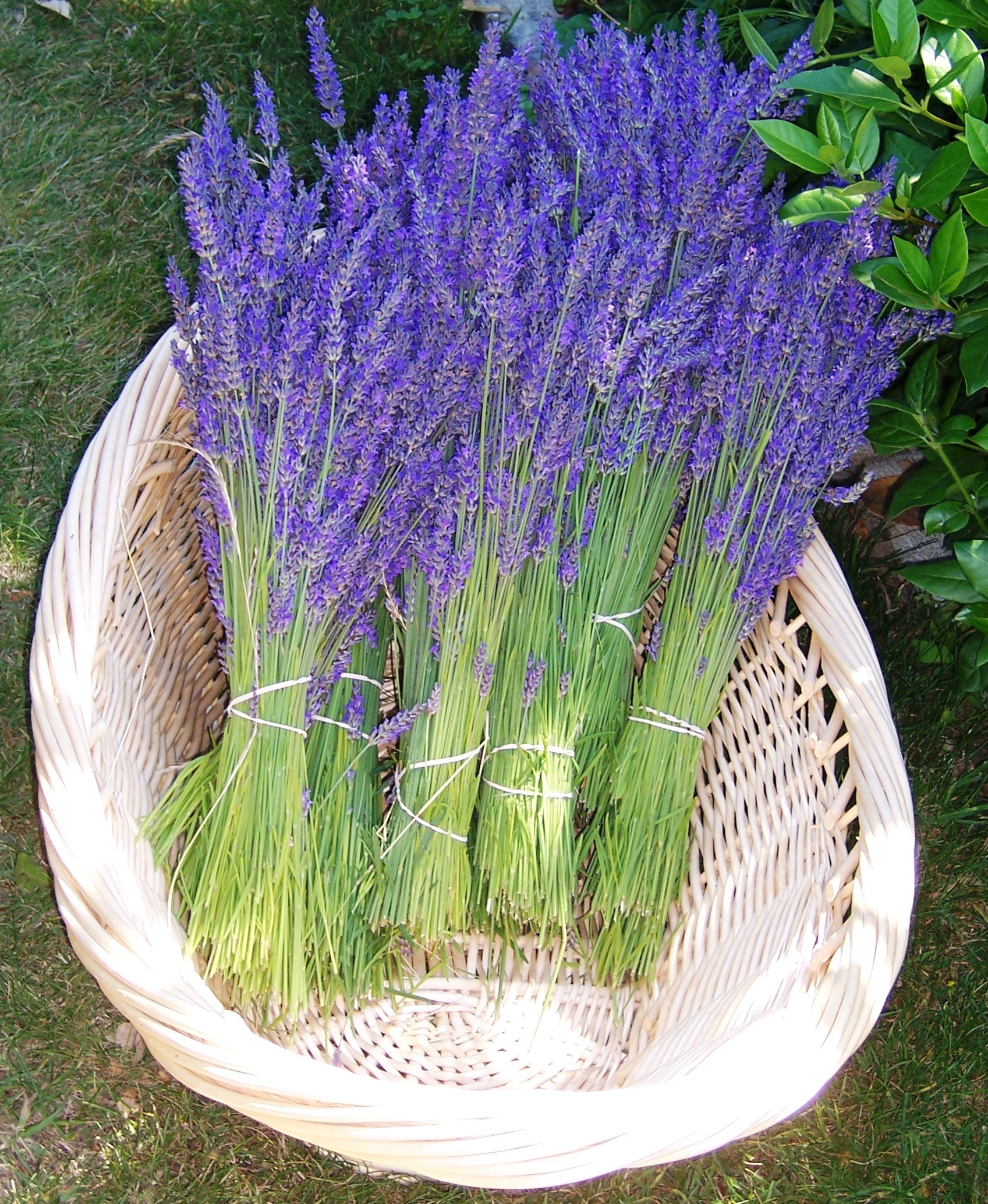
Fresh cut bunches of lavender from Labyrinth Hill Lavender (photo courtesy Susan Harrington)

Fresh cut bunches of lavender from Labyrinth Hill Lavender (photo courtesy Susan Harrington)


There is something so evocative about Lavandula, the plant that is the basis for all of Susan Harrington’s growing, writing and teaching activities. The owner with her husband Jack Harrington of Labyrinth Hill Lavender, Susan is today’s guest on the Slow Flowers Podcast.

Susan connects people with lavender, whether at the farmers' market, in workshops and through her web-based educational programs.

Susan connects people with lavender, whether at the farmers’ market, in workshops and through her web-based educational programs.

We met up recently after I attended one of Susan’s inspiring (and intoxicatingly fragrant) workshops at a local garden center. Susan and I discussed her decade-long adventure growing lavender on her “backyard farm” and how that led to a vibrant cottage industry selling fresh-cut lavender and dried lavender buds, first at the farmers’ market and later via mail order. Susan has expanded Labyrinth Hill Lavender into online training for others who want to get into the lavender-growing business and now, a regional conference for lavender farming.

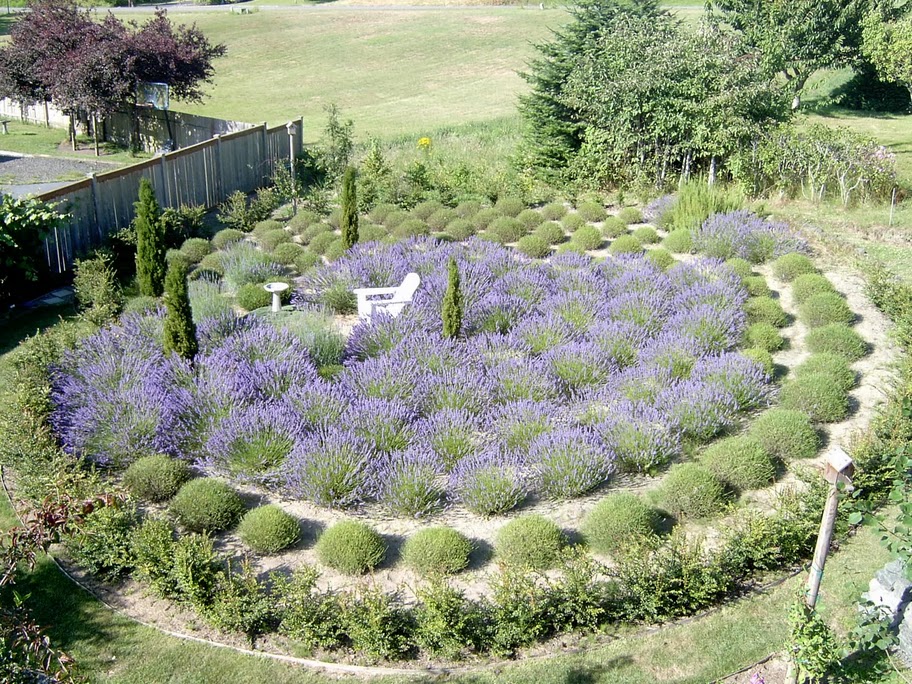
Here is her famous lavender labyrinth, planted with 150 Lavandula x intermedia ‘Fred Boutin’ plants. The labyrinth measures 40-feet in diameter and produces about 700 fresh-cut bundles of lavender per season. 

The lavender labyrinth at peak of season. Photo, courtesy Susan Harrington

The lavender labyrinth at peak of season. Photo, courtesy Susan Harrington

Susan mentioned her YouTube video in which she demonstrates her Lavender Bud De-Nuding Process. It’s a little tongue-in-cheek, but clearly a huge success as a method for anyone harvesting lavender buds for aromatherapy or crafting:


More details discussed in our conversation:

Information about Susan’s online lavender growing course, and her FREE mini-course on growing lavender

Information about the October 2014 Northwest Regional Lavender Conference, which Susan and Jack are producing with the Oregon Lavender Association. 


SLOW FLOWERS: Week 47

Sunday, November 24th, 2013

Leaves, Branches, Berries and Blooms

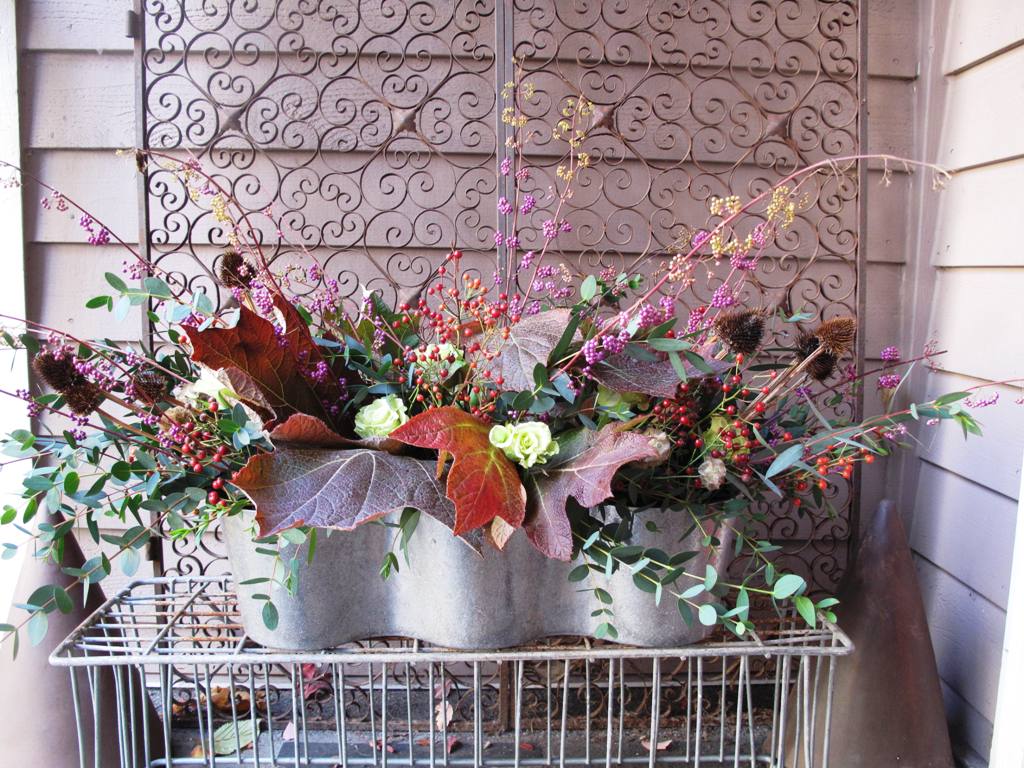
aluminum pot

The ideal, low, autumn holiday centerpiece

Ingredients:
20 stems smooth eucalyptus foliage (Eucalyptus gunnii), grown by Charles Little & Co.
5 large leaves from oak leaf hydrangea (Hydrangea quercifolia), harvested from my garden
10 stems purple beautyberry (Callicarpa bodinieri var. giraldii ‘Profusion’), grown by Charles Little & Co.
7 stems rose hips (Rosa multiflora), grown by Charles Little & Co.
7 purple coneflower seed heads (Echinacea purpurea), harvested from my garden
5 stems pincushion flower seed heads (Scabiosa stellata ‘Paper Moon’), grown by J. Foss Garden Flowers
7 stems ‘Supergreen’ hybrid tea roses (Rosa ‘Supergreen’), grown by Peterkort Roses
 
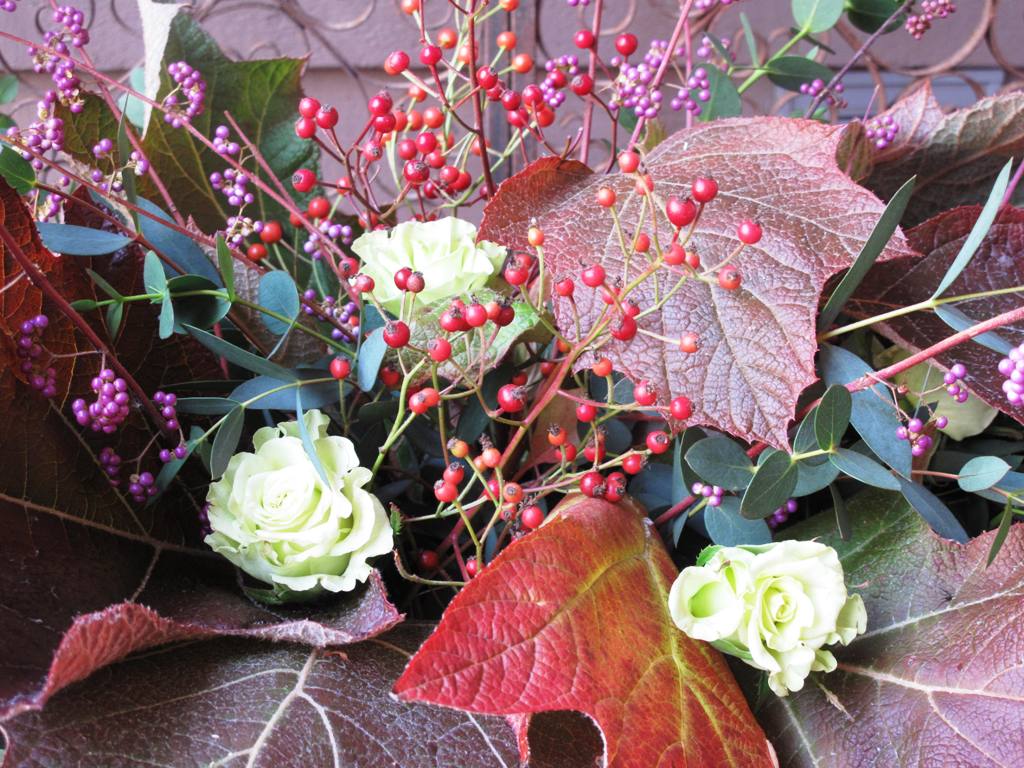
All the textures and ingredients of the season, with a little polish from the Oregon-grown roses.

All the textures and ingredients of the season, with a little polish from the Oregon-grown roses.

 
Vase:
5-inch tall x 17-inch long aluminum planter with three 6-inch wide planting sections
Grow This
Garden for foliage: Perennials and shrubs produce some of the most interesting “greenery” for DIY floral designers. Clipping leafy branches from your own backyard is obviously more economical than buying foliage. But it also means the difference between a prosaic bouquet and one with loads of personality. Unique silver, burgundy, gold and blue-green leaves of all sizes and textures lend garden-inspired style to your designs.


SLOW FLOWERS Podcast: Meet Berkeley’s Eco-Floral Maven, Pilar Zuniga of Gorgeous and Green (Episode 116)

Wednesday, November 20th, 2013
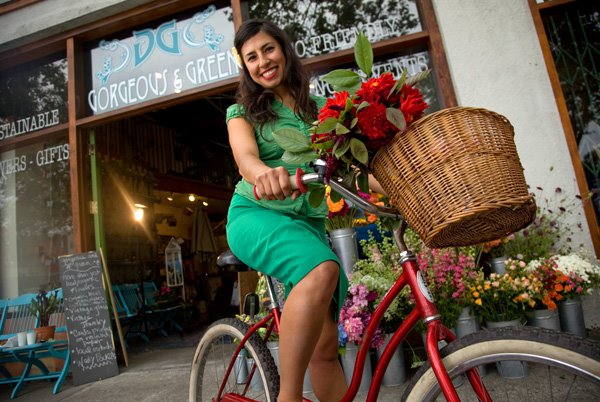
Pilar Zuniga is a Berkeley-based, eco-Green floral designer and outspoken advocate for locally-grown, sustainable flowers and design practices.

Pilar Zuniga is a Berkeley-based, eco-Green floral designer and outspoken advocate for locally-grown, sustainable flowers and design practices.

Meet Pilar Zuniga, owner of Gorgeous and Green, a Berkeley-based boutique and eco-floral design studio. She’s my guest in this week’s Slow Flowers Podcast with Debra Prinzing.

Pilar started Gorgeous and Green nearly six years ago after she discovered how hard it was to plan her own sustainably-minded wedding. Since then, her venture has expanded from a floral studio designing for weddings and special events to a charming storefront on College Avenue in Berkeley.

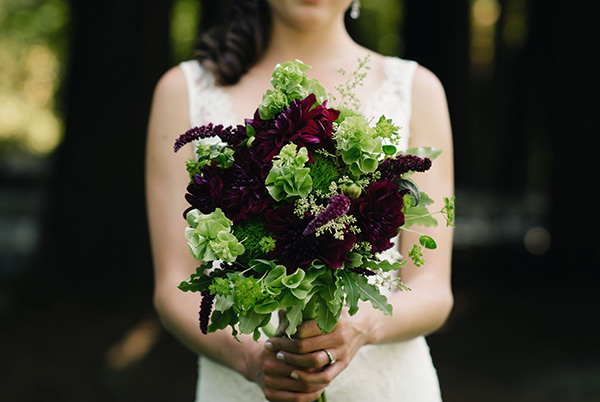
One of Gorgeous and Green's bridal bouquets in a sultry green and dark purple color scheme.

One of Gorgeous and Green’s bridal bouquets in a sultry green and dark purple color scheme.

There, you can find a full-service floral and gift shop that carries uncommon goods, curated by Pilar, including vintage jewelry, locally-made goods, recycled-paper stationary,  organic bath and beauty products — and of course, local and sustainably-grown flowers. Gorgeous and Green recently won the Best of Berkeley 2013 award in the florist category.

For anyone interested in learning how a brick-and-mortar retail flower shop can make it in today’s era of mass merchandising and big boxes, you’ll want to join my conversation with Pilar.

She is blazing a new trail and is the TRUE definition of a LOCAL FLORIST….a hometown, Main Street flower shop that goes the full distance to source from local flower farms in her own backyard. 

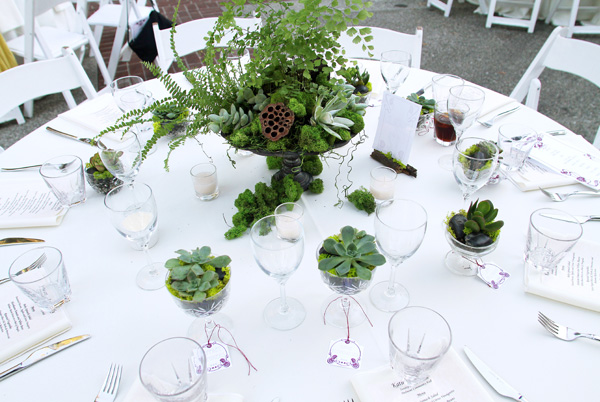
Succulents grace the wedding table for a Gorgeous and Green client.

Succulents grace the wedding table for a Gorgeous and Green client.

483274_10151503701057210_305906289_nHere’s her answer to the “Why Sustainable”? question:

A Native American proverb suggests that all that we do today must be done with the next 7 generations in mind.

The mainstream floral and gift industries have many byproducts like pesticide pollution, dependence on plastics, underpaid labor, hazardous working conditions and excessive CO2 Emissions. Additionally, events are the producers of more waste and CO2 emissions. The average wedding emits 12-14 tons of CO2, more than a person emits in a full year.  

We can minimize these negative effects by amending our practices to become sustainable ones.  For Gorgeous and Green, sustainability means using methods that we can afford to duplicate without negatively affecting the environment and people around us. With a lot of creativity and research, we have been able to develop floral practices and offer gift products that allow us to do just that.

Gorgeous and Green wants to be mindful of not just how we leave our world for the next generation, but how we touch those people and places that were involved in the beauty we created today. 

Take a look at our Services section or visit our On-Line Boutique page to see just what we have come up with so far. We’re always creating new ways to save the earth and stay gorgeous.

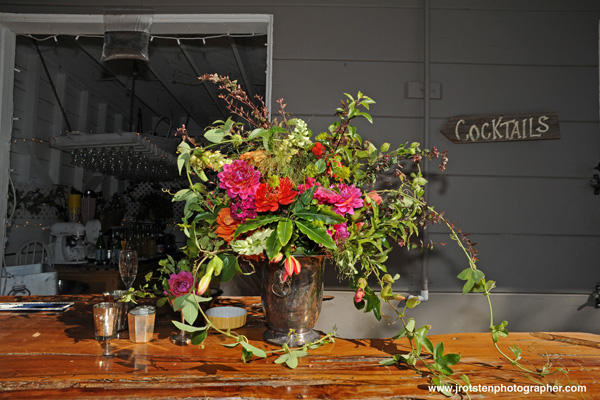
Another yummy seasonal floral arrangement, using California-Grown flowers from farmers Pilar knows and supports.

Another yummy seasonal floral arrangement, using California-Grown flowers from farmers Pilar knows and supports.

In the second half of our interview, Pilar and I scratched the surface on a MAJOR topic that’s going on right now in the floral world. It regards the concern she and I — and so many others — have about that green florists’ foam, the crumbly, brick-shaped chunk that you often find stuck inside a vase delivered from a floral wire-service. It is a conventional product that has been around since the Postwar 1950s, developed, so it seems, to make arrangements look fuller using fewer stems of flowers and foliage.

The simple economics have (sadly) led many florists down the rabbit hole of same-old, same-old, unimaginative designs based around the foam. I believe it’s a crutch that limits creativity and certainly hurts the people and environment who encounter it. 

Every single week I hear from florists and designers who tell me they are weaning themselves off the product, which is made by a small group of manufacturers in the US and abroad. Those designers are eager to find alternative ways to stabilize stems, such as some that Pilar and I discussed. I will devote a future episode of the Slow Flowers Podcast to more extensive information on this topic. 

The bounty of local farms makes its way into Gorgeous and Green's designs.

The bounty of local farms makes its way into Gorgeous and Green’s designs.

Pilar was one of the first to speak out and warn florists about the risks of using chemically-based foam. As I mentioned in our interview, every time I did a web search about this topic, her blog posts popped up, as early as 2009. Here are some links you’ll want to read: 

(March 4, 2009) Floral Foam: Not so Green 

(September 5, 2009) Biodegradable Floral Foam, Where Are You?

(February 18, 2011) Let’s Change Floral Foam

(August 16, 2011) MSDS Floral Foam

If you’re looking for “green” alternatives to floral foam, check out my blog post about Eco-Friendly Design tips, excerpted from Slow Flowers.

Thank you  for joining me in this episode of the SLOW FLOWERS Podcast with Debra Prinzing. Because of your support as a listener, we’ve had more than 3,000 downloads since July – and I thank you for taking the time to join to my conversations with flower farmers, florists and other notable floral experts.

If you like what you hear, please consider logging onto Itunes and posting a listener review.

Until next week please join me in putting more American grown flowers on the table, one vase at a time. 

The Slow Flowers Podcast is engineered and edited by Hannah Holtgeerts. Learn more about her work at hhcreates.net. 

All photographs courtesy of Gorgeous and Green. Thanks Pilar!

My Holiday Centerpieces for BH&G: Seasonal and Local Winter Greenery – and More!

Sunday, November 17th, 2013
The beautiful cover of Better Homes & Gardens' December 2013 issue. My "Winter Greens" article and designs appear on pages 58-64.

The beautiful cover of Better Homes & Gardens’ December 2013 issue. My “Winter Greens” article and designs appear on pages 58-64.

In the December 2013 issue of Better Homes & Gardens, on newsstands this week, you’ll find a Winter Greenery-inspired story that I produced with photographer Laurie Black. We created this story nearly 3 years ago, and while often there’s no rhyme or reason as to why a piece takes so long to see the light of day, I’m thrilled you can see it now!

This story features four “regionally-inspired” centerpiece designs with flowers, foliage and branches that you might find in Southern California, the Midwest, the South and the Northeast. The fifth idea, a Northwest-style centerpiece, didn’t make it to the pages – but I’ll share those images (mine, not Laurie’s) below.

I owe a huge thanks to editor-in-chief Gayle Goodson Butler for deciding to share my beautiful wintry bouquets with BH&G’s readers in time for their own holiday design projects. I’m also grateful to the magazine’s garden and outdoor living team, including deputy editor Eric Liskey (who originally commissioned the story) and senior associate editor Jane McKeon (who shephered it through the editing process). It takes a village to bring a great idea to the pages of a magazine! 

Due to space constraints, like many BH&G articles, there isn’t much real estate on those pages for text – photography rules! So here is the original article as I wrote it – and a few bonus photographs!

Filled with holiday cheer

Wintry centerpieces inspired by what grows in your own backyard
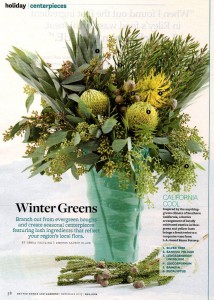
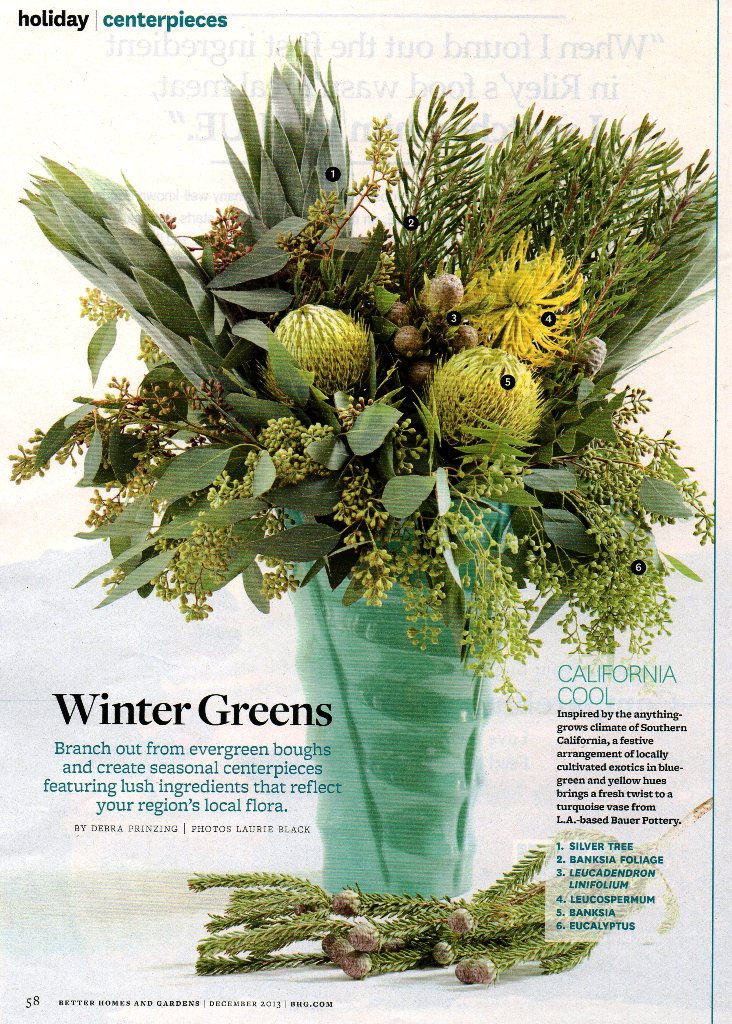
All the California-grown elements to this bouquet come from Wild Ridge Organics in Salinas, Calif. The awesome retro-vase is from Bauer Pottery in Los Angeles.

All the California-grown elements to this bouquet come from Wild Ridge Organics in Salinas, Calif. The awesome retro-vase is from Bauer Pottery in Los Angeles.

Decorating with cedar sprays and pine boughs is a cherished holiday tradition for many of us. But this year, why not branch out? Use familiar greenery that reflects your part of the country — the forests, fields, mountains or beaches — to create uniquely local and lush holiday centerpieces. Choose a regionally-inspired vessel and add seasonal foliage, branches and berries paired with blooming plants or forced bulbs. The holiday arrangement will last for a few weeks on your dining table or fireplace mantle. Naturally beautiful, of course.

California Cool

The turquoise glaze of a made-in-California Bauer Pottery vase enhances a blue-green and yellow bouquet. The floral ingredients, all native to Australia and South African but grown in California, are thoroughly adapted to Southwest gardens and bloom from October through May. Seeded eucalyptus and velvety sprays of silver tree (Leucadendron argenteum) serve as foliage, while the arrangement’s drama comes from Banksia and pincushion flowers (Leucospermum sp.).
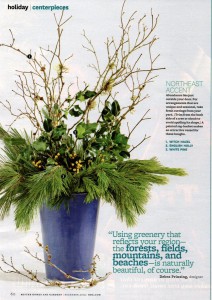
 

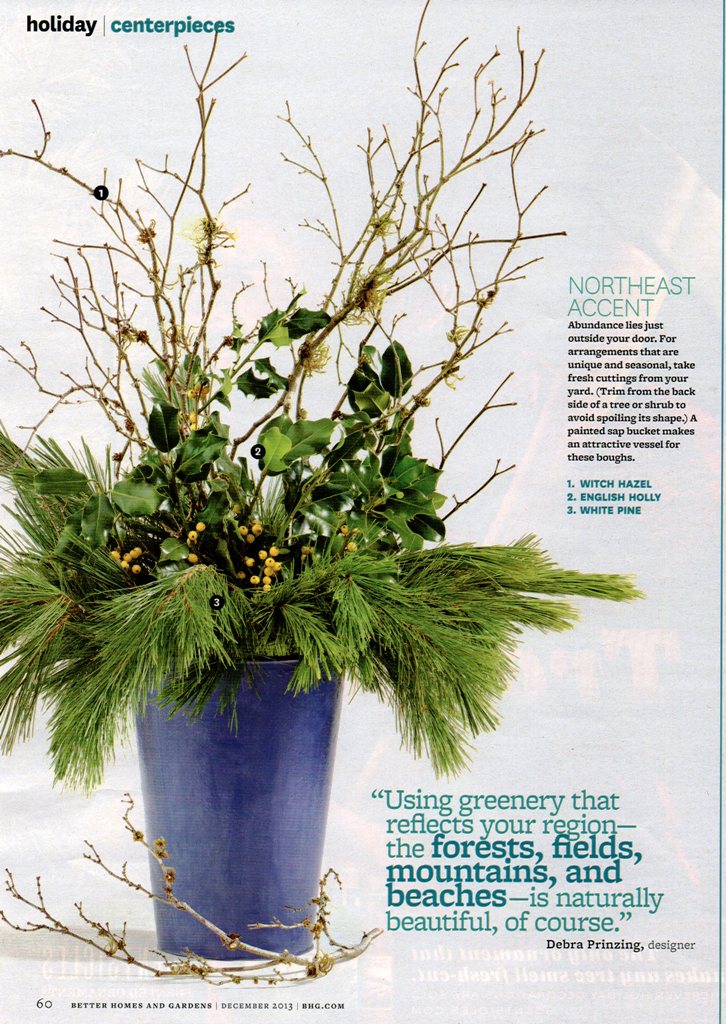
Pine boughs, yellow-berried holly and lichen-covered branches are New England-inspired, gathered into a reclaimed sap bucket.

Pine boughs, yellow-berried holly and lichen-covered branches are New England-inspired, gathered into a reclaimed sap bucket.

Northeast Accent

A painted sap bucket seems fitting for this New England-themed winter arrangement, its weathered patina contrasting with the gold berries of the English holly. Long-needled pine boughs cascade over the bucket’s rim while lichen-covered twigs, cut from a deciduous tree, lend height to the design. This elegant arrangement shows how easy it is to combine just three ingredients for impact. 

Midwest Spin

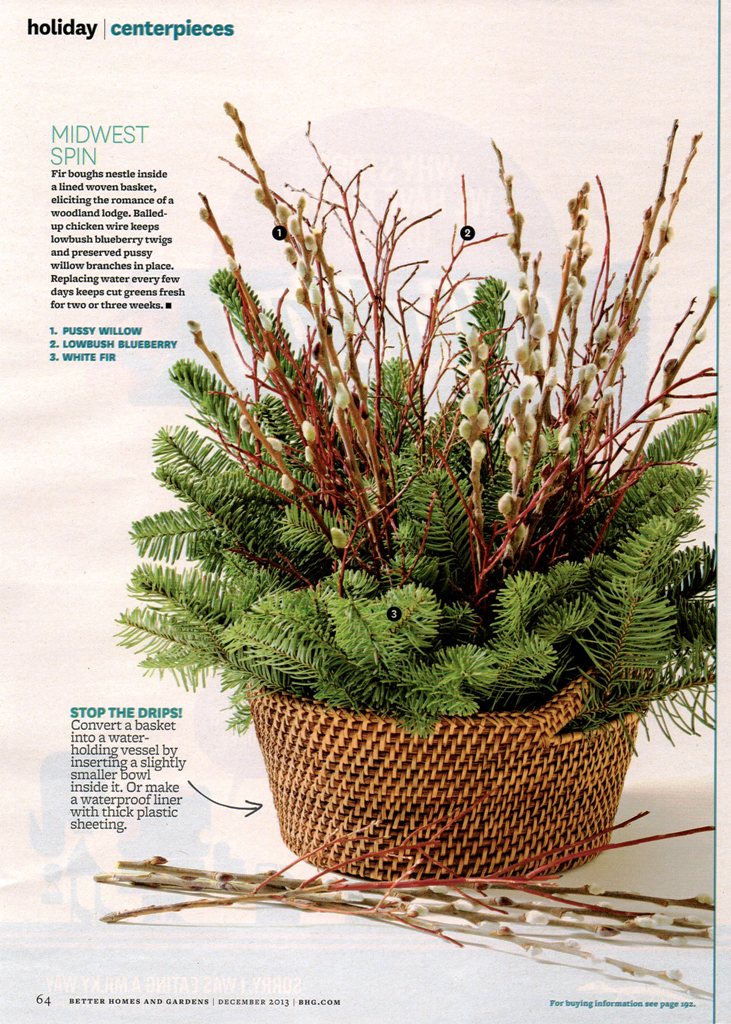
Reminiscent of winter at a woodland lodge, a woven pine needle basket is deep enough to hold a nest of fir branches. For texture and color, we chose pussy willows and huckleberry branches, plants typically found growing along streambeds in Minnesota or Montana. 

Southern Charms

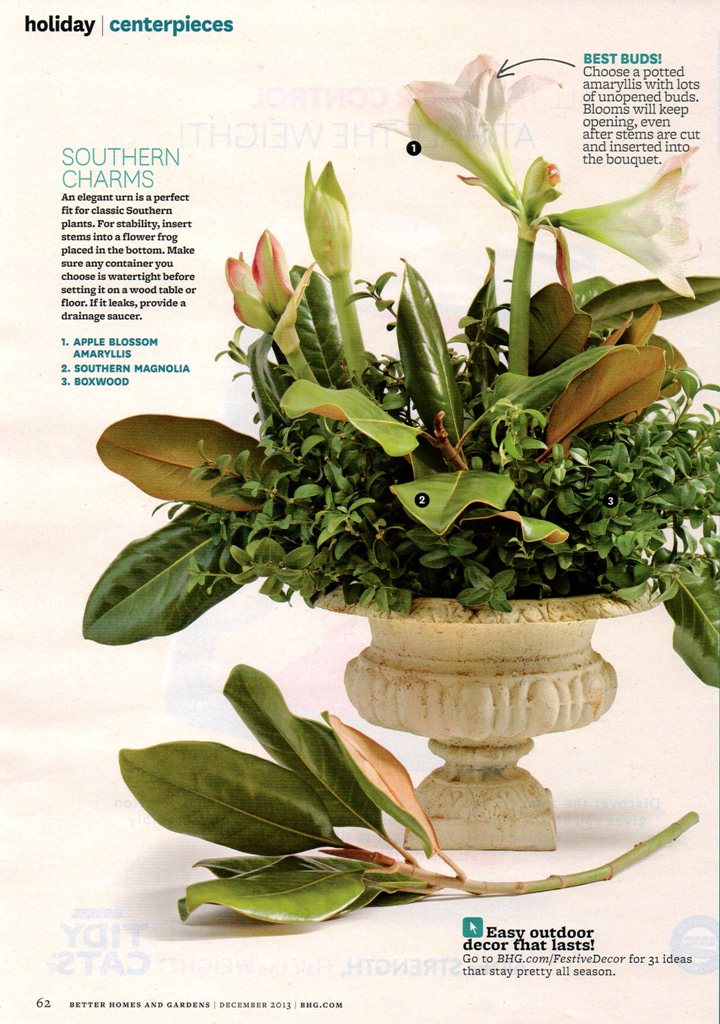
A classical urn may typically be found outside in the garden, but it has come indoors for the holidays. The vessel contains a thoroughly Southern-themed arrangement. Common boxwood branches create the soft foundation for shiny magnolia boughs.
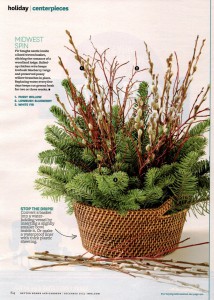
A Midwest-themed arrangement in a woven basket, with textural touches from twigs and pussywillow branches.

A Midwest-themed arrangement in a woven basket, with textural touches from twigs and pussywillow branches.

We added several lovely amaryllis stems (cut from a potted plant). The buds should look fresh and continue to open for more than a week.

Design tips:

1. Take a walk outdoors: Observe nature and your own backyard to find unexpected ingredients for holiday decorating. When removing branches from the landscape, cut from the back side of a tree or shrub, or take random cuts, so as not to denude your plants. Use sharp, clean pruners. Store branches in a bucket of tepid water until you are ready to arrange them.

2. Choose plants for their design attributes. To create a balanced holiday arrangement, include at least one ingredient that cascades or drapes. Select at least one tall, upright ingredient. And choose at least one dramatic element that gives the design its focal point.

3. Convert interesting vessels a watertight vase. Line containers that have a drainage hole with a slightly smaller plastic bowl. For wood planter boxes, make a waterproof liner with a double layer of thick, plastic sheeting, secured  to the inner edge with staples. Double-check for leaks before placing on furniture or a counter.
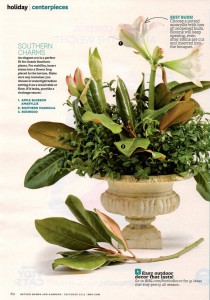
I loved making this Southern-themed bouquet, with evergreen magnolia foliage, boxwood and amaryllis clipped from a potted potted plant.

I loved making this Southern-themed bouquet, with evergreen magnolia foliage, boxwood and amaryllis clipped from a potted potted plant.

4. Stabilize woody stems. Place a pin- or cage-style flower frog inside the container to hold branch stems. Or, form a 12-inch length of chicken wire into a loose ball. Insert it inside a container to hold stems in place as your arrangement takes shape.

5. Keep water fresh. Your arrangement will last up to three weeks if it doesn’t dry out. Refresh water every few days. An easy trick is to place the arrangement in your kitchen sink, positioning the faucet or spray nozzle inside the edge. Turn on the water and allow it to gently fill the vase. As it begins to overflow, fresh water will displace the older water. Make sure to dry off the exterior of your vase before displaying it again.

Here’s what you missed! I took these photos while we were producing this story at the home of photographer Laurie Black and her husband Mark King. My friend Nancy Finnerty styled the tabletop for us. It’s such a pretty scene that I had to share.
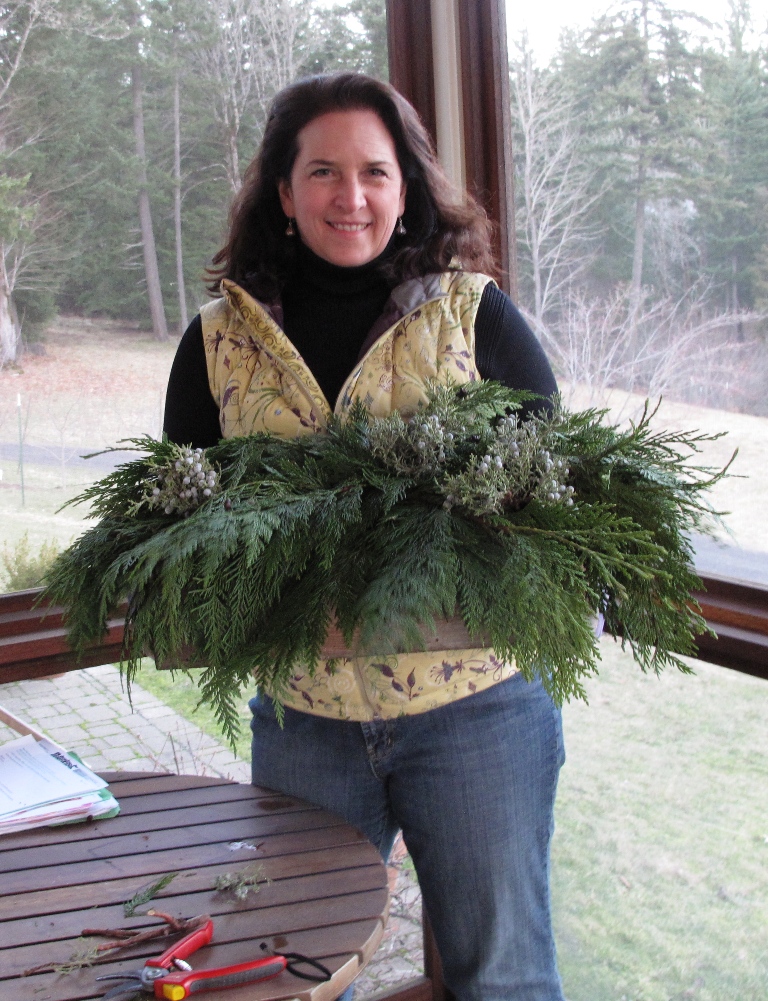
Here I am, all bundled up, working on Laurie & Mark's screened-in porch.

Here I am, all bundled up, working on Laurie & Mark’s screened-in porch.
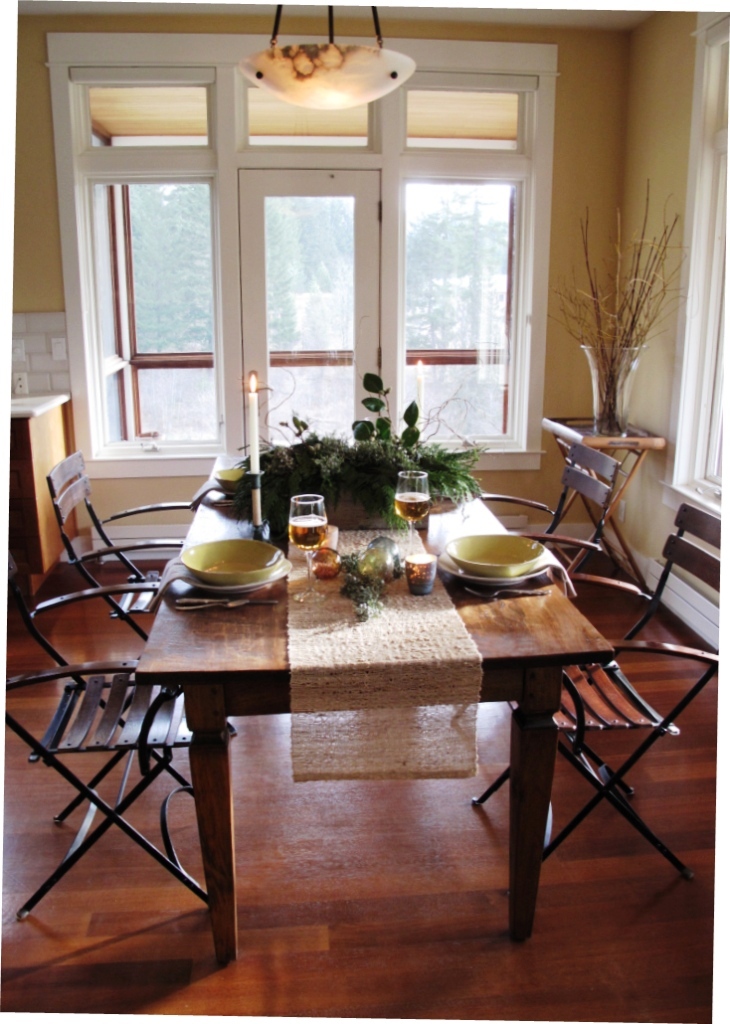
 

The table is set for a Northwest style gathering.

The table is set for a Northwest style gathering.

Adorn your table with local greenery

Bring the bounty of nature indoors to create winter-themed centerpieces for your holiday table. The evergreens that decorate this Sunday brunch repeat the majestic trees seen outside, making a visual connection with the landscape.
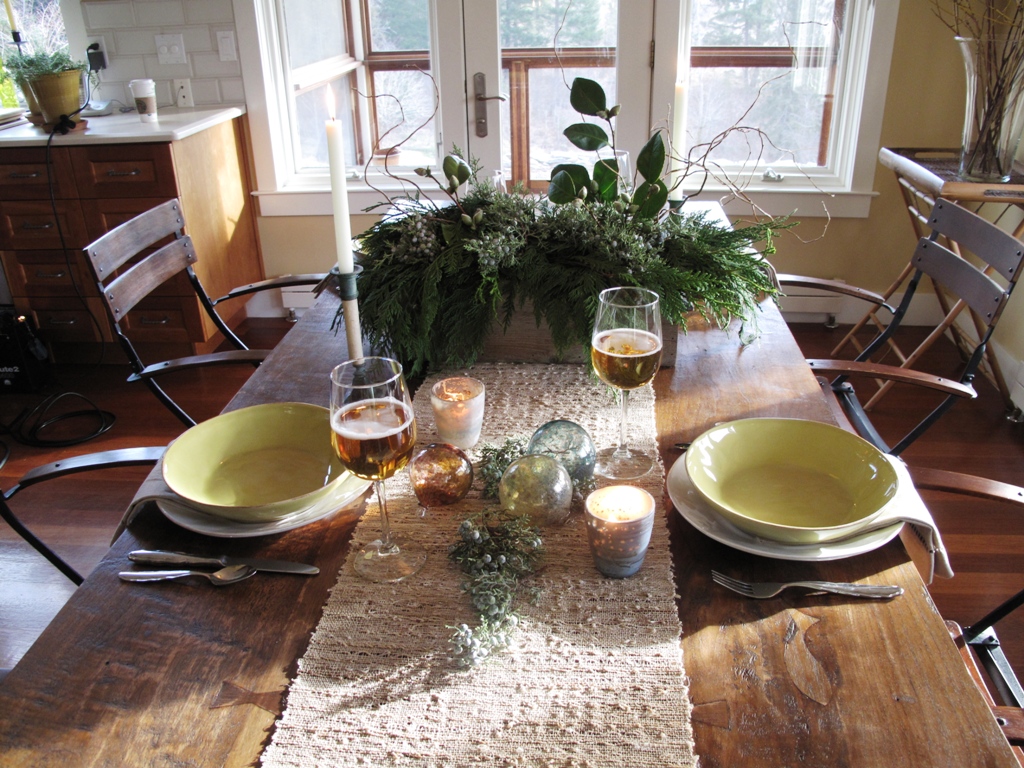
Closeup of the tabletop with a wooden box filled with Northwest greenery.

Closeup of the tabletop with a wooden box filled with Northwest greenery.

From the Northwest

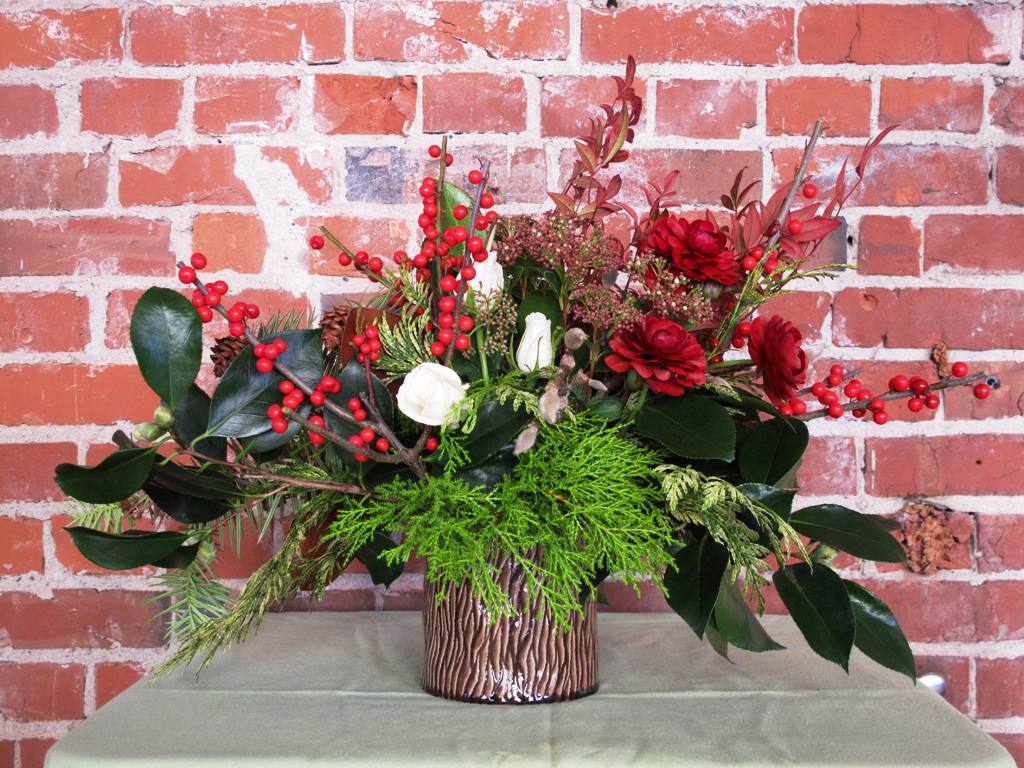
Convert a rustic wood planter box into a low, conversation-friendly centerpiece. First, arrange conifer branches, such as Western red cedar (used here), or sprays of juniper or hemlock, positioning them to drape over the box’s edge. For a creamy-white touch, we added flowers from the winter-blooming lily-of-the-valley shrub (Pieris japonica); red-twig dogwood branches, arranged in irregular clusters, provide a graphic accent. 
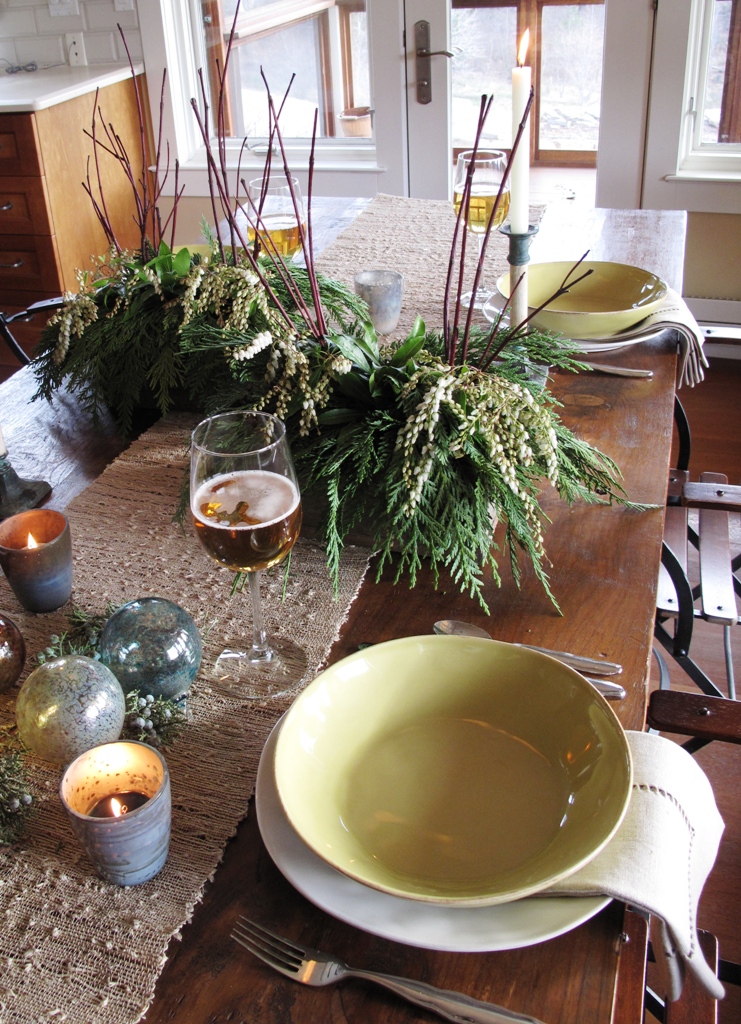
Another version of Northwest's natural goodness - straight from the garden, farm and forest.

Another version of Northwest’s natural goodness – straight from the garden, farm and forest.

SLOW FLOWERS Podcast: Teri Chace, Author of “Seeing Flowers,” a remarkable new book (Episode 115)

Wednesday, November 13th, 2013

Chace_Cover“Enter a rare world of beauty and intricacy,” promises the press release for “Seeing Flowers,”  a remarkable new book featuring the highly detailed, almost transparent flower photographs of Robert Llewellyn. Using a unique photo process that includes stitching together large macro photographs, the visual artist reveals floral details that few of us have ever noticed: The amazing architecture of stamens and pistils; the subtle shadings on a petal; the secret recesses of nectar tubes.

I learned much more about the secret life of flowers in today’s podcast interview with Teri Dunn Chace, the writer with whom Robert Llewellyn collaborated. A longtime horticultural writer and formerly on the staff of Horticulture magazine, Teri blends literary and scientific sources for her essays about 343 popular flowers.

These are blooms beloved by gardeners and floral designers alike and together Robert and Teri portray flowers as you have never before seen them. They gave me a deeper appreciation of how and why flowers have become so embedded in human culture.

In preparing for my podcast interview with Teri, I went back and spent some time with Robert’s earlier book, Seeing Trees, with writer Nancy Ross Hugo. When that book was released in 2011, I was blown away by the detailed process he goes through to capture the essence of leaves, seeds, pods and other tree parts. Each subject is photographed up to 50 times at various distances and the final work is a composite of the sharpest areas of each individual image. The resulting photographs are of stunning hyper-real clarity, as if Robert has found a way to circumvent the limitations of the human eye through his lens. When Seeing Trees was released, publisher Timber Books created a video of the process.

Please enjoy this conversation with author Teri Chace, and add Seeing Flowers to your library reference shelf. Our conversation is a whirlwind tour of flowers, literature and garden writing. You’ll enjoy the ride.

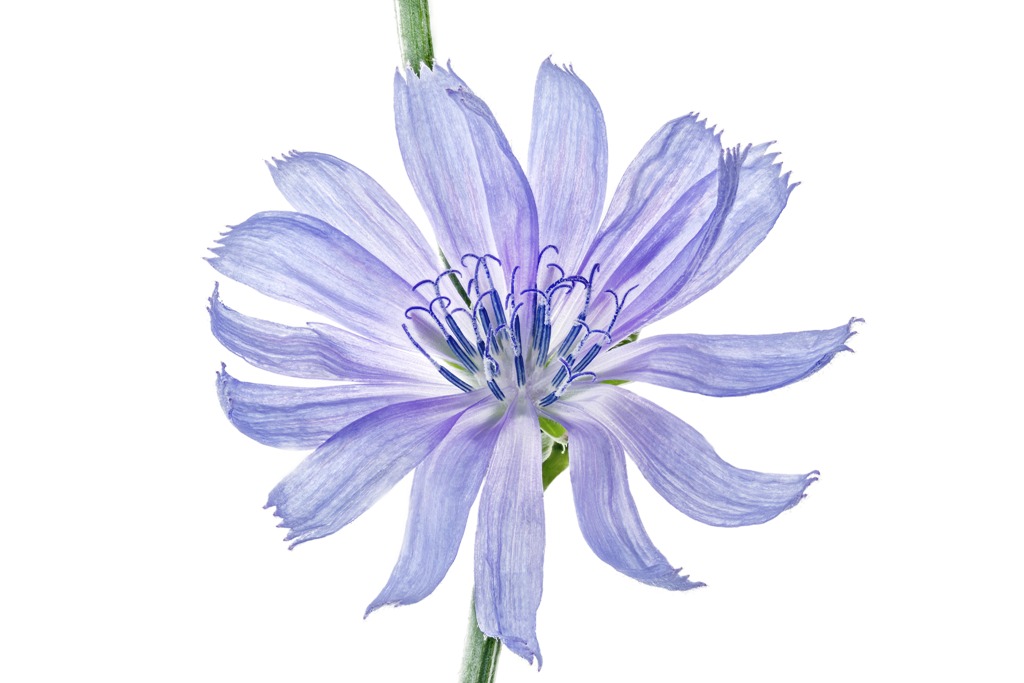
Jaunty blooms of chicory, or Cichorium intybus, open for only a few hours a day. Then the color of the ray flowers rapidly drains away, fading to white. Its dried, ground roots can be used as a coffee substitute.

Jaunty blooms of chicory, or Cichorium intybus, open for only a few hours a day. Then the color of the ray flowers rapidly drains away, fading to white. Its dried, ground roots can be used as a coffee substitute. 

During my interview with Teri, we read aloud three literary pieces from Seeing Flowers. Here they are for you to read again, interspersed with a few of Robert’s images:

“The rose is a rose,

And always was a rose.

But now the theory goes

That the apple’s a rose

And the pear is, and so’s

The plum, I suppose.

The dear only knows

What will next prove a rose.

You, of course, are a rose —

But were always a rose.”

Robert Frost, “The Rose Family,” 1928 

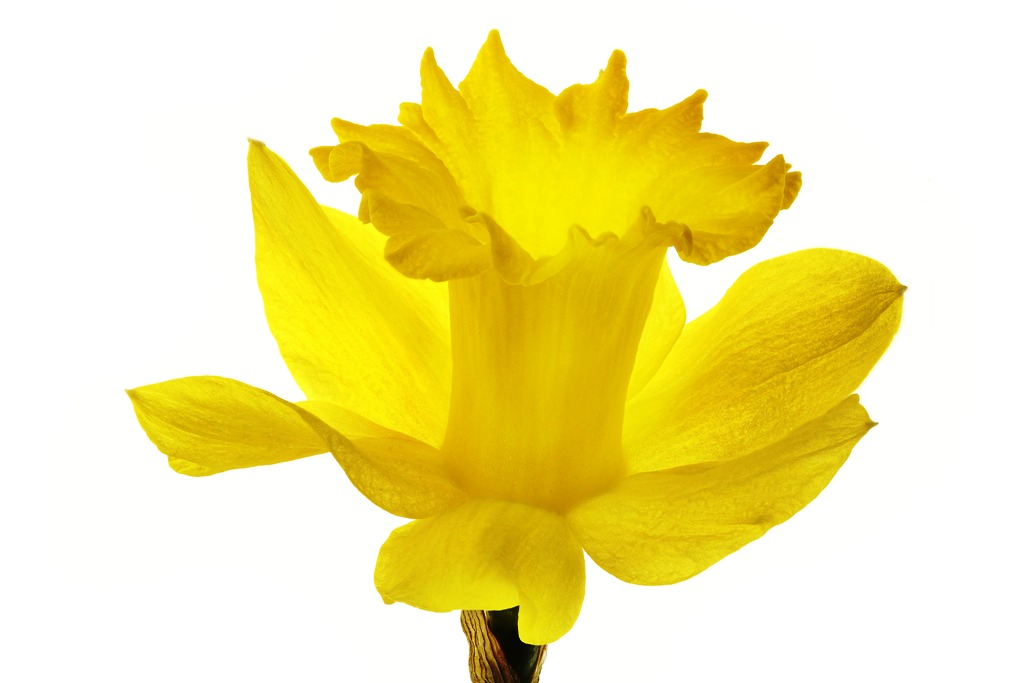
The cup in the center of a daffodil is called a corona. Some are short, like a shallow bowl, while others are longer, more like a trumpet. Some have frilly edges, and some are rimmed with a contrasting color.
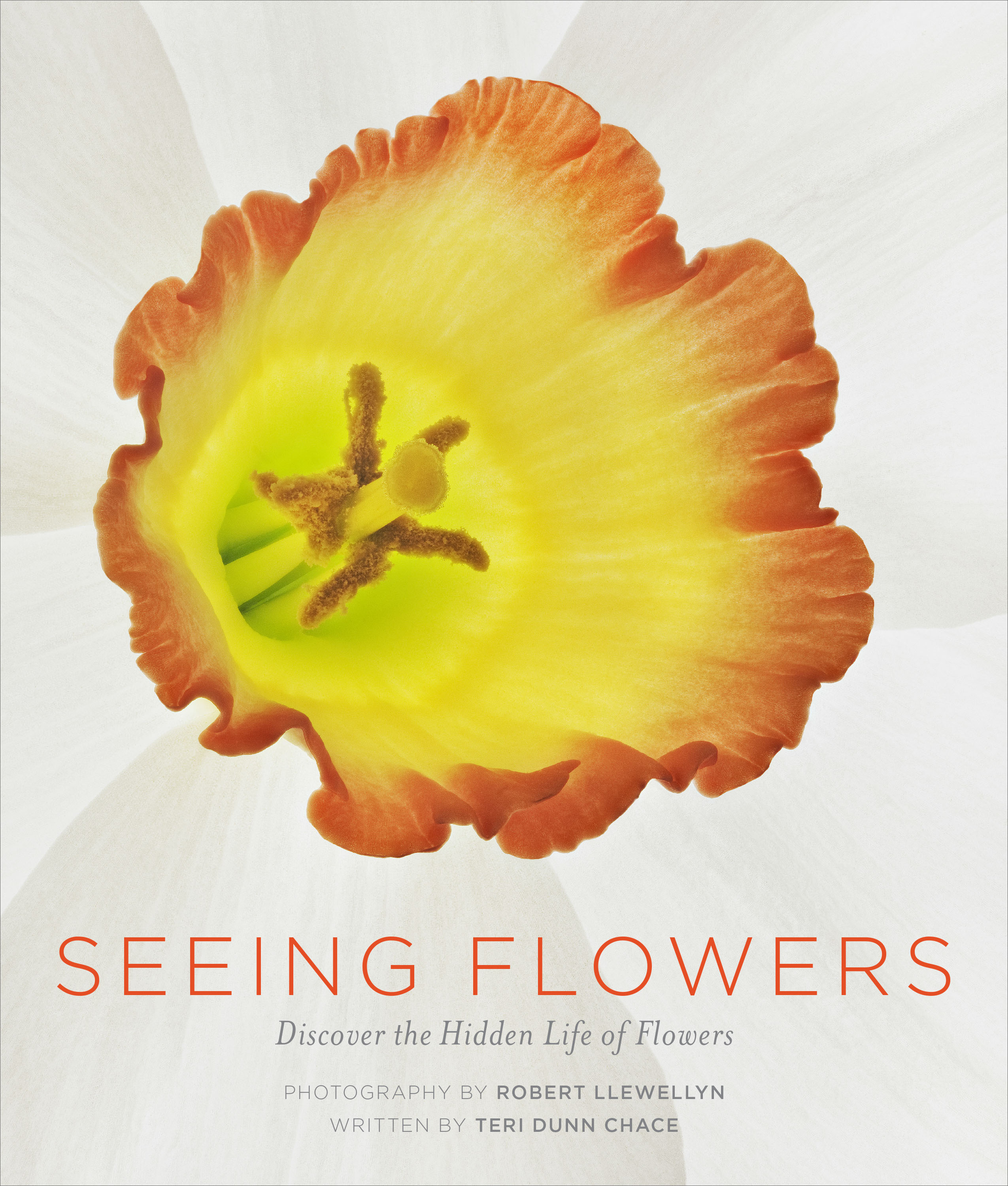
The cup in the center of a daffodil is called a corona. Some are short, like a shallow bowl, while others are longer, more like a trumpet. Some have frilly edges, and some are rimmed with a contrasting color.

“Why do two colors, put one next to the other, sing?

Can one really explain this? No. Just as one can

never learn how to paint.”

Pablo Picasso, Arts de Frances, 1946 

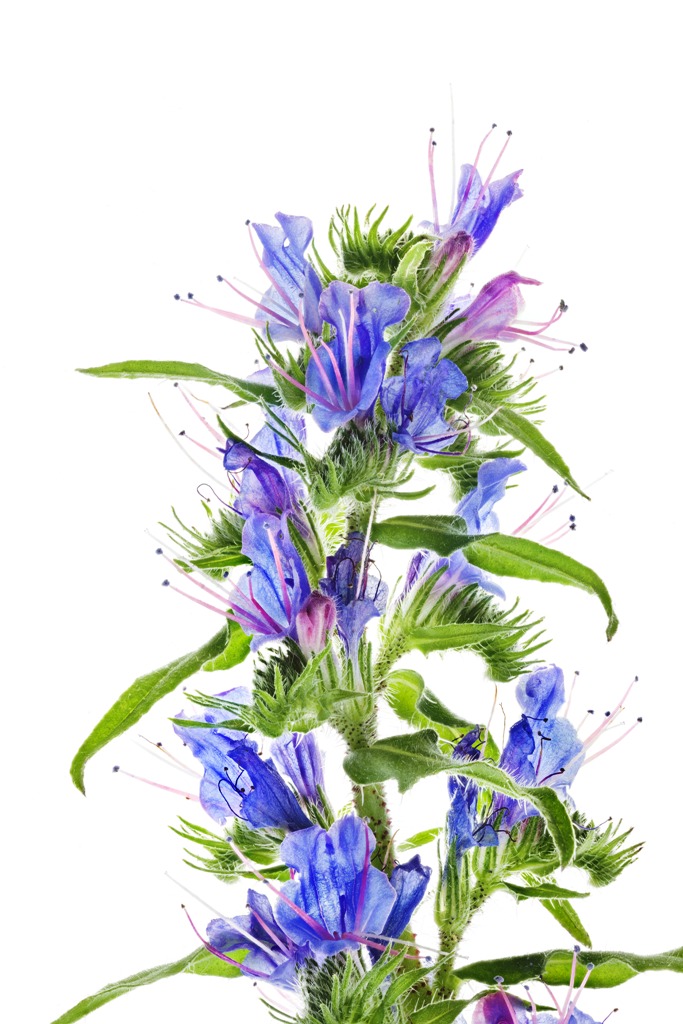
Look past the blue petals of viper's bugloss, Echium vulgare, and you'll see that the flowers also feature red stamen filaments and blue pollen. These help them to stand out in form as well as color to pollinators - and to us.

Look past the blue petals of viper’s bugloss, Echium vulgare, and you’ll see that the flowers also feature red stamen filaments and blue pollen. These help them to stand out in form as well as color to pollinators – and to us.

“Ice cream on green cones

white hydrangeas in full bloom

cool the summer day”

Haiku by CDSinex, 2011 

Teri Dunn Chace, author of "Seeing Flowers"

Teri Dunn Chace, author of “Seeing Flowers” 


Robert Llewellyn, photographer of "Seeing Flowers"

Robert Llewellyn, photographer of “Seeing Flowers”

ENTER TO WIN: Timber Press is celebrating the publication of Seeing Flowers with an online promotion offering a one-of-a-kind prize. You can enter to win a fine gallery quality print of a photograph from this book. Take a peek at the gorgeous print and the contest details here.  NOTE: the Contest Entry Deadline is this Friday, November 15th.

Thanks for joining me in this episode of the SLOW FLOWERS Podcast with Debra Prinzing. Because of your support as a listener, we’ve had more than 2,650 downloads since July – and I thank you for taking the time to join to my conversations with flower farmers, florists and other notable floral experts.

If you like what you hear, please consider logging onto Itunes and posting a listener review.

Until next week please join me in putting more American grown flowers on the table, one vase at a time. 

The Slow Flowers Podcast is engineered and edited by Hannah Holtgeerts. Learn more about her work at hhcreates.net. 


SLOW FLOWERS: Week 45

Sunday, November 10th, 2013

VINTAGE PATINA

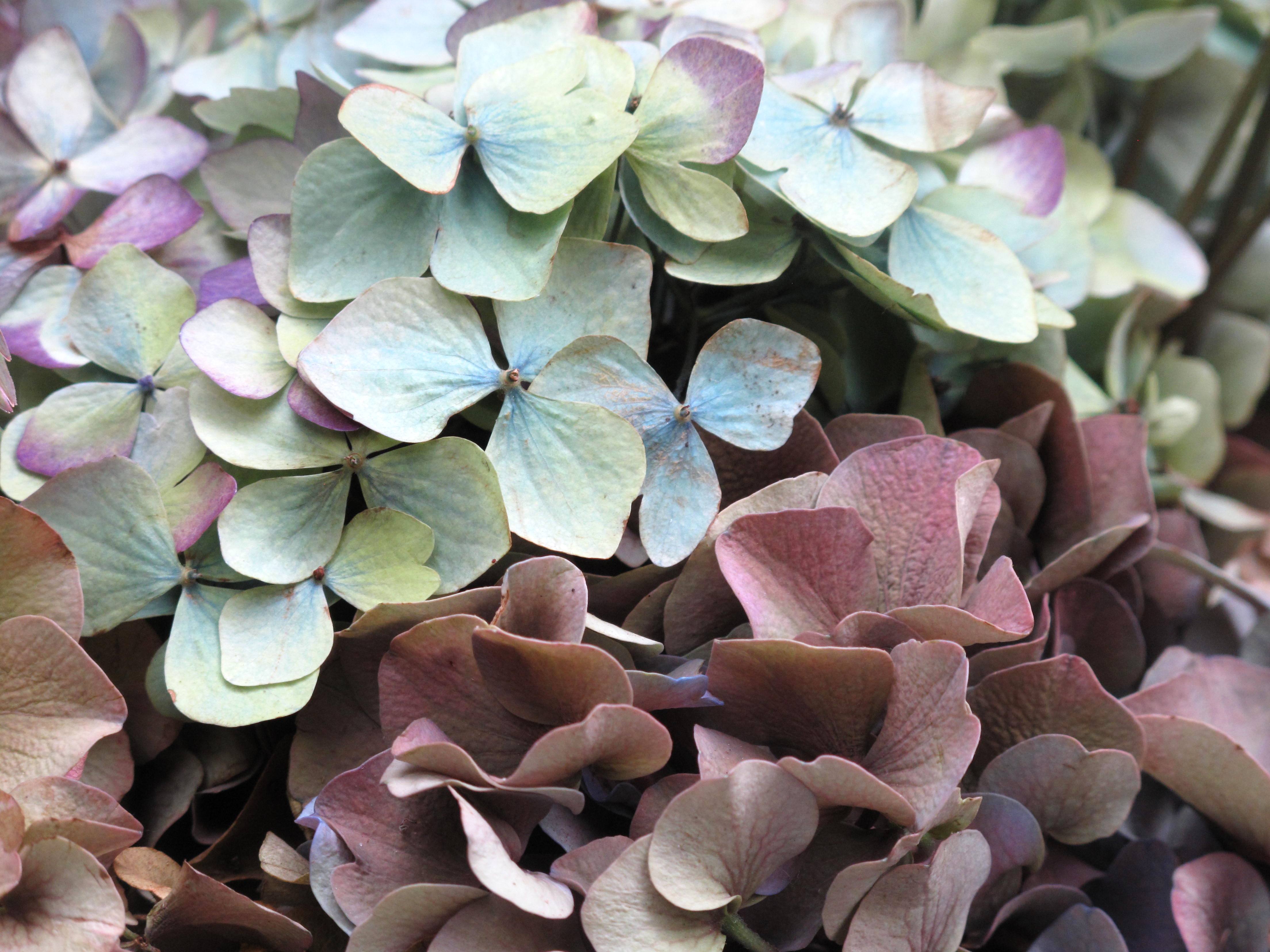
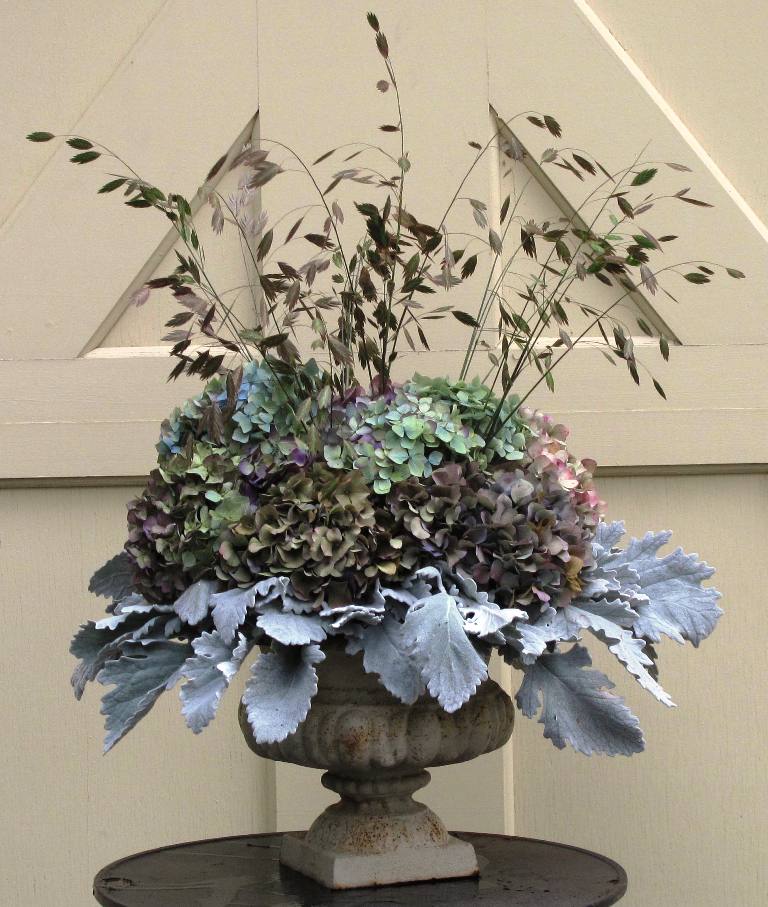
Oh how I love the way hydrangeas respond to cool weather as fall settles in!

Oh how I love the way hydrangeas respond to cool weather as fall settles in!

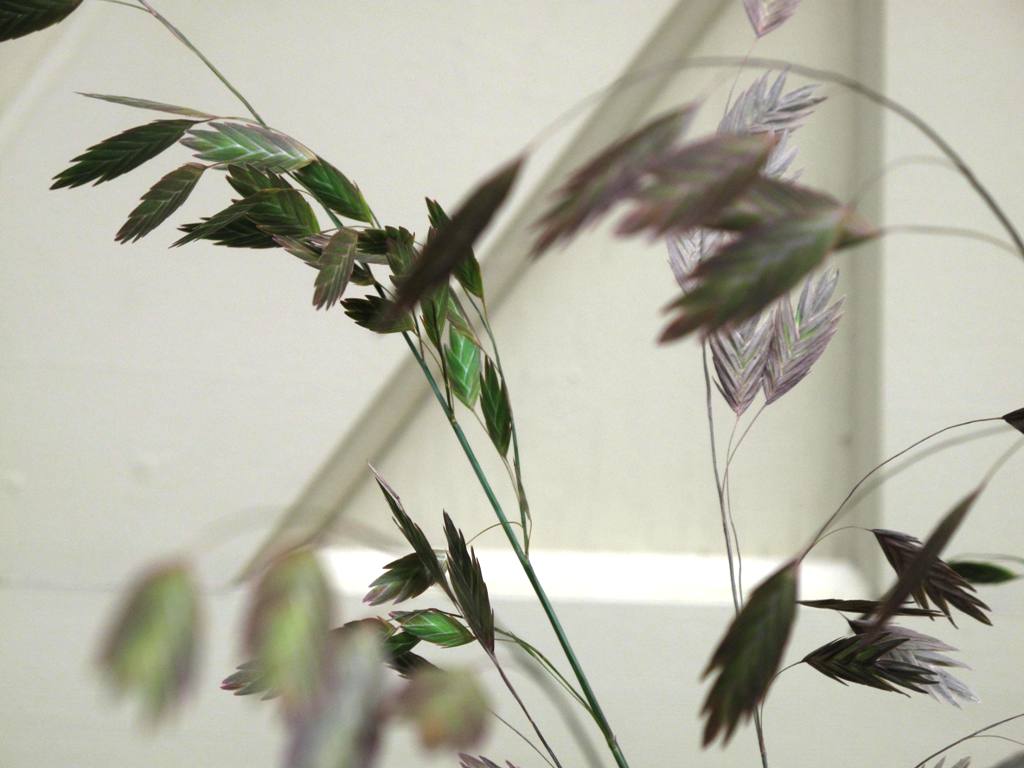
Sea Oats (Chasmanthium latifolium) are like little sparklers emerging from the hydrangea mound.

Sea Oats (Chasmanthium latifolium) are like little sparklers emerging from the hydrangea mound.

Ingredients:

12 stems mop-head hydrangeas (Hydrangea macrophylla), harvested from my garden (note, the lace-cap hydrangeas don’t have the same visual impact as the mop-head form)
20 stems Dusty Miller (Centaurea cineraria), grown by Charles Little & Co.
25 stems sea oats (Chasmanthium latifolium), grown by Jello Mold Farm
 
Vase:
7-inch tall x 11-inch diameter cast-iron urn. Intended as a planter, it converts to a watertight vase when lined with a plastic bowl.
 
 
This was the very first arrangement I designed in early November 2011 when I dreamed up the bouquet-a-week-for-a-year project.

This was the very first arrangement I designed in early November 2011 when I dreamed up the bouquet-a-week-for-a-year project.

Eco-technique

Preserve your bouquet: There’s a bonus to using these late-season flowers in an arrangement. As the vase water slowly evaporates, the mop-head hydrangeas, Dusty Miller foliage and sea oats will air-dry without changing shape or color.
 
I created the arrangement you see here during the first week of November and by the following May it looked just about the same. By then, I needed the urn for another project, so I disassembled the preserved ingredients and tossed them in the compost bin. Not every cut flower will air-dry as nicely as this trio did, but with a little experimentation you’ll soon notice that some long-lasting ingredients can be preserved for months.
 

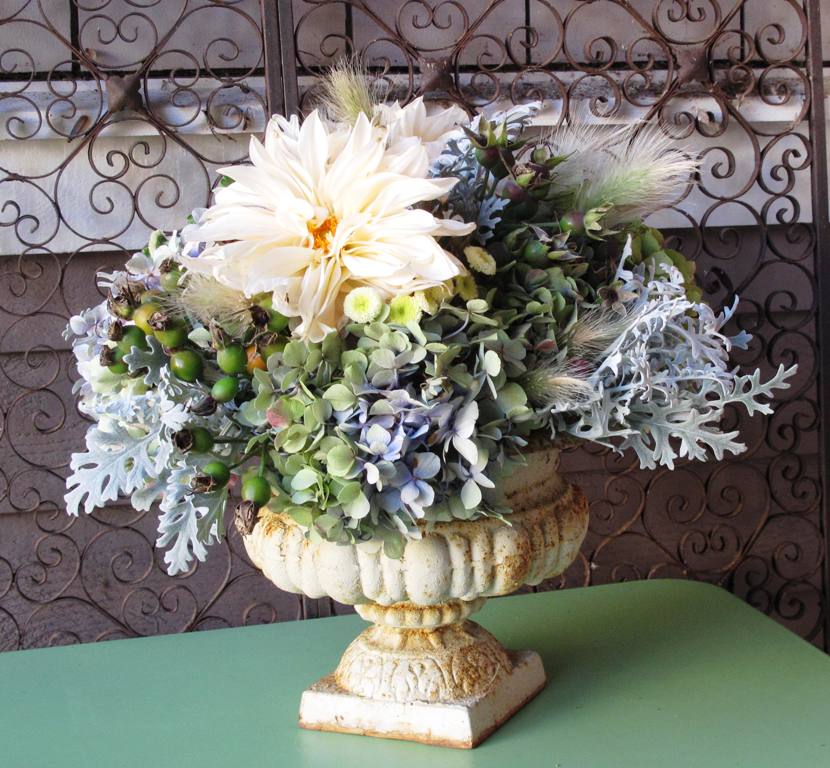
A BONUS BOUQUET: Using some of the same elements, here’s a bouquet I made this week, November 2013. It employs the same weathered urn, hydrangeas, a lacy form of Dusty Miller, rose hips, feverfew sprays and a few Cafe au Lait dahlias. This is a favorite style to which I continue returning. Love it!

An autumn arrangement glows on a table by my front door.

An autumn arrangement glows on a table by my front door.

SLOW FLOWERS: Week 44

Sunday, November 3rd, 2013

TARNISHED AND TEXTURED

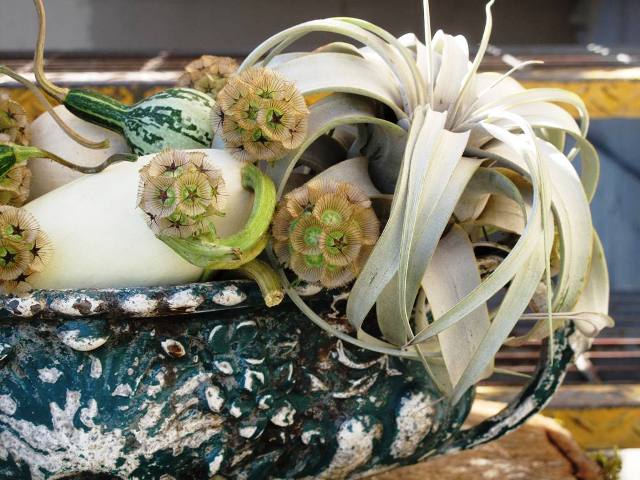
Tillandsia detail

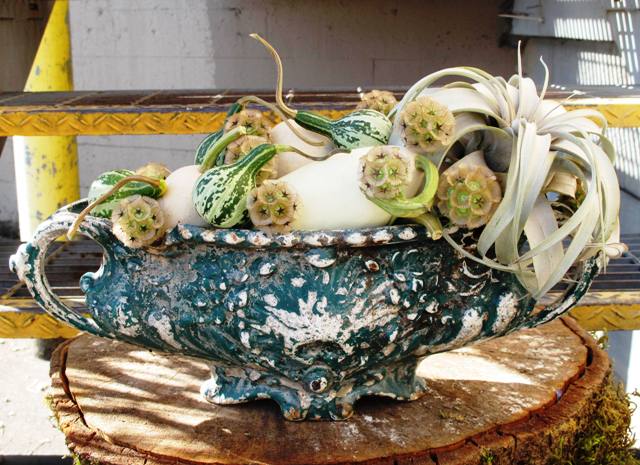
Super-popular tillandsias, especially this ghostly-white species, makes for an interesting fall centerpiece.

Ingredients:
1 Tillandsia xerographica plant, a gift from Nan Sterman (Tillandsias benefit from a light spritzing of water every week or so) 
3 Japanese nest egg gourds, grown by Jello Mold Farm
5 Tennessee dancing gourds, grown by Jello Mold Farm
9 stems Scabiosa stellata ‘Paper Moon’, grown by J. Foss Garden Flowers
Vase:
5½-inch tall x 16-inch long x 6-inch wide, vintage cast-iron planter, found at the Long Beach Flea Market
 
Tillandsia in a tarnished urn.

There’s a pleasing asymmetrical balance created by using this tillandsia on the right side of the design, as it echoes the urn’s curved handle on the left.

 
Design 101
Balance, a design principle: Balance is deeply ingrained in our psyches. In the garden or in a vase, a visuallybalanced design feels pleasing to the eye; when something feels out of balance, it can be agitating to look at. Balance is divided into three categories: Asymmetrical (seen here), in which both halves of a composition may express similar visual weight but are unevenly positioned.
 
Balance is created by a shift in weight on either side of a central fulcrum. Here, you see that the left side of the arrangement reveals the decorative handle of my urn, while the right side of the arrangement offsets it with the curved leaves of the tillandsia. Symmetrical or bilateral balance means that both sides of a composition are equal, one side essentially mirroring the opposite side. Formal flower arrangements are often symmetrical. Radial balance emanates from a central core, like the rays of a sunflower or spokes of a wheel. This dynamic approach appears in perfectly-domed bridal bouquets or centerpieces designed for 360-degree viewing.


SLOW FLOWERS: Week 42

Sunday, October 20th, 2013

MARKET FRESH

Todays Dahlias

The season for dahlias is almost over, but these vivid selections are a reminder of how much we LOVE this amazing flower.

Ingredients:
20 stems Dahlia ‘Audrey Grace’, ‘Keith H’ and ‘Pearson’s Patrick’, grown by Dan’s Dahlias
5 stems fountain grass (Miscanthus sinensis), grown by Jello Mold Farm
5 stems yellow crocosmia (Crocosmia sp.), grown by J. Foss Garden Flowers
6 stems millet (Setaria italica ‘Red Jewel’), grown by Charles Little & Co.
 
version1Vase:
13-inch tall x 7-inch diameter galvanized metal flower bucket
 
Grow This 
Dazzled by dahlias: Perhaps it’s because of their amazing diversity in color, form, petal shape and size, but the dahlia is no longer just an old-fashioned cottage flower.
 
It’s an in-demand ingredient for brides, hosts and floral designers who can’t seem to get enough of this plant that originated in the highland areas of Mexico and Central America. “They vary in size from less than two inches to ten inches,” Dan Pearson points out.
 
“People are drawn to those dinner-plate-sized flowers for the wow factor, but soon they realize that the smaller to medium-sized flowers are useful for bouquets.” You can learn a lot more about growing and harvesting dahlias at www.dansdahlias.com.


SLOW FLOWERS Podcast: Cooking with Flowers, an interview with chef Miche Bacher of Mali B. Sweets (Episode 111)

Wednesday, October 16th, 2013
Flower Cake Cover

Featured on the cover of “Cooking with Flowers” is Miche’s “Flowerfetti” Calendula Orange Cake. Flower petals are the “original cake confetti,” she maintains. Roses, dianthus, bachelor buttons and marigold petals adorn this enticing confection.

Today we’re going to talk about eating flowers.

Yes, flowers as food.

Hollyhock Clafouti

Hollyhock Clafouti, a cross between a custard, a pancake, and a puffy omelet. Uses 1 cup hollyhock petals.

I once had a big-time New York editor say to me: Why should I care about how flowers are grown, anyway? After all, we don’t eat them!

As a response to that challenge, I wish I had been able to pull out “Cooking with Flowers,” the most eye-satisfying book I’ve ever seen. It was created by Miche Bacher, an herbalist, chef, and founder of the custom confectionary studio Mali B Sweets.

To WIN a free copy of “Cooking with Flowers,” courtesy of Quirk Books, listen to to my interview with Miche and make a comment below about the best edible flower tip you learned. I will draw a winner at random on Tuesday, October 22nd at 5 p.m. Pacific.

I learned about this beautiful cookbook from Mari Malcolm, an editor at Amazon who absolutely loves “Cooking with Flowers.” Mari showed me the book’s beautiful cover on her phone screen during a lunch we had together this past spring.

I keep ordering this delectable book and then giving it away as a gift to my flower lover-friends. And now, it is my great pleasure to spend this episode of Slow Flowers in a floral-focused conversation with Miche.

Miche Bacher

Miche Bacher, herbalist, chef, and founder of the custom confectionary studio Mali B Sweets.

In her introduction, Miche writes:

“Flowers add color, complexity, and what I like to call the magical ‘what’s in it’ factor to your food. They are full of nutrients and often offer health benefits, too. You don’t have to be a master gardener or a trained chef to cook with flowers – once you start looking, you’ll realize edible blossoms are all around you, and it really is a breeze to use them.”

She is definitely a chef whose work begins in the garden. Through “Cooking with Flowers,” I’ve gained new inspiration for another important reason to appreciate local flowers.

I know you will learn much from my conversation with Miche, as we discuss her favorite culinary ingredients, including the lowly dandelion.

Fresh and candied lilac flowers are the captivating ingredient in Miche's "Coconut Lilac Tapioca," a recipe in her book, "Cooking with Flowers" [photo: (c) Miana Jun, used with permission]

Fresh and candied lilac flowers are the captivating ingredient in Miche’s “Coconut Lilac Tapioca,” a recipe in her book, “Cooking with Flowers” [photo: (c) Miana Jun, used with permission]  


4 tablespoons of dianthus petals, coarsely chopped, infuse this delicious cake that also includes 2/3-cup rose' wine. Dianthus whipped cream and candied dianthus flowers are a perfect embellisment. [photo: (c) Miana Jun, used with permission]

4 tablespoons of dianthus petals, coarsely chopped, infuse this delicious cake that also includes 2/3-cup rose’ wine. Dianthus whipped cream and candied dianthus flowers are a perfect embellisment. [photo: (c) Miana Jun, used with permission] 


Popcorn chive cupcakes

Popcorn Chive Blossom Cupcakes, a floral play on sweet and savory.

Here are some links we discussed in the interview:

Mali B’s Edible Flower Chocolate Collection:

candy bars

Edible Flower chocolate collection from Mali B Sweets, $30 for the set.

Memorial Sloan-Kettering Cancer Center LINK to Herbs, Botanicals & Other Products: 

Click here for MORE about COOKING WITH FLOWERS, including exclusive recipes that Miche couldn’t fit into the book. You’ll also find bonus recipes for the medicinal and cosmetic use of flowers, salves, oils, and teas for healing; download recipe cards and read a Q&A with this talented woman.