We are watching our cities in crisis as people struggle for justice during what feels like endless and senseless acts of violence (and worse, murder) against people of color.
There is no other way to say this: The killing of black people by police has to stop.
Until those in white privilege (myself included) address generations of neglect, ignorance, unwillingness to understand, and acceptance of systemic racism in our country. This is the world we brought our children into and this is the world we absolutely have to confront and change.
Along with many friends and colleagues in the Slow Flowers community and the larger horticulture and floriculture community, I feel like I need to do more than speak out. I need to act.
To start, I’ve decided to donate $5,000, all of the Slow Flowers revenue for the month of May, to the Equal Justice Initiative, Bryan Stevenson’s amazing nonprofit legal organization that works in criminal justice reform, racial justice and public education. Based in Montgomery, Alabama, they are literally working on the front lines to end mass incarceration and excessive punishment in the United States, to challenge racial and economic injustice, and to protect basic human rights for the most vulnerable people in American society.
We care about “Stories of Resilience” here, on the podcast and in the larger Slow Flowers community. I thank you for reading this post and encourage you to make a human gesture of support for the marginalized and disenfranchised in your community.
I ask you to join me and find ways to do more than nod or shake your head. I urge you to act in doing this essential work. Let’s do some justice with our flowers. Here is a list of organizations you may wish to consider for your donations, volunteer efforts, and – most importantly – personal education.
This list was compiled by the Slow Flowers Team and will be updated:
Equal Justice Initiative @eji_org The Equal Justice Initiative is committed to ending mass incarceration and excessive punishment in the United States, to challenging racial and economic injustice, and to protecting basic human rights for the most vulnerable people in American society.
Campaign Zero An online platform and organization that utilizes research-based policy solutions to end police brutality in America.
Black Visions Collective A black, trans, and queer-led organization that is committed to dismantling systems of oppression & violence, & shifting the public narrative to create transformative, long-term change.
We also recommend you use this valuable tool when considering a charity to support. Charity Navigator.
Jessica at The Planting Bar at Flowers and Weeds (c) Jordan Bauer
If you’re listening on Wednesday, May 13th, the date this Episode 453 was released, picture me in St. Louis, where I was scheduled to be the luncheon speaker at the annual “Flower Power at Tower Grove Park” event. One of seven National Historic Landmark Parks, Tower Grove is a 289-acre Victorian park that serves as the backyard of St. Louis’ most diverse and densely populated urban neighborhoods and draws 2.5 million annual visitors.
The annual luncheon is a rite of spring. I’m pretty impressed that Tower Grove asked me to share the Slow Flowers story with its patrons and members, considering that last year’s luncheon speakers were NYC’s Putnam & Putnam rock stars. I was especially excited about the organizers’ plan to invite four St. Louis area Slow Flowers members to provide the luncheon centerpieces, including Mimo Davis and Miranda Duschack of Urban Buds, Kate Estwing of City House Country Mouse, Rebecca Bodicky of Alice Blue Collective and today’s guest, Jessica Douglass of Flowers & Weeds.
The good news is that Tower Grove has rescheduled the Flower Power event for September 30th and I very much look forward to my future visit to St. Louis and this botanical celebration.
The vintage sign at Flowers & Weeds is mounted on the original pole that once stood in front the building when it was a St. Louis ice cream shop (c) Virginia Harold
In the meantime, I wanted to bring you this conversation with Jessica. I interviewed her in 2016 when I traveled to St. Louis for the first time to lecture at St. Louis Art Museum’s Art in Bloom – which was an unforgettable experience. You can listen to that interview, which I paired with a lovely conversation with Vicki Lander of Flower Hill Farm, a Slow Flowers member and talented cut flower grower in the area – one who supplied me with her flowers for that Art in Bloom demonstration and who continually supplies florists like Jessica.
Jessica Douglass (c) Virginia Harold“Guess this is QUARANSPRING” — local photographer Nate Burrell documented Flowers and Weeds’ curbside plant pickup in his St. Louis COVID Days series
For now, I’ll jump right in and introduce Jessica Douglass. I’ve been reporting almost exclusively on “Stories of Resilience” as our floral community adapts and adjusts creatively to the COVID-19 pandemic. And you’ll hear that theme continue in my interview with Jessica.
The Garden Center at Flowers and Weeds (c) Virginia HaroldA screen shot of the online store at flowersandweeds.com
Find and follow Flowers and Weeds at these social places:
Flowers (left) and Plants (right) at Flowers and Weeds, the cool flower & plant shop in downtown St. Louis, founded by today’s guest Jessica Douglass
Thanks so much for listening in on my virtual visit to St. Louis and Flowers and Weeds. The local connections being made are so important and are deepening ties between where flowers are grown and the ways floral consumers can enjoy them while supporting floral agriculture.
These indeed are Stories of Resilience. I mentioned that there are three other florists or farmer-florists whose designs are part of the now-rescheduled Tower Grove “Flower Power” event. I’m hopeful that I can record an update with each of them in the coming months, as well.
Our Slow Flowers Member Virtual Meet-Ups continue to provide value and support as a member benefit. Last Friday on May 8th, we welcomed Rita Jo Shoultz of Alaska Perfect Peony and the Certified American Grown Council as our Zoom “virtual”meet-up guest.
Please join me at the next Slow Flowers Virtual Meet-Up, this Friday, May 15th — 9 am Pacific/Noon Eastern. Can’t wait to see you there!
Yoni Levenbach (left) and Bethany Little (right)
Our special guests include Yoni Levenbach of Flowers Without Borders, and Bethany Little of Charles Little & Co. They both work in the wholesale arena, although with very different models. I am excited for you to hear from Yoni about what he calls being a “Flower Hunter,” who works from his base in Los Angeles to custom source from farms across the U.S. for a diverse customer base. And I’m thrilled that Bethany will have news to share from Eugene Oregon, where she and her husband Charles Little are veteran cut flower farmers who have seen it all. Everything old might be new again for Bethany and Charles, but they are elevating and expanding their flower business in exciting new ways, which will inspire you.
Florists’ Reviewmagazine. I’m delighted to serve as Contributing Editor for Slow Flowers Journal, found in the pages of Florists’ Review. Read our stories at slowflowersjournal.com.
The Gardener’s Workshop, which offers a full curriculum of online education for flower farmers and farmer-florists. Online education is more important this year than ever, and you’ll want to check out the course offerings at thegardenersworkshop.com
Mayesh Wholesale Florist. Family-owned since 1978, Mayesh is the premier wedding and event supplier in the U.S. and we’re thrilled to partner with Mayesh to promote local and domestic flowers, which they source from farms large and small around the U.S. Learn more at mayesh.com.
Association of Specialty Cut Flower Growers. Formed in 1988, ASCFG was created to educate, unite, and support commercial cut flower growers. It mission is to help growers produce high-quality floral material, and to foster and promote the local availability of that product. Learn more at ascfg.org.
(c) Missy Palacol Photography
The Slow Flowers Podcast has been downloaded more than 604,000 times by listeners like you. Thank you for listening, commenting and sharing – it means so much.
As our movement gains more supporters and more passionate participants who believe in the importance of the American cut flower industry, the momentum is contagious. I know you feel it, too. I value your support and invite you to show your thanks and with a donation to support my ongoing advocacy, education and outreach activities. You can find the donate button in the column to the right.
The content and opinions expressed here are either mine alone or those of my guests alone, independent of any podcast sponsor or other person, company or organization.
The Slow Flowers Podcast is engineered and edited by Andrew Brenlan. Learn more about his work at soundbodymovement.com.
Music Credits:
Turning On The Lights; Heartland Flyer; Gaena; Glass Beads by Blue Dot Sessions http://www.sessions.blue
Josh and Lindsey McCullough, Red Twig FarmsFloral design by Tara Folker of Splints & Daisies (left); Tara (right)
Mother’s Day is the mother of all floral holidays. According to industry data, it’s larger even than Valentine’s Day. Well, this year, is unlike any floral holiday we’ve seen before. Valentine’s Day happened before the onslaught of Coronavirus in most places. Easter came early this year, so early that it was just the beginning of understanding how COVID-19 was going to impact the floral marketplace and many of us were immobilized, in shock or didn’t have much to harvest in early April.
Yet, we’ve been racing toward a specific date on the calendar — Sunday, May 10th. How are you preparing for Mother’s Day? There has been a lot of discussion about what I’m calling “safe, slow flowers,” and through conversations with our members, I’m learning how much creativity is behind our desire to fill our customers’ vases with local, seasonal, and sustainable Mother’s Day flowers.
Today, we have two guests who are sharing their Stories of Resilience for our ongoing series, designed to inspire and encourage you.
Now, more than ever, the message of sustainability and seasonal and locally-available flowers is top of mind — among consumers, flower farmers and florists.
I want the Slow Flowers Podcast to be a companion to those of you in isolation, away from your physical community of peers, neighbors, customers and friends. And I believe that sharing personal stories is one powerful way to sustain ourselves and our floral enterprises.
Red Twig Farms’ “Spread the Hope” campaign delivered more than 1,000 spring bouquets in the community
Our first guest is flower farmer Lindsey McCullough of Red Twig Farms in New Albany, Ohio, outside Columbus. She’ll be joined by Heather Kohler, Red Twig’s Farm Store Manager.
Splints & Daisies designed its Mother’s Day floral campaign to benefit a fellow small business
Our second guest is floral designer Tara Folker of Splints & Daisies outside Lancaster, Pennsylvania.
I wanted to chat with them all to learn how
they’re supplying flowers in a new way, reinventing what may have worked well
during past seasons, and forging ahead during less-than-ideal conditions. Their
strategies are creative, community-minded, and designed to connect customers
who care about and want seasonal blooms with their flowers.
The Farm Store at Red Twig Farms during a typical Peony Fest
Here’s a bit more about Red Twig Farms:
Owned and operated by Josh & Lindsey McCullough, Red Twig Farms is a small, family-owned and operated cut flower and branch farm located in Central Ohio. Their year usually begins with pussy willow branches in February/March, followed later in the spring, when you can find the couple and their crew harvesting Peony flowers morning to night. By fall they’re harvesting dogwood and willow branches in a variety of color and textures for holiday containers and decor.
Flowers and Farmers from Red Twig Farms fill the farm’s Instagram feed
Red Twig Farms was born in 2010, after the family bought 9 acres across the street from their existing nursery. The land hadn’t been farmed for two decades and Lindsey and Josh saw an opportunity to use their horticulture background in a new venture. Red Twig Farms took time to get up and running, in part because peonies take 3 to 5 years to mature before you can completely harvest them . . . the farm now produces multiple varieties of peonies, dogwood & willow branches. In 2019, they planted tulips — and you’ll hear more about how things are changing with a bumper crop coming on at about the same time Ohio asked its residents to stay at home and shelter in place due to the coronavirus pandemic. In response, Red Twig Farms launched its Spread the Hope bouquet program to support frontline healthcare workers and the Donate a Bouquet to a Stranger to share an encouragement through flowers in their community.
Tara designed a lovely floral “cape” with spring bulb flowers, created for the 2017 American Flowers Week botanical couture collection (c) With Love & Embers
Here’s a bit more about Splints & Daisies Floral Design:
Tara Folker has been a long time flower lover and plant geek. With the love of all things “green and growing” instilled in her as a young child, Tara has had her hands in the dirt and been playing with flowers her whole life. Inspired by her family’s art background, florals became Tara’s way to express herself artistically.
Tara strives to use only local blooms. During the growing season, she uses flowers from local farms, foraged finds, and botanicals grown in her own cutting garden. Recently she embarked on the journey of growing heirloom mums, with plans to expanding each year. In her spare time, Tara enjoys nature even more by hiking and kayaking to her heart’s content. She and her husband Jason are chipping away at sections of the Appalachian Trail! They live in Lancaster County with a sweet kitty named Petunia, and a Doodly Lab named Hazel Juniper.
How great to learn two Mother’s Day floral
strategies from Slow Flowers members in Ohio and Pennsylvania. The local
connections being made are so important and are deepening ties between where
flowers are grown and the ways floral consumers can enjoy them while supporting
floral agriculture. These indeed are Stories of Resilience.
Follow Red Twig Farms and Splints & Daisies at these social places:
Click to watch last week’s (May 1st) Virtual Meet-Up
Our
Slow Flowers Member Virtual Meet-Ups continue to provide value and engagement
as a member benefit. Last Friday on May 1st, we also discussed Mother’s Day
strategies with three guests on our Zoom “virtual”meet-up.
Thank you to floral designer Kelly Shore of Petals by the Shore and flower farmers Sarah Daken and Tom Precht of Grateful Gardeners. Both businesses are based in Maryland and these floral entrepreneurs joined the Meet-Up to share about new strategies to adapt and sustain their businesses. After we wrapped up last Friday’s virtual meet-up, I received a heartfelt note from a member who has regularly attended these sessions.
Here’s the note: Today’s meeting was lovely as always. I almost had to miss the meet up because of business and in this climate, on my end, today was like a Mother’s Day. I noticed that I was bothered to be missing the meet up because it has become part of my Friday ritual and routine mainly because of how good I feel after each meeting. So thank you for what you continue to do for flower people.
This member tapped into the true “secret sauce” in the value of being a Slow Flowers member. Of course, if you can’t join us in real time, you can watch the replay video of our May 1st meet-up (see link above).
Please join me at the next Slow Flowers Virtual Meet-Up, this Friday, May 8th at our original time — 9 am Pacific/Noon Eastern. Can’t wait to see you there! Our special guest will be Rita Jo Shoultz of Alaska Perfect Peonies in Fritz Creek, Alaska, outside Homer. Alaska Perfect Peonies is a long-time Slow Flowers member. Rita Jo is also the chair of Certified American Grown council and she’s joining us to talk about some of the policymaking and regulatory issues facing domestic floral agriculture.
This podcast is brought to you by Slowflowers.com, the free, nationwide online directory to florists, shops, and studios who design with American-grown flowers and to the farms that grow those blooms. It’s the conscious choice for buying and sending flowers.
And thank you to Florists’ Review magazine. I’m delighted to serve as Contributing Editor for Slow Flowers Journal, found in the pages of Florists’ Review. Read our stories at slowflowersjournal.com.
Syndicate Sales, an American manufacturer of vases and accessories for the professional florist. Look for the American Flag Icon to find Syndicate’s USA-made products and join the Syndicate Stars loyalty program at syndicatesales.com.
Rooted Farmers. Rooted Farmers works exclusively with local growers to put the highest-quality specialty cut flowers in floral customers’ hands. When you partner with Rooted Farmers, you are investing in your community, and you can expect a commitment to excellence in return. Learn more at RootedFarmers.com.
Johnny’s Selected Seeds, an employee-owned company that provides our industry the best flower, herb and vegetable seeds — supplied to farms large and small and even backyard cutting gardens like mine. Find the full catalog of flower seeds and bulbs at johnnyseeds.com.
The Slow Flowers Podcast has been downloaded more than 602,000 times by listeners like you. Thank you for listening, commenting and sharing – it means so much.
As our movement gains more supporters and more passionate participants who believe in the importance of the American cut flower industry, the momentum is contagious. I know you feel it, too. I value your support and invite you to show your thanks and with a donation to support my ongoing advocacy, education and outreach activities. You can find the donate button in the column to the right.
The content and opinions expressed here are either mine alone or those of my guests alone, independent of any podcast sponsor or other person, company or organization.
The Slow Flowers Podcast is engineered and edited by Andrew Brenlan. Learn more about his work at soundbodymovement.com.
Music Credits:
Turning On The Lights; Heartland Flyer; Gaena; Glass Beads by Blue Dot Sessions http://www.sessions.blue
Emily Watson of Wood Violet in Milwaukee, Wisconsin
Our featured guest this week is florist-farmer Emily Watson, who first appeared on the Slow Flowers Podcast in 2015. I’m delighted that she has agreed to return and share an update on her business, Wood Violet, based in Milwaukee, Wisconsin. You’ll want to go back and listen to that earlier episode — click here.
Wedding design by Wood Violet – personal flowers and ceremony flowers.
Five years ago when Emily joined me for an episode, the timing was auspicious. She was in the throes of pivoting from her small cut flower farm operation called Stems Cut Flowers to a wedding design studio named after Wisconsin’s state flower – the Wood Violet.
After five years focusing entirely on designing for couples and ceremonies, the land is calling Emily back. And she’s agreed to discuss her entrepreneurial thought process as her business is again responding to market opportunities.
Here’s a bit more about Emily, excerpted from
her web site:
Emily is a farmer florist and small business owner who calls Milwaukee home. With an education in biological conservation and a background in both floral design and landscaping, she started Stems Cut Flowers in 2008.
With a little land borrowed from her grandparents’ farm in East Troy, Wisconsin, Emily envisioned that Stems Cut Flowers would sell to florists and at farmer’s markets, and maybe for an occasional wedding. Well the idea of occasional weddings turned into a nearly every weekend occurrence and it soon became evident that Emily was running two separate businesses. That’s when in 2015, she officially established two separate businesses and launched her floral design studio. Being that the wood violet is Wisconsin’s state flower it seemed an appropriate name for a business that is focused on using locally grown blooms. Stems Cut Flowers continued to grow and mostly supply flowers to the Wood Violet studio.
Beautiful floral design by Wood Violet, with Wisconsin-grown blooms
Find and follow Emily Watson at these social places:
Our bonus series here on the Slow Flowers Podcast continues with our next installment of Stories of Resilience. I believe that now, more than ever, the message of sustainability and seasonal and locally-available flowers is top of mind — among consumers, flower farmers and florists.
I want the Slow Flowers Podcast to be a companion to those of you in isolation, away from your physical community of peers, neighbors, customers and friends. I don’t have many answers, but I do want to keep the lines of communication open and accessible.
This week’s guest: Janis Harris of Harris Flower Farm in St. Thomas, Ontario, Canada
I have been so intrigued by Janis’s posts on social media promoting local flowers to her community. For the past month, Harris Flower Farm has been marketing no-contact flowers thanks entirely to Janis’s creative efforts. It started on March 21st when she posted this message on Instagram: Fresh Locally Grown Spring Cheer-Up Bouquets; 3 Local Flower Farming Families are Coming Together to Bring You Some Cheer.
Janis, the “flower lady”
Janis directed buyers to visit the online shop
on the Harris Flower Farm website to make their purchase of a $10 seasonal
bouquet. Well, that project has blown up and taken over Janis’s life. More
farms joined in so her marketing efforts are bringing additional revenue to
fellow growers. Eager customers continue to order for the weekly bouquet
deliveries, paying online and leaving a vase or bucket filled with water on
their front porch.
Janis finds herself operating a floral
business unlike anything she’s ever done before, delivering more than 100
bouquets in a single day and offering two days of delivery each week. Since the
season is early and area farmers’ markets may or may not be able to open during
Canada’s stay-at-home mandate, this project has clearly resonated with
customers and flower lovers in her community.
A lovely wedding bouquet, grown and designed by Janis Harris
On March 24th, Janis posted this update on the Farm’s IG feed: This past week has been crazy humbling. But also figuring out our new norm of delivering flowers has been a learning curve. So I need to pause the deliveries for a bit so I can wrap my head around how we can proceed with delivering flowers. I also have to STILL BE A FLOWER FARMER. It is critical time for planting and seeding. We are sticking to our original seeding schedules. So there will be lots of flowers this summer. It’s still uncertain where and how we will sell them but I have to keep planting so there is a supply when we are on the other side of this.
To our 2020 couples: please keep us in the loop. We will work with whatever changes arise. Remember it’s your relationship that is important not the date, you still have each other.💕 I will continue to show you what is happening on the farm. Flower farming doesn’t stop. 🌻 stay healthy and positive.
Thanks
so much for joining me today as we heard from both a flower farmer and a
florist in our Slow Flowers community!
This
past week, I was able to get out to my garden to start a bunch of flower seeds
– some directly-sowed and some in flats in the greenhouse. Our nighttime
temperatures here in Seattle are in the mid-40s right now, so I’m pretty
confident that we’re past our last-frost date, but you never know! We have
members who were hit with snow this past week, so nothing’s certain.
Our Slow Flowers Member Virtual Meet-Ups continue to have great attendance and participation and feel incredibly rewarding. After four consecutive weeks, I’m even feeling more confident about the Zoom technology. I owe a HUGE thanks to Karen Thornton of Avenue 22 Events, Niesha Blancas of Fetching Social Media and Lisa Waud of pot & boxfor their incredible talents to help make the Meet-Ups a smoothly run success. They’re part of the Slow Flowers Team that makes it all so joyful for me and keeps me sane.
Replay of April 17, 2020 — Slow Flowers Members’ Virtual Meet-Up
Last Friday on April 17th, Teresa Sabankaya of Bonny Doon Garden Company joined us as a special guest – she shared about how she’s designing and selling flowers during the Coronavirus era. We also had a surprise special guest — you’ll have to watch the Zoom replay video of the Virtual Meeting to see who joined us. Click on the video link above to watch!
Please join the next Slow Flowers Virtual Meet-Up on Friday, April 24th at 9 am Pacific/Noon Eastern. Can’t wait to see you there! Our very special guest will be Julie Tobi, who is a life coach for creatives. I met Julie at Holly Chapple’s Flowerstock last fall and I was so impressed with how Julie views that elusive work-life balance and helps creative professionals lean into the fulfilling careers and lives they actually want to have.
Artist, writer and editor Lorene Edwards Forkner will also join us on April 24th — and she’ll share about her watercolor studies as a mindfulness practice. Follow this link to join the Zoom Meet-Up on Friday.
As I’ve mentioned earlier, plans for the fourth annual Slow Flowers Summit, scheduled for June 28-30 are still in place, but May 15th will be the date when we will make a definitive decision whether to move forward with the original conference dates or reschedule for later in the year. I want to make sure you have 45 days’ notice to adjust your plans if we have to postpone. And just in case, mark October 26-27 as the backup dates for gathering together at our beautiful venue, Filoli Historic House and Gardenin Woodside, California. As I said last week: I’m as eager as you are to experience a fabulous conference that’s presented in a safe environment. I hope this plan assures you and assists you in managing your own schedule moving forward into 2020.
Clockwise from top, left: Susan Mcleary, Kellee Matsushita-Tseng, Molly Culver, Lorene Edwards Forkner, Debra Prinzing, Jennifer Jewell, Pilar Zuniga and Emily Saeger
You can contact us anytime with questions and I’ve added links to my email and that of our event manager Karen Thornton in today’s show notes. You can also follow the Filoli VISIT Page and Slow Flowers Summit Page for additional updates. One more thing — this past week’s Summit newsletter features wonderful updates from all of our speakers, who shared what they’re doing and how they’re managing the COVID-19 shut-down. I’d love for you to read it, too, and you can find the link here.
Thank you to our Sponsors
This podcast is brought to you by Slowflowers.com, the free, nationwide online directory to florists, shops, and studios who design with American-grown flowers and to the farms that grow those blooms. It’s the conscious choice for buying and sending flowers.
And thank you to Florists’ Review magazine. I’m delighted to serve as Contributing Editor for Slow Flowers Journal, found in the pages of Florists’ Review. Read our stories at slowflowersjournal.com.
Johnny’s Selected Seeds, an employee-owned company that provides our industry the best flower, herb and vegetable seeds — supplied to farms large and small and even backyard cutting gardens like mine. Find the full catalog of flower seeds and bulbs at johnnysseeds.com.
Mayesh Wholesale Florist. Family-owned since 1978, Mayesh is the premier wedding and event supplier in the U.S. and we’re thrilled to partner with Mayesh to promote local and domestic flowers, which they source from farms large and small around the U.S. Learn more at mayesh.com.
The Gardener’s Workshop, which offers a full curriculum of online education for flower farmers and farmer-florists. Online education is more important this year than ever, and you’ll want to check out the course offerings at thegardenersworkshop.com.
The Slow Flowers Podcast has been downloaded more than 599,000 times by listeners like you. Thank you for listening, commenting and sharing – it means so much.
As our movement gains more supporters and more passionate participants who believe in the importance of the American cut flower industry, the momentum is contagious. I know you feel it, too. I value your support and invite you to show your thanks and with a donation to support my ongoing advocacy, education and outreach activities. You can find the donate button in the column to the right.
I am in love with my greenhouse, designed and built sustainably by Oregon-based NW Green Panels (c) Missy Palacol Photography
The content and opinions expressed here are either mine alone or those of my guests alone, independent of any podcast sponsor or other person, company or organization.
The Slow Flowers Podcast is engineered and edited by Andrew Brenlan. Learn more about his work at soundbodymovement.com.
Hydrangea harvest with Walt Krukowski of Mountain Flower Farm (c) Taken by Sarah
This is the 350th episode of the Slow Flowers Podcast brought to you by Slowflowers.com, the free, nationwide online directory to florists, shops, and studios who design with American-grown flowers and to the farms that grow those blooms.
In feeling overwhelmed and uncertain about how the coronavirus pandemic will alter our beloved floral marketplace, perhaps forever, it soon became clear to me that sharing individual stories from our members is one way I could help our community. I don’t have many answers and each voice you hear on the Slow Flowers Podcast may not either, but collectively, as we continue to speak honestly about our challenges and successes, we hope to encourage and support one another.
Walt Krukowski of Mountain Flower Farm, leading a tour of his growing fields in late September 2019 (c) Taken by Sarah
Our featured guest this week is flower farmer-entrepreneur Walt Krukowski of Mountain Flower Farm in Warren, Vermont. Walt joined me via Skype to talk about his amazing farm and I’m honored to add his voice to our Stories of Reslience series.
I met Walt last September when I joined a floral sourcing workshop hosted by Kelly Shore of Petals by the Shore and Mary Kate Kinnane of The Local Bouquet. A group of 10 of us gathered for two days of education, including a full day with Walt as he walked us through the beautiful rows of late-summer ornamental crops grown for flowers and foliages. Hydrangeas, viburnum and forsythia for miles, it seemed. A stunning setting and an organic farm where bespoke flowers are grown with care. Sarah Collier of Taken by Sarah photographed the workshop and design sessions and she’s shared some lovely photographs of Walt, his farm and his flowers.
A selection of hydrangeas grown by Walt Krukowski (c) Taken by Sarah
Here’s a bit more about Mountain Flower Farm: Nestled in The Green Mountains of Vermont’s Mad River Valley, the family farm is focused on quality, sustainability, and community. For over 20 years Mountain Flower Farem have served discerning floral designers nationwide with grower direct overnight shipping. Our reputation has been founded on producing exceptional quality seasonal crops, like Peony, Lilac, Snowball Viburnum, and Hydrangea.
The farm adheres to sustainable agriculture techniques like cover cropping, companion planting, and nurturing beneficial insect habitat to provide the backbone of our #beyondorganic farming operations. Crops are grown in vibrant, healthy soil, with a balanced biological ecosystem, certain to contain abundant nutrients, minerals, and live soil microbes. Chemical fertilizers, pesticides, herbicides, or fungicides are never used.
Mountain Flower Farm is located in Vermont’s Mad River Valley (c) Taken by Sarah
Mountain Flower Farm’s bloom schedule is delayed by Vermont’s slow-to-come, cooler summers. When most sources for seasonal cuts have finished for the year, Walt and his crew are just getting started! Of particular note, the farm’s peony crop is harvested from mid June – mid July.
COVID 19’s disruption in our world coincided at almost the same time Walt typically announces Mountain Flower Farm’s seasonal crop availability and opens up the pre-order system for peonies. His communication with his customers via email really struck me as extraordinary and I asked him to join me on the podcast to discuss Mountain Flower Farm’s present, past and future. I know you’ll find it encouraging.
One exquisite bloom (c) Taken by Sarah
Thank you so much for joining me for this special conversation! I believe that now, more than ever, the messages of sustainability and seasonal and locally-available flowers is top of mind — among consumers, flower farmers and florists. Walt wrote this in his first newsletter of the season, dated March 31st: ” . . . one thing for certain is that we will be here toiling away, with our hands in the dirt, flowering fiercely for the future. Mountain Flower Farm is already in action, and we will be here doing whatever it takes to safely put flowers in your hands. Our model of grower direct overnight shipping was made for these times! Social distancing. Door to Door Delivery. Top quality product. Consistency. Value.
“These are not new themes for us . . . in fact, this is what we have trained for and what we have been streamlining and perfecting for over 20 years! We stand ready to help our customers succeed through challenging times.”
The tour continues with Walt at Mountain Flower Farm (c) Taken by Sarah
Just one week later, he continued the story, and this is what inspired me o invite Walt to share more with you today.
“A week ago, in the midst of great uncertainty, we stuck to our schedule and published this season’s cut flower availability. Sending that email was for me, a moment that I was dreading. Questions and doubts were bountiful. We all know by now, life has been turned upside down. The economy is reeling, and the floral industry is one of many hard hit segments.
“It brings me incredible comfort and hope to be able to check in today and report that the response we’ve received has been nothing short of incredible. For that, I am absolutely thankful and humbled. Our community is strong. There is hope, not only for @mountainflowerfarm, but for all of us trying to make it through this time. Thank you all for your generous orders. For your faith in our farm, our team, and our collective future. One thing that really struck me, that I want to share, is the nature of the orders we received.”
He continued, “As many of you know, we preceded our cut flower inventory release with a sliding scale discount offer created to help floral designers persevere. Customers could choose which level of discount they needed. I was very happy to see people taking advantage of this offer. I was also surprised, when I started to receive orders with notes attached saying ‘Thank you so much for this offer. I don’t need any flowers for my shop, but I’m placing this order for peony roots for our home garden,’ or others saying ‘Thank you for thinking of us florists and trying to help . . . I’ve placed orders for the season, but chose to not use any of the discount offers.'”
Walt Krukowski, presenting at last September’s floral sourcing workshop (c) Taken by Sarah
In the 24 hours after releasing Mountain Flower Farm’s discount offer, Walt received literally hundreds of emails. All of them full of appreciation, hope, and positivity. He responded, writing, “For that, I want to stand on the tallest peak and shout “THANK YOU!!!” “THANK YOU!!!” “THANK YOU!!!” We’ve come to a point where, it’s really not abount sales or money anymore. It’s about humanity. It’s about hope. It’s about resilience. Like everyone, I have legitimate fear and worry right now. The outpouring of support that has been received this past week has helped to calm my worries and point my focus towards the future. Our floral community is strong. We are all connected, and for that I am absolutely grateful.”
Tulips grown by Gonzalo Ojeda of Ojeda Farms, a farmer I know and trust.
As I said last week, I want the Slow Flowers
Podcast to be a companion to those of you in isolation, away from your physical
community of peers, neighbors, customers and friends. I hope today’s interview
was as inspiring to you as I found it to be for me.
The Gardener’s Workshop Cut Flower Farm: Lisa Ziegler and her family and crew.
Before we wrap today, I want to share a bonus interview with Lisa Ziegler of The Gardener’s Workshop, our newest Slow Flowers Podcast sponsor, announced last week. Lisa is a fellow garden writer, author of Cool Flowers, published by St. Lynn’s Press, the same publisher behind my books, Slow Flowers and The 50 Mile Bouquet. Lisa is a flower farmer, based in Newport News, Virginia, where The Gardener’s Workshop is also home to an online shop offering seeds and supplies for home gardeners and a growing curriculum of online courses for flower farmers and farmer-florists. I invited Lisa to give us an overview and update on The Gardener’s Workshop.
Thanks so much for joining me today as we heard from two flower farmers who have developed their businesses to reflect their passions and fit their lifestyles. And truly, that is what I wish for each of you and your floral enterprise.
Last week we held our third Virtual Member Meet-Up on April 10th. We had a great group in attendance and I thank you for joining us; A special thank you to Holly Chapple of Chapel Designers, Holly Chapple Flowers and Hope Farm, for her guest appearance to talk about how she is adapting during the Coronavirus. You can find the link to the Zoom replay video here. Thank you to each of you who attended!
Join us! Here is the Zoom Replay Video from April 10th
Please join this week’s Slow Flowers Virtual Meet-Up on Friday, April 17th at 9 am Pacific/Noon Eastern. Please join here. We’ll also share the Zoom Meeting Link in our Instagram Profile and on Facebook (Slow Flowers FB Page and Slow Flowers Community Group).
Thank you to our Sponsors
Florists’ Review magazine. I’m delighted to serve as Contributing Editor for Slow Flowers Journal, found in the pages of Florists’ Review. Read our stories at slowflowersjournal.com.
Longfield Gardens, which provides home gardeners with high quality flower bulbs and perennials. Their online store offers plants for every region and every season, from tulips and daffodils to dahlias, caladiums and amaryllis. Check out the full catalog at Longfield Gardens at longfield-gardens.com.
Syndicate Sales, an American manufacturer of vases and accessories for the professional florist. Look for the American Flag Icon to find Syndicate’s USA-made products and join the Syndicate Stars loyalty program at https://shop.syndicatesales.com/.
Rooted Farmers. Rooted Farmers works exclusively with local growers to put the highest-quality specialty cut flowers in floral customers’ hands. When you partner with Rooted Farmers, you are investing in your community, and you can expect a commitment to excellence in return. Learn more at RootedFarmers.com.
The Slow Flowers Podcast has been downloaded more than 596,000 times by listeners like you. Thank you for listening, commenting and sharing – it means so much.
As our movement gains more supporters and more passionate participants who believe in the importance of the American cut flower industry, the momentum is contagious. I know you feel it, too. I value your support and invite you to show your thanks and with a donation to support my ongoing advocacy, education and outreach activities. You can find the donate button in the column to the right.
The content and opinions expressed here are either mine alone or those of my guests alone, independent of any podcast sponsor or other person, company or organization.
The Slow Flowers Podcast is engineered and edited by Andrew Brenlan. Learn more about his work at soundbodymovement.com.
Our featured guest this week is Katie McClain of Posh Petals, based in Oro Valley, outside Tucson, Arizona. Just like last week’s guest, April Vomfell of Flathead Farmworks, Katie and I recorded this interview in person on March 14th at Hitomi Gilliam’s Trend Summit in Vancouver, B.C., Canada. Little did we know that business as usual and all our plans for the 2020 growing and floral design season would be radically changed soon after Katie and I traveled home the following day. I’m delighted to share our conversation with you today.
But first, our bonus series here on the Slow Flowers Podcast continues with our next installment of Stories of Resilience. I believe that now, more than ever, the message of sustainability and seasonal and locally-available flowers is top of mind — among consumers, flower farmers and florists.
I want the Slow Flowers Podcast to be a companion to those of you in isolation, away from your physical community of peers, neighbors, customers and friends. I don’t have many answers, but I do want to keep the lines of communication open and accessible.
Today’s Stories of Resilience guest wrote one of the very first posts that signaled to me that our TIMES ARE CHANGING when on March 14th I noticed 3 Porch Farm’s instagram post offering free shipping of their flowers. They wrote:
“In light of the current situation, we are shipping a box of mixed blooms to your door !! This is the first time we have offered this option and we are excited to be able to bring y’all a little bit of bright sparkle during this time of potential stress. Each box will contain a mix of 35 stems of our blooming beauties for the price of $65. You can expect approximately 7-8 Tulips, 20-22 Poppies (even a few of the big Italian varieties), and 7-8 Daffodils…maybe even a few Ranunculus and Anemones thrown in there too. (Our first succession of Ranunculus is on the way out while our next batch isn’t quite ready yet). But what I can promise is that they will all brighten your day !! . We will begin shipping this Monday with first come, first serve. We hope to ship throughout the week assuming shipping continues. . . . we can never thank y’all enough for all the love and support you constantly extend our way !! Really and truly, this farm only works bc of your kindness and belief in what we are doing over here !! Sending y’all so much love, happiness, and excellent health.”
I reached out to 3 Porch to learn more and ever since, Mandy and I have been juggling our schedules in order to record this conversation. Based in Comer, Georgia, Mandy and Steve O’Shea are past guests of this podcast in 2016, which you can listen to at this link.
Mandy O’Shea of 3 Porch Farm
Here’s a bit more about Mandy O’Shea. She graduated from UGA with a degree in Horticulture. During that
time, she began working with a local sustainable farmer and selling their goods
at the Big City Bread farmers market and other local venues. She has been
hooked ever since. Her love for the farm life took her to California via the
WWOOF’s program where she learned to combine her love for horses and farming.
While in Ca., she also worked at the prestigious organic olive oil company
McEvoy Ranch for multiple years helping to manage their 7 acre vegetable and
cut flower gardens as well as doing daily flower arrangements to beautify the
ranch, the S.F. Ferry building store and for frequent events. After missing her
home state for too long, she and Steve packed up their dogs…and bee hives…
and headed east bound and down to begin their new farming endeavor. They are
passionate about bringing beauty, blooms, and good food to the local folks.
A bumper crop of ranunculus from 3 Porch Farm
3 Porch Farm is a “Certified Naturally Grown” (which adheres to the same standards as USDA Organic), yet Steve and Mandy’s commitment to sustainable farming goes far beyond that. All 5 of the farm’s vehicles run on waste vegetable oil recycled from restaurants in Athens. Since 2012, 3 Porch Farm is entirely solar powered!! The program is ever-evolving, with over 36 KW of solar panels that provides enough electricity to supply the needs of the entire farm plus the O’Shea house, and still quite a bit extra to feed back into the grid.
Spring’s tulips — ready for shipping in this Coronavirus era
With Planet before profit as their operating
principal, Mandy and Steve’s goal is to be carbon neutral and to use the farm
as an opportunity to put best ethics into practice. The farm is lush with
strawberries and blueberries supplying customers at the Athens
Farmers Market and Freedom
Farmers Market (in
Atlanta) on Saturdays. Each year’s love for growing and designing with flowers
expands. 3 Porch Farm has hundreds of rose bushes and peonies, thousands of
dahlias and ranunculus, and a myriad of other varieties for every season. As
they explain on 3 Porch Farm’s web site: “We have the good fortune of
living on an amazing farm with a little under 9 acres of gorgeous landscaping,
constantly in bloom, and filled with wildlife. It is our great pleasure to
spend our years working together to bring something positive to an already
wonderful community.”
Despite all that is on her plate, I’m so glad that Mandy devoted a bit of time to record this Stories of Resilience segment to share today. Mandy discussed that 3 Porch Farm has joined CalFlowers (the California Association of Flower Growers & Shippers), which is the trade association offering its members access to discounted fed-ex shipping rates. I hope you can take one tip or strategy from our conversation as you adapt and pivot your own floral enterprise. Best wishes to you both, Steve and Mandy!
Mandy and Steve O’Shea of 3 Porch Farm in Comer, Georgia
Okay, let’s jump right into my conversation with Katie McClain of Posh Petals!
Posh Petals is a flower studio located in sunny Oro Valley, Arizona! Katie has been designing gorgeous floral art for weddings and special events for over 13 years. She is a Certified Arizona Master Florist and extremely knowledgeable when it comes to everything floral. Posh Petals is not your typical 9-5 flower shop. Everything Posh Petals designs is custom inspired by personal conversations with customers. The studio asks questions about the recipient, his or her color preferences, home interior style, aesthetic vibe and more. Typically, Posh Petals is available for daily deliveries, special orders, events, and its specialty: weddings of all kinds.
The natural Arizona landscape and its flora are a theme in Posh Petals’ designs
In the current Coronavirus climate, Katie has added an update on Posh Petals website: “From the Studio to the Porch: We are available for no contact daily delivery orders from 10 a.m. to 2 p.m.”
Find and follow Posh Petals at these social places:
This is the arrangement designed by Katie McClain at the 2018 Team Flower Conference. It certainly caught my eye! Note the inclusion of cactus – a signature Posh Petals design elementThis is the text that Katie wrote to accompany the above arrangement
Thanks so much for joining me today as we heard from both a flower farmer and a florist in our Slow Flowers community! I don’t know about you, but things are sinking in this week that we are not in a temporary situation, but a long-term one with no end on the horizon. Some days are better than others.
Days when I can do a little gardening, like planting sweet pea seedlings gifted to me by Lorene Edwards Forkner, one of our Slow Flowers Summit 2020 speakers. And days when I can arrange for a contact-free, socially-distanced flower pickup from a nearby farm — thanks Laughing Goat Farm in Enumclaw — and then have late afternoon mental health breaks to play with those local stems.
It’s
so easy to feel overwhelmed and I know I have felt that way for a few weeks,
wondering how Slow Flowers can support our community.
Last week we held our second Slow Flowers Member Virtual Meet-Up on April 3rd. We had a great group in attendance and I thank you for joining us; A special thank you to Missy Palacol of Missy Palacol Photography and the Kalyx Group for sharing her 30 Day Social Media planning tool (You can find that link in today’s show notes), and Amelia Ihlo of Rooted Farmers for walking us through the new marketplace for flower farms and florists.
Click above to watch the Zoom replay video of the April 3rd Virtual Meet-Up.
Please join this week’s Slow Flowers Member Virtual Meet-Up on Friday, April 10th at 9 am Pacific/Noon Eastern. Click here to join. All you need is a device with a Camera (Laptop, Smartphone, PC, Tablet). A Mic/Headset are nice, but not a necessity.
Holly Chapple, our special guest on April 10th Slow Flowers Member Vitual Meet-Up
Can’t wait to see you there! Our very special guest is Holly Chapple of Hope Farm, Chapel Designers and Holly Heider Chapple Flowers. She will join us to talk about weddings, bookings, managing rescheduling and pivoting to a new reality. Please join us!
Last week I announced updated plans for the fourth annual Slow Flowers Summit, scheduled for June 28-30. In case you missed it, I announced that May 15th is the date when we will announce a definitive decision whether to move forward with the original conference dates or reschedule them. We want to make sure you have 45 days’ notice to adjust your plans if we have to postpone. And just in case, mark October 26-27 as the backup dates for gathering together at our beautiful venue, Filoli Historic Home and Garden in Woodside, California. As I said last week: I’m as eager as you are to experience a fabulous conference that’s presented in a safe environment. I hope this plan assures you and assists you in managing your own schedule moving forward into 2020.
You
can contact us anytime with questions and I’ve added links to my email and that
of our event manager Karen Thornton in today’s show notes. You can also follow the Filoli
VISIT Page and Slow
Flowers Summit Page for additional updates.
Thank you to our Sponsors
This podcast is brought to you by Slowflowers.com, the free, nationwide online directory to florists, shops, and studios who design with American-grown flowers and to the farms that grow those blooms. It’s the conscious choice for buying and sending flowers.
And thank you to Florists’ Review magazine. I’m delighted to serve as Contributing Editor for Slow Flowers Journal, found in the pages of Florists’ Review. Read our stories at slowflowersjournal.com.
Welcome to our new sponsor The Gardener’s Workshop, which offers a full curriculum of online education for flower farmers and farmer-florists. We’ll share more in the future weeks, but we want to give a shout-out and thanks this week to Lisa Ziegler of The Gardener’s Workshop. Online education is more important this year than ever, and you’ll want to check out the course offerings at thegardenersworkshop.com
Our next sponsor thank you goes to FarmersWeb. FarmersWeb software makes it simple for flower farms to streamline working with their buyers. By lessening the administrative load and increasing efficiency, FarmersWeb helps your farm save time, reduce errors, and work with more buyers overall. Learn more at www.farmersweb.com.
Our final sponsor thanks goes to Association of Specialty Cut Flower Growers. Formed in 1988, ASCFG was created to educate, unite, and support commercial cut flower growers. It mission is to help growers produce high-quality floral material, and to foster and promote the local availability of that product. Learn more at ascfg.org.
The Slow Flowers Podcast has been downloaded more than 594,000 times by listeners like you. Thank you for listening, commenting and sharing – it means so much.
As our movement gains more supporters and more passionate participants who believe in the importance of the American cut flower industry, the momentum is contagious. I know you feel it, too. I value your support and invite you to show your thanks and with a donation to support my ongoing advocacy, education and outreach activities. You can find the donate button in the column to the right.
The content and opinions expressed here are either mine alone or those of my guests alone, independent of any podcast sponsor or other person, company or organization.
The Slow
Flowers Podcast is engineered and edited by Andrew Brenlan. Learn more
about his work at soundbodymovement.com.
Music Credits:
Dirtbike Lovers; Heartland Flyer; Gaena; Glass Beads by Blue Dot Sessions http://www.sessions.blue
Melissa Feveyear of Seattle’s Terra Bella Flowers (left) with her “Persephone” creation for Fleurs de Villes at the NW Flower & Garden Festival
This week, we’re welcoming back Melissa Feveyear, founder and creative director of Seattle-based Terra Bella Flowers, a past guest of the Slow Flowers Podcast. You first heard from Melissa when she appeared as our guest in 2015 — it’s been nearly five years since she and I recorded that episode. Some of you may know Melissa from the pages of The 50 Mile Bouquetas a pioneering leader in sustainable floral design. Recently, Melissa expanded her retail shop in Seattle’s Greenwood/Phinney Ridge neighborhood and I visited her there to record today’s episode.
Celeste Monke of Free Range Flowers (c) Caylie Mash Photography
But first, this week marks the launch of a new bonus series on the Podcast called Stories of Resilience. Now, more than ever, the message of sustainability and seasonal and locally-available flowers is top of mind — among consumers, flower farmers and florists.
Yet, due to the unprecedented pandemic and health crisis, many of us are hunkered down at home. Our business plans are in limbo and we’re all trying to get a grasp on what the future — short and long-term — looks like. My heart breaks for us all and so I hope that the Slow Flowers Podcast can continue to be a companion to those of you in isolation, away from your physical community of peers, neighbors, customers and friends. I don’t have many answers, but I do want to keep the lines of communication open and accessible.
Celeste Monke of Free Range Flowers is our first Stories of Resilience guest. I’m so pleased that she joined me for a recorded conversation last week. I had spent much of the prior ten days envisioning ways to help our community through various channels in the Slow Flowers platform. Bringing you the Stories of Resilience series is one low-tech way to support you as we begin adjusting to the new normal — we have always used the Slow Flowers Podcast as a forum for conversation and now, this Podcast will bring you voices of flower farmers and floral designers as we discuss ideas, strategies and resources to help you stay grounded in your purpose and calling through your own floral enterprise. Sustaining your floral enterprise is as important as your sustainable practices.
Harvesting field crops at Free Range Flowers
Here’s a bit more about Free Range Flowers and its farmers. Free Range Flowers is an eight-acre flower farm in Whatcom Country, located just ten miles from downtown Bellingham, Washington, at a ranch founded by Jay Roelof. Jay is described as a dreamer at heart. His long-term vision pulls everything on the farm into order. He is the farm’s anchor. He is also a true grower. Having studied horticulture at Montana State and managed field operations for a large native plant nursery, he has an intuitive sense for what plants need and an agile understanding of mechanics and farm systems.
Celeste and Jay, Free Range Flowers (c) Caylie Mash hotography
Jay’s partner, Celeste Monke is the farm’s full-time farmer and florist. Besides being a grower, she’s a dreamer, a lover, a feeler, an optimist and a bit of a rebel. Celeste made her roundabout way from Arizona to Bellingham, in trying to find a way to live a life of positive production. In spending time as a seed collector and propagator, she found a partner, Jay, with whom she started a cut flower farm. She and Jay operate Free Range Flowers with an emphasis on sustainable practices, wildflowers and native plants. When not outdoors working, she tries to find time to be outdoors playing, talking philosophy, writing poetry and trying to make this world more just.
Free Range Flowers (c) Caylie Mash Photography
Celeste is an at-large board member of WA Young Farmers Coalition, which supports Washington’s young and beginning farmers and farmworkers in their pursuit of agrarian revival by offering unique social and educational events, enabling access to critical resources, and fostering a strong community of allies.
Melissa Feveyear of Terra Bella Flowers — photographed in the doorway of her shop on Seattle’s Phinney Ridge
Next up, my visit to Terra Bella Flowers and a sit-down with Melissa Feveyear. The occasion for our conversation was to discuss the beautiful floral couture dress Melissa designed for theFleurs de Villes display, held in Seattle February 26-March 1 at the Northwest Flower & Garden Festival and at Seattle’s Pacific Place.
Persephone, Melissa’s all-domestic-adorned creation for Fleurs de Villes at the Northwest Flower & Garden Festival
More than a dozen Slow Flowers designers and teams participated as Fleurs de Villes artists to create floral couture that adorned lifesize mannequins. Melissa designed a mythical garment for our Slow Flowers-sponsored mannequin featuring all local and domestic botanicals and I want to share more about that project, as well as hear Melissa’s update on her retail floral business.
Here’s Melissa’s artist statement about
her Fleurs de Villes design:
Persephone, Goddess of Spring, emerges from the underworld and with each step, garden roses, blooming branches and spring blooms awaken and burst into a vibrant display of color. Inspired by Art Nouveau painter Alphonese Mucha, our Persephone is adorned exclusively with American-grown blooms and botanicals.
Terra Bella founder and creative director Melissa Feveyear is a founding member of the Slow Flowers Movement, a campaign designed to inspire the floral industry and its consumers to embrace local, seasonal and sustainable flowers.
Read more about Terra Bella and Melissa’s story here
Terra Bella Flowers
We sat together in two velvet-upholstered vintage chairs and recorded this interview on March 11th. My, so much has happened in the two weeks since. I hope you find the same inspiration as I have from this intrepid and intentional artist.
I know you’ll be inspired by this beautiful, light-filled shop where plants flourish in a conservatory-like atmosphere and the fragrance of flowers greets those who enter
I don’t know what the
future holds, but I do know that the silver lining of the enforced quarrantine
in world at least has led to walks on the beach at Saltwater State Park and my
finally finishing my rose pruning and fertilizing project. Or plants, seeds and
bulbs are oblivious to the madness and for that I take comfort. I send
blessings and a wish that you can be grounded in this time.
Thank You to Our Sponsors:
First, this podcast is brought to you by Slowflowers.com, the free, nationwide online directory to florists, shops, and studios who design with American-grown flowers and to the farms that grow those blooms. It’s the conscious choice for buying and sending flowers.
Florists’ Review magazine. I’m delighted to serve as Contributing Editor for Slow Flowers Journal, found in the pages of Florists’ Review. It’s the leading trade magazine in the floral industry and the only independent periodical for the retail, wholesale and supplier market. Take advantage of the special subscription offer for members of the Slow Flowers Community.
Association of Specialty Cut Flower Growers. Formed in 1988, ASCFG was created to educate, unite, and support commercial cut flower growers. It mission is to help growers produce high-quality floral material, and to foster and promote the local availability of that product. Learn more at ascfg.org.
Longfield Gardens, which provides home gardeners with high quality flower bulbs and perennials. Their online store offers plants for every region and every season, from tulips and daffodils to dahlias, caladiums and amaryllis. Check out the full catalog at Longfield Gardens at longfield-gardens.com.
FarmersWeb software makes it simple for flower farms to streamline working with their buyers. By lessening the administrative load and increasing efficiency, FarmersWeb helps your farm save time, reduce errors, and work with more buyers overall. Learn more at farmersweb.com.
Minnesota-grown roses from Len Busch Roses — featured at the Slow Flowers Summit 2019
The fourth annual Slow Flowers Summit takes place in late June, but I want to make a few comments for those of you who’ve registered or who are planning on doing so. I want to address concerns regarding COVID-19 and coronavirus, concerns that are affecting all of us in our daily lives.
Rest
assured we are working in partnership with the Summit venue, Filoli, to monitor the
options available to reschedule the Summit. We’ll have an announcement on those
plans soon, and I’m as eager as you are to experience a fabulous conference
that’s presented in a safe environment.
The Slow Flowers Podcast has been downloaded more than 590,000 times by listeners like you. Thank you for listening, commenting and sharing – it means so much.
As our movement gains more supporters and more passionate participants who believe in the importance of the American cut flower industry, the momentum is contagious. I know you feel it, too. I value your support and invite you to show your thanks and with a donation to support my ongoing advocacy, education and outreach activities. You can find the donate button in the column to the right.
The content and opinions expressed here are either mine alone or those of my guests alone, independent of any podcast sponsor or other person, company or organization.
The Slow Flowers Podcast is engineered and edited by Andrew Brenlan. Learn more about his work at soundbodymovement.com.
I’m so pleased today to introduce you to Mara Tyler of The Farm at Oxford in Lincoln University, Pennsylvania. I think we first met in 2014 at an ASCFG annual conference when it was held in Wilmington, Delaware, and it has been inspiring to witness how Mara has grown her floral enterprise to encompass growing flowers, designing flowers, teaching about flowers and connecting with flower lovers in person and through social media.
I’ve been so curious about the retail side of Mara’s business and I asked her to join me for today’s episode.
In the dahlia fields at The Farm at Oxford (c) Mariya Steckler Photography
Here’s more about Mara Tyler and her flowers:
California native turned Pennsylvania flower farmer, Mara Tyler grew flowers in small spaces for 20 years in her home state. When she and her young family decided to move their roots to Pennsylvania, they discovered the desire for more space and land to put down roots.
Life on The Farm at Oxford
Sixty property visits and 1.5 years later, they found a beautiful 1838 farmhouse in Southern Chester County, on a 12-acre farmette that was historically used for dairy and sheep farming. Fenced pastures with meadowed flatlands seemed perfect for brightly colored flowers, and the idea of The Farm at Oxford was born.
Beautiful mixed peony bouquets
The farm’s cut flower business specializes in locally grown peonies, dahlias, roses, spring bulbs and companion perennials. Mara is inspired by the unique and the challenging, and as long as the ground is not frozen, you can typically find her outside digging in the dirt or in the workshop playing with flowers.
A peek inside Mara’s plant-filled shop at WorKS Artisan Collective
New in 2018, The Farm at Oxford launched a YEAR-ROUND mini-plant and flower shop inside of the WorKS artisan collective in Kennett Square, near famed Longwood Gardens outside Philadelphia. WorKS Botanical & Flower Shop is open Friday through Sunday, 11-5 and there you can find unusual pots, plants, fresh flowers; as well as lots of garden related home decor items such as watering cans, pruning shears, or Mara’s favorite garden sign. In winter, you can find homemade wreaths, lots of goodies for holiday; and also pick up flower bulbs for planting.
The Farm at Oxford also brings fresh bunches of blooms…everything from a gathering of peonies to a combination of what is blooming at the field each week. Customers can find those flowers at garden and lifestyle retailer Terrain.
Stunning dahlias, with the bonus of backlighting
Thanks so much for joining my wonderful conversation with Mara Tyler of The Farm at Oxford. I hope you gained as much inspiration and encouragement as I did from this talented floralpreneur.
Mara Tyler (c) Taken by Sarah
Find and follow The Farm at Oxford at these social places:
The fourth annual Slow Flowers Summit takes place in late June, but I want to make a few comments for those of you who’ve registered or who are planning on doing so. I want to address concerns regarding COVID-19 and coronavirus, concerns that are affecting all of us in our daily lives.
The Summit
team is following the situation closely, monitoring the CDC health and travel
information and the San Mateo County Department of Health recommendations. At
this time, as reported by the CDC and U.S. Travel Association, there are no restrictions on travel
anywhere within the U.S.
FILOLI: the recently-renovated “High Place” at Filoli in Woodside, Calif., destination for the Slow Flowers Summit 2020
Rest assured we are working in partnership with the Summit venue, FiloliHistoric Garden and Home, to ensure a wonderful experience for you. We are very optimistic about the prospect of a fabulous conference and hope you are as well. The Slow Flowers Summit team promises to provide you with regular updates if the status changes in the coming weeks or months, but in the current climate, we are remaining positive about seeing you in California — June 28-30 — for a celebration of the Slow Flowers people, passion and practices. You can contact us anytime with questions:
The Slow Flowers Podcast has been downloaded more than 588,000 times by listeners like you. Thank you for listening, commenting and sharing – it means so much.
As our movement gains more supporters and more passionate participants who believe in the importance of the American cut flower industry, the momentum is contagious. I know you feel it, too. I value your support and invite you to show your thanks and with a donation to support my ongoing advocacy, education and outreach activities. You can find the donate button in the column to the right.
Thank you to our Sponsors
Florists’ Review magazine. I’m delighted to serve as Contributing Editor for Slow Flowers Journal, found in the pages of Florists’ Review. It’s the leading trade magazine in the floral industry and the only independent periodical for the retail, wholesale and supplier market. Take advantage of the special subscription offer for members of the Slow Flowers Community.
Rooted Farmers works exclusively with local growers to put the highest-quality specialty cut flowers in floral customers’ hands. When you partner with Rooted Farmers, you are investing in your community, and you can expect a commitment to excellence in return. Learn more at RootedFarmers.com.
Johnny’s Selected Seeds, an employee-owned company that provides our industry the best flower, herb and vegetable seeds — supplied to farms large and small and even backyard cutting gardens like mine. Find the full catalog of flower seeds and bulbs at johnnysseeds.com.
Mayesh Wholesale Florist. Family-owned since 1978, Mayesh is the premier wedding and event supplier in the U.S. and we’re thrilled to partner with Mayesh to promote local and domestic flowers, which they source from farms large and small around the U.S. Learn more at mayesh.com.
The content and opinions expressed here are either mine alone or those of my guests alone, independent of any podcast sponsor or other person, company or organization.
The Slow Flowers Podcast is engineered and edited by Andrew Brenlan. Learn more about his work at soundbodymovement.com.
Today’s first guest has been on my “wish list” for a few years, basically since she joined Slow Flowers and I became familiar with her business Alchemy Farm Flowers. I’m so happy today to introduce you to Ingrid Koivukangas, environmental artist, flower farmer, floral designer, educator and innovator.
Alchemy Farm on Salt Spring Island, B.C.
As you will hear in our conversation, Alchemy Farm Flowers is based on Salt Spring Island in British Columbia, a destination that’s sandwiched between Vancouver Island to the west and the U.S. San Juan Islands to the east. It’s reached via car ferry or float plane and I am mesmerized by the videos and photographs I’ve seen on Salt Spring Tourism‘s web site. Meeting Ingrid “virtually” only makes me more eager to visit her in person.
Welcome to Alchemy Farm
Here’s more about Alchemy Farm and its owner:
Alchemy Farm
is situated on ten acres in the beautiful Burgoyne Fulford Valley on Salt
Spring Island. The property was once part of the historic 200-acre George and
Kate Furness homestead, first settled in the 1880s.
Alchemy Farm is owned by award-winning environmental artist, Ingrid Koivukangas, and Robin Logan, a retired UK Homeopath and woodsmith. Both are creatives, healers and dreamers. The couple married on the Winter Solstice and they believe in love and magic – hence their chosen farm name: Alchemy Farm. Ingrid and Robin’s stewardship of this magical property is rooted in their deep love for the Earth and Nature, of becoming self-sufficient, living in harmony with all beings and providing safe habitat for bees and pollinators.
The studio at Alchemy Farm where Ingrid hosts classes and workshops.
From the Alchemy Farm fields there is a spectacular view of Mount Maxwell towering over the Fulford Valley. Eagles circle overhead. Choruses of frogs serenade from the many ponds. The original hedgerows, planted by early settlers, still mark the boundaries of the property along the eastern and western edges. The orchard is rich with apple, pear, plum and cherry trees. Blackberries drape over decaying fences. The land is awake with potential as its stewards continue to create a sustainable flower farm, an oasis of healing.
The farm produces gorgeous flowers in tune with the seasons, grown without chemicals or pesticides to provide safe homes and food for pollinators—plus flowers for humans to enjoy.
Young visitors are enchanted by the Music Garden at Alchemy Farm, where they can listen to the bioenergy of flowers (note the earbuds!)
Ingrid teaches flower workshops to businesses, groups and private students, incorporating botanicals harvested directly from her gardens. She created the Alchemy Flower Music Garden Tour as an environmental art exhibit that connects visitors to the music created from the bioenergy of flowers! It’s a magical experience. Those who visit the seasonal Farm Stand can shop for flowers, jams, fruits and veggies, from May to September. Alchemy Farm’s online shop offers dahlia tubers, seeds and other products.
Florals grown and designed by Ingrid Koivukangas of Alchemy Farm
Enjoy this tour of Alchemy Farm’s Sound & Music Garden
Find and follow Alchemy Farm at these social place:
Next up, our first interview with one of seven regional directors who are part of the ASCFG leadership — we’ll be recording conversations with all of these folks throughout the coming year. I hope to record as many as possible in person, but we’ll have to see how and where my travels in 2020 take me.
Please meet return guest Erin McMullen of Rain Drop Farms. Erin and her husband Aaron Gaskey are veteran flower farmers in Philomath, Oregon, near Corvallis. Rain Drop Farms was established in 1999 on a one acre plot in their backyard. They had every intention of growing vegetables, and threw in a few dahlia tubers that grandma gave them. Later, after a long search, Erin and Aaron were finally able to purchase their own piece of paradise and move to the farm’s current location, at the base of Oregon’s Mary’s Peak.
Those dahlia tubers made the
move with them and before long they had more flowers than potatoes and the
beginning of a dream. Rain Drop Farm grows flowers in a way that benefits not
only flower-loving customers, but also their natural neighbors. This
means avoiding using harsh chemicals or insecticides and opting for natural and
organic solutions to any pest problems. This all supports their belief
that the flowers that grace our tables should be as healthy as the food we
feed our bodies.
Erin is entering her second year as the West & Northwest regional director, representing the Association of Specialty Cut Flower Growers in Alaska, California, Hawaii, Idaho, Nevada, Oregon, and Washington.
Our book giveaway comes thanks to Jennifer’s publisher Timber Press. Last week, we asked listeners to post a comment about an extraordinary woman who influenced their plant journey. Thank you to all who took the time to comment on our show notes at debraprinzing.com and on Instagram’s @myslowflowers In a random drawing last Sunday, March 8th, I selected the winner: Catharine McCord!
Catherine posted a comment celebrating her friend Shelley who can be found on IG as @artemisiaandrue, as an incredible mentor, herbalist, teacher, and friend, writing: “Shelley has introduced me to many plants, spiritually and medicinally. My life is forever changed as I share this knowledge on how plants can be our emotional, spiritual, and nourishing allies.“
Congratulations Catharine — look for a copy of The Earth in Her Hands coming to you soon!
The Slow Flowers Summit takes place in just four months and you’re invited to join the uplifting experience that has been called a Floral Mind Meld. Our first two days will be hosted at FiloliHistoric House and Gardenin Woodside, California, outside the SF Bay Area, where we will gather on days one and two — June 28-29th. On day three, June 30th, we will enjoy a special tour of Farmgirl Flowers’headquarters in San Francisco, hosted by our friend and past Slow Flowers Summit keynote speaker, Christina Stembel. All in all, it will be special and exclusive — and I can’t wait for you to join us!
Many of you have been asking about lodging – and I’m happy to announce that our event manager Karen Thornton has just posted details about room blocks under the Travel & Accommodations tab at Slowflowerssummit.com.
Teresa Sabankaya in her garden in Bonny Doon, California
We’ve also included details about a special, limited, pre-Summit opportunity that’s just been announced. Our co-host Teresa Sabankaya of Bonny Doon Garden Co.in Santa Cruz, and her husband Nezih Sabankaya, are throwing a Speaker Dinner in their private gardens in the Santa Cruz Mountains. The dinner will take place on Saturday, June 27th, the night before the Summit begins, and it is separately priced. The seating is limited, so if you’re interested, follow the link at the Summit website.
It promises to be an intimate evening for anyone who travels to the area early and wants to connect with fellow attendees and speakers. Thank you, Teresa and Nezih Sabankaya for creating this lovely opportunity.
Designed by Nancy Cameron of Destiny Hill Flower Farm.
The Slow Flowers Podcast has been downloaded more than 586,000 times by listeners like you. Thank you for listening, commenting and sharing – it means so much.
As our movement gains more supporters and more passionate participants who believe in the importance of the American cut flower industry, the momentum is contagious. I know you feel it, too. I value your support and invite you to show your thanks and with a donation to support my ongoing advocacy, education and outreach activities. You can find the donate button in the column to the right.
Thank you to our sponsors
Florists’ Review magazine. I’m delighted to serve as Contributing Editor for Slow Flowers Journal, found in the pages of Florists’ Review. It’s the leading trade magazine in the floral industry and the only independent periodical for the retail, wholesale and supplier market. Take advantage of the special subscription offer for members of the Slow Flowers Community.
FarmersWeb. FarmersWeb software makes it simple for flower farms to streamline working with their buyers. By lessening the administrative load and increasing efficiency, FarmersWeb helps your farm save time, reduce errors, and work with more buyers overall. Learn more at www.farmersweb.com
Syndicate Sales, an American manufacturer of vases and accessories for the professional florist. Look for the American Flag Icon to find Syndicate’s USA-made products and join the Syndicate Stars loyalty program at syndicatesales.com.
Longfield Gardens, which provides home gardeners with high quality flower bulbs and perennials. Their online store offers plants for every region and every season, from tulips and daffodils to dahlias, caladiums and amaryllis. Check out the full catalog at Longfield Gardens at longfield-gardens.com.
The content and
opinions expressed here are either mine alone or those of my guests alone,
independent of any podcast sponsor or other person, company or organization.
The Slow
Flowers Podcast is engineered and edited by Andrew Brenlan. Learn more
about his work at soundbodymovement.com.
Music Credits:
Castor Wheel Pivot; Alustrat; Great Great Lengths; Gaena; Glass Beads by Blue Dot Sessions http://www.sessions.blue
The author shows off her new book (left) and a Baroque-styled arrangement from Cultivated
On Vancouver Island, along the western edge of Canada, gardener, designer, writer and teacher Christin Geall grows flowers and shares her designs through Cultivated by Christin, a creative studio launched in 2015.
Christin’s eclectic background includes pursuits that are equal parts physical and intellectual. She apprenticed on a Martha’s Vineyard herb farm, interned at the Royal Botanic Gardens, Kew, and homesteaded on a remote island in British Columbia. Academic studies in ethnobotany, environmental science and a creative writing MFA led to editorships, university-level teaching and a regular gardening column for local newspapers.
Today, Christin’s artistic focus centers around her urban flower farm-design studio in USDA Zone 8, the tiny hub of a multifaceted floral business.
A few years ago, I interviewed Christin for an August 2018 Florists’ Review profile, which we titled “Creative Fulfillment — Growing a floral-centric life on your own terms.” I loved that chance to speak with Christin about her art, writing, floristry and teaching.
An arrangement to illustrate the concept of “torque.”
Many of you may already be following @CultivatedbyChristin on Instagram, where she posts luscious, seasonal arrangements that originate in her Vancouver Island garden, located just 10 minutes from downtown Victoria, the provincial capital. There, Christin maintains six 32-foot-long beds where she rotates flowers using West coast-style succession planting. As well, there are perennial borders, and a wild meadow in the front, which means pretty much all of the grass is gone, she says. Meals and workshops take place beneath a 32-foot-long arbor and there is a very useful greenhouse. “It leads to a wild style, but I’m truly trying to maximize production on a small piece of land,” Christin told me.
Gesture, line, mass – all expressed in Christin’s arrangement (left).
Teaching writing concides with Christin’s writing of essays and garden columns. Growing unique and uncommon flowers supports floral design and the photography of those arrangements. And naturally, teaching floral workshops brings it all together for this gifted creative. And it only makes sense that all of these passions found their way into a book called Cultivated: The Elements of Floral Style, to be published this spring by Princeton Architectural Press.
A peek inside Cultivated . . . this from the study of tints, tones and shades.
Cultivated elevates floral design to
fine art in this richly informative work on the principles of floral style.
Christin emboldens designers, gardeners, and floral entrepreneurs to think
differently and deeply about their work with flowers as she draws upon the fine
arts and historical sources – whether exploring Baroque music, the paintings of
the Impressionists, or the work of floral innovators like Gertrude Jekyll and
Constance Spry.
Seeing color
Thanks so much for joining me today. What an inspiring conversation. If you’re interested in meeting and hearing Christin speak in person, you can find her upcoming book tour schedule here.
Registration continues for Slow Flowers Summit and if you’re listening on our release date of this episode, February 12th, you can find details about our Galentine’s/Palentine’s/Valentine’s flash-sale. I can’t wait to see you at the Slow Flowers Summit June 28-30, 2020, at Filoli in San Francisco!
(c) Mary Grace Long photography
The Slow Flowers Podcast
has been downloaded more than 575,000 times by listeners
like you. Thank you for listening, commenting and sharing – it means so much.
As our movement gains more supporters and more passionate participants
who believe in the importance of the American cut flower industry, the momentum
is contagious. I know you feel it, too. I value your support and invite you to
show your thanks and with a donation to support my ongoing advocacy, education
and outreach activities. You can find the donate button in the column to the right.
Thank you to our Sponsors
Florists’ Review magazine. I’m delighted to serve as Contributing Editor for Slow Flowers Journal, found in the pages of Florists’ Review. Our partnership with Florists’ Review is such a valuable one, providing a forum for beautiful and inspiring editorial content in the #slowflowersjournal section – month after month. Take advantage of the special subscription offer for members of the Slow Flowers Community.
Johnny’s Selected Seeds, an employee-owned company that provides our industry the best flower, herb and vegetable seeds — supplied to farms large and small and even backyard cutting gardens like mine. Find the full catalog of flower seeds and bulbs at johnnysseeds.com.
Rooted Farmers. Rooted Farmers works exclusively with local growers to put the highest-quality specialty cut flowers in floral customers’ hands. When you partner with Rooted Farmers, you are investing in your community, and you can expect a commitment to excellence in return. Learn more at RootedFarmers.com.
Syndicate Sales, an American manufacturer of vases and accessories for the professional florist. Look for the American Flag Icon to find Syndicate’s USA-made products and join the Syndicate Stars loyalty program at syndicatesales.com.
The content and opinions expressed here are either mine alone or those of my guests alone, independent of any podcast sponsor or other person, company or organization.
The Slow Flowers Podcast is engineered and edited by Andrew Brenlan. Learn more about his work at soundbodymovement.com



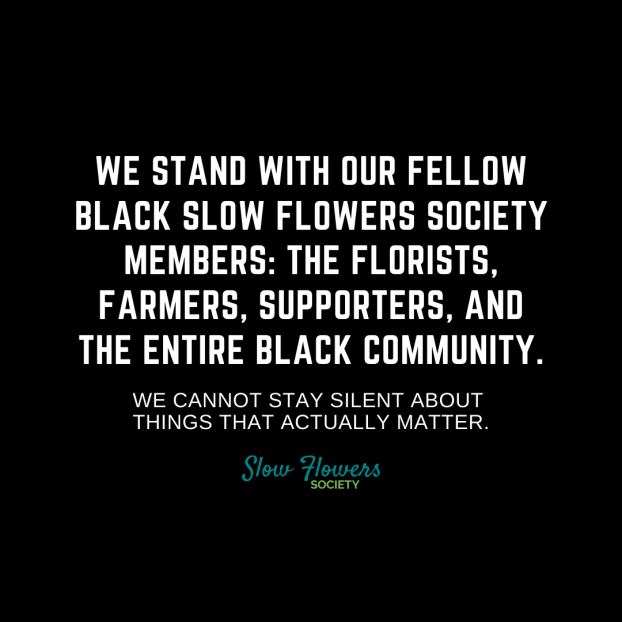
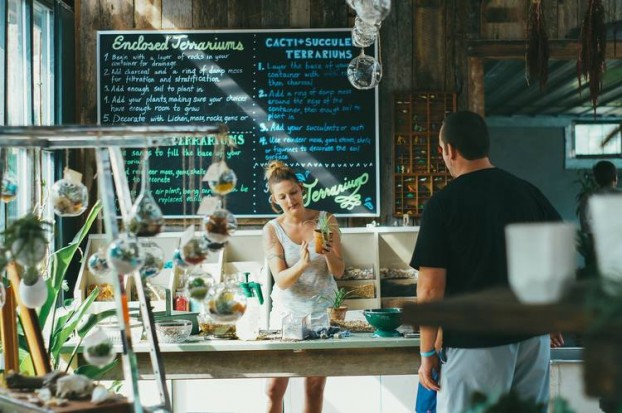
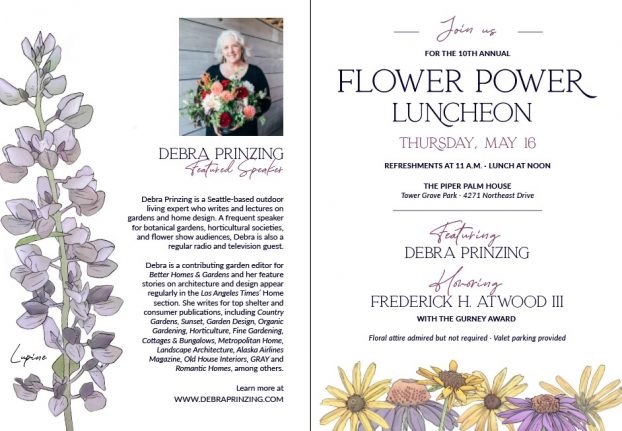
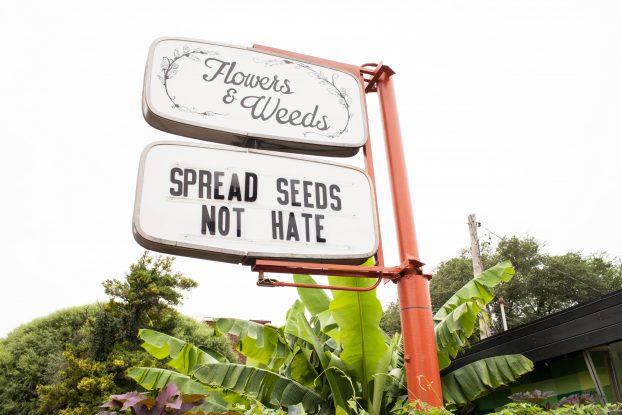
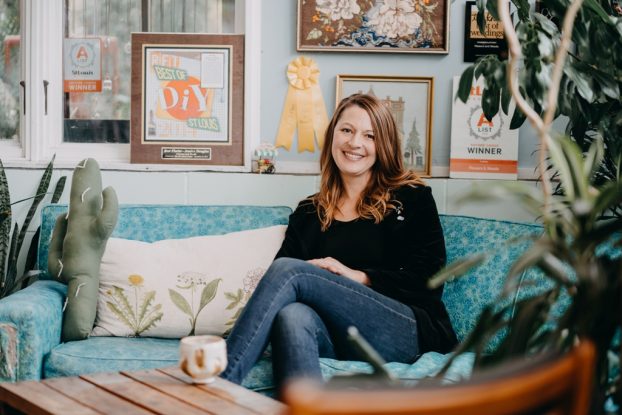
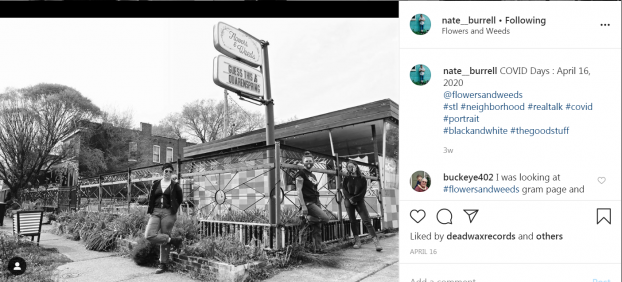
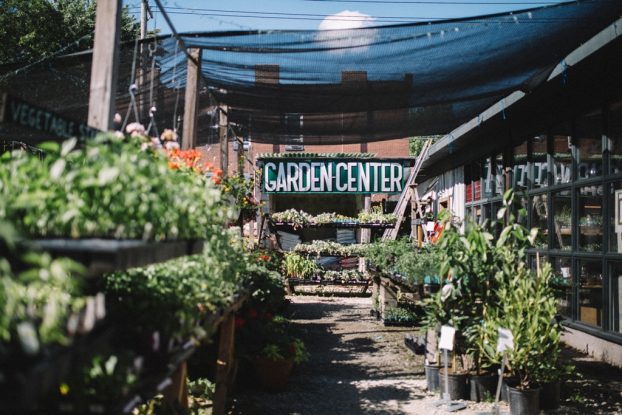
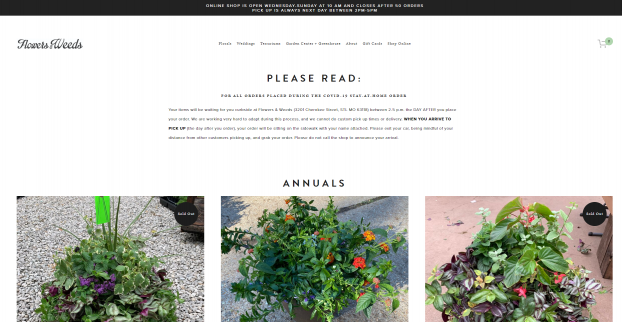
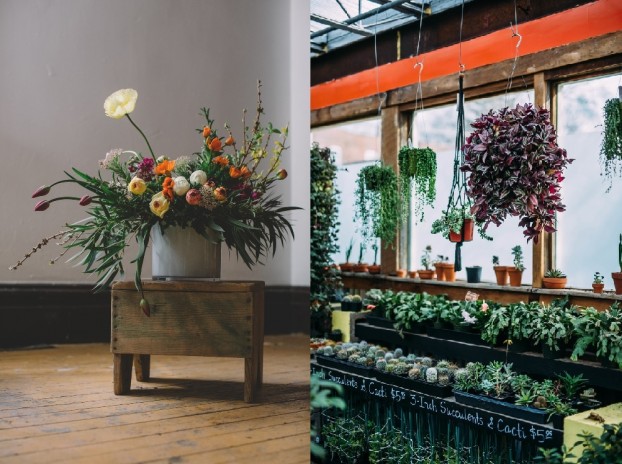
 Thanks so much for listening in on my virtual visit to St. Louis and Flowers and Weeds. The local connections being made are so important and are deepening ties between where flowers are grown and the ways floral consumers can enjoy them while supporting floral agriculture.
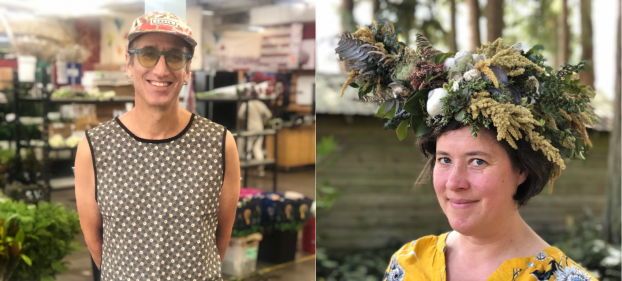
 Our special guests include Yoni Levenbach of
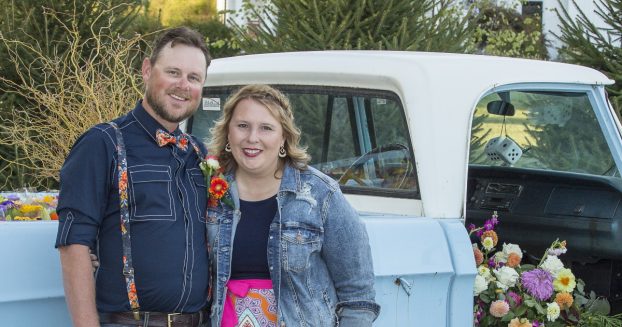
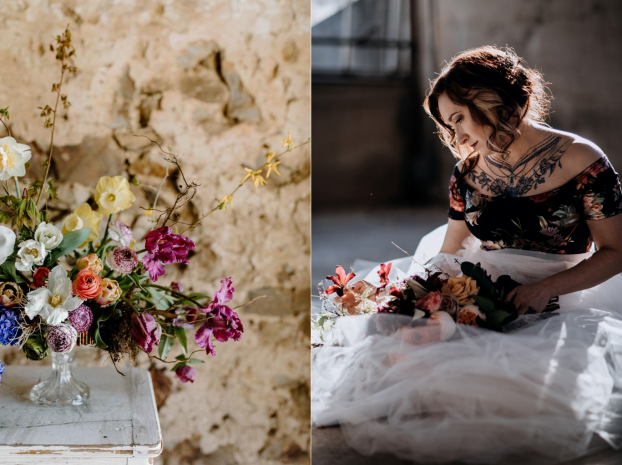
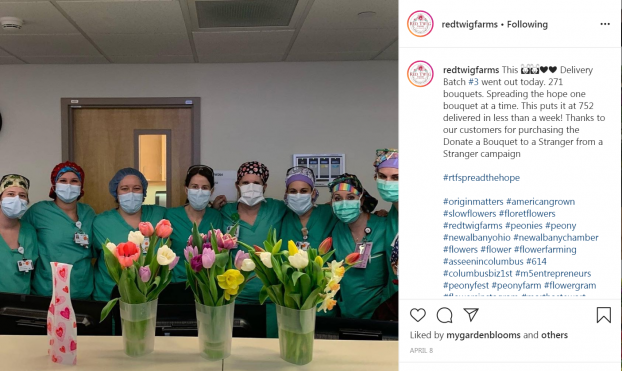
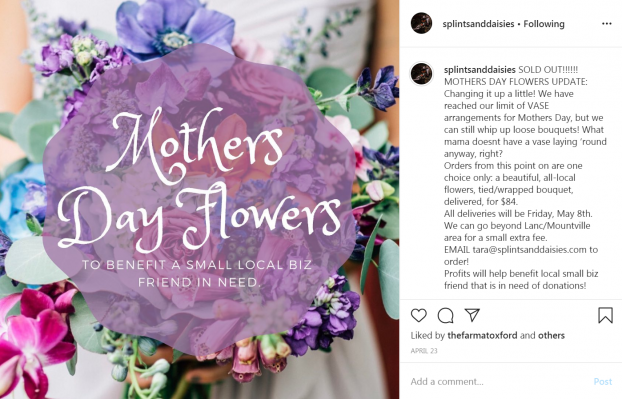
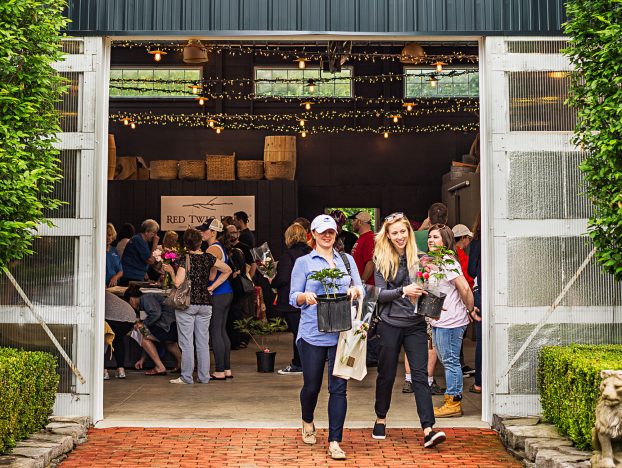
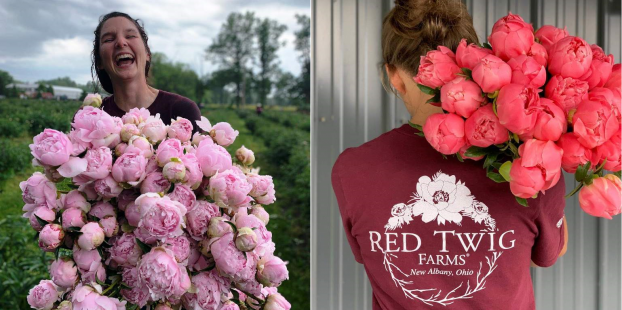

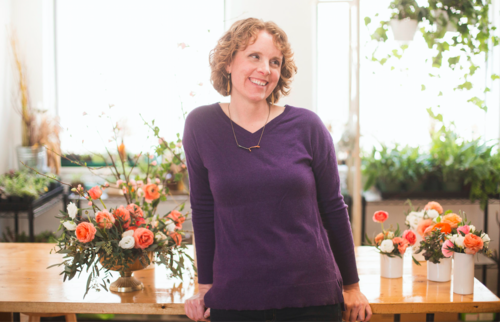
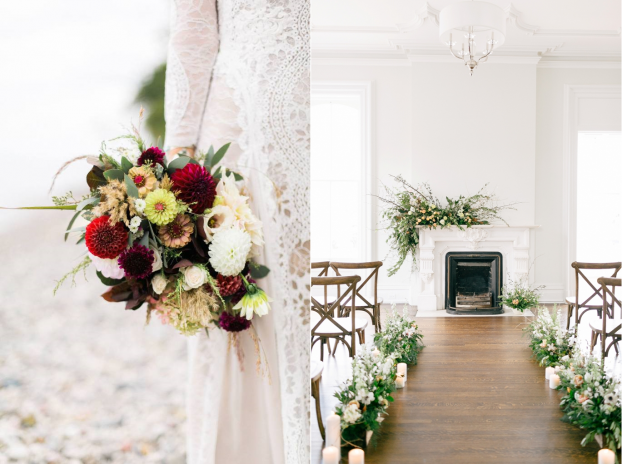
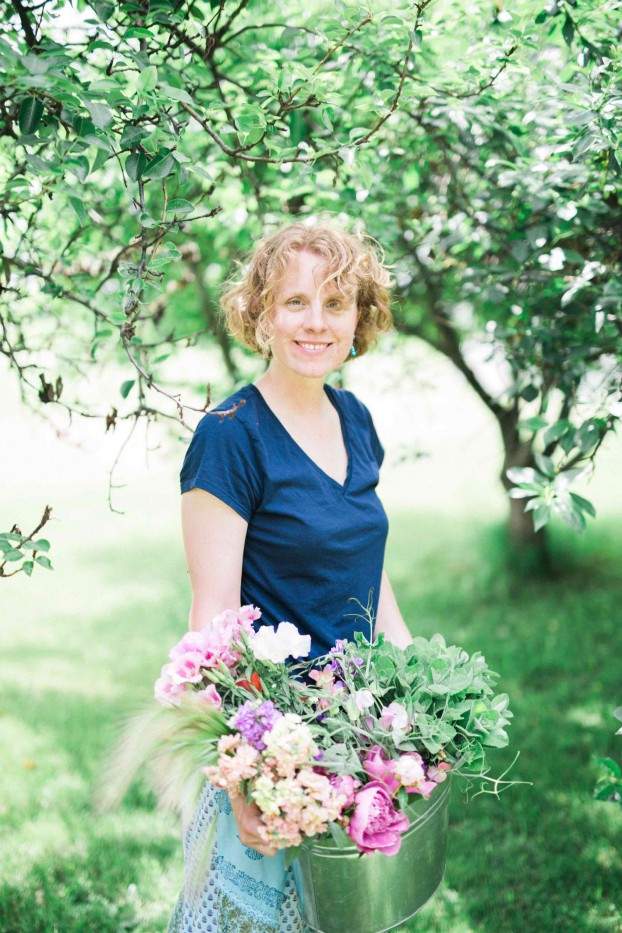
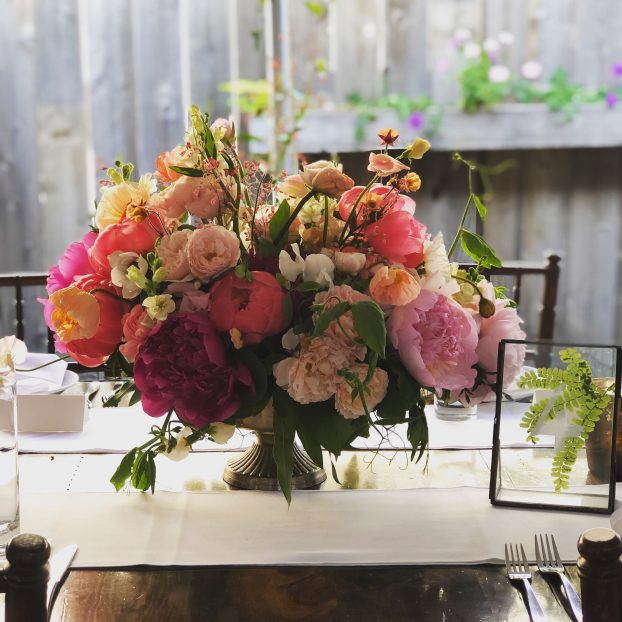
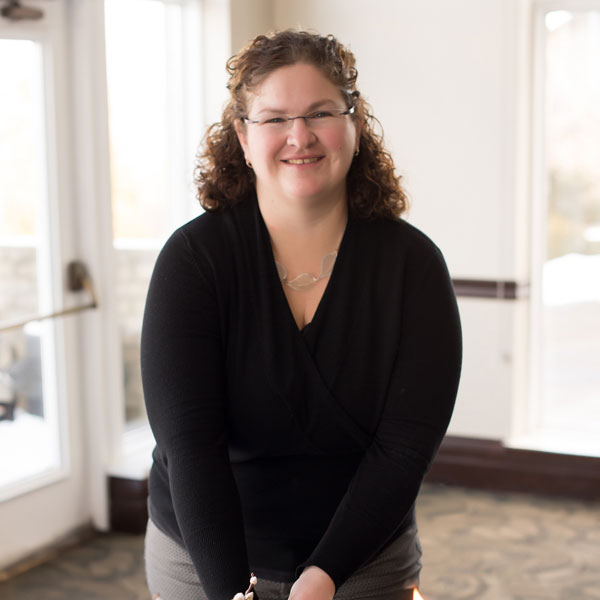
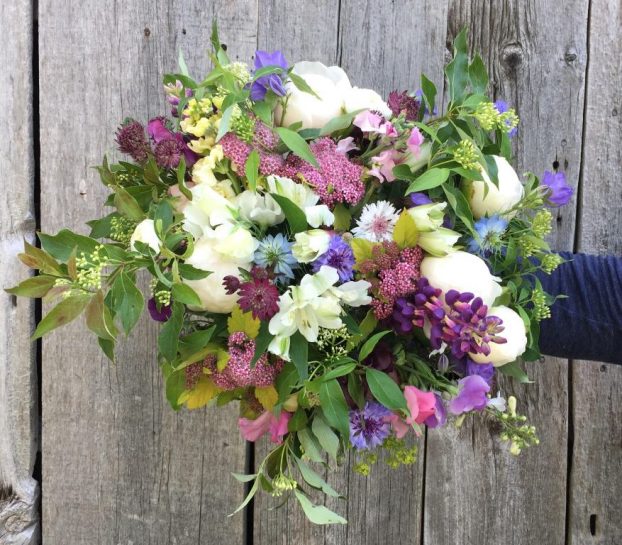
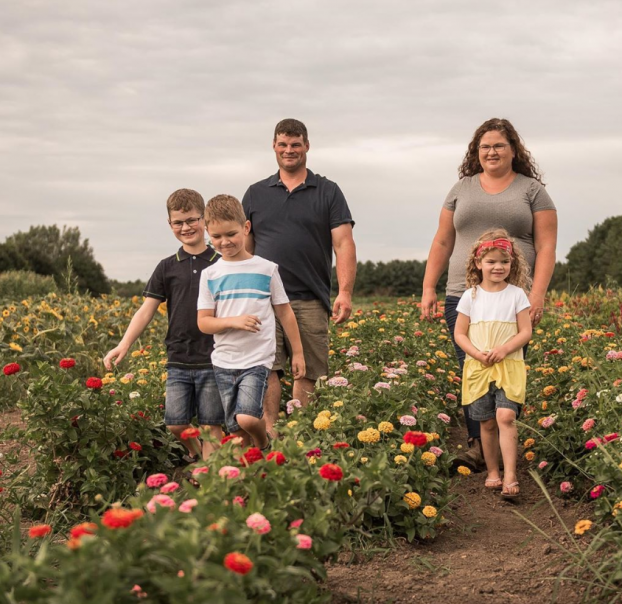

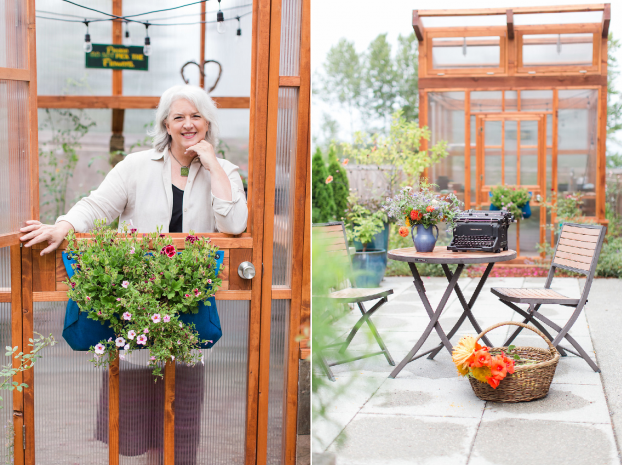
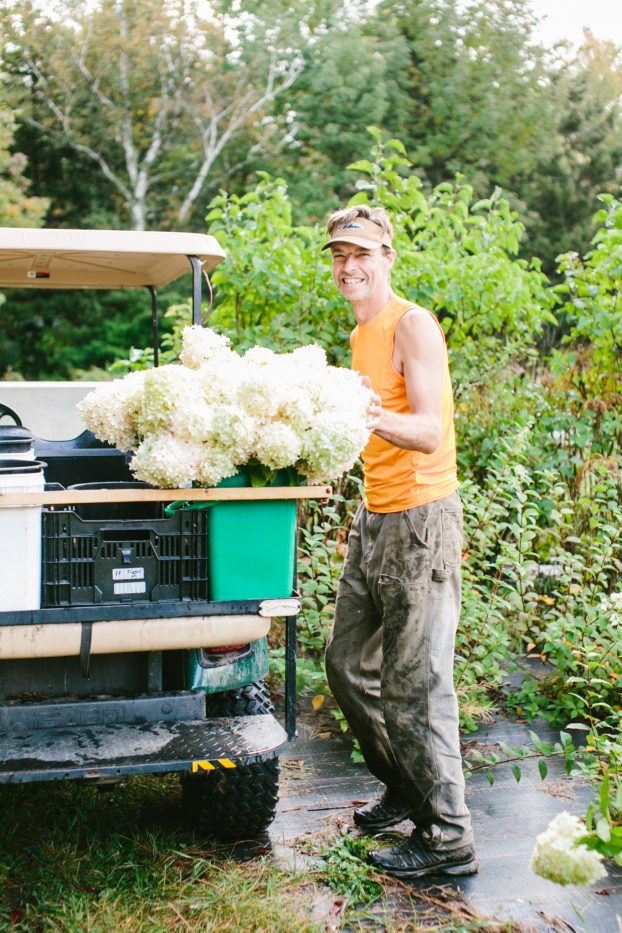
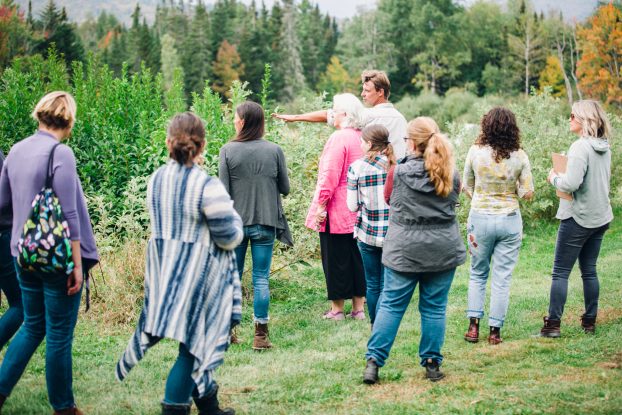
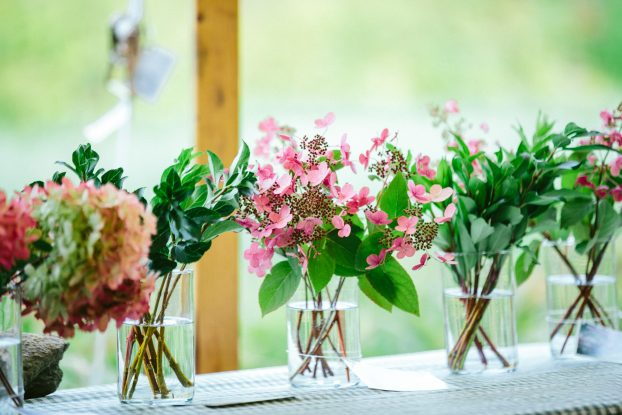
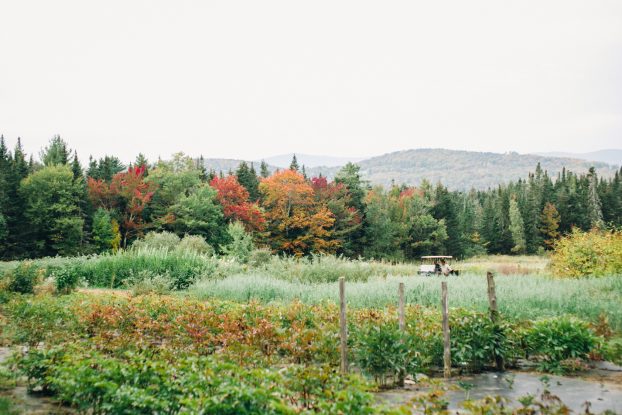
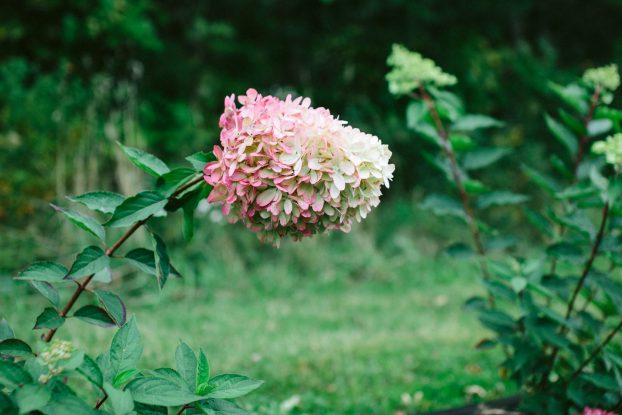
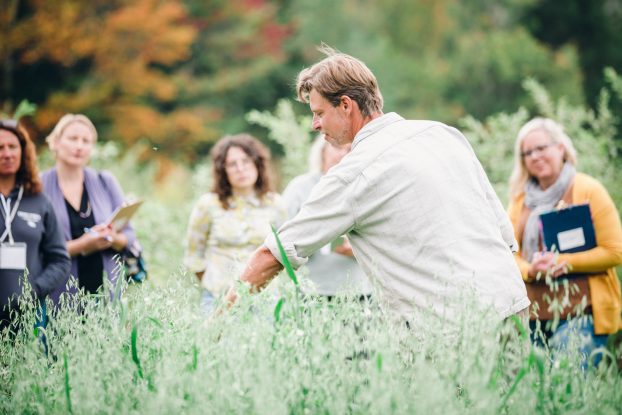
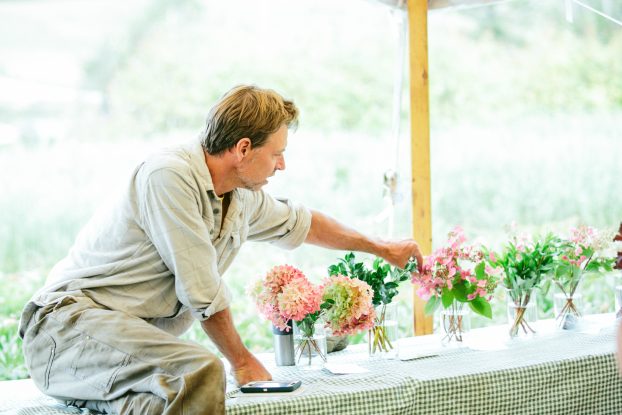
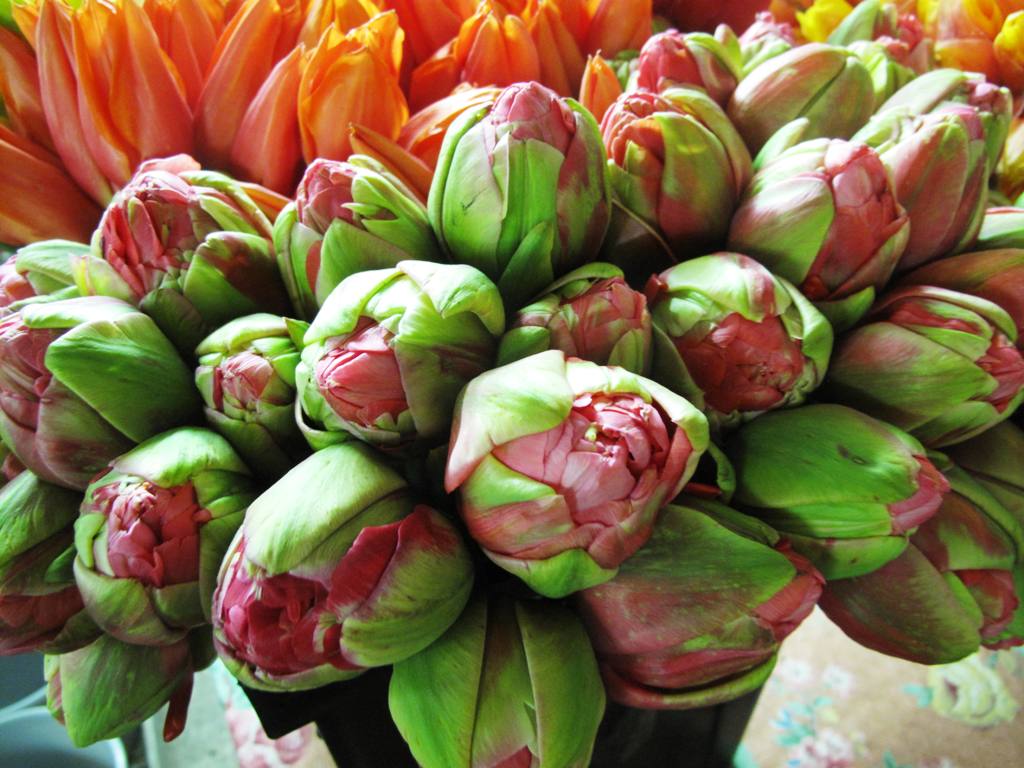
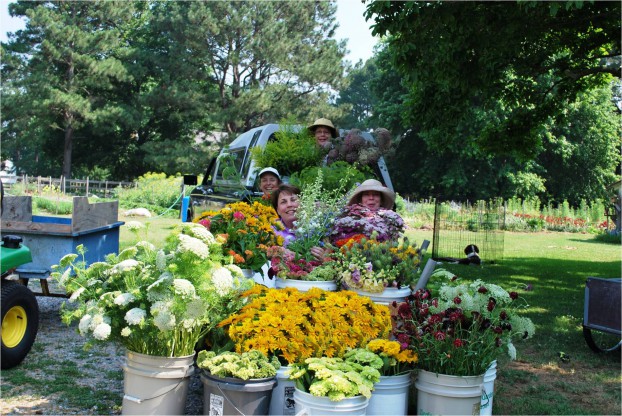
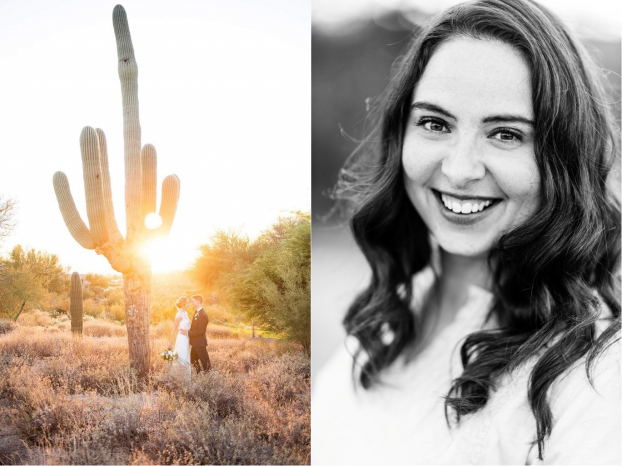
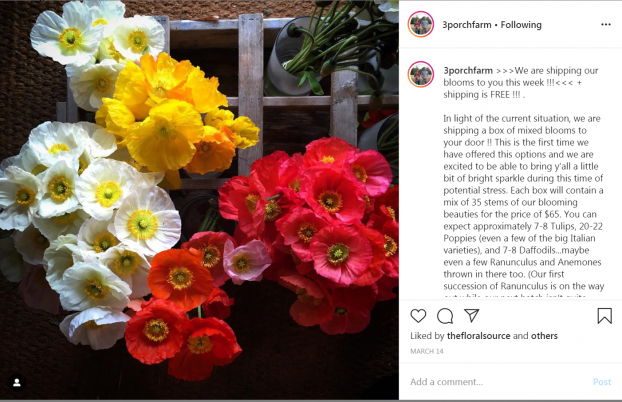
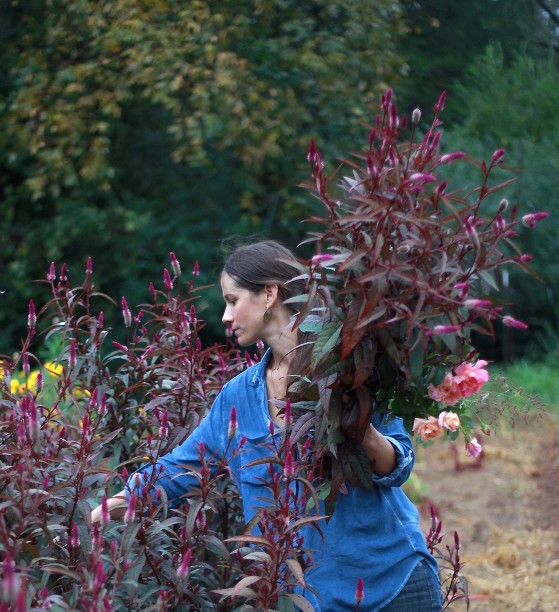
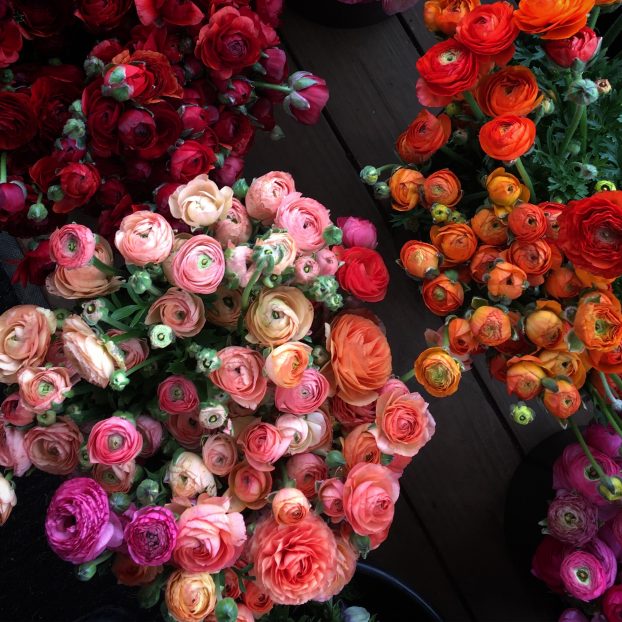
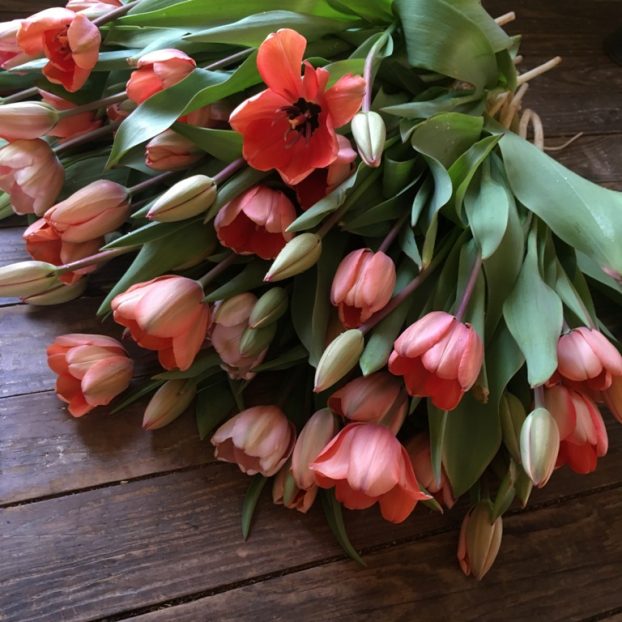
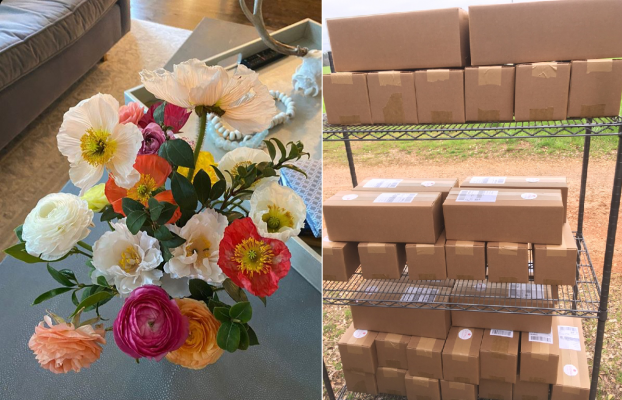
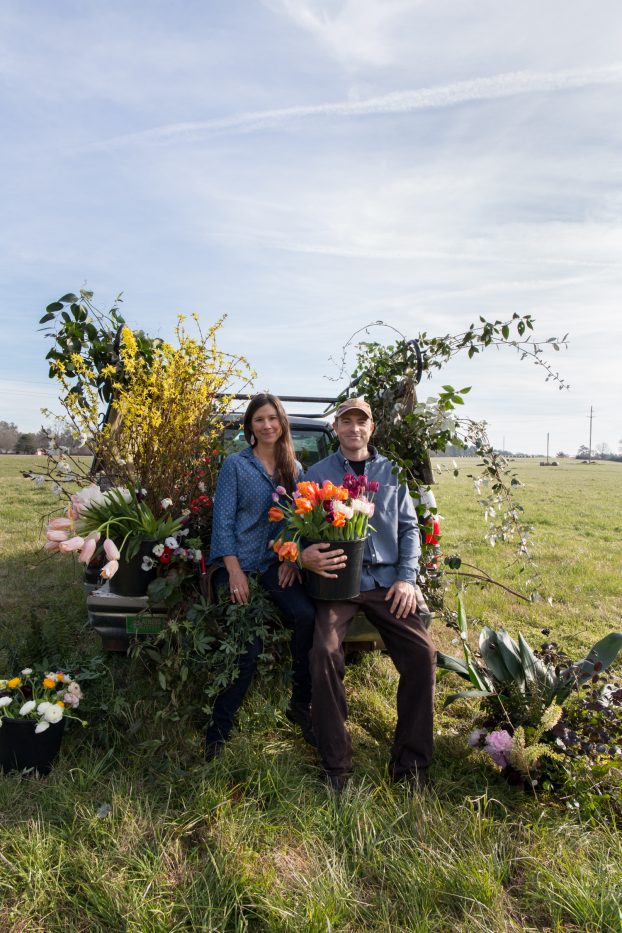
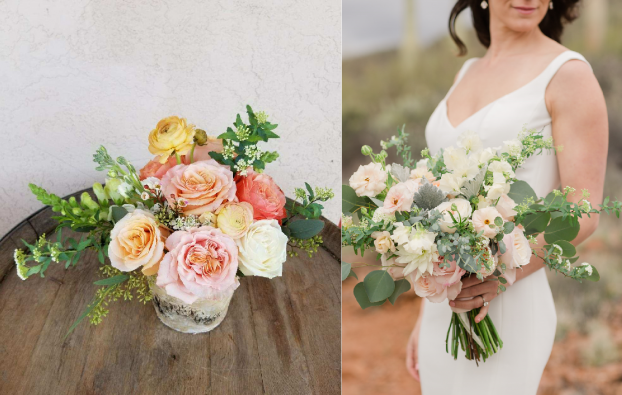
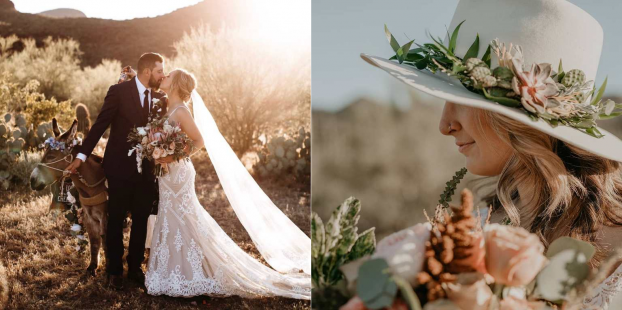
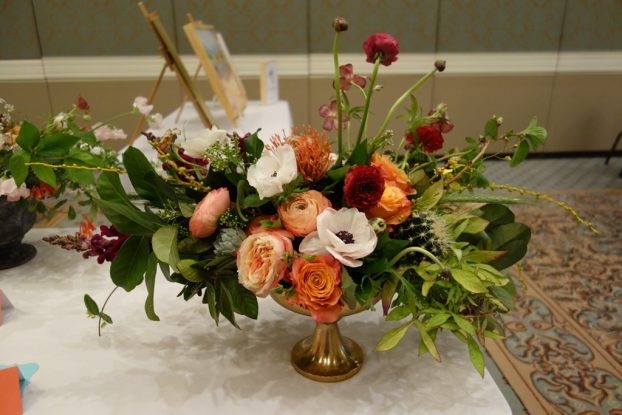
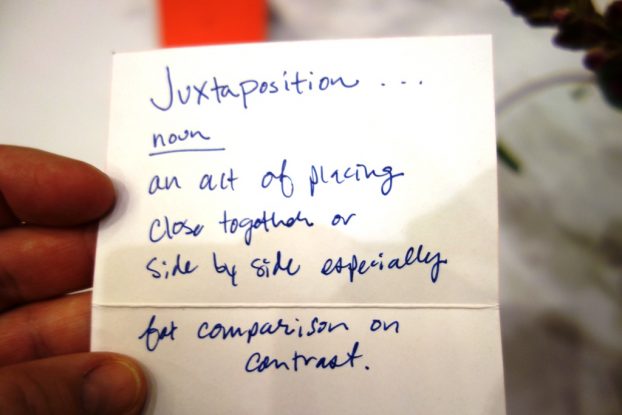
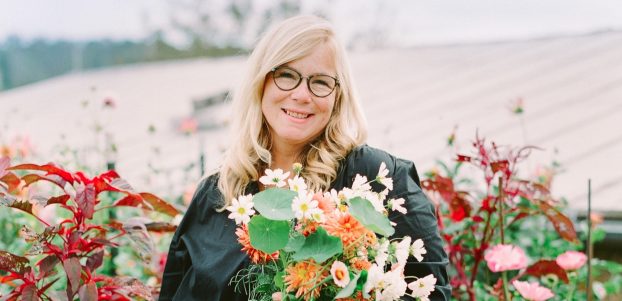
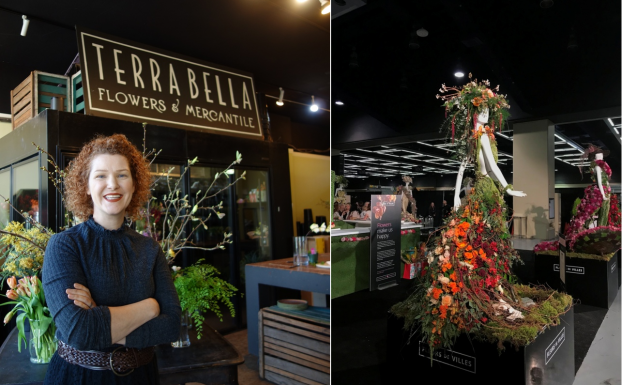
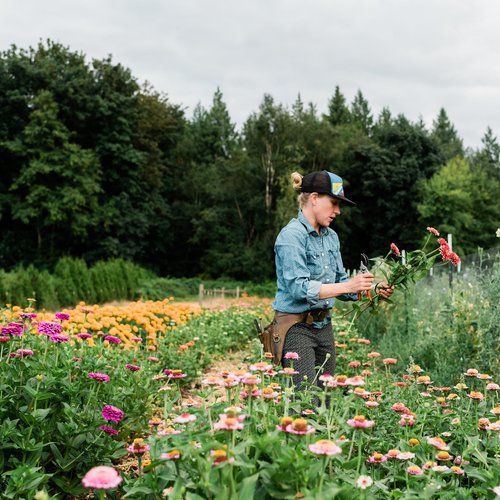
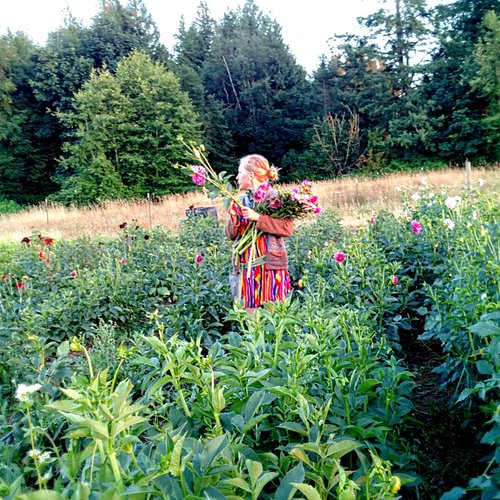
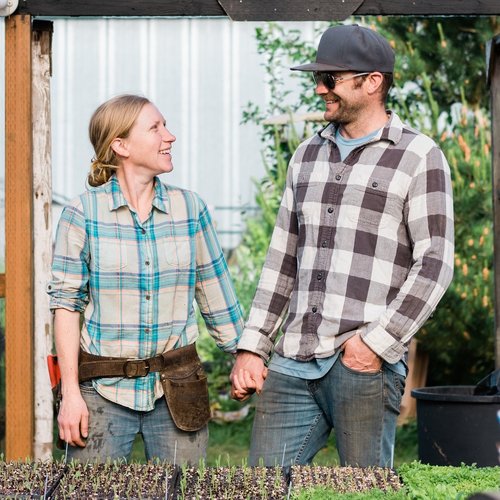
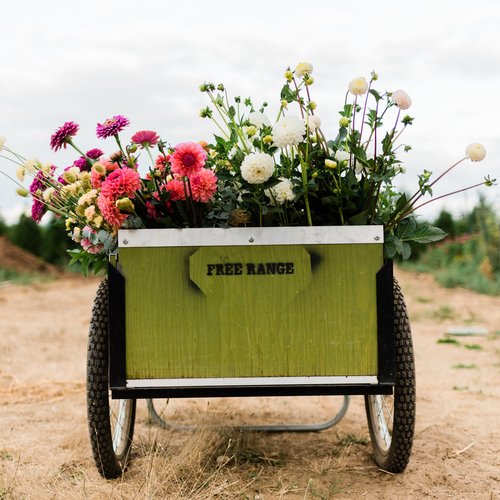
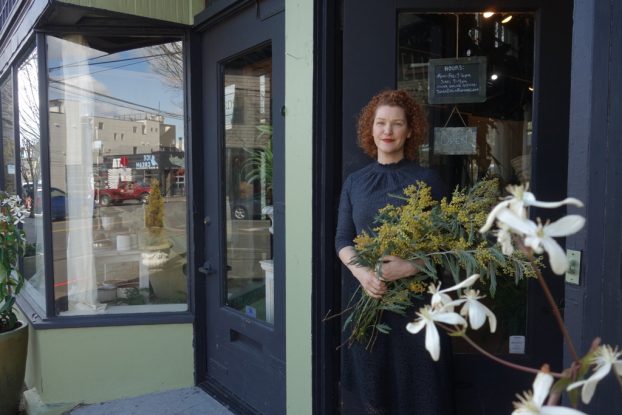
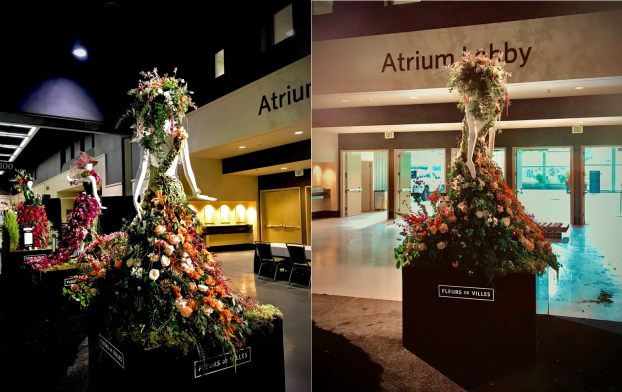
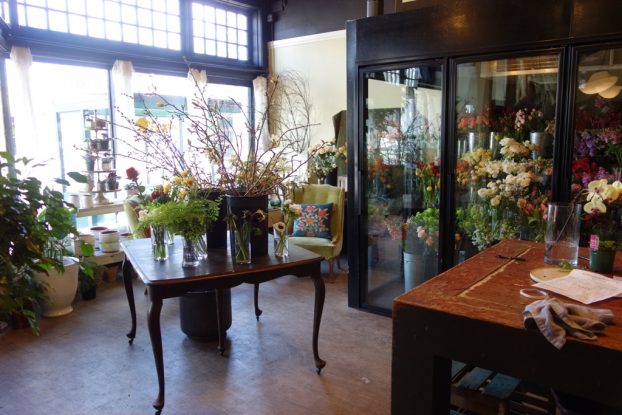
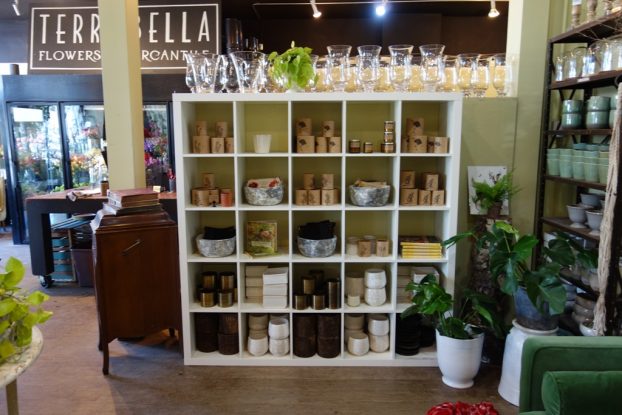
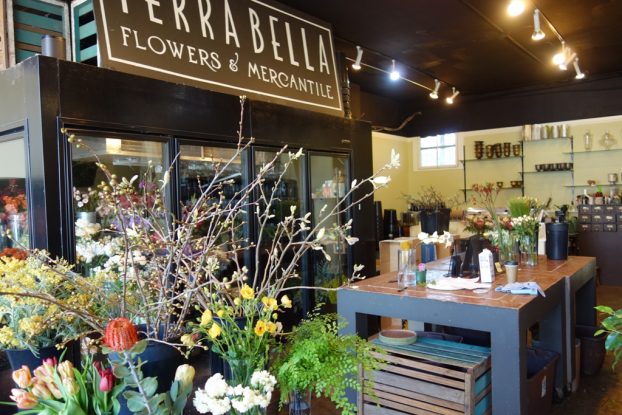
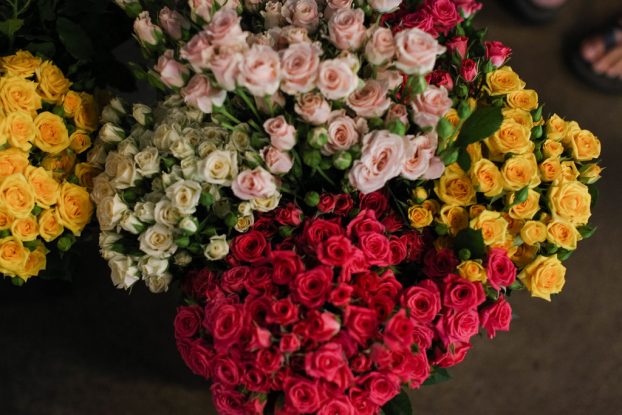
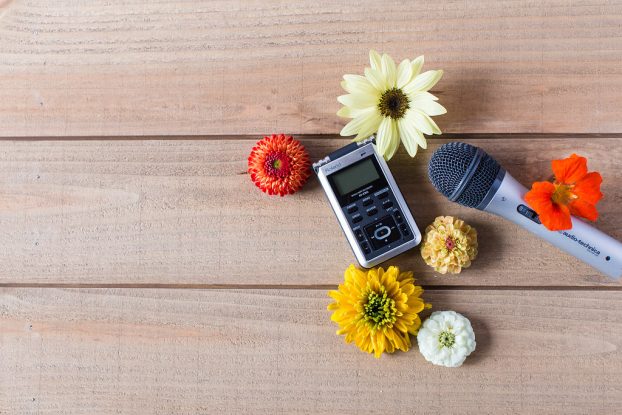
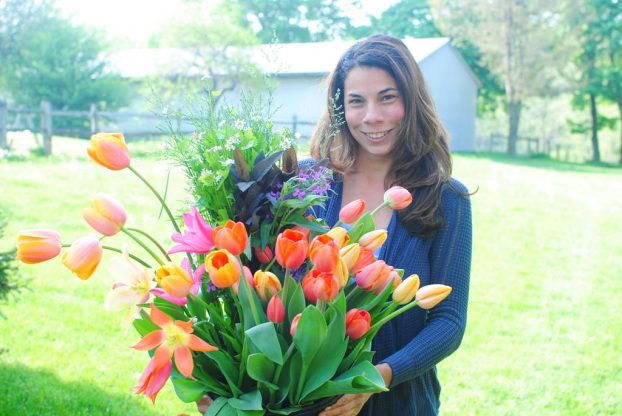
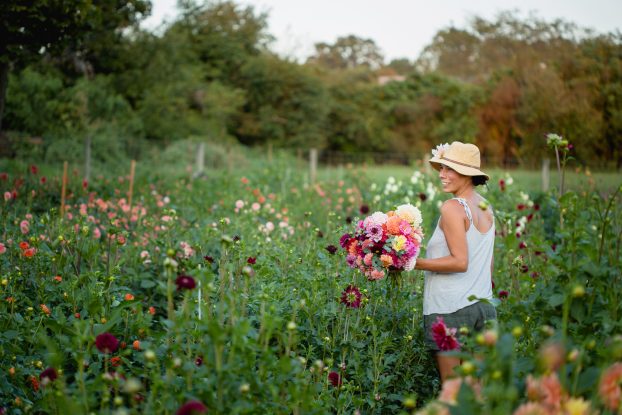
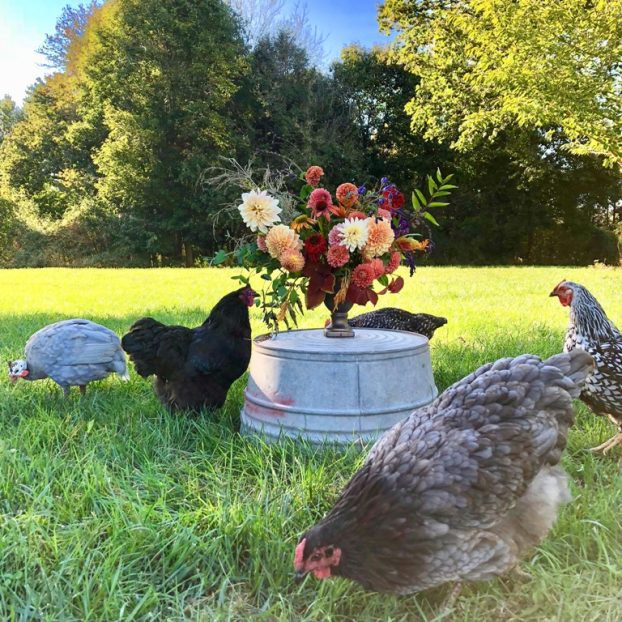
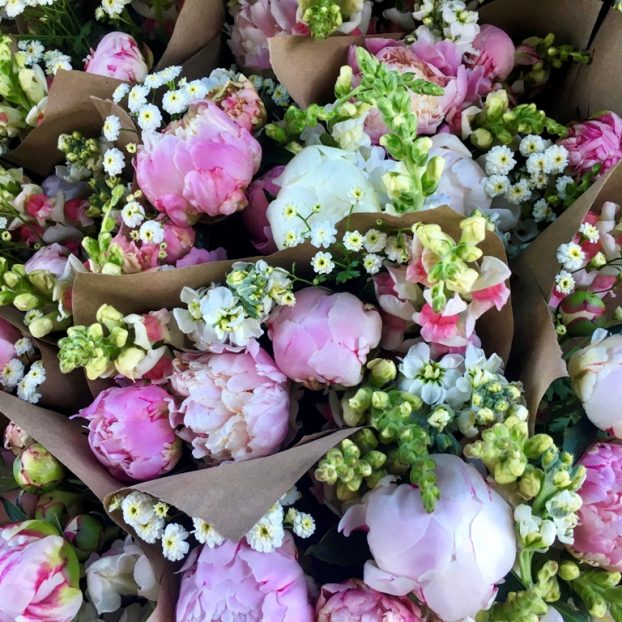
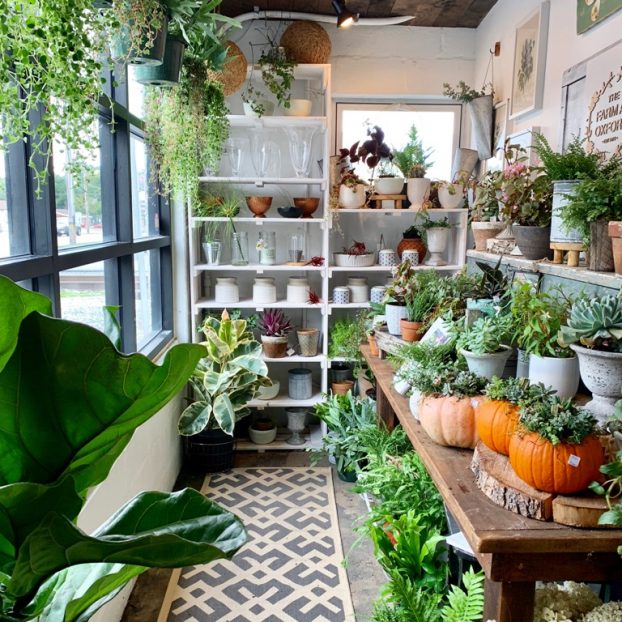
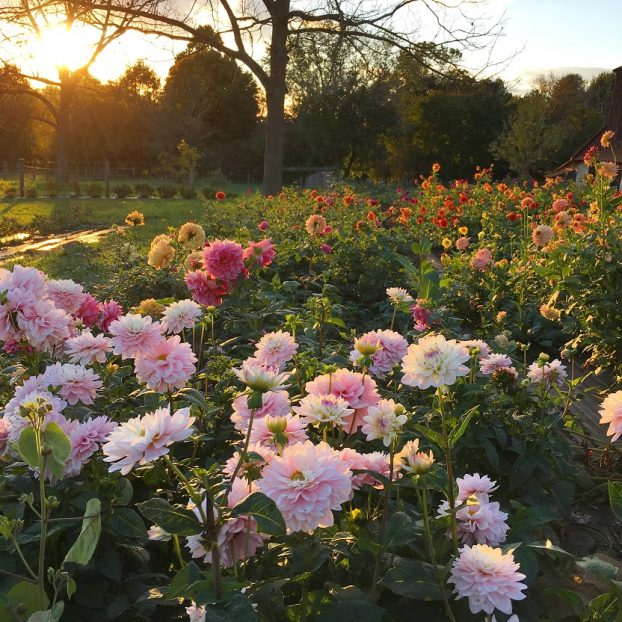
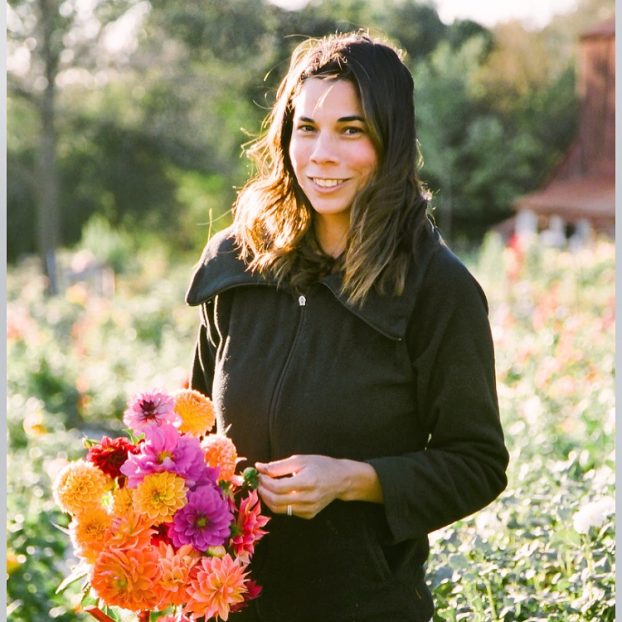
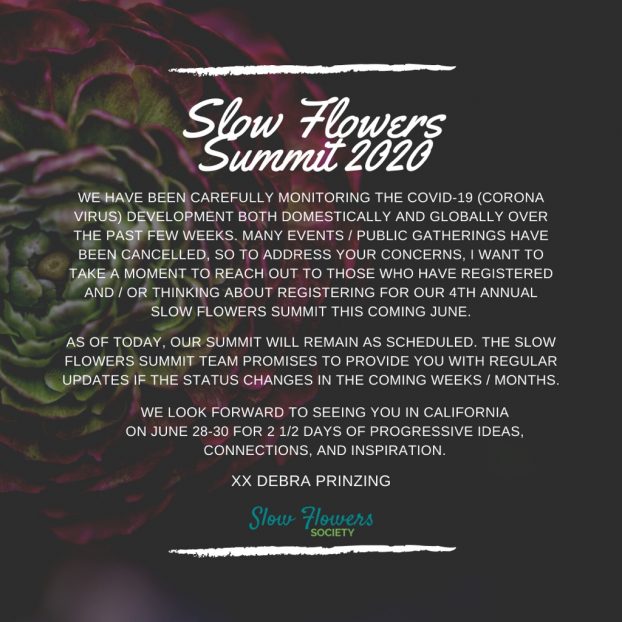
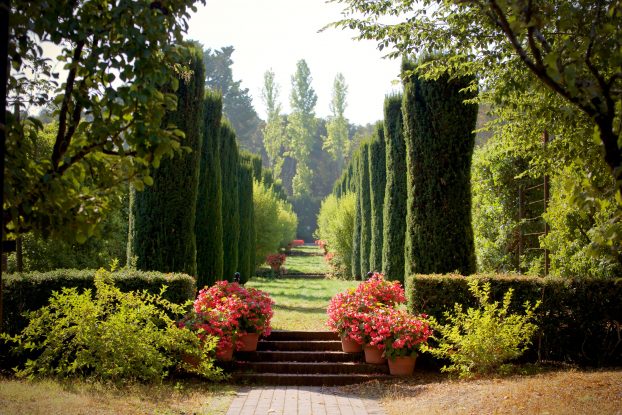
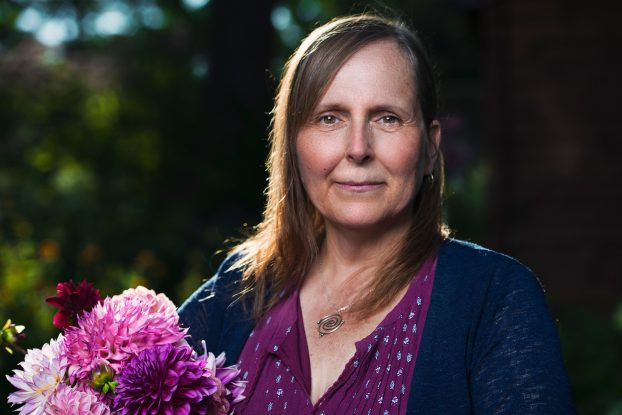
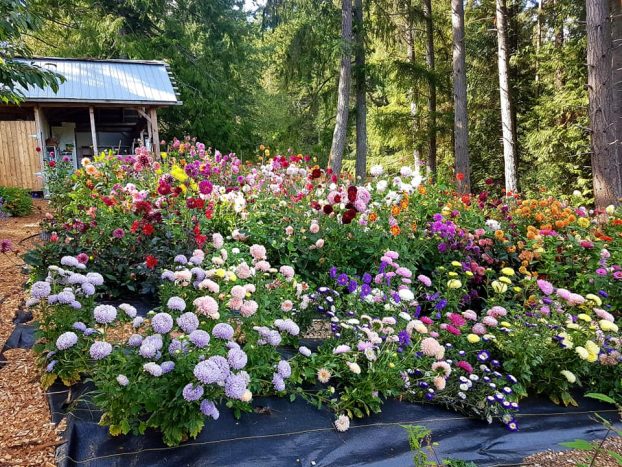
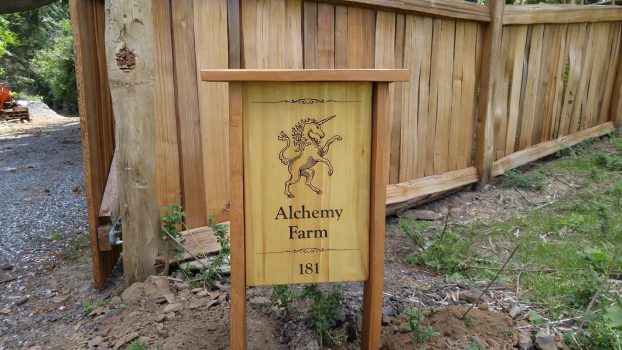
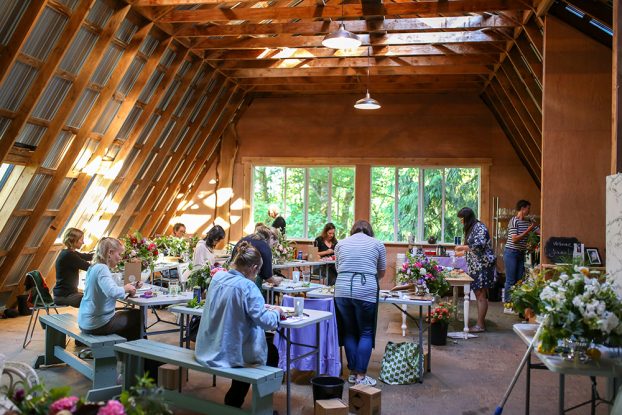
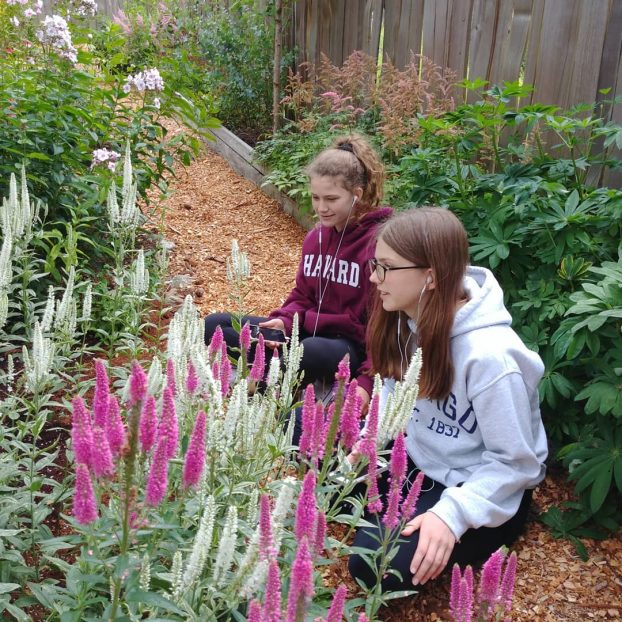
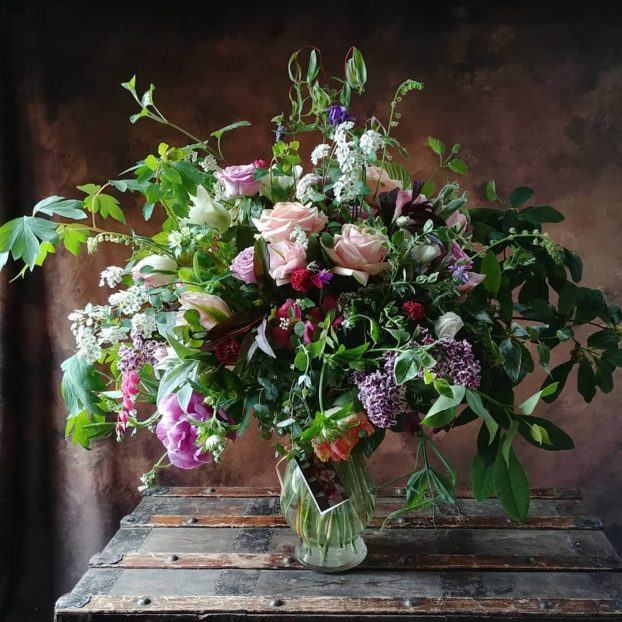
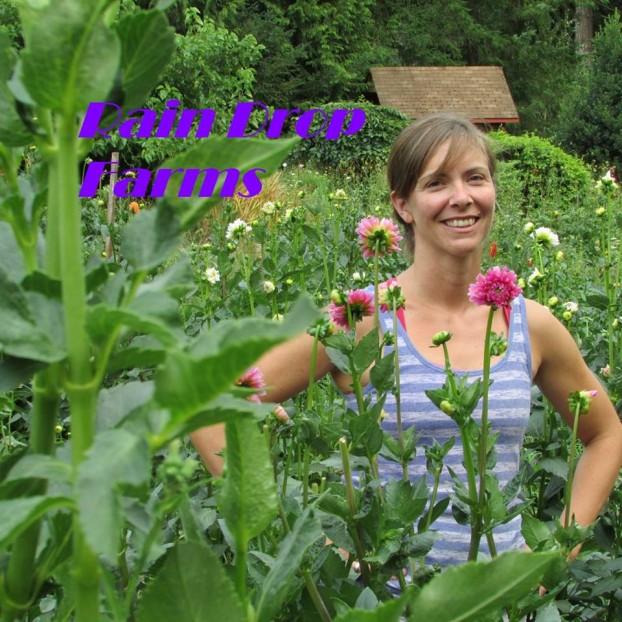
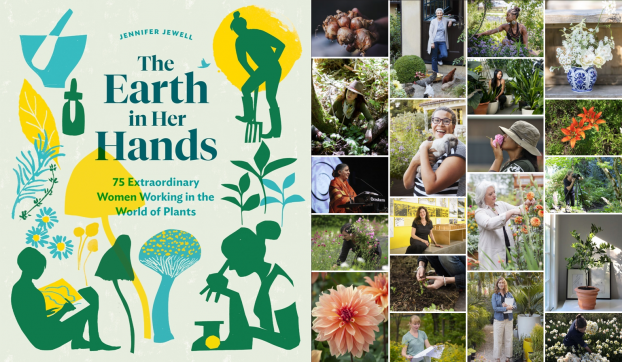
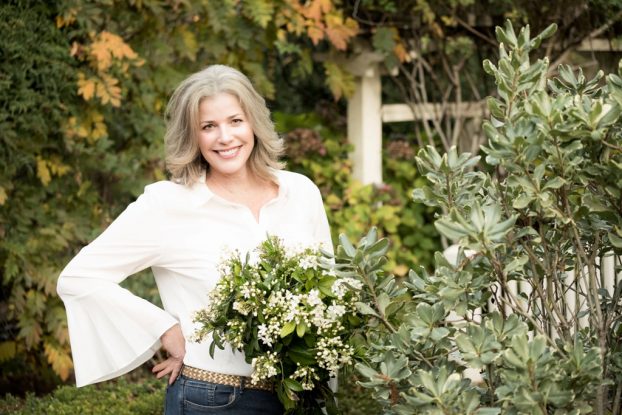
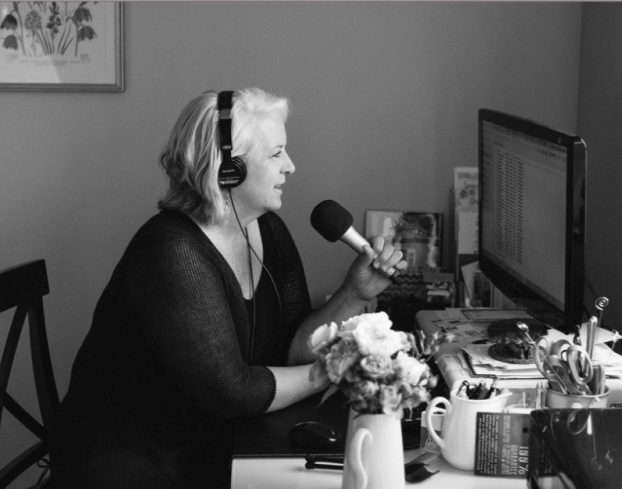
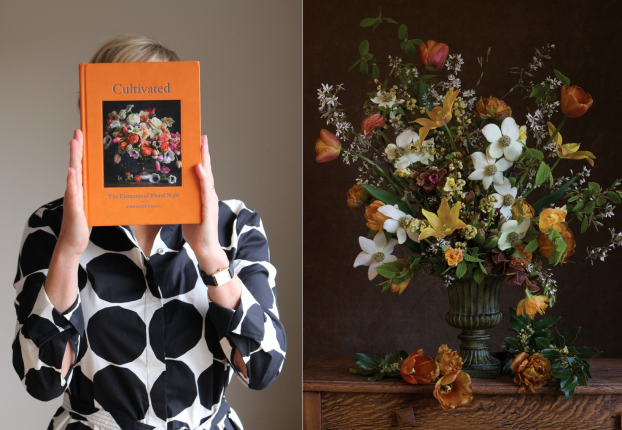
 On Vancouver Island, along the western edge of Canada, gardener, designer, writer and teacher Christin Geall grows flowers and shares her designs through