Debra Prinzing

Get the Email Newsletter!

Archive for the ‘Book reviews’ Category

SLOW FLOWERS Podcast: Meet Alicia Schwede, floral designer and editor of FlirtyFleurs.com (Episode 118)

Wednesday, December 4th, 2013
Floral designer, educator, author-blogger and visionary, Alicia Schwede

Floral designer, educator, author-blogger and visionary, Alicia Schwede

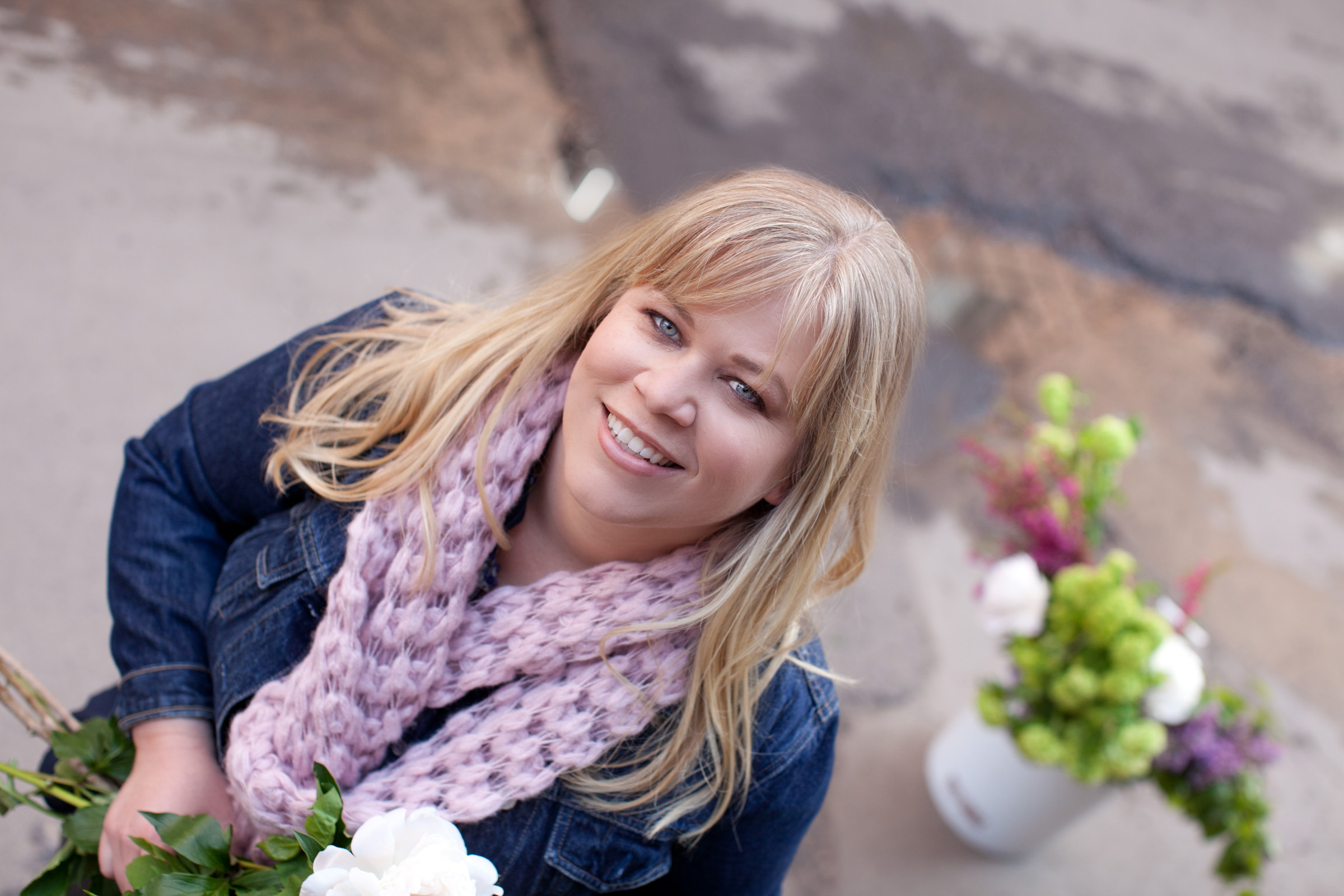
FF-Profile-Pic-180x180If you’re at all active in the online universe, and if you’re a florist or simply passionate about good design, you probably already know about today’s talented guest, Alicia Schwede, creator of the popular FLIRTY FLEURS blog.  Alicia has more than a decade of floral design to her credit, beginning with her first wedding clients in the Bay Area, and later, her Denver-based studio Bella Fiori.  

In the past year, Alicia migrated from Colorado back to Northern California’s wine country, where she created the florals for many happy bridal parties this past wedding season. And now, due to life’s unexpected turns, she is here in the Pacific Northwest. 

The life of a studio designer is a lot like the life of a writer. You are pretty mobile, and you can take your talents with you when you relocate. That’s exactly what happened this fall, when Alicia followed her husband Chad for a work-related move. We met in person when she surprised me by showing up in a workshop I taught last month.  

Since then, we’ve had several great discussions about floral design and the state of the business. I’m excited to share our most recent conversation with you in today’s podcast. Learn more about Alicia, about her career as a floral designer, and what inspired her to launch FlirtyFleurs.com, an online community for floral designers to gain ideas and inspiration from each other.  

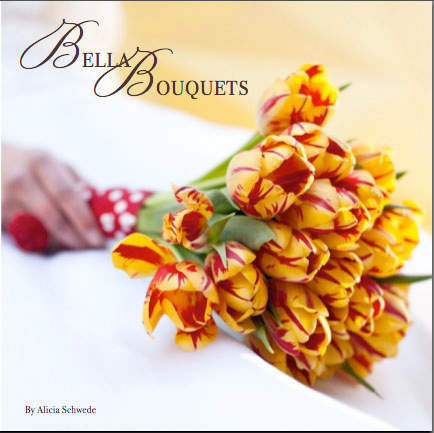
A640In this podcast, we also discuss her beautiful book, Bella Bouquets, which is a compendium of more than 100 wedding bouquets, arranged by color theme, which is quite the perfect way to organize flowers. 

I was struck by this passage from the foreword to Bella Bouquets:

” . . . I still stop dead in my tracks when I spy a perfect peony, a gorgeous garden rose or the sweetest sweet pea at the market,” Alicia writes.  “I find great pleasure in sharing my love and affection toward flowers. This book, and the blog Flirtyfleurs.com are just a few ways for me to share and connect with others while exploring the flower path ahead.”


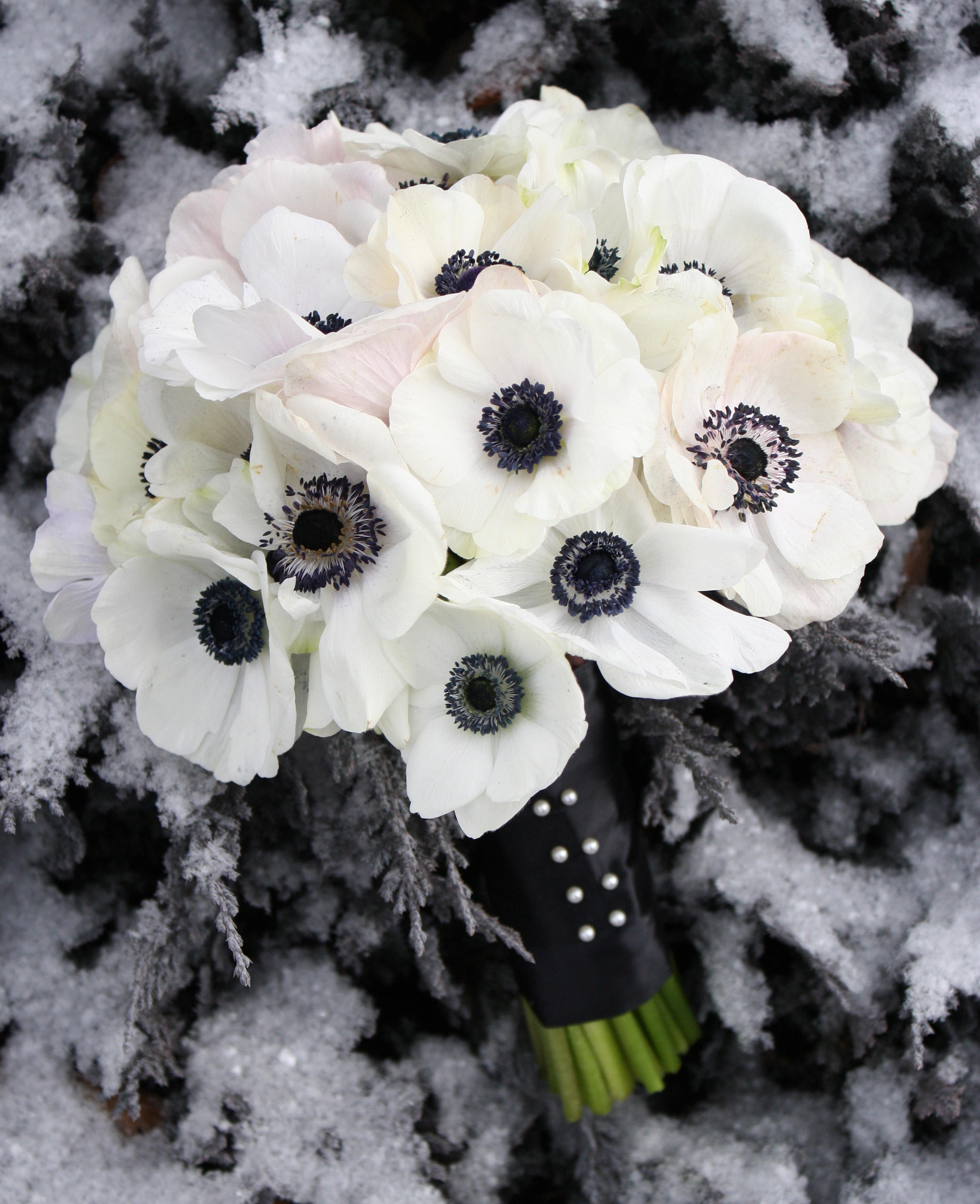
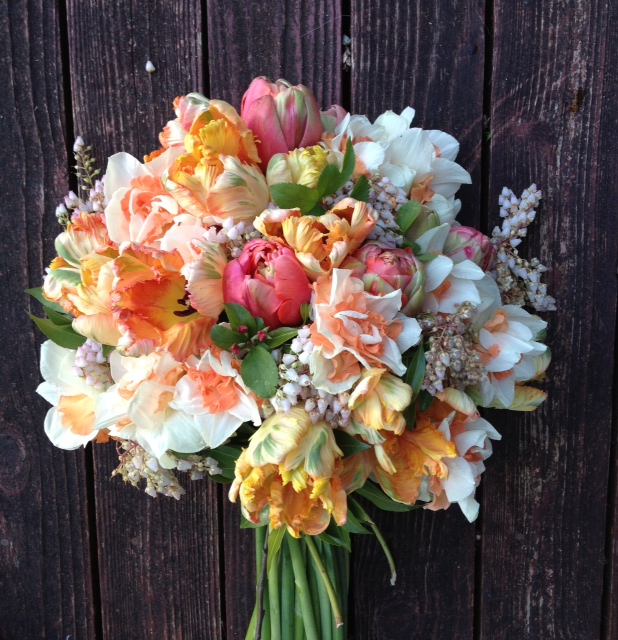
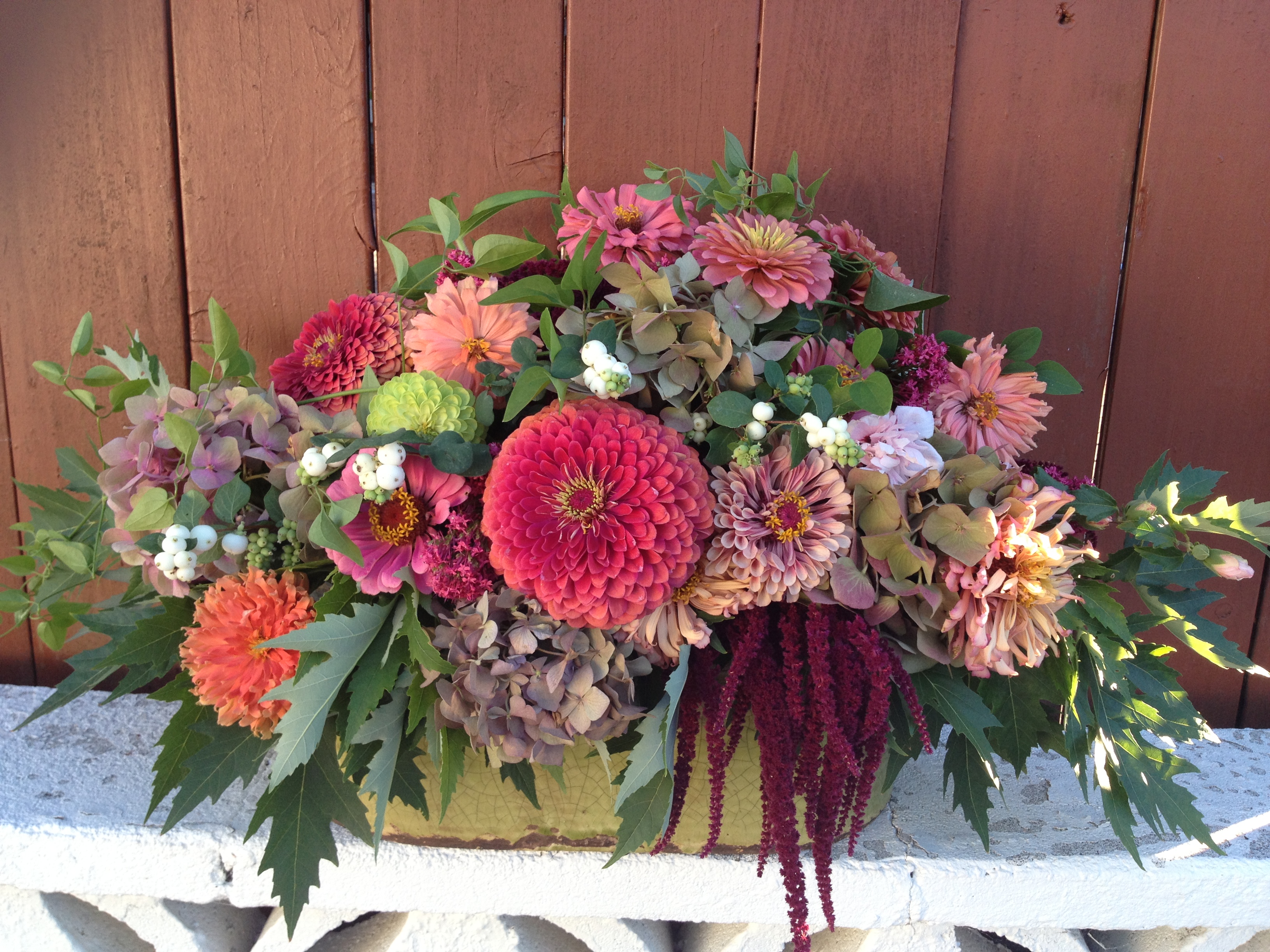
To me, that flower path is right here, under our noses. It’s not on another continent, especially when locally-grown and seasonal botanicals are available to designers and flower lovers. A big believer in locally-grown blooms — and it’s no wonder, since she has many ties to California floral sources — Alicia shared four of her favorite American-grown arrangements for you to see here. “How funny is that?” she wrote in her email message accompanying these images. “Four bouquets representing three different states!” 

Anemones are grown by Stevens & Son in Arvada, CO (designed in CO)

Anemones are grown by Stevens & Son in Arvada, CO (designed in CO)


Tulips bouquet - all tulips and daffodils from Pike Place Market;  Washington grown (designed in WA)

Tulips bouquet – all tulips and daffodils from Pike Place Market;
Washington grown (designed in WA)


Bella Fiori Garden - from Alicia's garden, all of it!

Bella Fiori Garden – from Alicia’s garden, all of it!


 Bella Fiori Dahlias - mostly from Alicia's garden, Dahlias are CA grown (designed while in CA)


Bella Fiori Dahlias – mostly from Alicia’s garden, Dahlias are CA grown (designed while in CA)


If you're interested in learning more about Alicia and Flirtyfleurs, be sure to subscribe to her free 
newsletter. You'll also find details and registration information on Alicia's "Bridal Bouquet Workshop,"
which I'm hosting at my event space in Seattle's Pioneer Square on Feb. 1, 2014.
 

Thank you  for joining me in this episode of the SLOW FLOWERS Podcast with Debra Prinzing. Because of your support as a listener, there have been more than 3,500 downloads since July – and I thank you for taking the time to join to my conversations with flower farmers, florists and other notable floral experts.

If you like what you hear, please consider logging onto Itunes and posting a listener review.

Thank you, Alicia, for such inspiration! Until next week please join me in putting more American grown flowers on the table, one vase at a time. 

The Slow Flowers Podcast is engineered and edited by Hannah Holtgeerts. Learn more about her work at hhcreates.net. 
SLOW FLOWERS Podcast: Cooking with Flowers, an interview with chef Miche Bacher of Mali B. Sweets (Episode 111)

Wednesday, October 16th, 2013
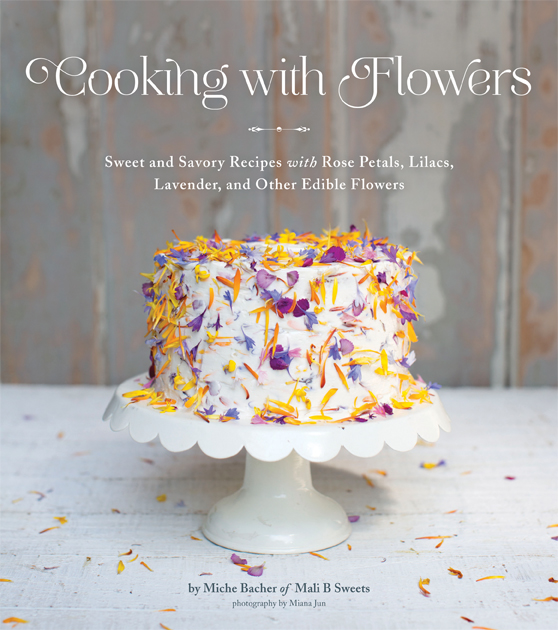
Flower Cake Cover

Featured on the cover of “Cooking with Flowers” is Miche’s “Flowerfetti” Calendula Orange Cake. Flower petals are the “original cake confetti,” she maintains. Roses, dianthus, bachelor buttons and marigold petals adorn this enticing confection.

Today we’re going to talk about eating flowers.

Yes, flowers as food.

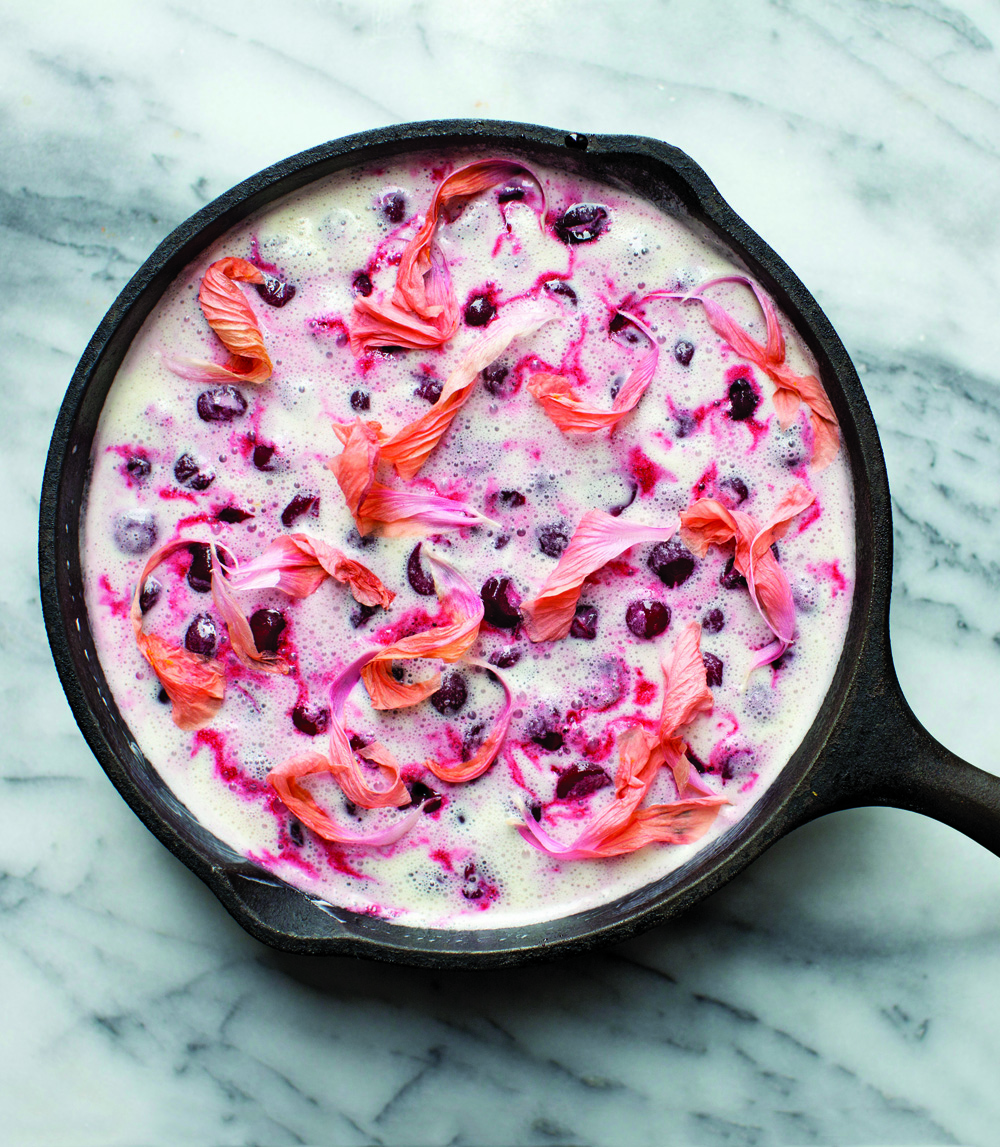
Hollyhock Clafouti

Hollyhock Clafouti, a cross between a custard, a pancake, and a puffy omelet. Uses 1 cup hollyhock petals.

I once had a big-time New York editor say to me: Why should I care about how flowers are grown, anyway? After all, we don’t eat them!

As a response to that challenge, I wish I had been able to pull out “Cooking with Flowers,” the most eye-satisfying book I’ve ever seen. It was created by Miche Bacher, an herbalist, chef, and founder of the custom confectionary studio Mali B Sweets.

To WIN a free copy of “Cooking with Flowers,” courtesy of Quirk Books, listen to to my interview with Miche and make a comment below about the best edible flower tip you learned. I will draw a winner at random on Tuesday, October 22nd at 5 p.m. Pacific.

I learned about this beautiful cookbook from Mari Malcolm, an editor at Amazon who absolutely loves “Cooking with Flowers.” Mari showed me the book’s beautiful cover on her phone screen during a lunch we had together this past spring.

I keep ordering this delectable book and then giving it away as a gift to my flower lover-friends. And now, it is my great pleasure to spend this episode of Slow Flowers in a floral-focused conversation with Miche.

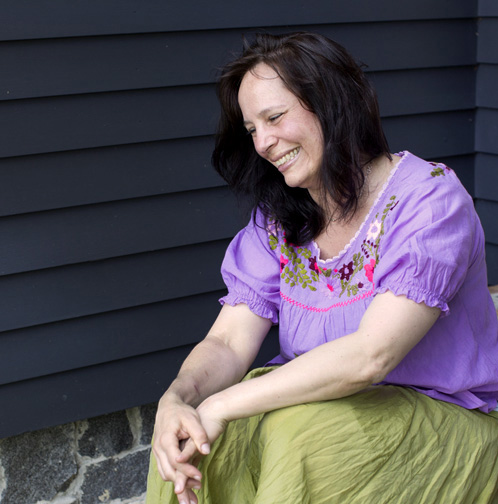
Miche Bacher

Miche Bacher, herbalist, chef, and founder of the custom confectionary studio Mali B Sweets.

In her introduction, Miche writes:

“Flowers add color, complexity, and what I like to call the magical ‘what’s in it’ factor to your food. They are full of nutrients and often offer health benefits, too. You don’t have to be a master gardener or a trained chef to cook with flowers – once you start looking, you’ll realize edible blossoms are all around you, and it really is a breeze to use them.”

She is definitely a chef whose work begins in the garden. Through “Cooking with Flowers,” I’ve gained new inspiration for another important reason to appreciate local flowers.

I know you will learn much from my conversation with Miche, as we discuss her favorite culinary ingredients, including the lowly dandelion.

Fresh and candied lilac flowers are the captivating ingredient in Miche's "Coconut Lilac Tapioca," a recipe in her book, "Cooking with Flowers" [photo: (c) Miana Jun, used with permission]

Fresh and candied lilac flowers are the captivating ingredient in Miche’s “Coconut Lilac Tapioca,” a recipe in her book, “Cooking with Flowers” [photo: (c) Miana Jun, used with permission]  


4 tablespoons of dianthus petals, coarsely chopped, infuse this delicious cake that also includes 2/3-cup rose' wine. Dianthus whipped cream and candied dianthus flowers are a perfect embellisment. [photo: (c) Miana Jun, used with permission]

4 tablespoons of dianthus petals, coarsely chopped, infuse this delicious cake that also includes 2/3-cup rose’ wine. Dianthus whipped cream and candied dianthus flowers are a perfect embellisment. [photo: (c) Miana Jun, used with permission] 


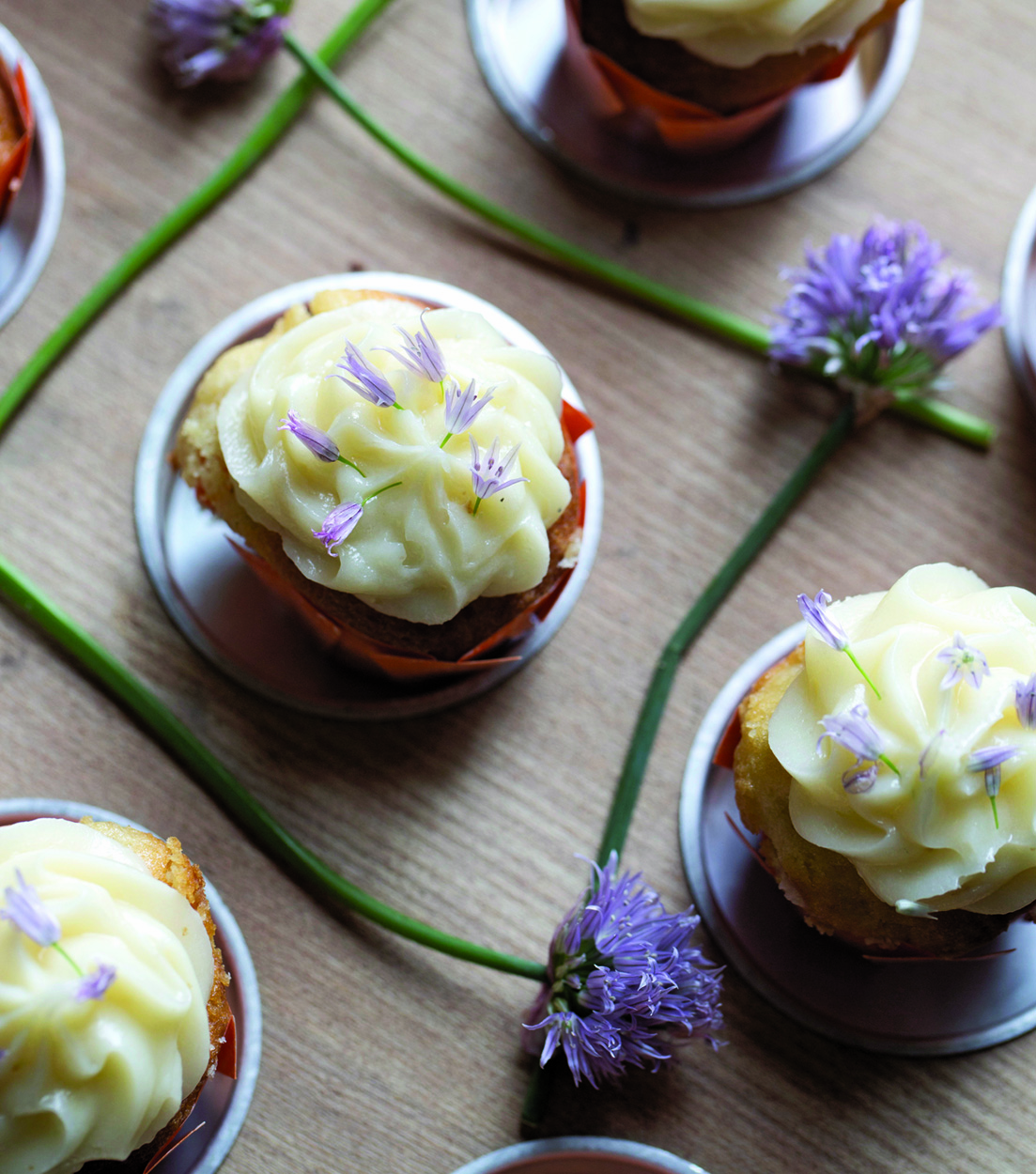
Popcorn chive cupcakes

Popcorn Chive Blossom Cupcakes, a floral play on sweet and savory.

Here are some links we discussed in the interview:

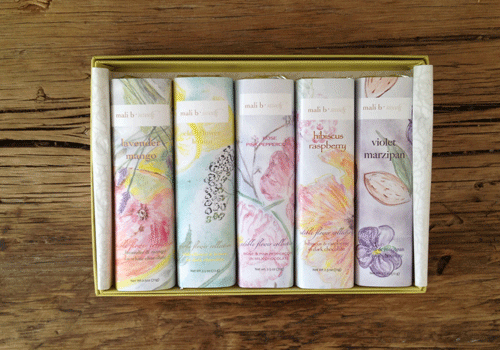
Mali B’s Edible Flower Chocolate Collection:

candy bars

Edible Flower chocolate collection from Mali B Sweets, $30 for the set.

Memorial Sloan-Kettering Cancer Center LINK to Herbs, Botanicals & Other Products: 

Click here for MORE about COOKING WITH FLOWERS, including exclusive recipes that Miche couldn’t fit into the book. You’ll also find bonus recipes for the medicinal and cosmetic use of flowers, salves, oils, and teas for healing; download recipe cards and read a Q&A with this talented woman. 


Into the Garden with Charles Anew

Wednesday, August 28th, 2013
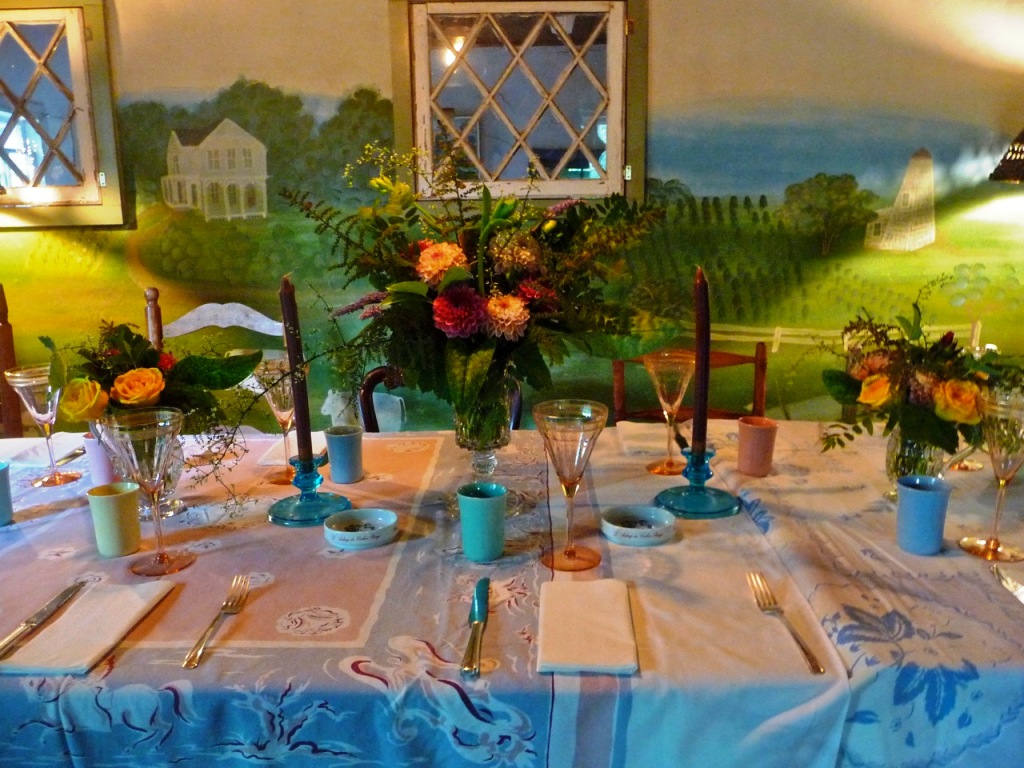
Table Arrangement

A lovely table arrangement where the vases seem to blend into the primitive wall mural of Orient, New York . . . as imagined and painted by Skip many years ago.

Last April 2012, I wrote about the beautiful memoir by my late friend Clyde “Skip” Wachsberger.

The book is called Into the Garden With Charles.  It was first published privately by friends of Skip’s (under the guidance of editor and friend Karen Braziller) in December 2010. Farrar, Straus and Giroux published it commercially in early 2012, although Skip did not live to see that event. Read more about the book here.

I have not been able to visit Orient, New York, or see Charles Dean, Skip’s surviving husband, since January 2012, when I traveled there for the memorial service honoring Skip’s life. I love this place and all of the friends I’ve met through these two men. The garden during summertime at Adsworthy, where Skip and Charles made their home, is very special. And for some reason, my trips in recent years were during fall or winter, so I hadn’t toured that verdant place during its peak since 2005 or so. Too long!

Last week I was fortunate to return for a mere 36 hours. It wasn’t nearly enough time, but every moment was filled with wonder, delight, friendship and memories. 

One of the highlights was getting ready for a big, yummy, community dinner prepared by the man Charles has now found to spend his life with. That is Charles’s very personal story to tell, so I won’t say more. I’ll only add that he is now with a dear, charming person and I’m pleased to see Charles so happy.

Skip’s presence is still very much evident in his garden. I was mindful of his exuberant spirit watching over me as I snipped stems, leaves and flowers from uncommon specimens that he originally selected, planted and tended to over the years. The opportunity to create the centerpieces for our wonderful dinner party was all the more special for the connection I felt between those plants and Skip. While the bouquets’ dahlias came from a local flower farm stand and the yellow roses were a gift to Charles from a family friend visiting his sister, artist Frieda Dean, everything else came from Skip’s garden. I relied on his plants for bold and fine foliage, tiny buds, fern fronds and seed heads. Charles supplied the beautiful cut glass urn and two small cream pitchers for the vases. 

Our table sparkled with vintage linens, pottery, silver and stemware. You can see how it looked above.

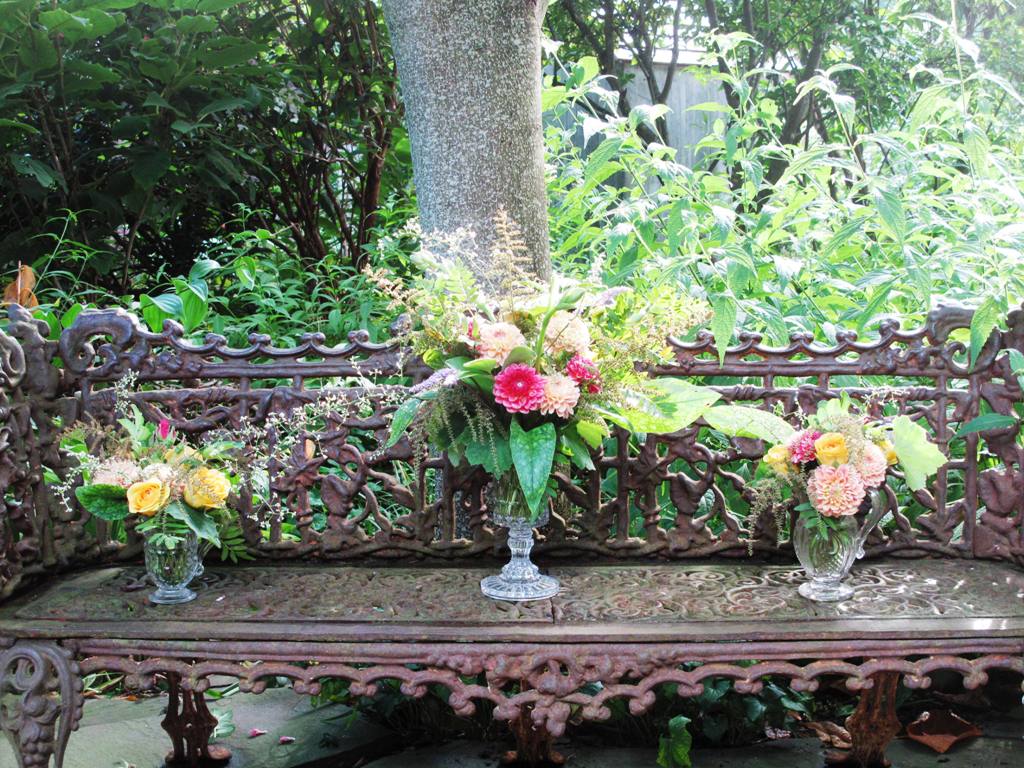
Here are some more images of the bouquets, in the garden:

Bench with three vases

A still life with three bouquets, on a vintage cast-iron bench in the garden.


Small glass pitcher of flowers

A small glass pitcher looks so beautiful in the dappled light that spills onto an iron garden chair.


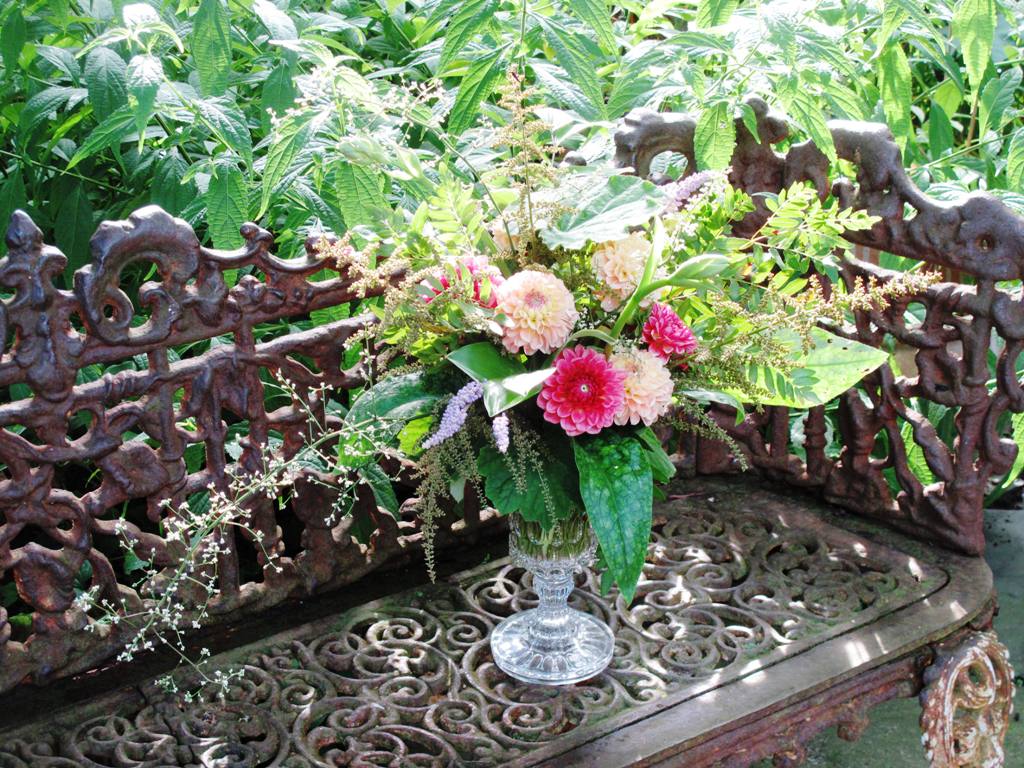
Iron Bench

The larger vase features all sorts of gorgeous leaves, fronds and stems from Skip’s garden.

I’ll close with one of Skip’s quote about his garden, excerpted from Into the Garden with Charles:

 “I had been presented with a blank canvas, a large one at that. For an artist, this was ideal. I gardened the way I painted: I began with a picture in my mind and then I figured out how to create it. The only difference was that my colors and textures were living beings with a thirst for life; they would grow every which way once I had placed them on the canvas. I had no intention of ever finishing the painting.”


SLOW FLOWERS: Week 26

Sunday, June 30th, 2013

A STROLL IN THE GARDEN

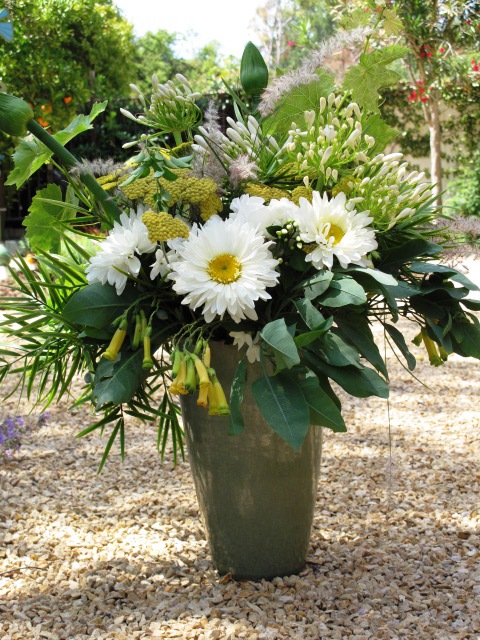
This bouquet will forever transport me to my former garden in Ventura County, California, which we left in July, 2010. I created this bouquet from all garden ingredients the month before moving away.

This bouquet will forever transport me to my former garden in Ventura County, California, which we left in July, 2010. I created this bouquet from all garden ingredients the month before moving away.

Ingredients:
All were harvested from my former garden in Ventura County, California
5 branches fern pine (Podocarpus gracilior)
7 stems and pods of lily-of-the-Nile (Agapanthus ‘Snowy Owl’)
1 spray ‘Iceberg’ rose (Rosa ‘Iceberg’), a popular floribunda rose
3 vines evergreen jasmine (Jasminum polyanthum)
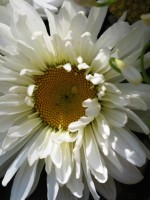
3 stems Shasta daisy (Leucanthemum x superbum)
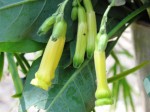
5 stems blue tree tobacco (Nicotiana glauca ‘Salta Blues’), a flowering tobacco with blue-green leaves and long, tubular yellow flowers. This is a cool plant for the perennial border and an equally fetching choice for my bouquet.
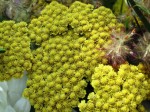
7 stems yarrow (Achillea ‘Moonshine’)
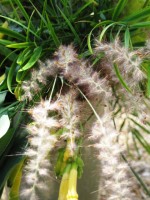
9 stems-seed heads fountain grass (Pennisetum orientale)
3 grapevines (Vitis vinifera)
Vase:
10-inch tall x 7-inch diameter celadon ceramic vase
Seasonal Choices
See the possibilities everywhere: I’m convinced that even the tiniest of gardens can yield interesting and unique flowers, branches, leaves, vines and stems for a seasonal bouquet. You don’t have to be a flower farmer to grow
and harvest appealing ingredients. And you don’t have to be a pro to assemble an eye-pleasing arrangement. Just use your powers of observation to appreciate and experiment with the seasonal beauty around you.


SLOW FLOWERS: Week 15

Sunday, April 14th, 2013

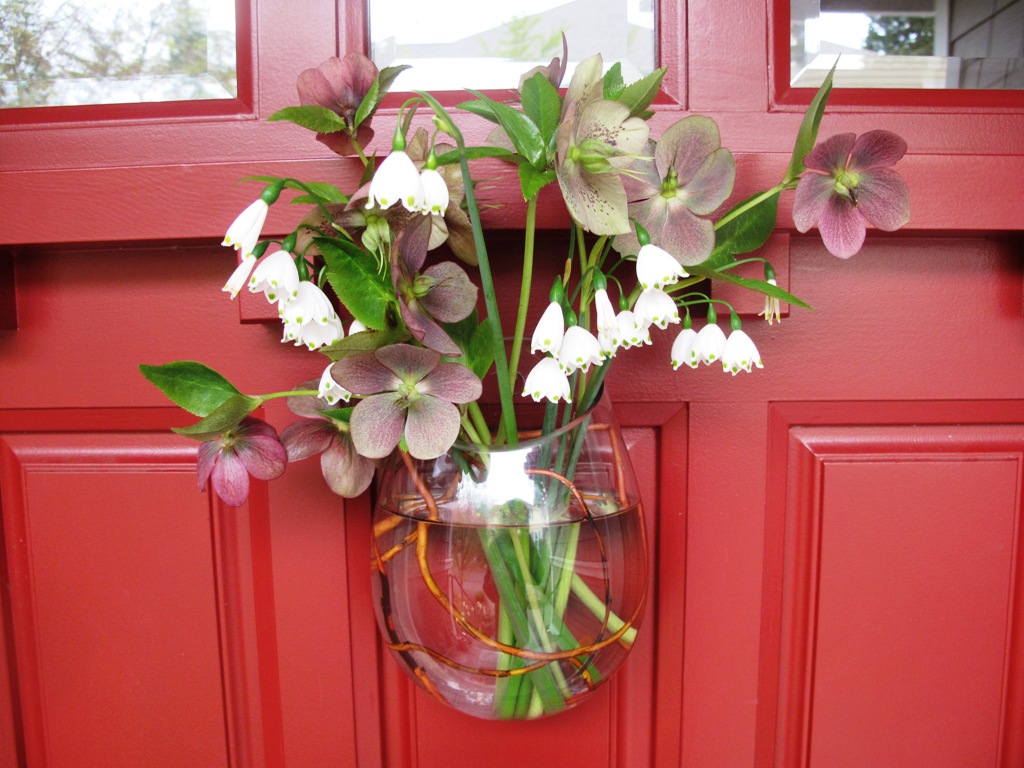
A Floral Welcome

A Floral Welcome

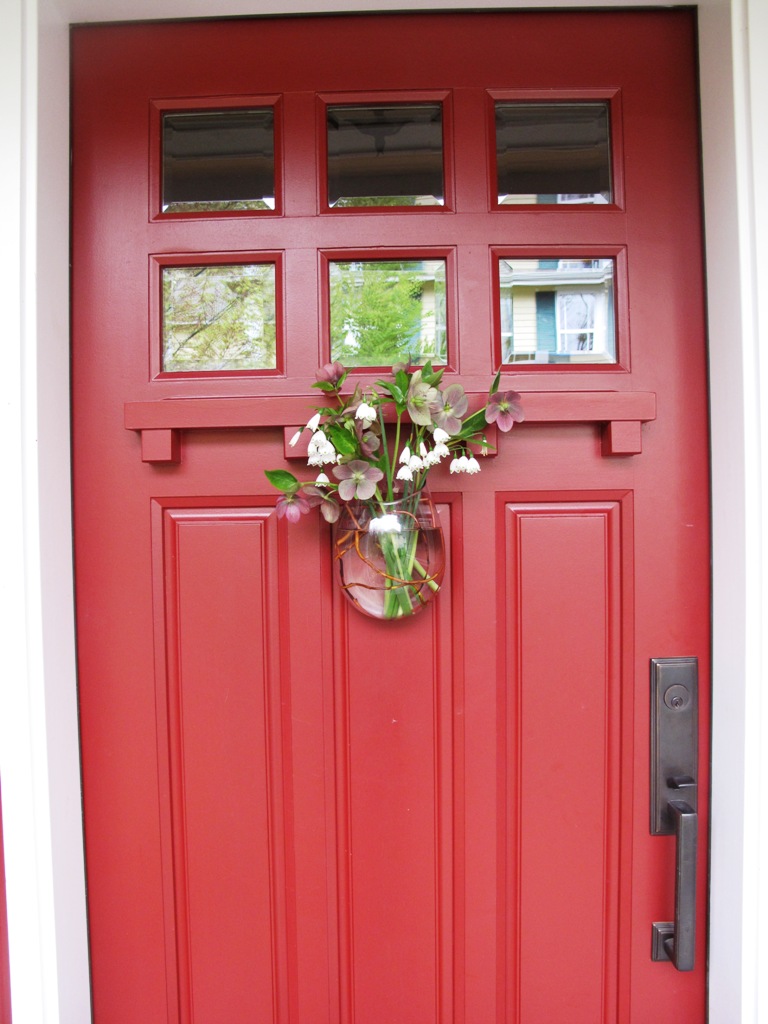
This wonderful pocket vase adorns my front door, containing curly willow, garden hellebores and pretty white summer snowflakes.

Front door bouquet

A fresh and inspiring way to adorn your front door: a floral vase filled with spring blooms!

Ingredients:

10 stems garden hellebores (Helleborus orientalis), grown by Jello Mold Farm

12 stems summer snowflake (Leucojum aestivum), harvested from my garden

1 stem curly willow (Salix matsudana ‘Tortuosa’), harvested by Oregon Coastal Flowers

Vase:

9-inch tall x 6-inch wide, teardrop-shaped wall vase (4-inch diameter opening)

Design 101

Just add white: There are some floral designers who abide by the “rule of white,” which calls for adding white flowers to every design. Take a look at this arrangement and you’ll notice that a few white blooms go a long way. The bell-shaped snowflakes are smaller than the plum-colored hellebores, but they add a lot of cheer to the design. Especially when viewed from a distance, white flowers are impactful, making any arrangement young and fresh-looking.


Slow Flowers on Design*Sponge Today!

Wednesday, April 10th, 2013

designspongelogo

by Maxwell Tielman

INTERVIEW: DEBRA PRINZING OF 50 MILE BOUQUET & SLOW FLOWERS


Here is a link to the DESIGN*SPONGE page

Over the past year or so, I have been trying, to the best of my ability, to live “slow.” While living slowly doesn’t necessarily mean halting one’s motions or moving at a snail’s pace, it does mean taking time away from the deleterious modern-day practice of Me-Want-It-Now. Whether I’m enjoying slow art, enjoying the pleasures of slow food, unwinding with a knitting project, or just learning to give myself some time to think, I’ve found that the concept of “slow” has amazing benefits, for the self and for the environment. While slow food and all it entails (eating locally, seasonally, organically, etc.) is often at the forefront of the slow/sustainable discussion, the concept really expands far beyond what we put on our plates. The act of choosing local vs. imported or organic vs. conventional has similar consequences whether you’re talking about food, furniture, or even flowers. Indeed, although flowers are often an afterthought to most consumers, picked up at the supermarket or bodega for a quick pick-me-up, the same rules apply when it comes to these tiny living things. Despite the fact that flowers may seem like a superfluous “luxury,” where they are sourced, how they grown, and who they are purchased from do make a difference, both in terms of your health and the environment. Debra Prinzing, a West Coast author and Outdoor Living Expert, has devoted much of her working life to educating people about the benefits and pleasures of raising and purchasing sustainably grown local flowers. In last year’s The 50 Mile Bouquet, Prinzing took readers on a nationwide tour of sustainable flower farms and shops, providing a few tips and ideas along the way. This year, she unveiled her latest effort, Slow Flowers, a compendium of locally-sourced seasonal bouquets, one for each week of the year. Debra took some time to chat with us about slow flowers and some of the challenges and joys that come with the act of thinking about flowers in a more sustainable way. Check out the full interview after the jump! —Max

DebraPrinzing-JelloMoldFarm-157

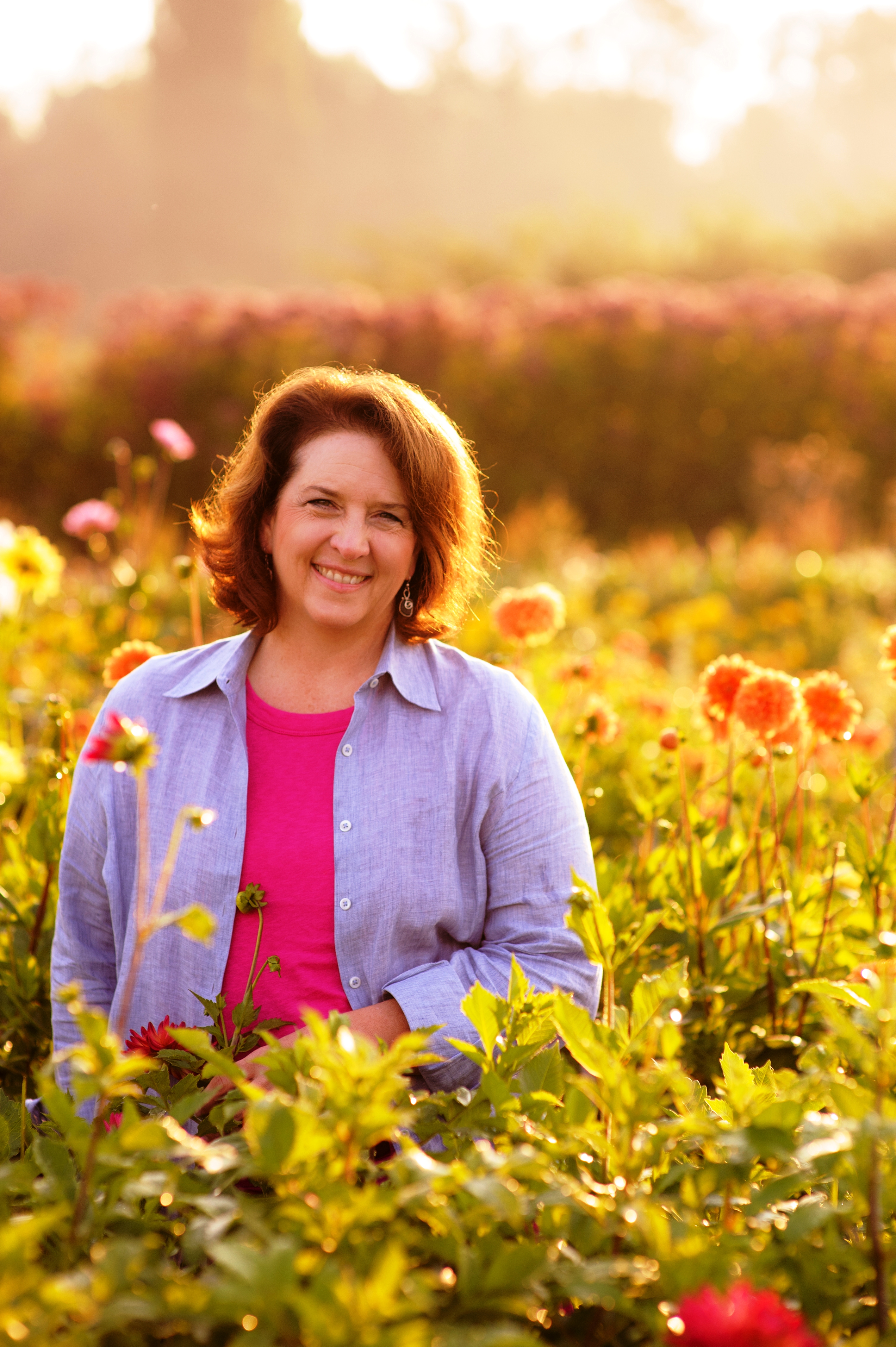
Here I am in my favorite flower field, surrounded by dahlias (c) Mary Grace Long photograph

Debra: Many people consider flowers a “luxury” or an indulgence (although I disagree – I believe bringing flowers into our homes is an essential, life-affirming way to connect with nature!). But if you take the position that flowers are a luxury, then I would argue it’s all the more reason to be responsible in the way we consume them. Buying imported flowers that have been produced with low-cost labor, in countries that do not have as stringent environmental standards as the U.S., which are THEN shipped to us on chartered cargo planes using tons of gallons of jet fuel – how is that sustainable?

Locally-grown flowers may cost a few dollars more per bunch, but when you buy them, you are supporting a family-owned farm (and farm jobs), preserving farm land, encouraging rural economic development and reducing carbon dependency.

Design*Sponge: The American consumer has grown so accustomed to a year-round availability of not just food, but flowers, that it might be difficult to convince him or her to revert to a more “seasonal” lifestyle. What are the benefits, both personally and environmentally, of making the move to seasonal and local flowers?

Take a visual "whiff" and enjoy this combination of three lovely flowers.

Take a visual “whiff” and enjoy this combination of three lovely flowers.

Debra: If you are a foodie, and if you embrace a seasonal, farm-to-table approach in your menu or dining choices, then you probably understand the term “slow flowers.” To me, the beauty of this practice is being observant of the seasons and appreciating each flower as a moment in time.

Sure, this might mean a less abundant selection of winter-season flower choices, but we also have a less abundant winter selection of local food. Think about a January tomato, one that you bring home shrink-wrapped from the supermarket: it’s mealy and basically tasteless. Wouldn’t you rather enjoy a heirloom tomato, picked right off the vine, in July or August? That’s flavor as it is meant to be tasted.

Similarly, out-of-season flowers can seem lifeless, scentless and, well, out of season! I like to say to brides: If you want to walk down the aisle carrying peonies, then get married when peonies are in bloom (note: this means May or June). I realize that floral artists (and wedding parties) do not want limited choice, but increasingly, there are brides asking for all local flowers (just like an all-local catering menu) and this, inherently, means those flowers will be in season.

Gardeners, of all people, really understand this notion. If you’re in tune with your personal backyard (patio, deck or windowsill), you know what blooms when — that’s what seasonality is all about. For me, that means my Seattle garden provides conifer branches and colorful twigs during the winter months. I’m happy to wait until spring arrives for my bulbs to bloom and I celebrate the advent of luscious dahlias in August. I definitely anticipate each season with each new bloom cycle.

By the way, I’m not super-rigid about seasonality. Thanks to the season-extension efforts of many American flower farmers, you can find early- or late-blooming floral options grown in hoop-houses or greenhouses — providing enough extra floral bling to satisfy one’s cravings weeks before spring really arrives or months into December. I’m lucky here in the Seattle area, because we have Alm Hill Gardens, a farm near the Washington-B.C. border, that grows organic tulips and sells them almost year-round at the Pike Place Market. One of my favorite rituals is to head down to the market and select tulips from Gretchen or Ben or Max – the farmers I’ve grown to appreciate for the healthy, vibrant crops they produce.

AmericaDesign*Sponge: What do you think are some of the biggest misconceptions held by consumers about local or sustainable flowers?

Debra: The biggest misconception is understanding where flowers come from. A majority of consumers don’t know. Flowers just mysteriously appear in buckets at the supermarket and many people never consider their origin.

When the California Cut Flower Commission conducted a national survey a few years ago, they asked: “Do you know where your flowers come from?” and a shocking 85% answered “No.” [Interestingly, in answer to the follow-up question — “If given a choice, would you buy California-grown flowers? — 55 percent of respondents said “Yes.”]

People need correct information about the flowers they buy. Because there is no required country-of-origin labeling (such as with produce), there has not been a good way for consumers to determine the source of their flowers. Sadly, because of this, we have low expectations from the flowers we purchase, especially those stocked at supermarkets or by mass merchants outlets. We expect our flowers to be cheap because we don’t expect them to last long in a vase. Many are probably imported — a far cry from fresh and local.

The only way to change this is for flower consumers to always ask: Where were these flowers grown? and How were they grown?

I interviewed Max Gill, a SF floral designer who creates the bouquets for the famed Berkeley farm-to-table restaurant Chez Panisse. He told me he shops at the SF Flower Market and says to the vendors: “What did you grow that you did not have to spray?” Max went on to explain: “. . . by making it really clear where my dollar will go, I feel strongly that I’m including everybody in the ‘sustainable’ conversation.”

Gretel and Steve Adams, my flower farmer pals from Ohio, owners of Sunny Meadow Flower Farms.

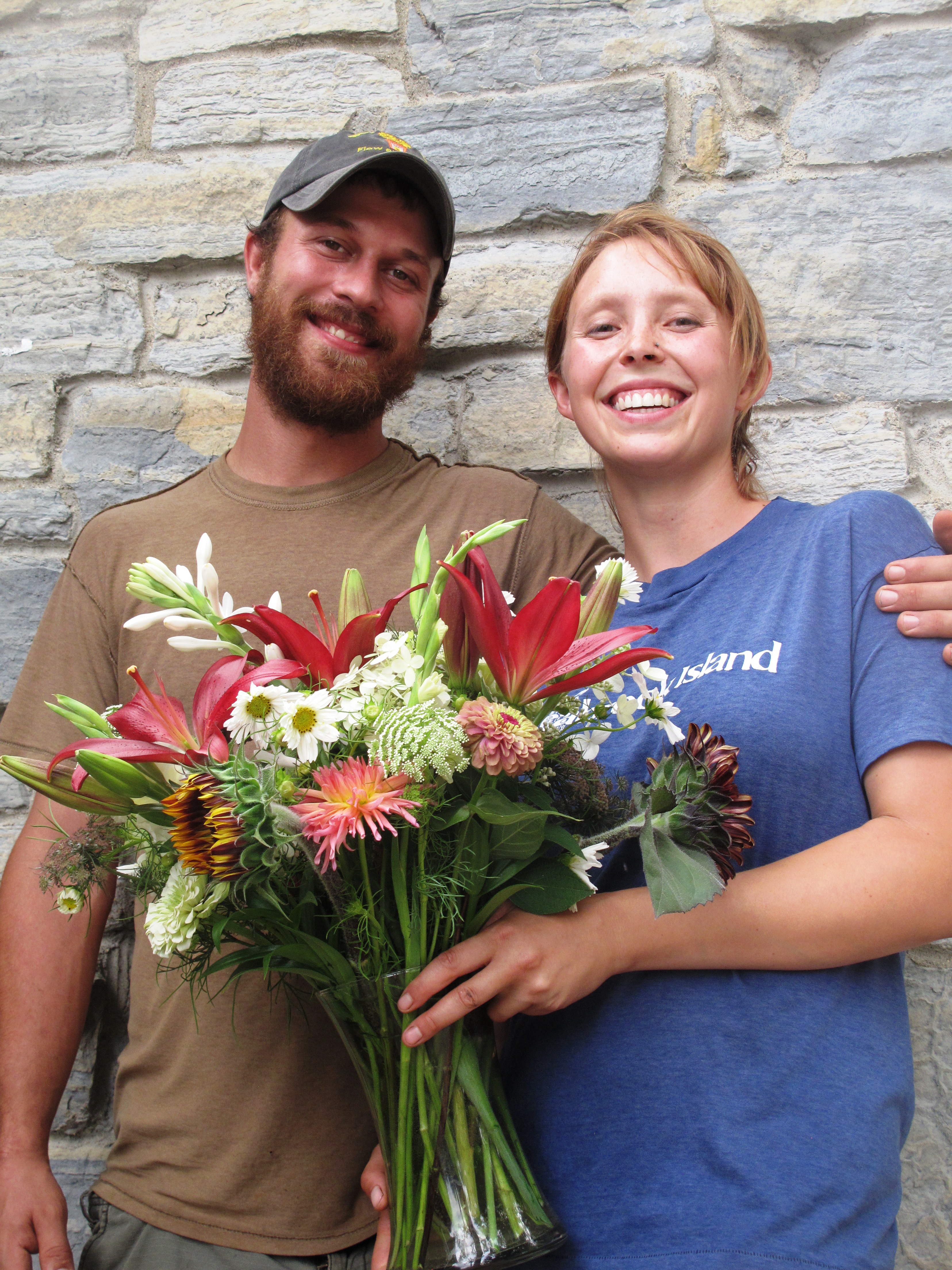
Gretel and Steve Adams, my flower farmer pals from Ohio, owners of Sunny Meadow Flower Farms.

Design*Sponge: Many flower enthusiasts might be interested in purchasing more sustainable, environmentally friendly flowers, but are unsure of where to begin or look. What are some questions one should ask when looking for sustainable flowers?

Debra: Know your flower farmer. Start with local growers – the best place to meet them is at your community farmers’ market. Talk with them and learn about their growing practices – they love to share their knowledge.

You do have to be a bit of a sleuth. One way to find growers in your own state is to search the free database of the Association of Specialty Cut Flower Growers (www.ascfg.org – click on the Growers tab and search by state). Many of the members of ASCFG will sell direct to the consumer; some have seasonal U-pick farms; others will tell you which markets or florists carry their seasonal blooms. Look for “local labeling.” Flower farmers in many states voluntarily label their bouquets. I’ve seen logos for Alaska, California, Colorado, Illinois, Texas and Wisconsin-grown, to name a few.

I have to add a clarification here about the word “sustainable,” which has so many meanings and is a vague term. It’s very difficult for a small flower producer to gain USDA organic labeling (the regulations are clearly set up for food production; not flower production – and it is costly). But even if they don’t use the phrase “sustainable,” I can tell you that ALL AMERICAN-GROWN flowers are more sustainable than any imported ones. We have stricter environmental regulations in the US than in any flower-exporting country. In addition, the carbon footprint alone required to import flowers makes them less sustainable than domestically grown flowers. Locally grown is always going to be more “green” than imported.

And some regions have their own ways of alerting consumers that products (including flowers) are sustainable. In the Pacific Northwest, flower farmers participate in Salmon Safe (http://www.salmonsafe.org/flowers), which is a third-party environmental organization that designates whether farm practices are safe for salmon habitat.

Design*Sponge: Depending on the source you get your flowers from, they may or may not be labeled as sustainable or local. Additionally, depending on your locale, there might not be a sustainable florist or farmer’s market within reach. Are there any varieties that are more commonly grown locally, or at least domestically?

Debra: Annual and perennial flowers, such as sweet peas, cosmos, sunflowers, zinnias, calendulas, nigella, bread seed poppies, Queen Anne’s lace, phlox, yarrow and so many others are likely to be locally-grown. These simply don’t ship well and therefore are probably not imported. Spring-flowering bulbs and flowering branches are also likely to be local or domestic. Garden roses, old-fashioned flowering shrubs (lilacs, viburnum, some hydrangeas); summer bulbs like dahlias — these are best when supplied from local farms.

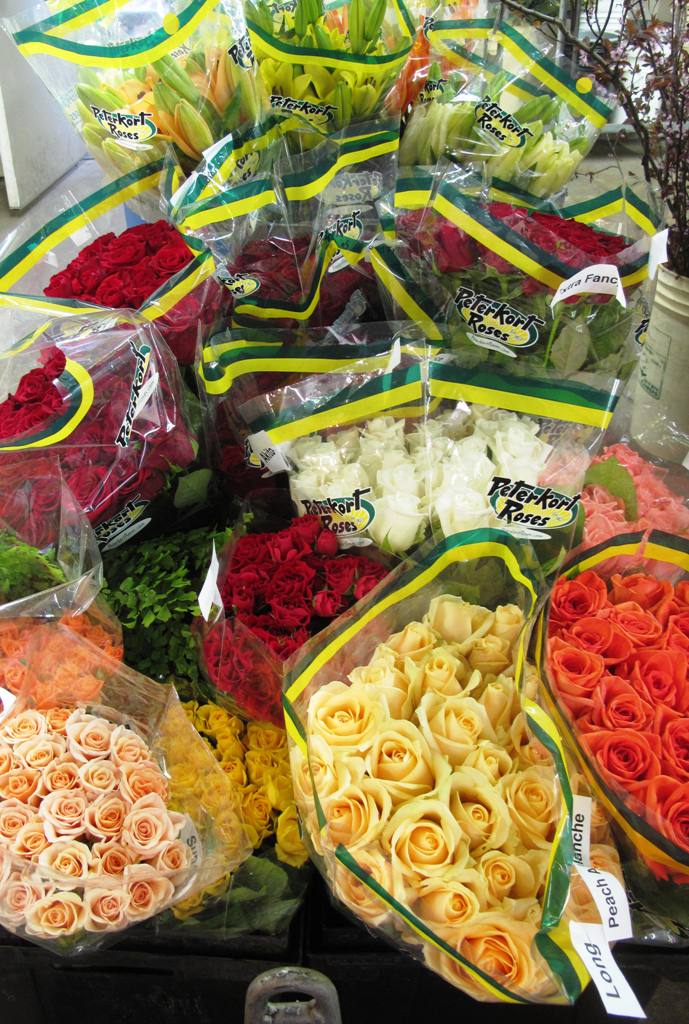
Oregon-grown roses from Peterkort - healthy, sustainably grown and simply beautiful!

Oregon-grown roses from Peterkort – healthy, sustainably grown and simply beautiful!

Design*Sponge: On the flip side, are there any varieties an earth-conscious consumer should avoid at standard flower stands?

Debra: Do you mean “conventional florists?” The wire-services are the biggest culprits in marketing and selling mass-produced, imported flowers to consumers. Most roses are imported. It makes me sad that even our so-called “green” grocery stores promote imported roses as sustainable, which to me feels like green-washing. I call South American-grown roses “softball-on-a-stick.” Big heads; fat, rigid stems; NO fragrance. That look and shape are giveaways for roses that have been bred for “ship-ability,” if that’s a word.

Domestic roses, which are still grown by family farms in Oregon and Washington, are hybrid teas or spray roses. These are more feminine and delicate (with slender stems) smaller heads and light to intense fragrance, depending on the variety. Here are a few sources for American-grown roses:

Wholesale, but you can ask your florist to order for you:

Peterkort Roses from Oregon

California Pajarosa

Direct to consumers:

Eufloria Flowers from California

David Austin cut roses from California

Rose Story Farm cut roses from California

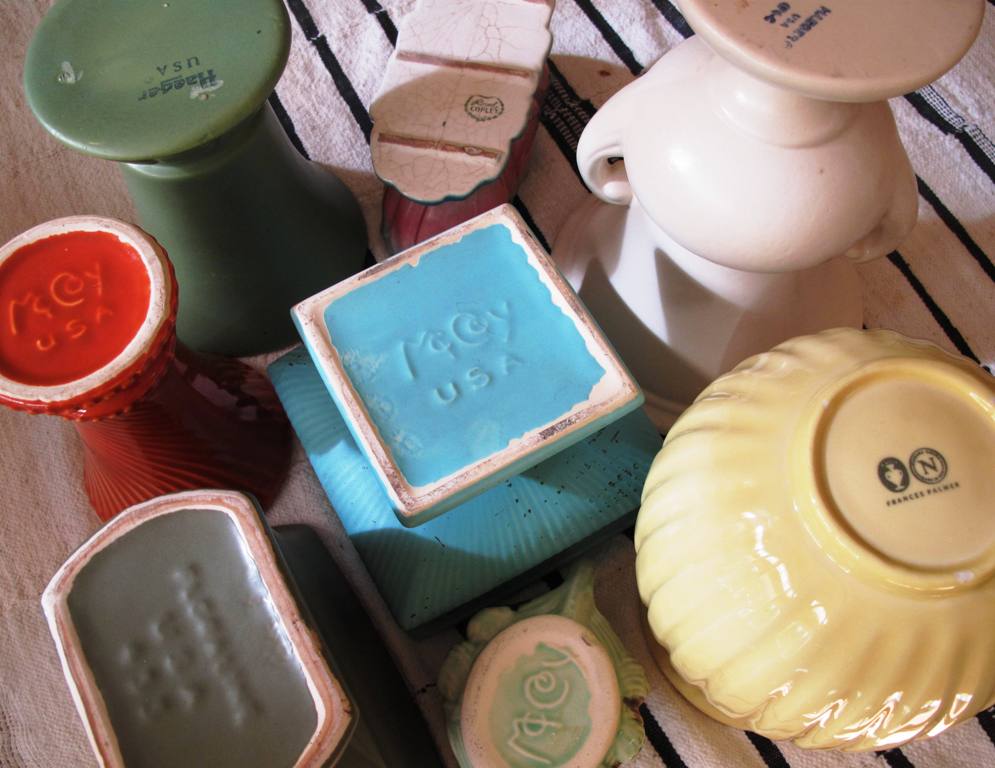
Here are the American made vases  (and their marks) I love to use.

Here are the American made vases (and their marks) I love to use.

As a design website, our readers are often looking for ways to incorporate beautiful objects into their lives. Although your work focuses primarily on sustainable horticulture, the concept of sustainability certainly extends beyond living things to design objects. Do you have any go-to sources for beautiful, locally-made flower containers and gardening tools?

Debra: never thought I would be such a proponent of American Grown/American Made, but after writing The 50 Mile Bouquet and Slow Flowers, I appreciate the value and importance of promoting both domestic farms and domestic manufacturers. Even my books are printed in North American (not Asia!), on FSC certified paper with soy-based inks. I have my publisher to thank for making the choice to not print overseas.

Here are some of my favorite USA-Made floral resources:

Florian floral snips (for herbaceous and woody stems)

Thorn strippers (for stripping rose stems), designed by a floral designer and made in the USA

Vase Brace: A tray with bungee-style cords on all four corners, which makes it easy to transport a vase filled with flowers by car

Raw Materials work aprons

Bauer California pottery (wonderful vases, made in California)

Vintage American vases are easy to find online or at flea markets. Look for makes such as Floraline, McCoy, Haegar, Royal Copley, (vintage) Bauer and more.

**Sadly, I am still looking for USA-made women’s gardening gloves. No luck yet!

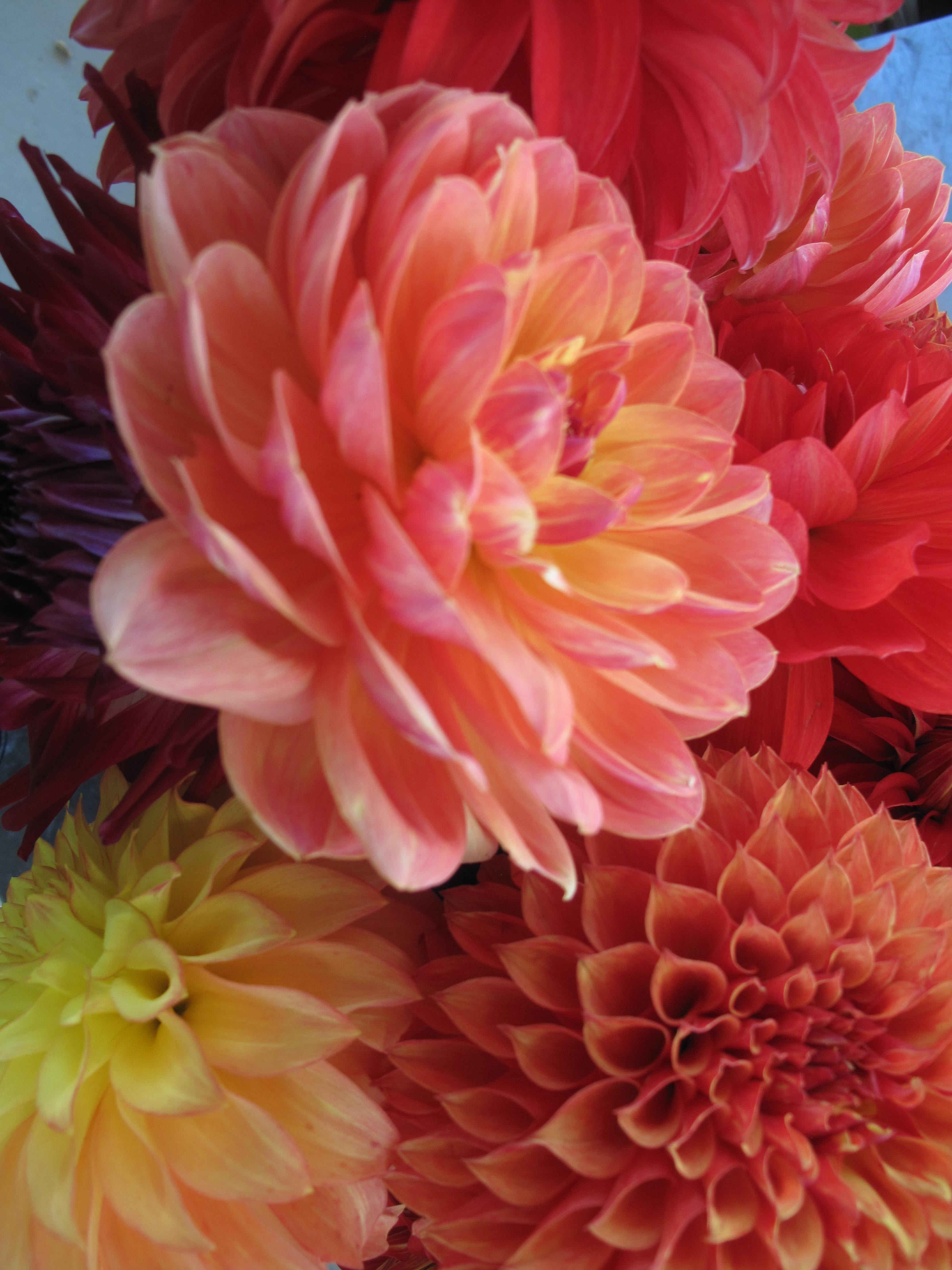
Summer dahlias remind me of my Grandad Ford's wonderful dahlia garden.

Summer dahlias remind me of my Grandad Ford’s wonderful dahlia garden.

Spring peonies remind me of my Grandpa Prinzing's peony beds.

Spring peonies remind me of my Grandpa Prinzing’s peony beds.

Design*Sponge: Your book covered a wide range of flower types and growers. What are your personal favorites— both in terms of flowers and your own local flower sellers?

Debra: Oh, what a question! I think childhood flower memories are incredibly powerful, and my personal family memories have formed my flower preferences. My maternal grandfather grew dahlias in his Indiana backyard; my paternal grandfather grew peonies in his Illinois backyard. Flower-growing skipped my parents’ generation and yet those genes came to me. I cherish dahlias and peonies to this day, thanks to my grandfathers’ flower beds.

Living in Seattle, I have the privilege of calling so many flower farmers my personal friends. They have welcomed me onto their farms and generously shared their growing secrets. Earlier this year, I joined the board of Seattle Wholesale Growers Market, our Northwest farmer-to-florist cooperative of about 15 Oregon, Washington and Alaska farms. The SWGMC is open to the public on Fridays, 10 a.m.-2 p.m., so anyone can shop for flowers direct from the farmer.

It has been a great experience to work with this group, rubbing shoulders with experienced growers and learning about their passion for heirloom varieties, unique floral crops and sustainable practices. This week at the market offers a snapshot of the incredible diversity of the moment; hellebores, snowdrops, grape hyacinths, euphorbia, pussy willow, calla lilies, tulips, daffodils, anemones, poppies, flowering dogwood, bridal wreath spirea, snowball viburnum – and some ingredients I’ve probably forgotten. It is mind-blowing and a floral designer’s dream.

Design*Sponge: What can others do to spread the word about sustainable flower production? What actions can be taken to introduce sustainable flowers to your region? 

Debra: The first thing you can do is grow your own flowers! Even if you just start by sowing one packet of sweet pea seeds, you will bring local flowers into your life. You can even grow a few in a pot with a trellis to train the vines — a small space cutting garden!

Next, seek out flower farmers in your area. If readers are stumped, they can email me and I’m happy to connect them with a grower in their region. There are passionate flower farmers in every state. Buy American Grown whenever possible and ask your local suppliers to verify the source of the flowers they stock.

Follow #Americangrown, #flowerfarmer, #originmatters and #slowflowers on Twitter to find more activity in the domestic flower world.

If you are interested in learning more about becoming a flower farmer, visit www.ascfg.org


SLOW FLOWERS: Week 14

Sunday, April 7th, 2013

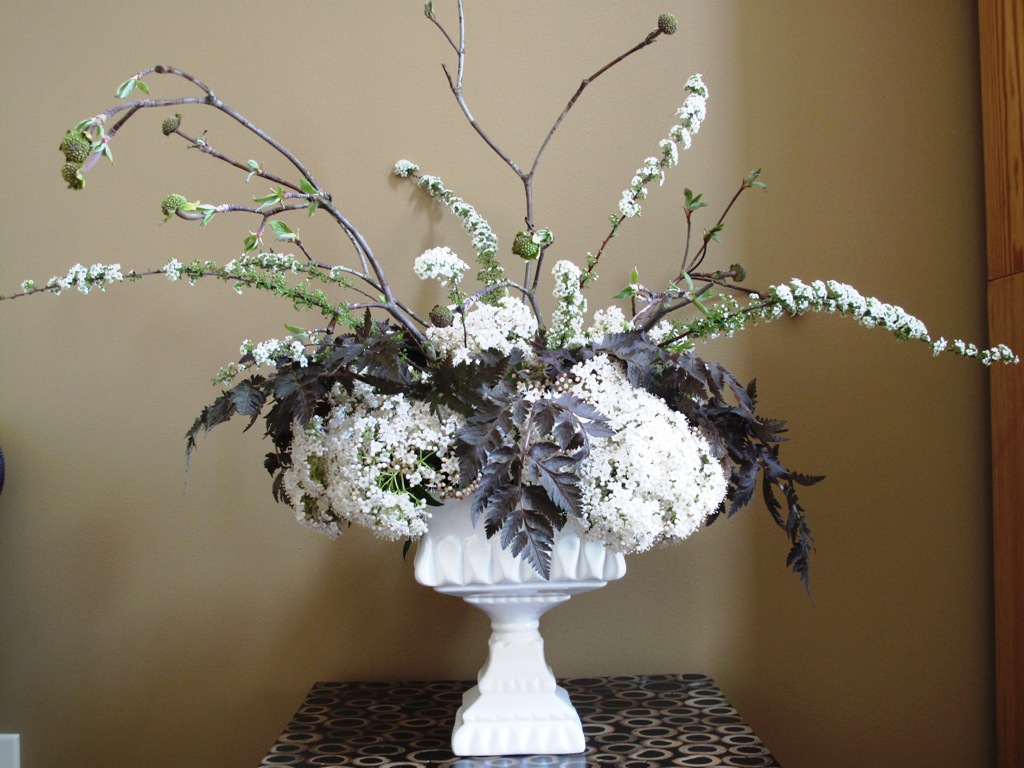
Chocolate-and-Vanilla

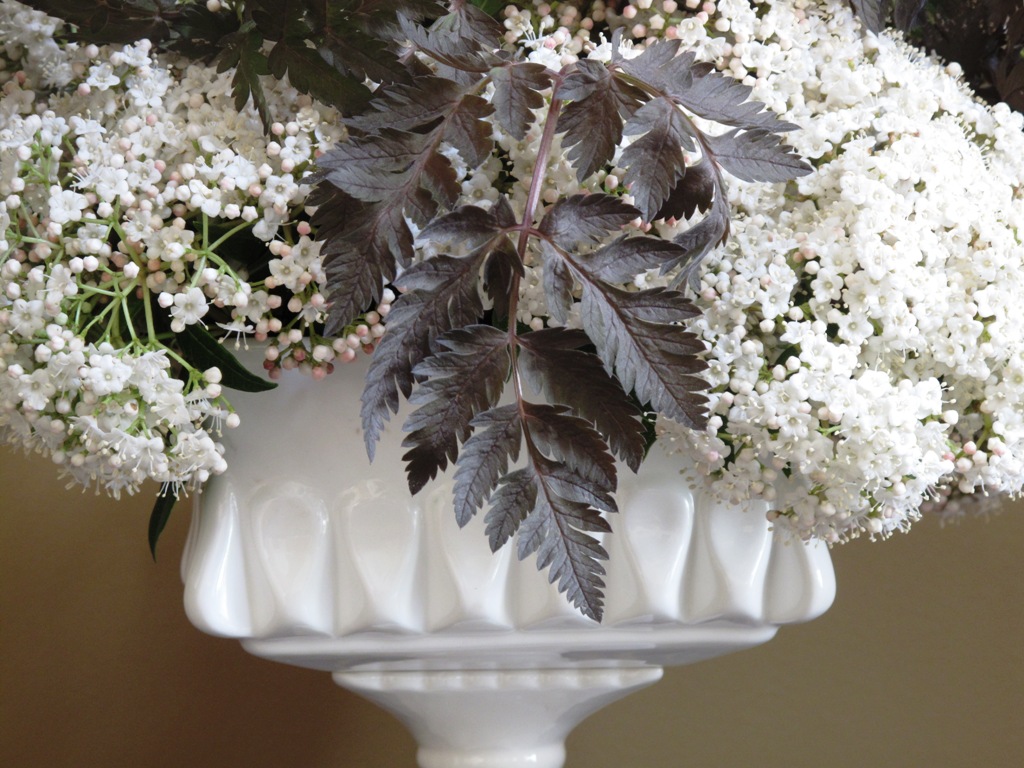
Chocolate and Vanilla Flowers

A graphic, fresh combination: dark-chocolate-colored Anthriscus sylvestris foliage with creamy white Viburnum tinus flowers.

A graceful spring bouquet

The white square dish, elevated on a pedestal, makes this simple grouping of flowers all the more special.

Ingredients:

8-11 Viburnum tinus blooms, harvested from Charlotte Behnke’s Seattle garden

6 stems Anthriscus sylvestris ‘Ravenswing’, grown by Jello Mold Farm

6 stems bridal wreath spirea (Spiraea cantoniensis ‘Flore Pleno’), grown by Charles Little & Co.

3 stems green dogwood (Cornus sp.), harvested by Oregon Coastal Flowers

Vase:

6-inch square x 3-inch deep white ceramic nut dish (overall height is 8 inches)

Design 101
Elevate for importance: There’s something appealing about lifting a floral arrangement with a footed vase or dish. It’s like giving your bouquet a little stage or platform to help it rise above its environment. This is especially noticeable with an arrangement designed to be viewed on all sides, such as a centerpiece. If you don’t have a footed dish or urn, you can use a cake plate to elevate your flowers!

NOTE: Each Sunday of this year, I post my photographs, a how-to “recipe” and tip for that week’s floral arrangement, created for my new book, Slow Flowers.

Enjoy the floral journey through 52 weeks of the year~

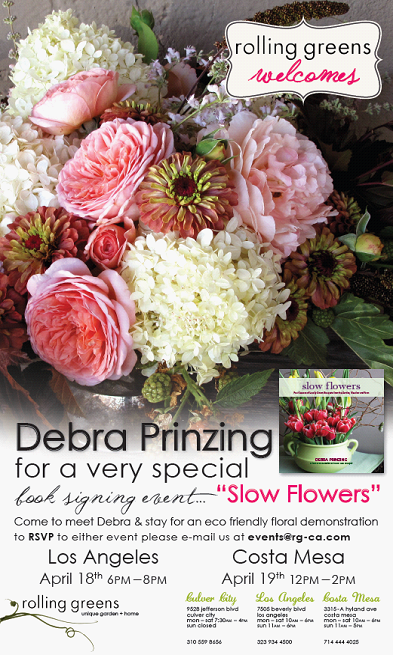
Coming to Southern California

Friday, April 5th, 2013

SLOW FLOWERS: Week 12

Sunday, March 24th, 2013

Zen in Bloom

Showcasing a single type of flower - here, it's spring daffodils - this technique is easy and carefree.

Showcasing a single type of flower – here, it’s spring daffodils – this technique is easy and carefree.


Ingredients:

15 stems common daffodils, from my garden

Multiple lengths of coral-pink twig dogwood, cut approximately 2 inches wider than the vase opening. Any straight, woody branch will work, including vine maple, pussy willow or the colorful twig dogwood (Cornus sanguinea or C. sericea)

Vase:

6-inch tall x 6-inch square glass vase (this design adapts to any square or rectangular glass vase)

The daffodil stems are stabilized by a "raft" of twigs, lashed to cover the opening of the vase.

The daffodil stems are stabilized by a “raft” of twigs, lashed to cover the opening of the vase.

Other supplies:

Decorative pebbles

Twine-wrapped wire (available at craft stores in natural or green)

Design 101

Borrow inspiration: The idea for this bouquet came from a project featured in Design, a publication of The Flower Arranging Study Group of the Garden Club of America. Whenever you’re inspired by another designer’s technique, it’s important to give it your own twist rather than make a direct copy. For example, the original creation used florist’s foam inside the container, but I found it unnecessary, especially since the pebbles and twigs are enough to hold the daffodil stems in place.

NOTE: Each Sunday of this year, I will post my photographs, “recipe” and tip for that week’s floral arrangement, created for my new book, Slow Flowers.

Enjoy the floral journey through 52 weeks of the year~


SLOW FLOWERS: Weeks 10 and 11

Friday, March 15th, 2013

MAGNOLIAS AND MORE

Evergreen magnolia (Magnolia grandiflora), parrot tulips, rosemary, Japanese fantail willow and bare magnolia branches in bud fill one of my favorite white vases.

Evergreen magnolia (Magnolia grandiflora), parrot tulips, rosemary, Japanese fantail willow and bare magnolia branches in bud fill one of my favorite white vases.

A sweet detail of those luscious tulips - don't they play nicely with the rusty side of the magnolia foliage?

A sweet detail of those luscious tulips – don’t they play nicely with the rusty side of the magnolia foliage?

Ingredients:

5 stems southern magnolia (Magnolia grandiflora), harvested from my neighbors’ garden
12 stems apricot-hued parrot tulips, grown by Alm Hill Gardens
5 stems evergreen rosemary (Rosmarinus officinalis), harvested from my garden
3 stems Japanese fantail willow (Salix udensis ‘Sekka’), grown by J. Foss Garden Flowers
3 stems deciduous magnolia in bud, harvested by Oregon Coastal
Flowers
Vase: 17-inch tall x 7-inch diameter cream urn
Design 101
Proportion and Scale: These two related principles are among the most challenging to pull off correctly – in interiors and garden design, as well as in a vase. Proportion usually refers to size relationships within a composition, such as how each of the botanicals in this tall vessel is visually powerful. There are no wispy ingredients and the height of the arrangement is equal to the height of the vase. Scale indicates size in comparison to some constant, such as the human body. That’s where the terms “small scale” or “large scale” come in, since they refer to the out-of-the-ordinary size of things. With that in mind, think about the ideal interior setting for this vase. I think it would look stunning as the welcoming urn in a grand foyer or at the center of a large buffet table.

TULIPS & TWIGS

My cover shot, a perfect way to kick off springtime! Tulips, willows and camellia branches - all contained in a brilliant, matte green urn.

My cover shot, a perfect way to kick off springtime! Tulips, willows and camellia branches – all contained in a brilliant, matte green urn.

Ingredients:
12 stems red tulips and 10 stems yellow tulips, grown by Alm Hill Gardens
6 stems curly willow (Salix matsudana ‘Tortuosa’), grown by Oregon Coastal Flowers
8 stems Camellia japonica, from my garden
Vase:
5-inch tall x 6-inch diameter matte green urn with handles
From the Farmer
Water lovers: Unlike most floral design ingredients, tulips and willow branches seem to keep growing in a vase of water. You’ll notice that the tulip stems elongate a little each day. Some designers prefer to take the arrangement apart and re-cut the lengthened stems, but I like to observe the changes that occur. Willow is a water-loving plant, so you may discover that it sprouts tiny white roots under water and that small green leaves will push open, as if it is growing in soil. Enjoy a few days of this ever-changing dynamic.
A detail of the colors and textures of springtime.

A detail of the colors and textures of springtime.

NOTE: Each Sunday of this year, I will post my photographs, “recipe” and tip for that week’s floral arrangement, created for my new book, Slow Flowers. Enjoy the floral journey through 52 weeks of the year~