Debra Prinzing

Get the Email Newsletter!

Archive for the ‘Slowflowers.com the Directory of American Flowers’ Category

California Flower Farmers Share the Love With Slowflowers.com

Friday, February 14th, 2014

California Cut Flower Commission named Premiere Sponsor of Debra Prinzing’s SLOWFLOWERS.COM, a new online American flower directory
Web

SEATTLE, WA (February 14, 2014) – This Valentine’s Day, California’s flower farmers are showing their love by making the largest contribution to date to the Slowflowers.com campaign on Indiegogo. The California Cut Flower Commission (CCFC), representing all of California’s flower farmers, became Slowflowers.com’s Premiere Sponsor with their $1,500 contribution. Designed to connect flower lovers to local floral retailers that support and sell locally-grown flowers, the campaign has surpassed its goal to raise $12,000 and now has more than 200 “funders” contributing in excess of $17,000 to the cause.

“I’m very encouraged to have such support from the flower farmers of California,” shared Debra Prinzing, the Seattle-based author of Slow Flowers (St. Lynn’s Press, 2013) and leading advocate of American flower farming. “With imports representing over 80 percent of flowers sold in this country, the mission of Slowflowers.com is to help people who care about the source of their flowers easily find and identify ways to buy American-grown flowers.”

Scheduled to launch this spring, Slowflowers.com will feature easy-to-use search tools to find floral vendors in several categories, including florists, studio designers, wedding/event designers, supermarket floral departments, CSA subscriptions and farmer-direct. Members of Slowflowers.com pledge to supply their communities with local, regional and American-grown flowers.

“Debra is making a difference and creating a conversation that we support,” explained CCFC CEO/Ambassador Kasey Cronquist. “Currently, there is no other resource like Slowflowers.com that makes it easy for flower lovers to be assured of the origins of their flowers and bouquets.”

Prinzing created Slowflowers.com to fill an unmet need that she had as a consumer and lover of flowers. “Slowflowers.com is a simple solution to a problem I have continued to face over the past several years,” she said. “While writing and speaking to groups about my passion for American flower farmers and their flowers, I am continually asked how the average person is supposed to know where to buy American Grown flowers and how they can be assured that what they are getting is locally grown. I created Slowflowers.com to be my answer, a free, public and user-friendly resource that can help others, too.”

Prinzing’s grassroots Indiegogo crowd-funding campaign continues, with five days remaining for additional support for her efforts. Visit the Indiegogo Slowflowers.com campaign to watch a video and for more information about the project.

### 

About the California Cut Flower Commission 

The California Cut Flower Commission (CCFC) was created by the state legislature in 1990 with the mission to promote California cut flowers and foliage. The CCFC is overseen by the California Department of Food and Agriculture and is funded by grower assessments. The Commission represents the state’s 250 growers who collectively produce more than 75 percent of the cut flowers grown in the U.S., generating $278 million in sales (2011). For more information about California cut flowers, visit www.ccfc.org or on Facebook/CaliforniaGrownFlowers. 

About Debra Prinzing

Founder Debra Prinzing is a Seattle-based outdoor-living expert who writes and lectures on gardens and home design. She is the leading advocate for a sustainable and local approach to floral design and is credited with creating the term “Slow Flowers.”

In 2014 Debra launched www.slowflowers.com, a free online guide to florists, shops and studios who design with American-grown flowers. She is the author of seven books including Slow Flowers and The 50 Mile Bouquet (both by St. Lynn’s Press) and is the producer/host of the weekly “Slow Flowers Podcast with Debra Prinzing,” found on Itunes and www.debraprinzing.com
SLOW FLOWERS Podcast: Make my Valentine’s Flowers American-Grown, Please! Thanks, Peterkort – an Oregon Rose Farm (Episode 128)

Wednesday, February 12th, 2014
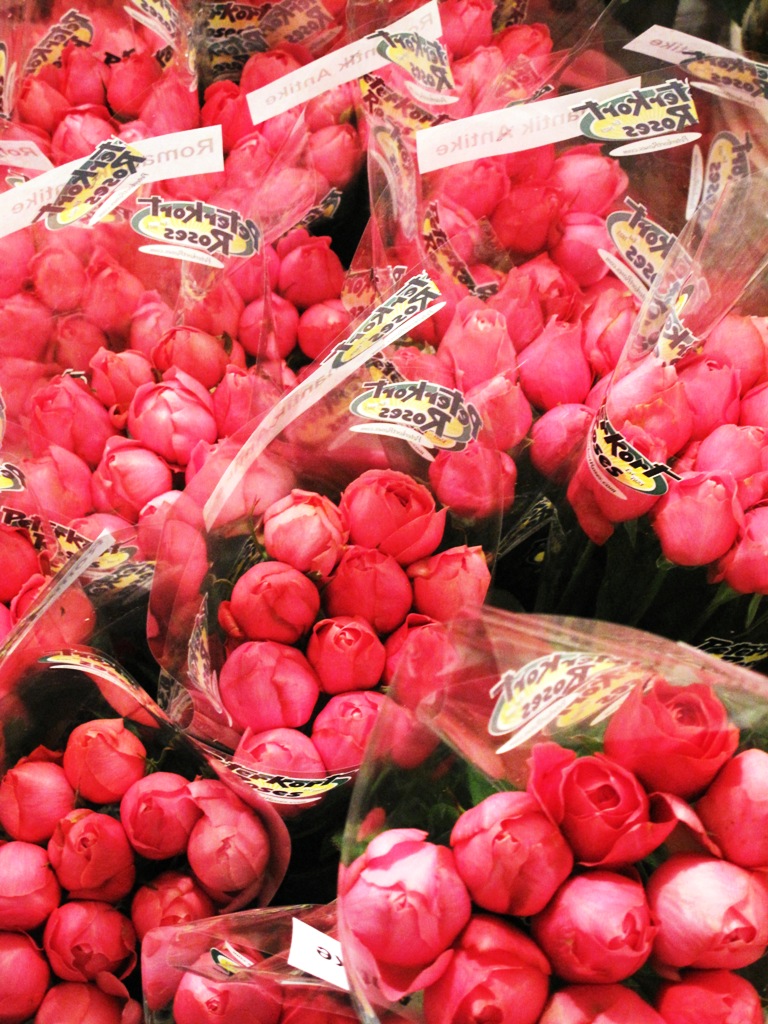
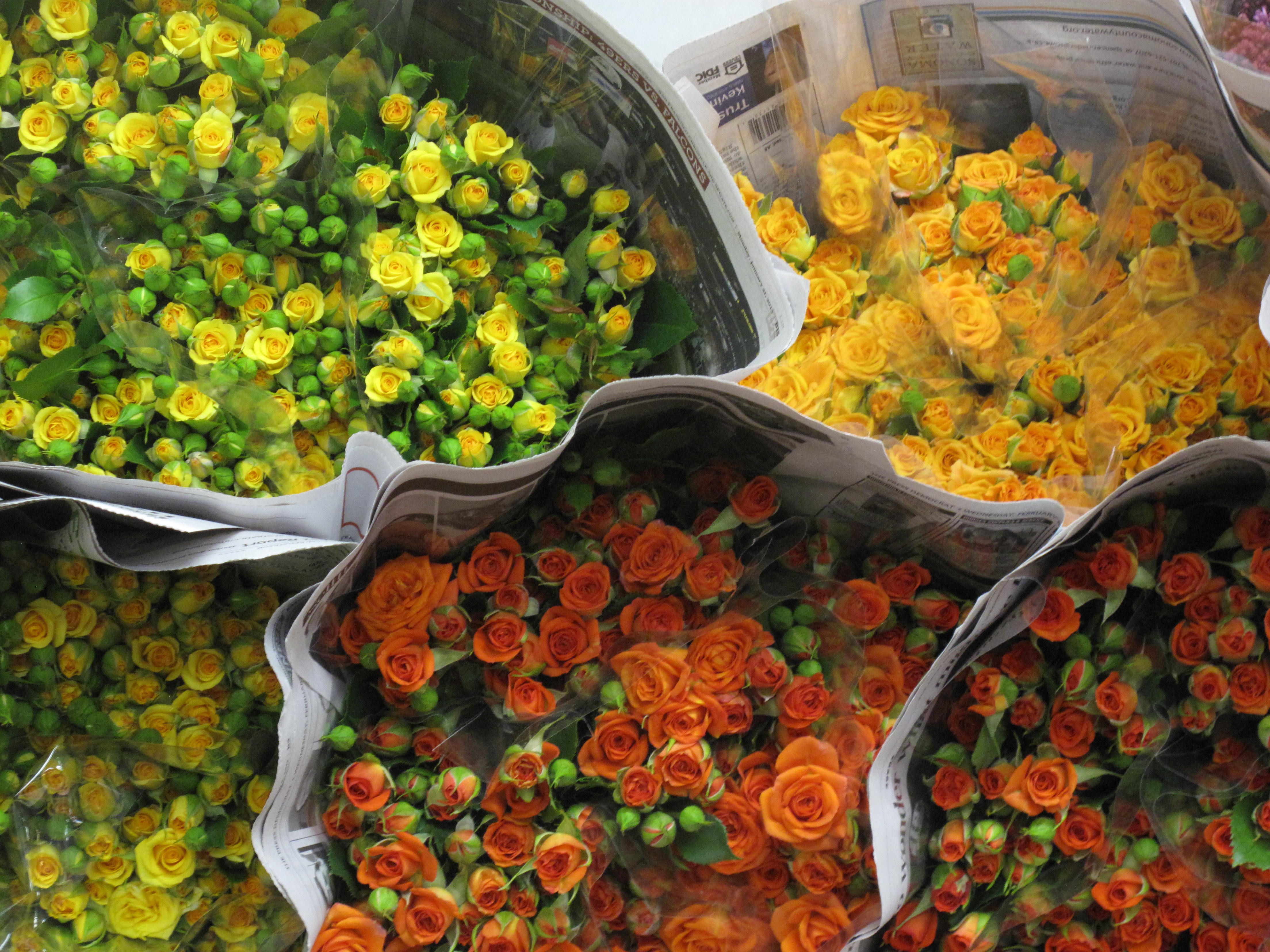
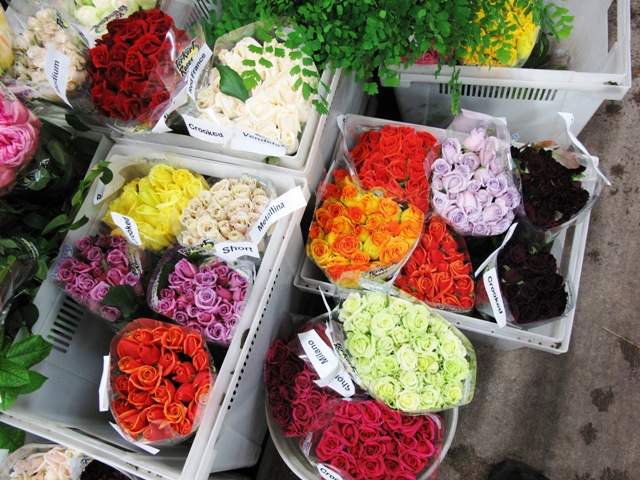
A rainbow of rose colors grown in Oregon by Peterkort Roses. Love this palette!

A rainbow of rose colors grown in Oregon by Peterkort Roses. Love this palette!   


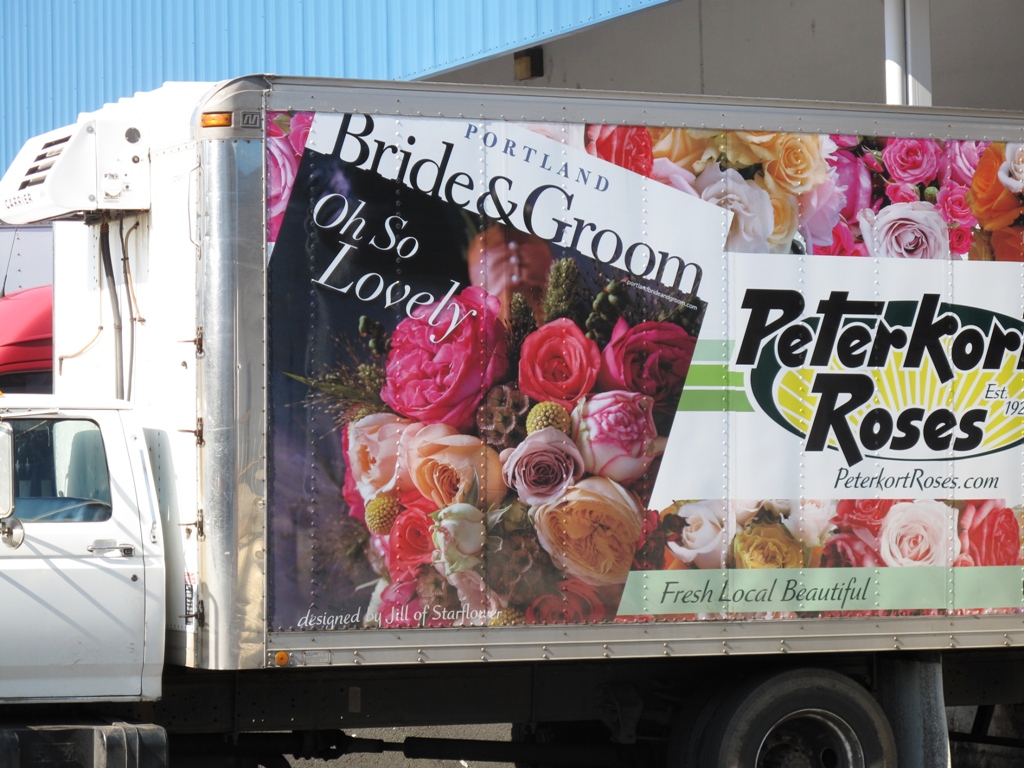
Love this graphic messaging on the side of Peterkort's delivery truck.

Love this graphic messaging on the side of Peterkort’s delivery truck.

Hello again and thank you for listening to the newest episode of the Slow Flowers Podcast with Debra Prinzing

This is part 2 of my back-to-back episodes on American grown roses, in honor of Valentine’s Day, taking place later this week. In our previous episode, I introduced you to Danielle Hahn of Rose Story Farm, based in Carpinteria, California.

Today, I hope you’ll enjoy my conversation with Sandra Peterkort Laubenthal of Peterkort Roses.

Most U.S.-grown roses hail from California, which accounts for 75 percent of the nation’s overall floral production. Yet in Oregon, Peterkort Roses has raised hybrid teas for the floral trade since the 1930s. The Peterkorts, a third-generation Oregon family, currently produces 2 million roses annually, using many sustainable growing practices.

“We have this certain niche, and we really want to support the local floral industry,” says Sandra, granddaughter of Joseph and Bertha Peterkort, who came to Oregon from Germany and started flower farming in 1923, raising sweet peas, gerberas and pansies.

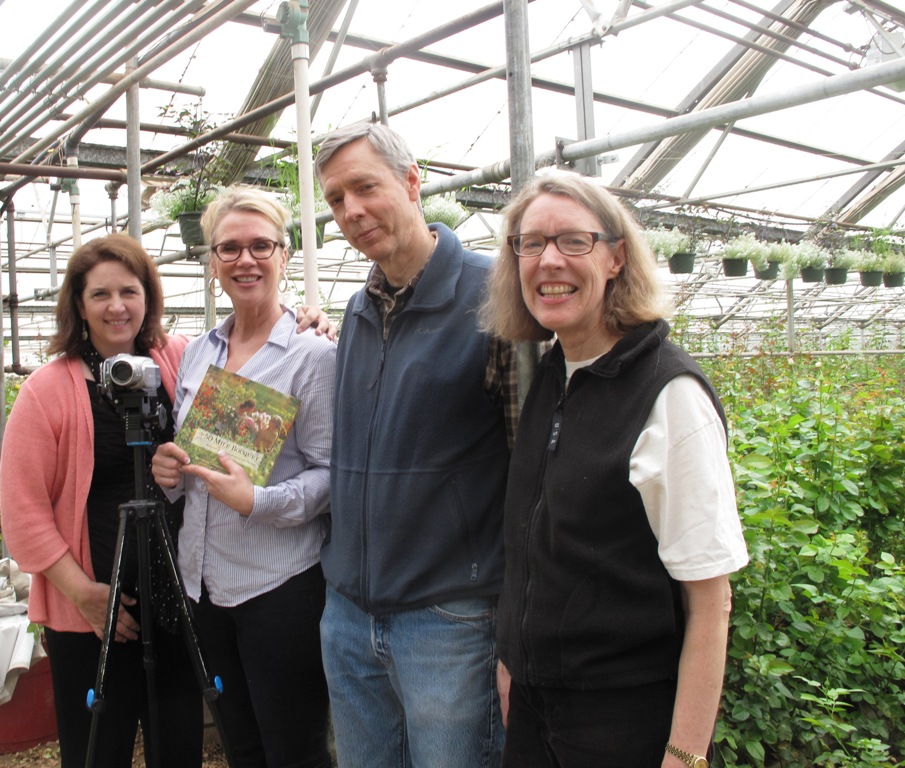
This photo is from a visit I made to Peterkort Roses in May 2012 when Portland TV personality Anne Jaeger produced a segment about sustainable and local flowers for The Oregonian. Sandra Laubenthal and her brother Norman Peterkort  pose at right: I'm on the left and Anne is second from left.

This photo is from a visit I made to Peterkort Roses in May 2012 when Portland TV personality Anne Jaeger produced a segment about sustainable and local flowers for The Oregonian. Sandra Laubenthal and her brother Norman Peterkort pose at right: I’m on the left and Anne is second from left.

Historically, the state had been home to several commercial cut rose growers, but during the past two decades those operations either shifted to other crops or folded altogether. “We are an anachronism, but it seems like the ‘City of Roses’ should have its own local rose grower,” Sandra points out. 

Here’s the video segment produced by Anne Jaeger for The Oregonian/Oregon Live: “Sustainable bouquets — buying local extends to flowers, too!”

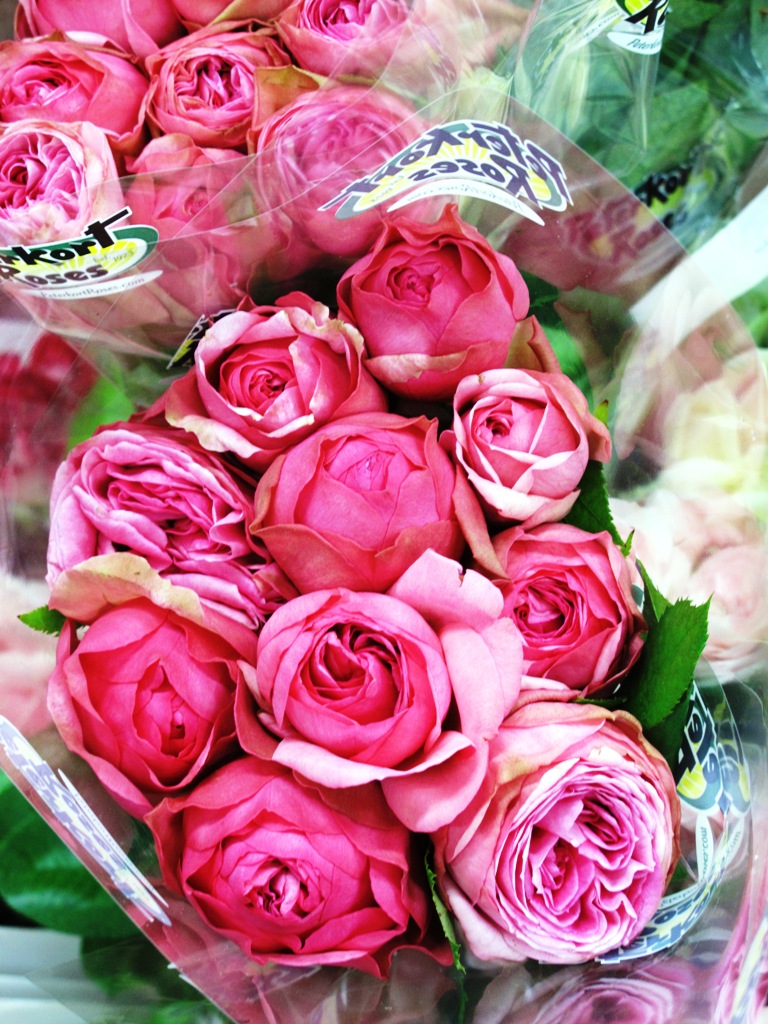
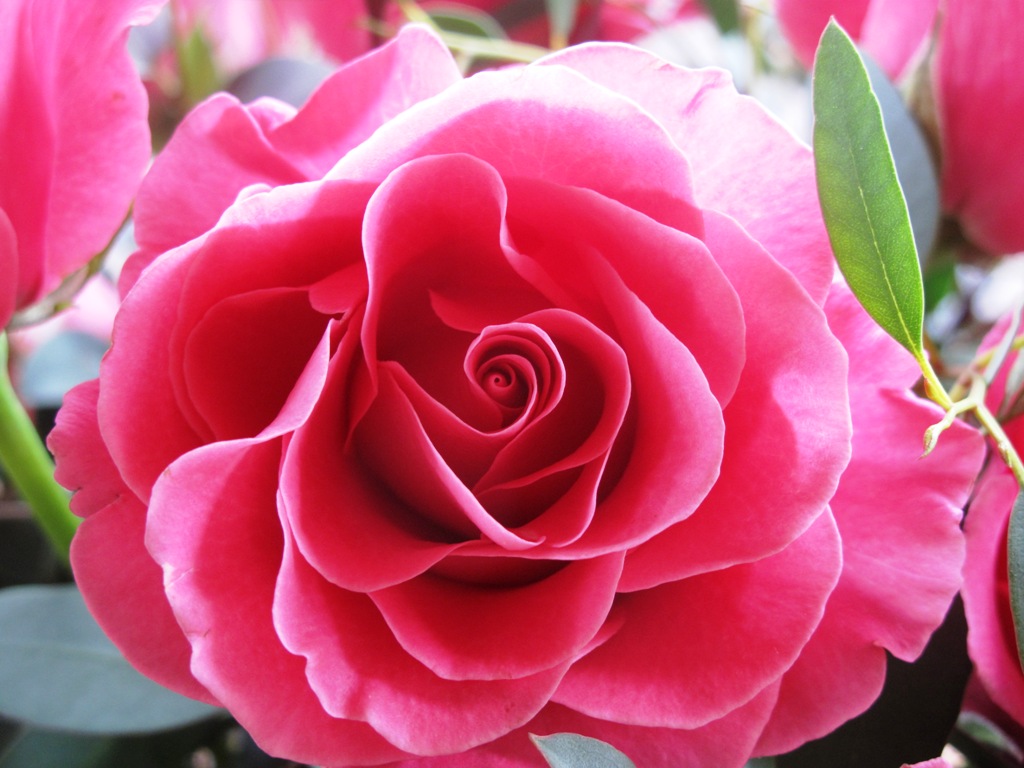
Stunning pink rose blooms - perfect for your sweetheart.

Stunning pink rose blooms – perfect for your sweetheart.

Peterkort’s elegant blooms look vastly different from those softball-sized imported ones that are offered by supermarkets, wire services and conventional flower shops every February 14th.

Instead, Peterkort’s 60-plus rose varieties are closer to what you might find gracing a mixed perennial border in the garden. Specialties include the hybrid tea rose, with upright, spiraled petals; a German-bred hybrid tea that features multi-petal characteristics of an old garden rose; and dainty spray roses with many small blooms on a single stem. Today, Peterkort’s 16 hoop houses produce thousands of rose stems, as well as gorgeous Oriental and Asiatic lilies, maiden fern, orchids and new crops like ranunculus and anemone.

More Peterkort pretties!

More Peterkort pretties!

Designers count on Peterkort as an important local source for bridal bouquets, boutonnieres, flower girl wreaths and tabletop arrangements. The versatile color palette begins with pure white roses and ends with ones covered in dark, velvety black-red petals. Unlike unscented imported roses, these have a light, pleasing fragrance. Because Peterkort harvests its flowers one day and sells them the next, their roses are super fresh and, as a result, are long-lasting in the vase.

Fresh roses on the grading table at Peterkort's greenhouses.

Fresh roses on the grading table at Peterkort’s greenhouses.

“I’ve been ordering roses from Peterkort for years,” says designer Melissa Feveyear, owner of Seattle-based Terra Bella Floral Design, who specializes in local and organic flowers. With varieties like ‘Piano Freiland’, a red, peony-shaped rose, and spray roses that last several weeks in an arrangement, Peterkort’s blooms make up in quality what they don’t have in size, she says.

“Because the stems are thinner than (those of) imported roses, they’re very easy to use in hand-tied bouquets. You can group a bunch together for really stunning impact without making the stem feel too bulky for a bride to hold.”

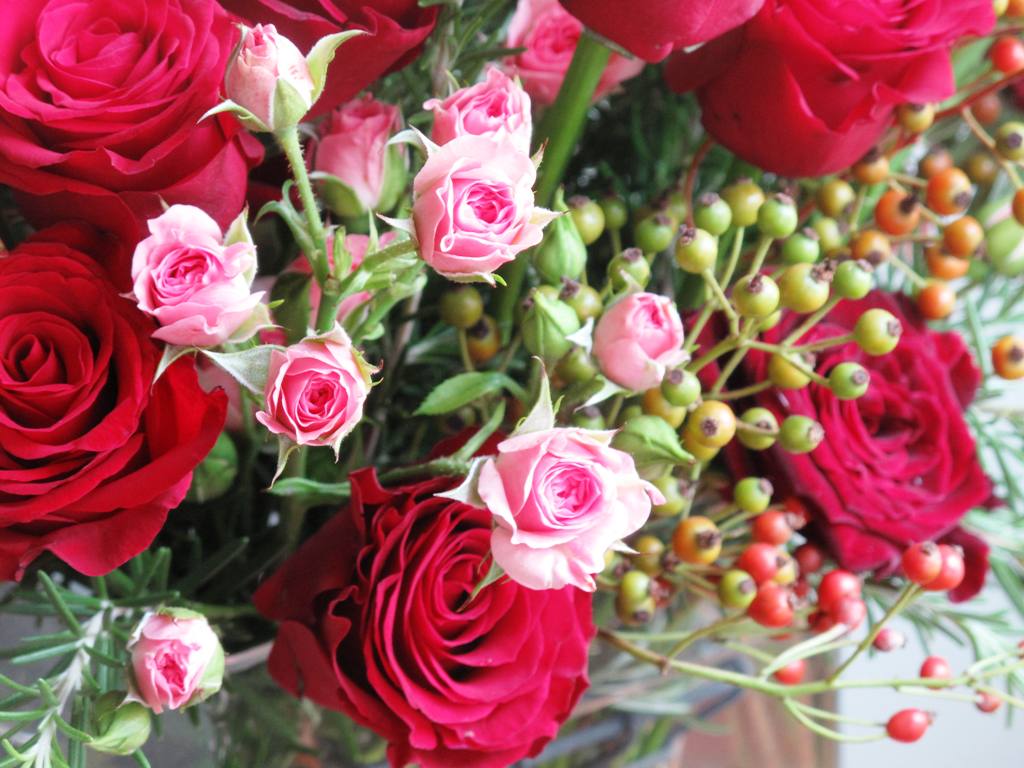
A detail from a Valentine's Day bouquet featuring Peterkort Roses.

A detail from a Valentine’s Day bouquet featuring Peterkort Roses.

Indeed Peterkort is the last Oregon rose grower, but in fact, customers around the country have begun to discover these boutique blooms. A message on the company’s web site helps to explain their popularity: “What can we say about a bunch of people who are still dedicated to growing cut flower roses in the U.S.? . . . We continue because we are obsessed.” 

Peterkort’s sustainable practices produce greener blooms:

  • During the winter months, Peterkort increases the amount of artificial greenhouse light, thereby producing more roses in less space for the same amount of energy. Energy curtains provide additional insulation as outside temperatures drop. The panels are made of Mylar and are suspended from cables across the greenhouse ceiling, containing heat within when closed.
  • Peterkort uses an Integrated Pest Management (IPM) system of biological controls to curb aphids, spider mites and other predator pests.
  • Peterkort selects disease-resistant rose varieties and suppresses the spread of fungal diseases by maintaining ideal temperature, humidity and air circulation levels inside the greenhouses and keeping the ground clear of dead leaves and debris.
  • All packaging is recycled and roses are wrapped for market in newspaper purchased from a local charity. 

Here are some of my arrangements from Slow Flowers, featuring roses and lilies grown by Peterkort Roses: 

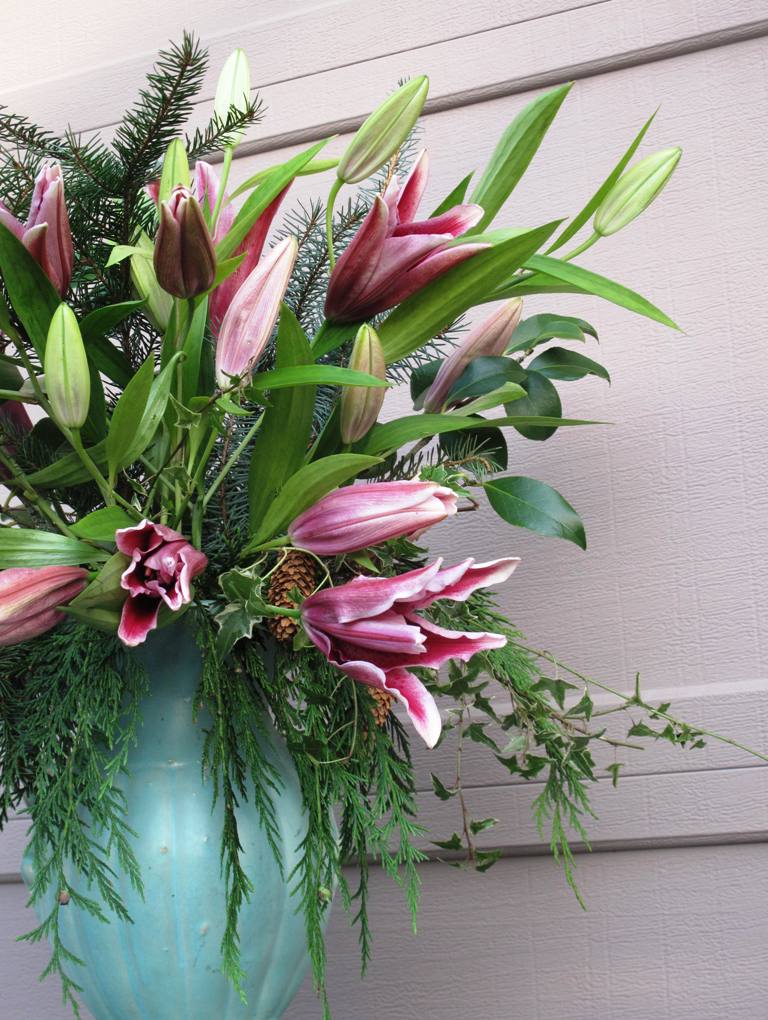
Peterkort lilies with winter greenery. The variety is Lilium 'Rio Negro', a hybrid Oriental lily.

Peterkort lilies with winter greenery. The variety is Lilium ‘Rio Negro’, a hybrid Oriental lily.


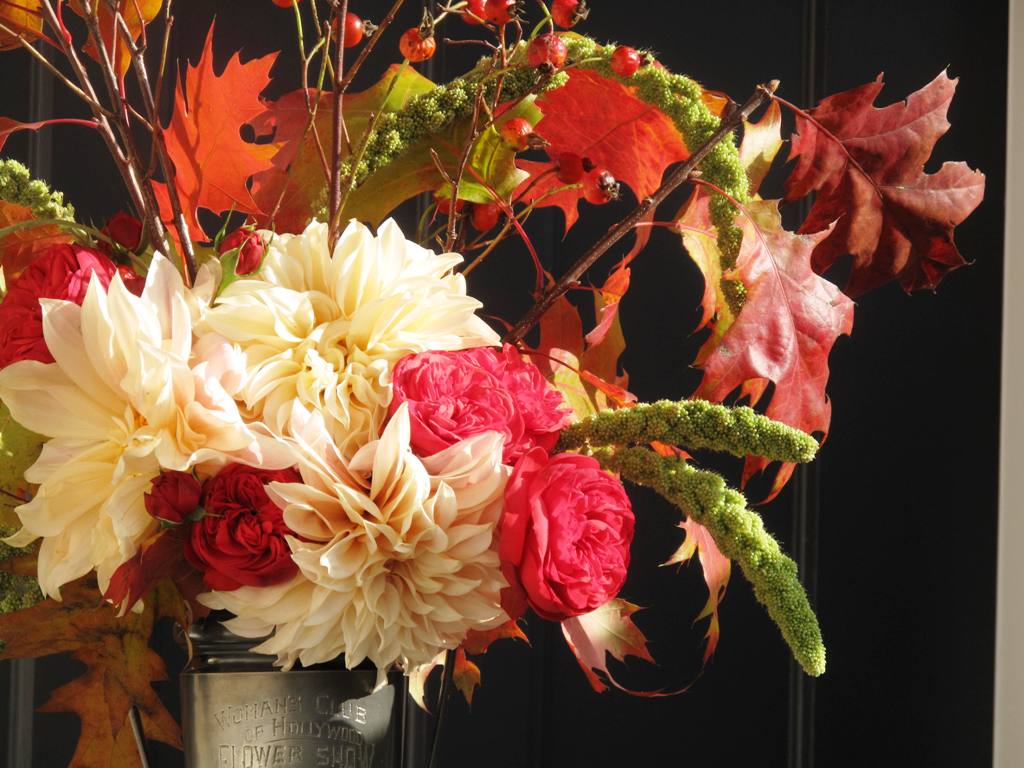
Peterkort's lovely red garden rose 'Piano Freidland', makes this autumn arrangement sparkle!

Peterkort’s lovely red garden rose ‘Piano Freidland’, makes this autumn arrangement sparkle!


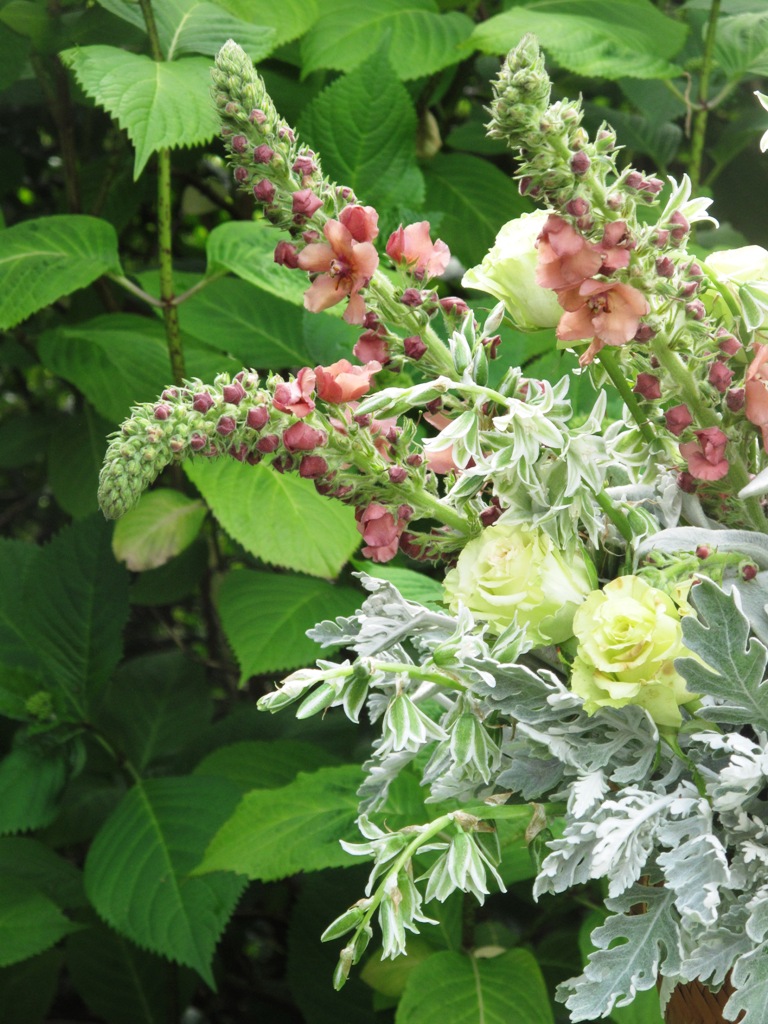
"Supergreen' is a hybrid tea rose grown by Peterkort - a sublime pale green rose.

“Supergreen’ is a hybrid tea rose grown by Peterkort – a sublime pale green rose.


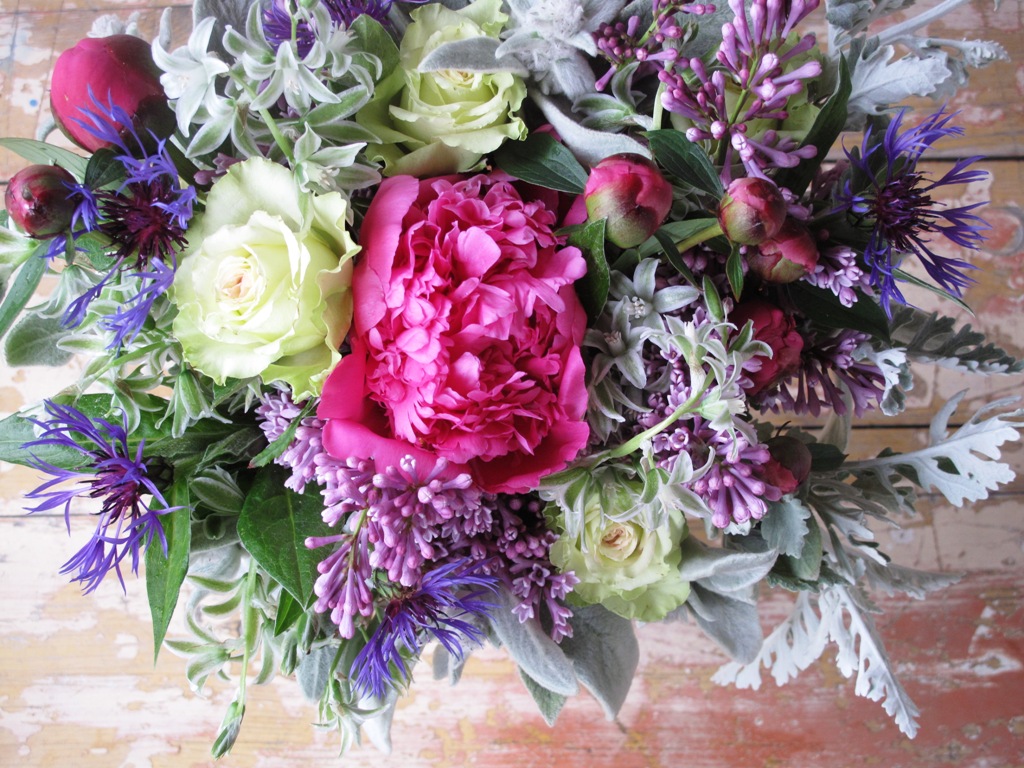
A springtime bouquet featuring 'Supergreen' with a  pastel combination.

A springtime bouquet featuring ‘Supergreen’ with a pastel combination. 

For many sweethearts, Valentine’s Day is filled with expectations and anticipation. Yet for followers of the Slow Flowers movement, the romantic holiday is not complete unless the flowers we give and receive come from local farmers who use sustainable practices. Peterkort is one such source. Please ask your local florist to order these domestic roses rather than the steroidal giants that must be shipped from afar, a continent or two from here.

In fact, here is my list of American rose farms. If your local florist says, “I can’t find American-grown roses,” then give him/her my recommendations and ask them to do their homework. You have to care enough to do the right thing.

It has been my pleasure to share with you today’s podcast conversation with Sandra Laubenthal. All photos are (c) Debra Prinzing.

Because of the support from you and others, listeners have downloaded episodes of the Slow Flowers Podcast more than 6,500 times! I thank you for taking the time to join to my conversations with flower farmers, florists and other notable floral experts.

If you like what you hear, please consider logging onto Itunes and posting a listener review.

Until next week please join me in putting more American grown flowers on the table, one vase at a time. 

 The Slow Flowers Podcast is engineered and edited by Hannah Holtgeerts. Learn more about her work at hhcreates.net.  

Make my Roses “Whole American,” Please

Tuesday, February 11th, 2014
A beautiful American rose, grown in Oregon by the Peterkort family.

A beautiful American rose, grown in Oregon by the Peterkort family.

In the grand scheme of things, Whole Foods is supposed to be one of the “good guys,” right? From the point of view of the American flower farming community, I know that many of my farmer-friends sell beautiful, seasonal and local blooms from their fields to Whole Foods stores in their specific regions. This “local sourcing” is done on a region-by-region basis with kudos going to passionate store and floral department managers who develop strong ties to their local farmers.

But at the corporate level, and especially during Valentine’s Day, something else is going on altogether. And I’m not alone in being bothered by it.

Labeled “Whole Trade,” which is the proprietary corporate branding that Whole Foods puts on imported roses, these blooms are as far from local as you can find. They’re shockingly similar in appearance to the bunches of roses being marketed by all the wire services, 1-800 marketers and big boxes.

So the local, sustainable and seasonal banner that the Whole Foods brand is waving above its front doors has some serious flaws when it comes to the flowers they are selling. 

Somehow, Whole Foods has decided to market its practice of importing South American roses as a kind of missionary endeavor. Personally, I find it so disingenuous. Last year, the company posted a pro-rose Valentine’s Day story on its blog, featuring a video of children at an afterschool program for the workers at a Colombian rose plantation. The post generated 100 responses, many from frustrated customers and American flower farmers who wondered why Whole Foods had skipped doing business with rose farms here and devoted 100% of their Valentine’s Day marketing budget to feature and promote imports from Colombia and Ecuador?

In response to the customer outcry, Whole Foods’ “Global Floral Buyer” Amanda Rainey made a statement and offered this explanation: Americans bought more than $189 million stems last year! – domestic rose production is very limited and they’re frequently shipped from overseas.” 

So does that makes it right Amanda? 

Is it the $189 million you’re interested in or are you justifying importing your roses because everyone else is doing it?  Is that right, Whole Foods?

I was one of those 100 people who left a comment last year, urging Whole Foods to reconsider their strategy with the flowers they are buying.  I truly expected more from this market leader this year.  I can tell you if a company like Whole Foods made a commitment to nurturing relationships with American rose farms, things would change. Sure, Whole Foods might have to take a little less profit, but if Whole Trade is designed to give 1% back from every purchase, apparently they have some margin to work with.

More importantly, so many good, healthy and sustainable benefits would come from that endeavor.  In my opinion, there is no good reason more than 97% of the roses sold on Valentine’s Day should be flown in from Colombia and Ecuador.  I also don’t believe a company like Whole Foods should be party to it.

So, I ask that if you’re a Whole Foods customer, please join me in letting Whole Foods know that we want a “Whole American” campaign that supports and cultivates relationships with our American flower farmers.  With the millions they’ve spent developing the Whole Trade program, I don’t expect it to go away. But if Whole Foods can give 1% back to Colombia, they can also give 1% here at home.  If they can give more money to Ecuadorian producers, they can certainly give more money to our American flower farmers.  If they can work to ensure better wages and working conditions on Colombian plantations, then they can support flower farming communities’ schools and non-profits here at home. If Whole Food really cares about the environment, then they can limit their need to source flowers that have to be flown into the United States.    

So, Please make a comment here on Whole Foods’ current blog post about their Whole Trade roses.  Let’s encourage them to do the right thing here and support “Whole American” flowers! 

I see quite a profound parallel between the Whole Trade campaign and a brand new Whole American campaign for flowers. I don’t believe that America’s flower farmers expect imports to go away. But they do want a level playing field. They do want a chance to sell more of their irises, sunflowers, lilies and roses to the largest “green” branded supermarket in the U.S.

So to help them get started, here is a list I’ve compiled of the top domestic U.S. rose farms that I’m aware of. It’s simply not fair to say the American flower supply is limited. The supply is only limited by our vision to see the opportunity.  Whole Foods should launch a campaign that guarantees that they will source from American rose farms by next Valentine’s Day. That promise will give the flower farmers the ability to increase their production and invest in expanding their volume of beautiful, homegrown American roses.

“Whole American” is a beautiful concept that should be a reality. Wouldn’t be amazing if consumer demand could help Whole Foods do the right thing? Wouldn’t it be amazing to see Whole American roses offered when Valentine’s Day 2015 rolls around? 

CALIFORNIA

California Pajarosa – www.pajarosa.com

Dramm & Echter – www.drammechter.com

Eufloria Flowers – www.eufloriaflowers.com

Green Valley Floral – www.greenvalleyfloral.com

Koch California – Koch California 

Myriad Flowers – www.myriadflowers.com

Neve Brothers – www.nevebros.net

Rose Story Farm – www.rosestoryfarm.com

MINNESOTA

Len Busch Roses – www.lenbuschroses.com 

OREGON

Peterkort Roses – www.peterkortroses.com


SLOW FLOWERS Podcast: San Francisco Flower Mart – a legacy of locally-grown flowers (Bonus Episode)

Monday, January 27th, 2014


Small_SFFlowerMart-Logo-GreenSomething really exciting happened last week – my friends at the San Francisco Flower Mart, the premiere flower market in the U.S., came onboard as presenting sponsors of the Slowflowers.com directory. This is my other passionate project, and it dovetails nicely with the Slowflowers Podcast.

In the works right now, Slowflowers.com is a free online directory to help you find florists, studio designers, wedding and event planners, supermarket flower departments and flower farmers who are committed to American grown flowers.

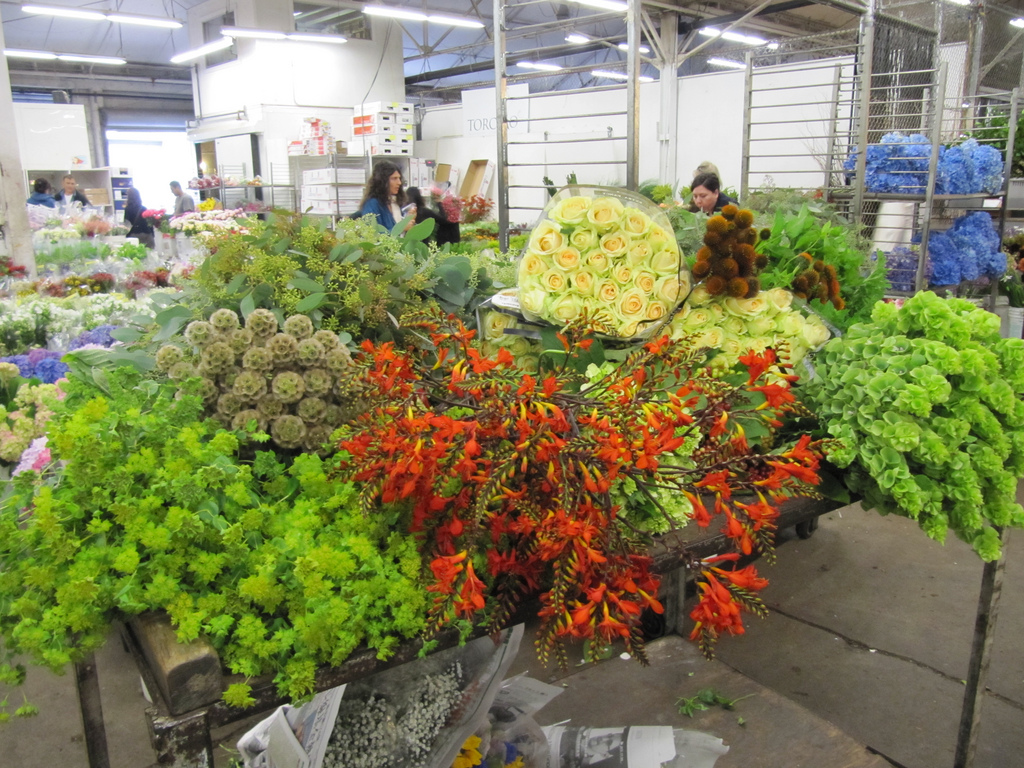
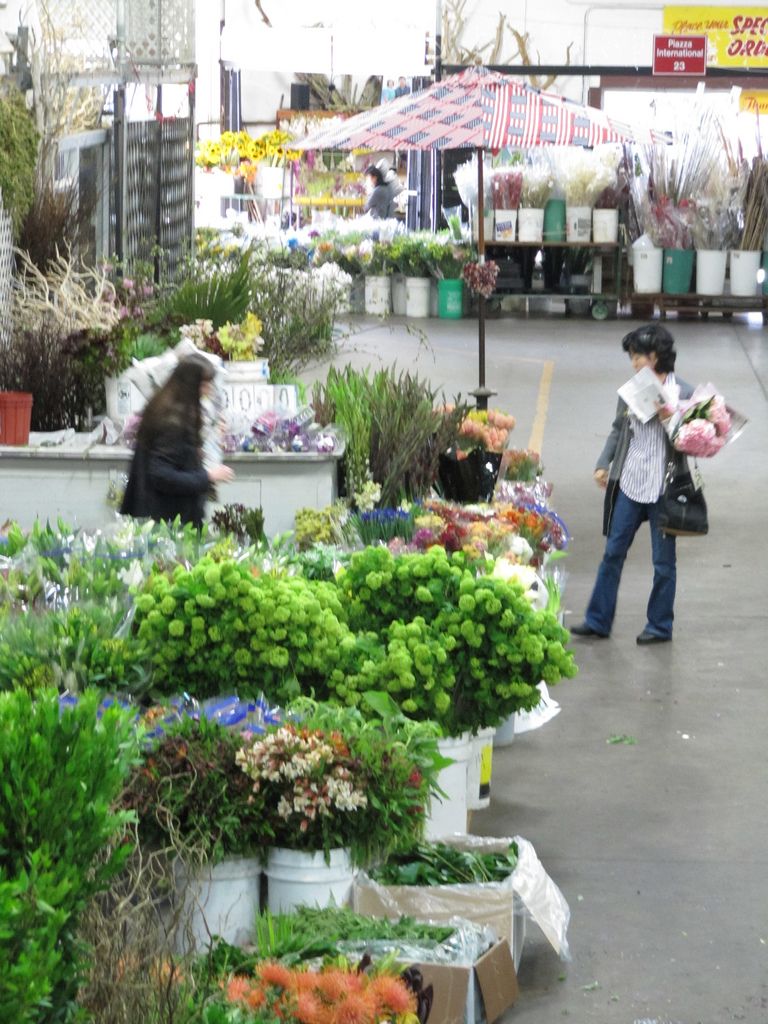
Inside the San Francisco Flower Mart: Connecting Bay  Area florists and flower lovers with fresh, seasonal and local blooms.

Inside the San Francisco Flower Mart: Connecting Bay Area florists and flower lovers with fresh, seasonal and local blooms.

I’m currently raising funds to complete this project via Indiegogo.  To date, supporters of American Grown flowers have contributed $11,045 to the campaign, with SF Flower Mart’s $1,000 contribution giving us a huge boost earlier in the week.

I happened to be working in SF this past Monday, so I stopped by the management office and grabbed General Manager Bob Otsuka and Jeanne Bose, the SFFM’s marketing/promotions director and social media strategist, for a quick conversation, recorded as a Bonus to the Slow Flowers Podcast. Listen to what Bob and Jeanne say about the Market’s decision to bring their support to the Slowflowers.com launch.

It’s fascinating to learn about the history of this amazing center for locally grown flowers – and inspiring to know that we’re on the same path to promote more American Grown Flowers to the floral industry and consumers alike. 

Seasonal blooms, six days a week.

Seasonal blooms, six days a week. 


There's a huge selection of local California-grown roses . . . in awesome colors~

There’s a huge selection of local California-grown roses . . . in awesome colors~

Here is a little slice of history, as told on the Market’s web site:

With beginnings paralleling the growth and development of the San Francisco Bay Area, the origins of the San Francisco Flower Mart go back to the late 1800’s when land was plentiful. Local flower growers could bring their product to Lotta’s fountain in downtown San Francisco three days a week, selling their product to local flower shops. [Note: Lotta’s fountain is located at the intersection of Market, Geary and Kearny streets in downtown San Francisco.

A need for a centrally located market bringing together the three ethnically diverse groups of flower growers was fulfilled with the opening of a market located at 5th and Howard Streets in 1924. As flower growers expanded production areas outside of the Bay Area and as product from other parts of United States came in, the need for a larger more modern permanent facility led to the design and construction of our current market at Sixth and Brannan Streets in the South of Market area of San Francisco.

The grand opening of the San Francisco Flower Terminal in September 1956 marked the establishment of an industry icon. Today, officially known as the San Francisco Flower Mart, we now have over 60 vendors, purveyors of cut flowers, potted plants, blooming plants and floral supplies. We have evolved from being a “growers” market to being a marketplace for floral wholesalers. Product, which at one time was only from the immediate Bay Area, now comes from the far reaches of the world.

As you will hear in this podcast interview, more than a century after it was established, the San Francisco Flower Mart continues to reflects the character of locally-grown flowers and the farmers who grow those blooms.

In addition to family flower farms selling direct to the floral industry and consumers, you will also find wholesalers who stock flowers from growers in other parts of California, as well as Oregon and Washington. And while people in “the flower biz” are served here as wholesale customers six days a week, some days as early as 2:00 a.m., the DIY flower lover/designer is also welcome to shop – after 10 a.m. 

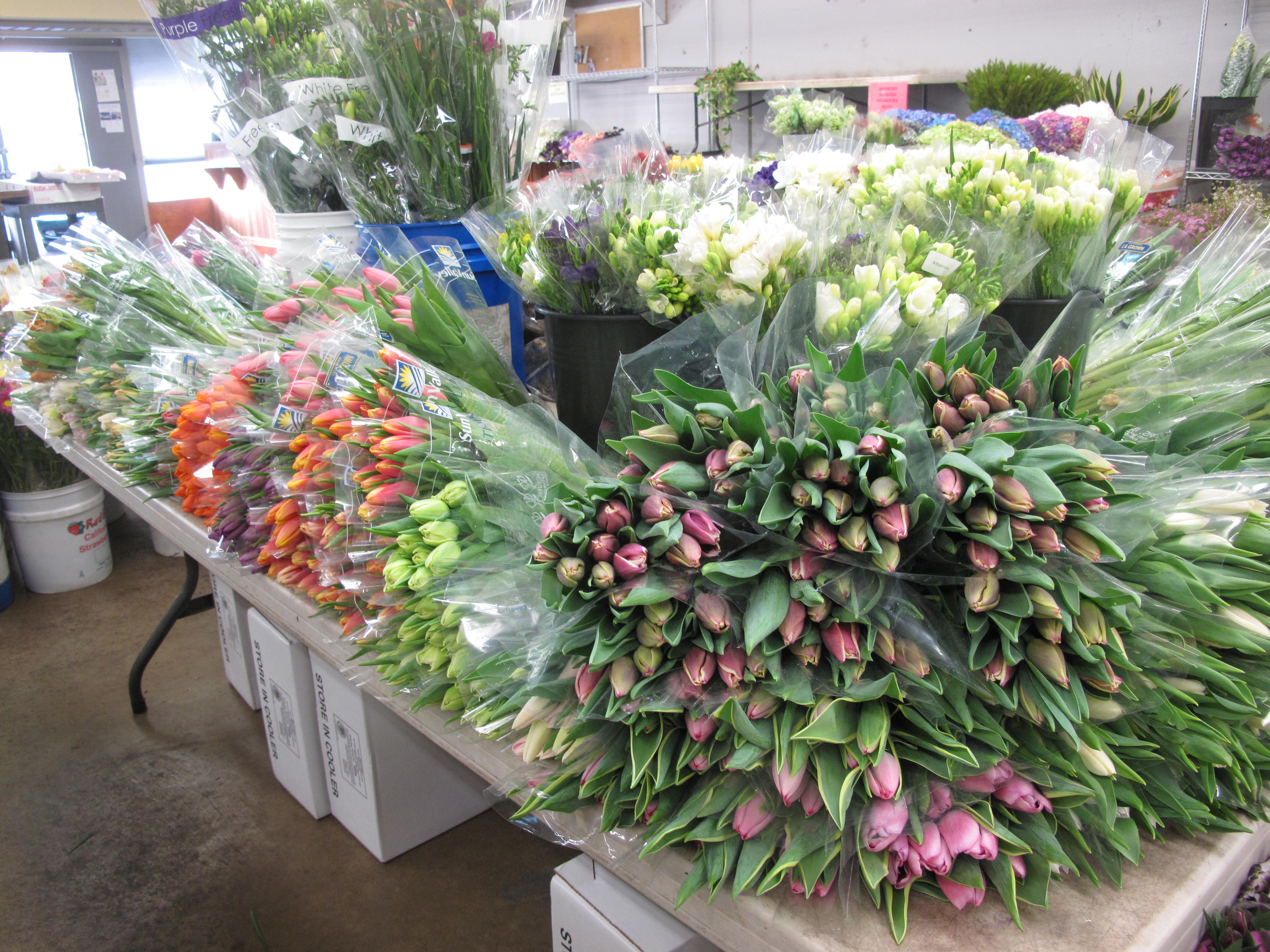
A bustling center for flowers - with more than 60 vendors.

A bustling center for flowers – with more than 60 vendors.  


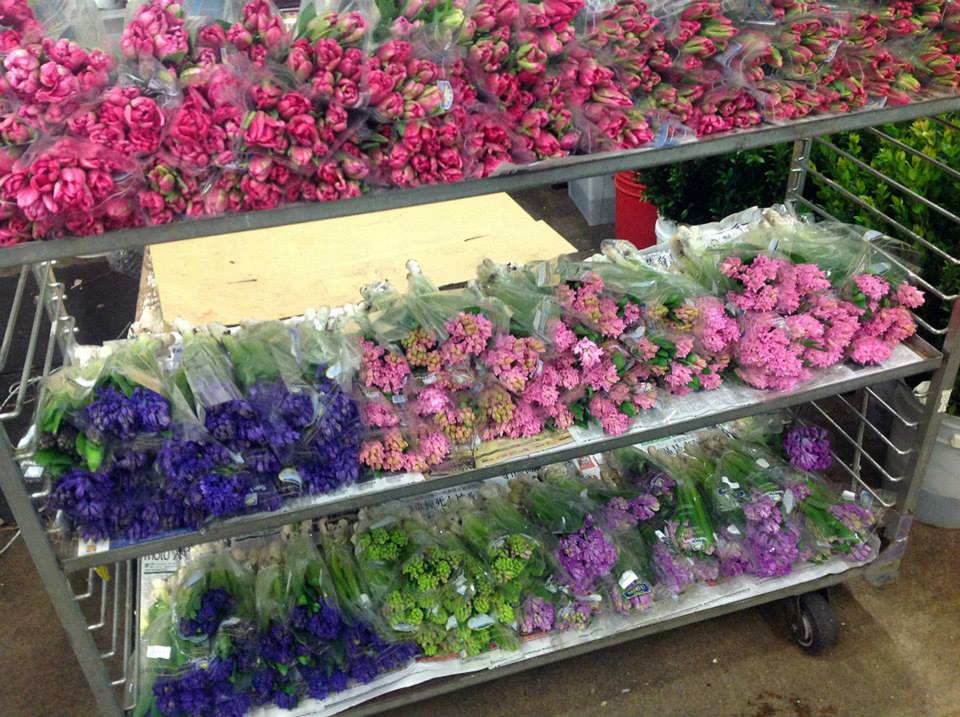
Racks of California-grown hyacinths recently offered by Torchio Nursery, a vendor at the San Francisco Flower Mart.

Racks of California-grown hyacinths recently offered by Torchio Nursery, a vendor at the San Francisco Flower Mart.

This is truly a flower mecca and you must add it to your flower bucket list if you haven’t been to visit. I’m thrilled to feature the San Francisco Flower Mart and doubly thrilled that this important center for local flowers will be a Presenting Sponsor on the Slowflowers.com site for the year to come, connecting More American Flowers with Customers, One Vase at a Time.

 All photographs used here, courtesy (c) Jeanne Boes, SF Flower Mart

Slowflowers.com – Exciting updates from the Indiegogo campaign

Thursday, January 23rd, 2014

I’m watching and excitedly dancing in my seat from Austin, Texas as you and the other pioneers of sustainable floriculture change the face of the industry! Brava!!

Can’t wait for the directory project to come to fruition- my tiny donation did’t break the goal mark, but every little bit counts. Thanks from EcoChic Floral.

– Natasha Madison, EcoChic Floral, Austin, TX

Above is just one of the many supportive messages I’ve received in the past three weeks since launching the Indiegogo campaign to help me complete the launch of the Slowflowers.com site. 

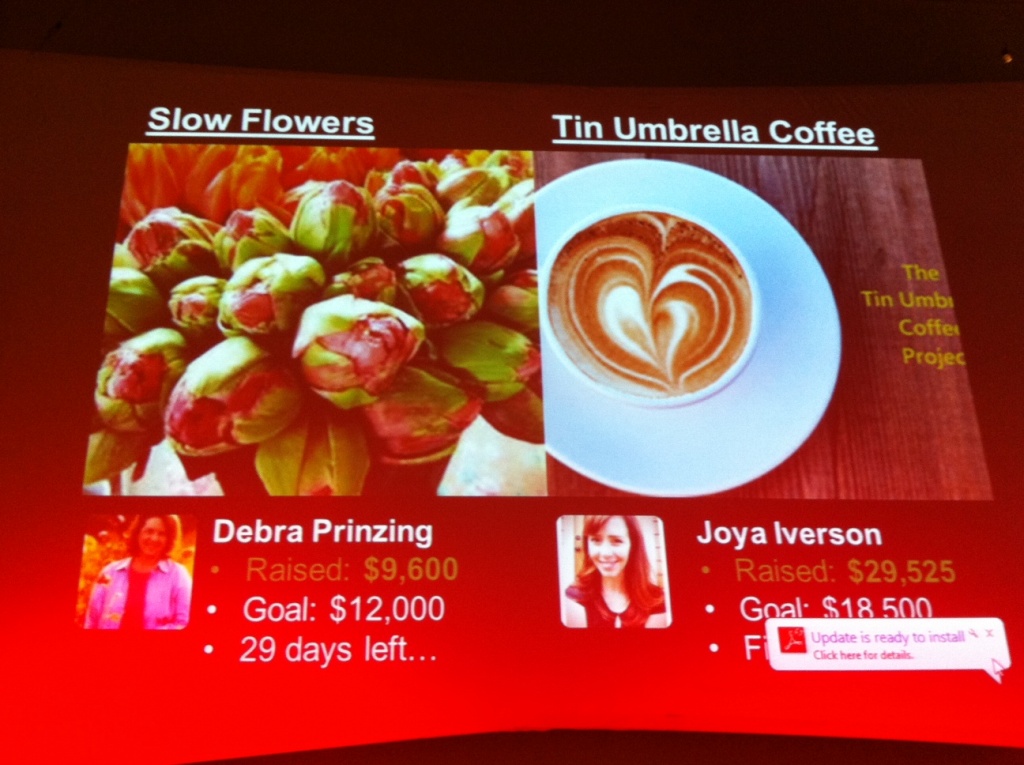
So fun to see this project on the big screen at last night's Indiegogo Seattle Event!

So fun to see this project on the big screen at last night’s Indiegogo Seattle Event!

It has been so gratifying to run my crowdfunding campaign on Indiegogo, the amazing resource that has such an inspiring tagline: “Fund what Matters to You.” Truly, if you are planning on taking this path to help raise funds for your own passion and dreams, this is the company to work with. They’re amazing!

SO many people – friends, family, fellow advocates in the Renaissance of the American Grown Flower Farm – and more, have contributed funds large and small.

Even more people loyally promote this project on their own social networks, like my Facebook friend Annie Haven of Authentic Haven Brand Natural Brew who constantly gives me a thumb’s up or an encouraging comment or re-post. It means so much.

Or my number-one supporter Kasey Cronquist, CEO of the California Cut Flower Commission, who has been picking up the telephone to call and encourage someone else to get involved.

Or, like my friend Susan Appleget Hurst, some are sending an email to an entire networks of people, encouraging them to view flowers as part of agriculture. Thanks so much to you all! 

Here are some stats:

Funding goal: $12,000 (by February 19th)

Funds contributed to date: $10,050 – that’s 84% of the goal!

Number of people who’ve contributed: 145

Number of states represented: 29

Number of countries represented: 3 (U.S., Russia and the Netherlands)

There is one opinion that occasionally bubbles up in our industry that the idea of supporting local and seasonal flowers is “something that happens on both coasts” and that it is nonexistant in the central part of our country.

Let’s debunk that misperception right now. The Slowflowers.com supporters in Texas, Iowa, Montana, Idaho, Illinois, Indiana, Ohio, Pennsylvania, Missouri, Michigan, Tennessee and New Mexico believe in the importance of American Grown flowers. They’ve joined supporters from East Coast and West Coast states — Rhode Island, Massachusetts, Florida, Washington, D.C., Alaska, Washington, Oregon, California, New York, New Jersey, North Carolina, Maryland, Virginia, Maine and Massachusetts! That’s seriously impressive and such a wonderful representation of flower farming, floral design and demand for local flowers.

Thanks to the San Francisco Flower Mart for coming onboard this week with a $1,000 PRESENTING SPONSOR contribution! 

Thanks to the Los Angeles Times (reporter Lisa Boone) for blogging about this project last week – that was a great show of media attention.

Thanks to Rochelle Greayer of the Studio G Blog for this wonderful post. I love that she describes Slowflowers.com as “an online farmers’ market for flowers.”

Thanks to Indiegogo’s Bret Harris and Amanda Hat for inviting me to be part of their Seattle Event last night. It was pretty fun to be with other fans of Indiegogo, including Joya Iverson who successfully raised $29,525 for her new venture Tin Umbrella Coffee Roasters – a whopping 160% of her original goal of $18,500.  

Here are some more fun photos from last night’s event:

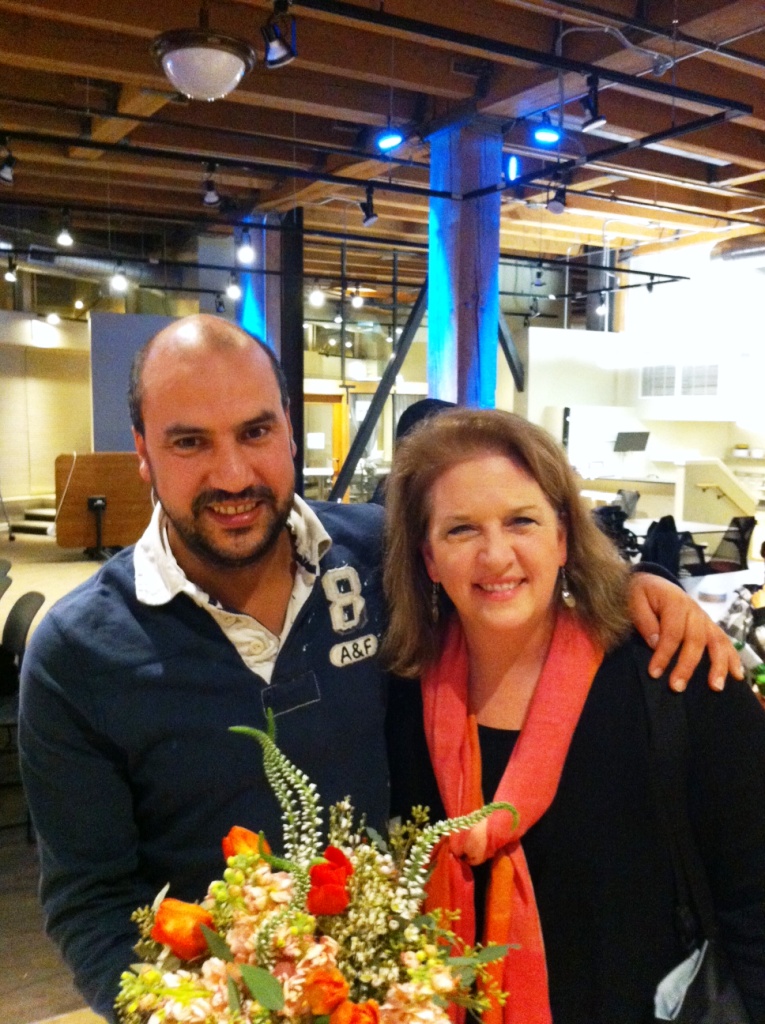
I brought a bouquet of local flowers - from farms in Washington, Oregon & California - to illustrate my passion for American Grown. . . it was a perfect "show-and-tell" and this guy won the bouuqet as a giveaway (his birthday is this weekend). Real men love local flowers!

I brought a bouquet of local flowers – from farms in Washington, Oregon & California – to illustrate my passion for American Grown. . . it was a perfect “show-and-tell” and this guy won the bouuqet as a giveaway (his birthday is this weekend). Real men love local flowers!


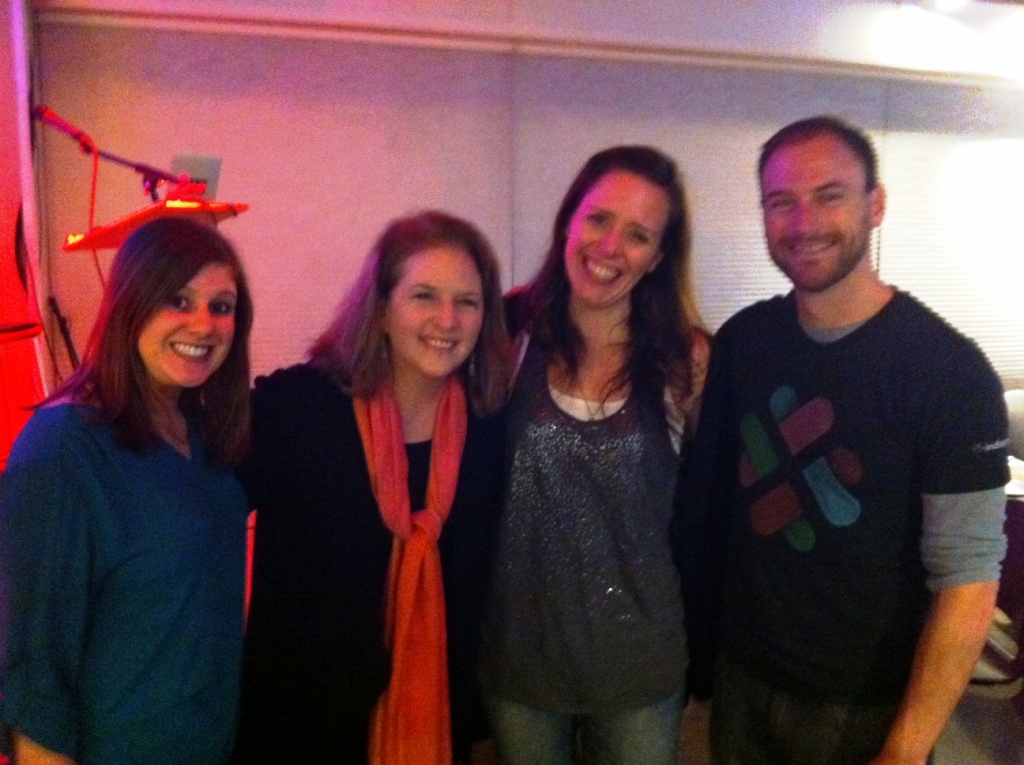
From left: Amanda Hat from Indiegogo, me, Joya Iverson of Tin Umbrella Coffee, and Bret Harris from Indiegogo.

From left: Amanda Hat from Indiegogo, me, Joya Iverson of Tin Umbrella Coffee, and Bret Harris from Indiegogo.


Thanks Indiegogo!

Thanks Indiegogo!

That’s it for now~ I’ve got lots more to do before this campaign ends . . . AND before we launch Slowflowers.com. Hoping to have a *beta* (soft launch) to share in the coming weeks. That’s the plan and my design and programming team is working tirelessly to finish. Stay tuned!

10 Reasons to Save American Flowers

Thursday, January 9th, 2014
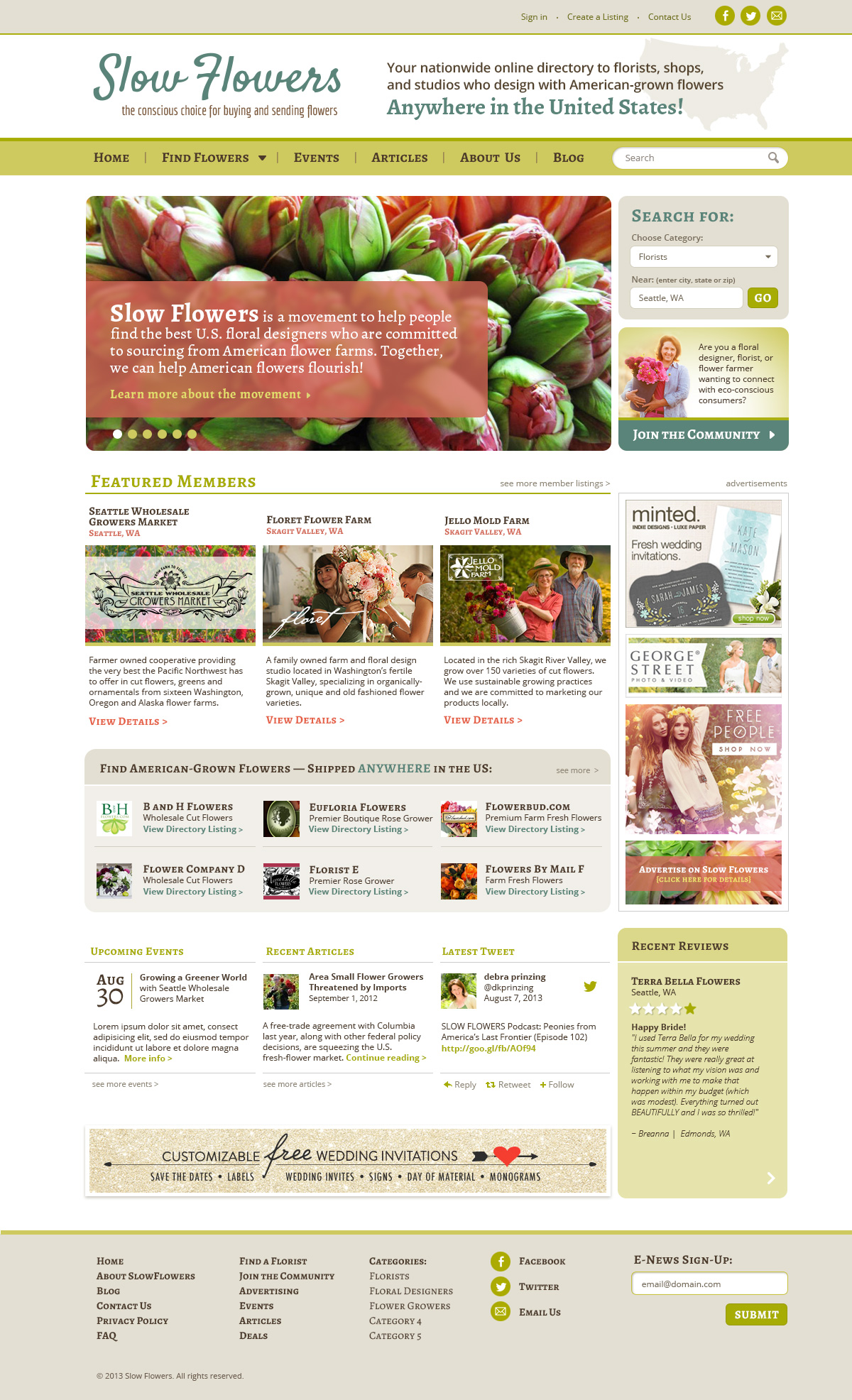
Here is the sample Home Page for the Slowflowers.com site

Here is the sample Home Page for the Slowflowers.com site. SAMPLE GRAPHICS are used as a place-holder only and do not imply endorsement.

I’m in the midst of raising money to help fund the launch of Slowflowers.com, a brand new, essential resource that will help connect consumers with American flowers and the people who grow, design with and sell them.

I’ve been living and sleeping flowers, dreaming about this project coming to fruition for so many months, more than a year, really.

And the exciting news is that donors to the Slowflowers campaign on Indiegogo have already contributed more than one-third of the $12,000 goal to this campaign in just four days. I think that’s remarkable. On this pace of $1,000 in donations per day, the goal will be met well before the 45-day deadline – and that means we can launch even sooner!

Here’s why this is such an important endeavor – and 10 reasons why saving American Flowers is important:

1. By supporting “American Grown” flowers, you are ensuring that “places” like this exist in this country and not just overseas.

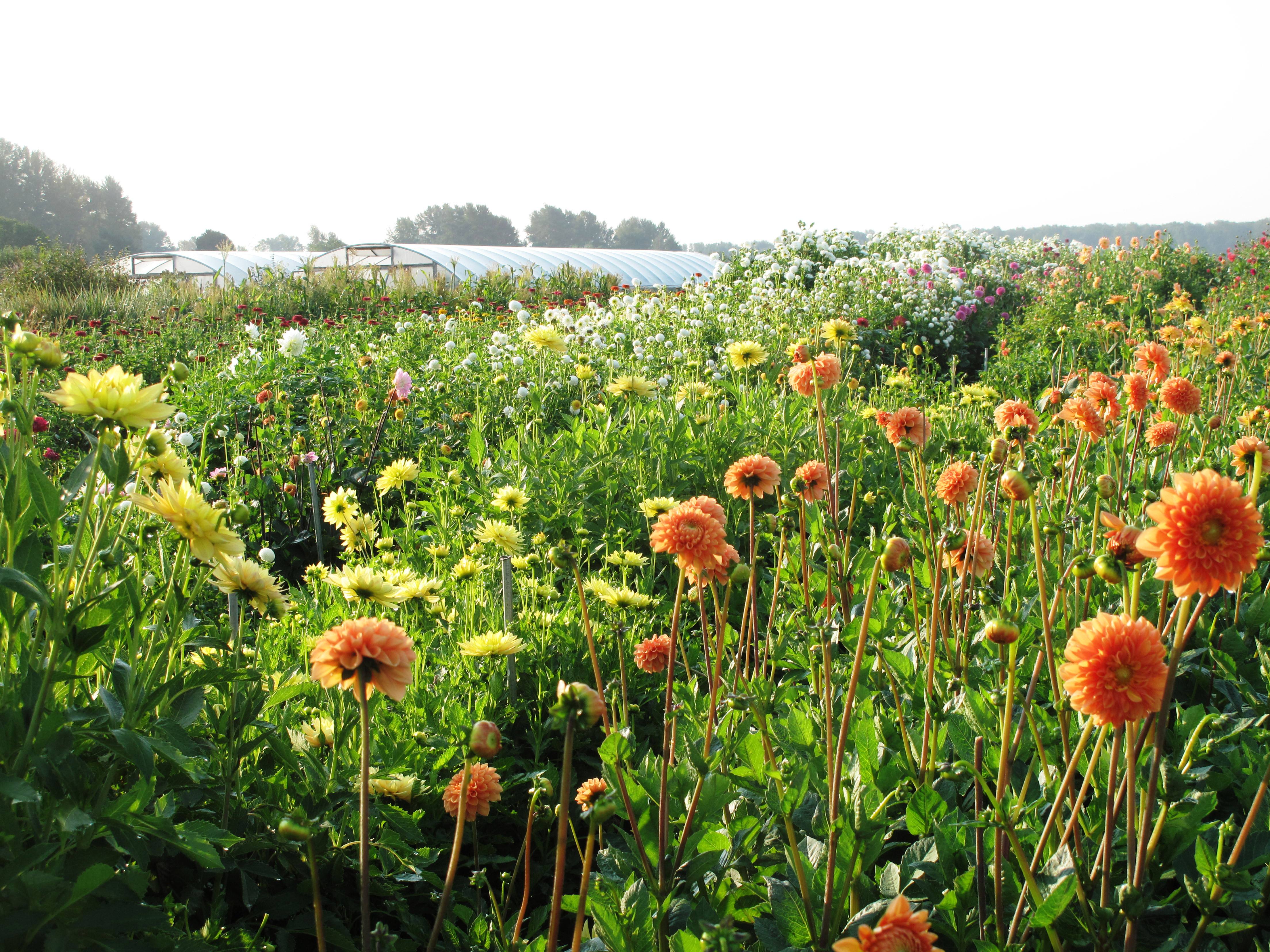
Flower farms preserve open spaces and agricultural land. Like this 7-acre patch of heaven in Mt. Vernon, Washington, home to Jello Mold Farm.

Flower farms preserve open spaces and agricultural land. Like this 7-acre patch of heaven in Mt. Vernon, Washington, home to Jello Mold Farm.

2. By supporting “American Grown” flowers, you are stimulating economic development where it’s desperately needed:

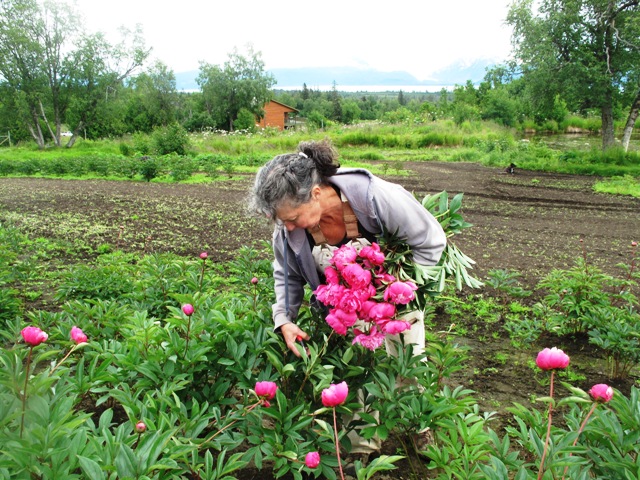
Imagine, a new economic floral industry in Alaska! Here's farmer Shelley Rainwater harvesting her beautiful peonies in Homer, Alaska.

Imagine, a new economic floral industry in Alaska! Here’s farmer Shelley Rainwater harvesting her beautiful peonies in Homer, Alaska.

3. By supporting “American Grown” flowers, you are saving the family farm and the very notion of making one’s living from the land.

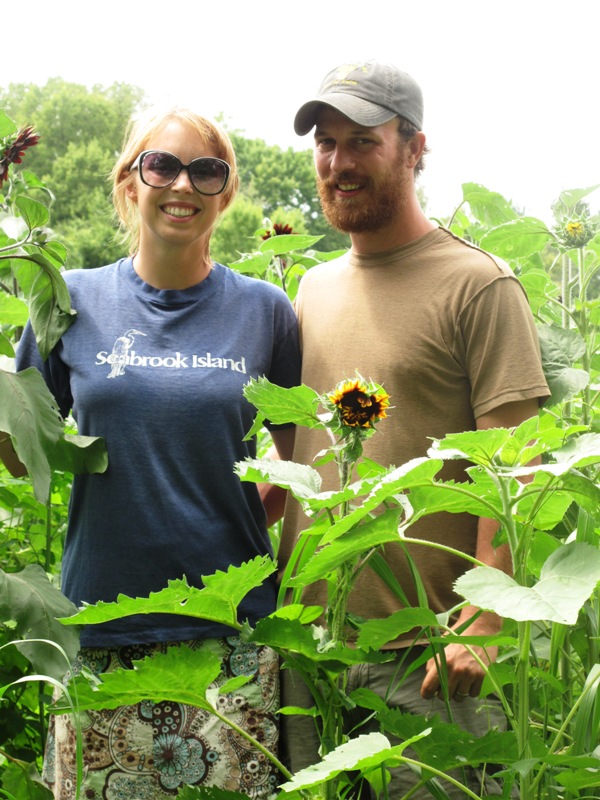
Agriculture in America is alive and well, especially when we can support farmers young and old in making their living from their land. Gretel and Steve Adams of Sunny Meadows Farm outside Columbus, Ohio.

Agriculture in America is alive and well, especially when we can support farmers young and old in making their living from their land. Gretel and Steve Adams of Sunny Meadows Farm outside Columbus, Ohio.

4. By supporting American flower farms, you are ensuring the diversity and variety of choices in the marketplace. 

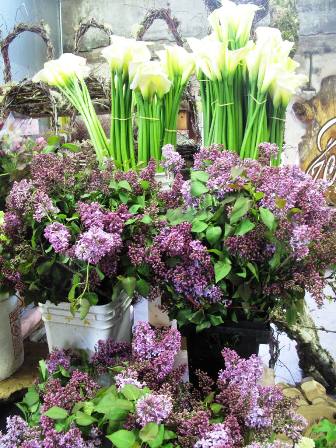
Field grown calla lilies and heady lilacs - Oregon grown and amazingly beautiful, fresh and healthy.

Field grown calla lilies and heady lilacs – Oregon grown and amazingly beautiful, fresh and healthy.

Field-grown old garden and English roses from Rose Story Farm. Hard to resist!

Field-grown old garden and English roses from Rose Story Farm. Hard to resist!

5. By supporting American flower farms, you are giving conscious and creative supermarket floral buyers A CHOICE about where they source their flowers, too.

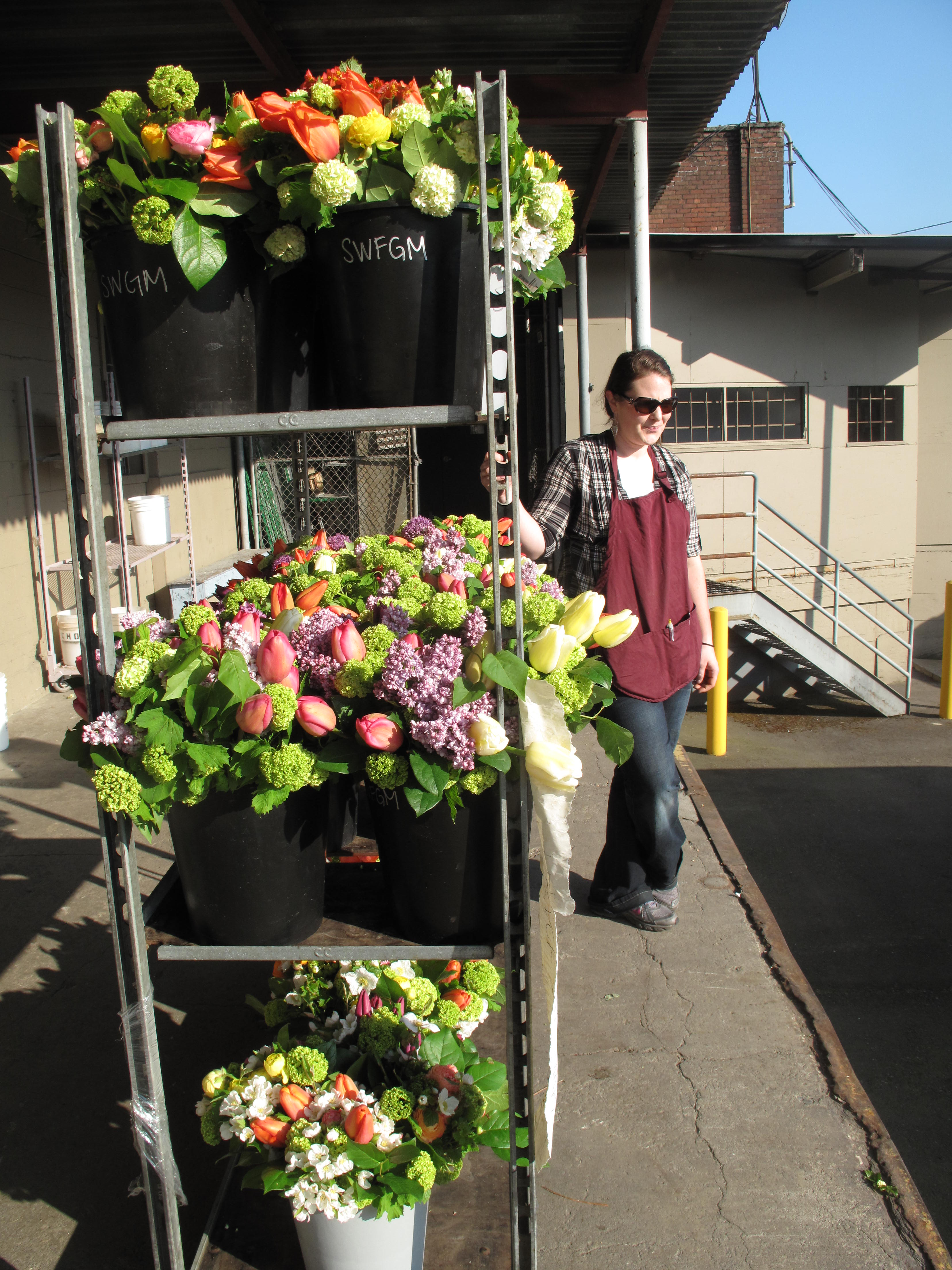
These Northwest flowers are on their way to the Town & Country Supermarket chain where buyers and their customers CARE that their flowers are locally grown.

These Northwest flowers are on their way to the Town & Country Supermarket chain where buyers and their customers CARE that their flowers are locally grown.

 6. By supporting American Flowers, you are helping to RECONNECT florists with flower farmers – and when that happens, beautiful things emerge!

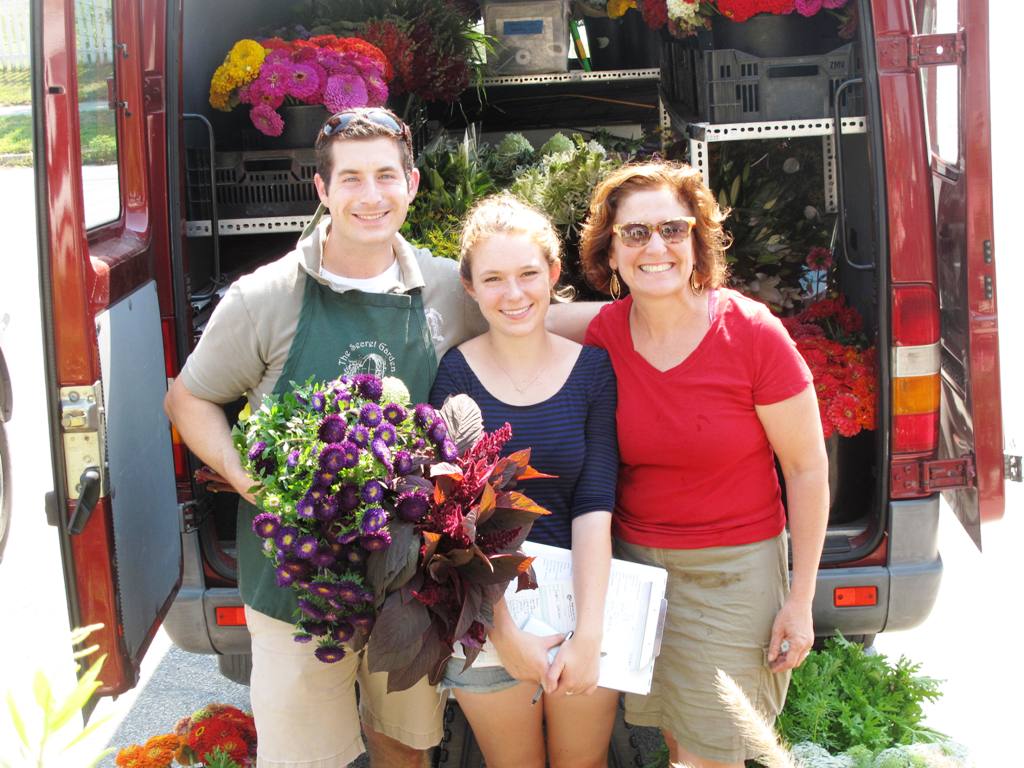
Polly Hutchison (right) of Robin Hollow Farm in Rhode Island makes weekly deliveries to David Urban (left), owner of The Secret Garden - an appreciative customer.

Polly Hutchison (right) of Robin Hollow Farm in Rhode Island makes weekly deliveries to David Urban (left), owner of The Secret Garden – an appreciative customer.

7. By supporting American Flowers, you are making it possible for farms to share their story with consumers, many of whom may never before have visited a flower farm or greenhouse!

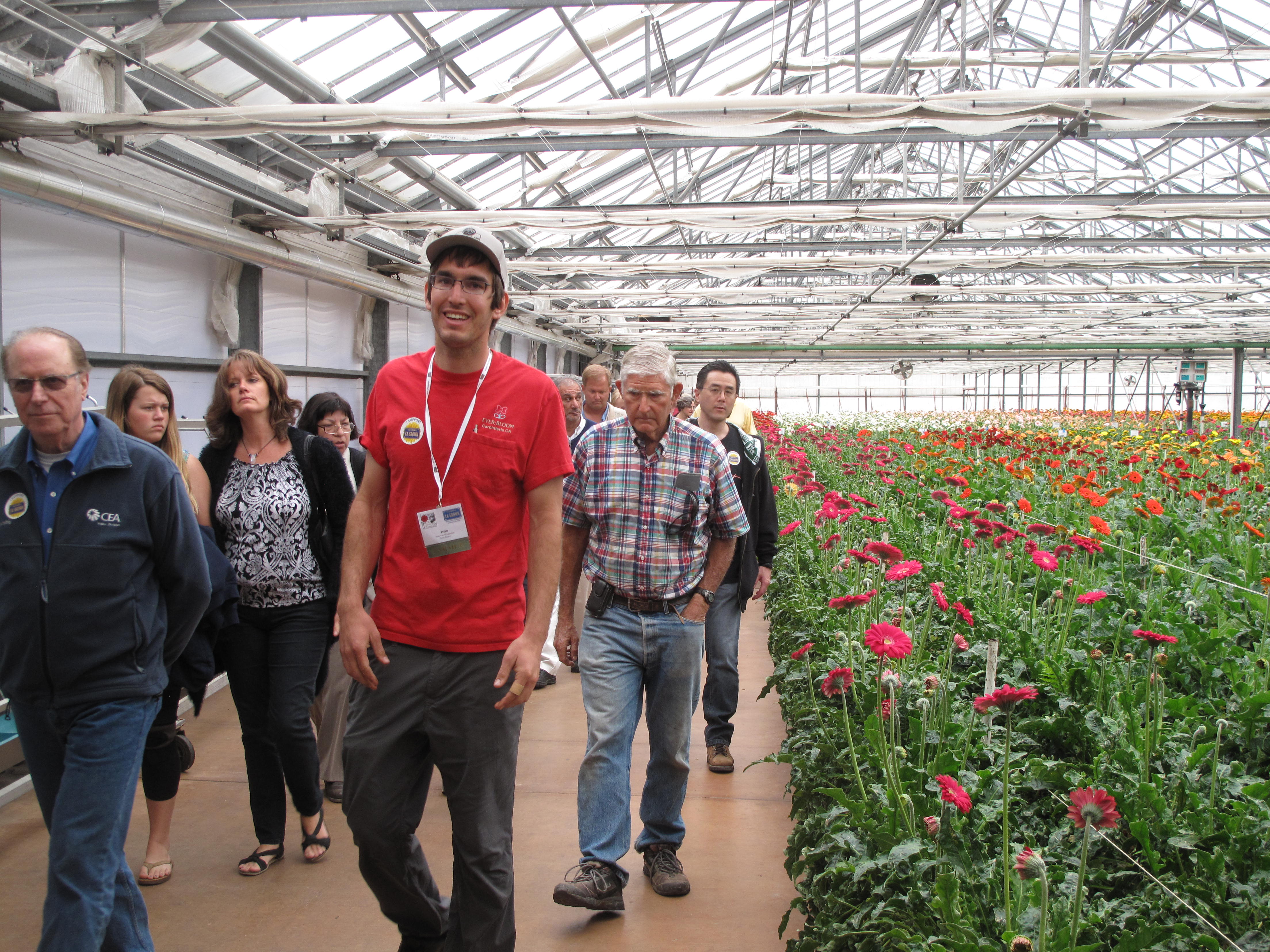
Ivan Van Wingerden of Ever-Bloom in Carpinteria, California, tours visitors through the gerbera greenhouses during the annual open garden event bringing consumers to flower farms.

Ivan Van Wingerden of Ever-Bloom in Carpinteria, California, tours visitors through the gerbera greenhouses during the annual open garden event bringing consumers to flower farms.

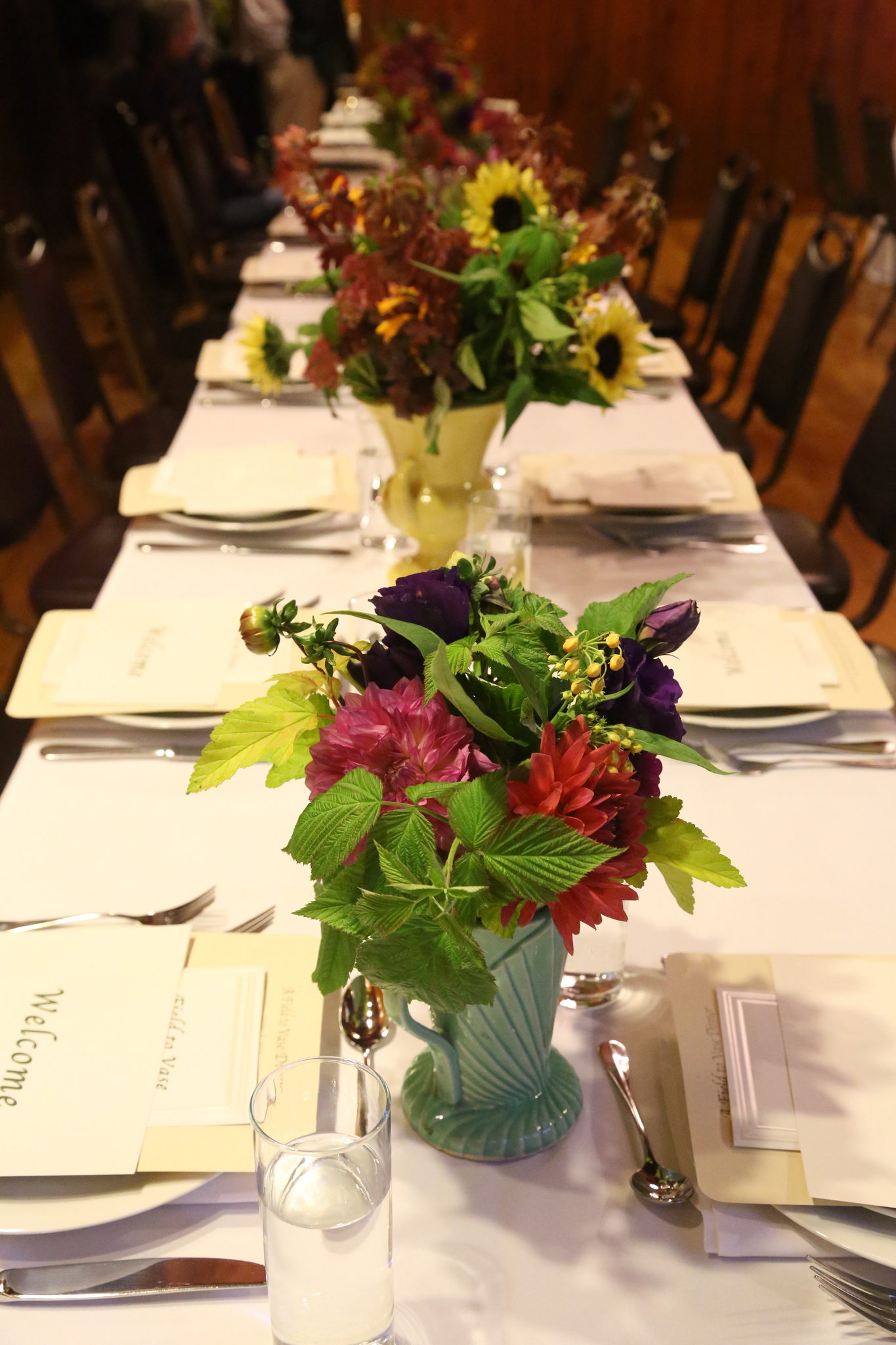
8. By supporting American Flowers, you’re making sure that LOCAL FLOWERS are part of the FARM-TO-TABLE story!

table beauty

Flowers are an important item on the farm-to-table menu!

9. By supporting American Grown flowers, you are helping an entire industry advocate for change – for transparency and honesty when it comes to COUNTRY OF ORIGIN LABELING on FLOWERS:

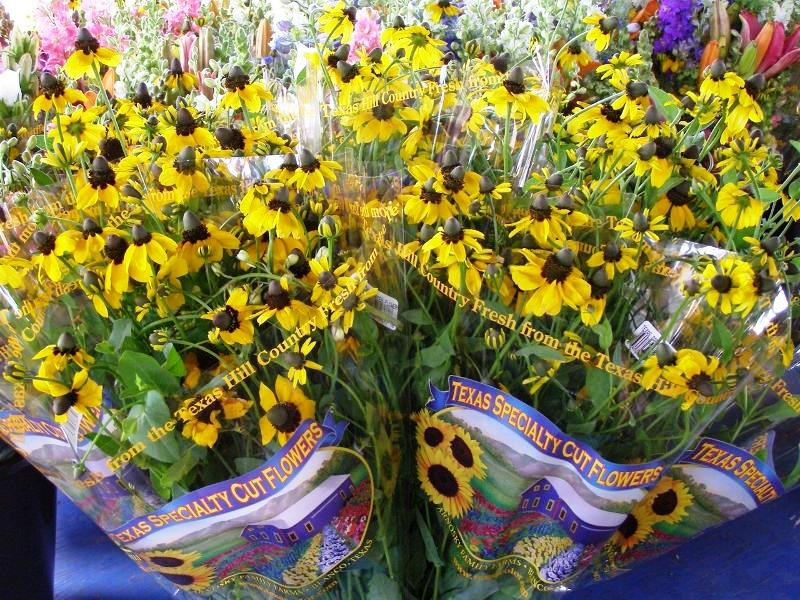
There is no doubt that these flowers were grown by local farmers in their local community.

Thanks to honest labeling, there is no doubt that these flowers were grown by local farmers in their local community.

10. By supporting American Grown flowers, you’re putting more flowers on the table, one vase at a time. You’re saving an industry that has been long-neglected by its own elected officials. You’re changing the dialogue and elevating the design aesthetic for the flowers you give to celebrate, congratulate and share love.

It's a patriotic notion and an important way of life for generations of Americans.

It’s a patriotic notion and an important way of life for generations of Americans.

Tell me . . . WHY do you want to Save American Flowers?

Introducing Slowflowers.com: A Directory of American Flowers, Florists, Designers & Farmers

Sunday, January 5th, 2014

Every Sunday morning during 2013 I posted the Slow Flowers’ seasonal “bouquet-of-the-week” to share with you. We tracked the seasonal story of floral design, flowers, foliage and the farmers and gardens from which those ingredients came! It was a fantastic year in flowers, wasn’t it?

So what’s up for 2014?

For now, I’m going to take a break from weekly floral postings, but that does not mean I’ll be sitting around with my feet up on the ottoman perusing seed catalogs. No, I’ve been busy for the better part of the past six months working on the upcoming launch of Slowflowers.com. 

Web

Today, the funding campaign went live on Indiegogo and I invite you to check it out here. You’ll find lots of background information about why and how Slowflowers.com began.

I have many people to thank for helping me get to this point. Special thanks to Hannah Holtgeerts of HHcreates.net and her brother Luke Holtgeerts for creating the all-important video!

Preview it here: 

httpv://vimeo.com/83407503

 
Special thanks to our on-camera floral designers: Lynn Fossbender, Melissa Feveyear and Sara Jane Camacho
 
Special thanks to the team at Metric Media, especially Bob Meador, Willo Bellwood and Jacqui Lott for creating the Slowflowers.com look, feel, logo, topography and navigation – and to Martin Fletcher for his expertise and patience with our database!
 
Special thanks to all the florists and flower farmers who agreed to “endorse” this project for the campaign (Ann Sensenbrenner, Ellen Frost, Debbie Demarse, Polly & Mike Hutchison, and Diane Szukovathy/Dennis Westphall)
 
Special thanks to Kasey Cronquist of the California Cut Flower Commission and to Christina Stembel of Farmgirl Flowers who lent their voices to the video and so many hours of brainstorming and ideation.
 
Thanks, too, to the California Cut Flower Commission for sharing visuals and infographics for the SlowFlowers Slide Show.
 
Special thanks to Dave Salwitz for his last-minute audio recording talents
 
And mostly, thanks to my husband Bruce Brooks, for his endless support, emotionally and financially, for all my creative projects.