Debra Prinzing

Get the Email Newsletter!

SLOW FLOWERS Podcast: Farmer-Florist News – from Gretel Adams, Elizabeth Bryant and Kailla Platt (Episode 153)

Wednesday, August 6th, 2014

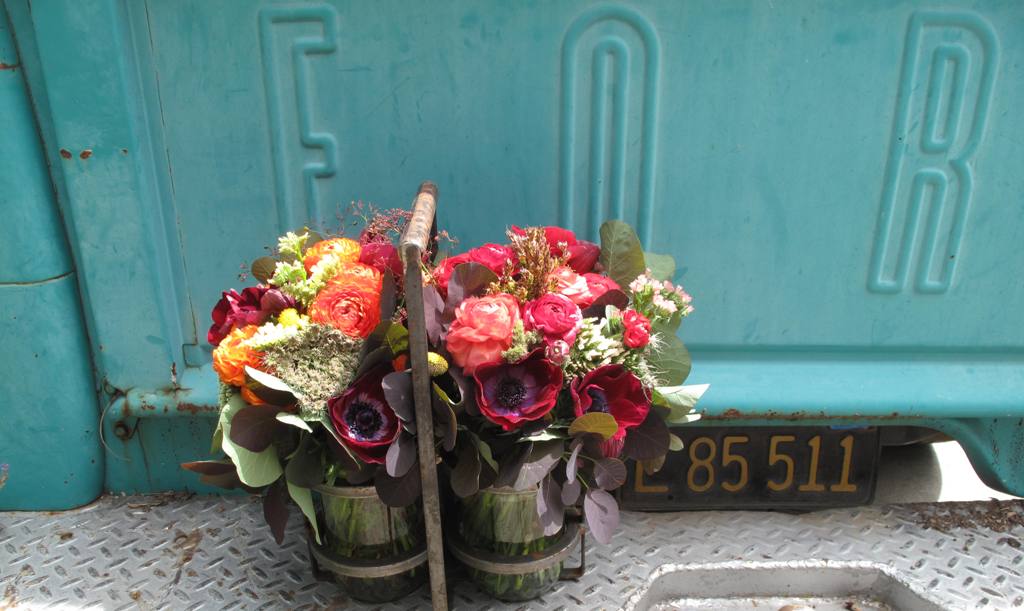
This iconic photo is showing up everywhere and I am so lucky it's mine! So symbolic of American Grown. Design and truck: Tara Kolla, Silver Lake Farms (Los Angeles) (c) Debra Prinzing

This iconic photo is showing up everywhere and I am so lucky it’s mine! So symbolic of American Grown. Design and truck: Tara Kolla, Silver Lake Farms (Los Angeles) (c) Debra Prinzing 

It’s summertime and the Slow Flowers Podcast is on the road. And it’s no surprise to learn there’s at least one awesome American flower farmer everywhere I seem to go.

There are passionate floral designers to be discovered right alongside and that means more beautiful Slow Flowers experiences for the nation’s consumers, coast to coast.

This week I’m sharing a fabulous conversation with a farmer-florist team from Portland, Oregon – Elizabeth Bryant, owner of Rose Hill Flower Farm, and Kailla Platt, owner of Kailla Platt Flowers.

But first, a bonus conversation that I recorded on July 16th at Sunny Meadows Flower Farm in Columbus, Ohio.

Owned by Steve and Gretel Adams, previous guests on this podcast, Sunny Meadows is leading the way in changing how flowers get to market in several Ohio cities. The reason for my return to Sunny Meadows was to work with James Baggett, editor-in-chief of Country Gardens magazine, and Kritsada, an uber-talented photographer, to produce a feature story about Gretel and Steve – and their farm, flowers and floral design.


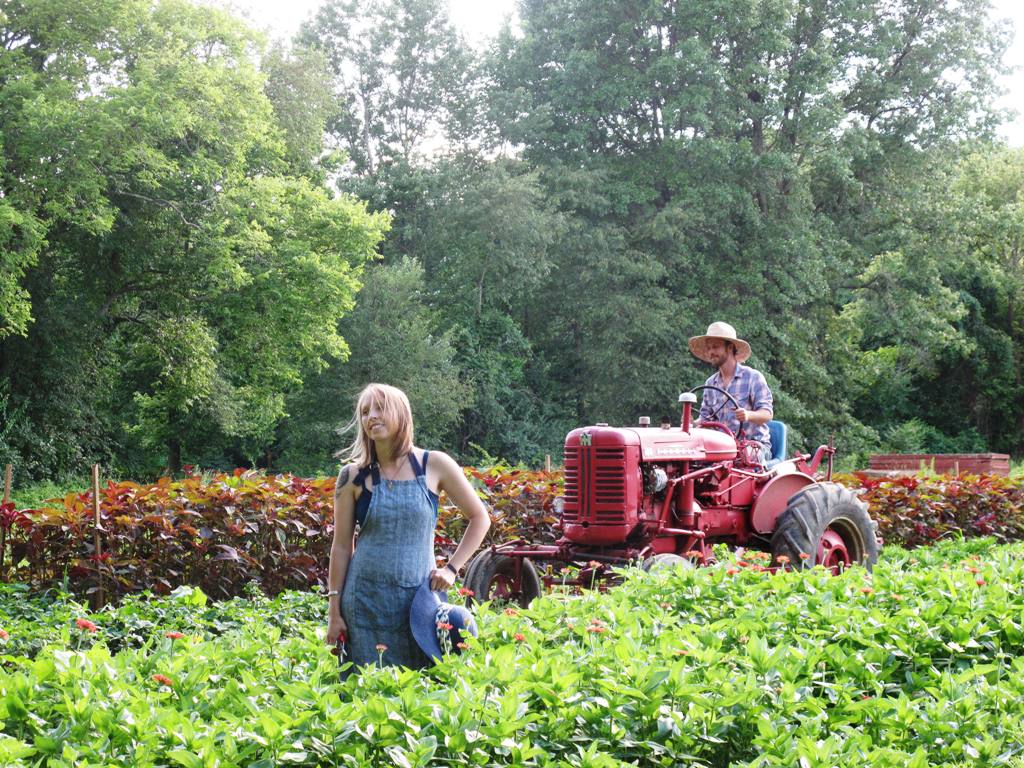
Some might call this "flower farm porn," but who cares? Gretel and Steve were really good sports about posing in the flower fields (isn't that vintage tractor a great "prop"?)

Some might call this “flower farm porn,” but who cares? Gretel and Steve were really good sports about posing in the flower fields (isn’t that vintage tractor a great “prop”?) 

You can keep an eye out for that nothing-but-gorgeous story in the summer of 2015 – and of course, I’ll remind you here when the magazine hits the newsstands.

I recorded a short interview with Gretel and two of her summer design interns, Katie Vontz and Danica Jones. They all agreed to chat briefly about what is becoming a popular way for would-be flower farmers and new floral designers to gain training: via internships, apprenticeships or seasonal work-study-style programs. I think you’ll be intrigued and inspired to hear how Gretel filled her need via social media, too.

This is the "ad" that Sunny Meadows used on Instagram to recruit its summer design interns.

This is the “ad” that Sunny Meadows used on Instagram to recruit its summer design interns. 


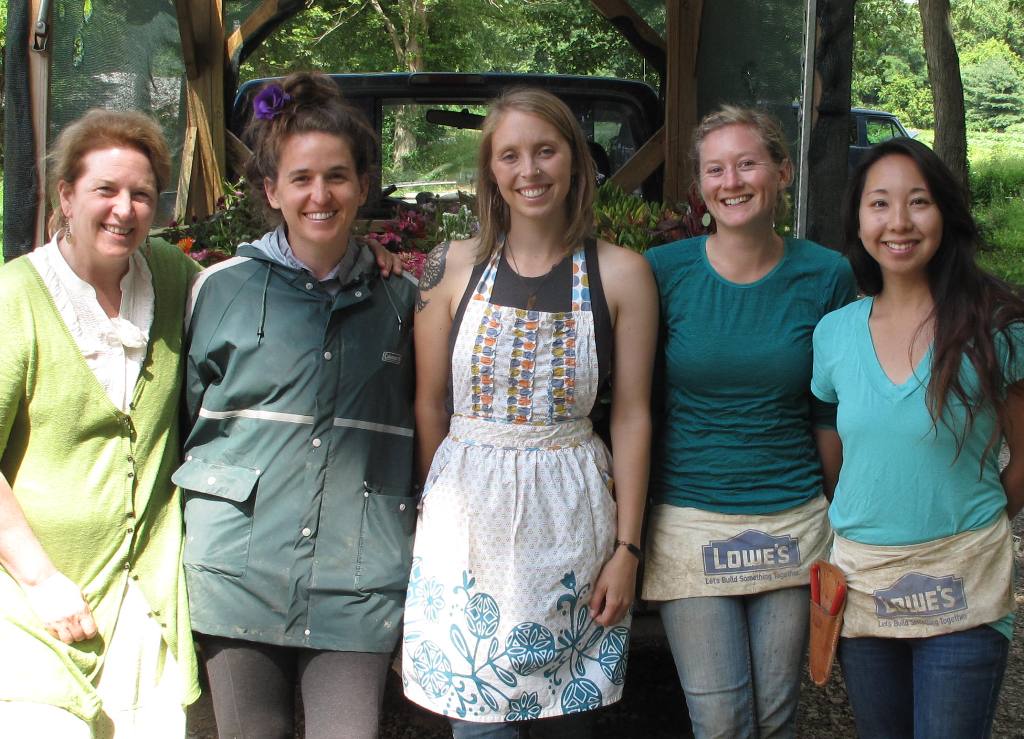
From left: Me, design intern Katie Vontz, Gretel Adams (Sunny Meadows Flower Farm co-owner), design intern Danica Jones and Sunny Meadows floral designer   Kumiko Matsuura.

From left: Me, design intern Katie Vontz, Gretel Adams (Sunny Meadows Flower Farm co-owner), design intern Danica Jones and Sunny Meadows floral designer Kumiko Matsuura.

Next up: A dynamic conversation with collaborators Elizabeth Bryant and Kailla Platt. 

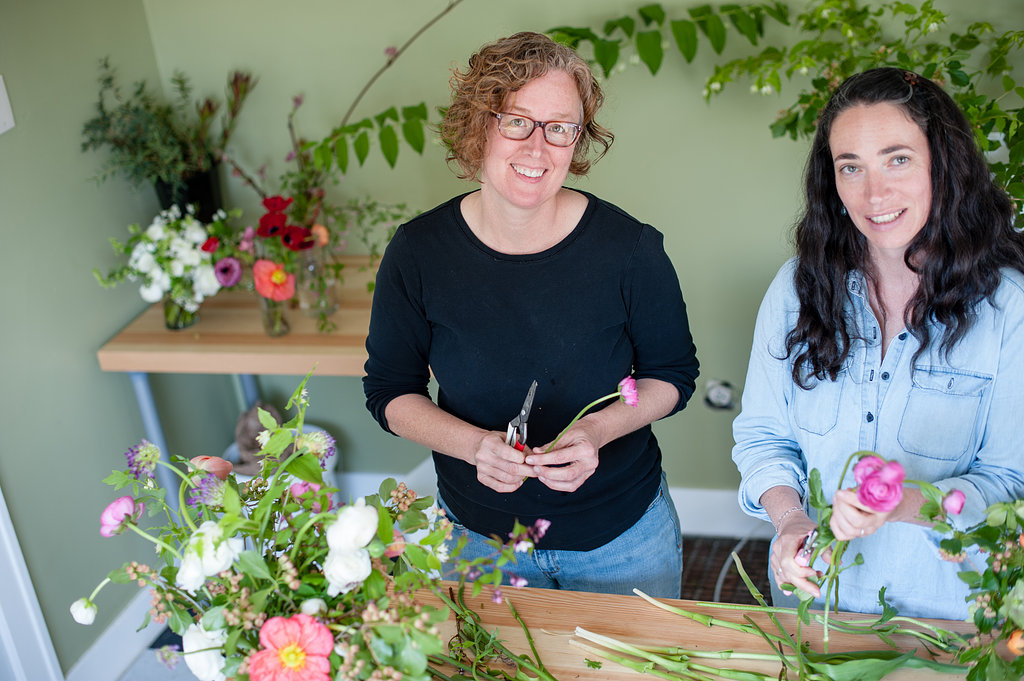
Elizabeth Bryant (left) and Kailla Platt (right), photographed in their Portland studio.

Elizabeth Bryant (left) and Kailla Platt (right), photographed in their Portland studio. 

Kailla was trained in fine art and landscape architecture and logged a decade designing gardens. But she traces her primary training in floral design to time spent in the lush green of Oregon’s Willamette Valley, where she fell under the floral spell cast by her grandmother Jane K. Platt. 

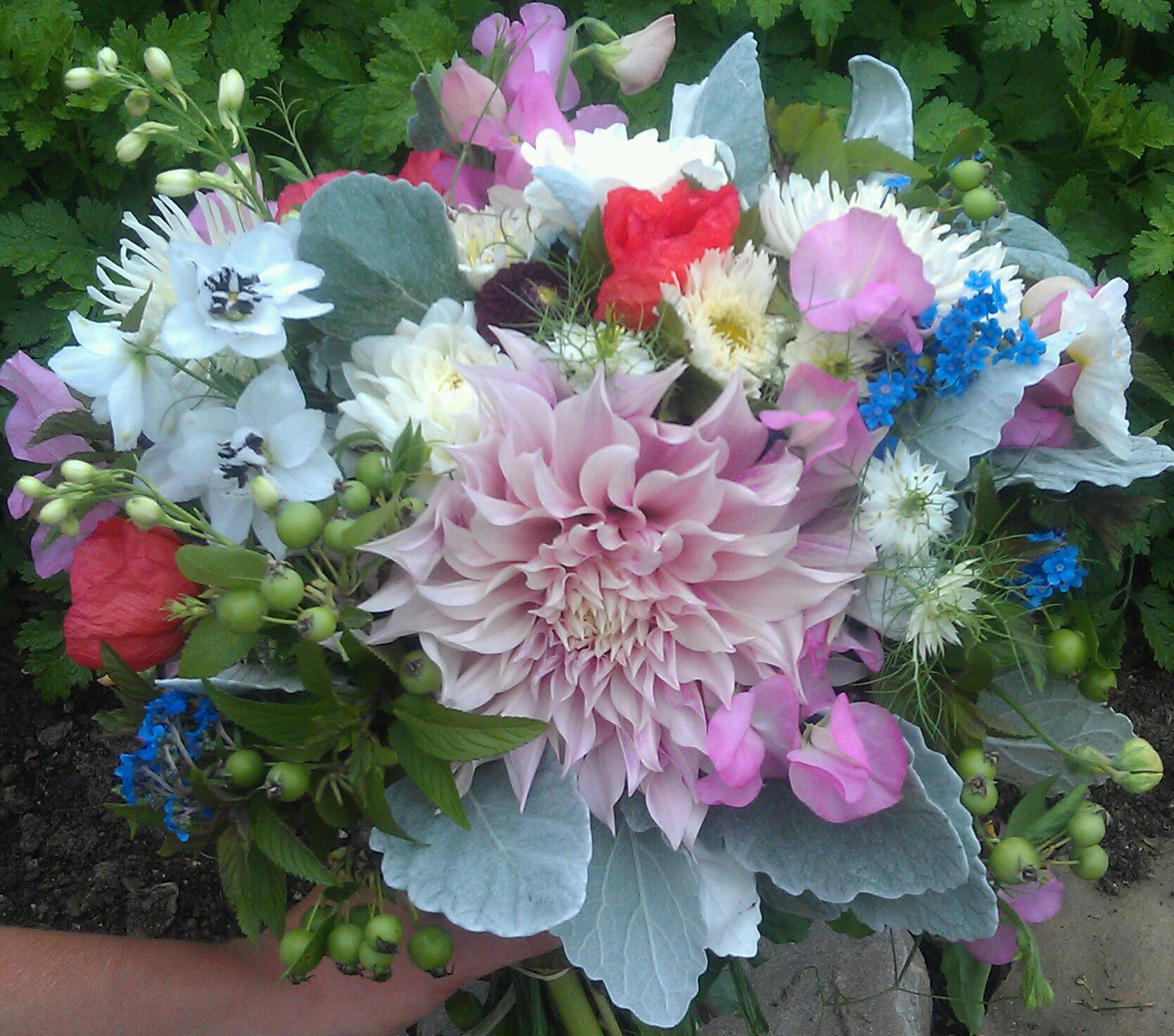
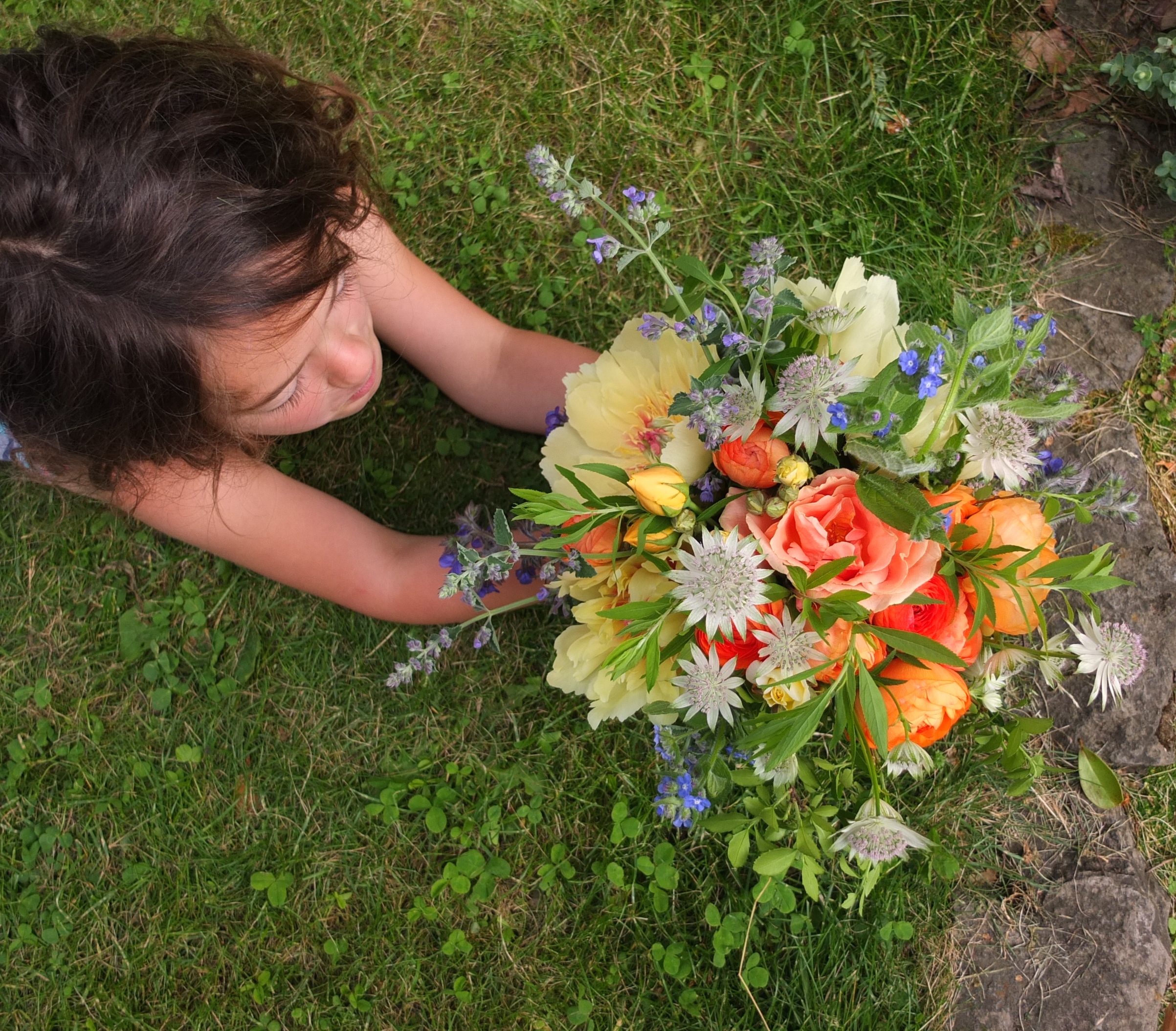
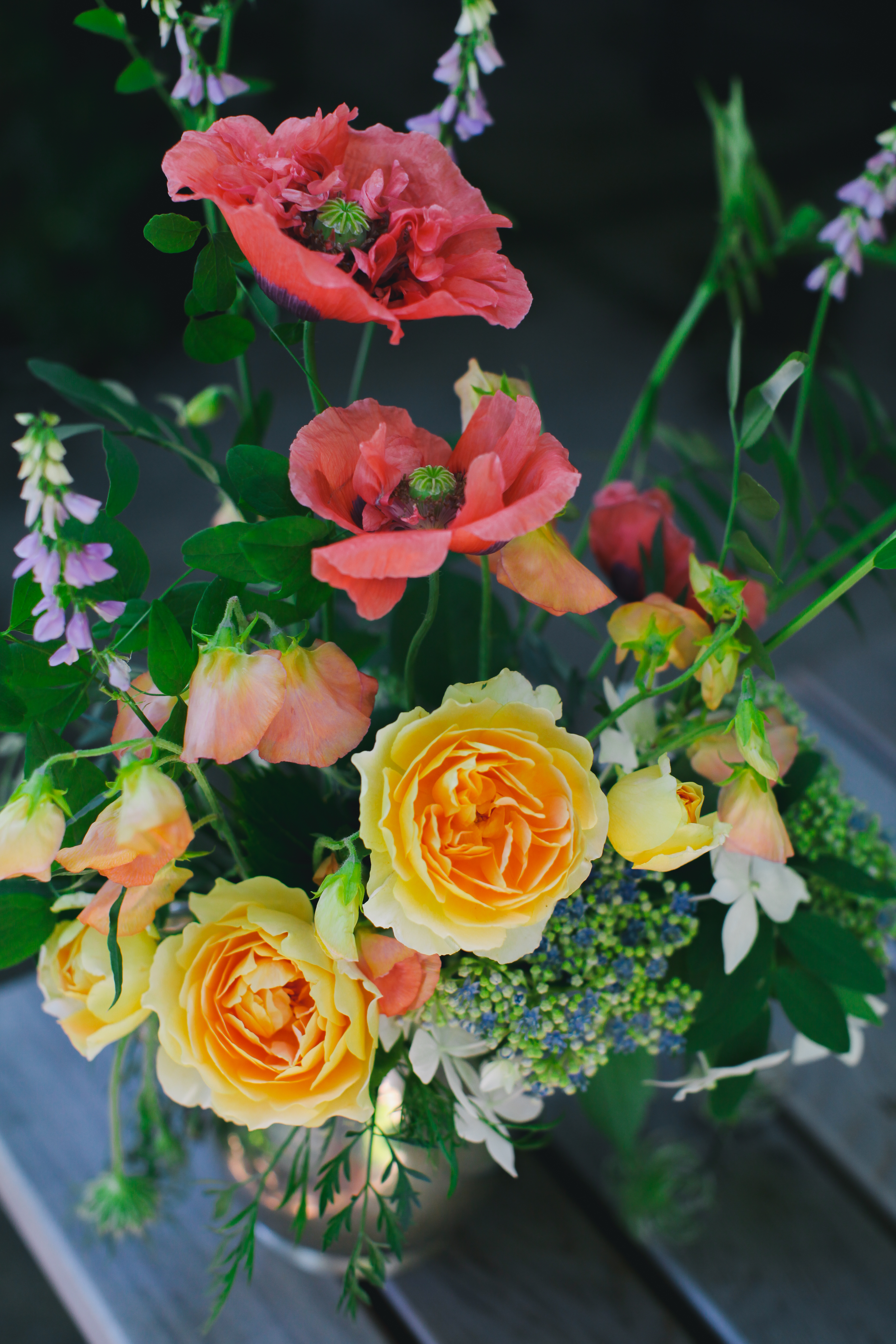
Kailla's work, a seasonal and local floral bouquet.

Kailla’s work, a seasonal and local floral bouquet.

As Kailla puts it: “she filled my young heart with a love of gardens, plants and flowers.  She would generously send me out into her amazing garden with a basket and clippers, telling me I could pick anywhere.  Then, as we selected frogs and filled vases, she would tell me the names and the stories of all these beautiful flowers.  Her garden was a fairy land to me as a child and it continues to inspire me and influence my work today.”

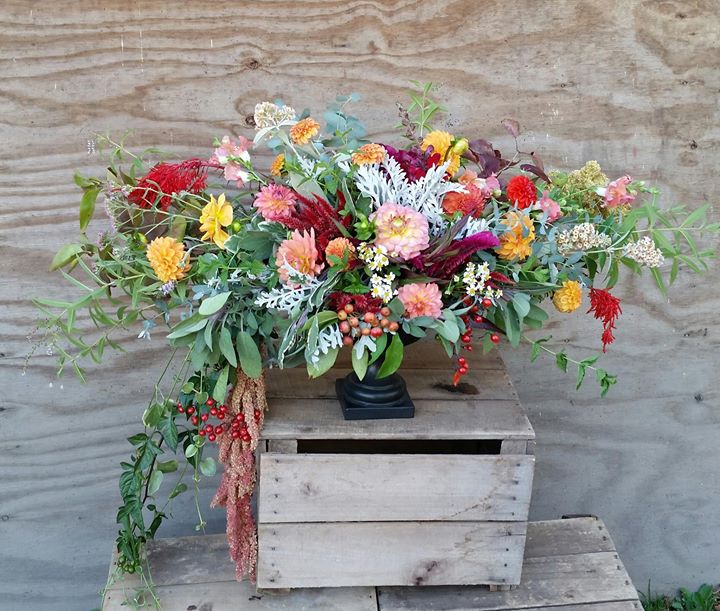
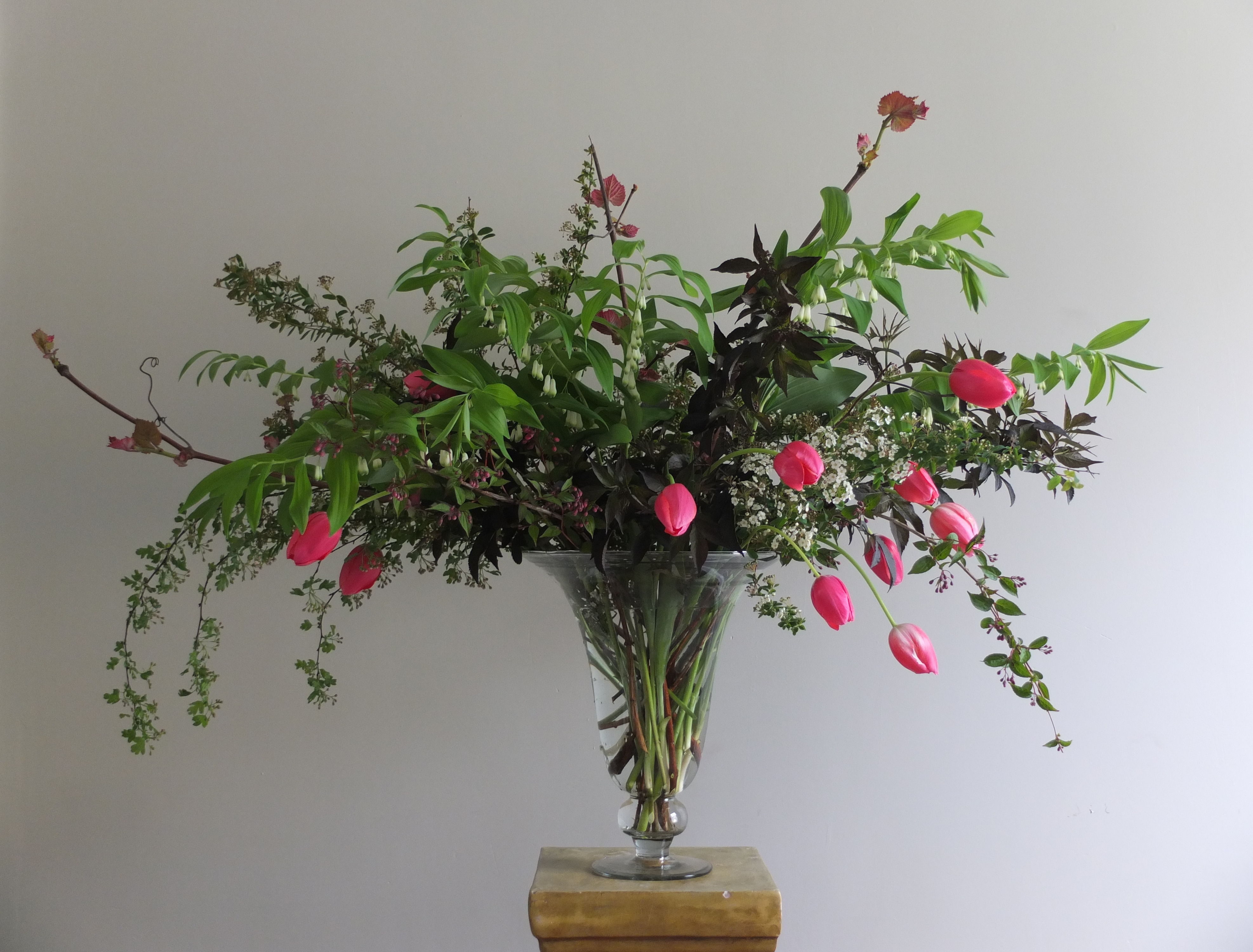
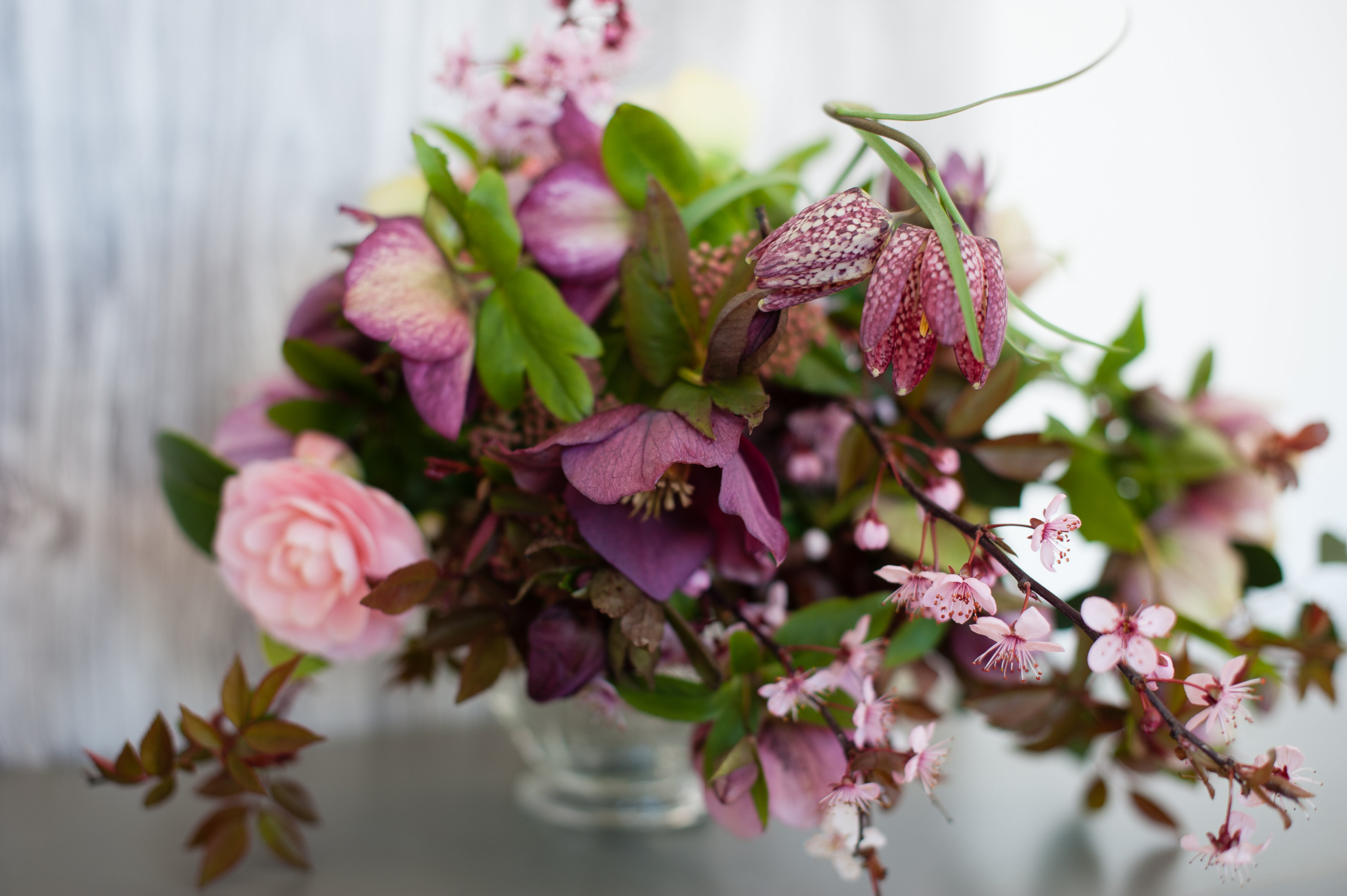
Kailla Platt Flowers, a delightful composition.

Kailla Platt Flowers, a delightful seasonal composition.

Kailla Platt Flowers is a young floral studio inspired by Kailla’s lifelong relationship with flowers. On her website, Kailla writes: “I care about where my flowers come from. I want to know the farmer who grew them.  When possible, I want to gather and forage botanical material myself.  The flowers we give to others, wear in our hair and lift to our faces and smell, should be free of pesticides and harmful chemicals.  Farm to table, garden to vase, me to you.” 

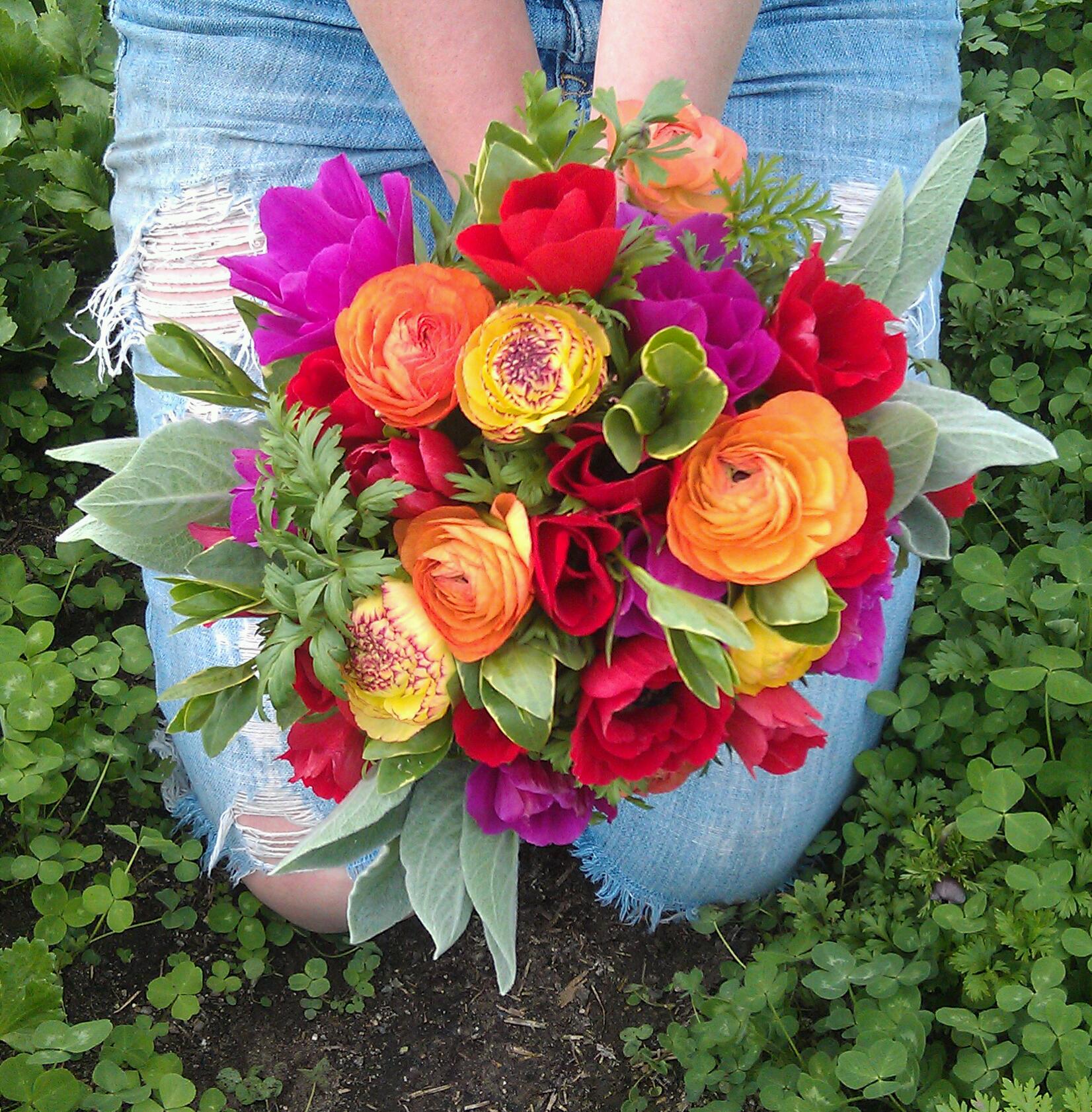
Seasonal design by Kailla Platt Flowers.

Seasonal design by Kailla Platt Flowers. 

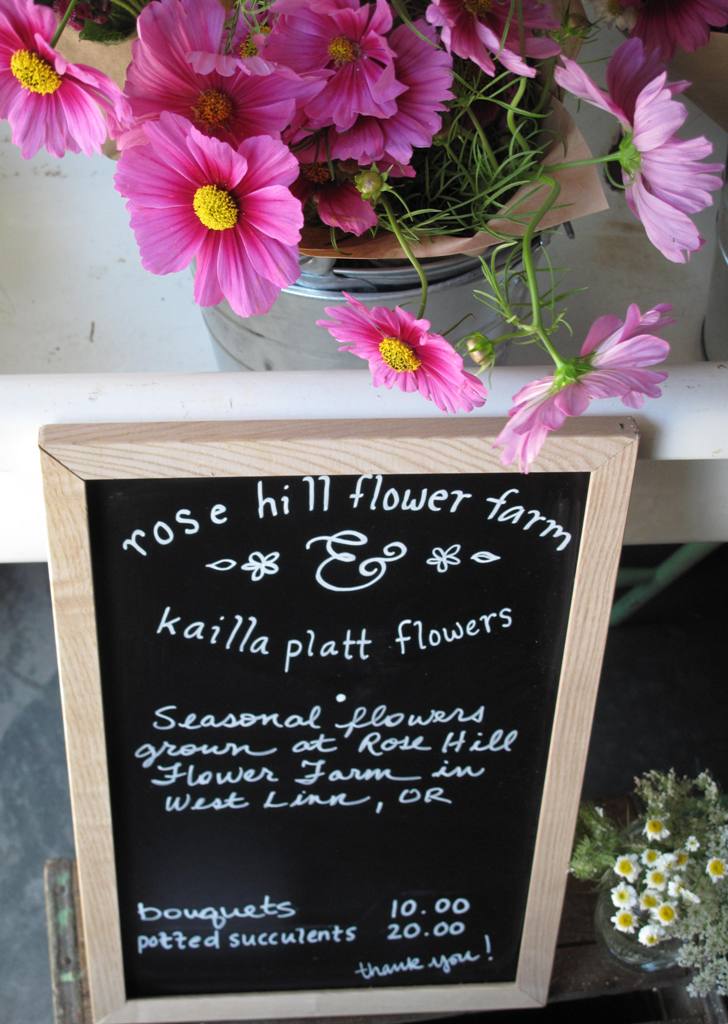
Kailla works collaboratively on wedding and event design with another amazing force, Elizabeth Bryant, a flower farmer, floral designer, and founder of Rose Hill Flower Farm, a small, sustainable urban flower farm and design studio in Portland. 

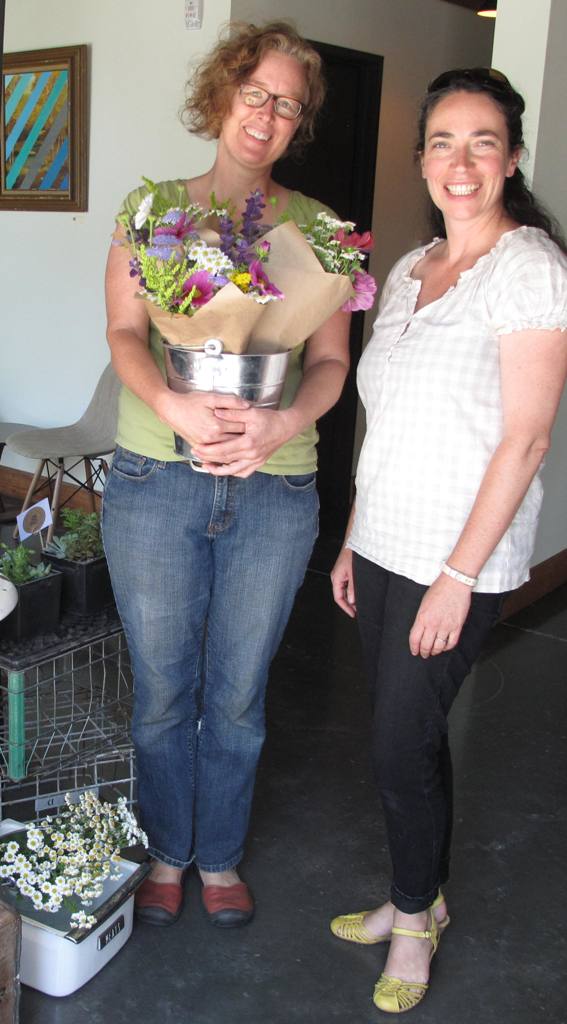
Elizabeth and Kailla at Prettyman's General, a neighborhood mercantile where they  sell their local bouquets.

Elizabeth and Kailla at Prettyman’s General, a neighborhood mercantile where they sell their local bouquets.

Elizabeth and her wife Jill grow flowers on three acres of family land in West Linn, Oregon, about 15 miles southeast of Portland. 

She says: “Our farming and land-care practices are organic and ecologically grounded, with the utmost care given to creating a healthy soil ecology and rich pollinator habitat.  We grow a range of both common and unique specialty cut flowers for use in weddings and events, through our CSA, and direct to florists.”  Rose Hill also provides lush, locally grown arrangements weekly for restaurants, businesses and individuals, or for any special occasion.  

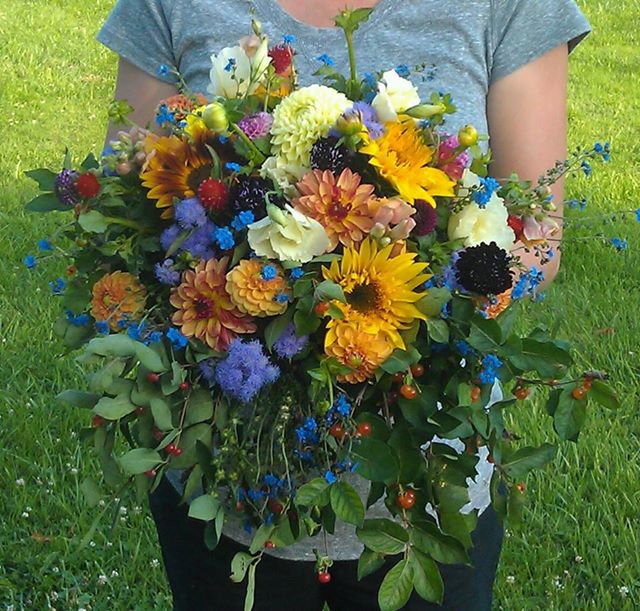
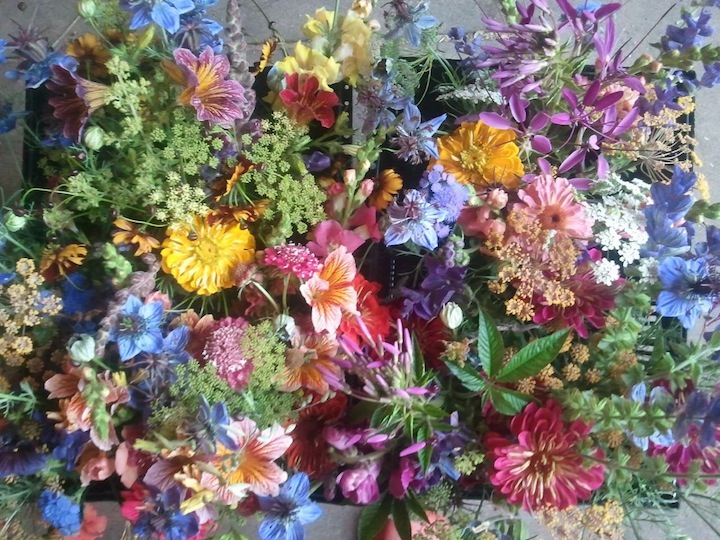
Mixed bouquets by Rose Hill Flower Farm.

Mixed bouquets by Rose Hill Flower Farm.

What you’ll enjoy about this interview is hearing how two creatives – Elizabeth Bryant and Kailla Platt – have distinct points of view and floral businesses that are different from one another, but that they also are collaborative in a way that benefits both of their work – and their clients.

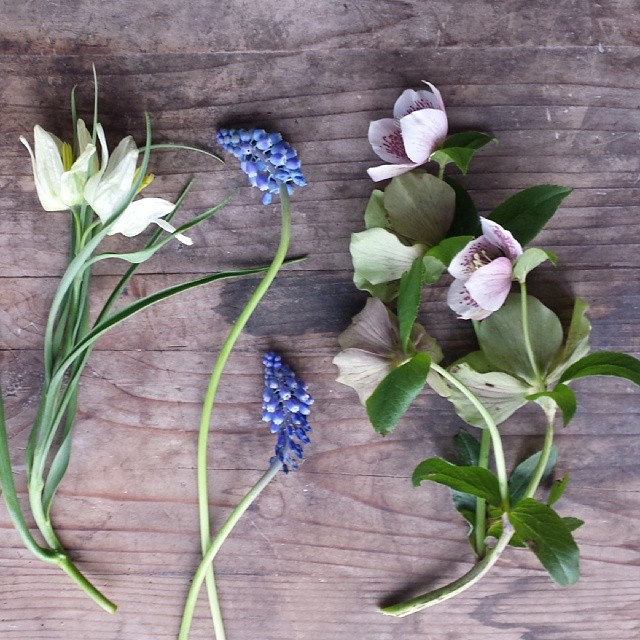
Spring ephemerals, grown by Rose Hill's Elizabeth Bryant.

Spring ephemerals, grown by Rose Hill’s Elizabeth Bryant.


Rose Hill's Elizabeth Bryant's flowers and floral design.

Rose Hill’s Elizabeth Bryant’s flowers and floral design.

Kailla and Elizabeth share studio space with Portland photographer Katie Prentiss. In a charming little cottage in Southeast Portland, the three us a combined design and meeting/event space for floral projects.  Together they enjoy great artistic synergy and often partner on projects, including weddings and large events requiring florals.

A floral collaboration.

A floral collaboration.

Thank you for joining me today to hear some of the exciting voices in American flower farming and floral design. Even after a year of producing and hosting the Slow Flowers Podcast, I can guarantee that the list of future guests is very long and I don’t imagine running out of names we need to hear from – inspiring people who are changing the way Americans gather and enjoy flowers in all aspects of life.

Floral design by Kailla Platt.

Floral design by Kailla Platt.

Next week Slow Flowers comes to you from Homer, Alaska, where I’ve happily returned after my 2012 peony-hunting excursion. After that, the road tripping continues, and you can anticipate Slow Flowers interviews with flower farmers and floral designers in Pittsburgh and Philadelphia. 

Thanks to listeners like you, this podcast has been downloaded more than 17,000 times. In fact, the month of July was our all-time most popular month of interviews with 2500 downloads – and I’m jazzed to know that more listeners are discovering this flower-powered podcast every day.

If you like what you hear, please consider logging onto Itunes and posting a listener review.

Until next week please join me in putting more American grown flowers on the table, one vase at a time. 

The Slow Flowers Podcast is engineered and edited by Hannah Holtgeerts and Andrew Wheatley. Learn more about their work at hhcreates.net

SLOW FLOWERS Podcast: A Conversation with Flower Farmer Robert Kitayama (Episode 144)

Wednesday, June 4th, 2014

Before introducing you to this week’s guest, I must share with you a heartwarming letter I received recently from Emily Calhoun, a farmer-florist who owns Floriography in Corrales, New Mexico. She gave me permission to read her letter to you:  

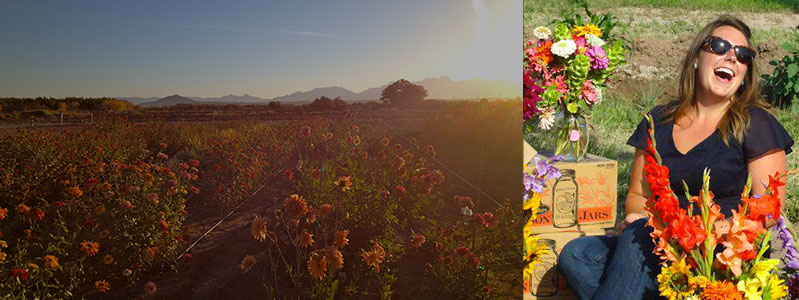
Here's a glimpse of Emily (right) and the New Mexico floral landscape (left)

Here’s a charming glimpse of Emily (right) and the New Mexico floral landscape (left)

Hi Debra, I wanted to let you know what a HUGE difference your podcast has made in my life and my businesses.  

In January we expanded our farming and design operation to the Albuquerque-Santa Fe area. This means I am traveling that long, lonely (300 mile) desert corridor between the northern and southern part of New Mexico. This drive can be draining and depressing, especially after working huge hours at either location.

Each trip I plug in my phone, queue up the SlowFlowers podcast and get lost in your interviews. The drive disappears and I find myself at my destination refreshed, inspired and motivated to forge ahead – -spreading the good word of local flowers to our clients and educating the state about its potential as a producer.  

In fact, last month I mentioned your books, podcast and phenomenal website in my presentations at the NM Agrifuture conference.  I was presenting on creating successful agricultural businesses in small and urban areas. Naturally, I pushed flowers. Having your resources really helped add legitimacy to what we were doing and showed that this whole flower thing for real! As a result I have been able to recruit farmers, young and old, to grow for us (a la Ellen Frost’s model). WE even piqued the interest of the NM Secretary of Agriculture! 

Right now we are the only commercial cut flower farm in the state and are working diligently on growing that number! Hopefully soon we will be covering the state and the region with locally grown flowers. 

From the bottom of my flower pickin’ heart, Thank you! Emily

Okay, pretty amazing, right? Thank you, Emily – your voice and vision will now be heard by everyone listening to this podcast and I encourage them to check out your great web site, Floriographynm.com, to see what she’s up to in promoting the Slow Flowers Movement on her corner of the planet. Send her a little floral note so she knows we applaud her tenacity in changing New Mexico’s relationship with their flowers — we’re rooting for your success, Emily.  

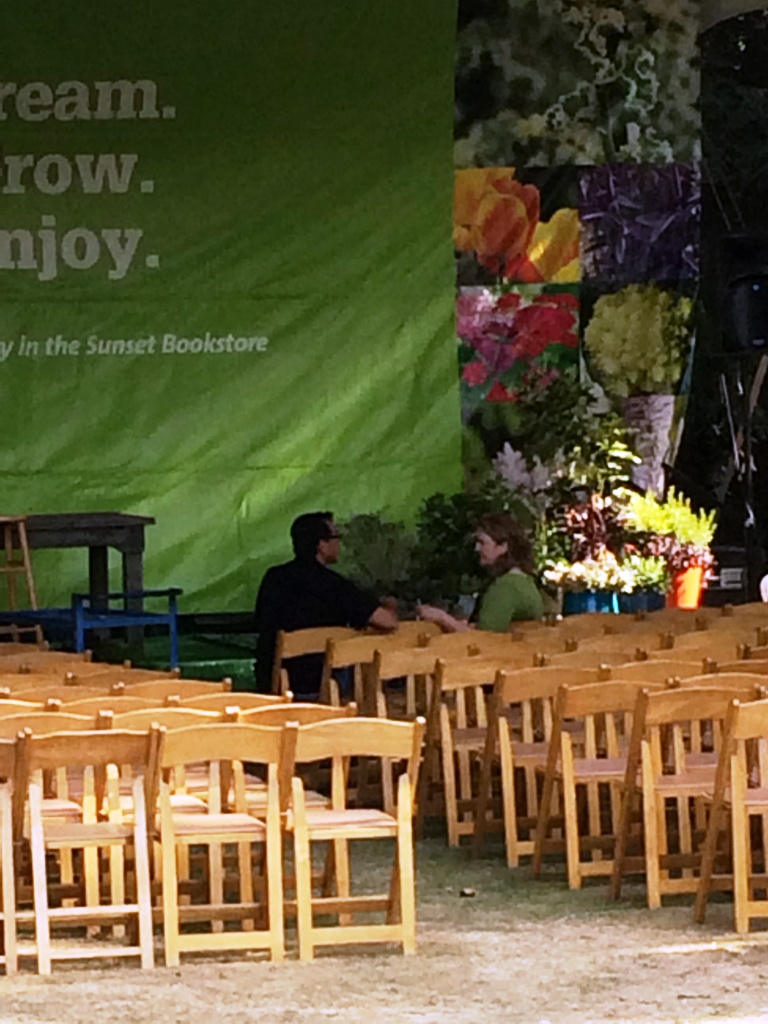
Janice Wills Curtis of the California Cut Flower Commission snapped this photo as I interviewed Robert Kitayama at Sunset.

Janice Wills Curtis of the California Cut Flower Commission snapped this photo as I interviewed Robert Kitayama at Sunset.

Next, my interview this week comes to you from the Garden Stage at Sunset magazine’s Celebration Weekend at the Sunset HQ in Menlo Park, CA.

I spoke twice this past weekend, sharing the Slow Flowers’ eco-conscious floral design approach – and I combined my exhibit with my friends at the California Cut Flower Commission.

We gave away thousands of lily bulbs for people to take home and plant in their own gardens and took photos of thousands of people who wanted to stand in front of a flower field.


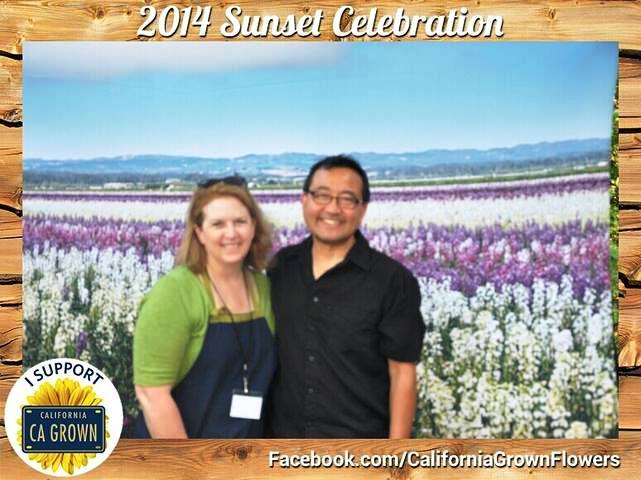
Here's our photo in the CCFC-Slow Flowers booth at  Sunset's Celebration Weekend.

Here’s our photo in the CCFC-Slow Flowers booth at Sunset’s Celebration Weekend. (c) CCFC

Those photos were posted all over social media, getting the word out about supporting local flowers. It was a blast! 

I also persuaded Robert Kitayama of Kitayama Brothers Farms in Watsonville, Calif., to sit down with me for an interview. You will be fascinated to hear his family’s story as it spans the generations, several areas in the west and numerous changes in flower crops – as this company has continued to evolve with the times.

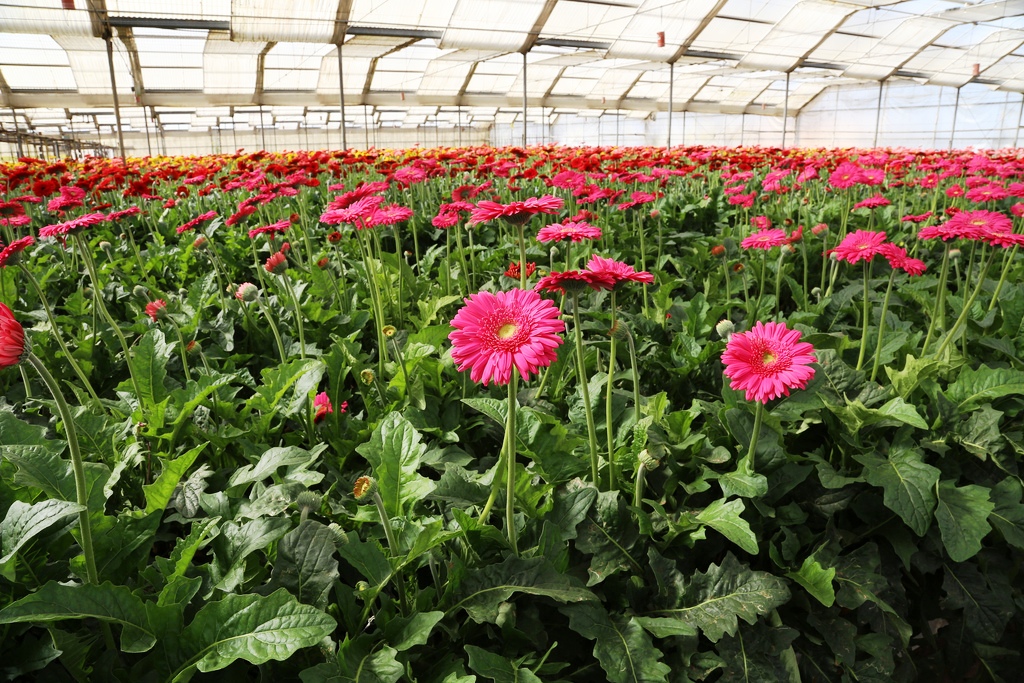
A sea of colorful gerberas in the Kitayama Brothers' greenhouses.

A sea of colorful gerberas in the Kitayama Brothers’ greenhouses. (c) Linda Blue, CCFC

Kitayama Brothers has been growing and shipping beautiful cut flowers from Northern California since 1948. Located on majestic Monterey Bay, the company’s greenhouses in Watsonville enjoy perfect flower growing conditions.

The Monterey Bay’s cool evenings along with sunny days create an ideal environment for growing more than 20 different flowers and cut greens. Today, the farm’s top crops oriental and Asiatic lilies, lisianthus, gerbera daisies, snapdragons, mini callas, iris, gardenias and stephanotis, making their product selection a top choice for wedding and event professionals from around the country.


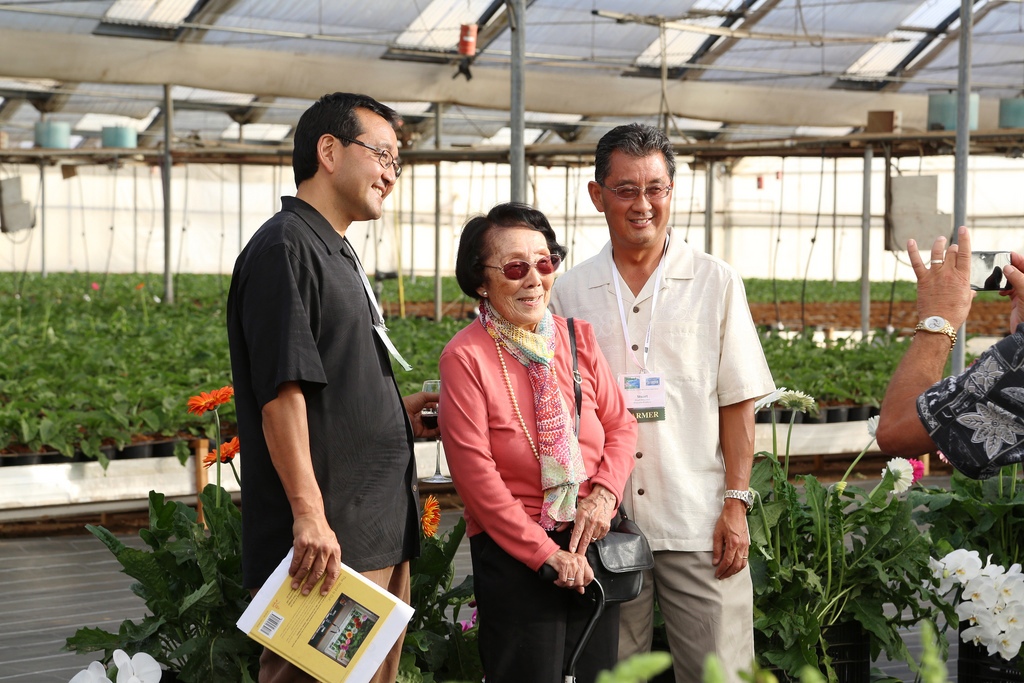
Robert Kitayama (left) and his brother Stuart Kitayama (right), pose with their mother at the 2013 Monterey Bay "Field to Vase" dinner.

Robert Kitayama (left) and his brother Stuart Kitayama (right), pose with their mother at the 2013 Monterey Bay “Field to Vase” dinner. (c) Linda Blue, CCFC

I have gotten to know Robert and his family’s floral enterprise in the past few years, including spending a weekend at the farm in Watsonville last year where I arranged centerpieces for the field-to-vase dinner held inside one of Kitayama’s greenhouses the night before the Monterey Bay Greenhouse Tour.

This year’s tour is coming up on June 21st and you can get more details here. And check out Kitayama Brothers’ free gerbera plant promotion here.


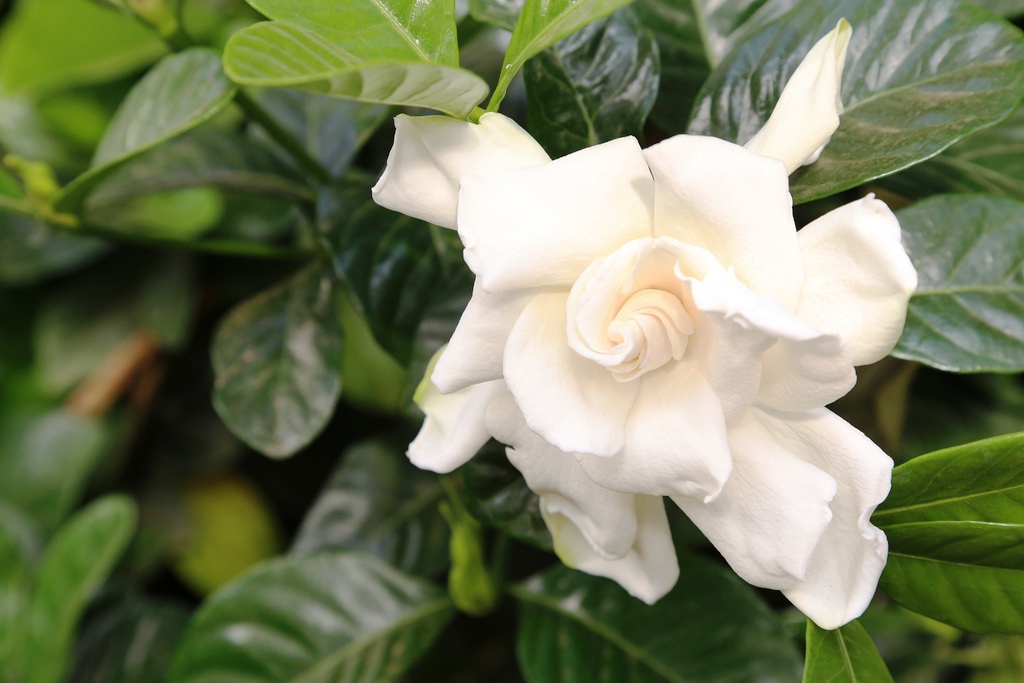
One of those luscious, lavish gardenias . . . so awesome!

One of those luscious, lavish gardenias . . . so awesome! (c) Linda Blue, CCFC

Thank you for joining today’s conversation with Robert Kitayama, just one of the many passionate flower farmers I encounter on my journeys through the fields and greenhouses where beautiful, fresh and local flowers are produced.

Please join me next week for another insightful and educational episode of the Slow Flowers Podcast. Thanks to listeners like you, this podcast has been downloaded more than 12,500 times.

If you like what you hear, please consider logging onto Itunes and posting a listener review.

Until next week please join me in putting more American grown flowers on the table, one vase at a time. 

The Slow Flowers podcast is engineered and edited by Hannah Holtgeerts and Andrew Wheatley. Learn more about their work at hhcreates.net

SLOW FLOWERS Podcast: Marigold & Mint’s Katherine Anderson – a leading eco-floral entrepreneur (Episode 134)

Wednesday, March 26th, 2014
Katherine Anderson, leading a tour at her flower farm.

Katherine Anderson, leading a tour at her flower farm.

It is my pleasure today to introduce you to Katherine Anderson, a flower farmer who’s also an innovative floral designer. 

Katherine is the creator and owner of Marigold and Mint, a flower shop and studio in Seattle’s trendy Capitol Hill district that takes its influences from Europe, Asia and America’s maker/handcrafter movement. 

Marigold and Mint (the shop) is filled with flowers that Katherine grows on land her family has owned for three generations, ever since the 1950’s.

Although she didn’t start flower farming as a career until she was in her thirties, Katherine has been connected to soil, plants and cultivation ever since she gardened with her father as a child.

In 2008, she stepped off the corporate track as a Harvard-trained landscape architect to raise her children and return to the land as a flower farmer. 

marigold_logoKatherine began by planting rows of annual flowers and herbs. She started with the idea of selling locally grown flowers to florists and chefs. 

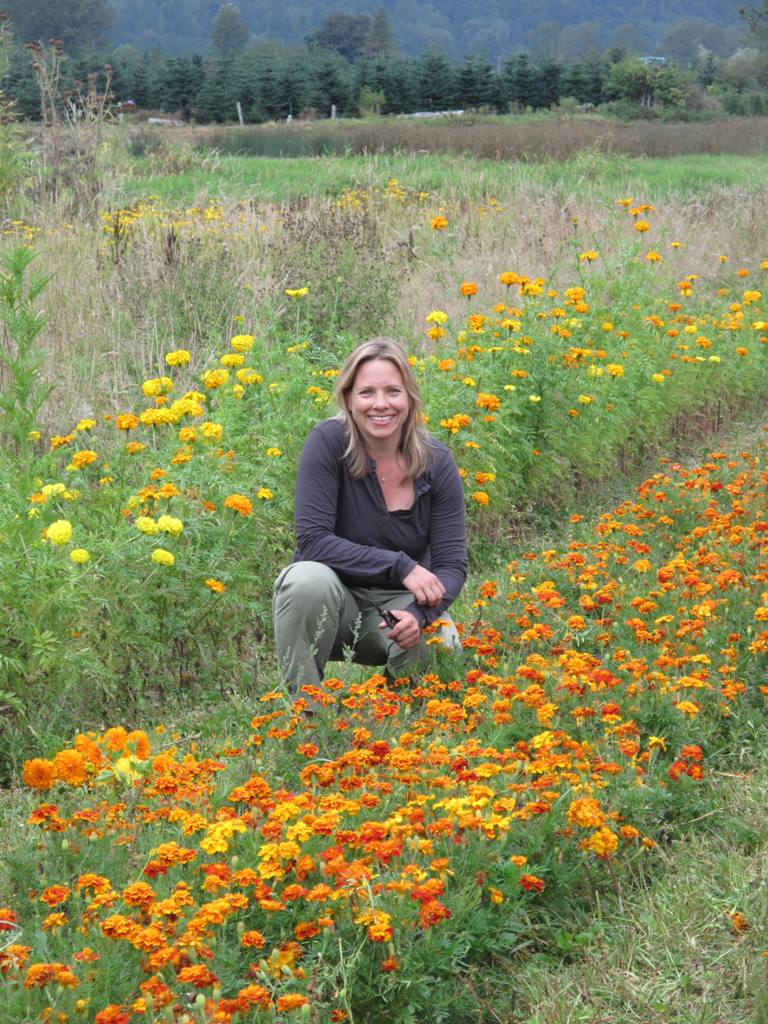
Katherine, surrounded by marigolds - at her growing fields, a part of Oxbow Farm, east of Seattle.

Katherine, surrounded by marigolds – at her growing fields, a part of Oxbow Farm, east of Seattle.

Much of the land her family owns is leased to Oxbow Organic Farm & Education Center, which among other programs, operates a food CSA that supplies households and restaurants. There was plenty of acreage for Katherine’s annuals, herbs, perennials, garden roses and ornamental shrubs. 

Four years ago, she opened a small shop. Marigold and Mint is located next to a popular farm-to-table Seattle restaurant, which she regularly supplies with herbs and culinary ingredients (a few summers ago, when I visited the farm, Katherine was harvesting nasturtium seeds for the chef to pickle and use in dishes, like capers). 

She has a special affinity for marigolds – she grows 15 or so varieties each season, including ‘Frances’ Choice’, ‘French Brocade’, ‘African’, the Signet series, ‘Durango Outback’, ‘Queen Sophia’, ‘Vanilla’ and ‘Tangerine Gem’ – and many more. 

flowershop_IMG_8356

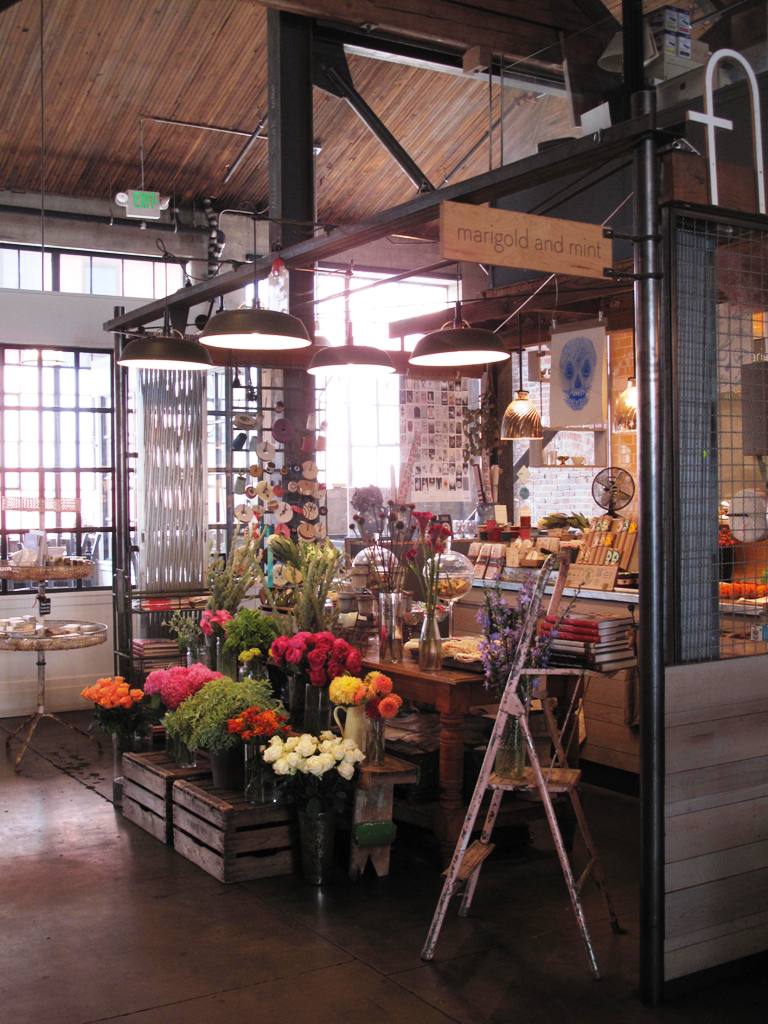
A glimpse inside Marigold & Mint.

Earlier this year, Katherine and restaurateur Matthew Dillon, the same chef she’s been supplying for years, joined together to open a new venture called The London Plane. Located in historic Seattle’s Pioneer Square neighborhood, The London Plane is a shop, cafe, bakery, wine bar, and events space.  

Occupying two corners of Pioneer Square’s Occidental Mall, The London Plane’s larger space is home to a cafe, bakery, flower counter, grocery and larder shop.

Customers can be seen frequently stopping by for something to eat or drink, or shop our grocery and larder selection to prepare a meal at home.

The smaller space, called, The Little London Plane, is a wine shop, wine bar and event space. There, you can grab a glass of wine and graze on a simple selection of bar foods, or shop for wines to takeaway. 

If you’re in the Seattle area, sign up for one of the new floral design series, beginning in early April at The London Plane.  

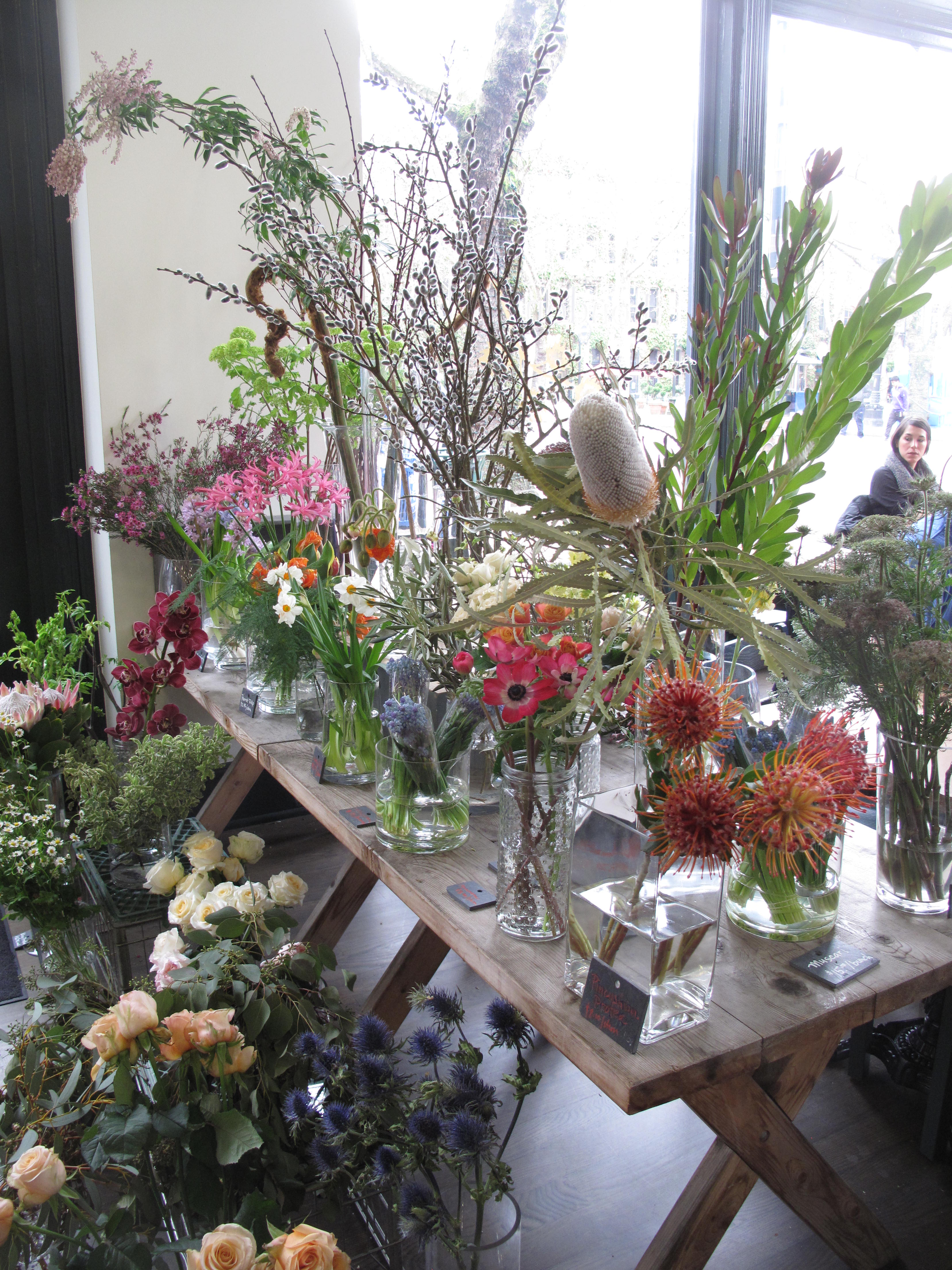
The floral department at The London Plane - in Seattle's Pioneer Square.

The floral department at The London Plane – in Seattle’s Pioneer Square.

Follow this link to learn more about Katherine’s upcoming floral design workshops at The London Plane. Workshop fees range from $150-$200 and topics include:

Hand-tied bouquets, Wednesday, April 2nd, 2014; 6:00 p.m.-8:00 p.m.

Spring Arrangements, Wednesday, April 16th, 2014; 6:00 p.m.-8:00 p.m.

Mother’s Day Flower Arranging, Saturday, May 3rd, 2014; 3:00 p.m.-6:00 p.m.

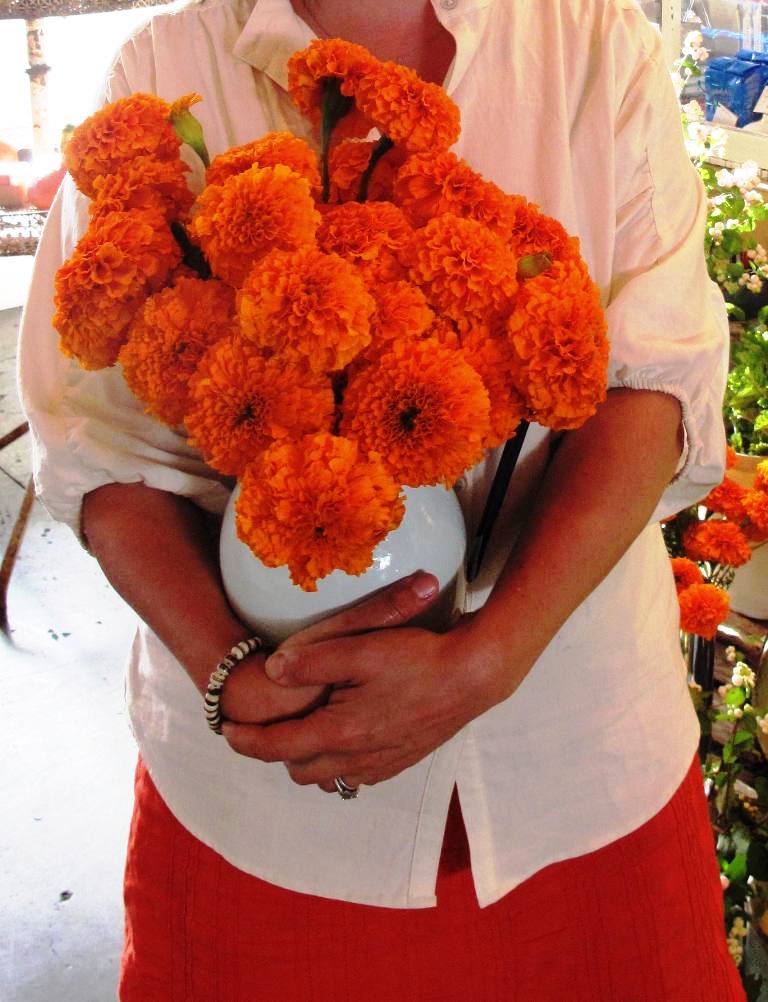
Katherine's arms are filled with vivid orange marigolds, just harvested at the height of the season.

Katherine’s arms are filled with vivid orange marigolds, just harvested at the height of the season. 

It all began with Marigolds: Katherine’s love for the timeless appeal of this vintage annual.

“We love to be surprised by the stunning complexity of a flower or a branch, and to that end we are always trying out new types of flowers and other plants with ornamental value,” Katherine writes on her web site. 

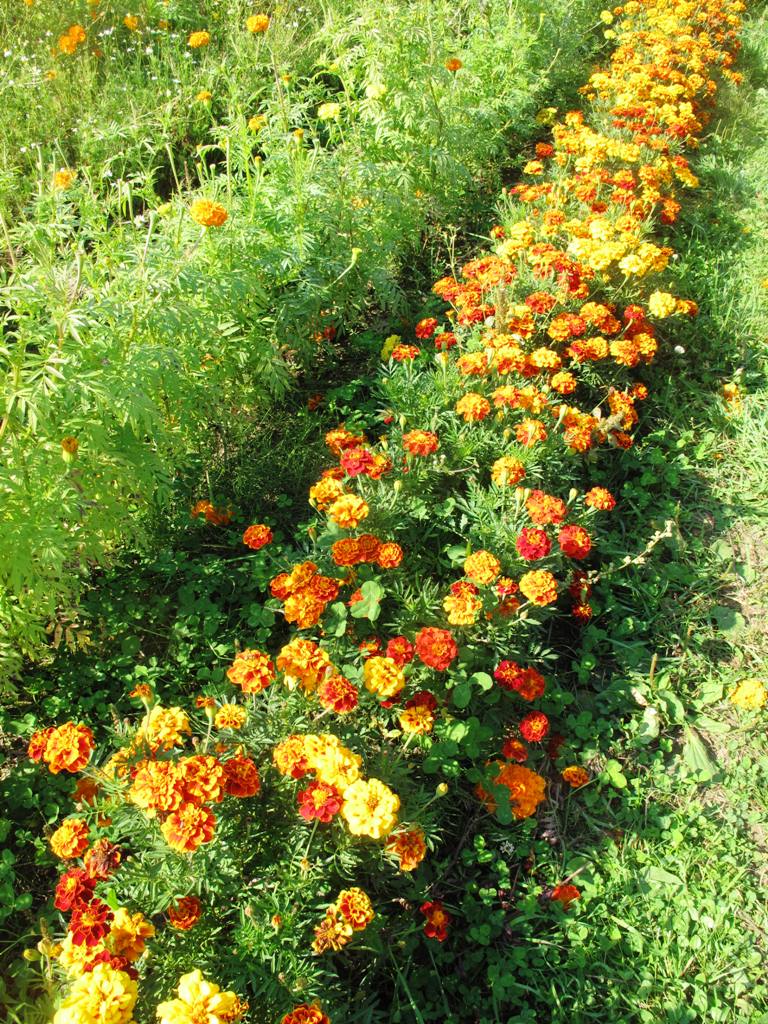
Rows and rows of marigolds.

Rows and rows of marigolds.

And here’s Katherine’s explanation of why she stocks only locally grown and whenever possible, organic, ingredients:

Flowers are living things and they are a commodity shipped around the world. Considering the fuel cost and chemicals used to keep lovely, fragile flowers protected and alive en route from, say, Tanzania to Tennessee, we prefer to grown and buy local. At Marigold and Mint, we strive through our organic and sustainable agricultural practices to do no harm to the environment and all the people and animals that live in it, and to balance any harm (such as some reliance on fossil fuels) with a healthy serving of good: by growing and selling natural fragrant flowers and herbs within the Northwest. We work hard to build soil fertility, create habitat, and protect genetic diversity by growing countless varieties of flowers and herbs. 

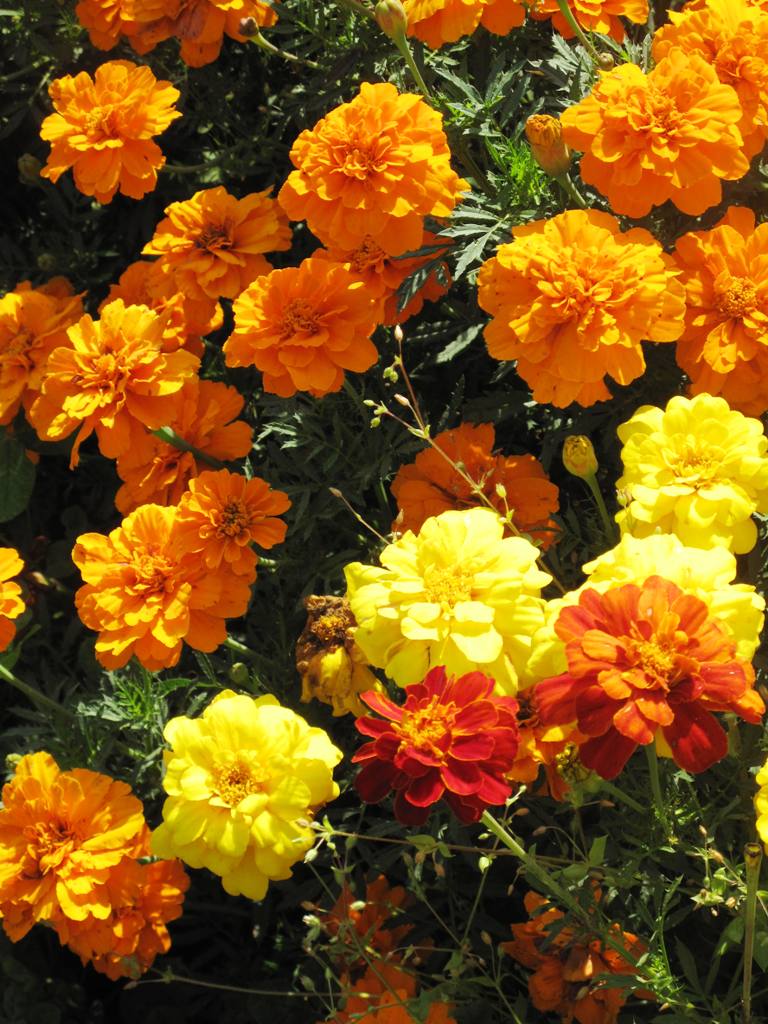
more marigolds . . .

more marigolds . . .


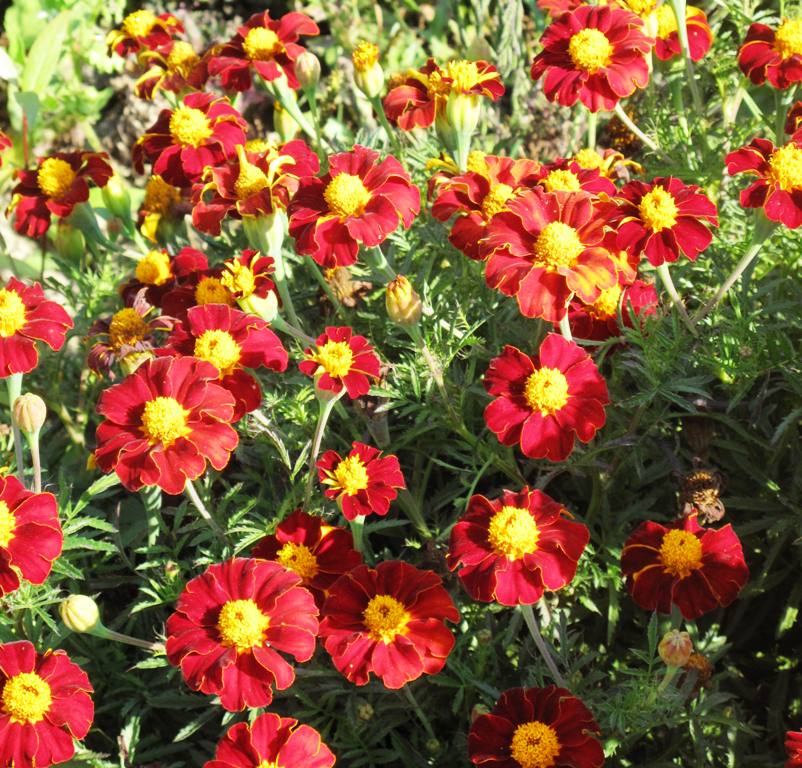
another fascinating variety . . .

another fascinating variety . . .

Now I know you’ll never look at a marigold as a flower that’s too humble or common for your floral arrangements.

Thank you, Katherine Anderson, for your inspiration today! 

Because of the support from you and others, listeners have downloaded episodes of the Slow Flowers Podcast more than 8,500  times! I thank you for taking the time to join to my conversations with flower farmers, florists and other notable floral experts.

If you like what you hear, please consider logging onto Itunes and posting a listener review.

Until next week please join me in putting more American grown flowers on the table, one vase at a time. 

The Slow Flowers Podcast is engineered and edited by Hannah Holtgeerts. Learn more about her work at hhcreates.net.