Debra Prinzing

Get the Email Newsletter!

Archive for the ‘Gardening’ Category

SLOW FLOWERS: Week 21

Sunday, May 26th, 2013

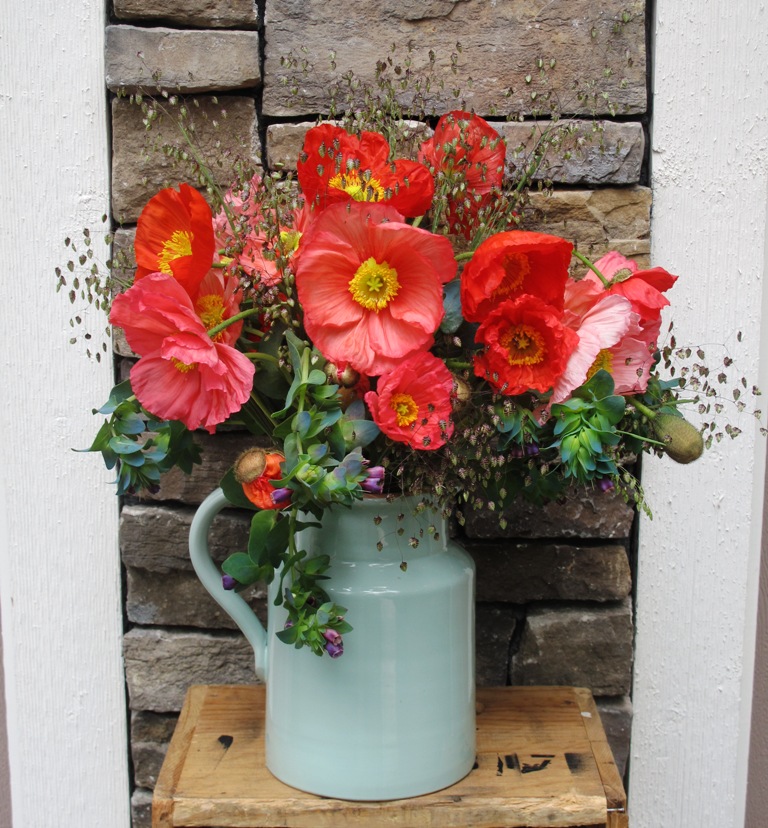
Pitchers of Poppies

Poppy One

Why do we love poppies so much? Perhaps it’s because of their pure, vibrant petal colors with the charming button-like centers.

Ingredients:
(Green pitcher)
10 stems coral-red Icelandic poppies (Papaver nudicaule), grown by Jello Mold Farm
6 stems Cerinthe major ‘Purpurascens’, grown by Jello Mold Farm
7 stems rattlesnake grass (Briza media), grown by Jello Mold Farm
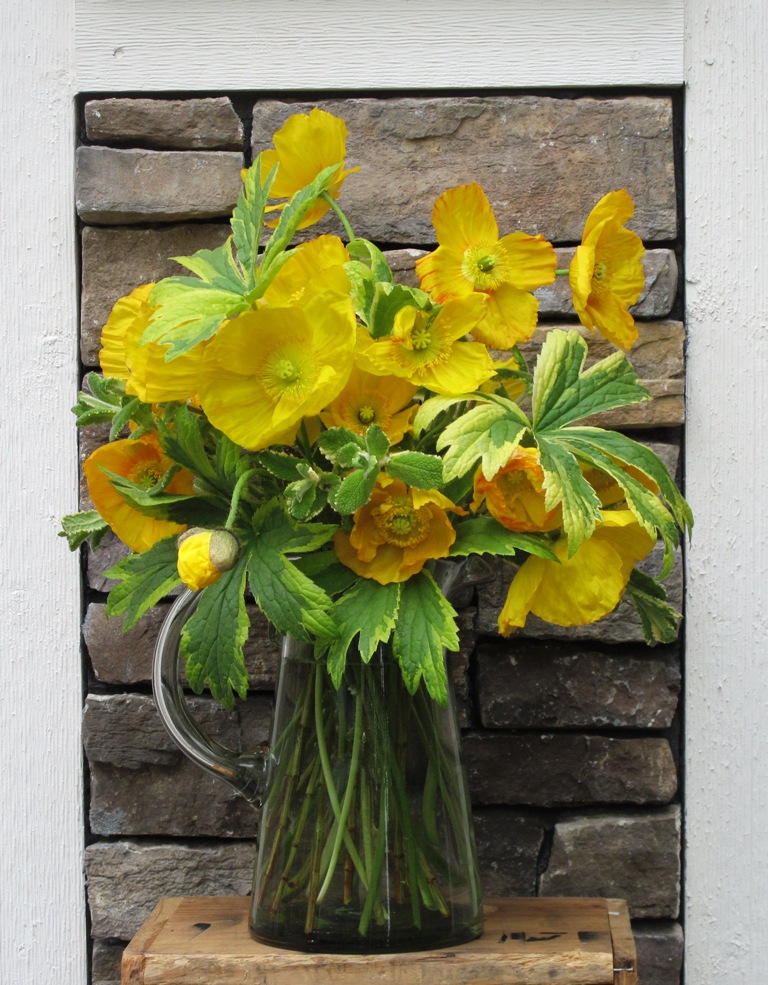
(Glass pitcher)
10 stems bright yellow Icelandic poppies (Papaver nudicaule), grown by Jello Mold Farm
10 stems Astrantia major ‘Sunningdale Variegated’ foliage, harvested from my garden
7 stems golden apple mint (Mentha x gracilis), grown by Charles Little & Co.
Vase:
8-inch tall x 5½-inch wide glazed ceramic pitcher
9-inch tall x 5½-inch wide Mexican glass pitcher
Poppy Two

This arrangement, in a clear glass vase, showcases yellow Icelandic poppies, paired with variegated Astrantia and apple mint foliage.

From the Farmer
Poppy care: Many garden books recommend that you sear the cut tips of these poppies in a flame or submerge them in a beaker of boiling water in order to extend their vase life. It has been thought that the extreme heat
will soften the tougher outer stem and increase the surface area for absorbing moisture in the vase. But in fact, according to Diane Szukovathy of Jello Mold Farm, the poppy’s hairy stem collects more foreign matter that
contributes to bacterial build-up in the vase than with smoother-stemmed flowers. Because of this, she says, “heating the stems ‘cooks’ them, making the flower more susceptible to colonization by bacteria.” Diane’s best
tip: “Every few days, re-cut the stems and change the water.”


SLOW FLOWERS: Week 20

Sunday, May 19th, 2013

A Softer Side of Green

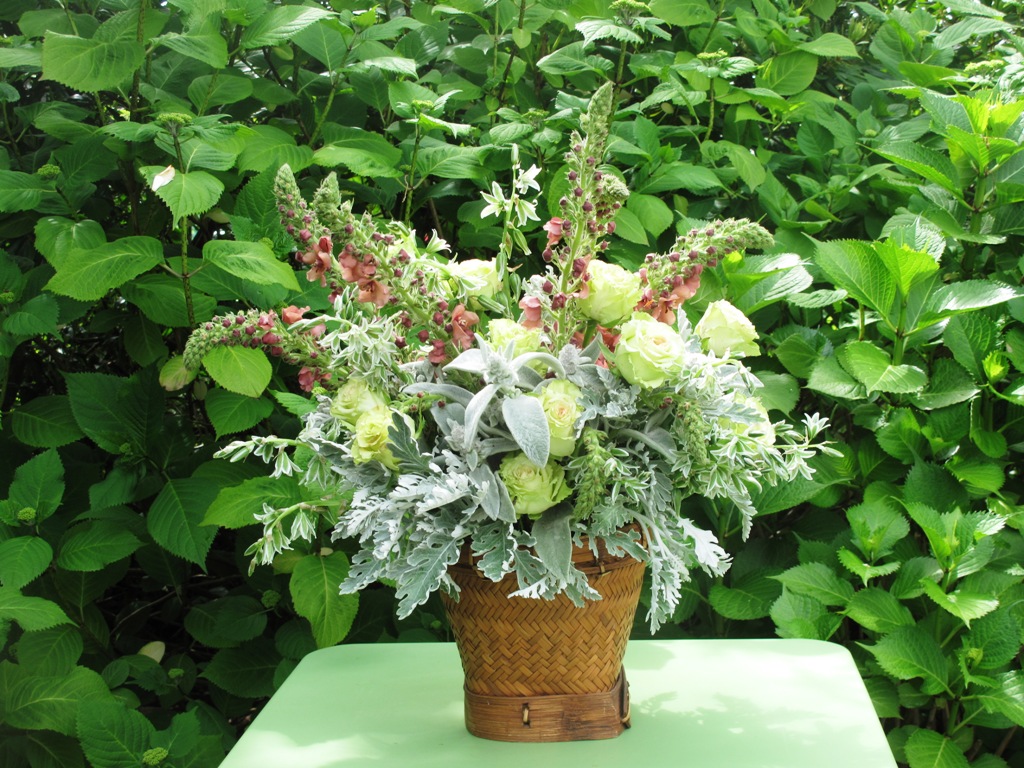
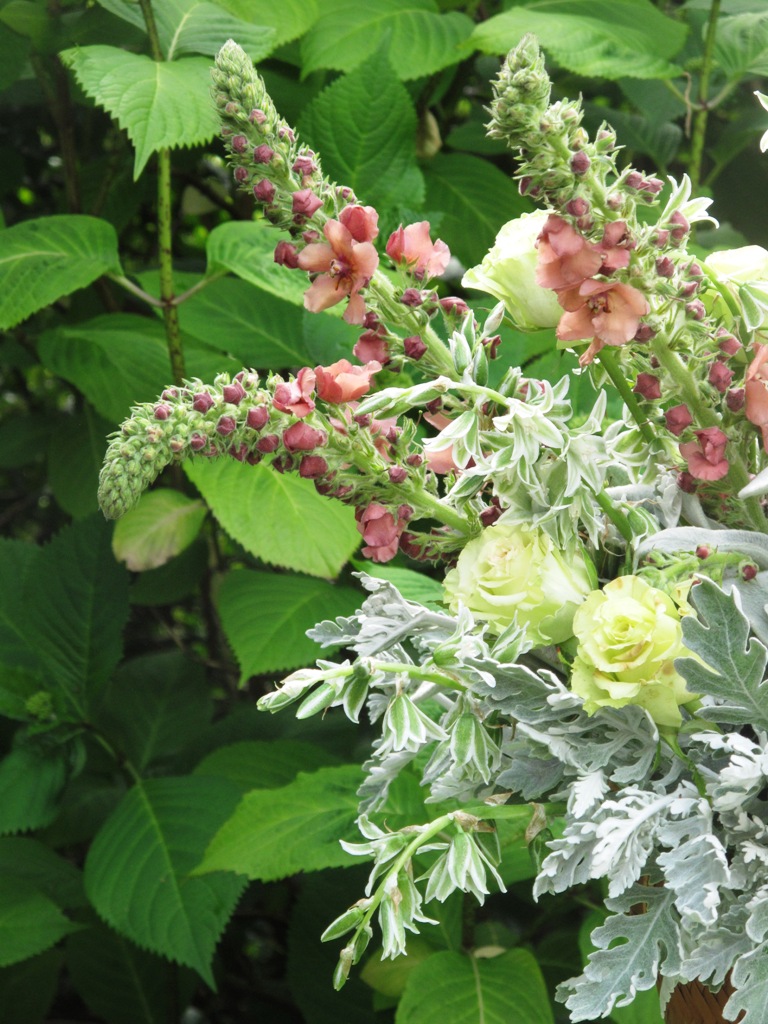
Pastel bouquet

An unexpected combination, inspired by the pale ‘Supergreen’ hybrid tea roses given to me by the grower


Pastel flowers in detail

This sweet detail shows the delicate features of the apricot verbascum and the varietgated Star of Bethlehem

Ingredients:

15 stems Dusty Miller foliage (Centaurea cineraria), grown by Charles Little & Co.
5 stems lamb’s ears (Stachys byzantina), grown by Charles Little & Co.
15 stems ‘Supergreen’ hybrid tea roses, grown by Peterkort Roses
9 stems Star of Bethlehem (Ornithogalum nutans), grown by Choice Bulb Farms
6 stems Verbascum ‘Caribbean Crush’, grown by Jello Mold Farm
Vase:
7½-inch tall x 7-inch diameter woven basket with a 6-inch tall x 6½ inch wide glass insert
Eco-technique
Vase in an instant: Any container can double as a flower vase as long as you can hide a watertight vessel inside of it. This simple, budget-conscious technique instantly expands your design choices. I frequently pick up glass vases for 50-cents to a few dollars at the thrift store, which means I always have extras on hand to tuck inside boxes, baskets, tins – and even leaky watering cans .


SLOW FLOWERS: Week 19

Sunday, May 12th, 2013

FIRST PEONIES OF THE SEASON

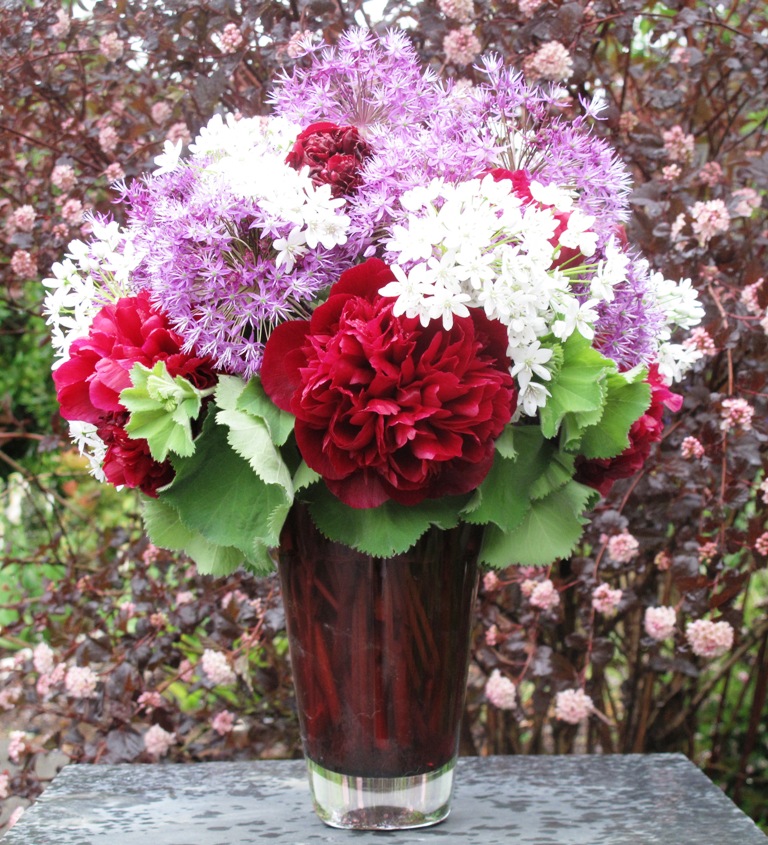
Peonies from Ojeda Farms

These luscious red peonies from a local grower reflect the garnet-colored art glass and complement two forms of ornamental allium.

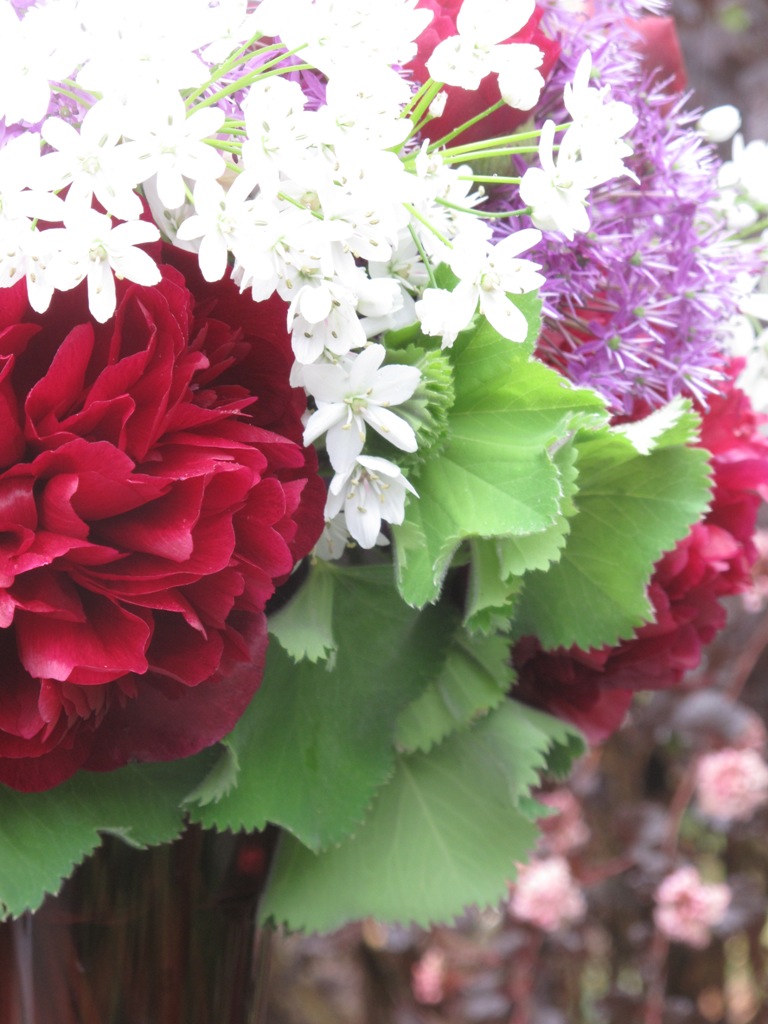
Foliage detail

The lady’s mantle foliage is absolutely the BEST for spring bouquets. And if your garden is like mine, it’s super abundant right now!

Ingredients:
10 stems red peonies, grown by Ojeda Farms
7 stems each ‘Purple Sensation’ and ‘Cowanii’ ornamental alliums, grown by Choice Bulb Farms
12 stems lady’s mantle foliage (Alchemilla mollis), harvested from my garden

Vase:
9-inch tall x 5-inch diameter hand-blown glass vase

Design 101
Create a collar: You can use flowers or foliage to ring the base of a bouquet or arrangement as a finishing detail. This technique is usually done as the bouquet’s last step. For this arrangement, I pre-cut the greenery and then added it beneath the peonies, slightly overlapping each stem as I worked around the circumference of the bouquet. Here, the lady’s mantle visually separates the dark red peonies from the wine-red vase.


By the Bunch: A NEW and beautiful local source for flowers

Thursday, May 9th, 2013

Lots of news to share, including this very timely interview that Seattle’s NPR station KPLU-FM aired today. Environment reporter Bellamy Pailthorp contacted me to discuss “sustainable flowers for Mother’s Day,” and thanks to her incredible interviewing and editing talents, a 25-minute conversation turned into a 4-1/2 minute segment. You can listen to it here.

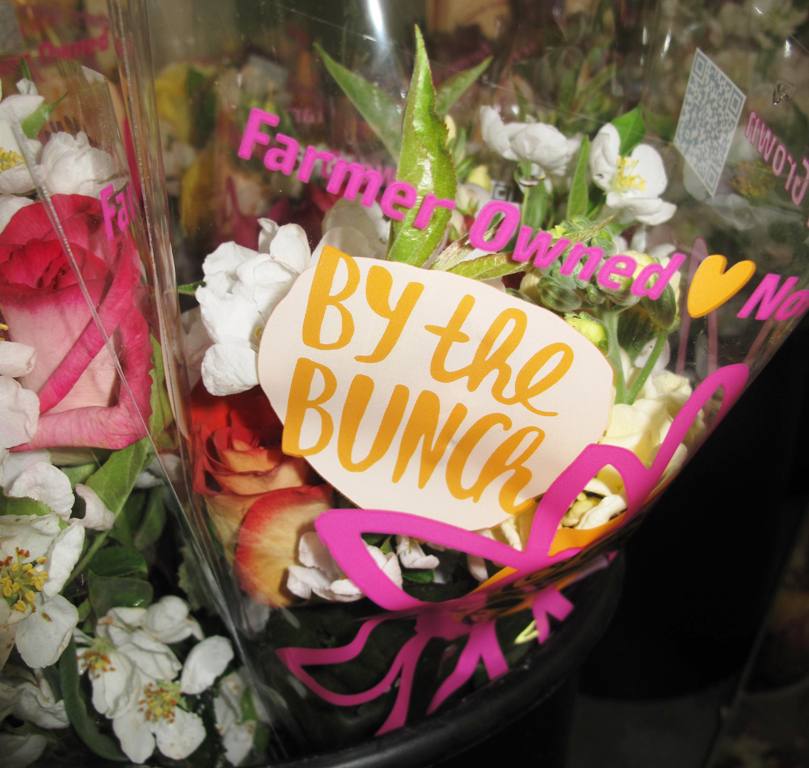
By the Bunch

Remember this cool logo: By the Bunch. It means these gorgeous bouquets are possible because their ingredients were grown by a bunch of awesome NW flower farmers

The interview gave me a chance to talk about the excitement at the Seattle Wholesale Growers Market – a just-launched supermarket bouquet program called “By the Bunch.” The beauty of this program is that it produces a sizeable income stream for every farmer-member at the SWGM Cooperative. Together they are so much more than the sum of their parts (or their flower fields, for that matter).

Today, the Thursday before Mother’s Day, was perhaps the most insane work day ever experienced by the Bouquet team, including managers Kristen Parris and Nicole Cordier, along with their new design team members, Carly and Michelle.

But in order to produce a staggering number of bouquets today – something like 700 bunches – flower farmers Diane Szukovathy and Vivian Larson had to show up and volunteer their time as bouquet-makers. I stopped by at around 9:30 a.m. to catch the activity.

Nicole with flowers

SWGMC Front-Desk Manager, talented designer and inspiring leader for the local flower movement, Nicole Cordier.

Oh, bouquet-making sounds so romantic, doesn’t it? But by 7 p.m., when I had to bring by supplies for a special event tomorrow morning, Kristen and Nicole were still there, finishing up the final 100 bunches. Ever-positive, but clearly exhausted, these women believe so much in getting sustainable and locally-grown blooms into the hands of Seattle area consumers that they are willing to go without food and breaks just to achieve the goal. As I told them: If you can get through Mother’s Day, you can do anything. (They probably didn’t need to hear it from me!)

Read more about the By the Bunch program here. The brand development, graphic design and packaging is supported by a USDA Multi-State Specialty Crop Block Grant through the Washington State Department of Agriculture and the Oregon Department of Agriculture.

My photos from today’s visit will wow you. If you haven’t figured out what to give Mom for her special day on Sunday, May 12th, stop by these outlets for LOCAL, SEASONAL Bouquets – straight from Northwest fields: PCC Natural Markets, Town & Country Markets and Madison Market.

My camera snatched some of today’s delicious springtime beauty to share:

Sweet Peas

Sweet peas – so yummy in color, fragrance and form~

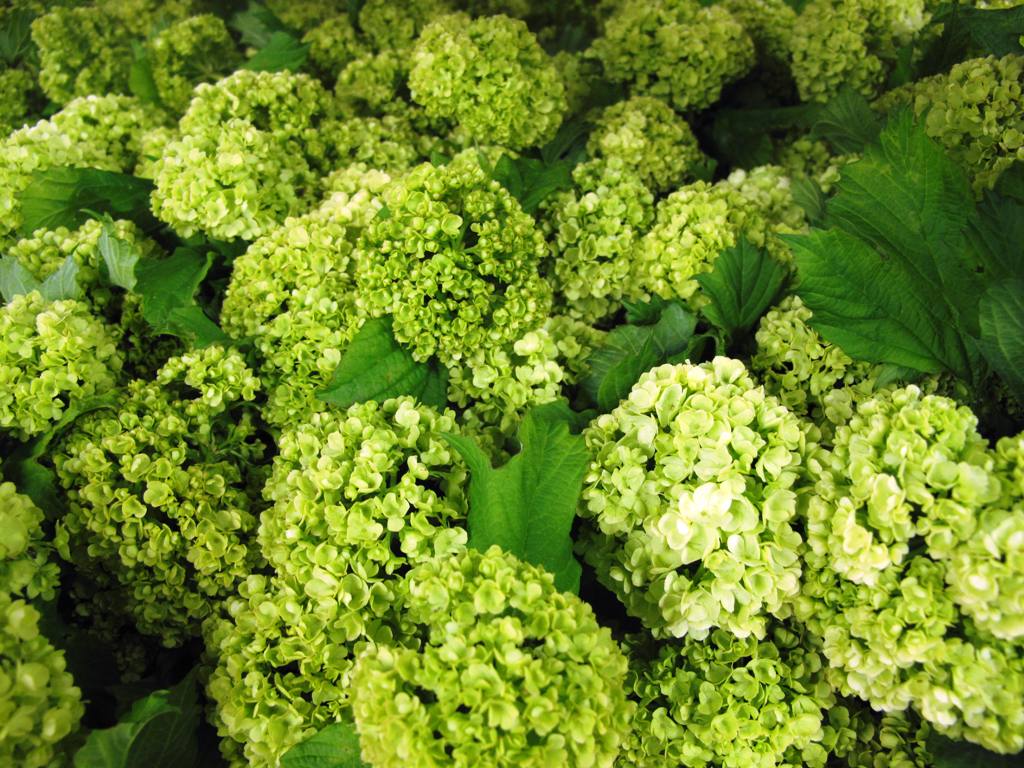
Snowball Viburnum

For the most perfect “fresh” green color of springtime, snowball viburnum. Aaah!

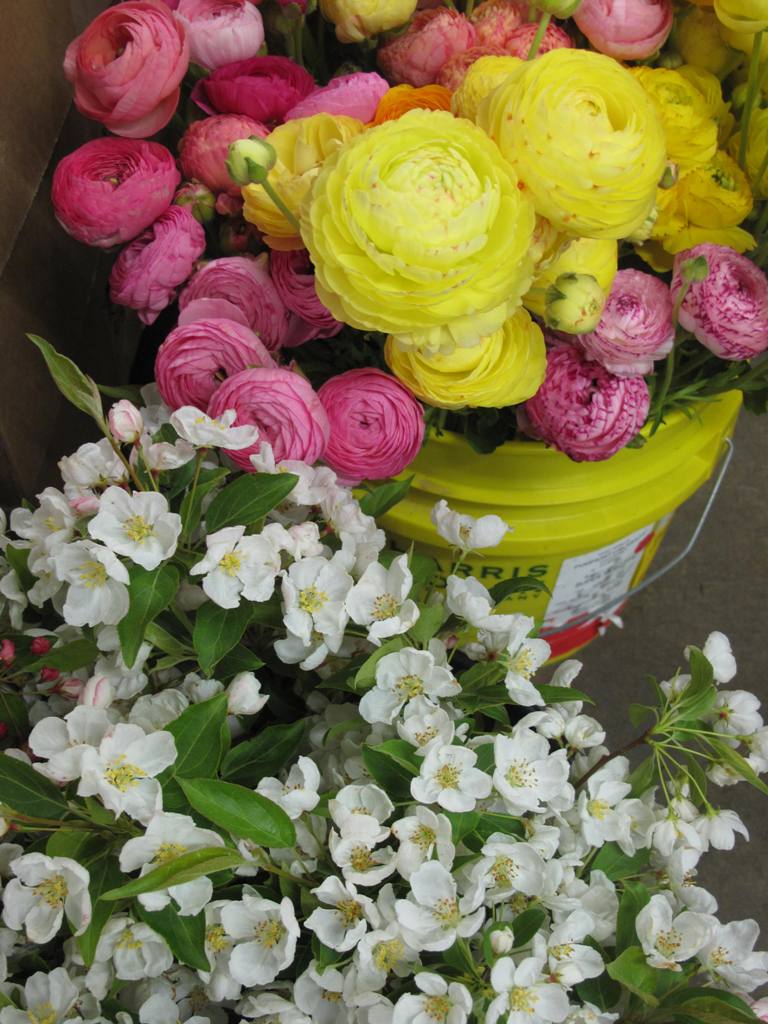
Ranunculus & Cherry blossoms

Just-picked floral elements await inclusion in mixed bouquets. Ranunculus and cherry blossoms

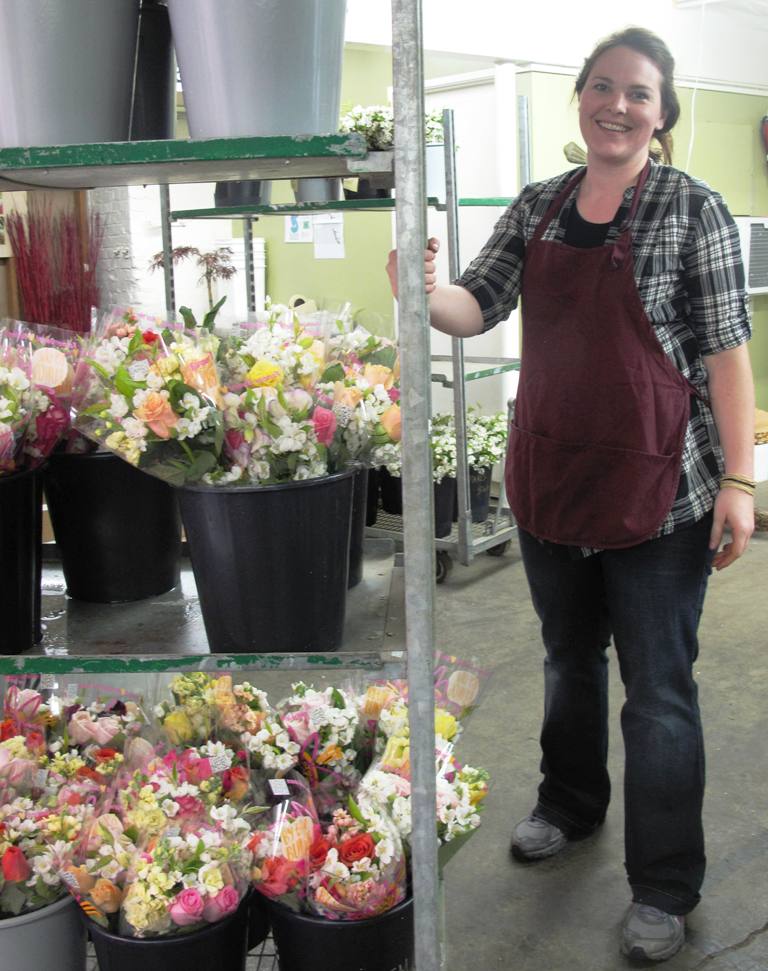
Michelle with bouquets

At 9:30 a.m. today, Michelle was ready to wheel an entire cart of bunches into the cooler. So exciting to have her on the SWGMC team!

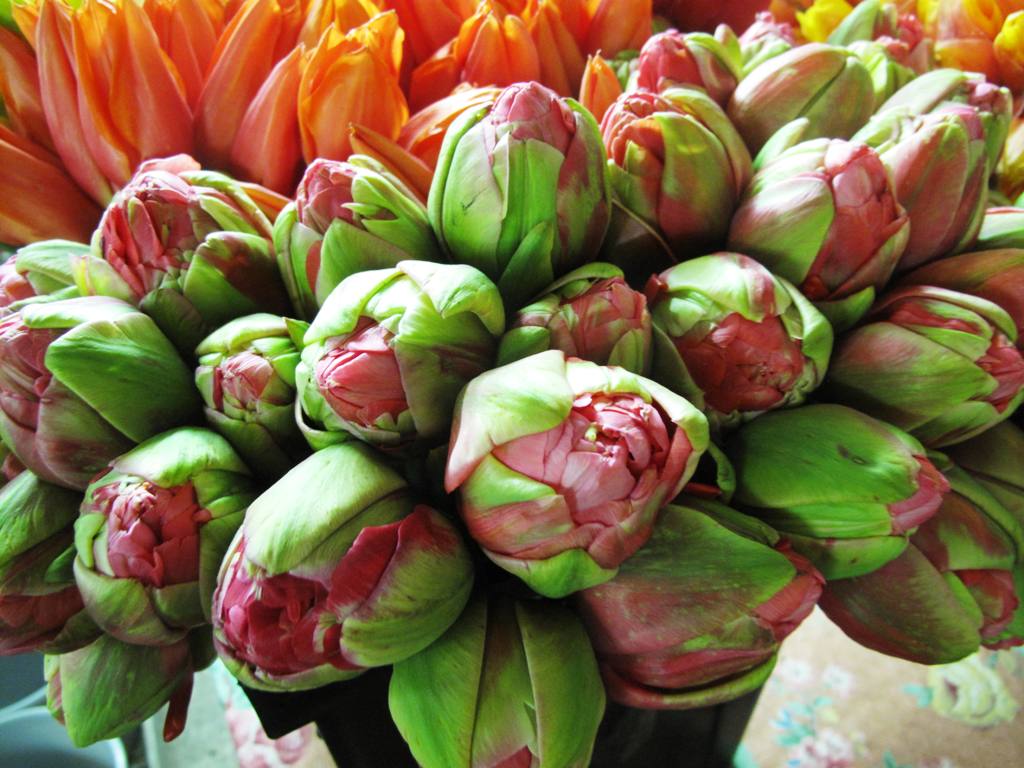
Field-grown Tulips

The combination of green and pink petals make this the most sublime tulip I’ve ever seen.

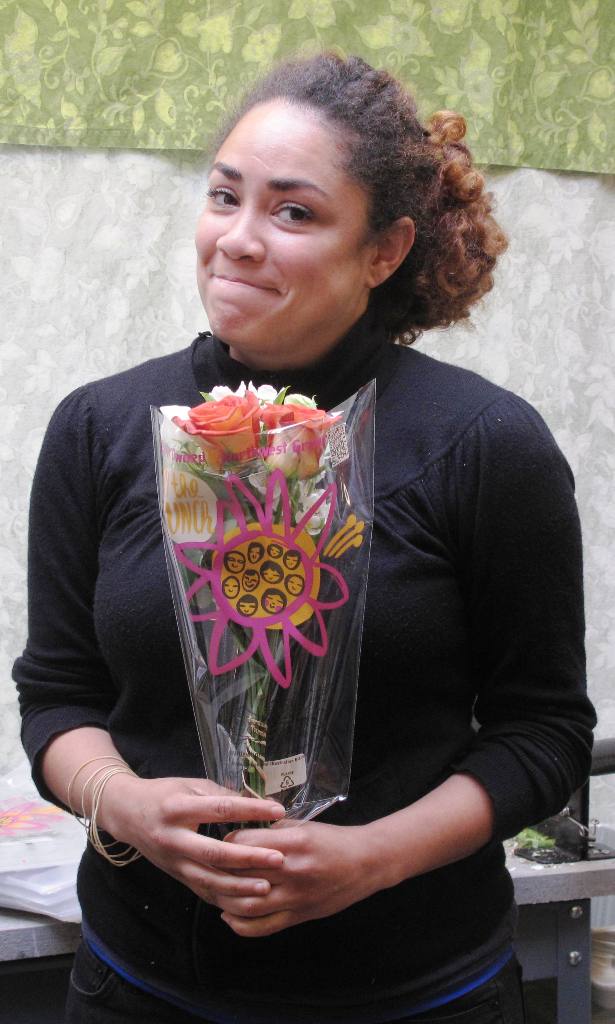
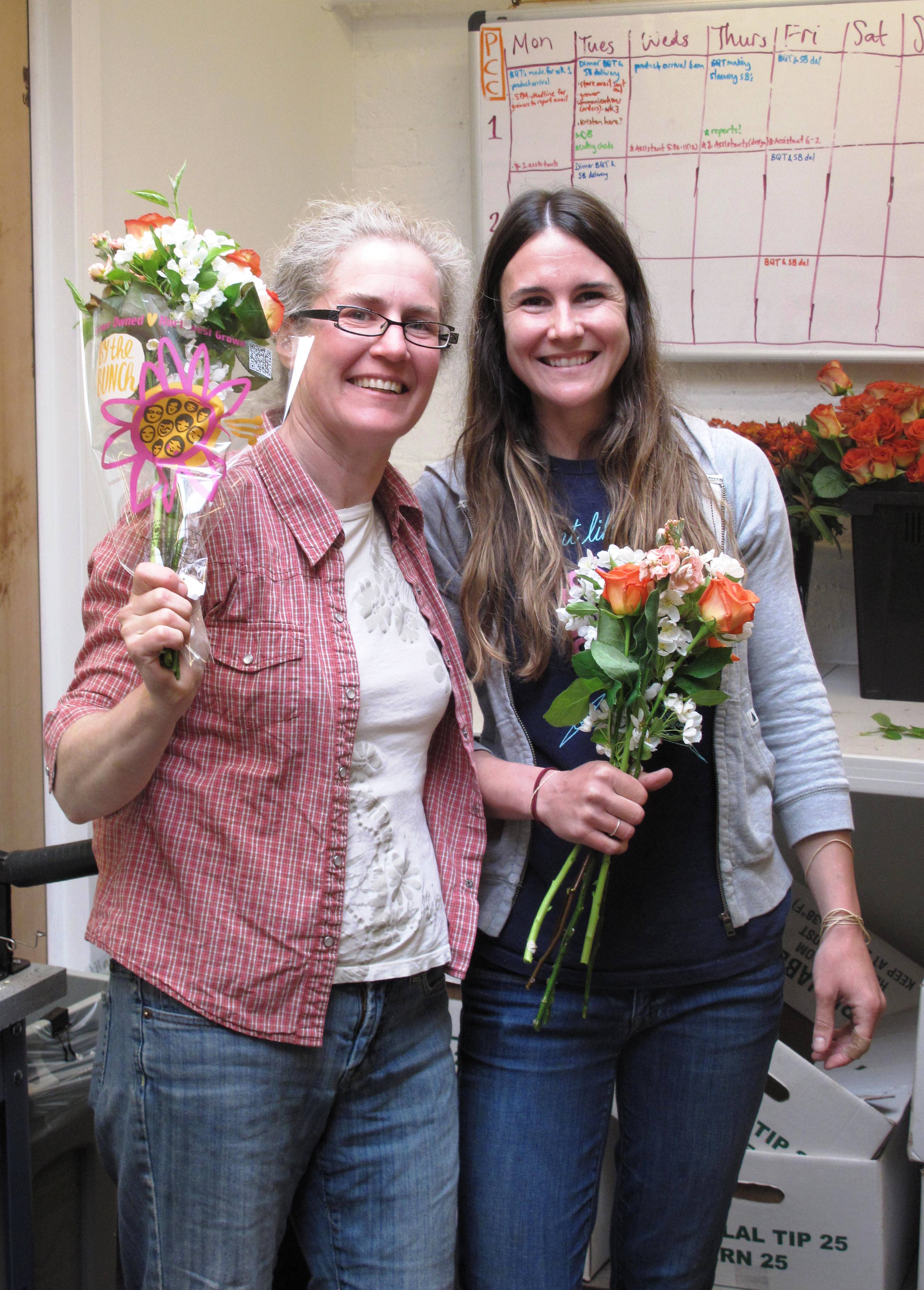
Diane & Carly

A moment to smile, and who wouldn’t? Creating bouquets for Mother’s Day is a special job – and Diane Szukovathy of Jello Mold Farm (and SWGMC president) was on hand to help designer Carly and the rest of the team this morning.

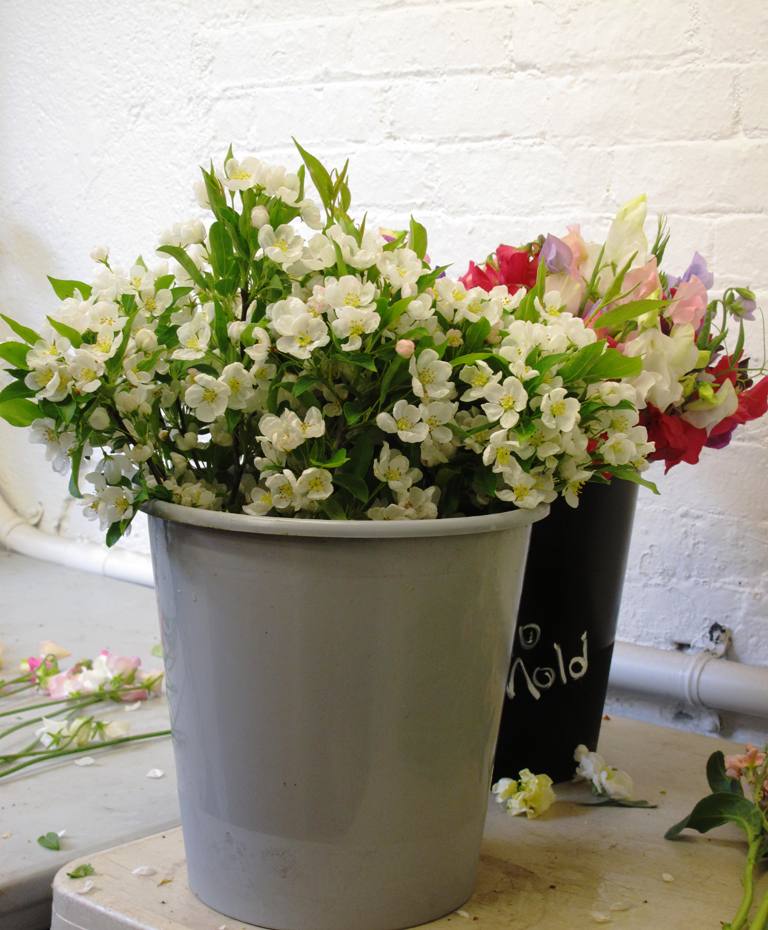
Cherry blossoms and sweet peas

Buckets of flowers, ready to gather into sweet Mother’s Day bouquets

Diane & Vivian

Two of the founding farmers of SWGMC, Diane Szukovathy and Vivian Larson, spent the morning making bouquets with the team.

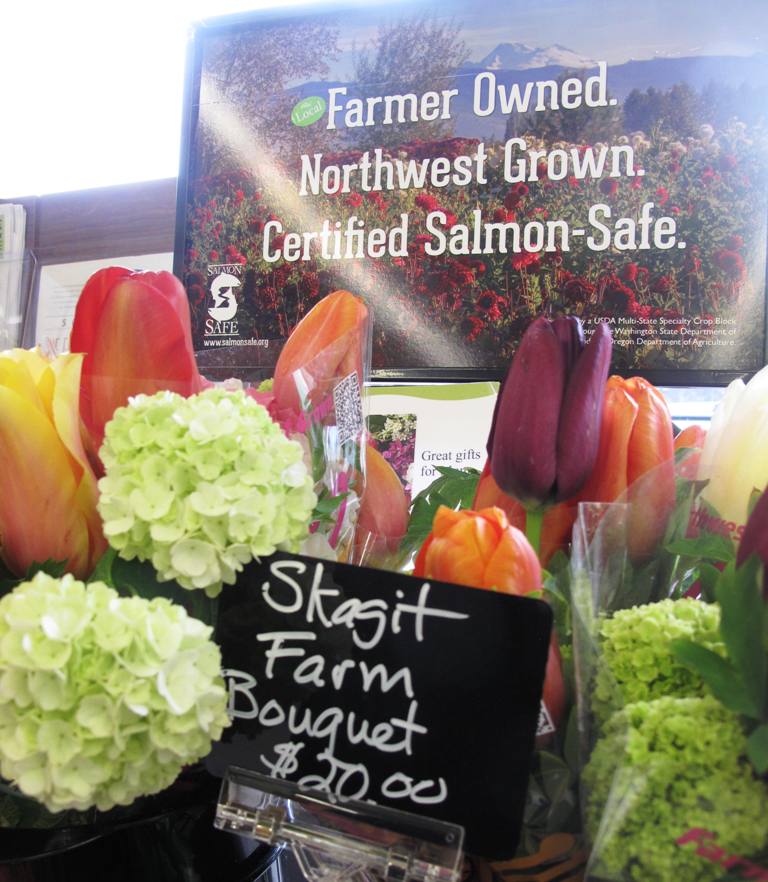
By the Bunch at PCC

Later this morning I stopped by my local PCC Natural Market to see the By the Bunch floral display. Gotta love this messaging~

For every mother out there, HAPPY MOTHER’S DAY ~ and may you enjoy your garden, your flowers and your families.

SLOW FLOWERS: Week 18

Sunday, May 5th, 2013

Still Life With Flowers

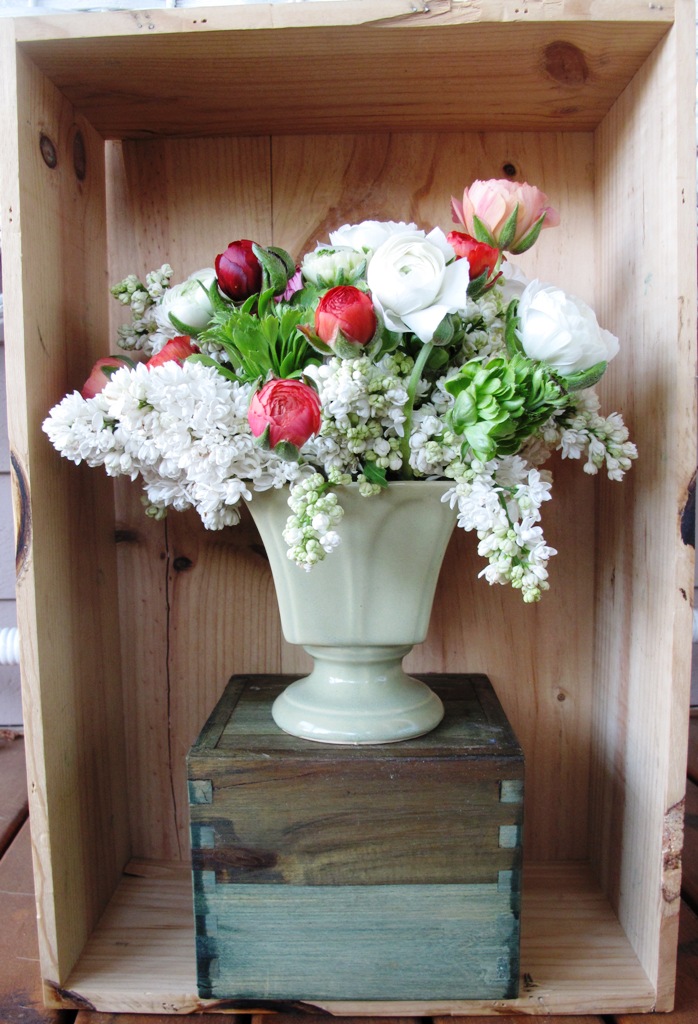
Shadow box

A wine crate serves as a shadowbox for this sweet spring bouquet of white lilacs and ranunculus in a bright pastel palette.

Ranunculus detail

Grower Vivian Larson’s delectable spring ranunculus are in big demand by floral designers.

Ingredients:

10 stems lilac (Syringa vulgaris), grown by Oregon Coastal Flowers

12 stems Ranunculus asiaticus, including ‘La Belle’ and ‘Super Green’ varieties, grown by Everyday Flowers

Vase:

5-inch tall x 5-inch wide x 3-inch deep vase (overall height is 5½ inches)

From the Farmer

Extending the vase life: For decades, it’s been the conventional wisdom of florists that woody shrubs, such as lilacs and hydrangeas, benefit from a second cut, a vertical slice up the center of the stem, to increase the surface area that can absorb water. But according to professors Lane Greer and John M. Dole, authors of Woody Cut Stems for Growers and Florists, a research-based reference, the practice “has never been proven to extend vase life.” The best thing you can do is to use clean, sharp pruners and refresh the vase water every day or so.


SLOW FLOWERS: Week 17

Sunday, April 28th, 2013

Jewel Tones

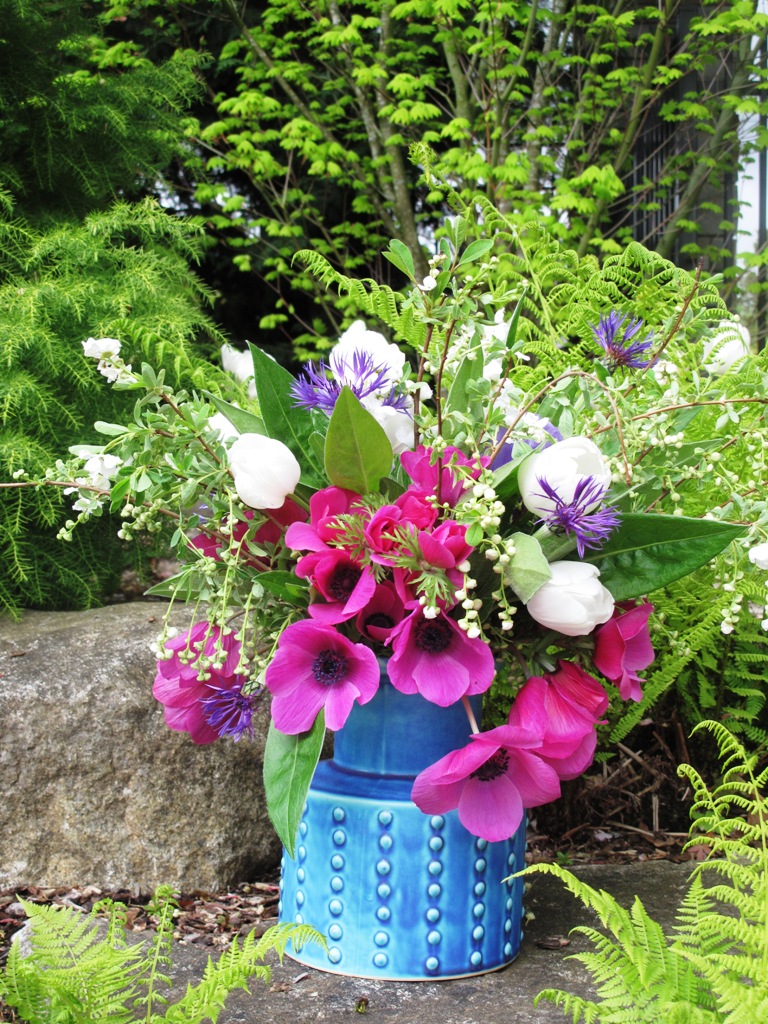
Jewel tones in a blue vase

This indigo-blue vase is a favorite of mine. Love it with fucshia anemones, bachelor’s buttons and white tulips.

Ingredients:

12 stems fuchsia anemones (Anemone coronaria ‘Galilee Pink), grown by Everyday Flowers

8 stems pearl bush (Exochorda x macrantha), grown by J. Foss Garden Flowers

6 stems bachelor’s buttons (Centaurea cyanus), harvested from my garden

7 stems white tulips, grown by Alm Hill Gardens

Vase:

8-inch tall x 6-inch diameter round vase with 5-inch opening

Stunning detail

Stunning detail shows those velvety black button-like centers of the anemones.

Design 101

Color wheel lesson: The flowers and vase combination illustrate an analogous color palette. Analogous colors are adjacent to one another on the color wheel. Fuchsia, purple and indigo are pleasing when viewed together because they each share varying quantities of the primary color blue. White floral accents offset the black centers of the anemones, adding a graphic punch to this composition.

SLOW FLOWERS: Week 16

Sunday, April 21st, 2013

Fresh and Fragrant

Lilacs and more

A yummy spring bouquet – straight from local farms and fields

Beautiful blooms

Another closeup – I can’t resist!


Ingredients:

10 stems purple lilacs (Syringa vulgaris), grown by Oregon Coastal Flowers

10 stems garden hellebores (Helleborus orientalis), grown by Jello Mold Farm

10 stems Fritillaria assyriaca, a spring-flowering bulb, grown by Choice Bulb Farms

Vase:

17-inch tall x 7-inch diameter cream urn

From the Farmer

Hellebore how-to: Anyone who grows hellebores in their garden knows how frustrating it is to cut a few blooms and bring them inside, only to watch them wilt in a vase of water. Now I enjoy success when I use hellebores in my bouquets, thanks to an important lesson shared by Diane Szukovathy, co-owner of Jello Mold Farm. “Harvest hellebores after they have matured past the flower stage and the seed pods are beginning to form,” she advises. “By then, the petals have started to leather up and those hellebores will be rock solid in an arrangement for ten days.”


SLOW FLOWERS: Week 15

Sunday, April 14th, 2013

A Floral Welcome

A Floral Welcome

This wonderful pocket vase adorns my front door, containing curly willow, garden hellebores and pretty white summer snowflakes.

Front door bouquet

A fresh and inspiring way to adorn your front door: a floral vase filled with spring blooms!

Ingredients:

10 stems garden hellebores (Helleborus orientalis), grown by Jello Mold Farm

12 stems summer snowflake (Leucojum aestivum), harvested from my garden

1 stem curly willow (Salix matsudana ‘Tortuosa’), harvested by Oregon Coastal Flowers

Vase:

9-inch tall x 6-inch wide, teardrop-shaped wall vase (4-inch diameter opening)

Design 101

Just add white: There are some floral designers who abide by the “rule of white,” which calls for adding white flowers to every design. Take a look at this arrangement and you’ll notice that a few white blooms go a long way. The bell-shaped snowflakes are smaller than the plum-colored hellebores, but they add a lot of cheer to the design. Especially when viewed from a distance, white flowers are impactful, making any arrangement young and fresh-looking.


Flower arranging when I really should be packing my suitcase . . .

Friday, April 12th, 2013

Leaving tonight for a crazy, 8-day trip to Southern California (see sidebar with all my lectures & events~).

I should definitely be packing, feeding the fish, watering my plants, writing out my husband’s oft-requested to-do list (he likes my “What To Do While I’m Away” Memos!).

Instead, I had these wonderful, locally-grown flowers to distract me. Photos capture a moment in today’s busy-ness.

Had to post them.

NOW. . . I can get back to the chores!

Detail: Narcissus & Lilacs

Detail: Narcissus & Lilacs

Now here’s the full bouquet, in a vase you will recognize from SLOW FLOWERS, cuz I used it so often!

First Lilacs of the Season

The first lilacs of the season come from Patrick and Monika Zweifel of Oregon Coastal Flowers. Yummmm!

And one more cheery spring bouquet, in a farm jug gifted to me by Jean Zaputil:

Springtime pitcher

Springtime pitcher


SLOW FLOWERS: Week 14

Sunday, April 7th, 2013

Chocolate-and-Vanilla

Chocolate and Vanilla Flowers

A graphic, fresh combination: dark-chocolate-colored Anthriscus sylvestris foliage with creamy white Viburnum tinus flowers.

A graceful spring bouquet

The white square dish, elevated on a pedestal, makes this simple grouping of flowers all the more special.

Ingredients:

8-11 Viburnum tinus blooms, harvested from Charlotte Behnke’s Seattle garden

6 stems Anthriscus sylvestris ‘Ravenswing’, grown by Jello Mold Farm

6 stems bridal wreath spirea (Spiraea cantoniensis ‘Flore Pleno’), grown by Charles Little & Co.

3 stems green dogwood (Cornus sp.), harvested by Oregon Coastal Flowers

Vase:

6-inch square x 3-inch deep white ceramic nut dish (overall height is 8 inches)

Design 101
Elevate for importance: There’s something appealing about lifting a floral arrangement with a footed vase or dish. It’s like giving your bouquet a little stage or platform to help it rise above its environment. This is especially noticeable with an arrangement designed to be viewed on all sides, such as a centerpiece. If you don’t have a footed dish or urn, you can use a cake plate to elevate your flowers!

NOTE: Each Sunday of this year, I post my photographs, a how-to “recipe” and tip for that week’s floral arrangement, created for my new book, Slow Flowers.

Enjoy the floral journey through 52 weeks of the year~