

Podcast: Play in new window | Download
Subscribe: Apple Podcasts | Podcast Index | RSS | More
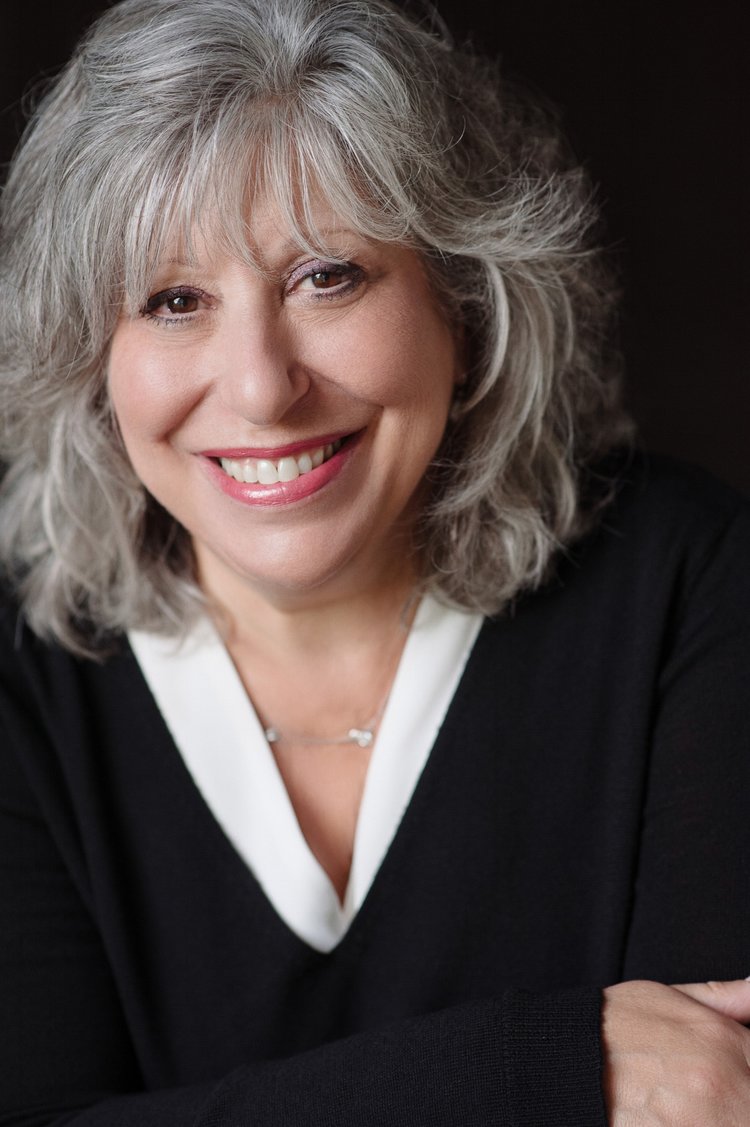
Robin Avni
Today’s guest helps us step out of the world of growing and designing with flowers and into the larger arena of creative strategy and the way we express ourselves and our brands through digital media.
I am delighted to welcome Robin Avni to the Slow Flowers Podcast.
The timing is ideal, as we come to the close of a calendar year and if you’re like me, you’re also finally allowing yourself to dream and imagine goals for 2019.
Robin’s consulting practice is called Bricolage; when translated from the original French.
The term means: *CREATION FROM A DIVERSE RANGE OF ELEMENTS.
Nearly a decade ago, I received a surprise invitation from Robin Avni to join a cohort of creatives she called Lifestyle Insights. Real Women. Real Life.
Tthat experience included me in a dream team of 12 female lifestyle experts, each of us with knowledge on a specific subject matter ranging from design, food, fitness and health to gardening, travel and family and parenting topics.
 I’ve always been drawn to Robin and her energy. She is a multi-talented, idea-a-minute visual and written communicator. I remember reading Robin’s home+technology design stories in the Seattle Times long before I was fortunate enough to meet her – which I recall was on a press tour of the former Seattle Interiors Show in 2004. Thanks to LinkedIn, we stayed in touch and years later, even though I was living in Los Angeles at the time, we’d get together when I was in Seattle on business.
Robin pioneered the idea of a female-focused creative media and consulting agency. Described as a select group of savvy lifestyle experts focused on how real women live, make choices and craft their worlds, Lifestyle Insights developed new-media content shaping messaging, programming, strategy and knowledge with intent – and a little bit of soul. Robin coined the phrase the MOMMY TO MAVEN™ marketplace.
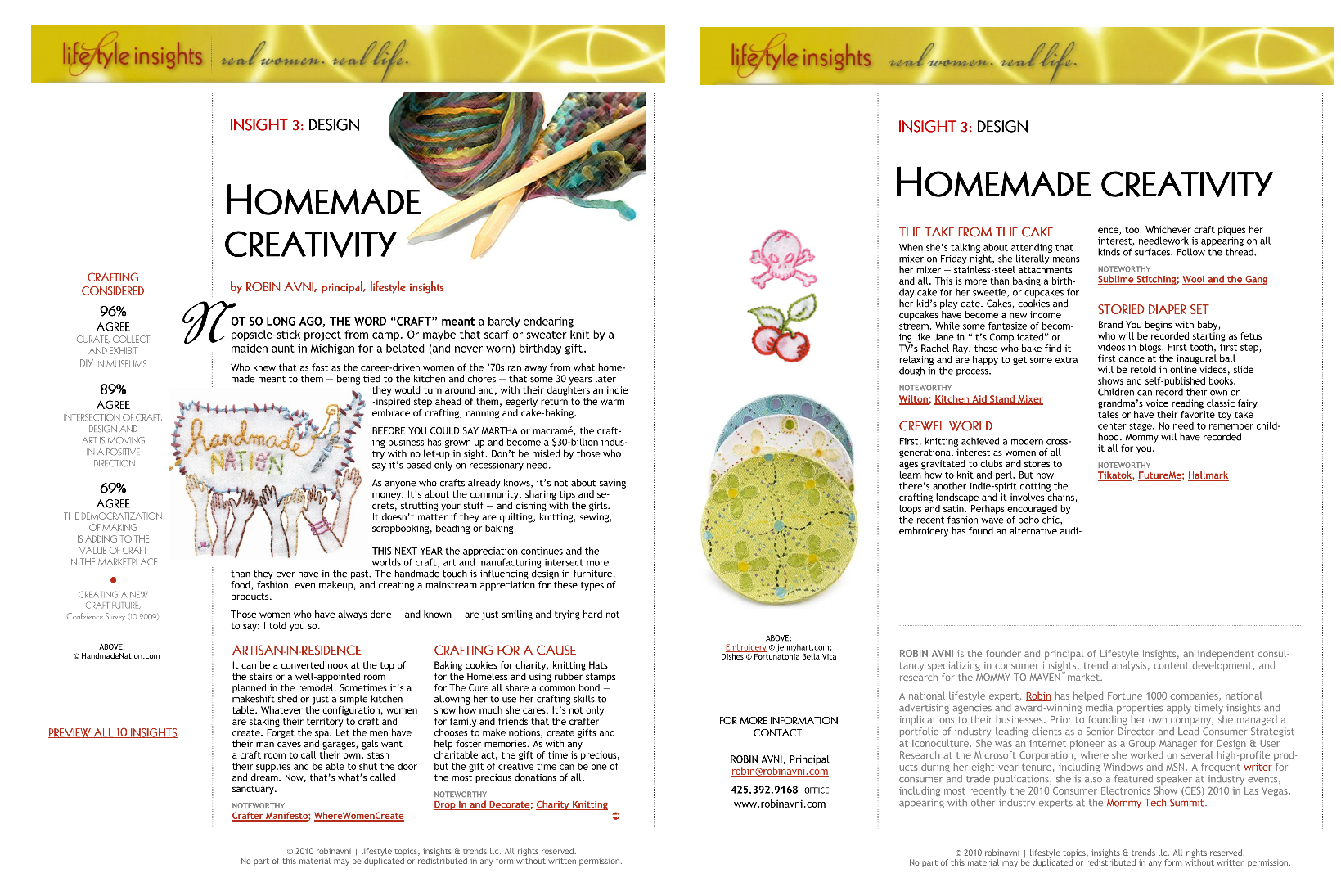
Here is one of the 2010 Lifestyle Insights. As Robin and I say: “We were ahead of our time!”
Together our group launched the daily blog, “Lifestyle Insights. Real Women. Real Life” in September 2009. The experience gave me a new forum to write in a new way, including fun, memoirish, essays, as well as outdoor living and gardening topics. I had to learn how to communicate my ideas in 300 words or less, which in today’s world of bite-sized journalism, is an excellent skill to have.
Through our blog and related projects, such as white papers and trend reports, Real Women. Real Life. spoke with a powerful voice urging corporations to re-think how to communicate with their female customers.
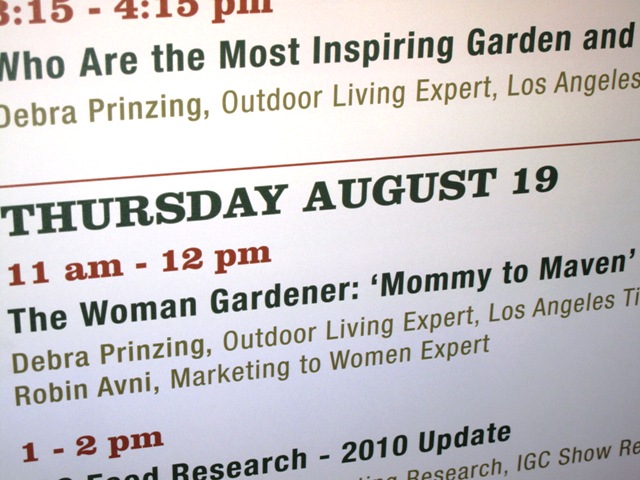
One of the highlights of that time was co-presenting with Robin at the Independent Garden Center conference in 2010 on the topic of: “The Female Gardener: Mommy to Maven.”
Our workshop shared some of the research and insights collected by Lifestyle Insights, with the goal of helping independent garden center owners and garden-related companies to understand the female consumer not just by obvious demographics of age, ethnicity or economics but by her life stages.
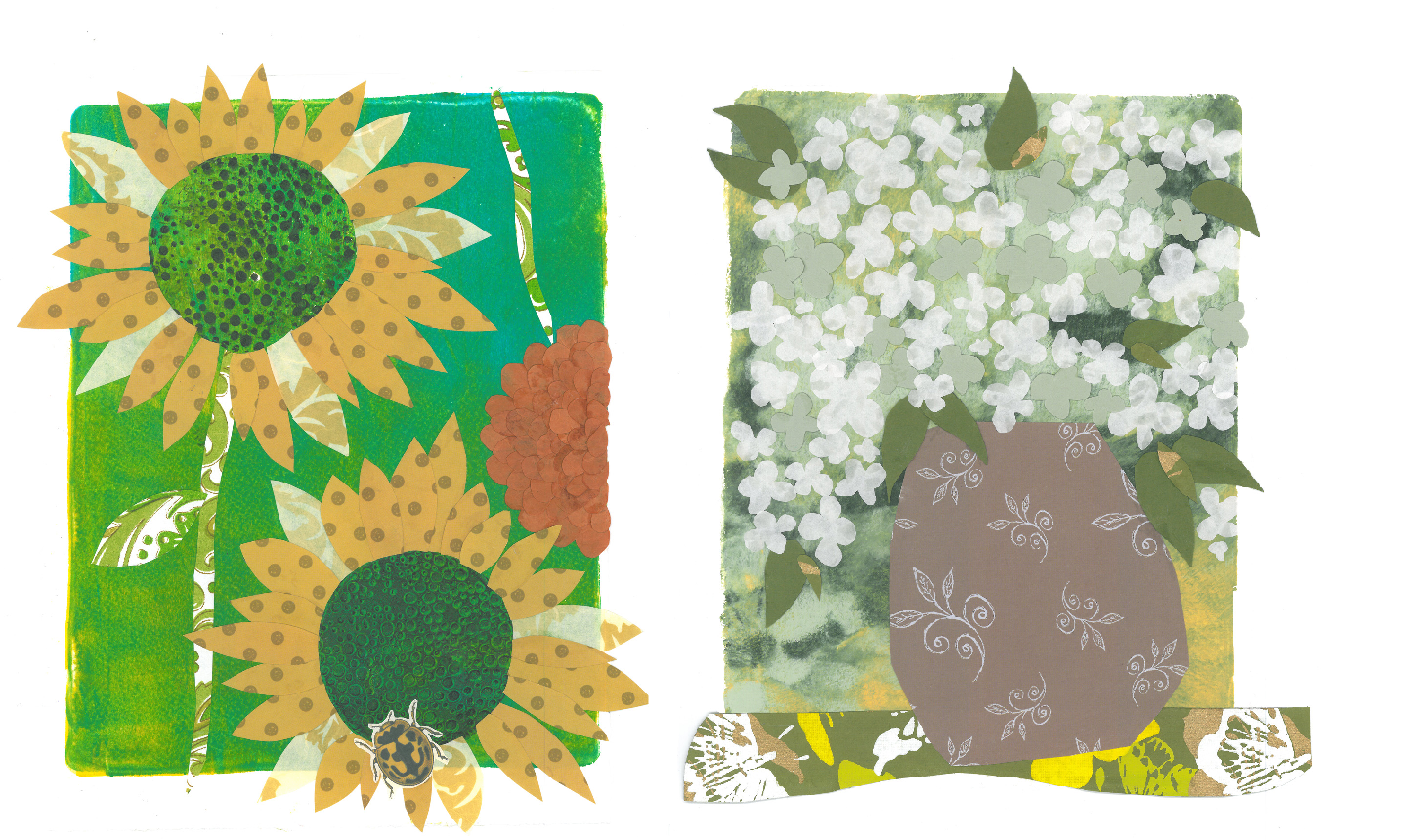
Botanical Prints by Robin Avni — I love that she is exploring her printmaking passion
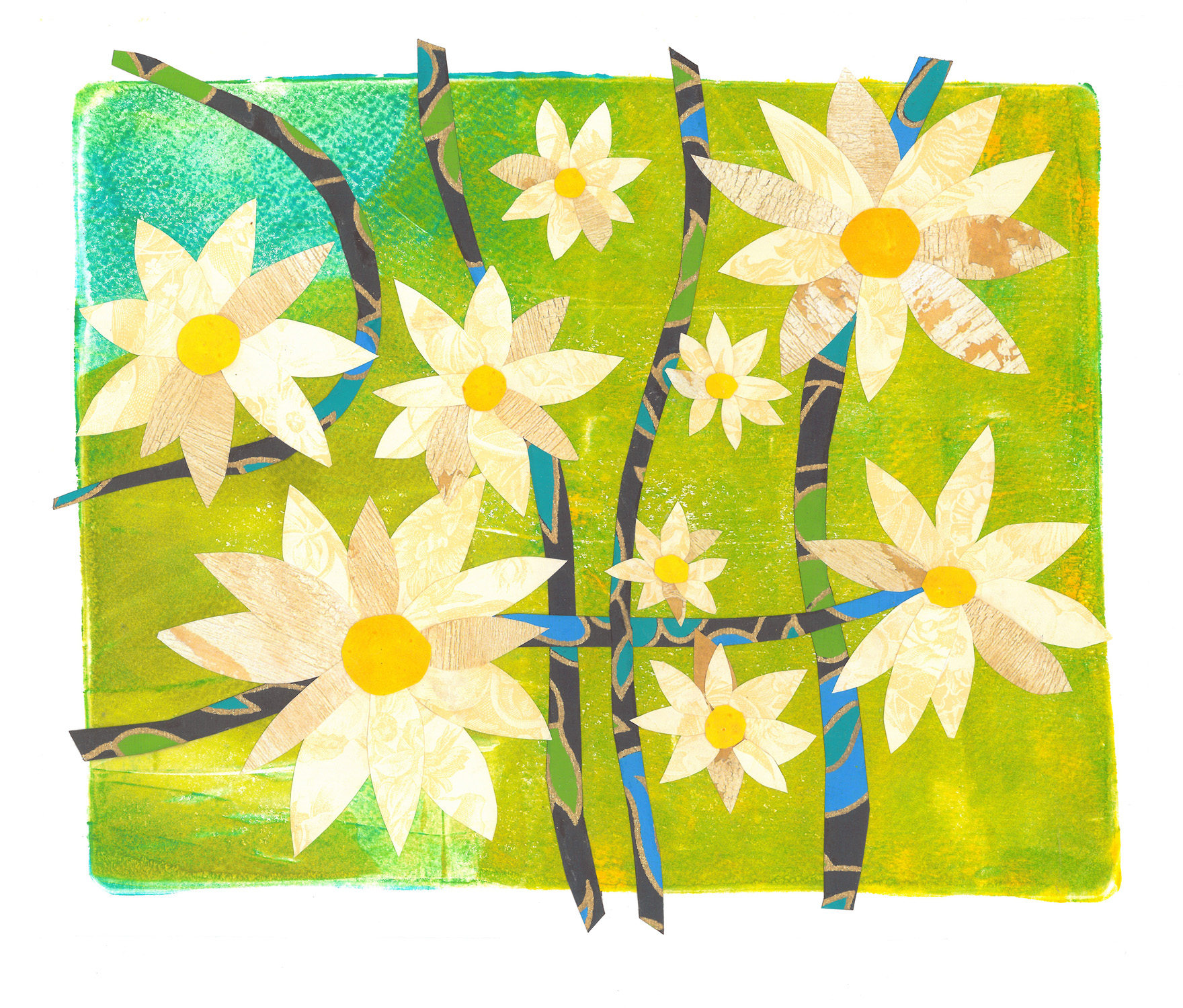
“Daisies,” by Robin Avni
Before we start the interview, here is a bit more about Robin Avni:
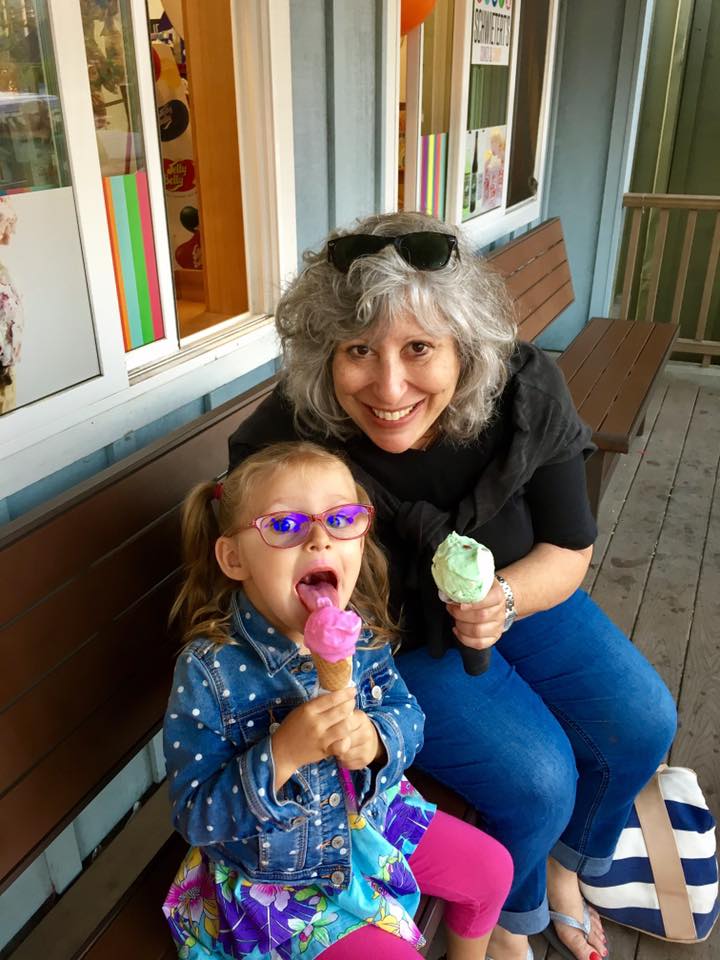
Robin’s #1 agenda these days includes her role as Grandmother!
Throughout her career in the media and high-tech industries, including eight years as a Group Design Manager at Microsoft, she has managed high-profile projects and award-winning teams.
As an Assistant Professor of Design at Cornish, Robin managed several academic/corporate projects including two collaborations with Amazon and a special grant from the Microsoft HoloLens team.
The Microsoft HoloLens Strategy Team sought to leverage the creative, problem-solving disposition of artists to explore the artistic possibilities of mixed reality.
The project culminated in a 2016 mixed reality gallery showing on the Cornish campus in Seattle showcasing unique mixed reality experiences through design, dance, and theatrical performance.
During her tenure at Microsoft, Robin created and produced V-Style, one of the first online style webzines, helped launch MSNBC, managed internal training resources for the product groups, and was a Group Manager for Design and User Research for Windows and SQL Server. Her years at Microsoft enabled her to catch the wave of a new era in design; one that would profoundly change the course of the design profession as new technologies changed methods of communication, content, and interaction design.
After Microsoft, Robin transitioned to consumer research managing a portfolio of Fortune 500 clients as a Senior Director and Lead Consumer Strategist at Iconoculture, and as a Senior Ethnographer at The Hartman Group, where she engaged in primary consumer qualitative research.
In 2015, she became an Assistant Professor of Design at The Cornish College of the Art where her academic research focused on visual communication, social photography, and the intersection of technical tools and creativity.
Robin is a frequent speaker at industry conferences as well as serving on national and local boards and commissions; including the Knight Curriculum Advisory Committee at the Indiana University School of Journalism, where she received her BA in journalism. She holds a Master of Communication in Digital Media from the University of Washington. Robin was also the recipient of a post-graduate Knight-Wallace Fellowship at the University of Michigan.
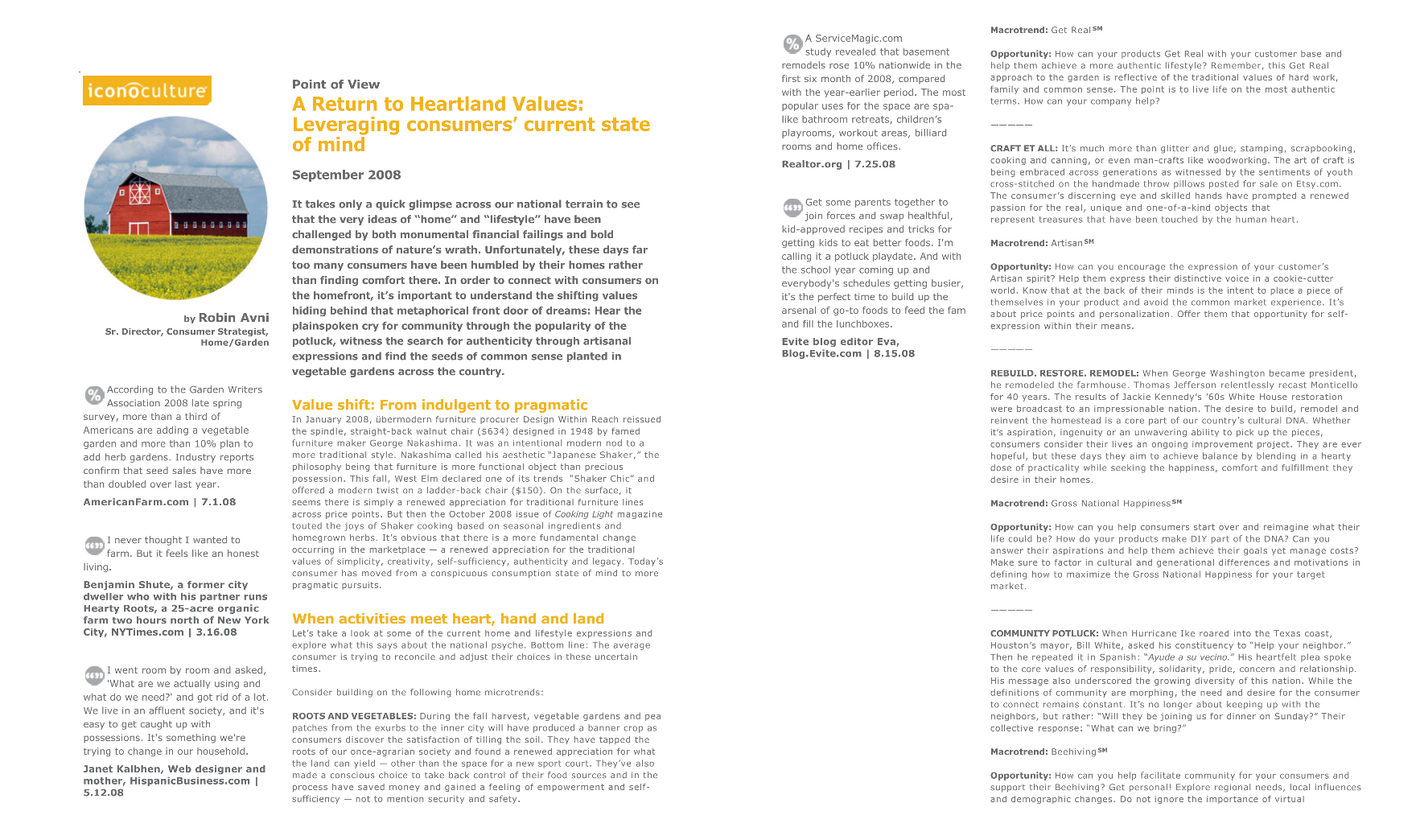
This is an insights report that Robin wrote for Iconoculture back in 2009 on “A Return to Heartland Values.”
Robin mentioned several of the design forecast reports she uses, so I’ve pulled links to those to share in our show notes, as well.
Other key links:
Find Robin Avni at her web site
Follow Robin Avni on Instagram
Bainbridge Artisan Resource Network
Design Matters class at the BARN (January 26-27, 2019)
Adobe Visual Trend Forecast
I think we all need to draw inspiration from the larger cultural landscape, or as Robin says, the cultural zeitgeist, to guide our own branding choices, so be sure to check out what inspires her — I hope you find something new that triggers a fresh idea or path to take for 2019.
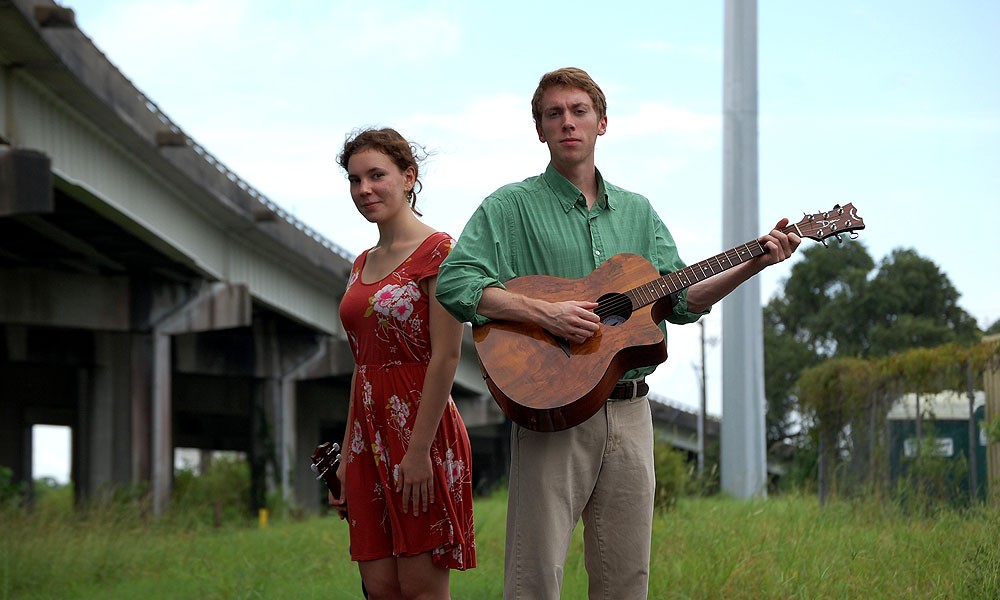
Eva and Nathan Leach (c) Charleston City Paper
Next week, I invite you to enjoy our fourth annual Slow Flowers Holiday Music Special Episode, and I’m incredibly excited to welcome singer-songwriter duo Nathan and Ava Leach.
If you’ve attended Holly Chapple’s Flowerstock Festival, you’ve been treated to live performances by Nathan and Eva. That’s how I met them and I’m so excited they’re coming on the Slow Flowers Podcast to share their story and music with us as we ease into the holiday spirit!
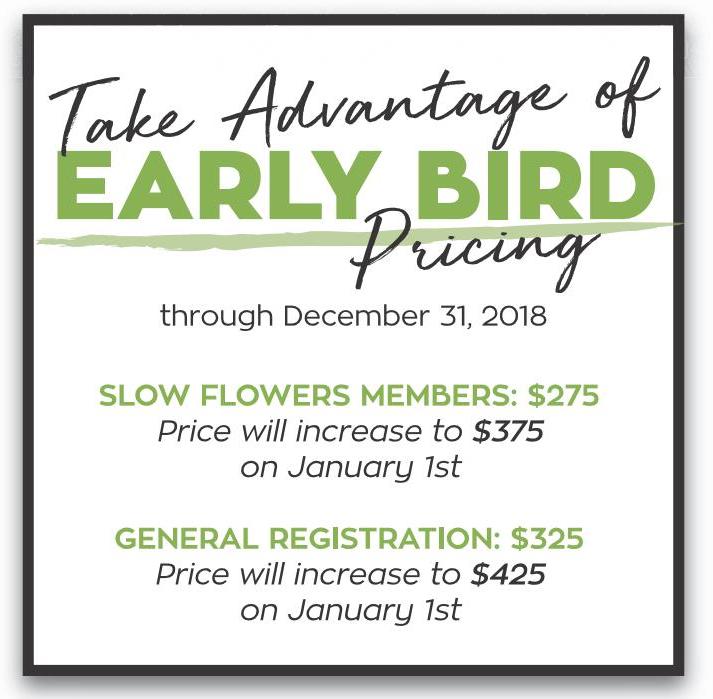 Don’t forget to visit the Slow Flowers Summit web site for all the details about the 2019 Slow Flowers Summit, scheduled for July 1st & 2nd in St. Paul, Minnesota — you can grab an Early Bird ticket and save $100 if you register by December 31st. Slow Flowers Members receive preferential pricing, so check it out.
We’ve also just posted all the details about the June 30th pre-conference tour of two Minnesota flower farms — Blue Sky Flower Farm & Green Earth Growers, both Slow Flowers Members, AND the first-ever Slow Flowers Dinner on the Farm, with the Summit Speakers and fellow conference attendees, which will take place at Green Earth Growers outside Minneapolis. This is a ticketed event and you can find details at Slow Flowers Summit.com.
Take the Pledge!!!
We have a vital and vibrant community of flower farmers and floral designers who together define the Slow Flowers Movement.
As our cause gains more supporters and more passionate participants who believe in the importance of the American cut flower industry, the momentum is contagious.
I know you feel it, too. I value your support and invite you to show your thanks and with a donation to support my ongoing advocacy, education and outreach activities. You can find the donate button in the column to the right.
The Slow Flowers Podcast has been downloaded more than 387,000 times by listeners like you. Thank you for listening, commenting and sharing – it means so much. Thank you all!
 Thank you to our sponsors for supporting The Slow Flowers Podcast.
Florists’ Review magazine. I’m delighted to serve as Contributing Editor for Slow Flowers Journal, found in the pages of Florists’ Review. It’s the leading trade magazine in the floral industry and the only independent periodical for the retail, wholesale and supplier market. Take advantage of the special subscription offer for members of the Slow Flowers Community
Arctic Alaska Peonies, a cooperative of passionate family farms in the heart of Alaska providing bigger, better peony flowers during the months of July and August. Visit them today at arcticalaskapeonies.com
Seattle Wholesale Growers Market, a farmer-owned cooperative committed to providing the very best the Pacific Northwest has to offer in cut flowers, foliage and plants. The Growers Market’s mission is to foster a vibrant marketplace that sustains local flower farms and provides top-quality products and service to the local floral industry. Find them at seattlewholesalegrowersmarket.com
Longfield Gardens provides home gardeners with high quality flower bulbs and perennials. Their online store offers plants for every region and every season, from tulips and daffodils to dahlias, caladiums and amaryllis. Visit them at longfield-gardens.com.
Syndicate Sales, an American manufacturer of vases and accessories for the professional florist. Look for the American Flag Icon to find Syndicate’s USA-made products and join the Syndicate Stars loyalty program at syndicatesales.com.
Johnny’s Selected Seeds, an employee-owned company that provides our industry the best flower, herb and vegetable seeds — supplied to farms large and small and even backyard cutting gardens like mine. Check them out at johnnysseeds.com.
Association of Specialty Cut Flower Growers. Formed in 1988, ASCFG was created to educate, unite, and support commercial cut flower growers. It mission is to help growers produce high-quality floral material, and to foster and promote the local availability of that product. Learn more at ascfg.org
Mayesh Wholesale Florist. Family-owned since 1978, Mayesh is the premier wedding and event supplier in the U.S. and we’re thrilled to partner with Mayesh to promote local and domestic flowers, which they source from farms large and small around the U.S. Learn more at mayesh.com.
Certified American Grown Flowers. The Certified American-Grown program and label provide a guarantee for designers and consumers on the source of their flowers. Take pride in your flowers and buy with confidence, ask for Certified American Grown Flowers. To learn more visit americangrownflowers.org.
And the Team Flower Conference – a professional floral event where flower lovers from all over the world gather for networking, learning, and celebration. It’s a special time for the floral industry to come together and whether you’re a farmer, designer, wholesaler, or just love flowers, you’re invited to attend as Team Flowers dreams big for the industry’s future. Head to teamflower.org/slowflowers to learn more about the 2019 conference in Waco, Texas!
I’m Debra Prinzing, host and producer of the Slow Flowers Podcast.
Next week, you’re invited to join me in putting more American grown flowers on the table, one vase at a time. And If you like what you hear, please consider logging onto iTunes and posting a listener review.
The content and opinions expressed here are either mine alone or those of my guests alone, independent of any podcast sponsor or other person, company or organization.
The Slow Flowers Podcast is engineered and edited by Andrew Brenlan. Learn more about his work at soundbodymovement.com.